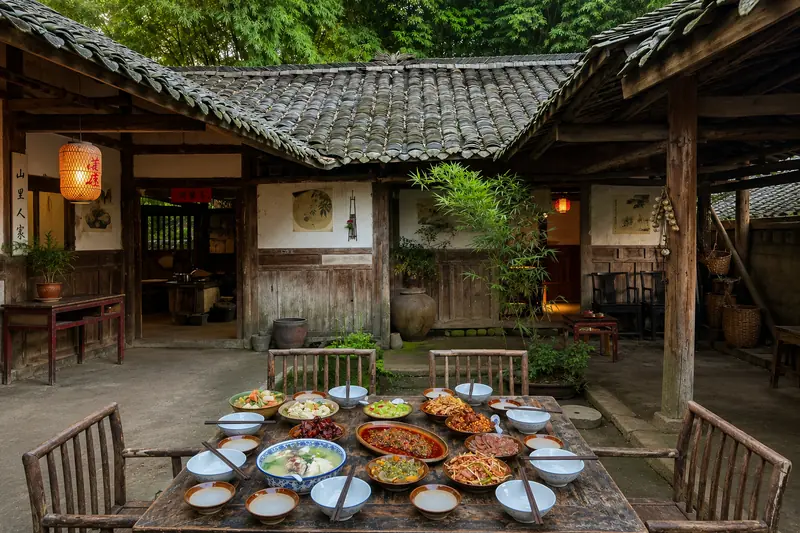
Anhui cuisine (安徽菜), often introduced in English as Hui cuisine (徽菜), is one of the most under-explained food worlds for foreign travelers in eastern China. It sits close to famous destinations like Huangshan (黄山), Hongcun (宏村), Xidi (西递), and Tunxi Old Street (屯溪老街), but the food is more than a side note to the mountains and villages.
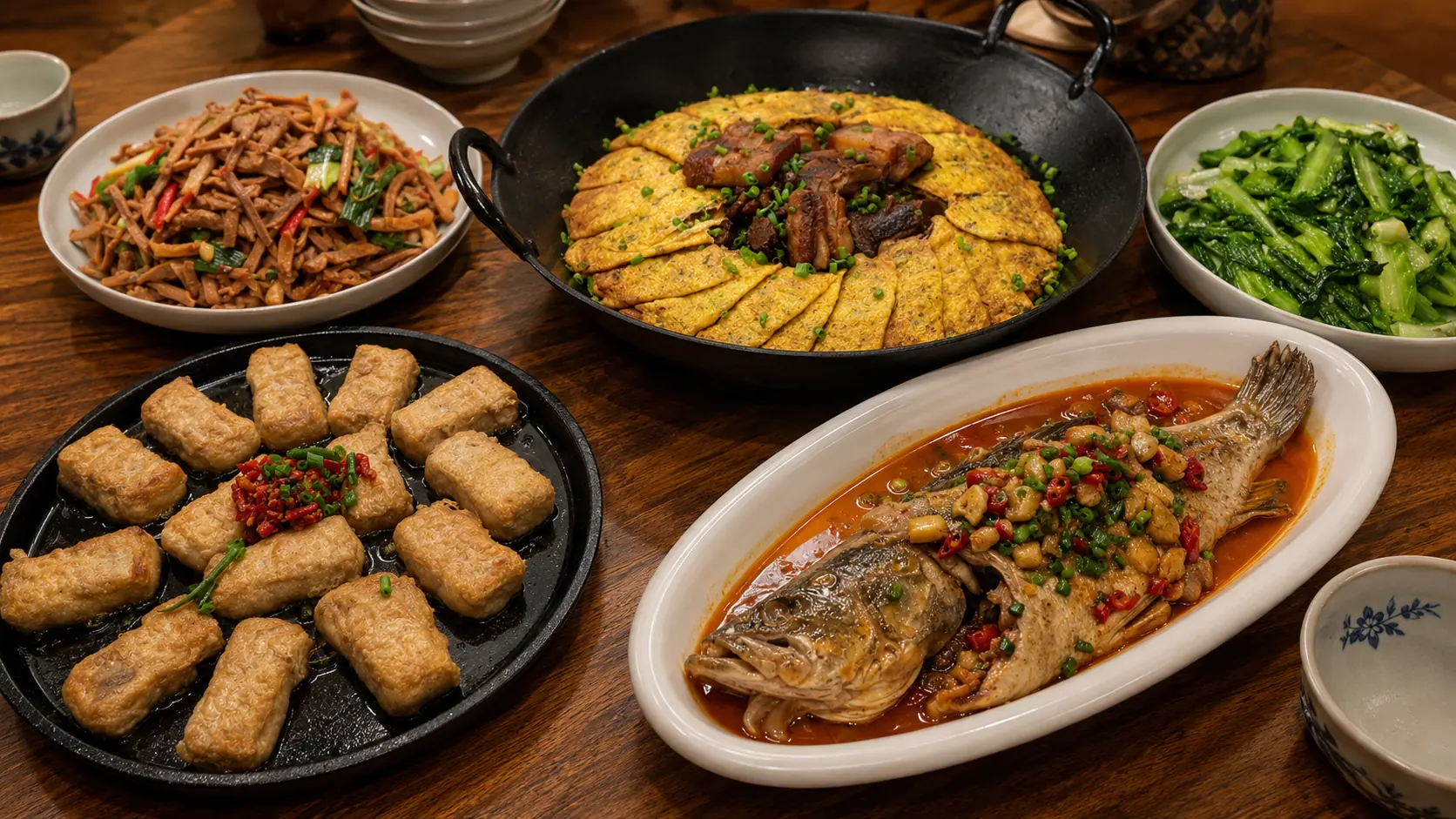
Use this guide as the province-level flavor map. Our Huangshan region guide, Hongcun guide, and Xidi guide already tell you where the food fits into a trip. This article explains the cuisine itself: why mountain greens, bamboo shoots, mushrooms, ham, cured pork, fermented fish, hairy tofu, river fish, slow braises, and careful heat control make Anhui food different from nearby Jiangsu, Zhejiang, and Fujian.
Executive Summary
What this guide covers
Anhui and Hui cuisine as a regional food system: Huizhou mountain dishes, fermented fish, hairy tofu, bamboo shoots, ham, cured pork, slow braises, Hefei banquet dishes, and diet or ordering notes.
Best first table
For two people, keep it simple: one fermented anchor, one bamboo-shoot or green vegetable dish, rice, and one small snack if needed. Groups can add cured pork, a pot, or a stew.
Main traveler challenge
The flavors are earthy and savory rather than simply spicy. Watch for fish bones, pork, ham, lard, meat stock, soy sauce, wheat snacks, high-salt fermented foods, and unclear wild-animal wording.
8 cuisines
Classic regional status
Huizhou
Core mountain base
Slow fire
Braising and stewing
Ask first
Bones, pork, fermentation
Hui Cuisine Means Anhui, Not Halal
First, clear up the name. In this food context, Hui cuisine (徽菜) refers to Anhui and the historic Huizhou (徽州) region, not to the Hui Muslim ethnic group. That matters because travelers also see "Hui" in Xinjiang or halal-restaurant contexts and can assume the same meaning. This guide is about Anhui regional cuisine.
Anhui cuisine is widely counted among China's Eight Great Cuisines. Britannica's Chinese cuisine overview lists Hui, or Anhui, cuisine among the eight and describes it through wild ingredients, braising, stewing, mountain herbs, vegetables, and game.
That traditional frame needs a modern travel filter. For today's table, think bamboo shoots, mushrooms, local greens, tofu, river fish, farmed meats, preserved foods, and patient cooking. Do not treat "game" or unclear wild-animal menu wording as something to chase; after China's 2020 wildlife-food decision, the practical advice for visitors is simple: stick with ordinary, clearly identified legal ingredients.
The most famous branch is southern Anhui, especially the old Huizhou area around Huangshan, Shexian (歙县), Yi County (黟县), Jixi (绩溪), Hongcun, Xidi, and Tunxi. That is where many travelers meet stinky mandarin fish, hairy tofu, bamboo shoots, Huizhou one-pot dishes, sesame cakes, tea, and ancient-village food streets.
1Southern Anhui
Huizhou is the clearest mountain-food identity: Huangshan, Shexian, Yi County, Jixi, Hongcun, Xidi, Tunxi, fermented fish, hairy tofu, and sesame cakes.
2Yangtze River
Wuhu, Anqing, and other river-side cities lean toward fish, home-style braises, and a softer connection to Jiangsu and Zhejiang foodways.
3Huai River North
Northern Anhui brings more grain, poultry, and home-cooking character. You do not need the sub-schools; just avoid judging the whole province by one Huangshan dinner.
Do not confuse Hui cuisine with halal Hui food
On this page, Hui cuisine means Anhui or Huizhou cuisine. It is not automatically halal. Many classic dishes use pork, ham, lard, or non-halal cooking stock.
Fermented Fish Is the First Test
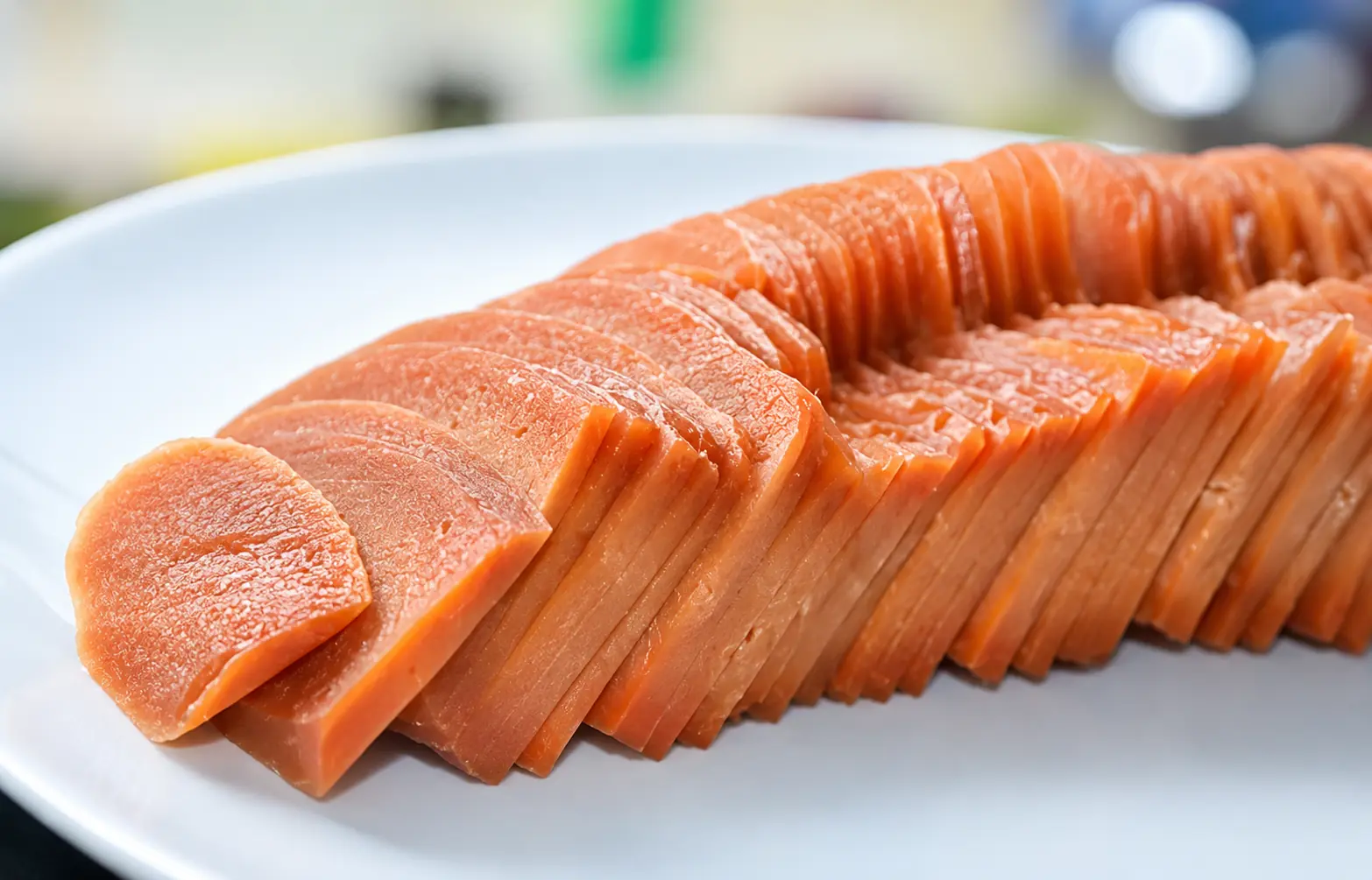
The dish that makes Anhui famous outside the province is stinky mandarin fish (臭鳜鱼). It is a salt-cured, lightly fermented, then braised fish dish, not spoiled fish.
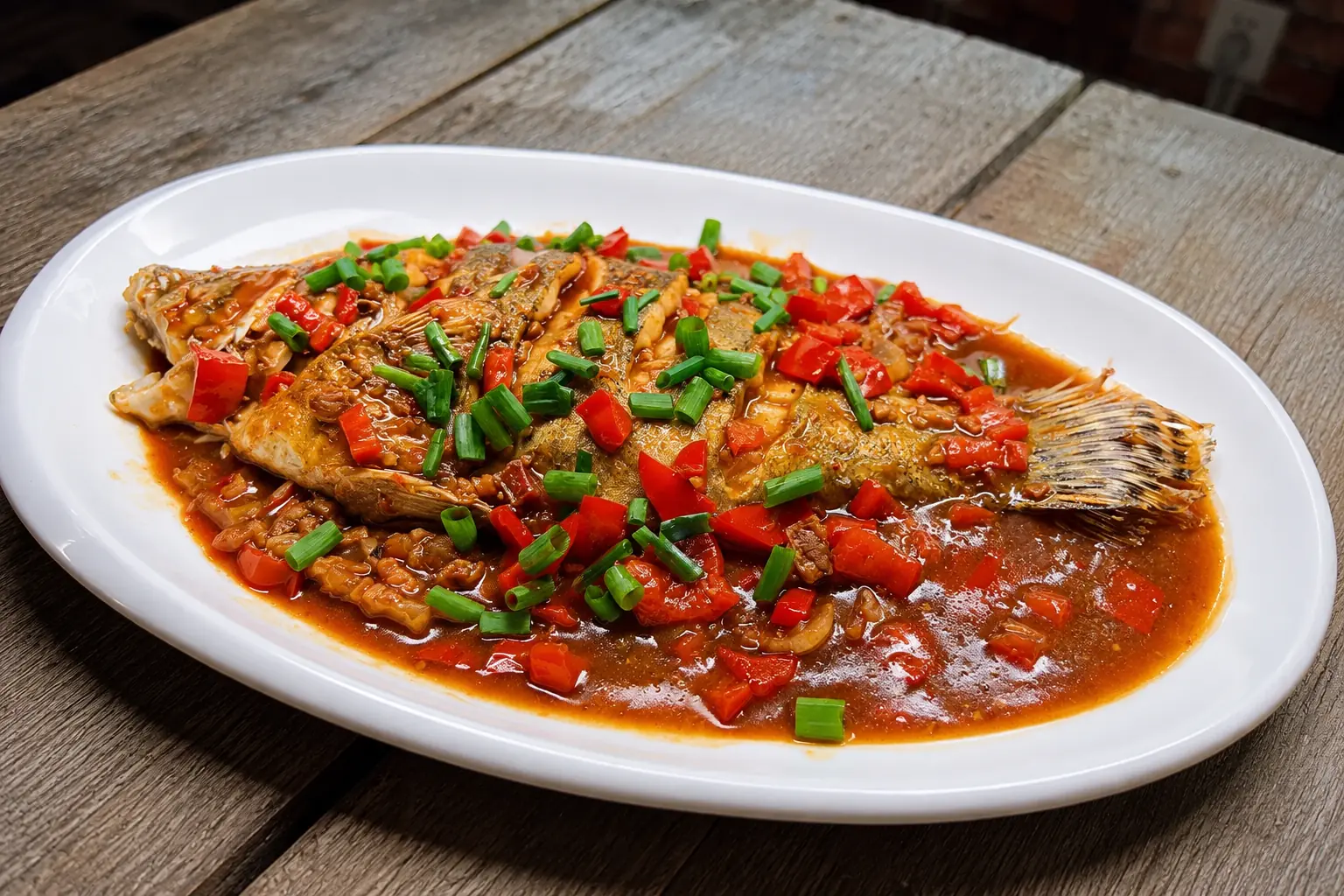
A China Daily government travel page connects the dish with Hui cuisine and a popular origin story of mandarin fish being salted for transport to Huizhou roughly two centuries ago. Modern restaurants deliberately cure or ferment the fish, then stew, braise, or pan-fry it so the flesh becomes firm, savory, and surprisingly clean-tasting under the aroma.
For a first-timer, the aroma arrives before the flavor. The taste is usually milder than the name suggests: salty, fermented, slightly sweet from the fish, and excellent with rice. Travelers who already like blue cheese, cured fish, fermented bean sauces, or strong anchovy flavors usually find it approachable.
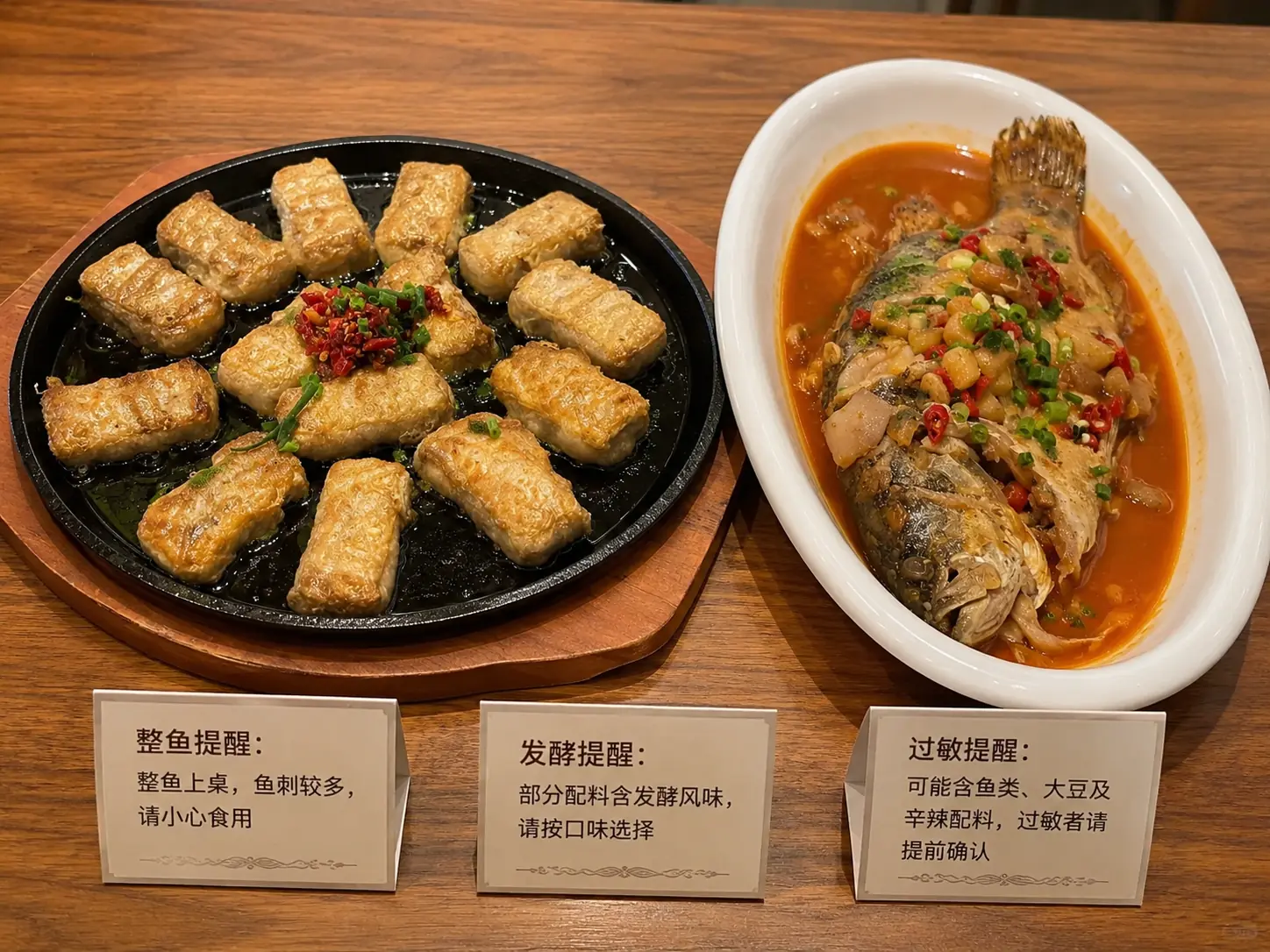
The real traveler risk is not only smell. Stinky mandarin fish is usually served whole or bone-in. Children, hurried eaters, and anyone unused to whole fish should slow down. If the menu lists a market price, confirm whether it is priced by fish, portion, or weight before cooking.
Order one fermented anchor, not three
For your first Anhui table, choose stinky mandarin fish or hairy tofu as the signature fermented dish. Ordering both works for a group, but two people should usually pick one so the meal does not become too salty or fermentation-heavy.
Hairy Tofu Is Not Ordinary Stinky Tofu
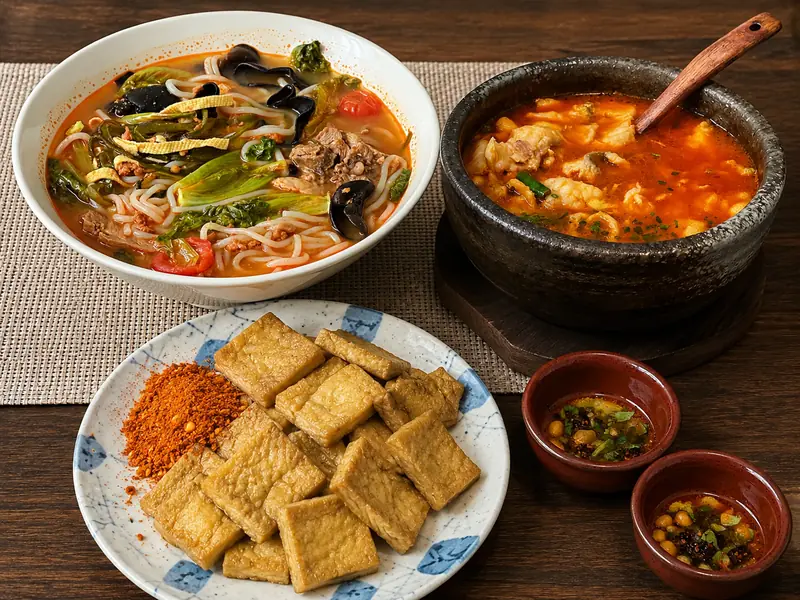
Hairy tofu (毛豆腐) is the second dish travelers remember, partly because it looks startling before it reaches the pan. The tofu is fermented until fine white filaments grow on the surface. Once pan-fried or deep-fried, the outside turns golden while the inside becomes soft, creamy, and deeply bean-scented.
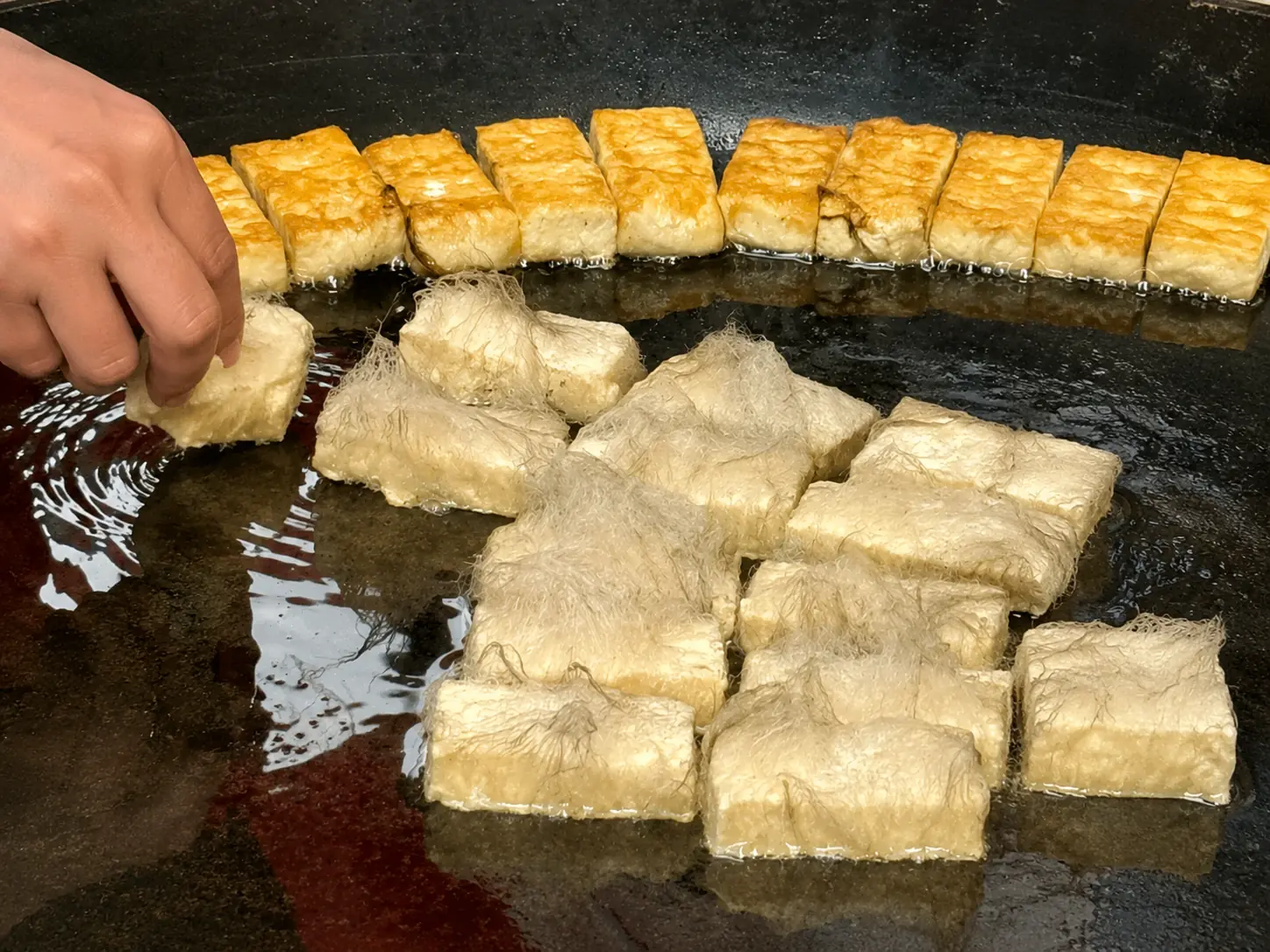
China Daily's hairy tofu feature identifies it as a local delicacy in Huizhou District of Huangshan and explains that the white surface comes from fermentation. That visual detail matters when you order: real hairy tofu has a pale, filament-covered surface before frying, then turns golden after cooking. A generic deep-fried stinky tofu plate is a different food.
Hairy tofu is related to China's broader love of fermented soy foods, but it is not the same as the black, brined, deep-fried stinky tofu many travelers meet in Changsha, Taipei, or night markets. If you want that wider street-snack context, use our stinky tofu guide. In Anhui, think of hairy tofu as a Huizhou local bean-curd dish that belongs beside mountain vegetables, sesame cakes, and old-town snack stalls.
The best way to try it is fresh from a griddle, when the surface is crisp and the center is warm. Some stalls add chili sauce, sesame oil, scallions, or fermented condiments. Ask for less chili if you are sensitive, but remember that chili is usually a supporting flavor here, not the identity of the cuisine.
Wild Herbs, Bamboo Shoots, and Ham
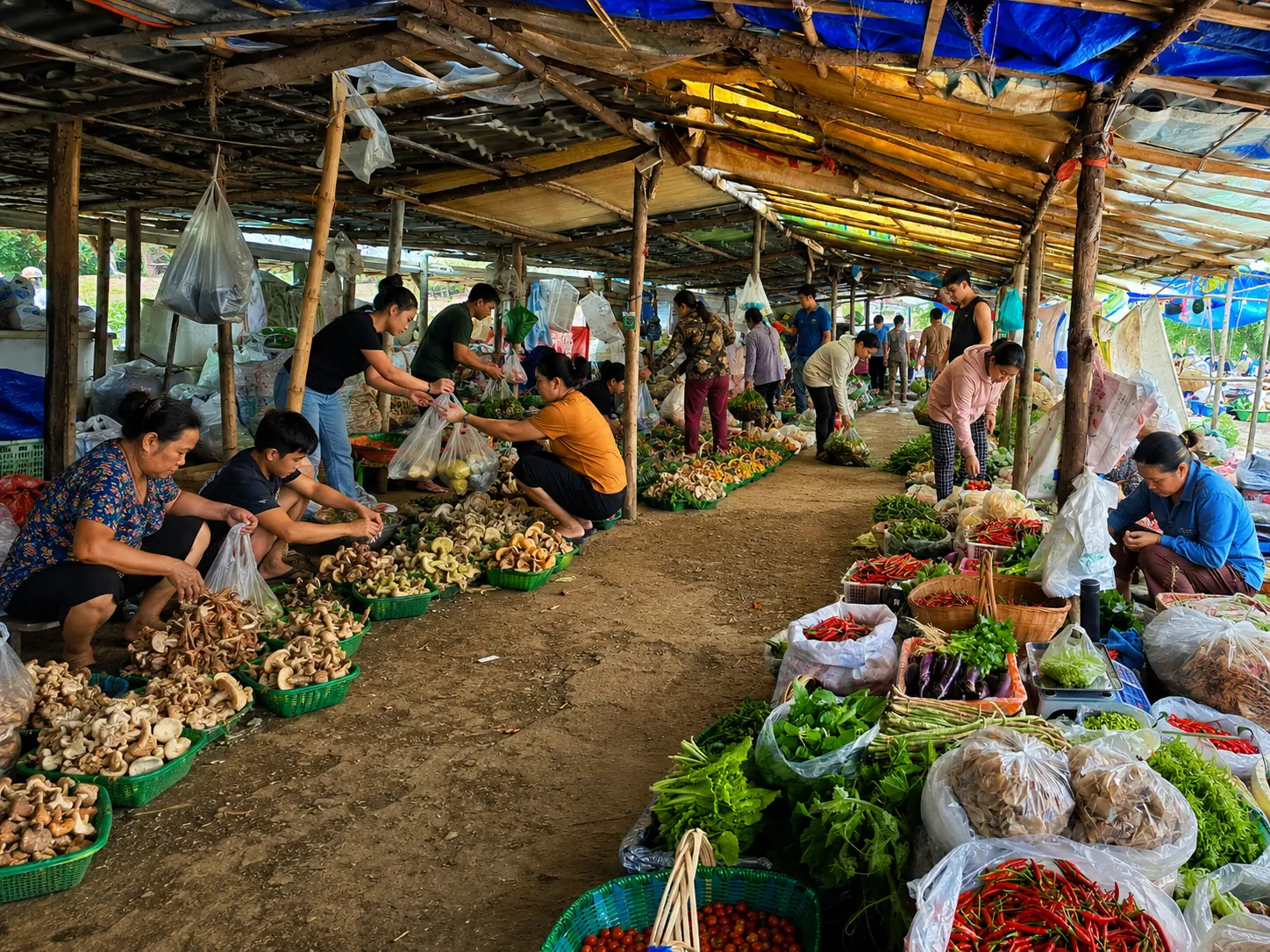
If stinky mandarin fish and hairy tofu are the headline, mountain ingredients are the grammar. Anhui food grew from a landscape of hills, forests, rivers, tea country, and old merchant routes. Bamboo shoots, mushrooms, local greens, tea leaves, ham, cured pork, river fish, and seasonal vegetables all matter.
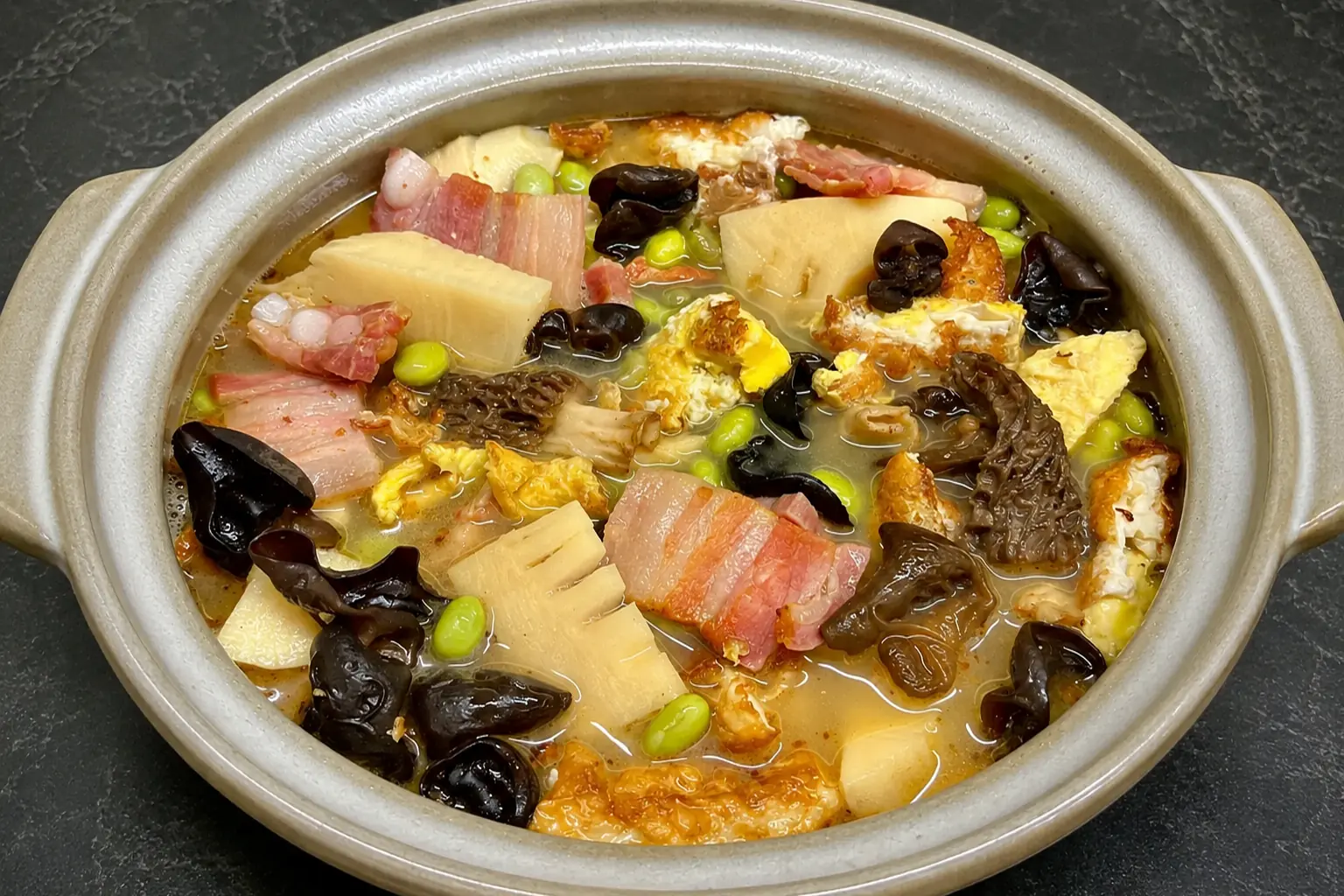
China Highlights' Hui cuisine overview and a Global Times overview of Anhui cuisine both point to the same practical pattern for visitors: mountain ingredients, bamboo shoots, fungi, herbs, pork, ham, stewing, and regional styles around Huizhou, the Yangtze, and the Huai River.
Wenzheng Mountain bamboo shoots (问政山笋) are a good example. Look for this name, or for bamboo-shoot dishes generally, on Huizhou menus. They are seasonal, often cooked with ham, mushrooms, or meat, and depend on texture and aroma rather than dramatic seasoning.
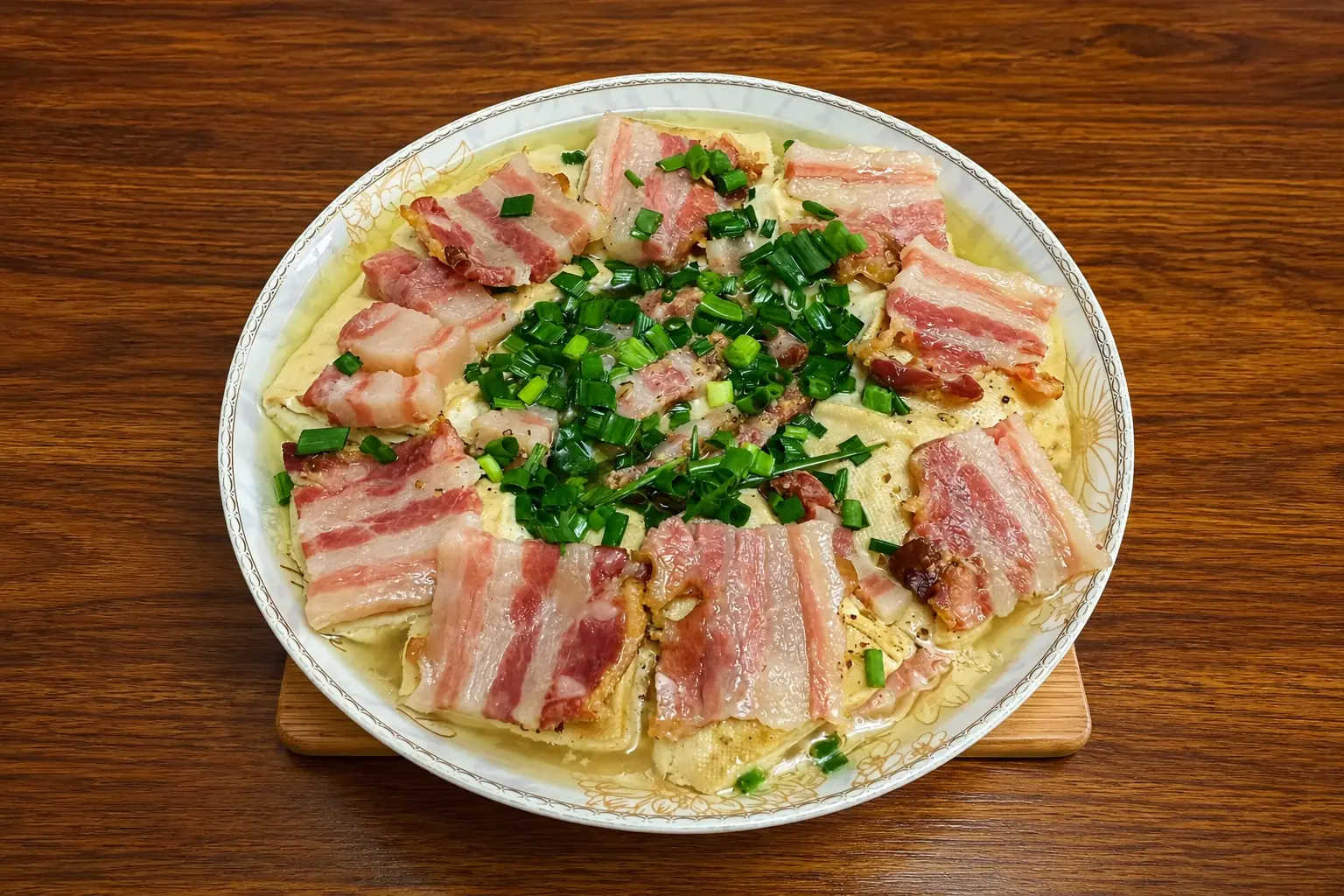
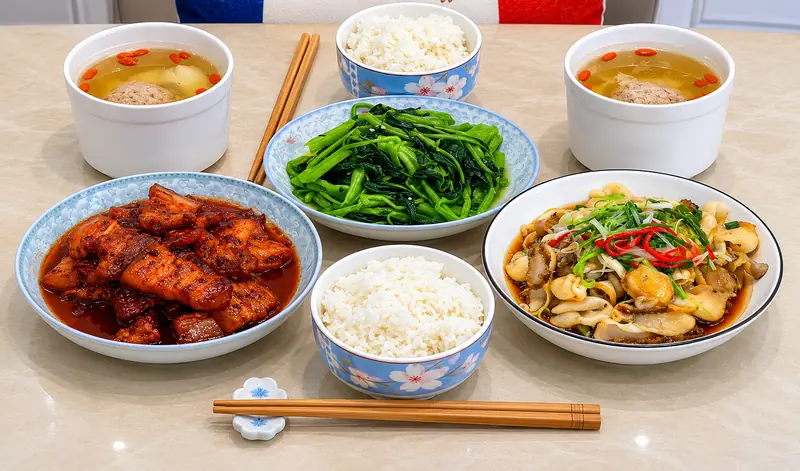
Daobanxiang cured pork (刀板香) shows the preserved-meat side. Thin slices of cured pork are steamed so the fat softens, the saltiness opens, and the fragrance carries into vegetables, bamboo, rice, or soup.
This is a salty cured-pork dish, best shared with rice and greens, and it explains why ham and cured pork keep appearing in Anhui cooking.
This is where Anhui differs from neighboring Jiangnan food. Zhejiang cuisine often tastes fresh, sweet, wine-fragrant, and lake-river elegant. Jiangsu cuisine often highlights knife work, clear stocks, and refined sweetness. Anhui can be refined too, but its first impression is more earthy: bamboo, cured meat, tofu, strong fish, mountain greens, and long cooking.
1Mountain Plants
Bamboo shoots, mushrooms, local greens, tea leaves, and local herbs give Anhui food its forested, earthy base.
2Preserved Flavor
Ham, cured pork, salted fish, and fermented tofu add depth before heavy seasoning is needed.
3Slow Cooking
Braising, stewing, steaming, and careful heat control are more central than fast wok drama.
Slow Fire, Not Just Heavy Sauce
Anhui cuisine can feel oilier and saltier than a delicate Hangzhou or Suzhou meal, but do not reduce it to "heavy sauce." Good Hui cooking uses fire control: long braises, slow stews, steaming, and heat matched to the ingredient.
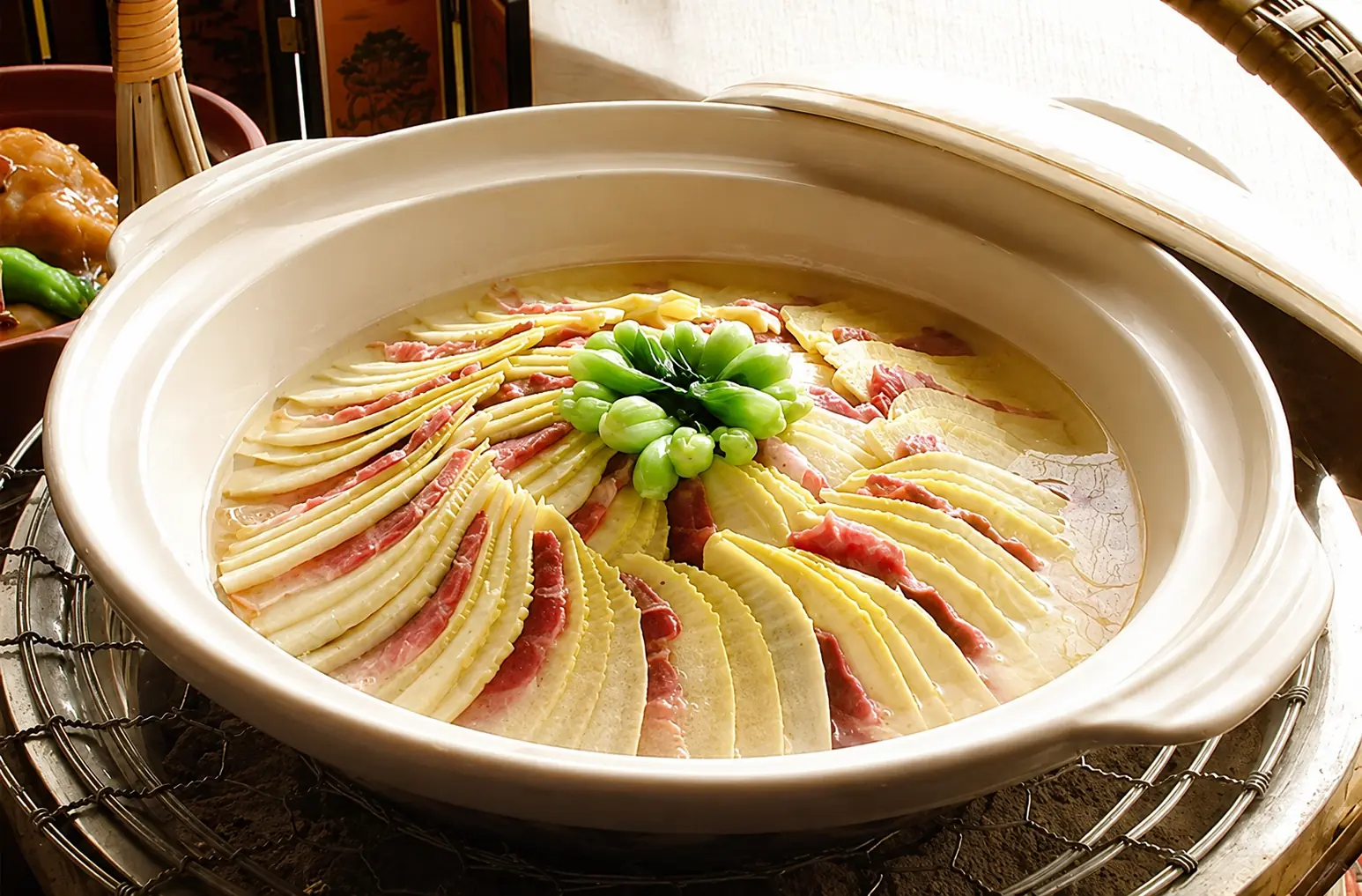
The most useful English words are earthy, savory, slow-cooked, cured, sometimes fermented, and often rice-friendly. Soy sauce, ham, oil, and preserved ingredients appear often, but the goal is usually to make the mountain ingredient taste deeper, not to hide it. A good bamboo-shoot dish should still taste like bamboo. A good fish dish should still taste like fish after the fermentation note.
This also means Anhui is not automatically spicy. Some dishes are slightly spicy, and hairy tofu often comes with chili sauce, but Anhui is not Sichuan cuisine or Hunan cuisine. If chili heat is your main reason for eating regional Chinese food, Anhui feels quieter. If you like fermented, cured, mushroomy, brothy, and slow-cooked flavors, it is one of the more interesting tables in eastern China.
Classic Anhui Foods by Table Role
For travelers, Anhui dishes are easier to order by role than by memorizing every famous name.
| Table Role | Good Examples | What It Teaches | Watch For |
|---|---|---|---|
| Fermented anchor | Stinky mandarin fish, hairy tofu | The signature Huizhou aroma: cured fish, fermented tofu, rice-friendly savory depth. | Fish bones, soy, oil, fermentation aroma, chili sauce. |
| Mountain vegetable | Wenzheng Mountain bamboo shoots, mushrooms, local greens, bamboo-shoot stews | The forested side of Anhui food, where texture and season matter. | Ham, lard, chicken stock, meat broth in vegetable dishes. |
| Cured meat | Daobanxiang cured pork, ham and bamboo shoots, cured-pork soups | How preservation creates depth before the sauce begins. | Pork, high salt, visible fat, cured meat. |
| Banquet pot | Jixi Yipin pot, Li Hongzhang hodgepodge | The layered, hospitable, merchant-and-banquet side of Anhui cuisine. | Mixed meats, seafood, ham, egg, stock, hidden ingredients. |
| Snack and starch | Huangshan sesame cakes, Laba tofu, Huizhou taguo, stone-pressed cakes | Old-town walking snacks and portable merchant food. | Pork filling, sesame, wheat flour, lard, sweet-salty fillings. |
Jixi Yipin Pot (绩溪一品锅)
layered shared stew
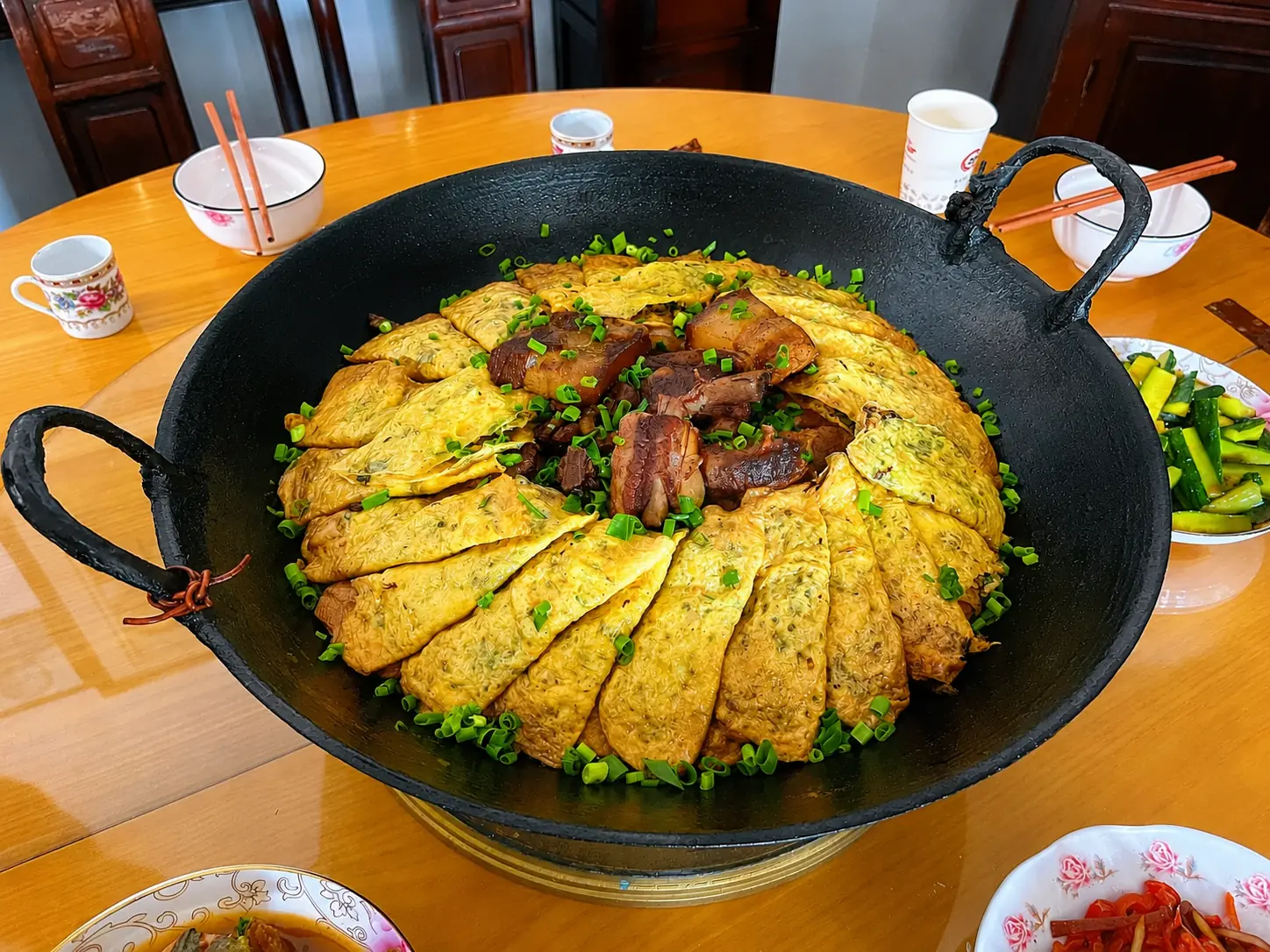
Jixi Yipin pot is especially useful for groups. It is a layered shared pot rather than a single-ingredient dish: meat, tofu, vegetables, egg dumplings, broth, and local additions arranged into a hearty table-builder after the more famous fish and tofu.
Li Hongzhang Hodgepodge (李鸿章杂烩)
Hefei banquet dish
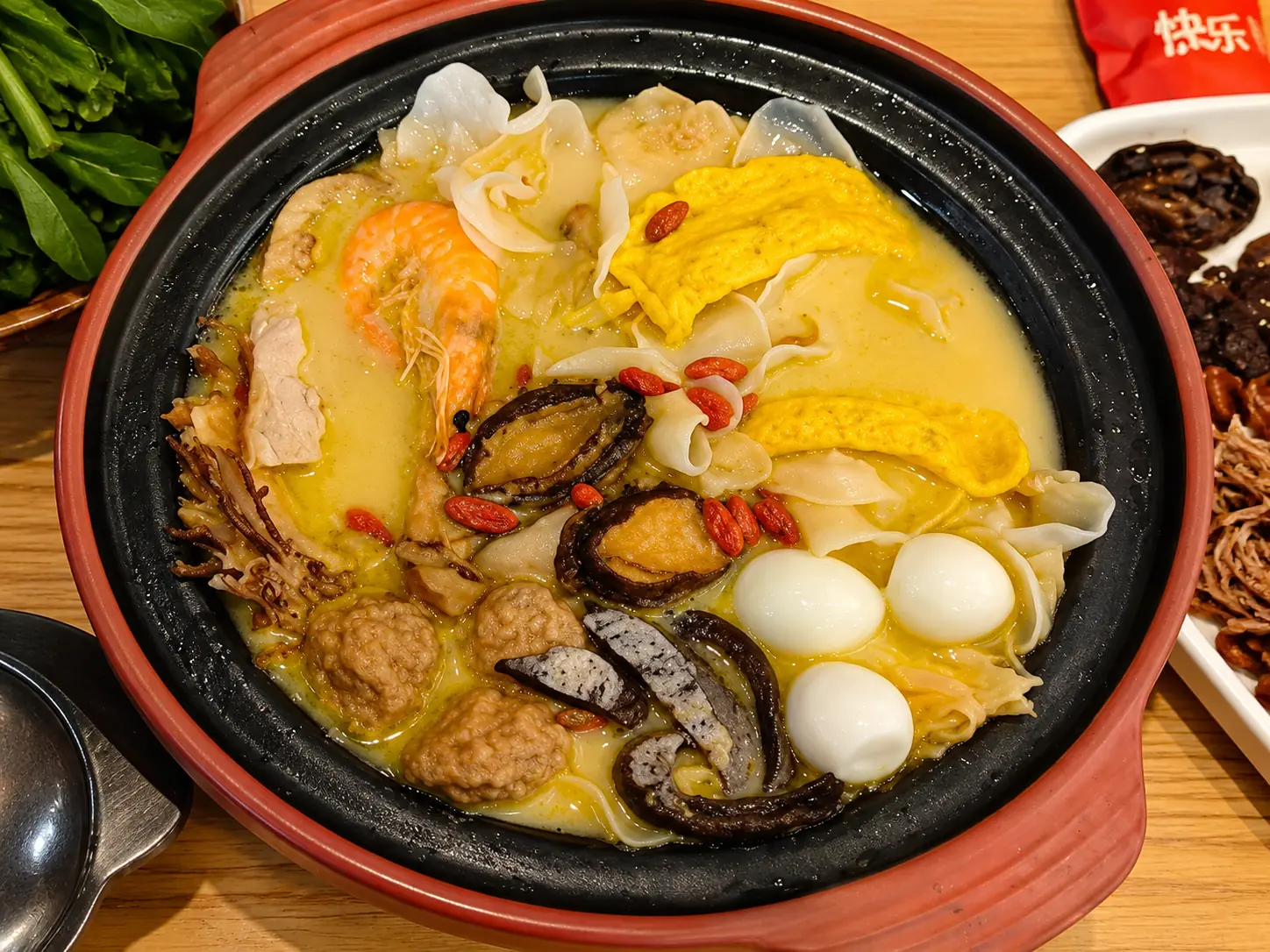
Li Hongzhang hodgepodge, often translated as Li Hongzhang chop suey or assorted stew, belongs more to the Hefei (合肥) and banquet side. Many accounts connect it with Li Hongzhang, the late Qing statesman from Anhui, but origin stories vary. Treat it as a named mixed-ingredient stew, often associated with chicken, ham, seafood, bamboo, tofu, and vegetables, not as a simple one-ingredient dish.
Luzhou Roast Duck (庐州烤鸭)
central Anhui clue
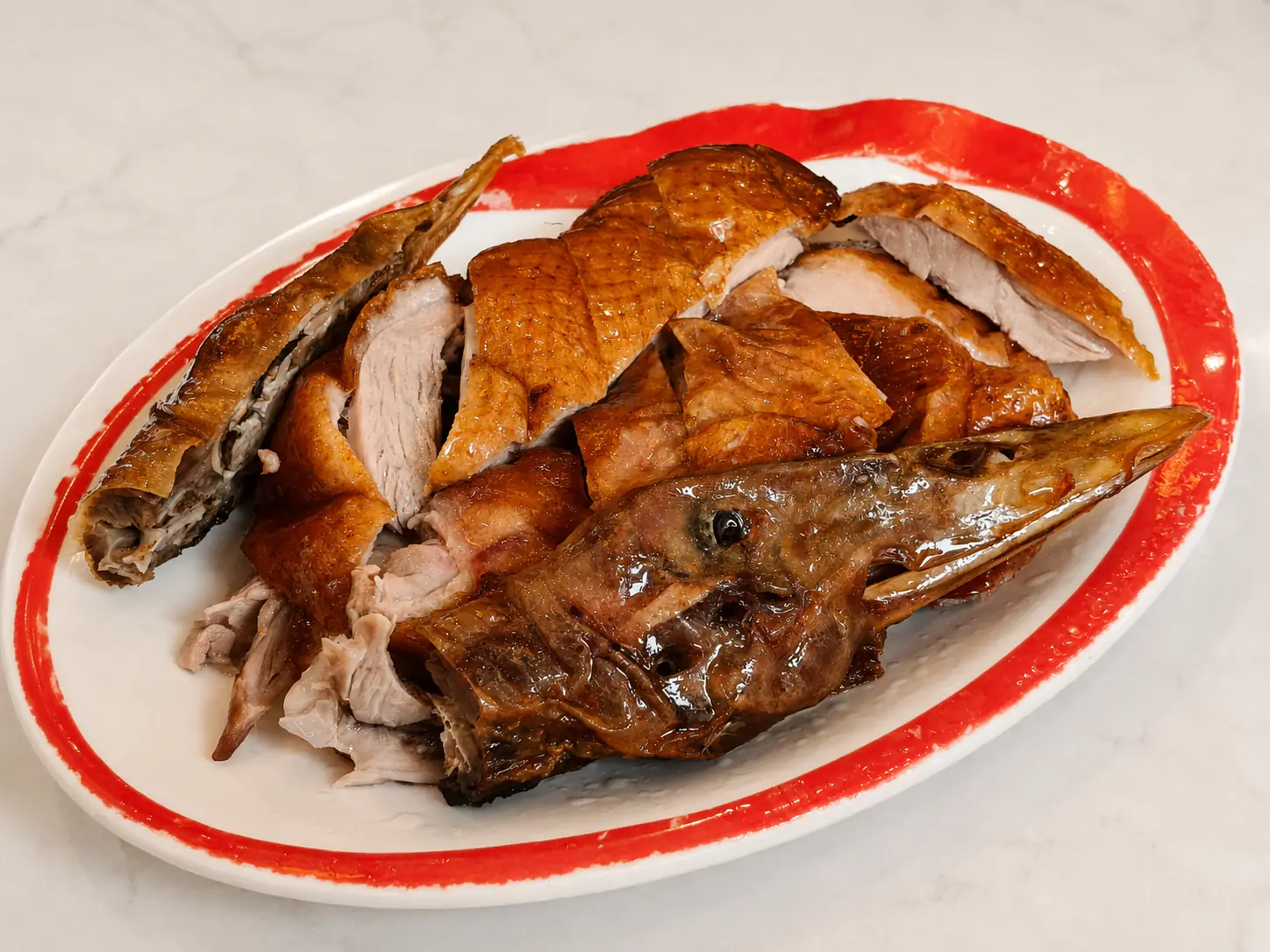
Luzhou roast duck is another Hefei clue. It is not Peking duck, so do not expect the Beijing-style carved-skin ritual with pancakes and sauce. It is useful when your Anhui route includes the provincial capital or when a restaurant menu leans toward central Anhui rather than Huangshan-only Hui dishes.
Huangshan Sesame Cakes (黄山烧饼)
old-street snack
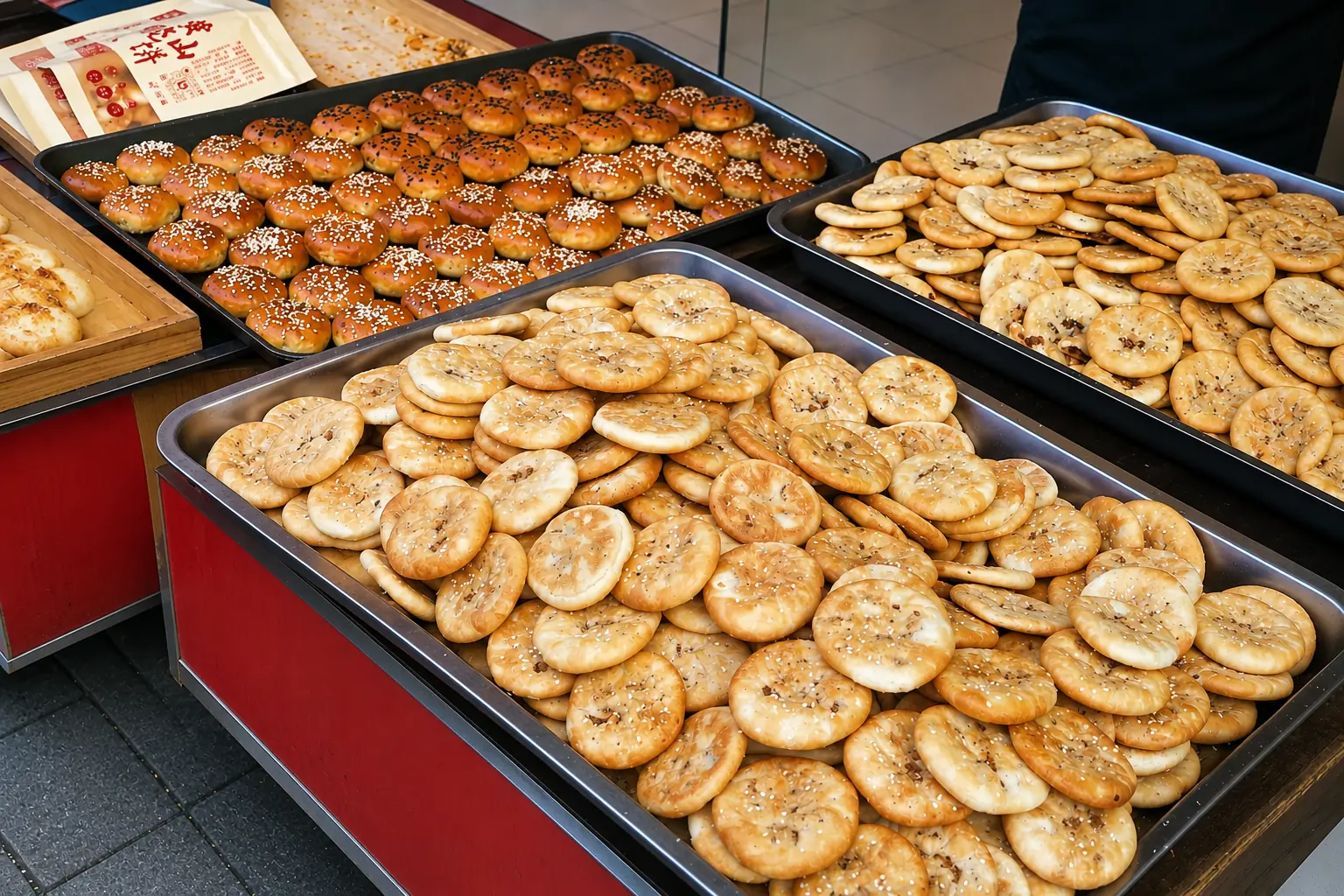
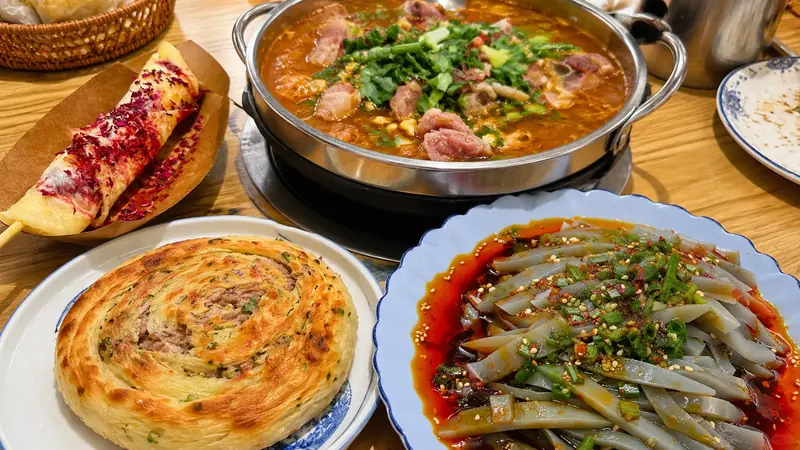
Huangshan sesame cakes are best treated as a local walking snack rather than the core of the cuisine. They are thin, flaky, and often filled with preserved vegetables and pork. Laba tofu (腊八豆腐), Huizhou taguo (徽州挞粿), and stone-pressed cakes can appear in old streets and villages, but availability varies by place.
How to Build Your First Anhui Table

For two people, keep the meal small and focused. Choose one fermented anchor, such as stinky mandarin fish or hairy tofu. Add one mountain vegetable, bamboo shoot dish, or greens. Add rice, and consider a sesame cake or tofu snack if you are still hungry. This gives you the idea without making the table too salty or fermentation-heavy.
For four people, you can open the table properly: one stinky mandarin fish, one hairy tofu or tofu snack, one bamboo shoot or local-green dish, one cured-pork or ham dish, one pot or stew, and rice. If the restaurant is strong on Anhui banquet cooking, swap the cured-pork dish for Jixi Yipin pot or Li Hongzhang hodgepodge.
Two-Person First Table
small and readable
Order stinky mandarin fish or hairy tofu, one bamboo shoot or green vegetable dish, rice, and one small snack only if appetite allows.
Four-Person First Table
enough contrast
Add the second fermented item, one cured-pork or ham dish, one slow pot or stew, one vegetable, and sesame cakes or tofu snacks to share.
If you are in Huangshan, Tunxi, Hongcun, or Xidi, the first table can lean heavily into Huizhou classics. If you are in Hefei, make room for Li Hongzhang hodgepodge, Luzhou roast duck, and more central Anhui dishes. If you are in Wuhu, Anqing, or other Yangtze-side cities, expect river fish, home-style braises, and a softer connection to nearby Jiangsu and Zhejiang foodways.
Anhui Cuisine Diet, Allergy, and Ordering Notes
Anhui food is delicious, but the practical checks are different from a simple chili warning. For serious allergies, start with our food allergies in China guide, then use the Anhui-specific notes below when ordering.
- Fish bones: Stinky mandarin fish and many river fish dishes are whole or bone-in. Eat slowly and be careful with children.
- Pork, ham, lard, and stock: Ask about lard, ham, cured pork, chicken stock, and minced pork in vegetable dishes, soups, tofu dishes, stews, and snacks.
- Fermented foods: Stinky mandarin fish, hairy tofu, preserved vegetables, and sauces can have strong aromas and high salt.
- Chili level: Anhui is usually not extremely spicy, but chili sauce, red braises, and snack condiments can still surprise sensitive eaters.
- Seafood and river food: Banquet dishes can mix fish, shrimp, squid, sea cucumber, or other seafood with chicken, ham, tofu, and vegetables.
- Unclear wild-animal wording: Treat old-fashioned "wild" animal menu language as a stop sign. Stick with bamboo shoots, mushrooms, local greens, tofu, farmed meats, and river fish unless the ingredient is clear and legal.
- Gluten and soy: Sesame cakes and taguo use wheat; soy sauce, tofu, fermented bean products, and shared sauces are common.
- Price by weight: Fish, turtle, river food, and special ingredients are often priced by weight. Confirm before the kitchen starts cooking.
Vegetarians should read our hidden pork and broth guide before ordering in Anhui. A dish that looks like bamboo shoots or greens can still use lard, ham, chicken stock, oyster sauce, or minced pork. Hairy tofu itself is soy-based, but the sauce, pan, and garnish can be non-vegetarian, so ask about those parts specifically.
Use Huangshan Guides for Trip Execution
This article explains the cuisine. Use the destination guides when you need to decide where food belongs in a real trip.
Huangshan Region
food plus route map
Read the best things to do in Huangshan guide when you need to combine the mountain, villages, Tunxi, tea, and a proper Hui meal.
Xidi Village
old-village food stop
Read the Xidi Village guide for the ancient-village context around hairy tofu, stinky mandarin fish, sesame cakes, and Huizhou architecture.
Yellow Mountain
mountain first
Read the Yellow Mountain guide before locking meal timing around cable cars, sunrise, stairs, and mountain weather.
For comparison, use the Jiangsu cuisine guide for Huaiyang refinement and river freshness, the Zhejiang cuisine guide for Jiangnan sweetness and freshness, the Fujian cuisine guide for soups and coastal umami, and the Shandong cuisine guide for northern cooking fundamentals. Anhui sits near several of those worlds but tastes more mountain-rooted and fermented than any one neighbor.
Frequently Asked Questions
No. In this article, Hui cuisine means Anhui or Huizhou cuisine, written with the character 徽. It is not the same as Hui Muslim halal food, and many Anhui dishes use pork, ham, lard, or non-halal stock.
Beyond This Guide
Anhui food makes more sense when you stop chasing only the odd names. Stinky mandarin fish and hairy tofu are memorable, but the deeper pattern is mountain food shaped by preservation, fire control, river ingredients, bamboo, ham, tofu, and merchant hospitality. Eat one careful Huizhou meal in Huangshan or Tunxi, leave room for Hefei if your route passes through, and let the cuisine feel earthy before you judge it by aroma alone.
© gochinafreely.com — Original guide by Go China Freely.