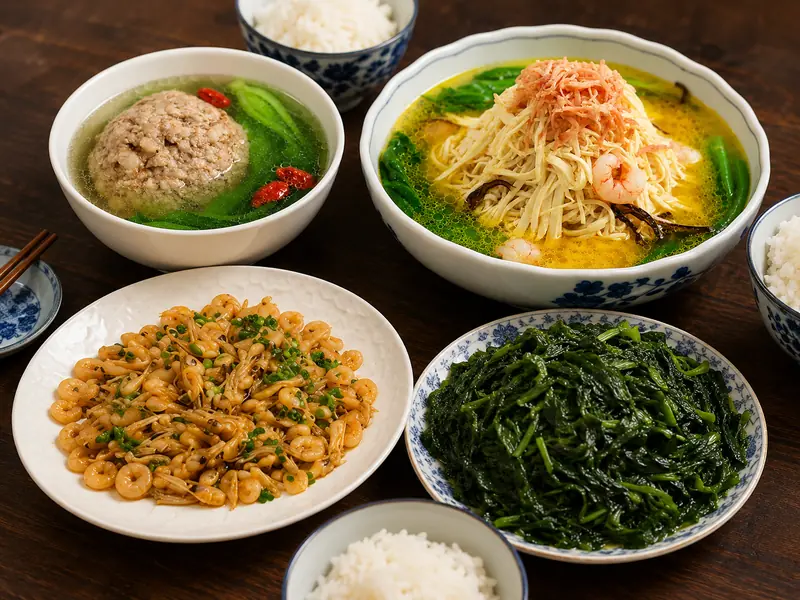
Jiangsu food is what many travelers miss when they chase only chili, hotpot, and street snacks. The cuisine rewards quieter attention: knife work, clear stocks, river fish, soft textures, seasonal vegetables, and sweet-savory braises that taste gentle until you notice the technique. Use this guide as the flavor map behind Nanjing, Suzhou, Yangzhou, Wuxi, and Huai'an food, not as another city eating route.
Executive Summary
What this guide covers
Jiangsu and Huaiyang cuisine, regional sub-styles, river and lake ingredients, sweet-savory braises, classic dishes, first-table ordering, and dietary risks.
Best first table
Build balance: one Huaiyang knife-work or broth dish, one river-fresh dish, one sweet-savory braise, one seasonal vegetable, and rice or Yangzhou fried rice.
Main traveler challenge
Jiangsu food is usually low on chili heat, but it often hides pork, ham, chicken stock, duck broth, freshwater fish, crab, shrimp, soy, wheat, and sweetness.
8 cuisines
Su cuisine status
Huaiyang
Core refinement
River food
Main ingredient logic
Ask first
Stock and seafood risks
Jiangsu Cuisine Rewards Quiet Technical Cooking
Jiangsu cuisine, also called Su cuisine (苏菜), is widely counted among China's Eight Great Cuisines. A China Daily government travel page describes Jiangsu cuisine as one of the Eight Culinary Traditions and names Huaiyang cuisine as one of its major styles. That matters for travelers because Jiangsu food is not one city, one dish, or one flavor.
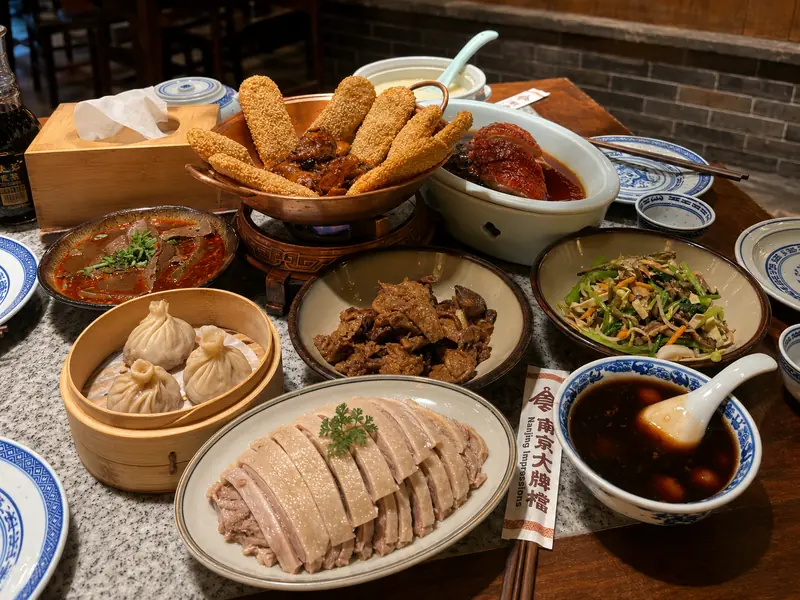
The best Jiangsu dishes often look restrained: clear broth, pale tofu, white fish, soft pork, glossy ribs, neat duck slices, rice that is not dark with soy sauce. The skill is in what you cannot see at first glance: knife cuts, stock, timing, texture, and how much seasoning the cook chooses not to add.
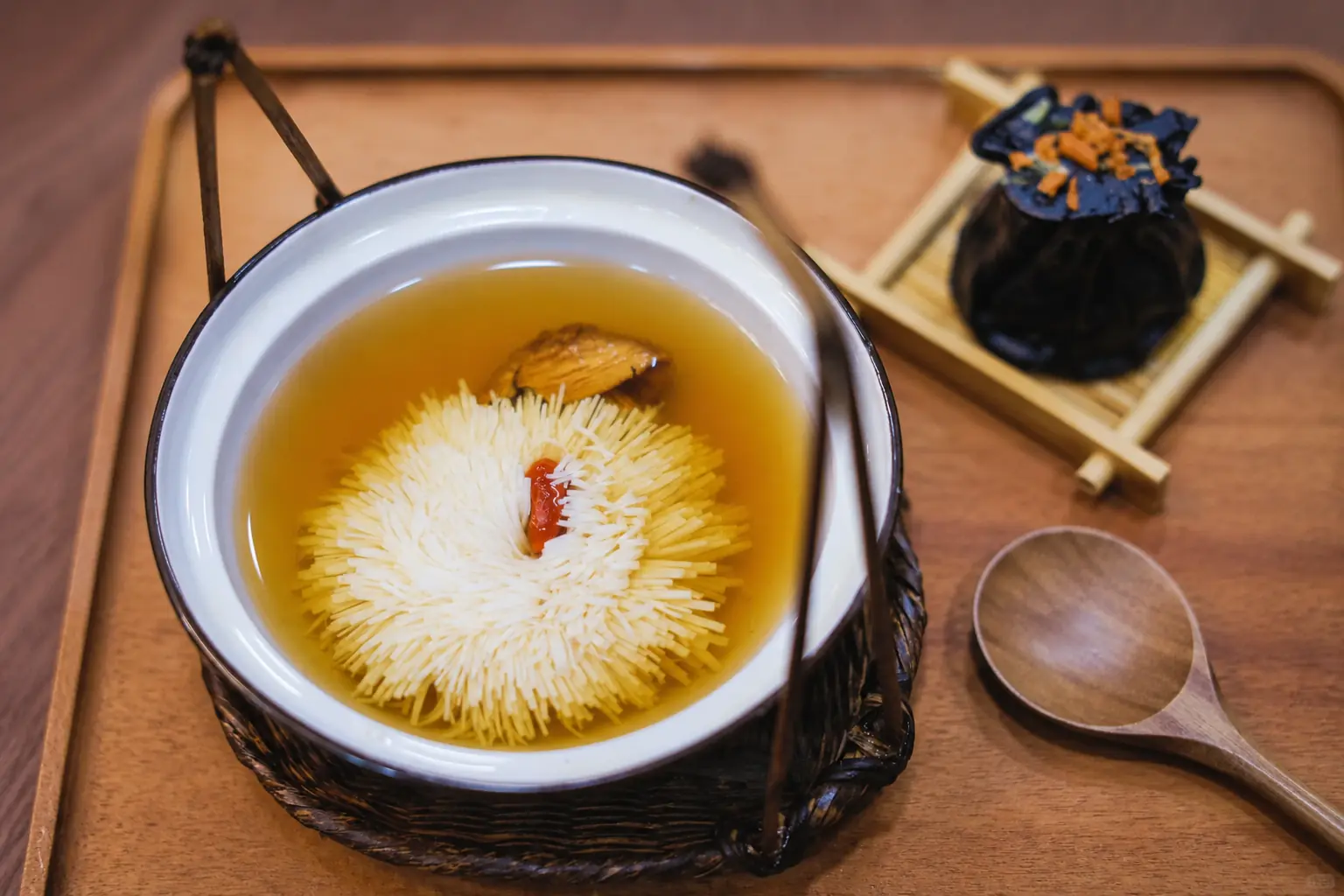
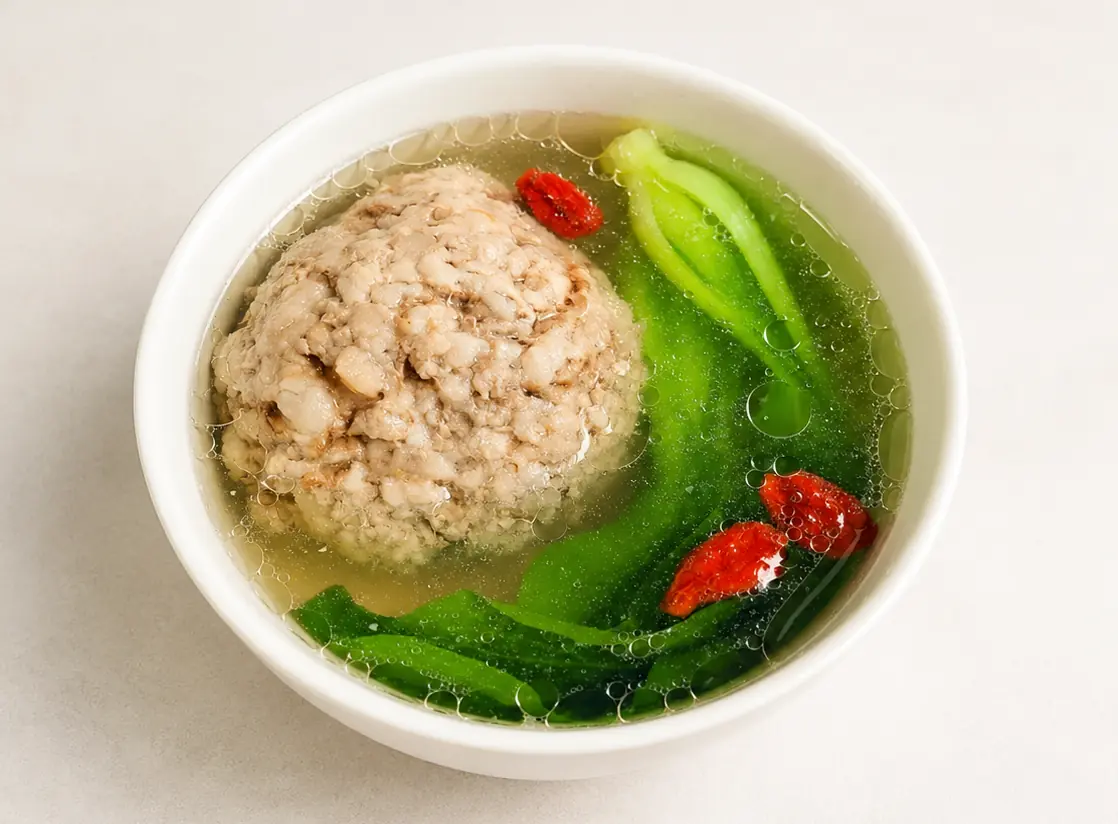
If Sichuan and Hunan are easy to notice from across the table, Jiangsu asks you to slow down. A bowl of Wensi tofu (文思豆腐), a plate of salted duck (盐水鸭), or clear-braised Lion's Head meatballs (清炖狮子头) can seem mild until you taste the broth, the cut, and the softness. That is the point.
Do not mistake gentle for simple
Jiangsu food is often low-spice, but it is not low-effort. The flavor comes from knife work, broth, seasonal ingredients, and careful heat control rather than chili oil.
Huaiyang Elegance Sits at the Center
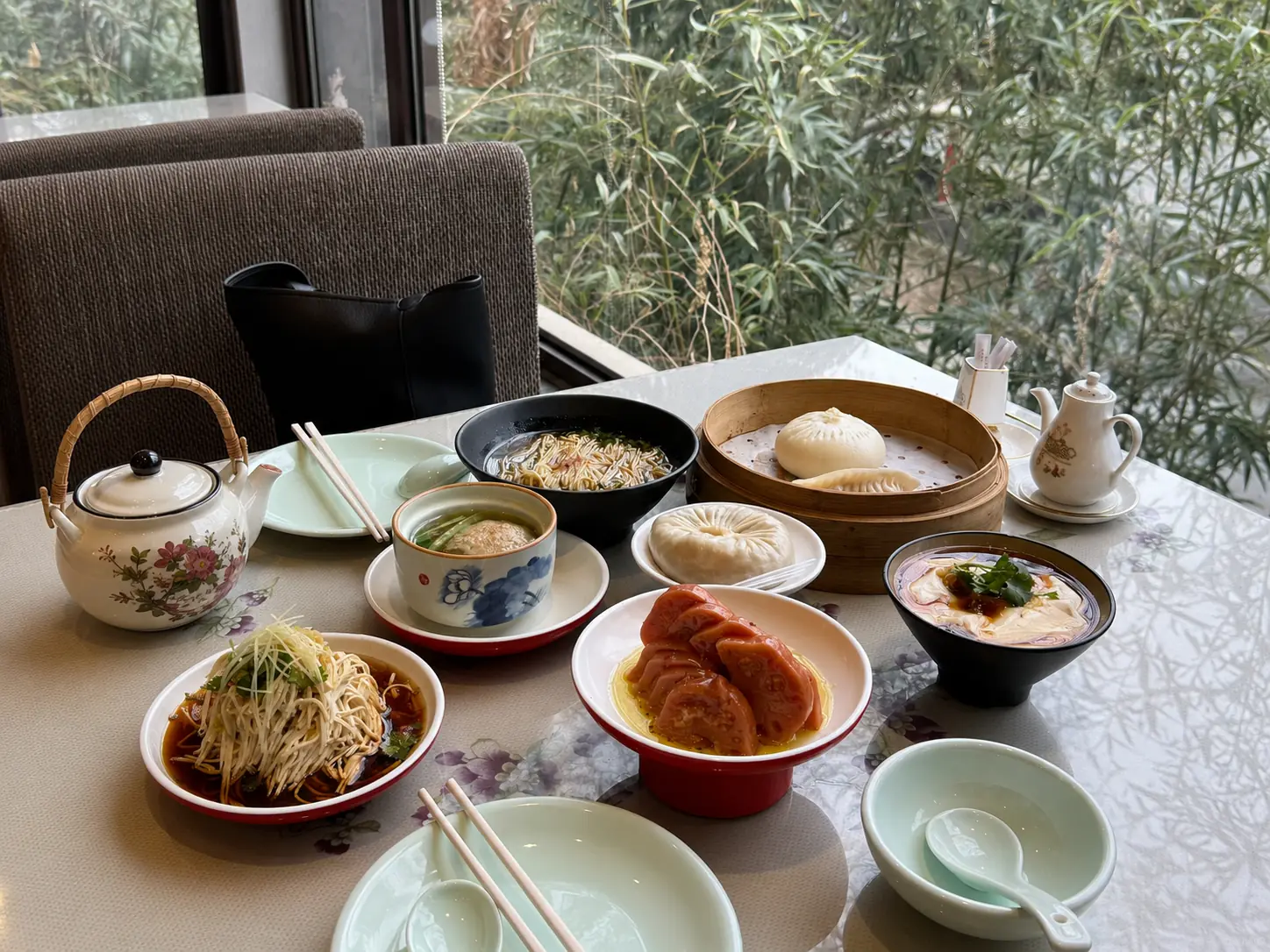
Huaiyang cuisine (淮扬菜) is the branch most English travelers should understand first. It is associated with Yangzhou (扬州), Huai'an (淮安), Zhenjiang (镇江), and the lower Huai River and Yangtze River region. A Yangzhou travel page presented by China Daily describes Huaiyang cuisine as centered around Huai'an, Yangzhou, and Zhenjiang, slightly sweet and almost never spicy.
Huaiyang is also the reason Jiangsu food can feel more formal than many regional cuisines. UNESCO's Huai'an Creative Cities page calls Huai'an important as an origin of Huaiyang cuisine, while Yangzhou is widely promoted as a Huaiyang gastronomy city. For a traveler, the useful point is not a ranking argument. It is the style: fresh ingredients, exact cutting, clear soups, river products, and flavors that stay close to the ingredient.
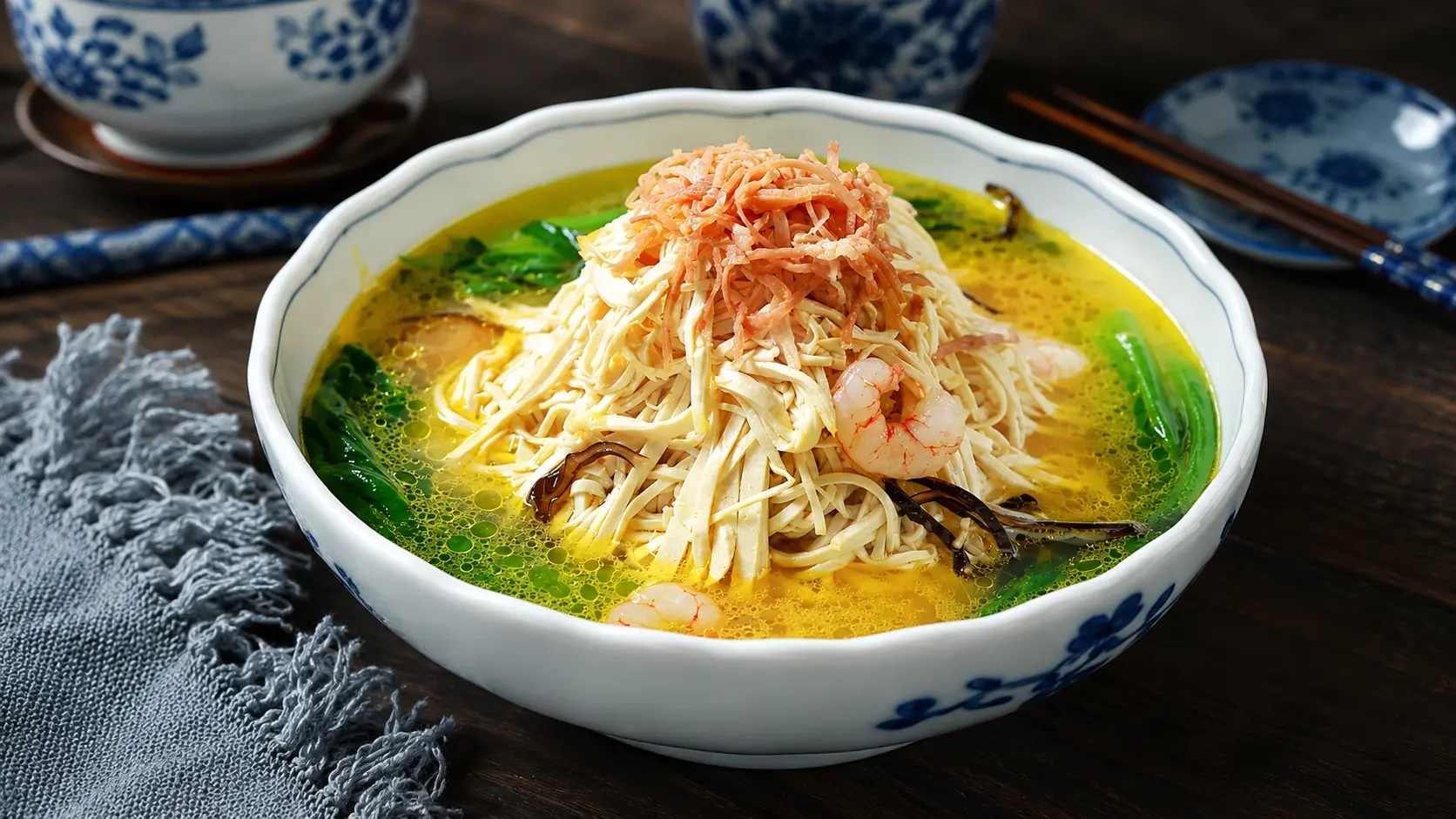
The classic Huaiyang test is knife work. Wensi tofu turns soft tofu into hair-thin threads floating in clear soup. Dazhu gansi (大煮干丝) turns dried tofu into fine strips cooked with broth, ham, bamboo shoots, and shrimp. Yangzhou morning-tea coverage from the official tourism pages describes dried tofu threads and Wensi tofu as examples of the cuisine's precision.
1Knife Work
Fine cutting changes texture before seasoning begins. Tofu, dried tofu, vegetables, and fish all show it.
2Clear Stock
Broth carries chicken, ham, duck, or river flavor without turning the dish heavy or spicy.
3Soft Texture
Good Huaiyang food often aims for tender, loose, and silky rather than crisp, charred, or fiery.
River Freshness Shapes the Whole Table
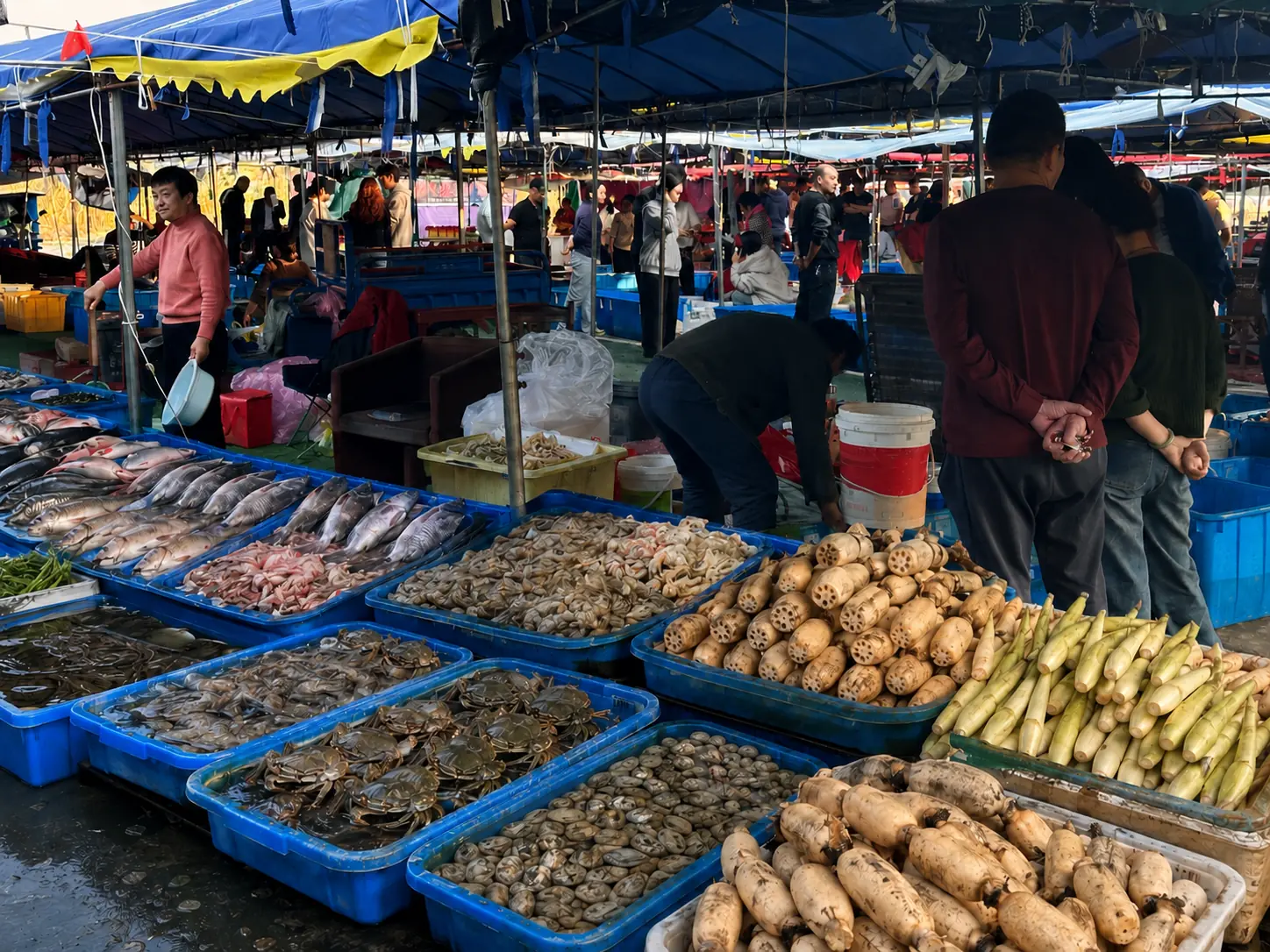
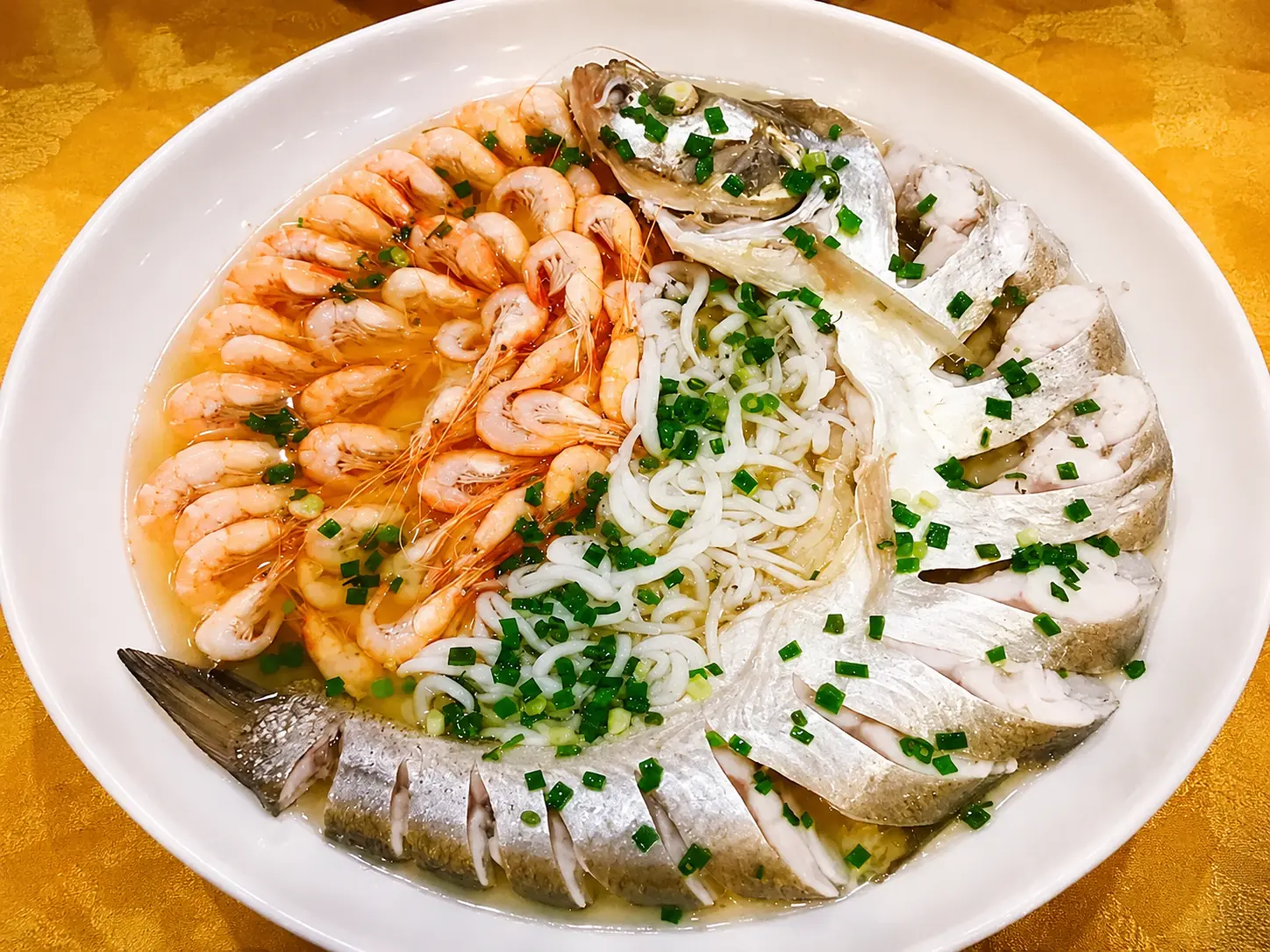
Jiangsu is river, lake, canal, and coast country. That geography shows up in the food: freshwater fish, shrimp, crab, eel, whitebait, lotus root, water chestnuts, bamboo shoots, greens, and seasonal plants. The phrase "freshness" here does not mean raw or barely cooked. It means the cooking method should not smother the ingredient.
Huaiyang cuisine is especially comfortable with aquatic food. The same Yangzhou travel page notes pork, freshwater fish, and other aquatic ingredients as common bases. Nanjing's official cuisine PDF also ties the city's refined, light dishes to river fish, shrimp, and duck.
| Ingredient Family | Where It Shows Up | Traveler Meaning |
|---|---|---|
| River fish | Steamed fish, squirrel-shaped mandarin fish, fish soups, seasonal river dishes | Expect bones, gentle seasoning, and freshness checks rather than heavy sauce. |
| Shrimp and crab | Crab roe soup dumplings, shrimp in fried rice, lake shrimp, hairy crab season | Excellent for seafood lovers, risky for shellfish allergies. |
| Tofu and dried tofu | Wensi tofu, dazhu gansi, tofu soups, vegetarian-looking broths | Often cooked in chicken, ham, or shrimp stock, so not automatically vegetarian. |
| Water vegetables | Lotus root, water bamboo, water chestnut, seasonal greens, spring vegetables | The best versions are seasonal and lightly handled, not spicy or oily. |
Sweet-Savory Braises Need Rice and Restraint
Jiangsu food is not all pale soup and tofu threads. Suzhou and Wuxi, especially, have a sweet-savory side that surprises travelers who expect "light" to mean plain. Sweetness can appear in braised pork, ribs, fish, pastries, soup dumplings, and noodle toppings.
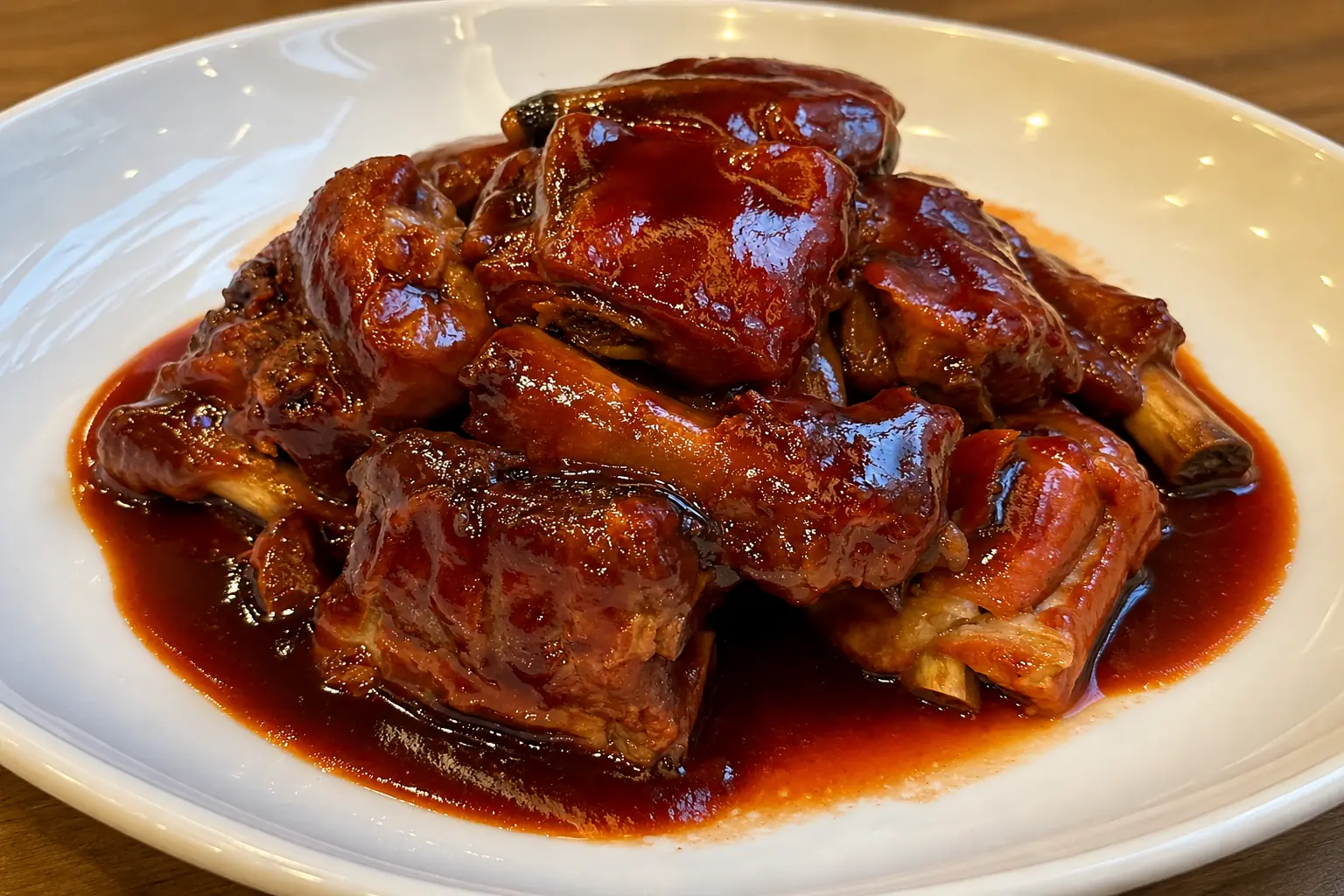
Wuxi spare ribs (无锡排骨) are the easiest example. The English Jiangsu site describes Wuxi spareribs with sugar and vinegar as sweet, sour, crisp, and tender enough for the meat to separate from the bone. Wuxi xiaolongbao and some braised dishes also lean sweeter than many visitors expect.
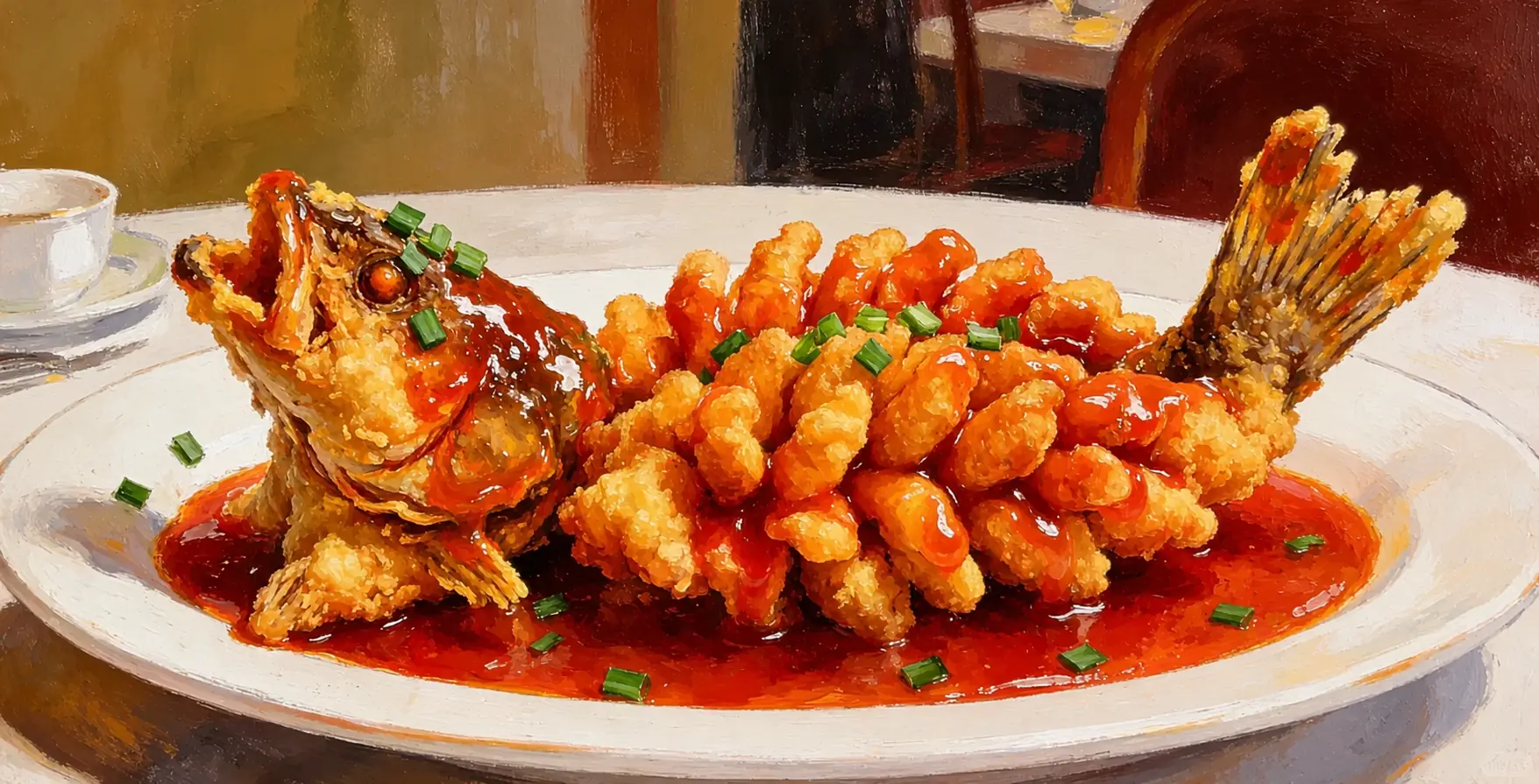
Suzhou's famous squirrel-shaped mandarin fish (松鼠鳜鱼) teaches a different sweet-savory lesson: fried fish, sculpted texture, and a glossy sweet-sour sauce. It is a show dish, but it still belongs to the same Jiangsu logic: fish, knife work, controlled frying, and sauce that should brighten rather than drown.
Sweet does not mean dessert
In Jiangsu restaurants, sweetness often works inside savory food. If you dislike sweet sauces, ask before ordering Wuxi ribs, squirrel fish, red-braised pork, or dark braised dishes.
Jinling, Suxi, and Xuhai Differences Matter
Jiangsu is long from north to south, so one flavor label does not cover the whole province. Classifications vary, but a useful traveler shorthand is Huaiyang, Jinling or Nanjing, Suxi or Suzhou-Wuxi, and Xuhai or northern Jiangsu around Xuzhou and Lianyungang. A China Daily feature on Su cuisine uses this four-part frame and notes that Jiangsu flavors change across the province.
| Style | Core Cities | Flavor Shortcut | Good First Example |
|---|---|---|---|
| Huaiyang 淮扬 | Yangzhou, Huai'an, Zhenjiang | Refined knife work, clear stock, river freshness, gentle sweetness | Wensi tofu, dazhu gansi, Lion's Head meatballs |
| Jinling 金陵 | Nanjing | Duck, river fish, Qinhuai snacks, refined but more city-comfort in feeling | Nanjing salted duck, duck blood vermicelli soup |
| Suxi 苏锡 | Suzhou, Wuxi, Changzhou | Sweeter, Jiangnan, lake fish, pastries, noodles, Taihu ingredients | Squirrel-shaped mandarin fish, Wuxi ribs, Taihu Three Whites |
| Xuhai 徐海 | Xuzhou, Lianyungang, northern Jiangsu | Heartier, more northern, stronger seasoning, wheat foods, meat, seafood | Ground pan dishes, soups, wheat snacks, heavier meat dishes |
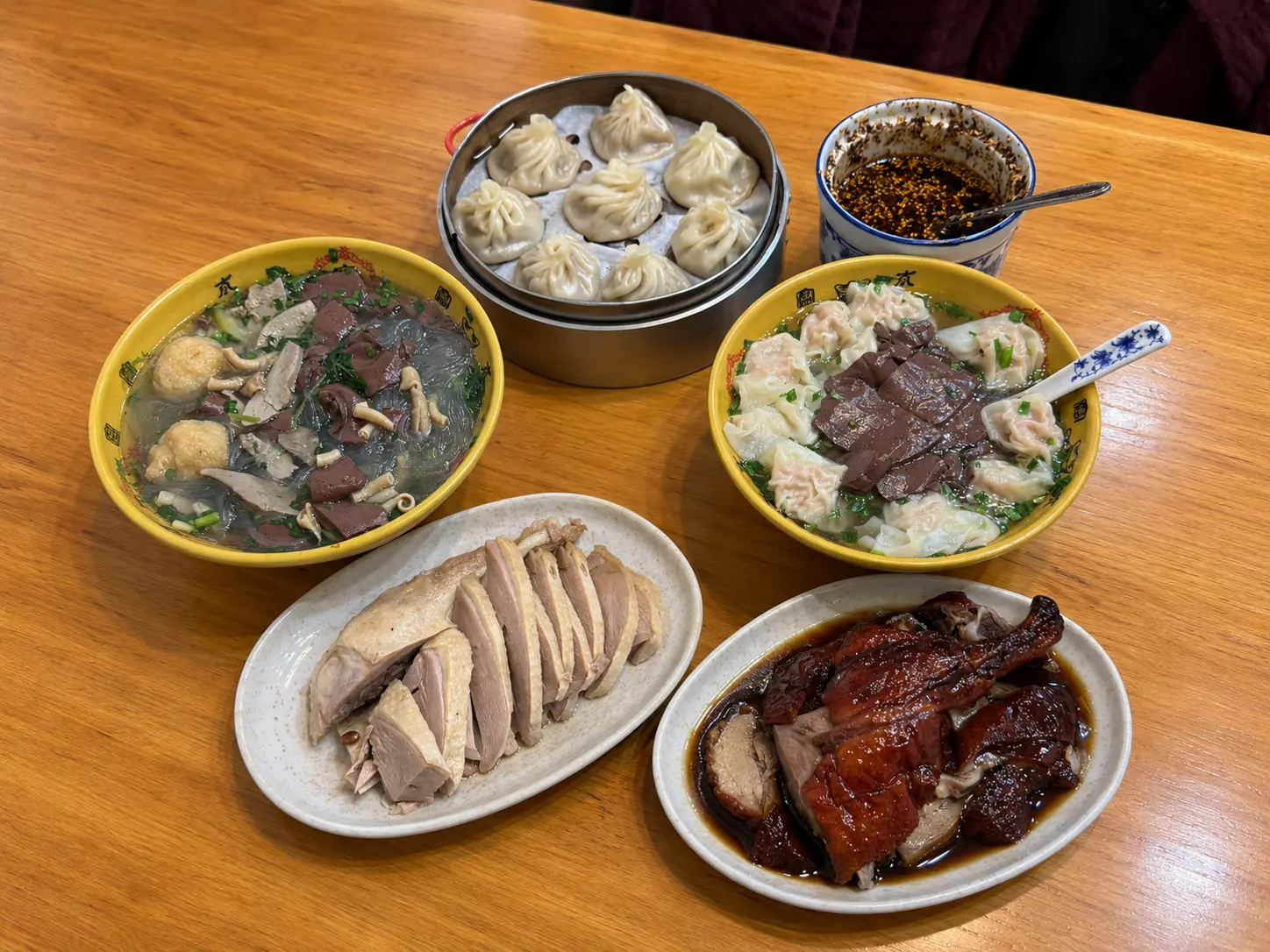
This section is exactly why this article should not be only "Huaiyang Cuisine Guide." Huaiyang is the center of gravity, but Jiangsu food also includes Nanjing duck culture, Suzhou-Wuxi sweetness, and a northern edge that feels different from Yangzhou refinement.
Classic Jiangsu Dishes by Flavor Logic
Instead of memorizing a list of famous dishes, order by what each dish teaches. A balanced Jiangsu meal should show knife work, broth, river freshness, one sweet-savory dish, and one city-specific anchor.
| Dish | Chinese | Flavor Lesson | Traveler Note |
|---|---|---|---|
| Wensi tofu | 文思豆腐 | Extreme knife work, clear broth, quiet aroma | Not vegetarian by default if cooked in chicken stock. |
| Dazhu gansi | 大煮干丝 | Dried tofu threads, ham, shrimp, chicken broth, softness | A useful first Huaiyang dish for texture. |
| Lion's Head meatballs | 狮子头 | Soft pork, clear or red braise, rich but gentle | See the Lion's Head guide for versions. |
| Yangzhou fried rice | 扬州炒饭 | Separate grains, egg aroma, shrimp, ham, bright color | See the Yangzhou fried rice guide for takeout myths. |
| Crab roe soup dumplings | 蟹黄汤包 | Pork, crab roe, broth, delicate wrapper | Excellent in season; not safe for shellfish allergies. |
| Squirrel-shaped mandarin fish | 松鼠鳜鱼 | Fish scoring, frying, sweet-sour sauce, Suzhou showpiece | See the Suzhou squirrel fish guide. |
| Nanjing salted duck | 南京盐水鸭 | Cold duck, brine, clean aroma, city identity | Use the Nanjing food guide for duck shops and snacks. |
| Duck blood vermicelli soup | 鸭血粉丝汤 | Duck broth, vermicelli, tofu puffs, duck blood, offal | Mild but not beginner-safe if you avoid offal. |
| Wuxi spare ribs | 无锡排骨 | Sweet-sour glaze, pork ribs, long braise | Richer and sweeter than many travelers expect. |
| Taihu Three Whites | 太湖三白 | White fish, white shrimp, whitebait, lake freshness | Best when the restaurant handles freshwater ingredients well. |
The dish most likely to change a traveler's mind is not always the most famous one. A clean bowl of dazhu gansi can explain Jiangsu cooking faster than a grand banquet: the tofu is plain, the broth is not, and the knife work quietly does the heavy lifting.
Jiangsu Cuisine Versus Shanghai and Zhejiang
Jiangsu, Shanghai, and Zhejiang overlap in the minds of many travelers because they sit close together in the Yangtze River Delta. The flavors also talk to each other: river fish, soy, rice, seasonal vegetables, sweetness, and gentle cooking all cross borders. Still, it helps to separate them when planning meals.
Shanghai food often leans urban, soy-braised, glossy, and sweet-savory, with dishes like red-braised pork and scallion-oil noodles. Zhejiang food, especially around Hangzhou and Shaoxing, often feels fresh, wine-fragrant, and river-lake focused in another way. Jiangsu, especially Huaiyang, is usually more associated with knife work, clear stock, banquet refinement, and the balance between river freshness and sweet braises.
| If You Like... | Choose Jiangsu For | Watch Out For |
|---|---|---|
| Non-spicy food | Huaiyang soups, tofu, duck, fish, and light seasonal dishes | Hidden animal stock, pork fat, and seafood |
| Sweet-savory food | Wuxi ribs, Suzhou fish, red-braised dishes, pastries | Some dishes may taste sweeter than expected |
| Delicate technique | Wensi tofu, dazhu gansi, Lion's Head meatballs, Yangzhou fried rice | These dishes are easy to undervalue if you rush through them |
Build Your First Balanced Jiangsu Table

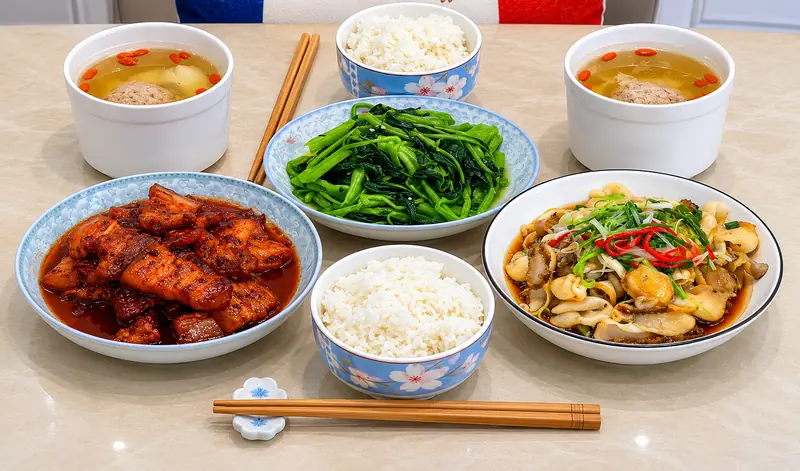
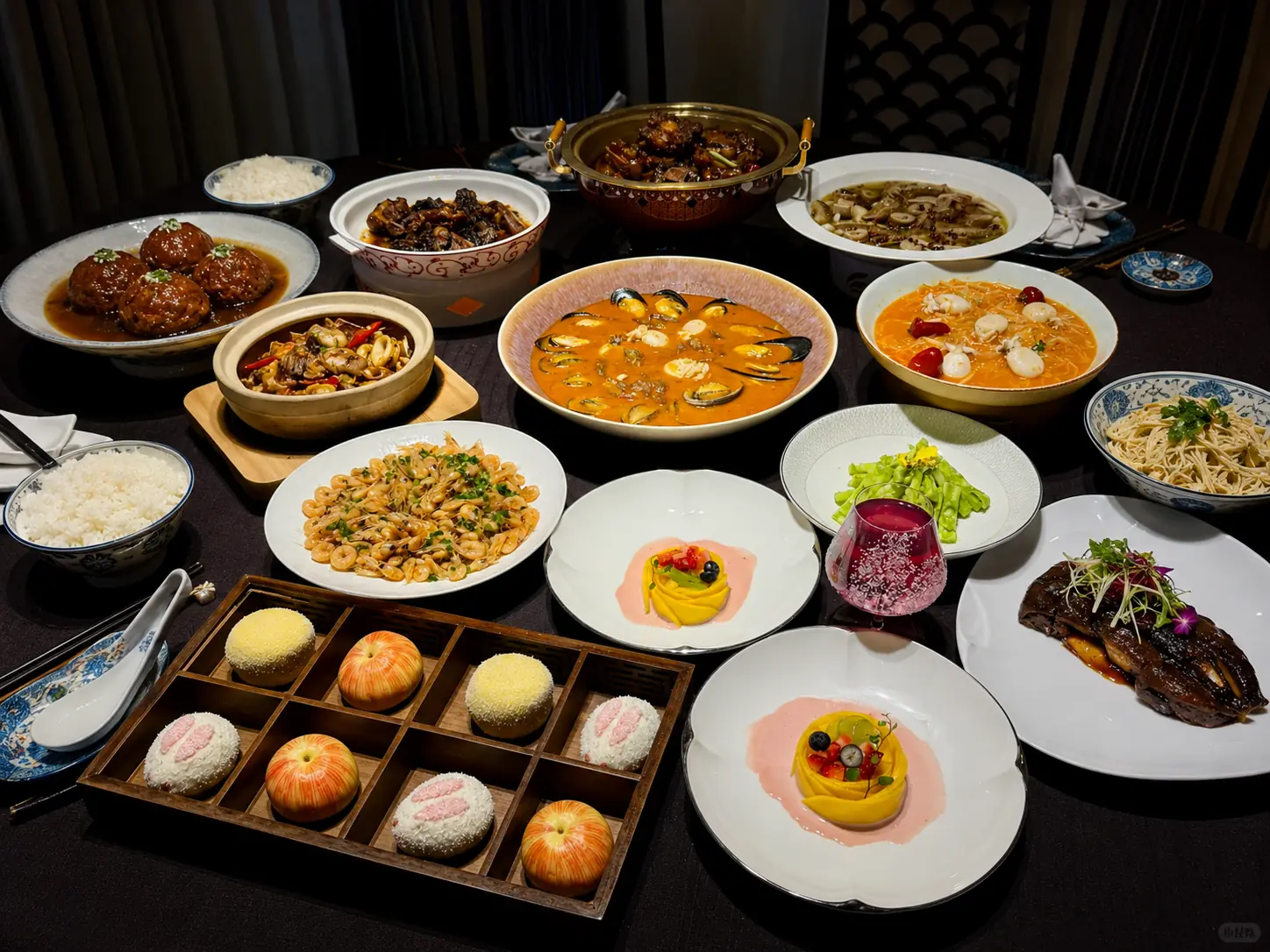
The safest first Jiangsu meal is not a pile of famous dishes. It is a table with contrast: one knife-work dish, one river-fresh dish, one sweet-savory braise, one vegetable or light soup, and one rice or noodle anchor.
For two people, reduce the plan to one broth or tofu dish, one meat or fish dish, one vegetable, and rice. For three or four, add a sweet-savory dish and a city anchor such as salted duck or squirrel fish. For a solo traveler, do not force a banquet; a noodle bowl, a duck soup, or one small Huaiyang meal will teach more than an overordered table.
- Start with knife work(文思豆腐 / 大煮干丝)- Choose Wensi tofu or dazhu gansi to understand Huaiyang texture and broth.
- Add river freshness(河鲜 / 太湖三白)- Order fish, shrimp, crab, or Taihu-style lake ingredients if your group eats seafood.
- Add one braise(狮子头 / 无锡排骨)- Pick Lion's Head meatballs or Wuxi ribs, but avoid making every dish rich and sweet.
- Add seasonal greens(时蔬)- Ask what is seasonal. Spring vegetables and water plants are often more interesting than generic greens.
- Anchor with rice(米饭 / 扬州炒饭)- Use plain rice for saucy dishes or Yangzhou fried rice as a shared final rice dish.
Pork, Stock, Seafood, and Allergy Risks
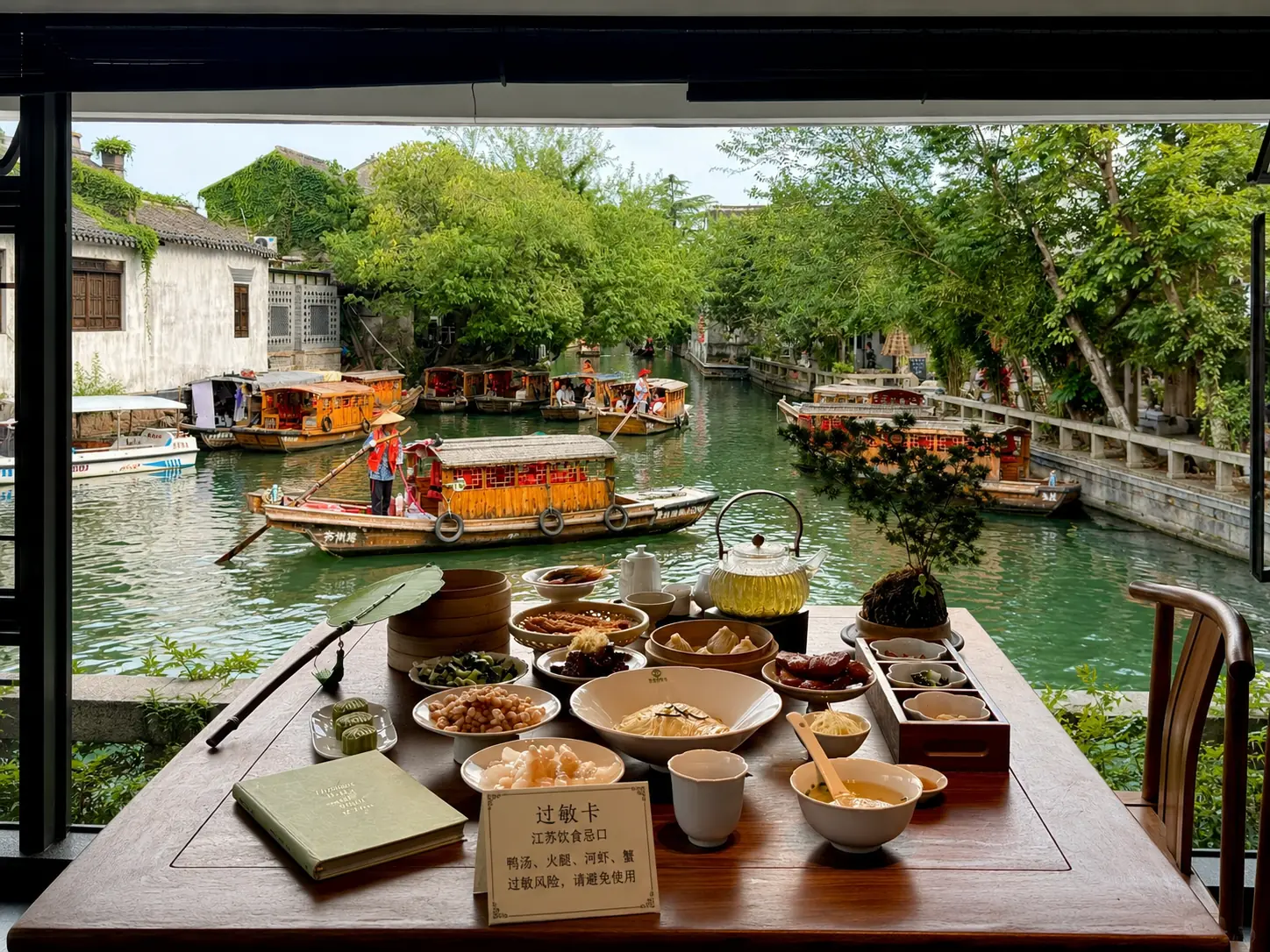
The biggest Jiangsu trap is assuming low spice means easy dietary management. Many dishes are mild but built on pork, ham, chicken stock, duck broth, shrimp, crab, fish, soy sauce, wheat wrappers, noodles, or shared kitchen tools. The seasoning is gentle; the ingredient list is not always simple.
| Need | Watch For | Safer Approach |
|---|---|---|
| No pork | Lion's Head meatballs, ham in broth, lard, pork fillings, Wuxi ribs | Ask about pork and ham even in tofu, soup, and vegetable dishes. |
| Vegetarian | Chicken stock, duck broth, ham, shrimp, pork fat, meat-based sauces | Choose dedicated vegetarian restaurants for strict needs. |
| Shellfish allergy | Crab roe dumplings, shrimp in fried rice, lake shrimp, hairy crab, seafood stock | Avoid crab-season dishes and confirm broth ingredients. |
| Fish allergy | River fish, fish balls, fish stock, Taihu dishes, squirrel fish | Skip mixed aquatic platters and ask about stock. |
| Gluten or soy | Noodles, dumpling skins, soy sauce, tofu, dried tofu, wheat gluten | Rice helps, but sauces and tofu dishes still need checking. |
| Offal avoidance | Duck blood vermicelli soup, duck liver, gizzard, intestine, mixed soup toppings | Ask for no organs or choose salted duck instead. |
Mild does not mean vegetarian
A clear soup can contain chicken stock, ham, shrimp, or pork. If a dietary need matters, ask what is in the broth, not only what is visible on the plate.
Nanjing, Suzhou, and Yangzhou Food Links
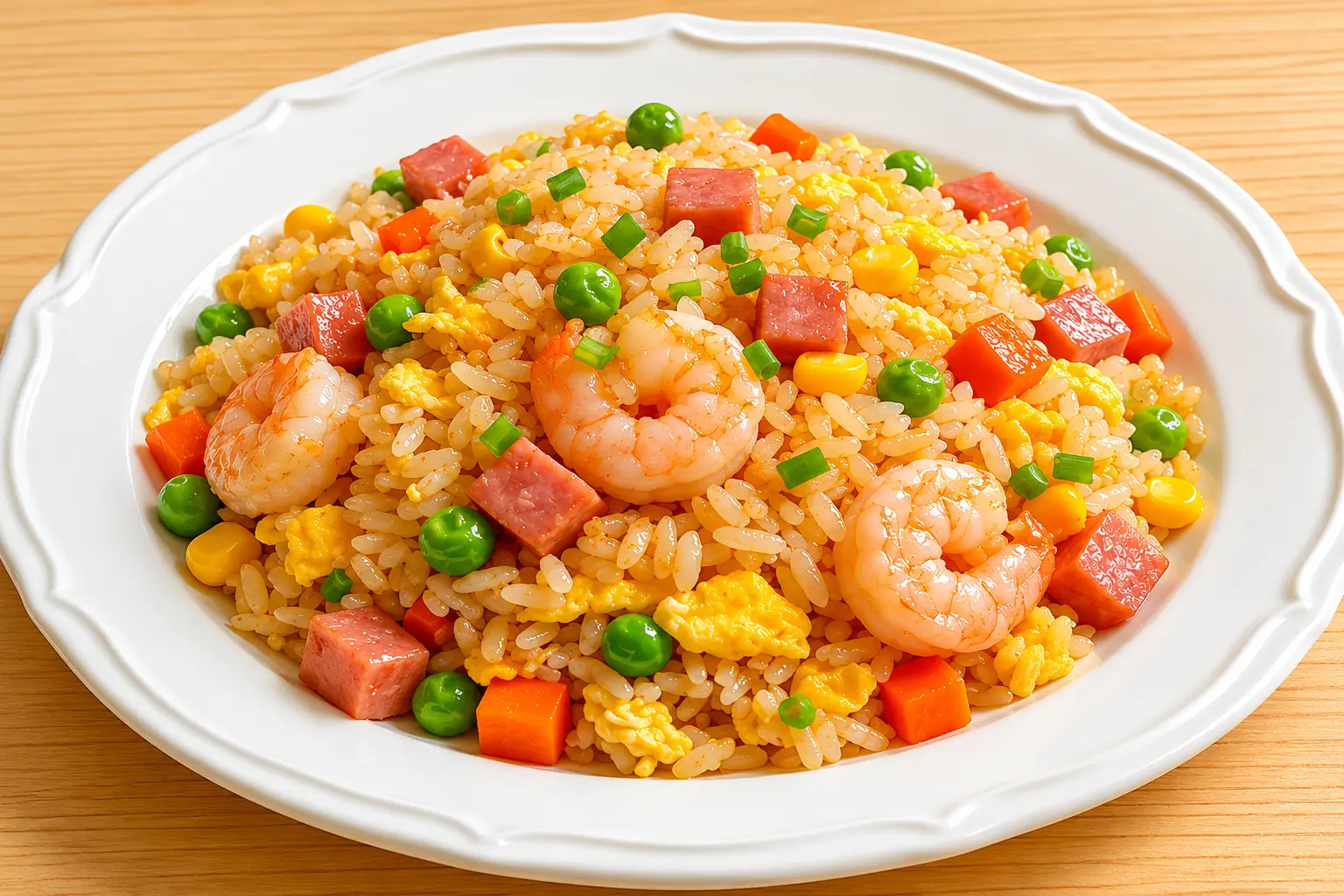
This cuisine guide should make the city and dish guides easier to use. Once you understand the flavor system, the practical question becomes where your route actually goes: Nanjing for duck and Jinling comfort, Suzhou for noodles and lake-sweet flavors, Yangzhou for Huaiyang morning tea and refined dinners, Wuxi for sweeter braises and Taihu ingredients, and Huai'an for Huaiyang origin context.
Use the Nanjing food guide for salted duck, duck blood vermicelli soup, Qinhuai snacks, and restaurant zones. Use the Suzhou food guide for Su-style noodles, squirrel fish, canal snacks, and food streets. Use the Lion's Head meatballs guide, Yangzhou fried rice guide, and Suzhou squirrel fish guide when a single dish deserves deeper ordering help.
Frequently Asked Questions
No. Jiangsu or Su cuisine is the broader provincial cuisine. Huaiyang cuisine is one of its most important and refined branches, centered on Yangzhou, Huai'an, Zhenjiang, and the lower Huai and Yangtze region.
Beyond This Guide
Use the city and dish links above as your next layer, not as a checklist to finish in one trip. A good Jiangsu food route usually chooses one city anchor, one refined Huaiyang meal, and one dish-specific deep dive that fits your appetite and schedule.
© gochinafreely.com — Original guide by Go China Freely.