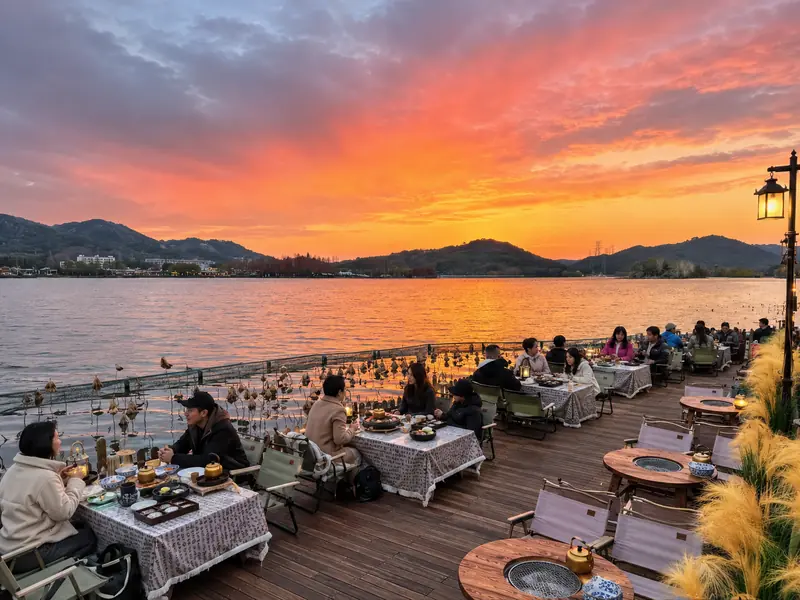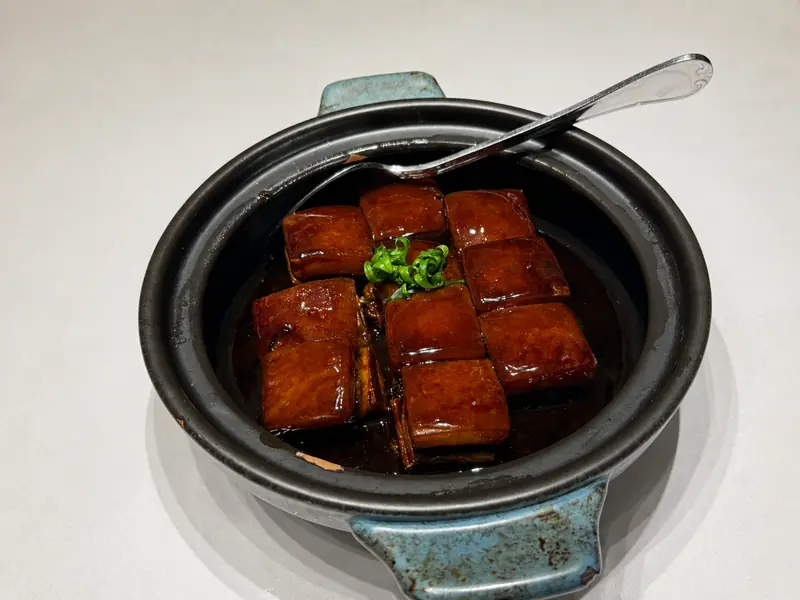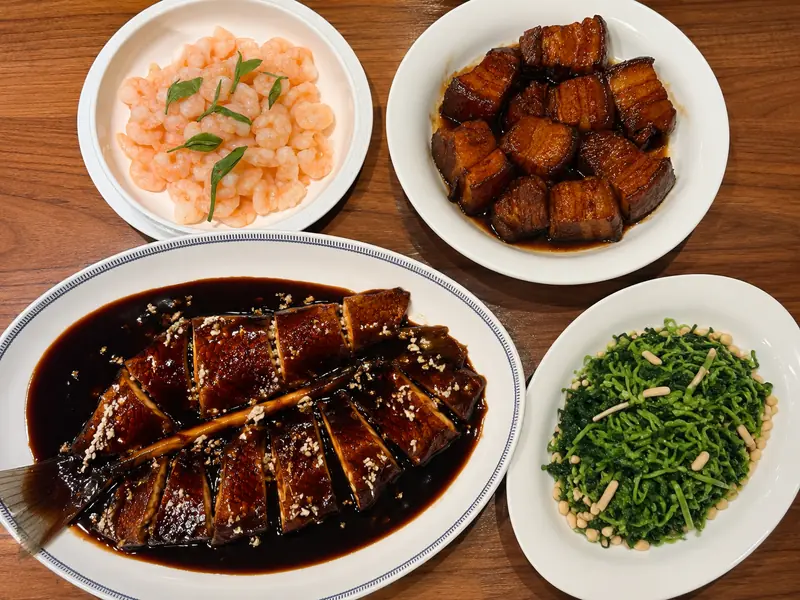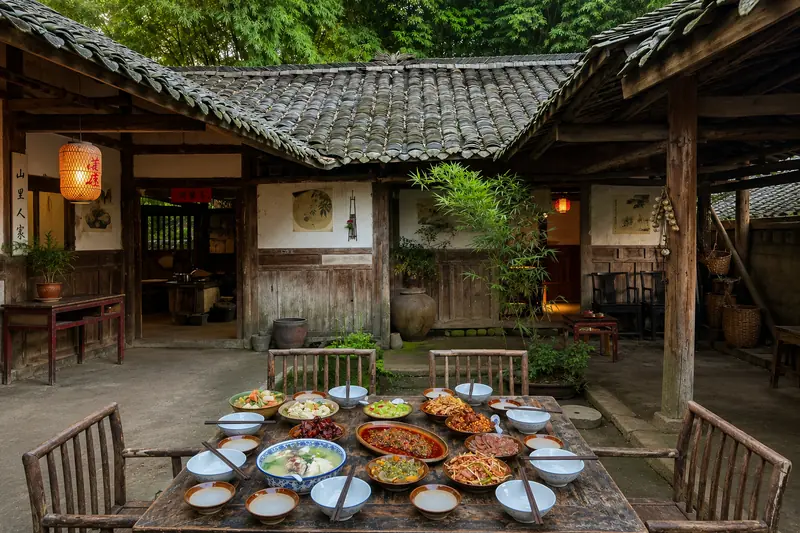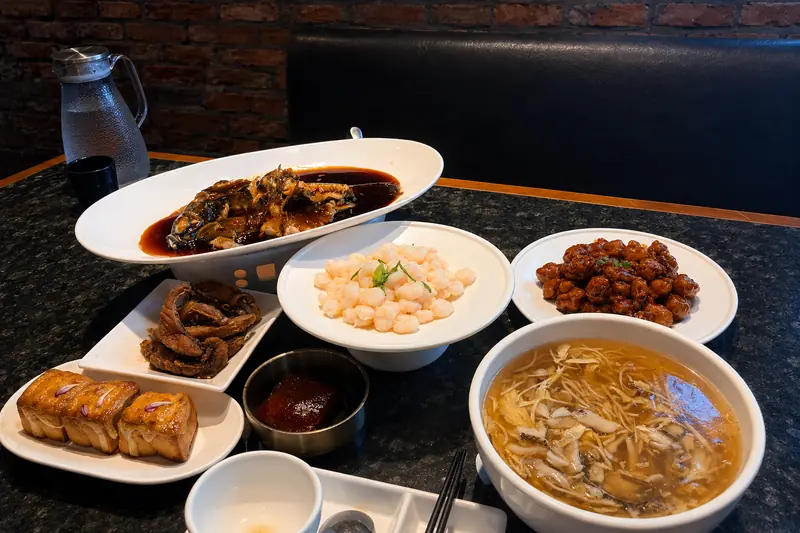
Zhejiang cuisine (浙菜) is easy to undersell as "light." That is the wrong word if it makes you expect bland food. A better first impression is fresh, tender, slightly sweet, wine-scented, and tied to water: West Lake fish, river shrimp, East China Sea seafood, spring bamboo shoots, Shaoxing yellow wine, Ningbo salty crab, Wenzhou fish balls, and the quiet gloss of Jiangnan cooking.
Use this guide as a flavor map, not another Hangzhou checklist. We already cover Hangzhou classics in the Hangzhou Food Guide and go deeper on Dongpo Pork. This article explains what makes Zhejiang food wider than one lake city, where its gentle flavors become salty, wine-rich, coastal, or even spicy, and how to order a first table without repeating the same famous dishes.
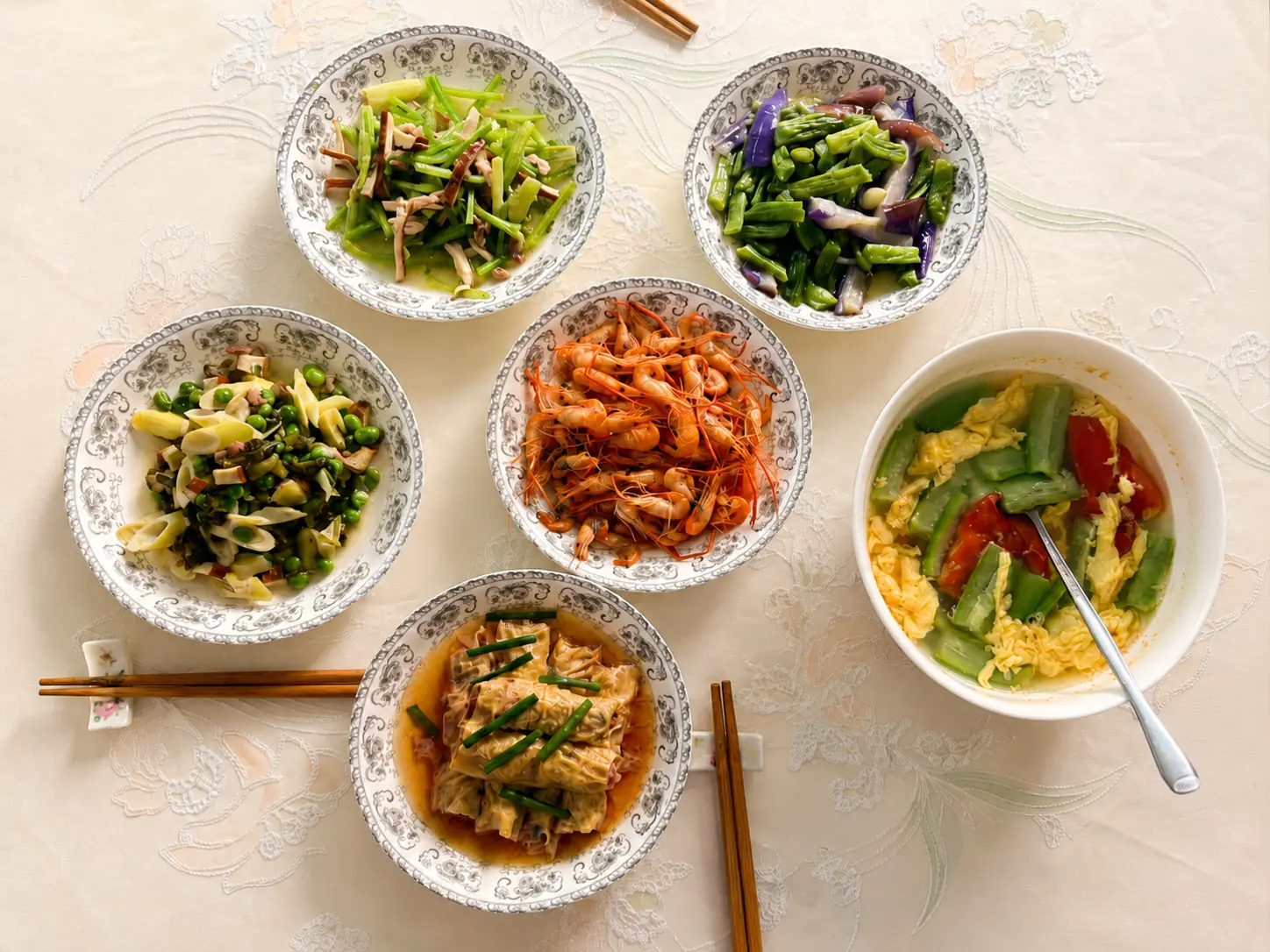
Executive Summary
What this guide covers
Zhejiang cuisine as a province-level food tradition: Hangzhou elegance, Ningbo seafood, Shaoxing yellow wine, Wenzhou/Ou cuisine, coastal freshness, local snacks, and traveler ordering strategy.
Best first table
Build contrast: one fresh shrimp or fish dish, one wine- or soy-braised dish, one seasonal vegetable, one local starch or snack, and a dessert only if the table still feels light.
Main traveler challenge
Zhejiang food is usually low on chili heat, but it may hide seafood, fish bones, pork, ham, chicken stock, Shaoxing wine, wheat, soy, sugar, and raw-pickled seafood.
8 cuisines
Zhe cuisine status
4 branches
Useful traveler frame
Sea + river
Main freshness logic
Ask first
Wine and seafood risks
Zhejiang Cuisine Is Fresh, Not Plain
Zhejiang cuisine is commonly counted among China's Eight Great Cuisines. A China Daily government travel page describes it as a Jiangnan culinary tradition that pays close attention to seasonal ingredients, tenderness, crispness, and cooking method. That is the right starting point for travelers: this is food that often tries to protect the ingredient rather than bury it.

Freshness in Zhejiang does not mean raw. It means the fish should still taste like fish, the shrimp should stay springy, the bamboo shoots should feel crisp, the soup should not be muddy, and the sauce should support rather than dominate. Sweetness appears, but usually as a soft edge around soy sauce, vinegar, yellow wine, or braised meat.
Start with two core flavor signals:
Fresh and Tender
Seafood, river fish, shrimp, bamboo shoots, chicken, tofu skin, and seasonal vegetables should keep a clean texture. Overcooking is the easiest way to flatten the cuisine.
Mellow, Not Fiery
Shaoxing wine, soy sauce, sugar, vinegar, ginger, scallion, ham, and stock create roundness. Most classic Zhejiang dishes are not built around chili heat.
Do not judge Zhejiang by spice level
If your benchmark for "flavor" is chili oil, Zhejiang may seem quiet at first. Give it a few bites. The point is balance, aroma, texture, and seasonality.
Hangzhou Is the Gateway, Not the Whole Province
Hangzhou cuisine (杭帮菜) is the branch most foreign travelers meet first because the city has West Lake (西湖), Longjing tea (龙井茶), Dongpo Pork (东坡肉), West Lake Fish in Vinegar Gravy (西湖醋鱼), and Longjing Shrimp (龙井虾仁). Hangzhou gives Zhejiang cuisine its most polished travel image: lake scenery, tea fragrance, gentle sauces, scholar stories, and old restaurant names.
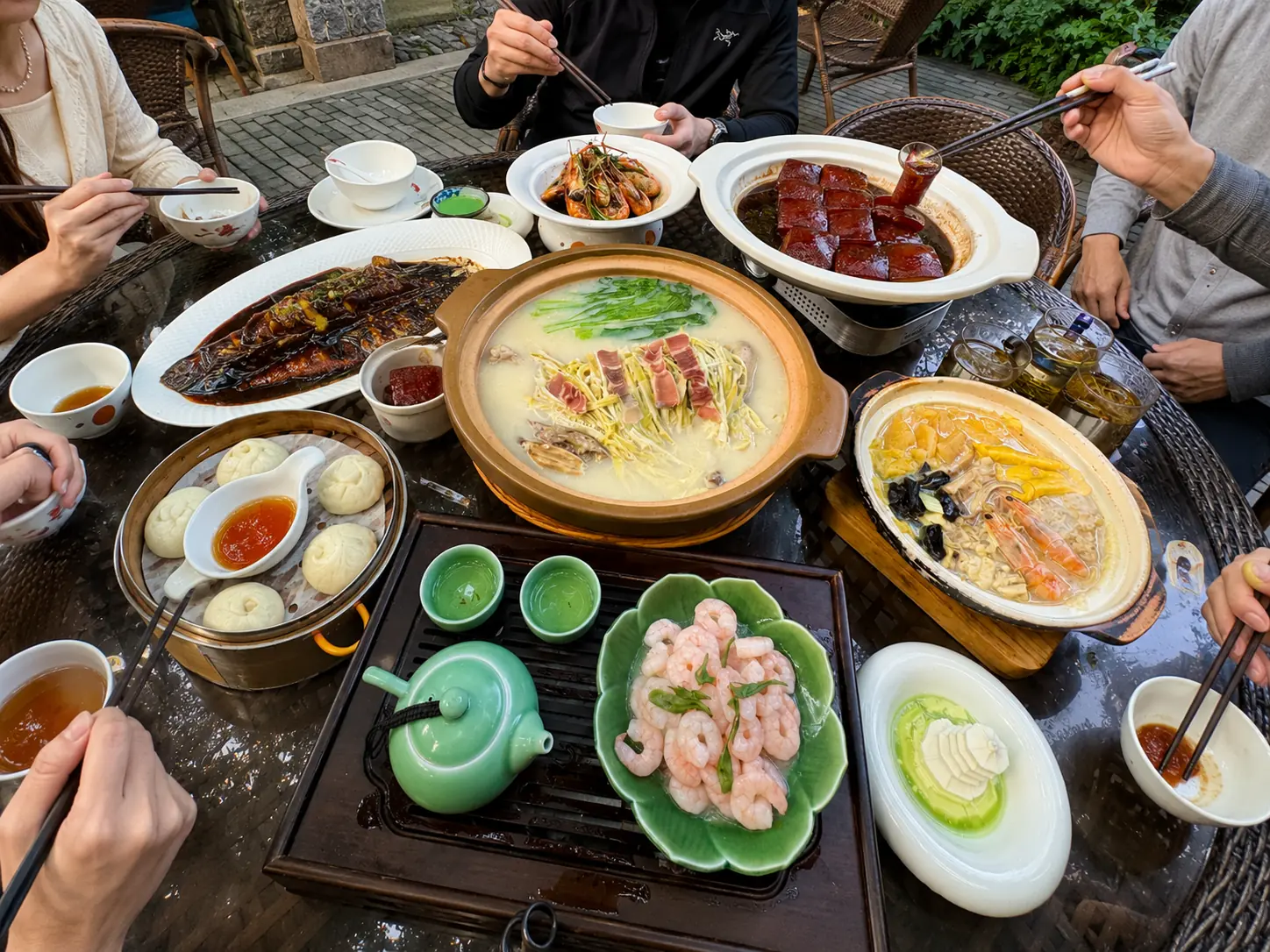
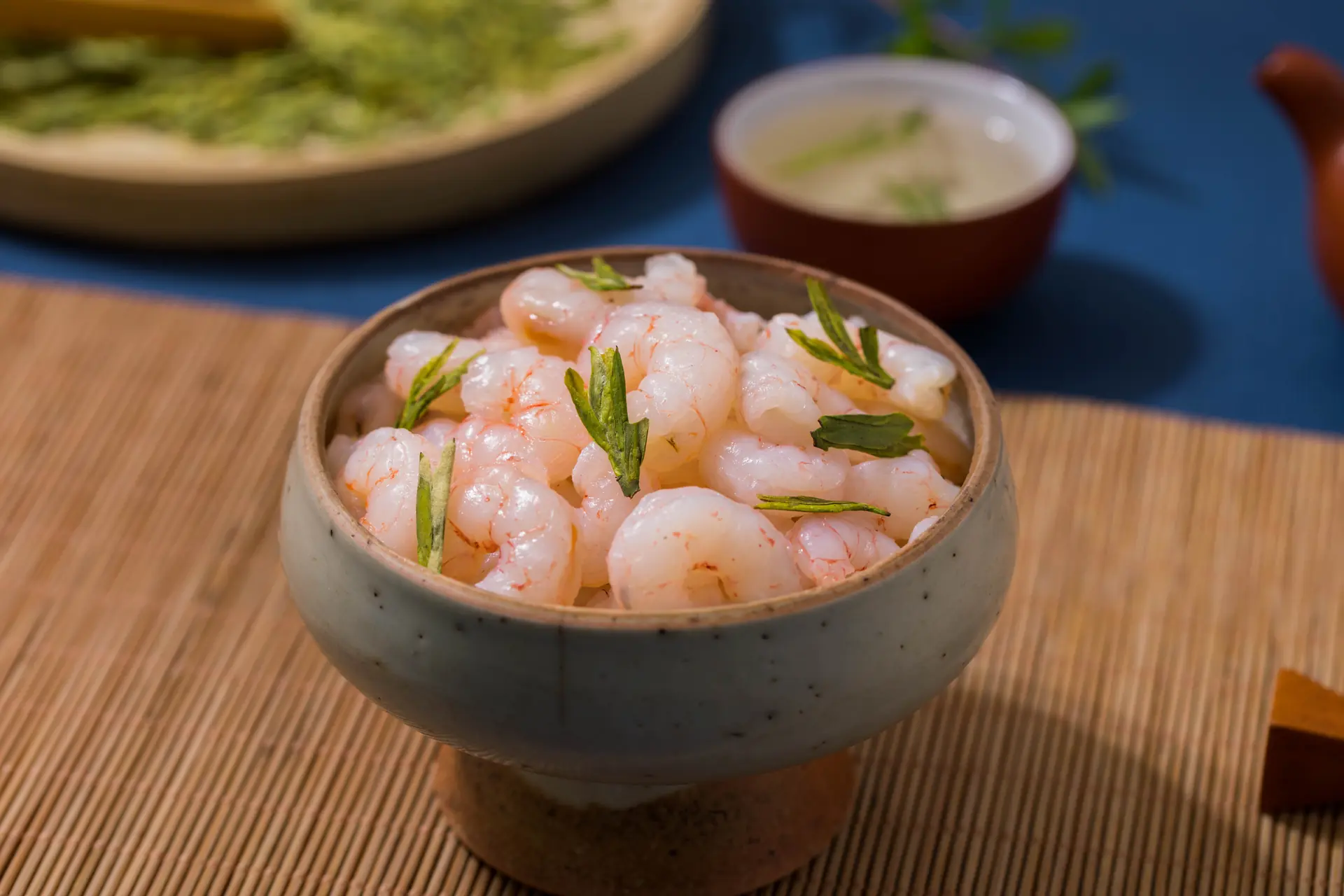
But Hangzhou is not all of Zhejiang. A useful traveler frame is four classic branches: Hangzhou, Ningbo, Shaoxing, and Wenzhou/Ou cuisine. TravelChinaGuide's Zhejiang cuisine overview uses this four-part structure, while some sources emphasize only the biggest three. For this guide, four branches are the clearest way to avoid the common mistake: treating Zhejiang as a softer version of Hangzhou food.
| Branch | Core Places | Flavor Shortcut | Good First Example |
|---|---|---|---|
| Hangzhou 杭帮菜 | Hangzhou, West Lake, tea hills | Elegant, fresh, tea-scented, slightly sweet, story-rich | Longjing Shrimp, Dongpo Pork, spring bamboo shoots |
| Ningbo 宁波菜 | Ningbo, nearby coast, East China Sea routes | Seafood, salty-fresh flavor, yellow croaker, crab, eel, rice cakes | Yellow croaker with pickled vegetables, Ningbo tangyuan |
| Shaoxing 绍兴菜 | Shaoxing, water towns, yellow-wine culture | Wine aroma, drunken dishes, preserved vegetables, mellow sauces | Drunken chicken, yellow-wine braises, dried-vegetable pork |
| Wenzhou / Ou 温州菜 / 瓯菜 | Wenzhou, southern Zhejiang coast | Light seafood, rice noodles, snacks, night eating | Fish ball soup, fried rice noodles, duck tongue |
Ningbo Seafood Brings Salty-Fresh Coastal Flavor
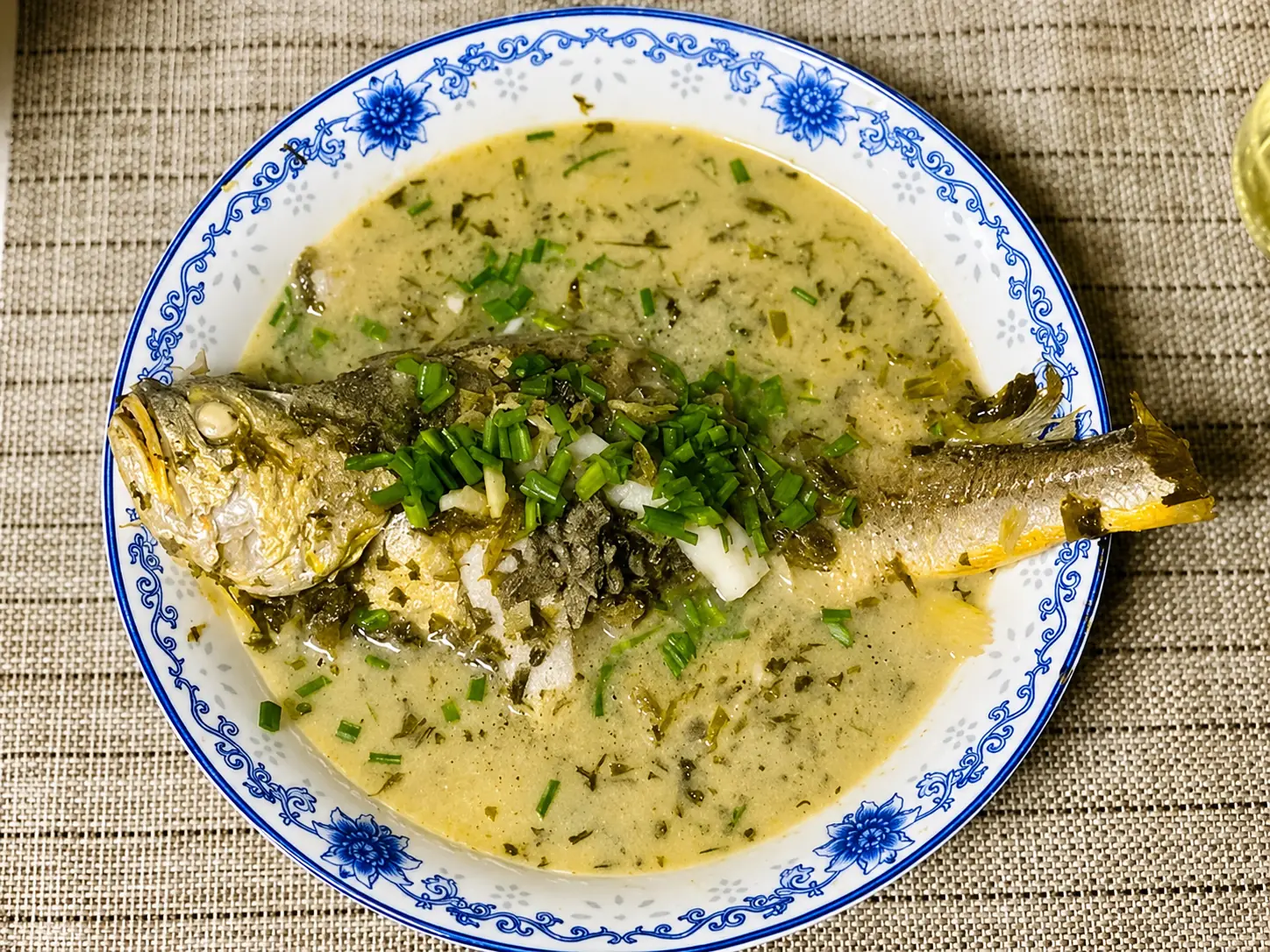
Ningbo (宁波) is where Zhejiang food becomes more maritime. The city sits on the coast and has long been connected to seafood, salt, fishing grounds, and port trade. A Ningbo government portal page presented by China Daily notes that Ningbo cuisine is known for seafood, fresh and tender ingredients, and methods such as steaming, braising, simmering, stir-frying, and quick-frying.
The phrase to remember is salty-fresh. It does not mean every dish is aggressively salty. It means sea flavor, preserved vegetables, crab paste, yellow croaker, eel, hairtail, and coastal ingredients can make the table taste more direct than Hangzhou. A later China Daily report on Ningbo specialty seafood highlights Ningbo's coastal access, East China Sea seafood, salty-fresh identity, yellow croaker soup with pickled vegetables, raw-pickled crab, crab paste, fried eel paste, hairtail, and Ningbo tangyuan.
That makes Ningbo exciting and slightly risky for visitors. If you love seafood, it may be the most vivid Zhejiang branch. If you have shellfish allergies or a low tolerance for raw-pickled seafood, start carefully.
- Safer first moves: yellow croaker soup with pickled vegetables, cooked fish, rice cakes, tangyuan, and steamed or braised seafood.
- More local but riskier: salted crab, crab paste, drunken crab, and raw-pickled seafood.
- Do not assume mild means allergy-safe: shrimp, crab, fish, shellfish, dried seafood, and fish stock can appear in light dishes.
Shaoxing Adds Yellow-Wine Aroma to Zhejiang
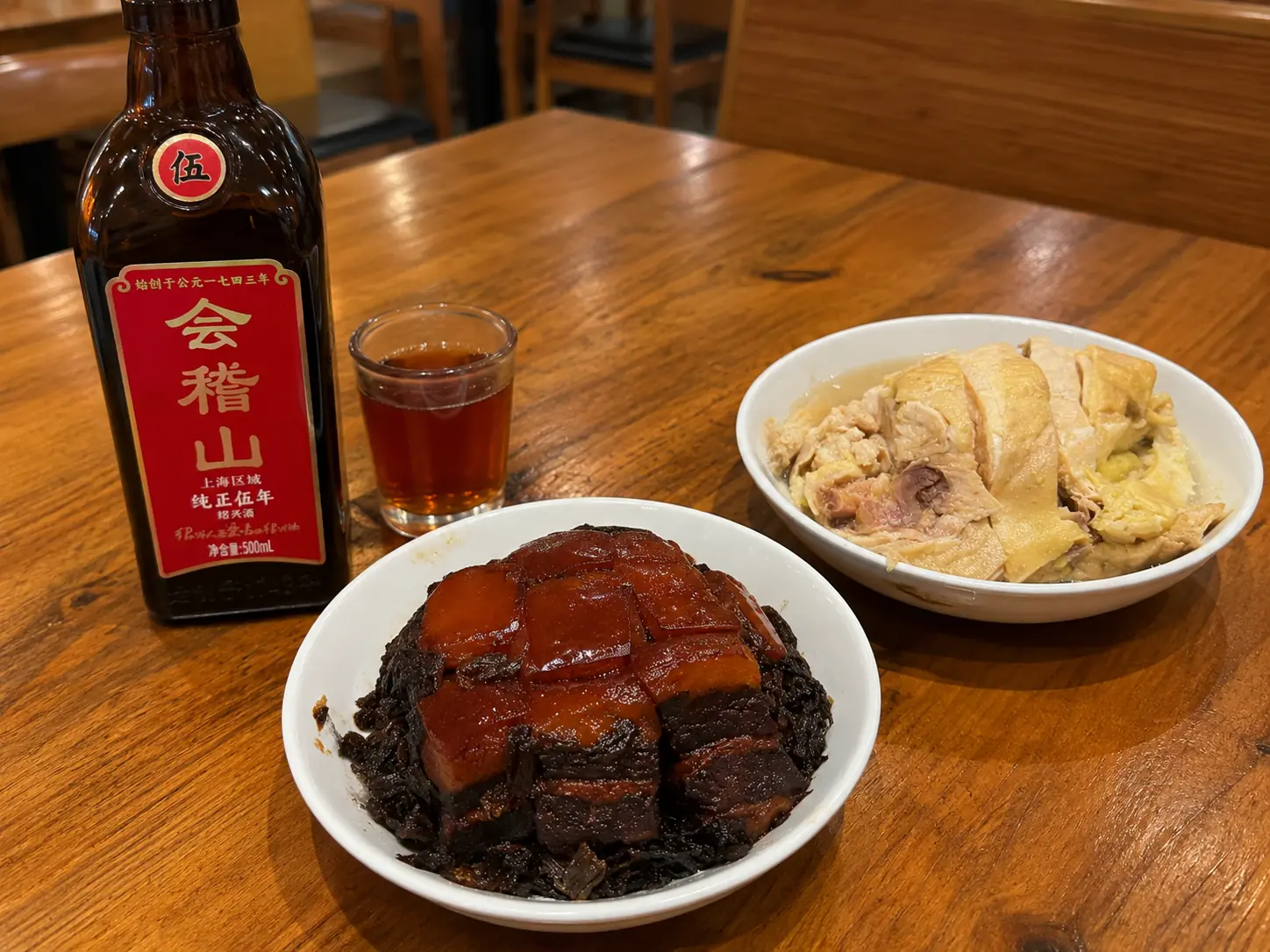
Shaoxing (绍兴) gives Zhejiang cuisine one of its most important aromas: yellow rice wine (黄酒). In a restaurant, Shaoxing wine is not just a bottle for drinking. It can perfume chicken, shrimp, fish, pork, sauces, soups, and cold dishes. It helps remove fishiness, adds a mellow sweetness, and gives the table a deeper Jiangnan warmth.
The same Zhejiang cuisine overview notes Shaoxing yellow wine as a distinctive seasoning in Zhejiang food, and In Zhejiang's Shaoxing yellow rice wine feature describes the wine as a beverage, medicine, and seasoning, with types such as Yuanhong (元红), Jiafan (加饭), Shanniang (善酿), and Xiangxue (香雪). Travelers do not need to memorize the wine taxonomy. What matters is the flavor behavior: fragrant, mellow, sometimes sweet, and often hidden inside "light" dishes.
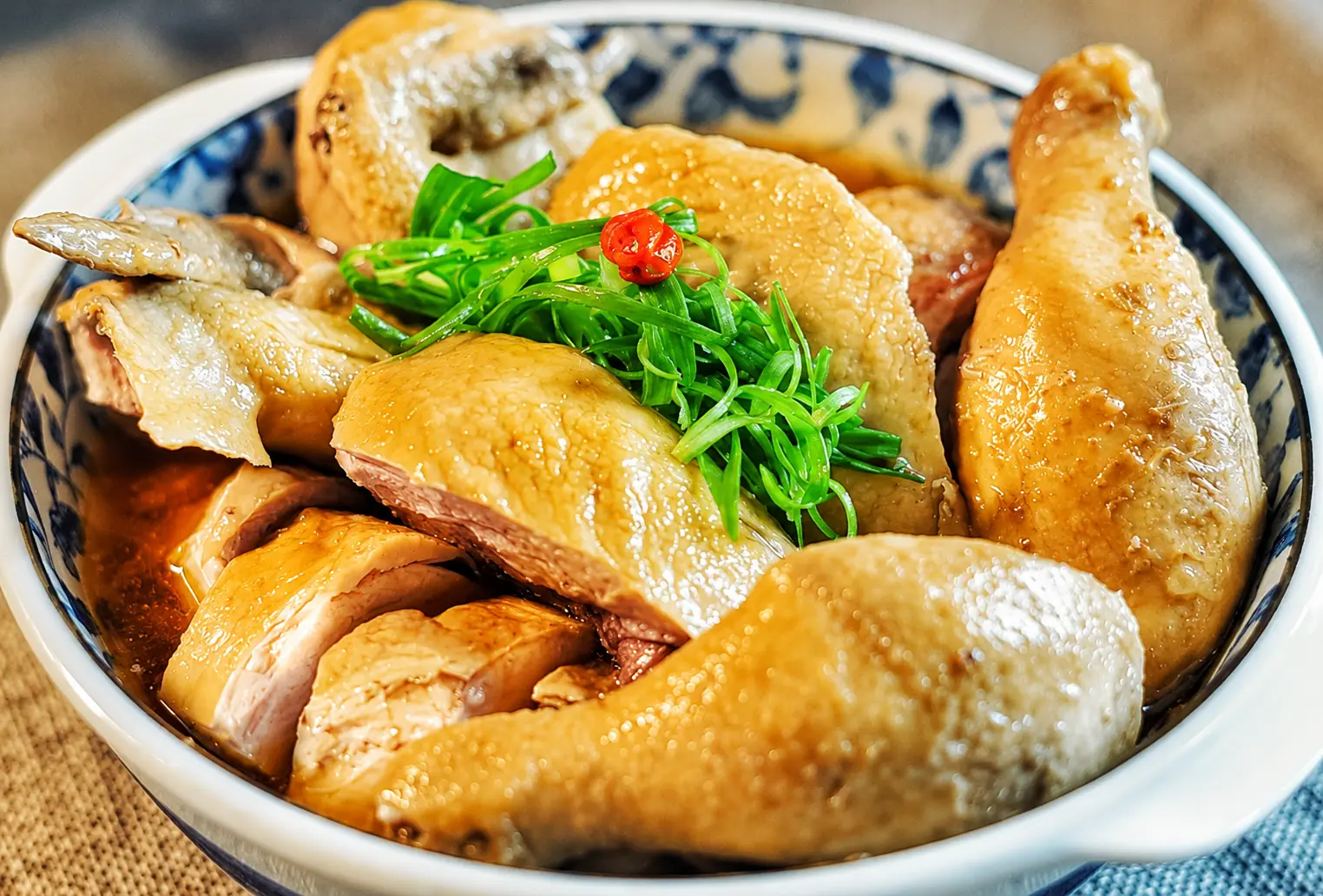
Shaoxing also brings preserved and fermented tastes: dried mustard greens, soy-braised meats, drunken chicken (醉鸡), drunken shrimp (醉虾), drunken crab (醉蟹), fennel beans (茴香豆), and old-town snacks. Some are easy; some are not ideal for a first China trip.
Watch the drunken dishes
Drunken chicken is usually an easier first taste than drunken shrimp or drunken crab. If you avoid raw or semi-raw food, skip raw-pickled and drunken seafood unless a trusted restaurant clearly explains the preparation.
Wenzhou and Taizhou Show the Coast
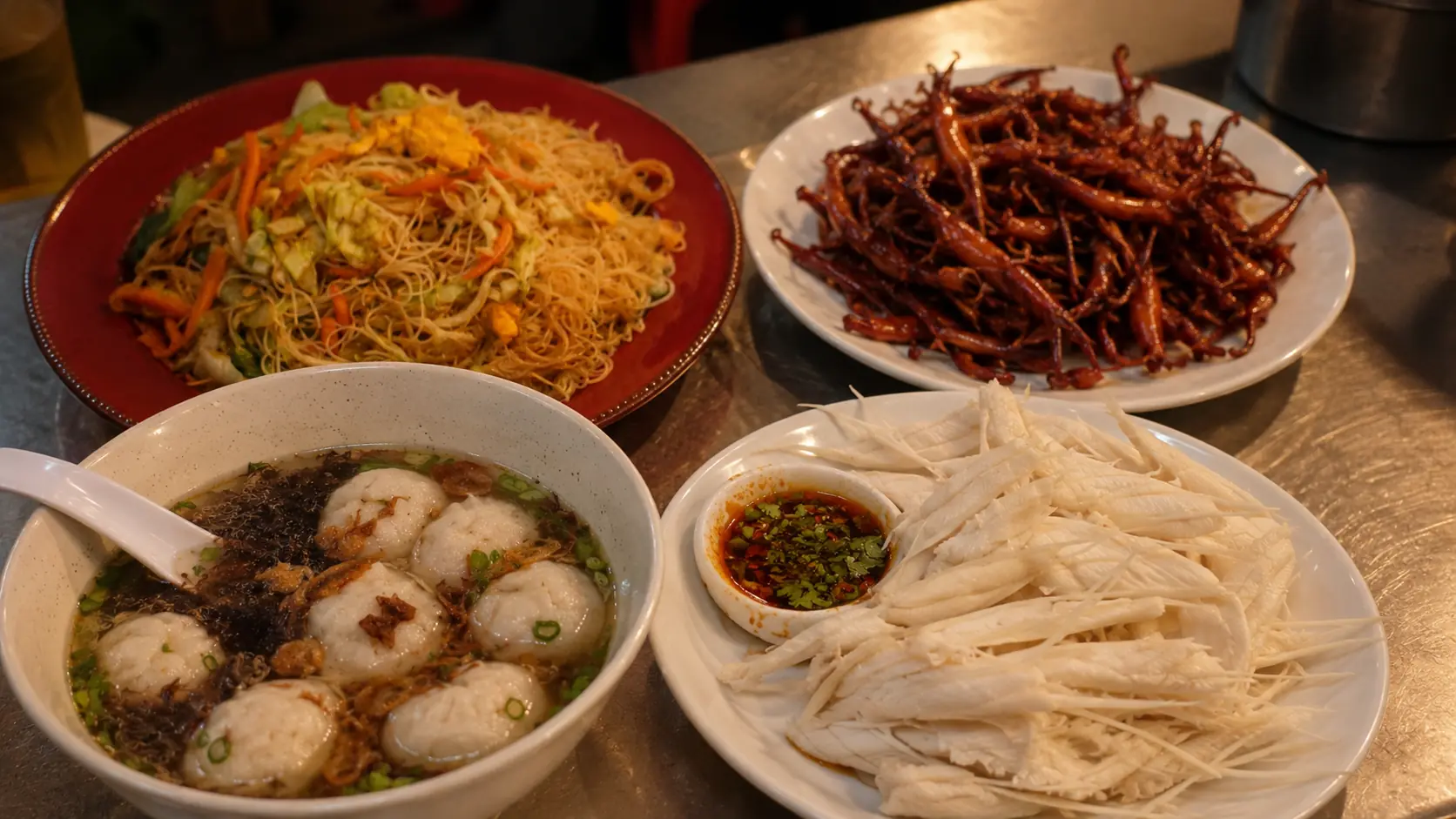
Wenzhou cuisine, also called Ou cuisine (瓯菜), is less famous internationally than Hangzhou food, but it gives southern Zhejiang a clearer voice. The same Zhejiang cuisine overview describes Wenzhou food as seafood-led and light in flavor, with careful slicing, less oil, and less starchy thickening than heavier regional styles.
Wenzhou fried rice noodles (温州炒粉干) are a good traveler entry point. An official Wenzhou page describes the dish as rice noodles with lean meat, mushrooms, eggs, scallions, and toppings such as dried shrimp, squid, or eel. That tells you a lot about Wenzhou: rice-based, flexible, seafood-friendly, and snackable.
Taizhou (台州) is not one of the four classic branches in the standard shorthand, but travelers should know it because coastal Zhejiang food is increasingly visible through Taizhou seafood restaurants. Keep the framing clean: Taizhou is a strong modern coastal food scene and a useful extension, not the traditional fourth branch of Zhejiang cuisine.
Quzhou Breaks the Mild Zhejiang Stereotype
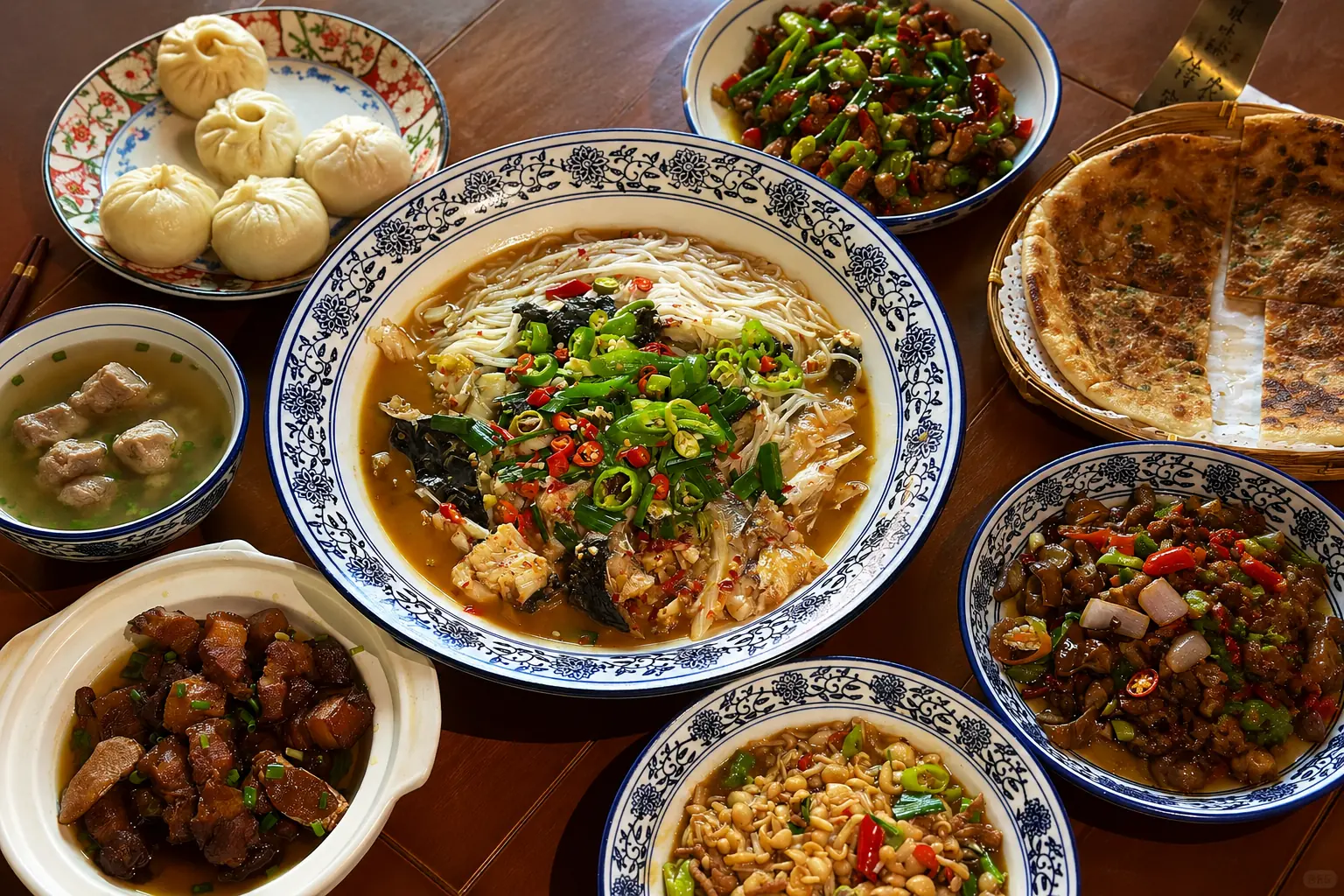
Most classic Zhejiang food is low on chili heat. Quzhou (衢州), in western Zhejiang, is the exception travelers should know. A China Daily regional page reports that Changshan county in Quzhou was recognized as a hometown of spicy dishes in Zhejiang at a provincial Zhejiang cuisine event, while noting that Kaihua dishes in the same area can be more neutral.
That does not make Quzhou a fifth classic branch of Zhejiang cuisine. It does make the province more interesting. If you eat spicy fish, mountain vegetables, sweet potato starch noodles, rice cakes, or stronger seasonings in western Zhejiang, you have not left Zhejiang food. You have moved away from the lake-and-coast stereotype.
Classic Zhejiang Dishes by Flavor Logic
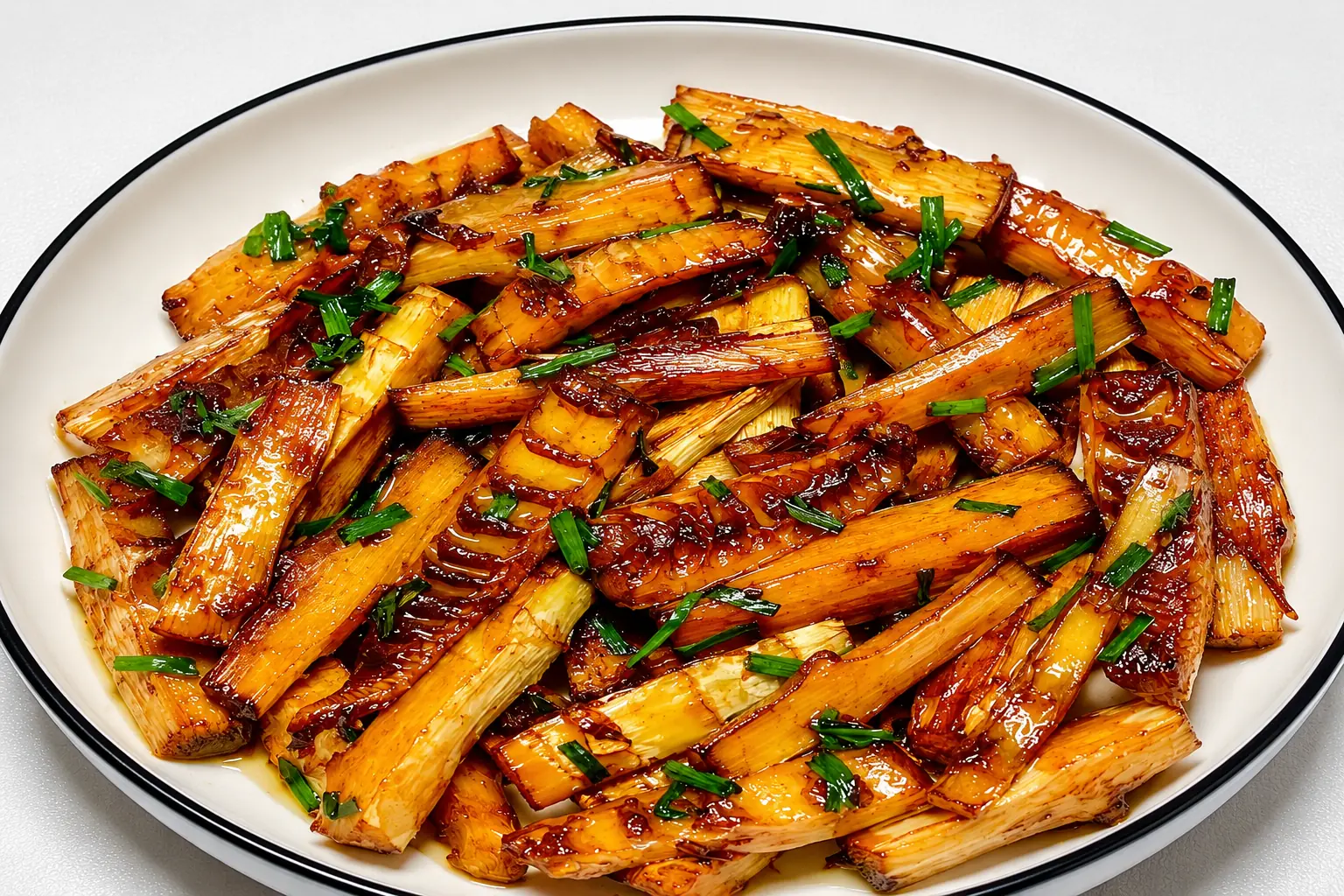
Instead of memorizing a long dish list, order by what each dish teaches. A balanced Zhejiang meal should show at least two of these: fresh water, sea flavor, yellow-wine aroma, seasonal vegetables, mellow braising, and a local starch or sweet.
| Flavor Logic | Good Examples | Best For | Traveler Note |
|---|---|---|---|
| West Lake and tea | Longjing Shrimp, West Lake Fish in Vinegar Gravy, Sister Song's Fish Broth | First Hangzhou meal, gentle river flavors | West Lake Fish is famous but divisive. Do not let it define all Zhejiang food. |
| Soy and yellow wine | Dongpo Pork, drunken chicken, dried-vegetable pork, Shaoxing wine braises | Rice meals, cool weather, diners who like mellow sauce | May contain pork, sugar, soy sauce, and wine. |
| Salty-fresh seafood | Yellow croaker with pickled vegetables, crab paste, hairtail, cooked shrimp, eel | Ningbo, Zhoushan, Taizhou, Wenzhou routes | Excellent if you love seafood; high-risk for shellfish allergies. |
| Seasonal vegetables | Braised spring bamboo shoots, water shield soup, lotus root, fresh greens | Spring and summer, lighter tables | Vegetable-looking dishes may still use chicken stock, ham, or dried shrimp. |
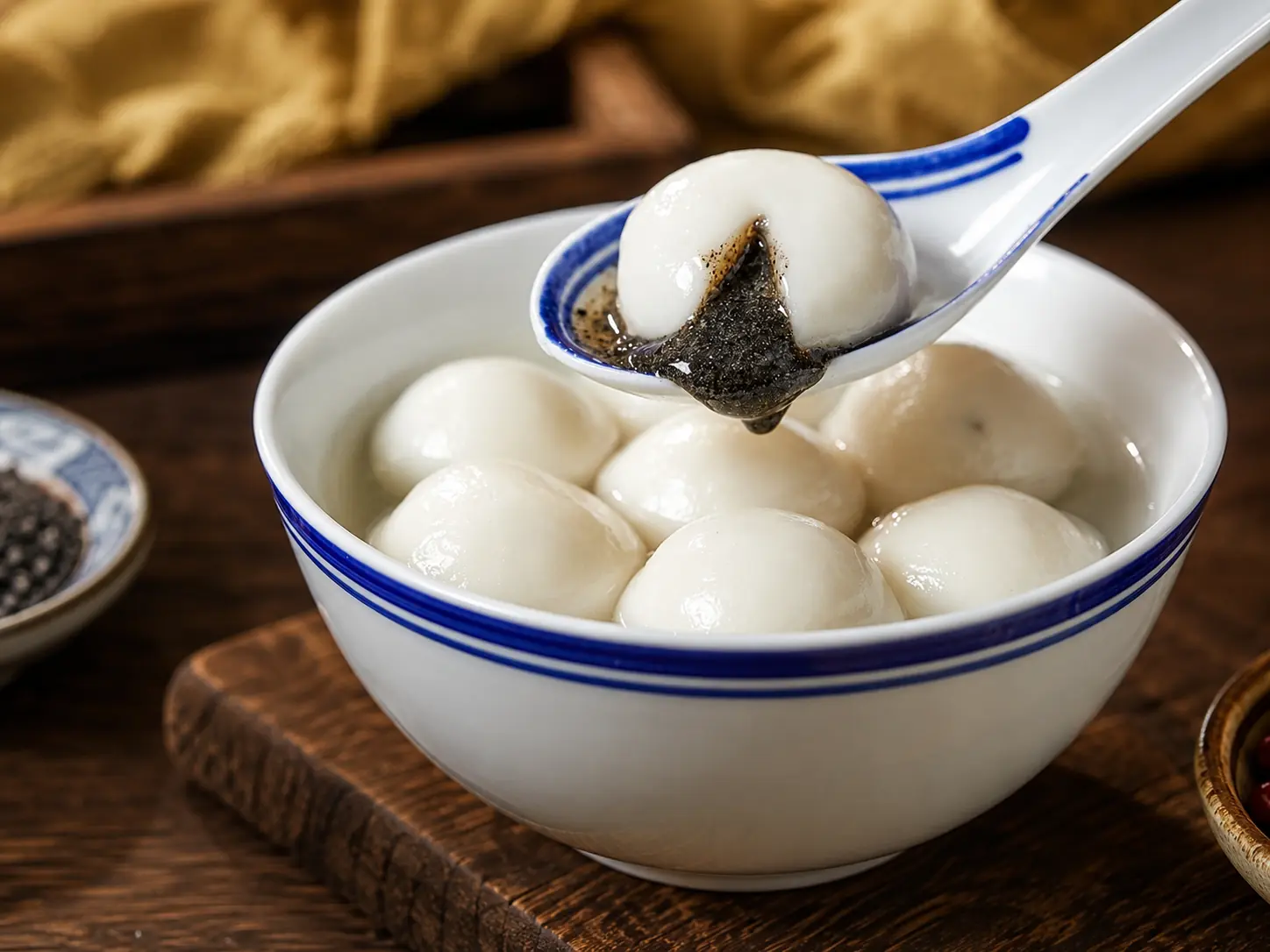
| Snacks and starches | Ningbo tangyuan, Wenzhou fried rice noodles, Jiaxing zongzi, rice cakes | Breakfast, light meals, food streets, travel days | Tangyuan may contain lard; zongzi and noodles are filling. |
How to Order a First Table
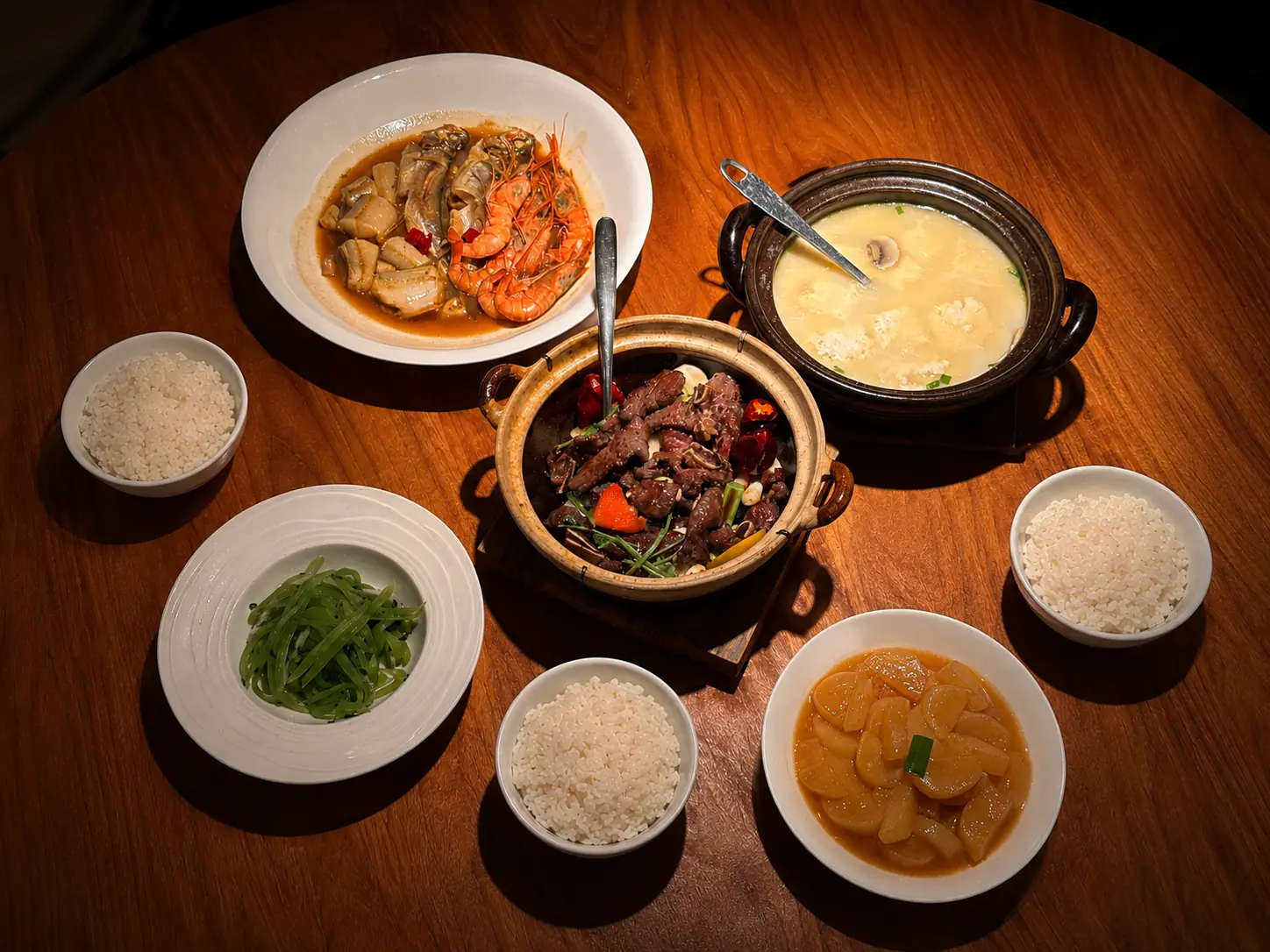
For two people, do not chase every famous dish. Pick one fresh dish, one mellow dish, one vegetable, and one starch or snack.
If you are in Hangzhou, lean toward tea, lake fish, bamboo shoots, and Dongpo Pork. In Ningbo, make seafood the center. In Shaoxing, try a cooked yellow-wine dish before raw drunken seafood. In Wenzhou, combine fish balls, fried rice noodles, and one seafood dish. In Quzhou, treat spice as a local choice, not a province-wide rule.
Two-Person First Table
balanced and realistic
Order one shrimp, fish, or soup dish; one Dongpo-style, yellow-wine, or soy-braised dish; one seasonal vegetable; and rice, noodles, rice cakes, or tangyuan. Add West Lake Fish only if you are curious about the famous dish and comfortable with sweet-sour fish.
Four-Person First Table
more room for contrast
Add one coastal seafood dish or one Shaoxing wine dish, then keep the rest restrained. Too many classics together can make the table sweet, rich, and repetitive.
Dietary Risks Hide in Light Dishes
Zhejiang food looks gentle, but the risks are not always visible. Seafood, river fish, shrimp, crab, pork, ham, chicken stock, Shaoxing wine, soy sauce, wheat, starch, sugar, and lard can appear in dishes that look light.
- Seafood allergy: be especially careful in Ningbo, Zhoushan, Wenzhou, and Taizhou food.
- Avoiding alcohol: ask about Shaoxing wine in chicken, shrimp, fish, pork, and soups.
- Avoiding pork: Dongpo Pork, dried-vegetable pork, ham stock, lard-filled tangyuan, and some broths are not suitable.
- Vegetarian meals: confirm stock, ham, dried shrimp, fish sauce, and lard. A green dish is not automatically vegetarian.
- Raw-food concerns: avoid drunken shrimp, drunken crab, salted crab, and raw-pickled seafood unless you understand the preparation.
| English | Chinese | Pinyin | Say It Like… |
|---|---|---|---|
| We do not eat raw-pickled food | 我们不吃生腌 | wǒmen bù chī shēngyān | Woh-men boo chir shung-yen |
| Does this dish contain yellow rice wine? | 这道菜有黄酒吗? | zhè dào cài yǒu huángjiǔ ma | Juh daow tsai yo hwahng-jyoh ma |
| Can it be a little less sweet? | 可以少甜一点吗? | kěyǐ shǎo tián yìdiǎn ma | Kuh-yee shaow tyen ee-dyen ma |
Frequently Asked Questions
Usually no. Classic Zhejiang food is more often fresh, mild, slightly sweet, wine-scented, or seafood-forward. Western Zhejiang, especially around Quzhou and Changshan, can be noticeably spicier.
Beyond This Guide
Use this Zhejiang cuisine guide to understand the province, then choose the city-level guide that matches your actual route. Start with the Hangzhou Food Guide if you are staying around West Lake, the Dongpo Pork guide if you want one classic dish explained properly, and the Jiangsu Cuisine Guide if you are comparing Jiangnan flavors across Suzhou, Nanjing, Yangzhou, and Hangzhou.
© gochinafreely.com — Original guide by Go China Freely.