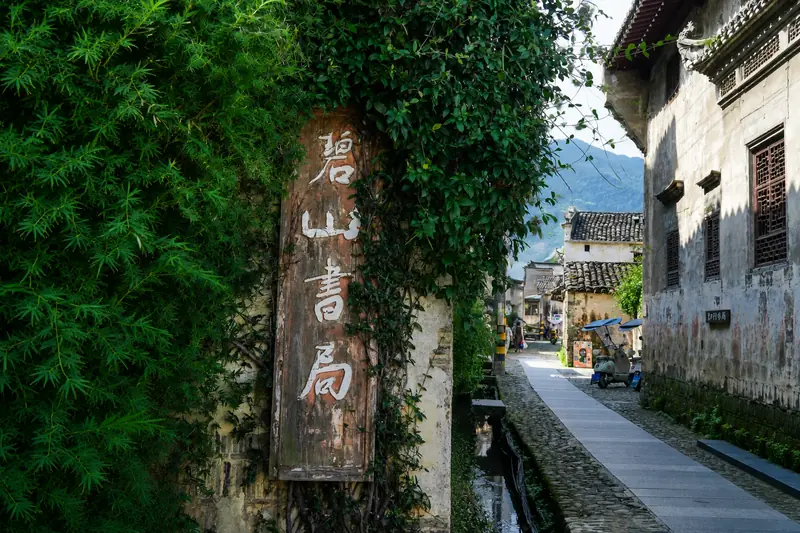
Huangshan (黄山) is easy to misread if you plan it as one mountain: a strong 2-4 day trip usually combines Mount Huangshan, UNESCO-listed villages, Hui-style food, tea, and one well-chosen base. This guide maps the best things to do in Huangshan by travel rhythm, so you can connect Yellow Mountain, Hongcun, Xidi, Tunxi, and Yi County villages without turning the trip into a transfer puzzle.
First-Time Huangshan: Start Here
If you are looking at Huangshan for the first time, start with rhythm, not completeness. The mountain is weather-driven, Hongcun and Xidi are light-driven, Tunxi is evening-friendly, and the transport nodes can pull the trip apart if you treat them as one compact city center.
Two days
Focus on Mount Huangshan plus one soft add-on: Hongcun, Tunxi Old Street, or a recovery night in Tangkou. This gives you the headline, but it is too short for a relaxed mountain-and-villages trip.
Three days
Give Mount Huangshan one full day or one overnight, then add Hongcun, Xidi, and Tunxi. This is the most balanced first-trip version: mountain scenery, village architecture, and a practical city base.
Four days
Add Tachuan, Bishan, tea time, a quieter village stay, or a weather buffer for the mountain. This version feels less like a transfer puzzle and more like southern Anhui.
This guide is best for first-time independent travelers, couples, families with school-age children, photographers, and anyone deciding how to connect Yellow Mountain with Hongcun, Xidi, and the city of Huangshan without wasting the trip on backtracking.
Huangshan Is a Region
The easiest way to understand Huangshan is to stop treating it as a single city stop and start seeing four different layers. The same name can mean the prefecture-level city, the famous mountain scenic area, the high-speed rail arrival point, or the wider Hui culture landscape around Yi County.
Mountain Scenery
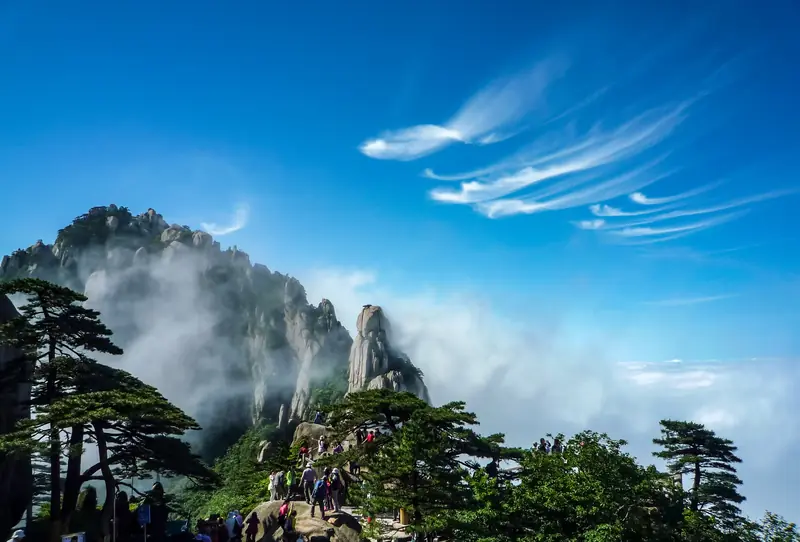
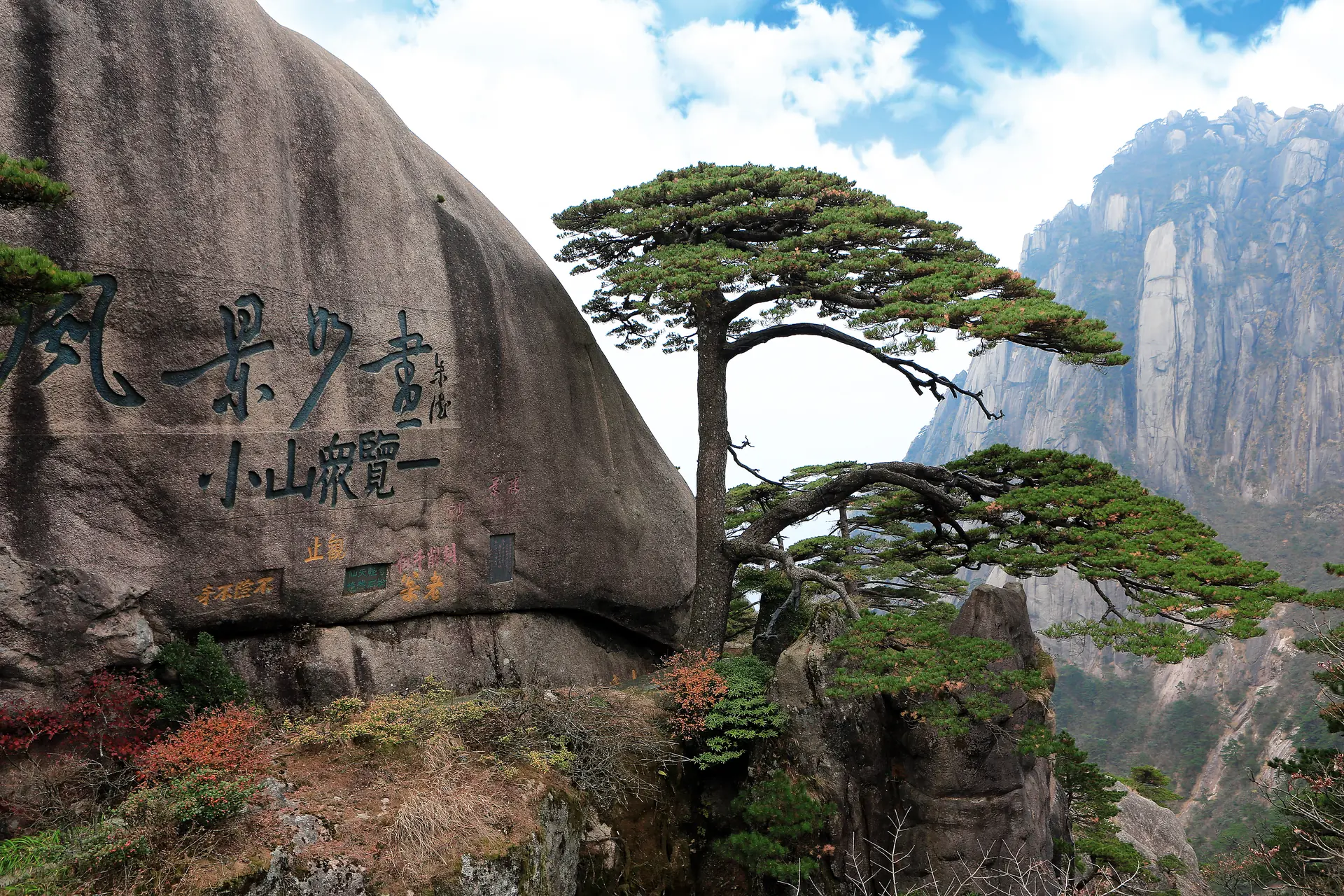
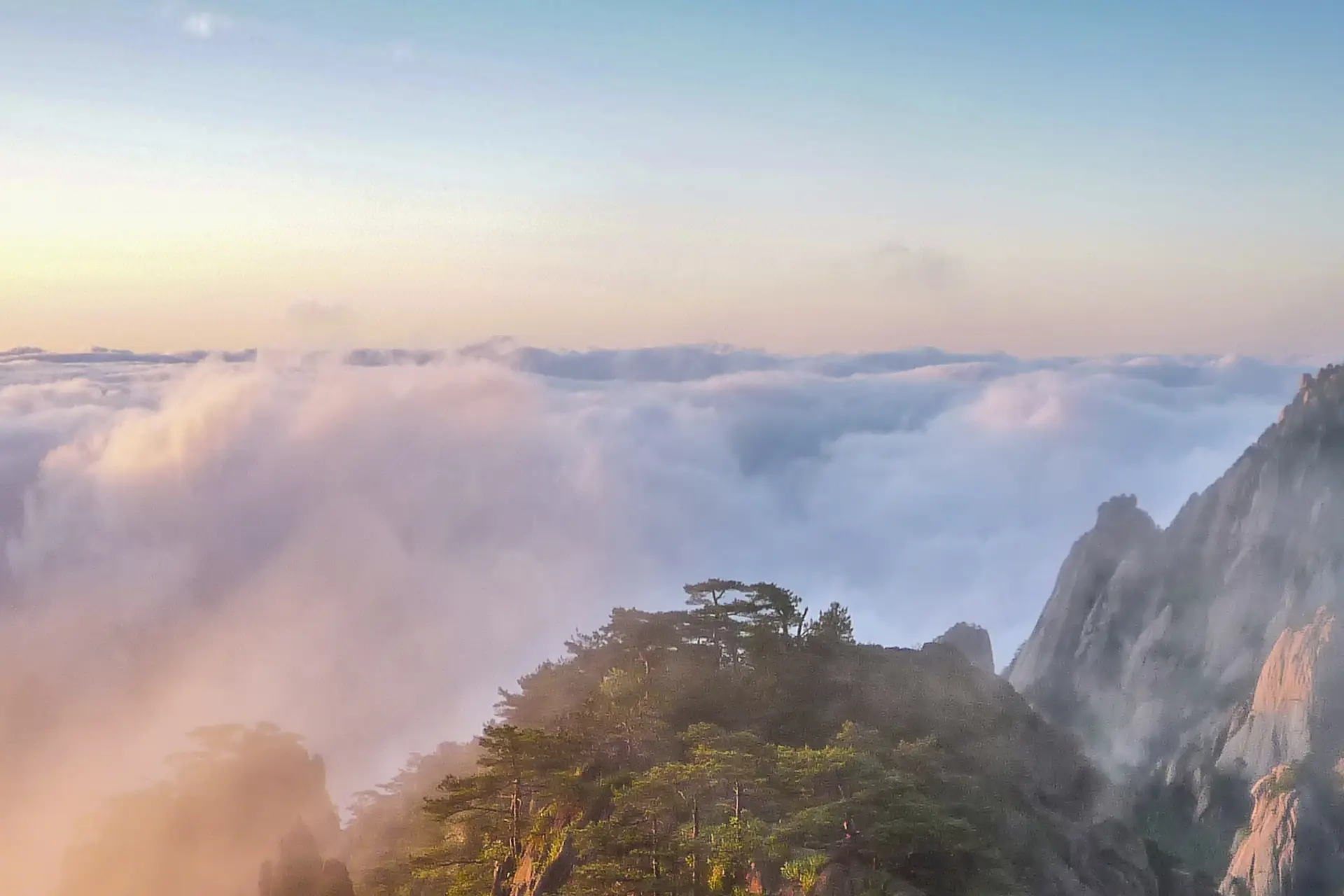
Where it shows up: Mount Huangshan, cloud seas, twisted pines, granite peaks, sunrise viewpoints, cableways, stone steps, and high ridge walks.
This is the emotional anchor for most first trips. Book and plan it first because weather, reservations, cableways, and energy shape everything else.
Ancient Villages
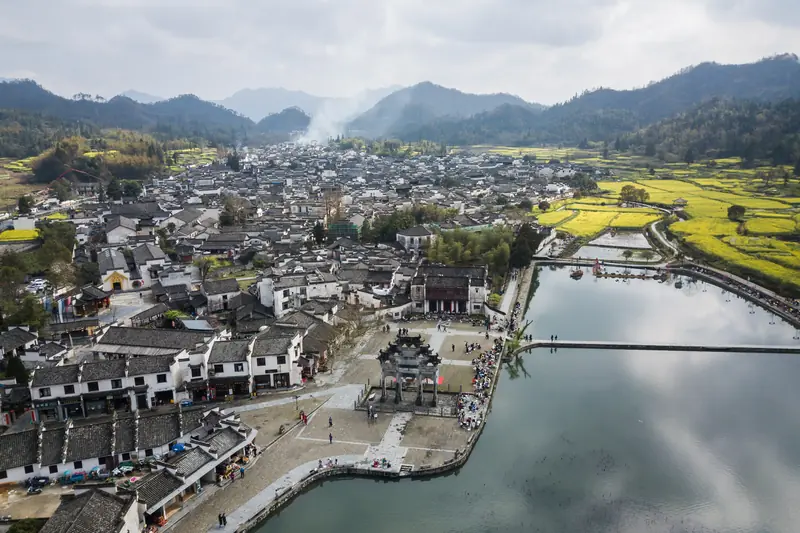
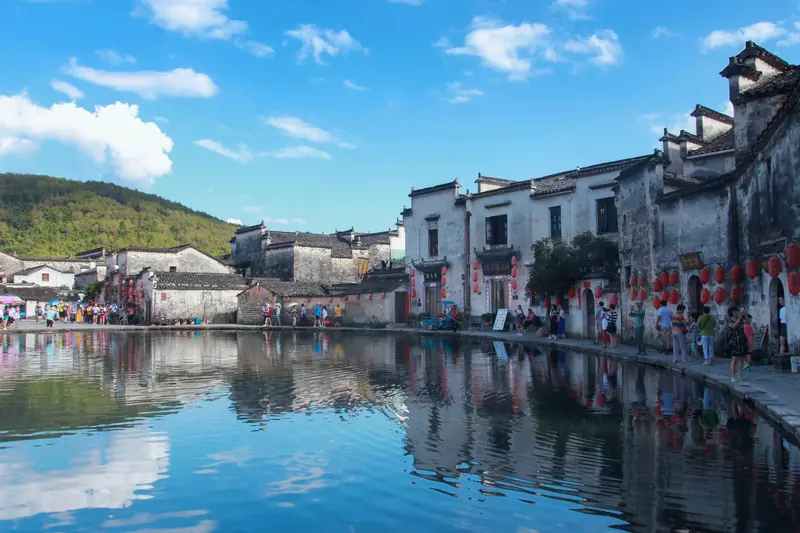
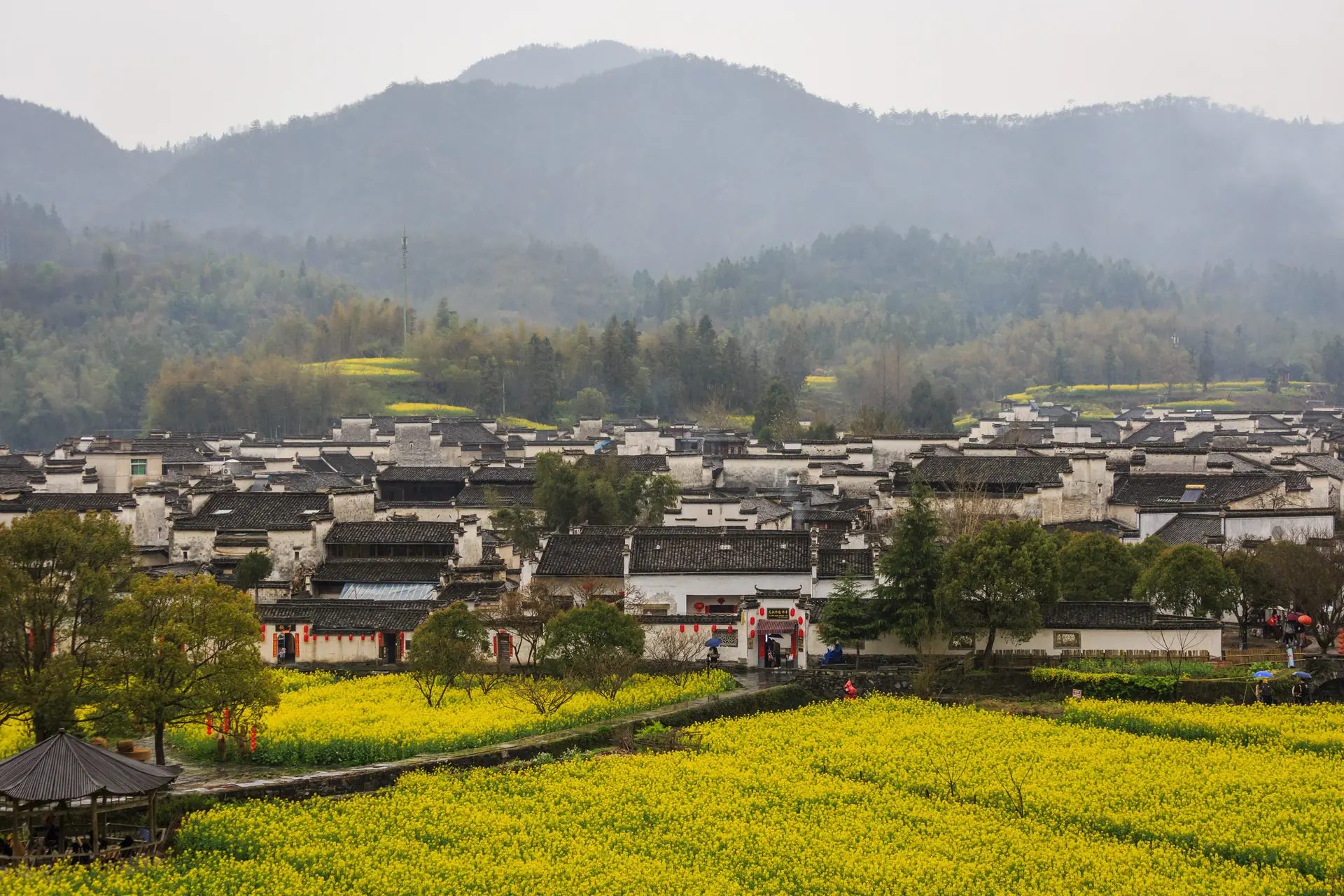
Where it shows up: Hongcun, Xidi, Tachuan, Bishan, old lanes, clan halls, ponds, white walls, black-tile roofs, and Hui-style courtyards.
This is the human-scale counterweight to the mountain. It works best early, late, or overnight, when the villages stop feeling like a day-tour corridor.
Food and City Base
Where it shows up: Tunxi Old Street, local restaurants, tea shops, simple hotels, train transfers, and practical errands before or after mountain days.
Tunxi will not be the most dramatic part of the trip, but it makes the trip easier. It is where many travelers eat, reset, and make the transport pieces behave.
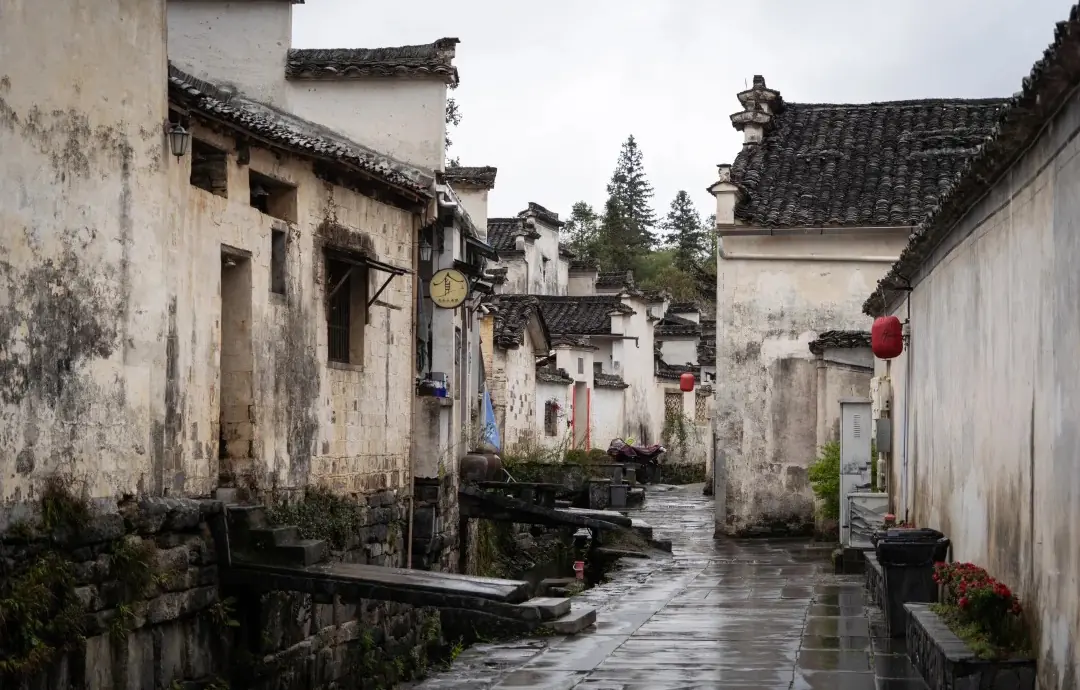
Slow Hui Countryside
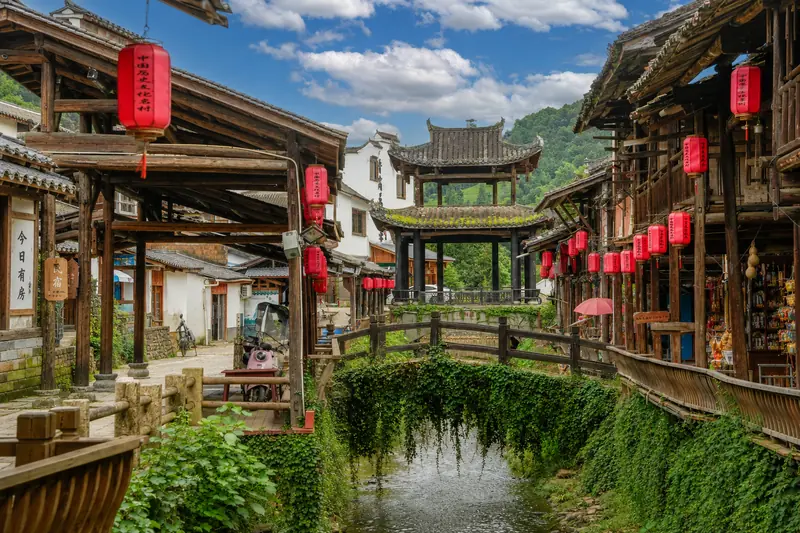
Where it shows up: Yi County side roads, Bishan, seasonal fields, tea, autumn villages, guesthouses, and smaller craft or bookshop stops.
This layer matters more if you have a fourth day, a camera, or a low tolerance for rushing. It is also where Huangshan starts feeling less like a famous-name checklist.
For a first trip, do not try to "finish" Huangshan. Choose the mountain style you want, choose one or two village experiences, then use Tunxi or Tangkou to keep the logistics clean.
10 Huangshan Experiences Worth Building Around
The first four are the core of most first-time Huangshan routes. The rest help you add seasonality, food, quieter villages, and practical structure without turning the trip into a blur of similar stops.
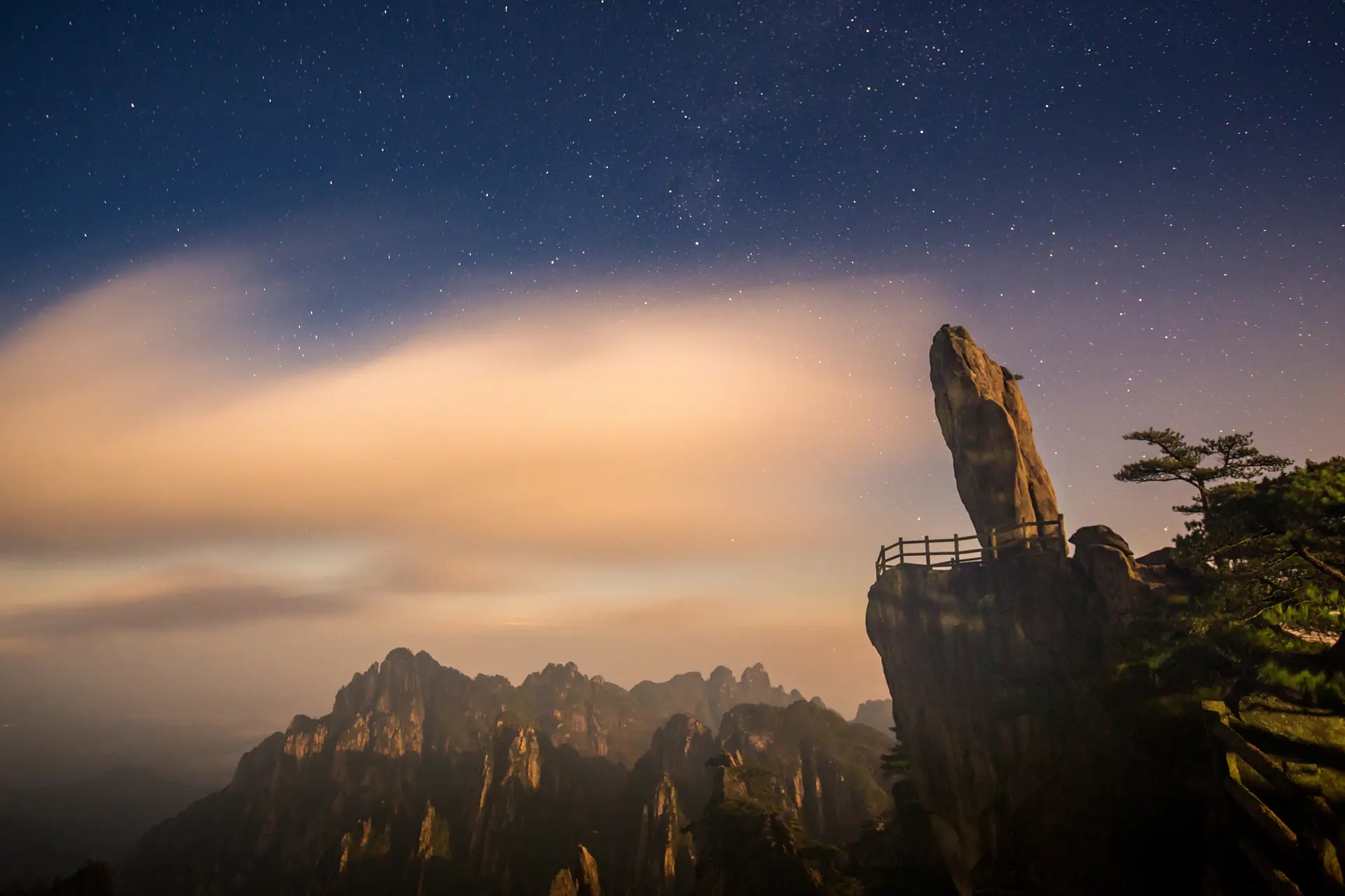
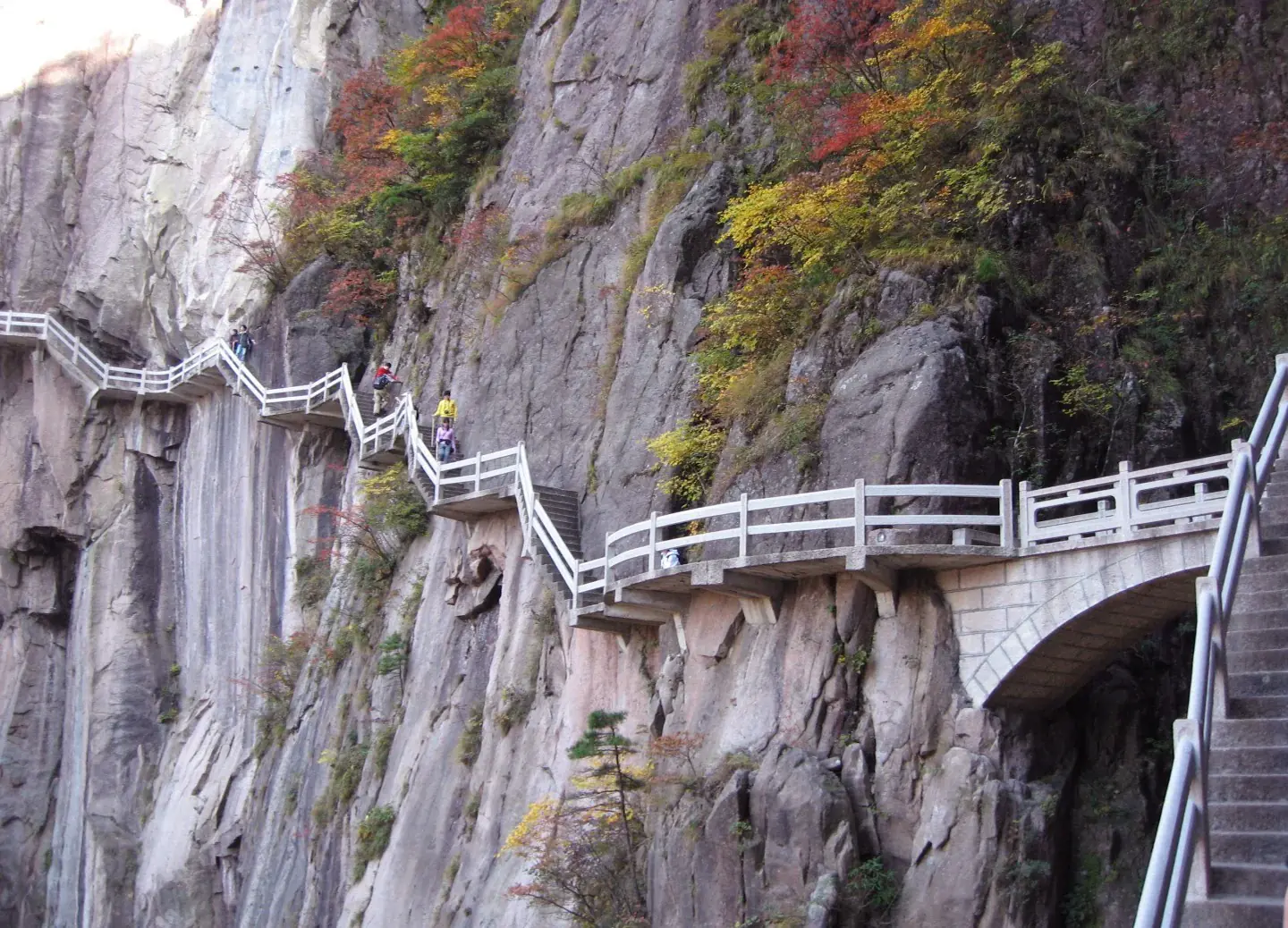
Mount Huangshan is the reason most travelers come: granite peaks, twisted pines, cloud seas, sunrise viewpoints, stone steps, and cableways that turn a hard mountain into a manageable but still physical day. If you only plan one part carefully, plan this one. Use our Yellow Mountain guide before fixing your route.
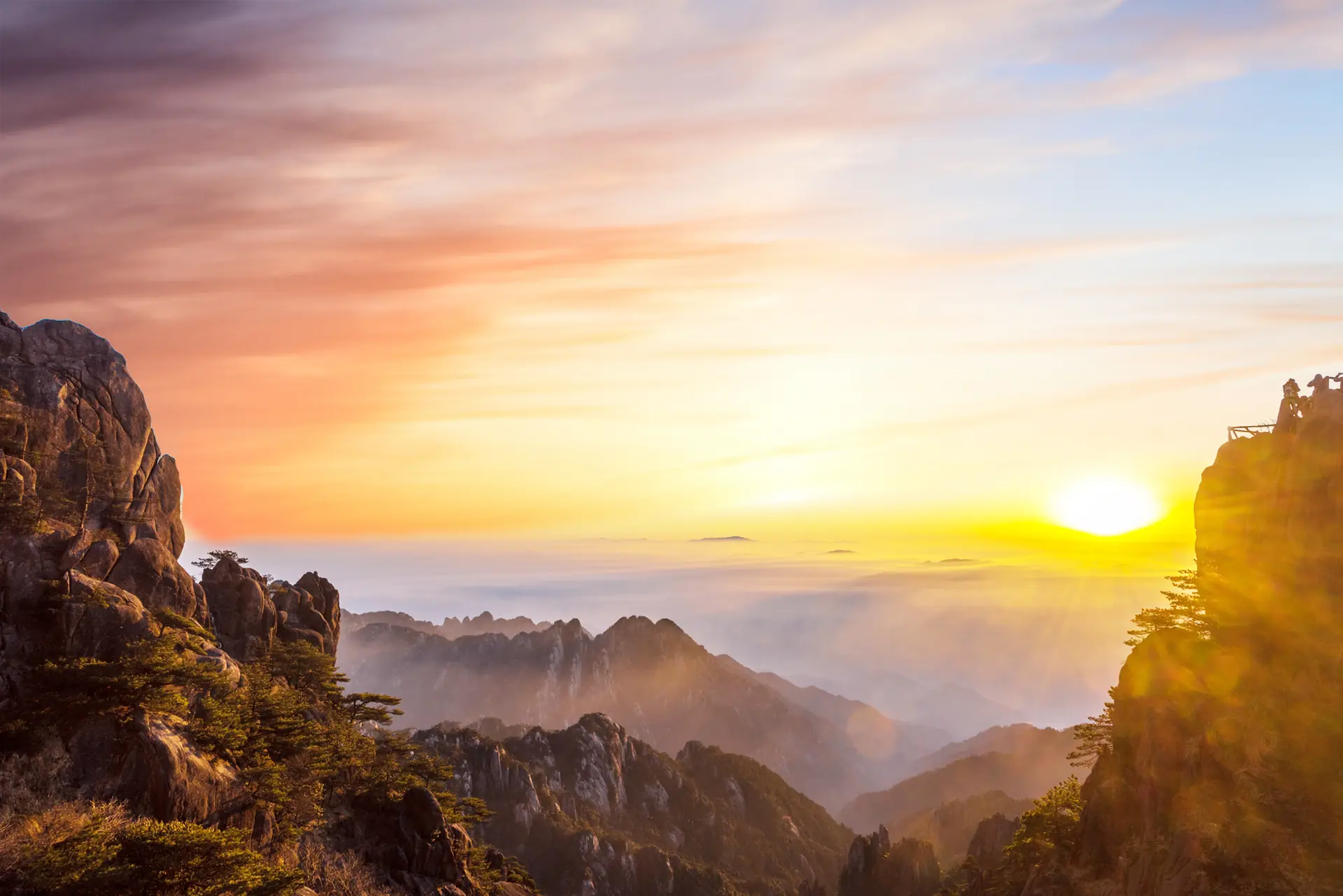
A summit hotel is expensive and weather is never guaranteed, but staying high changes the experience. You get early light, a better chance at cloud seas, and calmer mountain time before day-trippers spread across the ridges. If budget or availability says no, build a strong day route instead of forcing it.
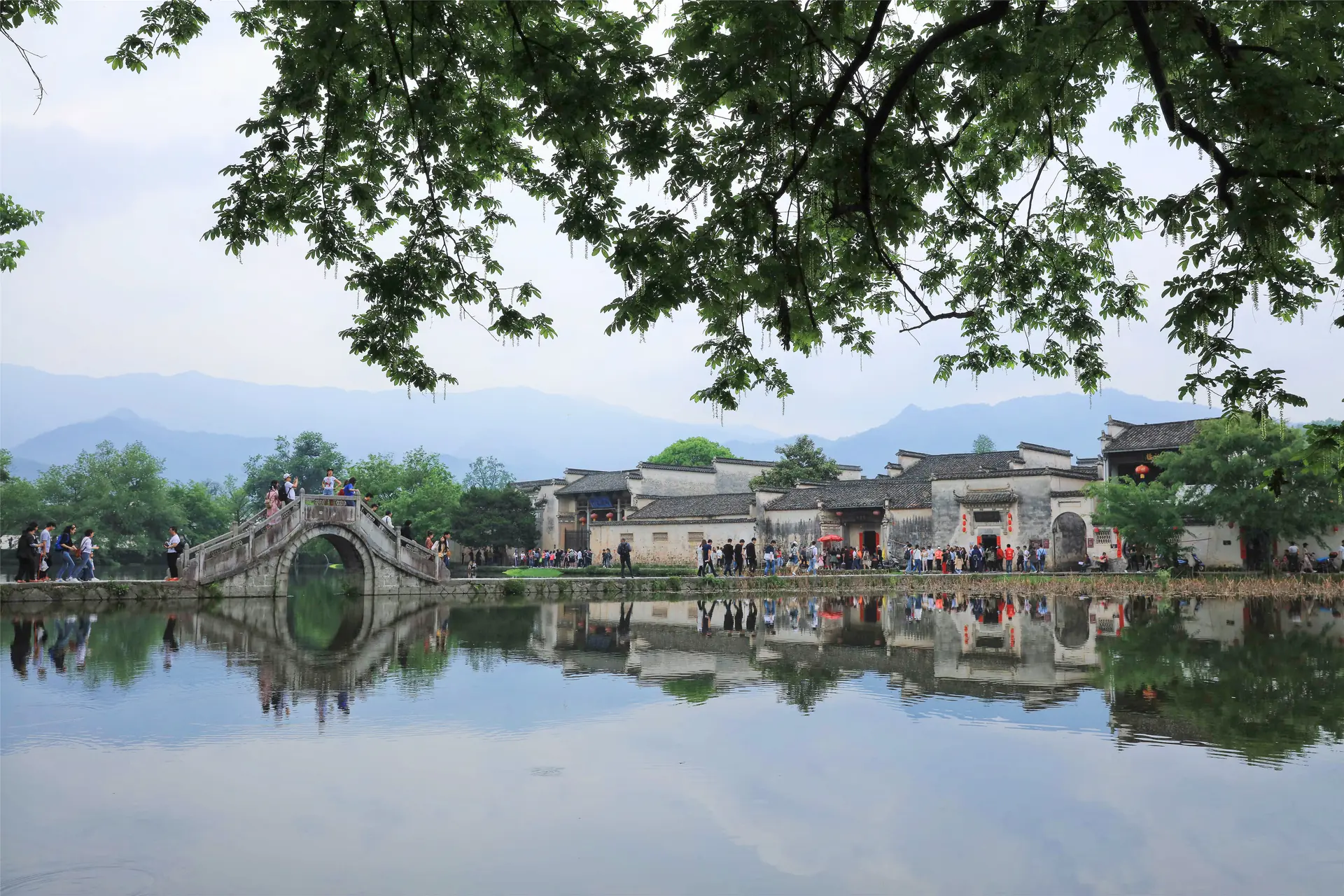
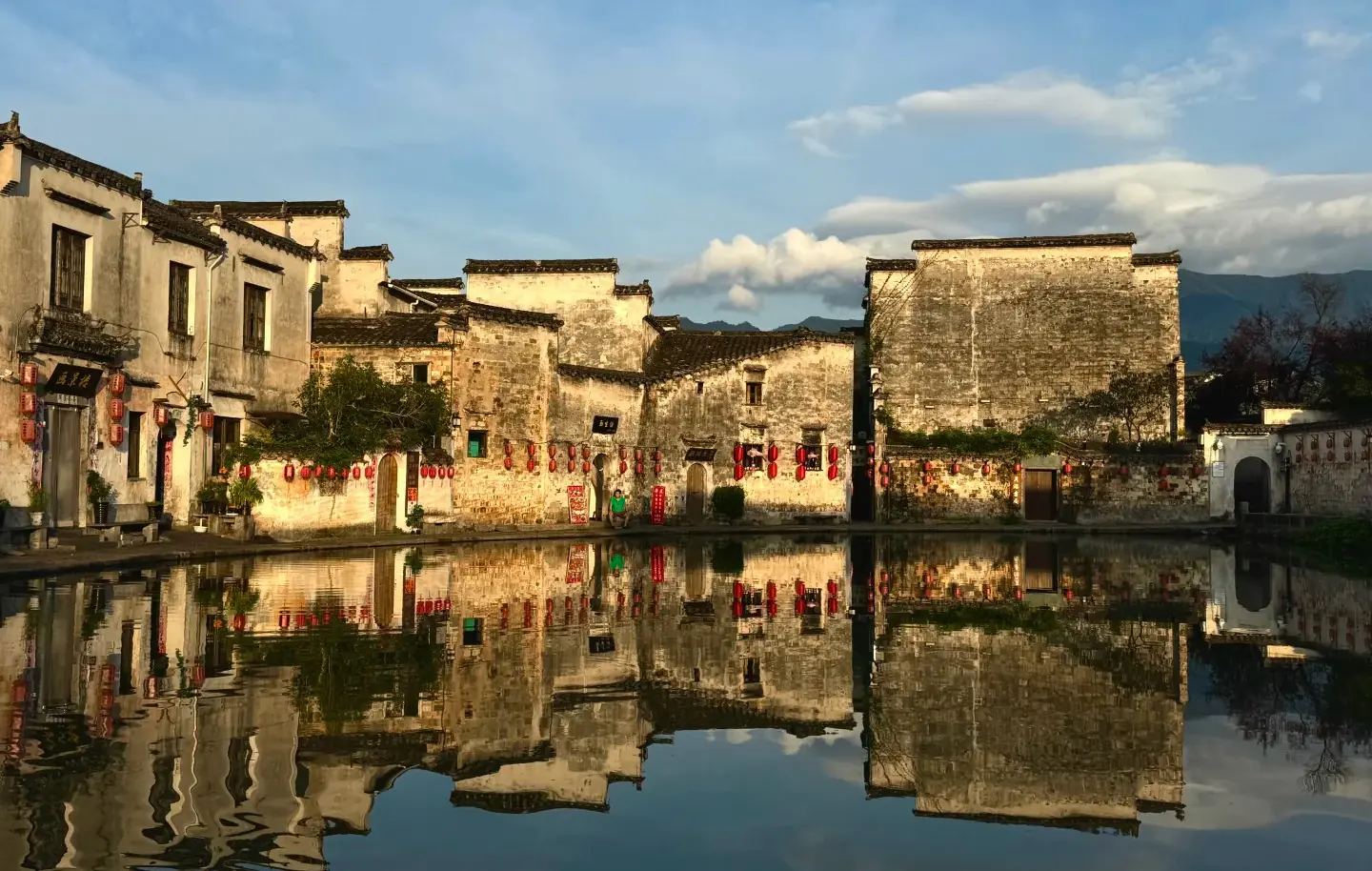
Hongcun is famous for a reason: South Lake, Moon Pond, bridges, white walls, black-tile roofs, and mirror-like water views. It is also popular enough that timing matters. Sleep nearby or arrive early if you want the village to feel atmospheric rather than crowded. See our Hongcun guide for the deeper village walk.
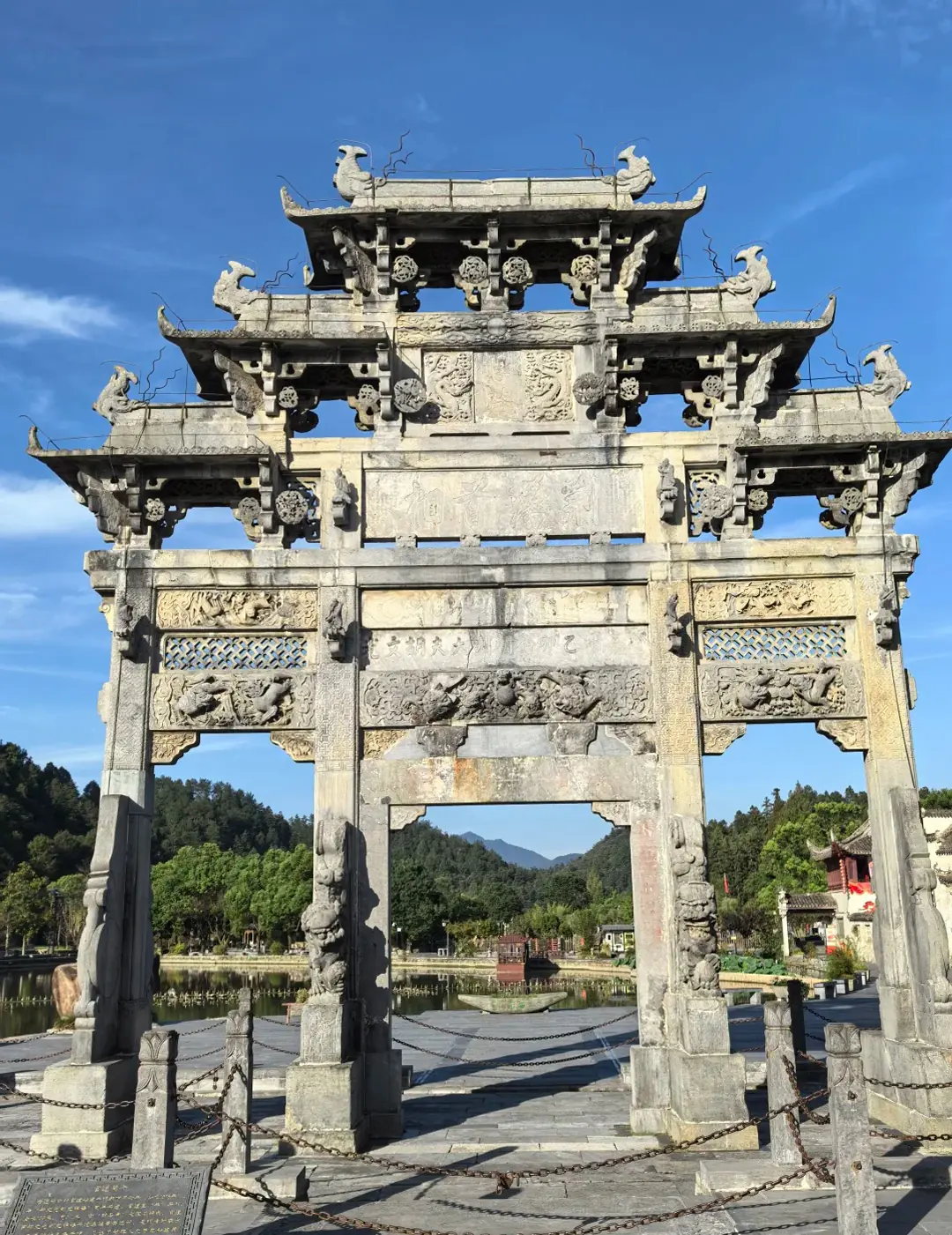
Xidi is often the better choice if you care about architecture, courtyards, carved beams, clan halls, and how a Hui village is organized. It is less immediately postcard-like than Hongcun, but richer if you slow down and look at details. Use our Xidi guide if you are choosing between the two.
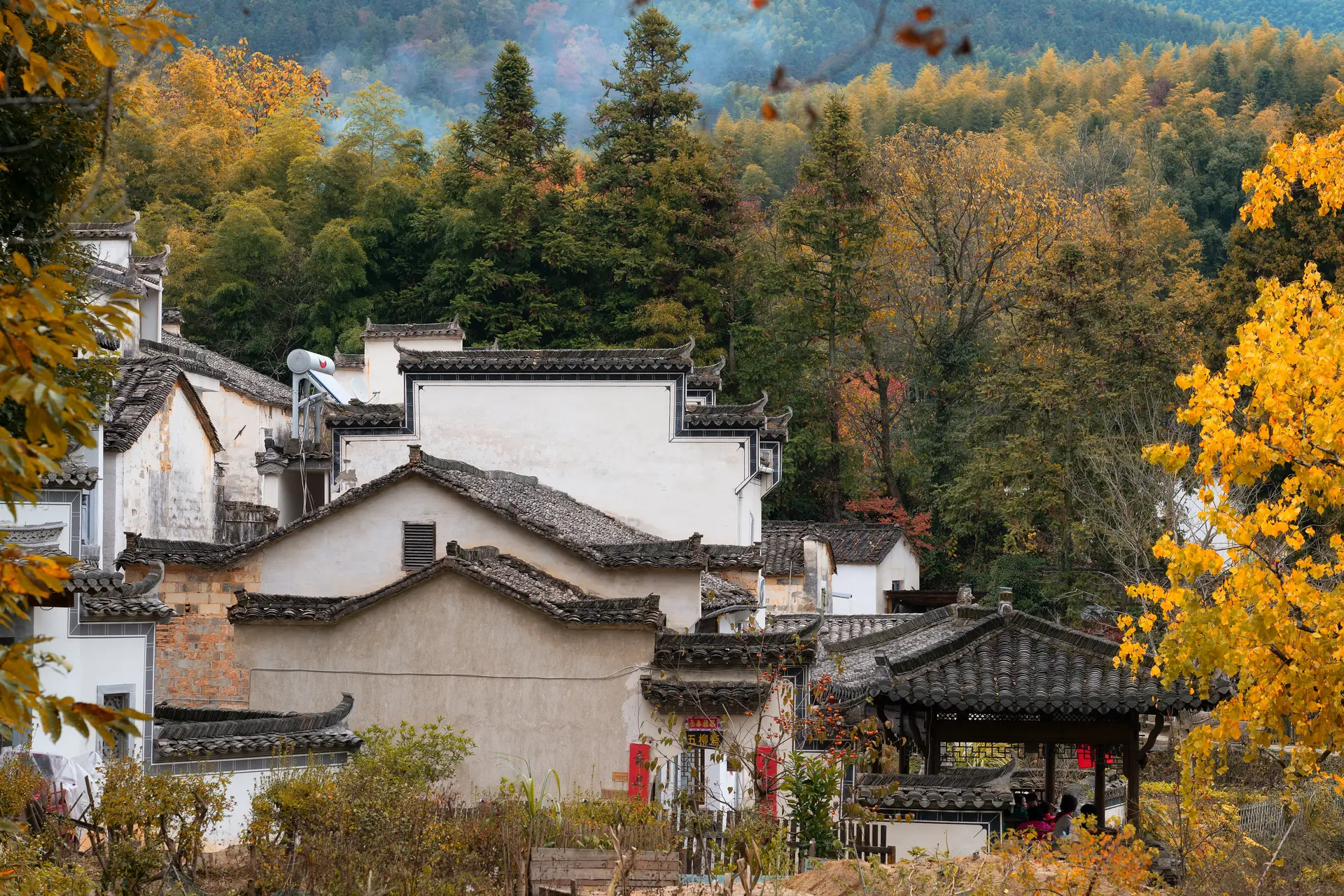
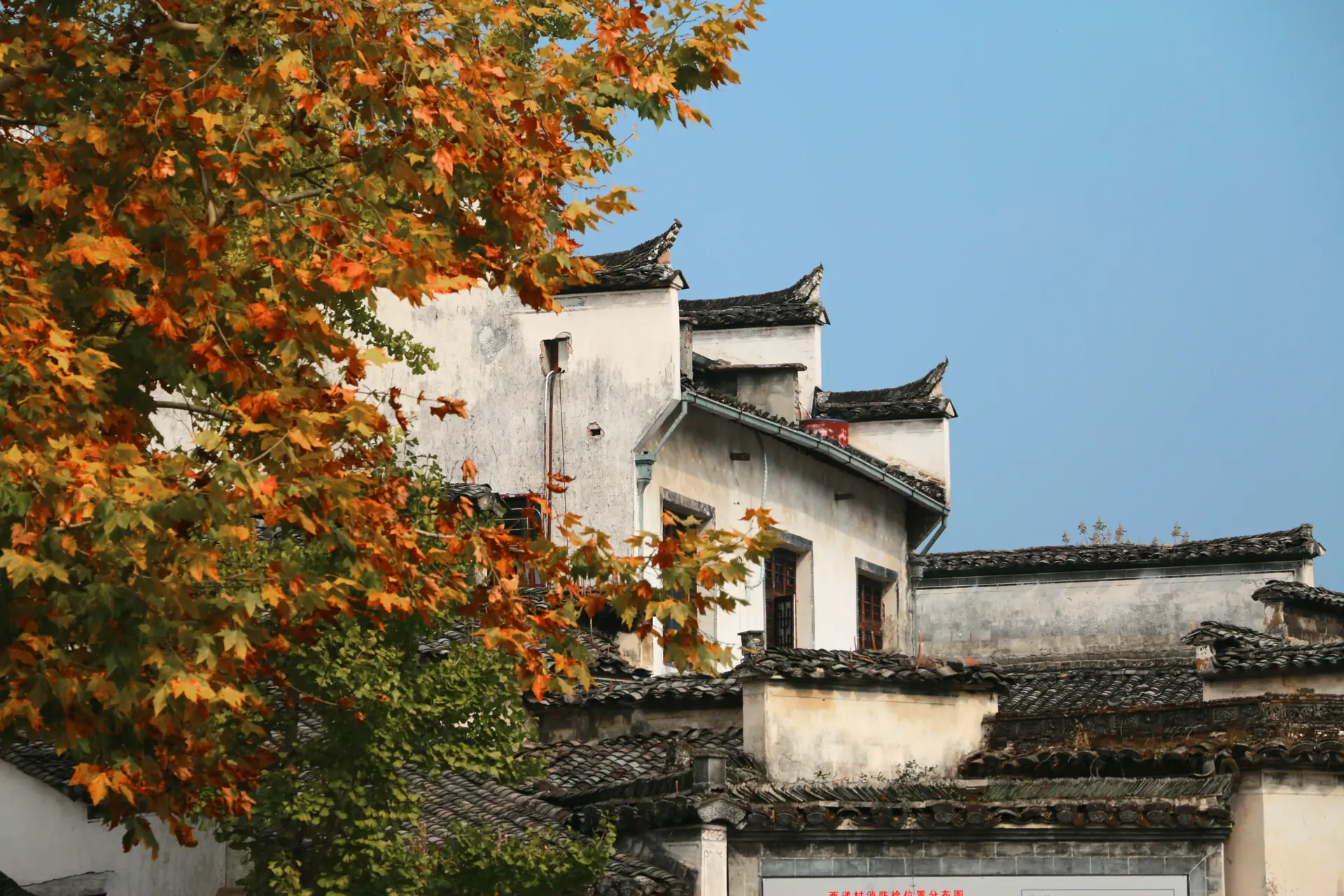
Tachuan is a strong seasonal add-on, not an all-year must-do. In autumn, trees, rooflines, fields, and low hills create one of the most photogenic village scenes around Huangshan. Outside peak color, keep it optional unless you are already staying in Yi County and want a quieter half day.
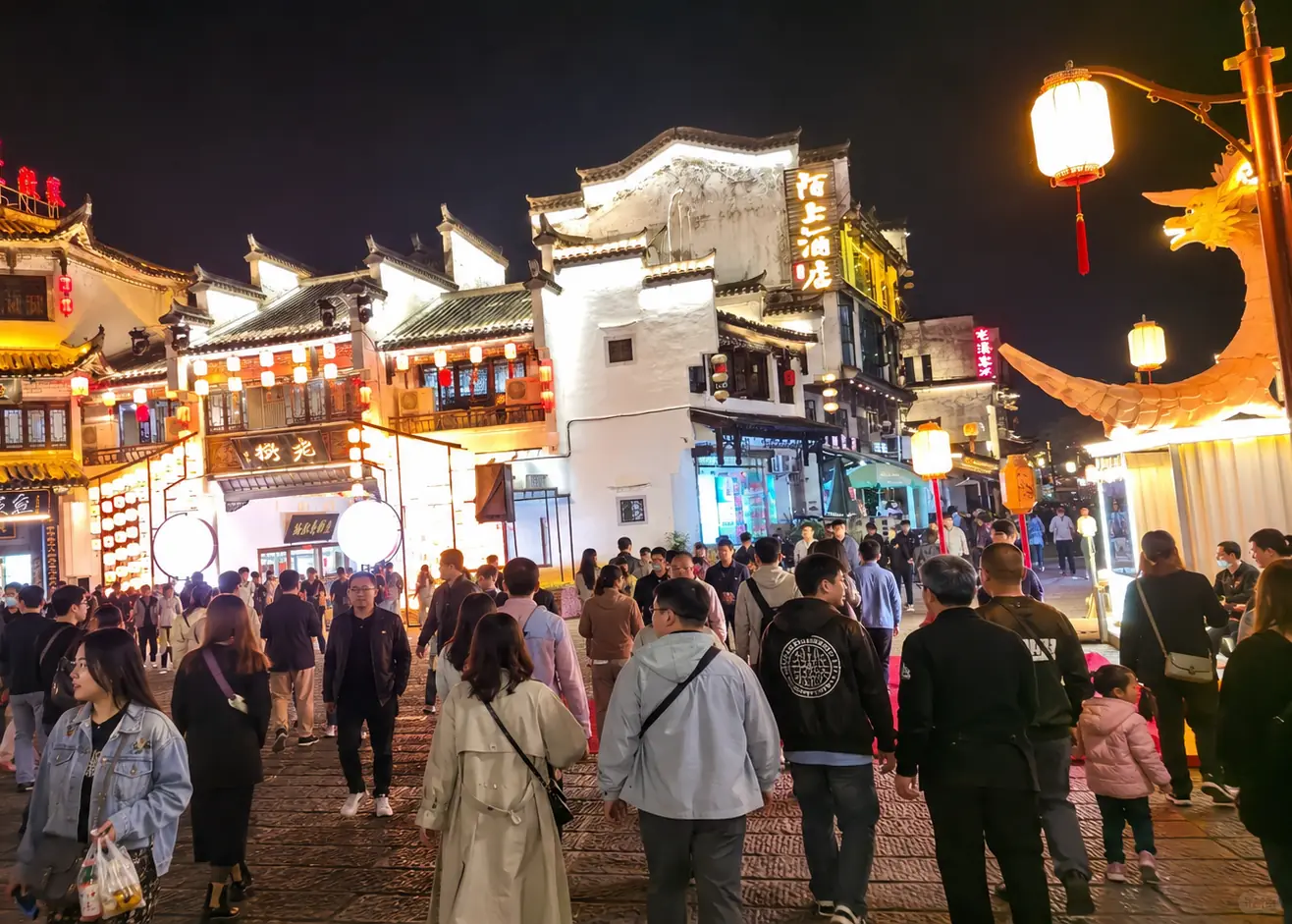
Tunxi Old Street is not the wildest sight in Huangshan, but it is useful: dinner, tea, snacks, souvenirs, old merchant facades, and a more convenient city base before or after high-speed rail. Use it for an evening rather than sacrificing mountain or village daylight.

Bishan is not as famous as Hongcun or Xidi, which is exactly its advantage. Come for a slower village mood, bookshop energy, guesthouses, fields, and a softer version of Hui countryside life. It is best for travelers who have already protected the mountain and one major ancient village.
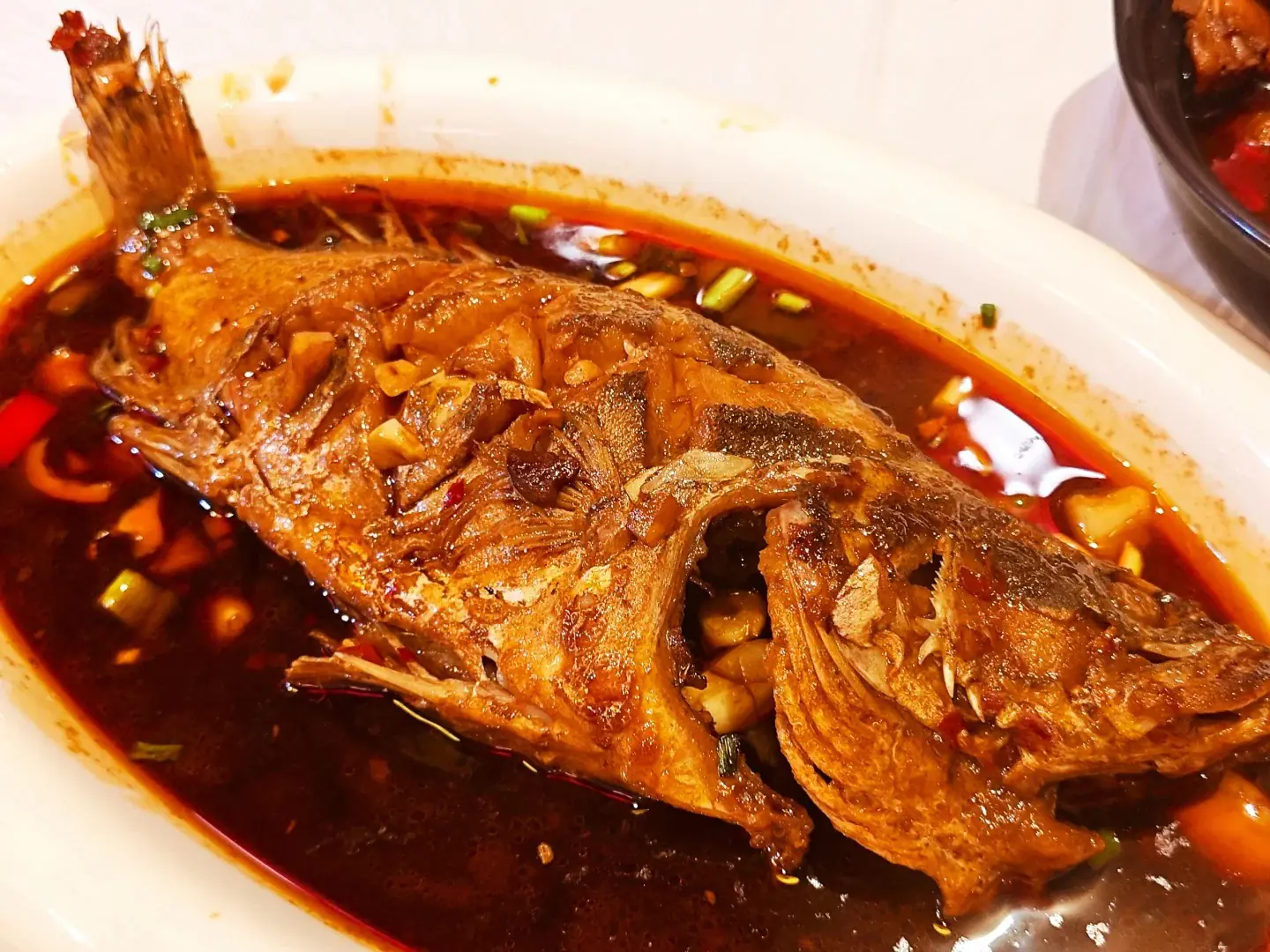
8. Eat One Proper Hui Meal
Smelly mandarin fish, hairy tofu, sesame cakes
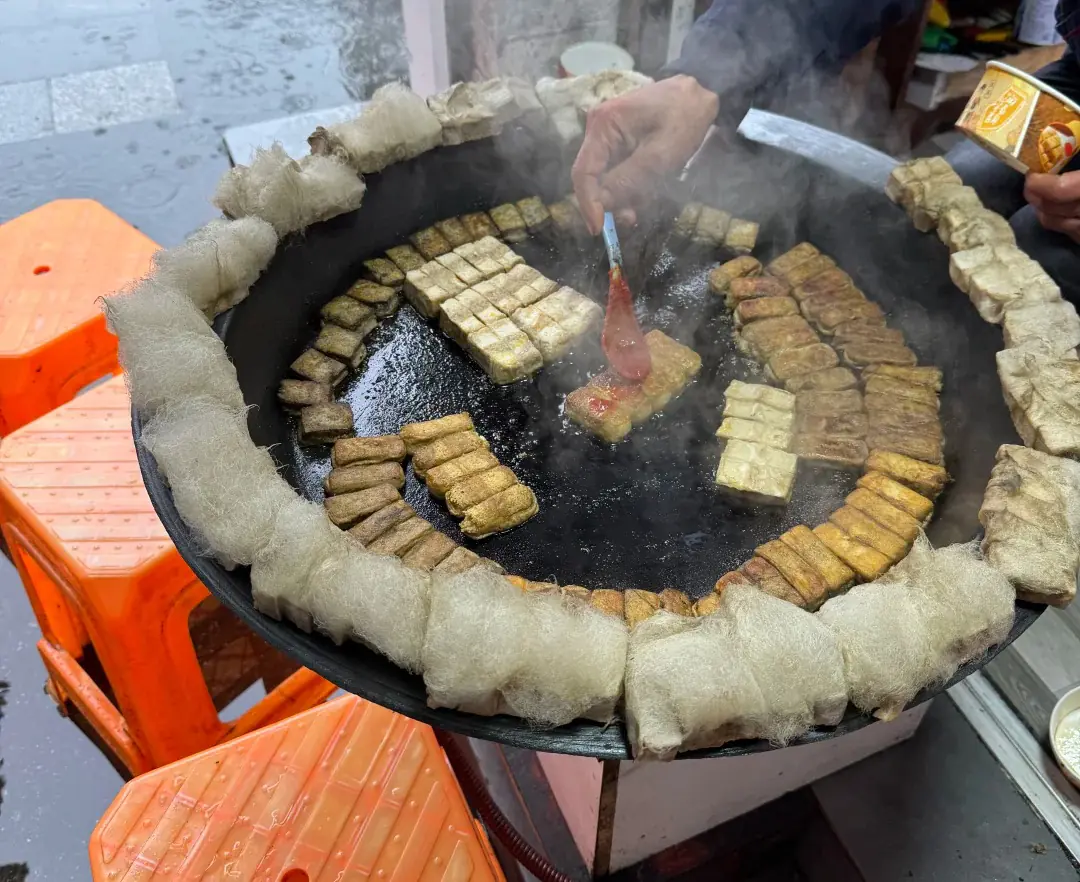
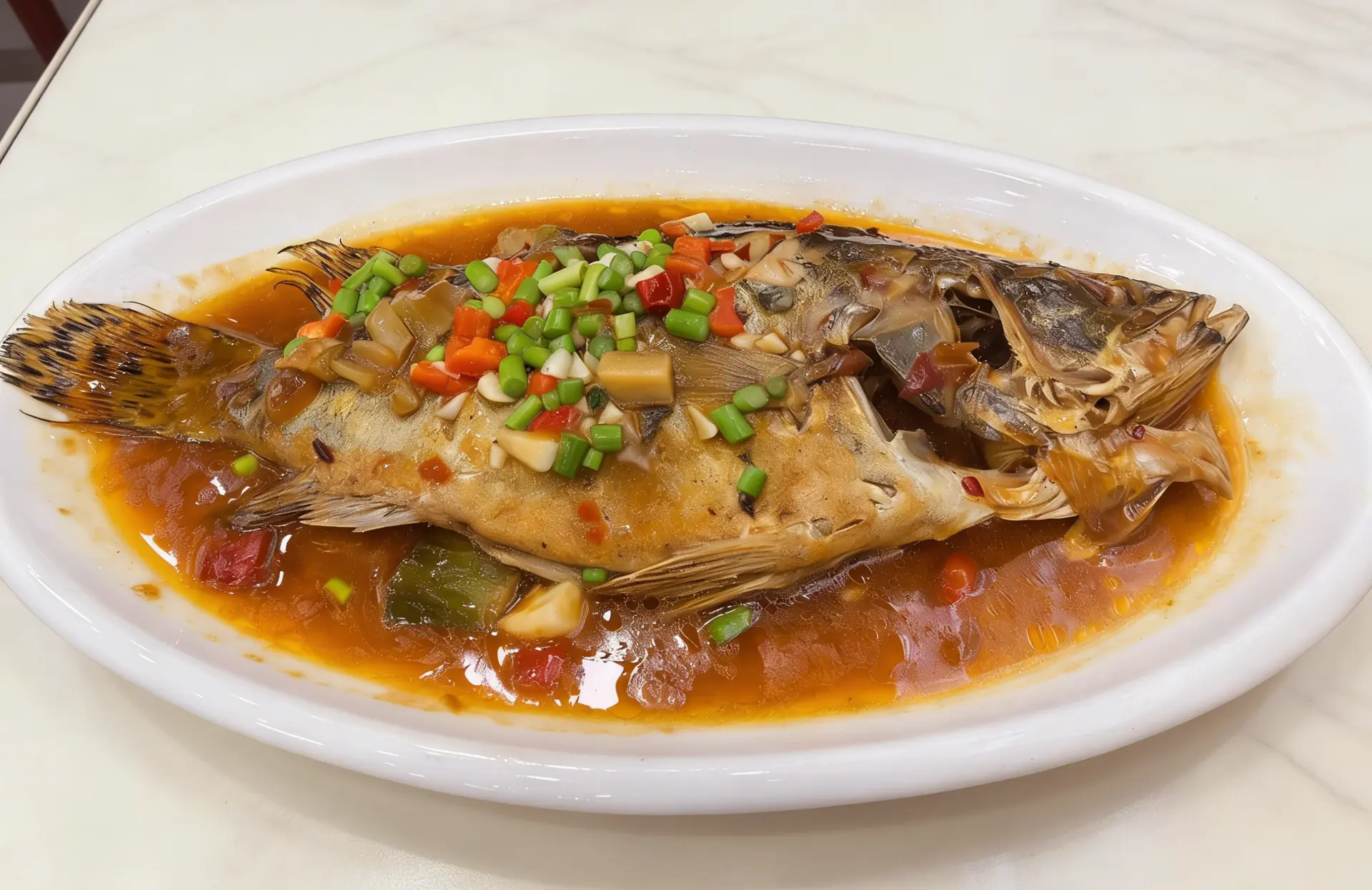
Huangshan is part of the wider Huizhou food world. Try smelly mandarin fish (臭鳜鱼), hairy tofu (毛豆腐), Huangshan sesame cakes (黄山烧饼), local tea, or a simple table of regional dishes in Tunxi or a village stay. Treat food as part of the destination, not just fuel between sights.
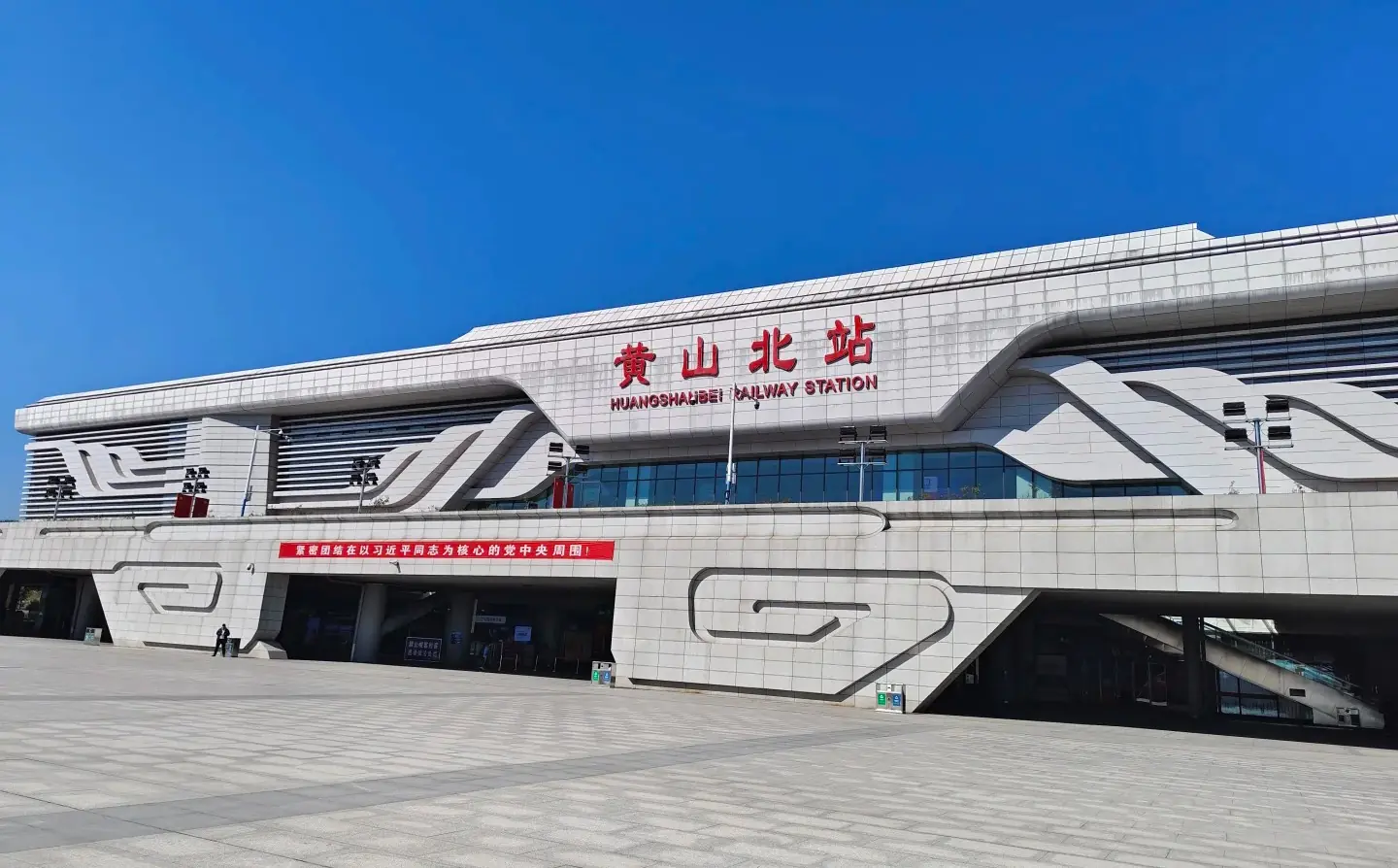
Most travelers arrive at Huangshan North Railway Station (黄山北站), use Tangkou (汤口) or the scenic-area transfer center for the mountain, and head toward Yi County for Hongcun and Xidi. These are separate planning blocks. Do not build a day that assumes they all sit next to each other.
10. Leave Room for Tea
Huangshan Maofeng, Taiping Houkui, inkstones, crafts
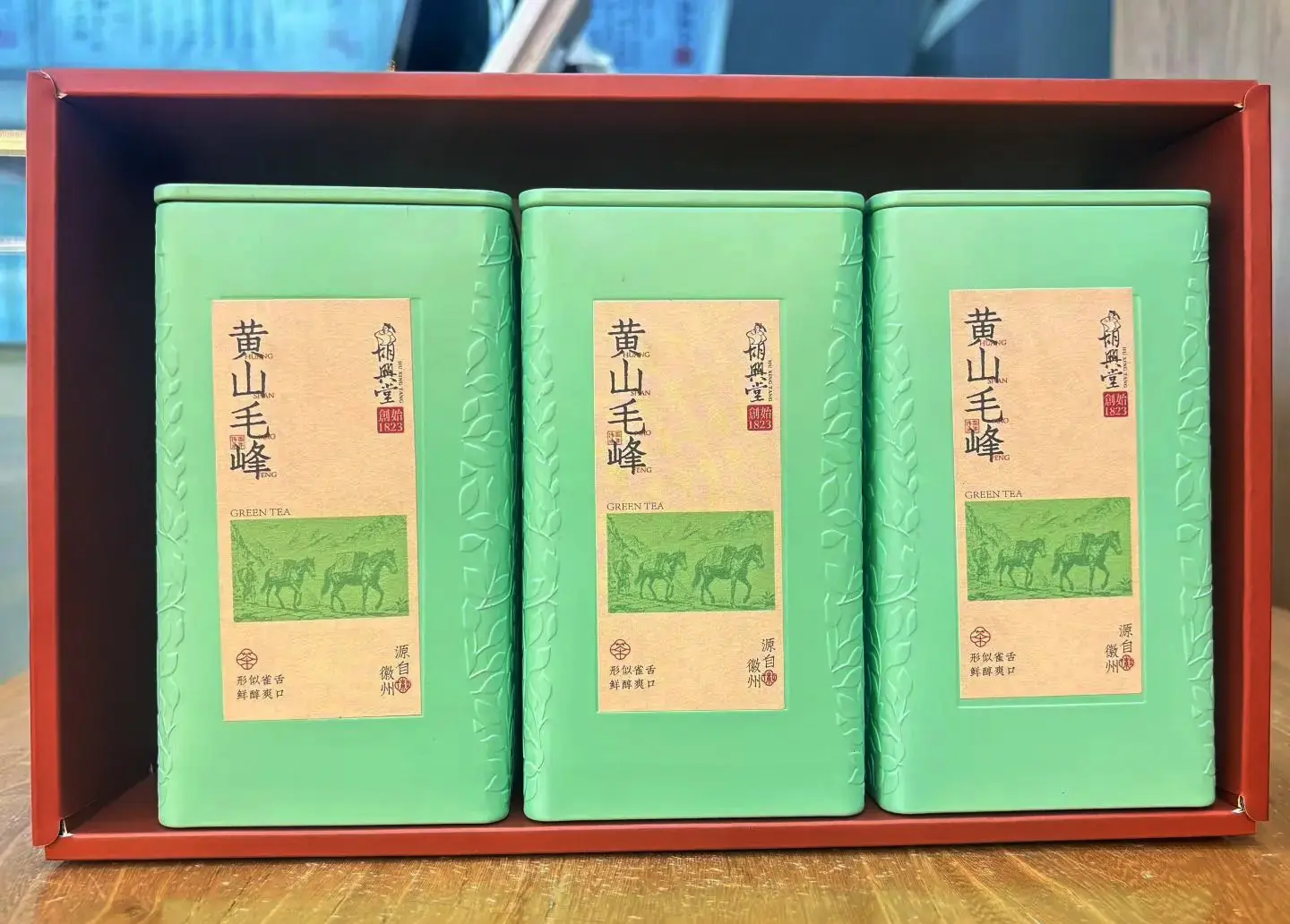
Huangshan is good for small, meaningful souvenirs: Huangshan Maofeng tea (黄山毛峰), Taiping Houkui tea (太平猴魁), She inkstones (歙砚), paper goods, and Hui-style craft objects. Shop after you have seen the mountain or villages; the designs and names will make more sense.
Choose Your Huangshan Trip
Do not choose Huangshan stops by fame alone. Choose the version that matches your time, walking comfort, photo goals, and tolerance for early starts. Most first-time trips mix two of these styles, but choosing one primary focus makes the itinerary much easier.
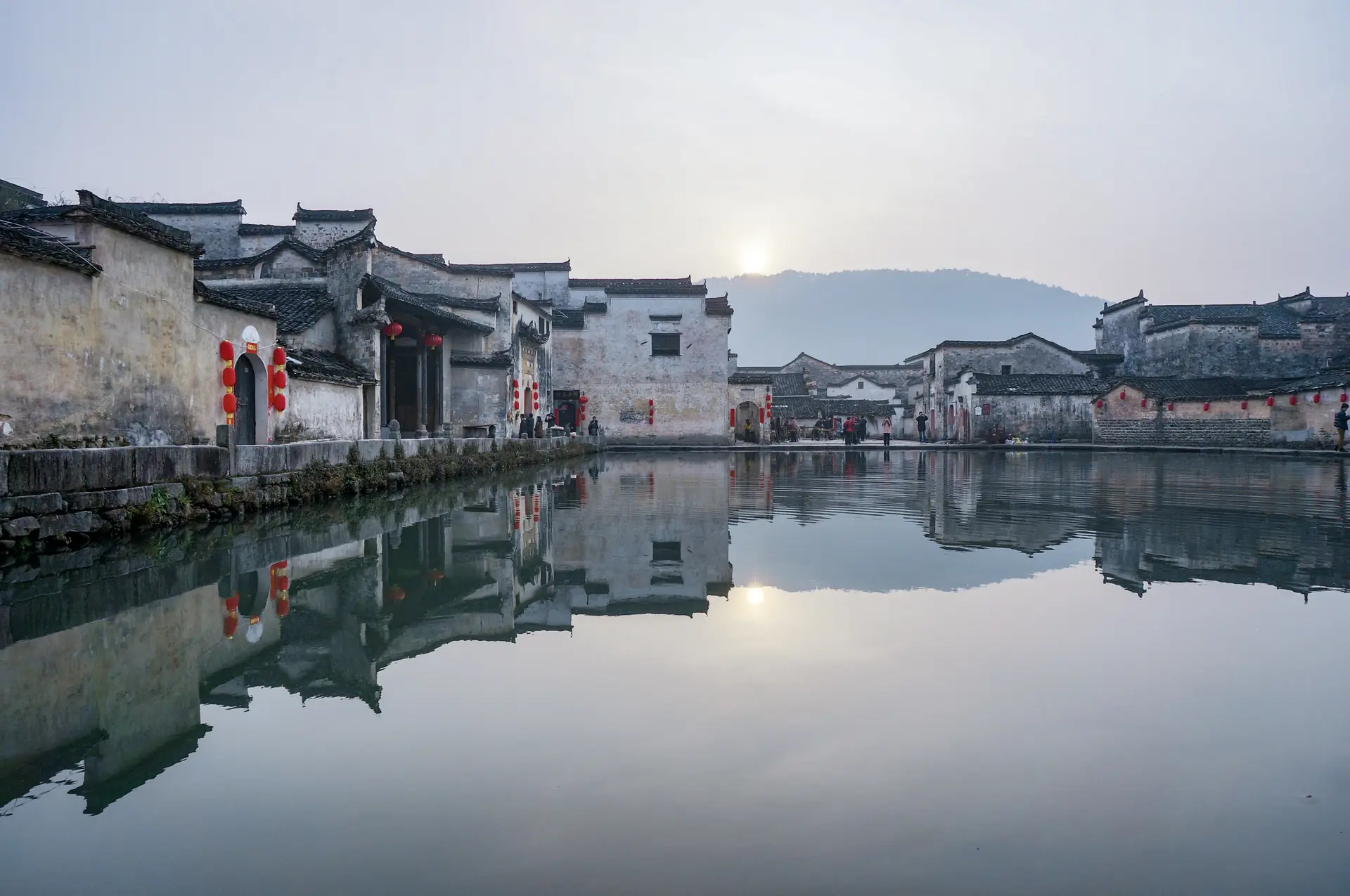
The Classic First Trip
Best for: travelers who may only visit Huangshan once.
Prioritize Mount Huangshan, Hongcun, Xidi or Tunxi, and one proper Hui meal. This gives you the famous mountain, the village image, and enough practical city time to breathe.
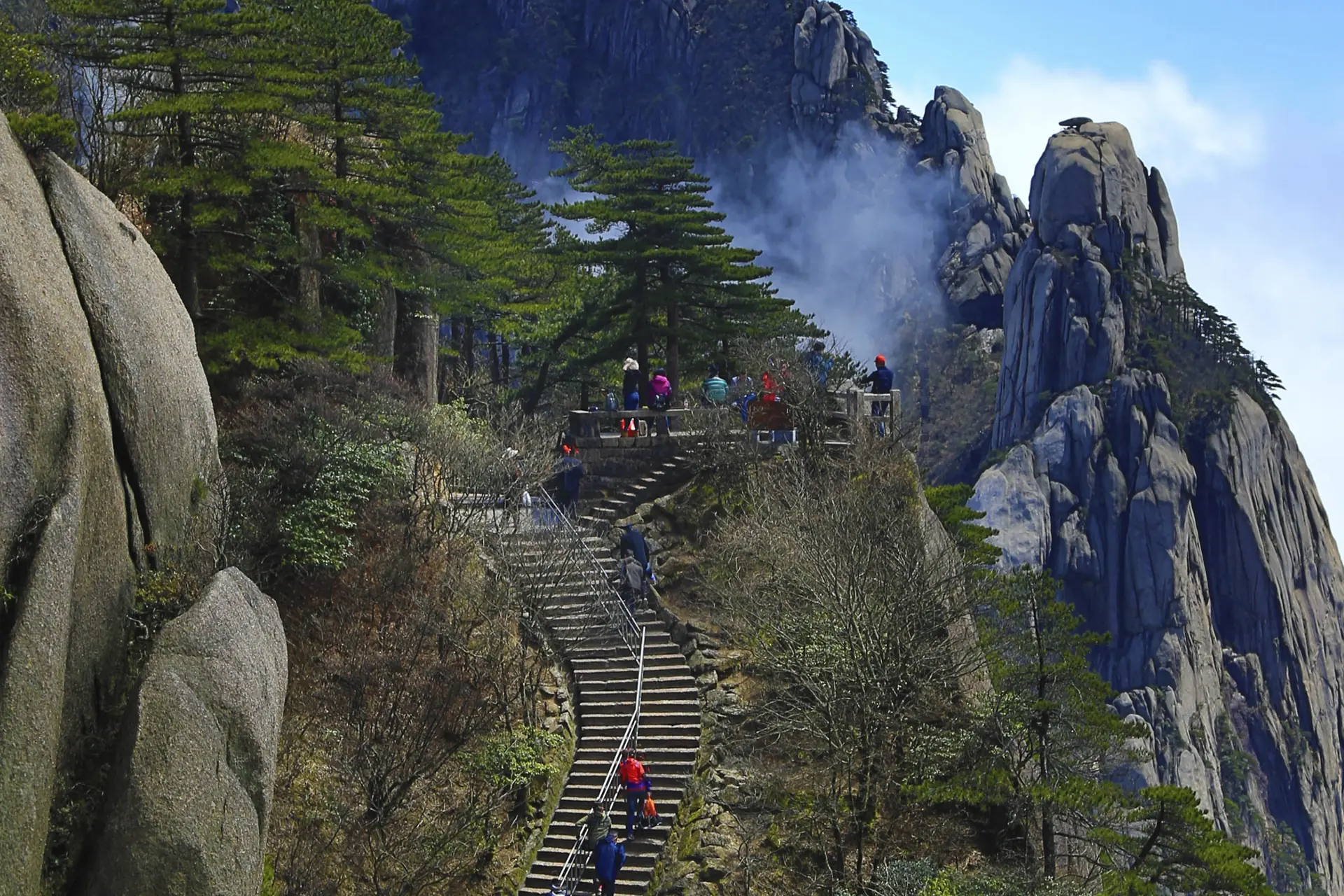
The Mountain-First Trip
Best for: hikers, photographers, sunrise seekers, and cloud-sea hopes.
Put your budget and energy into the mountain. Consider a summit hotel, keep the village list short, and leave a weather buffer if this is the whole reason you are coming.

The Village and Culture Trip
Best for: architecture lovers, slower travelers, and anyone less excited by long stair climbs.
Keep Mount Huangshan lighter, then spend more time in Hongcun, Xidi, Tachuan, Bishan, tea shops, and Tunxi. This version is better when walking comfort matters.
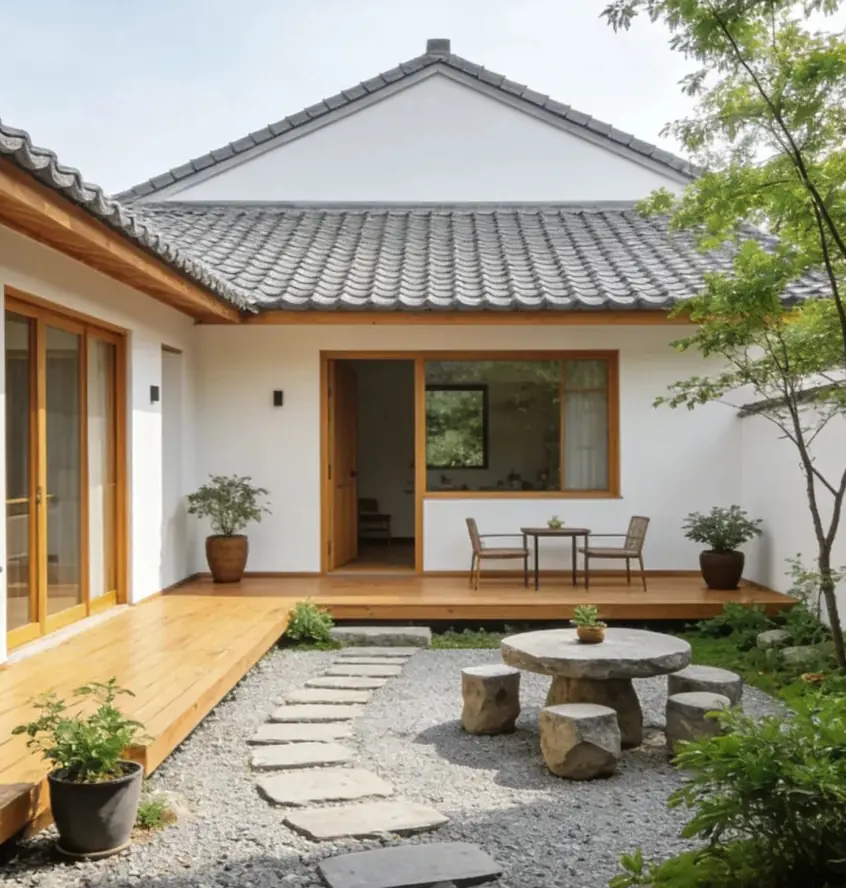
The Family-Friendly Trip
Best for: children, older travelers, and groups with mixed fitness.
Use cableways, avoid overloading the summit route, choose one major village, and stay where the next morning is easy. A smooth Huangshan trip is usually better than an heroic one.
Huangshan by Area
Before you choose hotels, map Huangshan into practical zones. The name on your booking page matters because a hotel in Tunxi, Tangkou, Hongcun, or near Huangshan North changes the whole day.

Tangkou and the Mountain
Includes: Tangkou, scenic-area transfer points, South Gate logistics, cableway access, and many mountain-focused hotels.
Use this for: the night before or after Mount Huangshan. Watch out: food and evening atmosphere are more practical than charming.
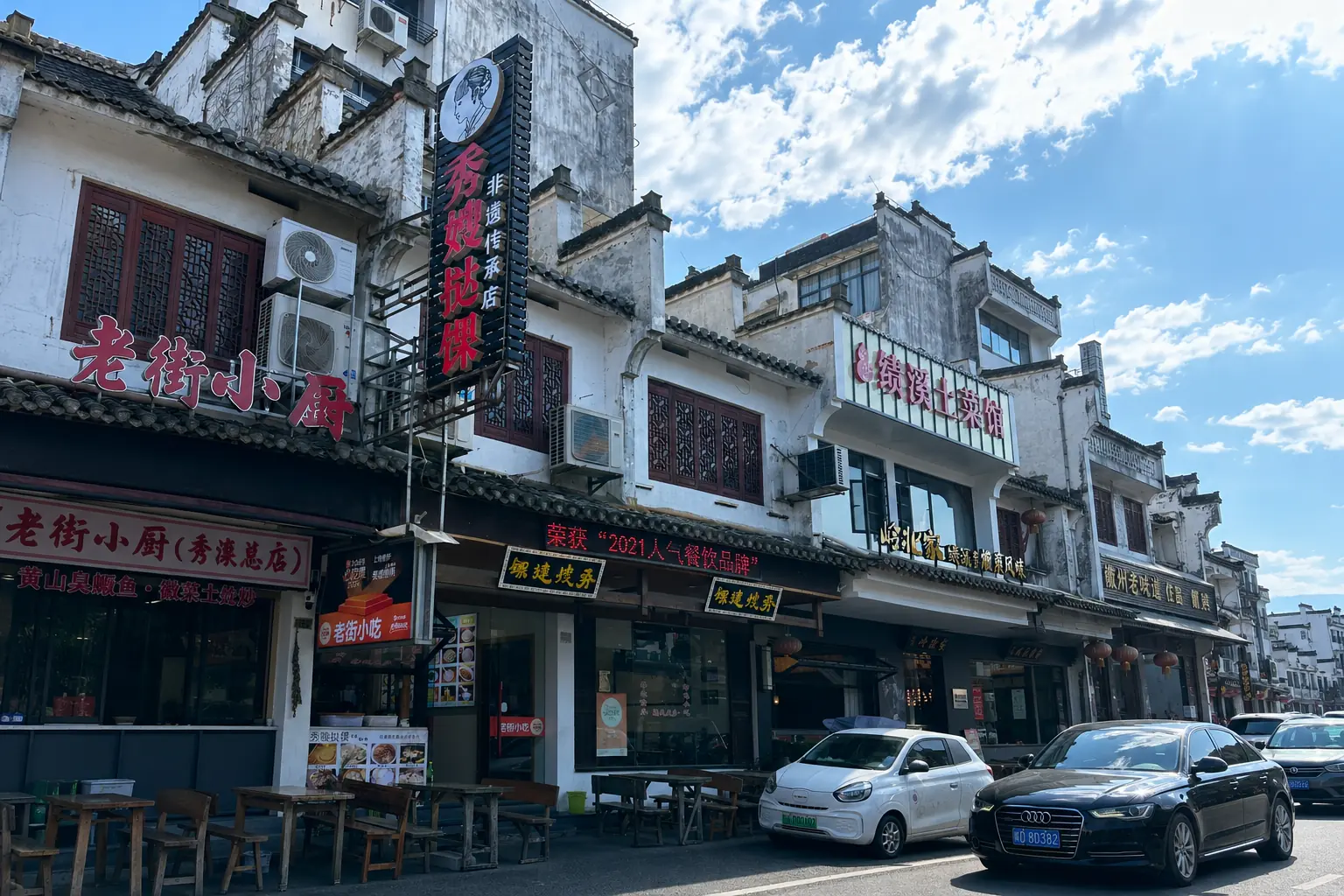
Tunxi City Core
Includes: Tunxi Old Street, local restaurants, shops, many hotels, and easier rail or airport connections.
Use this for: arrival, departure, dinners, tea shopping, and a lower-stress city base. Watch out: it is not next door to the mountain.
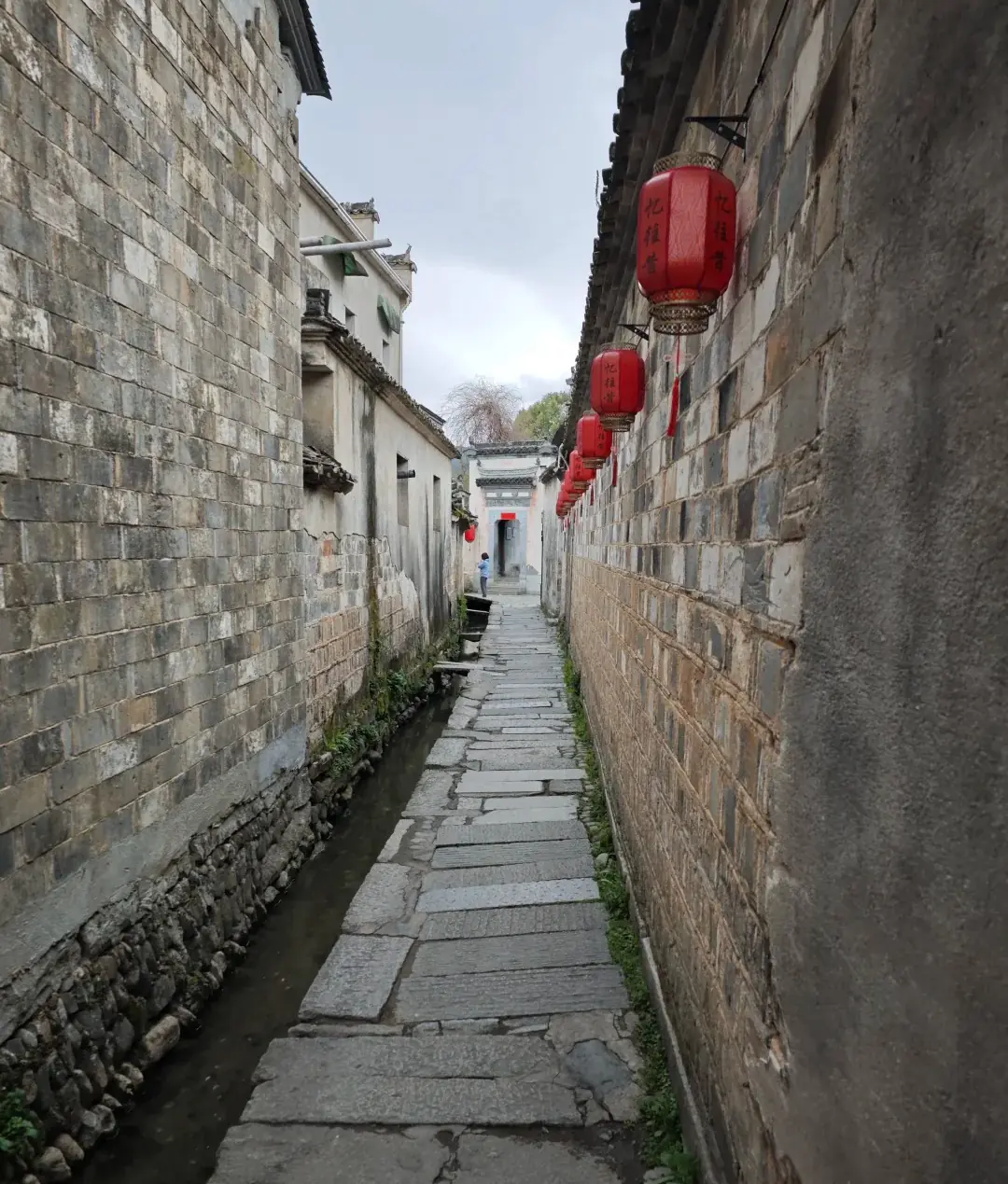
Hongcun, Xidi, and Yi County
Includes: Hongcun, Xidi, Tachuan, Bishan, countryside roads, village stays, and quieter guesthouse time.
Use this for: ancient villages, morning light, autumn color, and a slower stay. Watch out: transport is less plug-and-play than in the city.
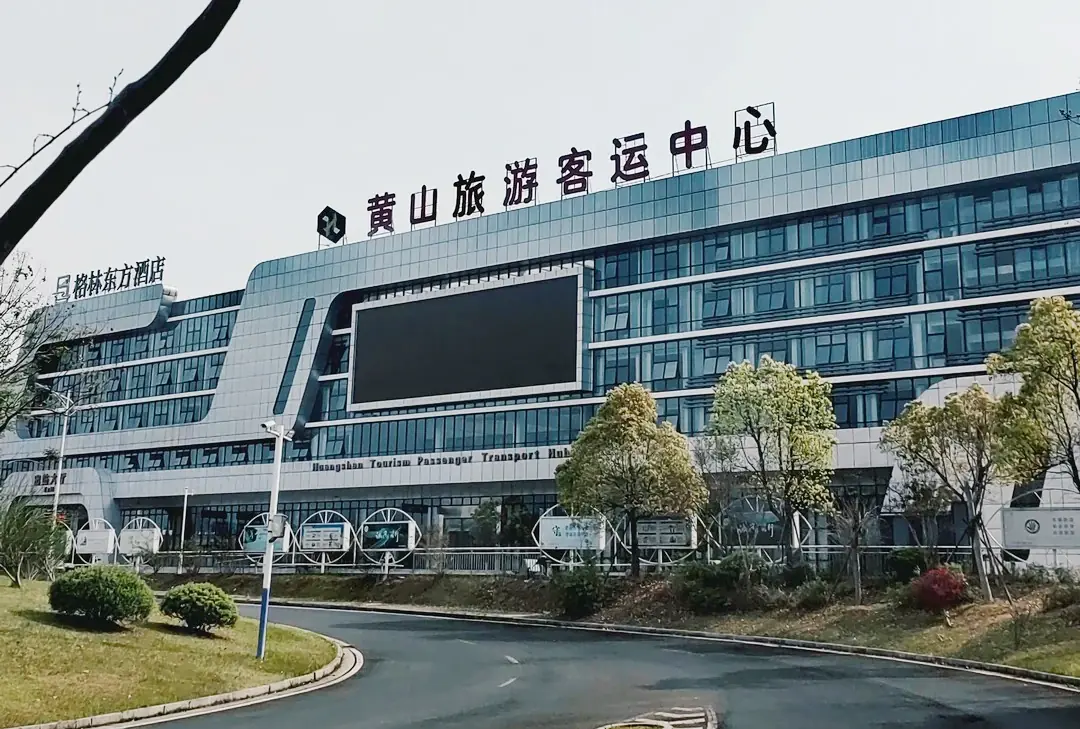
Huangshan North Station
Includes: the main high-speed rail arrival and departure point, plus tourist bus links and transfer services that can change by season.
Use this for: arriving and leaving. Watch out: do not treat the station area as your main Huangshan experience base unless you only need transit.
Pace the Big Huangshan Days
Once you know how many days you have, think less about equal sightseeing days and more about day weight. Huangshan works best when the mountain owns a real block of time, villages get their softer light, and the city base is used for recovery instead of being squeezed in as another obligation.
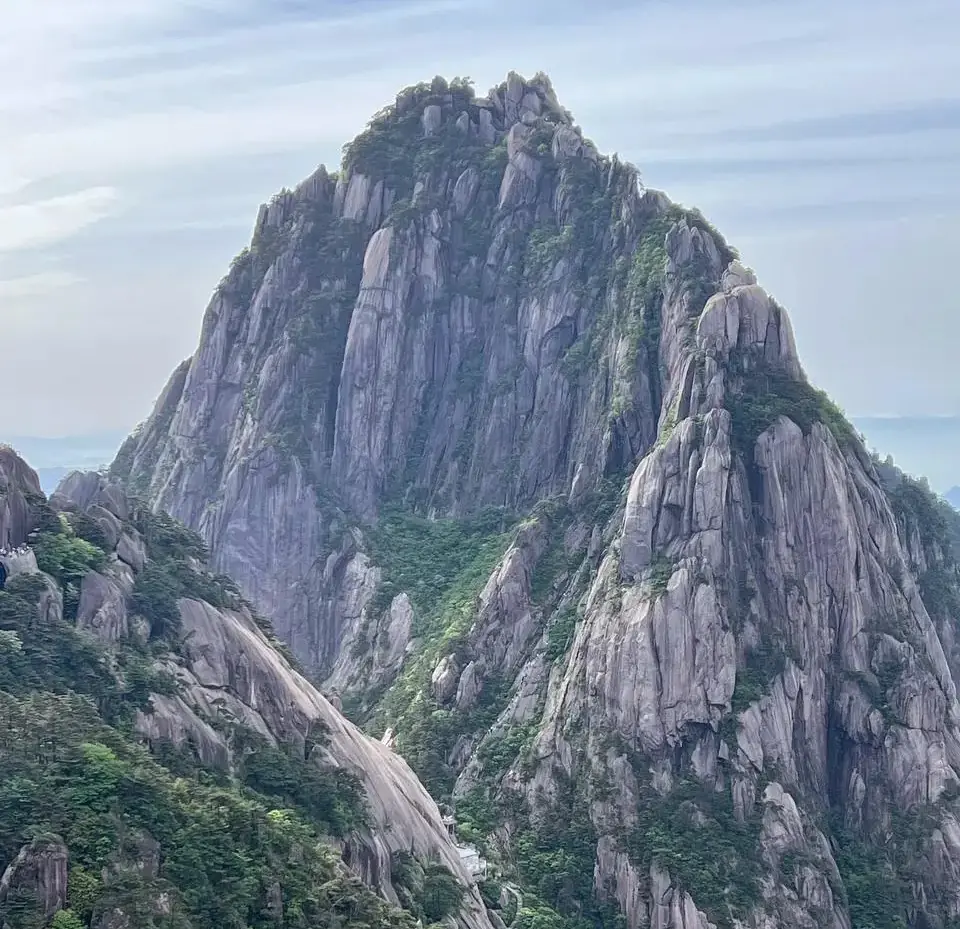
Heavy Mountain Day
Use for: Mount Huangshan, summit hotels, sunrise hopes, and long stair routes.
Give this day the most space. Weather, cableways, shuttle timing, stairs, and viewpoints make it the anchor, not a quick morning stop before the villages.
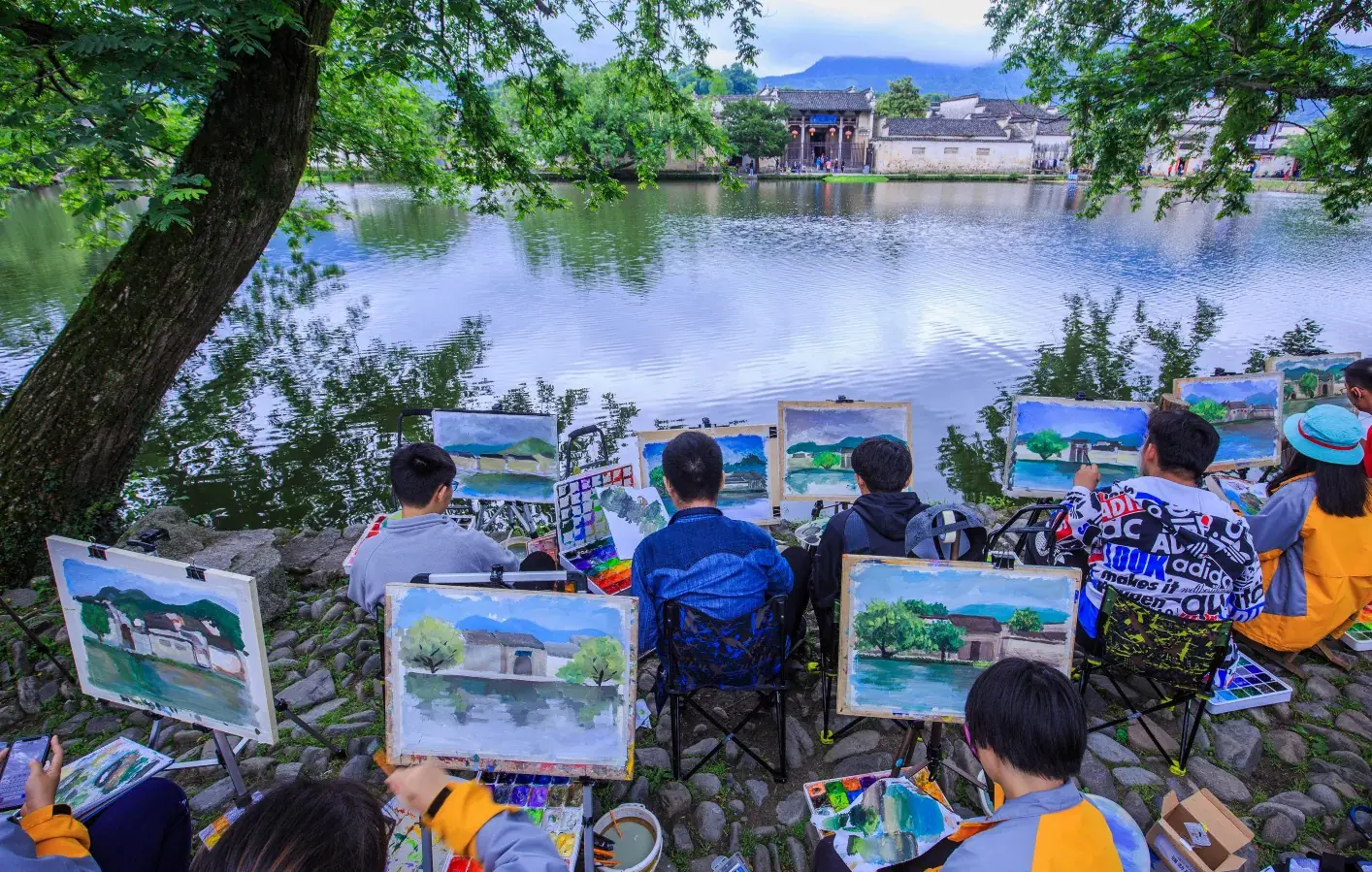
Medium Village Day
Use for: Hongcun, Xidi, Tachuan, Bishan, and countryside wandering.
Villages reward slower walking, early or late light, and one or two clear priorities. Pairing two major villages can work; pairing four usually turns them into interchangeable names.
Light Reset Evening
Use for: Tunxi Old Street, Hui cuisine, tea, souvenirs, and logistics.
Use evenings for food, tea, and reset time. A strong Huangshan night often means a simple meal and an easy next morning, not one more distant attraction.
This is the step between a list and a usable itinerary: protect the mountain first, then let villages and food give the trip rhythm.
Best Seasons for Huangshan
Huangshan is a year-round destination, but the best version of the trip changes sharply by season. Pick the season for the mood you want, not only the temperature.
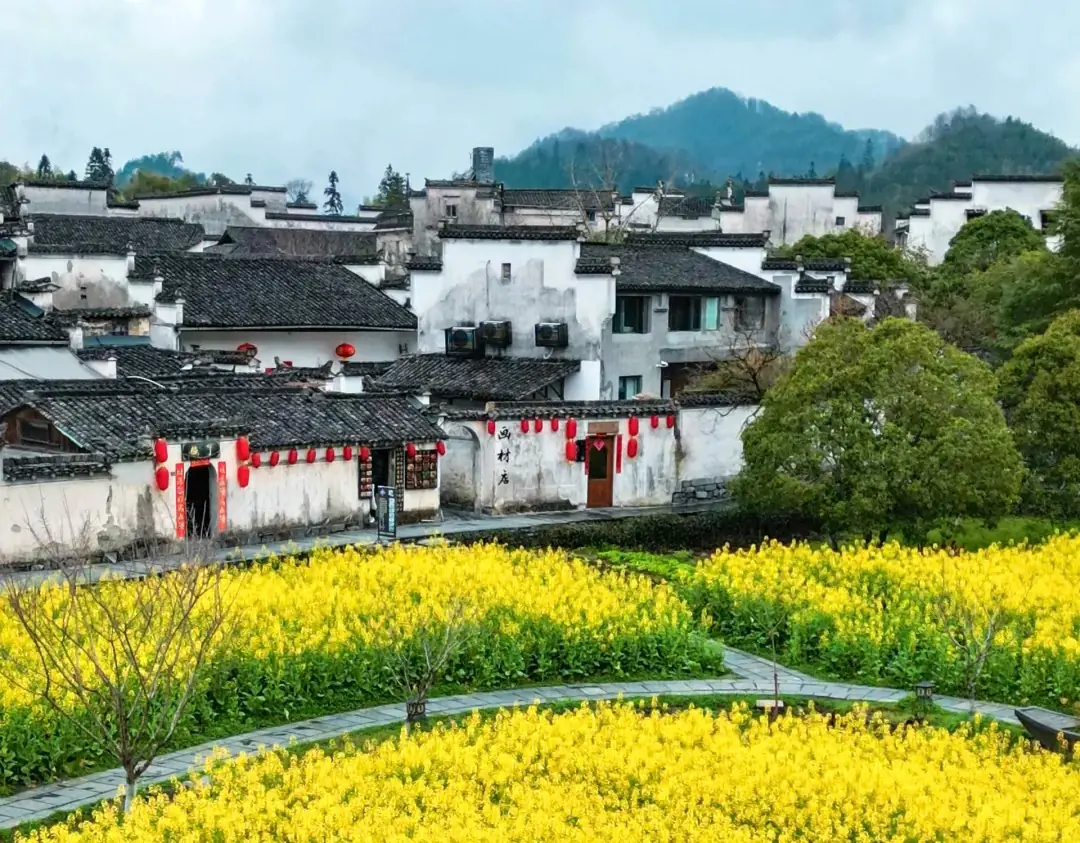
Spring: Mist and Fresh Green
Spring can be excellent for clouds, soft rain, new leaves, and village fields. It also brings wet stone paths and less predictable views, so pack grip-friendly shoes and accept weather drama.
Summer: Green but Busy
Summer gives lush mountain scenery and school-holiday energy. The mountain is cooler than the city, but crowds, thunderstorms, and heat at lower elevations can make pacing harder.
Autumn: The Strongest Balance
Autumn is often the best first-choice season: clearer air, stronger village color, and a good chance to pair Mount Huangshan with Tachuan or Yi County countryside. Early October holiday crowds are the major caution.
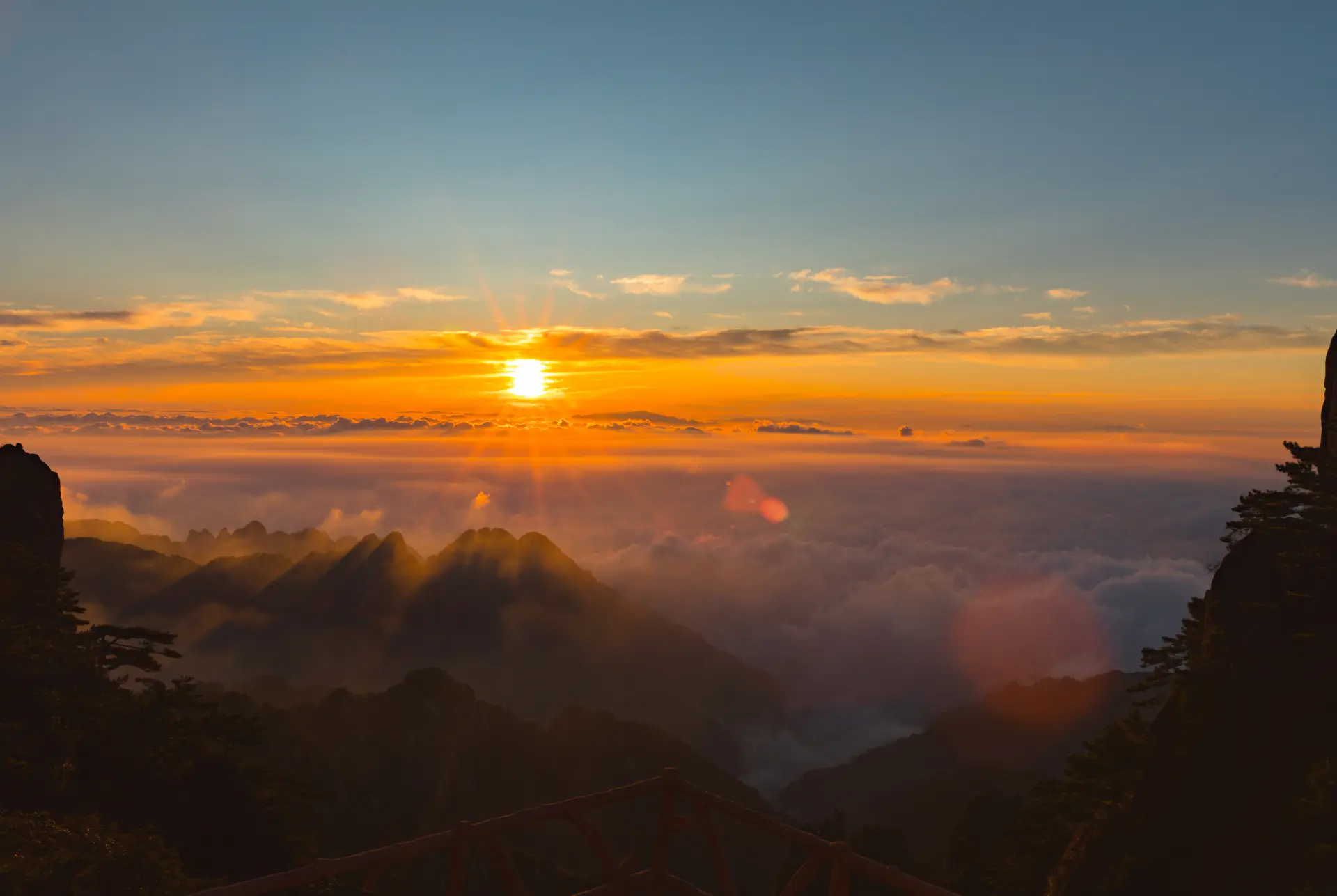
Winter: Snow, Pines, and Quiet
Winter can be magical if you catch snow, frost, or cloud seas around the pines. It is also the season when cold, ice, shorter daylight, and possible route or cableway adjustments matter most.
Common First-Trip Mistakes
- Do not treat Huangshan as only a mountain and forget the villages, food, and bases.
- Do not squeeze Mount Huangshan, Hongcun, Xidi, and Tunxi into one sightseeing day.
- Do not book a station-area hotel unless transit convenience is the whole point.
- Do not assume Hongcun will feel quiet at midday during peak seasons.
- Do not leave summit hotels, mountain reservations, or holiday transport until the last minute.
Do not plan Huangshan from old ticket screenshots
Opening hours, cableway operations, shuttle details, trail access, reservation rules, and village ticket policies can shift by season, maintenance, weather, and holiday crowd control. Use official Huangshan Scenic Area or village-management channels, or ask your hotel, to confirm the final details close to your travel date.
Where to Stay
Hotel choice in Huangshan is not just about comfort. It decides your morning, your transfers, your dinner options, and whether the mountain day begins calmly or in a rush.
Tangkou
Best for: the night before or after Mount Huangshan.
Choose Tangkou if the mountain is the next day priority. It keeps the scenic-area transfer simple, but it is more of a practical mountain base than a rich city stay.
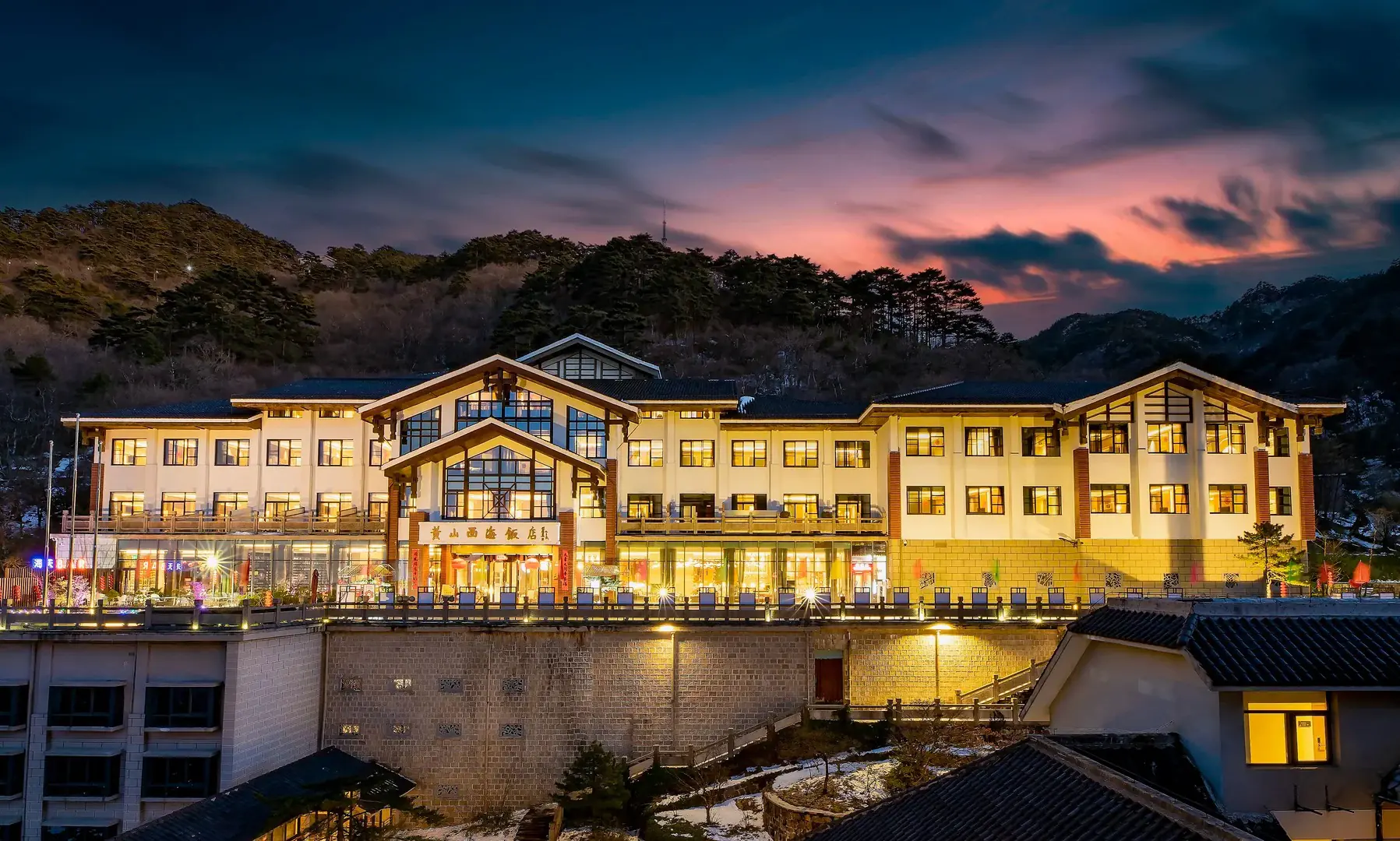
Summit Hotel
Best for: sunrise, cloud-sea hopes, and serious mountain photography.
Choose a summit hotel if budget, availability, and weather risk make sense. It gives you the best timing, but rooms are limited and comfort can be more basic than the price suggests.
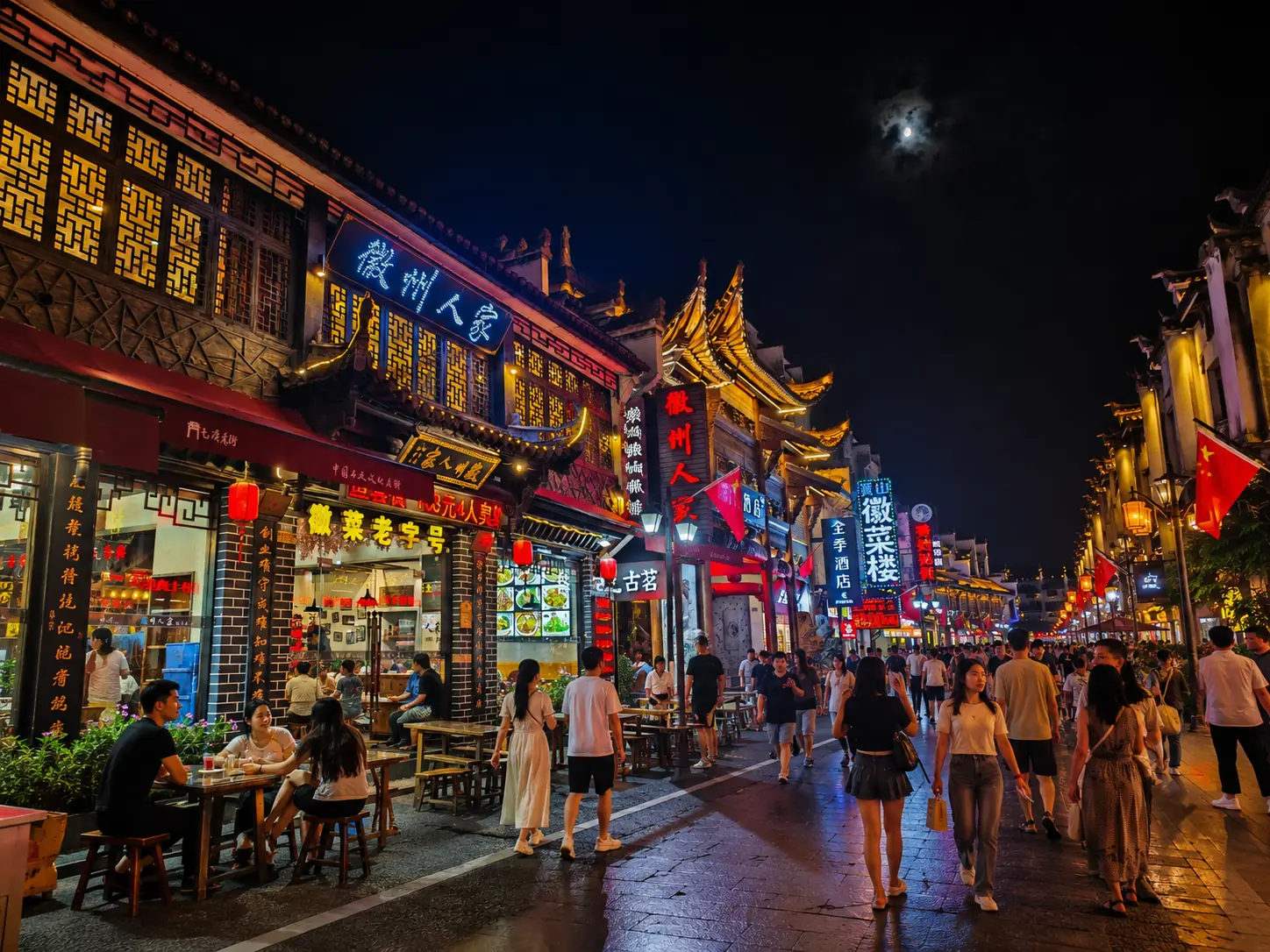
Tunxi
Best for: food, train access, old-street evenings, and a softer base.
Choose Tunxi if you want restaurants, tea shops, easier errands, and a city reset. It is less convenient for a very early mountain start, so do not underestimate transfer time.
Hongcun or Xidi
Best for: village atmosphere, morning light, and slower ancient-village time.
Choose a village stay if the old lanes matter as much as the mountain. It gives you calmer hours, but you will rely more on buses, taxis, or arranged transfers.
Frequently Asked Questions
Three days is the best first-trip target. Two days works only if you keep one add-on simple; four days gives you space for a weather buffer, quieter villages, or a slower food-and-tea day.
Sources checked for this guide
- UNESCO World Heritage Centre: Mount Huangshan World Heritage listing and official site context
- UNESCO World Heritage Centre: Ancient Villages in Southern Anhui, Xidi and Hongcun, World Heritage listing
- Huangshan municipal government: English Huangshan travel transport guide
- Huangshan Scenic Area Administrative Committee: official notice index for visitor operations and reservation planning
- Huangshan Scenic Area Administrative Committee: official scenic-area channel for current notices, reservations, weather, and operations
Beyond This Guide
Once you know which Huangshan trip you want, use our Huangshan destination guide to separate Tunxi, Tangkou South Gate, and Yi County's HSR stations, then go deeper on the sights that will shape your route most:
- Start with Yellow Mountain: The Complete Huangshan Scenic Area Guide before choosing a mountain route.
- Use Hongcun Village, Huangshan if the classic water-village image is your priority.
- Use Xidi Village, Huangshan if architecture and Hui-style details matter more.
- Use China High-Speed Rail Guide if you are connecting Huangshan with Hangzhou, Shanghai, Nanjing, or other cities by train.
© gochinafreely.com — Original guide by Go China Freely.