Budget map
How to read this guide
Independent travelers rarely fail because they cannot add; they fail because no one gave them line-item anchors. Day-to-day food and local transport costs are usually predictable within a band; hotels, holidays, and flights are the lines that move fastest.
Use
Use this China price guide for typical renminbi (RMB / yuan) ranges.
Pair
Pair it with our daily China travel budget guide when you need per-day bundles.
Screenshots age fast
Hotel nights, flights, and festival-week beds move hourly on apps. Treat every table below as a compass, not a quote you can show at check-in.
How to Use This Price Guide
Reading order
Start with the line item, then check the date risk.
This guide is the item-by-item companion to a daily budget. Figures are per person where it matters for meals, per room for hotels, and per ride or per night as labeled.
Food
Food covers street snacks, breakfast, local meals, cafes, Western restaurants, hotel dining, and higher-rent mall venues.
Accommodation
Accommodation covers dorm beds, budget rooms, domestic chains, 4-star-class rooms, resorts, and luxury flagships.
Local transport
Local transport covers metro, bus, Didi / ride-hailing, and meter taxis.
Intercity transport
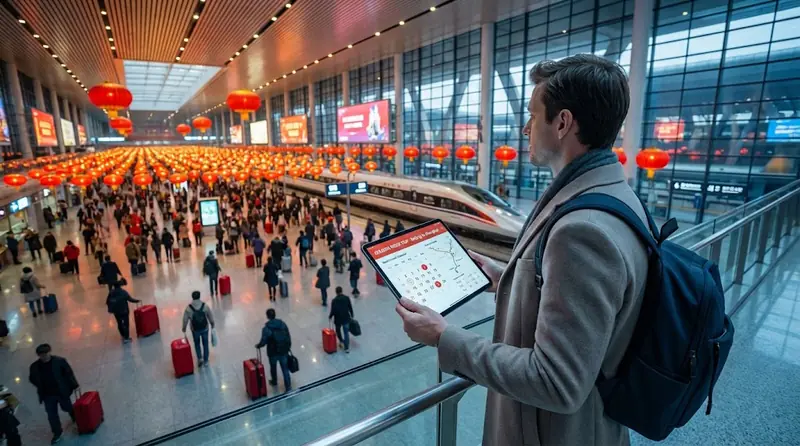
Intercity transport covers high-speed rail ballparks, sleepers, coaches, and volatile domestic flights.
Attraction and show tickets
Attraction and show tickets are illustrative only. Always confirm paid sites on the official channel for your exact date.
Outside this sheet
International flights and visas sit outside this sheet. Souvenir shopping is optional pocket money, not a fixed cost of travel.
For how to pay on the ground, use our mobile payments guide and RMB, exchange, and ATM guide.
What Changes Prices Most
often higher
Tier-1 rooms
premium
Western / hotel dining
similar
Metro hop
volatile
Holiday weeks
Tier-1 rent shows up
Tier-1 city cores often charge more rent, which flows into central rooms, mall dining, cafes, and imported ingredients.
Regional hubs can stretch value
Regional hubs often give you better hotel value at the same star ambition.
Scenic towns still spike
Iconic scenic towns can still spike beds during autumn foliage, school holidays, or national holidays even when the rest of the province looks calm.
In broad strokes, everyday food and local transport prices move more slowly than hotel and holiday airfare spikes, but your quote is still whatever the app shows today.
Food and Daily Buys
Chinese cities let you eat for ¥15 or ¥300 in the same neighborhood. Use the bands to classify what you are ordering, not to predict the check to the yuan.
Everyday local
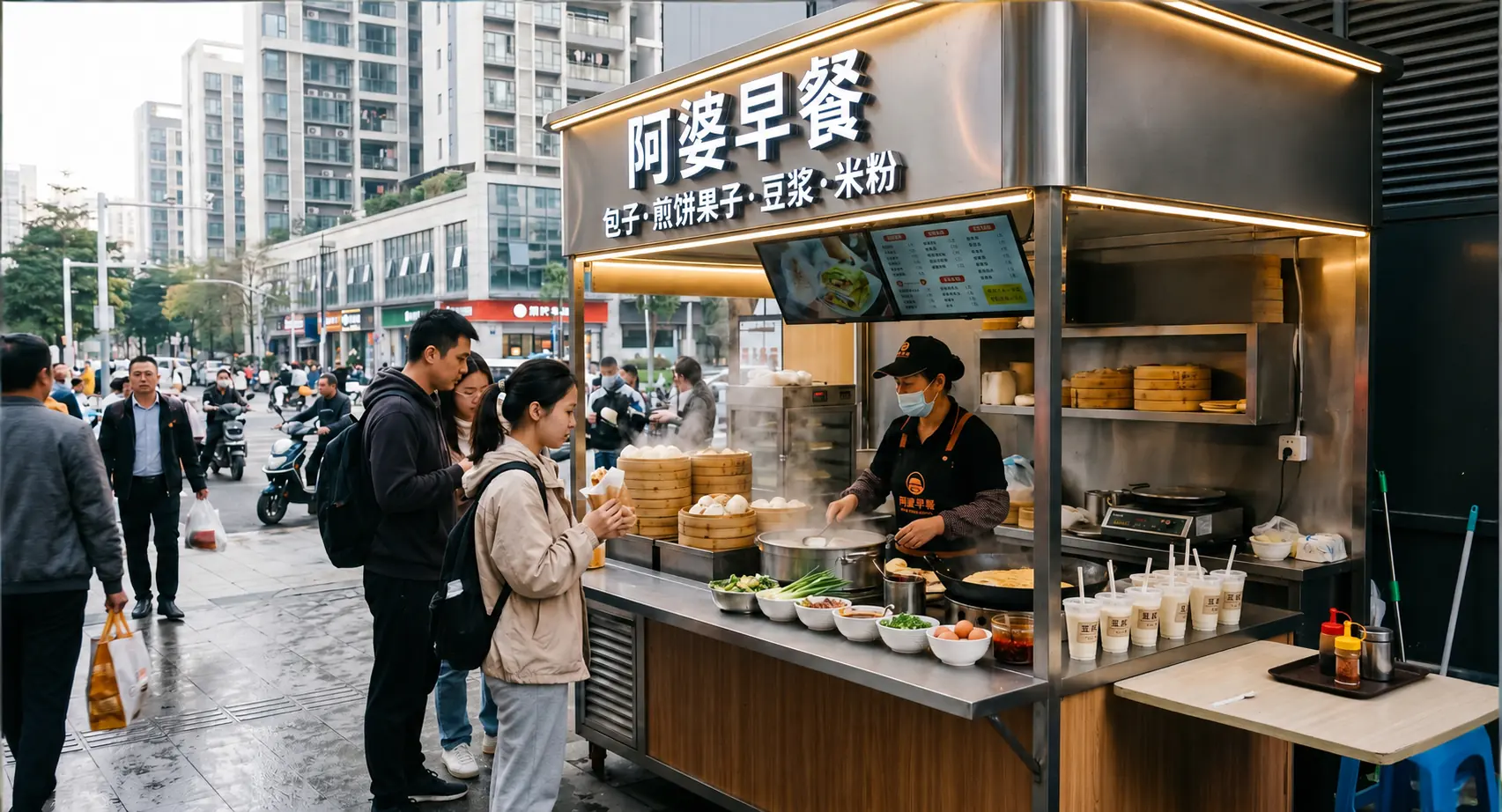
Breakfast, noodles, rice sets, and mall food courts stay easiest to budget.
Shared-table meals
Shared dishes, hotpot, fish-by-weight, drinks, and add-ons make the check grow.
Western, hotel, and mall venues
Western brunch, steak, hotel dining, and high-rent mall brands sit above ordinary noodle shops, rice sets, and local chains.
Meal price ladder
Read the band by occasion, not by restaurant name.
Street snack (one item)
about 5-20
Skewers, savory breakfast crepe (煎饼), stinky tofu, or one small counter item; not a full meal.
Breakfast, budget
about 6-18
Steamed buns, egg pancake, soy milk, or convenience-store pastry in a non-hotel grab-and-go.
Breakfast, cafe
about 25-55
Chain coffee plus pastry in Beijing (北京) or Shanghai (上海); higher rent shows up here.
Lunch, fast and local
about 20-45
Mall food court, regional chain rice or noodle set, or canteen-style tray.
Lunch or dinner, casual sit-down
about 45-120
One hot dish with rice or noodles and tea; shared-plate restaurants rise if you order several dishes.
Dinner, mid-range local
about 45-110 pp
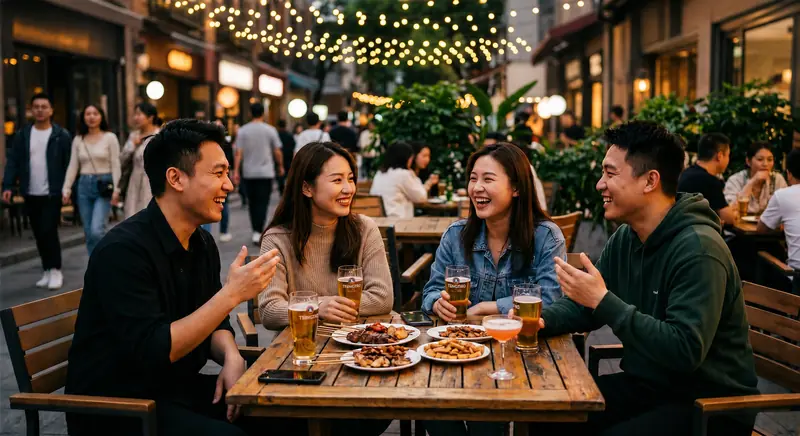
A two-person shared table at a busy local spot often totals about ¥90-220 with beer or soft drinks; still mostly Chinese menu.
Western / hotel / mall venues
about 120-350+
Pizza, steak houses, brunch, and tourist strips; tier-1 cores often land at the top of the band.
International chains and fast food
International chains and higher-rent mall brands cost far more than ordinary local breakfast shops, noodle restaurants, and rice-set counters. They are still useful as a quick price reference when you first land.
Fast food (McDonald’s, KFC)
about 30-55
Combo meals; airport and railway-station branches run higher.
Casual Western / pizza
about 90-200
Mall chains; Shanghai (上海) and Beijing (北京) sit high in the band.
Upscale Japanese / Western
about 300-800+
Omakase, steak houses, and hotel dining; reservation nights spike further.
🍜North and inland classics
Noodle-heavy cities such as Beijing (北京) and Xi’an (西安) keep simple sit-down meals in a modest band unless you walk into a mall flagship in a core district.
🦐East and south coast
Shanghai (上海) and Guangzhou (广州) have strong seafood scenes, dense malls, and many higher-rent dining districts. Comparable nice-dinner venues can run higher than inland cities.
🌶️Southwest heat
Chengdu (成都) and Chongqing (重庆) reward spicy regional orders with strong value: big flavor without automatically big checks.
Coffee, water and quick buys
Convenience stops add up on hot days and help you decide how much backup cash to keep.
Daily drinks
Bottled water (about 550 ml)
about 2-5
Convenience stores; hotels may charge more in-room.
Chain cafe drink
about 22-42
Latte or Americano; tier-1 shop rent shows in the cup.
Milk tea / fruit tea
about 12-28
Mall chains and street brands are both common.
Backup buys
Local beer (restaurant)
about 8-25
By bottle; import brews jump fast.
Beer (supermarket)
about 5-15
Local lagers; cold-chain imports cost more.
OTC cold meds / basics
about 15-65
Pharmacy counter; bring ingredient names if staff speaks limited English.
Travel toiletries
about 10-35
Convenience-store travel sizes.
Connectivity
Mainland physical SIM / local data package
Local SIM setup usually needs passport real-name registration. eSIM, roaming, and pocket Wi-Fi price differently, so compare the tourist internet options and eSIM guide before departure.
about 50-120
Menus love add-ons
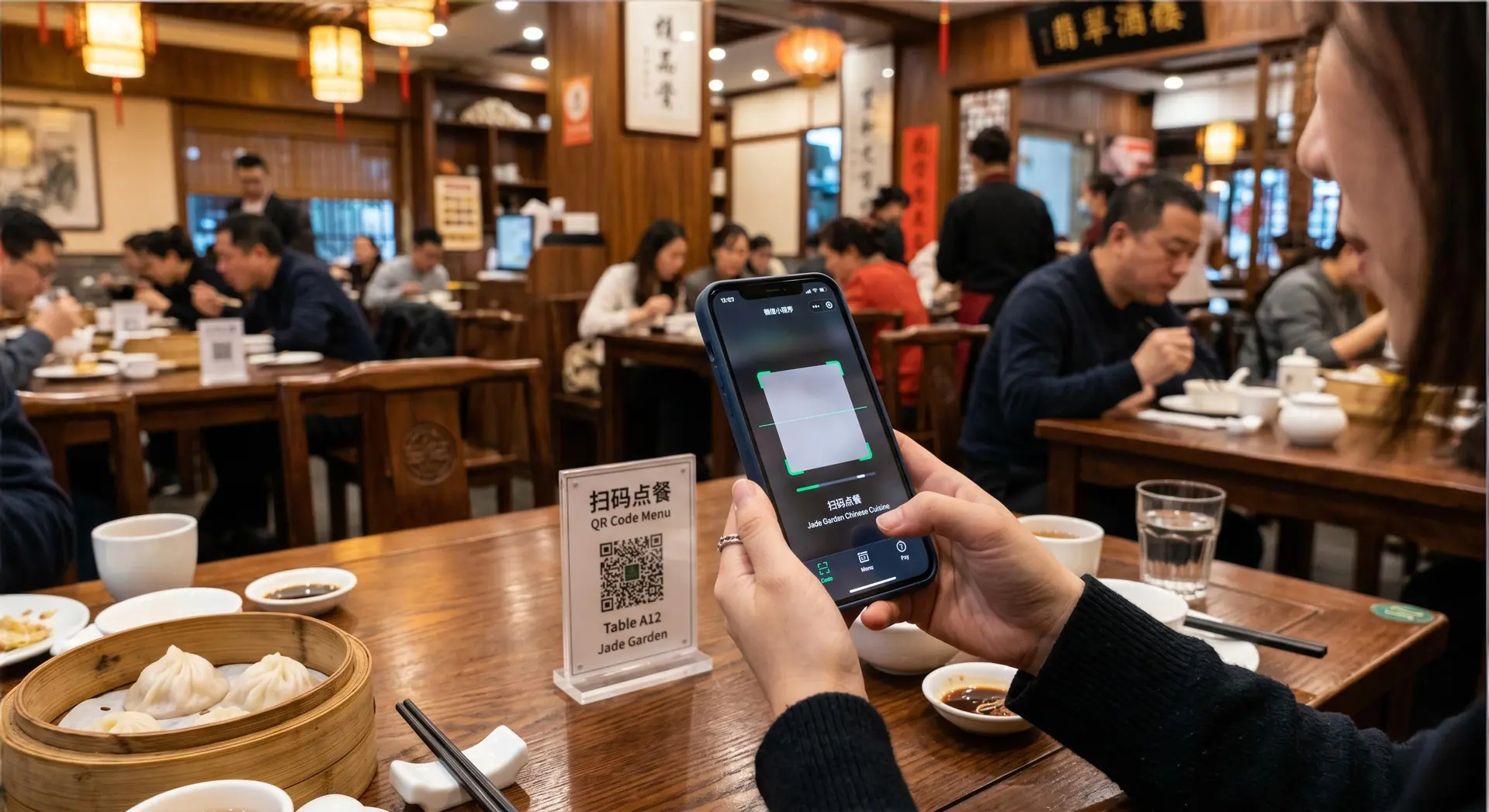
Hotpot, barbecue, and fish-by-weight formats scale with ingredients you pick. Start conservative; you can always order another round after you see the pattern. The Chinese dining etiquette guide explains shared-table habits and menu behavior in more detail.
Hotels and Room Rates
Nightly rates swing wider than almost any other line. Weekday business travel, Friday leisure demand, and holiday weeks can double a property that barely moved your spreadsheet last month.
Room-rate ladder
Pick a comfort ambition first, then re-check the exact night.
¥ / night
Dorm bed
about 60-150
Hostel bunk in a central neighborhood; privacy minimal, social max.
Budget private room
about 150-320
Small local hotel or inn private room; cleanliness varies, so read recent photos. Mainstream hotels and chains normally handle passport registration, but very small inns, remote guesthouses, or ultra-low-price rooms are worth confirming before arrival; the hotel check-in guide explains the check-in step.
Comfortable mid-range
about 320-650
Chains and 3-star-class rooms with reliable hot water and breakfast coupons in many cities.
Upper mid / premium
about 650-1,400
Strong 4-star brands, club floors, and better locations; tier-1 peaks blow past this in peak weeks.
Luxury flagships
1,400+
International five-star and top domestic design hotels; expect premiums during expos and holidays.
Hotel quote checks
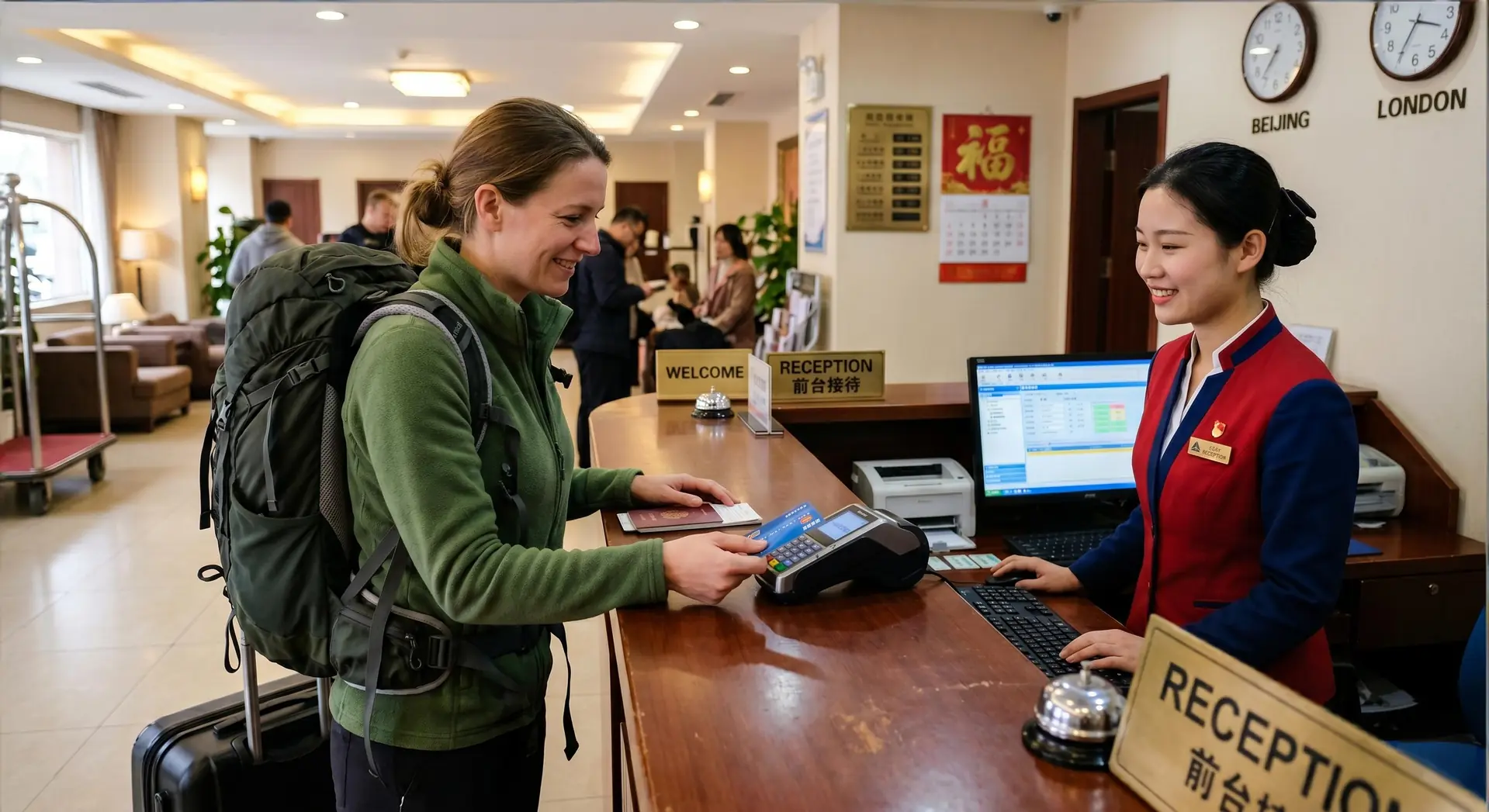
Brand names help, but do not finish the check
Recognizable domestic chains help travelers estimate comfort level: Hanting (汉庭) and Home Inn (如家) are usually budget choices, Ji Hotel / All Seasons (全季) is a cleaner mid-range step, and Atour (亚朵) often sits higher. Still check the exact neighborhood, recent photos, renovation year, and reviews before you lock a stay. Use the China accommodation guide and hotel booking platforms guide.
Quote-check workflow
Use the table for ambition, then let the exact date, neighborhood, cancellation rule, and live app total decide.
Peak windows rewrite the row
Labor Day, summer holiday, National Day, Spring Festival, big conventions, concerts, and scenic-area weekends can lift the same room 40% or more, and sometimes double peak-night quotes versus quiet winter weekdays. Always compare the same night on Trip.com or another app; you pay in-app, and this article does not book on your behalf.
Two blocks can double the rent
A mid-range room next to a postcard landmark often costs far more than a newer room a few metro stops out. If your band feels wrong, move the pin on the map before you downgrade the whole trip.
Star labels need a second read
Star ratings in China are not identical to every other country’s hotel star system. Use reviews, photos, year of renovation, and the China hotel star-ratings guide alongside the label.
Tier-1 and regional hotel brackets
Tier-2 here means strong regional hubs and major provincial centers, not a government statistic. Use the split to see directional gaps; your OTA row still wins.
Premium stays
5-star international
Expos and holidays blow past the top.
Boutique / design
Renovation year matters more than the word boutique.
Luxury resort / scenic
Often outside downtown cores; shuttle or taxi is part of the cost.
Comfort and design
4-star class
Weekday corporate versus Friday leisure demand shifts the row.
Guesthouse / B&B
Quality varies; read recent photos.
Business chain
Same brand, different neighborhood, different yuan.
Value end
3-star hotel
Older star labels; verify renovation.
Budget chain
Hot spots and holidays can push this into the 400-750 range.
Hostel dorm bed
Pick one column for your planning style, then check live listings.
When to lock a bed
For National Day, Labor Day, summer peak, and Spring Festival adjacent weeks, one to three months ahead on major chains often beats last-minute panic. Still re-quote before you pay.
City Transport Costs
Metro and buses are the sanity check for budget math. Ride-hailing adds convenience tax; street taxis still matter when your phone dies or the rain hits.
← swipe to compare all options →
Metro and bus
Distance-based
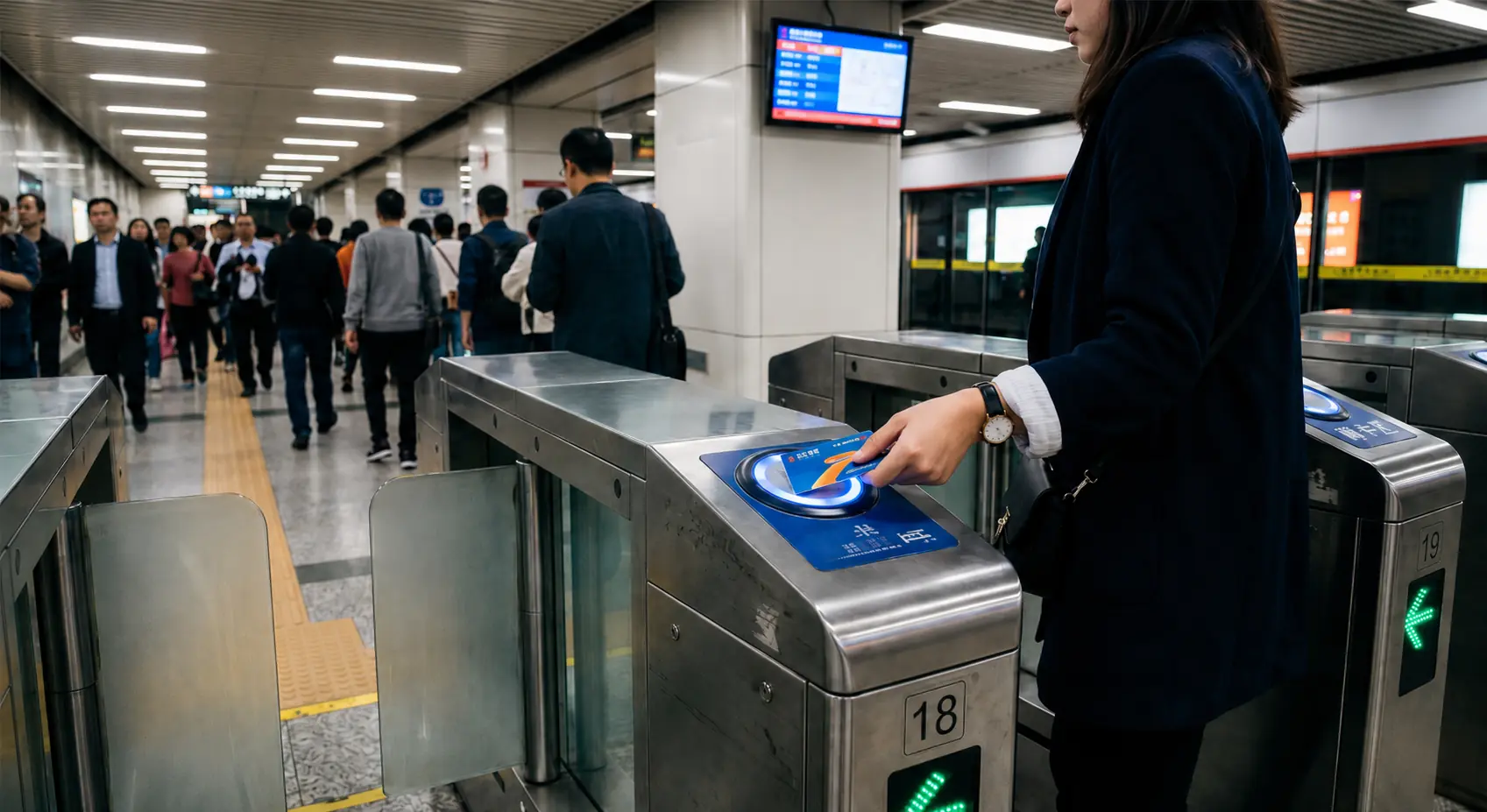
- ✓Metro single rides in major systems often start around ¥2-3; longer hops can reach ¥8-10+.
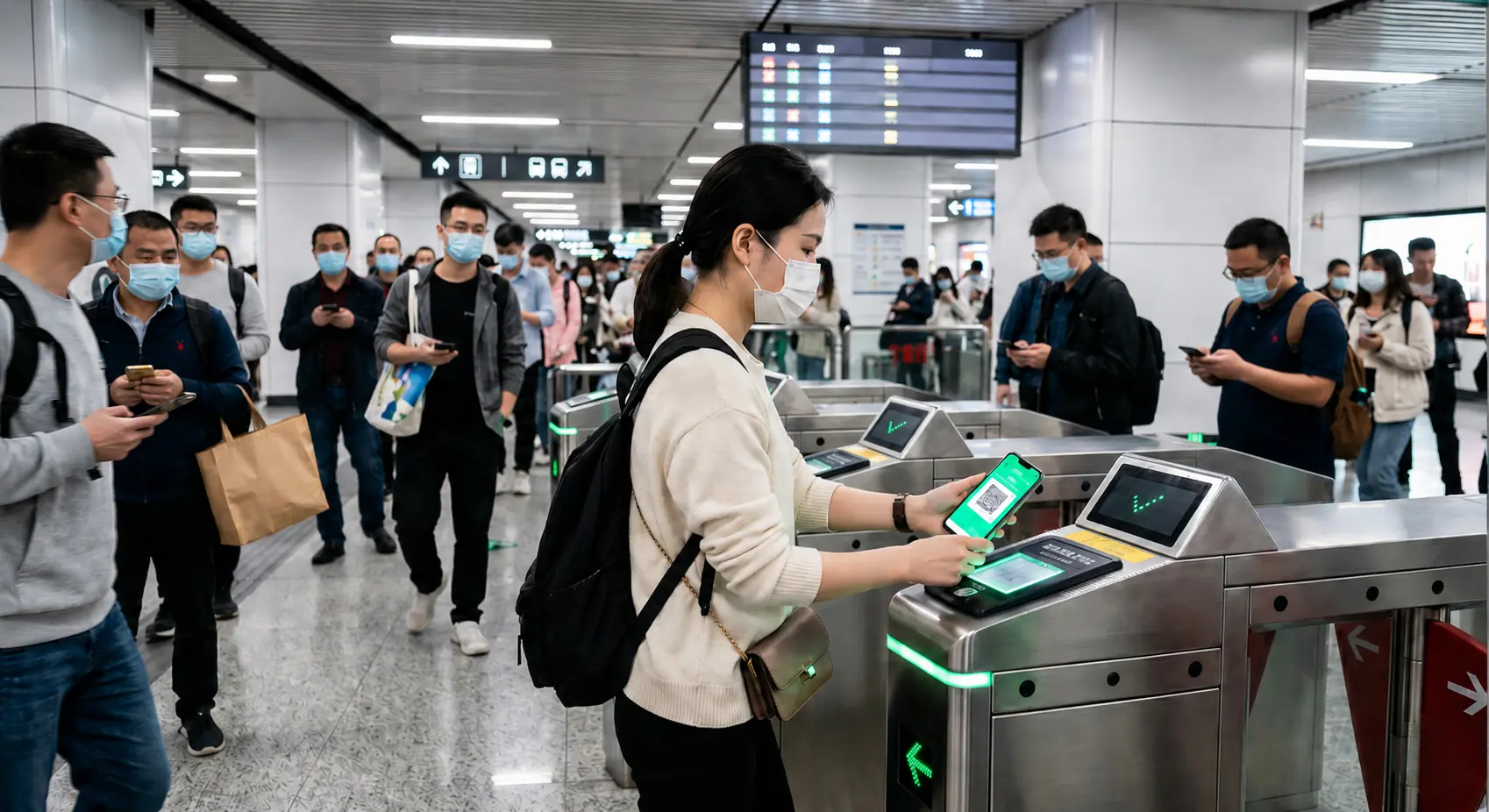
- ✓City buses usually cost about ¥1-3 per ride with transit cards or QR.
- —Airport express lines can run about ¥25-35 one way, so budget them as transfers, not daily food.
Best value for time in rush hour
Taxi and ride-hail
Trip-by-trip
- ✓Meter taxis in tier-1 cities often start around ¥8-16 before distance; each city posts its own flag-fall.
- ✓Short urban hops often total about ¥12-45 on apps; surge and rain rewrite the bill.
- —Street taxis use meters; keep small RMB notes and a working Alipay or WeChat Pay setup. Do not rely on foreign bank cards in ordinary street taxis; some cities or fleets have limited card acceptance.
- ✓Night tariffs, holiday surcharges, and bad weather bump totals fast; check the map before you confirm.
Didi via Alipay / WeChat mini programs
Deep dive on modes and apps: City transport: subway, taxi and ride-hailing.
Intercity Travel Costs
Long legs belong in a different row from walking-around cash. High-speed rail and domestic flights compete on time and comfort; prices follow holidays and ticket inventory, not your spreadsheet.
Rail anchors
Rail gives the cleanest planning bands, but route and train type still matter.
High-speed rail, second class
about ¥0.35-0.65+ per km
Route, train type, and dynamic fare policy matter. Beijing (北京) to Xi’an (西安) often sits roughly around ¥500-700; always re-check in 12306 or Trip.
Conventional train, hard sleeper
often lower than G-train
Overnight Beijing (北京) to Xi’an (西安) hard-sleeper berths often land around ¥250-350. You trade time and comfort for yuan.
Short hops, ordinary / D / G
tens of yuan
Short routes such as Shanghai (上海) to Suzhou (苏州) often sit around ¥30-50 second class; slower services can be lower.
Flagship HSR, second class
often ¥550-800 one way
Beijing (北京) to Shanghai (上海) commonly clusters here on many days. Train type and fare ceilings can move the row.
Road legs
Intercity coach · often ¥50-120
Example band: Shanghai (上海) to Hangzhou (杭州) coach trips. Compare time versus rail.
Volatile legs
Domestic flights · volatile
Beijing (北京) to Chengdu (成都) can show promo fares around ¥600-900 and walk-up or peak fares over ¥1,800. Baggage and airport transfers are part of the true cost.
Route-specific
Long buses and ferries
Mountain or island corridors require safety, time, and weather judgment, not just lowest fare.
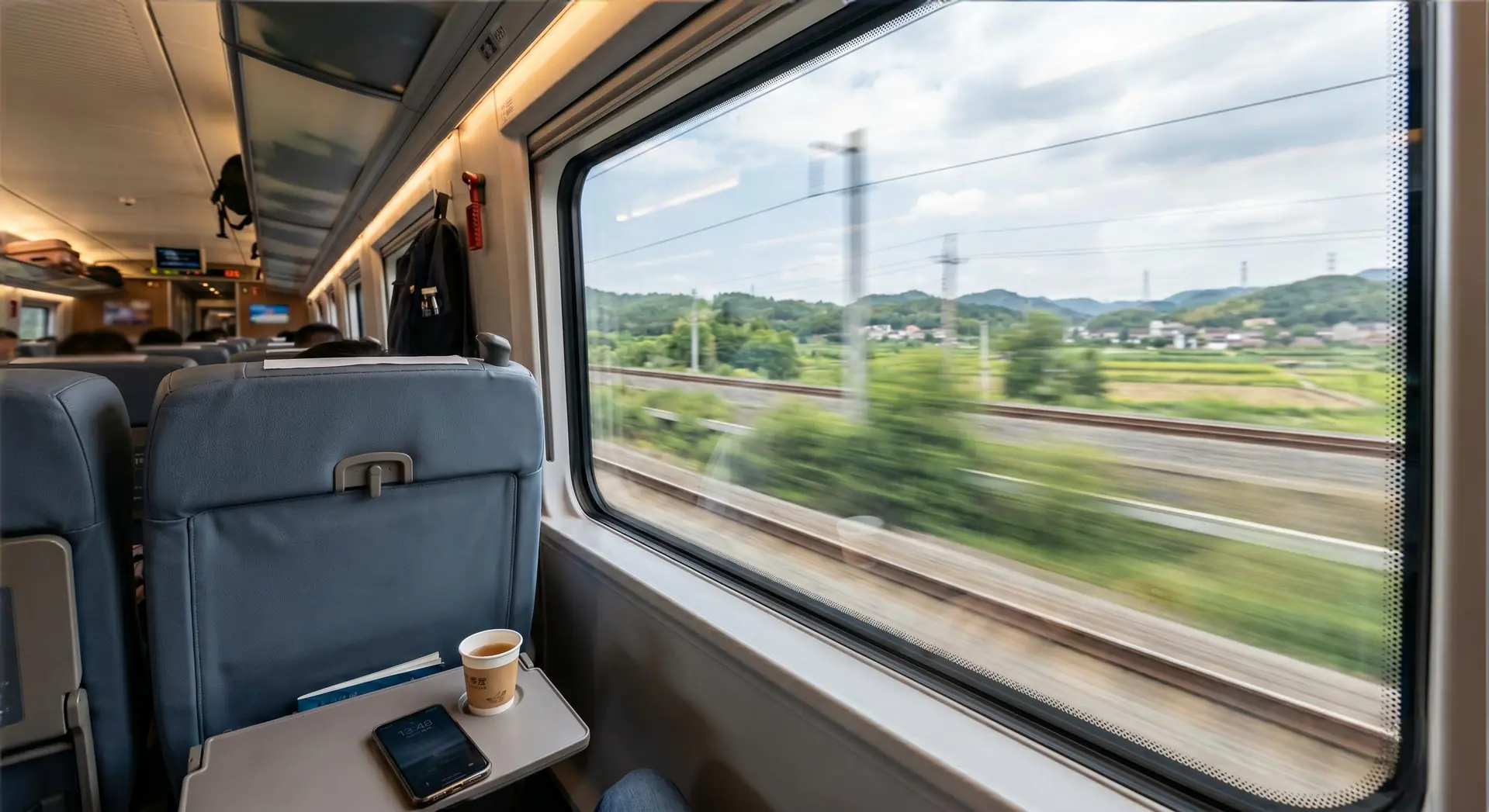
Rail and flight workflow
Workflow for tickets and seat choice: 12306 and Trip.com rail guide.
Bundled searches: Trip.com app for China.
Seat choice
Separate the fare band from the comfort decision.
True total
Add baggage, station access, and airport transfers before you compare.
Tickets, Shows, and Shopping
Gate prices are policy-set, seasonal, and sometimes bundled with shuttles or cableways. Use these rows to sense scale, then lock numbers on the official presale channel for your date.
Never budget from a blog screenshot
If a number matters for a go/no-go decision, verify it in the venue’s official sales path: mini-program, official website, or on-site board. A repost is not a checkout screen.
Major national museums
about 0-80
Many are free with reservation; blockbuster exhibitions may add a timed paid slot.
Iconic world-heritage parks
about 120-250+
Mountains and sandstone parks often stack gate tickets, shuttle buses, cableways, elevators, and timed-entry reservations.
Signature cultural shows
about 180-800
Seat tier and weekend slots swing harder than the face of the ticket.
Common gate prices to re-check
These examples are commonly used for planning. They are not a substitute for the official price on your exact visit date.
Palace Museum (Forbidden City) · 40 or 60
Official seasonal split: ¥40 off-season and ¥60 peak season. Treasure Gallery and Clock Gallery are extra; confirm on official presale.
Great Wall, Badaling section · 35 or 40
Common seasonal adult gate band. Shuttles, cableways, and transfers add; book through official channels.
Terracotta Army (Xi’an) · 120
Official adult ticket is generally ¥120, same peak and off-peak in the current policy; reserve with your passport details.
Huangshan (Yellow Mountain) · 150-190 gate
Gate ticket and ropeway or shuttle costs are separate lines. Confirm the current bundle and weather status before you travel.
Zhangjiajie National Forest Park · about 230+
Multi-day passes, eco-buses, elevators, cableways, and time slots can make the final outlay much higher than the gate headline.
National museums are often free with reservation. Still reserve slots during peak weeks.
Souvenirs and gift shopping
Small trinkets · about 10-100
Fans, keychains, bookmarks, and tourist-street gifts; compare three stalls before you buy.
Tea / handicrafts · about 50-500+
Quality swings wildly; taste or handle before big spends.
Snack gift boxes · about 30-200
Airport gift shops charge more than supermarkets.
Luxury retail · 500-10,000+
Tax-refund and duty-free rules differ. Research this as a separate shopping decision.
Execution detail lives in each Things to Do guide. Open the city or attraction you are visiting before you commit ticket money.
Safe Planning Rules
Re-quote on the day you pay
This matters most for hotels, flights, rail inventory, and show seats.
Keep a cash buffer
About ¥200-500 in paper RMB covers small vendors and odd app hiccups; see the mobile payments overview.
Watch remaining 2026 holiday cliffs
After the June update, the big remaining date risks are summer school holidays, Mid-Autumn Festival on September 25-27, 2026, and National Day on October 1-7, 2026. Use the China public holidays calendar before locking hotels or tickets.
Compare apples to apples
Breakfast included, room size, cancellation rules, cableway inclusion, and luggage allowance can change the real price.
Final rule
When table and checkout differ
If two numbers in your plan disagree, trust the app total you are about to pay, then adjust your buffer, not the trip’s geography.
FAQ: Price Guide Basics
No. Tipping is not part of mainland China’s everyday service culture. A service charge appears only at some high-end hotels or specific venues; if unsure, check the printed bill.
Sources checked for this guide
- Official 2026 public holiday pages checked for Spring Festival, Labor Day, Mid-Autumn Festival, National Day, and other windows that affect prices.: State Council 2026 public holiday notice and Beijing public holidays in English
- Official Beijing and Shanghai metro fare pages checked for distance-based city rail pricing and airport-express context.: Beijing subway fares and Shanghai metro fares
- Official Beijing and Shanghai taxi pages checked for flag-fall, distance, night, waiting, holiday surcharge, and cash/card acceptance examples.: Beijing taxi fares and Shanghai taxi guide
- China Railway 12306 English site checked as the official rail query and ticketing reference for exact train fares.: 12306 English website
- Official attraction sources checked for Palace Museum, Badaling Great Wall, Terracotta Warriors, Huangshan, and Zhangjiajie price examples.: Palace Museum ticket information, Badaling Great Wall ticket information, Terracotta Warriors official ticketing, Huangshan municipal ticket-policy Q&A and Hunan Government Wulingyuan one-ticket policy notice
Beyond This Guide
Numbers change; discipline does not. When you want itemized ranges folded into a route-specific budget, connect this guide with daily spend bands, payments, transport apps, and rail booking workflow.
Also read: City transport: subway, taxi and ride-hailing · 12306 and Trip.com rail workflow · Trip.com app for China
© gochinafreely.com — Original guide by Go China Freely.