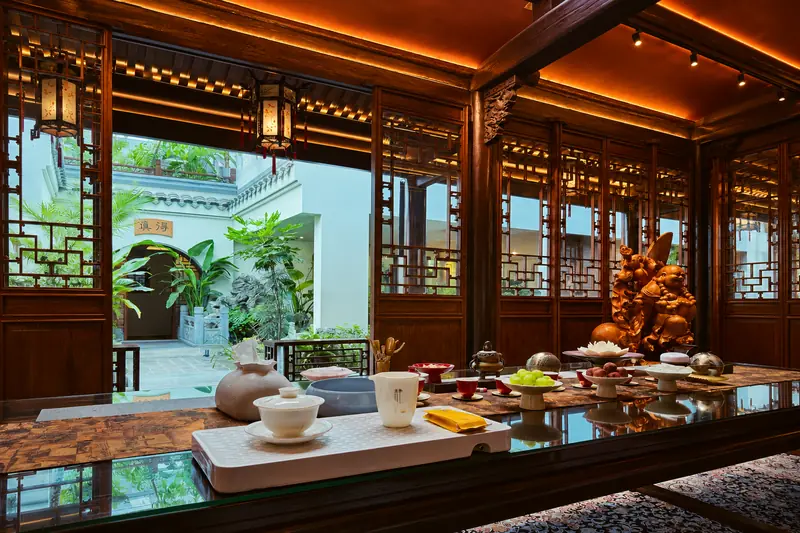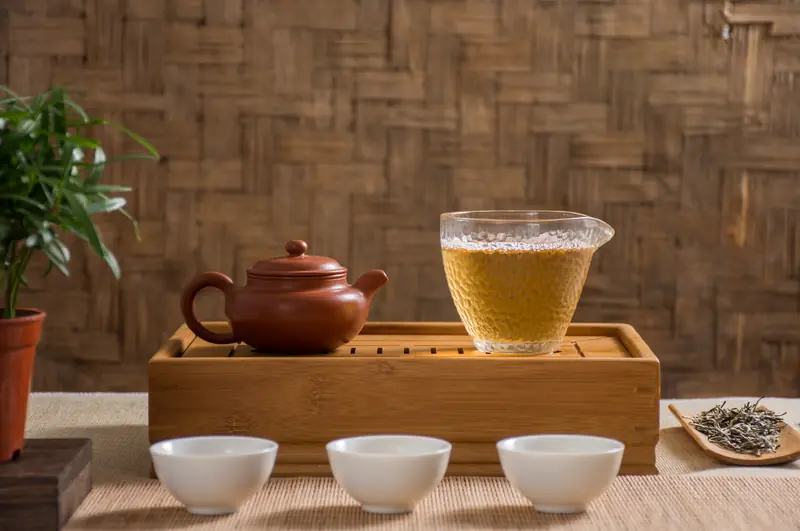
White tea is easy to underestimate in China. It does not shout like roasted oolong or dark Pu'er, and a good cup can look almost too pale at first. Then the details arrive: downy buds, soft flower aroma, honey water, hay sweetness, and a quiet finish that makes sense only when you stop expecting the tea to perform loudly.
Executive Summary
What this guide covers
How Chinese white tea works for travelers: Silver Needle, White Peony, Fuding and Zhenghe context, fresh versus aged styles, brewing, and small-bag buying advice.
Best first choice
Start with White Peony if you want an approachable first cup. Try Silver Needle when you want the delicate, bud-only side of white tea.
Main traveler trap
Do not judge white tea by pale color or health claims. Ask the exact style, year, unit price, and whether it is loose tea or a compressed cake.
White tea
Six tea categories
Silver Needle
Bud-only style
White Peony
Best starter
50-100 g
First buy
White Tea Is Subtle, Not Weak
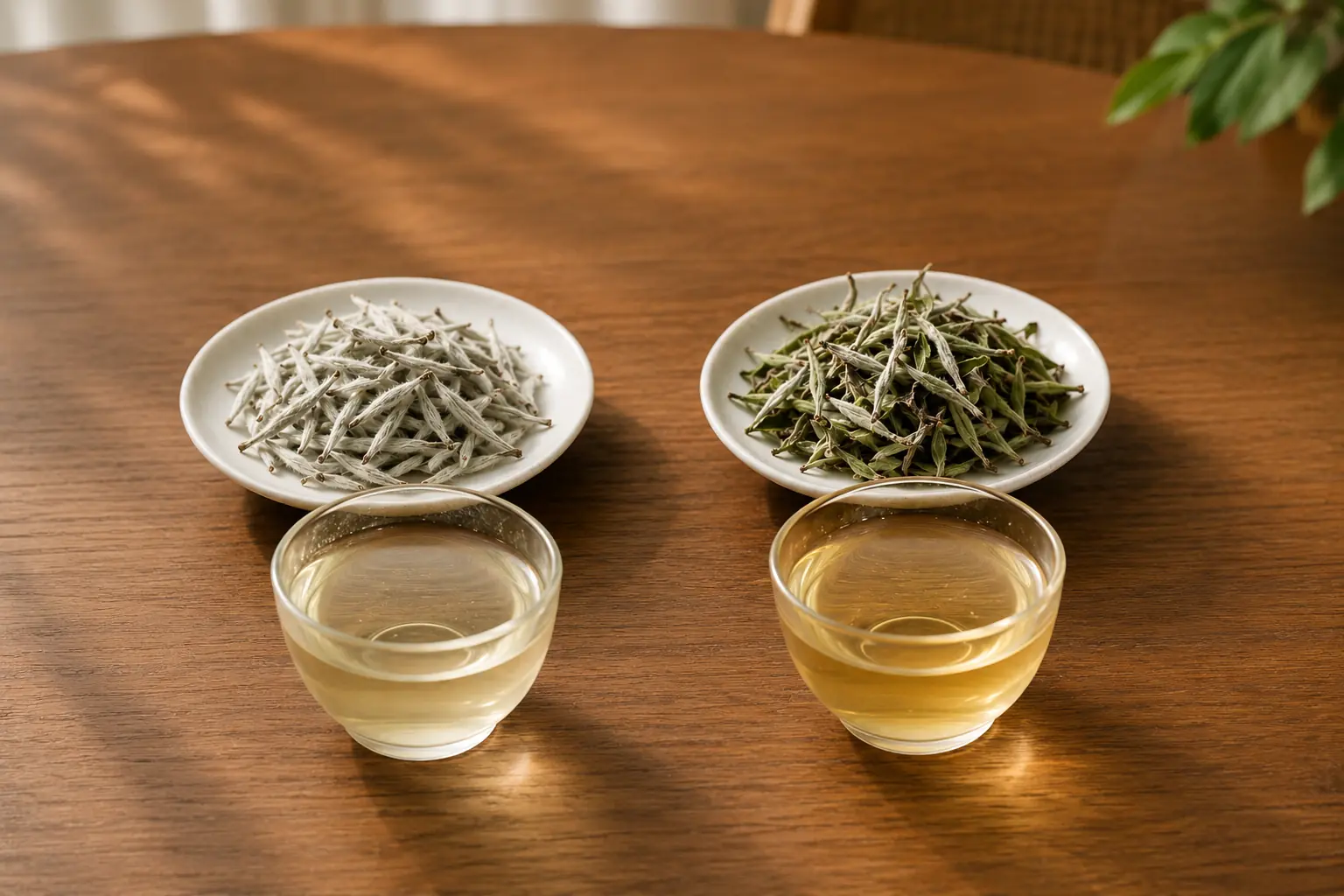
Chinese white tea (白茶) is widely recognized as one of China's major tea categories. The name does not mean the brewed liquor is white. It points to the fine white hairs on young buds and leaves, especially in teas such as Baihao Yinzhen or Silver Needle (白毫银针). In the cup, white tea usually looks pale yellow, apricot, or light gold.
1The name is about buds
White tea does not brew white. The name points to the fine white hairs on young buds and leaves.
2The process stays quiet
Traditional white tea is mainly withered and dried, without the frying or rolling used to fix green tea quickly.
3The cup needs attention
Look for clean sweetness, flowers, fresh hay, honey, melon, apricot, and a soft finish rather than loud intensity.
A Chinese government/China Daily page on Fuding white tea production technique describes Fuding white tea as lightly fermented and notes that its process involves no frying or rolling. That quiet process is why white tea can feel gentle. It is not weak tea; it is low-drama tea.
White tea is not white water
A pale cup is normal. Good white tea should still have clean aroma, sweetness, texture, and a finish. If it tastes like nothing, either the tea is weak or it was brewed too thin.
When Menus Just Say White Tea
In China, "white tea" can mean several different things. The English words alone are not enough.
| Setting | What "white tea" may mean | Best traveler move |
|---|---|---|
| Specialist tea room | Silver Needle, White Peony, Shoumei, or aged white tea | Ask the exact tea name and whether it is fresh or aged. |
| Tea shop | A tasting that may lead to loose tea, cakes, tins, or gift boxes | Ask the price per 50 grams before the expensive stories begin. |
| Hotel or restaurant | A tea bag, light house tea, or simple loose-leaf white tea | Enjoy it as a meal drink; do not expect origin-level tasting. |
| Modern tea drink shop | A tea base for fruit tea or milk-free drinks | Check sugar, fruit, and flavorings before judging white tea itself. |
| Anji white tea | A Zhejiang tea with "white" in the name | Remember that Anji white tea is usually processed as green tea. |
This last point matters. China Daily's white tea explainer notes that Anji white tea (安吉白茶) from Zhejiang is prepared by the green-tea method and is normally categorized as green tea. It can be delicious, but it is not the same category as Fujian white teas such as Silver Needle and White Peony.
Decision shortcut
Which white tea should I order first?
I want an easy first cup
Choose White Peony. It has more body and is easier to read than very delicate Silver Needle.
I want the classic premium style
Choose Silver Needle, but give it a quiet tasting setting.
I want aged flavor
Try aged Shoumei or White Peony, but judge storage carefully.
I am buying a souvenir
Buy 50-100 grams of loose tea first, not a whole cake or gift box.
Silver Needle: Buds, Down, and Delicacy
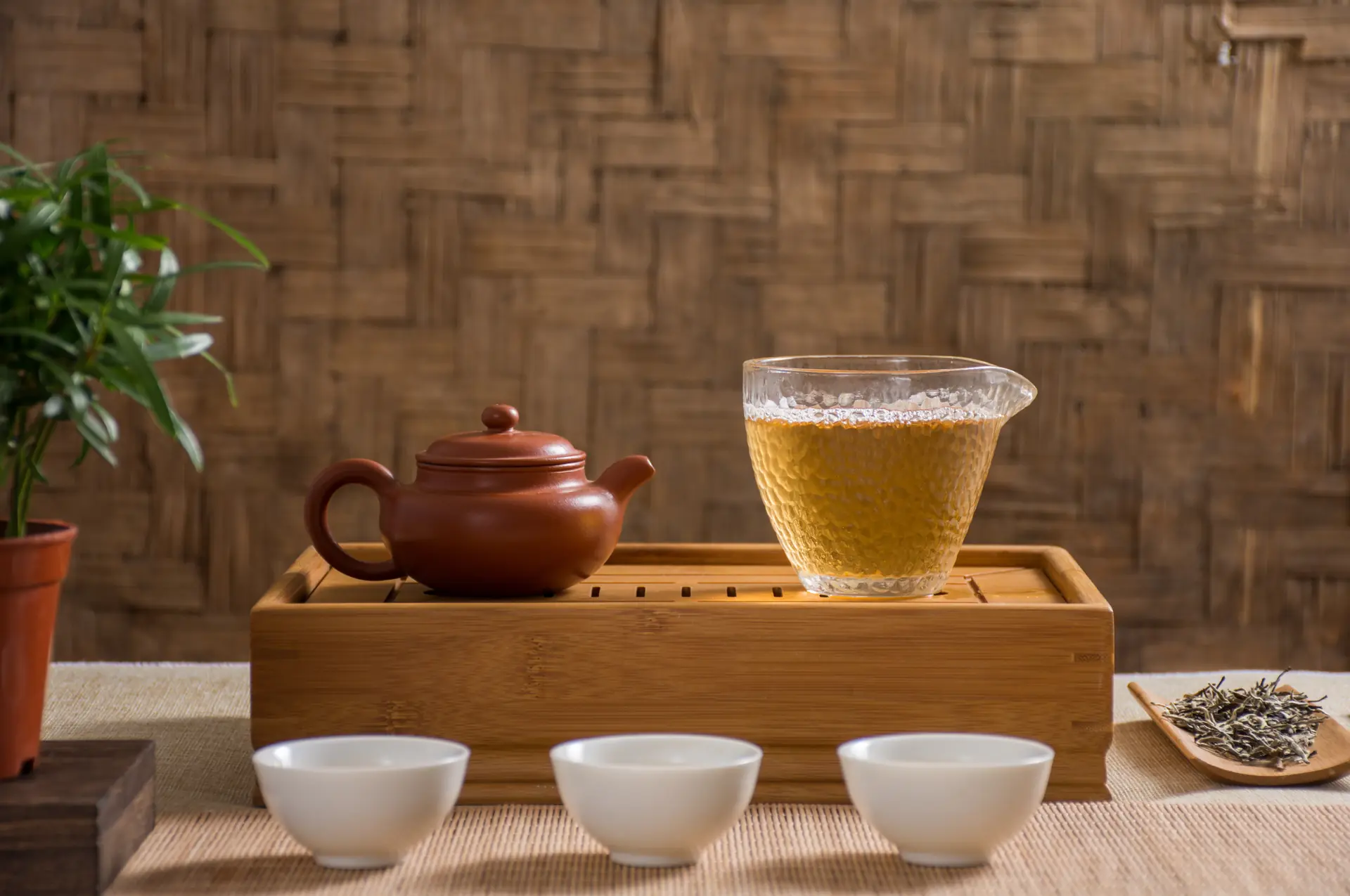
Silver Needle, or Baihao Yinzhen (白毫银针), is the white tea many travelers picture first: slim buds, silvery down, pale liquor, and a refined style. China Daily's white tea explainer describes top-grade white tea as made from a single sprout and called Baihao Yinzhen.
The flavor should be delicate, not empty. Look for downy softness, light flower aroma, honey water, young grass, melon, almond skin, or a clean spring-like sweetness. Silver Needle is not the best tea to drink while eating spicy food or rushing between sights. It rewards attention.
It is also easy to overpay for. Bud-only tea takes more careful picking and can be expensive, so sellers often lean hard on appearance: white hairs, straight buds, beautiful packaging, early spring harvest. Those clues matter, but they are not enough. A good Silver Needle should smell clean, brew sweetly, and leave a gentle finish. If it only looks pretty, keep tasting.
Do not chase whiteness alone
Silver Needle should have visible white down, but the best test is still the cup: clean aroma, soft sweetness, and a finish you want to return to.
White Peony: Leaves, Body, and Value
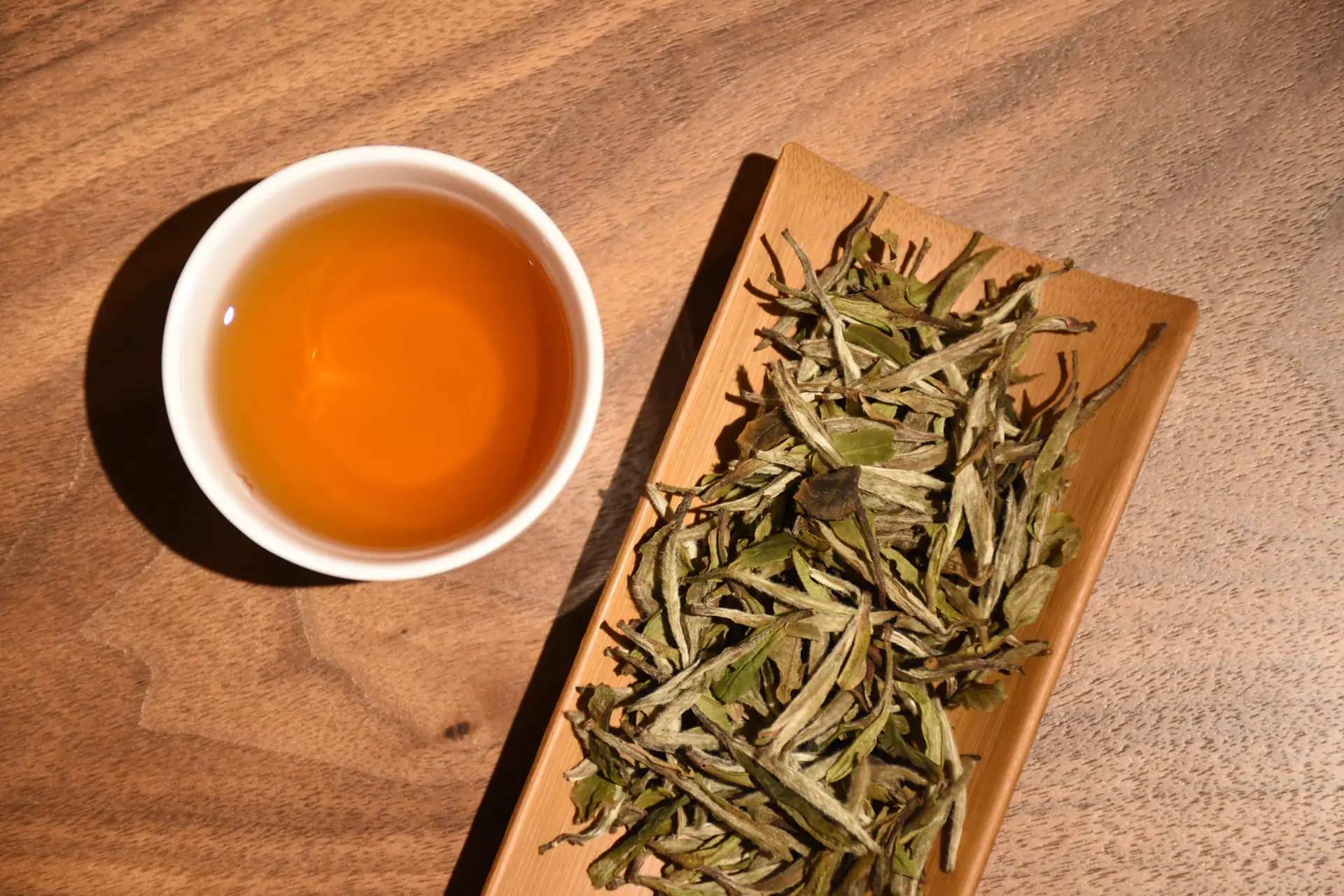
White Peony, or Baimudan (白牡丹), is often the better first white tea for travelers. It usually includes a bud with young leaves, so the cup has more body than Silver Needle. China Daily describes Baimudan as the next grade after Baihao Yinzhen, made with one sprout and two or three leaves. Some grading descriptions use one bud with one or two leaves, so the safest practical idea is simple: White Peony has both bud and leaf.
That leaf matters. White Peony can taste more floral, fuller, and easier to understand. It may show honey, hay, flowers, apricot, light fruit, or a warm grass note. Fresh White Peony is bright and spring-like; well-stored older White Peony can become rounder, sweeter, and more honeyed.
Do not think of White Peony as "cheap Silver Needle." It is a different drinking mood. If Silver Needle is the quietest version of white tea, White Peony is the version you can drink more often: with a snack, in a hotel cup, or as a small souvenir that friends at home will actually enjoy.
Best first white tea buy
If you only buy one Chinese white tea on a first trip, choose a clean mid-range White Peony. It gives you more flavor for the money than many premium-looking Silver Needle tins.
Fuding, Zhenghe, and Fujian White Tea Context

Northern Fujian is the main map behind Chinese white tea. Fuding (福鼎) is the name you will see most often on packets, especially for Fuding white tea, Silver Needle, White Peony, Shoumei, and aged white tea cakes. Zhenghe (政和) is another important white-tea name, with its own historical weight. Jianyang (建阳) and nearby northern Fujian areas also appear in white-tea materials.
Fujian's foreign affairs office describes Fuding White Tea as micro-fermented and classifies it into Baihao Yinzhen, Bai Mudan, Gongmei, Shoumei, and newer styles. The same page notes that Fuding White Tea was selected into the EU-China Geographical Indications Agreement in November 2020; the agreement entered into force on March 1, 2021. China Daily also places the modern concept of white tea around Fuding and Zhenghe.
Travel-wise, you do not need a tea mountain tour to understand white tea. If your Fujian route already includes Fuzhou (福州), Xiamen (厦门), Ningde (宁德), Xiapu (霞浦), or Wuyishan, a tea-room tasting can fit naturally. Fuding itself makes sense if you are deliberately building a tea-country route. For most first-timers, a good city tea room is enough.
White Tea Styles at a Glance
Do not read white tea only as a price ladder. Each style has a job.
← swipe to compare all options →
Silver Needle
白毫银针
- ✓Best for delicate tasting: downy, floral, honey water, melon, and young grass.
- —The main risk is paying for pretty buds that brew too thin.
Bud-only tasting / Often premium
White Peony
白牡丹
- ✓Best for most travelers: flowers, hay, honey, apricot, and light fruit.
- —Grades vary widely, so taste before buying.
Best first white tea / More body
Gongmei / Shoumei
贡眉 / 寿眉
- ✓Best for daily drinking and aged-tea exploration: hay, dates, wood, herbs, and mellow sweetness.
- —Leafier tea should still smell clean, not stale.
Daily drinking / Cakes and aging
Aged White Tea
老白茶
- ✓Best for drinkers who like dates, wood, honey, and herbal sweetness.
- ✗Age and storage claims can be exaggerated.
Warmer flavor / Storage matters
Silver Needle teaches delicacy. White Peony teaches why white tea can be easy to love. Gongmei, Shoumei, and aged white tea are worth exploring after you know you like the category.
How to Brew White Tea Well
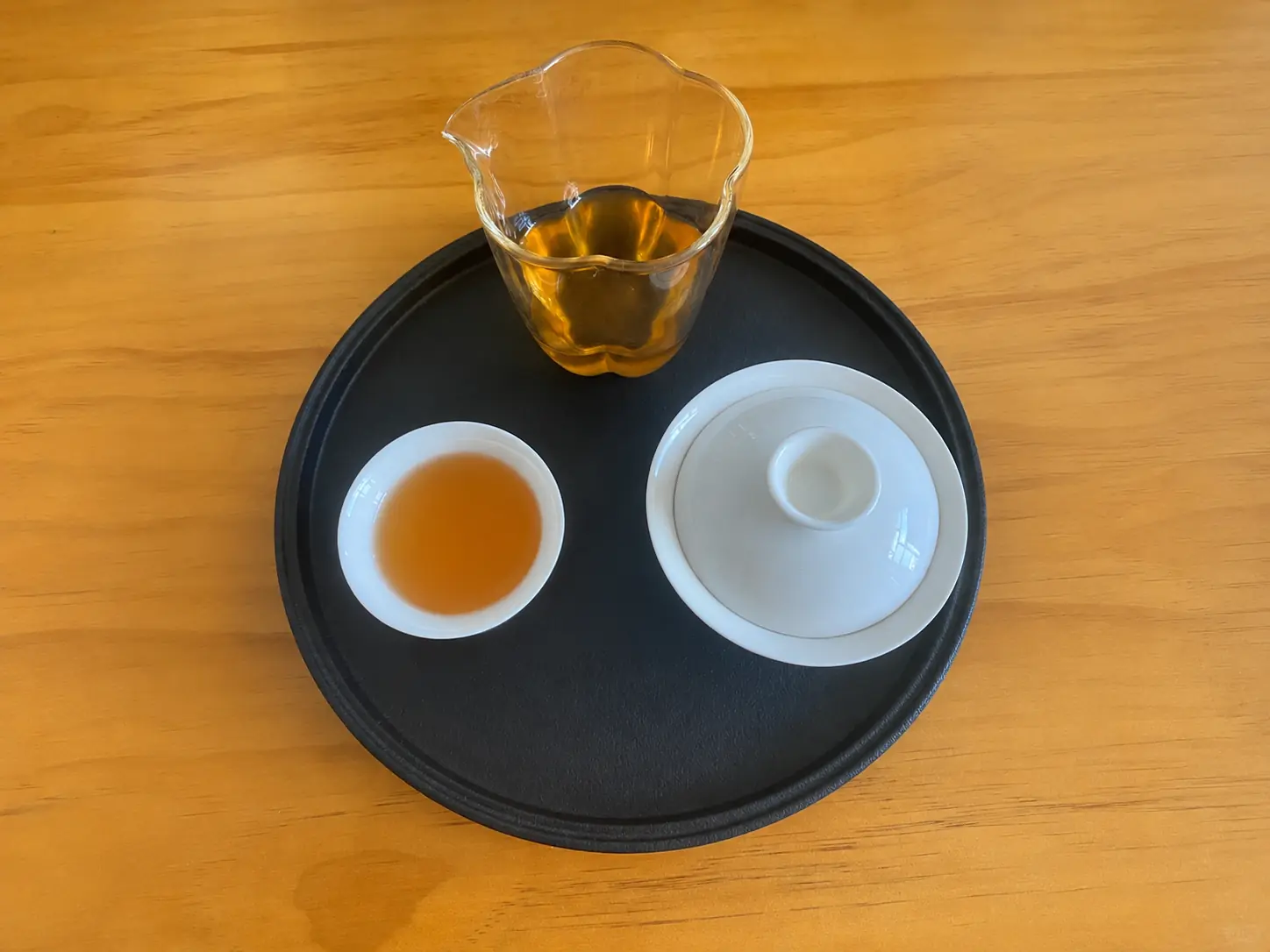
White tea is not as fragile as many beginners think, but it punishes neglect. The main mistake is throwing too much leaf into a mug and letting it sit all day.
- Start with less leaf- In a hotel cup or travel mug, use a small pinch first. You can always make the next cup stronger.
- Use hot but gentle water- About 85-95 C is a safe range. If you only have boiling water, let it cool briefly before pouring.
- Taste early- Try the tea after 1-2 minutes. Pale color does not always mean weak flavor.
- Adjust the next steep- If it is too thin, wait longer. If it is harsh or dull, use less leaf or shorter time.
- Refill several times- Good white tea can give several infusions, often becoming sweeter and rounder as it opens.
With a gaiwan (盖碗), use more leaf and shorter steeps. With a mug, use less leaf and avoid long soaking. Silver Needle likes a gentler touch. White Peony and Shoumei are more forgiving. Aged white tea and compressed cakes can handle hotter water, but bad storage will not become good because you boiled it.
Buying White Tea Without the Hype
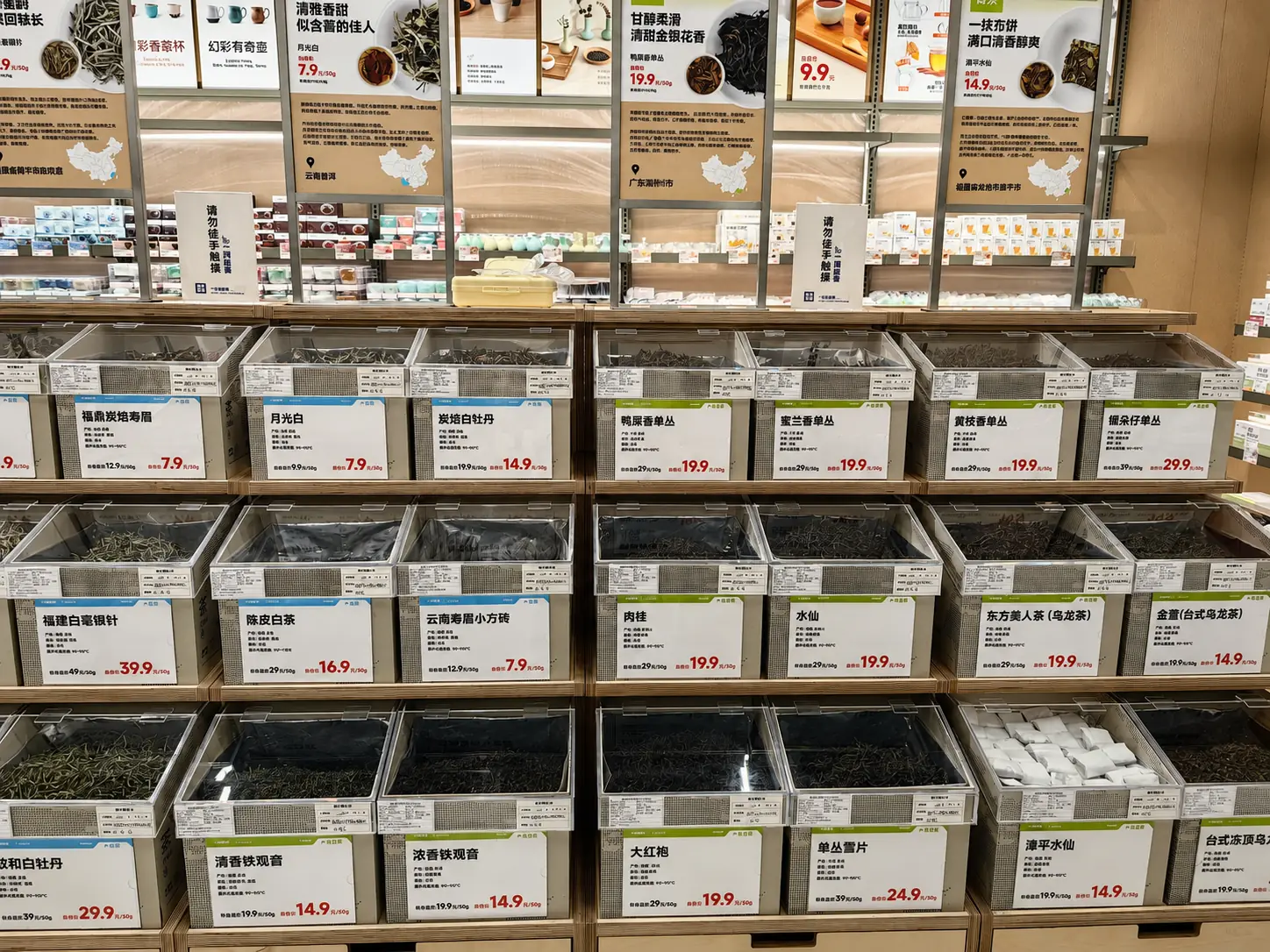
White tea is now sold as fresh spring tea, aged tea, health tea, cake tea, gift tea, and investment-like tea. Keep the purchase grounded.
Ask four questions first: what style is it, what year is it, is it loose or compressed, and what is the unit price? For a first purchase, 50-100 grams of loose White Peony is usually safer than a full cake or heavy gift box. A cake is not automatically higher quality; it is simply compressed for storage, transport, gifting, or aging.
Be especially careful with aged white tea. China Daily notes that Shoumei has aging capacity and that white tea cakes became a newer trend, but that does not mean older is always better. Good aged white tea can taste like dates, honey, wood, herbs, and warm sweetness. Bad storage can smell moldy, sour, dusty, rotten, or flat. Do not let anyone turn obvious off-flavors into "medicine aroma."
Also avoid buying white tea as a cure. White tea has a strong health image in China, and some articles discuss traditional beliefs or lab research, but a travel article should keep the promise simple: drink it because it tastes good, not because someone claims it will fix your body.
- Buy small first: 50-100 grams of loose White Peony is a safer first buy than a whole cake.
- Ask the exact style: Silver Needle, White Peony, Gongmei, Shoumei, aged loose tea, or aged cake.
- Check the unit price: confirm whether the price is per 50 grams, 100 grams, cake, tin, gift box, pot, or person.
- Do not buy health claims: enjoy white tea as tea, not as a promised cure.
- Reject bad storage: aged white tea should not smell moldy, sour, dusty, or rotten.
Useful White Tea Phrases for Travelers
Show the Chinese if pronunciation feels awkward. In a tea shop, these phrases keep the conversation practical.
| English | Chinese | Pinyin | Say It Like… |
|---|---|---|---|
| White tea | 白茶 | bái chá | bye chah |
| Silver Needle / Baihao Yinzhen | 白毫银针 | bái háo yín zhēn | bye how yin jun |
| White Peony / Baimudan | 白牡丹 | bái mǔ dān | bye moo dahn |
| Shoumei white tea | 寿眉 | shòu méi | show may |
| Is this fresh tea or aged white tea? | 这个是新茶还是老白茶? | zhè ge shì xīn chá hái shì lǎo bái chá? | juh-guh shir shin chah high shir laow bye chah |
| What year is this tea from? | 这个是哪一年的? | zhè ge shì nǎ yī nián de? | juh-guh shir nah ee nyen duh |
| How much is this per 50 grams? | 这个多少钱一两? | zhè ge duō shǎo qián yī liǎng? | juh-guh dwaw-shaow chyen ee lyahng |
| I will buy just a small amount first. | 我先买一点点。 | wǒ xiān mǎi yī diǎn diǎn. | woh shyen my ee dyen dyen |
Frequently Asked Questions
Usually no. The name mainly refers to the fine white hairs on the buds and young leaves. The brewed liquor is usually pale yellow, apricot, or light gold.
Beyond This Guide
Once white tea makes sense, the rest of the Chinese tea map becomes clearer. Pair this guide with the Chinese Green Tea Guide, Oolong Tea Guide, Black Tea in China, Pu'er Tea Guide, Gongfu Tea Ceremony Guide, Fujian Cuisine Guide, and Xiamen Food Guide.
© gochinafreely.com — Original guide by Go China Freely.