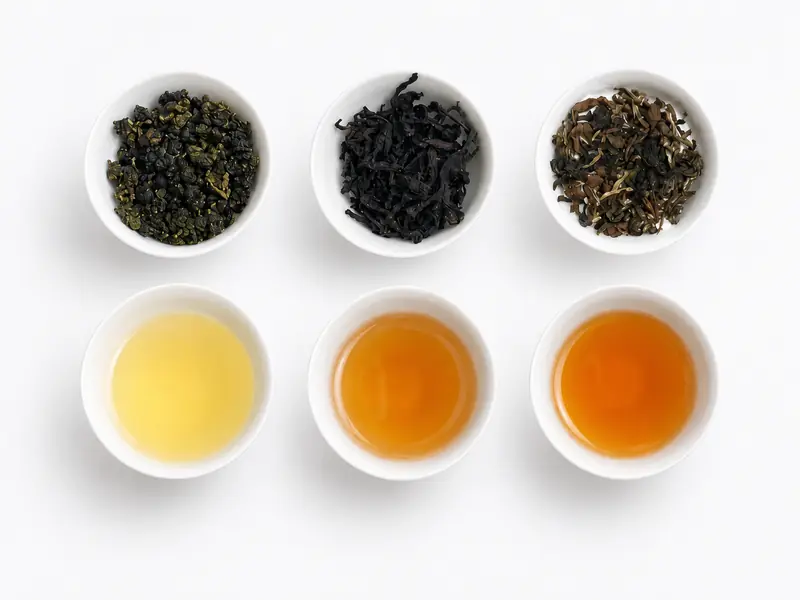
Oolong tea is where Chinese tea starts to surprise travelers. One cup of Tieguanyin can feel floral, green, and almost creamy; one cup of Da Hong Pao can feel roasted, mineral, and deep; one cup of Phoenix Dancong can smell like honey orchid, citrus blossom, almond, or the famous "Duck Shit Aroma." This guide is not asking you to memorize tea theory. It helps you know what to order, what to expect, and how to avoid being carried away by famous names when you meet oolong tea in China.
Executive Summary
What this guide covers
How Tieguanyin, Da Hong Pao, and Phoenix Dancong taste, where they fit into a China trip, how to order them, how to brew them, and how to buy small amounts without pressure.
Best first choice
Start with Tieguanyin if you want the easiest first cup. Try Da Hong Pao if you like roasted flavor, and Phoenix Dancong if you want a more aromatic, high-energy tea.
Main traveler trap
Famous oolong names attract packaging, legends, and pressure sales. Taste first, ask the price per 50 grams, and keep the first purchase small.
Tieguanyin
Floral starter
Da Hong Pao
Roasted rock tea
Dancong
High aroma
50-100 g
First buy
Three Oolong Styles, Three Travel Moods
Oolong tea (乌龙茶) is a semi-oxidized Chinese tea category. It sits between green tea and black tea in processing, but it does not sit in the middle of flavor in a simple way. Some oolongs taste light and floral. Some taste roasted, woody, fruity, or mineral. Some are gentle meal teas, while others are small-cup teas that feel almost like perfume.
For travelers, three names are especially useful: Tieguanyin, also known as Iron Goddess tea (铁观音), Da Hong Pao or Big Red Robe (大红袍), and Phoenix Dancong (凤凰单丛). Tieguanyin is the most beginner-friendly. Da Hong Pao is the famous-name gateway into Wuyi rock tea (武夷岩茶). Phoenix Dancong is the one that can make a tea table feel alive after one sniff.
Tieguanyin
Tieguanyin belongs naturally in teahouses, Cantonese dim sum halls, hotels, and tea shops across China. Think floral, creamy, and forgiving for a first cup.
Da Hong Pao
Da Hong Pao makes most sense with Wuyishan (武夷山), cliffs, charcoal roasting, and Fujian food. Think roasted, mineral, famous, and easy to overpay for.
Phoenix Dancong
Phoenix Dancong belongs with Chaozhou (潮州), small cups, quick pouring, and the sharp appetite of Chaoshan cooking. Think perfume, fruit, and energy.
When Chinese Menus Just Say Oolong Tea
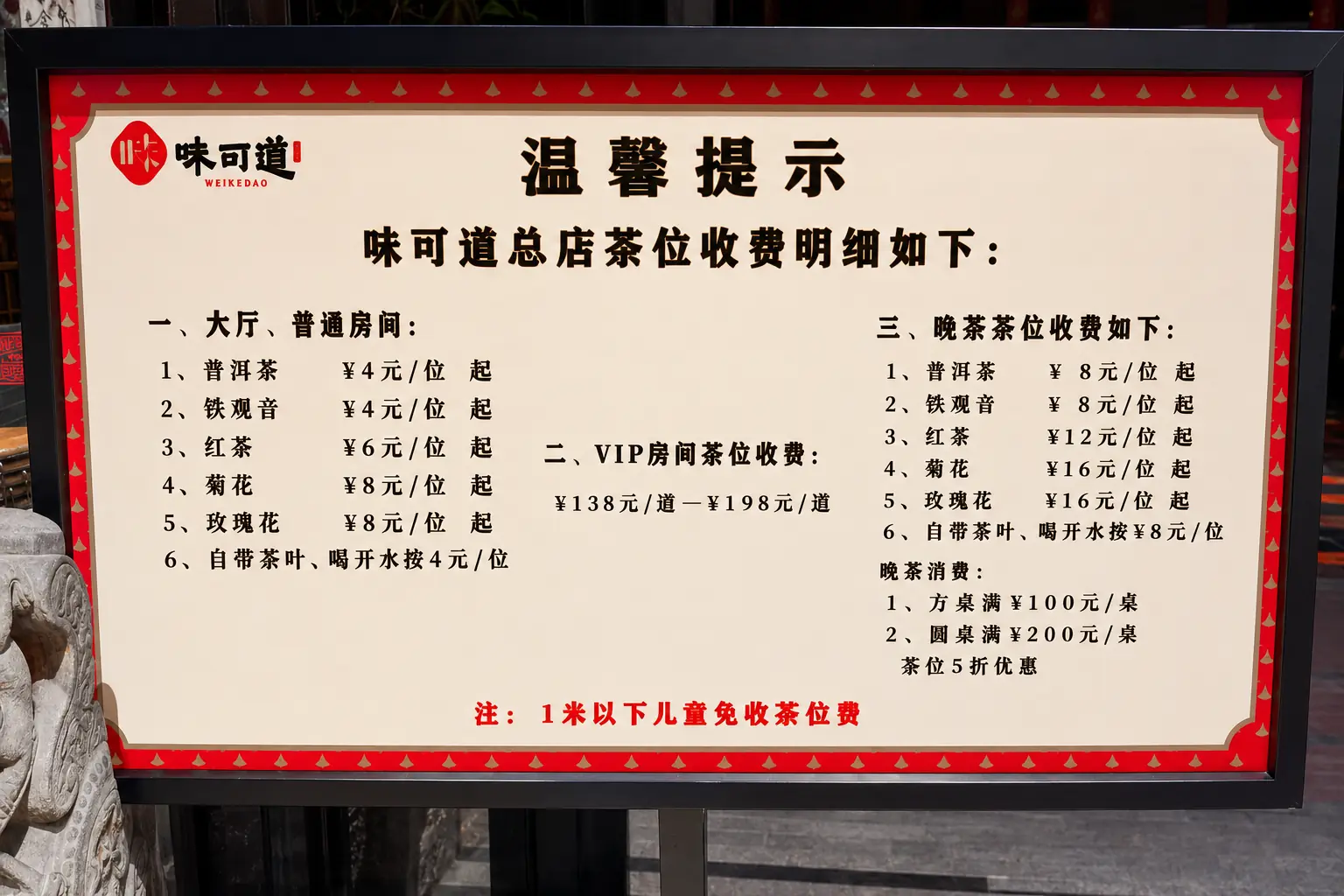
For foreign travelers, "oolong tea" on a menu can mean several different things. A restaurant may pour a simple house tea. A Cantonese teahouse may list Tieguanyin beside pu'er tea (普洱茶), chrysanthemum tea (菊花茶), and jasmine tea (茉莉花茶). A specialist tea room may expect you to choose a named oolong by origin, roast level, or aroma style. A tea shop tasting may be pleasant, but it can also be the start of a sale.
The practical move is to identify the setting before you worry about prestige. A table tea, a named tasting, and a tea-shop sample are three different situations with three different levels of pressure.
| Setting | What "Oolong Tea" Usually Means | Best Traveler Move |
|---|---|---|
| Restaurant | House tea for drinking with food, often not named by origin | Enjoy it as a meal drink; do not expect a serious tasting. |
| Cantonese teahouse | A table tea choice, often charged per person as a tea fee | Ask about the tea charge and choose Tieguanyin if you want a safe oolong. |
| Specialist teahouse | A named tea ordered by pot, cup, or tasting set | Choose by style first: floral, roasted, or high-aroma. |
| Tea shop | A tasting that may lead to a purchase | Ask the price per 50 grams before you taste too many expensive teas. |
| Scenic area | Origin stories, tea experiences, and souvenir packaging | Buy only a small pack unless you already understand the price. |
Check the tea charge
In Cantonese restaurants and teahouses, tea may be charged per person before food arrives. Ask about the tea charge first, then decide whether you want a simple table tea or a named oolong.
Tieguanyin: Floral Leaves and Friendly Cups
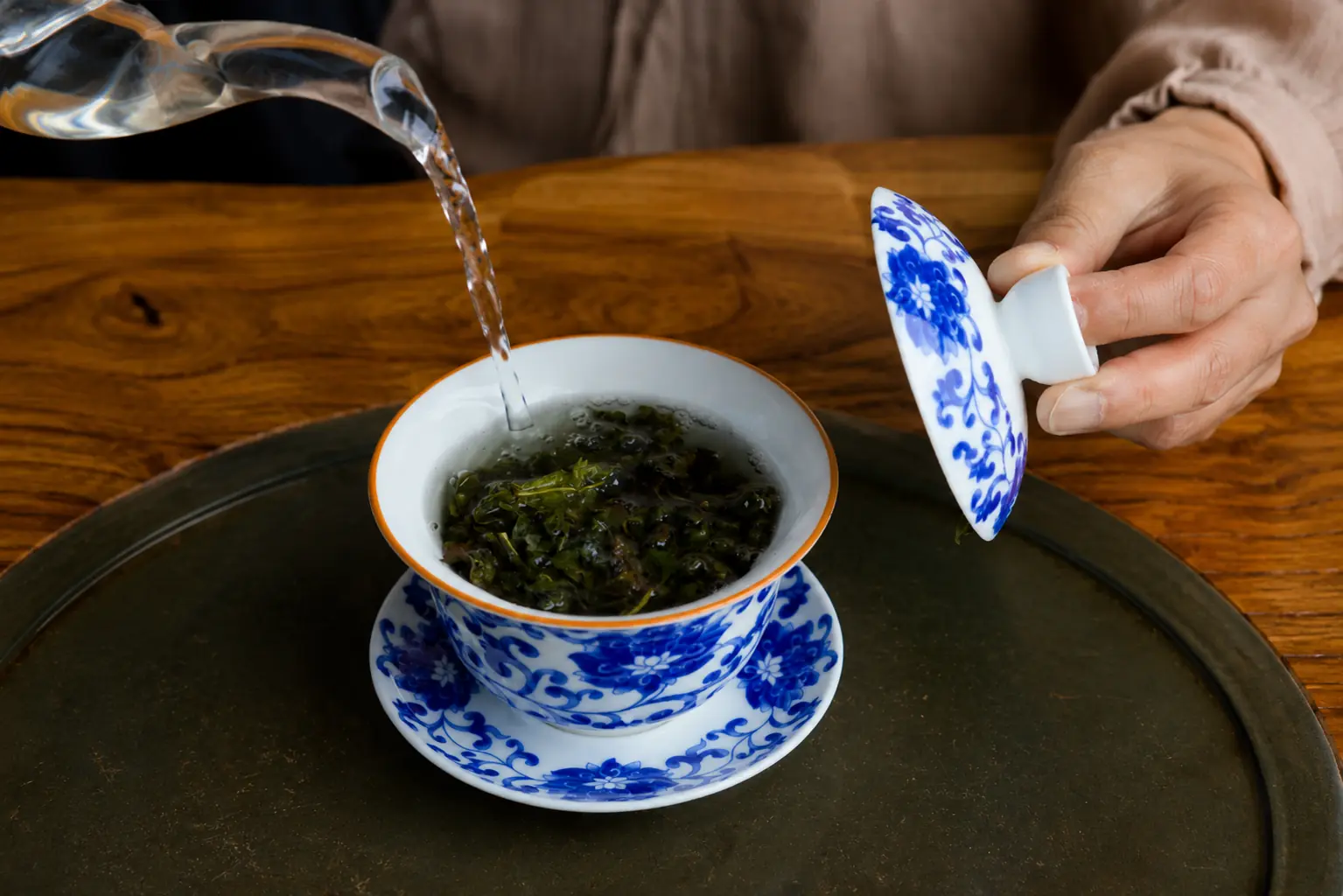
Tieguanyin is the easiest oolong to begin with. A common light-aroma Tieguanyin looks greener than many people expect, with a scent that can suggest orchid, fresh grass, or light cream. A roasted or traditional-style Tieguanyin is darker, warmer, and more rounded. Both can be good; they simply answer different moods.
For a traveler, the practical value of Tieguanyin is visibility. You do not need to visit Anxi to meet it. It appears in Guangzhou (广州) dim sum halls, hotel tea lists, specialist teahouses, and tea shops across China. The first question is not whether the tea is "authentic" enough. Ask whether you prefer a lighter floral style or a deeper roasted style.
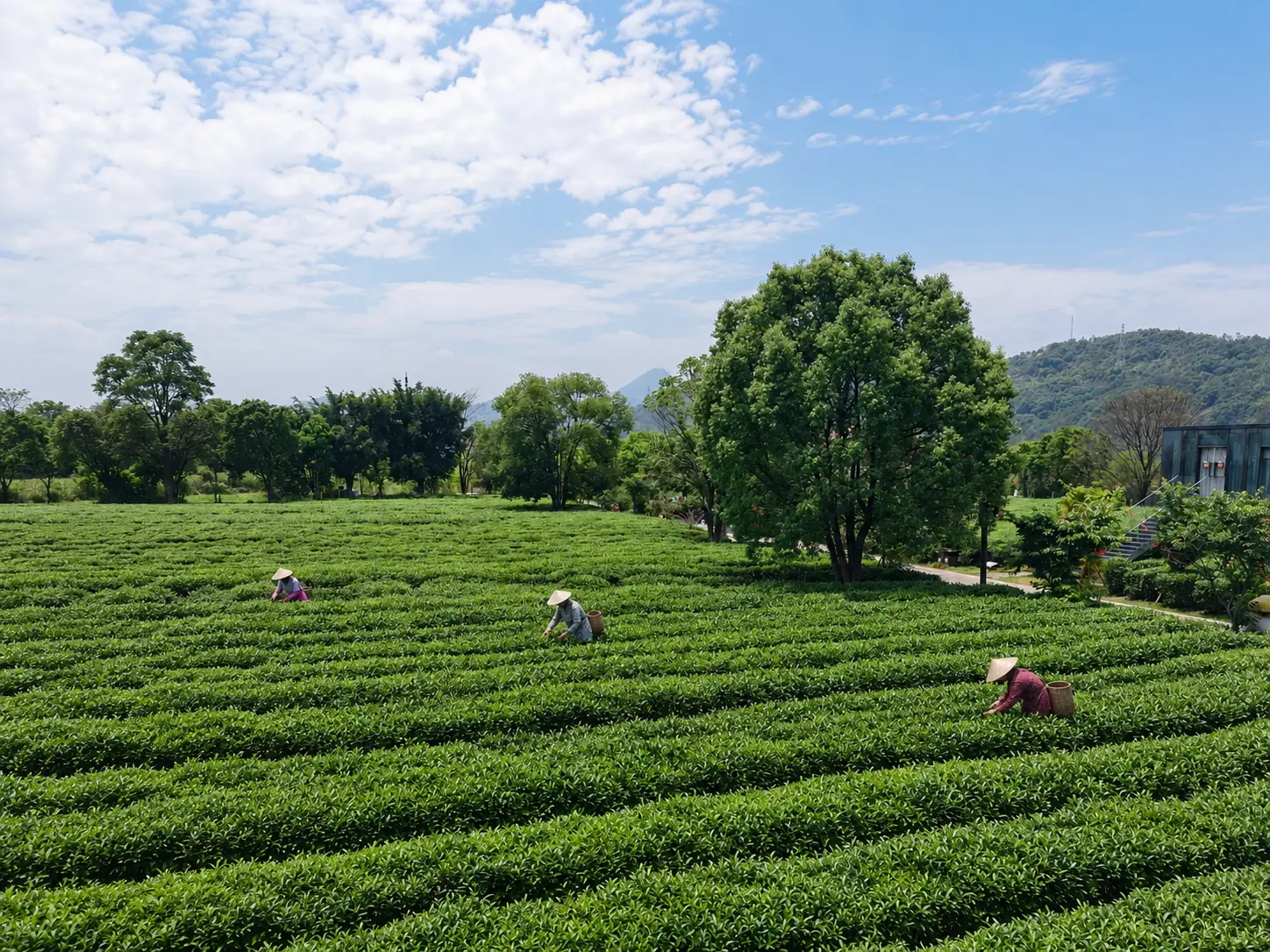
The home ground is Anxi (安溪), a county under Quanzhou (泉州) in Fujian. FAO lists the Anxi Tieguanyin Tea Culture System as a Globally Important Agricultural Heritage System since 2022, and describes Anxi as the place of origin of oolong craftsmanship and the place where the Tieguanyin tea-tree variety was discovered.
Fujian's official English site also describes Anxi Tieguanyin processing as a national-level intangible cultural heritage item, which helps explain why the tea is more than a generic floral oolong on a menu.
Two Tieguanyin directions
If the menu or server says light-aroma style, expect a greener, floral cup. If they say roasted or traditional style, expect a deeper and warmer cup. Beginners usually find the lighter style easier first.
Da Hong Pao: Roasted Wuyi Rock Tea
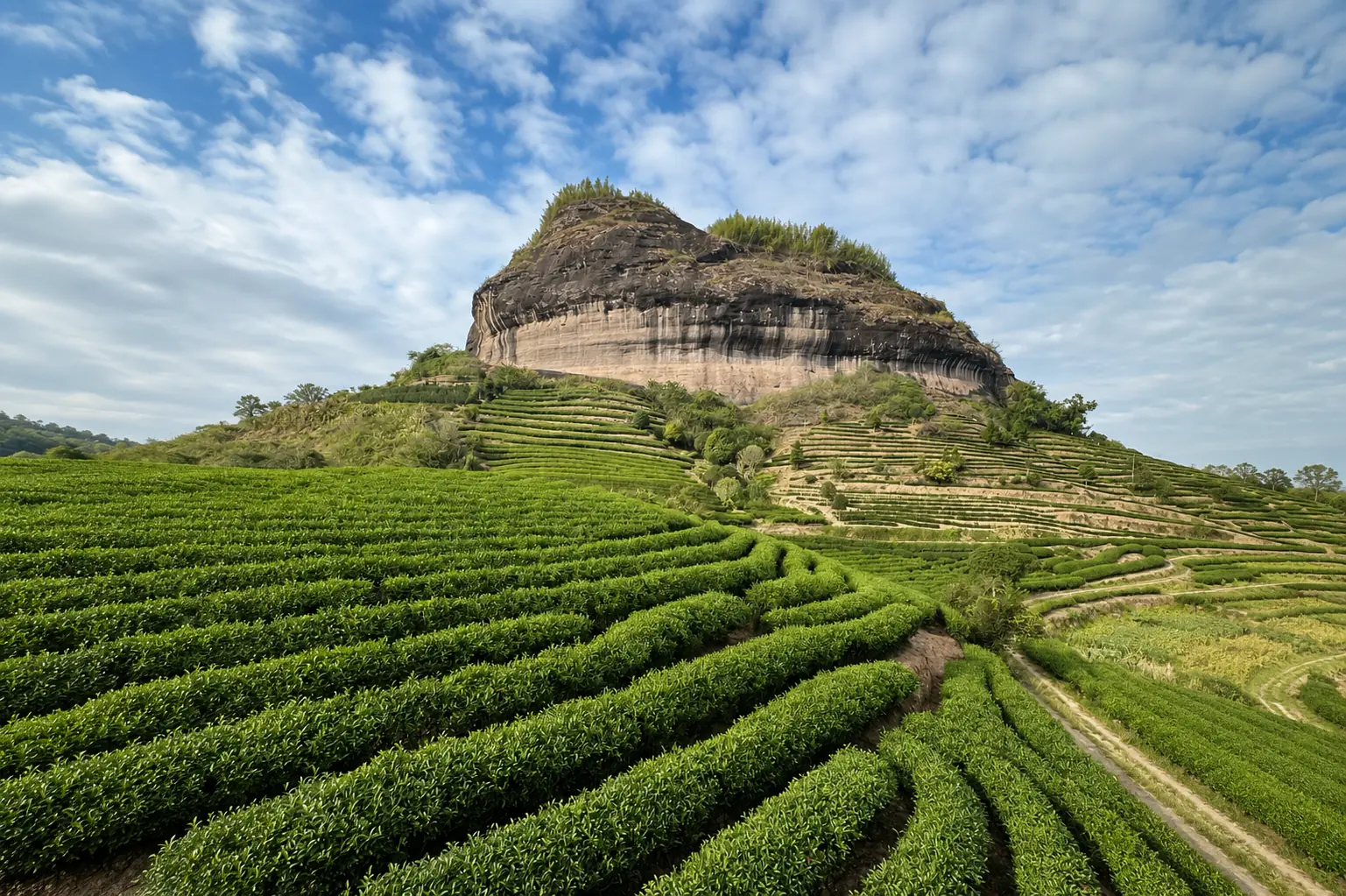
Da Hong Pao is one of China's most famous tea names, which makes it exciting and dangerous in equal measure. It belongs to Wuyi rock tea from Wuyishan in northern Fujian. Compared with Tieguanyin, it usually tastes deeper and more roasted, with possible notes of charcoal, warm wood, flowers, fruit, and a dry mineral edge that tea people connect to the cliffs.
Fujian's official English site calls Wuyishan the birthplace of rock tea and describes Wuyi rock tea Da Hong Pao craftsmanship as a national intangible cultural heritage item. The same page uses the classic flavor phrase "rock bone floral aroma" for Wuyi rock tea, a useful way to understand why this tea is not just "roasted tea."
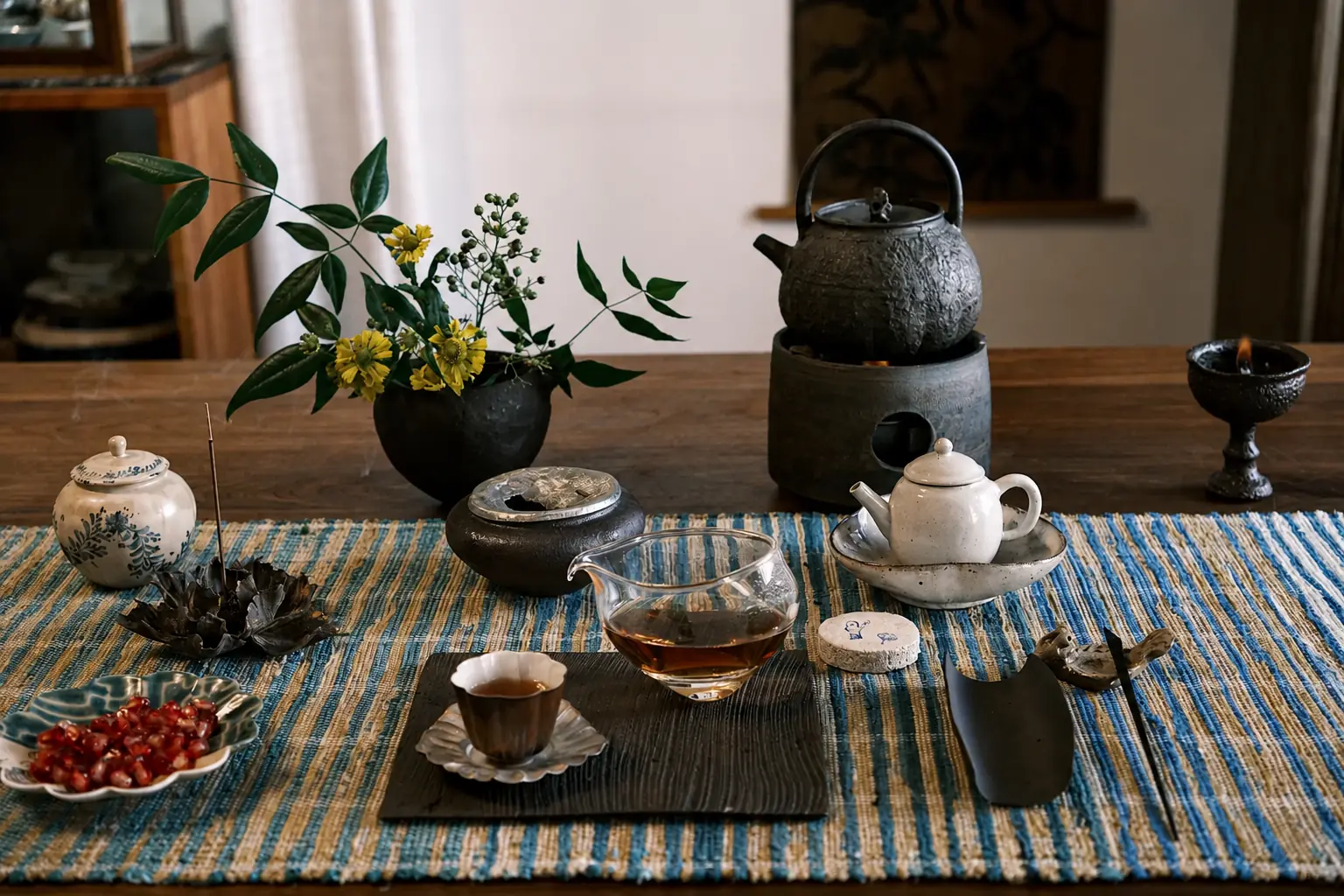
The important buying warning is simple: do not chase "mother-tree Da Hong Pao." The famous mother trees in Jiulongke (九龙窠) are part of the Wuyishan story, but a 2006 China News Service report said Wuyishan stopped picking leaves from the Da Hong Pao mother trees from that year onward to protect their growth.
Retail Da Hong Pao today is normal commercial tea, later-generation plant material, or blended Wuyi rock tea, not leaves picked from those original trees. Pay for flavor and trustworthy selling, not for a legend you cannot verify at the counter.
Wuyishan Tea Stops (Google | Amap) (Google | Amap)
If your route already includes Wuyishan, the tea fits naturally around the scenic area, a rock-tea tasting, Fujian food, and the Impression Da Hong Pao show.
The mother-tree story is not your shopping goal
It is fine to visit the Da Hong Pao scenic area and learn the legend. It is not fine to pay a wild price because someone tells you ordinary retail tea came directly from the protected mother trees.
Dancong: Perfumed Leaves with a Bite
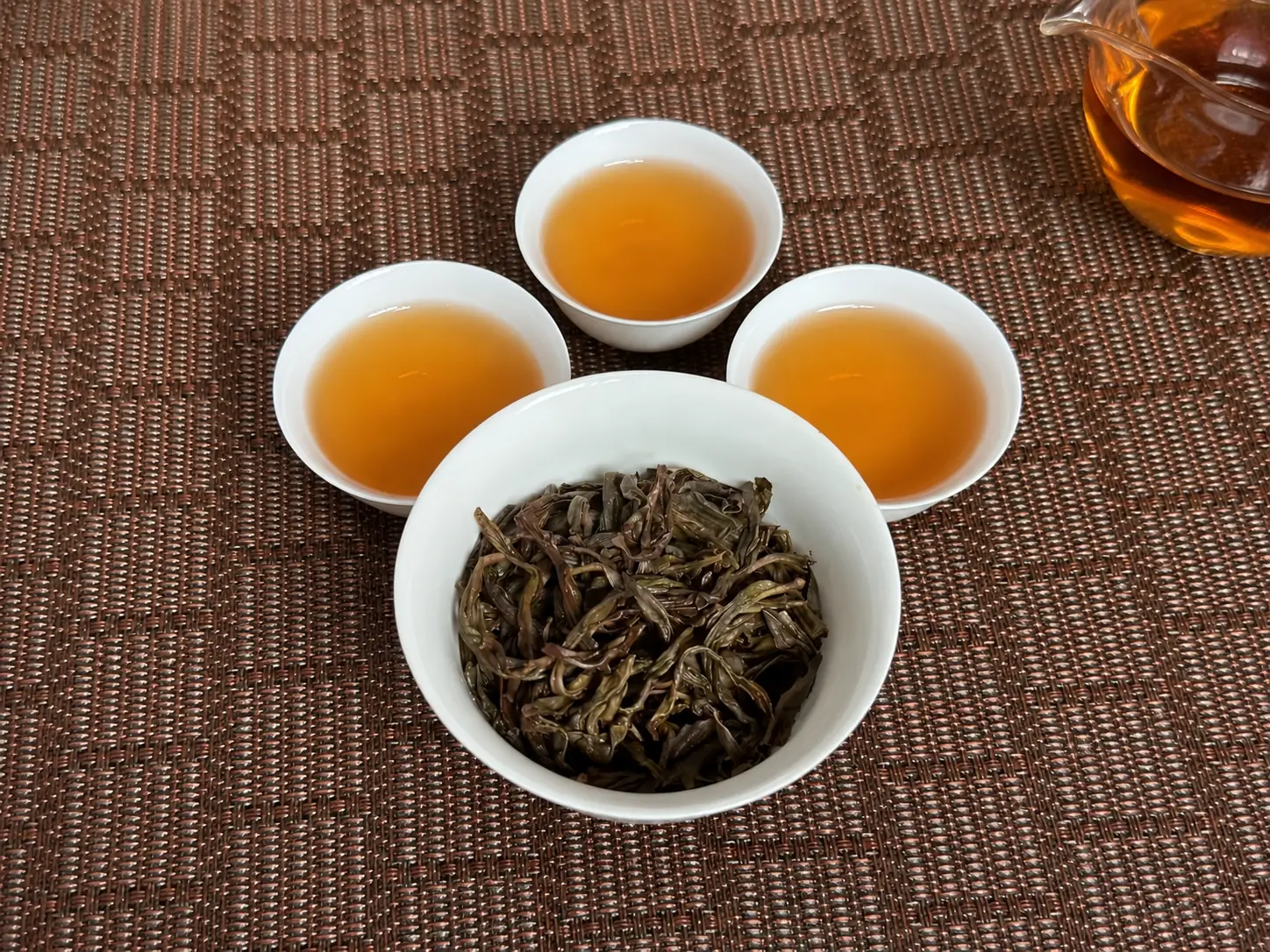
Phoenix Dancong comes from the Phoenix Mountain (凤凰山) area around Chaozhou in eastern Guangdong. It is the oolong that most often shocks new drinkers by aroma. Honey orchid, orange blossom, magnolia, almond, osmanthus, and Duck Shit Aroma (鸭屎香) are not supposed to mean scented tea. They are aroma names used for different Dancong styles and plant lines.
A 2026 ChinaNews/CRI feature describes Fenghuang Dancong as a national geographical indication product with over 900 years of cultivation history and the idea that every tree can have its own fragrance. A China-EU GI explainer also describes Fenghuang Single Cluster Tea as a Chao'an specialty with over 80 fragrance varieties, while a 2023 academic review identifies the Guangdong Chaoan Fenghuangdancong Tea Cultural System as a China-NIAHS site recognized by the Ministry of Agriculture and Rural Affairs in 2014.
Dancong is thrilling, but it is less forgiving than Tieguanyin. Too many leaves, too long a steep, or a big mug left to sit can quickly make it bitter and astringent. If you try it for the first time in Chaozhou, let someone skilled pour it in small cups. If you try it elsewhere, ask for a lighter brew.
Duck Shit Aroma is not a bad smell
Duck Shit Aroma is a famous Phoenix Dancong name that travelers understandably laugh at. In the cup, it usually means a bright floral-fruity aroma, not anything dirty. Try it if you are curious, but do not buy a large bag just for the name.
Oolong Tea Styles at a Glance
Do not ask which oolong is the most prestigious. Ask where you are, what kind of aroma you enjoy, how bitter-sensitive you are, and whether you are drinking for a memory or buying a souvenir.
← swipe to compare all options →
Tieguanyin
Floral starter
- ✓Orchid, grass, cream, and light floral notes.
- ✓Usually light to medium in strength.
- —Main risk: confusing light-aroma and roasted styles.
Best first use
Anxi, Quanzhou, Cantonese teahouses
Da Hong Pao
Roasted rock tea
- ✓Charcoal, mineral, wood, flower, and fruit notes.
- ✓Medium to deep, especially with roasted styles.
- —Main risk: mother-tree legends and gift boxes.
Fujian routes
Wuyishan context
Phoenix Dancong
High-aroma cup
- ✓Honey orchid, citrus blossom, almond, and ripe-fruit aromas.
- ✓Medium to strong and more sensitive to brewing.
- —Main risk: aroma-name confusion and old-tree pricing.
Chaozhou routes
Chaoshan meals
Use this as a first-trip filter, not as a ranking of tea quality.
Decision shortcut
Which oolong should I order first?
I want the easiest first cup
Choose Tieguanyin, preferably a lighter floral style.
I like roasted flavor
Choose Da Hong Pao or another Wuyi rock tea.
I want the most aromatic tea
Choose Phoenix Dancong, but ask for a lighter brew if you dislike bitterness.
I want a souvenir
Taste first, buy 50-100 grams, and avoid large gift boxes on the first visit.
Where to Drink Oolong in China
Anxi and Quanzhou
Tieguanyin origin context
Tieguanyin's origin is Anxi, but most travelers do not need a dedicated Anxi tea trip. If you are already in Quanzhou or Xiamen (厦门), it can be a meaningful regional taste. If not, you can still meet Tieguanyin in Guangzhou dim sum halls, hotel tea lists, specialist tea rooms, and many tea shops.
Wuyishan
Rock tea, cliffs, and roasting
Da Hong Pao has the strongest destination connection in Wuyishan. A good Wuyishan day can combine a scenic walk, a Wuyi rock tea tasting, Fujian food, and the Impression Da Hong Pao show.
Chaozhou
Gongfu tea and Dancong
Phoenix Dancong is best with Chaozhou gongfu tea (潮州工夫茶). Small pots, small cups, quick pours, and repeated rounds are part of the local rhythm, especially when the tea follows a Chaoshan meal.
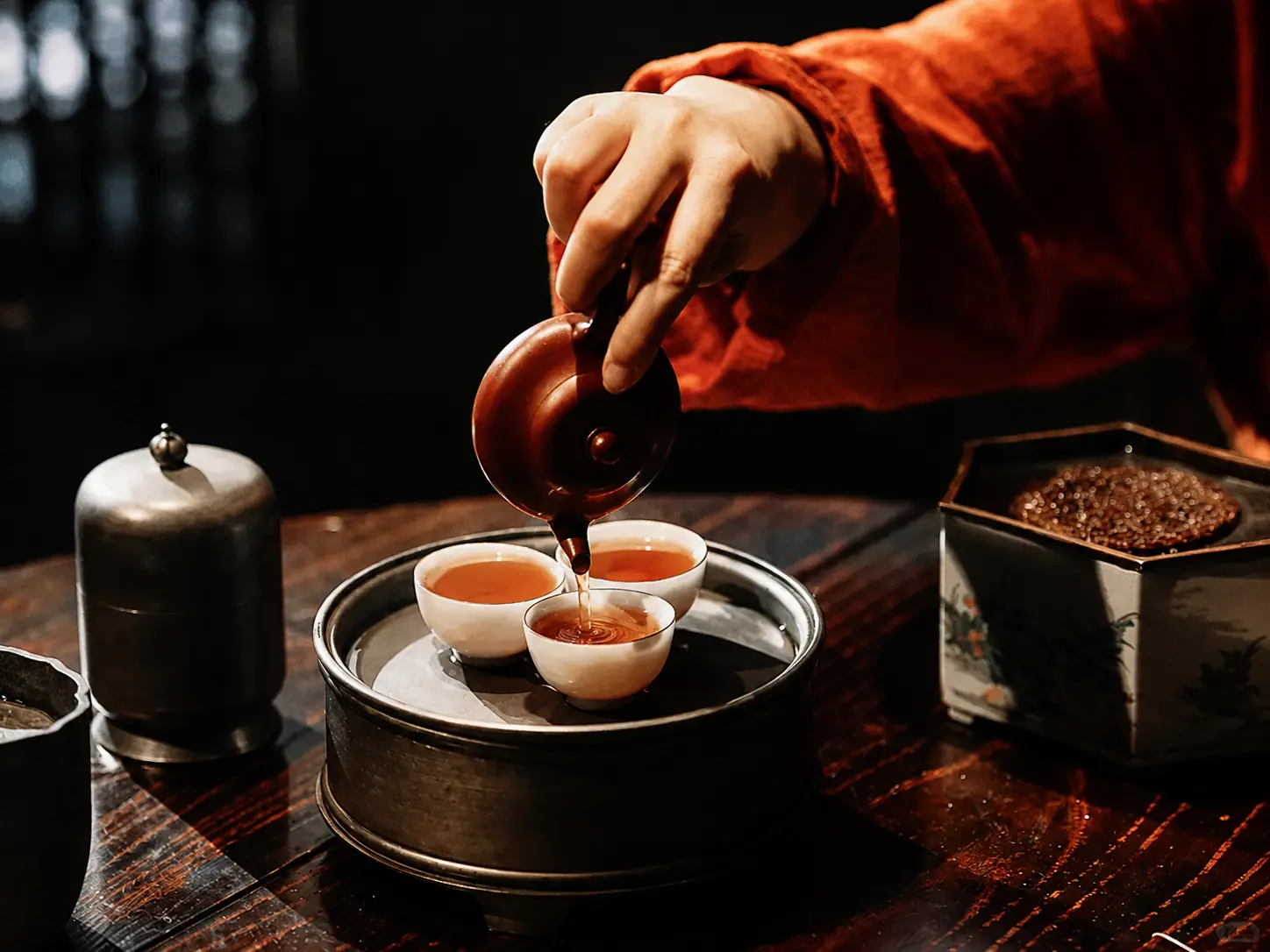
You can find Dancong in Guangzhou, Shenzhen (深圳), or Chaoshan restaurants elsewhere, but the Chaozhou setting gives it its proper social shape. The point is not to chase every famous tea mountain. It is to match the tea stop to the city and meal you are already planning.
How to Brew Oolong While Traveling
Oolong is usually more forgiving with hot water than tender green tea, and it is made for repeated infusions. In gongfu-style brewing, the usual idea is small vessel, more leaf, very hot water, and short steeps. In a hotel room, you do not need the full setup. You only need to avoid stuffing a mug with leaves and letting them stew.
Water
Very hot water works for many oolongs. The safer adjustment is shorter steeping, not lukewarm water.
Leaf amount
Use less leaf than a tea shop might use. You can always make the next round stronger.
Taste early
Try the first infusion sooner than you think. A short first cup teaches you more than a strong one you have to rescue.
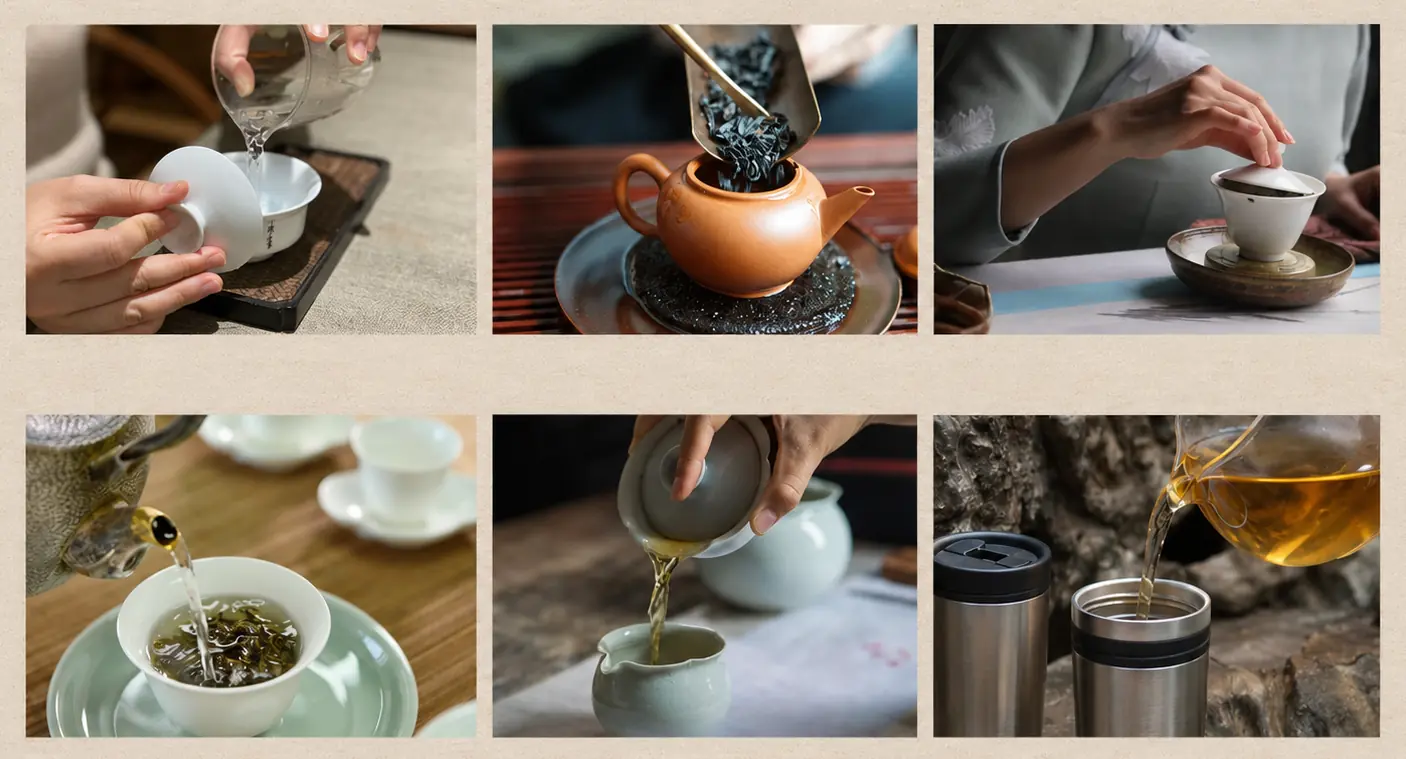
- Warm the cup or pot- A quick rinse with hot water helps aroma, especially for Da Hong Pao and Dancong.
- Start with less leaf- Use less than a tea shop might use. You can always make the next cup stronger.
- Use very hot water- Near-boiling water works for many oolongs, but keep the first steep short.
- Taste early- Try the first infusion after about 10-20 seconds in a small vessel, or sooner than you think in a mug.
- Shorten if bitter- If Dancong turns sharp or astringent, use less leaf or pour faster next time.
Tieguanyin can be gentle, especially in a lighter floral style. Da Hong Pao and other roasted oolongs usually handle hotter water well. Phoenix Dancong often wants very hot water too, but it punishes over-steeping quickly. For travelers, the best rule is simple: hot water is fine; long soaking is the problem.
Do not mug-steep Dancong like herbal tea
Phoenix Dancong smells floral, but it is not a flower infusion. If you leave a large mug of leaves sitting for several minutes, the perfume can turn into bitterness fast.
How to Buy Oolong Without Overpaying
Oolong tea makes a good souvenir because it travels better than fresh food and gives you a memory you can brew again. It is also a category where names, certificates, tins, legends, and old-tree claims can distract you from the tea in the cup.
Ask the style
Tieguanyin can be light or roasted. Dancong has aroma names. Da Hong Pao may be a blend or a named cultivar.
Ask the unit price
Bring the conversation back to price per 50 grams before a gift box makes the number feel vague.
Keep the first buy small
For a first oolong souvenir, 50-100 grams is plenty. Taste first, then buy only what you can finish while the tea is still fresh.
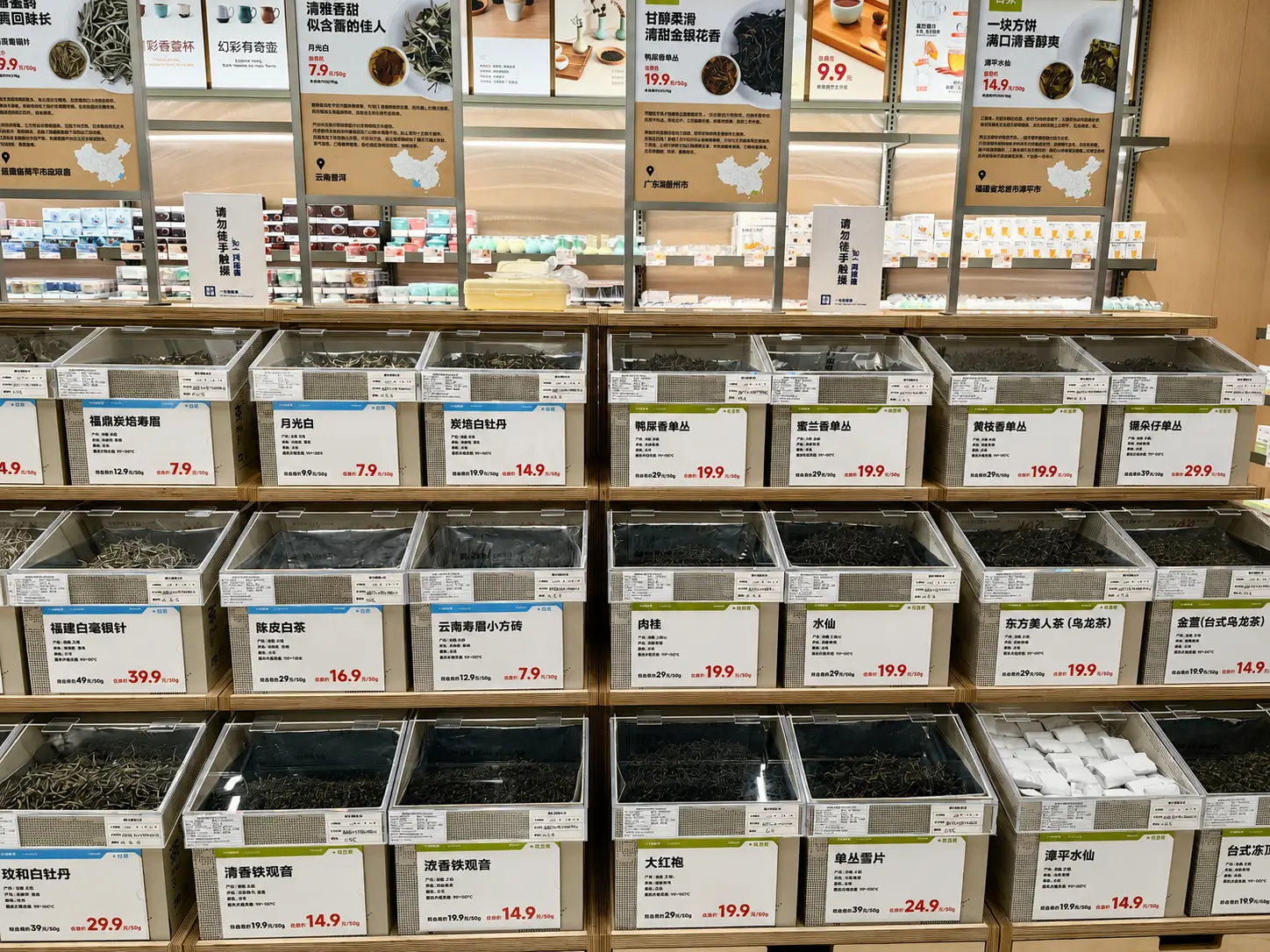
Ask four things before buying: origin, style, unit price, and minimum quantity. If the seller only talks about the total gift-box price, bring the conversation back to the tea itself.
- Buy small first: 50-100 grams is enough for a first oolong souvenir.
- Ask the style: Tieguanyin can be light or roasted; Dancong has many aroma names; Da Hong Pao is often a commercial Wuyi rock tea blend.
- Do not buy mother-tree stories: Real Da Hong Pao mother-tree tea is not a normal retail product.
- Separate tea from packaging: Heavy tins and certificates do not prove flavor or origin.
Useful Oolong Tea Phrases for Travelers
Show the Chinese if pronunciation feels awkward. In a tea shop, pointing to the phrase is often clearer than trying to explain a roast level in English.
| English | Chinese | Pinyin | Say It Like… |
|---|---|---|---|
| Oolong tea | 乌龙茶 | wū lóng chá | woo lohng chah |
| Tieguanyin / Iron Goddess oolong | 铁观音 | tiě guān yīn | tyeh gwan yin |
| Da Hong Pao / Big Red Robe | 大红袍 | dà hóng páo | dah hohng paow |
| Phoenix Dancong oolong | 凤凰单丛 | fèng huáng dān cóng | fung hwahng dahn tsohng |
| Is this a light-aroma or roasted/richer style? | 这个是清香型还是浓香型? | zhè ge shì qīng xiāng xíng hái shì nóng xiāng xíng? | juh-guh shir ching shyahng shing high shir nohng shyahng shing |
| Can you brew it lighter? | 可以泡淡一点吗? | kě yǐ pào dàn yì diǎn ma? | kuh yee paow dahn ee dyen mah |
| How much is this per 50 grams? | 这个多少钱一两? | zhè ge duō shǎo qián yì liǎng? | juh-guh dwaw-shaow chyen ee lyahng |
| I will buy just a small amount first. | 我先买一点点。 | wǒ xiān mǎi yì diǎn diǎn | woh shyen my ee dyen dyen |
Oolong Tea Questions for First-Time Travelers
Neither. Oolong is a semi-oxidized tea category, so its processing sits between green tea and black tea. Its flavor can be light, floral, roasted, fruity, or deep depending on the style.
Beyond This Chinese Oolong Tea Guide
Once oolong makes sense, Chinese tea menus become much easier to read. Pair this guide with the Chinese Green Tea Guide, Wuyishan guide, Fujian Cuisine Guide, Xiamen Food Guide, and Cantonese Dim Sum and Yum Cha Guide for the places where tea, food, and travel days naturally meet.
© gochinafreely.com — Original guide by Go China Freely.