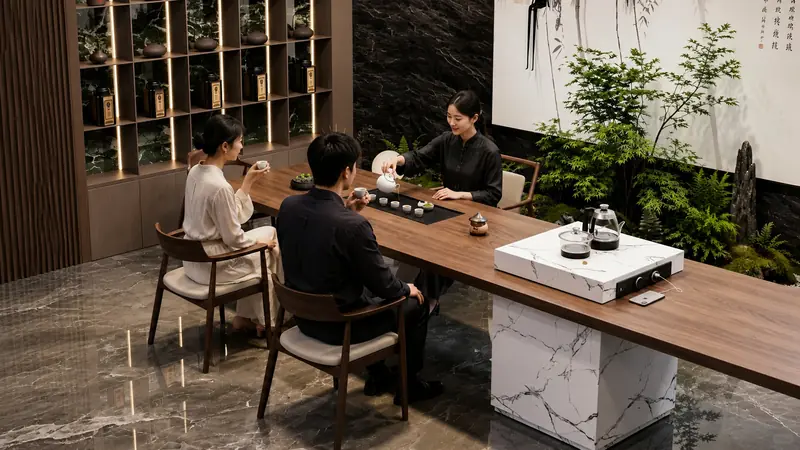
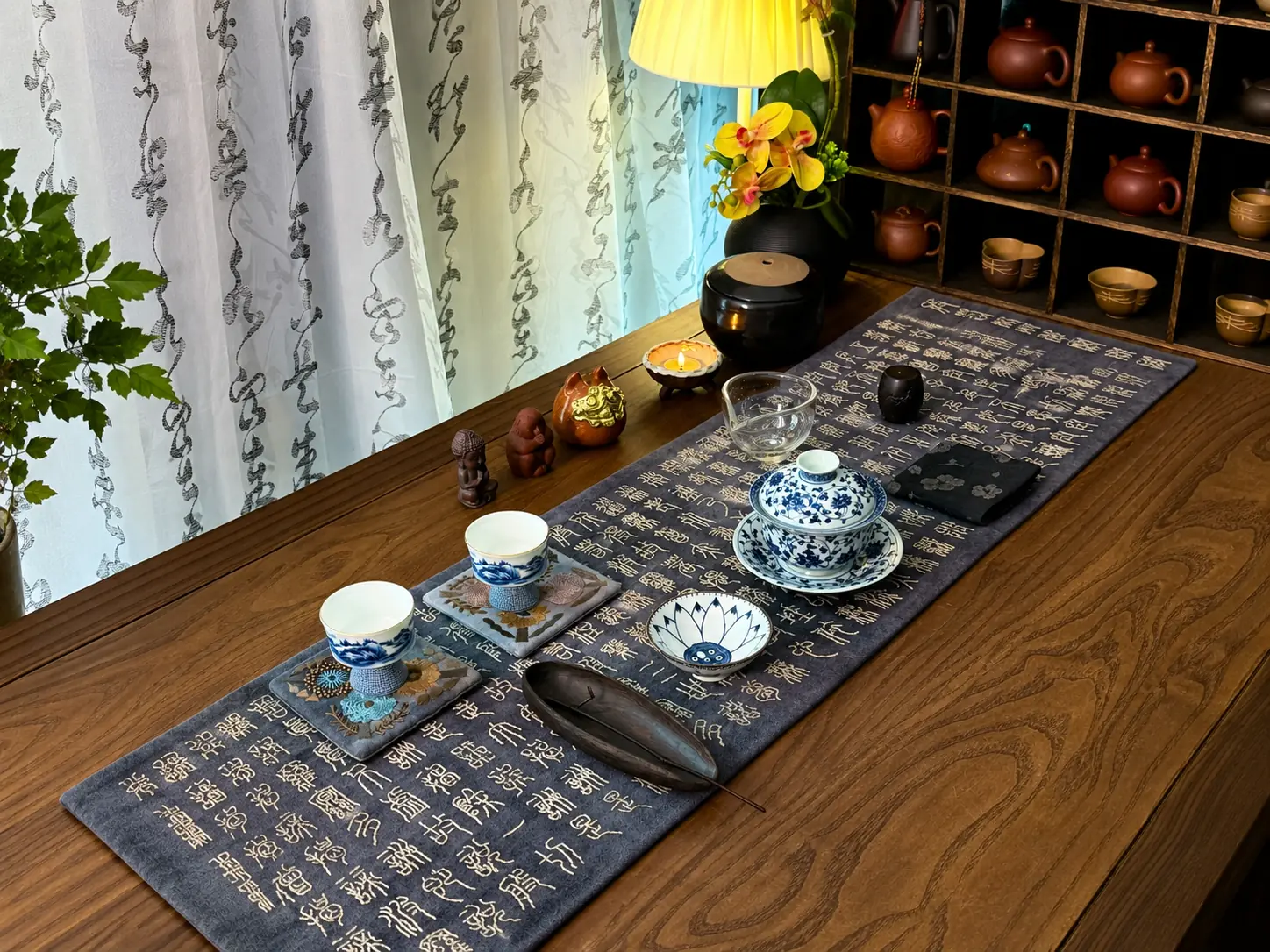
Gongfu tea is easy to mistake for a formal performance. The better version is quieter: a small pot or gaiwan, tiny cups, quick pours, repeated rounds, and enough attention for the tea and conversation to open together. You do not need to become a tea expert before sitting down; you only need to understand the rhythm.
Executive Summary
What this guide covers
How gongfu-style brewing works, what the basic teaware does, how to behave at the tea table, where travelers can try it, and how to avoid gear pressure.
Best first experience
Choose a clear, low-pressure tea room where staff can explain the setup. Chaozhou gives the strongest local context, but big-city tea spaces can be easier for first-timers.
Main traveler trap
Do not confuse a pleasant tasting with a promise to buy tea or teaware. Ask prices early, buy small, and let the first session teach you before you shop.
Small pot
Concentrated brewing
Tiny cups
Shared tasting
Fast pours
Multiple rounds
Ask first
Price and photos
Gongfu Is Practice, Not a Tea Type
Gongfu tea (工夫茶) is not a tea category like green tea, oolong tea, black tea, or dark tea. It is better understood as a concentrated brewing method and a social tea-table practice: small vessel, more leaf, short infusions, repeated pours, and shared cups.
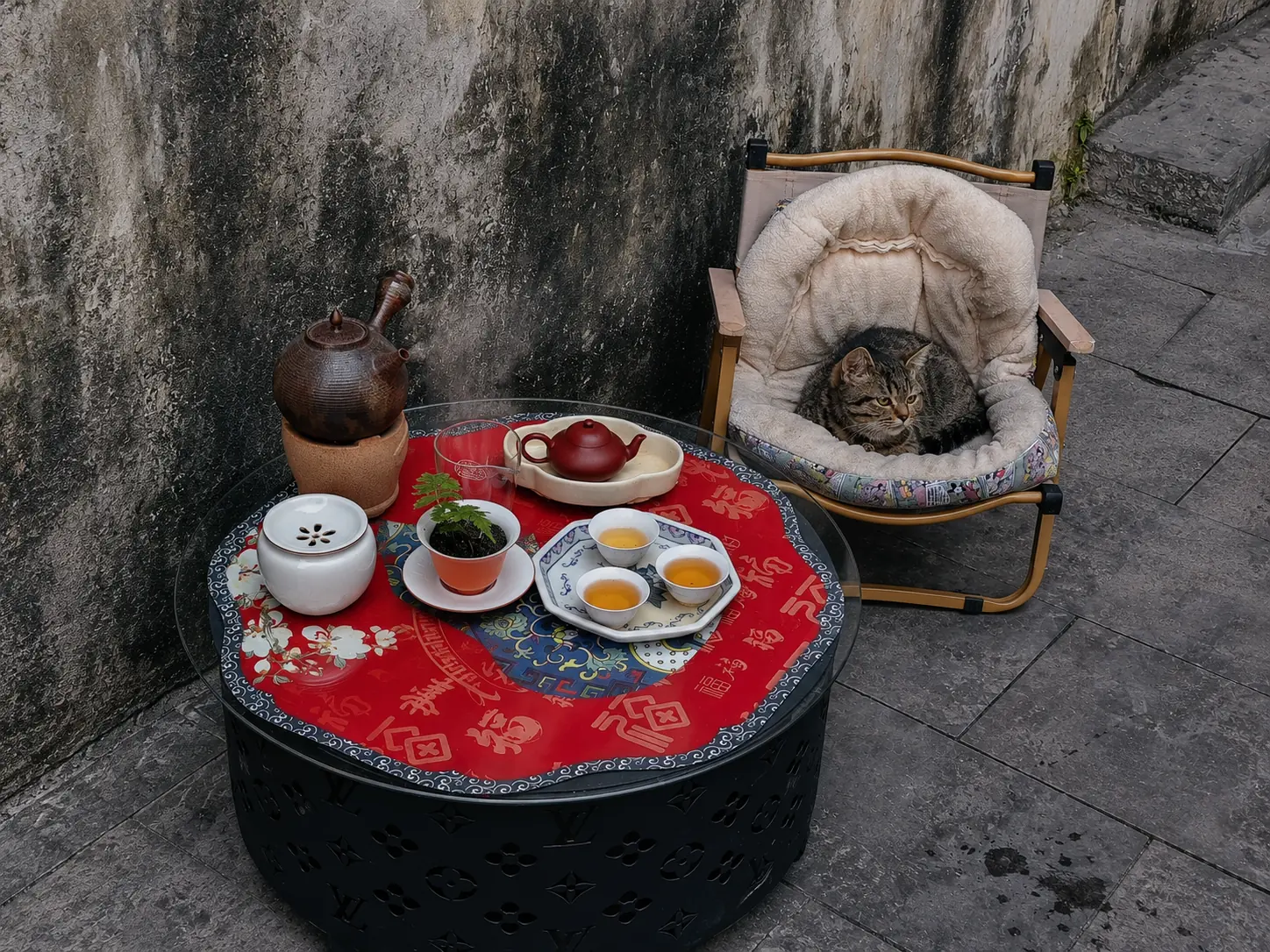
That distinction keeps this guide from repeating the tea-type articles. When you see Tieguanyin (铁观音), Da Hong Pao (大红袍), Phoenix Dancong (凤凰单丛), or Pu'er tea (普洱茶), you are looking at tea leaves. When you see a small pot or gaiwan, tiny cups, fast pouring, and several rounds for the table, you are seeing gongfu-style brewing.
Chaozhou (潮州) is the most useful place name to know. A Guangdong provincial source, citing the provincial culture and tourism department, describes Chaozhou gongfu tea art as a traditional drinking custom of the Chaoshan (潮汕) region, traceable to the Song dynasty, and listed as a national intangible cultural heritage representative project in 2008. UNESCO also inscribed Traditional tea processing techniques and associated social practices in China in 2022, covering tea making plus the drinking and sharing practices around tea.
Why this article is separate
The Oolong Tea Guide explains the leaves. This guide explains the table: how the tea is brewed, shared, received, and understood by a traveler.
Small Cups Make the Tea Feel Different
The tiny cups are not decoration. They keep each serving small, warm, and focused. Instead of one large mug slowly turning bitter, gongfu tea moves through quick rounds: pour, drink, reset, taste again. The same leaves may feel floral, sharp, sweet, roasted, or softer across several infusions.
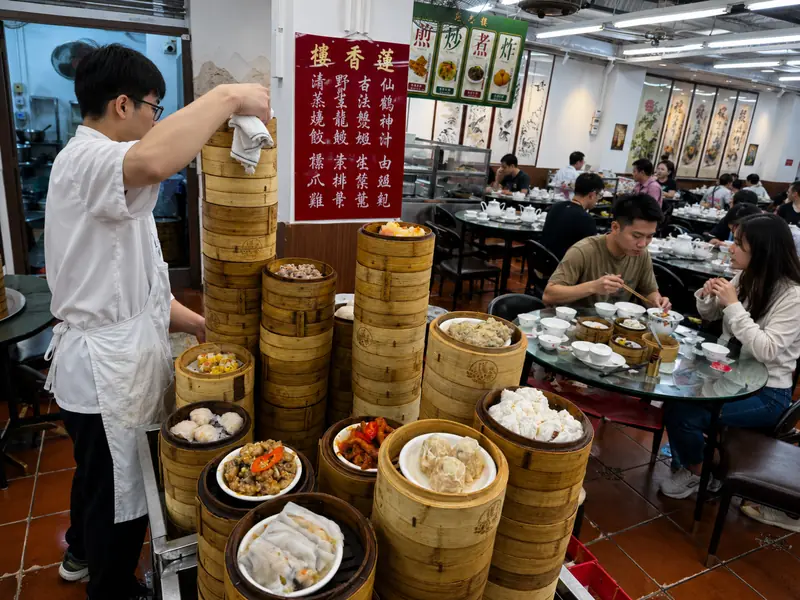
This is why gongfu tea feels different from Chengdu gaiwan tea or Cantonese yum cha. In Chengdu (成都), a teahouse often means a larger lidded bowl, hot-water refills, and a long social sit. In Guangzhou (广州) or Hong Kong (香港), yum cha (饮茶) means tea plus dim sum as a meal. Gongfu tea puts the brewing rhythm itself at the center.
For a traveler, the practical lesson is simple: slow your expectations down, even though the pours are fast. Do not wait for one big cup. Watch the table, taste each small pour, and let the host set the pace.
| Tea Situation | What Drives the Experience | Best Traveler Move |
|---|---|---|
| Gongfu tea | Small vessel, short infusions, repeated shared cups | Watch first, sip slowly, and compare rounds. |
| Chengdu gaiwan tea | Large lidded bowl, hot-water refills, long sitting time | Relax into the teahouse pace rather than analyzing every cup. |
| Cantonese yum cha | Tea as the table drink for dim sum | Choose tea, then focus on ordering and sharing dishes. |
| Tea shop tasting | Tea comparison, sales conversation, possible buying decision | Ask prices before tasting too many premium teas. |
The Basic Setup on a Gongfu Tea Table
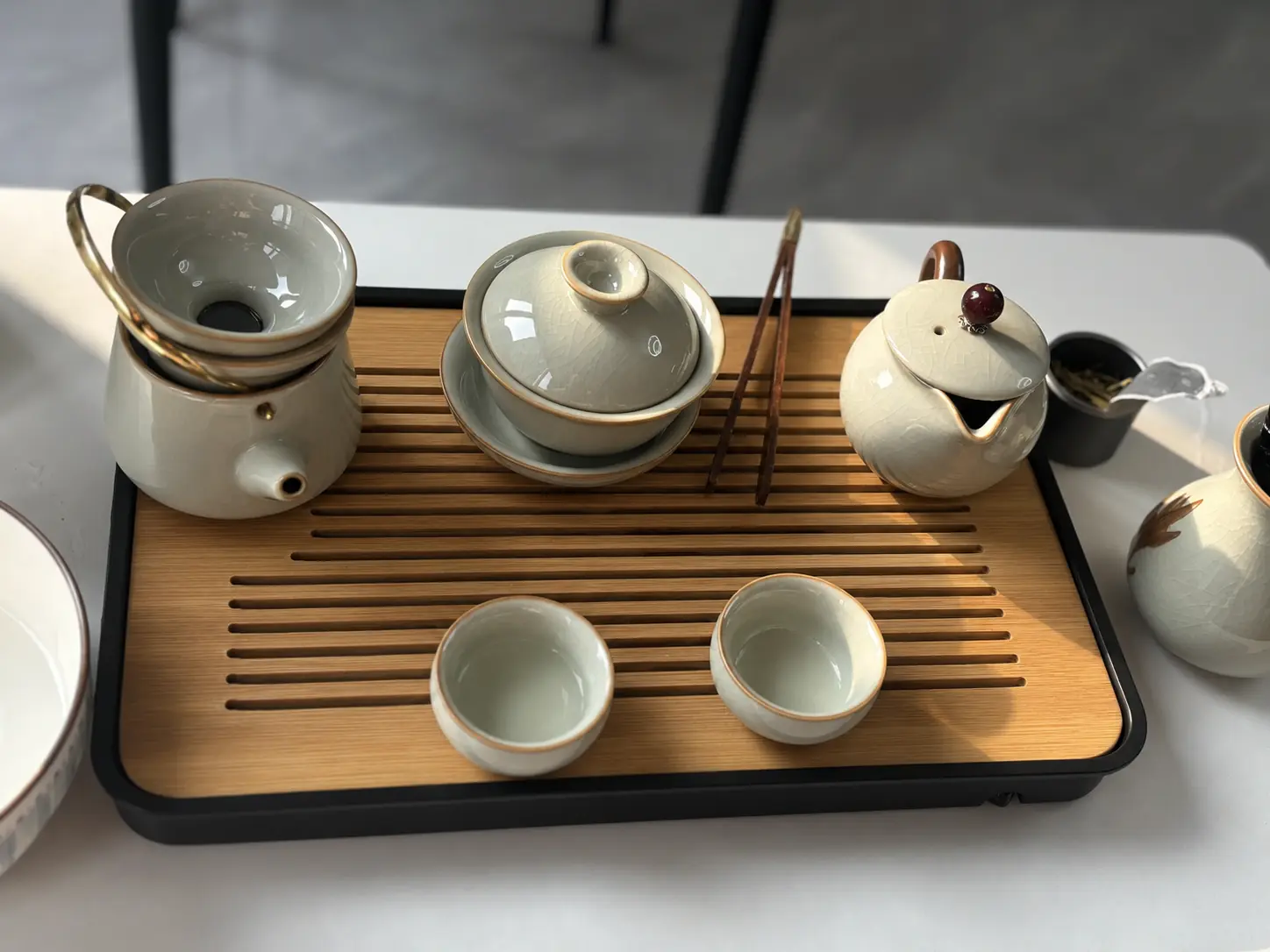
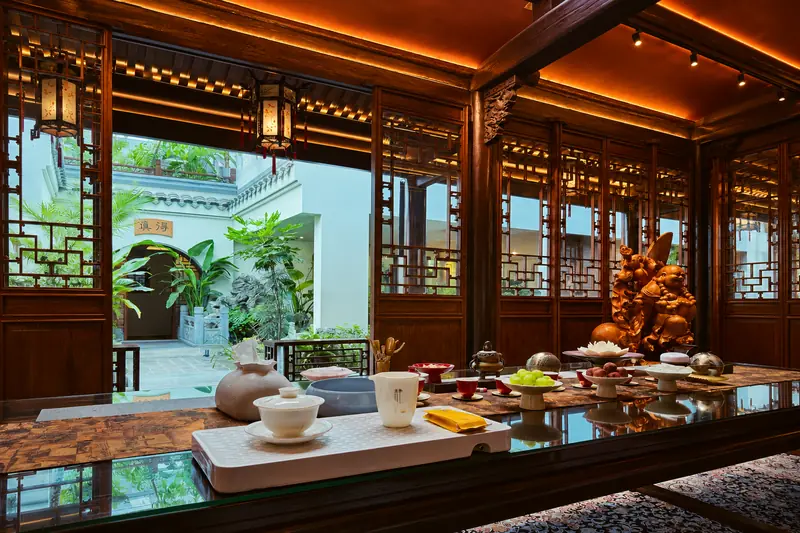
You do not need a museum of gear to understand gongfu tea. A simple setup may use only a small teapot or gaiwan, a few tiny cups, and hot water. More polished tea rooms add a fairness pitcher, tea tray, kettle, tea towel, scoop, tongs, and display objects.
| Teaware | Chinese Name | What It Does | Traveler Note |
|---|---|---|---|
| Small teapot | 茶壶 | Brews concentrated tea quickly. | Often clay or porcelain; do not assume expensive means better. |
| Gaiwan | 盖碗 | A lidded bowl used for flexible brewing. | Common, practical, and easier to clean than many small pots. |
| Fairness pitcher | 公道杯 | Collects tea before serving so cups receive similar strength. | Very common in modern tea rooms, though not every traditional setup uses one. |
| Tasting cups | 品茗杯 | Small cups for shared tasting. | Take the cup after the host offers it or gestures. |
| Tea tray | 茶盘 | Catches water used for warming, rinsing, and pouring. | It is normal to see water poured over cups or into the tray. |
| Kettle and towel | 水壶 / 茶巾 | Keeps hot water ready and the table clean. | Let the host handle hot water unless invited. |
The useful question is not "Which item is most authentic?" It is "What job is each item doing?" Once that clicks, the table stops looking mysterious.
How a Gongfu Tea Session Flows
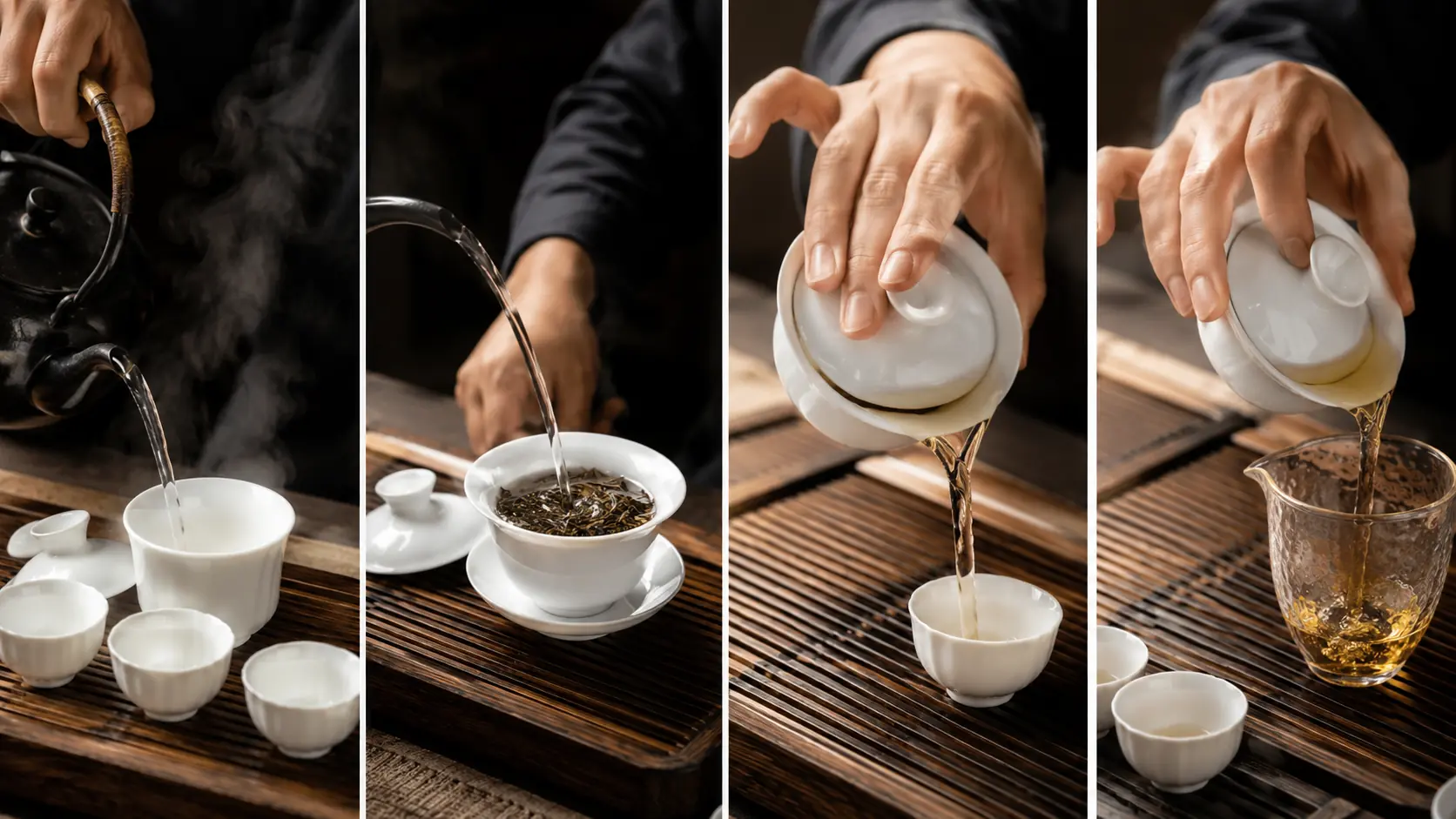
Formal Chaozhou demonstrations can include named steps and refined movements. The same Guangdong provincial source describes a 21-part Chaozhou sequence that combines utensils, etiquette, brewing, pouring, and tasting. A traveler does not need to memorize that. In a real tea room, focus on the simple pattern below.
- Warm the vessel and cups- The host may rinse the pot, gaiwan, pitcher, and cups with hot water. This warms the ware and cleans the table rhythmically.
- Add the leaves- Gongfu brewing often uses more leaf than a large mug would, because the steep time is short.
- Pour hot water- Oolong and Pu'er often use very hot water. Tender green tea needs gentler water and a lighter hand.
- Decant quickly- The first drinkable infusion may last only seconds. The goal is strength without long soaking.
- Share evenly- Tea may go into a fairness pitcher first, then into small cups so the table receives similar strength.
- Repeat and compare- Later rounds can taste different. That change is part of the pleasure, not a refill problem.
A quick rinse is common for some teas, especially compressed Pu'er or roasted oolong, but avoid treating it as a rule for every leaf. Good hosts adjust by tea type, vessel, water, and guests.
Follow the host first
If you are unsure, keep your hands still for the first round. Watch where the host places cups, when other guests drink, and whether people smell the cup before sipping.
Etiquette That Keeps the Table Comfortable
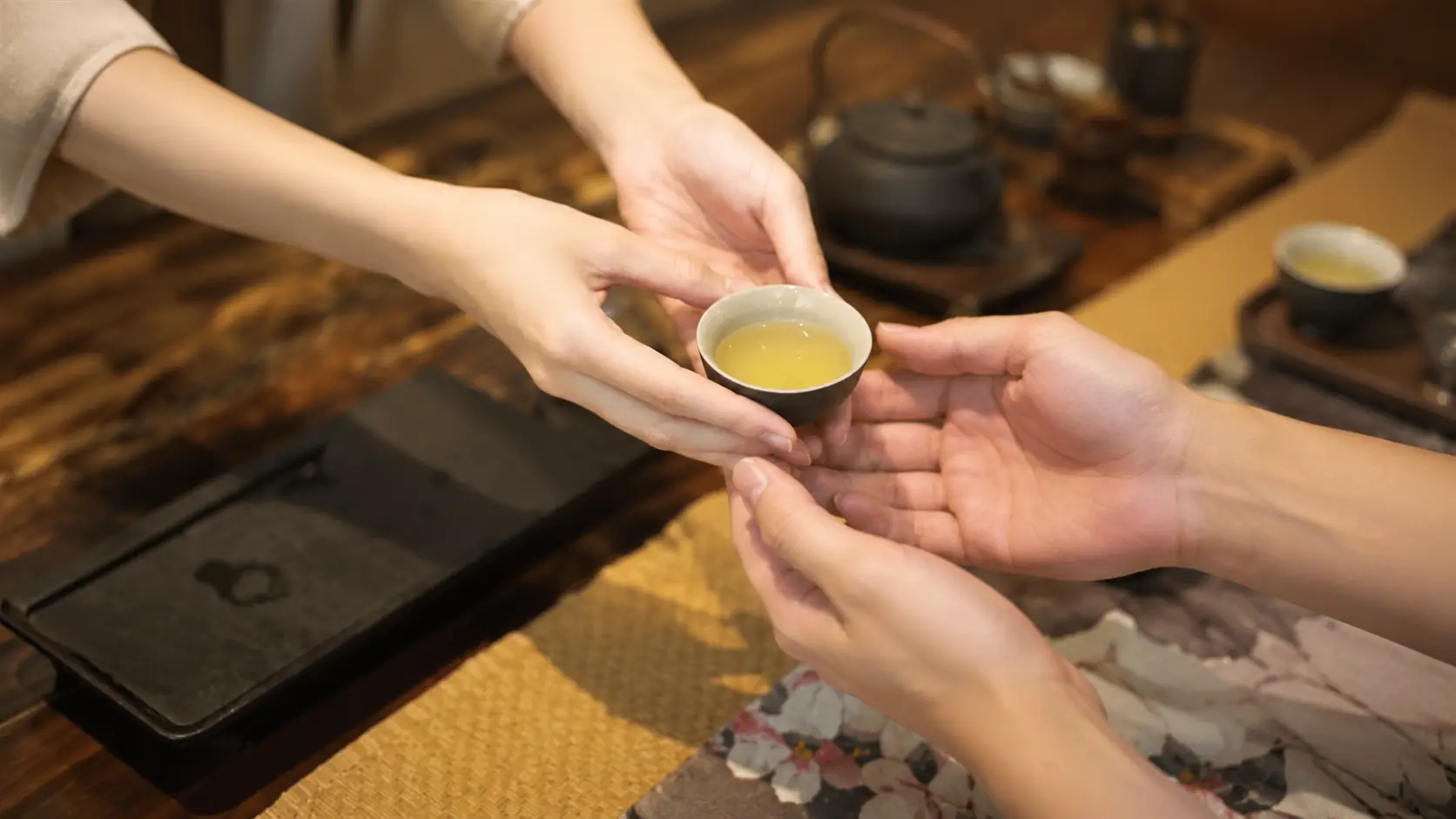
Gongfu tea is usually forgiving to beginners. Hosts do not expect foreign visitors to know every local habit. What matters is showing attention, not performing knowledge.
- Accept the host rhythm: let the person brewing decide when cups are ready.
- Tap lightly to thank: a gentle finger tap on the table is a common silent thanks when someone pours tea for you.
- Sip, then compare: small cups can be finished quickly, but do not rush like a toast.
- Ask before photos: tea tools and hands are safer than close-up shots of strangers.
- Do not handle everything: teapots, cups, and trays may be hot, fragile, or personally meaningful.
- Separate tasting from buying: a nice session does not require you to buy a full set of tea or teaware.
If you do not know what to say, "thank you" and a relaxed smile are enough. Tea people may enjoy explaining, but the table does not need you to invent tasting notes. It is fine to say the tea feels floral, roasted, earthy, light, strong, or simply new to you.
Where Travelers Can Try Gongfu Tea
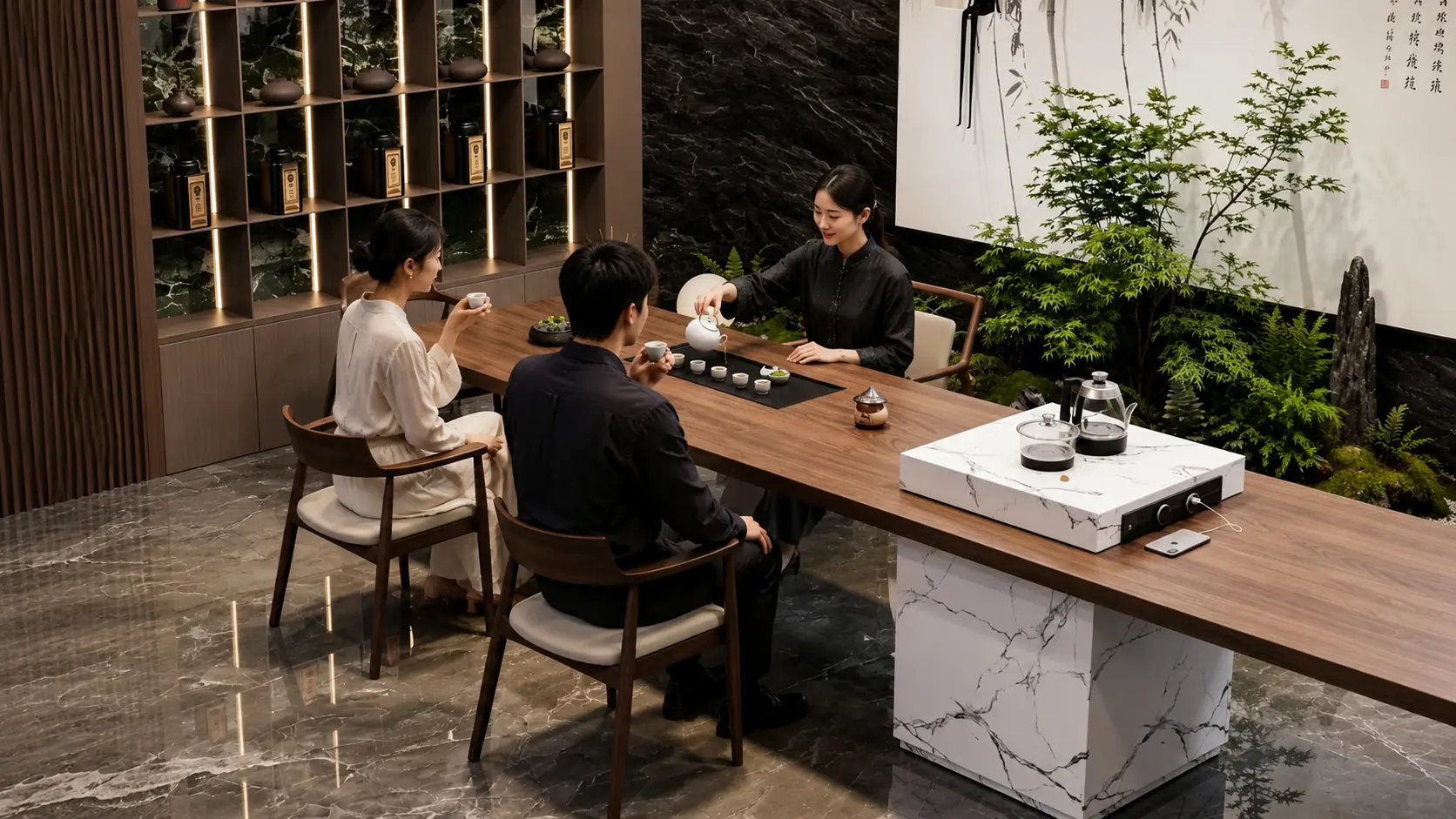
Chaozhou is the strongest place to experience gongfu tea as local culture, especially with Phoenix Dancong oolong and Chaoshan food. China Daily's Guangdong page describes Chaozhou gongfu tea as a local ritual with set procedures, small tea sets, and Dancong from Fenghuang Mountain (凤凰山) as a local favorite tea for the ritual.
That does not mean every traveler must detour to Chaozhou. If your route already includes Guangzhou, Shenzhen (深圳), Xiamen (厦门), Quanzhou (泉州), Wuyishan (武夷山), Hangzhou (杭州), Shanghai (上海), or Beijing (北京), a specialist tea room can still give you a clear first session. Big-city tea spaces are often easier for travelers because prices, booking formats, and language support may be clearer.
← swipe to compare all options →
Chaozhou or Chaoshan
Most local context
- ✓Best for travelers who want gongfu tea as local daily culture.
- —Works best when the region already fits your route.
Less English
Bring patience or a Chinese-speaking companion
Fujian Tea Routes
Oolong-focused trip
- ✓Good for travelers who already care about oolong tea.
- ✗Do not let famous tea names push you into large purchases.
Wuyishan
Xiamen
Quanzhou
Big-City Tea Rooms
Easiest first session
- ✓Best for first-timers who want explanation and a calmer setup.
- —Some spaces feel more like lifestyle cafes than traditional tea rooms.
Clearer prices
Better logistics
Tea Shops
Buying after tasting
- —Useful once you already know what styles you like.
- ✗A tasting can turn into a sales conversation quickly.
Ask prices early
Keep it small
Which Teas Work Best for Gongfu Brewing
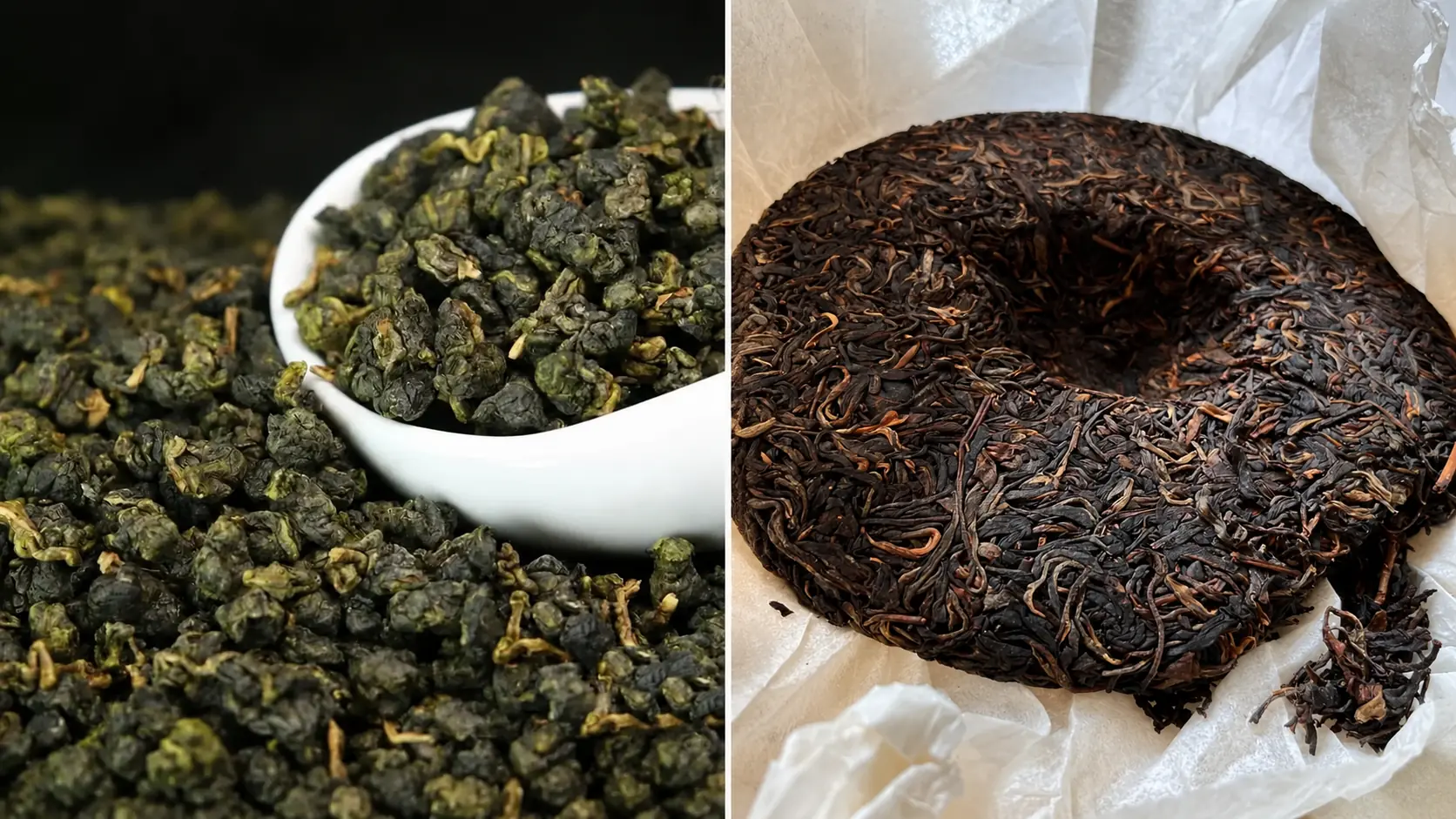
Oolong tea is the classic gongfu gateway because many oolongs respond beautifully to short, repeated infusions. Phoenix Dancong, Wuyi rock tea, and Tieguanyin all make sense on a gongfu table, though each behaves differently. Pu'er tea also works well, especially when comparing raw and ripe styles. Black tea can be rich and aromatic in small vessels.
Green tea needs more care. Longjing (龙井茶) and Biluochun (碧螺春) can be brewed in small vessels, but tender green tea dislikes rough treatment. Cooler water, less leaf, and shorter contact help. Herbal and floral infusions may be pleasant, but they are not the usual center of a gongfu session.
| Tea | Gongfu Fit | Beginner Note |
|---|---|---|
| Oolong tea | Excellent | Start here if you want the most classic small-cup experience. |
| Pu'er tea | Excellent | Ripe Pu'er is usually smoother for beginners; raw Pu'er can be sharper. |
| Black tea | Good | Can be fragrant and sweet, but avoid over-steeping. |
| Green tea | Possible, with care | Use cooler water and a lighter hand. |
| Flower or herbal tea | Usually secondary | Good for casual drinking, less useful for learning gongfu rhythm. |
For leaf flavor, use the Chinese Green Tea Guide, Oolong Tea Guide, and Pu'er Tea Guide. This page is the bridge between those tea types and the table practice.
Buying Teaware Without Getting Pulled In
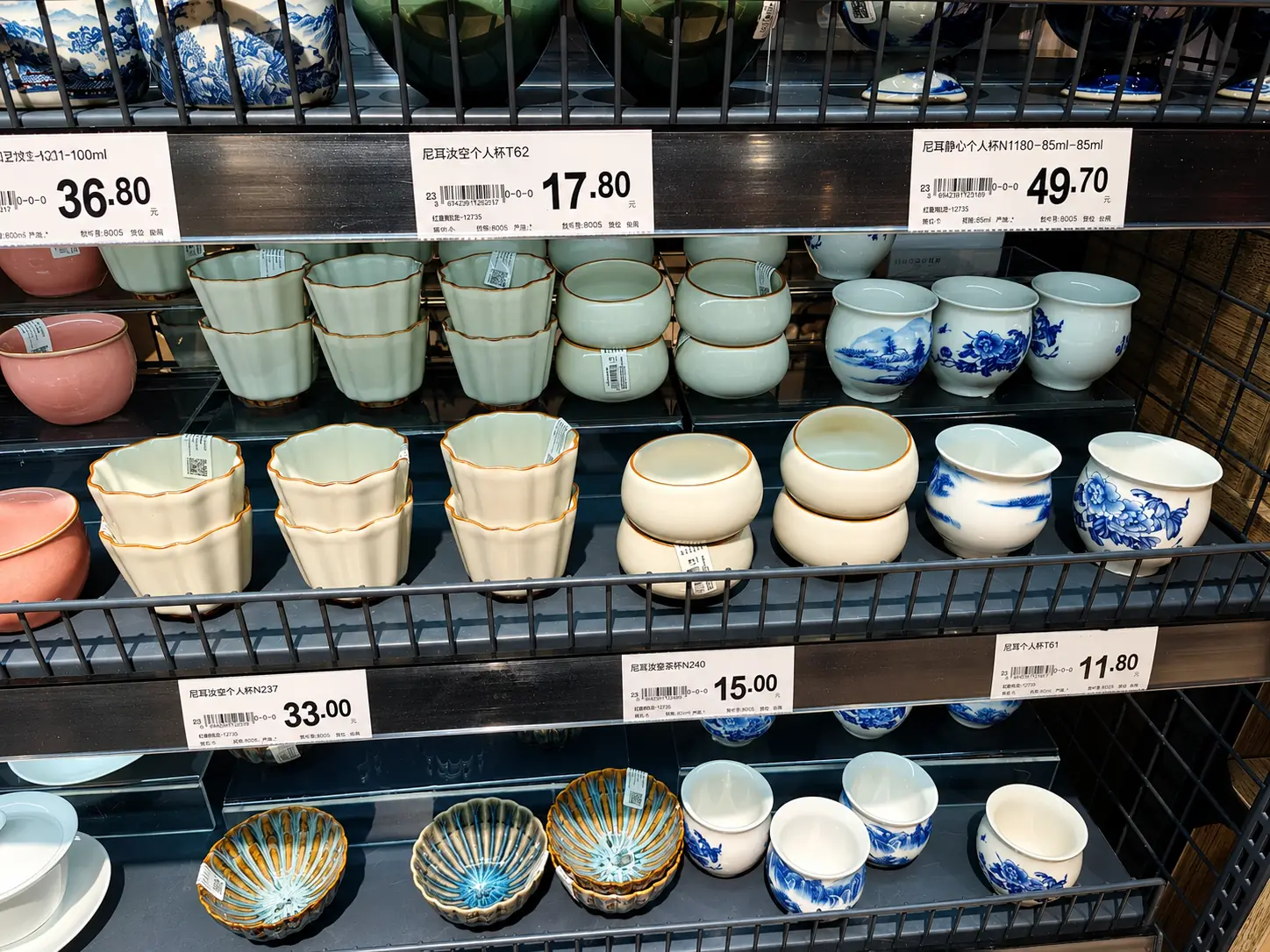
Teaware is where many travelers lose their footing. A Yixing teapot (紫砂壶), Jian ware cup (建盏), old clay pot, or carved tea tray can be real craft. It can also be a high-price object you are not ready to judge after one tasting.
For a first trip, buy function before prestige. A plain white porcelain gaiwan, two or three small cups, and a small amount of tea will teach you more at home than an expensive set you feel nervous using. White porcelain is especially useful because it is easy to clean, does not hide the tea color, and works with many tea styles.
- Start small: gaiwan, cups, and tea are enough for a beginner kit.
- Ask the unit price: clarify whether a price is per person, per session, per pot, per cup, or per item.
- Choose usable pieces: light, washable, and easy to pack beats impressive but fragile.
- Do not buy prestige first: famous clay, handmade claims, and certificates require more knowledge than a first session gives you.
- Do not shop under social pressure: thank the host, say you need to think, and leave politely if the mood shifts.
If you later fall in love with Yixing, Jian ware, or Chaozhou clay pots, wonderful. Let that be a second-stage interest, not the price of admission.
Useful Gongfu Tea Phrases for Travelers
Show the Chinese if pronunciation feels awkward. In a tea room, a clear phrase on your phone is often better than a long English explanation.
| English | Chinese | Pinyin | Say It Like… |
|---|---|---|---|
| Gongfu tea | 工夫茶 | gong fu cha | gohng foo chah |
| Gaiwan / lidded brewing bowl | 盖碗 | gai wan | guy wahn |
| Fairness pitcher | 公道杯 | gong dao bei | gohng daow bay |
| Small tasting cup | 品茗杯 | pin ming bei | pin ming bay |
| Can you brew it a little lighter? | 可以泡淡一点吗? | ke yi pao dan yi dian ma? | kuh yee paow dahn ee dyen mah |
| How much per person? | 多少钱一位? | duo shao qian yi wei? | dwaw-shaow chyen ee way |
| I am not buying teaware for now. | 我先不买茶具。 | wo xian bu mai cha ju. | woh shyen boo my chah joo |
| I would like to look first. | 我想先看看。 | wo xiang xian kan kan. | woh shyahng shyen kahn kahn |
Frequently Asked Questions
It can look ceremonial, especially in formal demonstrations, but travelers should think of it first as small-vessel brewing plus social tea sharing. Chaozhou gongfu tea has a recognized heritage frame, but daily tea tables can be much more relaxed.
Beyond This Guide
Gongfu tea gives the brewing rhythm behind many Chinese tea experiences. Pair it with the Oolong Tea Guide, Pu'er Tea Guide, Chinese Green Tea Guide, Chengdu Teahouse Guide, Hangzhou Teahouse Guide, and Cantonese Dim Sum and Yum Cha Guide so each tea moment has the right context.
© gochinafreely.com — Original guide by Go China Freely.