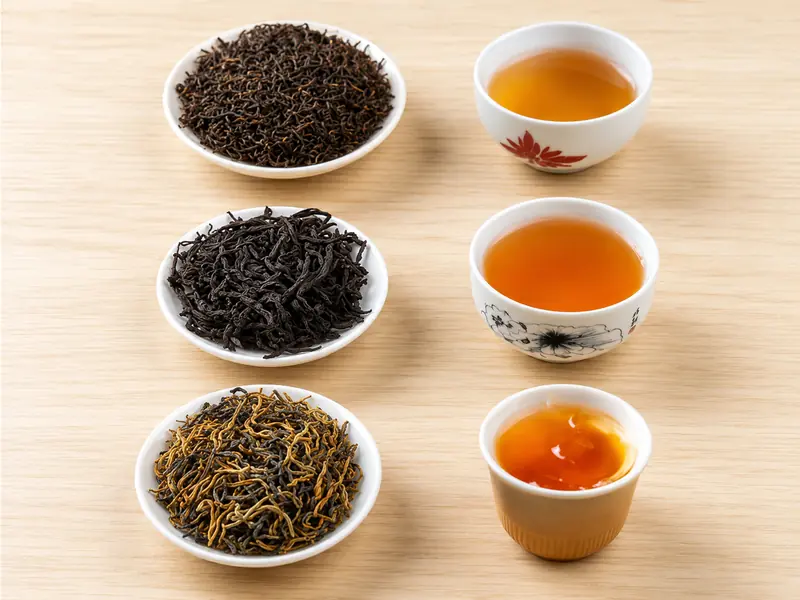
In China, the tea English speakers call black tea usually belongs to the Chinese category red tea (红茶), not dark tea (黑茶). That small naming twist changes how you read menus, what you ask for in a tea shop, and why Pu'er tea is not the "black tea" in this guide. This article keeps the subject practical: how to understand Lapsang Souchong, Keemun, and Dianhong when you meet them in China.
Executive Summary
What this guide covers
How Chinese black tea works for travelers: red-tea naming, Lapsang Souchong, Keemun, Dianhong, where to drink them, how to brew them, and how to buy small amounts without pressure.
Best first choice
Start with Dianhong if you want a sweet, malty, easy cup. Choose Keemun if you like refined fragrance, and Lapsang Souchong if you are curious about smoke, Wuyi, and older tea-trade stories.
Main traveler trap
Do not judge by English color words alone. Black tea in English is Chinese red tea, while Chinese dark tea is a different category that includes Pu'er-style logic.
Hongcha
Chinese red tea
3
Key styles
Wuyi
Smoke context
50-100 g
First buy
Black Tea Means Chinese Red Tea
The first thing to know is a translation issue. In English, black tea usually means fully oxidized tea. In Chinese tea language, that category is red tea (红茶), named more for the reddish liquor and brewed leaves than for the dry-leaf color.
Black tea in English
In English, black tea usually means the fully oxidized tea category: breakfast tea, Assam-style cups, Keemun, Dianhong, and Lapsang Souchong all sit here.
Red tea in Chinese
In Chinese tea shops, ask for red tea (红茶) when you want the category English speakers usually call black tea.
Dark tea is different
Chinese dark tea (黑茶) points toward post-fermented teas such as Pu'er tea (普洱茶), Liubao tea (六堡茶), and related aged styles.
This is not just tea-nerd vocabulary. It helps you avoid ordering the wrong thing. A hotel breakfast "black tea" may mean a simple tea bag. A tea shop "red tea" may mean Zhengshan Xiaozhong (正山小种), Keemun or Qimen black tea (祁门红茶), Dianhong or Yunnan black tea (滇红), Jin Jun Mei (金骏眉), or another Chinese red tea. A menu that says dark tea is taking you into a different flavor family.
Official tea classification gives the bigger map. A Chinaculture report on the ISO tea classification standard lists six basic tea types: black, green, white, oolong, dark, and yellow tea, and notes that these can be further processed into products such as scented tea and compressed tea. In Chinese category terms, the "black" in that English ISO wording corresponds to red tea. Flower teas such as jasmine tea are usually best understood as scented or reprocessed teas, not a seventh base category.
For this guide, three names build the most useful traveler map: Lapsang Souchong for Wuyishan (武夷山), smoke, and early black-tea history; Keemun for Anhui fragrance and Western tea blends; Dianhong for Yunnan (云南), golden buds, and a sweet everyday cup.
Black, red, and dark
In a tea shop, showing the characters 红茶 is clearer than saying "black tea" in English. If the menu points you toward 黑茶 or Pu'er, you have moved into aged, post-fermented tea territory.
When Chinese Menus Just Say Black Tea
In China, "black tea" or "red tea" can appear in very different settings. The same English words do not always mean the same experience.
| Setting | What "black tea" may mean | Best traveler move |
|---|---|---|
| Hotel breakfast | A tea bag, breakfast blend, or simple loose-leaf tea | Treat it as a morning drink, not a serious Chinese tea tasting. |
| Cantonese teahouse | One table-tea choice among Pu'er, oolong, chrysanthemum, and jasmine | Ask the tea charge and choose by how strongly you want the tea to cut through dim sum. |
| Specialist tea room | A named red tea by origin, grade, or style | Choose by flavor first: smoky, fragrant, or malty-sweet. |
| Tea shop | A tasting that may lead to a purchase | Ask the unit price before trying many teas. |
| Scenic area | Origin stories, gift boxes, and souvenir tea | Buy only a small pack unless you understand the price clearly. |
Lapsang Souchong: Smoke, Wuyi, and Sweetness
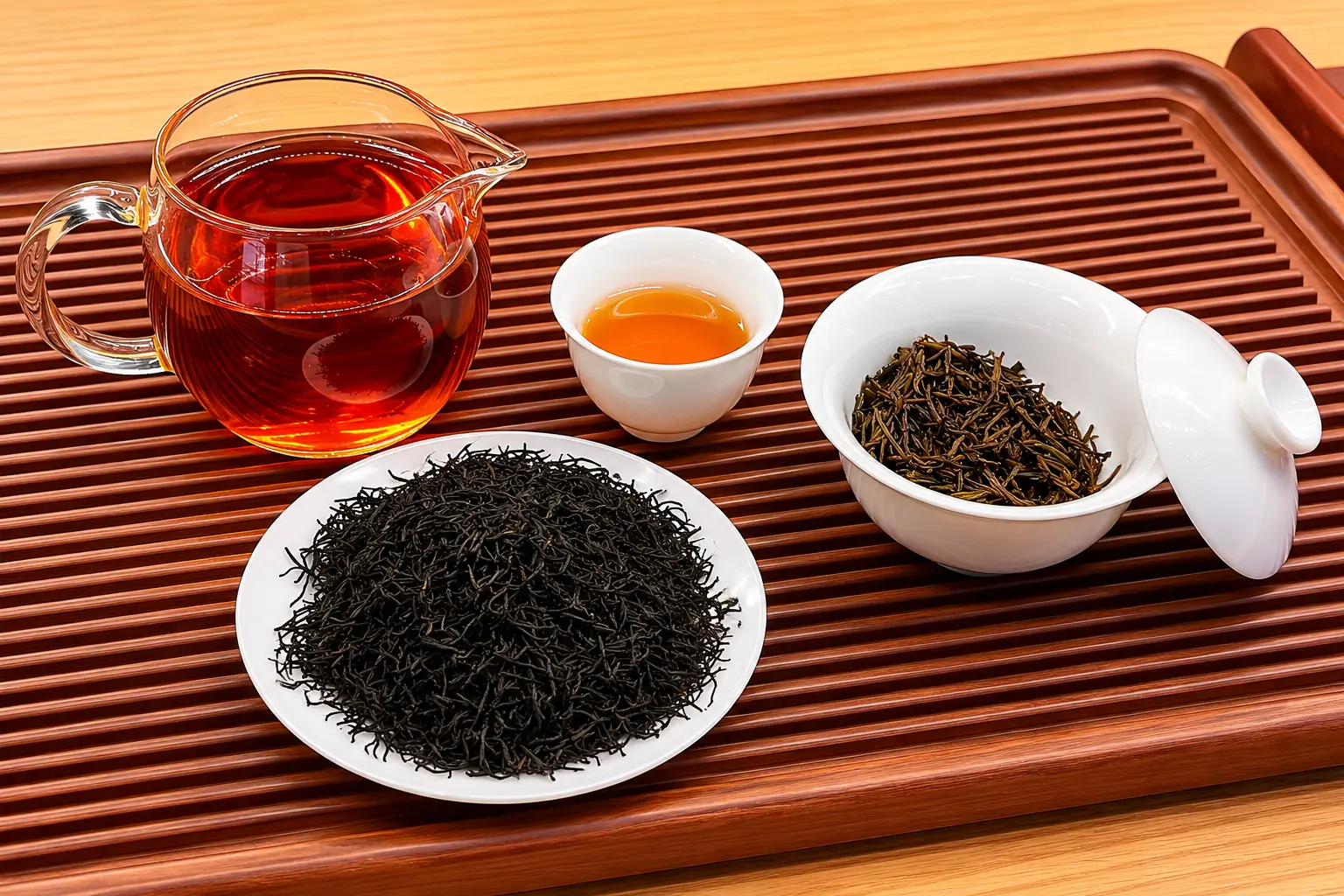
Lapsang Souchong, usually explained through Zhengshan Xiaozhong (正山小种), is the black tea most strongly tied to Wuyishan in northern Fujian. It is the tea many English speakers know as smoky, piney, and dramatic. In China, though, the picture is wider: you may meet both smoked and unsmoked versions, and the domestic market often values a softer, sweet, longan-like cup rather than a campfire blast.
China Daily's Wuyi black tea feature places the story in Tongmu (桐木), a village in the Wuyi Mountains, and presents Lapsang Souchong as the first black tea in that local tradition. Fujian's foreign affairs office also describes Mount Wuyi as a birthplace of oolong and black tea and identifies Lapsang Souchong as a fully fermented black tea with a burned-pine aroma. Because tea-history stories often blend records, local memory, and export legend, the safest wording is "often regarded as one of the earliest Chinese black teas."
For travelers, the important question is not whether you can prove the origin legend at the tea table. It is whether you want smoke. A strong export-style Lapsang can smell like pine smoke, wood, dried fruit, resin, or whisky barrels. A lighter Zhengshan Xiaozhong may feel sweeter, rounder, and closer to longan, honey, sweet potato, or dried fruit.
Ask smoked or unsmoked
If a shop offers Lapsang Souchong, ask whether it is smoked. The answer matters more than the English name on the packet.
Keemun Black Tea from Anhui Routes
Keemun is the older English spelling for Qimen black tea (祁门红茶), from Qimen County (祁门县) in southern Anhui. Modern Qimen County is administered under Huangshan City (黄山市), so travelers usually meet it through a Huangshan, Hongcun, Xidi, or Huizhou route rather than as a separate tea-only destination.
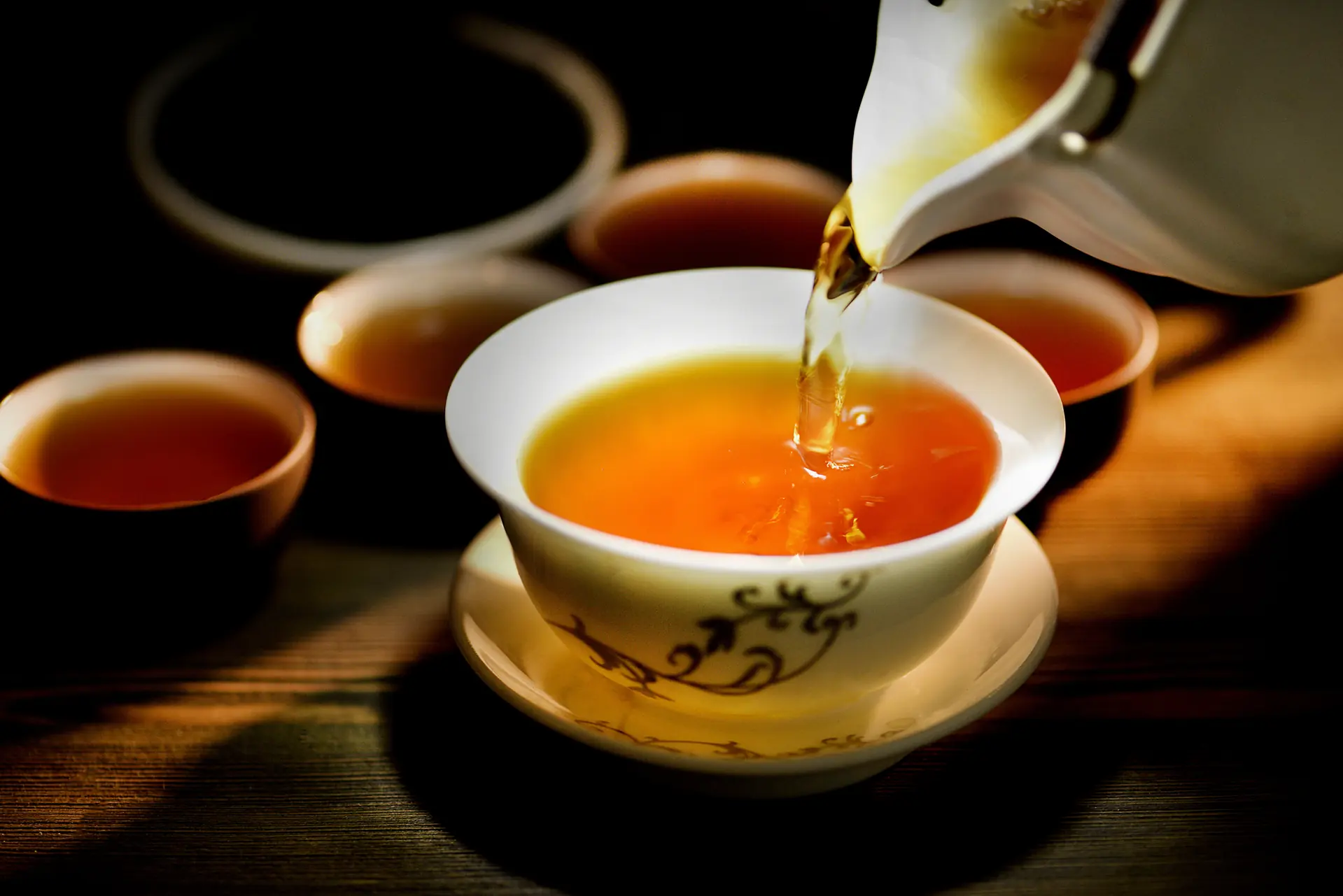
China Daily's Anhui tea guide says Keemun is produced in Qimen County of Huangshan City, was first produced in 1875, became popular in England, and became a prominent ingredient in English Breakfast tea blends. It also describes a fruity aroma with hints of pine, dried plum, and floweriness. That lines up with the way many tea drinkers talk about Keemun: fragrant, elegant, lightly malty, sometimes winey, sometimes cocoa-like, and less heavy than many breakfast black teas.
Keemun is a good bridge tea for English-speaking travelers because it sits between Chinese tea culture and Western black-tea memory. If you like English Breakfast or Earl Grey but want to taste a Chinese origin tea more clearly, Keemun is a logical step. Drink it plain first. Milk is possible, but the more interesting aroma can disappear if the tea is too light.
Huangshan context
Do not plan a whole detour just because you like Keemun. If your route already includes Huangshan, Hongcun, Xidi, or Tunxi, add a calm tea-shop stop and try it there.
Dianhong: Yunnan Malt and Golden Buds
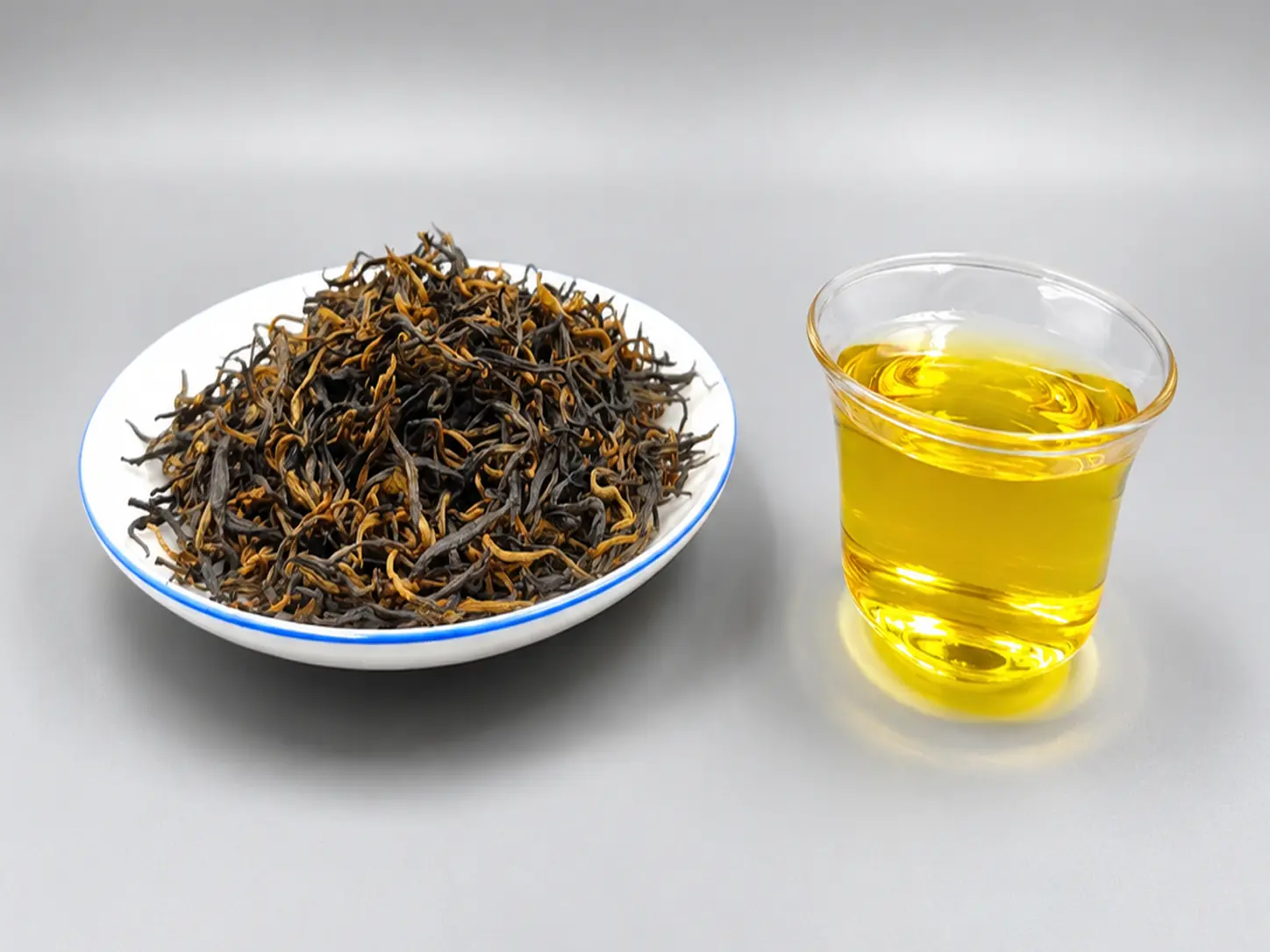
Dianhong (滇红) means Yunnan red tea or Yunnan black tea. It is the easiest of the three for many first-time drinkers because it tends to be round, sweet, malty, and warm. Good Dianhong can show golden buds, honeyed aroma, chocolate, dried fruit, sweet potato, or a soft spice note. It is not the same as Pu'er tea, even though both belong to the Yunnan tea map.
China Daily reported that in 1939 Feng Shaoqiu established an experimental tea factory in Fengqing, Yunnan, and successfully produced Yunnan black tea, or Dianhong tea. A separate China Daily report quotes Dianhong Group's president saying Fengqing County is the origin of Yunnan black tea. For article wording, use "modern Dianhong is often traced to the late 1930s in Yunnan, especially Fengqing." That is accurate without pretending every historical detail is simple.
The visual clue is often the gold. High-grade Dianhong may contain many golden tips or buds, sometimes sold as golden buds or golden needles. But more gold is not automatically better for every traveler. Golden-bud styles can be sweet, soft, and beautiful, while darker, leafier Dianhong can be more robust and better with breakfast food. Taste before paying for appearance.
Dianhong is not Pu'er
Both can come from Yunnan, but Dianhong is Chinese red tea. Pu'er belongs to dark-tea and fermentation logic. Do not let a shop switch between the two as if they are the same purchase.
Chinese Black Tea Styles at a Glance
These teas are easier to choose when you stop ranking them and start matching them to a mood.
← swipe to compare all options →
Lapsang Souchong
Smoke and Wuyi
- ✓Pine smoke, longan, honey, dried fruit, and Wuyi mountain stories.
- ✓Best when you want the most distinctive cup.
- —Main risk: assuming every Lapsang is heavily smoked.
Zhengshan Xiaozhong (正山小种)
Wuyishan context
Keemun
Fragrant Anhui
- ✓Floral, fruity, cocoa-like, dried-plum, and lightly malty aromas.
- ✓Best if you like refined fragrance and Western black-tea memory.
- —Main risk: a delicate cup tasting too light if brewed weakly.
Qimen black tea (祁门红茶)
Huangshan routes
Dianhong
Yunnan malt
- ✓Malt, honey, chocolate, sweet potato, golden buds, and warm sweetness.
- ✓Best first choice for an easy, forgiving Chinese black tea.
- —Main risk: gold-heavy packaging distracting from flavor and price.
Yunnan black tea (滇红)
Kunming and Fengqing context
Use this as a first-trip filter, not as a ranking of tea quality.
Decision shortcut
Which Chinese black tea first?
I want an easy first cup
Choose Dianhong. It is usually sweet, malty, warm, and forgiving.
I like refined fragrance
Choose Keemun. It is famous for floral, fruity, and gentle cocoa-like aroma.
I want something distinctive
Try Lapsang Souchong, but ask whether it is smoked or unsmoked.
I am buying a souvenir
Taste first, confirm the unit price, and avoid committing to a large gift box on the first visit.
Where to Drink Black Tea in China
You do not need to make a tea mountain tour to understand Chinese black tea. A good city tea room can teach you enough in one calm session. But place still matters, because the tea names start to make more sense when the route gives them context.
Wuyishan
Lapsang Souchong context
Wuyishan is the strongest origin setting for Lapsang Souchong. A tea stop there can sit beside Wuyi rock tea, mountain scenery, and Fujian food. If your route already includes the Wuyishan guide, adding one black-tea tasting is sensible.
Huangshan and Huizhou
Keemun side trip
Keemun works best as a side note to southern Anhui. If you are going to Huangshan, Hongcun, Xidi, Tunxi Old Street, or the wider Huizhou area, look for Qimen black tea in a local tea shop or hotel tea space.
Kunming
Yunnan tea-shop starter
Dianhong is easiest in Kunming. Yunnan tea shops often sell Pu'er, Dianhong, white tea, flower tea, and coffee in the same neighborhood, so Dianhong can be a gentler Yunnan souvenir than Pu'er on day one.
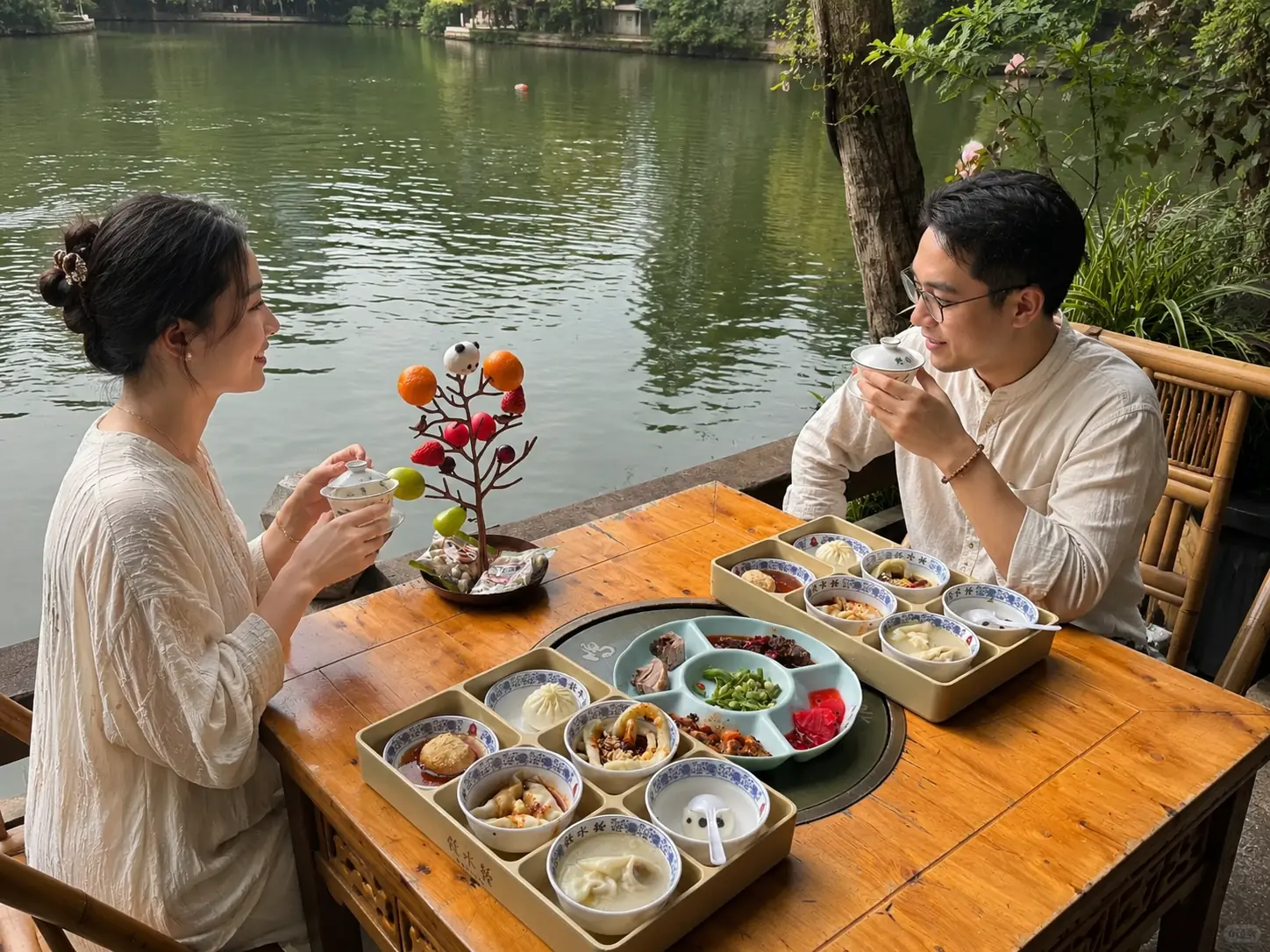
If your trip is only Beijing, Shanghai, Xi'an, and Chengdu, you do not need to force a Wuyishan, Anhui, or Yunnan detour just for this tea. A calm city teahouse can still teach you enough to compare smoke, fragrance, malt, and sweetness in one session.
The point is to match the tea stop to the route you are already taking. Origin context is lovely when it fits naturally; it should not distort a first China itinerary.
How to Brew Black Tea While Traveling
Chinese black tea is easier to brew on the road than delicate green tea. It usually accepts hot water, it is not as fragile as very tender Longjing, and it can work in a hotel mug if you use less leaf. The main mistake is over-steeping.
Water
Near-boiling water is fine for many Chinese black teas. Adjust strength with leaf amount and time first.
Leaf amount
Use less leaf in a hotel mug than a tea shop uses in a gaiwan. Casual soaking gets strong fast.
First taste
Taste early, then adjust. A short first cup teaches you more than a bitter one you have to rescue.
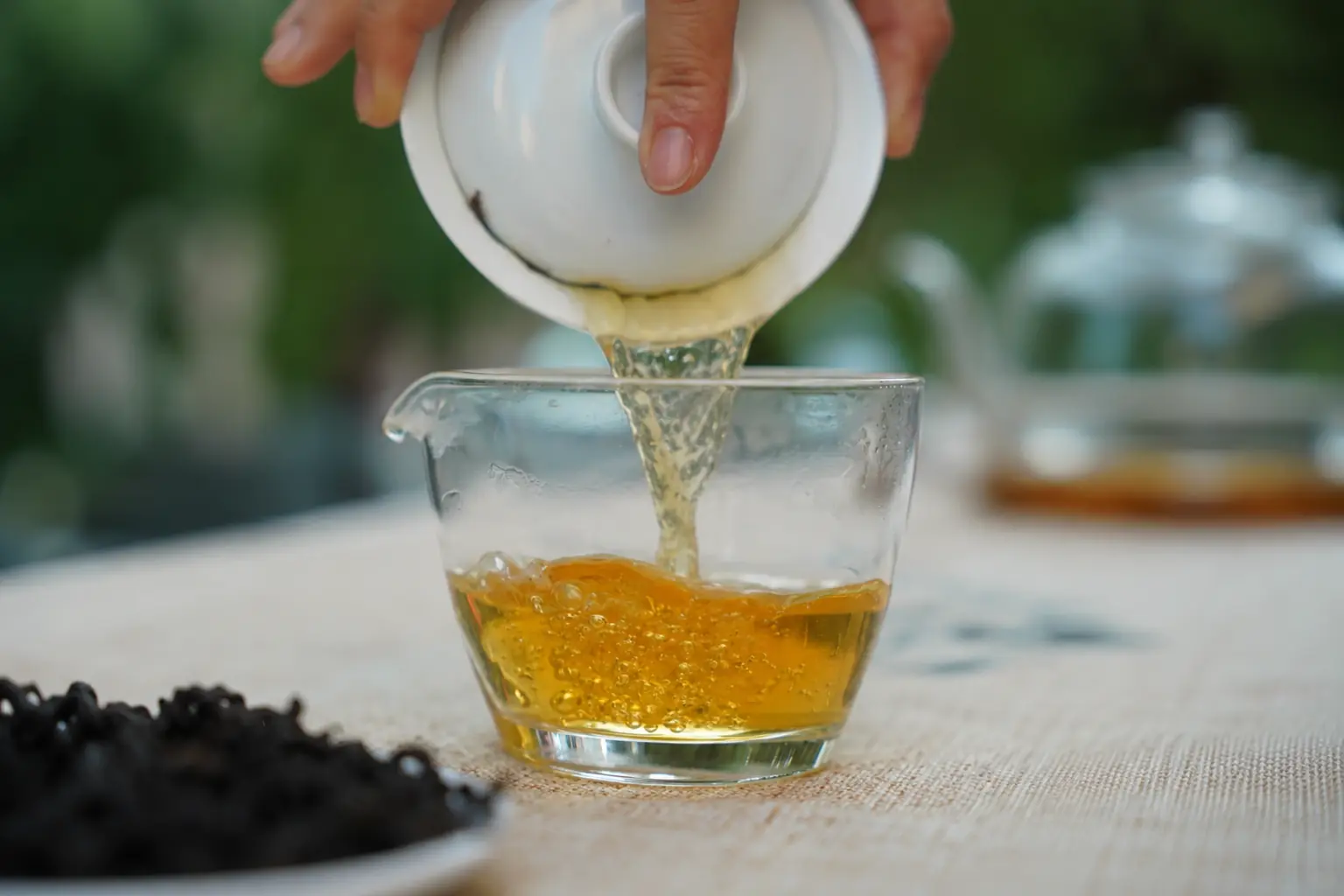
- Use less leaf first- In a hotel mug or travel cup, start with a small pinch. Tea-shop gongfu amounts are too strong for casual soaking.
- Use hot water- Near-boiling water is fine for many black teas, especially Lapsang and Dianhong. Delicate Keemun and golden-bud Dianhong may prefer a slightly gentler pour.
- Taste after 1-2 minutes- Do not leave the leaves trapped in the cup for a long time before your first taste.
- Adjust the next cup- If it is harsh, sour, or too tannic, use less leaf or shorten the steep next time.
- Refill if it stays sweet- Good Chinese black tea can usually take several refills. Stop when the cup becomes flat.
If you use a gaiwan (盖碗) or small pot, the logic changes: more leaf, hot water, short steeps, quick pouring. If you use a mug, go the other way: less leaf, shorter soaking, and drink before the tea turns dry. Smoke-heavy Lapsang and robust Dianhong tolerate heat well. Keemun and golden-bud Dianhong can lose charm if you brew them too aggressively.
Do not leave leaves trapped too long
Chinese black tea is forgiving, not indestructible. If the cup turns harsh, sour, or too dry, use less leaf or shorten the steep next time.
How to Buy Black Tea Without Overpaying
Chinese black tea is a good souvenir because it is lighter than pottery, easier than Pu'er cakes, and more forgiving than fresh green tea. It still has sales traps.
Ask the exact style
Lapsang can be smoked or unsmoked. Dianhong can be ordinary leaf, golden bud, or old-tree marketing.
Ask the unit price
Confirm whether the price is per 50 grams, 100 grams, tin, box, pot, or person before tasting too much.
Buy small first
A first purchase of 50-100 grams is enough. Drink it at home before deciding whether the style deserves a larger order.
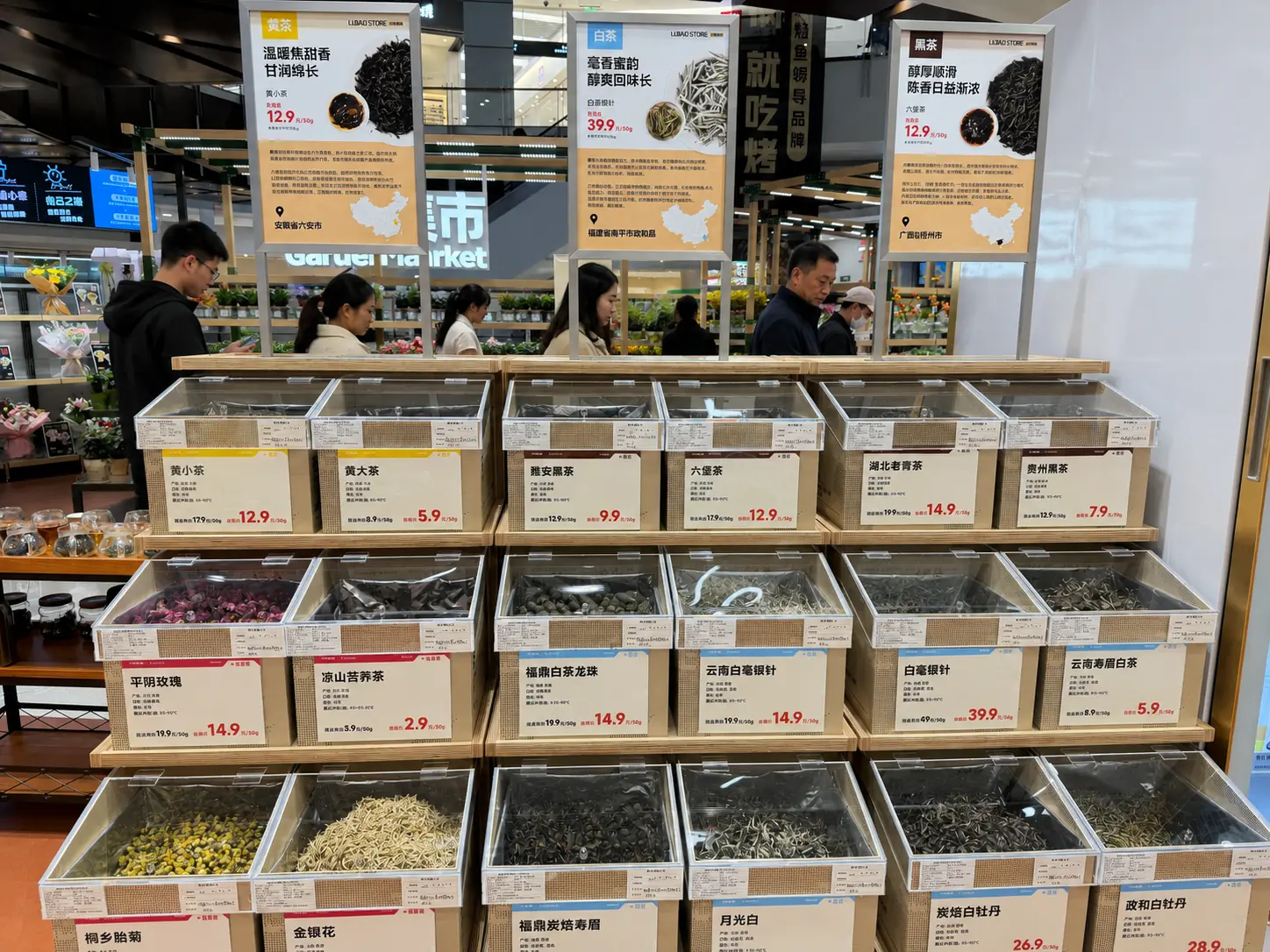
Gift boxes, gold labels, certificates, and "state gift" language can raise the price without improving the cup. If the seller insists on a big box, a full tin, or a gift set before you know the unit price, slow the conversation down.
- Buy small first: 50-100 grams is enough for a first Chinese black tea souvenir.
- Ask the style: smoked or unsmoked Lapsang, Qimen/Keemun origin, ordinary Dianhong or golden-bud style.
- Ask the unit price: confirm whether the price is per 50 grams, 100 grams, 500 grams, tin, box, pot, or person.
- Do not buy the story first: origin legends, royal-gift language, and old-tree claims should never replace tasting.
- Separate tea from packaging: a heavy box is not proof of better leaves.
Useful Black Tea Phrases for Travelers
If pronunciation feels awkward, show the Chinese characters. These phrases keep the conversation practical instead of drifting into expensive stories.
| English | Chinese | Pinyin | Say It Like… |
|---|---|---|---|
| Chinese black tea / red tea | 红茶 | hóng chá | hohng chah |
| Lapsang Souchong / Zhengshan Xiaozhong | 正山小种 | zhèng shān xiǎo zhǒng | jung shahn shyow johng |
| Keemun / Qimen black tea | 祁门红茶 | qí mén hóng chá | chee mun hohng chah |
| Dianhong / Yunnan black tea | 滇红 | diān hóng | dyen hohng |
| Is this smoked? | 这个是烟熏的吗? | zhè ge shì yān xūn de ma? | juh-guh shir yen shwin duh mah |
| Can you brew it lighter? | 可以泡淡一点吗? | kě yǐ pào dàn yī diǎn ma? | kuh yee paow dahn ee dyen mah |
| How much is this per 50 grams? | 这个多少钱一两? | zhè ge duō shǎo qián yī liǎng? | juh-guh dwaw-shaow chyen ee lyahng |
| I will buy just a small amount first. | 我先买一点点。 | wǒ xiān mǎi yī diǎn diǎn. | woh shyen my ee dyen dyen |
Black Tea Questions for First-Time Travelers
Yes in normal tea-category usage. What English speakers call black tea is usually called red tea in Chinese because the brewed liquor and leaves look reddish. Chinese dark tea is a different category.
Beyond This Chinese Black Tea Guide
Once Chinese black tea makes sense, tea menus become much easier to read. Pair this guide with the Chinese Green Tea Guide, Oolong Tea Guide, Pu'er Tea Guide, Gongfu Tea Ceremony Guide, Fujian Cuisine Guide, Anhui Cuisine Guide, and Yunnan Cuisine Guide.
© gochinafreely.com — Original guide by Go China Freely.