Days, areas and booking priorities
Explore imperial palaces, hutong neighborhoods and the Great Wall. Allow time for reservations, long walks and journeys across the city.
Minimum
3 nights
Works better
4–6 nights
Airports
PEK · PKX
Best windows: March to May / September to October · Checked Aug 21, 2026

Decide the role of the city
Beijing is a first-trip anchor, not a one-day checklist. Protect the Palace Museum and other real-name reservations first, give the Great Wall its own day, then group the city by geography so security lines and cross-city transfers do not consume the trip.
Two full days focused on the Palace Museum, Temple of Heaven and one nearby old-city cluster
Main trade-off: The Great Wall, deeper museums and Universal require another day or a major trade-off
The practical first-timer minimum: two central days plus one separate Great Wall day
Main trade-off: There is little recovery margin after large sites, security and long transfers
A balanced first stay with museums, gardens, hutongs and one flexible weather-swap day
Main trade-off: Universal still consumes one full day if it is a priority
Families adding Universal, slower travelers and visitors who need reduced daily walking
Main trade-off: Tianjin, Chengde and Datong remain separate route decisions rather than free additions
Protect mornings and evenings
Choose the area for the evenings you want and the fixed departure you need to protect—not because a map labels it as the center.
Hotel links open Trip.com. We may earn a commission at no extra cost to you.
Best for: First-time visitors, short classic stays and families wanting conventional central access
Why choose it: Central metro connections, convenient access to the Forbidden City, and plenty of restaurants and shops
Trade-off: Busy shopping streets rather than quiet hutong lanes; allow extra travel time for the Great Wall and airports
Transit logic: Check the actual metro stop and hotel pin; use the area for central days, not as proof that every headline sight is walkable
See hotels in this areaBest for: Tiananmen, Temple of Heaven and travelers who want a south-old-city atmosphere
Why choose it: Convenient for sights south of the Forbidden City and departures from Beijing South Railway Station
Trade-off: Pedestrian lanes and historic properties can complicate luggage, stairs and vehicle access
Transit logic: Choose a hotel near Qianmen or Zhushikou metro and confirm the actual vehicle drop-off point
See hotels in this areaBest for: Couples, repeat visitors and atmosphere-led stays with evening walks
Why choose it: A good base for old-city walks, lakeside evenings, hutong lanes and local restaurants
Trade-off: Deep lanes, steps and taxi drop-off can make luggage or limited-mobility arrivals difficult
Transit logic: Favor a verified metro-side address over a romantic area name that hides a long lane transfer
See hotels in this areaBest for: PEK-oriented travelers, repeat visitors and north-old-city access
Why choose it: Access to the Capital Airport Express, useful metro connections and restaurants around Beixinqiao
Trade-off: Farther from the Forbidden City, Daxing Airport and Beijing South Railway Station
Transit logic: Choose Dongzhimen for the airport link or Beixinqiao and Yonghegong for neighborhood access, then confirm the exact station walk
See hotels in this areaBest for: Dining, nightlife, business trips and exploring modern eastern Beijing
Why choose it: International restaurants and services, with a useful location for Capital Airport and Beijing Chaoyang Railway Station
Trade-off: Not a heritage-first base; nightlife, road width and traffic can add noise and transfer time
Transit logic: Use the exact Tuanjiehu or Dongdaqiao-side pin to judge metro access rather than relying on the broad Sanlitun label
See hotels in this areaBest for: Central sightseeing with Beijing West or South railway logistics
Why choose it: A useful central-west compromise with multiple lines and straightforward access to the western side of the core
Trade-off: Less old-city atmosphere and a weaker relationship with PEK than Dongzhimen
Transit logic: Choose the exact metro side according to the departure station and avoid treating the whole west-central area as walkable
See hotels in this areaBest for: A one-night stay before an early train, after a late arrival, or when traveling with heavy luggage
Why choose it: Makes departures and arrivals at Beijing South Railway Station easier
Trade-off: Inferior for a normal multi-night first visit because most sightseeing still needs another transfer
Transit logic: Use this as a logistics exception, not as the default center of Beijing
See hotels in this areaMatch the code on the booking
Beijing has more than one practical arrival point. The exact facility changes transfer time, hotel logic and whether another fixed activity still fits.
Choose it when: The flight fits and Dongzhimen, Beixinqiao or east/northeast Beijing improves the city transfer
Avoid: Do not assume the Airport Express runs for every late arrival; check the current operating window
Choose it when: The fare or schedule is stronger and Caoqiao or the south/west side of Beijing fits the onward plan
Avoid: Do not reject PKX only because it is farther from the center; compare the complete arrival path
Choose it when: The ticket uses the Tianjin or Shanghai corridor and a south-central transfer is useful
Avoid: Do not stay beside the station for several nights only because one train uses it
Beijing station names are itinerary decisions: South, West, Chaoyang, North, Qinghe, Beijing and Fengtai are materially different terminals. The exact ticketed station is final authority.
Choose it when: The exact long-distance service uses West, including many westbound or southwest-bound options
Avoid: Do not hardcode West for every Xi'an or Chengdu journey before seeing the ticket
Choose it when: Traveling toward Chengde or northeast China, especially from an east-Beijing base
Avoid: Protect time for the station's current metro, taxi or ride-hailing pickup layout
Choose it when: The ticket uses Zhangjiakou-side services or a route currently assigned to these northern terminals
Avoid: North and Qinghe are different stations; the final ticket decides which one to navigate to
One part of the city at a time
Use one major anchor per half-day, then add nearby food, parks or streets. The focused guide carries the detailed ticket and visit instructions.
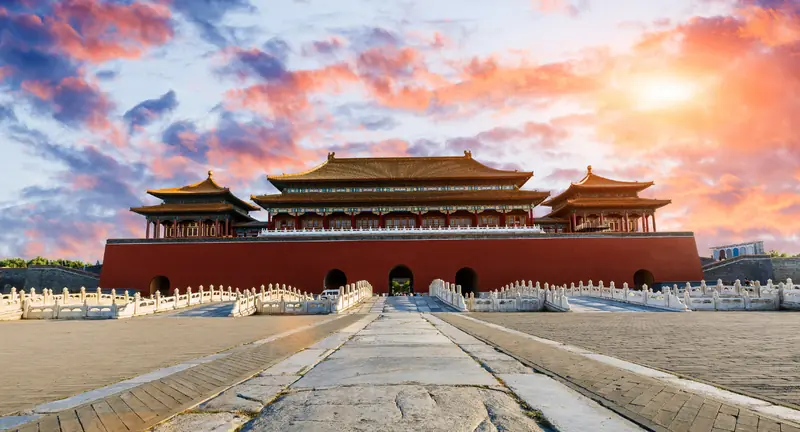
Anchor:Forbidden City and Tiananmen area(Google | Amap)
Continue north to Jingshan; add Beihai only when entry timing and walking pace leave real margin.
Avoid: Do not place another timed museum across the city on the same day.
Book first: Use the official channel when the current seven-day release opens, carry the original booking document and do not treat an unofficial agent as authorized admission inventory.
Anchor:Temple of Heaven and Qianmen(Google | Amap)
Combine the park with Dashilar, Qianmen or Hongqiao according to interests and energy.
Avoid: Do not assume the whole cluster is one short walk.
Anchor:Lama Temple, Drum Tower and Shichahai(Google | Amap)
Choose Yonghe and Wudaoying or Gulou and the lakes as the main half-day, then add a nearby evening.
Avoid: Do not turn every hutong name into a separate cross-city stop.
Anchor:Summer Palace(Google | Amap)
Add the Old Summer Palace only when walking ability, weather and closing times support it.
Avoid: Do not bolt both gardens onto a central-palace day.
Anchor:798 Art District(Google | Amap)
Combine contemporary art with an east-side dinner or Sanlitun evening.
Avoid: Do not cross back to a west-Beijing attraction before dinner.
Anchor:Shougang Park(Google | Amap)
Use the industrial landscape as a deliberate contrast to the imperial core.
Avoid: Do not add it only to fill a checklist; the metro journey is part of the decision.
Anchor:Mutianyu or another section matched to the traveler(Google | Amap)
Choose the section, transport format and walking route together before paying.
Avoid: Do not combine two sections or promise a full central-Beijing evening after a difficult return.
Anchor:Universal Studios Beijing(Google | Amap)
Keep the evening flexible unless the group still has energy for CityWalk.
Avoid: Do not compress the park between palace reservations or an intercity departure.
Open the detailed guide when needed
Use these focused guides for the decisions that need more detail than a destination overview.
Compare the city's major sights before deciding which clusters deserve your limited days.
Use the official booking window, original passport and northbound route to stabilize the imperial-core day.
Plan the timed reservation, entry document and a realistic highlights or longer museum route.
Choose the entrance and pair the park with one south-central old-city task.
Choose a route around Kunming Lake without treating the whole park as a quick stop.
Compare Mutianyu, Badaling, Jinshanling and other sections by transport, restoration and walking effort.
Choose independent transport or a tour format, then lock the ride system and return plan.
Use the constrained route only as a city-day plan, not as the recommended length of a Beijing stay.
Choose roast duck, noodles, hotpot and snack districts without crossing the city for every meal.
Book with the correct passport details and navigate to the complete station name printed on the ticket.
Decide what remains a day trip
Keep one nearby excursion attached to Beijing. Promote bigger mountain, alpine and next-city routes into their own overnight branches.
A strong first-trip onward pairing
Allow at least two nights and verify the exact Beijing departure terminal on the final ticket.
A contrasting next-city stay
Two nights is the floor and three is calmer; Beijing South is a durable corridor anchor, but the ticket is final authority.
A food-and-culture continuation with a substantial intercity leg
Compare the complete rail and flight journeys, including each Beijing and Chengdu gateway transfer.
The clearest true day-trip city pairing
Keep the main luggage at the Beijing base and treat the day as a complete outbound-and-return task.
A compressed day trip or calmer one-night extension
Beijing Chaoyang access and local sightseeing make the same-day version more demanding than the rail time suggests.
A one-night side trip rather than an effortless Beijing day
Important sights still need ground transport after the train, so an overnight usually protects the route.
Continue with the detail
Open a focused guide when you are ready to choose specific sights, food, or a day-by-day route.

Itinerary
Walk Beijing in one day: Tiananmen, Forbidden City, Jingshan panorama, Shichahai hutongs & dinner — exact timing, metro exits, tickets & stays.

Things to Do
Compare the best Great Wall sections from Beijing — Mutianyu, Badaling, Jinshanling, Simatai, Jiankou, and Huanghuacheng.

Things to Do
Visit Mutianyu Great Wall from Beijing — tower-by-tower route, cable car vs chairlift and toboggan, best photo angles, opening hours, and family tips.

Things to Do
Complete guide to China's Forbidden City — advance tickets, three official routes, top halls, hidden secrets, food and transport for independent travelers.

Food & Drink
Everything you need to know about Peking Duck in Beijing: pronunciation, where to eat, what to order, how to eat it, and insider tips to avoid tourist traps.

Food & Drink
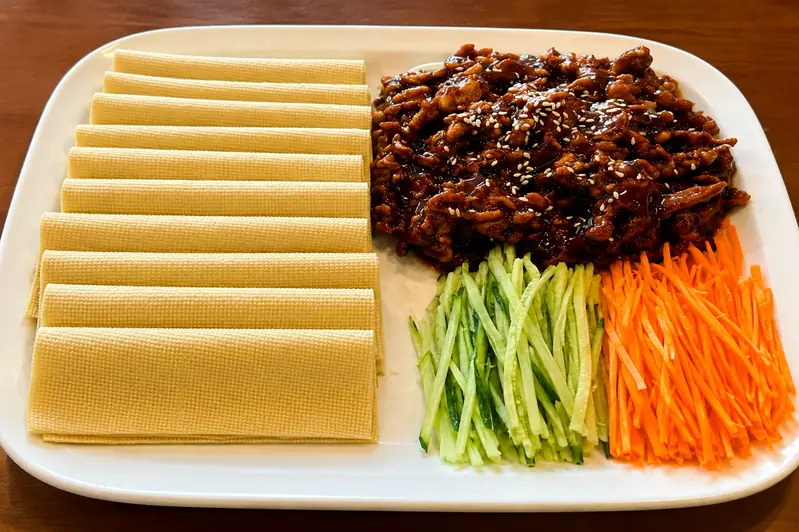
Jingjiang Rousi guide for Beijing travelers: shredded pork in sweet bean sauce, wrap technique, sauce notes, ordering tips, and allergy cautions.

Food & Drink
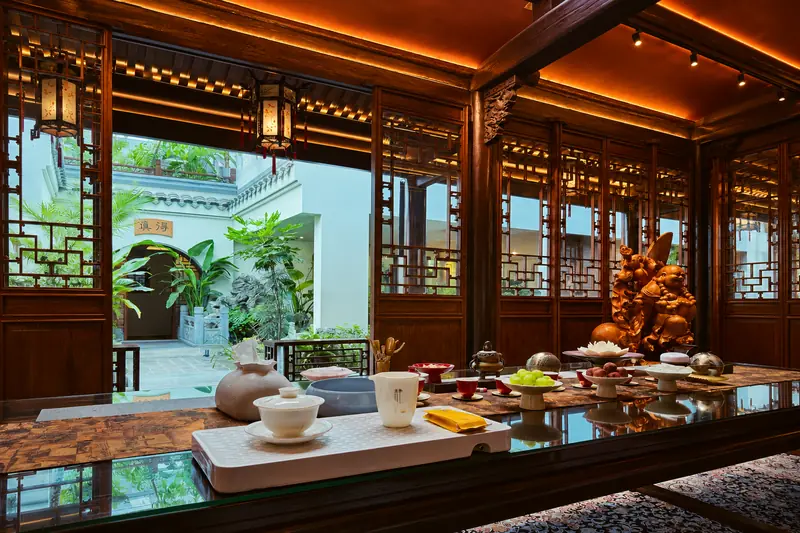
Beijing teahouse guide for travelers: compare Lao She shows, courtyard tea rooms, jasmine tea shops, Maliandao tea buying, and safe ordering tips.

Food & Drink
Lvdagun guide for Beijing travelers: soybean-flour pastry texture, red bean filling, where to try it, buying tips, and diet notes.
Prepare the practical basics
China eSIM Comparison: Best Data Plans for Tourists
Compare common China eSIM plan types for tourists: fixed data, unlimited-style day plans, hotspot rules, routing considerations, and phone compatibility limits.
Getting Around Chinese Cities: Subway, Taxis & Ride-Hailing
Navigate Chinese cities as a foreigner using the metro, Didi via Alipay or WeChat, street taxis, buses, shared bikes, and airport transfers.
Essential China Travel Apps: The Ultimate Toolkit
Essential China travel apps map: Alipay, WeChat, Amap, Didi, translation, 12306, Trip.com, install order, mini programs, and pre-trip tests.
China Train Tickets: 12306 & Trip.com App Guide
Current release process, original identity document and no authorized third-party ticket agents
Checked Aug 21, 2026
Seven-day reservation window, timed entry and original identity document
Checked Aug 21, 2026
Current official reservation platform identity; exact public booking window intentionally omitted
Checked Aug 21, 2026
Real-name booking and current weather or operating notices
Checked Aug 21, 2026
Passport and product-dependent reservation rules
Checked Aug 21, 2026
Book China train tickets by phone: Railway 12306 setup, passport verification, Trip.com flow, child fares, refunds, changes, and Hong Kong cross-border rules.
Dated-ticket and current inventory distinctions
Checked Aug 21, 2026
PEK Airport Express stops and current operating information
Checked Aug 21, 2026
PKX and Caoqiao relationship plus current early airport-bound service
Checked Aug 21, 2026
Current late-night airport-bus resilience
Checked Aug 21, 2026
Direct overseas Visa and Mastercard fare-gate access
Checked Aug 21, 2026
Durable station and corridor decisions; actual ticketed station remains final authority
Checked Aug 21, 2026
Current metro and pickup logic for Beijing Chaoyang Railway Station
Checked Aug 21, 2026