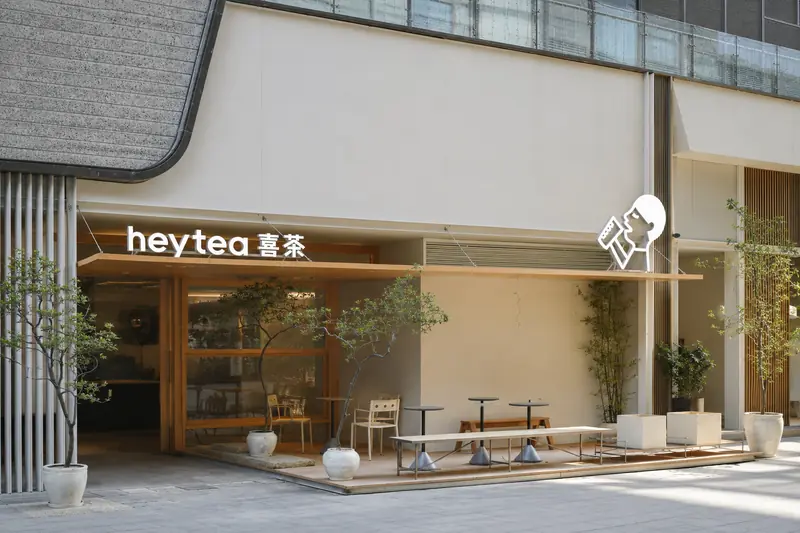
Bubble tea is easy to reduce to one English word: boba, but the drink that began in Taiwan's 1980s tea shops has become a much bigger mainland China category. Travelers will meet pearl milk tea, fresh fruit tea, cheese-foam tea, lighter milk tea, original-leaf fresh milk tea, ice cream tea drinks, shopping-mall queues, and phone ordering screens. This guide shows you how to read the menu, choose a first drink, control sweetness and ice, and understand why modern tea chains are now part of everyday city travel.
Executive Summary
What this guide covers
Bubble tea origins, the difference between boba and pearls, mainland Chinese menu terms, major modern tea-drink chains, first-order suggestions, sugar and ice controls, toppings, and dietary notes.
Best first order
Choose a medium size, half sugar or 30 percent sugar, less ice, and one topping. Pearl milk tea, fruit tea, or original-leaf fresh milk tea are safer first choices than a giant fully loaded drink.
Main traveler trap
Do not assume the English word boba covers the whole category in mainland China. Menus usually organize drinks by Chinese categories such as milk tea, fruit tea, cheese foam, light milk tea, and original-leaf fresh milk tea.
1980s
Taiwan origin era
2012
HEYTEA Jiangmen
2015
Nayuki Shenzhen
1997
Mixue Zhengzhou
Chewy Pearls, Fresh Tea, and Shopping Malls
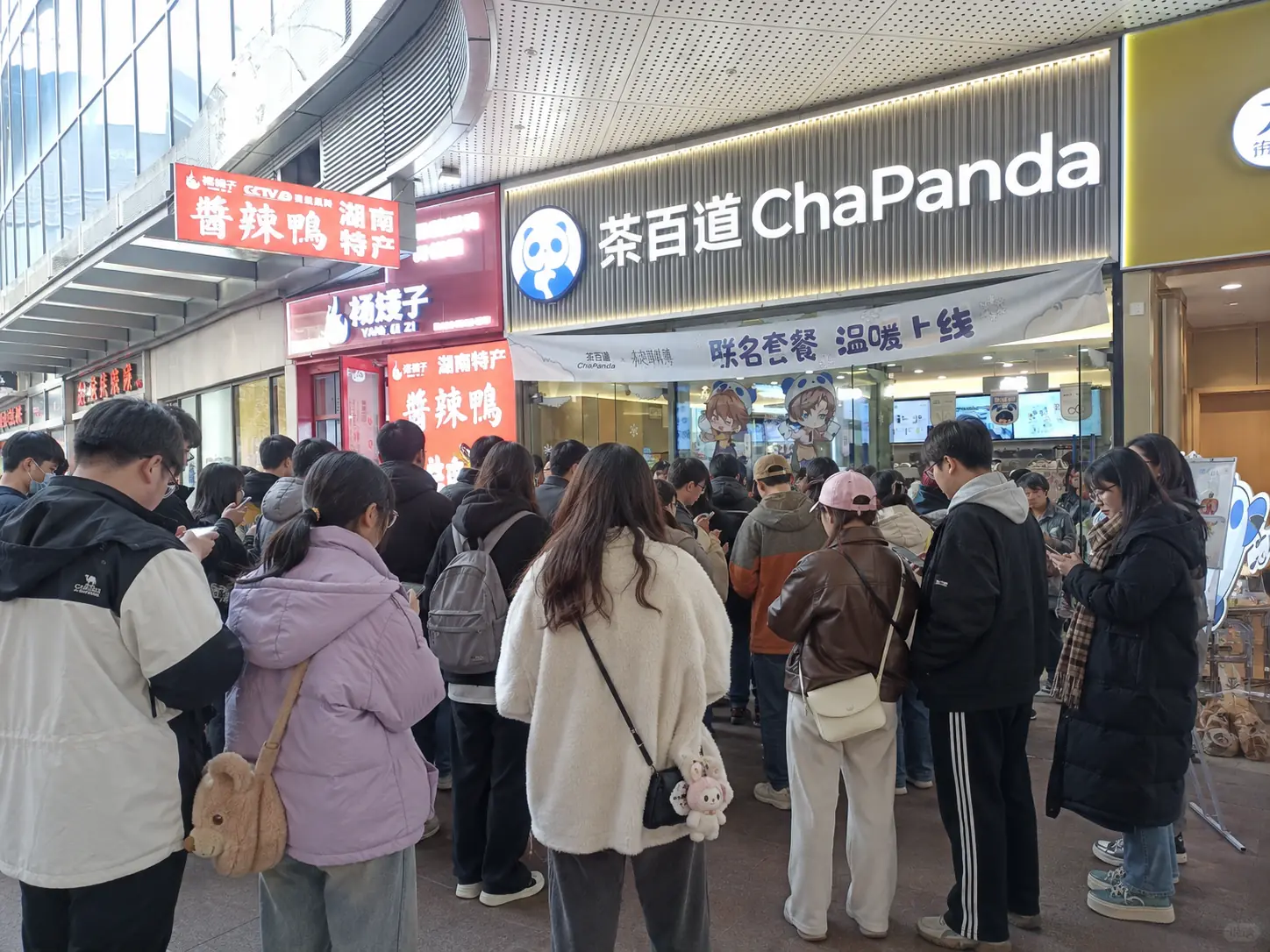
Modern tea chains are part of everyday mall and metro-exit life in Chinese cities.
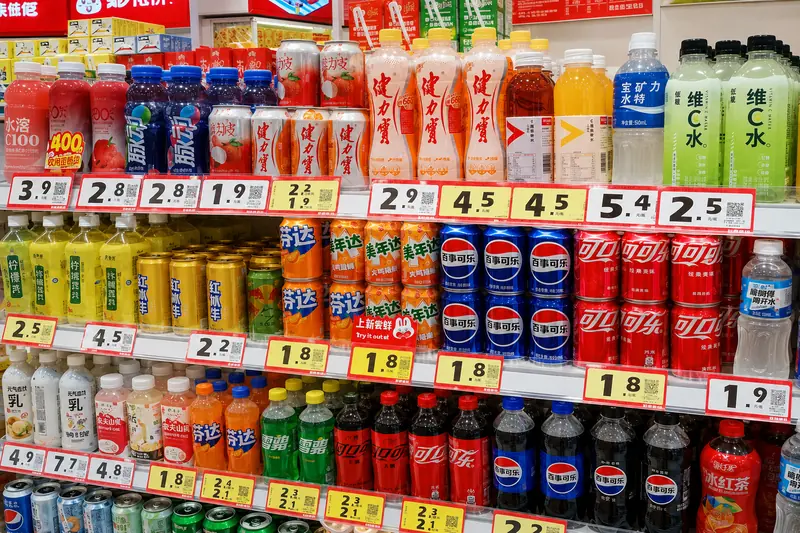
In mainland China, modern tea drinks are not a niche dessert. They are part of the urban background: metro exits, malls, pedestrian streets, university districts, office towers, high-speed rail stations, and food courts. For travelers, they are useful because they are easy to find, visually clear, and highly customizable.
They are also easy to misunderstand. English speakers often say bubble tea or boba, but mainland menus rarely use boba as the master category. You are more likely to see milk tea, pearl milk tea, fresh fruit tea, cheese-foam tea, lighter milk tea, original-leaf fresh milk tea, mango pomelo sago, lemon tea, ice cream drinks, and seasonal specials.
So this guide is not a ranking of the best drink in China. The useful task is smaller and better: understand the menu language, know what the big chains represent, control sugar and ice, and avoid turning one drink into a full dessert right before dinner.
Bubble Tea Began in Taiwan's Tea Shops
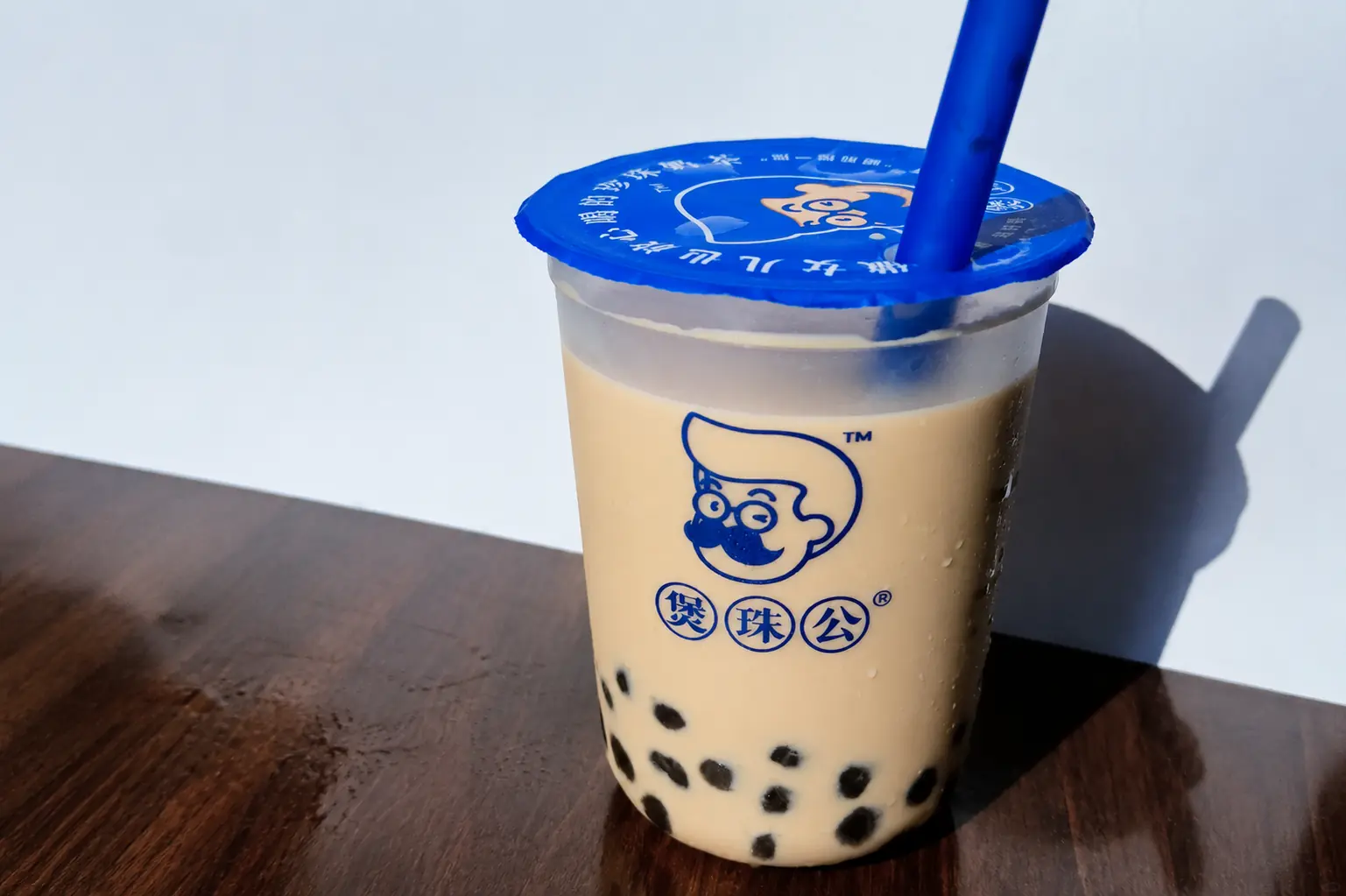
Pearl milk tea is the easiest ordering anchor for travelers who know the word boba.
Bubble tea is generally traced to Taiwan in the 1980s, but the exact inventor is still disputed. A National Geographic overview describes the Taiwan origin story and the competing claims around who first added tapioca pearls to cold milk tea. The two names travelers often hear are Chun Shui Tang (春水堂) in Taichung and Hanlin Tea Room (翰林茶馆) in Tainan.
The chewy pearls are usually made from tapioca starch, which comes from cassava, then cooked and held in sweet syrup. In English, "bubble tea" is sometimes explained as a reference to the foam created when tea is shaken; today, it is also used broadly for pearl tea drinks and similar topped tea drinks.
In Chinese, the terms can be more specific: pearl milk tea (珍珠奶茶) means milk tea with small tapioca pearls, while boba (波霸) may refer to larger pearls or the overseas English-speaking category. The traveler takeaway is simple: bubble tea is the global entry point, but pearl milk tea is the Chinese ordering anchor.
Boba Is Not the Only Menu Word
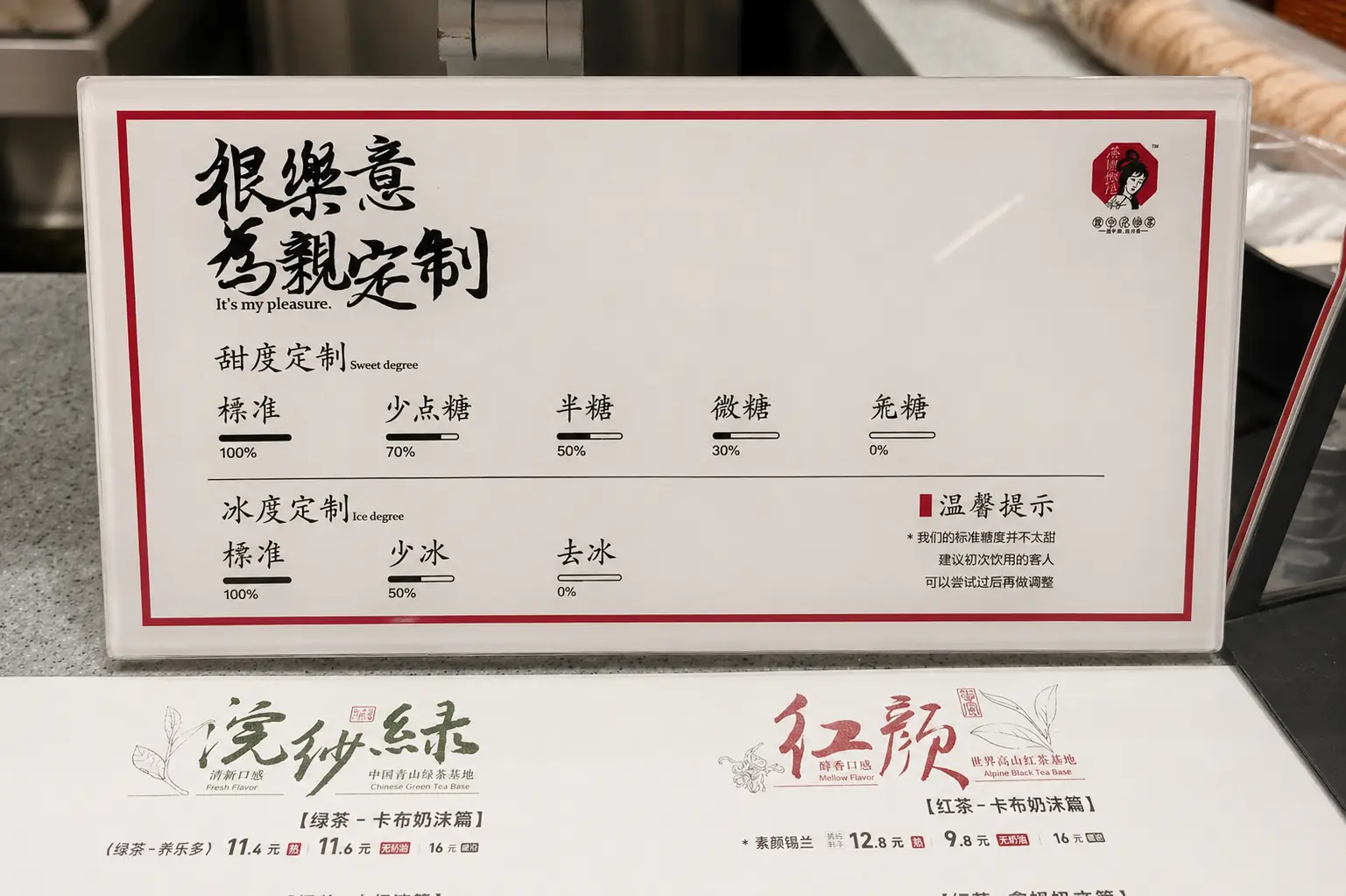
The customization screen is where first-timers should control sugar, ice, and toppings.
When ordering in mainland China, the most useful skill is recognizing categories. Most chains organize menus by tea base, milk base, fruit, cheese foam, toppings, and seasonal releases.
Many stores have photo menus or phone-ordering screens, and the customization page often matters more than the brand poster. Learn the menu families first, then decide how sweet, icy, or topping-heavy you want the drink to be.
| Menu Word | Traveler Meaning | How to Read It |
|---|---|---|
| 奶茶 | Milk tea | A broad category. It may use fresh milk, milk powder, creamer, or different tea bases. |
| 珍珠奶茶 | Pearl milk tea | The closest mainland menu anchor to classic bubble tea. |
| 波霸 | Boba or large pearls | Often refers to bigger tapioca pearls; not every store uses the word the same way. |
| 鲜果茶 / 水果茶 | Fresh fruit tea | Lighter and more refreshing, often with lemon, grape, peach, mango, or passion fruit. |
| 芝士茶 / 奶盖茶 | Cheese-foam tea | Tea with a salty-sweet dairy foam layer on top. |
| 轻乳茶 | Lighter milk tea | Usually lighter than heavy milk tea, but sugar and toppings still matter. |
| 原叶鲜奶茶 | Fresh milk tea with real tea leaves | A newer tea-focused category that emphasizes tea base and fresh milk. |
If the menu feels overwhelming, start with a large chain that has pictures, English labels, or app ordering. Add one topping, not five. Pearl or taro balls are enough for the first round.
Modern Tea Chains Changed the Drink

Premium new-style tea chains helped make cheese foam, fruit tea, and strong visual branding mainstream.
Mainland China's modern tea-drink scene is not just Taiwan-style pearl milk tea copied at scale. It is a mix of freshly brewed tea bases, fresh milk, fresh fruit, cheese foam, lower-sugar controls, seasonal products, strong visual branding, phone ordering, and mall expansion.
Heytea (喜茶) is one of the key names. A China Daily brand profile describes Heytea as starting in Jiangmen (江门), Guangdong, in 2012 and later growing from a small local shop into a major modern tea brand.
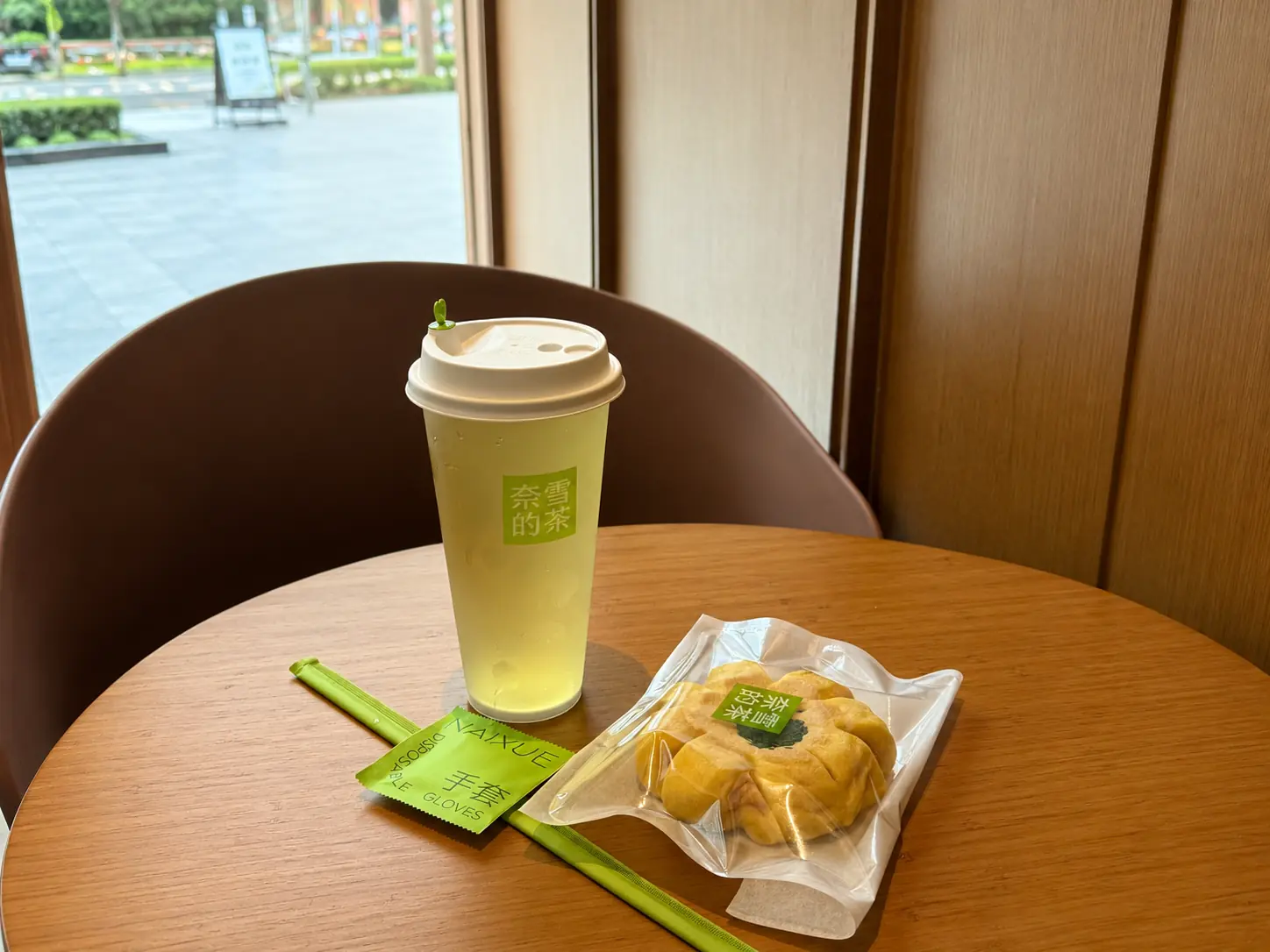
Nayuki (奈雪的茶) shows a different path. Its Hong Kong listing prospectus says the company began operations in Shenzhen (深圳) in 2015 and describes the brand's model as pairing tea drinks with soft European-style baked goods.
The Brands Travelers Will Actually Notice
The brands you see change by city, but the travel logic is stable: premium new-style tea, tea plus bakery, budget ice cream and tea, new Chinese original-leaf milk tea, local cult brands, and seasonal pop-ups.
← swipe to compare all options →
HEYTEA
喜茶 · premium new-style tea
- ✓Good for understanding modern tea-drink aesthetics and fresh-tea positioning.
- —Queues and seasonal menus vary a lot by store and city.
Cheese foam, fruit tea, strong brand design
Nayuki
奈雪的茶 · tea plus bakery
- ✓Good when you want a sit-down break with a snack, not just a takeaway cup.
- —Bakery items change; treat photos as a guide, not a promise.
Tea drinks with soft European-style bread
Mixue
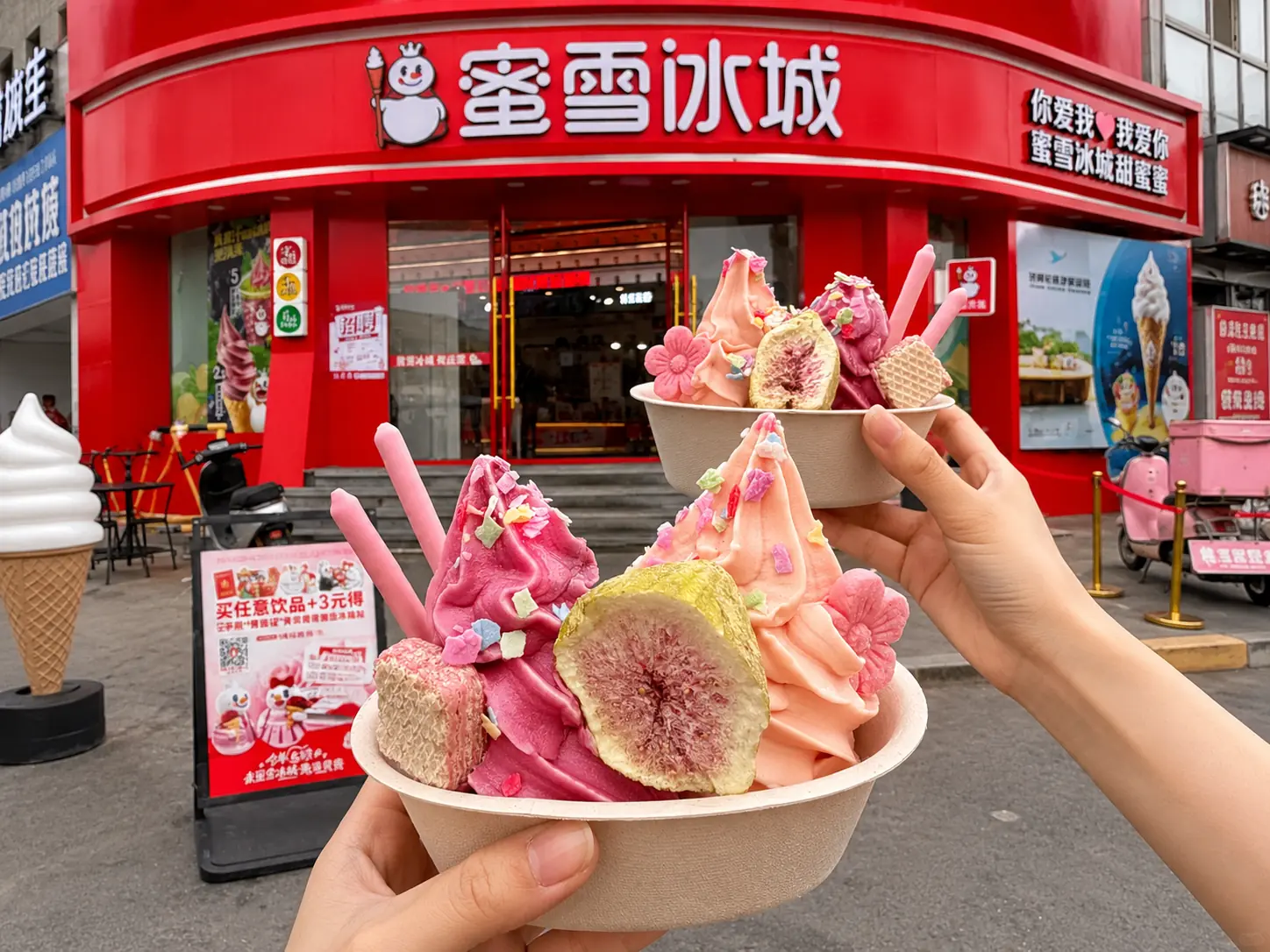
蜜雪冰城 · budget chain
- ✓Good for a low-cost, everywhere-in-China snapshot.
- —It is about value and convenience, not a premium tea experience.
Cheap ice cream, lemonade, milk tea
Chagee
霸王茶姬 · new Chinese style
- ✓Good for tasting the newer original-leaf milk-tea trend.
- —Store presence and signature drinks vary quickly; check the current menu.
Original-leaf fresh milk tea
Mixue (蜜雪冰城) is the budget-friendly one to know. Britannica Money describes Mixue as founded in Zhengzhou (郑州) in 1997 and known for ice cream and tea drinks. Chagee (霸王茶姬) sits at the newer tea-focused end: its official company introduction says the first store opened in Yunnan (云南) on November 17, 2017 and positions the brand around whole tea leaves and modern tea culture.
Some cities also have brands that feel like local travel experiences. Modern China Tea Shop (茶颜悦色), also known in English as Chayan, is strongly associated with Changsha (长沙): its brand history page traces the first shop to Changsha in 2013. Treat those local brands as city food culture, not just beverage errands.
What to Order on Your First Try
For a first Chinese tea-chain order, avoid the biggest cup, full sugar, extra cream, and a pile of toppings. Start with a clear base and control the sweetness.
Decision shortcut
First-cup shortcut
Classic texture
Medium pearl milk tea, 30 percent or half sugar, less ice, one topping.
Refreshing break
Fruit tea or lemon tea with lower sugar, especially after spicy food.
Tea-forward cup
Original-leaf fresh milk tea with fewer add-ins so the tea base stays readable.
Dessert mood
Brown-sugar pearls or taro milk tea, but treat it like a snack before dinner.
| What You Want | Safer First Order | What to Avoid First |
|---|---|---|
| Classic bubble tea | Pearl milk tea, half sugar or 30 percent sugar | Full sugar, large size, and multiple toppings. |
| Something refreshing | Lemon tea, grape tea, peach tea, mango fruit tea | Cheese foam, full sugar, and heavy fruit syrup together. |
| Something tea-forward | Original-leaf fresh milk tea, oolong fresh milk tea, jasmine fresh milk tea | Judging it like traditional loose-leaf tea. |
| Something dessert-like | Brown-sugar pearl milk tea, taro milk tea | Drinking a heavy cup right before a large meal. |
| Kids or caffeine-sensitive travelers | Ice cream, fruit drinks, or non-tea-base options if available | Assuming every milk tea is caffeine-free. |
If you want one simple formula, use this: medium size, 30 percent sugar, less ice, add pearls. You get the classic texture without overwhelming the rest of your food day.
Sugar and Ice Decide the Drink
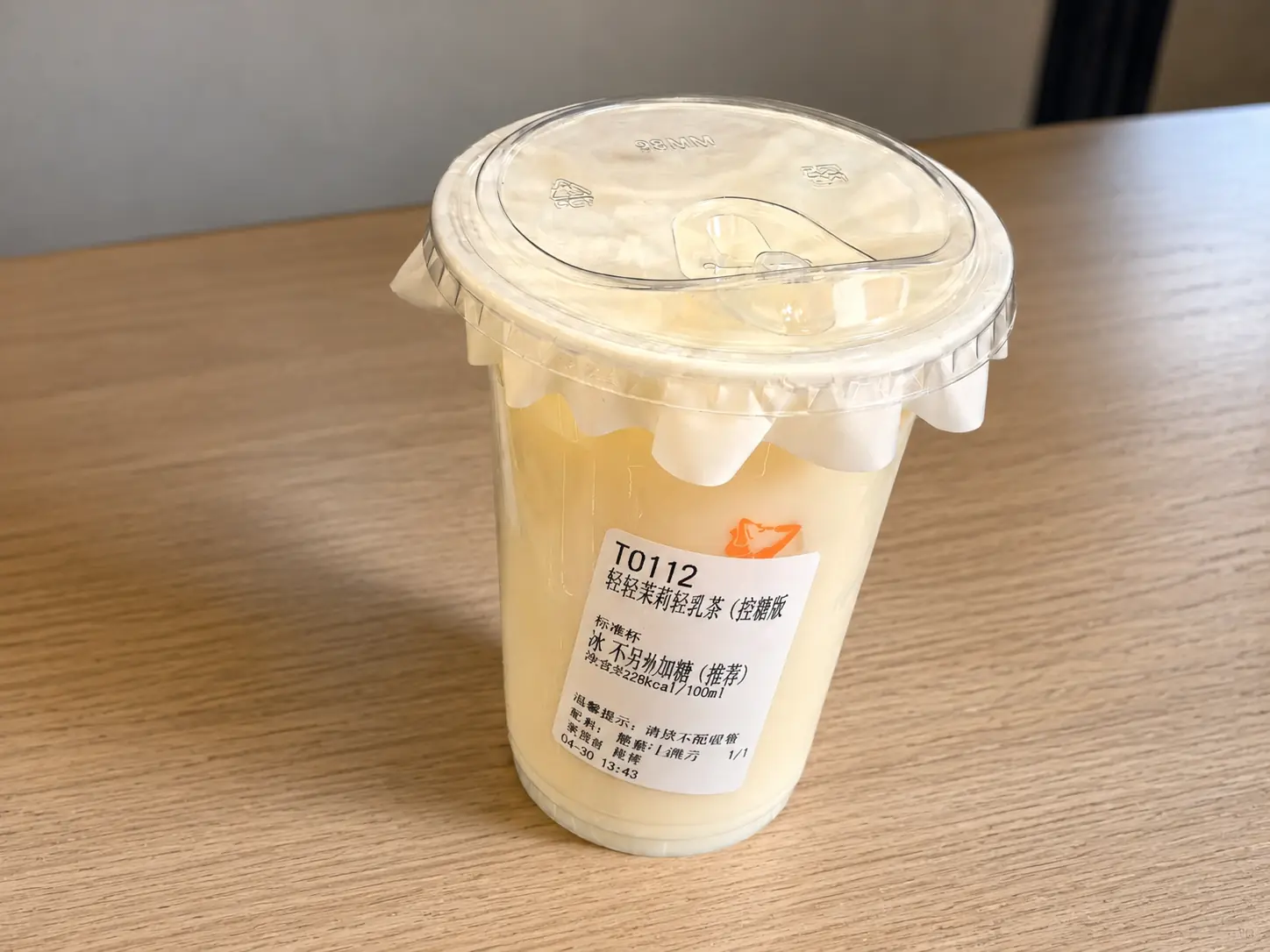
Sugar and ice controls often matter more than the brand name on the cup.
The key customization in Chinese tea chains is not only the brand. It is sweetness and ice. Many chains offer no sugar, 30 percent sugar, half sugar, 70 percent sugar, full sugar, regular ice, less ice, no ice, or hot.
Defaults vary by brand, so "normal" is not always your friend. If you are unsure, lower sugar and less ice are the easiest first adjustments.
- Start with half sugar or less: If you usually find Asian desserts sweet, choose 30 percent or 50 percent sugar first.
- Ask for less ice: 少冰 keeps the drink cold without turning it watery too quickly.
- Limit toppings: One topping is enough for a first order.
- Check caffeine: Tea-based drinks still contain caffeine even when they look like dessert.
- Watch dairy: Milk tea, cheese foam, cream, yogurt drinks and bakery pairings may all involve dairy.
- Do not assume vegan: Fruit tea may still share equipment or include honey, dairy foam, or gelatin-like toppings depending on the store.
Toppings Can Turn Drinks Into Dessert
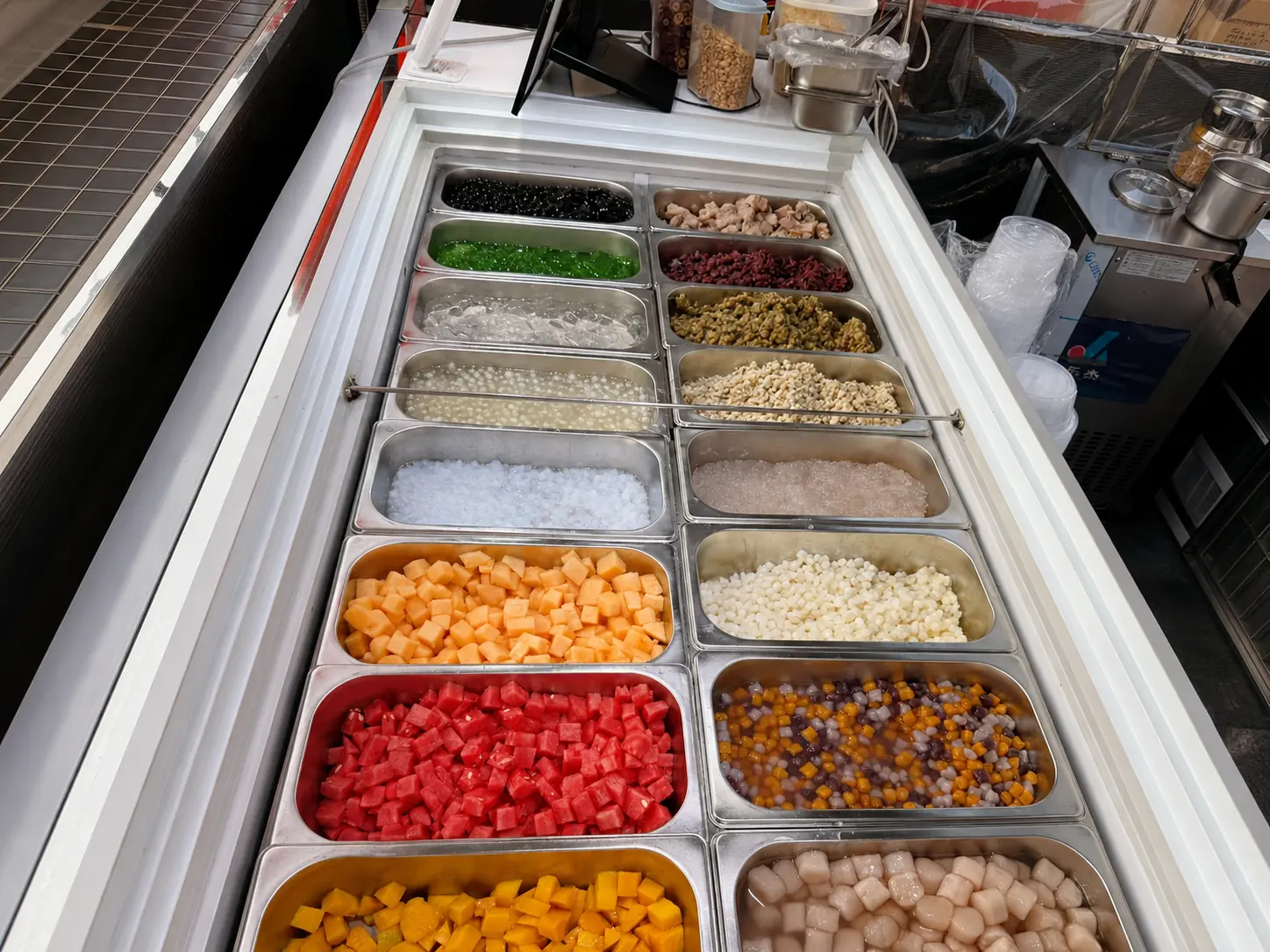
Toppings change texture, sweetness, and fullness, so one add-in is usually enough for a first order.
Modern tea toppings can turn one drink into a full dessert. The safest first order is simple: pick one texture and let the tea still taste like tea.
Do not add everything that sounds fun on your first order. After hotpot, barbecue, or a heavy dinner, fruit tea or a low-sugar light milk tea is often more comfortable than a thick milk tea.
Pearls and boba
珍珠 / 波霸
Pearls give the classic chewy texture. Larger boba can feel heavier, especially in brown-sugar drinks.
Taro balls
芋圆
Taro balls are chewier and more dessert-like, closer to a glutinous sweet than a light topping.
Coconut and grass jelly
椰果 / 仙草
Coconut jelly is crisp, while grass jelly is softer and cooling. Both are lighter than pudding.
Pudding and milk jelly
布丁 / 奶冻
These make the cup creamier and sweeter, so pair them with lower sugar if you want balance.
Red beans and oats
红豆 / 燕麦
These feel filling fast. Treat them like food, not decoration.
Cheese foam and milk caps
奶盖
Sip the foam from the top first before stirring it into the whole drink.
If you are just taking a shopping-mall break, a pearl milk tea or taro drink can work as a small dessert. If a full meal is coming soon, keep toppings light.
Where Tea Chains Fit Into Travel Days
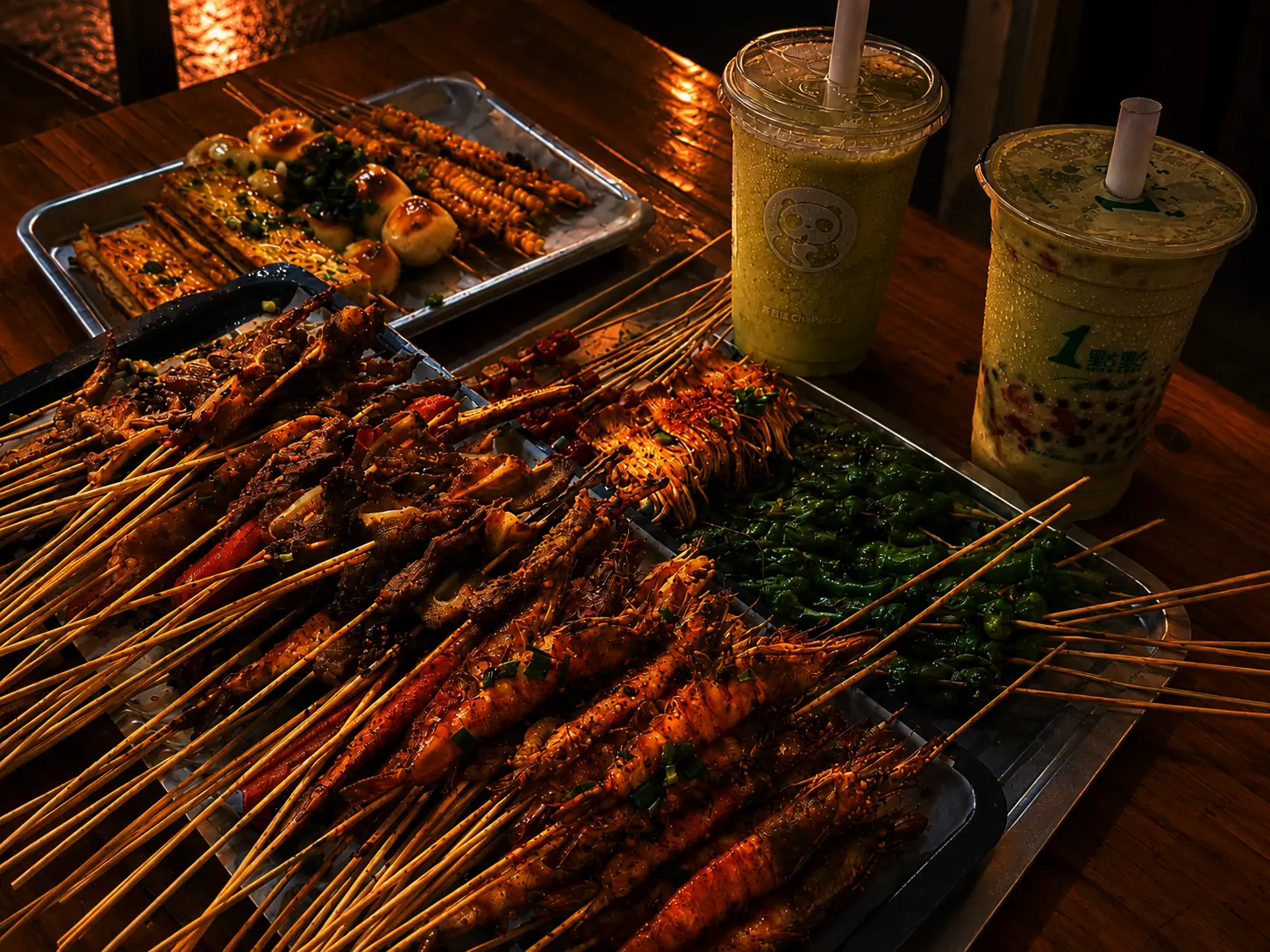
Tea drinks fit naturally into pedestrian streets, spicy meals, and late-night snack routes.
Tea drinks fit three travel moments especially well: mall rest stops, pedestrian-street walks, and the pause after spicy food. They do not replace traditional teahouses, and they are not worth a long detour during a tight transport transfer.
The best strategy is not to chase three chains a day. Put one drink where you actually need a rest. The most useful cup is often not the most viral one; it is the one that appears when you are tired, overheated, or recovering from a spicy meal.
Mall reset
In Shenzhen (深圳) and Shanghai (上海), modern tea chains fit the mall, metro, office-tower, and shopping-street rhythm.
Local food identity
In Changsha (长沙), Modern China Tea Shop (茶颜悦色) and other local tea drinks can feel like part of the city food culture.
Spicy-food pause
In Chengdu, Chongqing, Guangzhou, Hangzhou, and many other cities, fruit tea or light milk tea naturally follows snack streets and late-night food routes.
Diet, Dairy, Caffeine, and Allergy Notes
Tea drinks look safe, young, and cute, but some travelers need to read carefully. The risk is not only the visible topping; it can be the tea base, milk cap, shared equipment, syrup, or paired bakery item.
- Dairy is common: Milk tea, milk caps, cheese foam, fresh milk, cream, ice cream, yogurt, and bakery pairings may all involve dairy.
- Caffeine still counts: Oolong, green tea, black tea, jasmine tea, and pu'er tea bases can all contain caffeine.
- Allergens can hide: Nuts, peanuts, sesame, mango, citrus, coconut, beans, wheat-based pastries, and shared equipment can create allergy or cross-contact issues.
- Pictures are not ingredients: If you have a serious allergy, use a translation app, choose larger brands with clearer labels, and keep the order simple.
- Low-risk backup: If your tolerance is low, sealed bottled drinks, plain tea, or clearly labeled items may be safer than a custom cup with toppings.
Treat toppings as food, not decoration
Pearls, pudding, taro balls, red beans, oats, milk caps, and bakery pairings can make a drink surprisingly filling. Plan them around meals, especially on food-heavy travel days.
Useful Bubble Tea Phrases for Ordering
Use these at counters and on phone-ordering screens. Pinyin belongs here because this is the part you may actually say aloud; in normal prose, just recognize the Chinese characters.
| English | Chinese | Pinyin | Say It Like… |
|---|---|---|---|
| Pearl milk tea | 珍珠奶茶 | zhen zhu nai cha | jun-joo nye-chah |
| Less ice | 少冰 | shao bing | shaow bing |
| No ice | 去冰 | qu bing | chyoo bing |
| Half sugar | 半糖 | ban tang | bahn tahng |
| 30 percent sugar | 三分糖 | san fen tang | sahn fun tahng |
| No cheese foam / milk cap | 不要奶盖 | bu yao nai gai | boo yow nye-gye |
| Add tapioca pearls | 加珍珠 | jia zhen zhu | jyah jun-joo |
| Does this have caffeine? | 这个有咖啡因吗? | zhe ge you ka fei yin ma | juh-guh yo kah-fay-yin mah |
| I am allergic to milk | 我对牛奶过敏 | wo dui niu nai guo min | woh dway nyoh-nye gwaw-min |
Frequently Asked Questions
In English, people often use boba and bubble tea broadly. In mainland China, menus usually use Chinese terms such as 珍珠奶茶, 奶茶, 鲜果茶, 芝士茶, 奶盖茶 and 原叶鲜奶茶, so boba is not the only word to know.
Beyond This Guide
Use this guide to decode China's modern tea-drink chains. To understand tea itself, continue with the Chinese Tea Guide, Chinese Green Tea, Chinese White Tea, Yellow and Jasmine Tea, and Gongfu Tea Ceremony. For city context, pair tea drinks with Shenzhen Food, Shanghai Food, and Changsha Food.
© gochinafreely.com — Original guide by Go China Freely.