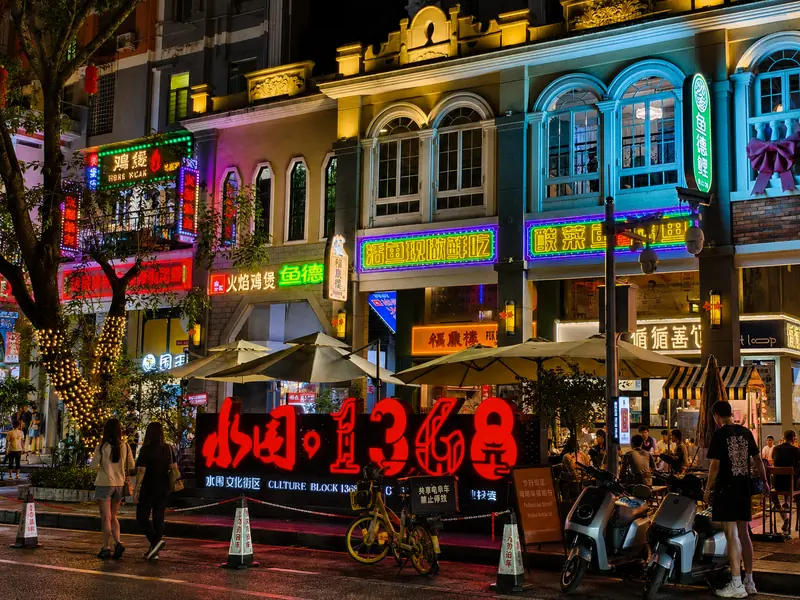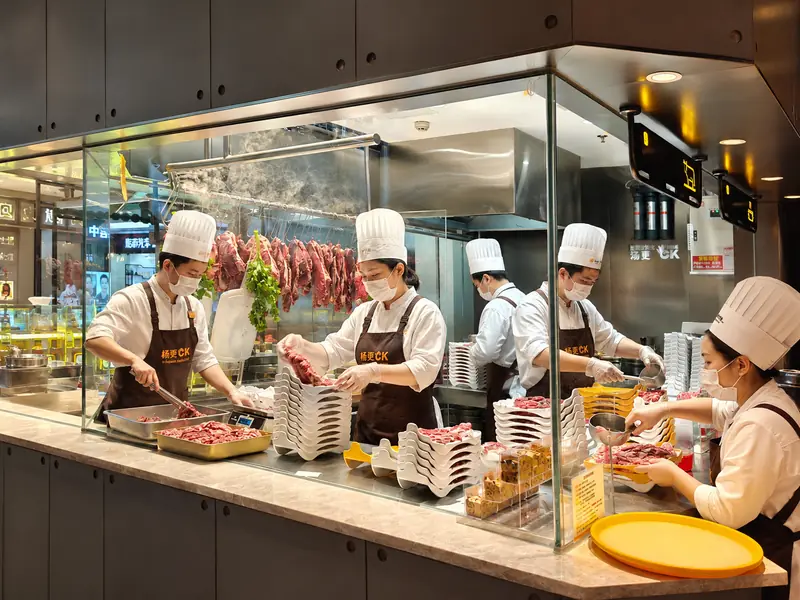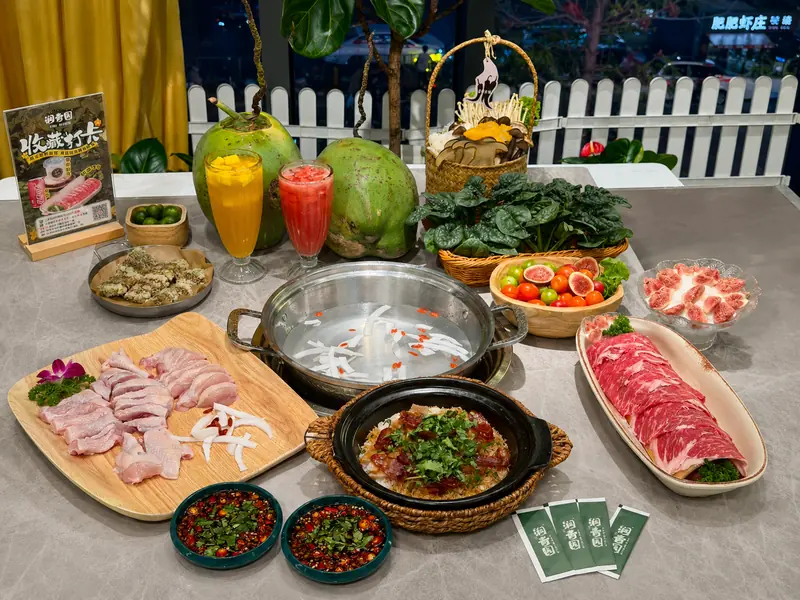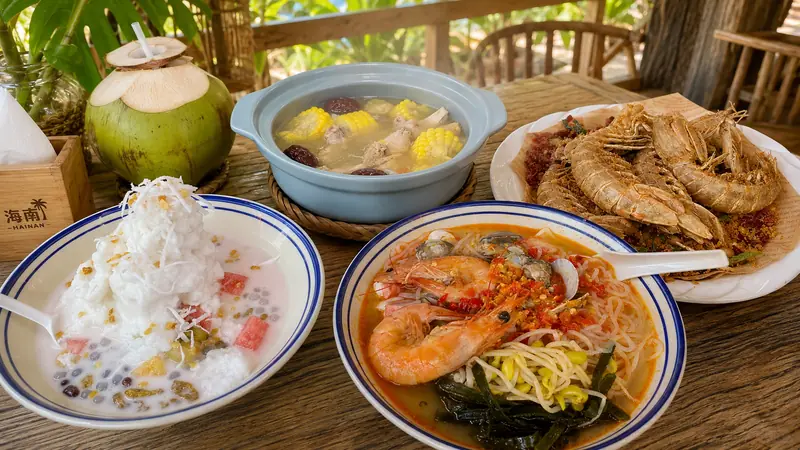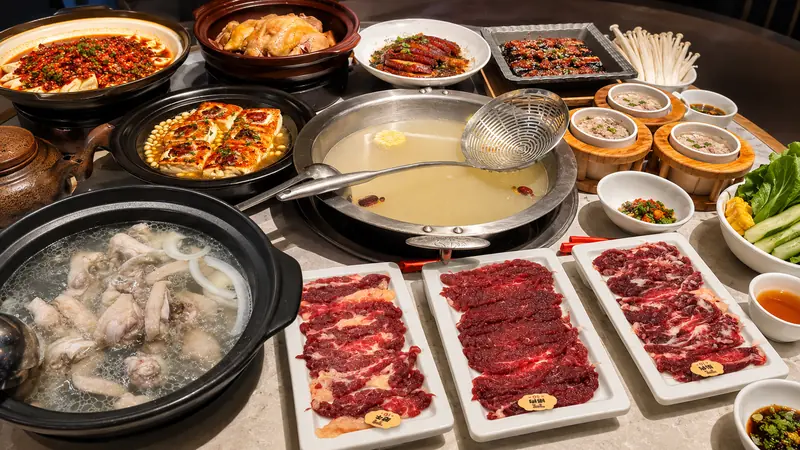
Shenzhen (深圳) is not a city where one ancient dish explains everything. It eats like the city itself: young, fast, migrant-built, shaped by Hakka villages, Chaoshan migrants, Hong Kong next door, Cantonese restaurants, coastal seafood, and modern dining districts where a hotpot chain, a coffee bar, and a global bistro can sit on the same block.
That is good news for foreign travelers. You do not need to chase a single "authentic Shenzhen cuisine." You need to understand which meal belongs where: coconut chicken with friends, Hakka tofu in Longgang, oysters or seafood on the coast, Dongmen snacks when you want street energy, a Hong Kong-style tea cafe when you need a quick meal, and Sea World or Futian when you want an easier English-friendly dinner.
Executive Summary
Best first meal
Choose coconut chicken or Chaoshan beef hotpot. Both are social, easy for first-timers, widely available, and more distinctively Shenzhen than building the day around dim sum.
Most local angle
Look beyond malls: Longgang has Hakka food and old-market snacks, Guangming is known for braised pigeon and dairy, and Shajing has oyster heritage.
Main traveler challenge
Shenzhen is huge. Dongmen, Futian, Shekou, Yantian, Dapeng, Longgang, and Guangming are not one dinner zone. Pick food areas by where you are already staying or sightseeing.
Why Shenzhen Eats Differently From Guangzhou
Guangzhou sells itself as the heart of Cantonese food. Shenzhen is different. It is a border city, a tech city, and a migrant city that grew fast enough for food traditions to arrive from everywhere at once.
Cantonese food is part of Shenzhen, but it should not own the whole story. A normal Shenzhen food day can include coconut chicken, Chaoshan beef hotpot, Hakka stuffed tofu, Dongmen snacks, Shajing oysters, Hunan stir-fries, Sichuan noodles, Japanese izakaya food, Southeast Asian restaurants, and coffee shops built for people who work on laptops.
Shenzhen's official English portal describes the city as a place where Japanese, French, Cantonese, Chaoshan, Hakka, and global food all sit together, and it specifically names coconut chicken, Shajing oysters, Yantian seafood, Guangming pigeon, Cantonese morning tea, and Hong Kong-style tea restaurants as recognizable local eating experiences. EyeShenzhen gives this useful overview of the city's food mix.
For travelers, the key is not to ask "what is the one Shenzhen dish?" Ask instead: "Which side of Shenzhen do I want to taste tonight?"
The Shenzhen food rule
If your itinerary is short, eat by district. Dongmen for snacks, Futian or Nanshan for easy modern dining, Shekou for international food and seafood, Longgang for Hakka, Guangming for pigeon, and Yantian or Dapeng for coastal seafood.
What to Eat First in Shenzhen
Start with foods that explain the city without making dinner hard.
- Chinese
- 椰子鸡
- Why It Matters
- Sweet coconut broth, fresh chicken, low-spice Shenzhen comfort
- Best Context
- Group dinner
- Chinese
- 潮汕牛肉火锅
- Why It Matters
- Thin-sliced beef, clear broth, shacha sauce; very popular in Shenzhen
- Best Context
- Dinner near malls
- Chinese
- 客家酿豆腐
- Why It Matters
- Tofu filled with pork, mushroom, or shrimp; hearty and savory
- Best Context
- Longgang or Hakka restaurant
- Chinese
- 猪肚包鸡
- Why It Matters
- Peppery soup with chicken and pork stomach; Hakka-style comfort
- Best Context
- Cool-weather meal
- Chinese
- 沙井蚝
- Why It Matters
- Historic Bao'an oyster specialty, best cooked or grilled for visitors
- Best Context
- Bao'an or seafood restaurants
- Chinese
- 光明乳鸽
- Why It Matters
- Crisp skin, juicy meat, one of Guangming's signature foods
- Best Context
- Guangming day trip or specialty restaurant
- Chinese
- 盐田 / 蛇口海鲜
- Why It Matters
- Coastal tanks, shrimp, crab, fish, shellfish
- Best Context
- Dinner with price checks
- Chinese
- 港式茶餐厅
- Why It Matters
- Milk tea, pineapple buns, roast meats, noodles, fast meals
- Best Context
- Breakfast, lunch, or mall break
- Chinese
- 广式点心
- Why It Matters
- A useful morning anchor, but not the main reason Shenzhen differs from Guangzhou
- Best Context
- Morning or early lunch
Coconut Chicken (椰子鸡)
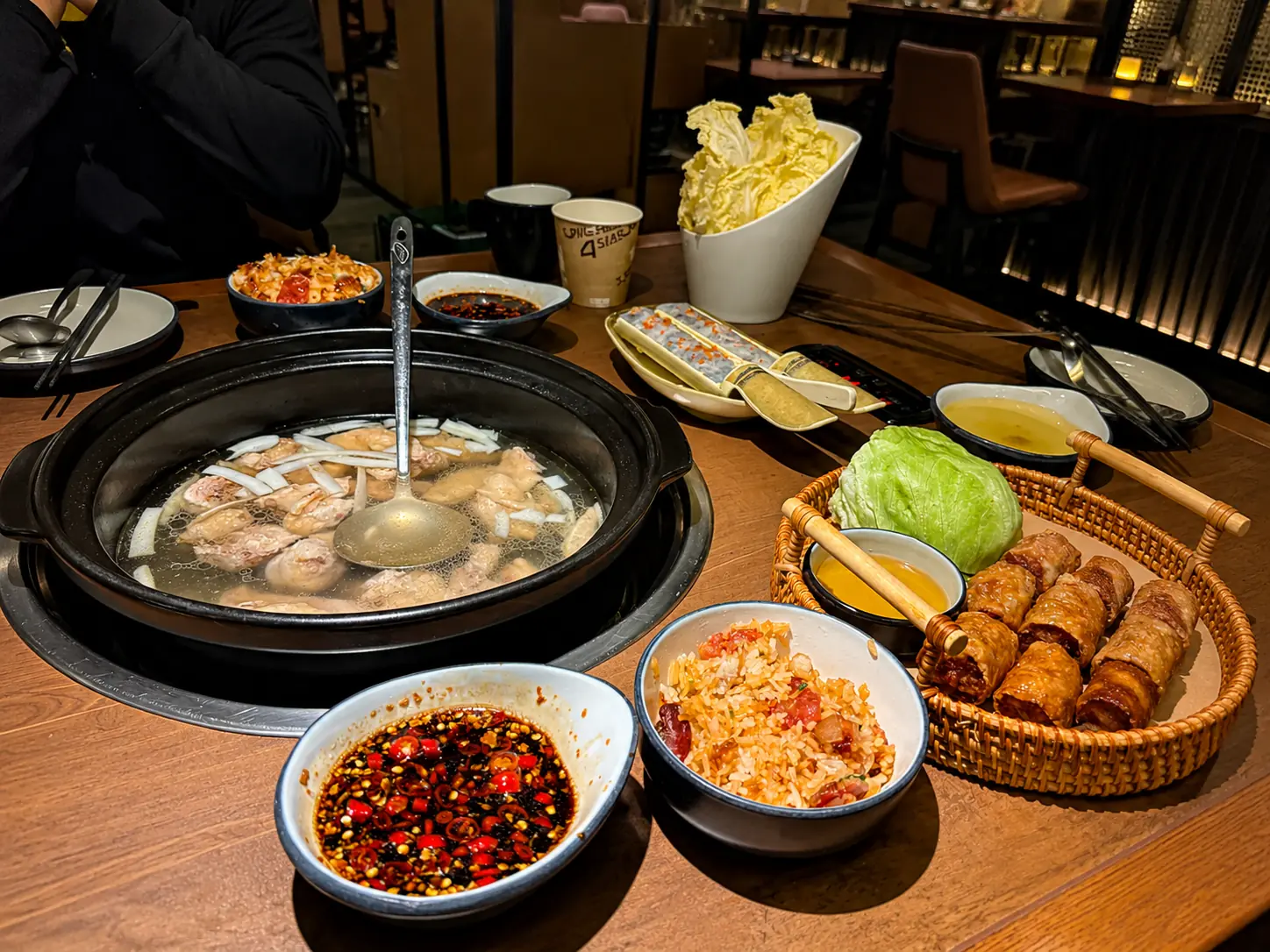
One of Shenzhen's most tourist-friendly dinners: chicken cooked in fresh coconut water, with a sweet, clean broth and adjustable soy-lime-chili dipping sauce. EyeShenzhen describes coconut chicken as originating in Shenzhen and reports more than 1,000 coconut chicken restaurants in the city.
Chaoshan Beef Hotpot (潮汕牛肉火锅)
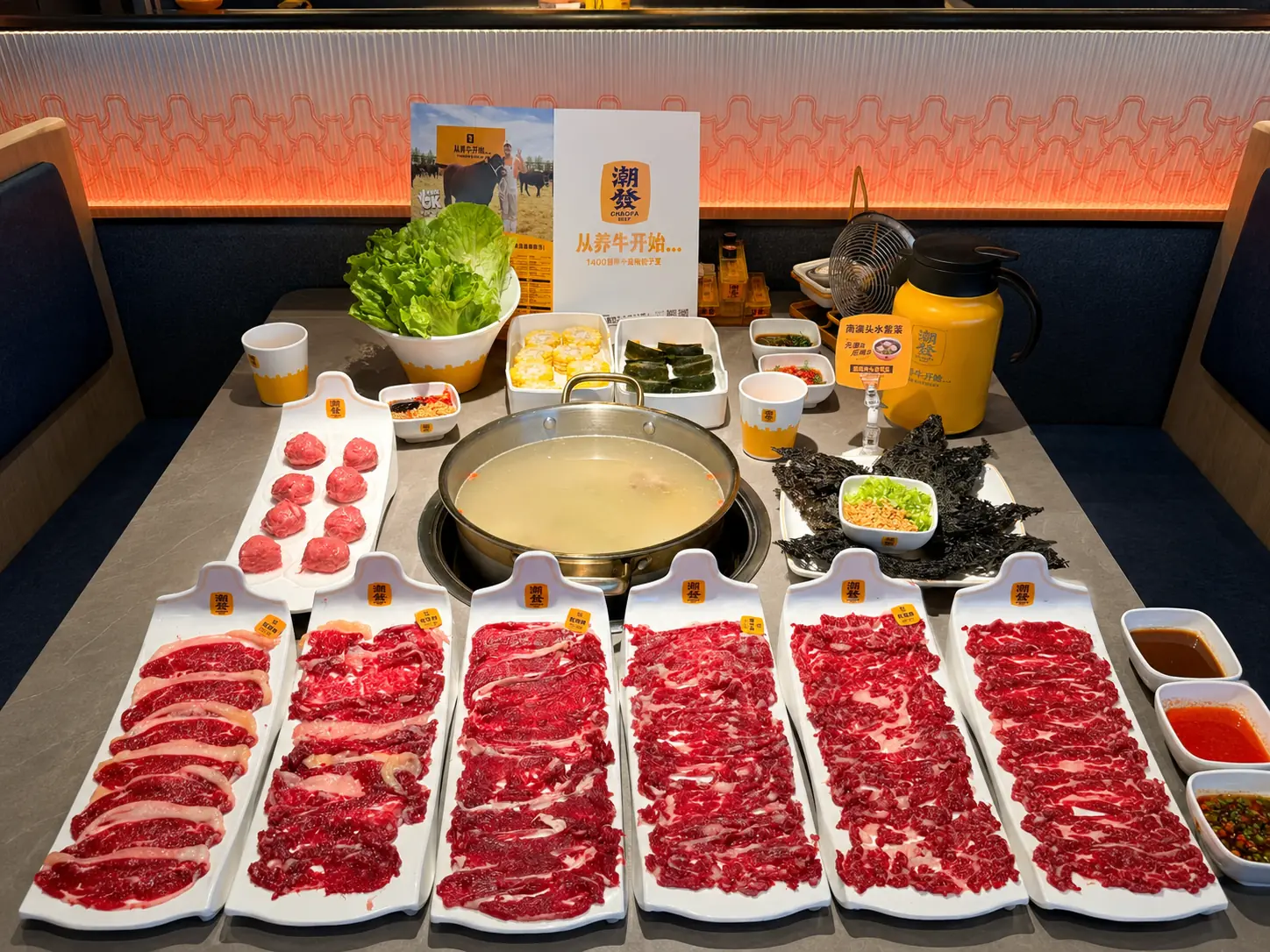
A clear-broth, low-chili group dinner tied to eastern Guangdong migrant food culture. Order a mixed beef platter, beef balls, leafy vegetables, tofu skin, and noodles, then dip briefly and use shacha sauce.
Hakka Stuffed Tofu (客家酿豆腐)
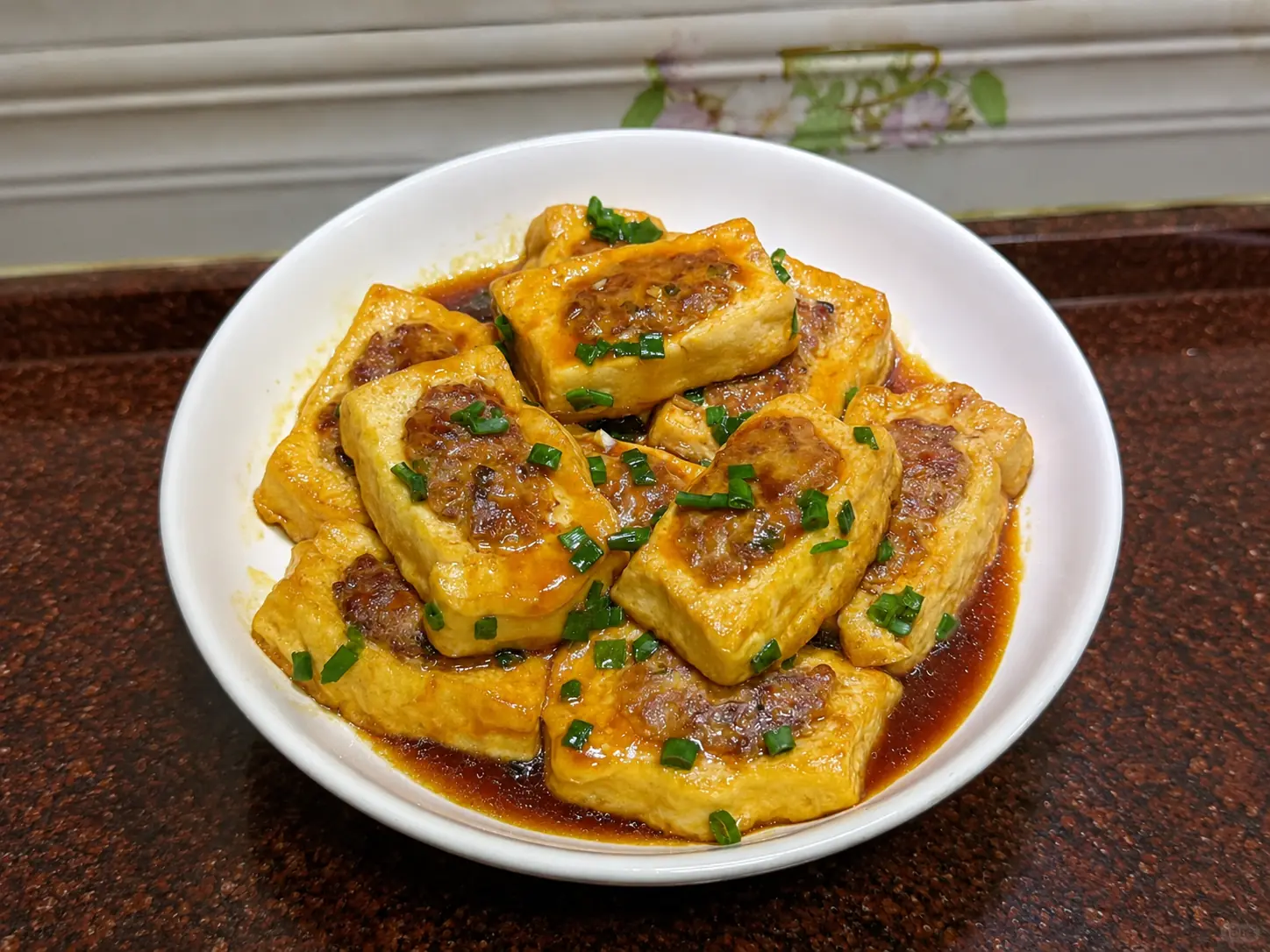
The safest first Hakka dish: tofu cubes filled with minced meat, mushrooms, or shrimp, then braised until sauce settles into the tofu. EyeShenzhen describes Hakka food in Shenzhen as pork-, tofu-, soy sauce-, and rice-heavy without being especially spicy.
Pork Stomach Chicken (猪肚包鸡)
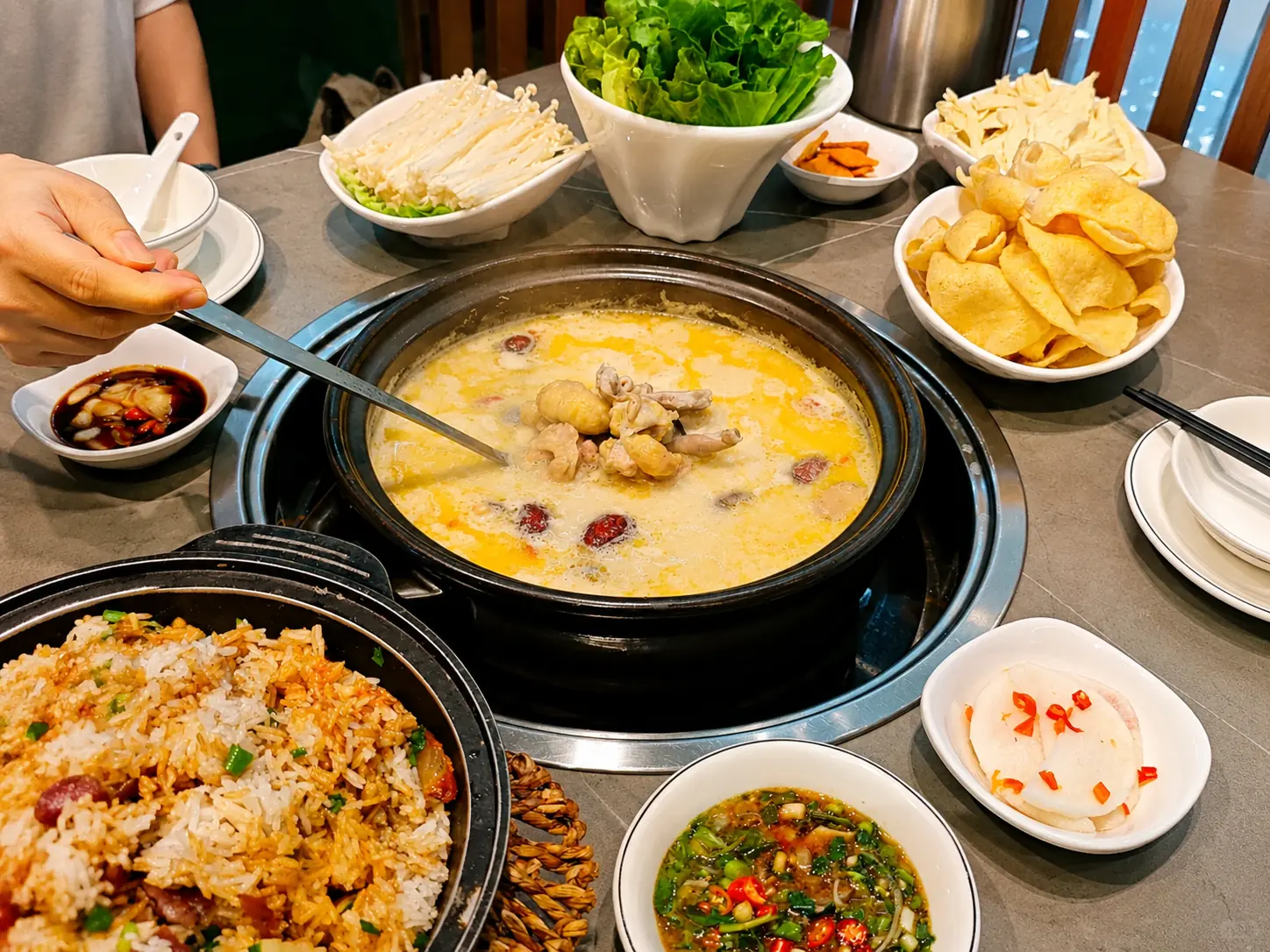
More comforting than shocking: peppery soup, chicken, pork stomach, vegetables, and a hotpot-like second round. Order it with greens, tofu, and rice if your group is hesitant.
Shajing Oysters (沙井蚝)
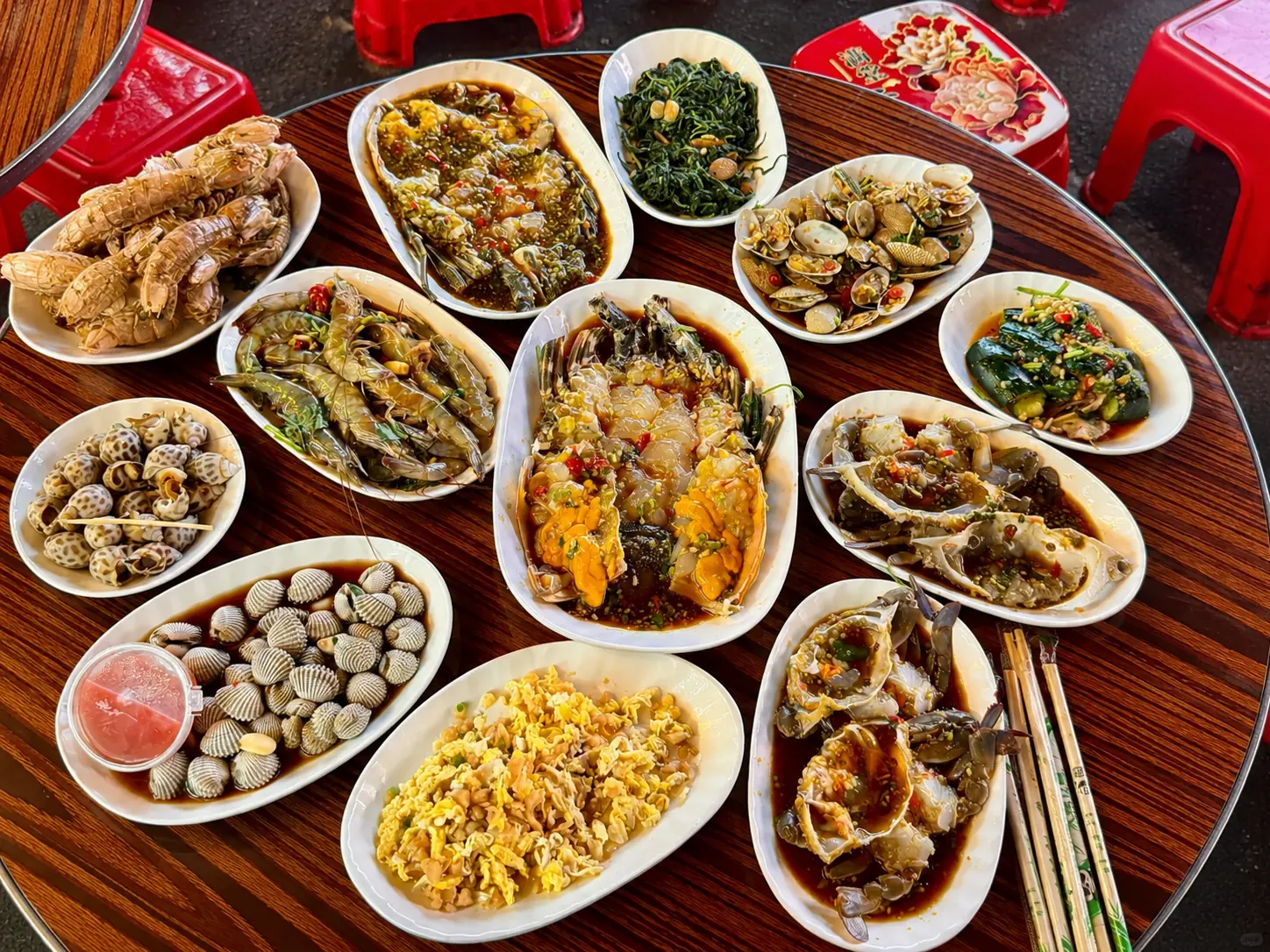
One of Shenzhen's strongest local food stories. EyeShenzhen reports oyster farming in Shajing dates back to the Song Dynasty and calls Shajing a millennium oyster township. For travelers, cooked oysters are easier than raw oysters.
Guangming Braised Pigeon (光明乳鸽)
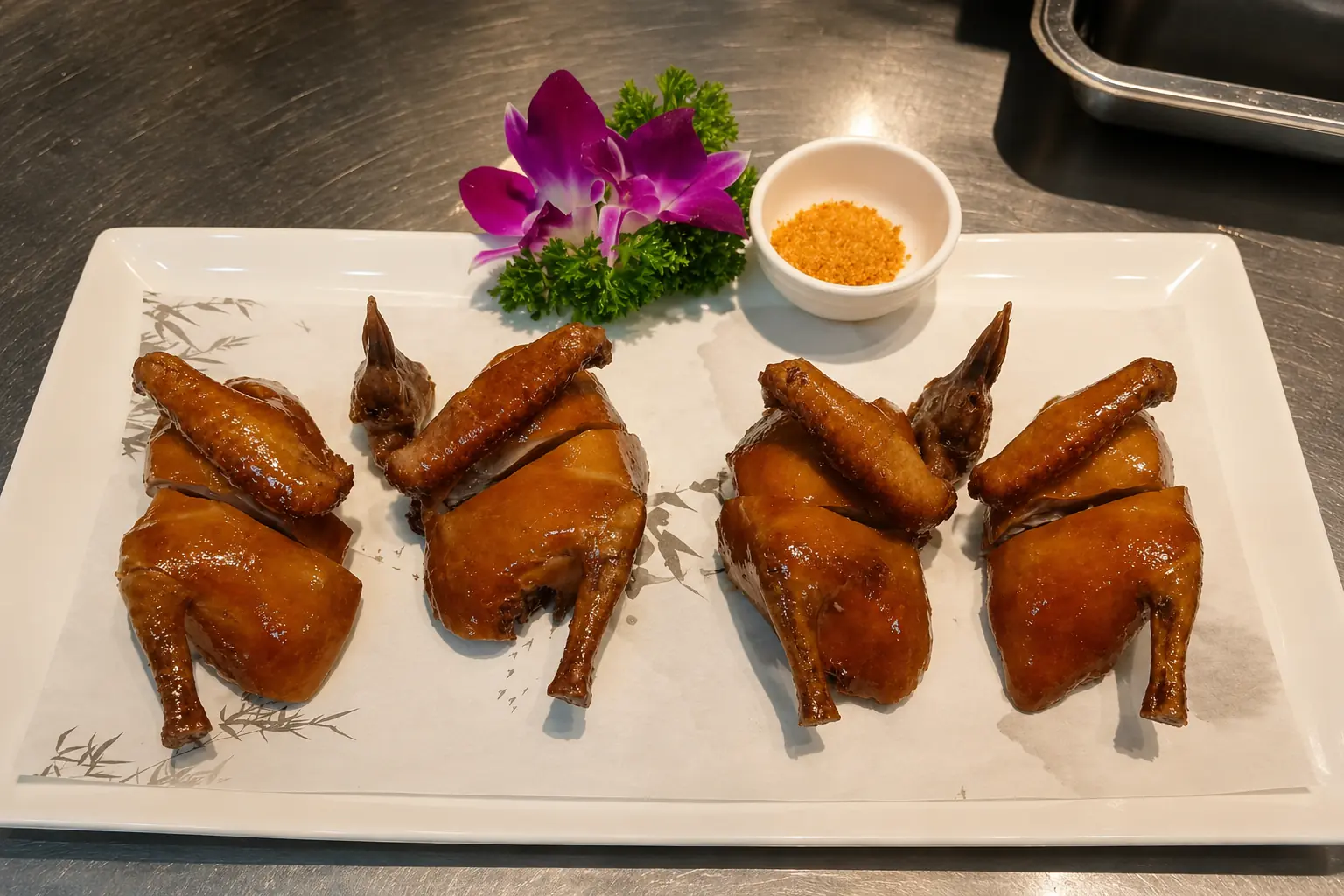
A local classic worth knowing even if you do not travel to Guangming. Guangming Government Online groups braised pigeon, colostrum, and sweet corn as the Guangming Three Treasures.
Tea Cafes and Modern Meals
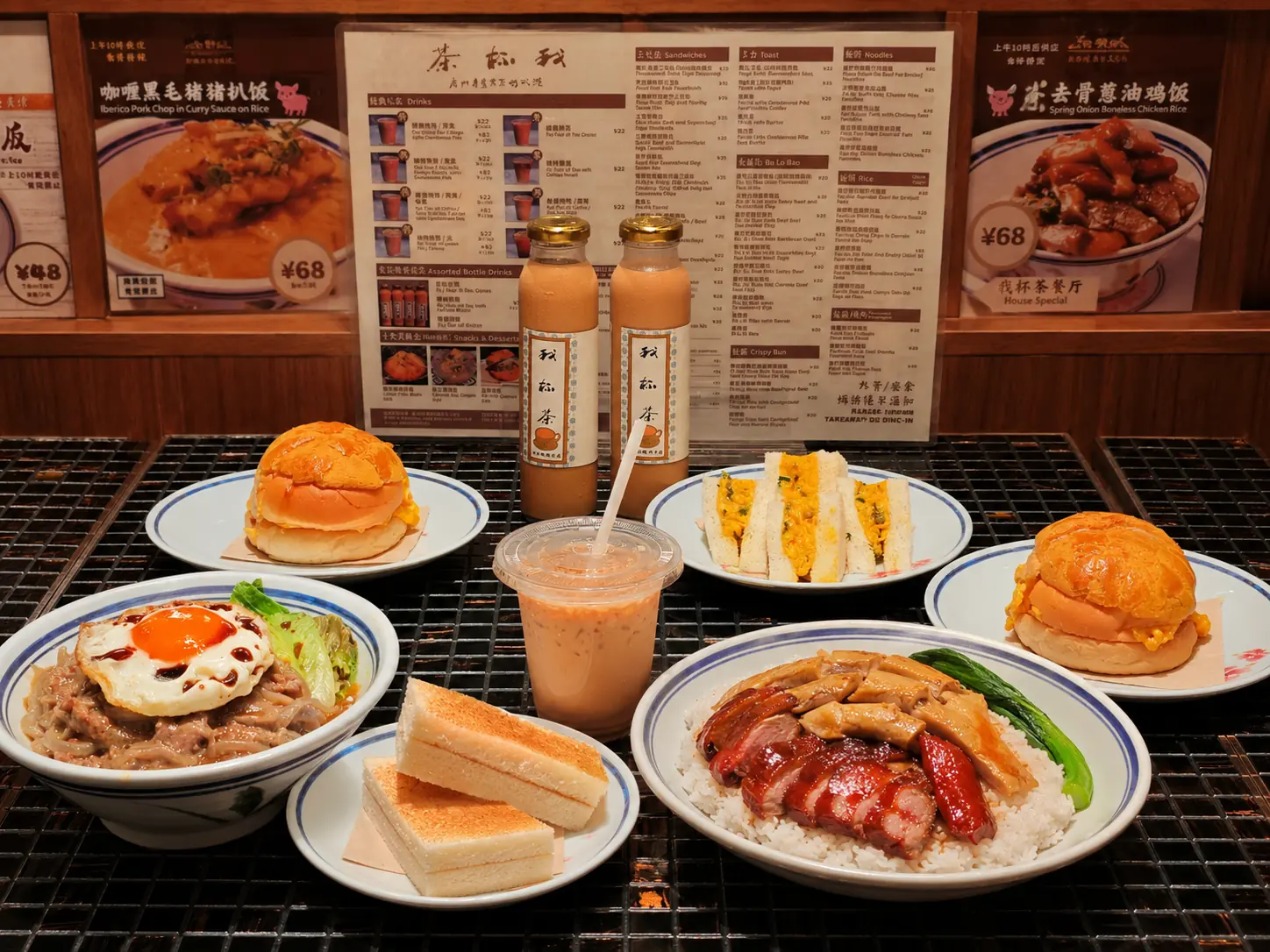
Hong Kong-style tea cafes are fast, practical, and border-city flavored: milk tea, pineapple buns, roast meats, noodles, macaroni soup, and egg tarts. Modern Shenzhen also means Thai, Japanese, Italian, Hunan, Xinjiang, vegan, coffee-led, and wine-bar meals.
Where Morning Tea Fits
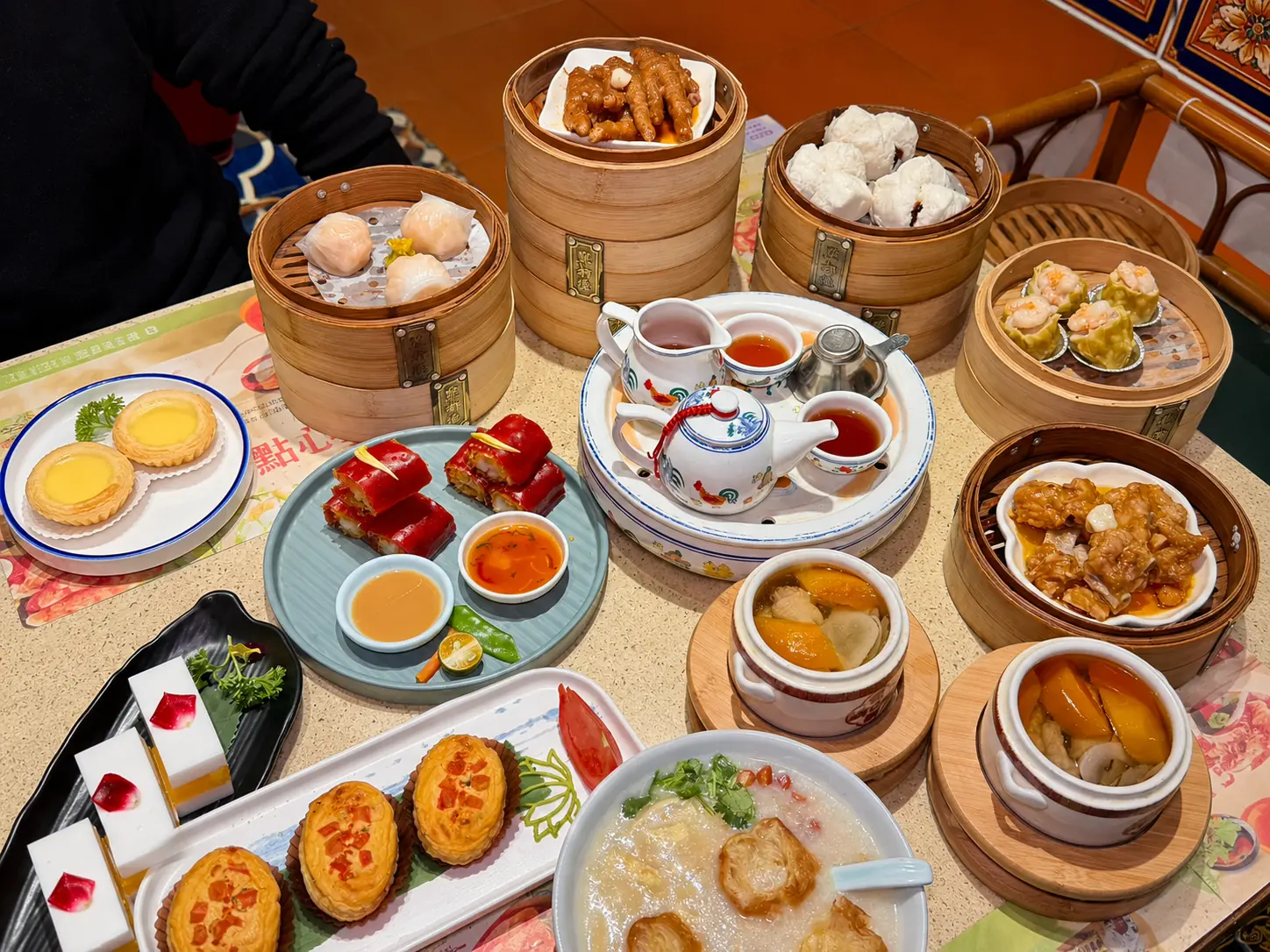
Morning tea is useful if you are crossing from Hong Kong, traveling with family, or want a gentle meal before a long metro day. In Shenzhen it is one practical breakfast option, not the whole food identity.
Where to Eat by Travel Style
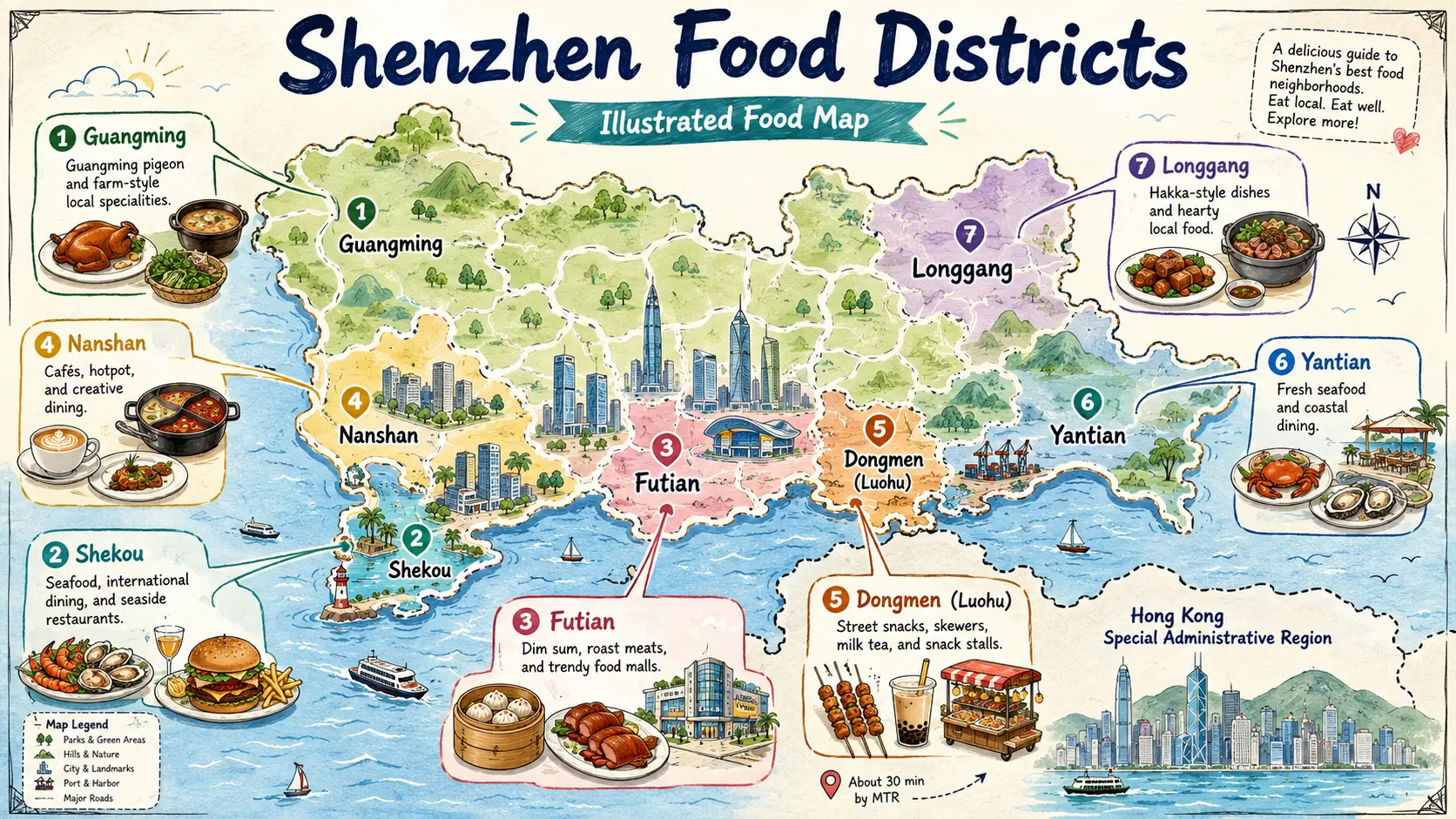
Shenzhen is spread out. A food area that looks tempting online may be 45 to 90 minutes away from your hotel. Use this section as a planning map, not a ranking.
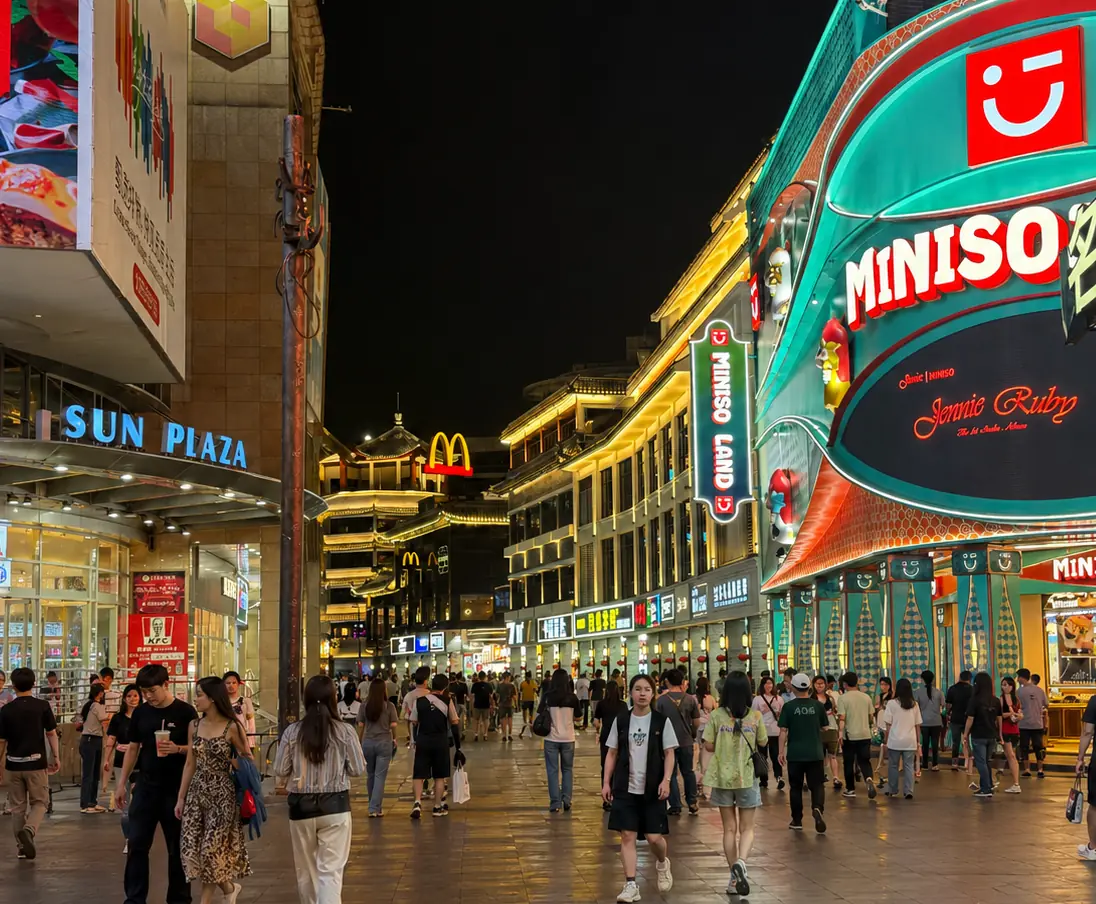
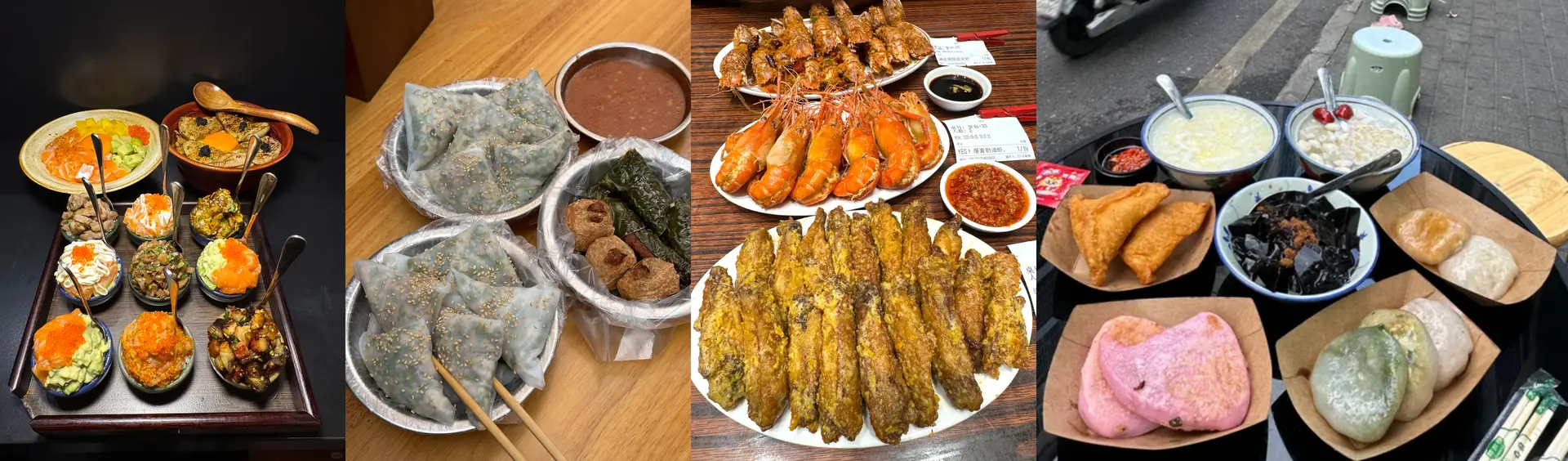
The easiest street-food answer for first-time visitors: central, metro-connected, cheap, crowded, and chaotic in a useful way. EyeShenzhen describes Dongmen as one of Shenzhen's earliest business circles, still packed with inexpensive snack shops.
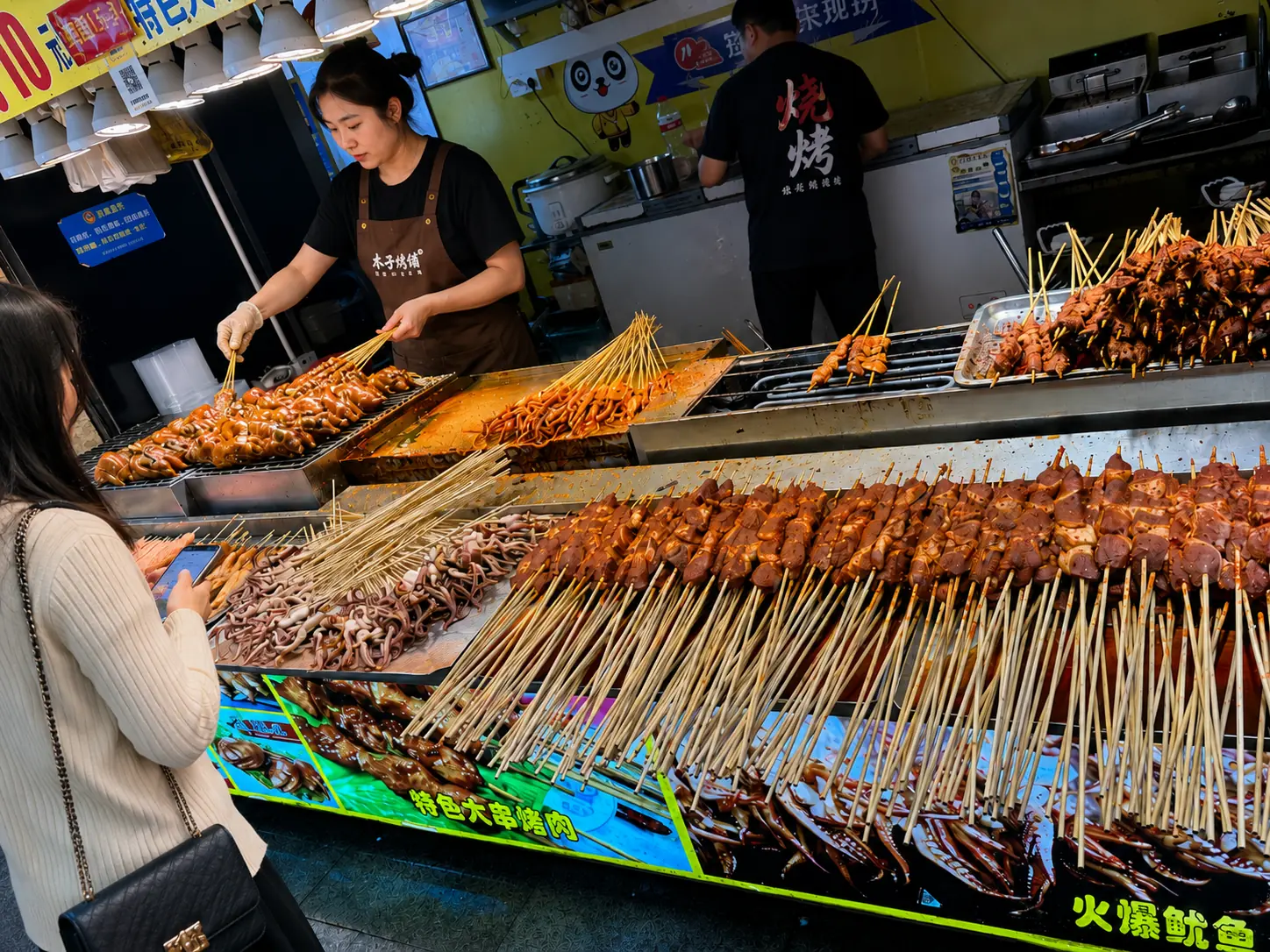
The more concentrated snack version near Laojie Station. EyeShenzhen describes it as an indoor Chinese street-food market with dim sum steamers, Sichuan noodles, grilled oysters, stinky tofu, seating, and multiple floors.
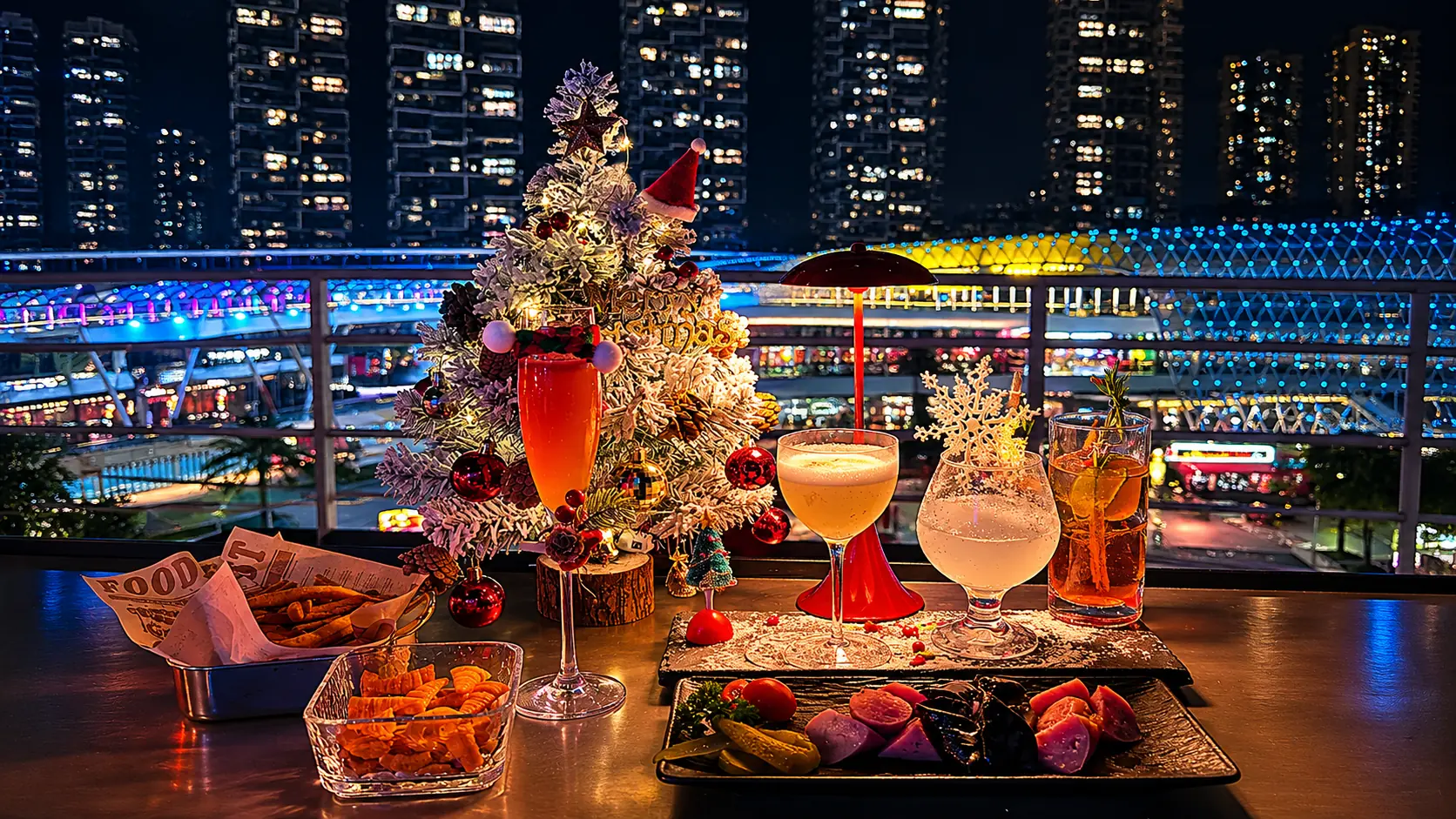
The easiest area for choice, English comfort, nightlife, and an after-dinner walk. EyeShenzhen describes Sea World as a place where foreign and Chinese culinary cultures converge around the Minghua ship.
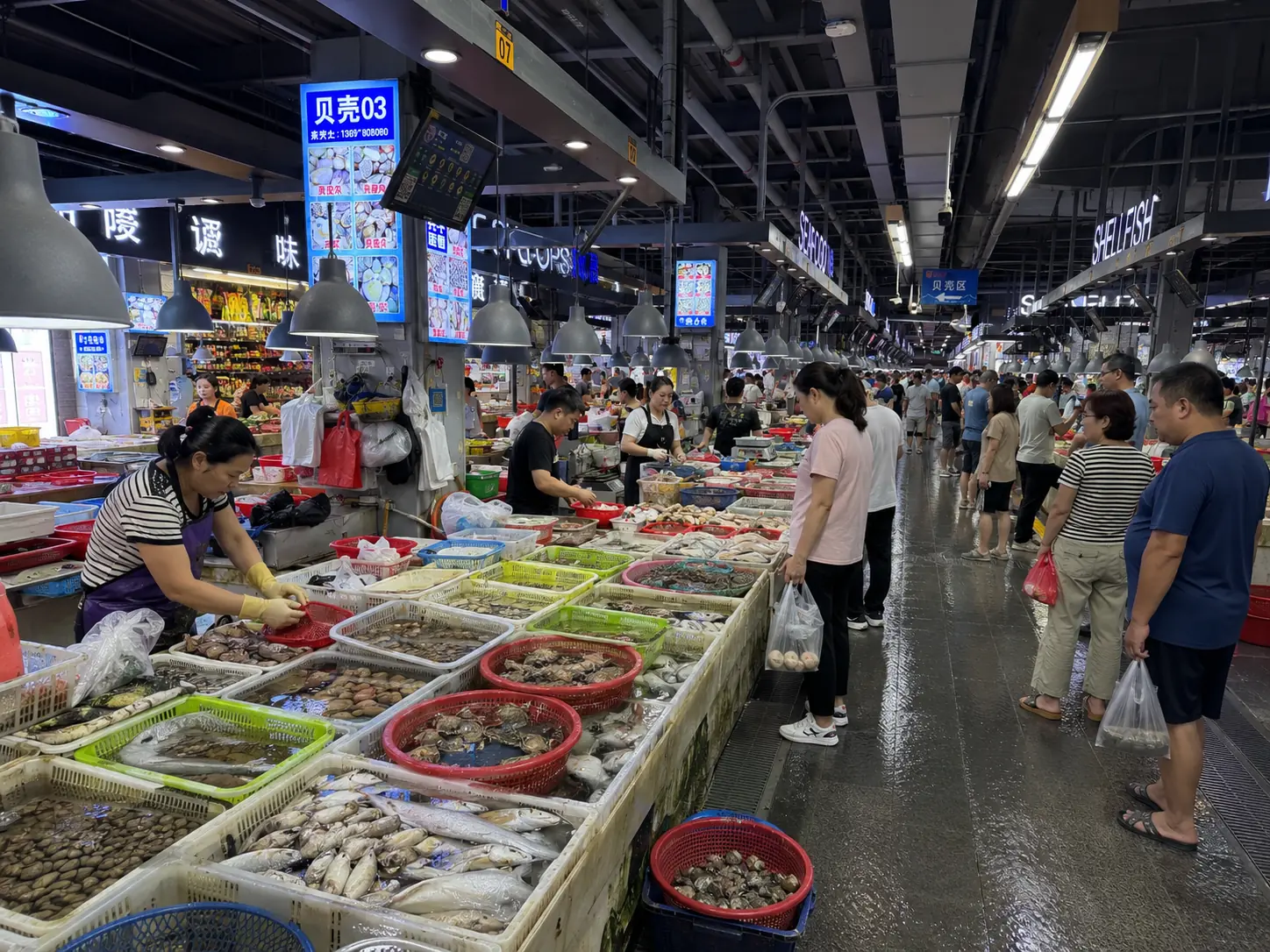
Nearby and more seafood-focused than Sea World. Use Shekou if you are staying in Nanshan, coming from the ferry area, or ending the day around the Minghua ship.
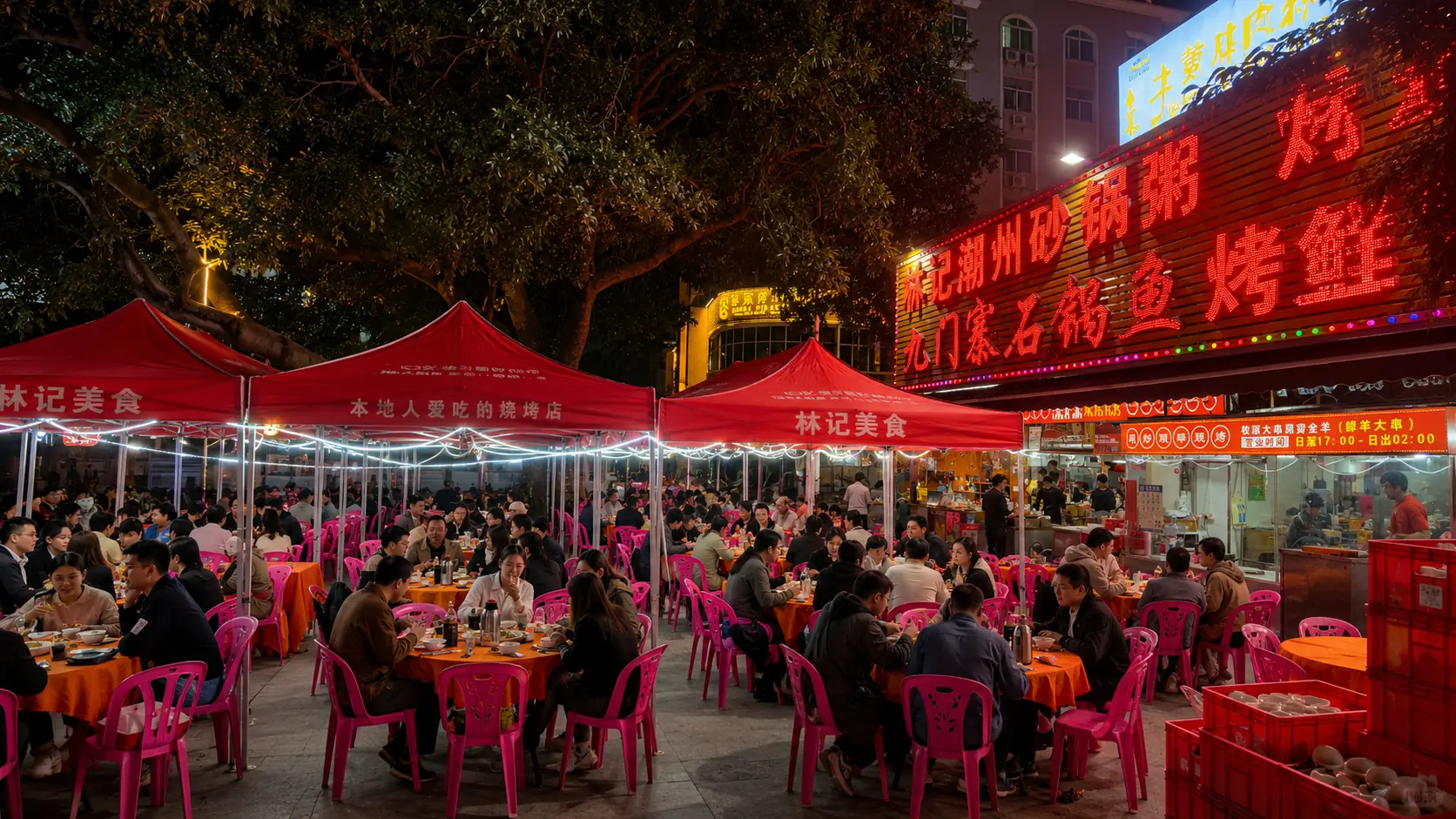
An older Luohu option for adventurous seafood eaters. EyeShenzhen describes it as the oldest central food street, with stall-style seafood restaurants popular for casual gatherings and some stalls open around the clock.
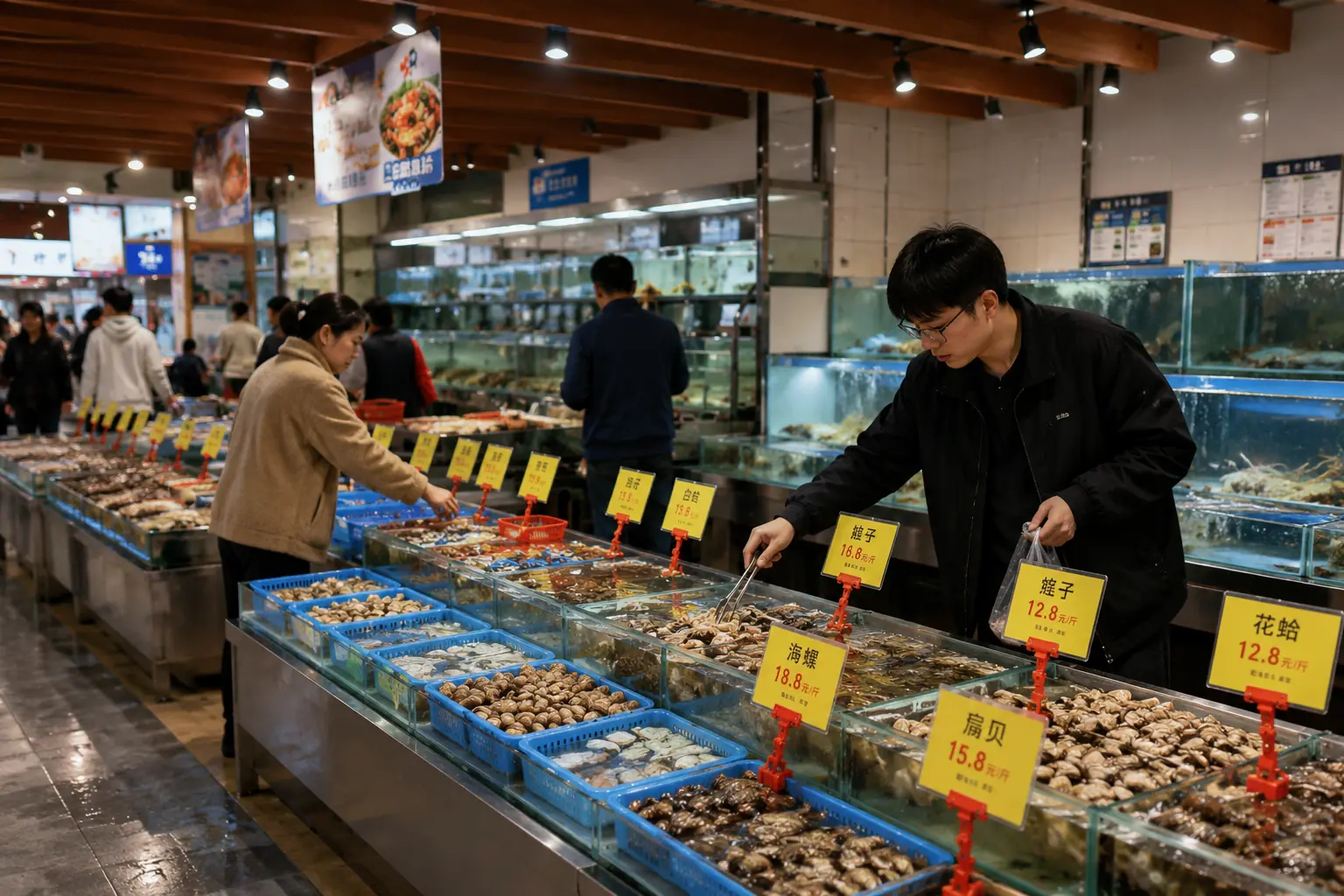
The coastal seafood choice, best when your day already points east toward Dameisha, Xiaomeisha, Wutong Mountain, or the sea. EyeShenzhen notes seafood tanks, coastal restaurants, and terrace seats with sea views.
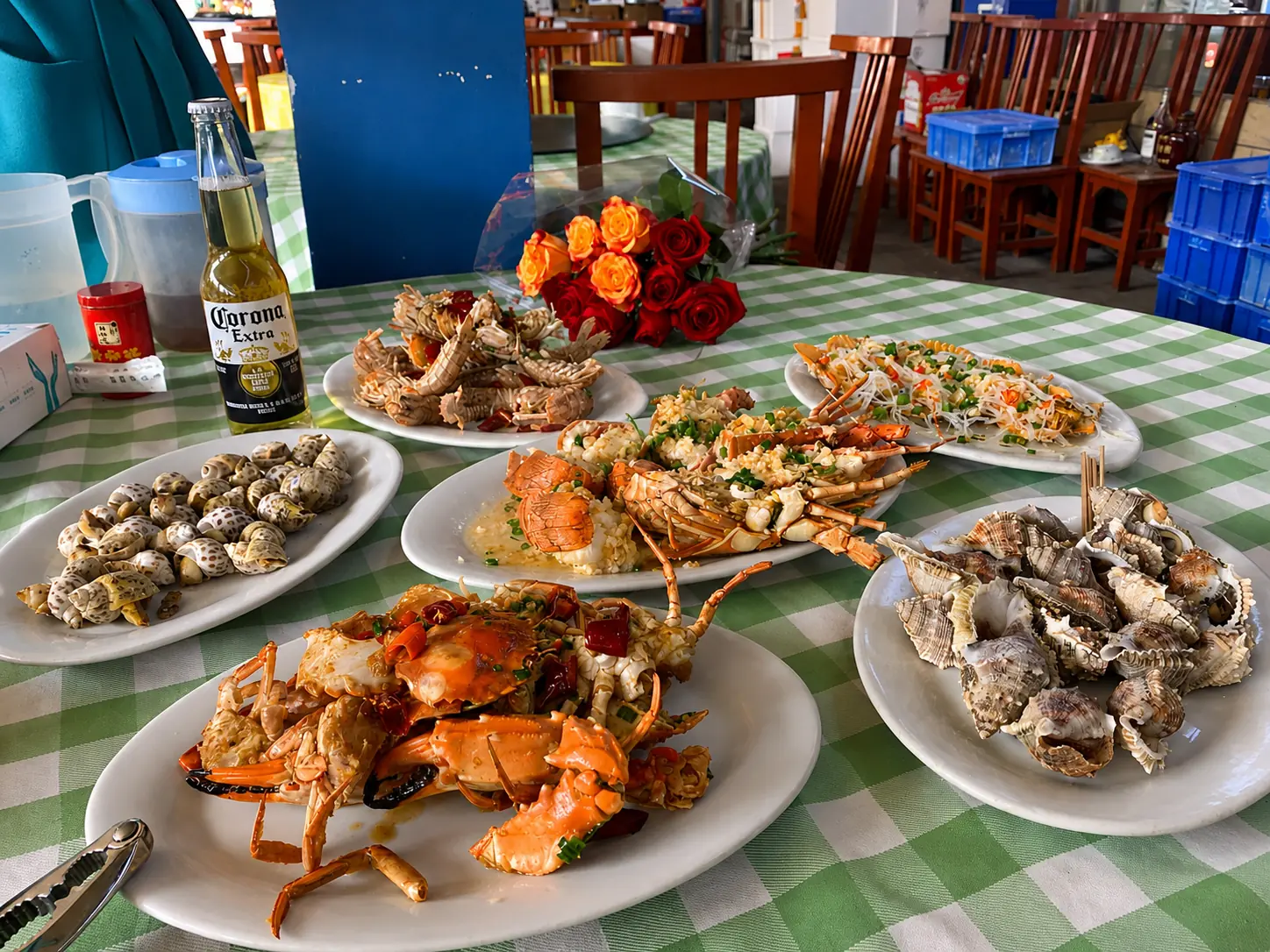
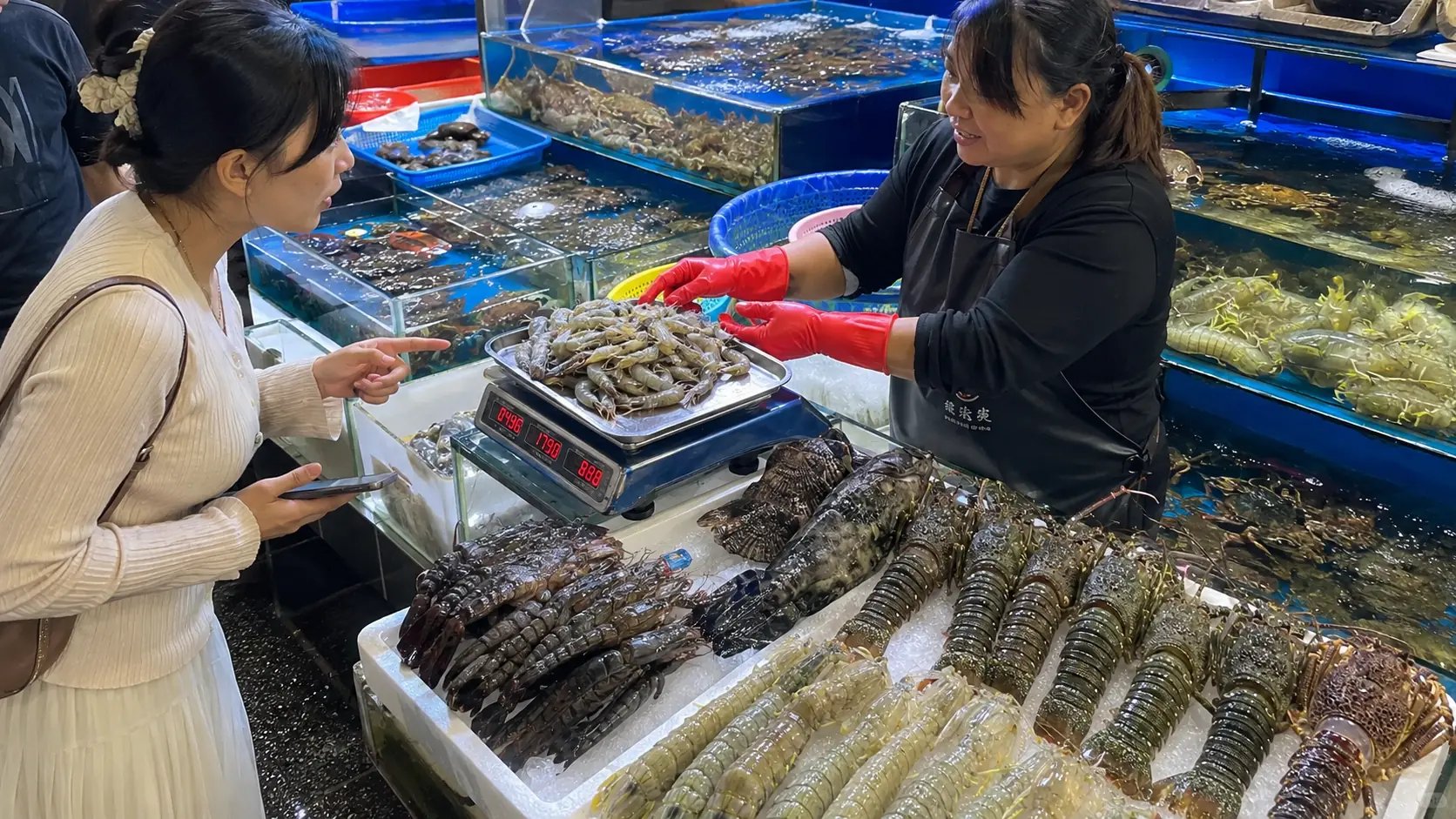
A deeper Dapeng-side seafood stop. EyeShenzhen calls it one of the city's most authentic dedicated seafood streets, where diners can buy fresh seafood and have nearby eateries cook it for a processing fee.
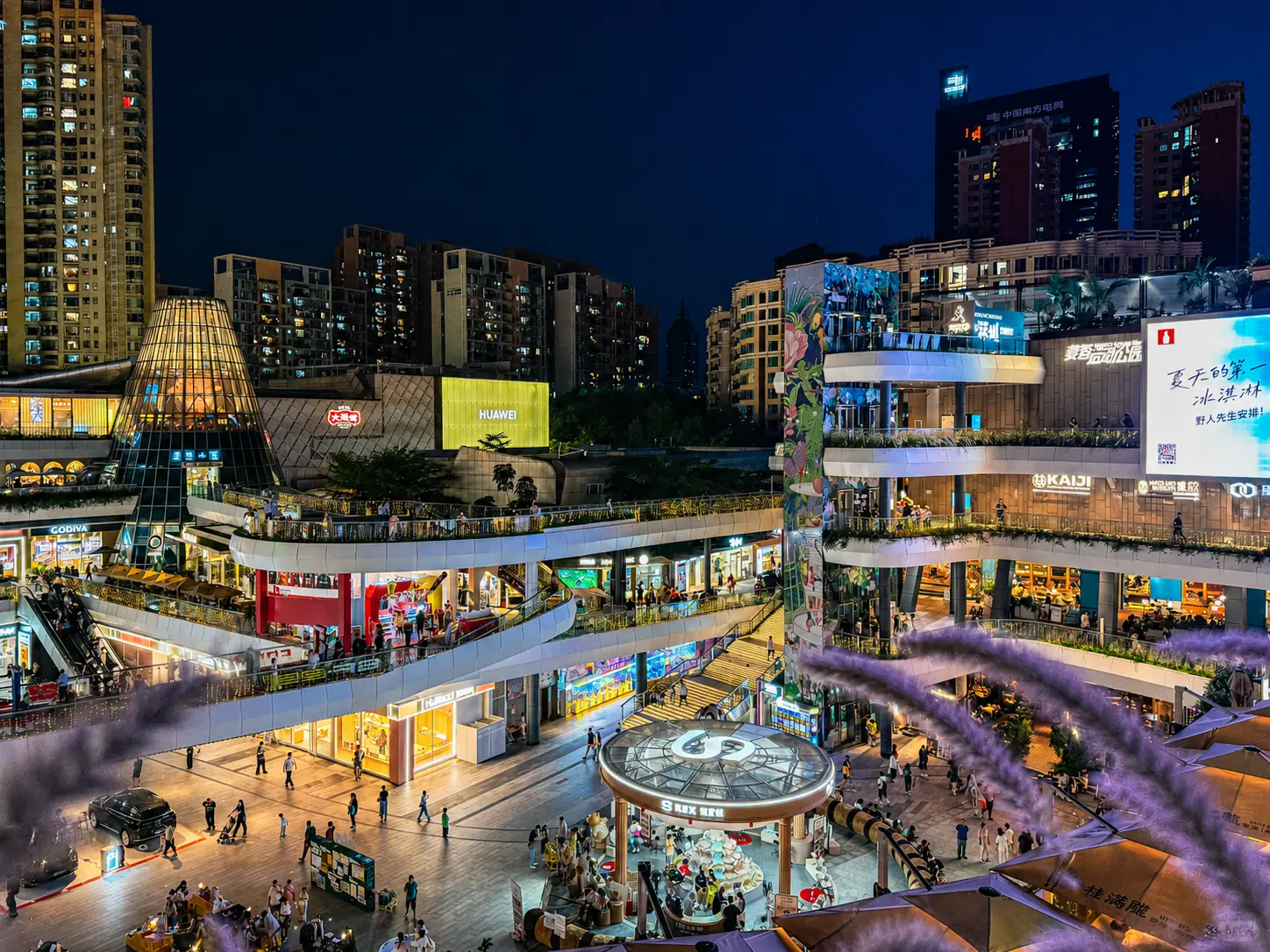
The smooth Futian version: malls, bars, hotpot, modern dining, easy transport, and better odds of photo menus or English help.
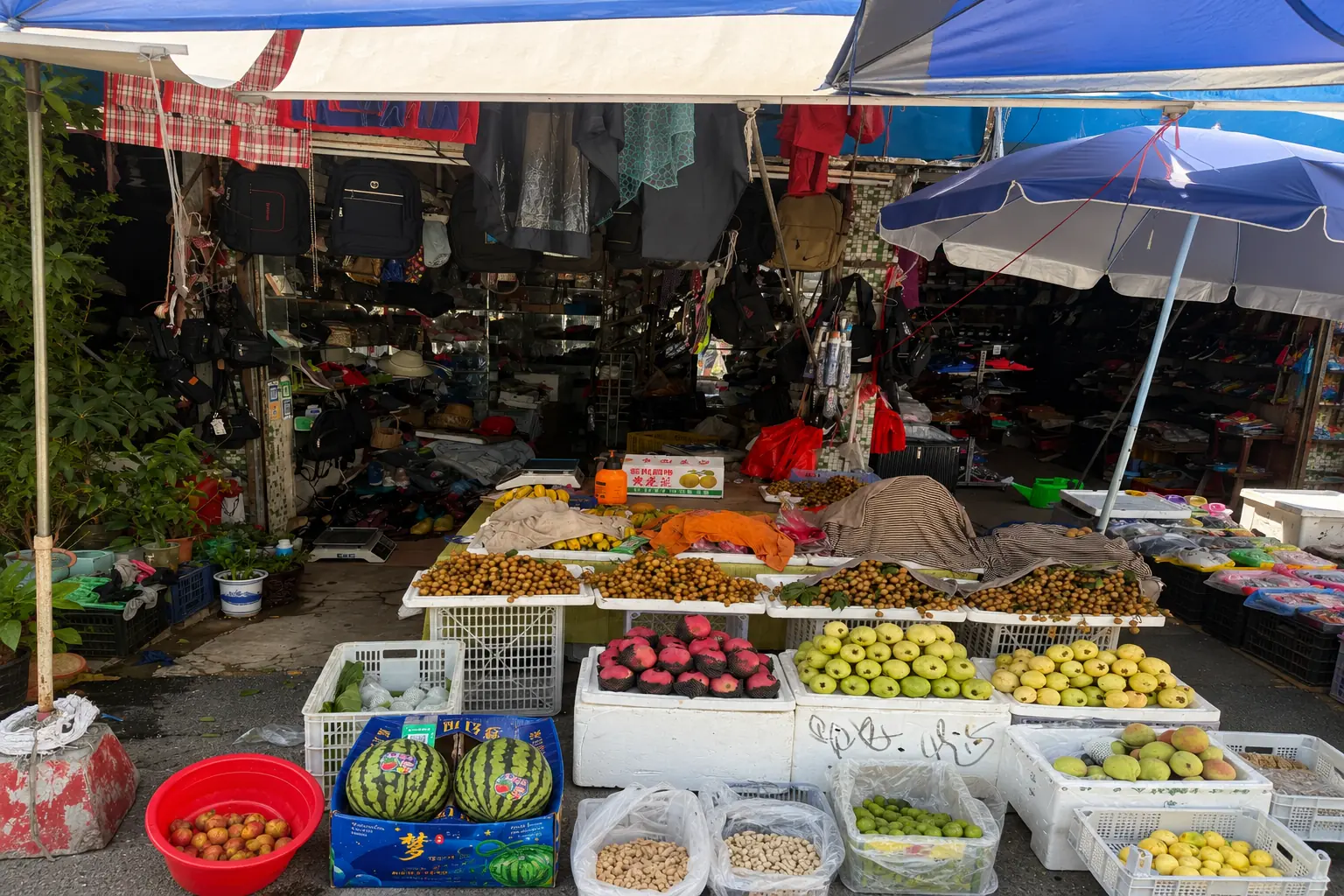
The old-market choice for local texture. EyeShenzhen reports Hakka-style snacks such as glutinous rice cakes and rice dumplings near the centuries-old banyan tree, with Longgang's history tied to Hakka culture.
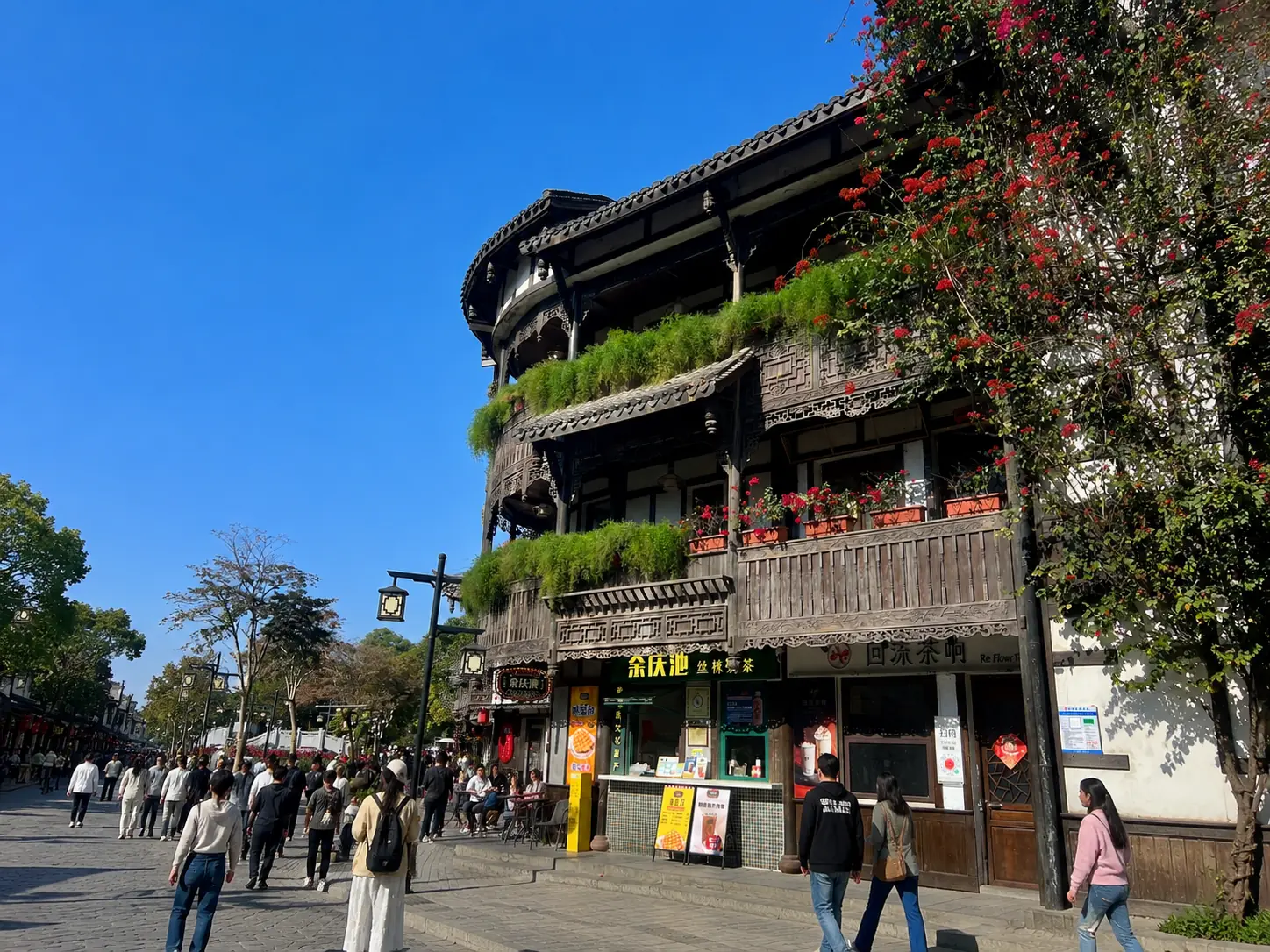
Easier to package as a tourist stop: old Hakka village atmosphere, snacks, photos, and family-friendly walking. It can feel staged, but it gives context to Hakka food.
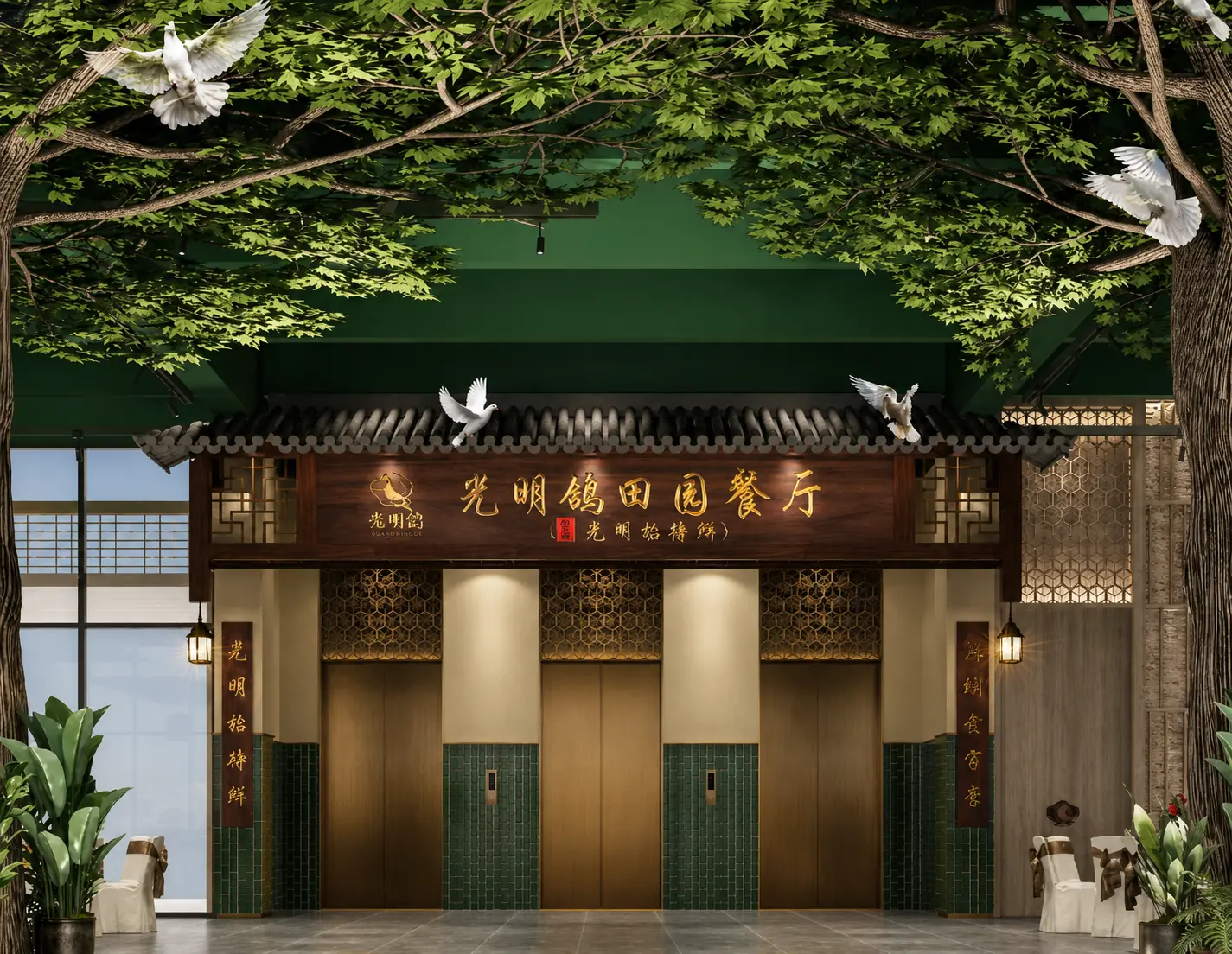
Useful if you care about the Guangming Three Treasures: braised pigeon, colostrum, and sweet corn. Treat it as a half-day food detour, not a quick stop between Futian and Nanshan.
A central backup when you want restaurant choice without pushing to the coast. EyeShenzhen describes it as a food street with chain restaurants and specialty restaurants around Futian and Luohu.
Not a traditional food street, but good for coffee, bakeries, design-shop wandering, casual restaurants, and a quieter evening than Dongmen.
Nan'ao Dried Seafood Street (南澳海味干货街) (Google | Amap) is better for food shopping and coastal context than for a quick meal. In 2026, EyeShenzhen described it as a 500-meter dried seafood street with more than 40 years of history in Dapeng New Area. Dapeng belongs to an east-coast day trip, not a casual dinner add-on.
How to Plan One Shenzhen Food Day
If you only have one day, do not chase every district. This route gives you the city's main food identities without making you spend half the day in transit.
- Tea cafe breakfast or light dim sum- Start near your hotel in Futian, Luohu, or Nanshan so the day does not feel like a Guangzhou copy.
- Dongmen snack crawl- Use Dongmen for rice rolls, noodles, grilled oysters, drinks, and central street-food energy.
- OCT-LOFT or Nanshan break- Pause for coffee, bakery, tea, or a light snack before dinner.
- Choose the Shenzhen anchor meal- Pick seafood, coconut chicken, beef hotpot, or Hakka food by hotel location.
- Sea World or Coco Park- Finish with dessert, drinks, tea cafe food, or an easy late walk.
Easy First-Timer
Lowest stress
- ✓Tea cafe or light dim sum near your hotel
- ✓Dongmen lunch and snacks
- —Dinner as coconut chicken, beef hotpot, or Shekou seafood
Best when your hotel is central
Food-Nerd
More local texture
- ✓Use Dongmen for contrast, not polish
- ✓Go to Longgang for Hakka snacks and dinner
- —Choose Yantian only if the coast is already in your day
Best with extra transit tolerance
Coastal Version
Seafood-first day
- ✓Eat light in the morning
- ✓Make the coast the main daytime plan
- —Skip Futian shopping and Nanshan detours on the same day
Best for Yantian or Dapeng plans
How to Order Without Awkward Surprises
Shenzhen is easier than many Chinese cities for foreign visitors, but food still works better if you prepare for four things: payment, menu translation, seafood pricing, and spice control.
Payment
Most restaurants expect Alipay or WeChat Pay. Cards are more reliable in hotels, malls, and international restaurants than in snack streets.
English menus
Shekou, Sea World, Coco Park, major malls, and hotels are easier. Dongmen, Leyuan Road, Longgang, Guangming, Yantian, and Dapeng need phone translation.
Spice control
Shenzhen has plenty of mild food, but snack streets can lean Sichuan, Hunan, barbecue, and mala. Ask for less chili if needed.
Allergies
For shellfish allergies, avoid mixed seafood sauces and do not share oil-heavy seafood dishes. Say the allergy before ordering.
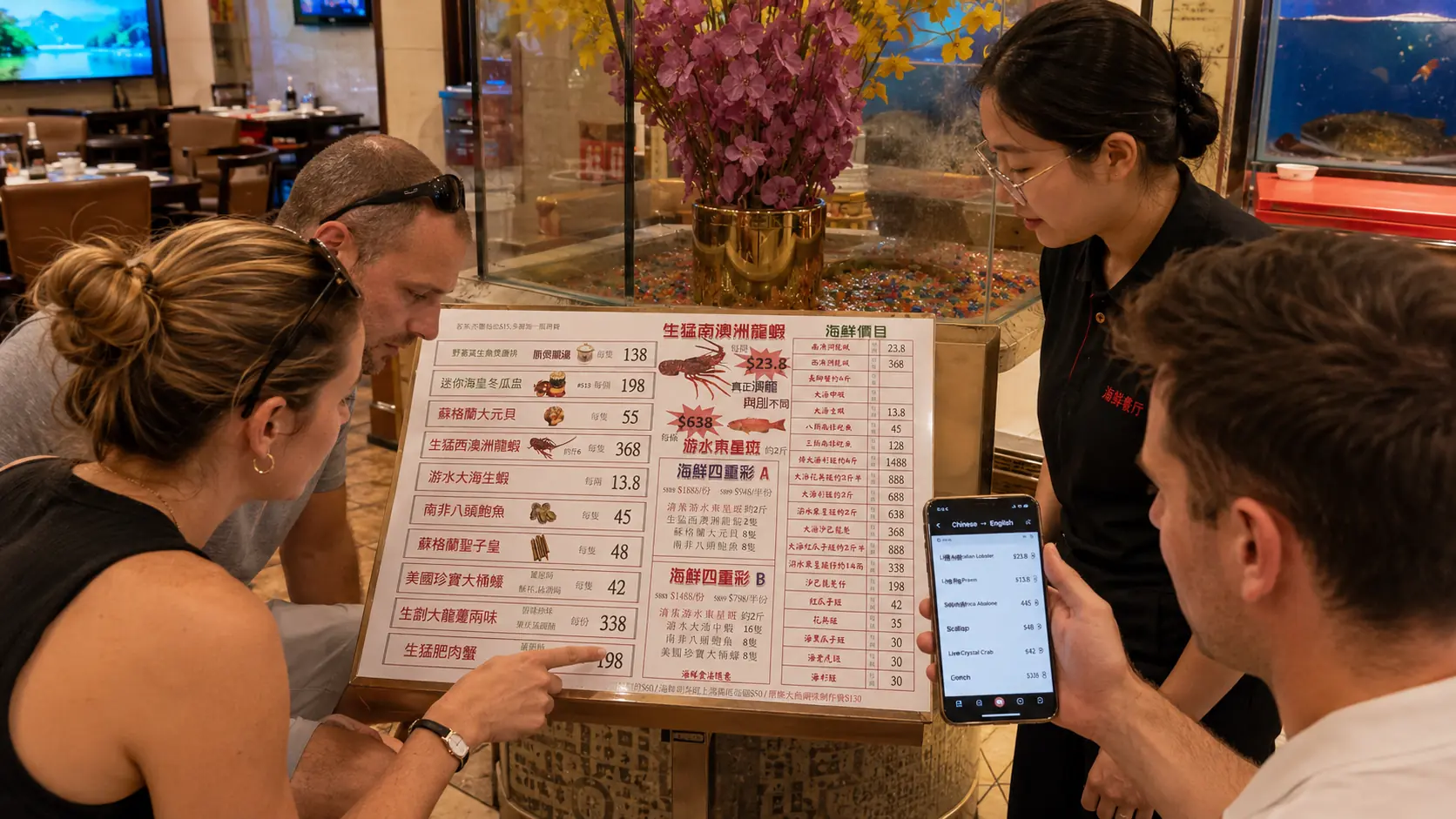
Seafood price check
For seafood tanks, confirm whether the price is per jin, per piece, or per portion before anything is cooked.
Processing fee
If you buy seafood at a market and have it cooked nearby, ask how the cooking fee is calculated before handing anything over.
| English | Chinese | Pinyin | Say It Like… |
|---|---|---|---|
| Do you have an English menu? | 请问有英文菜单吗? | qing wen you ying wen cai dan ma | Ching wun yo ying-wun tsai-dan mah |
| How much is this per jin? | 这个多少钱一斤? | zhe ge duo shao qian yi jin | Juh-guh dwaw shaow chyen ee jin |
| How is the cooking fee calculated? | 加工费怎么算? | jia gong fei zen me suan | Jyah gong fay dzun-muh swan |
| Not too spicy | 不要太辣 | bu yao tai la | Boo yow tie lah |
| I am allergic to seafood | 我对海鲜过敏 | wo dui hai xian guo min | Woh dway high-shyen gwaw min |
| Can you recommend something not spicy? | 可以推荐不辣的吗? | ke yi tui jian bu la de ma | Kuh yee tway jyen boo lah duh mah |
What to Skip on a Short Visit
Shenzhen rewards focus. If you have one or two days, skip anything that turns food into a transport project.
- Do not cross the city just for a restaurant. If you are staying in Futian, eating in Shekou or Dongmen is easy. Yantian, Dapeng, Longgang, and Guangming need a reason beyond one meal.
- Do not force Dapeng into a half-day. Shuitou and Nan'ao seafood are useful if you already planned an east-coast day. They are too far for a casual dinner after shopping.
- Do not make every meal a mall meal. Malls are convenient, but Shenzhen becomes more interesting when you add Dongmen, Longgang, Guangming, or one seafood street.
- Do not assume Cantonese solves everything. Mandarin is the practical restaurant language for most visitors. Hakka and Cantonese exist in the city, but Shenzhen's daily food scene is migrant and Mandarin-heavy.
Frequently Asked Questions
Shenzhen is famous less for one single dish and more for its mix: coconut chicken, Chaoshan beef hotpot, Hakka dishes, Shajing oysters, Guangming pigeon, seafood streets, Dongmen snacks, Hong Kong-style tea cafes, and modern mall dining.
Sources checked for this guide
- EyeShenzhen official city portal checked for Shenzhen local specialties including coconut chicken hotpot, Hakka dishes, and coastal seafood: EyeShenzhen: Shenzhen local food guide
- EyeShenzhen dining feature checked for Shenzhen coconut chicken hotpot ingredients and dining culture: EyeShenzhen: Coconut Chicken Hot Pot
Beyond This Guide
Shenzhen is best treated as a food-and-neighborhood city, not just a restaurant checklist. Pair Dongmen with Huaqiangbei, Shekou with Sea World, Longgang with Hakka history, Guangming with a half-day local-food detour, and Yantian or Dapeng with the coast. If you want dedicated ordering tips for Shenzhen's two most popular hotpot styles, see our Coconut Chicken Hotpot (Yezi Ji) Guide and Chaoshan Beef Hotpot Guide.
For a wider city route, connect this guide with our Shenzhen one-day itinerary, Huaqiangbei guide, and Nantou Ancient City walk. The food makes more sense when it follows the city map.
© gochinafreely.com — Original guide by Go China Freely.