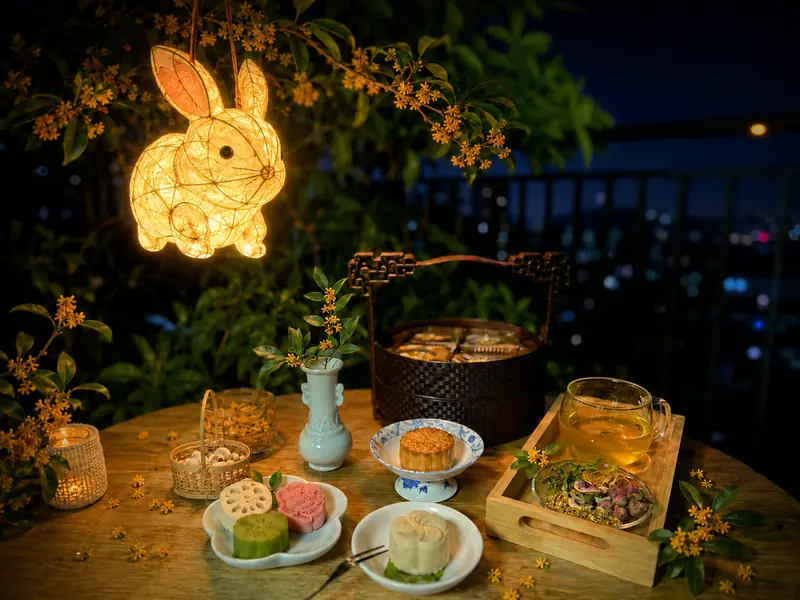
Mooncakes (月饼) are the dense, round festival cakes that take over Chinese bakeries, hotel lobbies, malls, and family tables before Mid-Autumn Festival (中秋节). The festival falls on the 15th day of the eighth lunar month; in 2026, the mainland China public holiday runs from September 25 to 27. For travelers, the useful question is not only what mooncakes symbolize, but what is inside the one you are buying: lotus seed paste, salted egg yolk, mixed nuts, fresh pork, snow-skin custard, or something else entirely.
Executive Summary
What this guide covers
Mid-Autumn Festival meaning, classic fillings, Cantonese versus Suzhou styles, gift boxes, how to eat mooncakes, storage, allergies, and useful ordering phrases.
Best first try
Start with a small piece of lotus seed paste with salted egg yolk for the classic gift-box taste, or red bean paste if you want something gentler.
Main traveler trap
Do not treat every mooncake like an ordinary shelf-stable pastry. Snow-skin, ice-cream, fresh meat, and custard styles need more careful handling.
15th
8th lunar month
Sep 25-27
2026 mainland holiday
4 / 6 / 8
Common box counts
Cold chain
Snow-skin caution
Round Mooncakes for a Mid-Autumn Reunion
Mid-Autumn Festival is built around the moon, reunion, family meals, and moon-gazing. The mooncake's round shape echoes the full moon, so it is not just a sweet pastry. It is a compact festival symbol: something to gift, slice, share, and place on the table when people gather.
China's official English-language coverage describes the festival as a time when families come together, admire the full moon, and share mooncakes. Mid-Autumn Festival on gov.cn Shanghai's English municipal site also explains that the festival falls on the 15th day of the eighth lunar month and centers on family reunion. Shanghai Mid-Autumn explainer
Travelers will feel mooncake season before the holiday itself. Expect gift boxes at supermarket entrances, bakery counters, hotel lobbies, heritage food shops, and office-building displays two or three weeks ahead. Many mooncakes are designed for gifting and sharing, not for one person to eat as a casual street snack.
2026 festival timing
For 2026 planning, use the official holiday notice rather than secondary date lists. The public-holiday notice republished by Beijing Haidian, sourced to the General Office of the State Council, lists Mid-Autumn Festival as September 25, Friday, to September 27, Sunday. 2026 public holiday notice The festival date changes every year on the Gregorian calendar, so confirm the current year's notice before locking trains or hotel timing.
Classic Mooncake Fillings to Try First
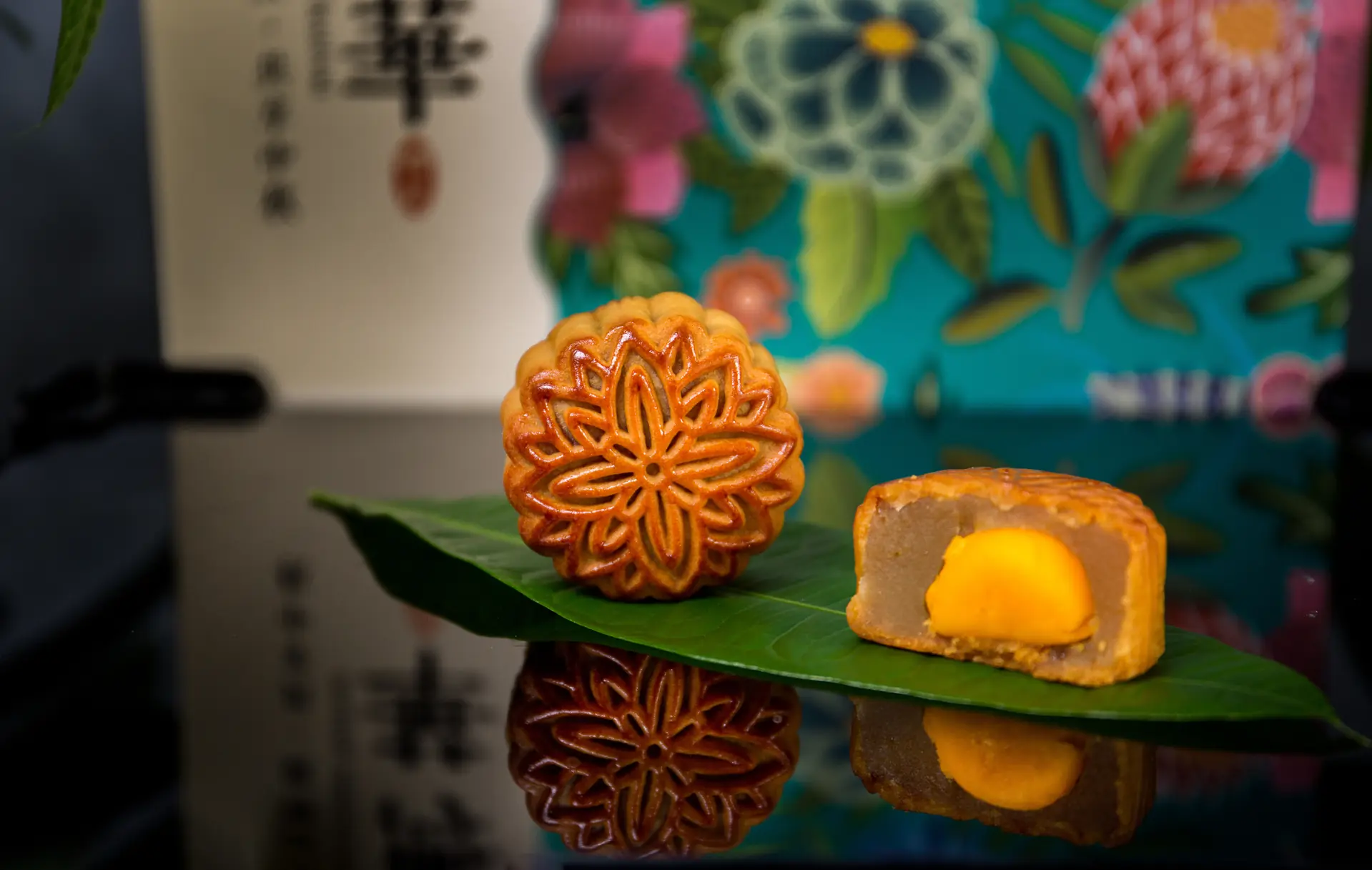
Lotus seed paste with salted egg yolk (莲蓉蛋黄月饼) is the most useful classic baseline. The paste is smooth, sweet, and heavy; the salted duck egg yolk sits in the center like a small orange moon. Cut one cake into small wedges and eat it with tea. A whole one can be a lot.
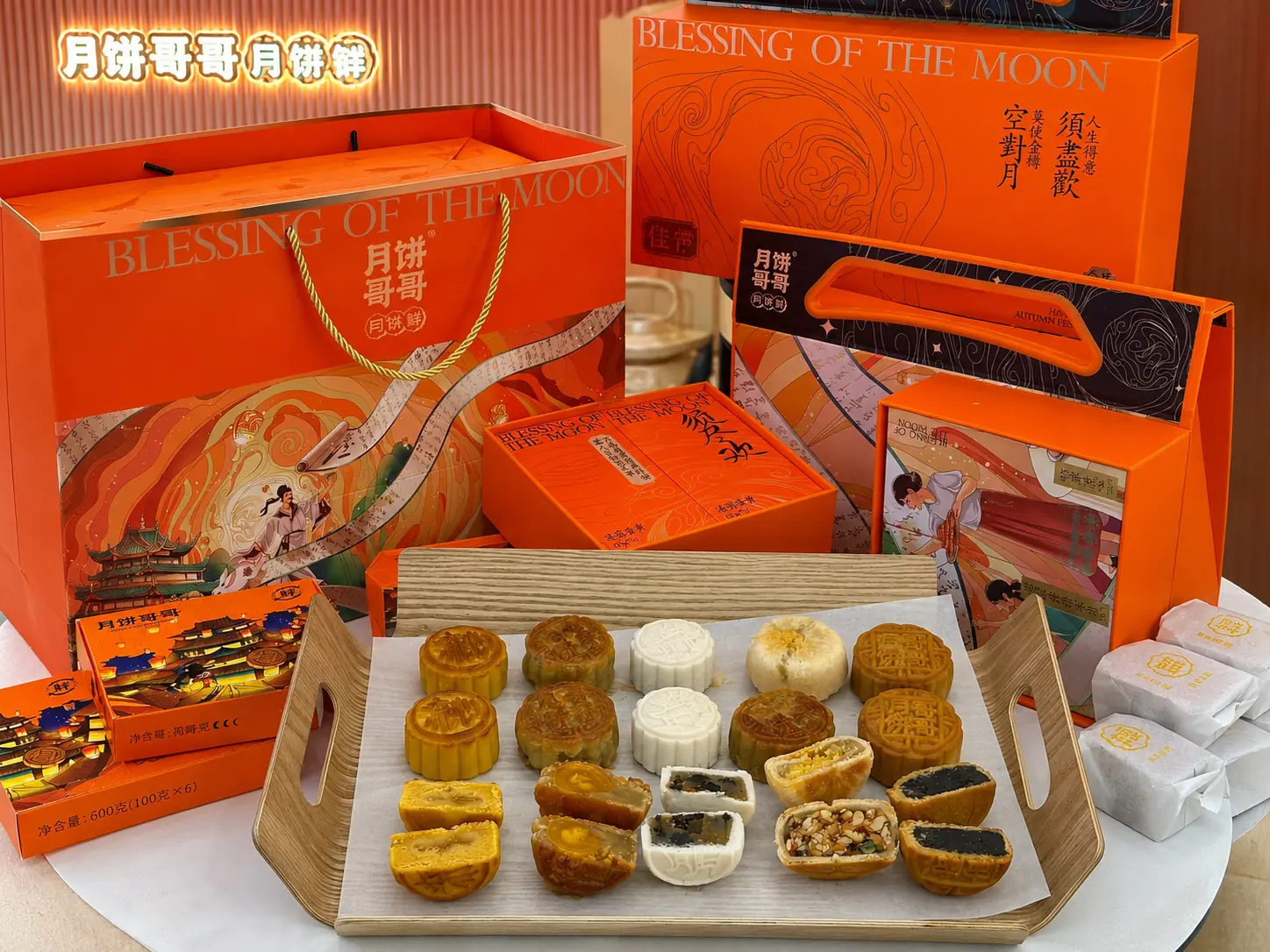
Red bean paste (豆沙月饼) is softer and more familiar if you do not want to start with egg yolk. Jujube paste (枣泥月饼) and chestnut paste (栗子月饼) feel more old-school and dessert-like. Mixed-nut mooncakes (五仁月饼) are very traditional but more divisive: they may contain several nuts, seeds, candied fruit peel, and sometimes meat or ham in regional versions.
Modern counters add lava custard (流心奶黄), black sesame (黑芝麻), rose (玫瑰), taro (芋泥), matcha (抹茶), chocolate, fruit, durian, and ice-cream styles. These are real parts of the current mooncake market, but they should not replace the classics if your goal is to understand Mid-Autumn food culture.
Decision shortcut
Which mooncake should I try first?
I want the classic gift-box taste
Try lotus seed paste with salted egg yolk. Share one cake, because the flavor is rich and the portion is dense.
I want the gentlest first bite
Choose red bean paste or chestnut paste. The texture is smooth and the flavor is easier for most first-timers.
I want a local savory surprise
In Shanghai or Suzhou, try a fresh meat mooncake while it is warm. It is closer to a flaky pork pastry than a sweet dessert.
I avoid nuts or pork
Be careful with mixed-nut, ham, and fresh meat styles. Ask before buying, and do not rely only on the English display name.
Cantonese, Suzhou, and Snow-Skin Styles Compared
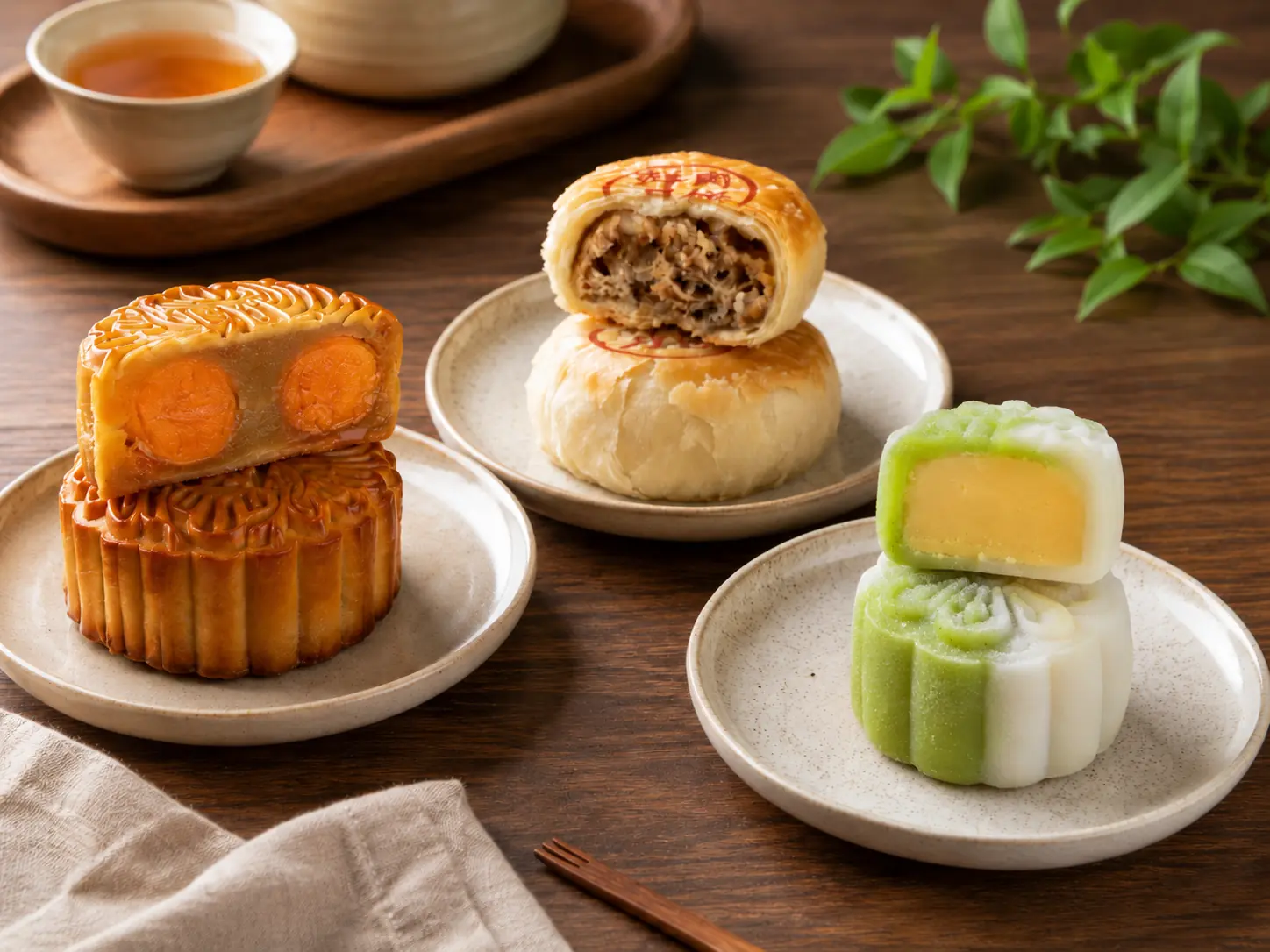
Cantonese-style mooncakes are the gift-box standard most travelers meet first. They have a thin, glossy baked crust, stamped patterns, and dense fillings such as lotus seed paste, red bean paste, mixed nuts, and salted egg yolk. They are usually sliced into small pieces and served with tea.
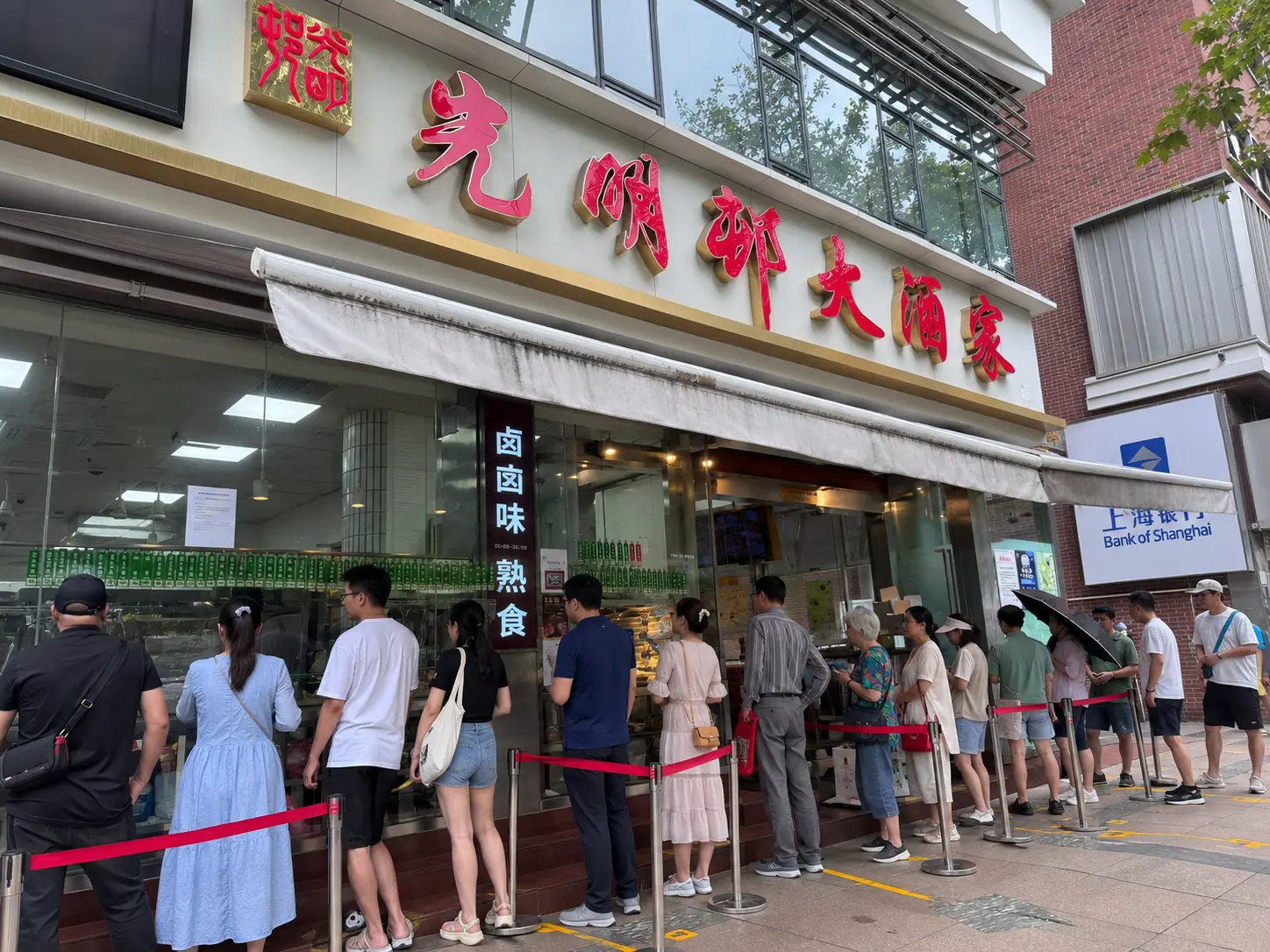
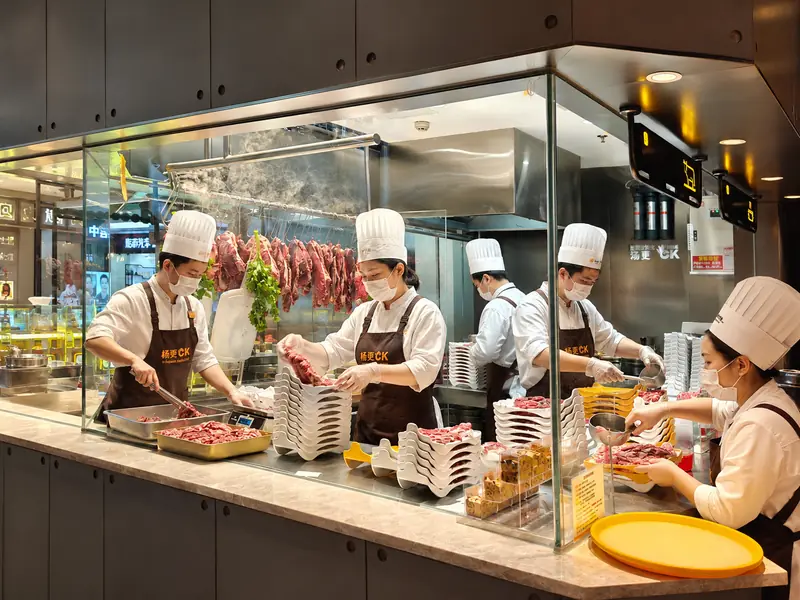
Suzhou-style mooncakes, especially fresh meat mooncakes (鲜肉月饼), are a different experience. The crust is flaky and layered; the filling can be hot, savory pork. In Shanghai and Suzhou, the best moment is often right after baking, when the pastry is crisp and the meat filling is still juicy.
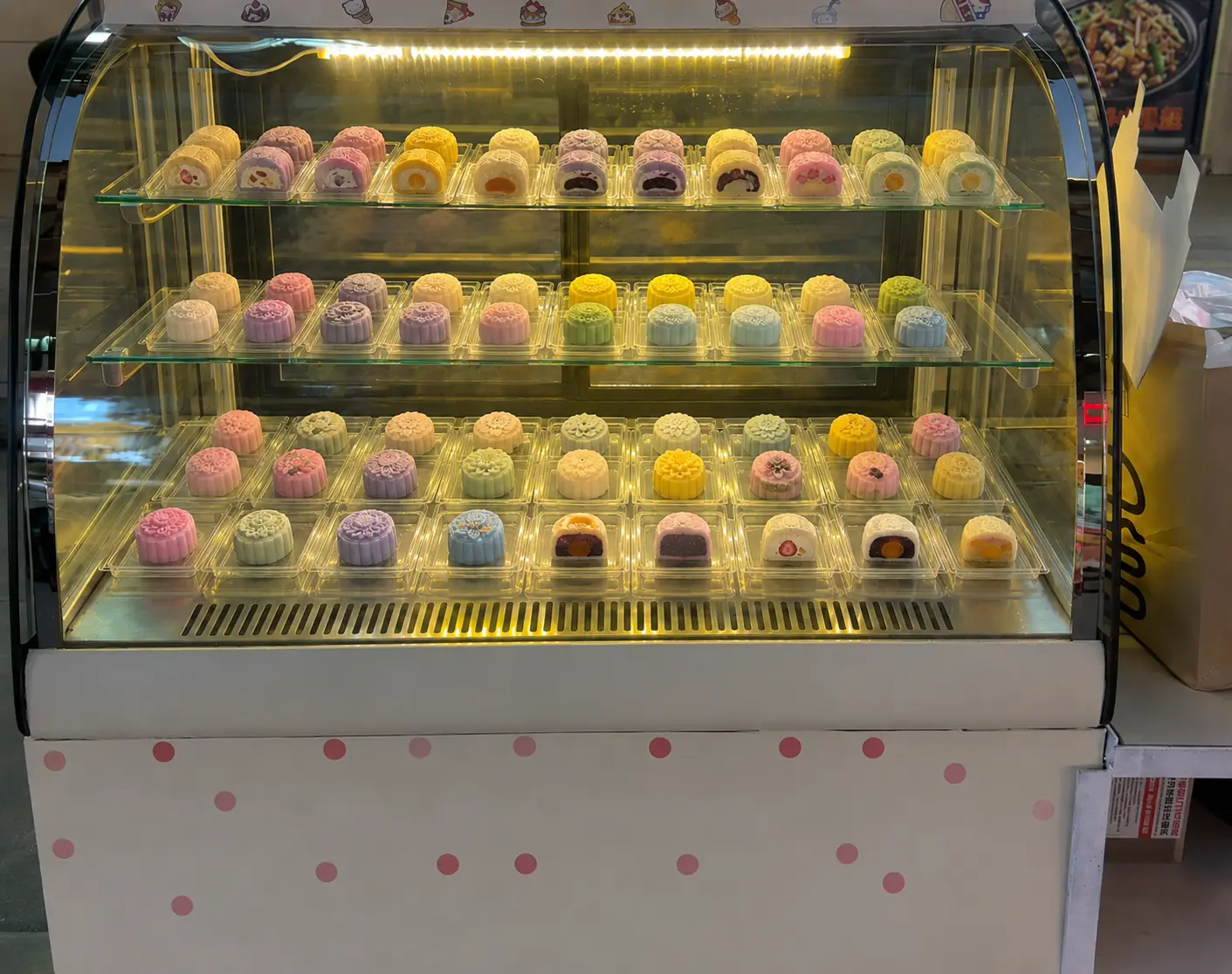
Snow-skin mooncakes (冰皮月饼) are chilled, soft, and often pale or colorful. They can be filled with custard, fruit, durian, chocolate, matcha, or other modern flavors. They photograph beautifully, but the storage rules are less forgiving than baked mooncakes.
Shanghai's English municipal food coverage shows how wide the modern market has become, with heritage brands selling spicy pork, crab roe, red bean, vegan, beef, and other seasonal mooncakes before Mid-Autumn Festival. Shanghai heritage mooncake brands Use that as context, not a checklist. The best first purchase is still one small piece or a small mixed box.
← swipe to compare all options →
Cantonese
Classic gift-box style
- ✓Best for lotus seed paste, red bean paste, mixed nuts, and egg yolk.
- —Usually shelf-stable before opening, but follow the package label.
- ✓Cut into wedges and pair with tea.
Baked, glossy, dense
Suzhou
Flaky savory style
- ✓Best warm, especially fresh pork mooncakes in Shanghai or Suzhou.
- ✓Not suitable for vegetarians or pork-free travelers unless clearly labeled.
- —Buy one first; texture drops after cooling.
Often fresh meat
Snow-Skin
Chilled modern style
- ✓Good for custard, fruit, durian, matcha, and chocolate flavors.
- ✓Needs refrigeration after purchase.
- ✗Do not carry it around in hot weather for hours.
Soft, cold, photogenic
Gift Boxes, Samples, and Shopping Timing
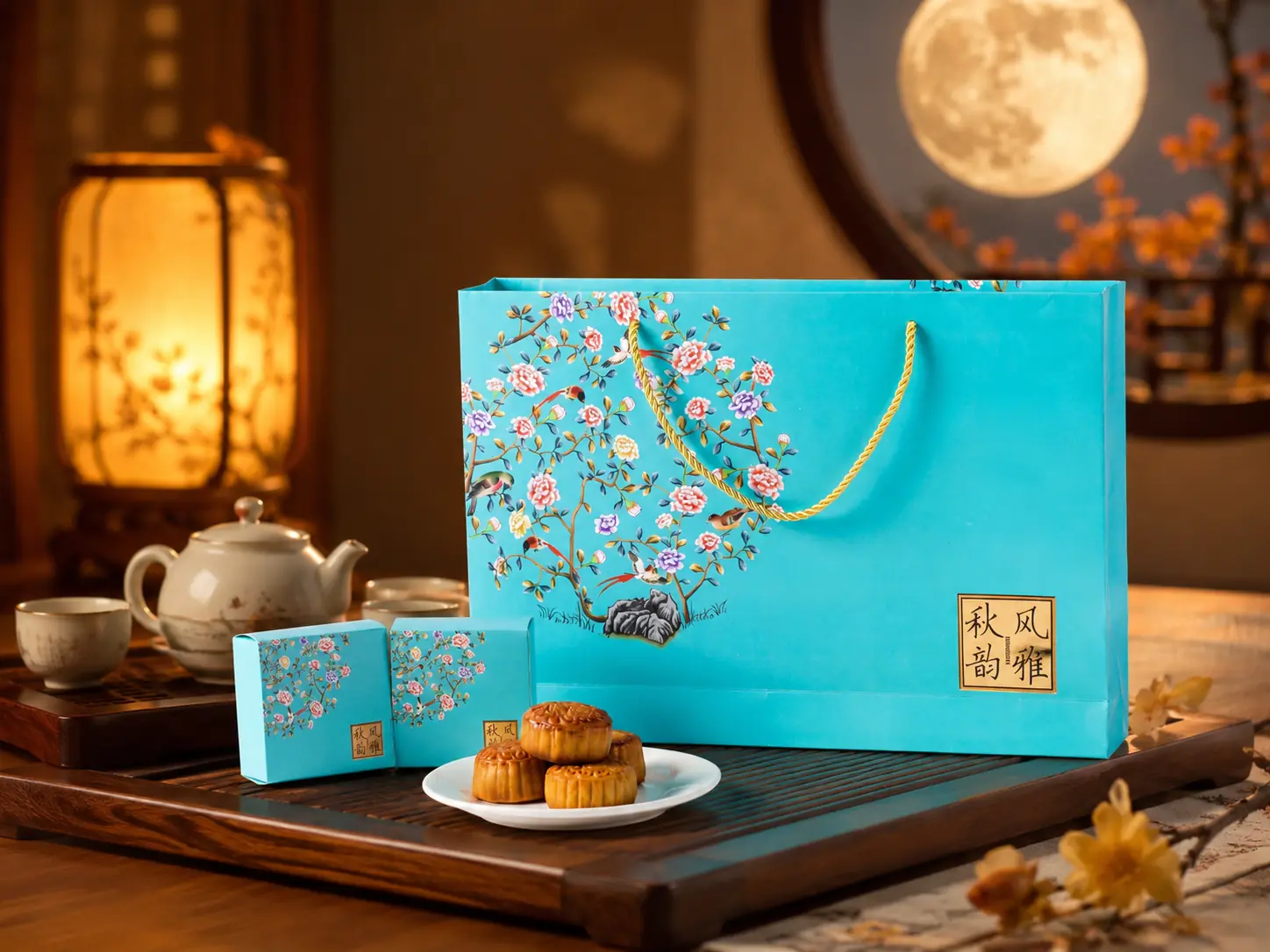
Mooncake season usually becomes obvious two or three weeks before Mid-Autumn Festival. Large supermarkets, malls, bakeries, hotels, airports, high-speed rail stations, and online platforms all sell them. Prices range from ordinary supermarket boxes to premium hotel and business-gift sets with elaborate packaging.
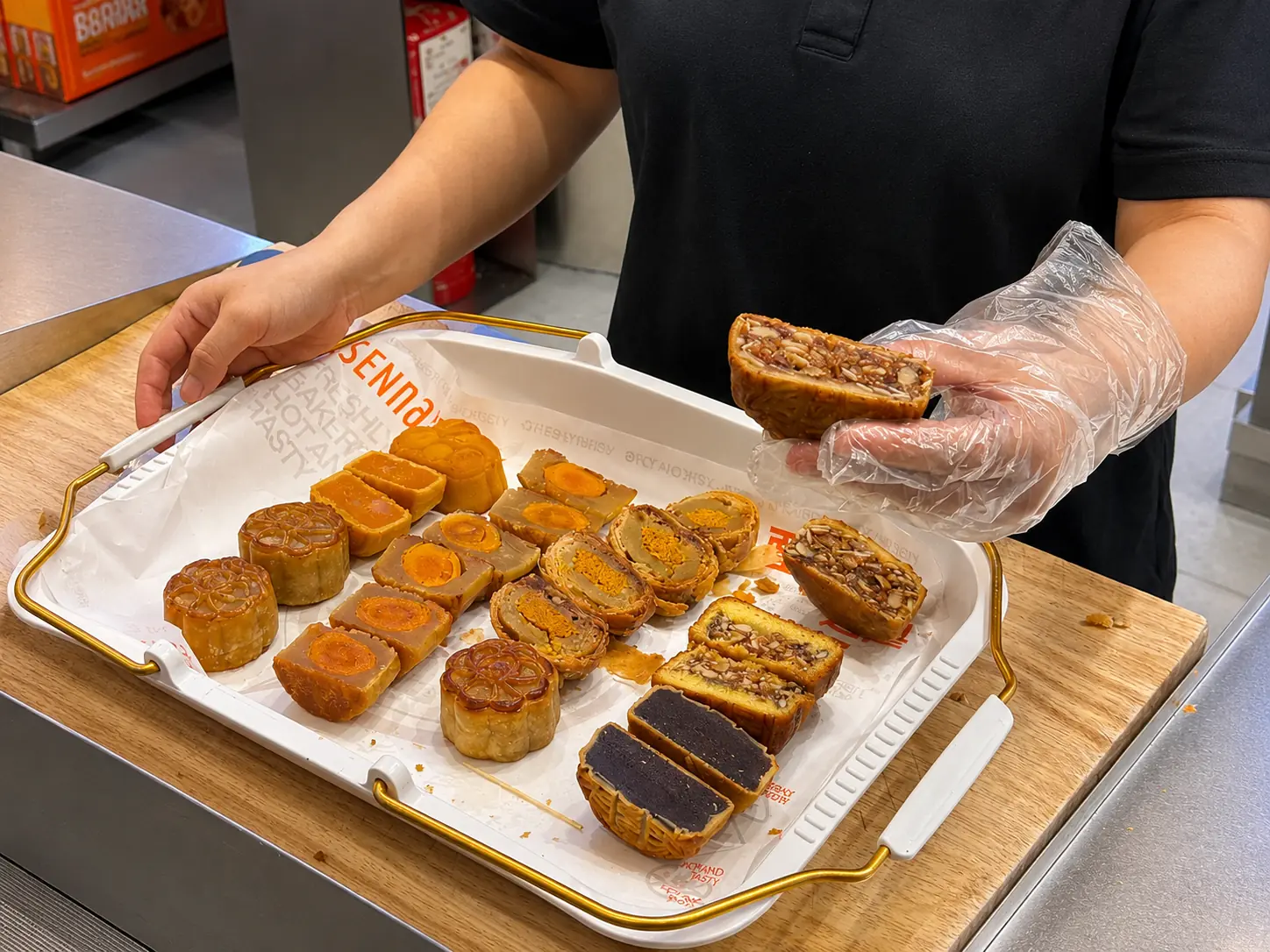
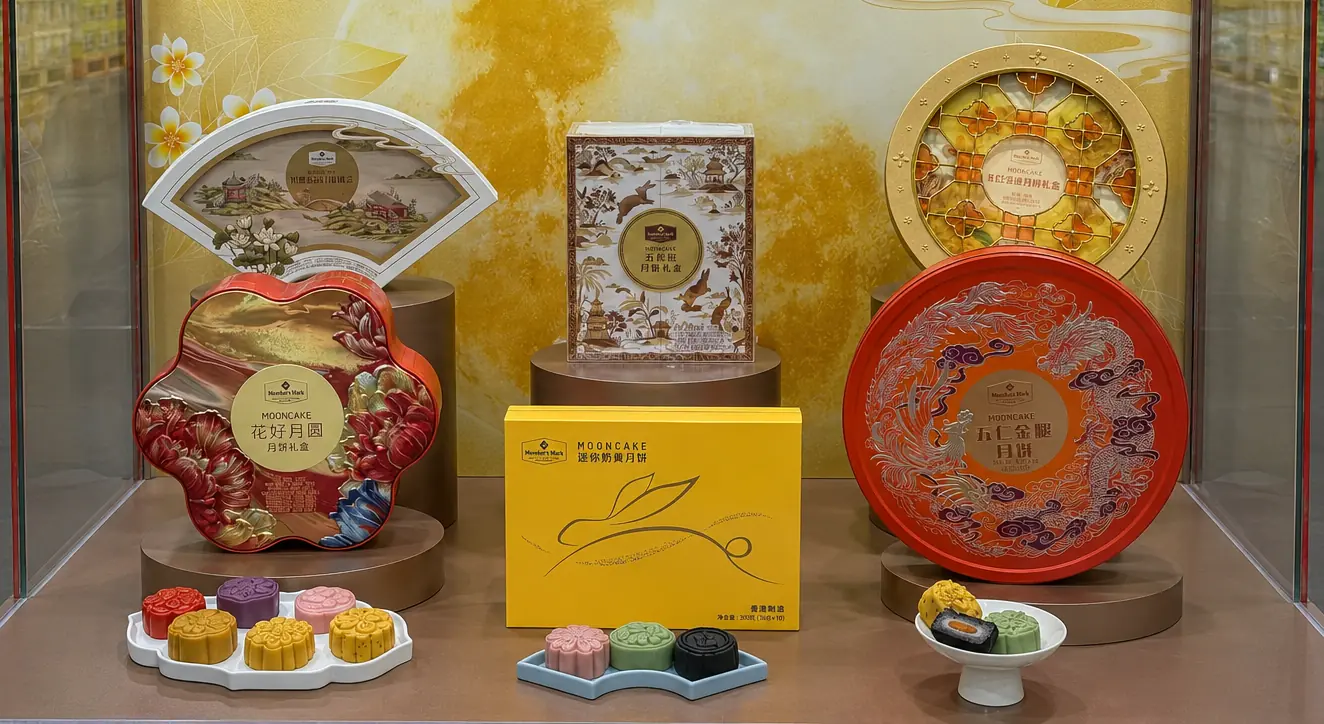
Visitors do not need to buy a large box first. The smarter path is to find a counter that sells single pieces or offers samples, then try one classic sweet filling and one local or modern style. A full gift box is better when you are visiting Chinese friends, thanking a host, or sharing with a group.
Boxes of four, six, and eight pieces are all common. The number four can be unlucky in many Chinese contexts, but four-piece mooncake boxes are a normal Mid-Autumn retail format. Do not overthink the number if the box is attractive, complete, fresh, and suitable for the person receiving it.
If you plan to take mooncakes on a flight or across a border, check the destination rules before buying. Meat, egg, dairy, and fresh fillings may be restricted by customs or airline handling rules. This changes by country and ingredient, so treat the package as food subject to inspection, not as a universal souvenir.
How Travelers Should Eat Mooncakes in China
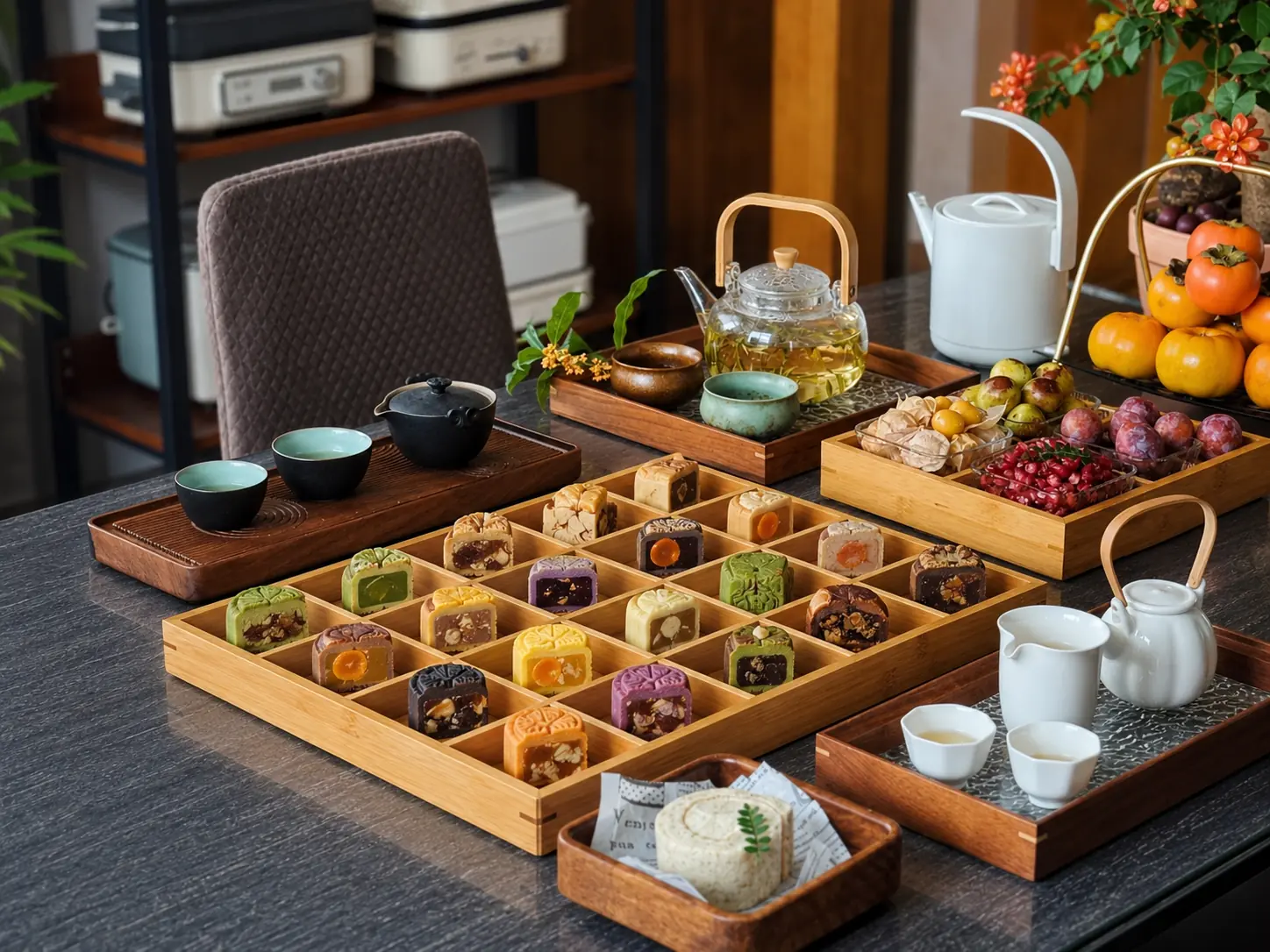
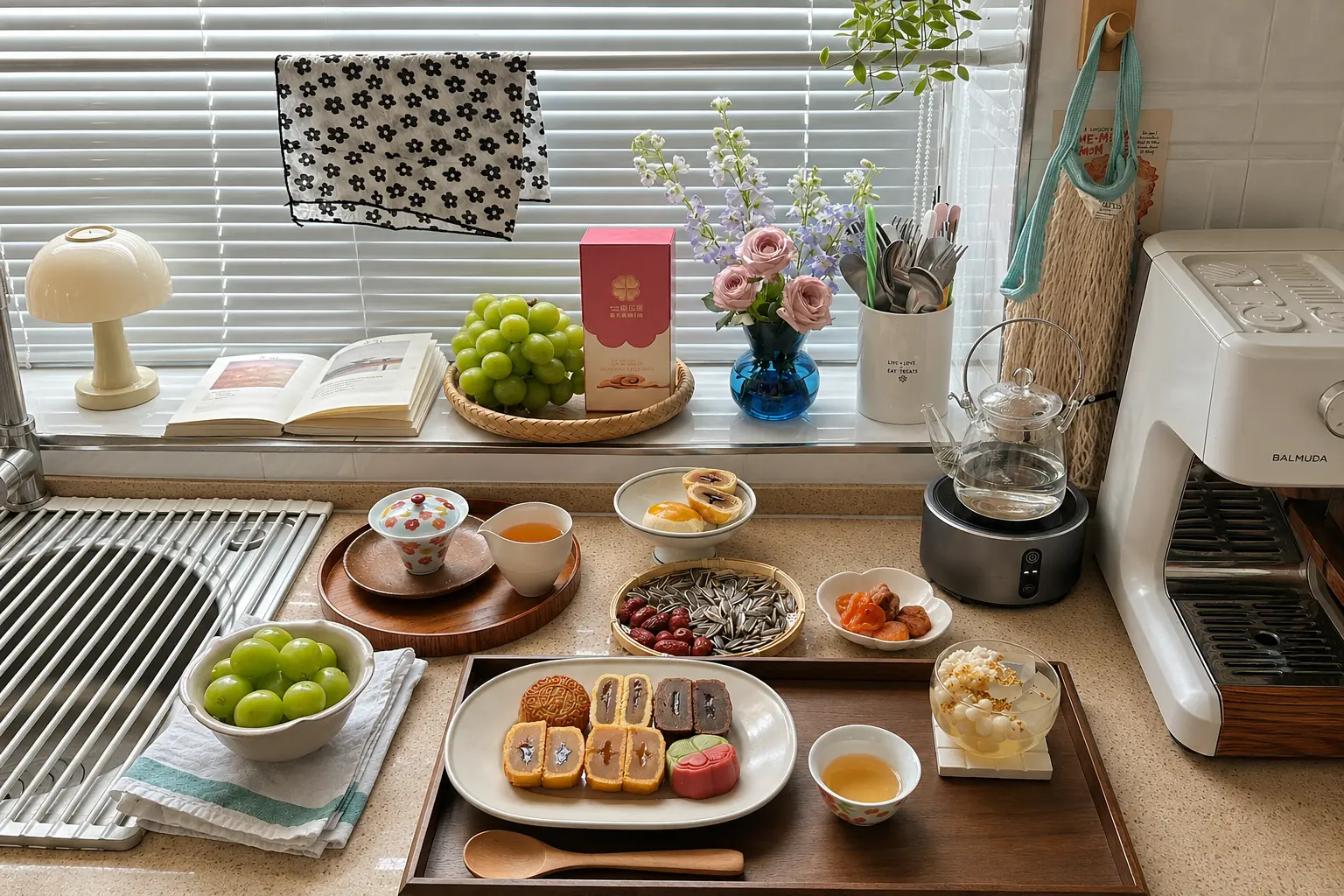
Mooncakes are usually shared. Slice them into small wedges, pour tea, and taste slowly. A standard cake can be rich enough for several people, especially if it contains lotus seed paste, salted egg yolk, nuts, or lava custard.
Baked mooncakes can usually be eaten at room temperature after opening. Fresh meat mooncakes are best warm. Snow-skin mooncakes should be eaten chilled. Ice-cream mooncakes should come from the freezer and be eaten promptly after opening.
For a first tasting, compare texture before chasing novelty. Try one classic baked mooncake, one regional savory mooncake if you are in Shanghai or Suzhou, and one chilled modern mooncake if storage is easy. The point is not to finish a whole box. It is to understand how one festival food can move between family ritual, business gift, snack, and local specialty.
- Cut baked mooncakes into 6-8 small wedges.
- Pair rich flavors with tea rather than soda or another sweet drink.
- Eat fresh meat mooncakes warm if possible.
- Keep snow-skin and ice-cream mooncakes cold until serving.
- Do not assume one person should finish a whole mooncake.
Mooncake Storage and Food Safety Basics
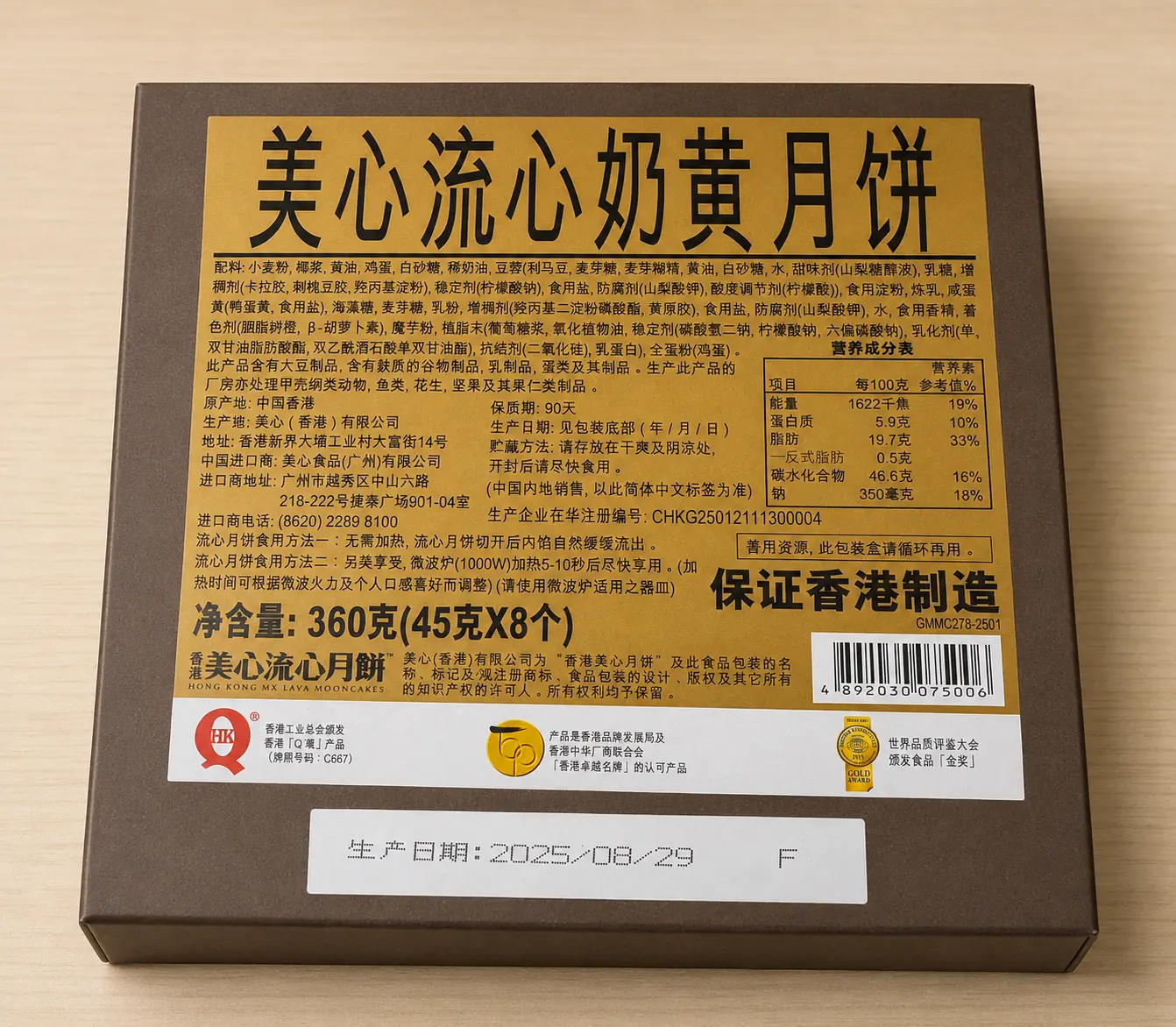
Storage depends on type. Traditional baked mooncakes in sealed packaging should be stored according to the label. Once opened, eat them soon. Unsealed traditional mooncakes should be kept in a cool, dry place or an airtight container.
The Singapore Food Agency notes that mooncake manufacturing, handling, and storage can introduce food safety risks; it also distinguishes traditional baked mooncakes from snowskin mooncakes, which are not subjected to the same heat treatment and should be kept cold. SFA safety of mooncakes
Hong Kong's Centre for Food Safety gives a similar practical warning: snowy mooncakes should be kept chilled, ice-cream mooncakes should be kept frozen, and chilled or frozen mooncakes should not sit at room temperature for an extended time. CFS mooncake safety tips
Cold-chain mooncakes need a real plan
For travelers, the rules are simple. Buy from clean, reputable sellers. Check the production date, expiry date, and storage instructions. Do not carry chilled mooncakes around all afternoon in hot weather. Skip any mooncake that smells strange, looks discolored, has mold, has a swollen package, or tastes off.
Allergies, Pork, and Dietary Limits to Check
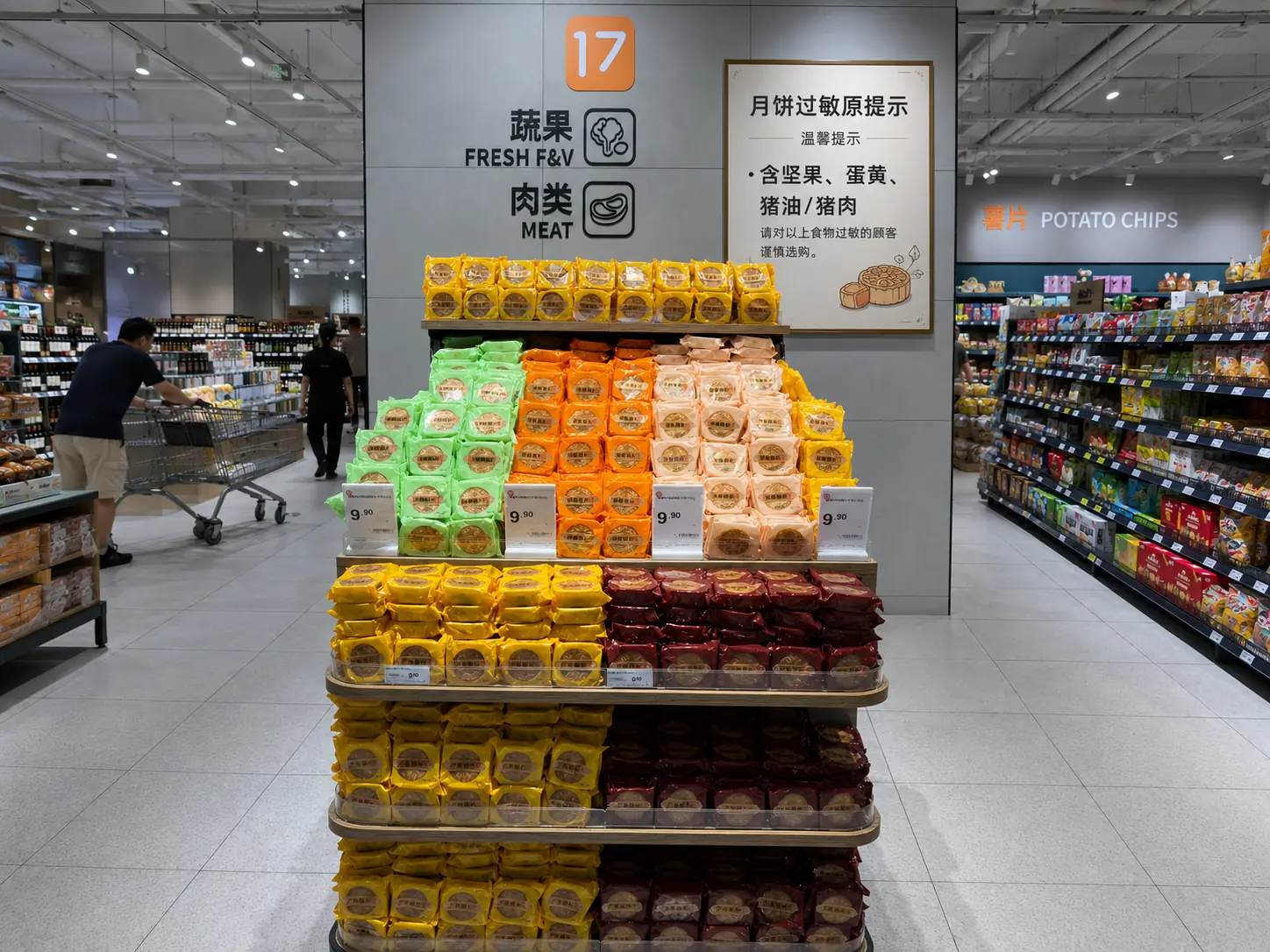
Mooncakes can hide more ingredients than the surface suggests. Common risk points include wheat flour, nuts, peanuts, sesame, salted egg yolk, dairy, butter, lard, pork, ham, seafood, alcohol-based flavoring, and mixed fillings.
Vegetarian travelers should not assume that a sweet mooncake is automatically vegetarian. Some pastry crusts may use lard. Some mixed-nut or ham styles contain meat. Fresh meat mooncakes obviously contain pork unless clearly labeled otherwise. Lava custard often contains egg and dairy.
Check more than the flavor name
Travelers who avoid pork should ask about both pork meat (猪肉) and lard (猪油). Travelers with nut allergies should be especially careful with mixed-nut mooncakes and modern mixed boxes, where several flavors may share display space or production surfaces.
Many traditional mooncakes are high in sugar and fat, so small portions make sense. If you have diabetes, chronic illness, or strict dietary limits, treat mooncakes as a rich festival food and follow your own medical guidance rather than a travel article.
Useful Chinese Phrases for Mooncake Orders
Show the Chinese phrase and point if pronunciation feels awkward. These phrases are for buying, checking fillings, and avoiding surprises.
| English | Chinese | Pinyin | Say It Like… |
|---|---|---|---|
| Mooncake | 月饼 | yuèbǐng | yweh-bing |
| Mid-Autumn Festival | 中秋节 | zhōngqiū jié | jong-chyoh jyeh |
| Lotus seed paste mooncake | 莲蓉月饼 | liánróng yuèbǐng | lyen-rong yweh-bing |
| Salted egg yolk mooncake | 蛋黄月饼 | dànhuáng yuèbǐng | dahn-hwahng yweh-bing |
| Red bean paste mooncake | 豆沙月饼 | dòushā yuèbǐng | doh-shah yweh-bing |
| Mixed-nut mooncake | 五仁月饼 | wǔrén yuèbǐng | woo-ren yweh-bing |
| Fresh meat mooncake | 鲜肉月饼 | xiānròu yuèbǐng | shyen-roh yweh-bing |
| Snow-skin mooncake | 冰皮月饼 | bīngpí yuèbǐng | bing-pee yweh-bing |
| Lava custard mooncake | 流心奶黄月饼 | liúxīn nǎihuáng yuèbǐng | lyoh-shin nye-hwahng yweh-bing |
| What filling is inside this? | 这个里面是什么馅? | zhège lǐmiàn shì shénme xiàn? | juh-guh lee-myen shir shen-muh shyen |
| Does this contain pork? | 这个有猪肉吗? | zhège yǒu zhūròu ma? | juh-guh yo joo-roh mah |
| Does this contain lard? | 这个有猪油吗? | zhège yǒu zhūyóu ma? | juh-guh yo joo-yo mah |
| Does this contain nuts? | 这个有坚果吗? | zhège yǒu jiānguǒ ma? | juh-guh yo jyen-gwaw mah |
| Does this need refrigeration? | 这个需要冷藏吗? | zhège xūyào lěngcáng ma? | juh-guh shoo-yaow lung-tsahng mah |
| Do you sell single pieces? | 有单个卖的吗? | yǒu dāngè mài de ma? | yo dahn-guh my duh mah |
| Could you cut it for me? | 可以帮我切开吗? | kěyǐ bāng wǒ qiēkāi ma? | kuh-yee bahng woh chyeh-kye mah |
| Happy Mid-Autumn Festival | 中秋节快乐 | zhōngqiū jié kuàilè | jong-chyoh jyeh kwye-luh |
Frequently Asked Questions
Yes. 月饼 is the Chinese word for mooncake. In travel English, mooncakes usually means the round festival pastries associated with Mid-Autumn Festival.
Beyond This Guide
Mooncakes are a useful doorway into Chinese festival food because one small cake can be dessert, gift, family symbol, regional snack, and seasonal business ritual at the same time. For timing, start with the China public holidays travel calendar and Chinese customs and traditions guide. For related festival foods, compare this with Tangyuan and Yuanxiao, Zongzi, and Jiaozi Chinese Dumplings. If you are visiting Shanghai or Suzhou, the Suzhou food guide helps place fresh meat mooncakes in the wider Jiangnan food world.

© gochinafreely.com — Original guide by Go China Freely.