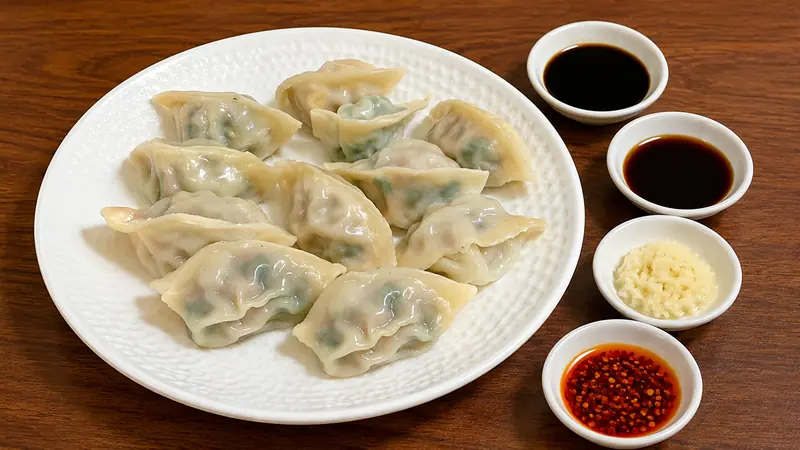
Jiaozi (饺子) are the Chinese dumplings many travelers think they already know: wheat wrappers, minced filling, vinegar on the side, and a plate that disappears faster than expected. In China, though, "dumpling" is a loose English word. Jiaozi are not the same as wontons, soup dumplings, or steamed buns, and the best first order depends on whether you want a soft boiled staple, a crisp-bottomed potsticker, or a New Year food with family meaning.
Executive Summary
What jiaozi means
Thin unleavened wheat wrappers are filled with minced meat, vegetables, egg, seafood, tofu, or mushrooms, then boiled, steamed, or pan-fried.
Best first order
Start with boiled pork-and-cabbage dumplings or three-delicacy dumplings, plus a simple vinegar-soy dip. Add pan-fried potstickers if you want crunch.
Main trap
English menus use dumpling for many foods. Jiaozi, wontons, xiaolongbao, baozi, and har gow are different orders, not interchangeable names.
¥15-40
Common casual plate
10-15
Typical solo meal
3 ways
Boiled, steamed, fried
North
Strong New Year tradition
What Counts as Jiaozi in China
Jiaozi are usually half-moon or ingot-shaped dumplings made from a thin, unleavened wheat wrapper sealed around a savory filling. The wrapper is thicker than a wonton skin, thinner than a steamed bun, and sturdy enough to boil without falling apart.
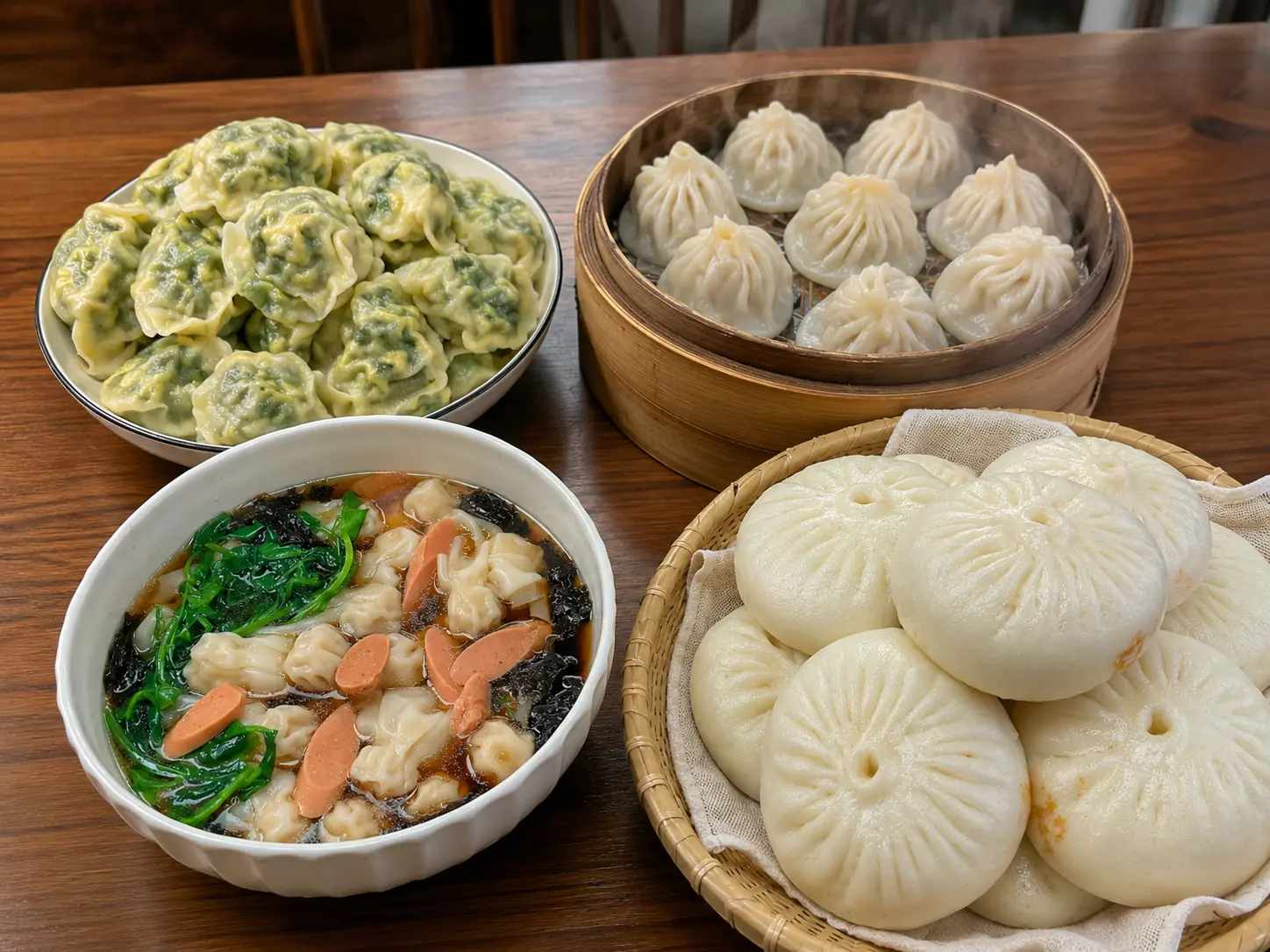
The closest English word is "dumpling," but that word causes trouble in China because it covers too much. Wontons (馄饨), xiaolongbao (小笼包), and baozi (包子) belong to different ordering worlds. Jiaozi sit in their own lane: wheat wrapper, sealed edge, savory filling, and usually a dipping sauce.
| Name | Chinese | How It Feels | How Travelers Should Think of It |
|---|---|---|---|
| Jiaozi | 饺子 | Firm wheat wrapper, sealed crescent or ingot shape | The standard Chinese dumpling for boiling, steaming, or pan-frying |
| Wontons | 馄饨 | Thinner wrapper, softer bite, often in broth | A soup or sauced snack, not the same default order |
| Xiaolongbao | 小笼包 | Small steamed bun with hot soup inside | Eat carefully with vinegar and ginger; do not bite straight through |
| Baozi | 包子 | Fluffy leavened dough, bread-like wrapper | More like a filled bun, often breakfast or a snack |
Boiled, Steamed, and Pan-Fried Jiaozi
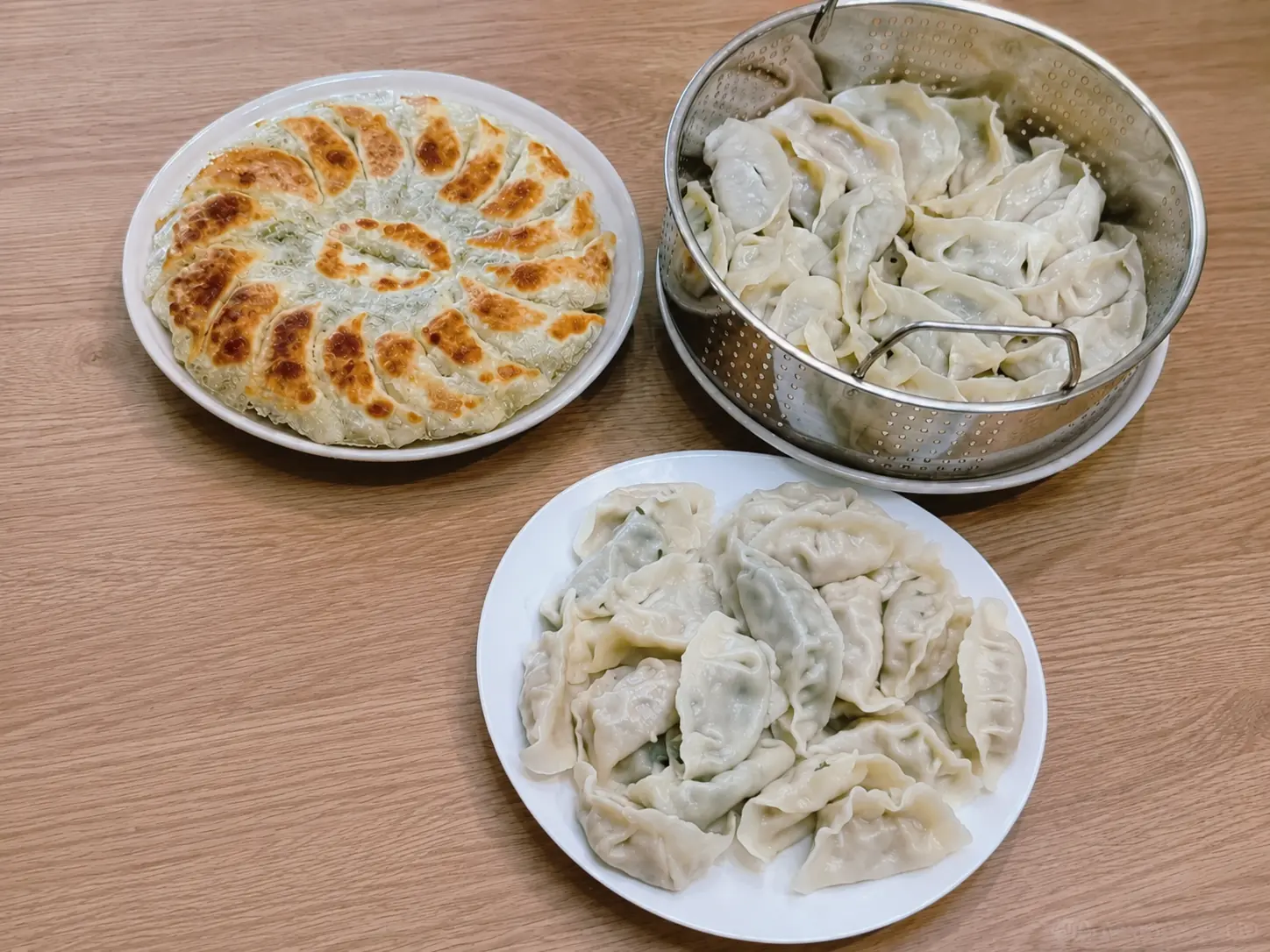
Choose the cooking method before you choose the filling. Boiled dumplings tell you the most about the wrapper and filling, steamed dumplings keep a firmer shape, and pan-fried dumplings add the crisp-bottom contrast many travelers know from potstickers.
Boiled (水饺)
Best baseline
- ✓Soft, hot, and usually served plain with sauce on the side.
- ✓Best for tasting wrapper, filling, and vinegar clearly.
- ✓This is what many northern families mean by everyday jiaozi.
Steamed (蒸饺)
Neater shape
- ✓Usually firmer and tidier than boiled dumplings.
- ✓Good for larger dumplings, beef, lamb, and breakfast-style shops.
- —Not automatically light; lamb-and-scallion versions can be rich.
Pan-Fried (煎饺 / 锅贴)
Crisp-bottom choice
- ✓The cook fries the base, steams the filling, then lets the pan dry.
- ✓Some shops make ice-lace dumplings (冰花煎饺) with a crackly starch web.
- ✓Best as a second plate after boiled dumplings.
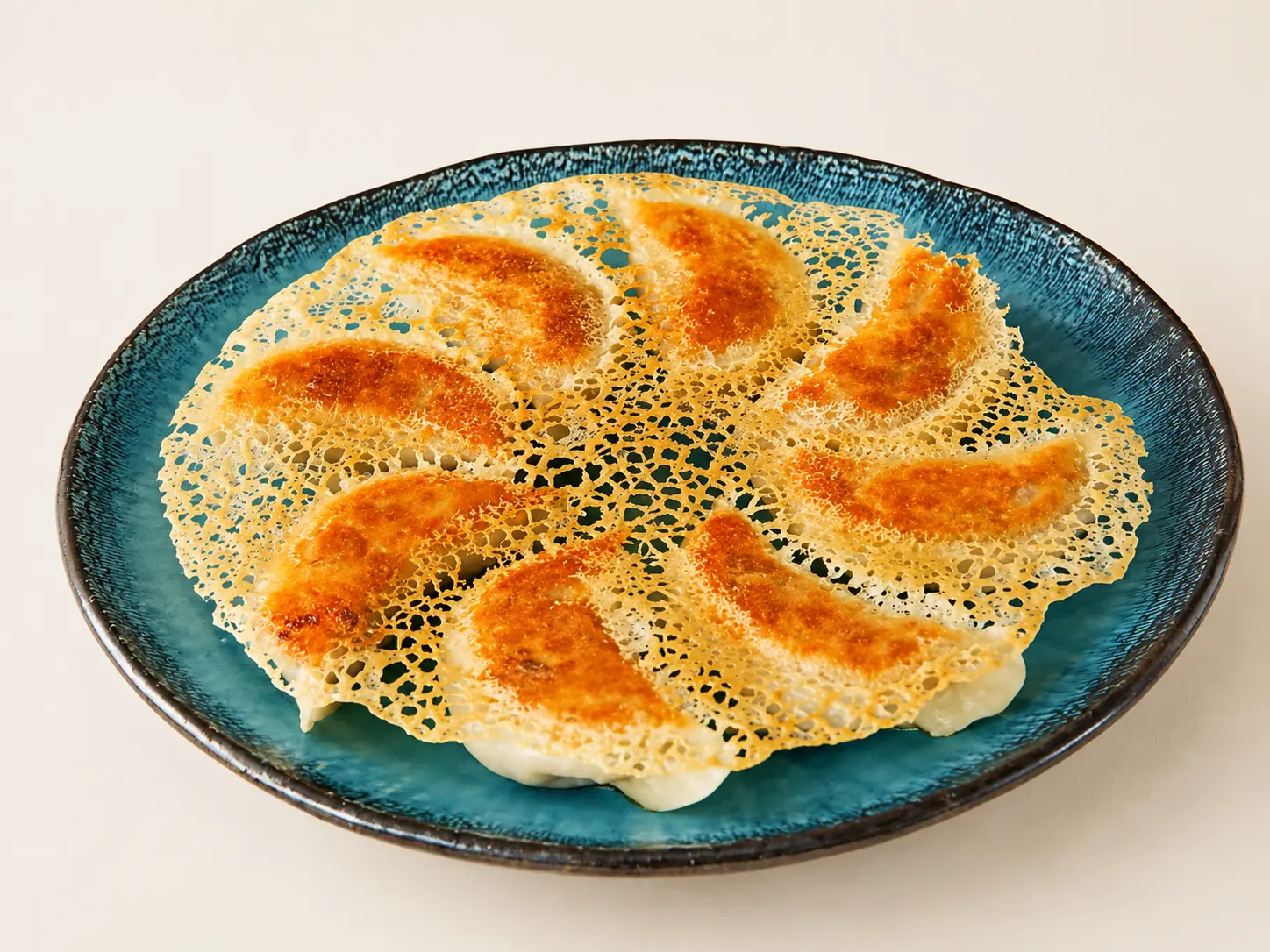
First plate strategy
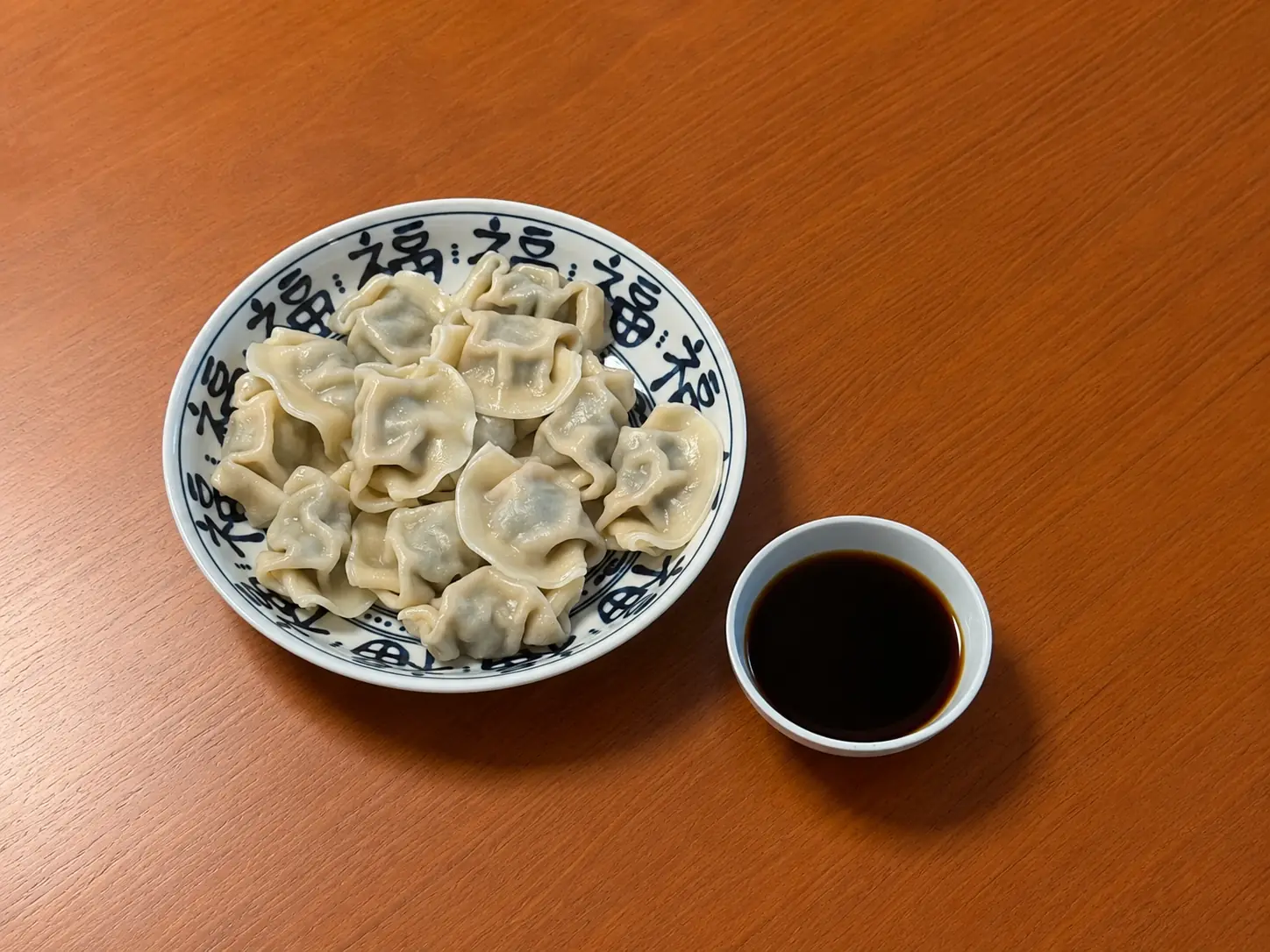
If you only order one plate, choose boiled dumplings first. If you order two, add pan-fried dumplings for contrast. That gives you the everyday version and the crowd-pleasing crisp version in one meal.
Jiaozi Fillings to Order on Your First Meal
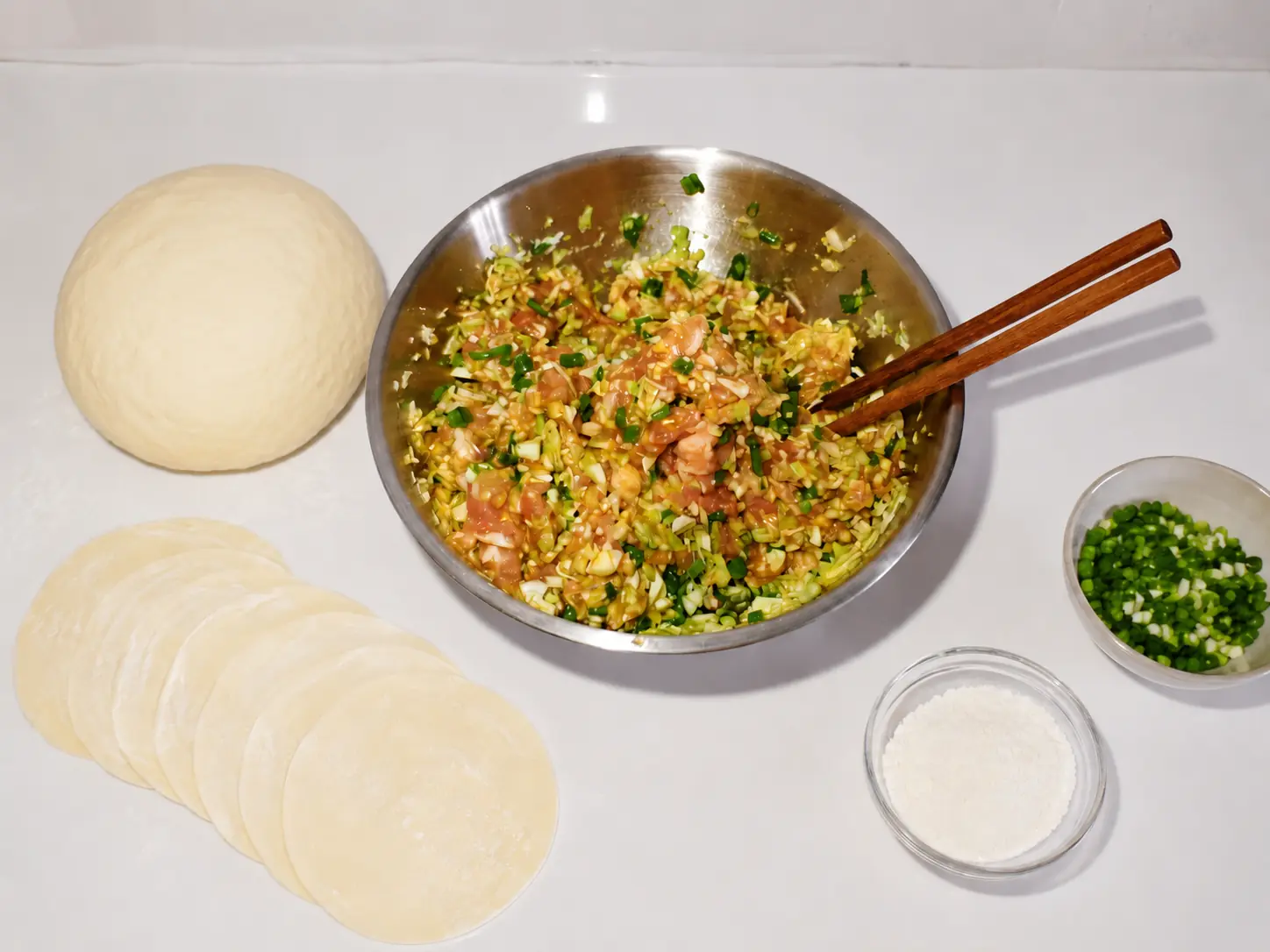
Pork and napa cabbage (猪肉白菜) is the safest classic. Cabbage keeps the filling juicy, pork gives fat and depth, and the flavor does not fight the vinegar. Pork and Chinese chives (猪肉韭菜) is stronger and more aromatic; it is excellent if you like chives, but it can be intense in a small hotel room afterward.
Three-delicacy dumplings (三鲜) are another good first-timer option, but the name is flexible. Depending on the shop, it may mean pork, shrimp, and egg; shrimp, egg, and chives; or another "three fresh" mix. Beef, lamb, fish, mushroom, tofu, and egg-and-chive fillings all exist, especially in northern and coastal cities.
Vegetarian and gluten-free checks
Vegetarians should check more carefully than the English menu suggests. A "vegetable dumpling" may still contain egg, dried shrimp, lard, oyster sauce, or stock. Gluten-free travelers should be even more cautious: ordinary jiaozi wrappers are made from wheat flour.
| Filling | Chinese | Best For | Watch Out For |
|---|---|---|---|
| Pork and cabbage | 猪肉白菜 | First-timers, families, mild palates | Contains pork and wheat |
| Pork and chives | 猪肉韭菜 | Travelers who like a stronger aroma | Chive and garlic-like aftertaste |
| Three-delicacy | 三鲜 | People who want a more savory, mixed filling | Ingredients vary by shop; ask if allergic to shrimp |
| Chive and egg | 韭菜鸡蛋 | Vegetarian-leaning travelers who eat egg | Not vegan; may share prep space with meat |
| Lamb or beef | 羊肉 / 牛肉 | Northern, Muslim, or winter meals | Can be fatty and strongly seasoned |
How to Mix Jiaozi Dipping Sauce

The simplest jiaozi dip is vinegar plus a little soy sauce. In a northern dumpling shop, the table may have dark vinegar or fragrant vinegar, light soy sauce, chili oil, minced garlic, and sesame oil.
Do not build the sauce like a salad dressing. Too much soy sauce makes the dumplings taste salty and flat; too much chili oil hides the filling. If the dumplings are already rich, use more vinegar. If the filling is delicate, use less garlic.
Start Sharp
Start with two parts vinegar to one part soy sauce, then adjust after tasting one dumpling plain.
Add Garlic Late
Raw garlic and chili oil are powerful. Add them in small steps so the sauce does not become louder than the dumpling.
Respect Local Styles
Zhong dumplings (钟水饺) use sweet soy, chili oil, and garlic; Xi'an sour-soup dumplings put the dumplings in tangy broth.
Garlic is not invisible
Raw garlic is common and delicious with dumplings, but it lingers. If you have a train ride, meeting, or shared car afterward, go lighter than locals around you.
Jiaozi Traditions and When Families Eat Them
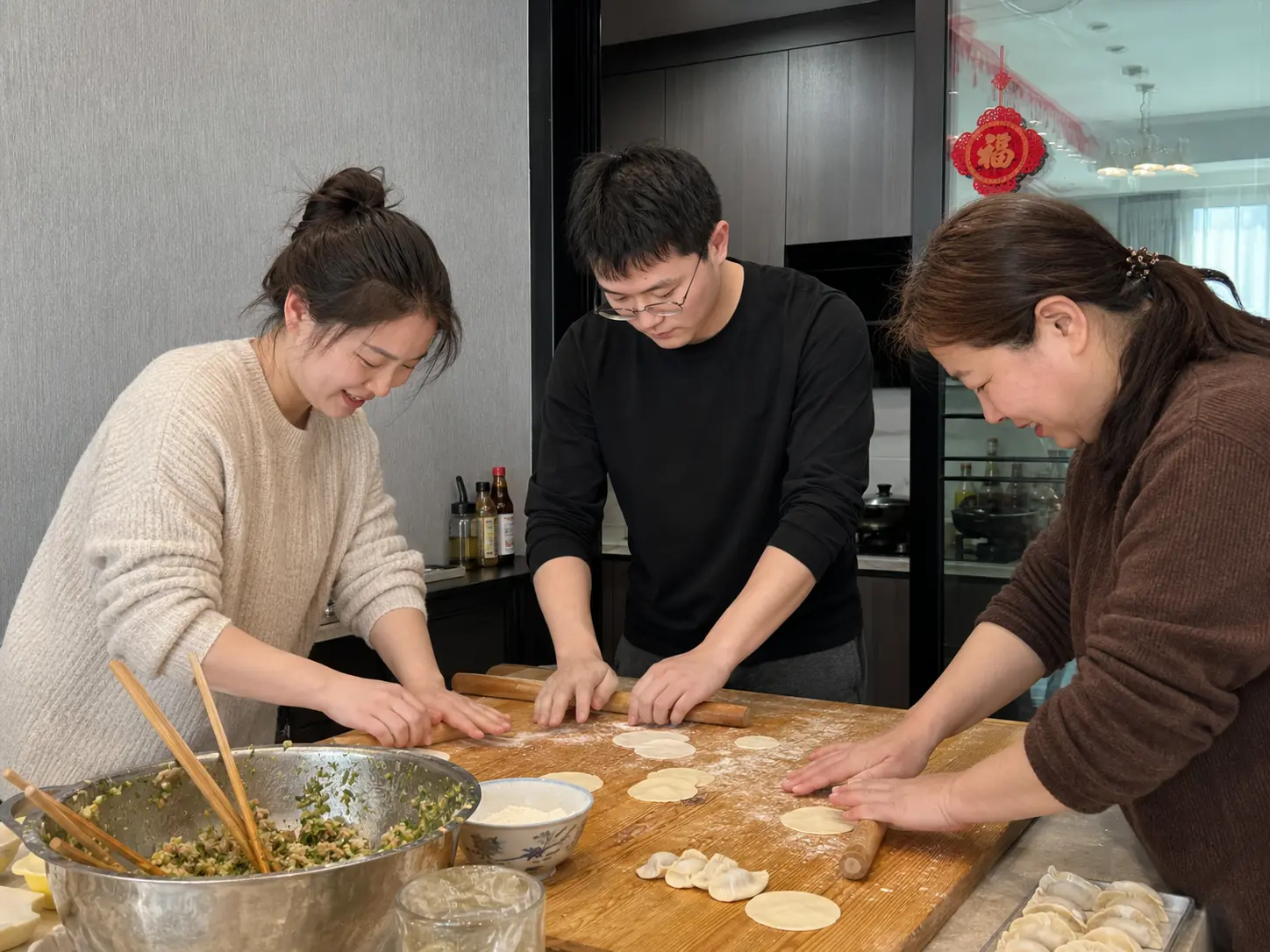
Jiaozi matter most as a family ritual in northern China. During Spring Festival, many families make dumplings together around New Year's Eve: one person rolls wrappers, another fills, another folds, and someone watches the pot.
Chinaculture describes jiaozi as especially important during holidays in northern China and notes the family teamwork of making them together.
Ingot Shape
Their shape is often compared with old Chinese ingots, so eating them can stand for wealth and good fortune.
Hidden-Luck Game
Some families hide a coin, peanut, date, or candy in a dumpling. These are customs, not universal rules.
Northern, Not Universal
In the north, jiaozi can be central to New Year's Eve, New Year's Day, Winter Solstice, and family gatherings; many southern regions emphasize other festival foods.
China Daily likewise frames dumplings as part of northern reunion dinners while noting southern Spring Festival staples such as nian gao and tangyuan.
Where to Try Jiaozi Across China
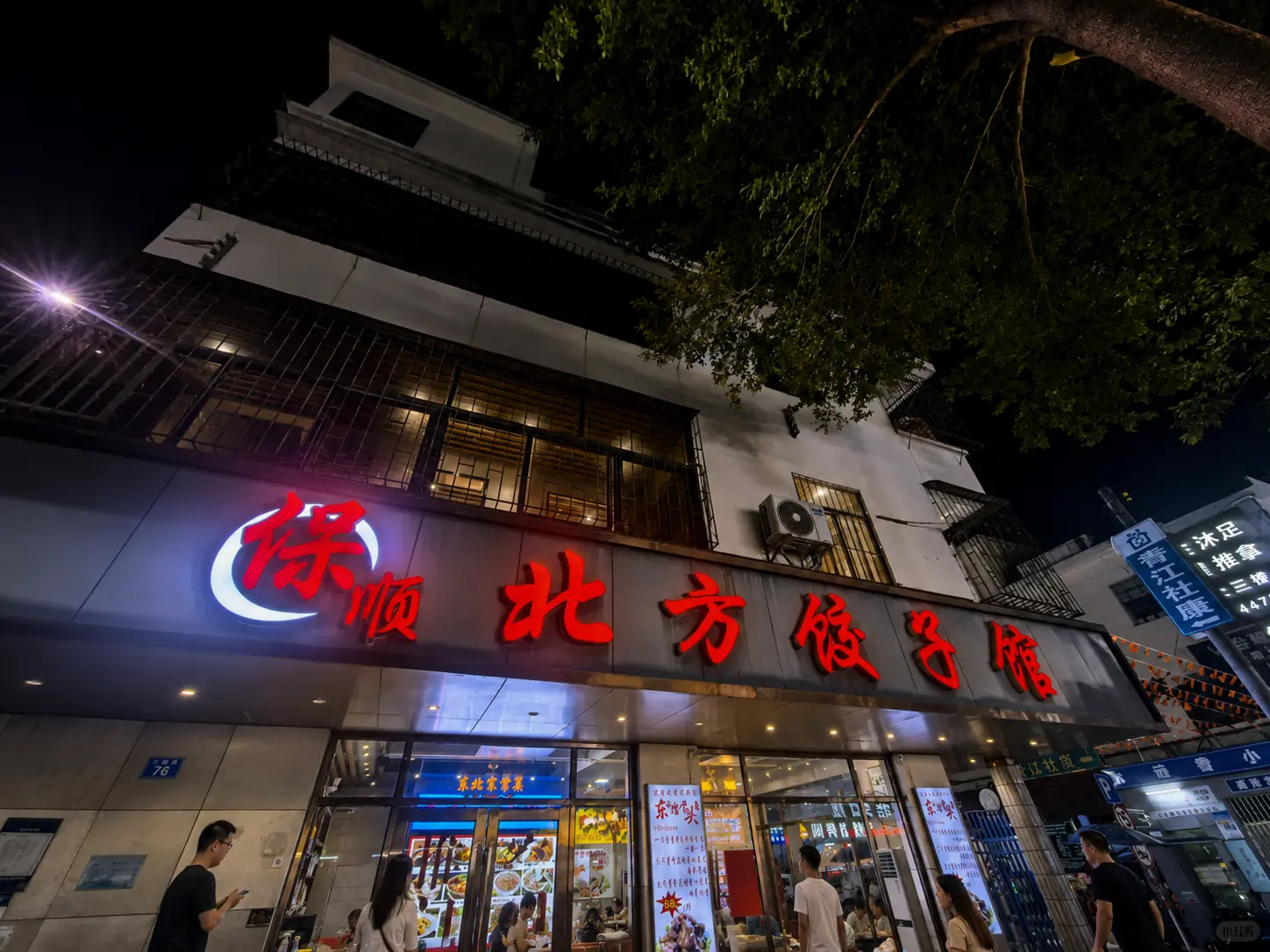
You can find dumplings almost anywhere, but the odds improve in northern or wheat-focused food cities. Beijing, Tianjin, Harbin, Shenyang, Qingdao, Dalian, Xi'an, and many smaller northern cities treat dumplings as a normal meal, not a novelty.
Look for signs that say dumpling shop, boiled dumplings, potstickers, Northeast cuisine, home-style cooking, or halal steamed dumplings. The right shop type matters more than chasing a famous name from a list.
Northern Dumpling Shops
Everyday baseline
Boiled pork-and-cabbage or three-delicacy dumplings are the reference order here.
Northeast Restaurants
Big winter plates
Order big boiled dumplings, cold dishes, and pan-fried options for generous wheat-staple meals.
Xi'an Shops
Sauce and broth
Sour-soup dumplings and dumpling-banquet styles make the liquid part of the local identity.
Qingdao and Coastal Shops
Seafood fillings
Spanish mackerel or seafood dumplings can be more local than ordering the same pork plate everywhere.
Halal Beef or Lamb Shops
Pork-free direction
Beef-and-scallion or lamb dumplings help travelers avoiding pork, but still confirm broth and oil.
Use city food guides to choose the right context. In Beijing, dumplings sit beside roast duck, zhajiang noodles, hotpot, and wheat snacks. In Harbin, they are part of practical winter eating. In Xi'an, dumpling banquets and sour-soup dumplings are different experiences. In Qingdao, seafood dumplings such as Spanish mackerel dumplings can be more local than a generic pork plate.
In southern China, do not force jiaozi expectations onto every dumpling-like food. Guangzhou dim sum, Shanghai xiaolongbao, Hong Kong wonton noodles, and Jiangnan rice snacks have their own logic. The more useful skill is recognizing which dumpling world you are in before ordering.
How to Order Jiaozi in Dumpling Shops
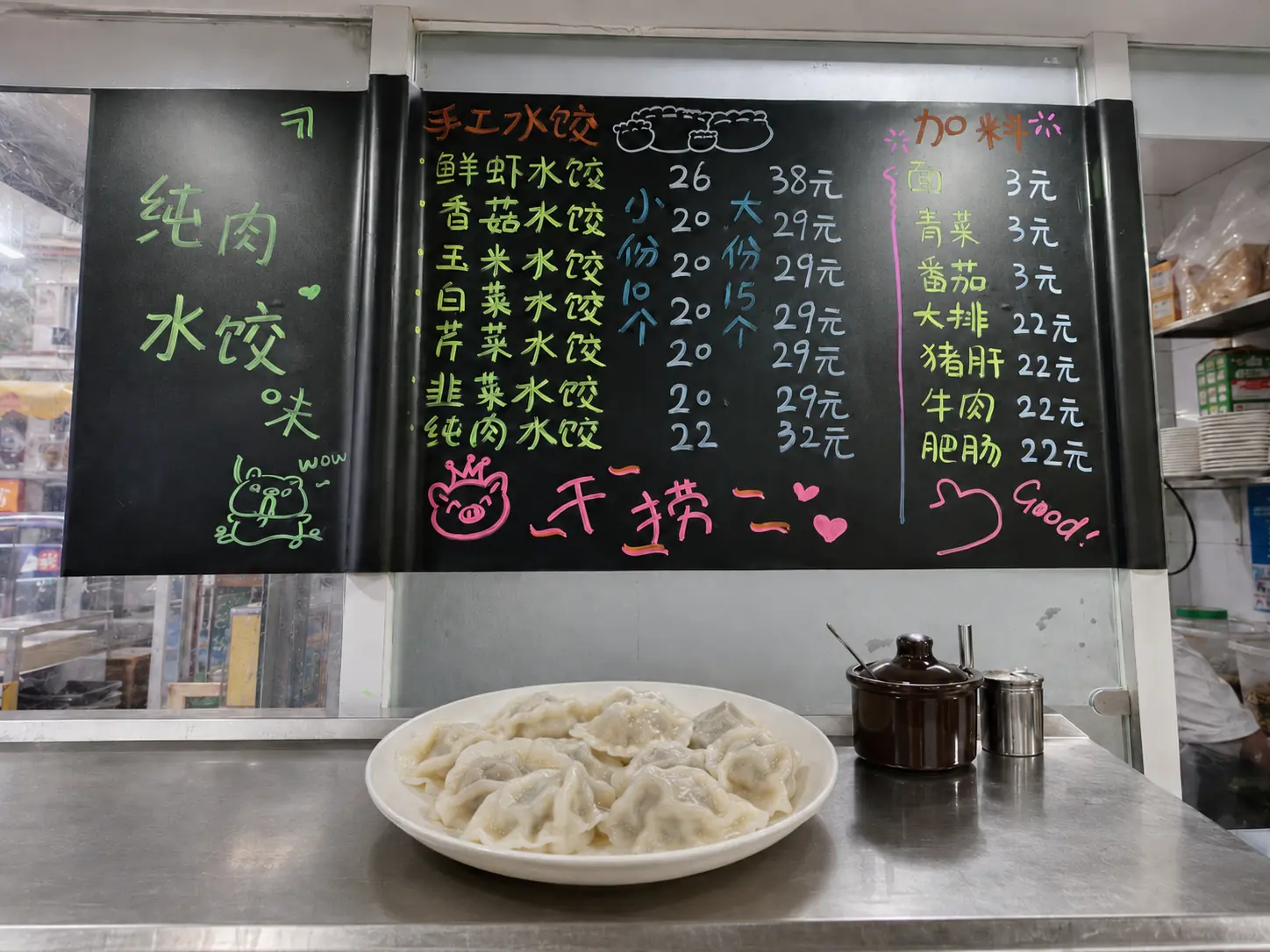
Read the cooking method first, then the filling. If a menu only says jiaozi (饺子), the default may be boiled dumplings, but not always. If it says boiled dumplings (水饺), steamed dumplings (蒸饺), pan-fried dumplings (煎饺), or potstickers (锅贴), you know the texture before you choose the filling.
Portions vary by city and shop. Some menus price by plate, some by weight, and some by number. For one adult, one plate of 10-15 dumplings is often enough for a simple meal. For two people, order one plate of boiled dumplings, one plate of pan-fried dumplings, and a cold vegetable dish instead of three heavy dumpling plates.
| English | Chinese | Pinyin | Say It Like… |
|---|---|---|---|
| One serving of boiled dumplings | 一份水饺 | yi fen shui jiao | ee fun shway jow |
| Pork and napa cabbage | 猪肉白菜 | zhu rou bai cai | joo roh bye tsai |
| Three-delicacy filling | 三鲜 | san xian | sahn shyen |
| Chinese chive and egg | 韭菜鸡蛋 | jiu cai ji dan | jyo tsai jee dahn |
| No pork | 不要猪肉 | bu yao zhu rou | boo yao joo roh |
| No chili heat | 不要辣 | bu yao la | boo yao lah |
| No garlic | 不要蒜 | bu yao suan | boo yao swan |
| Can I take it to go? | 可以打包吗? | ke yi da bao ma | kuh yee dah bao mah |
First-Timer Jiaozi Mistakes Travelers Should Avoid
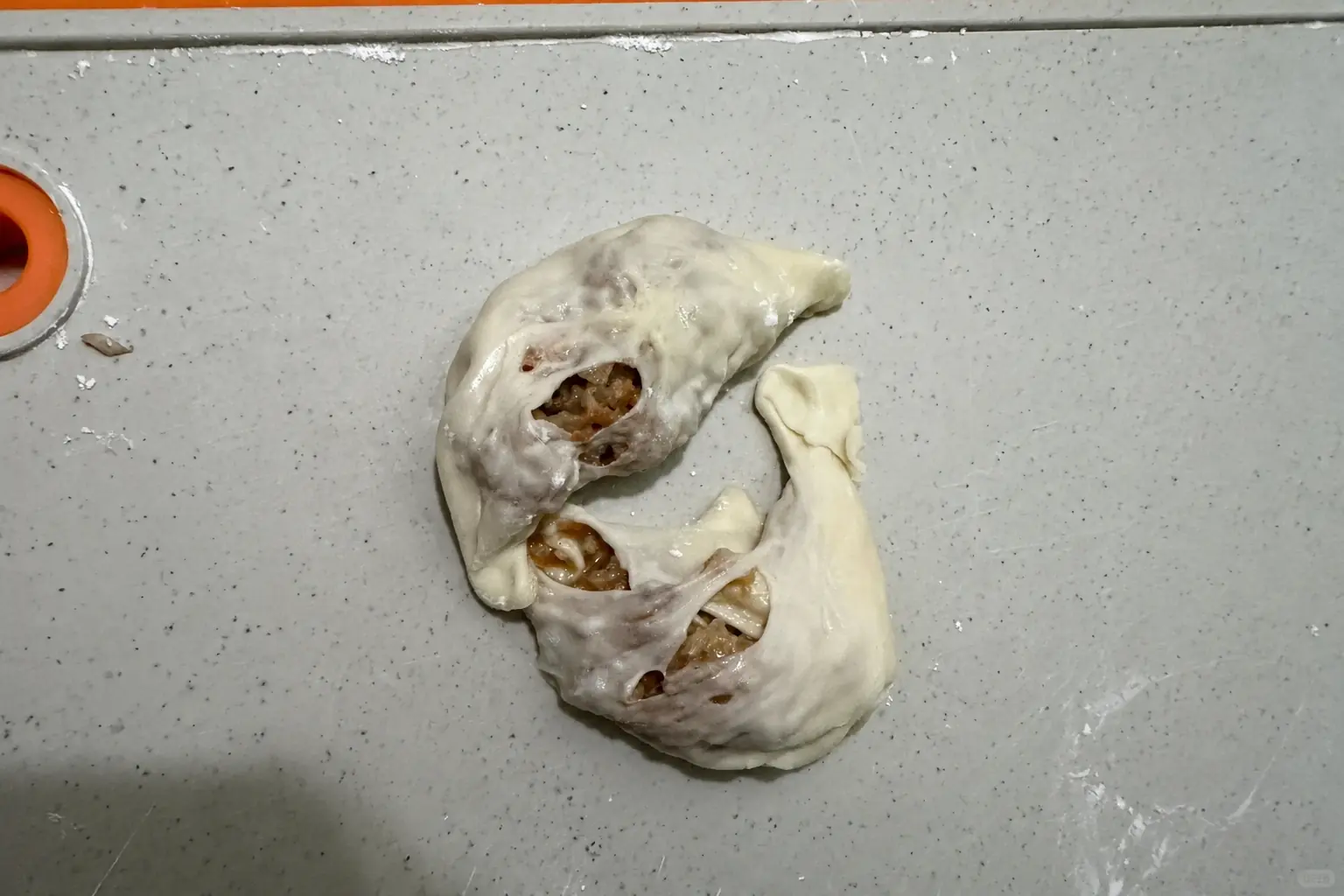
Most first-timer mistakes come from treating "dumpling" as one category. In China, wrapper, filling, cooking method, sauce, and regional style all change the order.
Use the list below as a quick check before your first dumpling-shop meal.
- Do not treat all Chinese dumplings as one food. Boiled jiaozi, xiaolongbao, wontons, and dim sum shrimp dumplings need different expectations.
- Do not order only pan-fried dumplings because they resemble overseas potstickers. Boiled jiaozi are the everyday reference point.
- Do not make the sauce louder than the dumpling. Taste one plain dumpling first, then add vinegar, soy sauce, garlic, and chili in small steps.
- Do not forget dietary details. Pork, shrimp, egg, wheat, sesame oil, oyster sauce, and shared prep surfaces are all common.
Frequently Asked Questions
Not exactly. Potstickers are pan-fried dumplings, while jiaozi can also be boiled or steamed. In China, boiled jiaozi are often the default everyday version.
Beyond This Guide
Jiaozi are a good starting point because they teach you how Chinese menus divide wrapper, filling, cooking method, and sauce. After that, the next step is regional: compare Beijing boiled dumplings, Xi'an sour-soup dumplings, Chengdu Zhong dumplings, Shanghai xiaolongbao, Guangzhou dim sum, and Qingdao seafood dumplings. The word "dumpling" gets smaller once you start eating city by city.
© gochinafreely.com — Original guide by Go China Freely.