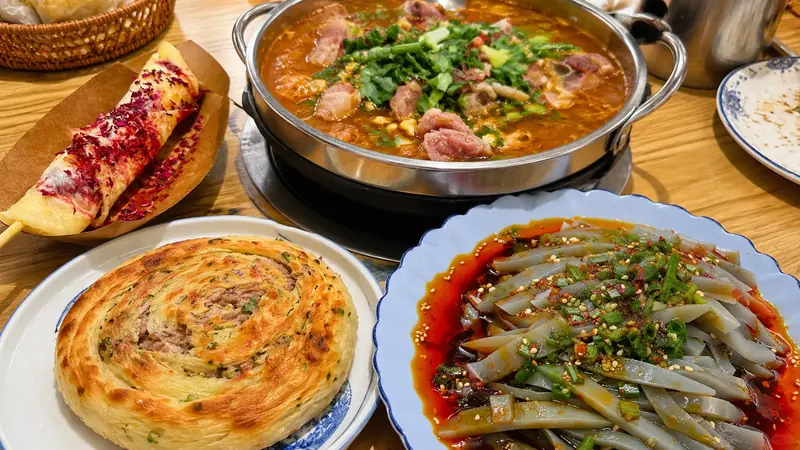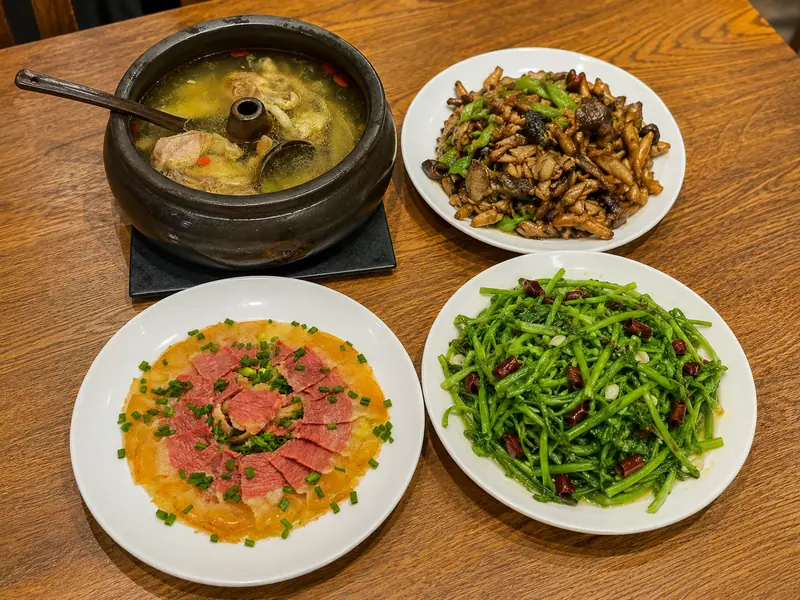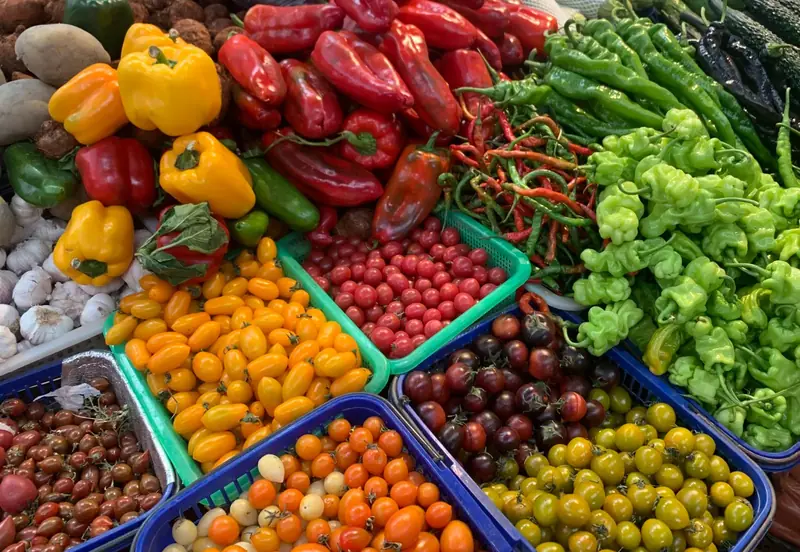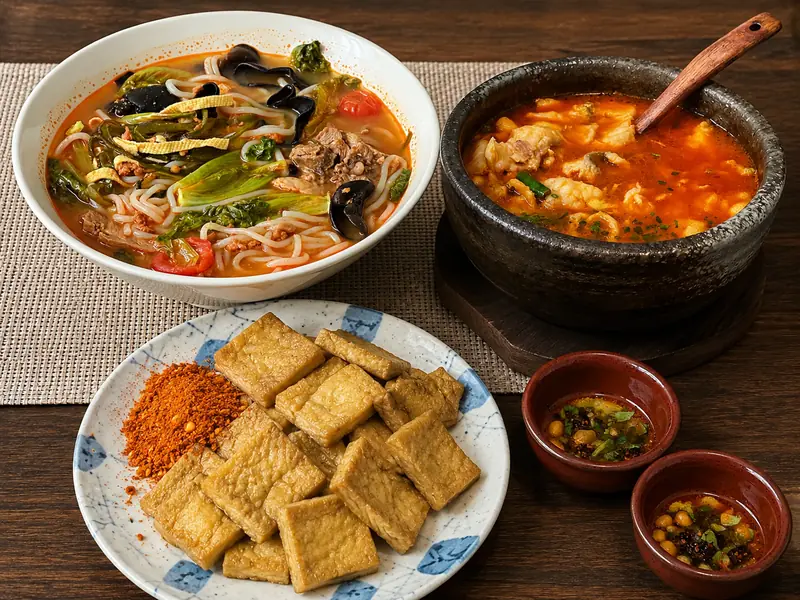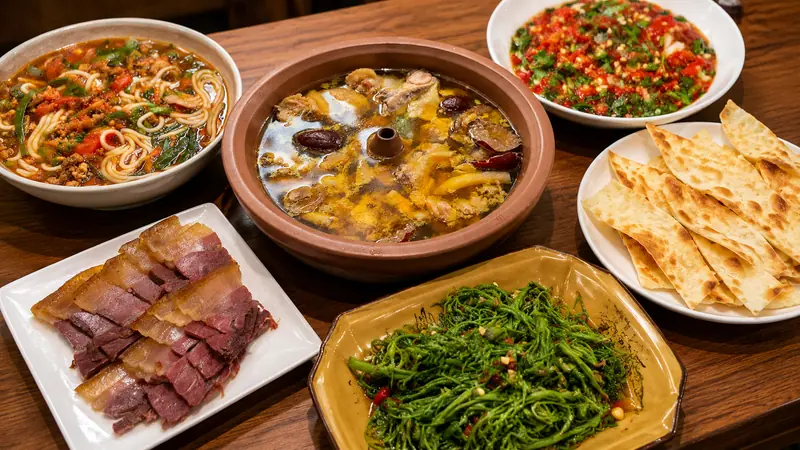
Yunnan cuisine is easy to shrink into two famous ideas: crossing-the-bridge rice noodles and wild mushrooms. Useful, but far too small. The province eats like a map: Kunming markets, Dali dairy, Lijiang highland snacks, Xishuangbanna sour-spicy Dai dipping sauces, Pu'er tea country, rainy-season fungi, edible flowers, and ham-scented steam all changing with altitude, ethnicity, and season.
Executive Summary
What this guide covers
Yunnan food logic across rice noodles, wild mushrooms, edible flowers, herbs, ham, steam-pot chicken, tea, Dai, Bai, Naxi, and highland foodways.
Best first table
Build balance: one rice-noodle or staple item, one mushroom or steam-pot dish, one flower or wild vegetable, one ham or dairy note, one sour-spicy dip, and tea.
Main traveler challenge
Yunnan food can look light but hide hot broth, pork, ham, peanuts, sesame, dairy, fish sauce, raw toppings, and serious wild-mushroom safety risks.
25
Minority groups in Yunnan
July-Oct
Common mushroom season
Rice noodles
Daily food anchor
Ask first
Mushrooms, pork, dairy
Yunnan Cuisine Is a Food Map
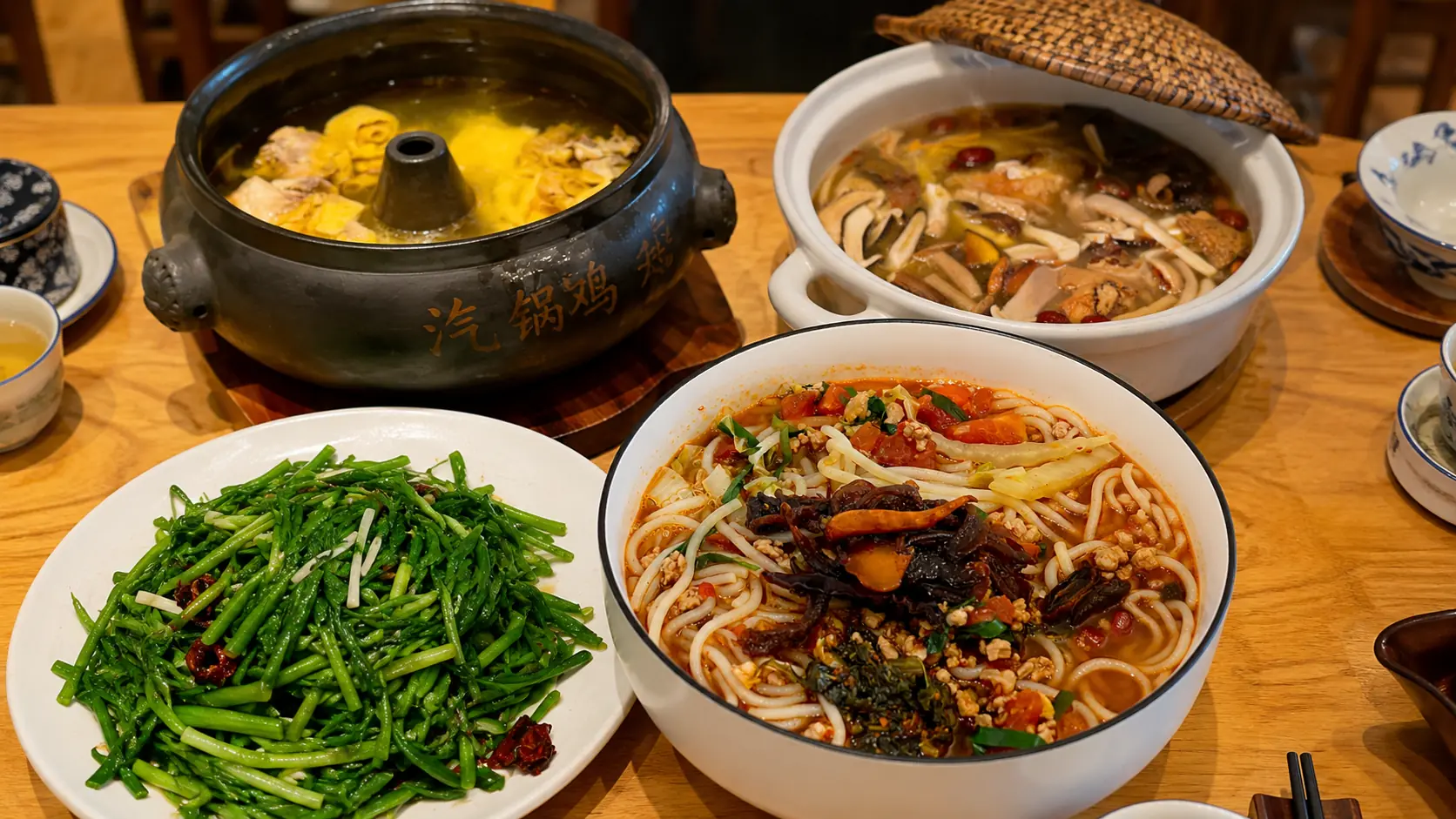
The first rule of Yunnan cuisine (滇菜) is that it is not one flavor. A Kunming rice-noodle breakfast, a Dali Bai dairy snack, a Dai sour-spicy meal in Xishuangbanna, a Lijiang highland plate, and a Pu'er tea stop may all be Yunnan food, but they do not taste or function the same way.
A China Daily Yunnan overview says the province has the highest number of ethnic groups among China's provinces and autonomous regions, with 25 of China's recognized ethnic groups found in Yunnan. Those groups are spread across border valleys, low mountains, high mountains, lakes, plateaus, and subtropical areas. The food follows the landscape.
Kunming Soft Landing
Start with rice noodles, steam-pot chicken, mushrooms in season, edible flowers, and city restaurants that gather provincial classics in one place.
Dali and Lijiang Layer
Bai dairy, Three-Course Tea (三道茶), Lijiang flatbread (丽江粑粑), chickpea jelly (鸡豆凉粉), and highland snacks make the northwest feel different from Kunming.
Southern and Highland Edges
Xishuangbanna pushes the table toward sour, spicy, herbal, and grilled Dai flavors, while Shangri-La and Deqin add yak, barley, buttered tea, potatoes, and Tibetan-influenced meals.
For travelers, the smartest question is not "What is the one classic Yunnan taste?" It is "Which part of Yunnan am I eating?"
Rice Noodles Are the Daily Anchor
Crossing-the-bridge rice noodles (过桥米线) are the ceremonial bowl most visitors know first: hot broth, rice noodles, and small plates of toppings arriving separately. The official China Intangible Cultural Heritage digital museum lists Mengzi crossing-the-bridge rice noodle making technique as a national representative intangible cultural heritage project announced in 2014, and describes the dish as built from rice noodles, fresh broth, and side ingredients.
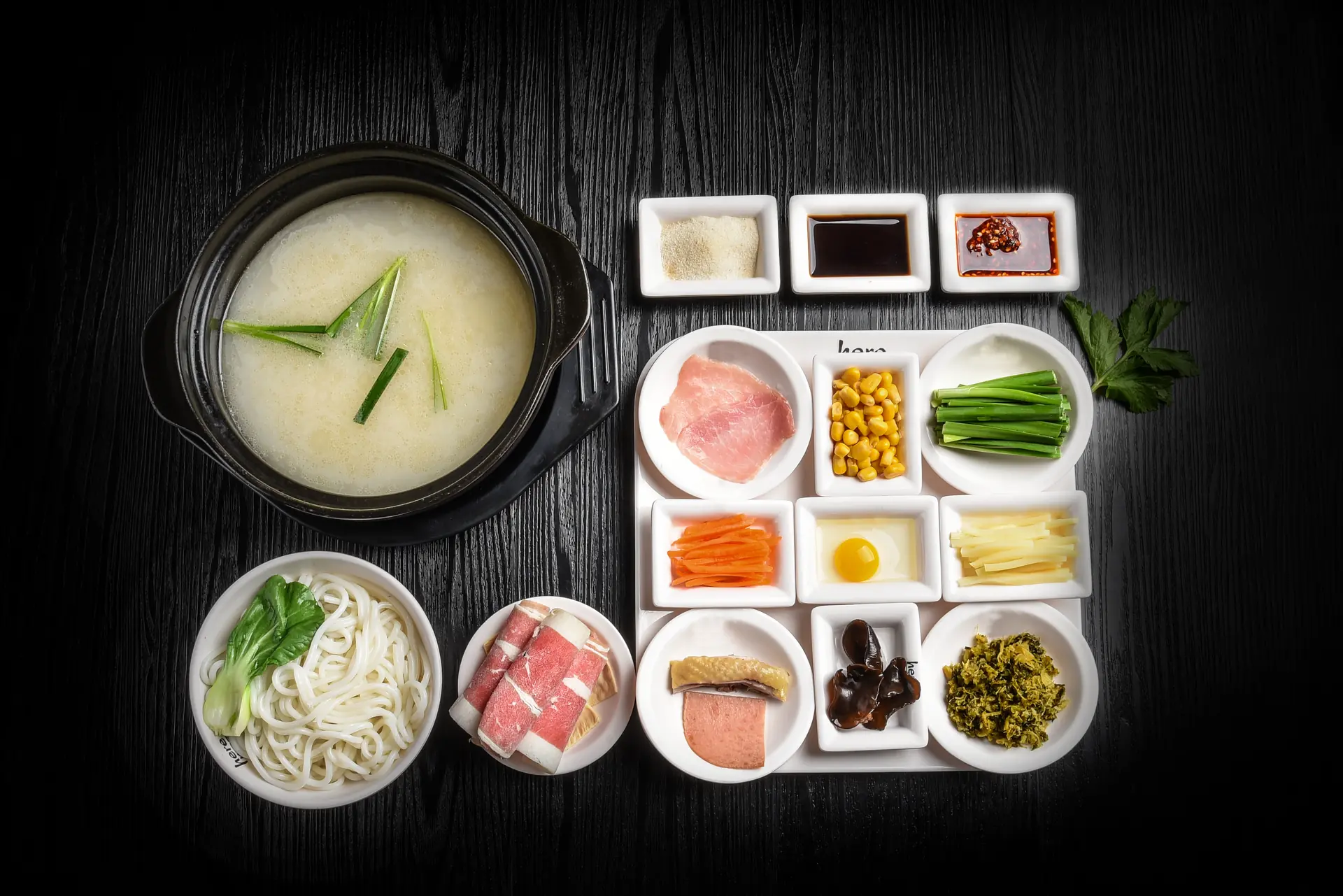
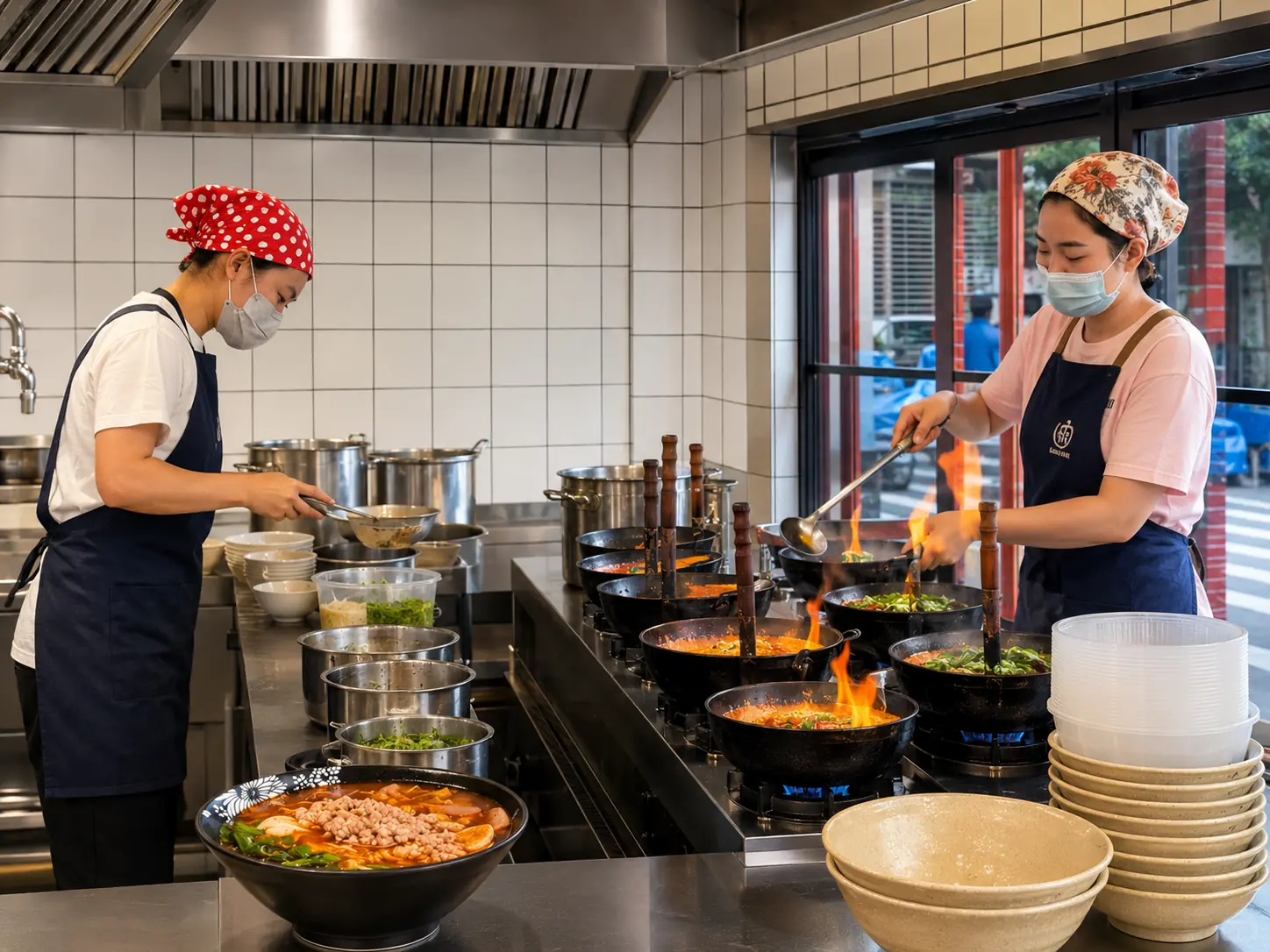
A Kunming government-linked China Daily page says rice noodles are popular among local residents, with crossing-the-bridge noodles as the nationally famous must-try version. Try that formal bowl once, then move sideways into small-pot rice noodles (小锅米线), tofu-pudding rice noodles (豆花米线), cold rice noodles (凉米线), clear soup noodles, sour-spicy bowls, market breakfasts, and quick lunches.
Rice Noodles Are Not Automatically Vegetarian
The noodles may be rice-based, but the broth may contain pork bones, chicken, beef, liver, ham, fish, or mixed stock. If you avoid meat, ask about broth and toppings before you order, not after the bowl arrives.
Wild Mushrooms Need Season and Safety
Yunnan's rainy-season mushrooms are one of China's great food experiences. China Daily's "Eat like a local: Yunnan" notes that the province is famous for Pu'er tea, herbs, and mushrooms, and names matsutake, termite mushrooms, chanterelles, boletes, and black truffles as seasonal examples from July to October.
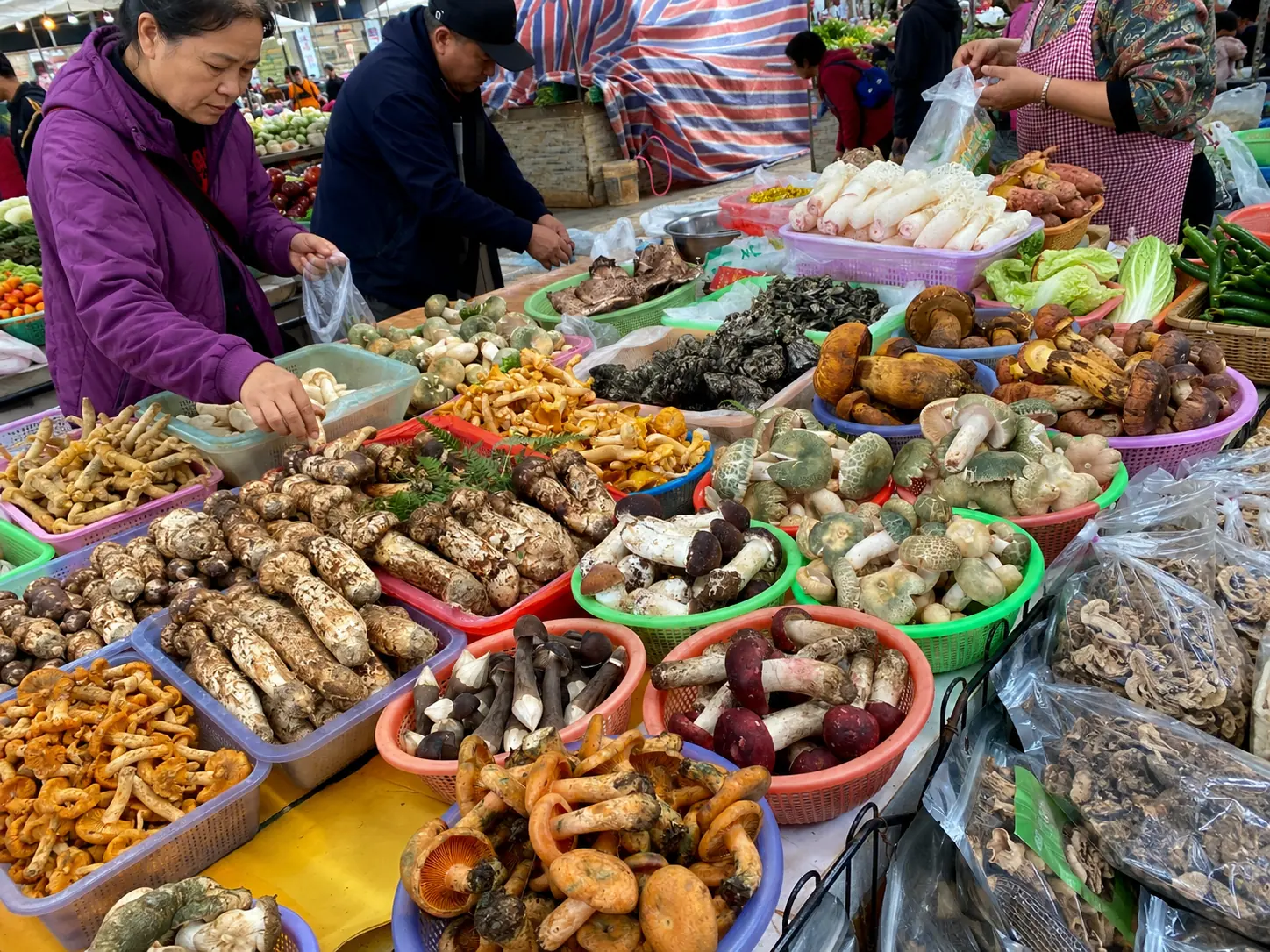
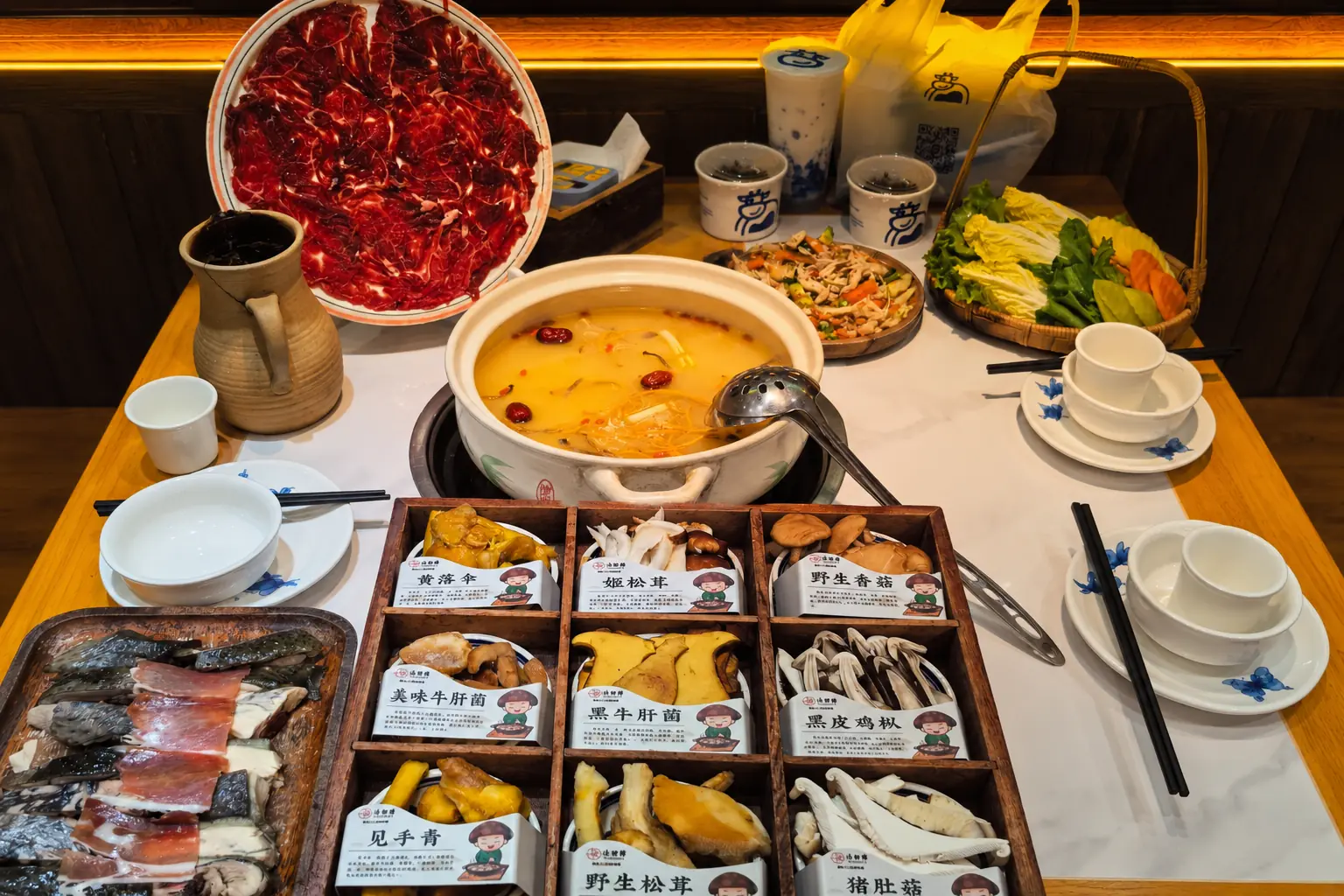
Treat Wild Mushrooms as a Safety Topic, Not Just a Food Trend
Yunnan Express calls Yunnan a kingdom of wild mushrooms, but the same wild mushroom safety guidance says not to pick or eat unfamiliar wild fungi, to cook them thoroughly, to avoid alcohol, and to seek medical help after symptoms such as nausea, dizziness, vomiting, blurred vision, or hallucination.
- Do not forage, even if a market or roadside seller looks local and confident.
- Eat wild mushrooms in a reputable restaurant, during season, and cooked thoroughly.
- If you are pregnant, traveling with young children, avoiding alcohol, or managing a sensitive stomach, choose cultivated mushrooms or steam-pot chicken instead.
Flowers, Ham, and Steam Build Aroma
Yunnan food often smells more floral, herbal, or earthy than first-time visitors expect. China Daily notes that Yunnan is known for edible blossoms such as roses and jasmine, with honeysuckle used in omelets and banana buds in salads. That makes flower cakes (鲜花饼) more than a souvenir box. They point to a wider habit of treating flowers and tender plants as ingredients.
Flowers and Tender Plants
鲜花饼 / 花入菜
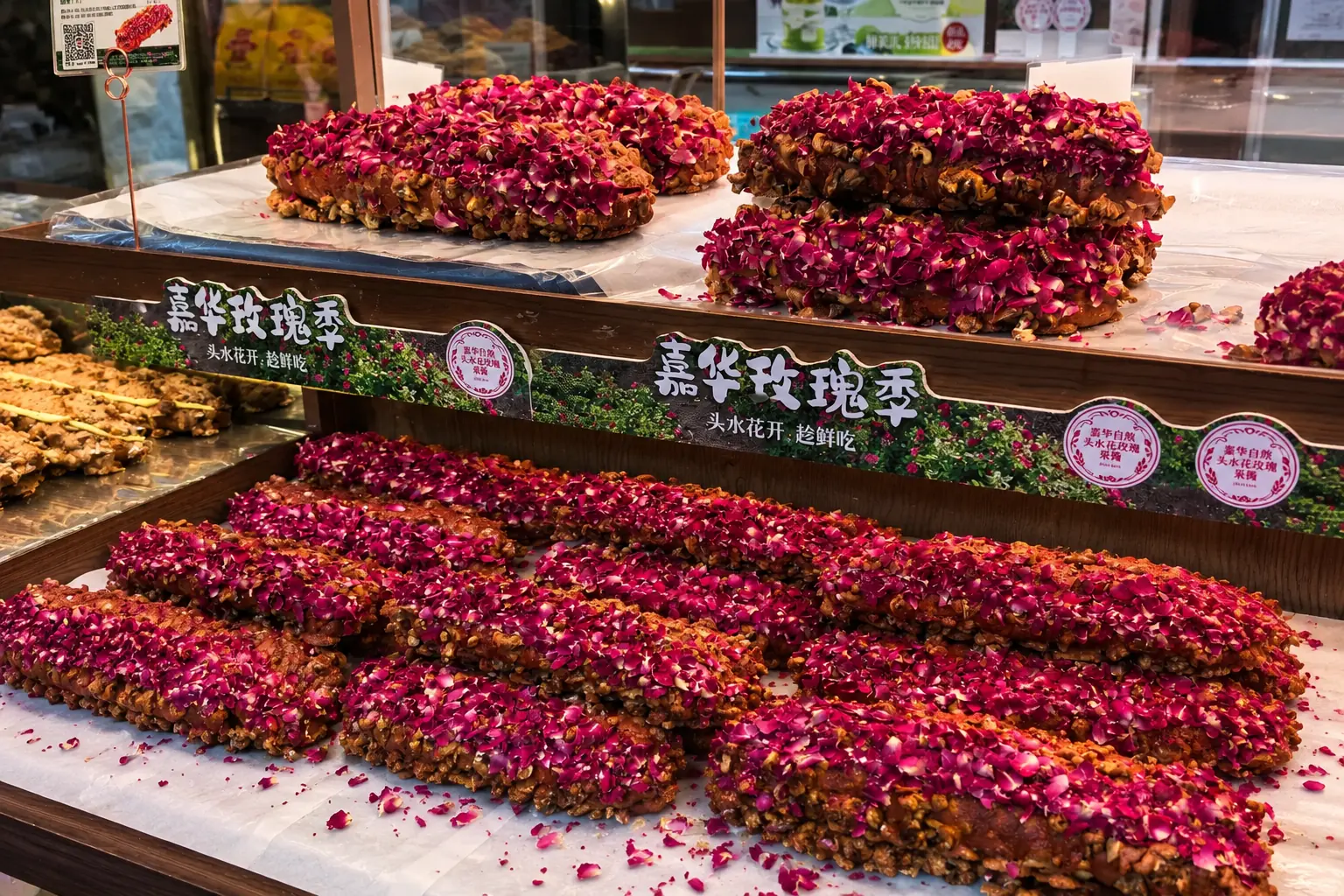
Flower cakes, rose fillings, jasmine dishes, banana-bud salads, and wild greens make the plant side of Yunnan cuisine feel aromatic rather than decorative.
Steam-Pot Chicken
汽锅鸡
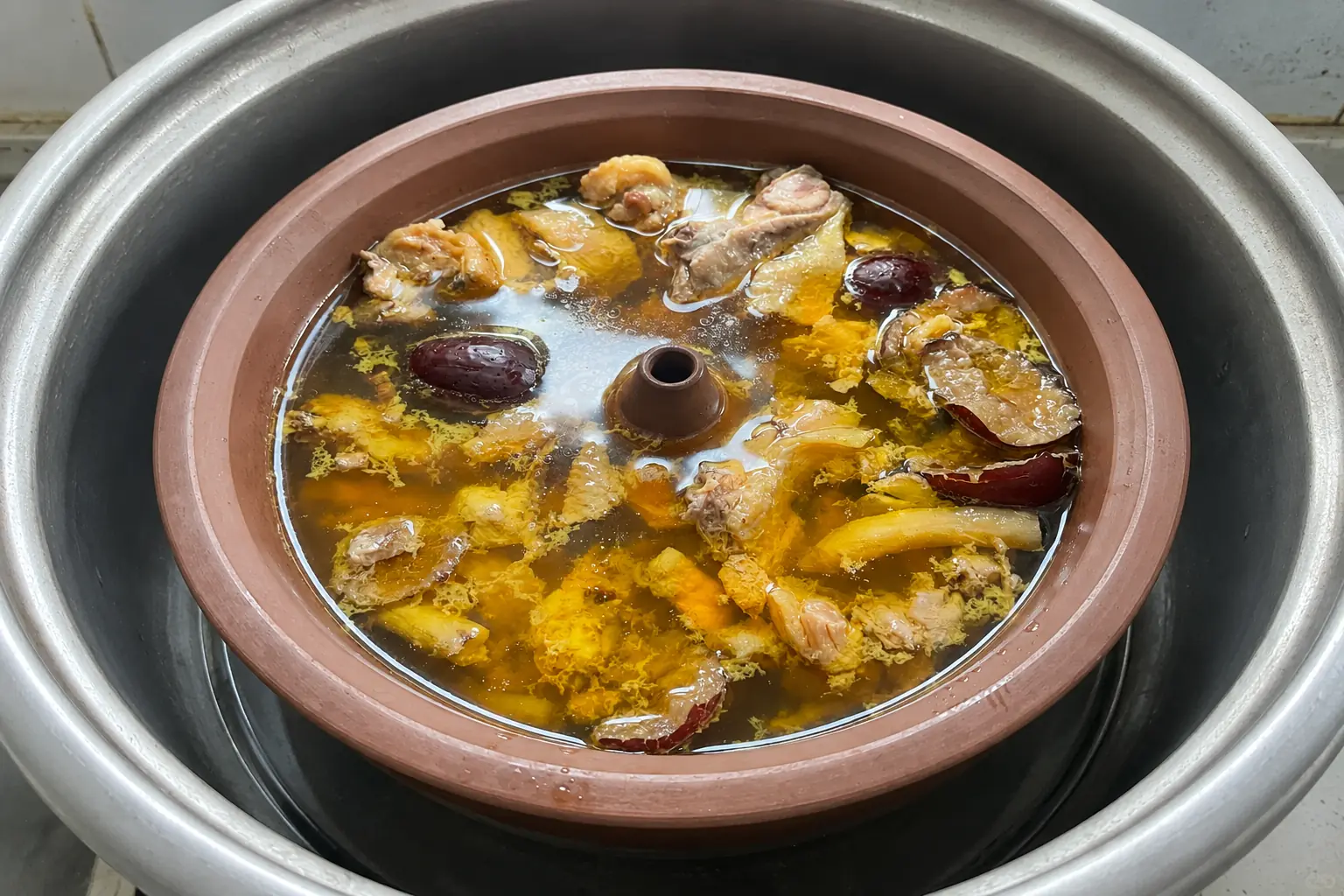
Steam-pot chicken gives the gentle side of Yunnan: clear broth, chicken, steam, and aroma. It is a useful first dinner when you need a break from chili, barbecue, or heavy oil.
Xuanwei Ham
宣威火腿
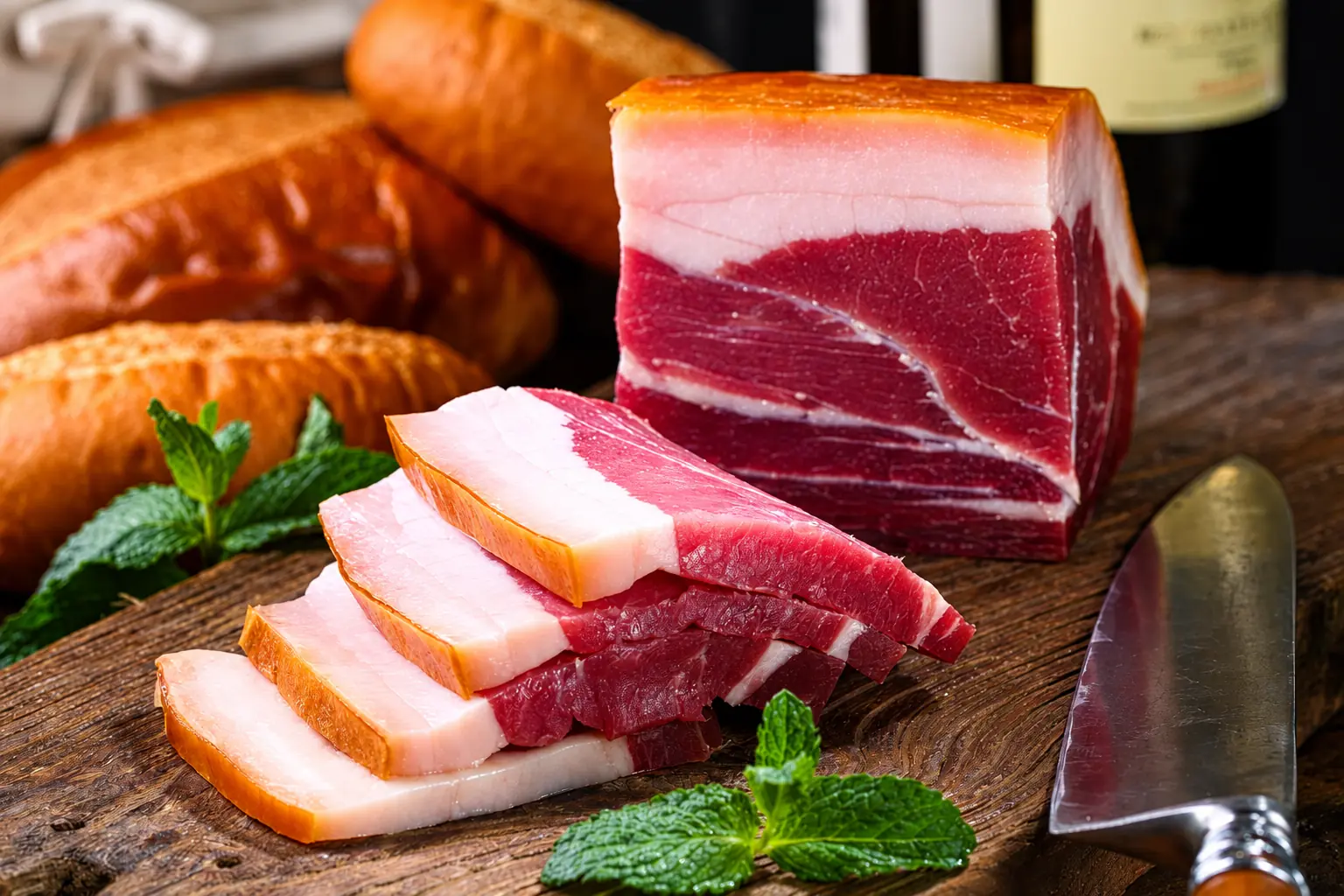
Xuanwei ham can season soups, steam-pot chicken, rice, vegetables, and stir-fries with only a little pork. Pork-avoidant travelers should ask even when a dish looks vegetable-led.
Ethnic Foodways Change the Menu
"Ethnic flavors" only helps if you make it specific. In Yunnan, the useful traveler question is where you are: Dai areas, Bai areas, Naxi areas, Tibetan-influenced highlands, Hani terrace country, or a city restaurant presenting a mixed Yunnan menu. Visit Colorful Yunnan's regional cuisine overview groups representative foods by place, including Kunming rice noodles and steam-pot chicken, Qujing's Xuanwei ham, Dali's Three-Course Tea and milk fan cheese, Lijiang's chickpea jelly, and Xishuangbanna's Dai-style foods.
| Foodway | Where Travelers Meet It | Useful Menu Clue |
|---|---|---|
| Dai (傣族) | Xishuangbanna, Dehong, southern and southwestern Yunnan | Sour-spicy dipping sauces, lime, chili, herbs, grilled fish, banana-leaf cooking, raw vegetables, sticky rice, and pineapple rice. |
| Bai (白族) | Dali, Xizhou, Erhai villages | Milk fan cheese (乳扇), Three-Course Tea (三道茶), Xizhou flatbread (喜洲粑粑), hot-sour fish, dairy, and lake ingredients. |
| Naxi (纳西族) | Lijiang and nearby highland towns | Lijiang flatbread (丽江粑粑), chickpea jelly (鸡豆凉粉), buttered tea, ham cakes, and a mix of Naxi, Han, and Tibetan influences. |
| Northwest highlands | Shangri-La, Deqin, northwest Yunnan routes | Yak, barley, buttered tea, mushrooms, potatoes, highland dairy, and Tibetan-influenced meals. |
| Urban Yunnan restaurants | Kunming and major tourist cities | Mixed menus: rice noodles, steam-pot chicken, wild mushrooms, ham, flower cakes, Dai cold dishes, Bai dairy, and seasonal greens. |
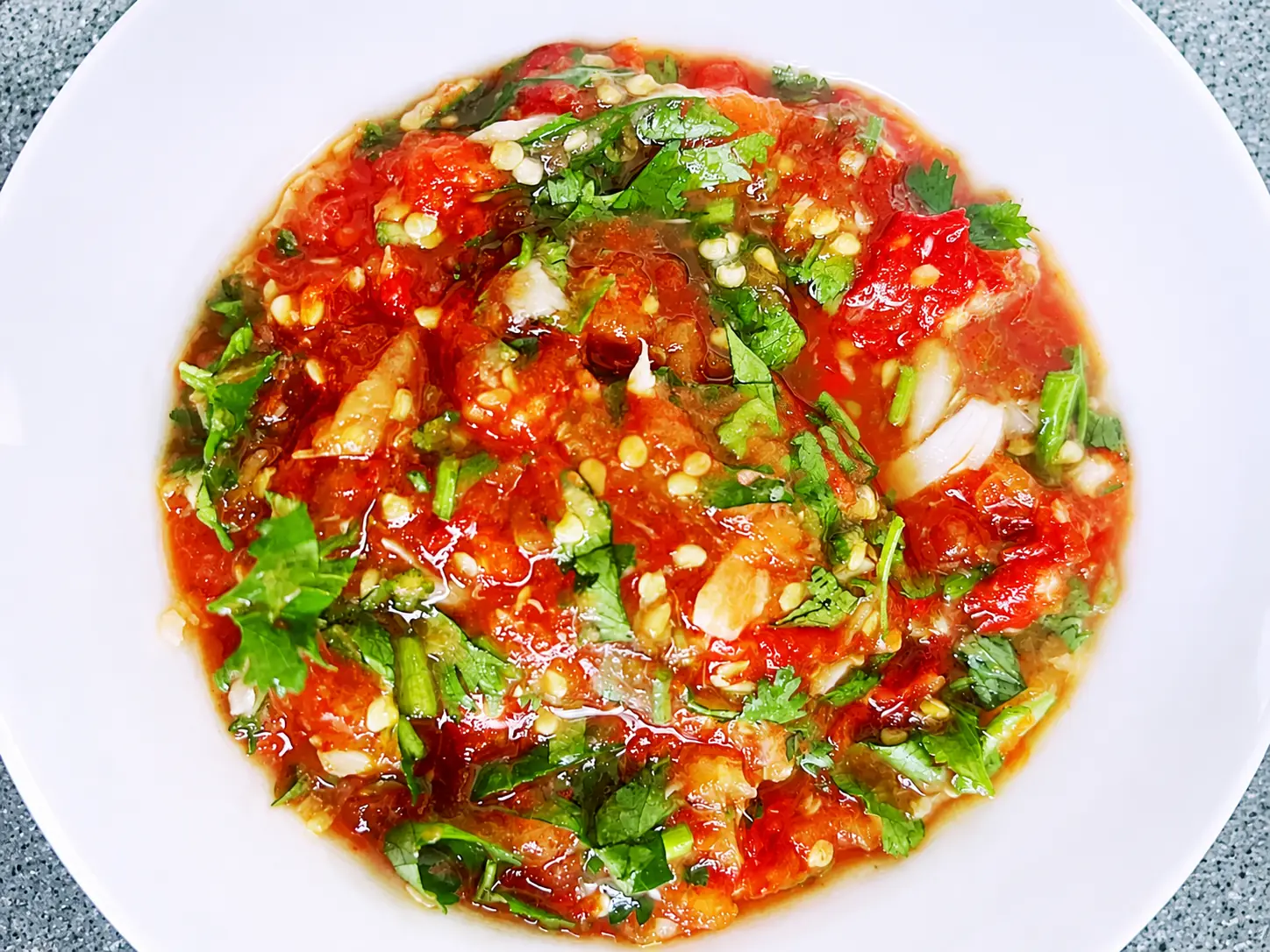
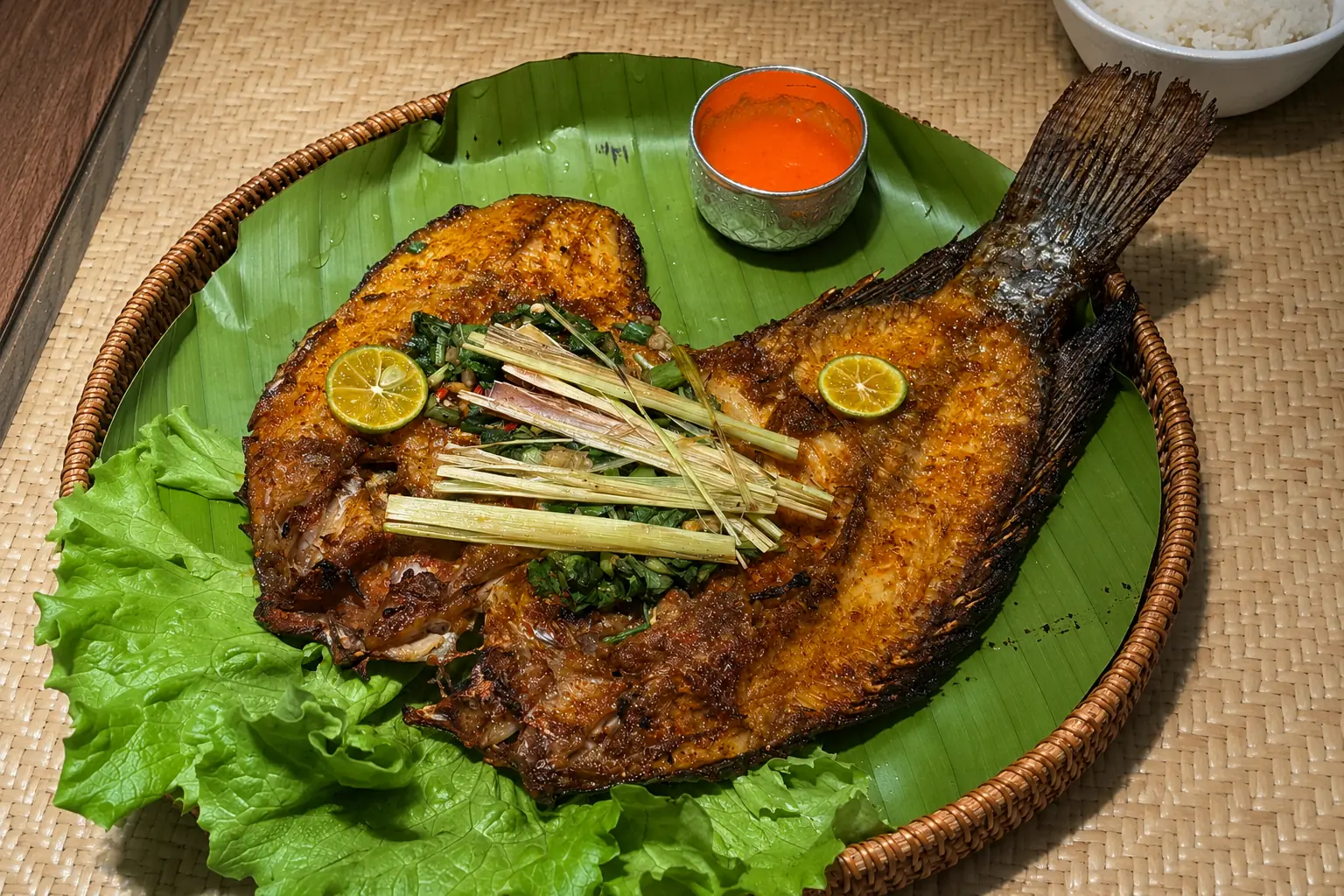
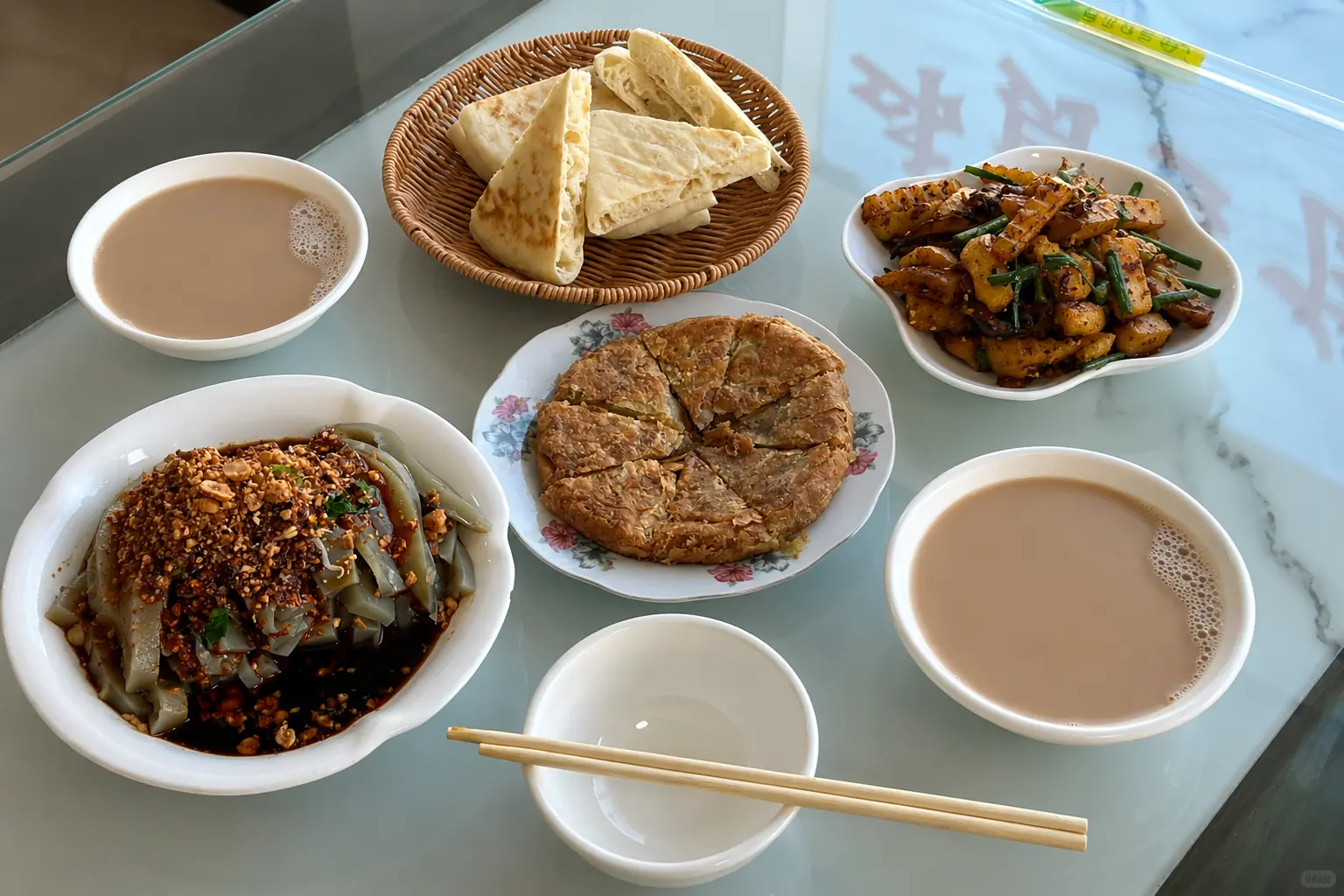
Yunnan Express describes Dai dipping sauces (喃咪) as sour-spicy bowls often made with garlic, lime juice, red chili, tamarillos, sour bamboo shoots, peanuts, tomatoes, green vegetables, or fish. This is why a Dai meal can feel closer to a Southeast Asian border table than to a northern Chinese banquet.
Classic Yunnan Dishes by Role
Do not order Yunnan food as a greatest-hits checklist. Order by table role. That gives you variety without repeating the same starch, sourness, or mushroom story.
| Table Role | Classic Examples | What It Teaches You |
|---|---|---|
| Rice-noodle anchor | Crossing-the-bridge rice noodles (过桥米线), small-pot rice noodles (小锅米线), tofu-pudding rice noodles (豆花米线) | Rice noodles are daily infrastructure, not only one famous ceremonial bowl. |
| Rainy-season mushroom dish | Wild mushroom hotpot (野生菌火锅), stir-fried mushrooms, mushroom rice, mushroom soup | Season, freshness, and safety matter as much as flavor. |
| Mild broth | Steam-pot chicken (汽锅鸡), mushroom soup, clear chicken soup | Yunnan can be gentle, aromatic, and ingredient-led. |
| Salty aroma | Xuanwei ham (宣威火腿), ham with vegetables, ham in soup, ham cakes | A little cured pork can season an entire dish. |
| Flower and plant note | Flower cakes (鲜花饼), jasmine or rose dishes, wild vegetables, banana blossom salad | Flowers and tender plants are ingredients, not only decoration. |
| Sour-spicy dip | Dai dipping sauce (喃咪), lime chicken, sour bamboo-shoot dips, herb salads | Southern Yunnan often eats through dipping, grilling, herbs, and acidity. |
| Dairy and tea | Milk fan cheese (乳扇), Three-Course Tea (三道茶), buttered tea, Pu'er tea | Yunnan's tea and dairy traditions shift strongly by region. |
| Old-town snack | Xizhou flatbread (喜洲粑粑), Lijiang flatbread (丽江粑粑), chickpea jelly (鸡豆凉粉), roasted potatoes | Snack foods often explain local grain, lake, and highland habits better than formal banquets. |
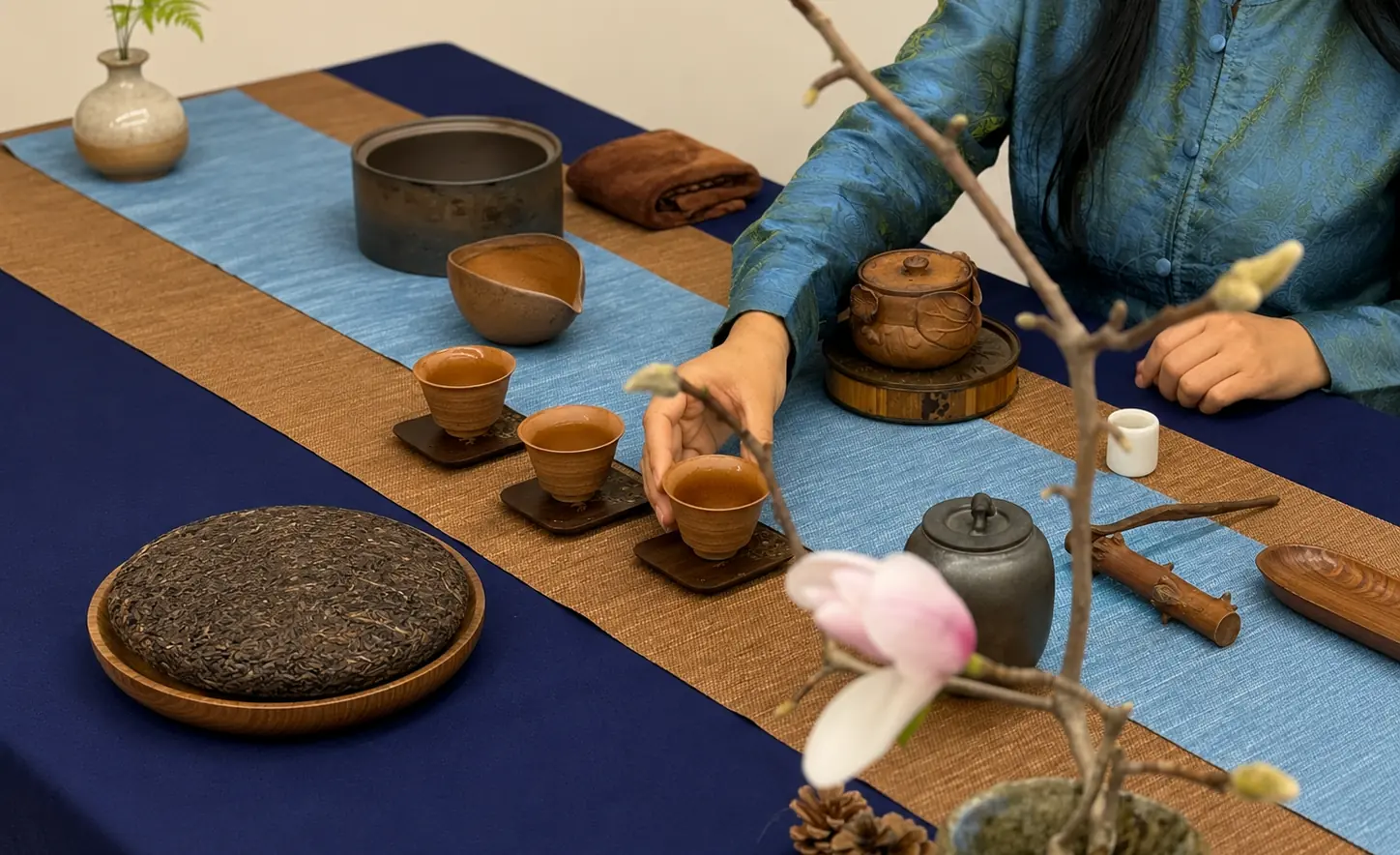
Pu'er tea (普洱茶) deserves its own mental box. A Yunnan Express tea article describes Pu'er tea as an exclusive Yunnan product and connects tea drinking to many ethnic groups in the province.
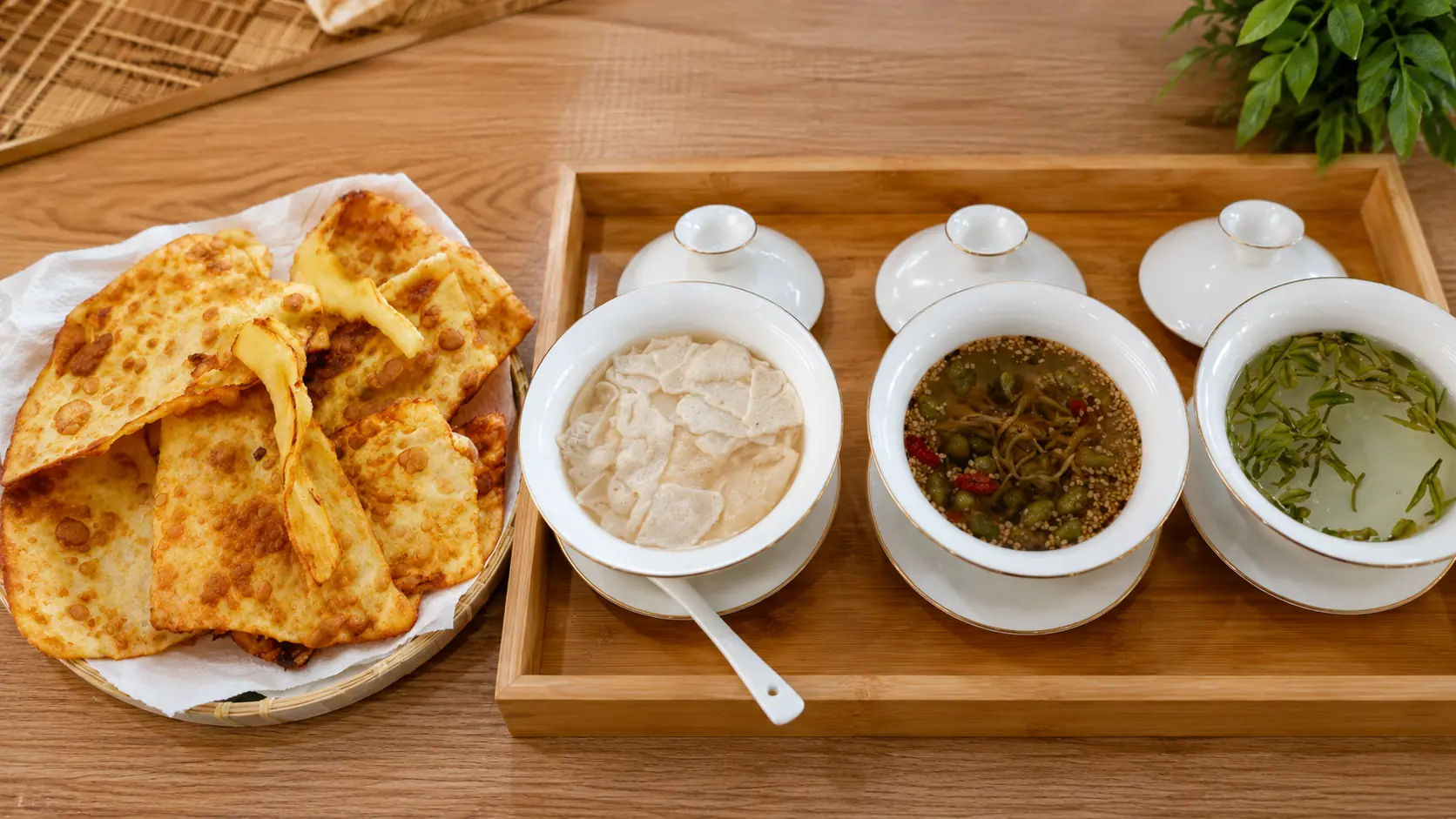
For travelers, tea is not only a souvenir. It is a calmer way to understand Yunnan after a mushroom hotpot, a Dai meal, or a market snack run. In Dali, Three-Course Tea moves through bitter, sweet, and mixed aftertaste; in highland routes, buttered tea can become part of the meal itself.
Build Your First Yunnan Table
Your first Yunnan meal should show range without becoming chaotic. One rice-noodle item, one mushroom or steam-pot dish, one plant or flower note, one regional accent, and one tea or light finish is enough.
- Choose the rice anchor(过桥米线 / 小锅米线 / 豆花米线)- Use crossing-the-bridge noodles for ritual, or everyday rice noodles for a normal local meal.
- Add mushrooms or steam(野生菌火锅 / 汽锅鸡)- In rainy season, choose a reputable mushroom restaurant; outside it, steam-pot chicken is safer and gentler.
- Add flowers or greens(鲜花饼 / 野菜 / 花入菜)- Use edible flowers or local greens to see the plant side of Yunnan cuisine.
- Add a regional accent(宣威火腿 / 乳扇 / 喃咪)- Pick one ham, dairy, or sour-spicy dip rather than stacking every famous specialty.
- Finish with tea(普洱茶 / 三道茶)- Tea turns the meal from a checklist into a Yunnan food route.

If you are staying mostly in Kunming, make the first table rice noodles, steam-pot chicken, wild mushrooms in season, one flower or vegetable dish, and Pu'er tea.
If your route reaches Dali, save room for milk fan cheese and Three-Course Tea. If you go to Xishuangbanna, treat Dai food as its own meal, not as one side dish on a Kunming table.
Dietary Risks to Ask About
Wild Mushrooms
Eat them cooked thoroughly, at reputable restaurants, and never from self-foraged or unknown sources. Avoid alcohol with wild mushroom meals, and take dizziness, vomiting, blurred vision, or hallucination seriously.
Rice Noodle Broths
Rice noodles do not automatically mean gluten-free or vegetarian. Broths may contain chicken, pork bones, ham, liver, fish, soy sauce, pickles, wheat-containing sauces, or shared-prep cross-contact.
Quiet Pork and Dairy
Pork can appear through Xuanwei ham, broth, minced toppings, lard, fillings, and stir-fries. Bai milk fan cheese and highland buttered tea make dairy a real question in Dali and northwest Yunnan.
Dai Dips and Spice
Dai dipping sauces may contain peanuts, fish, fermented ingredients, raw vegetables, lime, garlic, chili, or herbs. Kunming steam-pot chicken can be mild, while Dai meals and market noodles can be sharp and chili-heavy.
Ask About the Specific Dish, Not Yunnan Food in General
Instead of asking whether Yunnan food is spicy, vegetarian, or safe for allergies, ask about the broth, stock, ham, lard, peanuts, fish sauce, dairy, raw toppings, mushrooms, and chili in the exact dish you want.
Use City Guides for Execution
This guide explains the food system. Use the city and dish guides when you need routes, neighborhoods, market timing, and ordering details.
Kunming Food Guide
Soft landing
Use Kunming Food Guide for noodles, mushrooms, steam-pot chicken, and city restaurant choices.
Zhuanxin Farmers Market
Ingredient view
Use Zhuanxin Farmers Market when you want the market version of Yunnan ingredients, snacks, and seasonal produce.
Crossing-the-Bridge Noodles
Full ritual
Use Crossing-the-Bridge Noodles for hot-broth safety, eating sequence, and Kunming versus Mengzi decisions.
Dali and Lijiang Food Guide
Northwest layer
Use Dali and Lijiang Food Guide for Bai dairy, Naxi snacks, old-town routes, and lake or highland food planning.
Frequently Asked Questions
Sometimes, but not as one fixed rule. Kunming steam-pot chicken and many mushroom dishes can be mild, while Dai dipping sauces, market noodles, and some cold dishes can be sour-spicy and chili-heavy.
Beyond This Guide
Yunnan cuisine rewards slow routing: one noodle bowl, one market, one mushroom meal, one tea stop, and one regional table at a time. Treat the province as a food map, and the famous dishes stop feeling like isolated souvenirs.
© gochinafreely.com — Original guide by Go China Freely.