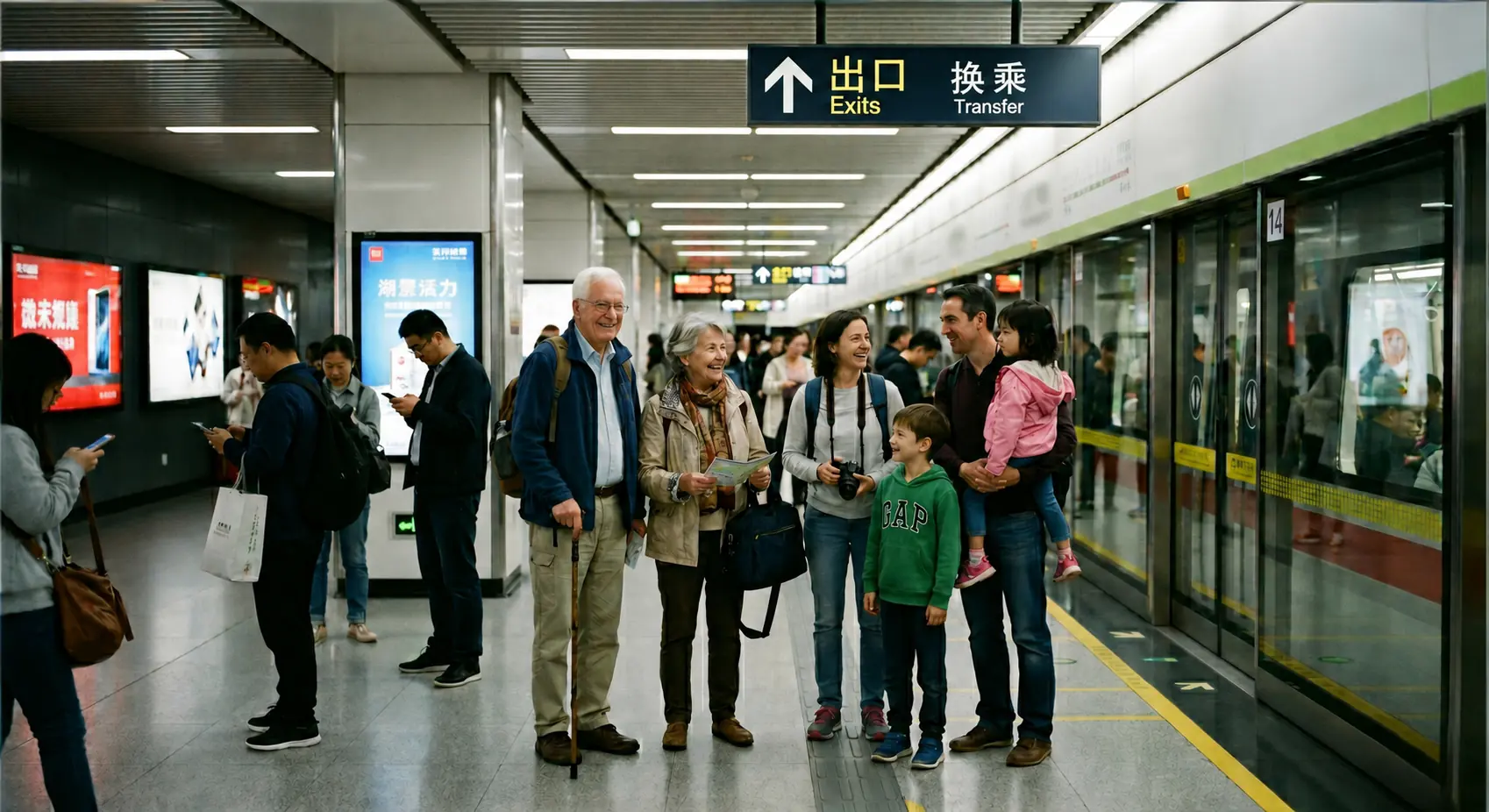
Family health stack
How to use this guide
Medical scope
This article is not medical advice. Whether you should travel, which medicines to carry, and how to fly while pregnant are decisions for a licensed clinician who knows your history.
Use case
Use this as a planning checklist for how China's cities actually feel on the ground -- not a prescription.
Who it helps
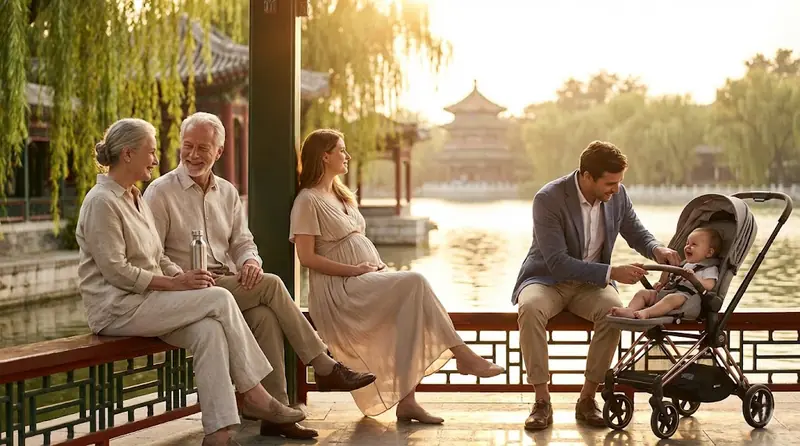
Families traveling with parents, preschoolers, or a pregnancy: how to split pace, accessibility, food, and emergency communication before and during the trip.
Read with the health basics
It works alongside our pre-trip vaccines & insurance and doctors, hospitals & pharmacies articles.
China Travel Health: Pace First
Why pace comes first
"Twenty thousand steps" is a badge for a twenty-something backpacker; for an older adult with worn joints it can mean three days off afterward. For a preschooler it can mean a meltdown outside a restaurant.
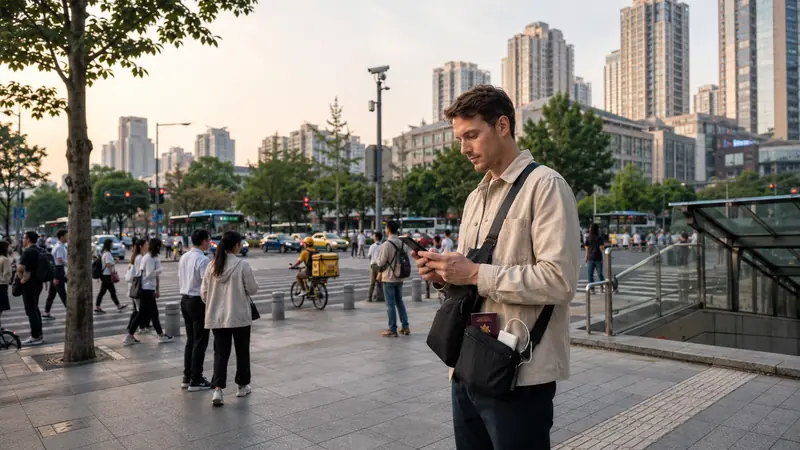
In China you will often meet footbridges with more stairs than lifts, humid summers and dry cold winters, and QR-code ordering that moves faster than spoken English -- small frictions for young travelers, schedule-level variables for seniors, young children, and pregnant travelers.
Agree roles before the trip
One adult owns pace, rest breaks, and backup plans.
Older travelers share a realistic walking limit before each big day.
Kids get planned water, toilet, snack, and rest windows.
Pregnant travelers confirm route intensity, airline rules, and insurance wording before flights are locked.
Skim the accessibility and translation-card sections even if you skip other chapters -- they matter to everyone.
Pre-trip health scan
Use this as a conversation starter with your clinician and insurer -- not a substitute for their advice.
👵 Seniors
Before booking
4-8 weeks
Chronic conditions · Heat · Stairs
Before you lock non-refundable flights or hotels, ask a clinician or travel clinic how the route affects joint pain, blood pressure, glucose control, anticoagulants, heat tolerance, altitude, and walking days. If the answer changes the itinerary, it is better to know before payment.
👵 Seniors
Before you pack
7 days out
Medicines · Documents · Pace
Medication list with generic names; originals in carry-on. Pack copies of prescriptions, routine devices, and a delay buffer. Plan half-day blocks + hotel rest -- not dawn-to-dusk sightseeing.
🧒 Kids
Before booking
4-8 weeks
Vaccines · Fever plan · Food risks
Before focusing on the fever kit, confirm routine childhood vaccines, travel-specific vaccine timing, food restrictions, and a pediatrician-approved fever or diarrhea plan. Some vaccine schedules and prescription decisions cannot be solved the week you fly.
🧒 Kids
Before you pack
7 days out
Thermometer · ORS · Gear
Pack the thermometer, clinician-approved fever plan, oral rehydration salts / solution, routine medicines, stroller or carrier sized for metro crowds, and stable milk / formula / staples -- save adventurous street food for adults.
🤰 Pregnant
Before you book
Before booking
Clinician · Policy · Route risk
Get written fit-to-travel guidance where appropriate, then read airline pregnancy limits and insurance pregnancy exclusions before paying. For remote, high-altitude, or late-pregnancy routes, confirm obstetric, delivery/caesarean, and neonatal care access before treating the trip as bookable.
🤰 Pregnant
Before you pack
7 days out
Records · Seating · DVT plan
Pack prenatal records or an antenatal summary, clinician contact, policy hotline, and emergency card. Prefer aisle seats, supportive shoes, hydration, and a clinician-cleared plan for movement and clot-risk prevention on long flights, trains, or car rides.
Seniors: Pace, Heat & Daily Meds
Pace and exits
Hot-city metros can force long interchange walks; major sights may ask for a kilometer or more of walking between gates and viewpoints.
Check whether map apps label accessible exits; if a footbridge is unavoidable, walking farther to a lift-equipped crossing can beat hauling a knee up narrow stairs.
Talk before the climb
Ask directly: "How long can you walk today without pain?" and "Are you okay not summiting -- just the halfway panorama?"
Many conflicts come from not wanting to complain -- build blank space into the schedule before arguments start.
Senior travel checks
- Keep daily medicines in carry-on with original packaging, generic names, prescription copies, and English summaries where possible.
- Protect heat and cold tolerance with hats, steady hydration, layers, and shorter outdoor blocks during harsh weather.
- Ask clinicians about chronic conditions such as blood pressure, glucose control, anticoagulants, insulin, time-zone shifts, and diet changes.
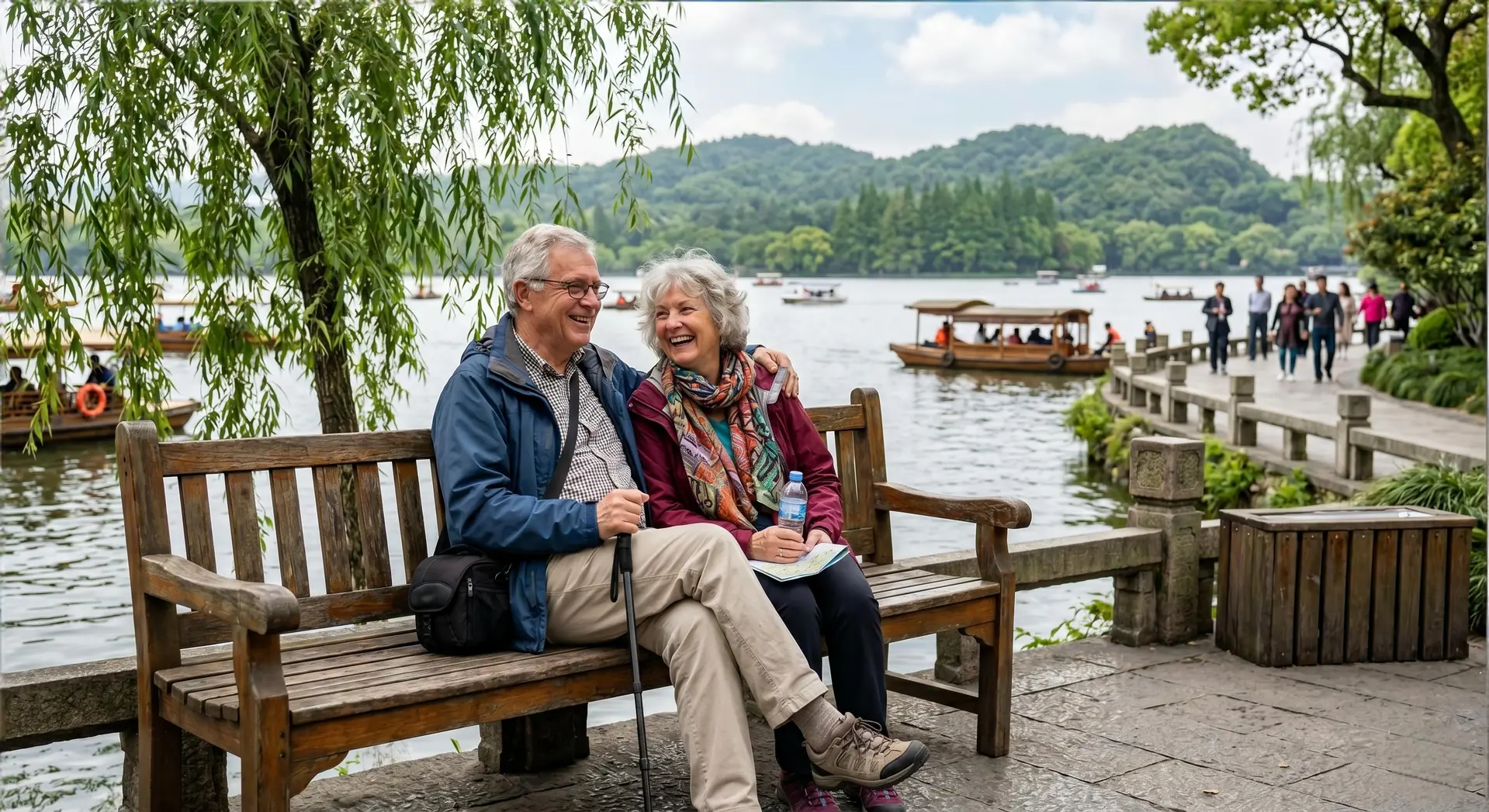
Default day rhythm
Plan one main activity per half day + a hotel siesta, not a 08:00--20:00 march.
Shoes beat optimism
North China's winter is dry and biting; southern summers are humid. Old towns, temples, gardens, and scenic paths often mix cobblestones, high thresholds, and stairs without handrails.
Grip shoes beat brand-new fashion sneakers, especially after rain.
Routine immunizations
Staying current on influenza and other adult boosters your clinician recommends is part of the same pre-trip conversation as "China-only" vaccines. Timelines, paperwork, and insurance letters live in our pre-trip vaccines & insurance guide so this page does not duplicate them.
Kids: Fever, Food & Rest Days
Fevers
Travel fevers happen, and the first night is when parents are often most tired. Confirm fever medicines and weight-based dosing with your pediatrician before departure; we do not name specific drugs here.
Pack a thermometer and enough routine meds for the whole trip plus a buffer. For a life-threatening crisis or if you cannot reach a hospital alone, dial 120 on the Chinese mainland; operators are usually Mandarin-first, so show the Chinese address and ask hotel, restaurant, station, or attraction staff to help with location. Full facility types and payment flow live in our healthcare guide.
Also confirm routine childhood vaccines and any travel-specific vaccine timing early, especially if a baby or young child may need an accelerated schedule. Use our pre-trip vaccines & insurance guide as the checklist handoff, then follow your pediatrician's advice.
Food and fluids
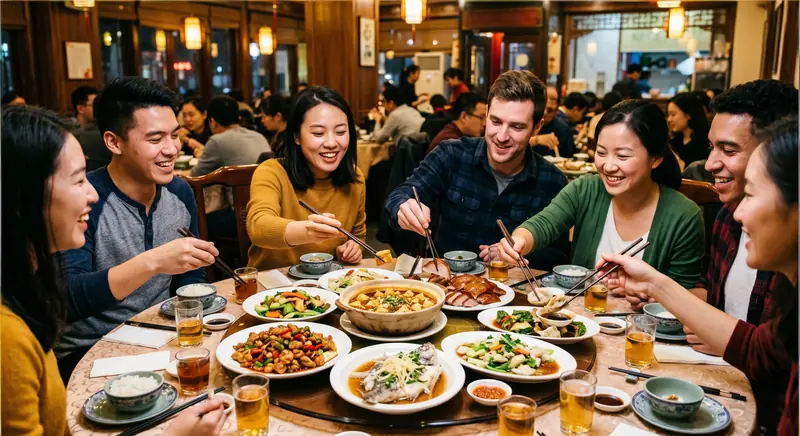
Street snacks and "just one bite" adventures are fun for adults but can trigger GI illness in kids. Keep staples and milk sources as steady as practical; ramp spice and oil slowly.
High chairs vary by restaurant -- lightweight seat harnesses or carriers help. On hot days, hourly water reminders work better than lectures. If anyone in the family has food allergies, see our food allergy survival guide for restaurant communication scripts and hidden-ingredient risks.
Escalate dehydration early
Children can deteriorate faster than adults after vomiting, diarrhea, heat, or fever. Use child-appropriate oral rehydration salts or solution when advised, mixed exactly to the packet volume with boiled, treated, or reliably bottled water. Seek medical care instead of waiting for the next city if the child is unusually sleepy, cannot keep fluids down, has markedly reduced urination, blood in stool, persistent vomiting, fever with dehydration signs, fast breathing, or any other red flag your clinician named.
Pack for the first bad night
- Thermometer and clinician-approved fever plan saved in carry-on.
- Oral rehydration salts or solution with child-specific instructions; plain water alone is not the plan for vomiting or diarrhea.
- Routine medicines and comfort items for the whole trip plus a delay buffer.
Bottles, Formula & Feeding Hygiene
Sterilizing workflow
Clean first, then sanitize. Steam sterilizer bags and cold-water tablets only work if hands, bottle parts, water amount, and contact time are correct; a UV wand is not a substitute for washing and proper sanitizing.
Use potable water for washing bottles and nipples, then keep brushes, drying racks, and separate zip bags for "clean" vs "dirty" parts so you are not rewashing everything at midnight.
Formula buffer
For very young babies or high-risk routes, ask whether a small ready-to-feed supply is useful for the flight and first day. For most trips, pack enough familiar powder or formula for the whole route and use boiled-then-cooled water or reliably bottled water according to formula and clinician instructions; city tap water is not for direct drinking. See food & drinking water for how we read taps and steam tables.
If your child depends on a specific overseas brand or stage, pack enough for the entire trip plus a flight-delay buffer; big-city supermarkets improve year by year, but niche SKUs can still disappear mid-trip.
Sun, Air Quality & Layers
Treat bad air and heat as a pace problem
Hats, shade, child-appropriate sunscreen, breathable layers, and realistic seasonal clothing beat souvenir outfits. When AQI or wildfire smoke spikes in the phone weather app, switch to shorter outdoor blocks, midday indoor breaks, and filtered air in malls or museums -- not heroics with a stroller on a bad-air afternoon. For mask and app choices, use our China AQI guide.
Transport, Strollers & Sleep
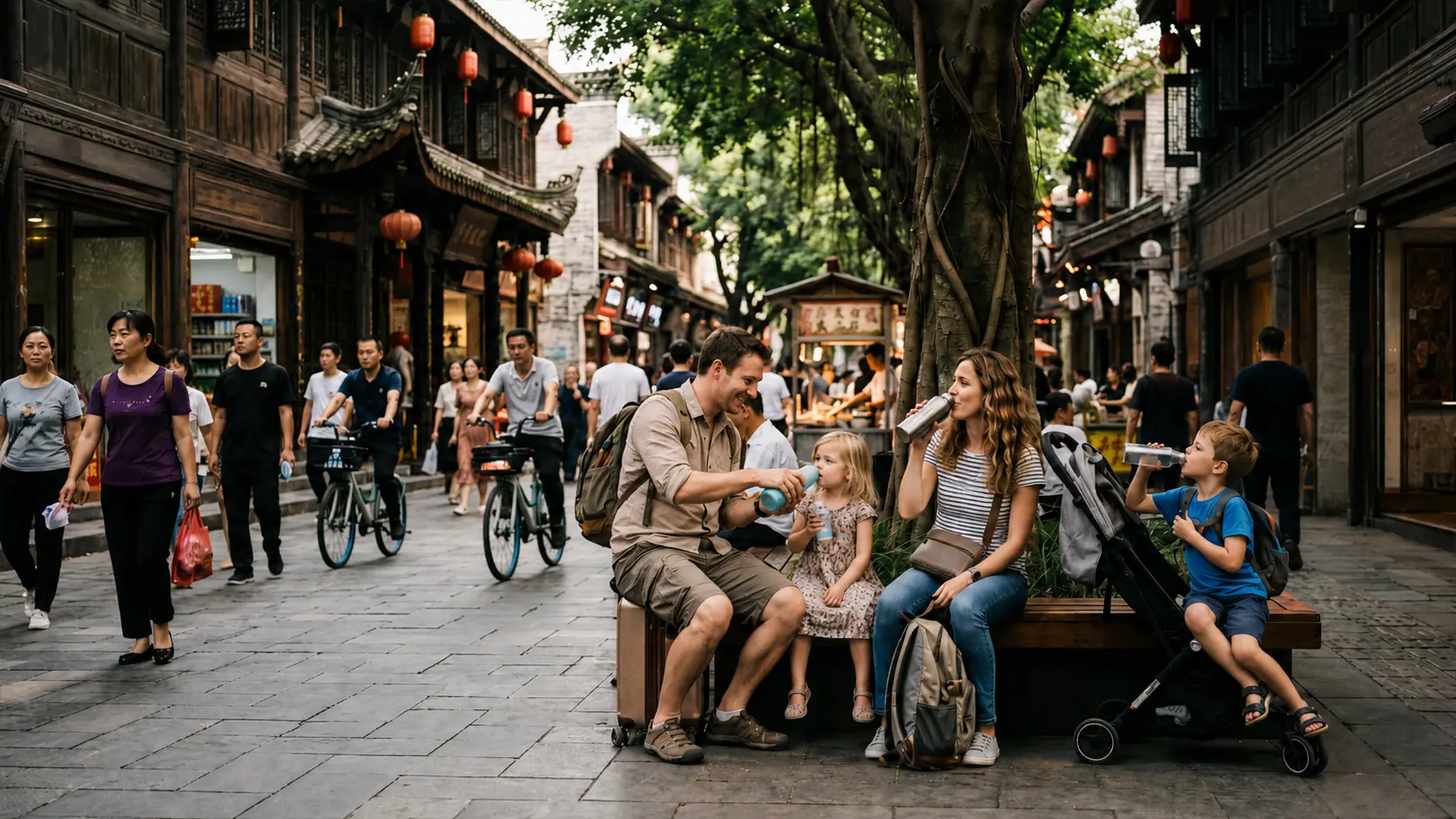
Transport reality check
There is no single "correct" answer, only what your family can carry, install quickly, and repeat when everyone is tired.
Flights
Bassinet positions, child meals, and bulkhead rules have tight inventory -- lock seats and services when you ticket, not at the gate.
Offline story audio, a familiar small toy, and white-noise clips beat buying new gadgets after a meltdown at 23:00.
Ride-hailing and taxis
Ride-hailing apps, for example DiDi, sometimes let you request larger vehicles -- useful when a folded stroller has to clear the trunk. Confirm luggage capacity before the driver commits; our subway, taxi & DiDi guide covers the app trade-offs.
Do not count on taxis or ride-hail cars providing child seats or compatible anchors. Bring an age- and size-appropriate vehicle-approved restraint that can be installed with a standard seat belt, or choose metro, walking, or a private transfer where the restraint plan is confirmed in advance.
Strollers and sleep
Some metro exits still lack direct lifts; oversized strollers can jam in rush-hour crowds. If naps still matter, schedule hotel rests -- not "sleep it off in the car."
Parked cars heat fast; sleeping in a closed vehicle on a hot day is dangerous for children.
Lost-kid prep
In busy scenic areas, use a wristband or tag with a China-capable mobile number and teach kids to approach uniformed staff.
Pregnant Travelers: Timing & Care
Decisions belong to your clinician
From a trip-planning angle only: early pregnancy can amplify nausea and fatigue; mid-pregnancy is often described as a calmer window, but individual risk varies; late pregnancy triggers airline documentation rules, cutoffs, and insurance carve-outs.
Read ticket and policy terms before you pay, not from forum screenshots.
Altitude and big hiking days
Plateau cities, long Great Wall (长城) ridgelines, and cable-car-plus-stair combos are not automatically "banned," but they change oxygen, balance, and fall risk -- topics for your obstetrician, not a blog table.
For Tibet, Qinghai, western Sichuan, or high-Yunnan style routes, discuss sleeping altitude, ascent rate, oxygen or evacuation access, and nearby obstetric and neonatal care before booking. Do not jump from low altitude to a high sleeping altitude in one day; avoid remote high-altitude routes in pregnancy unless your clinician confirms low-risk travel and realistic care access.
Carry a one-page antenatal summary in English: pregnancy week, allergies, current meds, key risks your clinician wants noted, plus your clinician's contact for emergencies.
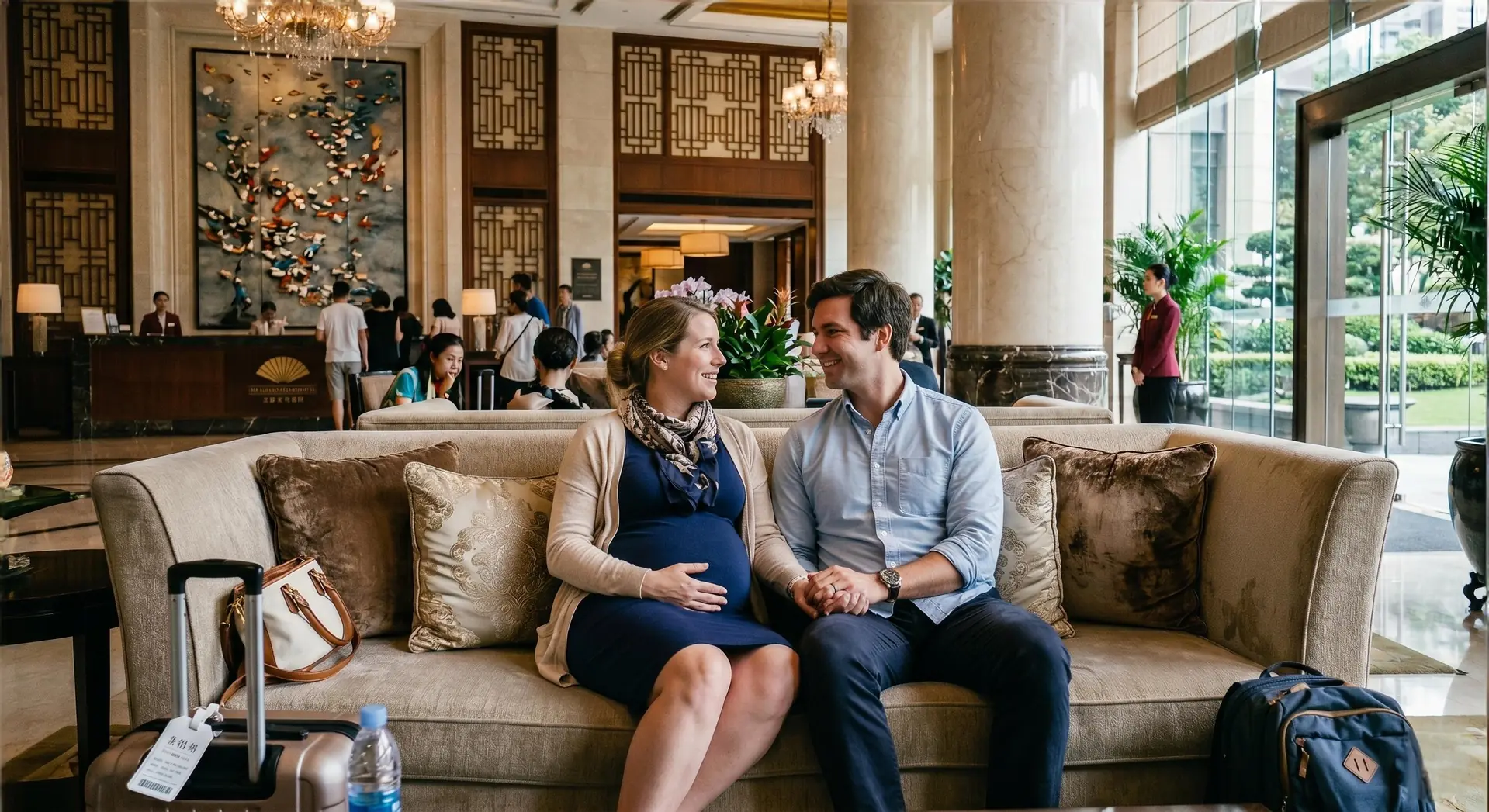
Comfort
Choose aisle seats for easy bathroom trips; wear supportive shoes and skip heels on uneven flagstones. Seat belts: follow your airline's demo -- typically low across the hips, not over the belly.
For flights, long trains, or car rides over about 4 hours, ask your clinician about clot risk. Plan aisle access, regular walking or calf exercises, hydration, and graduated compression stockings if your clinician recommends them.
Food
Avoid raw dishes and unpasteurized dairy -- same lane as our food & drinking water guide.
Pregnancy red flags are not itinerary problems
This is not an exhaustive medical list. Severe abdominal pain, regular contractions, vaginal bleeding, reduced fetal movement, leaking fluid, sudden severe headache, visual changes, chest pain, fast heartbeat, trouble breathing, fever, severe vomiting, fainting, major swelling, or painful/red/swollen limbs mean seek care now. Do not wait until the next city and do not spend time searching for an English-speaking clinic. Use 120 or the nearest hospital with emergency or obstetric capability first; language-friendly international departments or private hospitals are for stable, non-urgent concerns. Fees and flow are covered in the healthcare guide.
Accessibility: Sidewalks, Lifts & Rooms
Metro exits
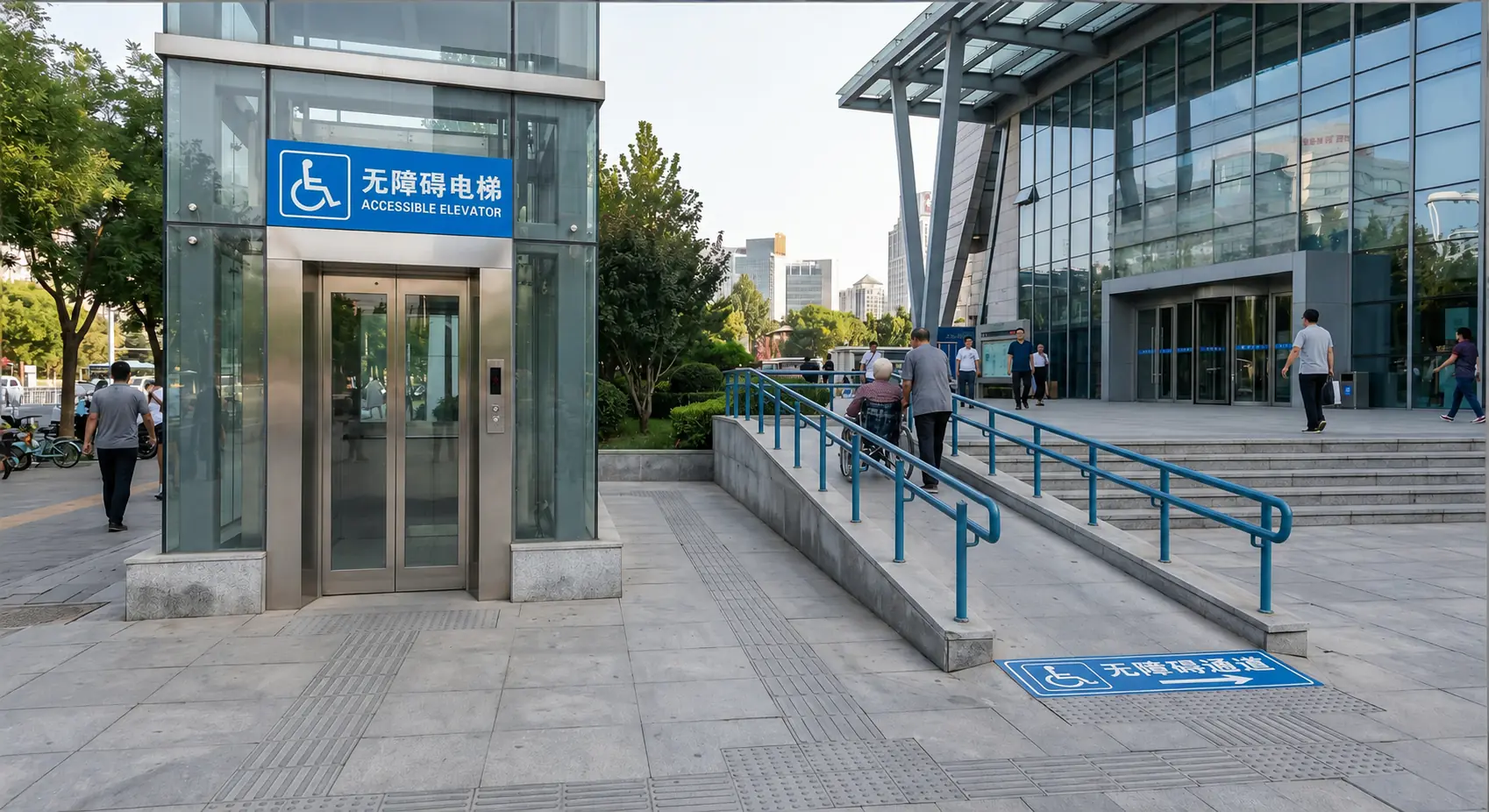
In major-city metros, barrier-free routes often exist somewhere in the station, but the nearest exit may not have a lift and older interchange tunnels can still force stairs. Check official station maps or ask station staff before following the nearest-exit route.
Sidewalk detours
Tactile paths are sometimes blocked or uneven. Wheelchairs and strollers should budget extra minutes for detours, curb cuts, and crossings.
Hotel proof
Words like "accessible" or "wheelchair friendly" do not always match photos. Verify step-free showers, grab bars, shower lip height, bed height, ramp entrances, and lift access.
Scenic areas
Wheelchair hire is not universal and inventory is limited. If someone relies on a walking aid, call the visitor center ahead and ask whether the route includes stairs, cobblestones, shuttle buses, ramps, or staff assistance.
Emergency Cards & Family Roles
Crisis rhythm
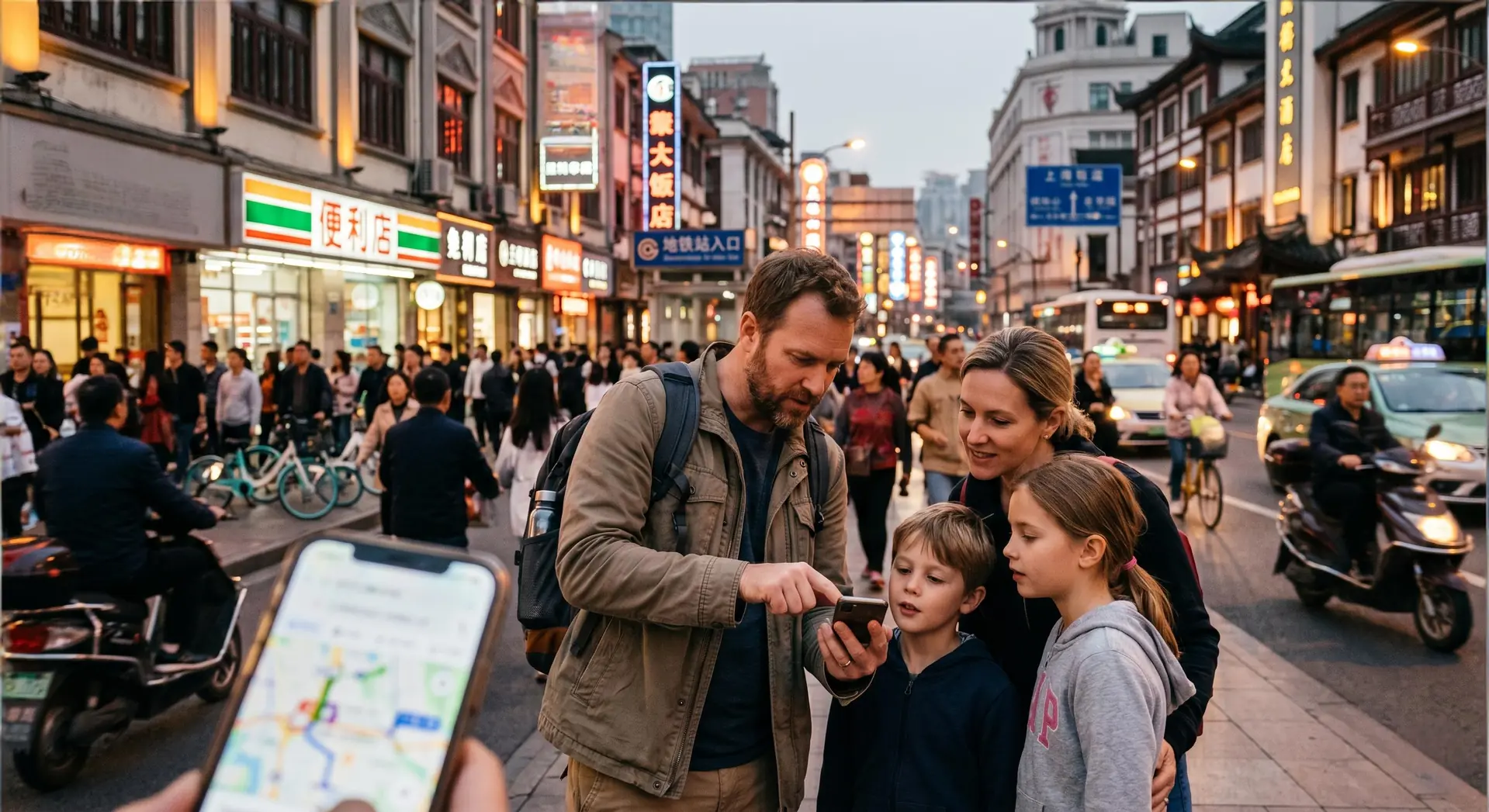
Screenshots plus paper copy beat a phone-only plan -- phones die exactly when people are tired.
Family roles
Name one adult for insurer, embassy, and English paperwork, and one adult for Chinese addresses, translation-app text, hotel-front-desk help, and driver communication. If no one speaks Chinese, pre-write Chinese emergency scripts before the trip.
Translation card
Put allergies, chronic conditions, long-term drugs, pregnancy week if relevant, emergency contact, hotel or local contact, insurance hotline, and Chinese address notes on one sheet. Blood type is optional if it appears in official records; hospitals still test before transfusion. Add emergency numbers by purpose: 120 medical or ambulance, 110 police, lost child, or safety, 119 fire or rescue, and 122 traffic accident; put 120 first only for medical emergencies.
Store screenshots plus a paper copy, and prepare a China-friendly translation app from our translation apps guide.
Insurance
Save policy numbers, claim hotlines, and English email offline. In your family chat, agree in writing who calls the insurer and who stays with elders -- calmer than improvising on the sidewalk.
For detailed claims and repatriation flow, see our emergency assistance & insurance claims guide.
Frequently Asked Questions
Not inherently -- rush hour, long interchanges, and wrong exits are the real problems. Travel off-peak, pick lift-equipped exits, and minimize line changes when possible.
Sources checked for this guide
- Child travel guidance checked for dehydration red flags, oral rehydration, safe transport, sun protection, sleep environment, and food-water precautions: CDC Yellow Book: traveling safely with infants and children
- Pregnancy travel guidance checked for clinician review, records, itinerary risk, insurance, seat comfort, and emergency planning: CDC Yellow Book: pregnant travelers
- Chronic-illness travel guidance checked for pre-booking consultation, medication availability, carry-on storage, and clinician coordination: CDC Yellow Book: travelers with chronic illnesses
- Altitude guidance checked for ascent pace and pregnancy caution around high sleeping altitude and remote terrain: CDC Yellow Book: high-altitude travel and altitude illness
- China country health advice checked for 4-6 week pre-travel appointment timing, routine immunisations, and child vaccine caveats: TravelHealthPro: China
- Pregnancy travel advice checked for healthcare planning, airline documentation, long-journey clot risk, hydration, and movement: NHS: travelling in pregnancy
- China medical treatment note checked for urgent medical assistance number, English-language limitations, and payment context: GOV.UK medical treatment in China
- Beijing official travel tips checked for mainland emergency-number matrix: 110, 119, 120, and 122: Beijing official emergency numbers
Beyond This Guide
Pace, heat, elevators, and policy fine print are the hidden workload of multi-generational China trips. When you want a family-realistic route -- not a generic city sprint -- we can recommend day structures, rest buffers, and where not to cut corners on coverage; we do not book medical appointments or insurance products for you.
Also read: Pre-trip vaccines & travel insurance · Doctors, hospitals & pharmacies · Food safety & drinking water · Emergency assistance & insurance claims · China visa & entry
© gochinafreely.com — Original guide by Go China Freely.