Daily safety frame
Before you eat
Medical note
This article is not medical advice. If you have a fragile gut, food allergies, chronic conditions, or are traveling with young children, ask your clinician how these habits apply to you.
What this guide covers
China's dining scene is one of the pleasures of independent travel: night markets, regional noodles, hotpot tables, tea shops, and convenience-store hydration all become part of the day.
Once you land
This guide focuses on what to do once you land: choose safer water, read food-risk signals, pace novelty, and know when stomach symptoms need help. For vaccines, insurance, and packing medicines from home, start with our pre-trip health preparations guide.
One rule most travelers wish they knew earlier
Treat tap water as "not for drinking" unless your hotel clearly labels a filtered drinking station or you boil the water yourself. Locals usually boil tap water before drinking too, so this is not a special tourist fear; it is normal China travel hygiene.
Food Safety & Drinking Water: Fast Rules
Most healthy travelers do not need to eat timidly in China. They do need a simple system: safe water first, hot food over lukewarm food, smaller experiments early in the trip, and quick action if dehydration signs appear.
1Drink safely
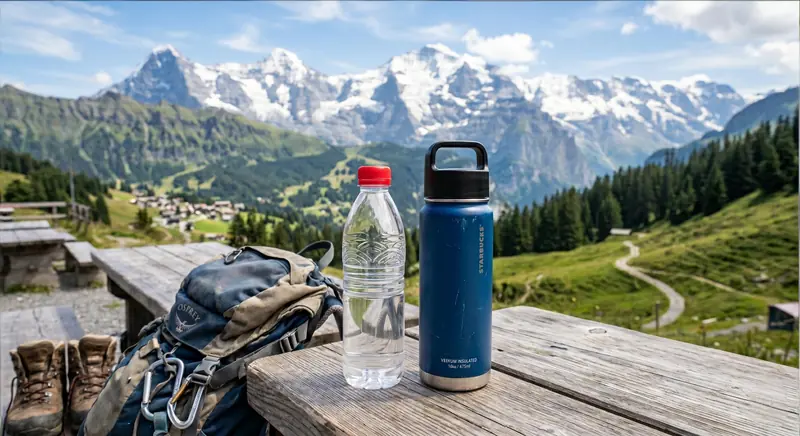
Use factory-sealed bottled water or water that has been boiled. Carry your own bottle or thermos on train days, long museum days, and summer sightseeing routes.
2Eat hot and busy
Favor steaming noodles, soups, stir-fries, and stalls with steady turnover. Be more cautious with cold prepared salads, pre-cut fruit, and seafood or meat sitting out in heat.
3Pace your gut
Try bold foods at lunch before a flexible afternoon, not before a night train or dawn flight. Pack oral rehydration salts you already understand how to use.
- Use safe water for mouth-contact decisions - drinking, brushing/rinsing teeth, ice decisions, and mixing oral rehydration solution.
- Read the stall before ordering - made-to-order cooking, quick turnover, active steamers or hot pans, and covered finished food all matter.
- Seek help for red flags - high fever, blood in stool, severe pain, nonstop vomiting, dehydration, or symptoms that keep worsening.
Drinking Water in China

Bottled water default
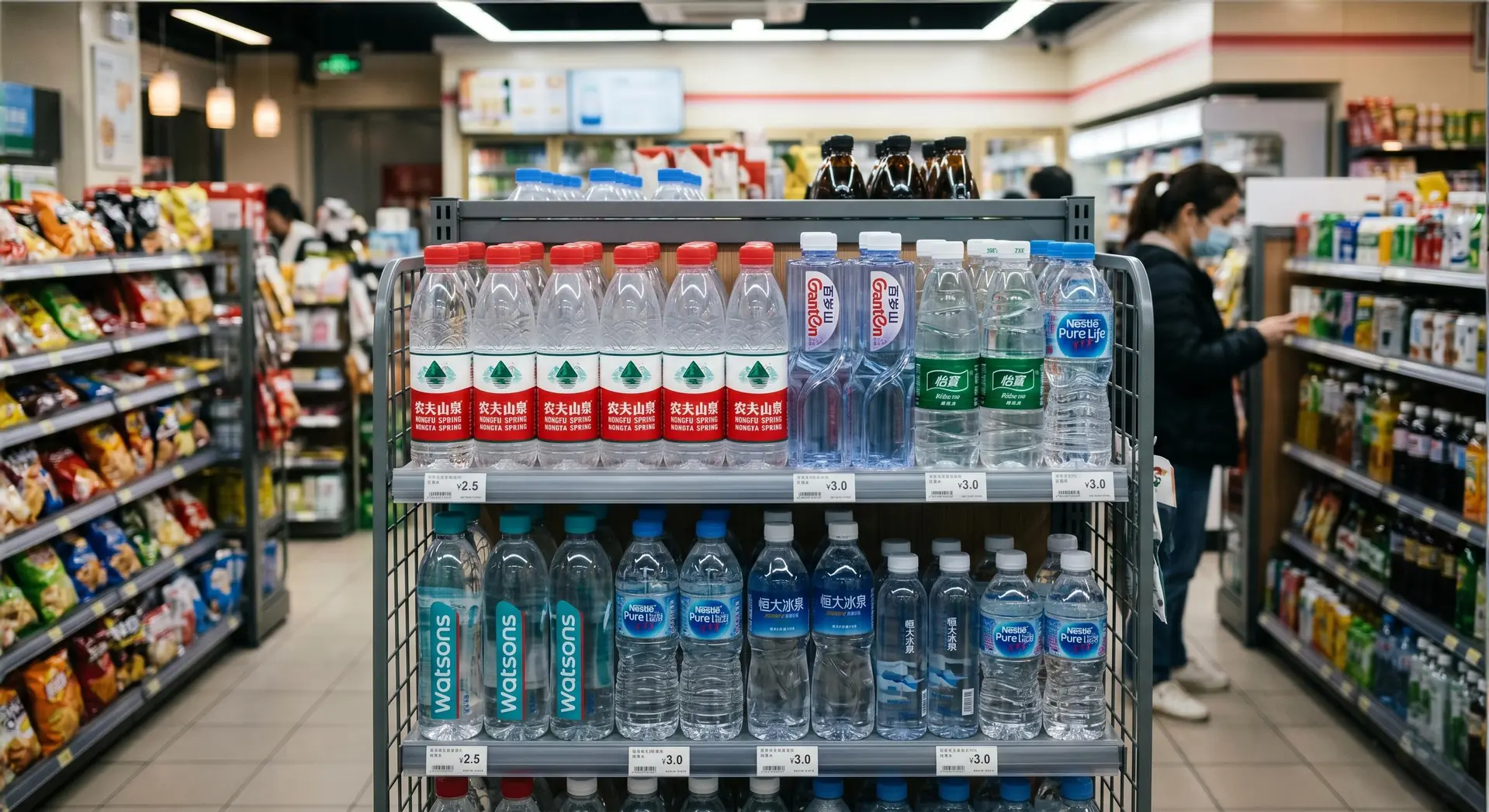
Bottled water from supermarkets, convenience stores, hotel shops, and train-station kiosks is the default for tourists. Choose factory-sealed bottles; avoid refilled or unsealed jugs.
Boiled water culture
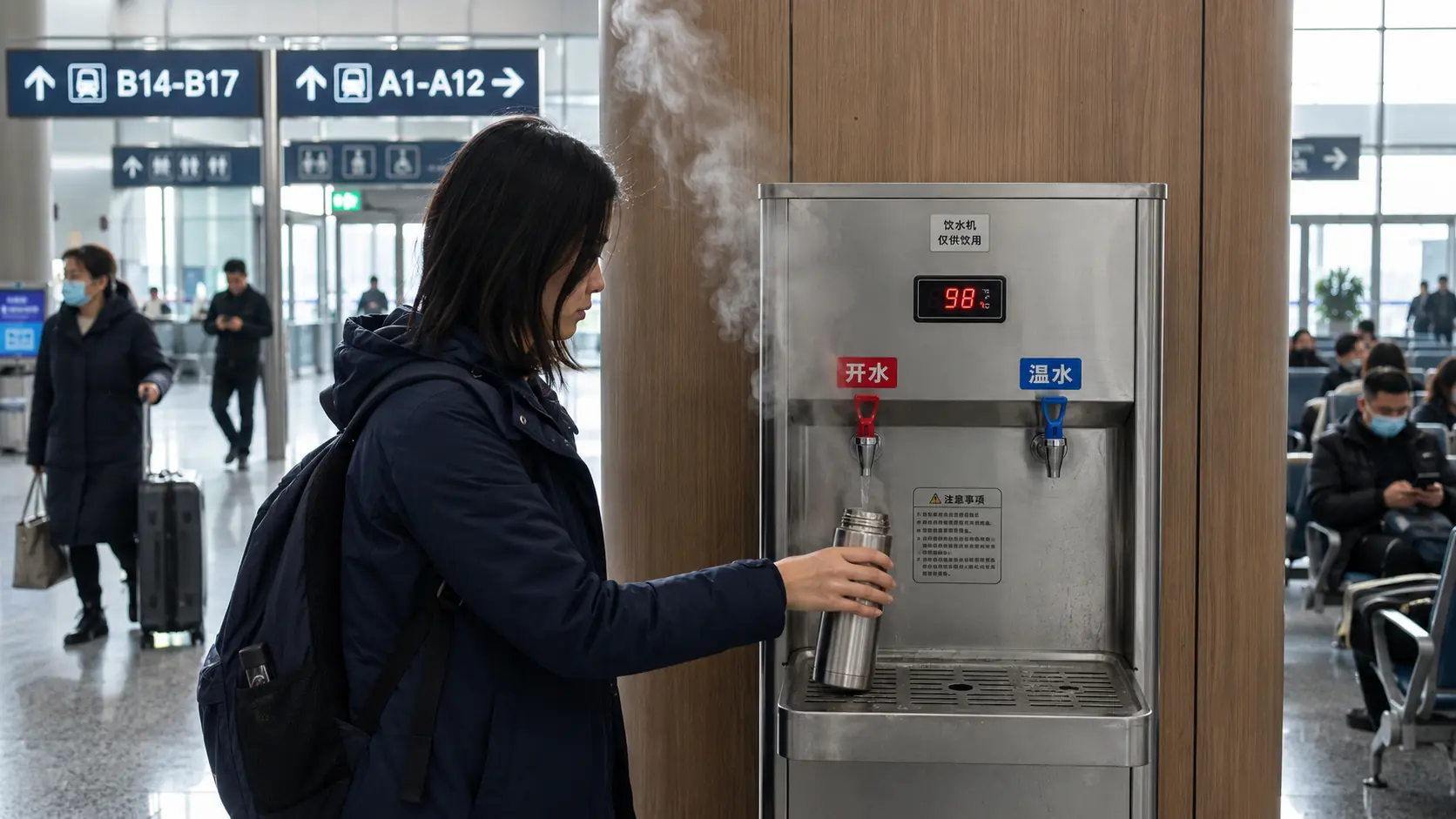
Hot water is part of daily life, so train corridors, hotel lobbies, and many restaurants offer free boiled water. A small thermos is genuinely useful if you like warm water or tea-temperature drinks during the day.
Tap water caution
Tap water is the easy place to be conservative. Municipal treatment, building pipes, and storage tanks can all affect what reaches the faucet, and Chinese households commonly boil tap water before drinking. Tourists should use bottled or boiled water for drinking and brushing or rinsing teeth, especially for children, immunocompromised travelers, and anyone likely to swallow while brushing. If you accidentally brush once with tap water, do not panic: spit, rinse with safe water, and switch back.
For contact lenses, nasal rinsing, neti pots, or wound cleaning, do not use raw tap water; use sterile or properly disinfected products as directed.
Ice
Ice is a judgment call. Established bars, chain cafes, and hotel restaurants often use filtered or commercial ice, but consistency varies. If your stomach is twitchy, ask for no ice or choose hot drinks.
Hydration
Hydration matters more than most first-timers expect. Southern summers, humid temple walks, long station transfers, and high-speed rail days can dry you out before you notice. Pair water with salty snacks or electrolyte packets you already tolerate, especially in heat.
- Carry water on transit days - convenience stores are everywhere in cities, but queues, security lines, and heat still add up.
- Use boiled water properly - a real rolling boil is a clearer safety marker than "warm" or "from the hot tap."
- Skip ice when the stakes are high - chains are often fine; sensitive travelers can avoid it without missing much.
Eating Out With Lower Risk
Risk budget, not fear
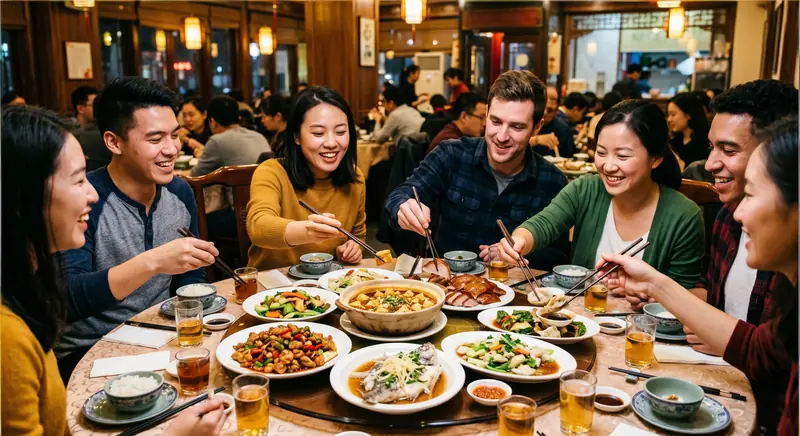
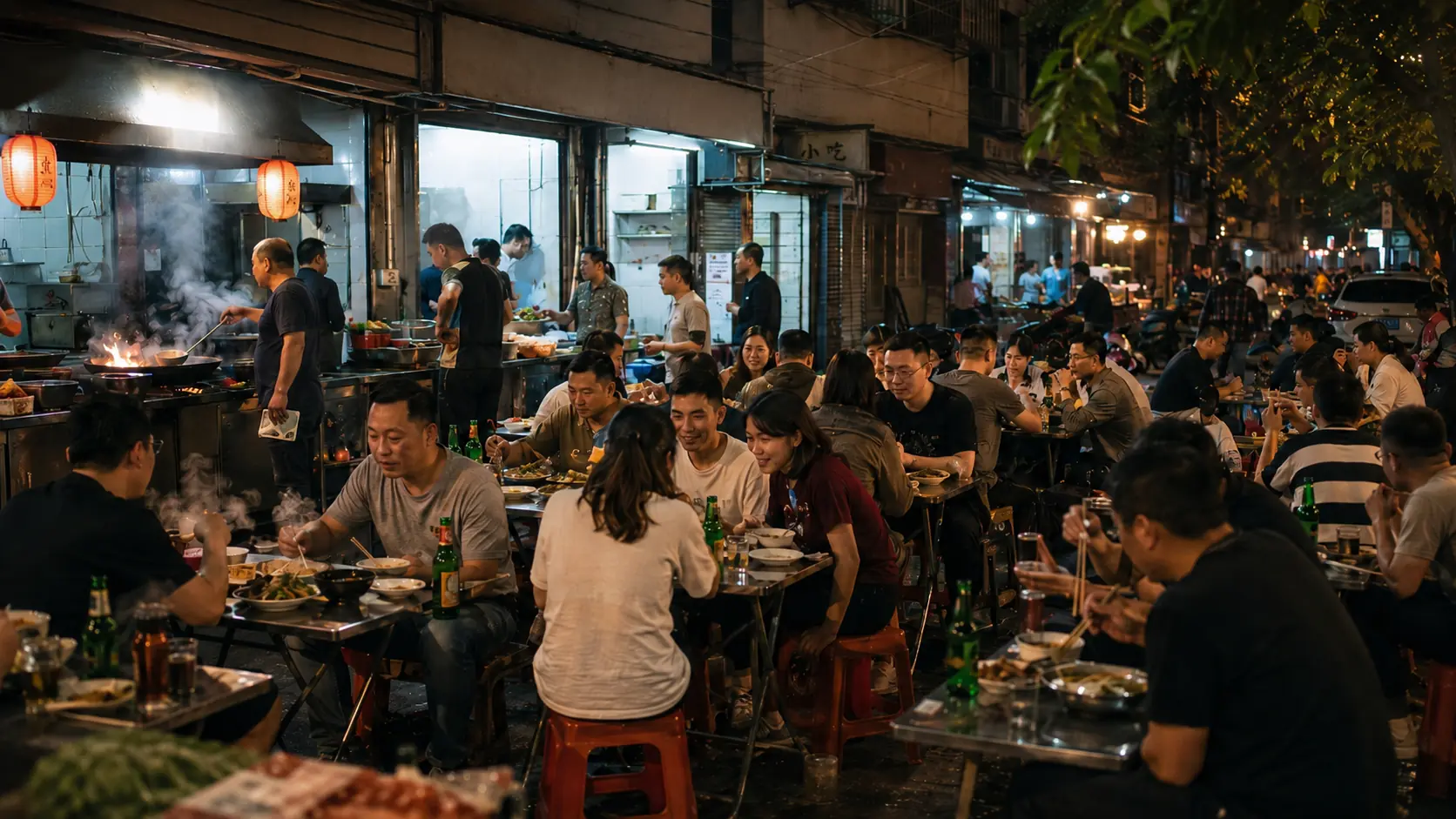
A practical China food strategy is not blanket fear. If you choose street food, favor stalls where food is cooked in front of you, the queue moves quickly, steamers, grills, woks, or hot oil stay active, and finished food is covered. Avoid raw seafood, lukewarm meat, and uncovered food sitting in heat.
Choose heat and turnover
Steaming noodles, stir-fries, soups, hotpot, dumplings, and freshly grilled skewers are easier to reason about than cold prepared salads sitting on a buffet. Whole fruits that you wash with bottled water and peel yourself are safer than pre-cut fruit plates of unknown age.
Sample street food slowly
Street food is wonderful and variable. Start with smaller portions on your first few days, watch whether raw ingredients sit in the sun, and save the most ambitious sampling for days when the next morning is flexible.
Allergy layer
Allergies and restrictions need a separate layer of planning. English is not universal in kitchens, and shared sauces, broths, and woks make "just leave it out" harder than it sounds. Carry a bilingual allergy card or screenshot phrases; chain restaurants sometimes publish ingredient apps or allergen notes. If you have a confirmed food allergy, use our dedicated food allergy survival guide for restaurant communication scripts and hidden-ingredient risks.
Stomach Upset & When to Get Help
Mild bloating or a short-lived loose day can happen when diet, spice, sleep, heat, and schedule all change at once. Do not turn one uncomfortable meal into panic. Do turn it into a quieter next 24 hours: plain breakfast, reliable water, lighter spice, and fewer back-to-back food experiments.
OKUsually manageable
Mild cramps, one loose day, or a stomach that settles when you slow down can often be managed with rest, safe fluids, simple food, and oral rehydration if needed.
!Do not wait this out
High fever, blood in stool, severe or worsening pain, repeated vomiting, faintness or confusion, very little urine, or clear dehydration signs mean urgent medical care: call 120 for an ambulance or go to an emergency department.
Children, older adults, pregnant travelers, immunocompromised travelers, and people with chronic illness should seek help earlier than a healthy adult might. Contact your insurer as soon as practical, but do not delay urgent care for paperwork.
Travel insurance matters here because it can help with referrals, language support, guarantees of payment, reimbursement, and evacuation coverage. For red flags, get care first; then contact your insurer as soon as you safely can. Be ready for deposits or upfront payment in China. Major cities have international clinics and hospitals; our doctors and pharmacies guide explains how to choose care on the ground.
Medicines on the road
What to pack from home, how to think about oral rehydration salts, and what customs may ask about are covered in our pre-trip health preparations guide. This page focuses on daily habits after arrival.
Bites, Colds & Air Quality
City evenings
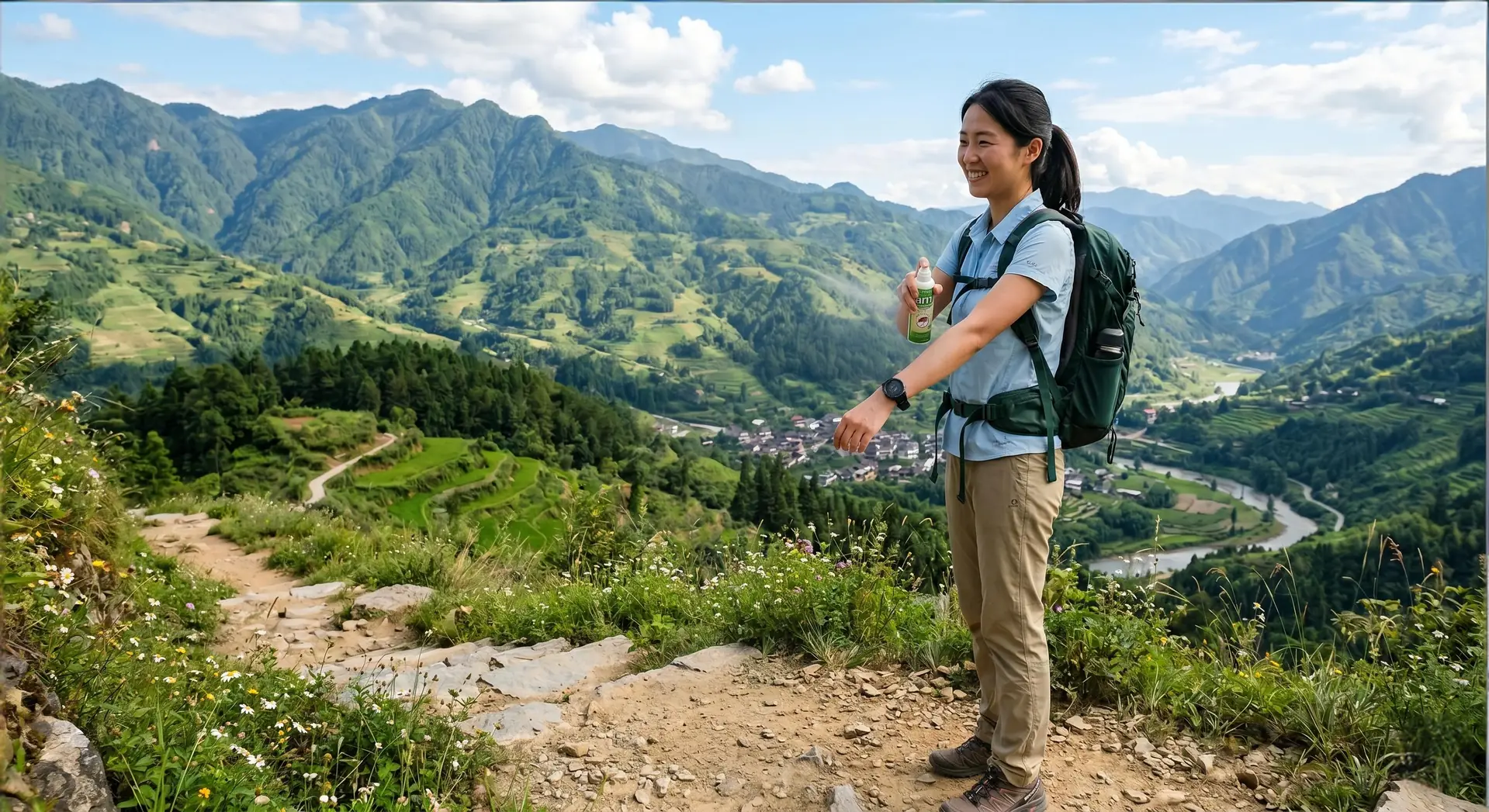
Urban short trips rarely feel like "mosquito trips," but evening river walks, parks, temple gardens, and humid southern stops can still bring bites. Repellent on exposed skin and light long sleeves at dusk are simple protection.
Southern and warm-season routes
For rural hikes, grassland routes, and vegetation-heavy trail days, long trousers and post-walk tick checks matter more than they do downtown. Dengue and other mosquito-borne risks are more relevant in southern, rainy-season, warm/humid settings, including some urban and peri-urban areas, not only rural routes. If your itinerary includes rural homestays, camping, river valleys, or tropical coast, treat bite prevention as part of packing rather than an afterthought.
Crowds and colds
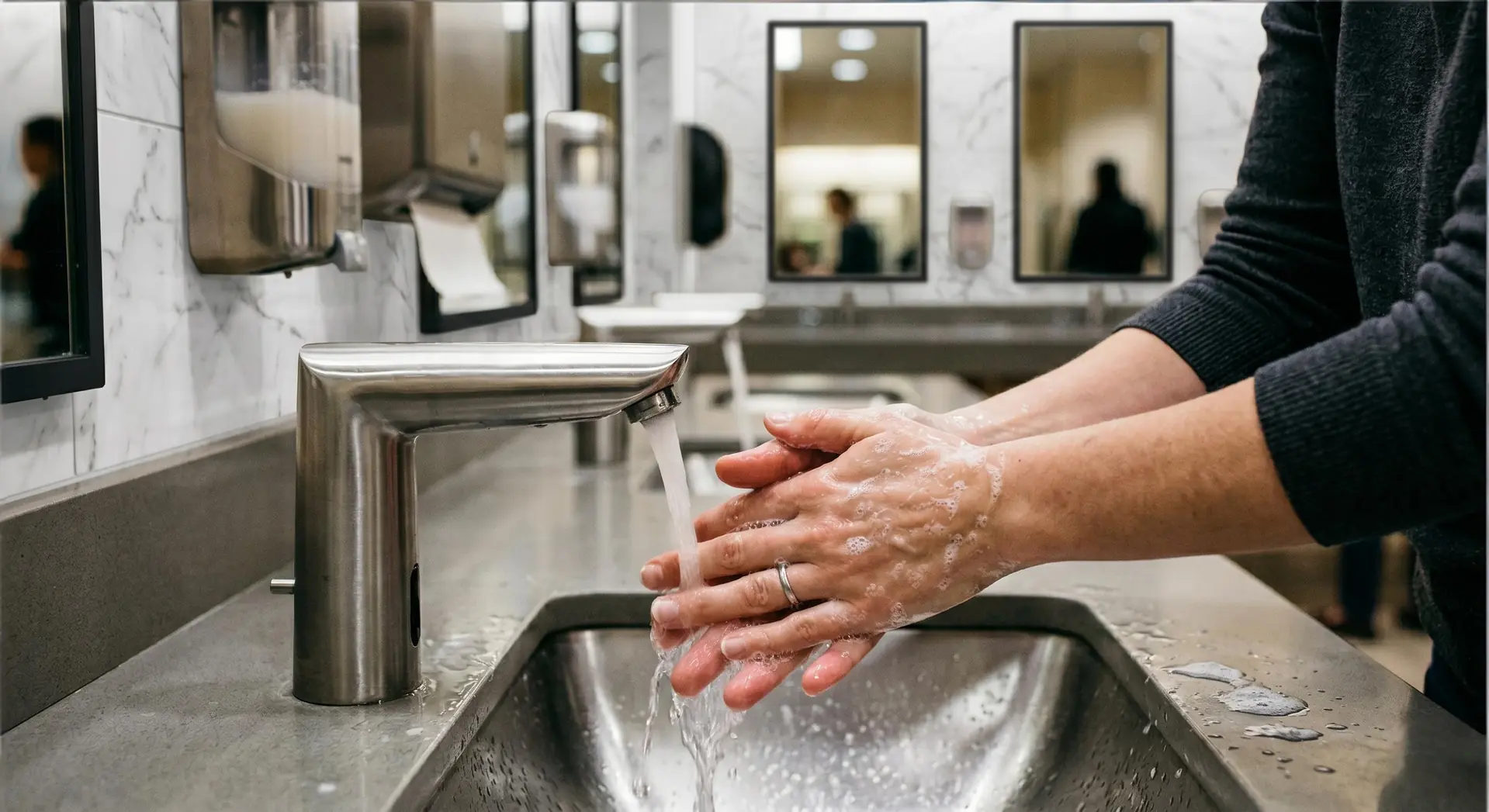
Crowds and colds are more ordinary but more common. Wash hands with soap after metro rides and before eating with fingers; carry hand sanitizer for station days when sinks are inconvenient. Masks are not needed for routine sightseeing, but keep a few disposable masks for hospitals or clinics, long flights or rail days, respiratory-virus season in crowded indoor spaces, or genuinely poor AQI days.
Air quality
Air quality is the final everyday nuisance to keep in view. Most trips are not defined by smog, but poor-AQI days happen, especially in winter and during dust events. Check an AQI app in the morning; if numbers are poor, shift long outdoor walks toward indoor museums, malls, tea houses, or shorter outdoor windows. Travelers with asthma, COPD, heart disease, pregnancy, or young children should be more conservative about prolonged outdoor activity on bad-air days. For pollutant-by-pollutant app reading and mask fit decisions, use our China AQI and mask guide.
- For mosquitoes and ticks - use repellent as directed, cover skin at dusk, and check for ticks after rural trail days.
- For crowds and colds - wash hands before eating, carry sanitizer, and keep a few masks for clinics, flights, or packed indoor spaces.
- For poor AQI - reduce strenuous outdoor time; a well-fitting N95 or KN95 helps more than a loose surgical mask on genuinely polluted days.
Frequently Asked Questions
No for most tourist purposes. Use factory-sealed bottled water or boiled water for drinking. City water quality, building pipes, and storage systems vary, so this is one of the easiest places to be conservative.
Sources Checked
Primary health guidance reviewed
- CDC Travelers Health country guidance for China: tap water, bottled water, bug-bite prevention, heat, and outdoor safety notes
- CDC Yellow Book food and water precautions: safe food, safe water, brushing teeth, and handwashing guidance
- CDC Yellow Book water disinfection chapter: boiling and field water-treatment guidance
- CDC Yellow Book travelers diarrhea chapter: symptom severity, oral rehydration, and red-flag context
- CDC Yellow Book air quality chapter: AQI, respirator, and sensitive-traveler precautions
- GOV.UK China travel advice - health: 120 ambulance, insurance, healthcare cost, tap water, and dengue notes
- U.S. State Department China travel advisory - health and medical facilities: ambulance, upfront payment, hospital access, and rural care limits
Beyond This Guide
Food and water habits are daily choices; vaccines, insurance, clinic access, allergy planning, and air-quality decisions sit behind them. Continue with pre-trip health preparations, doctors and pharmacies in China, food allergies and dietary restrictions, emergency assistance and insurance claims, and China AQI and mask planning. For money, transport, translation, and apps, use the Essentials hub as your next planning layer.
Also read: Pre-trip health: vaccines, insurance & packing - Doctors & pharmacies in China - Food allergies survival guide - AQI & mask guide - Emergency assistance & insurance claims - China visa & entry
© gochinafreely.com — Original guide by Go China Freely.