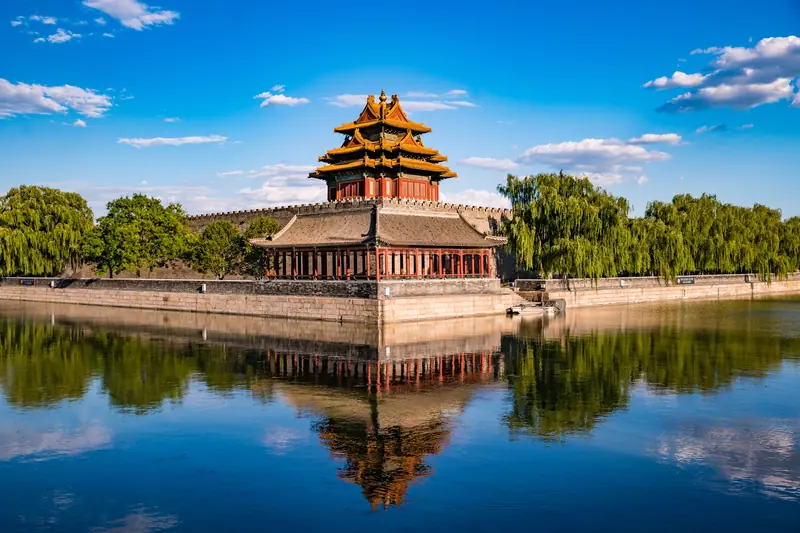
Beijing is not just the Forbidden City plus a Great Wall day. It is imperial rooftops seen from a coal hill, retired locals singing under cypress trees, incense smoke at a living monastery, lake-side hutongs after dark, red-brick art factories, and a roast duck meal that still feels ceremonial when done properly. This guide is a first-timer's map of what is actually worth building your Beijing trip around.

First-Time Beijing: Start Here
If you are looking at Beijing for the first time, start with capacity, not completeness. Two or three days can give you a strong Beijing memory, but only if you choose the right layers and stop treating all 15 experiences as equal must-dos.
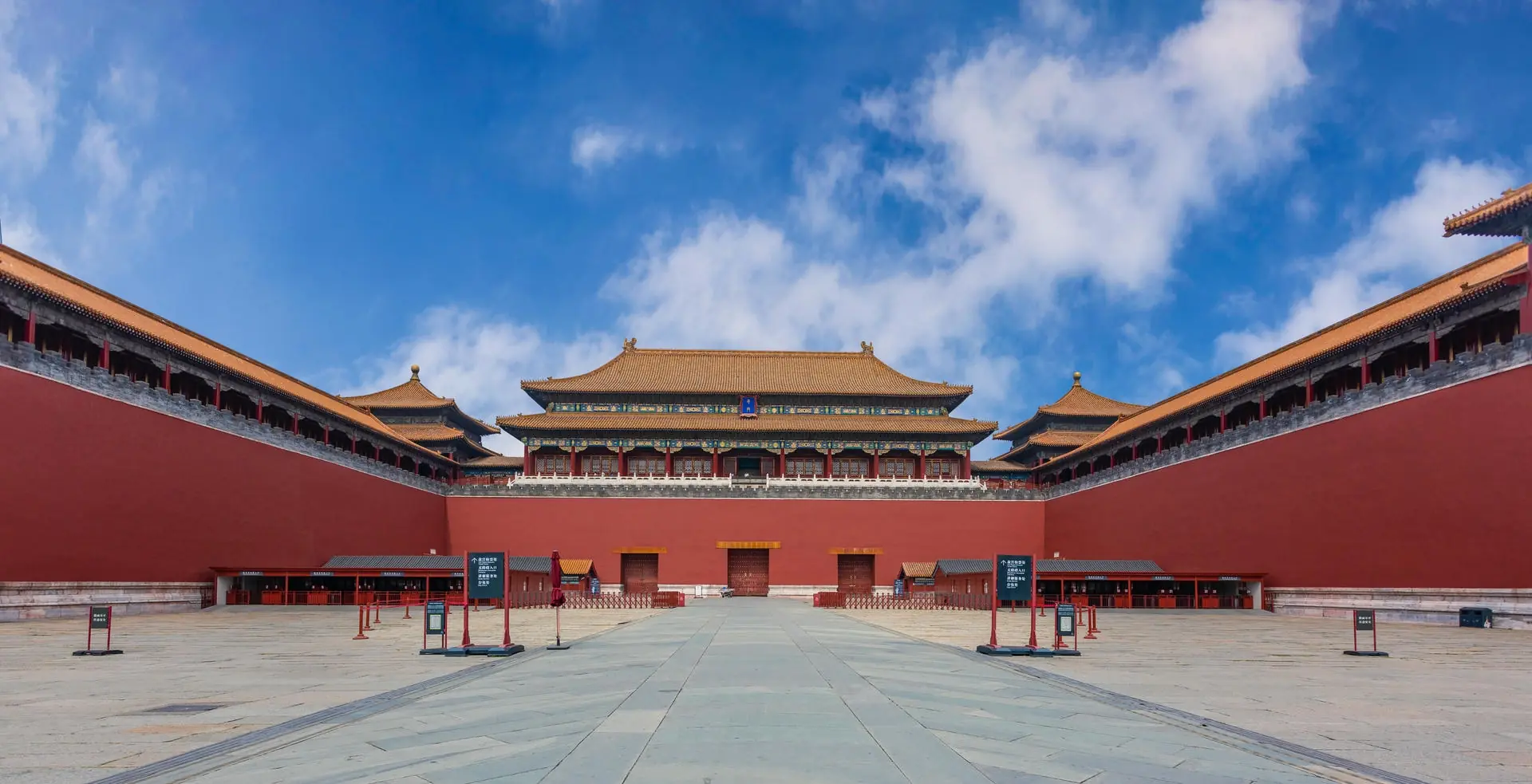
Two days
Focus on the imperial core, one Great Wall day, and one food or hutong evening. Do not try to add a major museum, royal garden, and performance unless your group has unusual stamina.
Three days
Add the Temple of Heaven and Qianmen, or choose the Summer Palace if gardens matter more than another monument. This is the shortest trip length where Beijing starts to feel rounded.
Four or five days
Add the National Museum, Lama Temple, 798, Panjiayuan, and a slower hutong afternoon. This is where Beijing becomes a city you can read, not just a list you rush through.
This guide is best for first-time visitors, culture-focused travelers, families choosing major sights carefully, photographers, and travelers who want imperial Beijing plus one lived-in or modern layer. It is less useful if you only want nightlife, theme parks, shopping, or a fully escorted private tour with no self-planning.
Beijing Is a City of Layers
The easiest way to understand Beijing is to stop treating it as one big "ancient capital" and start seeing four different layers.
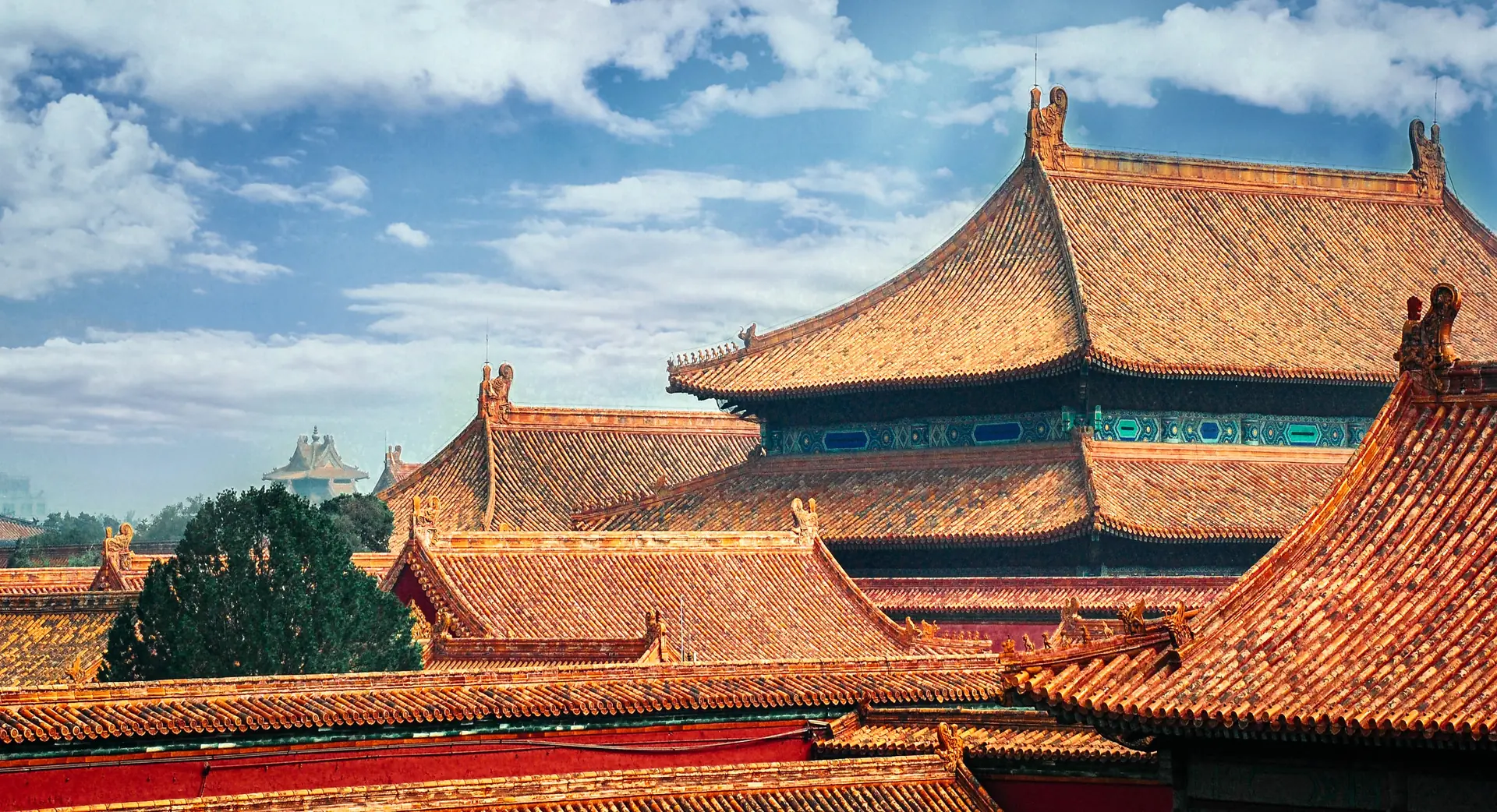
Imperial Beijing
Where it shows up: Forbidden City, Tiananmen Square, Jingshan Park, Temple of Heaven, Summer Palace, and Beihai Park.
This layer explains power, ritual, gardens, and the north-south city axis.
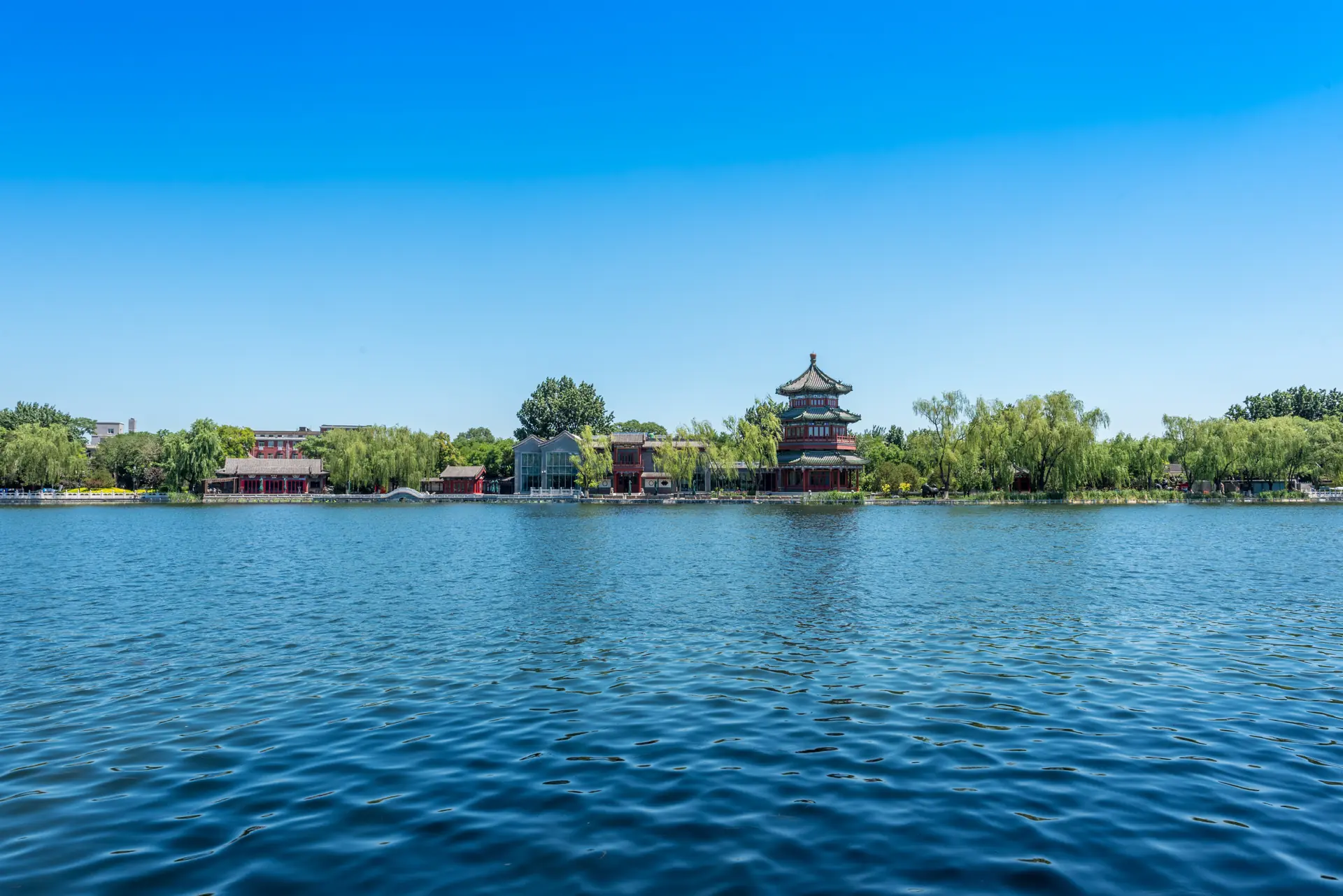
Lived-In Beijing
Where it shows up: Shichahai, Houhai, Drum Tower lanes, hutongs, lake walks, and old neighborhoods.
This layer gives the city human scale: courtyard doors, local parks, cafes, restaurants, and ordinary life beside famous sights.

Cultural Beijing
Where it shows up: National Museum of China, Lama Temple, Peking opera, roast duck, and time-honored brands.
This layer gives context, ritual, performance, food, and the objects behind the city's symbols.
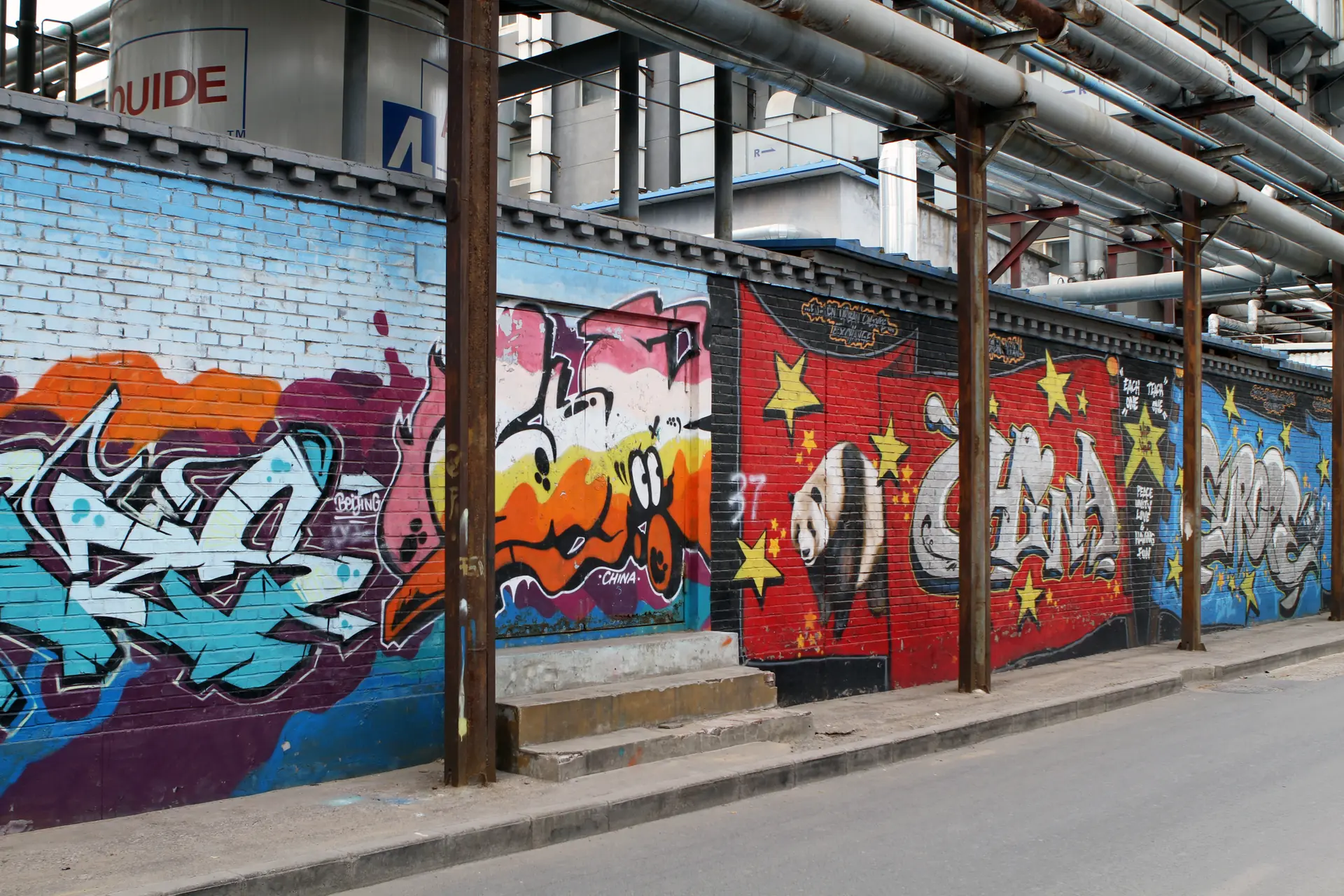
Contemporary Beijing
Where it shows up: 798, 751, modern malls, galleries, coffee, design shops, and weekend culture.
This layer keeps the capital from feeling frozen in time.
For a first trip, the goal is not to "finish" Beijing. Choose one or two strong experiences from each layer, then leave enough breathing room for the city to feel alive rather than merely completed.
15 Beijing Experiences Worth Building Around
The first ten are Beijing's strongest first-trip foundations. The final five add food, markets, performance, nightlife, and contemporary Beijing. If you only have two or three days, do not try to complete the whole list.
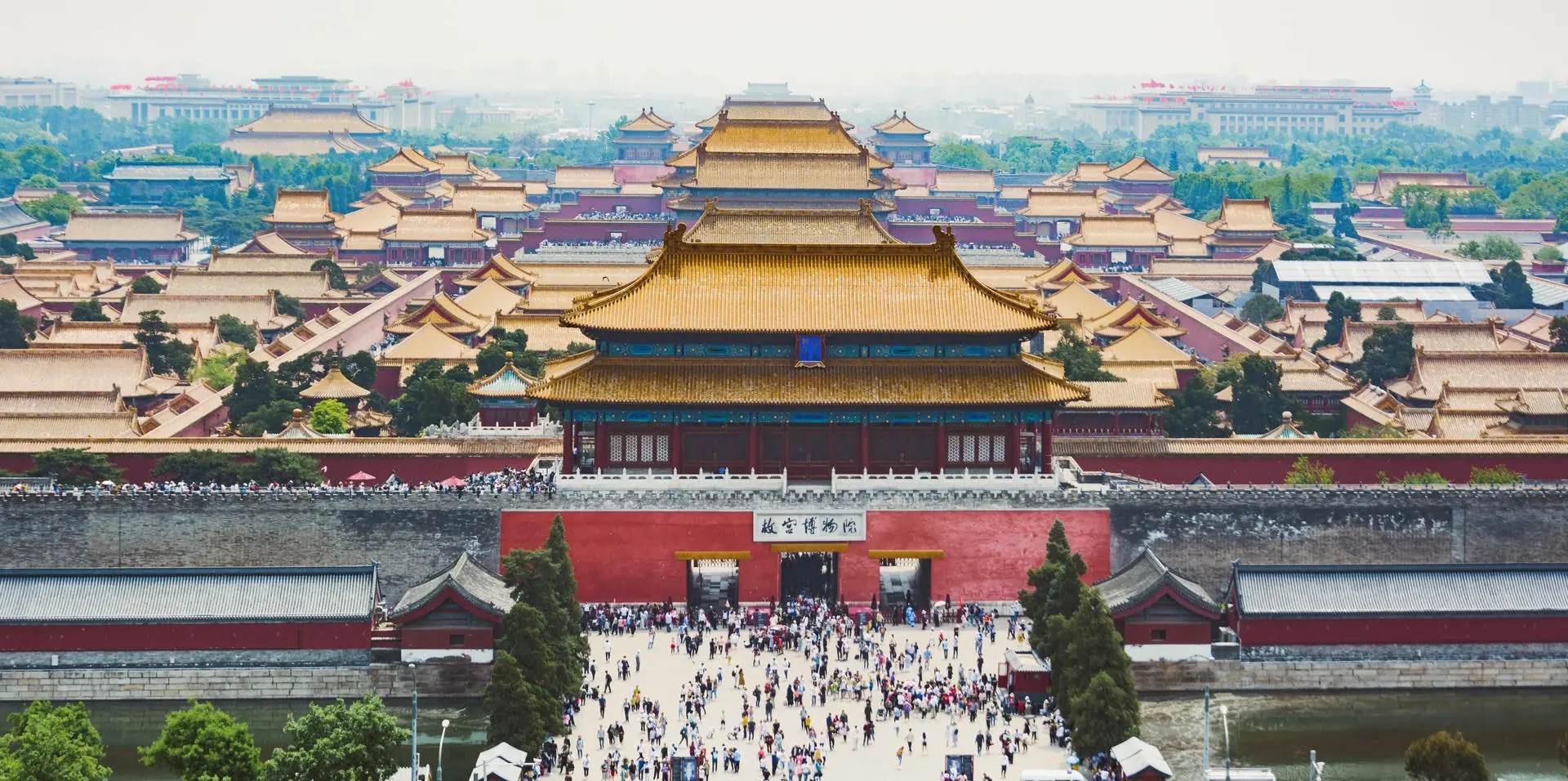
The Forbidden City is Beijing's power stage: 980 buildings arranged on a strict south-to-north axis, yellow roofs rolling toward the horizon, and courtyards designed to make every visitor feel the scale of empire. Prioritize it if you want the single most iconic Beijing experience. Use our Forbidden City guide for the practical details before you lock it into your trip.
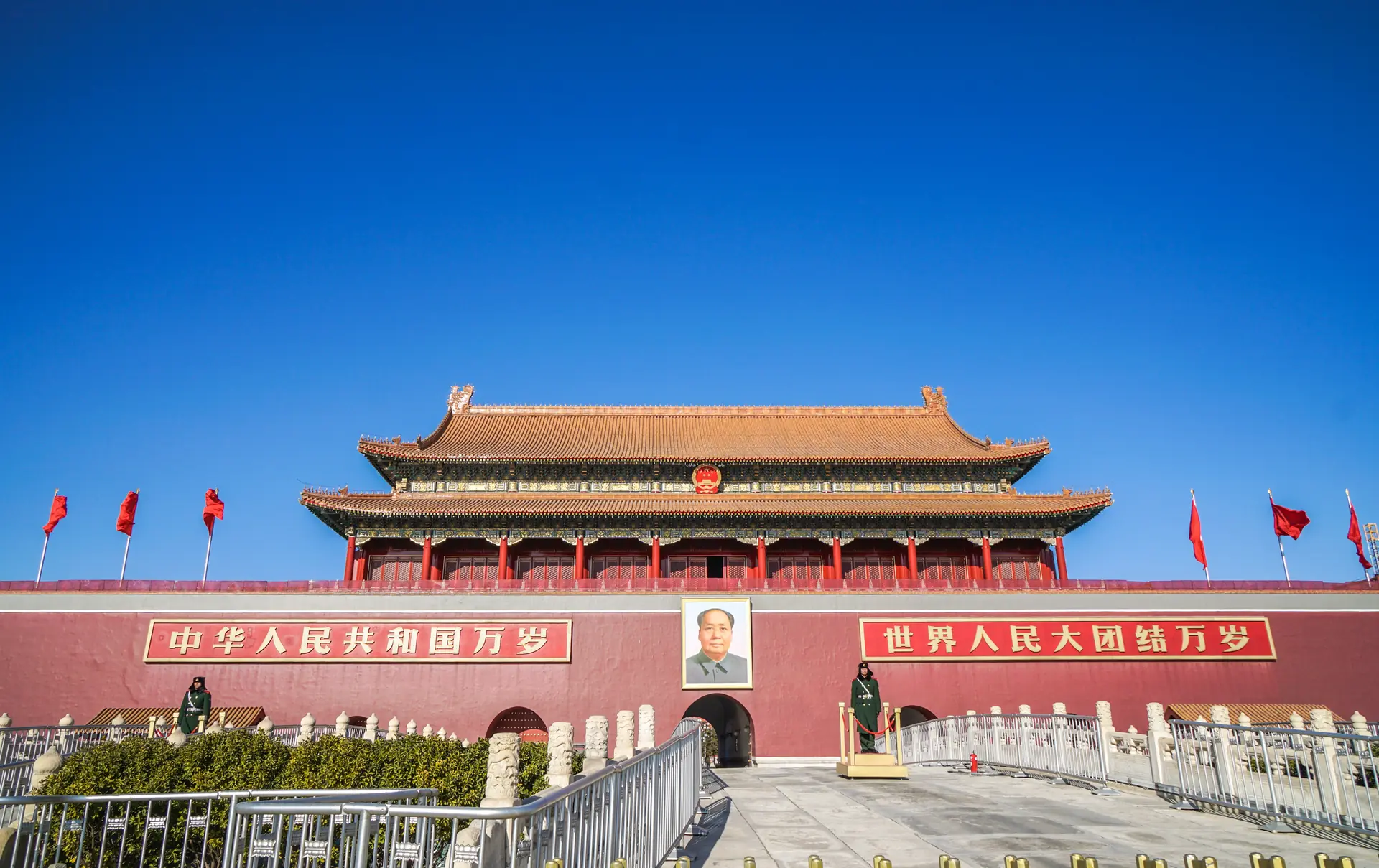
Tiananmen Square gives Beijing its monumental scale: the gate, the flag, the museum facade, the broad stone emptiness, and the Central Axis stretching north and south. It is not the most intimate stop, but it helps first-timers understand why Beijing feels planned around power, ceremony, and distance.
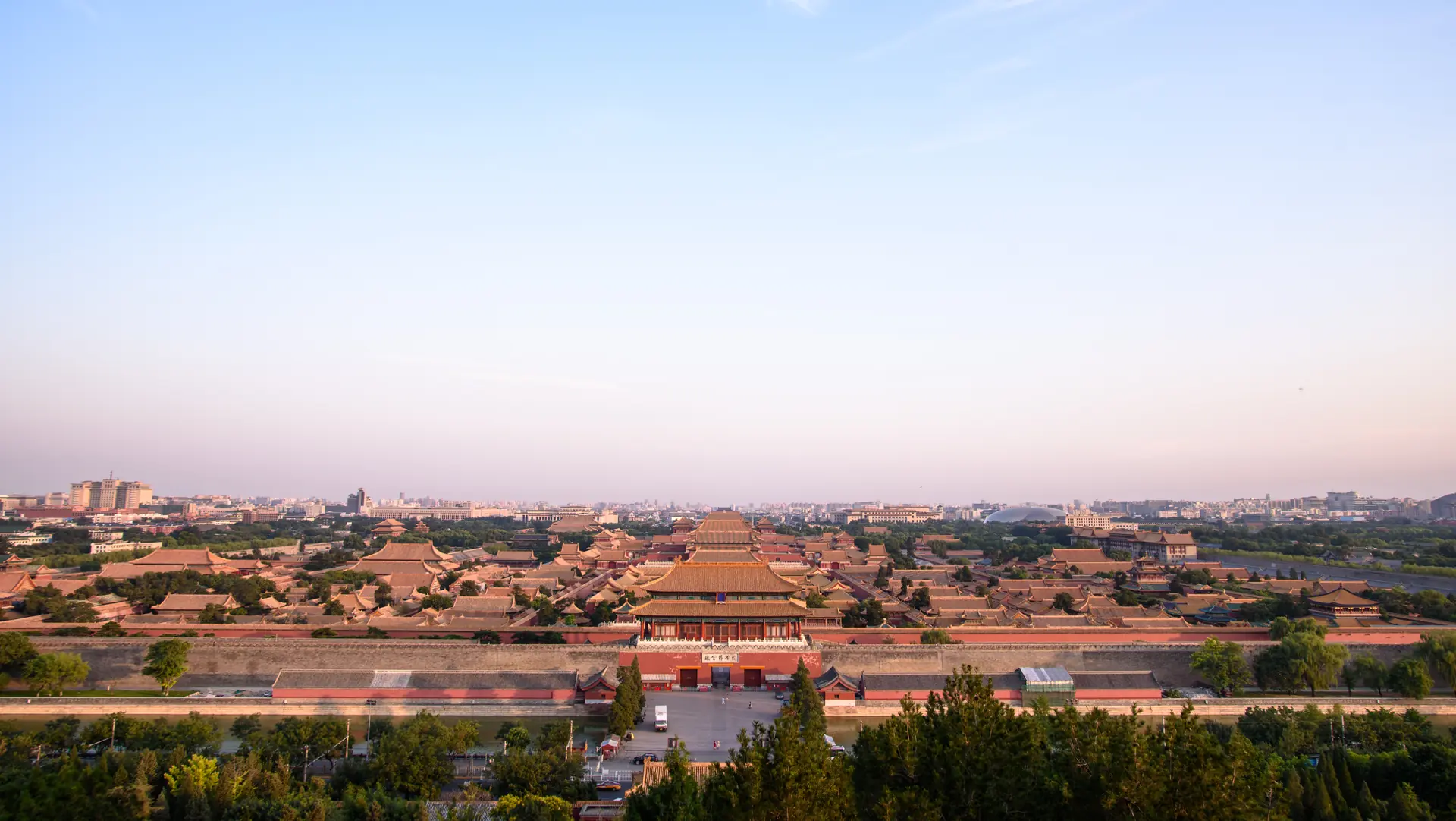
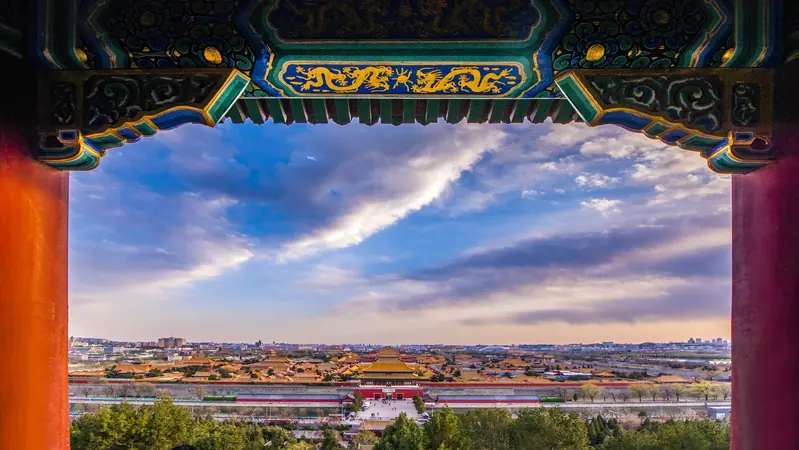
Jingshan is the moment Beijing suddenly makes visual sense. After hours inside palace courtyards, the short climb to Wanchun Pavilion turns the Forbidden City into one sweeping roofline, with Beihai's White Dagoba to the west and the Central Axis running through the old capital like a ruler mark. Use our Jingshan Park guide if you are pairing it with the Forbidden City.
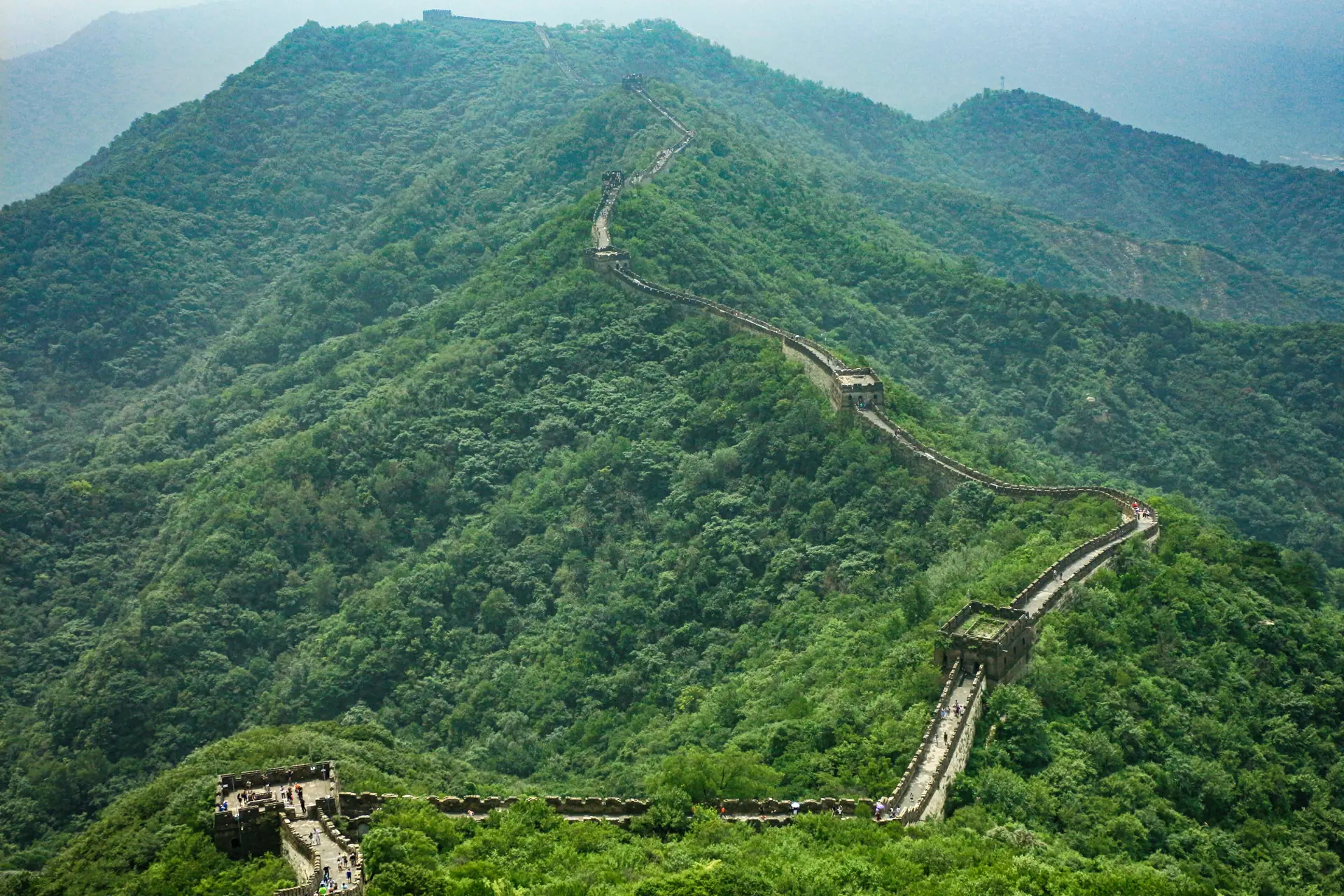
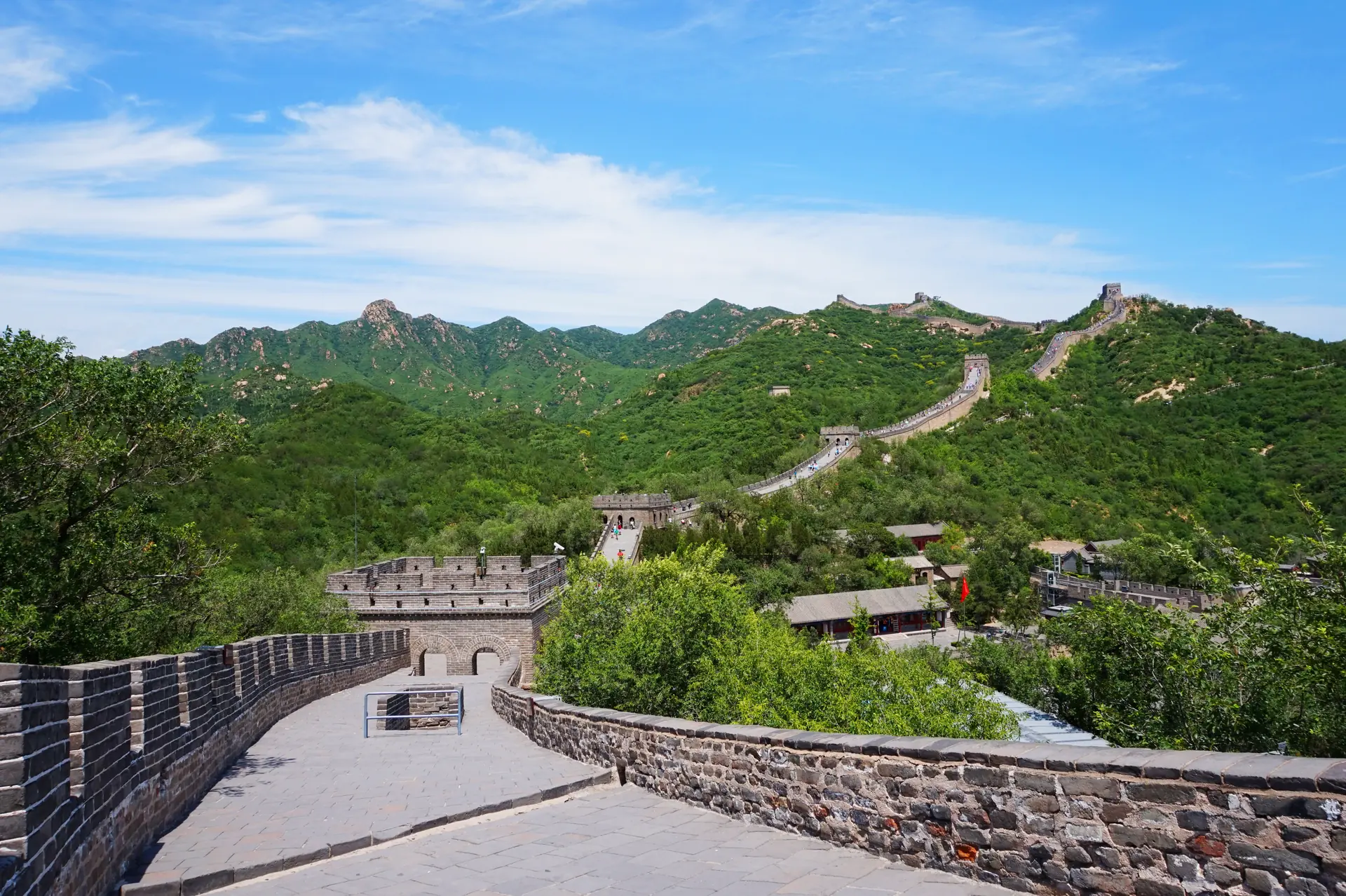
The Great Wall is where Beijing stops being a capital and turns into mountain country. Mutianyu is the best first-timer balance: restored enough to feel comfortable, scenic enough to feel epic, and less pressured than Badaling. Prioritize it if you want the big China moment, not just another city sight. Use our Mutianyu Great Wall guide before choosing transport and Wall-side options.
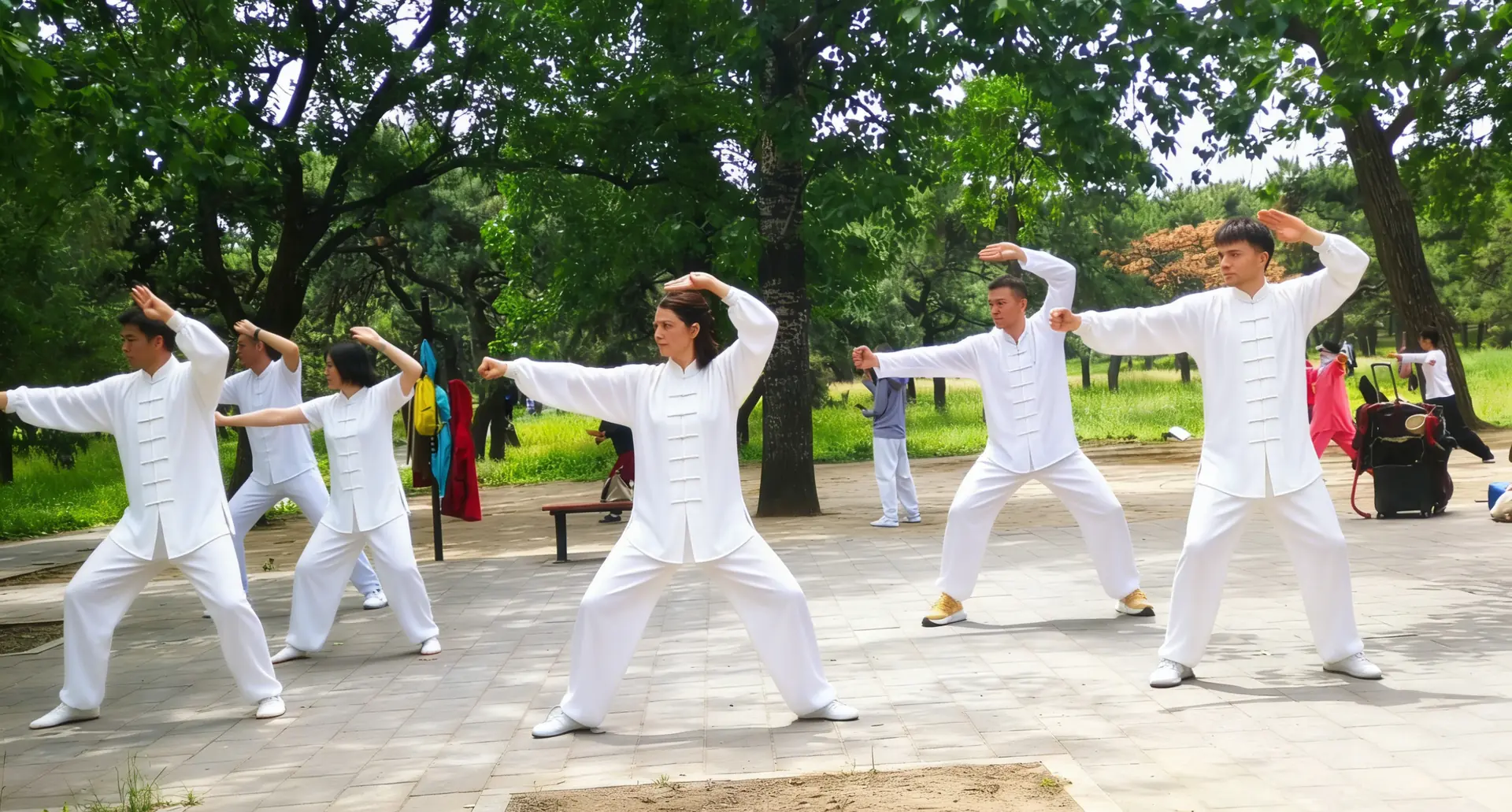
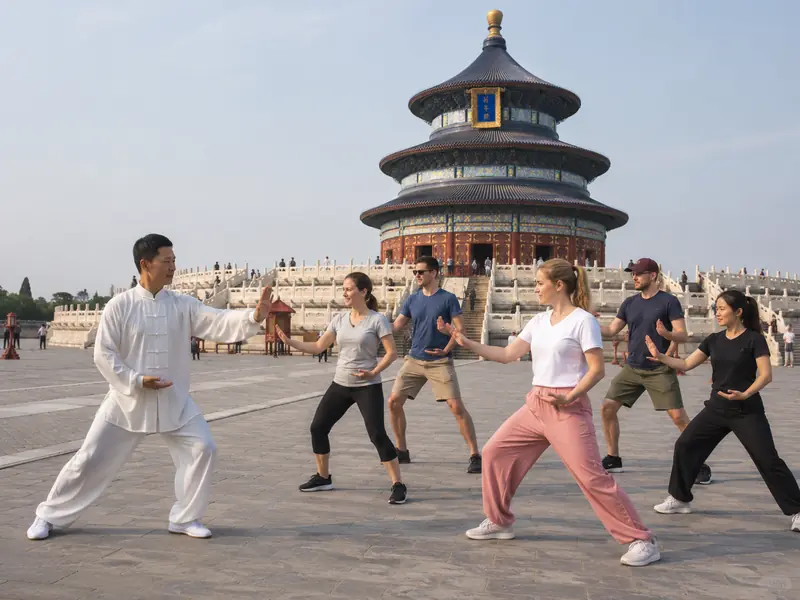
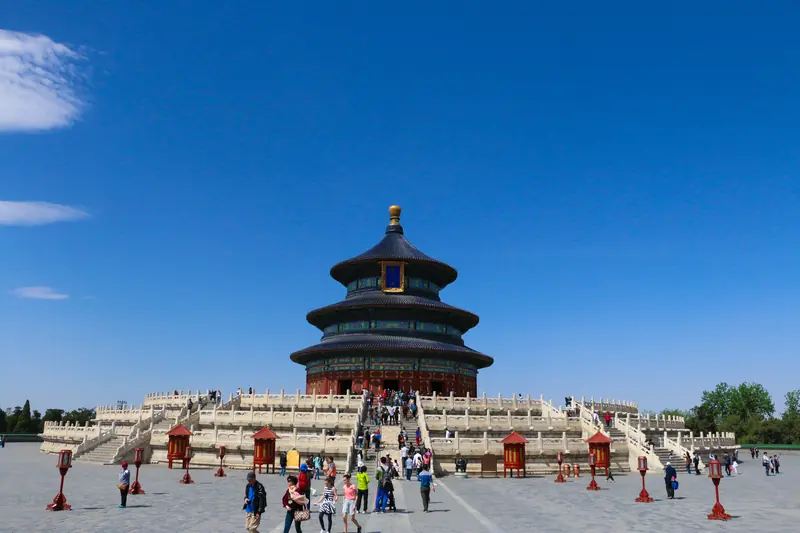
Temple of Heaven is the rare Beijing site where imperial ritual and ordinary morning life share the same space. The Hall of Prayer for Good Harvests gives you the postcard image; the outer park gives you choirs, tai chi, shuttlecock, dancing, and locals who have claimed the place as their own. Use our Temple of Heaven guide to shape the morning route.
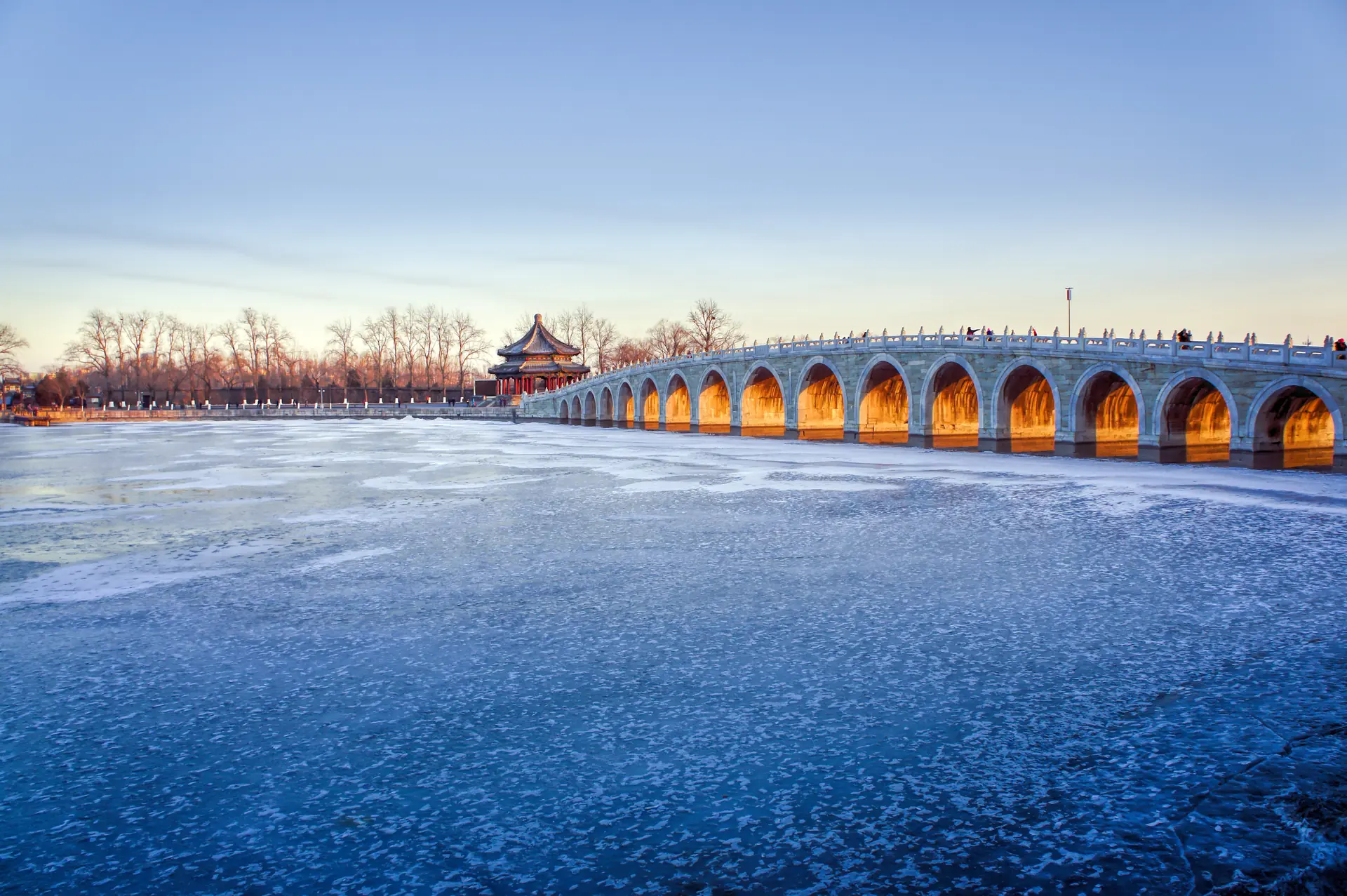
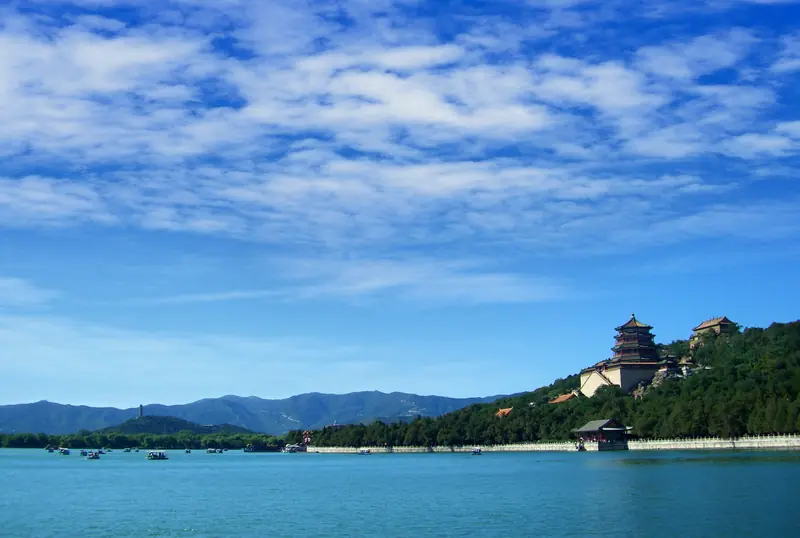
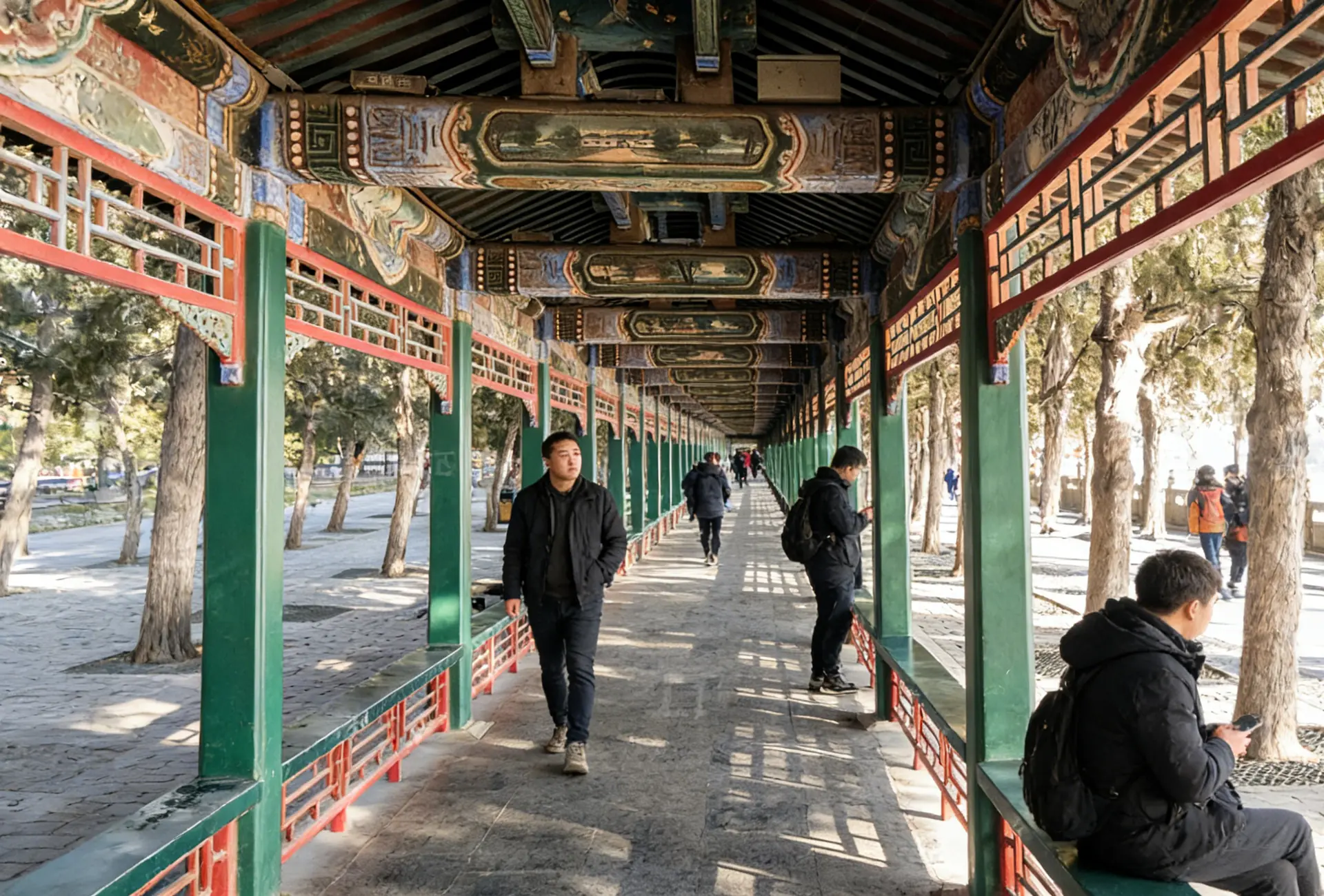
The Summer Palace is Beijing's grand pause: lake wind, painted corridors, hilltop temples, willow paths, bridges, and long views across Kunming Lake. It shows imperial life away from the throne room, and it rewards travelers who are willing to slow down instead of collecting another quick landmark. Use our Summer Palace guide if you want the best gate and walking-loop choice.
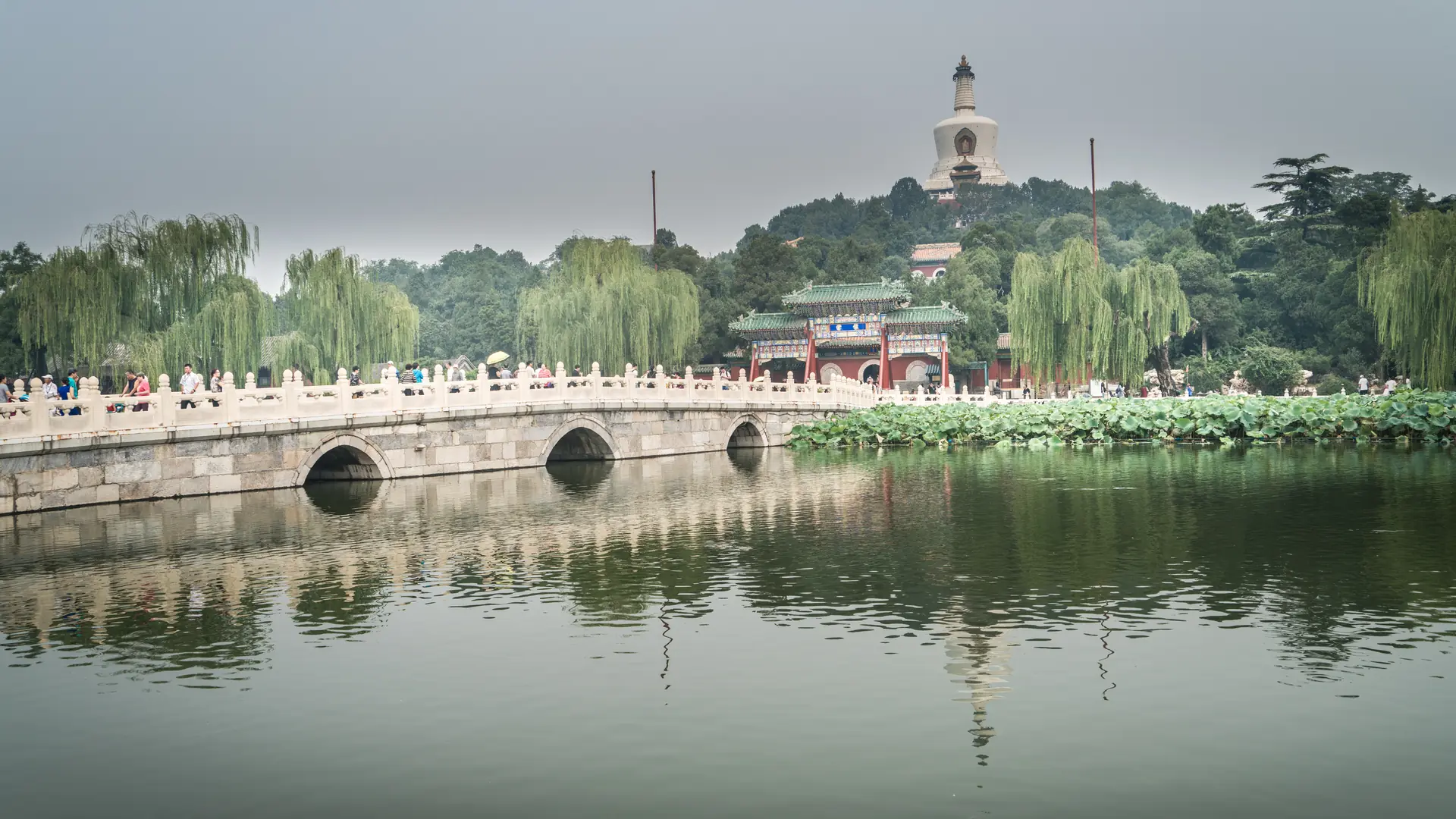
Beihai is the softer imperial world beside the hard geometry of the Forbidden City: white pagoda, lake water, island paths, painted corridors, and boat views. Prioritize it if you want Beijing to slow down without leaving the old city. Use our Beihai Park guide if you are deciding whether it fits after Jingshan or Shichahai.

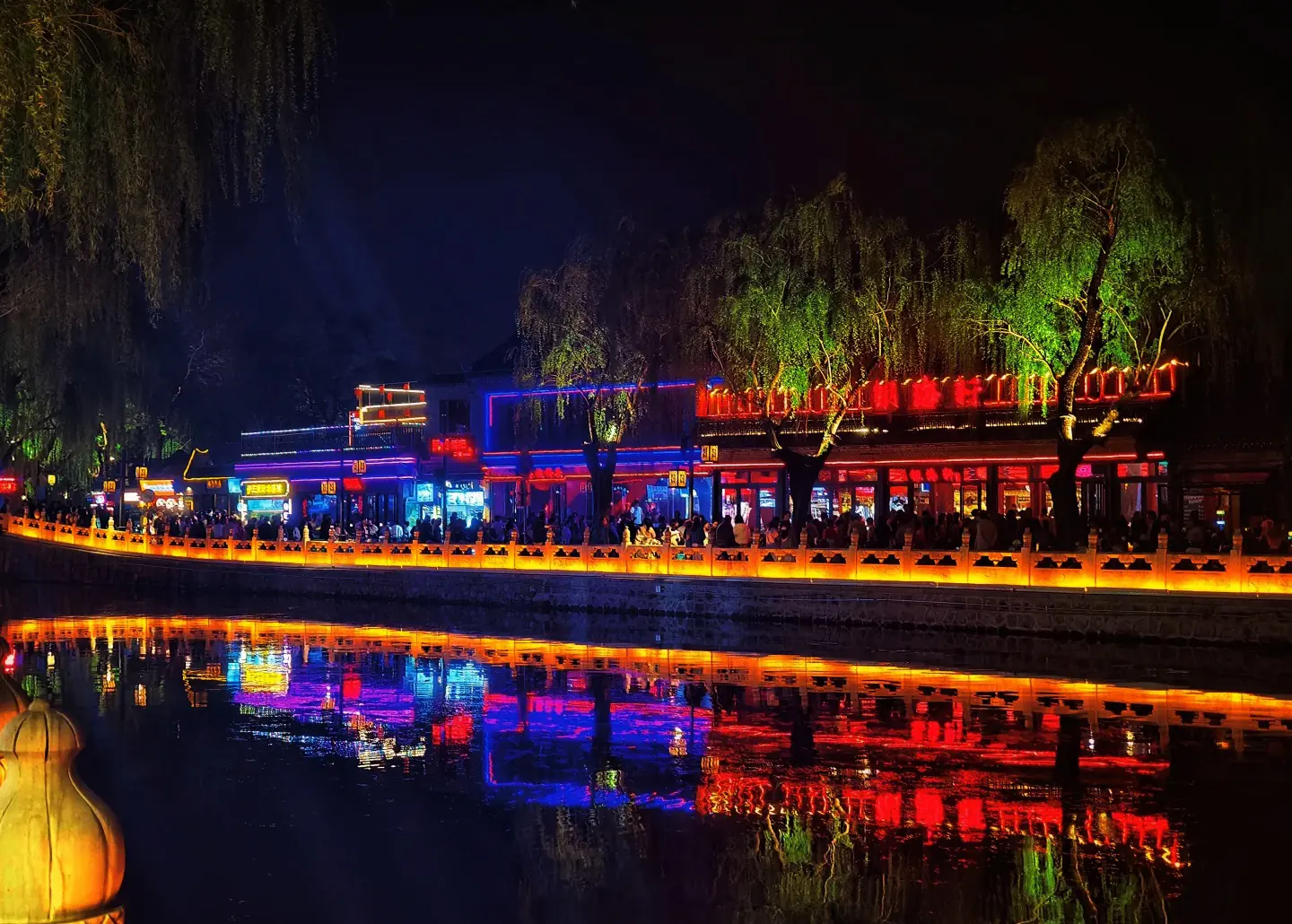
Shichahai is Beijing at human scale: lake reflections, narrow lanes, courtyard doors, old men by the water, bars switching on their lights, and the Drum and Bell Towers watching from the north. Prioritize it for your first relaxed evening, especially after a palace-heavy day. Use our Shichahai lakes walk guide for a self-guided loop.
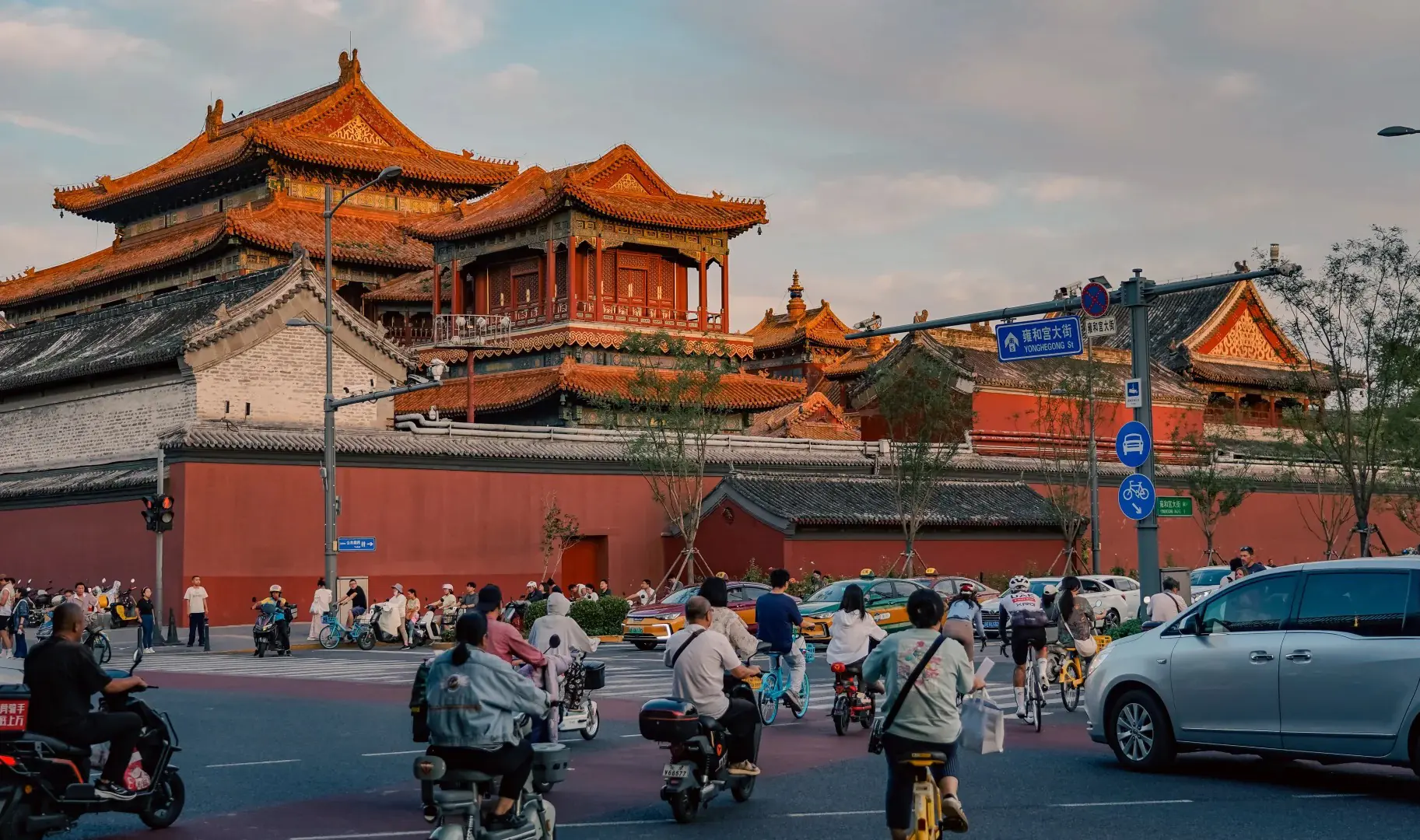
Lama Temple is not a silent relic. It is incense, prayer lines, Tibetan Buddhist imagery, layered courtyards, and one of Beijing's most vivid living religious atmospheres. Prioritize it if you want a temple that still feels actively used, not simply preserved. Use our Lama Temple guide before you go.

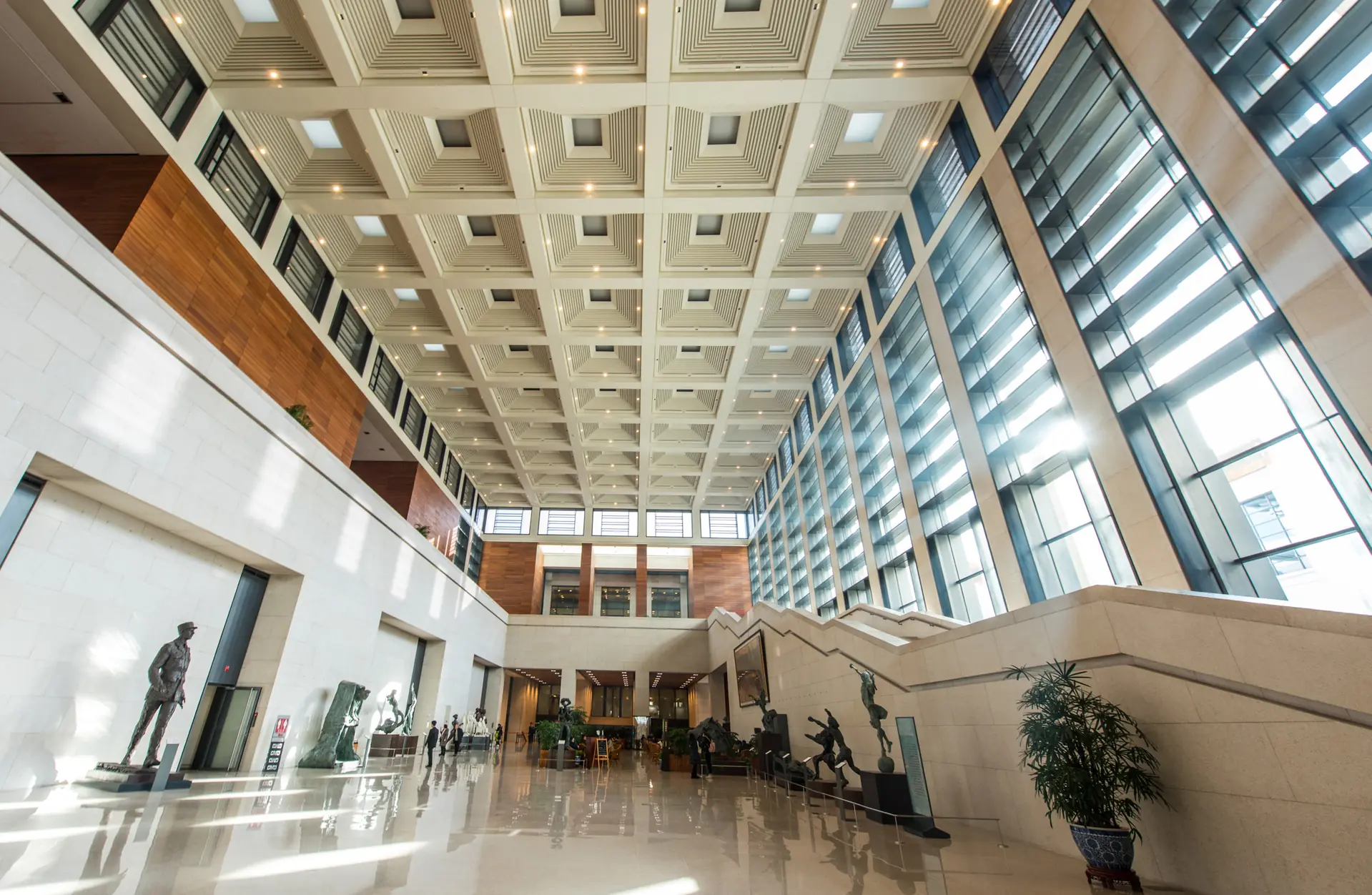
The National Museum gives Beijing context beyond emperors: bronzes, ceramics, Buddhist sculpture, revolutionary history, and the long material story of China in one enormous building. Prioritize it if you like museums, need a bad-weather anchor, or want the ancient objects behind the city symbols. Use our National Museum guide to avoid treating it as a quick side stop.

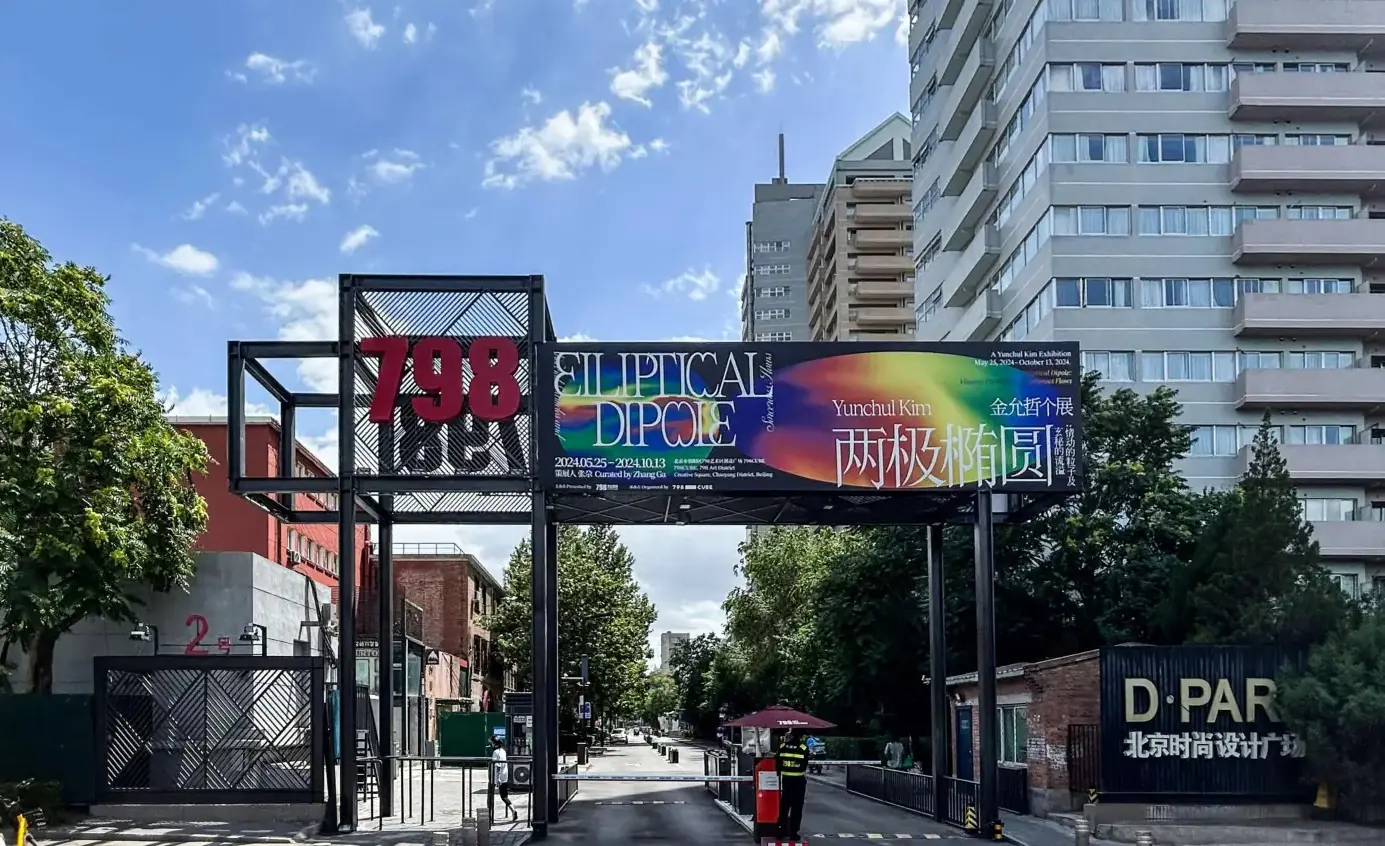
798 gives Beijing a different visual language: red-brick factories, old industrial pipes, gallery courtyards, design shops, coffee, and changing exhibitions. Prioritize it once you have seen enough palaces and want proof that Beijing is not only looking backward. Use our 798 Art District guide for the best way to time it.

Beijing evenings do not have to mean another mall. A short Peking opera excerpt, acrobatics program, or teahouse variety show turns painted faces, percussion, sleeves, movement, and comic timing into something you can feel even when the lyrics are unfamiliar. Use our Peking opera guide to choose the right format.
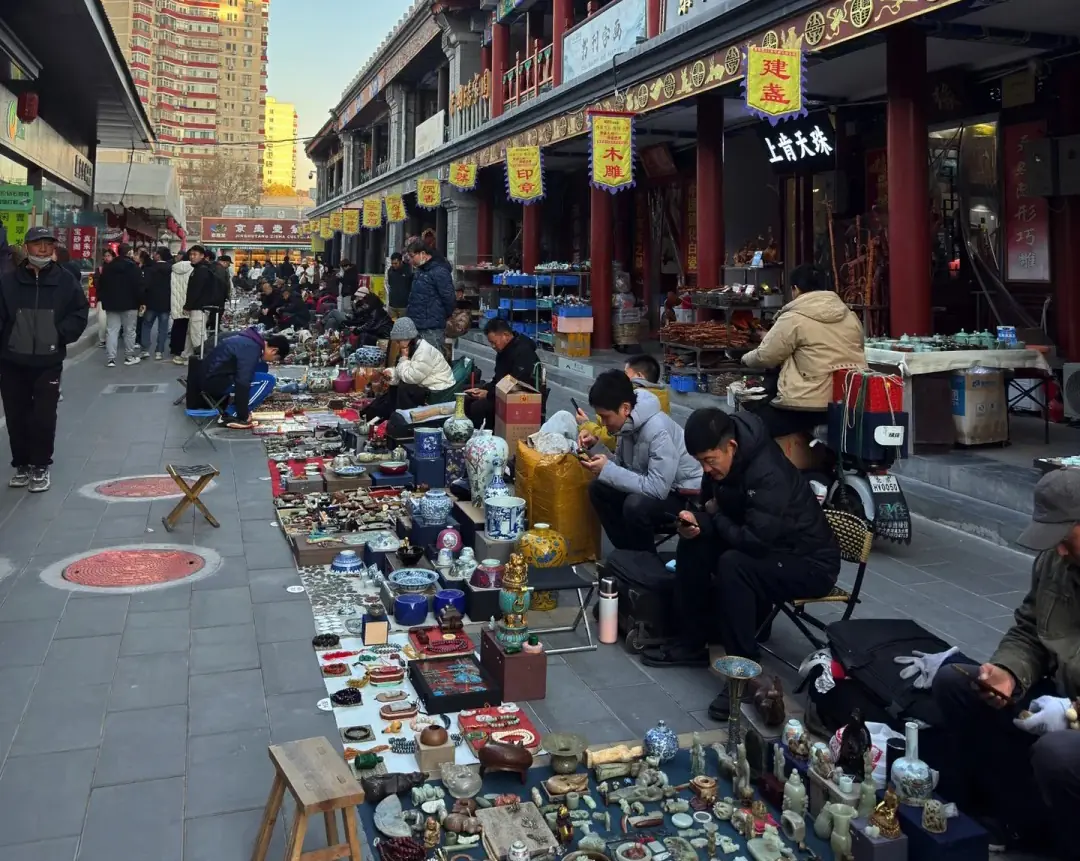
Panjiayuan is Beijing's weekend cabinet of curiosities: old books, ceramics, beads, posters, tools, calligraphy, jade-colored trinkets, and objects with stories attached. Go for browsing, bargaining, and texture, not a guaranteed antique score. Use our Panjiayuan guide before a weekend visit.
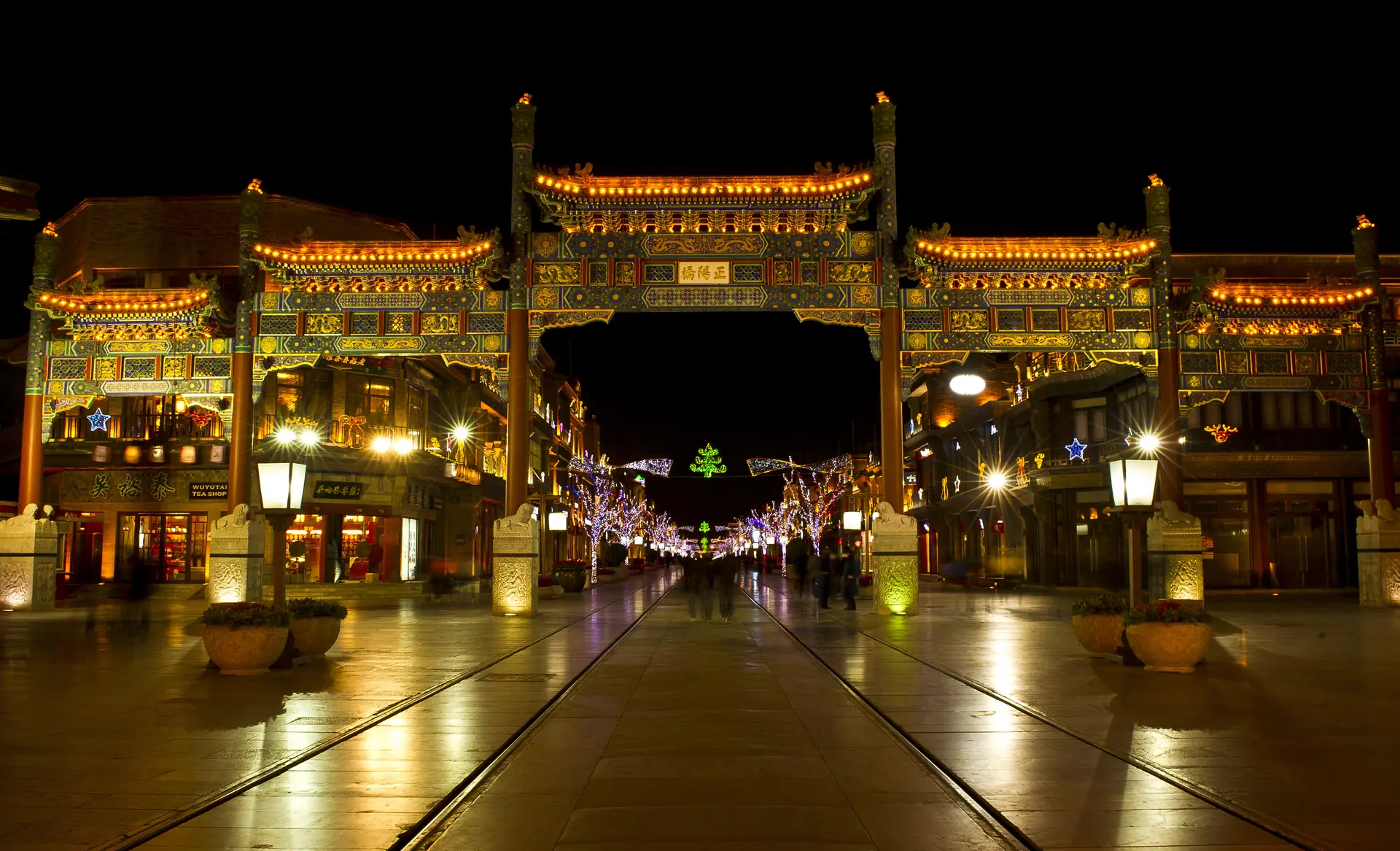
Qianmen and Dashilar are polished and touristy, but still carry old commercial Beijing: shop signs, theaters, medicine halls, roast duck restaurants, and lanes once used by travelers entering from the south. Come late afternoon or evening, when lights, dinner options, and theater atmosphere work best.
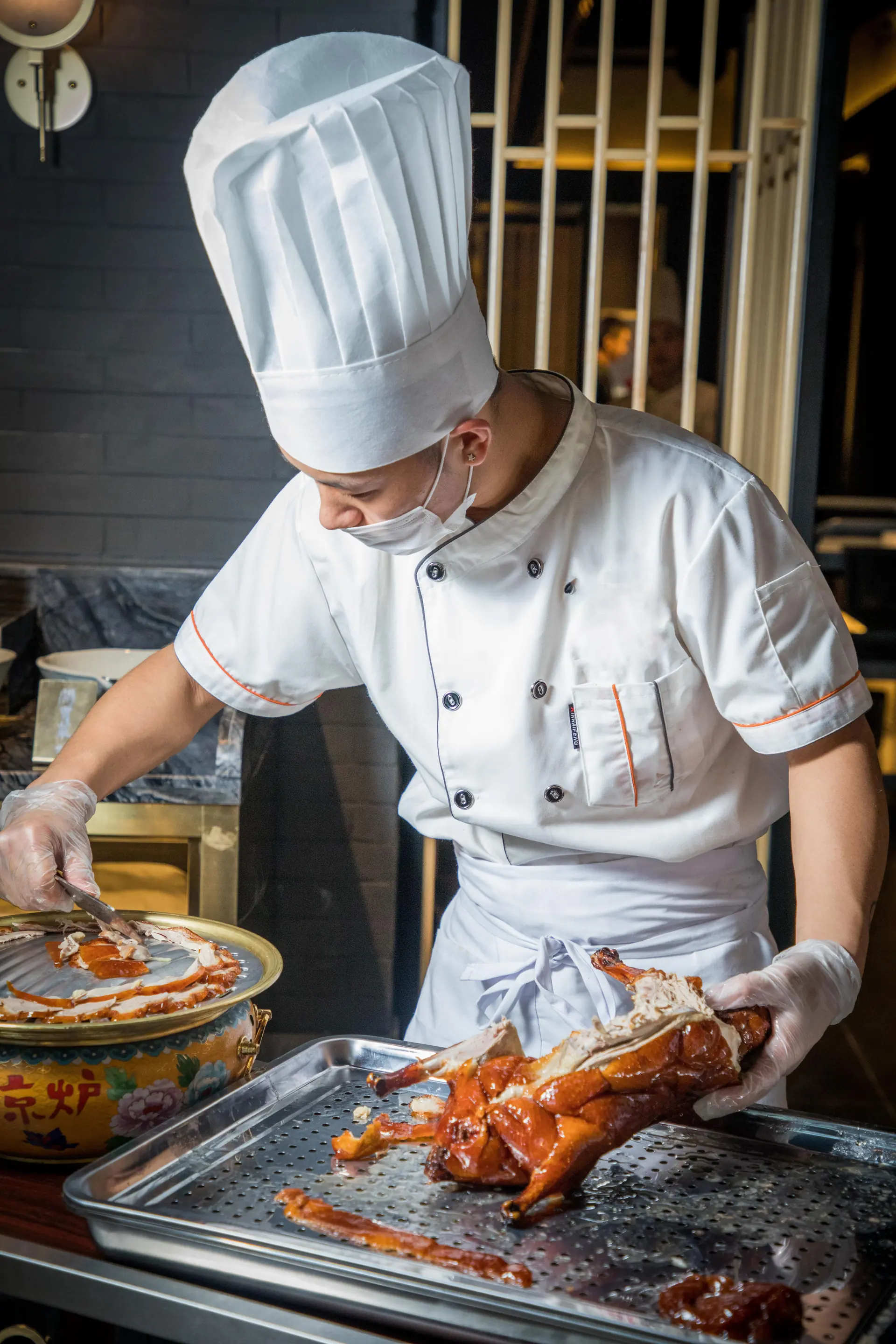
Roast duck is Beijing theater at the table: the skin crackles, the chef slices in front of you, pancakes become small hand-built wraps, and the meal slows everyone down. Treat it as one memorable evening, then use our Peking duck guide for where to eat and how to order.
What Kind of Beijing Trip Are You Building?
Do not choose Beijing sights only by fame. Choose them by the kind of city you want your first trip to reveal. The Forbidden City, Mutianyu, Temple of Heaven, Shichahai, Lama Temple, 798, and roast duck all belong in "things to do in Beijing," but they satisfy different cravings. Most first-time trips mix two or three of these styles, but choosing one primary focus will make the itinerary easier.

The Classic First Trip
Best for: icons, scale, and the big Beijing memory.
Prioritize the Forbidden City, Tiananmen Square, Jingshan, Mutianyu Great Wall, Temple of Heaven, and one hutong evening. This is the strongest version for travelers who may not return soon.
The History-Focused Trip
Best for: palaces, ritual, museums, and the city axis.
Add the National Museum, Beihai Park, Lama Temple, and more time inside the imperial core. This version works best when you enjoy context, objects, architecture, and slower reading.
The Lived-In Beijing Trip
Best for: parks, hutongs, tea, markets, and meals.
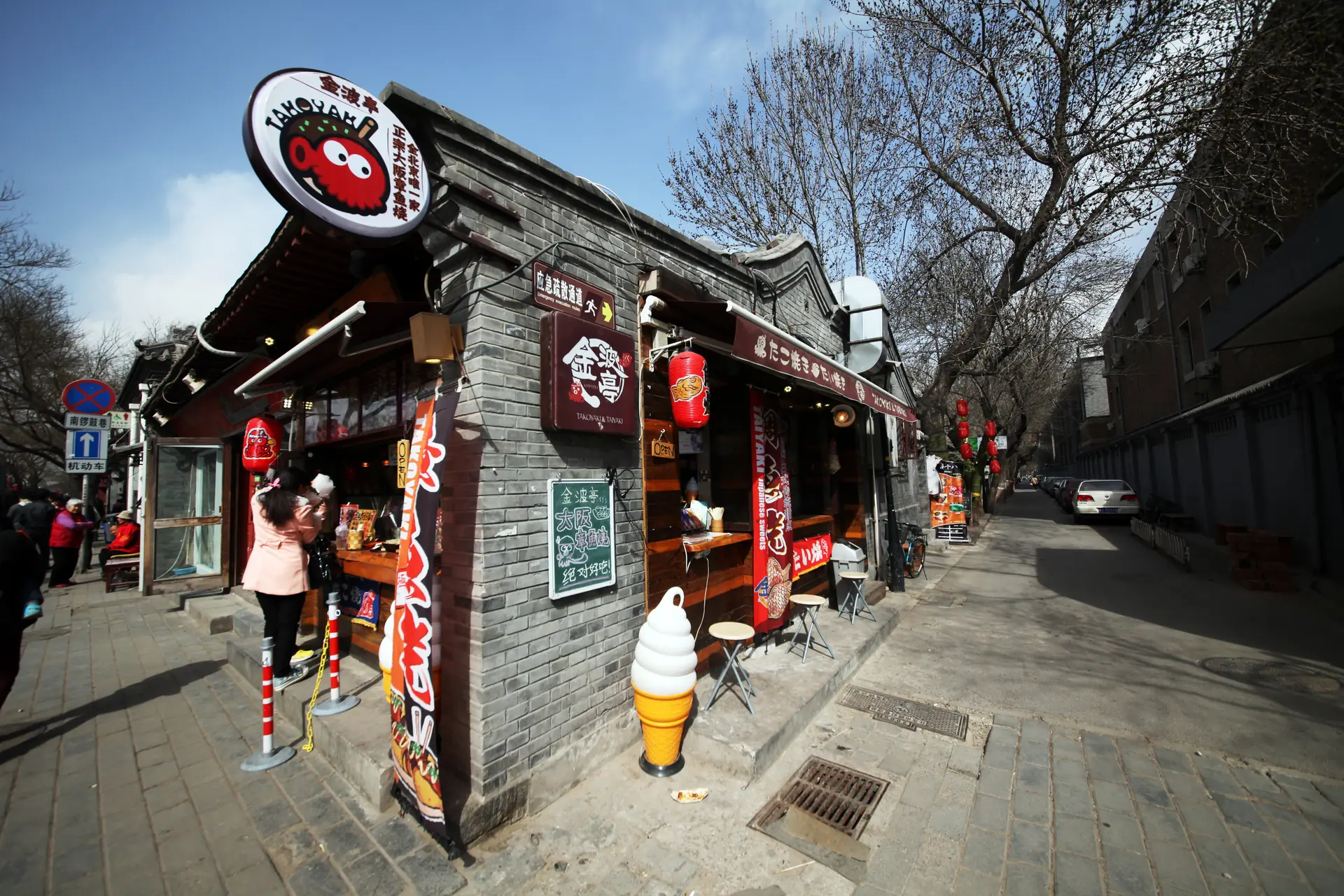
Give more room to Temple of Heaven mornings, Shichahai evenings, Qianmen, Dashilar, Panjiayuan, teahouse performance, and roast duck. It makes Beijing feel lived in, not only monumental.

The Family-Friendly Trip
Best for: big sights without punishing the day.
Keep the Forbidden City shorter, choose Mutianyu for easier Wall logistics, add Temple of Heaven or Beihai for open space, and use roast duck as the memorable dinner rather than another late-night activity.
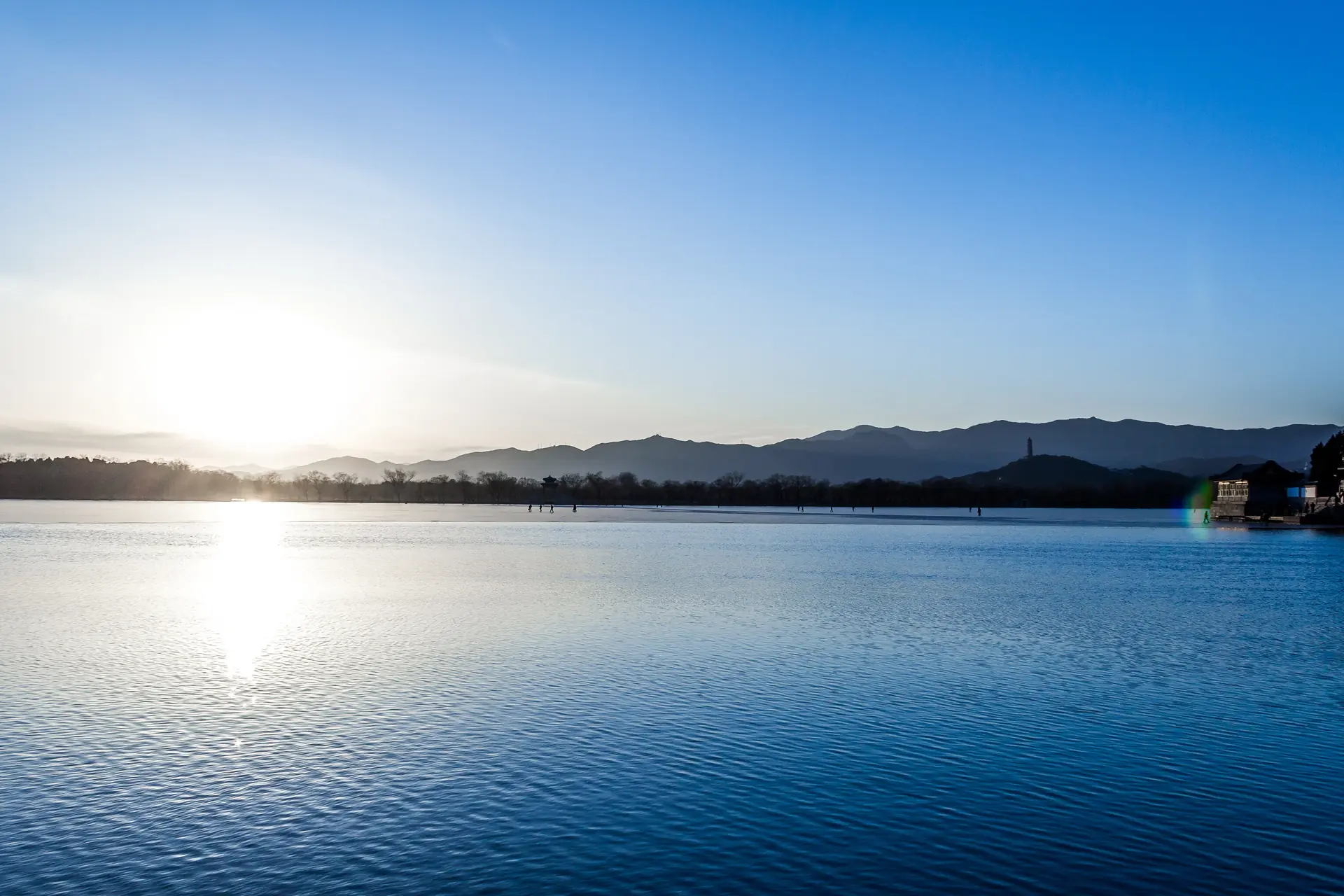
The Visual Trip
Best for: views, colors, roofs, walls, and city texture.
Prioritize Jingshan, Mutianyu, Temple of Heaven, Summer Palace, Beihai, Shichahai at dusk, 798, and Qianmen after dark. This is the best mix for photographers and slow walkers.
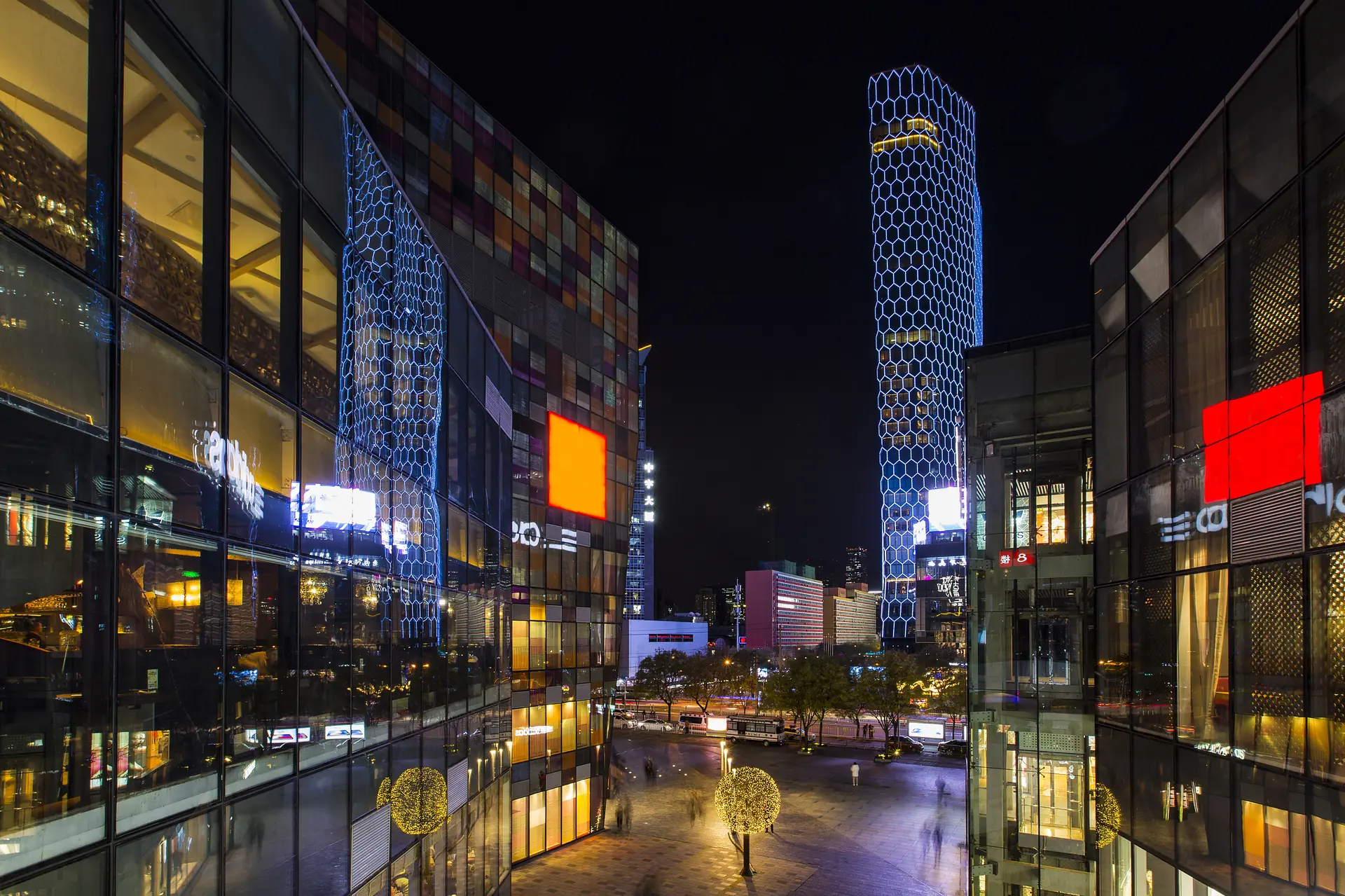
The Contemporary Beijing Trip
Best for: a capital that is not frozen in time.
Keep the imperial core, then add 798, Sanlitun or Dongzhimen dining, contemporary cafes, design shops, and a performance. This version is useful when Beijing starts to feel too museum-like.
Beijing by Area
Before you build each day, get a feel for Beijing's main zones. The city's highlights cluster in ways that are not always obvious on a zoomed-out map, and understanding those clusters helps you avoid pairing sights that are farther apart than they look.
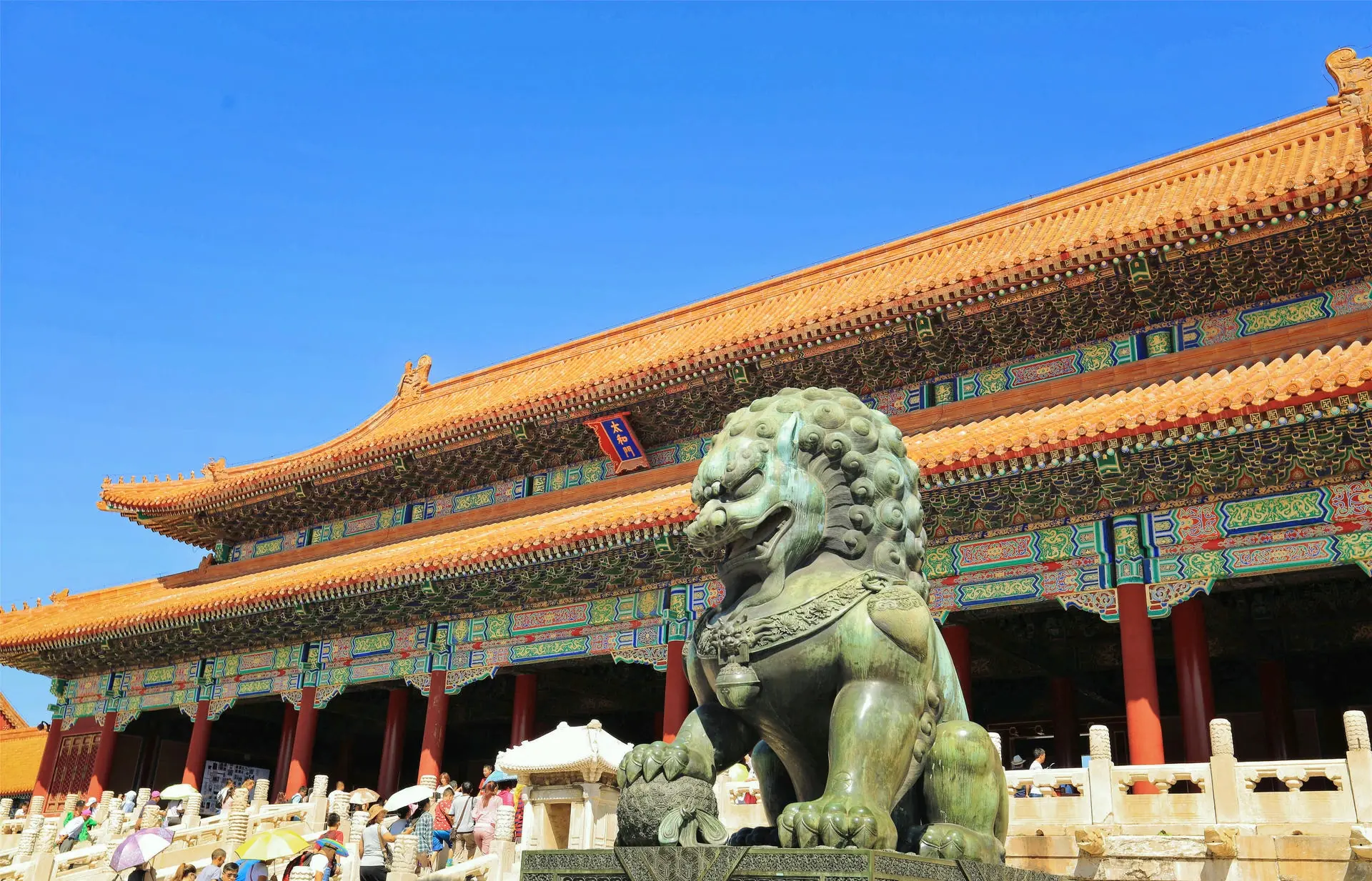
Imperial Core
Includes: Tiananmen, Forbidden City, Jingshan, and the National Museum.
Use this for: Beijing's first-timer center of gravity. Watch out: reservations, security checks, and walking make this a light-schedule zone, not a quick morning before the Great Wall.
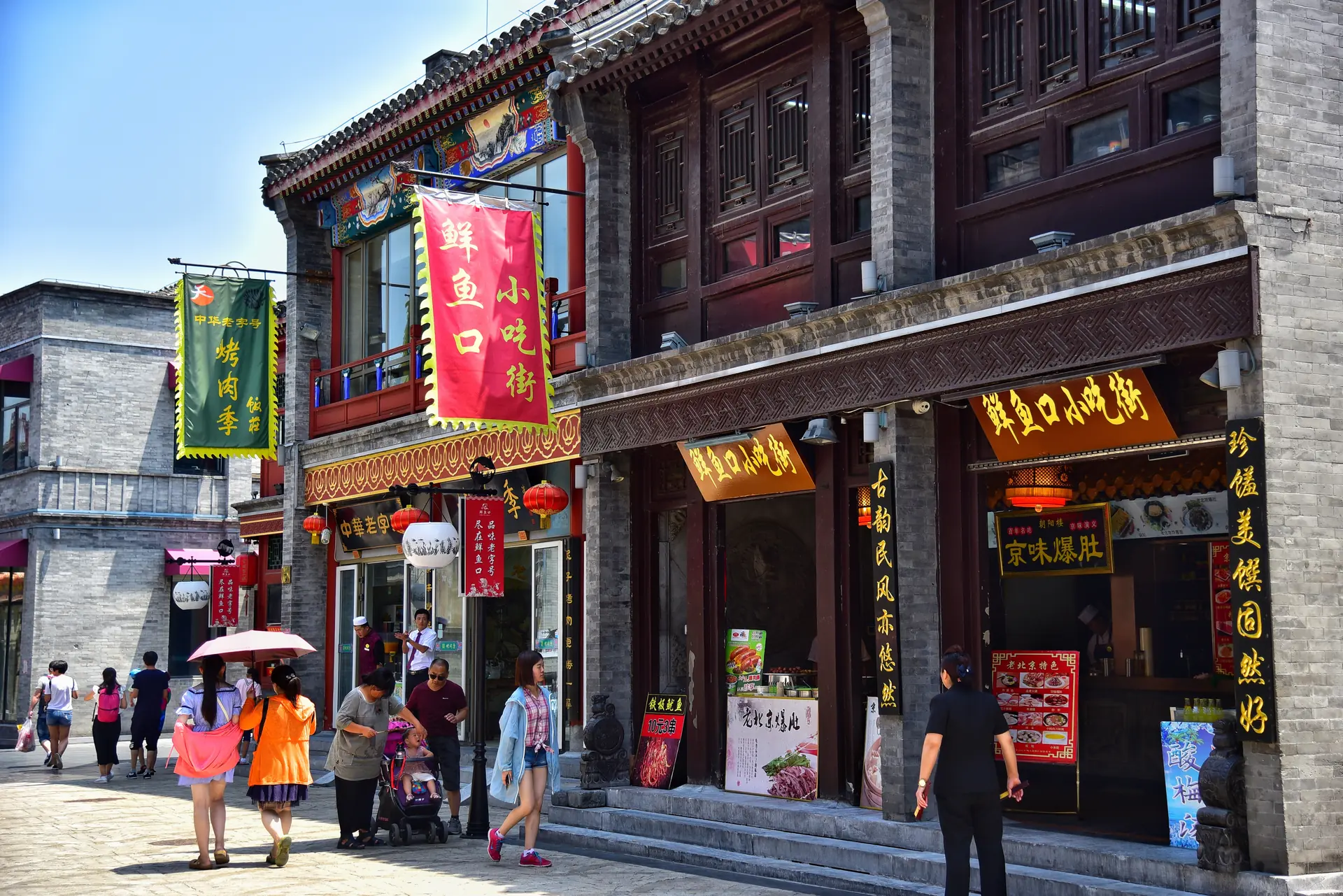
South Old City
Includes: Temple of Heaven, Qianmen, Dashilar, and teahouses.
Use this for: morning park life, old commercial streets, roast duck, snacks, and an evening performance. Watch out: the value is old Beijing texture, not polished retail efficiency.
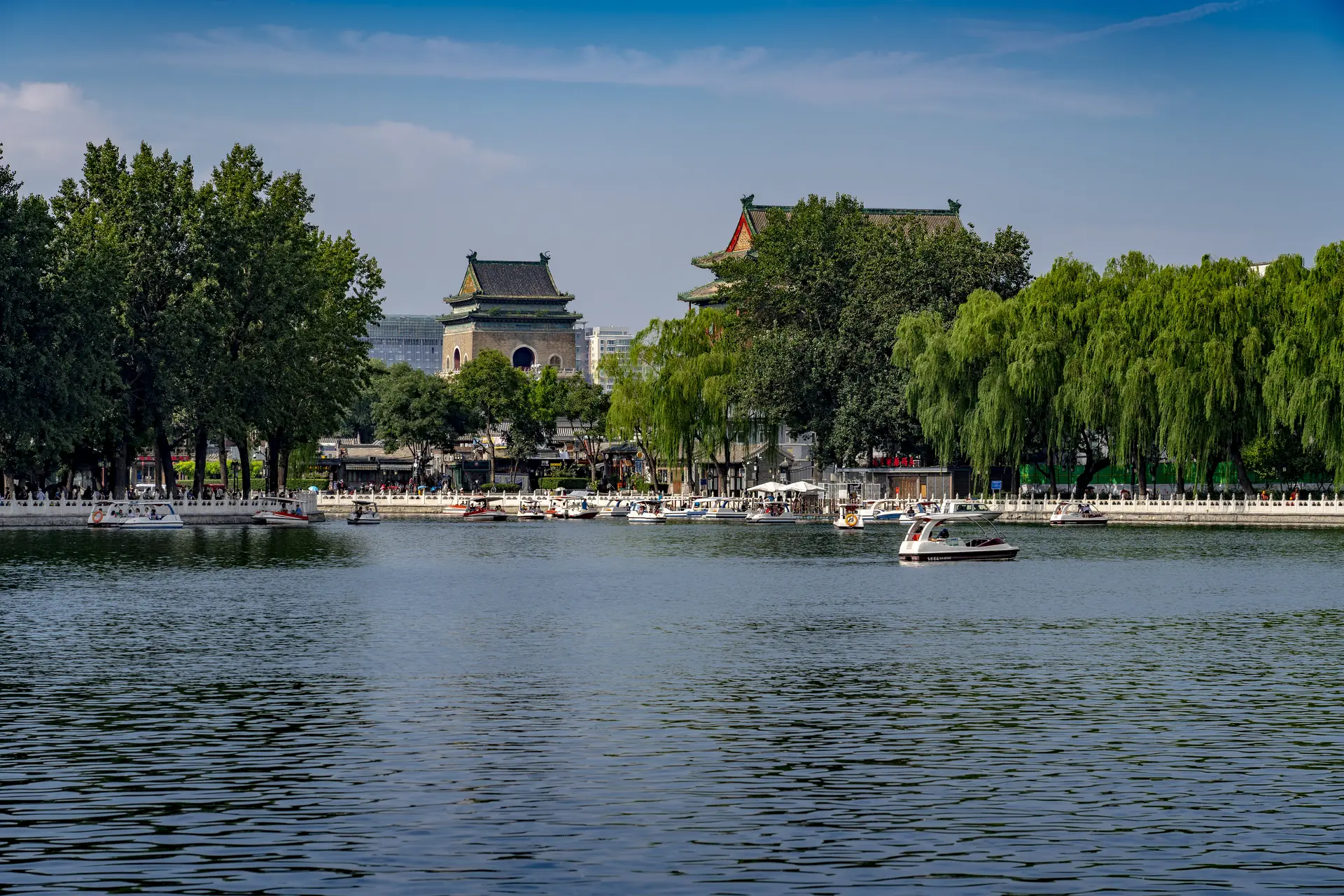
Hutong Lakes
Includes: Shichahai, Houhai, Drum Tower, and Nanluoguxiang.
Use this for: late-afternoon walking, lake views, courtyard lanes, cafes, bars, and a soft landing after palace-heavy sightseeing. Watch out: the main lanes are busy; quieter moments sit on side streets.

Northwest Gardens
Includes: Summer Palace, Old Summer Palace, and the university area.
Use this for: lakes, gardens, bridges, ruins, slower walking, and a break from dense old-city security gates. Watch out: the Summer Palace alone deserves real time.
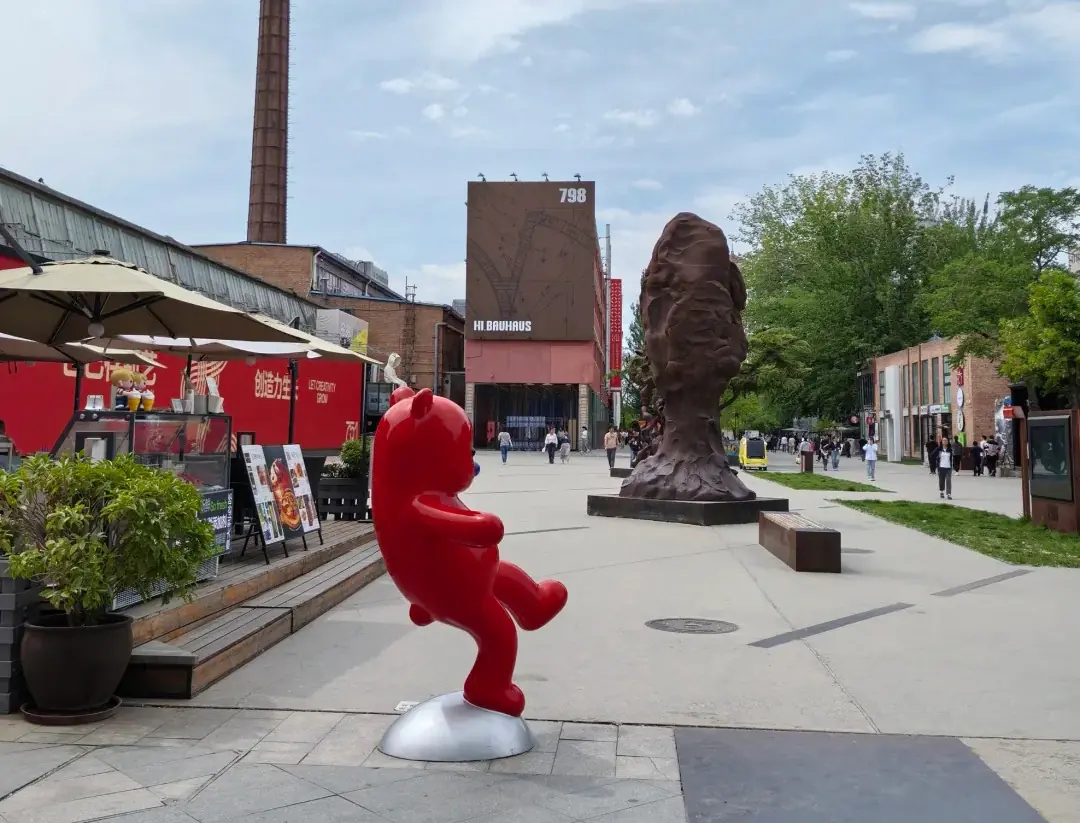
East Contemporary
Includes: 798, 751, Sanlitun, and modern dining.
Use this for: galleries, coffee, design shops, bars, international restaurants, and a change of pace after historic Beijing. Watch out: it is optional on a two-day imperial-focused trip.

Outer Beijing
Includes: the Great Wall, Ming Tombs, and far-suburb sights.
Use this for: one big out-of-town experience, especially Mutianyu or another Great Wall section. Watch out: transport time, return traffic, and weather make it more than a gap filler.
Pace the Big Beijing Days
Once you know how much your trip can hold, think less about equal sightseeing days and more about day weight. Beijing works best when the heavy anchors have space and the lighter experiences give the trip rhythm.
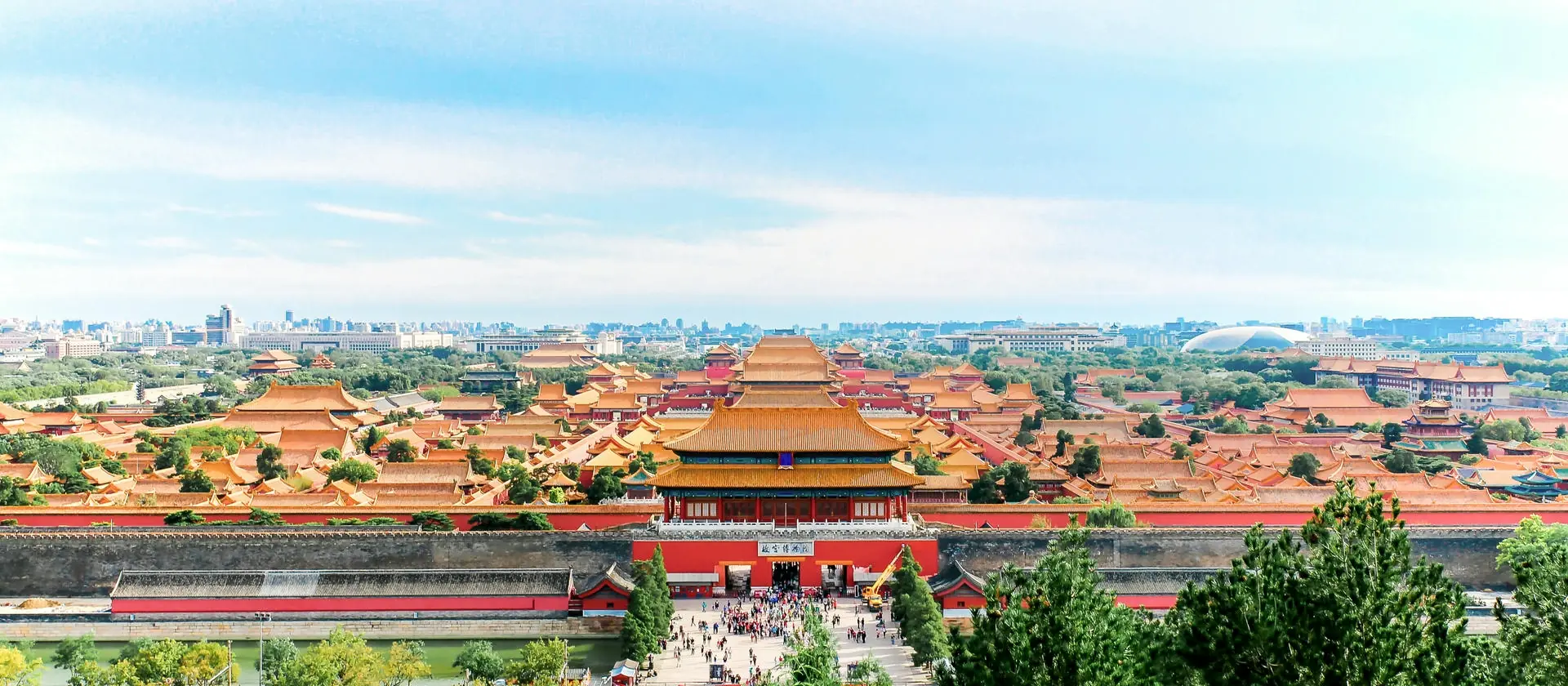
Heavy Anchor Days
Use for: the Forbidden City, the Great Wall, and the Summer Palace.
Give these sights real space. They involve distance, security, walking, weather, or slow garden time, so they should shape the day instead of being squeezed between other major stops.
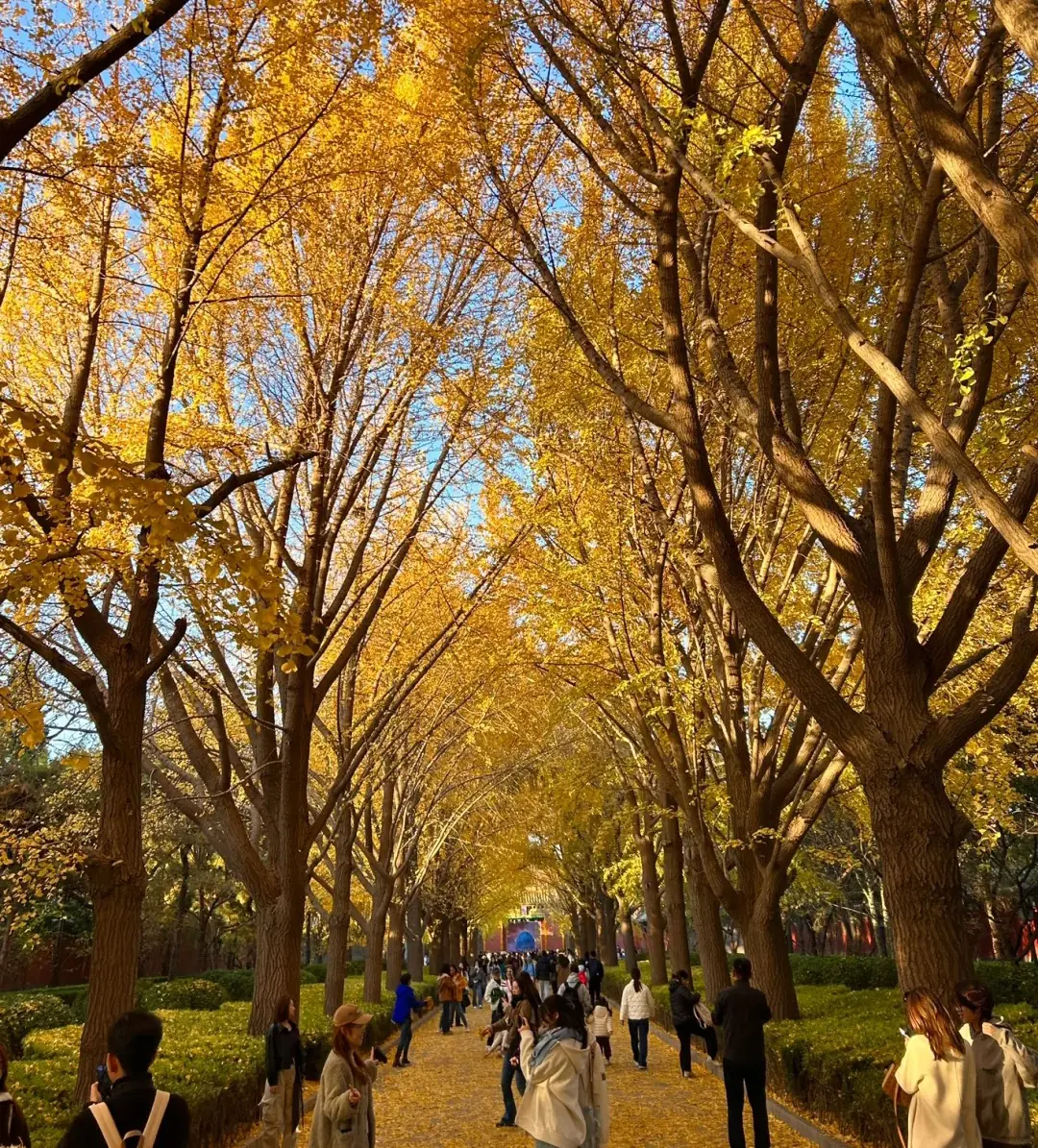
Medium Culture Days
Use for: Temple of Heaven, Lama Temple, Beihai, the National Museum, 798, and Panjiayuan.
These can pair well with nearby meals, cafes, parks, or a shorter evening plan. They add texture without forcing every day to feel like a full expedition.
Light Evening Layers
Use for: Shichahai, Qianmen, roast duck, teahouses, and relaxed hutong time.
Use these as recovery layers after bigger sightseeing, not as extra obligations. A memorable Beijing evening often works better than one more tired attraction.
This is the step between a list and a usable itinerary: choose the big anchors first, then use lighter parks, food, markets, and hutongs to balance the trip.
Common First-Trip Mistakes
- Do not put the Forbidden City and the Great Wall on the same day.
- Do not treat the Summer Palace as a quick add-on after the Forbidden City.
- Do not rely on Wangfujing snack street as your main food plan.
- Do not assume free museums mean walk-in access.
- Do not schedule a late performance after a tiring Great Wall day unless your group has the energy.
What to Save for a Second Beijing Trip
A strong first Beijing trip needs editing. The goal is not to touch every famous name, but to leave with a clear memory of imperial Beijing, the Great Wall, lived-in hutongs, cultural Beijing, and one meal or evening that feels like yours.
Badaling by Default
Save for later unless: the route truly fits.
Badaling is famous and convenient for some travelers, but Mutianyu usually gives first-timers a better balance of scenery, comfort, and crowd control.

Ming Tombs
Save for later unless: Ming history is a major interest.
The tombs make sense if you are deeply interested in Ming history or already have a private driver. For most first-timers, the Great Wall should own the outer-Beijing day.
Old Summer Palace
Save for later unless: you have already made room for the Summer Palace.
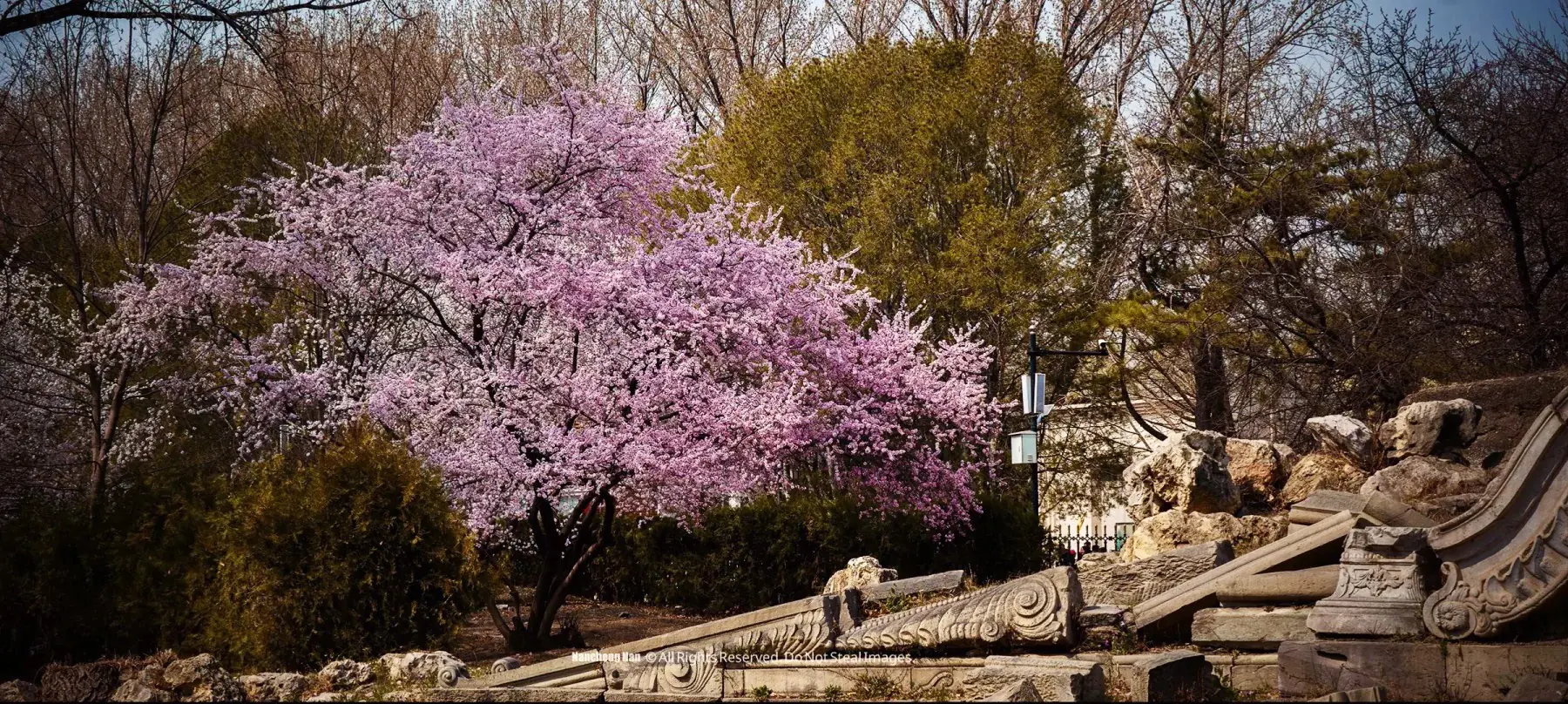
Old Summer Palace is meaningful, but its ruins are quieter and more context-dependent. If time is short, see the Summer Palace first, then come back for this layer later.

Wangfujing Snacks
Save for later unless: you are nearby and curious.
Wangfujing is easy to find, but it is not the best expression of Beijing food. Use Qianmen, hutong restaurants, or a proper roast duck meal for a stronger first impression.

Universal Studios Beijing
Save for later unless: the theme park is the point of the trip.
It can be fun, especially for families, but it takes a full day and competes directly with Beijing's city identity. Put it in only when the theme park is a real priority.

Too Many Royal Gardens
Save for later unless: gardens are your main theme.
Summer Palace, Beihai, Jingshan, and Old Summer Palace are not interchangeable, but a short trip does not need all of them. Pick the mood you want and let it breathe.
Where to Stay for These Sights
Think less about neighborhood names and more about what kind of base you need. Beijing is huge, and a hotel that looks "central" on a map may still be awkward if it is far from the subway, separated from major sights by security checks, or across several ring-road traffic jams.
For the Easiest First Trip
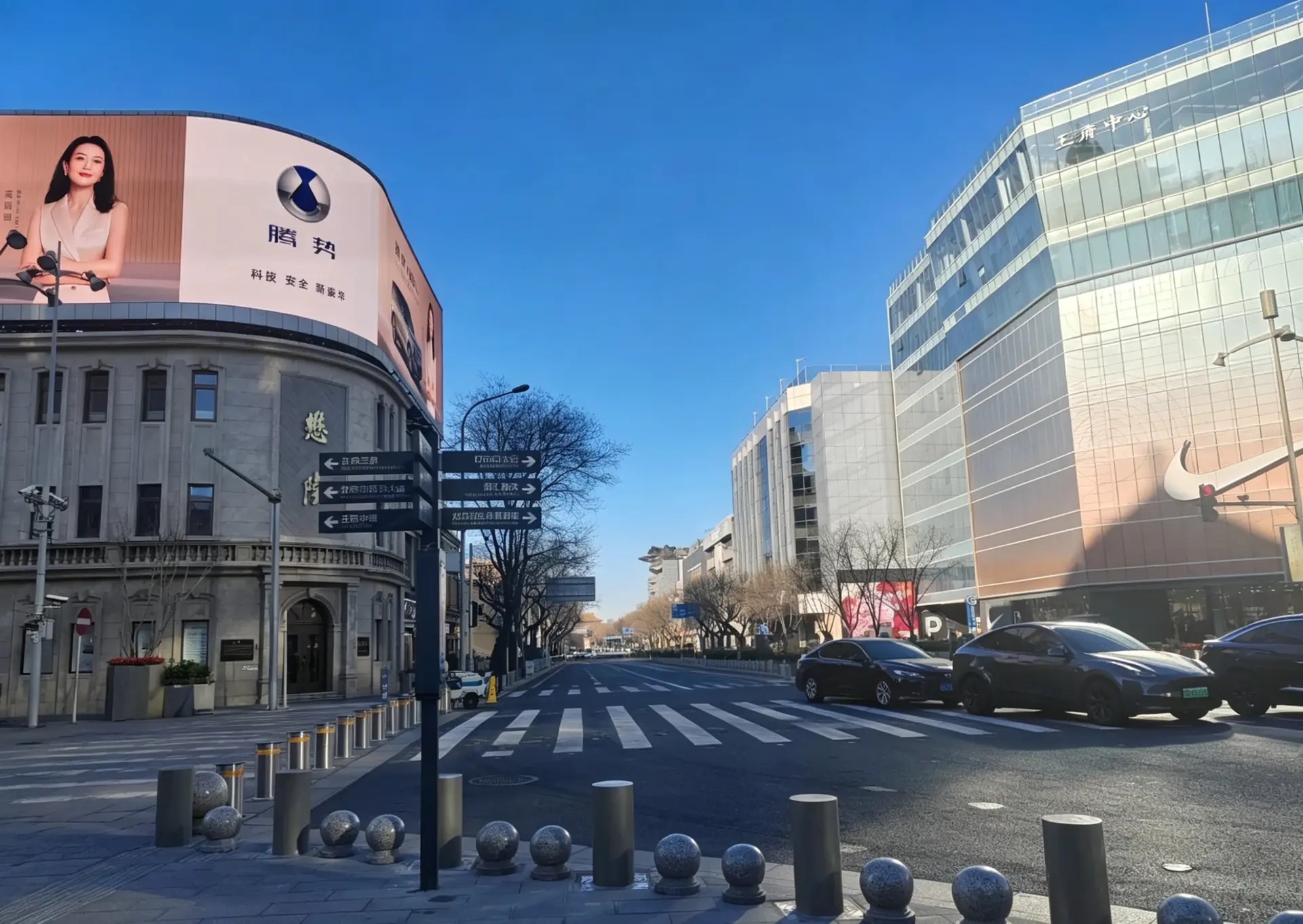
Best base: Qianmen, Chongwenmen, or Wangfujing.
Choose this zone if your first priority is the Forbidden City, Tiananmen Square, Temple of Heaven, the National Museum, Qianmen, and simple sightseeing days. It is not always the most charming area, but it keeps many headline sights closer and reduces decision fatigue.
For Old-Beijing Atmosphere
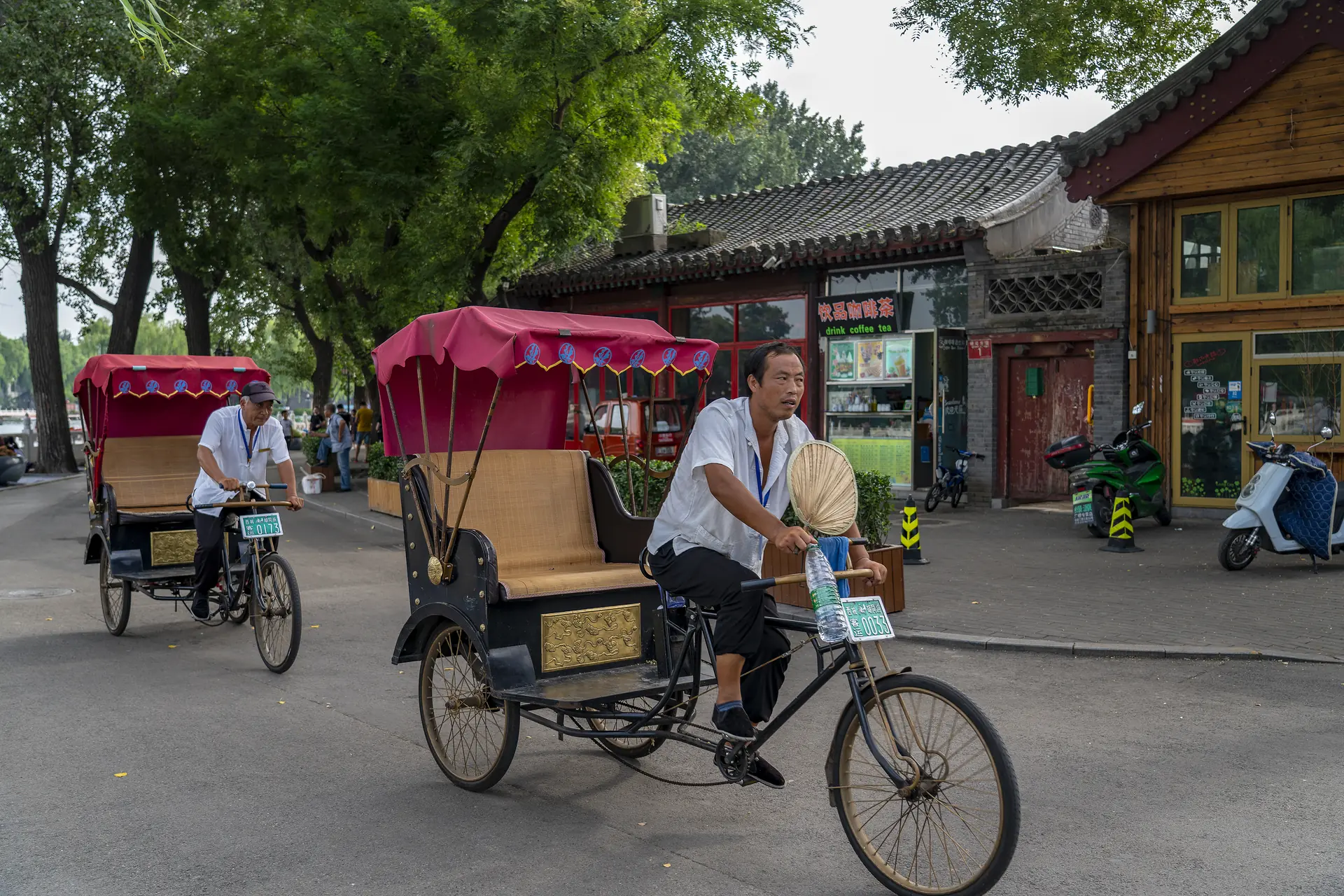
Best base: Drum Tower or Shichahai.
Choose this zone if you care about hutong lanes, lake walks, cafes, bars, and evenings that feel less like a hotel district. It is better for mood than for maximum efficiency, especially on days with early monument reservations.
For Food, Bars, and Airport Access
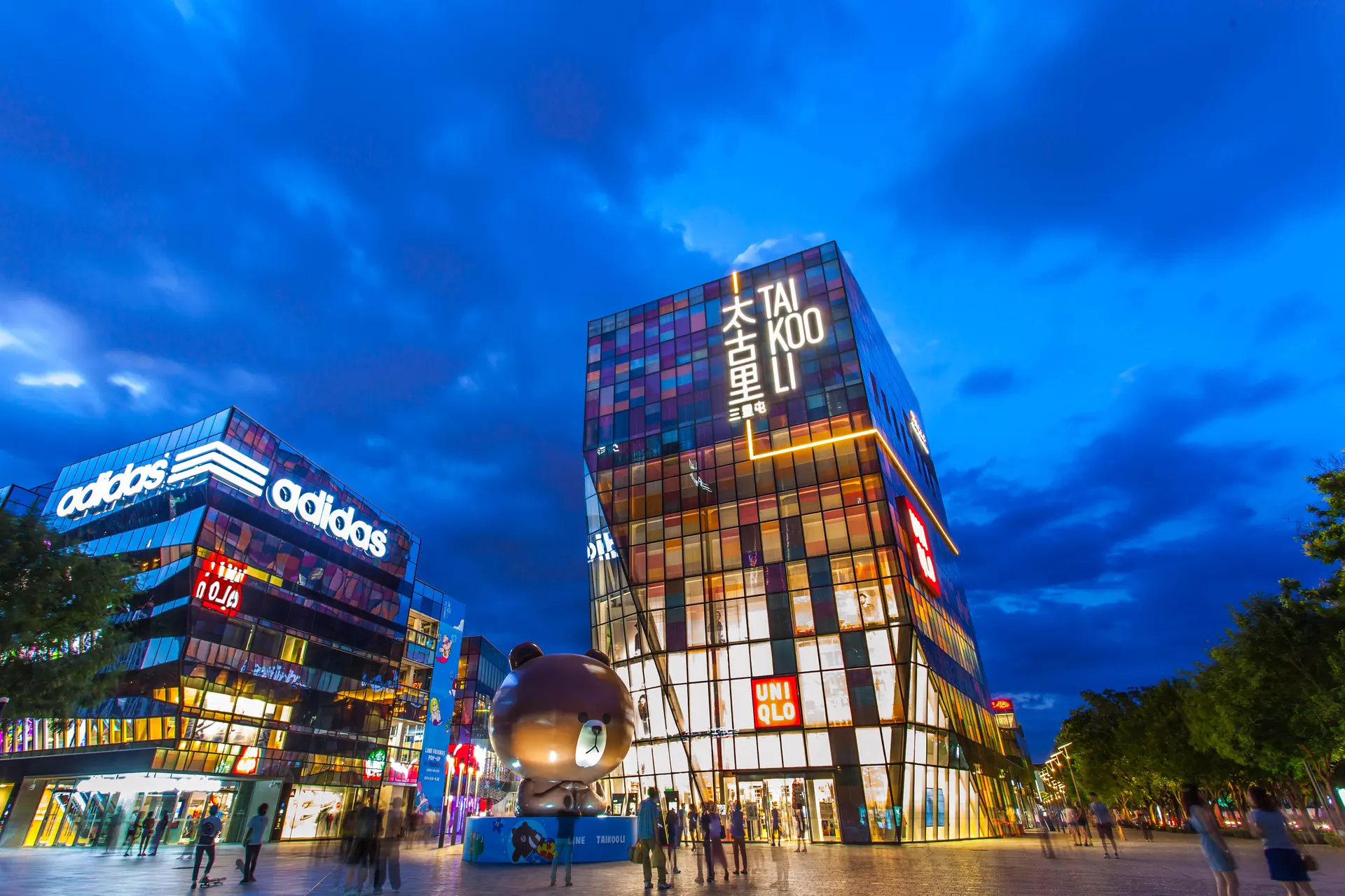
Best base: Dongzhimen or Sanlitun.
Choose this zone if you want easier airport links, modern restaurants, nightlife, and a softer landing after long sightseeing days. The tradeoff is longer rides to the imperial core and south-city sights.
For Modern Hotel Comfort
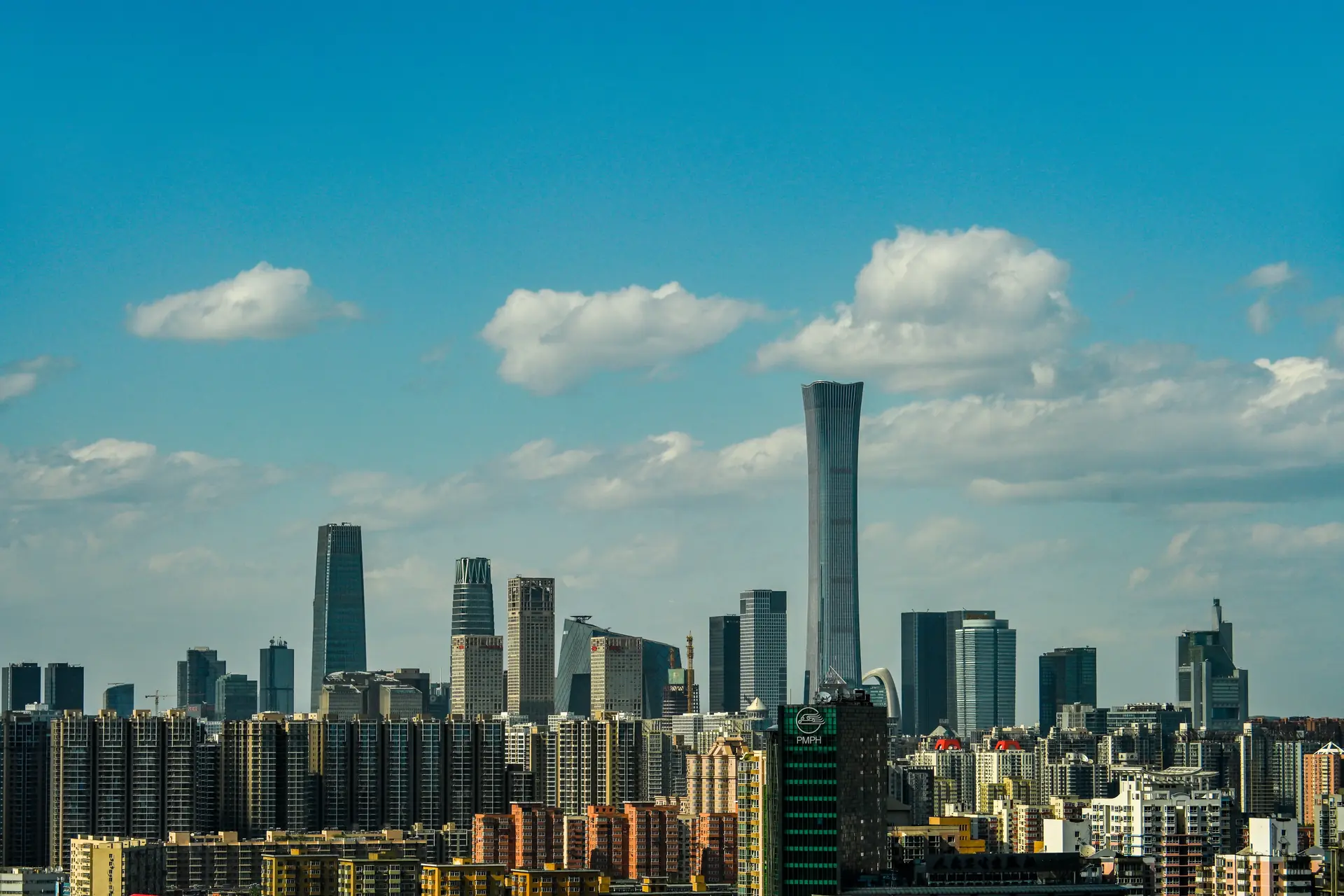
Best base: Guomao or Chaoyangmen.
Choose this zone if you prefer business hotels, larger rooms, malls, international dining, and a more polished modern-Beijing base. It works well for comfort, but it is not the most atmospheric choice for a first cultural trip.
Use this as the quick default if you are choosing between hotel areas:
- Best base
- Qianmen / Chongwenmen / Wangfujing
- Best base
- Drum Tower / Shichahai
- Best base
- Dongzhimen / Sanlitun
- Best base
- Guomao / Chaoyangmen
If you are choosing blind, start with Qianmen, Chongwenmen, or Wangfujing. Move to Drum Tower or Shichahai only if atmosphere matters more than the simplest sightseeing logistics.
Frequently Asked Questions
Three days covers the core highlights: Forbidden City, Tiananmen, Jingshan, Great Wall, Temple of Heaven, and one hutong evening. Four or five days is much better if you want the Summer Palace, National Museum, Lama Temple, 798, markets, and a slower food plan.
Sources checked for this guide
- Seven-day reservation release, original identity document check, and official-only ticket inventory: Palace Museum official ticketing
- Timed entry reservations and visitor ID requirements: National Museum of China visitor guidelines
- Real-name booking and current scenic operating notices: Mutianyu Great Wall official site
- Direct overseas bank-card fare-gate tap access on Beijing rail transit: Beijing Municipal Government — Beijing Subway guide
Beyond This Guide
Once you know which version of Beijing you want, go deeper on the sights that will shape your trip most. For the next layer, start with the Beijing destination hub, our Forbidden City guide, Great Wall guide, Temple of Heaven guide, Summer Palace guide, and Peking duck guide.
- Beijing Zoo & Panda House Guide — easy Line 4 morning stop for giant pandas if Sichuan is not on your route
- Universal Studios Beijing Guide — plan a full Metro Line 7 or Batong Line day if theme parks are on your family list
- Beijing Bell and Drum Towers Guide — climb the northern Central Axis towers for live drum shows and grey-tile hutong views
- Wudaoying Hutong Guide — relaxed cafe and indie-shop alley right beside Lama Temple
- Wangfujing Pedestrian Street Guide — central evening stroll near East Church, heritage stores, and mainstream hotels
- Beijing Silk Market Guide — indoor bargaining and custom tailoring along Line 1 at Yong'anli Station (永安里站)
© gochinafreely.com — Original guide by Go China Freely.