Yixing zisha teapots are not just prettier versions of ordinary teapots. They are unglazed clay tools that can shape how tea brews, seasons, and smells over time. This guide helps you understand what a zisha pot does, when it is worth buying, and how to enjoy Yixing (宜兴) teaware without getting pushed into a purchase you cannot judge yet.
Executive Summary
What this guide covers
How Yixing zisha teapots work, why the clay matters, what beginner buyers should ask, which teas suit a clay pot, and whether Yixing is worth adding to a Jiangnan trip.
Best first use
Treat zisha as a second-stage tea tool. Learn tea first with a gaiwan or porcelain cup, then buy a small pot for a tea style you already drink often.
Main traveler trap
Do not let words like handmade, old clay, master, certificate, or investment push you into a high-price teapot after one tasting.
600+ years
Living craft history
Dingshu
Core zisha town
100-180 ml
Useful small-pot range
One tea style
Best long-term use
Yixing Zisha: Clay With a Job
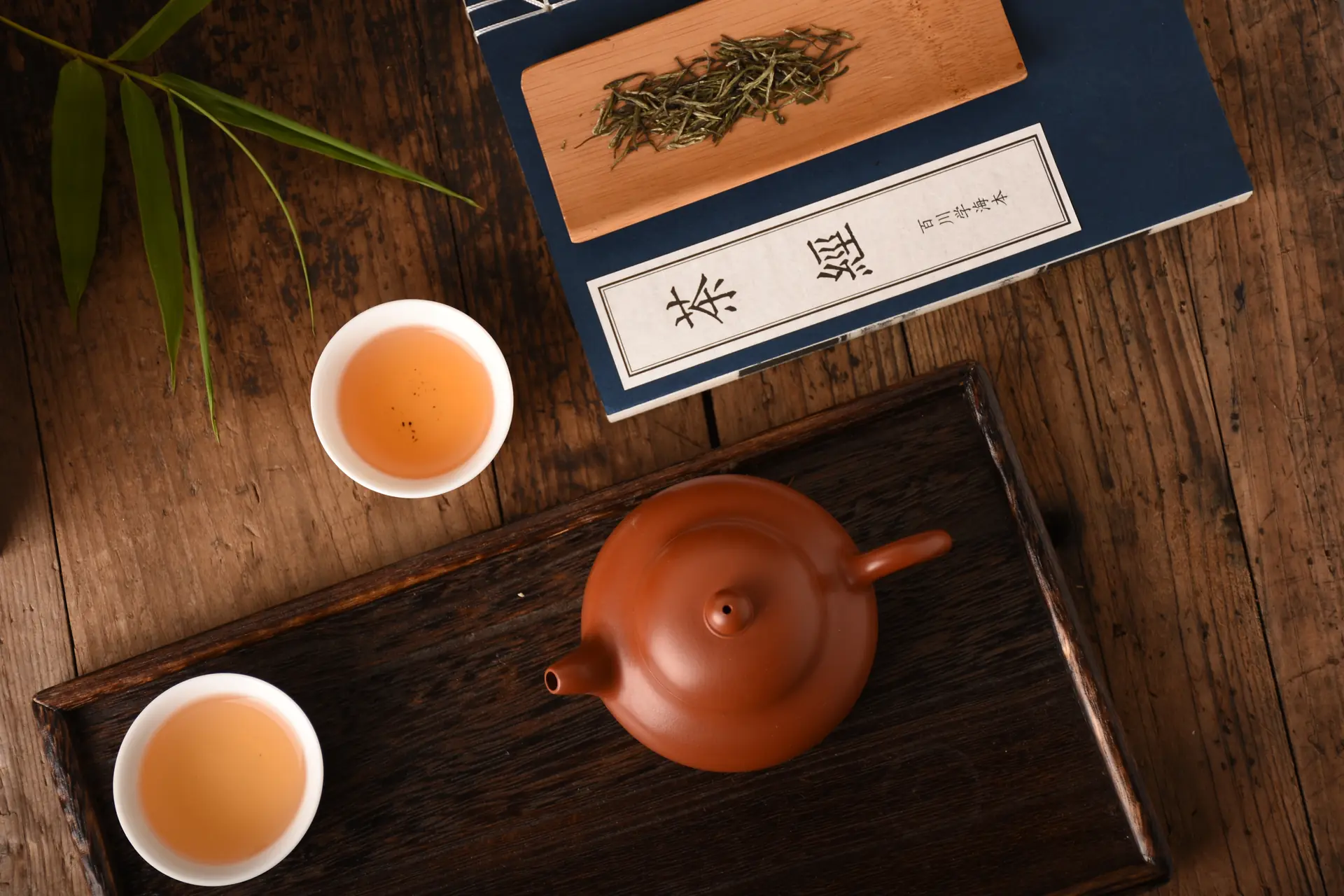
A small Yixing zisha teapot is best judged as a brewing tool first, not as a pressure-sale souvenir.
The easiest mistake is treating a Yixing zisha teapot (紫砂壶) as a decorative souvenir first. Start simpler: it is a brewing tool made from local purple-clay material, usually left unglazed, and valued because the clay interacts with tea differently from porcelain, glass, or metal.
For travelers, the value is not only in the shape. It is in the link between local clay, hand-forming, tea use, and a long craft economy around Dingshu. A zisha pot can be art, but the first question is always practical: what tea will this pot make better?
China's official intangible heritage database describes Yixing handmade zisha pottery as a craft centered in Dingshu Town (丁蜀镇), developing from the Song-Yuan period and maturing in the Ming dynasty, with more than 600 years of history. The same entry lists local clay types such as purple clay (紫泥), red clay (朱泥), and Benshan green clay (本山绿泥), and notes that Yixing zisha pottery-making was included in China's first national intangible cultural heritage list in 2006. See the official heritage entry.
This is not a general teaware guide
The Gongfu Tea Ceremony Guide explains the whole tea table. This article narrows in on one object: the Yixing zisha teapot, how to understand it, and how not to overbuy it.
Small Teapots Change How Tea Brews
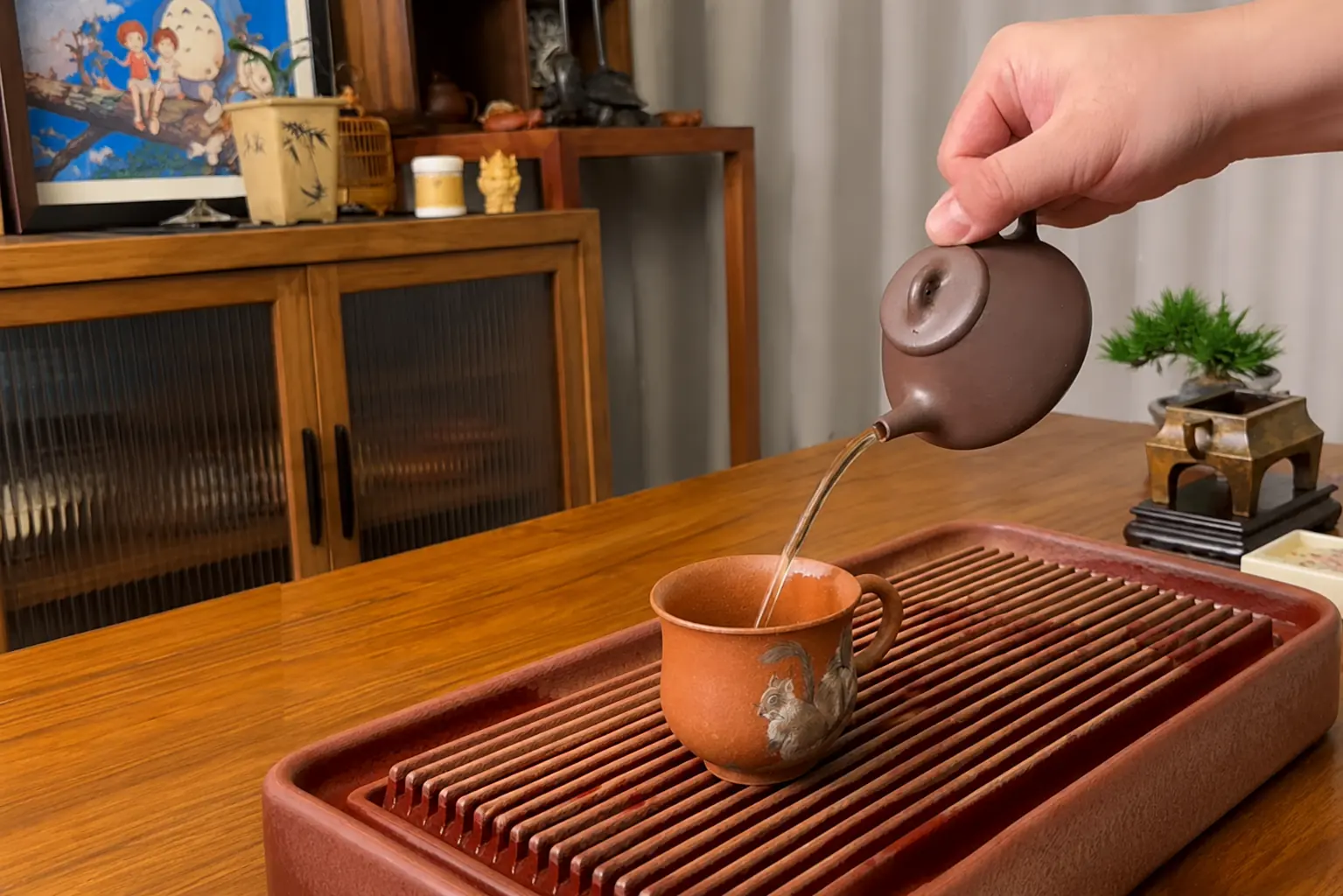
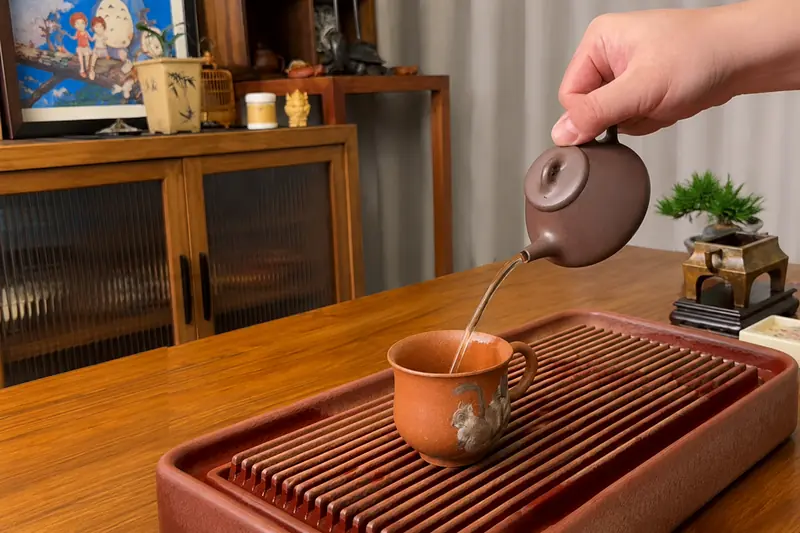
Zisha pots make the most sense in small-pot brewing, where short steeps and quick pours give you more control.
Zisha pots usually make the most sense in small-cup tea sessions: small pot, more leaf, short steeps, quick pouring, and repeated rounds. The point is control. Instead of one large mug slowly turning bitter, a small pot lets you brew concentrated tea in short bursts and compare how the flavor changes.
That is why a zisha pot is not automatically better than a gaiwan (盖碗). A gaiwan is easier to clean, easier for comparing many teas, and more forgiving while you are learning. A zisha pot is better once you already know what you drink often, because unglazed clay can absorb tea oils and aroma over time.
The practical rule is boring but useful: do not use one zisha pot for everything. If you brew Wuyi rock tea today, ripe Pu'er tomorrow, and jasmine tea the next day, the pot can collect muddled flavors. Use porcelain or a gaiwan while exploring. Use a zisha pot when you are ready to dedicate it to one tea style or a close family of teas.
| Brewing Tool | Best Use | Traveler Note |
|---|---|---|
| Gaiwan 盖碗 | Learning, comparing teas, easy cleaning | Best first tool if you are still exploring Chinese tea. |
| Yixing zisha pot 紫砂壶 | Dedicated brewing for a tea style you already like | Better as a long-term tool than an impulse souvenir. |
| Porcelain cup or pot 瓷杯 / 瓷壶 | Neutral flavor, simple hotel or home brewing | Useful when you do not want the vessel to affect the tea. |
| Glass cup 玻璃杯 | Green tea and visual leaf watching | Often better than clay for tender green tea. |
Clay Names Are Only Starting Points
You will hear clay names quickly: purple clay (紫泥), red clay (朱泥), duan clay (段泥), Benshan green clay (本山绿泥), old clay, original mine clay, family clay, and more. These names are useful, but they are not quality guarantees.
Purple clay is the broadest beginner category, often brown-purple or dark brown and adaptable to many teas. Red clay is often associated with smaller pots and fragrant oolongs, but good material and careful firing are difficult for beginners to judge. Duan clay and Benshan green clay are lighter in color and can show staining more easily. None of these words proves that the pot is good.
Use clay names as the start of a conversation, not the end of it. Ask what tea the pot suits, what the capacity is, how the price is calculated, and whether you can see the pour and smell the inside. If a seller only repeats "old clay," "original mine," or "master work" without answering practical questions, slow down.
| Clay Name You May Hear | Chinese | Beginner Meaning | Buying Caution |
|---|---|---|---|
| Purple clay | 紫泥 | Classic dark zisha direction; broad and practical. | Still varies widely by material, firing, and maker. |
| Red clay | 朱泥 | Often linked with small fragrant-tea pots. | Good red clay can be expensive; do not judge by color alone. |
| Duan clay | 段泥 | Lighter beige or yellowish family. | Can show tea stains clearly, which some users like and others dislike. |
| Benshan green clay | 本山绿泥 | A known Yixing clay name with a lighter look. | Names are often borrowed in sales talk; ask for context, not just labels. |
Craft Words Can Mislead First-Time Buyers
The most dangerous words are not always "zisha." They are "fully handmade," "half handmade," "master," "old pot," "certificate," "limited," and "investment." All can have real meaning. All can also push a beginner into a price range they are not ready to evaluate.
For a first pot, do not chase a famous maker. Artist-level zisha belongs partly to the art and collecting market. Judging author rank, seal marks, clay history, firing, age, workmanship, and fair market price is not something most travelers can do after one tea session.
Use physical checks first. Does the pot feel comfortable in your hand? Does the lid fit without feeling forced? Does the spout pour cleanly? Does the inside smell clean after hot water? Is the capacity right for the tea you actually brew? Is the price clear enough that you can walk away calmly?
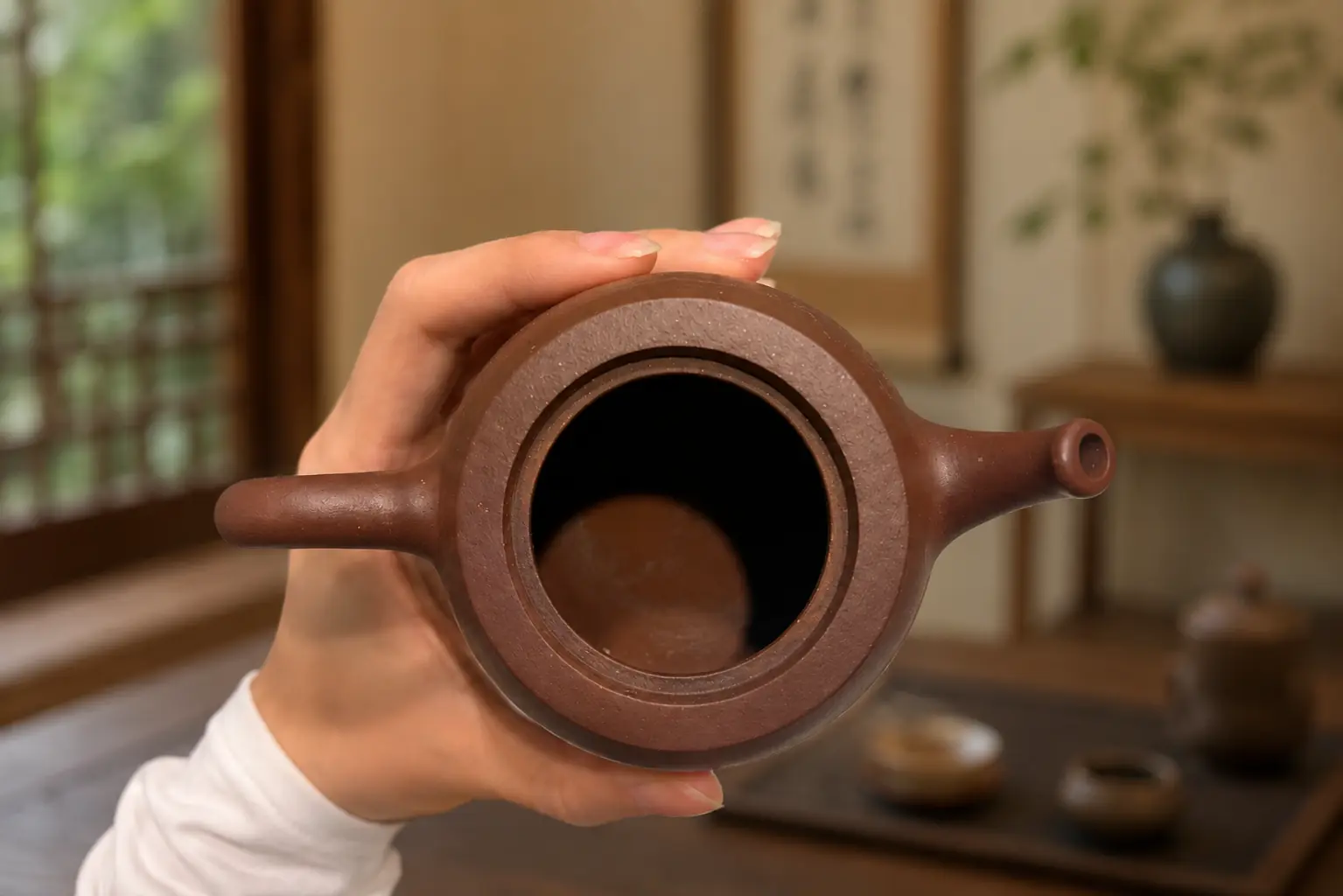
Before paying, check the lid fit, pour, inside smell, and clay surface rather than relying on sales labels alone.
- Ask capacity first: many useful gongfu pots sit around 100-180 ml, but your tea habit matters more than a rule.
- Check the pour: a clean stream and comfortable handling matter more than a dramatic sales story.
- Smell after hot water: avoid strong chemical, moldy, perfumed, or muddy odors.
- Separate craft from fame: a famous name, seal, or certificate is not enough for a beginner to authenticate value.
- Do not buy under pressure: a serious seller should let you ask basic questions and think.
Certificates are not magic
Certificates, seals, gift boxes, and artist photos are supporting context, not proof by themselves. The more expensive the pot, the more you should slow down, compare channels, and avoid deciding at the tea table.
When Yixing Fits a Jiangnan Trip
Yixing is a rewarding detour for tea and ceramics travelers, not a default first-China stop. If your trip is only Beijing, Xi'an, Shanghai, and maybe Chengdu or Guilin, Yixing probably belongs on a later visit. If you are already building time around Shanghai, Suzhou, Wuxi, Nanjing, or Hangzhou, it becomes much easier to justify.
The cleanest first stop is China Yixing Ceramics Museum (中国宜兴陶瓷博物馆) (Google | Amap). Wuxi's official English site describes it as one of China's earliest specialized ceramic museums, with collections ranging from Neolithic pottery and Han glazed pottery to Ming-Qing zisha teapots and modern ceramic art; it also gives the address as 150 Dingshanbei Road, Dingshu Town, Yixing. See the Wuxi official museum page.
Dingshu Town (丁蜀镇) (Google | Amap) is the broader craft and market context. Do not picture one tidy attraction. Think workshops, shops, ceramic markets, studios, and a working teaware economy. It is best for visitors who want to see the craft ecosystem, not just buy a pot and leave.
Yixing's official government site reported in April 2025 that the ceramics museum's intangible heritage experience base had opened to the public, with zisha cup making, zisha clay painting, zisha carving, and celadon painting among the activities, and listed experience hours of 08:30-11:00 and 13:00-16:30 at that time. Because workshops, reservations, and schedules can change, treat this as a current-check item before you go. See the Yixing government notice.
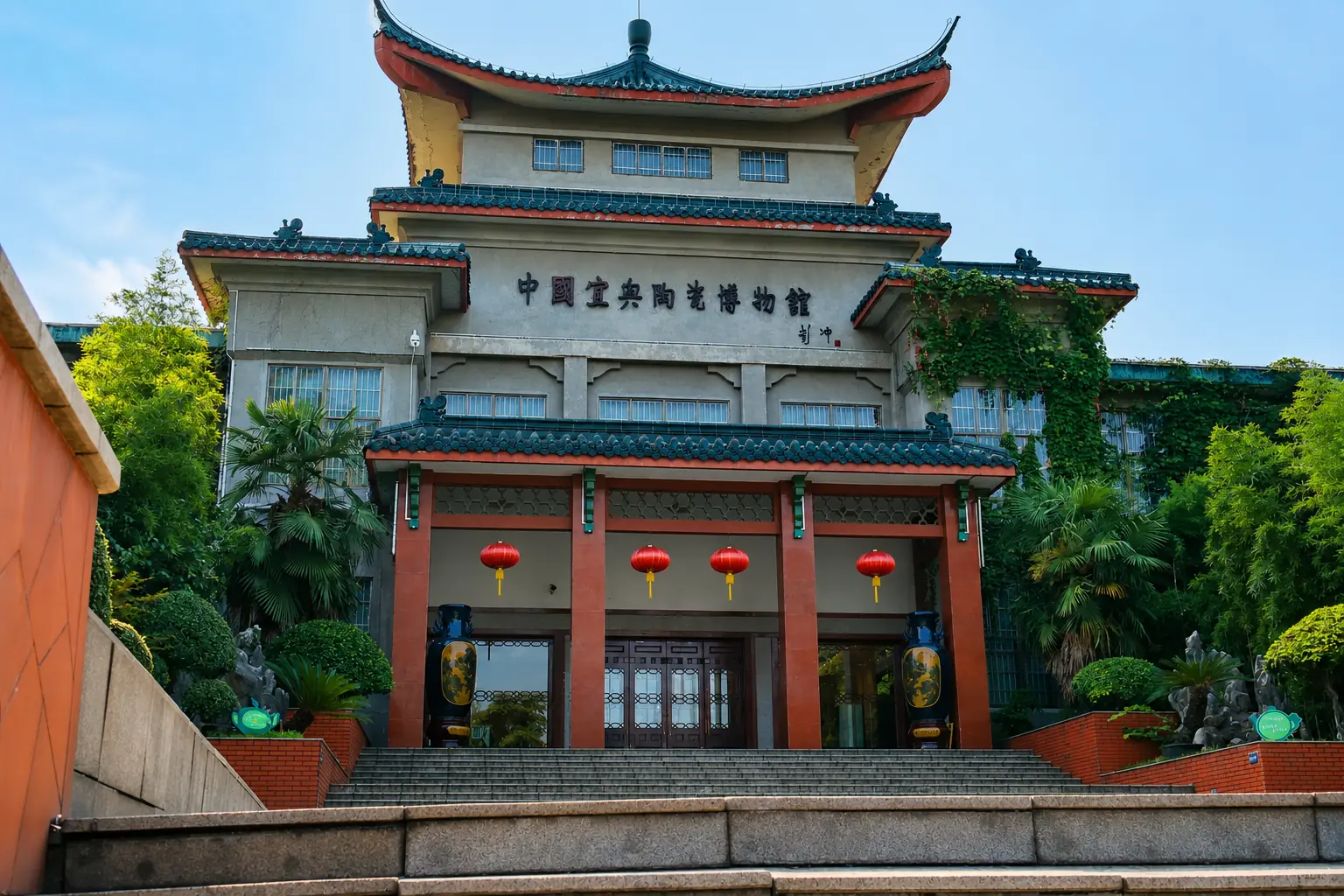
China Yixing Ceramics Museum (中国宜兴陶瓷博物馆) is the easiest first stop for understanding the craft before shopping.
Use the museum as an orientation stop before private shops or markets. It gives the clay, kilns, object types, and craft vocabulary a calmer frame before anyone starts selling you a pot.
Decision shortcut
Should Yixing be on your route?
I love tea or ceramics
Add Yixing if you already have Jiangnan time. The museum and Dingshu craft context can make zisha much easier to understand.
I only want one souvenir pot
You may not need a detour. A trusted tea room or shop in a larger city can be enough for a modest first buy.
This is my first China trip
Prioritize major route anchors first. Add Yixing only if tea and pottery are already a real interest.
I dislike sales pressure
Start with the museum and workshop-style experiences before browsing private shops or markets.
How to Buy a Zisha Teapot Safely
Start with your purpose, not the seller's story. Are you buying a daily brewing tool, a gift, a learning souvenir, or a collectible object? A daily tool can be modest. A collectible object requires expertise. Most travelers should stay in the first category.
The safest first-pot strategy is small, clear, and usable. Do not begin with a full set. Do not pay for a heavy gift box unless the box is the gift. Do not increase your budget because someone says the pot will rise in value. You are buying a teapot for tea, not an investment product.
Ask practical questions before you taste too long.
- Ask the clay- What clay is this, and why does it suit this tea?
- Ask the capacity- Small pots are common, but the size should fit how you brew.
- Ask the tea match- Oolong, ripe Pu'er, red tea, and other styles behave differently.
- Ask the price format- Confirm whether the price is for one pot, a set, a box, or a pot plus tea.
- Ask to pause- If the conversation turns into pressure, step back before paying.
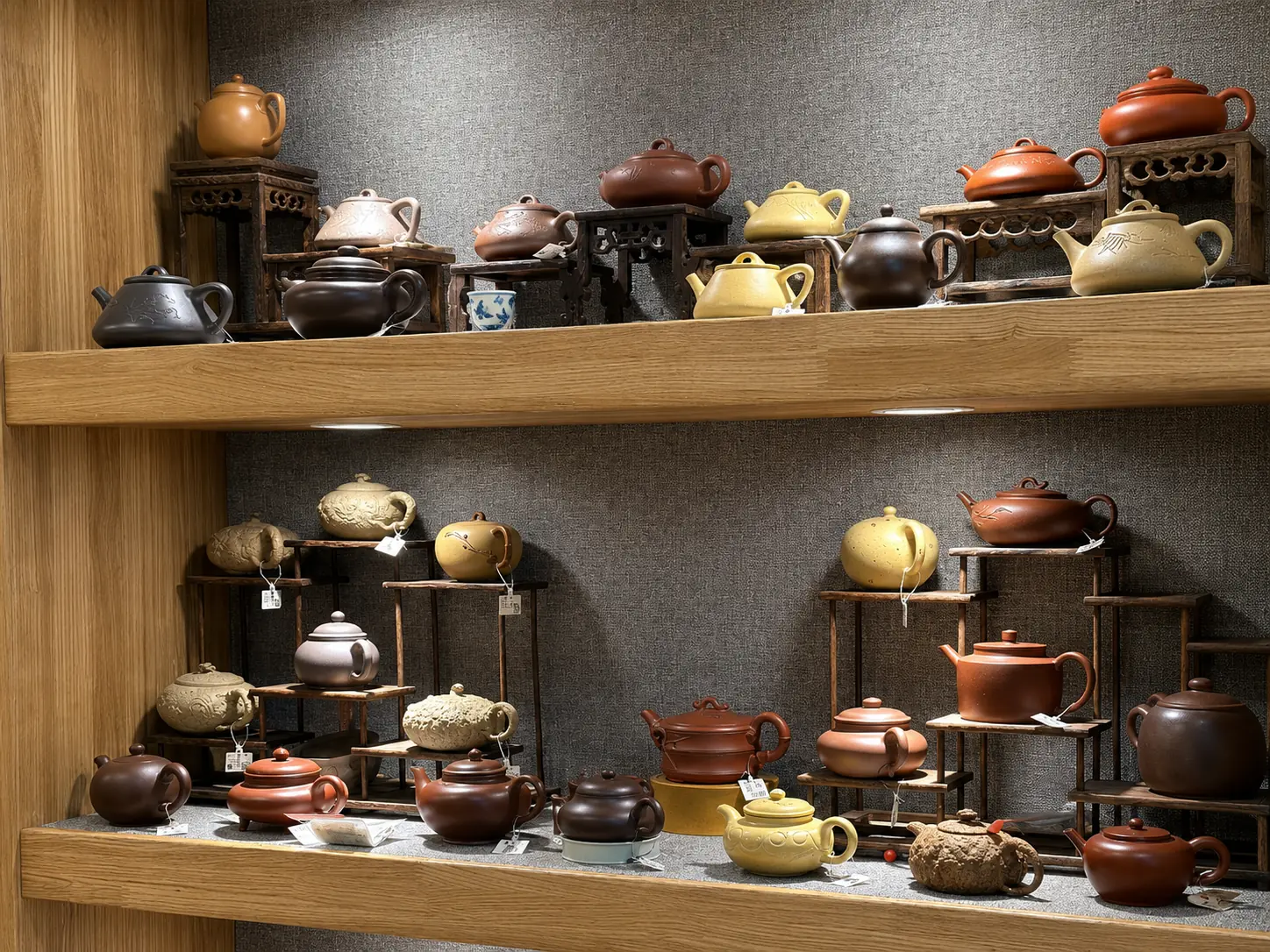
Clear pricing matters. Ask whether the price covers one pot, a set, packaging, or tea before a long tasting begins.
If a tasting begins before the price conversation, bring the price conversation forward. You can say you are still learning and want to understand the range before you choose. A confident shop should not need to trap you in politeness.
- Buy what you can use: a simple small pot for one favorite tea is better than an impressive object you never touch.
- Keep the first budget modest: first purchases are for learning your preferences, not proving expertise.
- Walk away politely: browsing is allowed, and leaving without buying is normal.
- Beware miracle bargains: very cheap "fully handmade Yixing zisha" claims deserve skepticism.
- Beware investment language: a travel purchase should not depend on future resale value.
Best Teas for a Zisha Pot
Zisha pots work best with teas that benefit from heat, concentration, and repeated infusions. Oolong is the classic gateway: Wuyi rock tea, Phoenix Dancong, and Tieguanyin all make sense in small clay pots. Ripe Pu'er and some aged teas are also common. Chinese red tea can work, depending on the pot and your taste.
Tender green tea is usually not the best first clay-pot choice. It is easier to control in glass, porcelain, or a gaiwan. Jasmine tea and other scented teas also deserve care, because their strong aroma can linger in unglazed clay. If the pot already carries roasted oolong or Pu'er character, jasmine will not taste clean.
One pot for one broad tea family is the beginner-friendly rule. It does not need to be obsessive, but it prevents the pot from becoming a flavor scrapbook.
| Tea Style | Zisha Fit | Beginner Note |
|---|---|---|
| Oolong tea | Excellent | Best first match, especially roasted or aromatic oolongs. |
| Ripe Pu'er | Very good | Use a dedicated pot; earthy flavors linger. |
| Chinese red tea | Good | Can work well, but porcelain is easier for comparison. |
| Green tea | Usually not first choice | Glass or porcelain gives more control and less heat trapping. |
| Jasmine tea | Use caution | Strong scent can stay in the clay and affect later teas. |
For the leaf side of the decision, compare the Oolong Tea Guide, Pu'er Tea Guide, and Chinese Tea Guide.
Care, Cleaning, and Packing Your Teapot
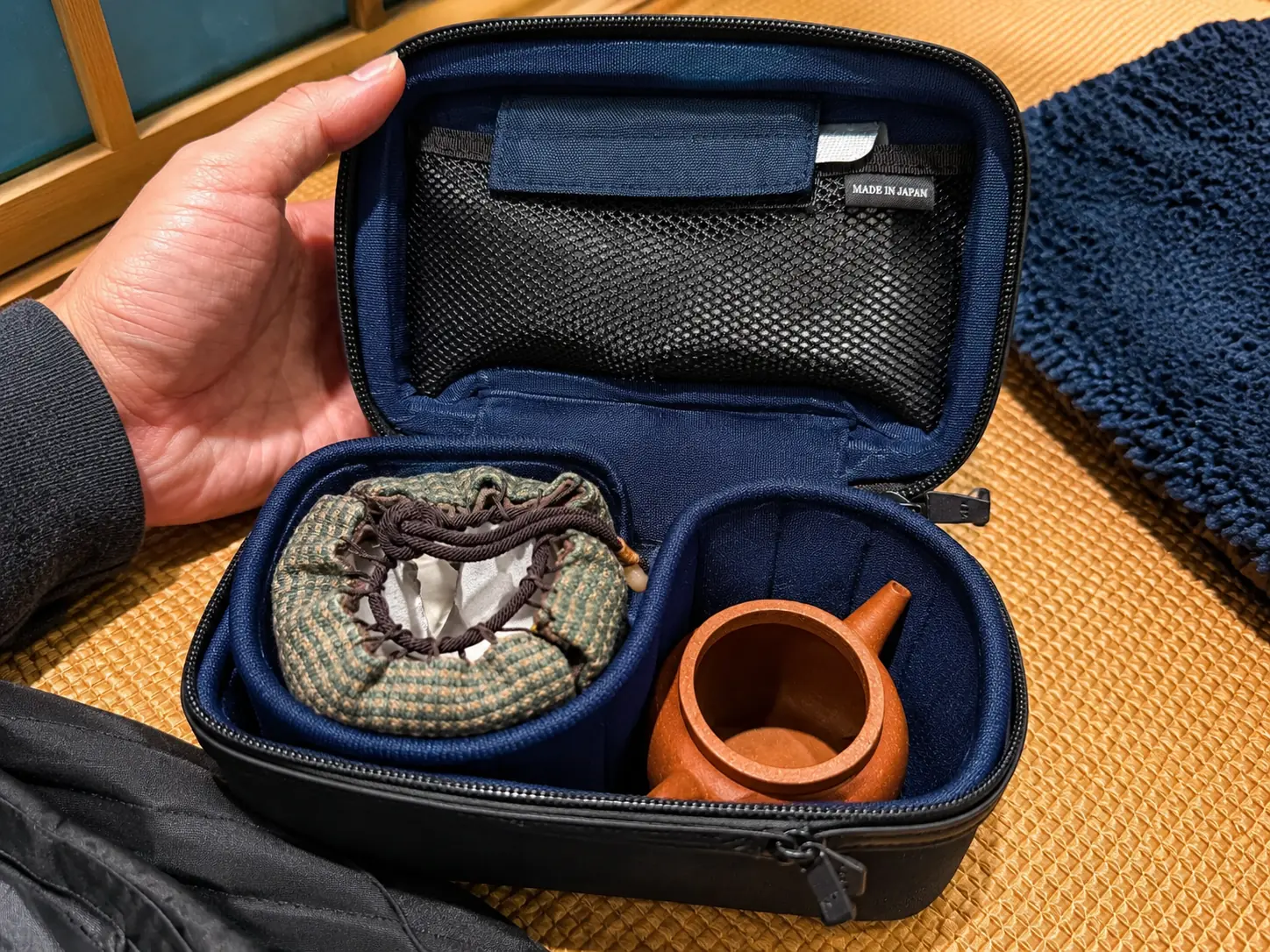
Dry the pot fully and protect the lid, spout, and handle before packing it in luggage.
Do not make zisha care mystical. Keep the pot clean, simple, and dry. Rinse a new pot well with hot water, check for odd smells, and use it with the tea style you plan to keep using. You do not need an elaborate opening ritual to enjoy the pot.
After tea, empty the leaves, rinse with hot water, leave the lid open, and let the pot dry fully. Avoid detergent, perfume, long soaks, and leaving wet leaves inside overnight. A healthy patina comes from clean repeated use, not from letting tea residue turn stale.
Packing is the part travelers underestimate. The spout, handle, and lid are fragile. Wrap the lid separately or secure it carefully, protect the spout, and use a hard box inside your luggage. If this sounds stressful, buy a gaiwan first. A replaceable porcelain gaiwan can be a better travel souvenir than a clay pot you are afraid to use.
A clean pot ages better
The goal is not to make the pot look old quickly. The goal is a clean vessel that slowly becomes more comfortable with the tea you actually drink.
Useful Zisha Teapot Phrases for Shops
If pronunciation feels awkward, show the Chinese to the shop or tea-room staff. These phrases help you keep the conversation practical.
| English | Chinese | Pinyin | Say It Like… |
|---|---|---|---|
| Zisha teapot | 紫砂壶 | zǐ shā hú | dzuh shah hoo |
| What clay is this teapot made from? | 这把壶是什么泥料? | zhè bǎ hú shì shén me ní liào? | juh bah hoo shir shun-muh nee lyaow |
| What tea is it suitable for? | 适合泡什么茶? | shì hé pào shén me chá? | shir huh paow shun-muh chah |
| What is the capacity? | 容量是多少? | róng liàng shì duō shǎo? | rong lyahng shir dwaw-shaow |
| How much is it? | 多少钱? | duō shǎo qián? | dwaw-shaow chyen |
| I will just look first. | 我先看看。 | wǒ xiān kàn kan. | waw shyen kahn-kahn |
| Can I buy only the teapot? | 可以只买壶吗? | kě yǐ zhǐ mǎi hú ma? | kuh yee jir my hoo mah |
Frequently Asked Questions
They are good for beginners who already know what tea they drink often. If you are still exploring Chinese tea, start with a gaiwan or porcelain cup first because those are easier to clean and compare.
Beyond This Guide
Zisha makes more sense once you understand the tea table around it. Pair this guide with the Gongfu Tea Ceremony Guide, Chinese Tea Guide, Oolong Tea Guide, and Pu'er Tea Guide before making a high-price teaware decision.
© gochinafreely.com — Original guide by Go China Freely.