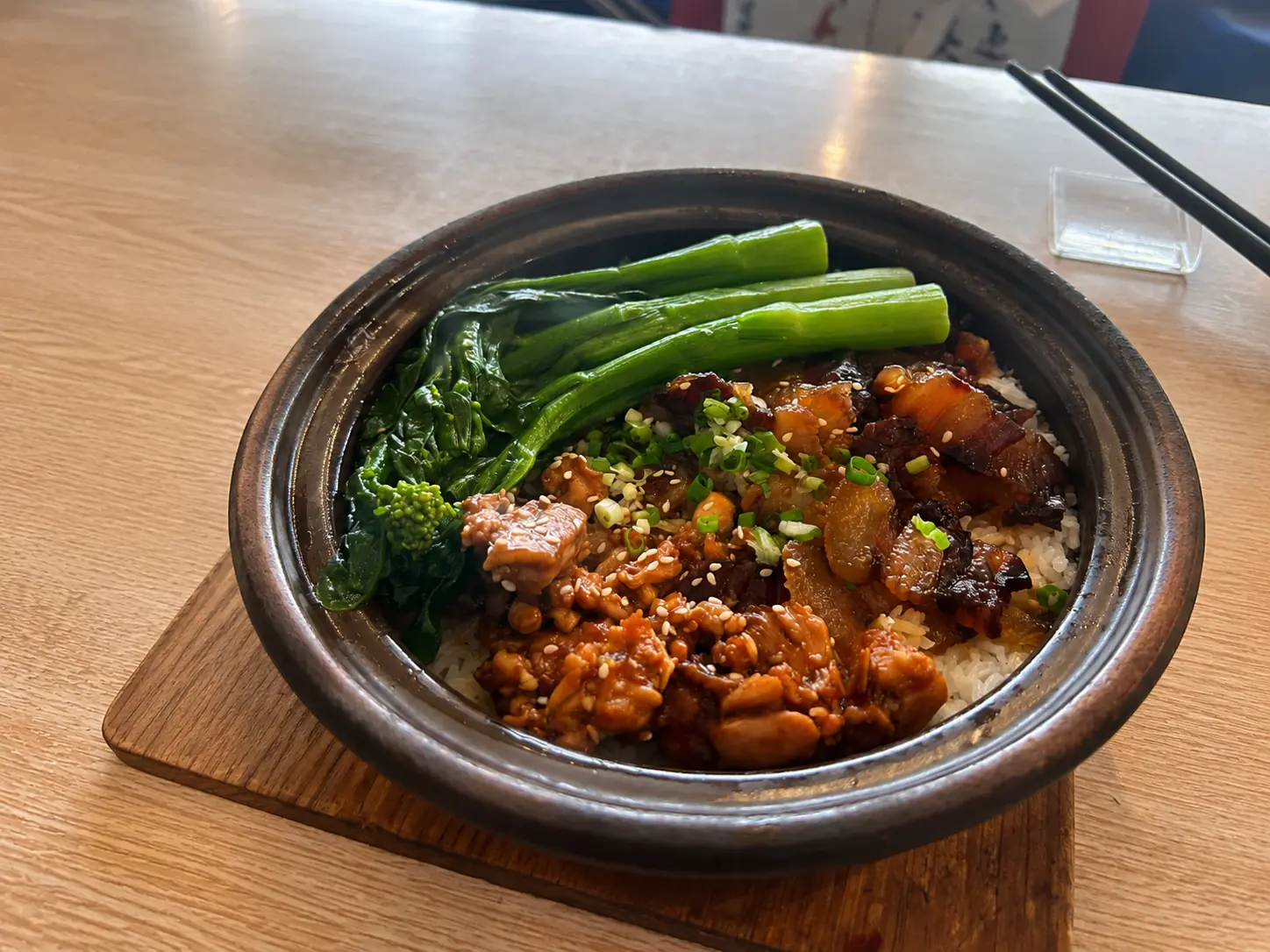
Cantonese claypot rice (煲仔饭) is most exciting in the few seconds after the lid lifts: preserved sausage aroma rises, the rice still crackles at the pot edge, and the crispy bottom has not yet gone soft under soy sauce. Many first-time visitors read it as rice with toppings. The better version is a heat-control dish, where raw rice, meat juices, sauce, and the clay pot work together to create the golden crust.
Executive Summary
What to expect
Single-serve rice cooked in a small clay pot with toppings such as preserved meats, chicken, ribs, beef, egg, pork liver, or eel depending on the shop.
Best first order
Start with preserved-meat claypot rice if you eat pork. Choose chicken or ribs if you want a softer, less fatty first pot.
Main traveler challenge
Good claypot rice takes time. Watch the hot pot, do not rush the soy sauce, and check pork, soy sauce, wheat, seafood, egg, and shared-pot risks.
15-20 min
Chao Ji wait
Golden
Good crust color
One pot
Solo-friendly
Soy sauce
Allergy check
Cantonese Comfort in One Clay Pot
Claypot rice is distinctly Guangdong and Hong Kong comfort food: one small pot, one portion of rice, and enough heat to make dinner feel like an event. The Chinese name literally points to the small clay pot. Raw rice and water go in first; toppings are added as the rice cooks; the bottom layer becomes the crisp rice crust (饭焦).
That crust is the reason this dish deserves its own guide. Ordinary rice bowls are cooked first and topped later. Claypot rice asks the pot to cook the rice, steam the toppings, concentrate meat juices, and toast the bottom at the same time. When it works, the center stays fragrant and tender while the edge turns crisp.
The flavor is Cantonese in a quiet way. It is not built around chili heat or heavy sauce. The attraction is timing: separate rice grains, just enough fat from preserved meat or chicken, sweet-savory soy sauce, and a crust that tastes toasted rather than burnt.
The crust is the point
Do not judge claypot rice only by how much meat sits on top. The best part is the bottom layer, and a shop that gets the rice right usually understands the dish.
What Good Crispy Rice Tastes Like
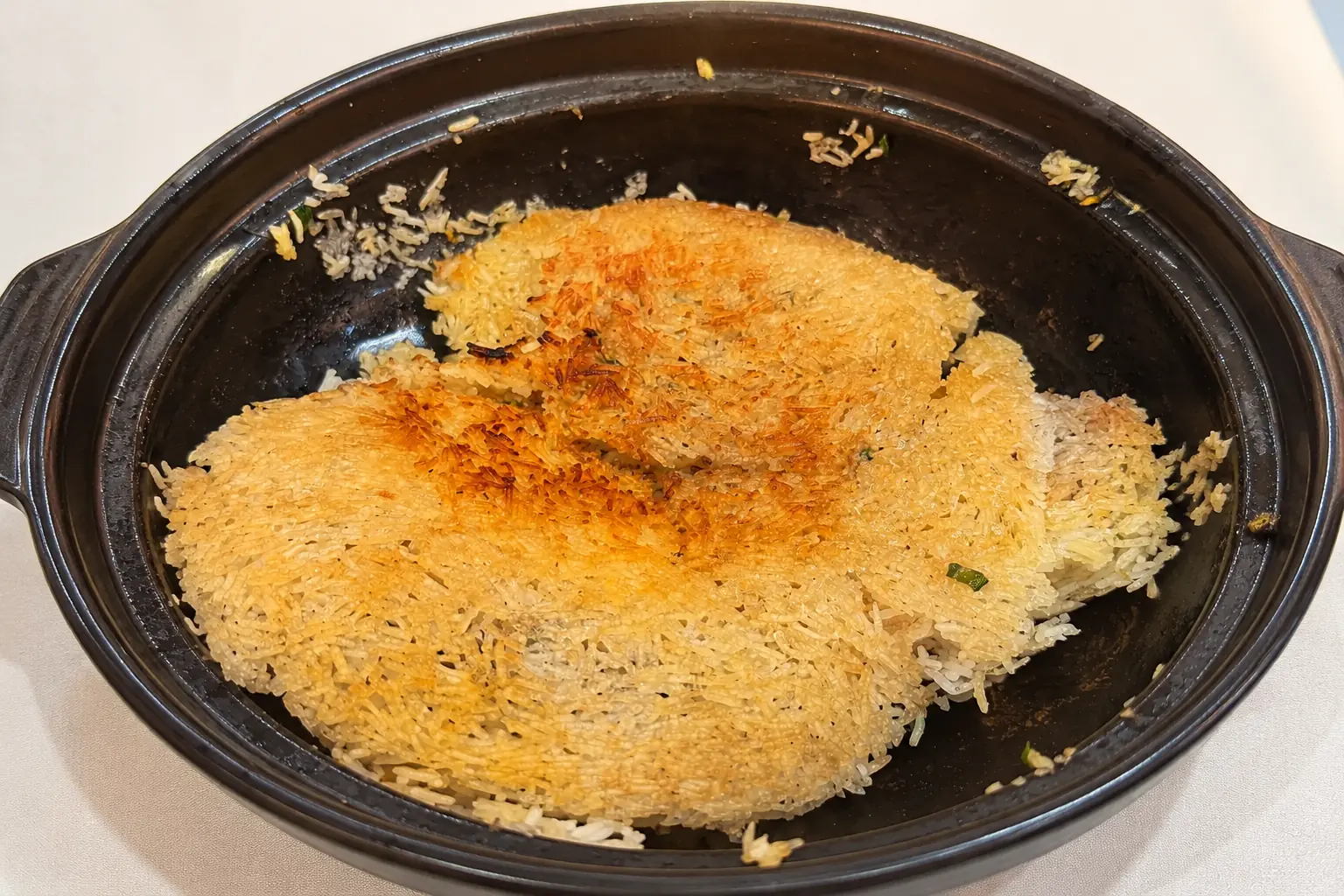
Good claypot rice has three tests: rice, crust, and sauce. The rice should be separate and toothsome, not wet like congee and not dry like undercooked grains. The crust should be golden, thin, crisp, and lightly nutty. Soy sauce should wake the pot up, not flood it.
1Separate Rice
The grains should hold their shape after absorbing meat juices and sauce.
2Golden Crust
The bottom should scrape up in crisp sheets or flakes, not taste black and bitter.
3Controlled Sauce
The sauce should perfume the rice and pot edge without turning the whole bowl soggy.
The burnt-versus-crisp line matters. A few dark edges are normal, especially in charcoal or very hot pots. A fully black, bitter base is not a badge of authenticity. Eat the golden parts and leave the harsh bits alone.
Classic Claypot Rice Toppings to Order
Preserved-meat claypot rice (腊味煲仔饭) is the safest first order if you eat pork. Cantonese sausage and cured pork release sweet, salty fat into the rice, which makes the crust taste deeper. It is also the easiest version for understanding why the rice itself matters.
First order
Choose preserved meat if pork is fine, because the fat seasons the rice and crust.
Softer start
Chicken or ribs feel gentler when you want less cured-meat richness.
Second visit
Eel, liver, frog, or meat patty are better after you know the rice texture you like.
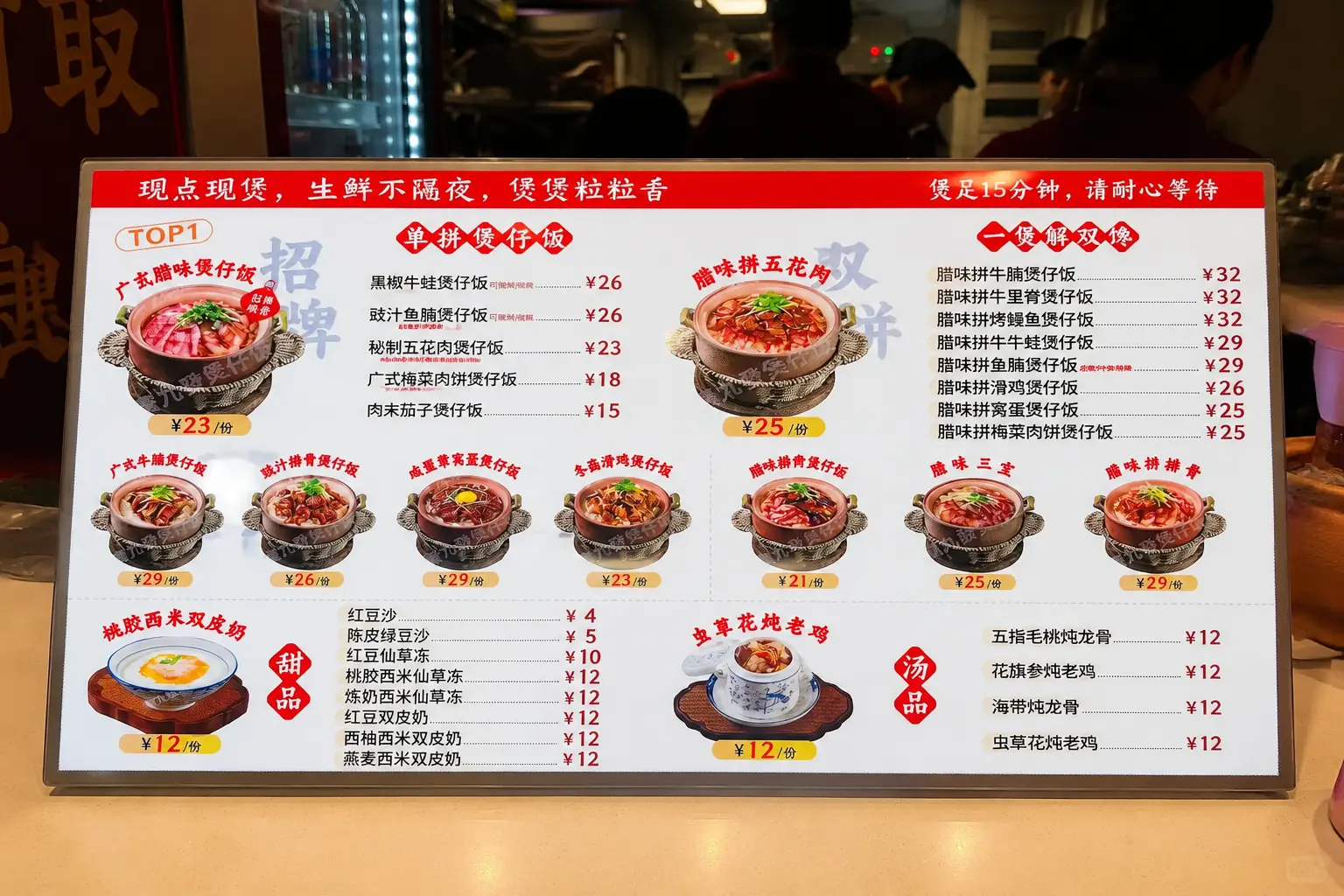
| Order | Chinese | Best For | Watch For |
|---|---|---|---|
| Preserved meat | 腊味煲仔饭 | First-timers who want the classic sweet-savory fat and crust pairing. | Pork, liver sausage, and cured-meat richness. |
| Chicken | 滑鸡煲仔饭 | Travelers who want a gentler pot with ginger, mushroom, or soy-based seasoning. | Bone pieces and chicken doneness comfort level. |
| Ribs | 排骨煲仔饭 | People who like black-bean, garlic, and meat juices in the rice. | Bones, pork, and salty marinade. |
| Beef with egg | 窝蛋牛肉煲仔饭 | Travelers who enjoy hot rice mixed with egg and tender beef. | Ask for the egg cooked more if runny egg bothers you. |
| Eel or liver | 白鳝 / 猪肝 | Second visits and more local-style appetites. | Bones, texture, and a stronger flavor profile. |
Do not order the most unusual topping just to prove something. Claypot rice is first a rice-and-heat dish. If the rice is good, even the simple preserved-meat or chicken versions can be better than a showy pot with ingredients you do not actually enjoy.
How to Order and Eat It
Made-to-order claypot rice takes patience. The MICHELIN Guide entry for Chao Ji Claypot Rice (Liwan) says both rice and soups are made to order and notes a wait of at least 15-20 minutes, longer at peak hours. Use that as a realistic benchmark for proper claypot rice, not as a promise at every shop.

The sauce works best when it travels along the hot pot wall instead of soaking the center all at once. Give the pot a few seconds after pouring, then stir gently so the rice stays fragrant rather than wet.
- Choose one base pot- Preserved meat is the classic first order; chicken or ribs are easier if you want less fat.
- Expect a wait- If the shop says it is made to order, the wait is part of the dish.
- Pour sauce around the edge- Let the hot pot wall pull the soy aroma into the rice.
- Stir gently- Mix the center rice and toppings without crushing all the crust at once.
- Save the golden crust- Scrape the bottom near the end, and leave black bitter patches behind.
The pot is very hot. Do not touch the rim for a photo, and keep children from reaching toward the clay pot. If you are eating solo, one basic pot is a normal order. For two or three people, order two different pots and add a vegetable, soup, or small side. For four or more, add Cantonese dishes rather than turning the whole table into rice.
| English | Chinese | Pinyin | Say It Like… |
|---|---|---|---|
| I want preserved-meat claypot rice. | 我想要腊味煲仔饭。 | wǒ xiǎng yào là wèi bāo zǎi fàn | waw shyahng yaow lah way baow dzai fan |
| Please cook the egg a little more. | 请把鸡蛋煮熟一点。 | qǐng bǎ jī dàn zhǔ shú yì diǎn | ching bah jee dan joo shoo ee dyen |
| How long will this pot take? | 请问这锅要等多久? | qǐng wèn zhè guō yào děng duō jiǔ | ching wun juh gwo yaow dung dwaw jyoh |
Guangzhou and Hong Kong Claypot Rice Stops
Guangzhou works best when claypot rice is part of an old-city food day. Longjin Road, Changshou Road, Shangxiajiu, Xihua Road, Yongqingfang, and Liwan Lake all sit in a useful western Guangzhou food zone. The official Guangzhou International site includes Chao Ji Claypot Rice in a local-eating route on Longjin Road, so it is an easy reference point if your day is already in Liwan.
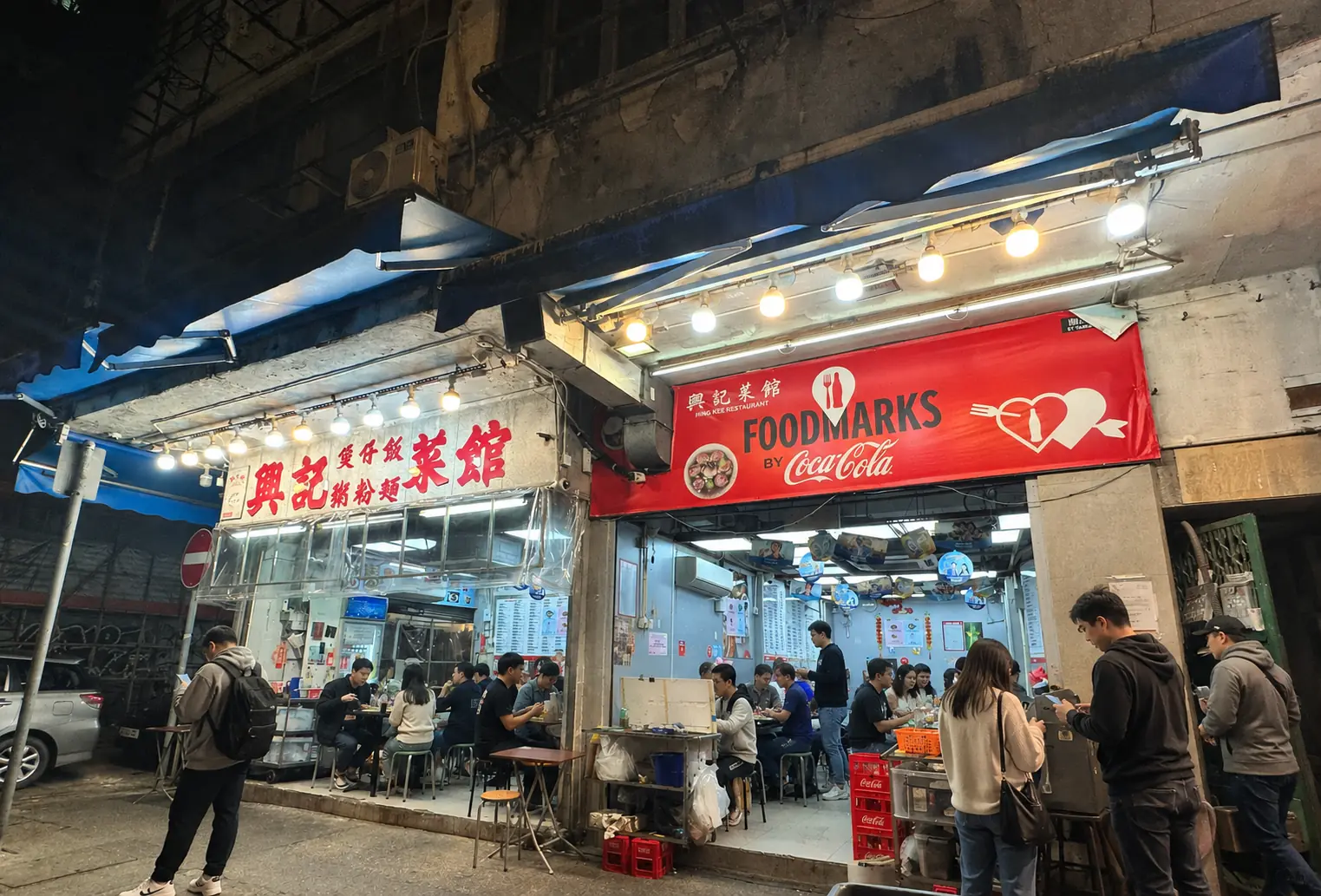
Hong Kong works best at night. Temple Street is easy for first-timers because dinner, market energy, and Kowloon night walking all sit together. The Hong Kong Tourism Board describes claypot rice as a Temple Street standout and says Hing Kee offers over sixty varieties cooked on charcoal stoves, giving the rice a smoky aroma.
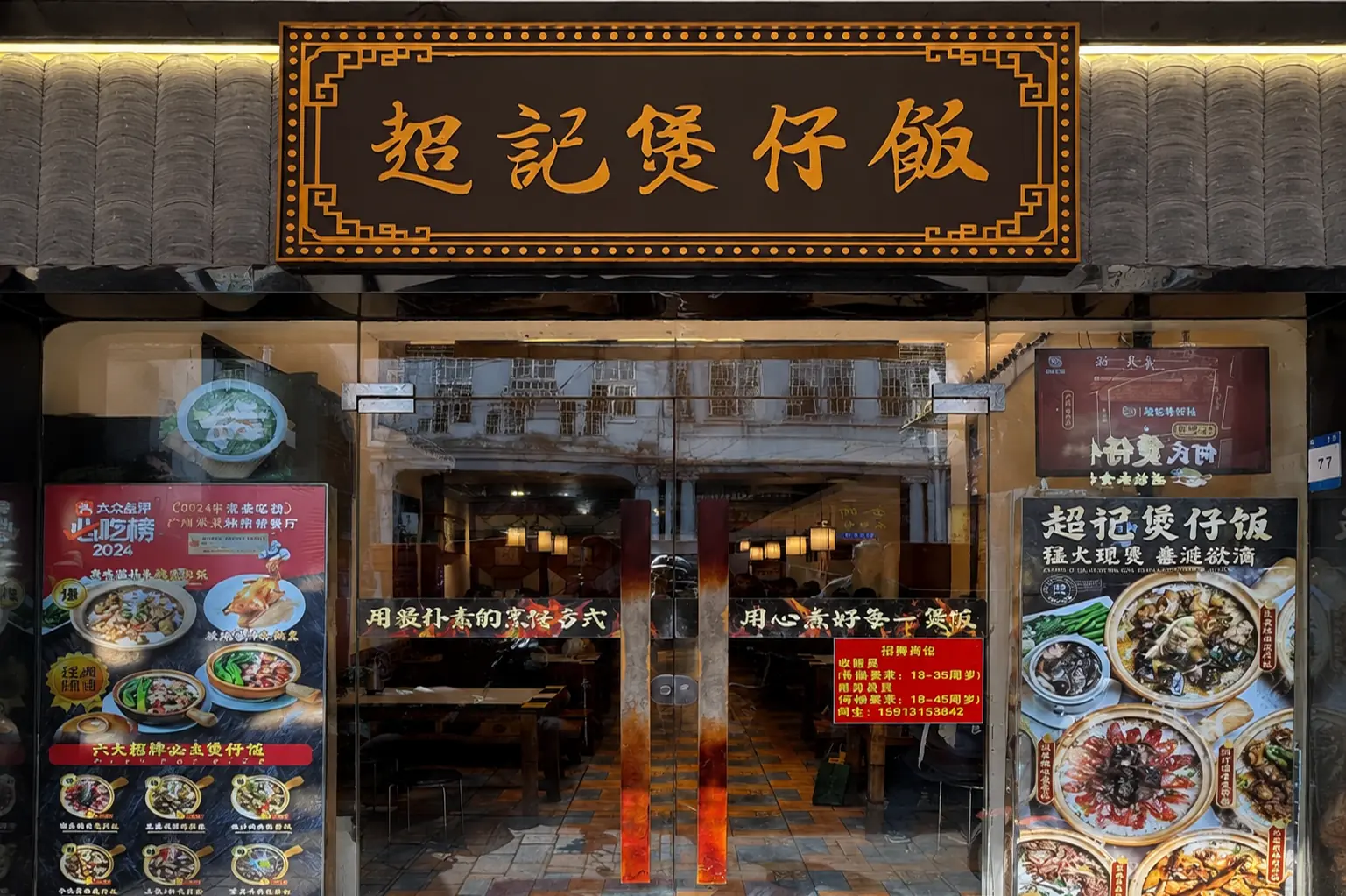
Use this as a Guangzhou benchmark rather than a citywide command. The MICHELIN Guide lists the Liwan branch at 723 Longjin East Road and highlights made-to-order rice, soup, and a crisp golden crust.
Best for a first Hong Kong claypot rice night because the location is simple: Yau Ma Tei, Temple Street, night market atmosphere, and a very direct rice-pot experience.
The 2026 MICHELIN Guide page lists Kwan Kee Clay Pot Rice on Queen's Road West as Bib Gourmand. It suits travelers who care more about the pot than the street-market setting.
Timing, Budget, and Claypot Rice Pitfalls
Claypot rice feels best on cooler evenings, rainy days, or late food walks, but it is not only a winter dish. Many shops serve it year-round. The practical difference is comfort: in Guangzhou or Hong Kong summer humidity, a boiling clay pot can feel heavy; in autumn and winter, it feels exactly right.
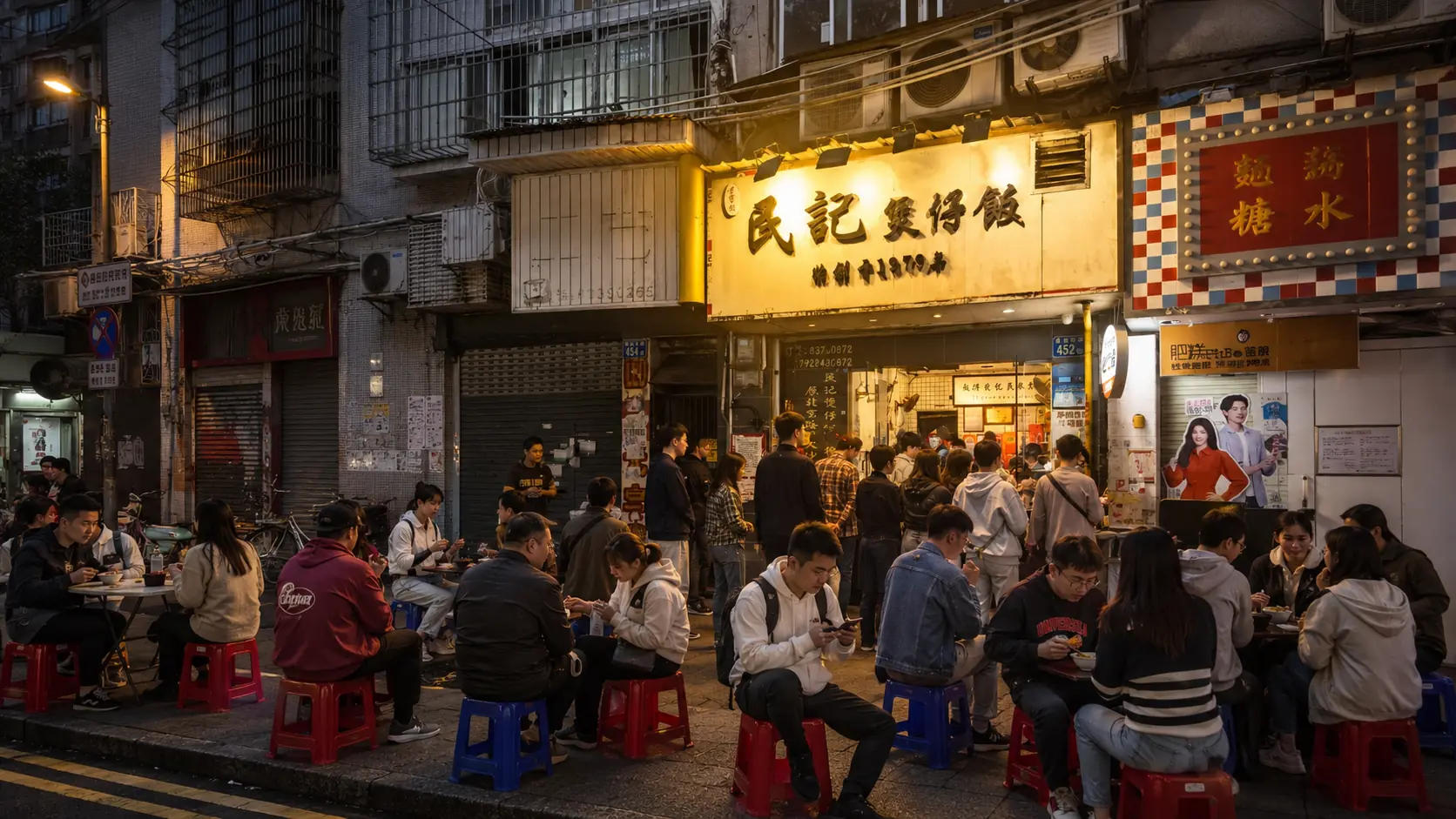
Use budget language carefully. A basic casual pot is usually a low-budget to midrange meal, but prices move with city, neighborhood, fame, toppings, and whether you add soup or side dishes. Eel, seafood, extra egg, famous queues, and tourist zones can raise the bill quickly. Check the menu before you order, especially in Hong Kong.
Black is not better
The good crust is golden and crisp. Do not force yourself to scrape black, bitter patches just because they look dramatic.
The other mistake is rushing. If you pour sauce, stir hard, and scrape everything in the first minute, the pot turns into a wet rice bowl and the crust loses its point. Give the hot pot a moment, stir gently, and save the bottom for later.
Allergies and Diet Notes for Travelers
Claypot rice looks simple, but the risk map is not simple. Preserved meats usually mean pork, and some sausages may include liver. Soy sauce usually contains soy and may contain wheat. Black-bean sauce, oyster sauce, shrimp paste, dried scallop, fish sauce, seafood stock, egg, and shared pots or utensils can matter depending on the shop and topping.
Do not assume rice means safe
Rice is only the base. Preserved meat usually means pork, soy sauce may contain wheat, and seafood or oyster sauce can appear in sauces or marinades.
Ask before the order goes in
Claypot rice is cooked hot and fast, so staff need to know pork, seafood, egg, soy, or wheat restrictions before the pot starts.
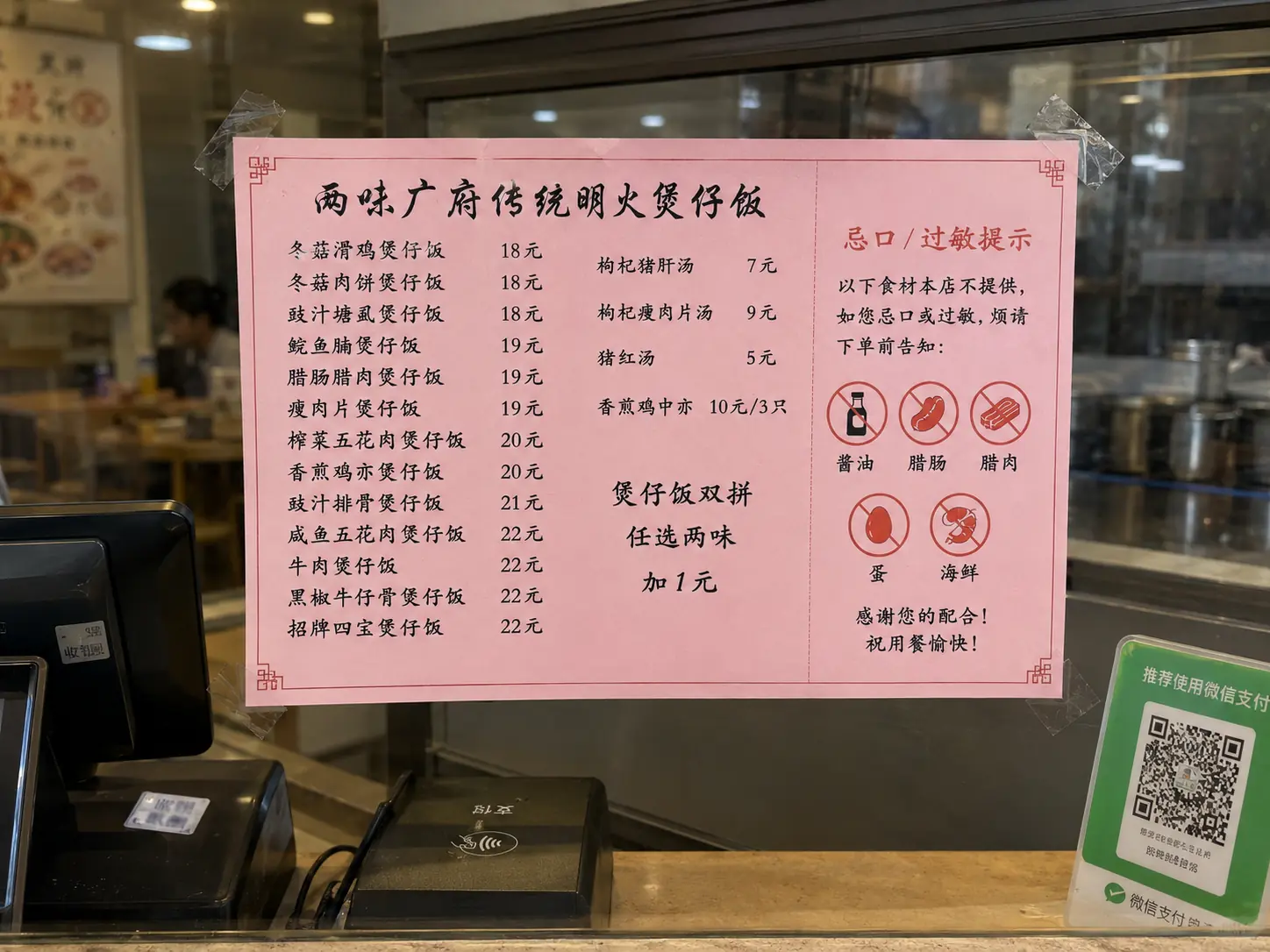
Vegetarian travelers should be cautious. A mushroom, egg, or vegetable-looking pot may still use meat stock, lard, oyster sauce, shared cookware, or a standard claypot sauce. Strict halal, gluten-free, shellfish-allergy, soy-allergy, or pork-free travelers should not rely on the English dish name alone.
| English | Chinese | Pinyin | Say It Like… |
|---|---|---|---|
| I am allergic to seafood. | 我对海鲜过敏。 | wǒ duì hǎi xiān guò mǐn | waw dway high shyen gwo min |
| I cannot eat pork. | 我不能吃猪肉。 | wǒ bù néng chī zhū ròu | waw boo nung chur joo roh |
| Does the soy sauce contain wheat? | 酱油里有没有小麦? | jiàng yóu lǐ yǒu méi yǒu xiǎo mài | jyahng yoh lee yo may yo shyow my |
For deeper planning, pair this article with the Gluten-Free China Guide, Soy Allergy China Guide, and Seafood Allergy China Guide.
Frequently Asked Questions
No. Fried rice starts with cooked rice stir-fried in a wok. Claypot rice starts with raw rice cooked in a small clay pot, so the bottom can form a crisp rice crust.
Beyond This Guide
Claypot rice makes more sense when you place it inside the wider Cantonese table: dim sum in the morning, roast meats at lunch, rice rolls or dessert in the afternoon, and one hot clay pot when the evening cools down. For the bigger map, use our Cantonese Cuisine Guide, Guangzhou Food Guide, Hong Kong Food Guide, Cantonese Roast Goose Guide, and Rice Noodle Rolls Guide.
Sources checked for this guide include Guangzhou International for the Longjin Road food route, Liwan District Government for Chao Ji and MICHELIN context, Hong Kong Tourism Board for Temple Street and Hing Kee, and MICHELIN Guide for Kwan Kee.
© gochinafreely.com — Original guide by Go China Freely.