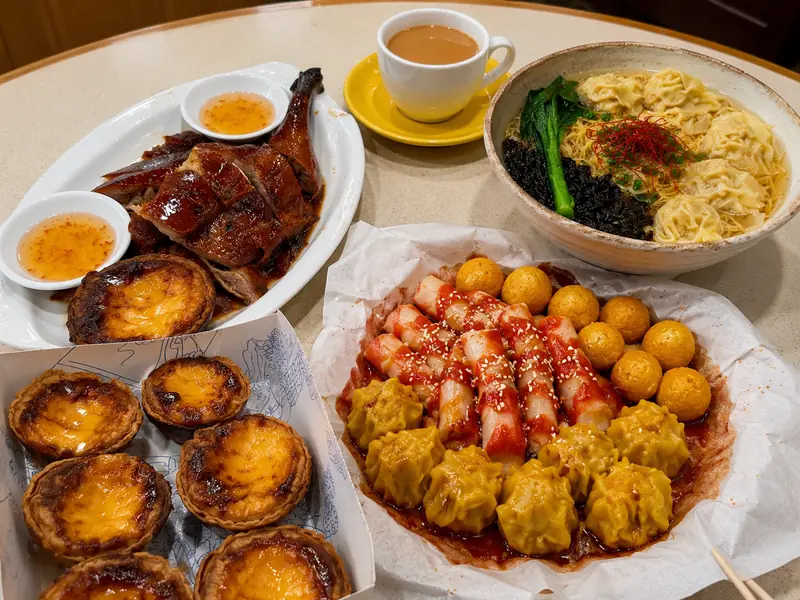
Hong Kong (香港) is the easiest food city in China to enter and one of the hardest to finish: a first-time visitor can eat dim sum before noon, roast goose over rice at lunch, a pineapple bun with milk tea in the afternoon, curry fish balls on a crowded street corner, claypot rice at Temple Street after dark, and seafood by the water if the group still has energy. The trick is not to treat Hong Kong as just another Cantonese food stop; Guangzhou is the old center of Cantonese dining culture, while Hong Kong keeps that base and layers on British-era diner food, fast lunch counters, bilingual menus, roast-meat windows, neon streets, ferry-linked neighborhoods, and the speed of a city where tables turn quickly.
Executive Summary
What to expect
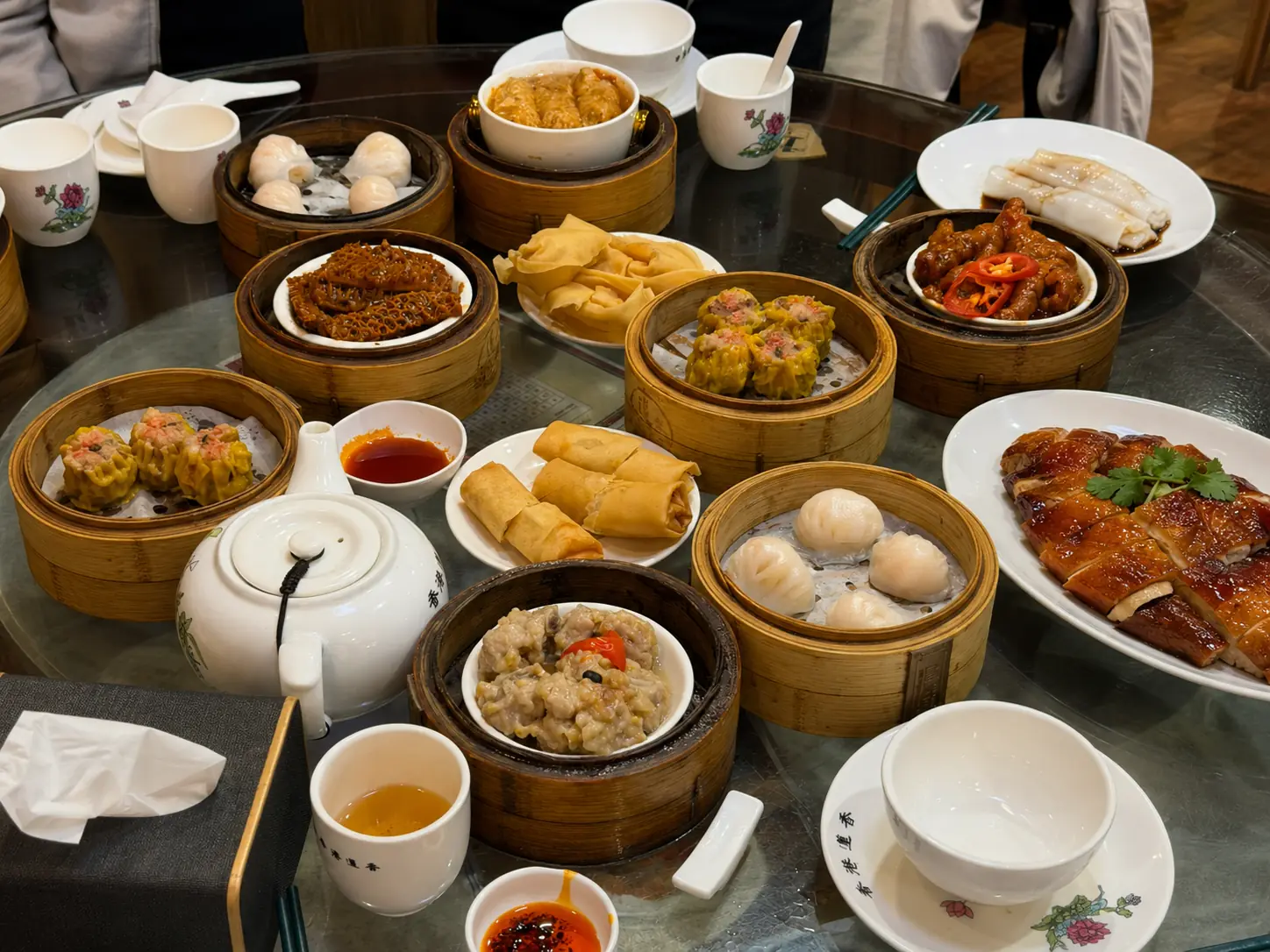
Cantonese roots, Hong Kong speed: dim sum, roast goose, wonton noodles, milk tea, egg tarts, pineapple buns, street snacks, claypot rice, dai pai dong wok cooking, and seafood districts.
Best first meal
Start with dim sum or a cha chaan teng breakfast, then save roast goose or wonton noodles for lunch and Temple Street or a cooked food centre for dinner.
Main traveler challenge
Not spice. The real challenge is choosing the right area, carrying enough cash, reading quick-service dining cues, and confirming seafood or extra charges before you order.
Hong Kong Food in One Bite
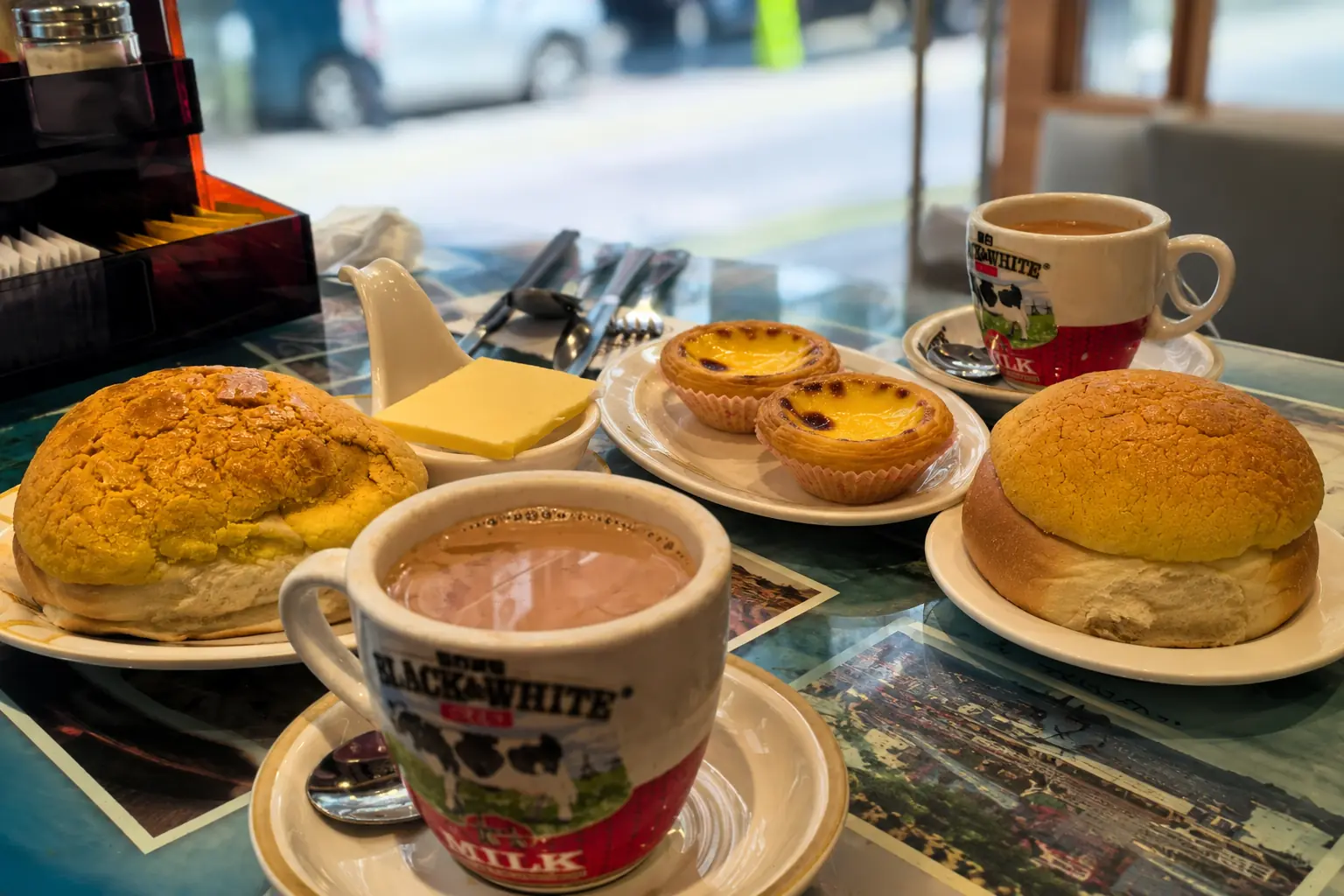
Hong Kong food works because it is both polished and practical. At one end are refined Cantonese kitchens, dim sum houses, roast goose specialists, and seafood restaurants where freshness matters. At the other end are cha chaan tengs (茶餐廳), street stalls, cooked food centres, and late-night diners built for speed, value, and cramped city life.
The Hong Kong Tourism Board's cha chaan teng guide describes these local diners as East-meets-West food culture, with milk tea, pineapple buns, egg tarts, and comfort dishes that grew from earlier bing sut (冰室), or ice-room, culture. That is the Hong Kong difference in one scene: a table where Cantonese roast meat, macaroni soup, scrambled eggs, French toast, and strong milk tea all make sense together.
This is why the guide below does not start with one "best restaurant." Hong Kong is too dense for that. Use the city by meal type:
| If you want | Start with | Best area type |
|---|---|---|
| Classic Hong Kong breakfast | Cha chaan teng set, milk tea, pineapple bun | Central, Mong Kok, Tsim Sha Tsui, Sham Shui Po |
| Cantonese ritual | Dim sum and yum cha | Central, Prince Edward, Sham Shui Po |
| One iconic lunch | Roast goose, siu mei, wonton noodles | Central, Wan Chai, Causeway Bay |
| Street-level snack crawl | Curry fish balls, egg waffles, tofu pudding | Mong Kok, Sham Shui Po, Temple Street |
| Night dinner | Claypot rice, dai pai dong stir-fries | Yau Ma Tei, Temple Street, cooked food centres |
| Seafood meal | Live seafood, steamed fish, typhoon-shelter flavors | Sai Kung, Lei Yue Mun, Aberdeen |
1-2 / 5
Typical spice level
HK$50-180
Casual ballpark
HK$150-500+
Seafood ballpark
Cantonese
Primary spoken language
Think in meal windows
Dim sum and cha chaan teng breakfasts are strongest in the morning to early afternoon. Roast goose works for lunch. Temple Street, claypot rice, and dai pai dong eating make more sense after dark.
What to Eat First in Hong Kong

Start with foods that teach you how the city eats. Do not make the first day a list of famous names scattered across the map. Pick one breakfast anchor, one roast-meat or noodle lunch, and one evening food area.
| Food | Chinese | Why it matters | Best context |
|---|---|---|---|
| Dim sum | 點心 | The Cantonese small-dish ritual, best with tea and a group | Breakfast, brunch |
| Roast goose | 燒鵝 | Hong Kong's most famous roast-meat order | Lunch, dinner |
| Cha chaan teng set | 茶餐廳套餐 | Fast, local, inexpensive, and uniquely Hong Kong | Breakfast, lunch, solo meal |
| Wonton noodles | 雲吞麵 | Clear broth, springy noodles, shrimp-heavy wontons | Quick lunch |
| Egg tart | 蛋撻 | Bakery classic with flaky or cookie-style crust | Snack, afternoon |
| Pineapple bun | 菠蘿包 | Sweet-crusted bun, often served with butter | Breakfast, snack |
| Milk tea | 奶茶 | Strong tea with evaporated milk, the cha chaan teng drink | Any diner meal |
| Curry fish balls | 咖喱魚蛋 | Cheap street snack with mild curry sauce | Snack crawl |
| Egg waffle | 雞蛋仔 | Crisp-edged bubble waffle, easy for families | Street snack |
| Claypot rice | 煲仔飯 | Slow-cooked rice with crispy crust, best in cool weather | Dinner |
| Dai pai dong | 大排檔 | Wok-fried local dishes in a street or cooked-food setting | Group dinner |
| Seafood | 海鮮 | Live tanks, by-weight pricing, harbour or waterfront setting | Dinner with price checks |
Dim Sum and Yum Cha (Google | Amap) (Google | Amap) (Google | Amap)
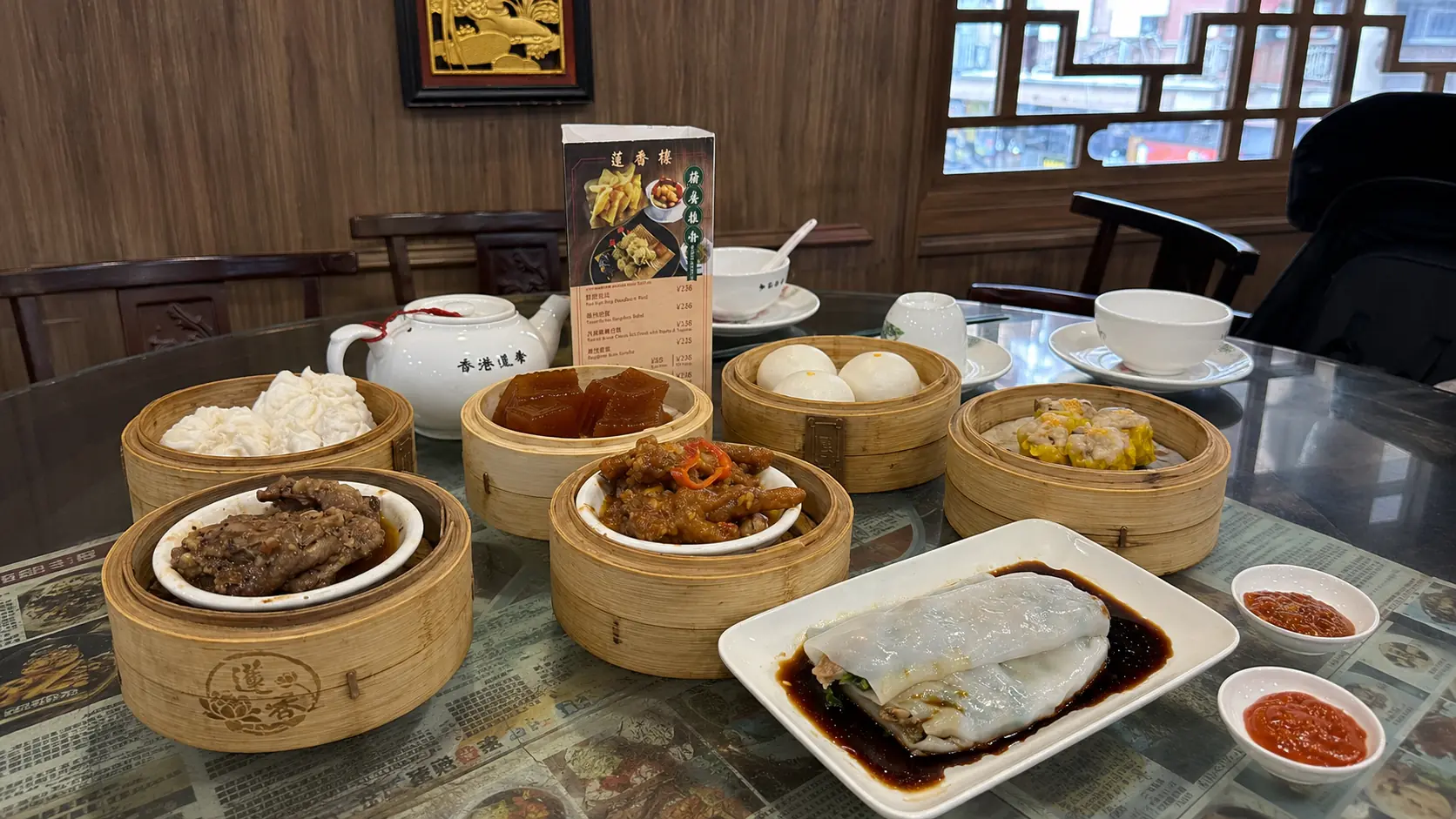
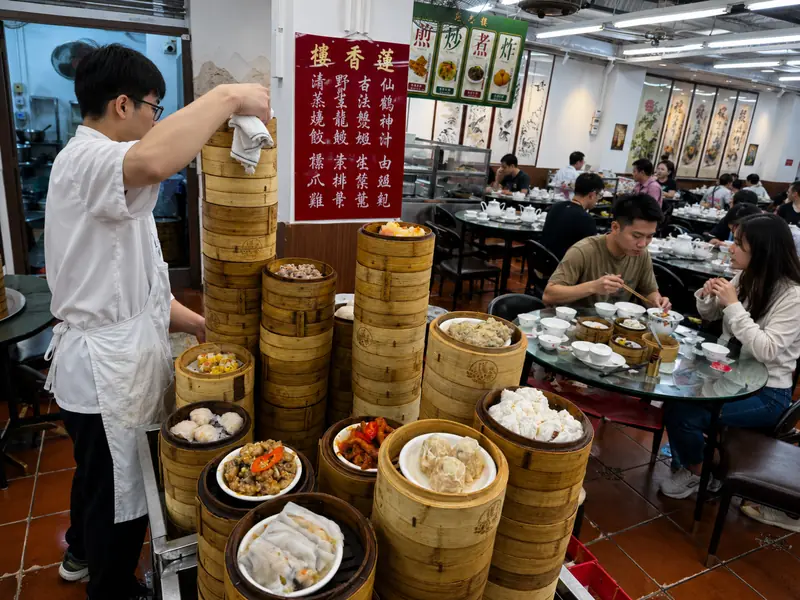
Dim sum is familiar to many foreign visitors, but Hong Kong makes it easier than most mainland cities because many central restaurants have English menus, bilingual signs, and high turnover. The classic first order is simple: shrimp dumplings, siu mai, barbecue pork buns, rice rolls, turnip cake, a vegetable, and tea.
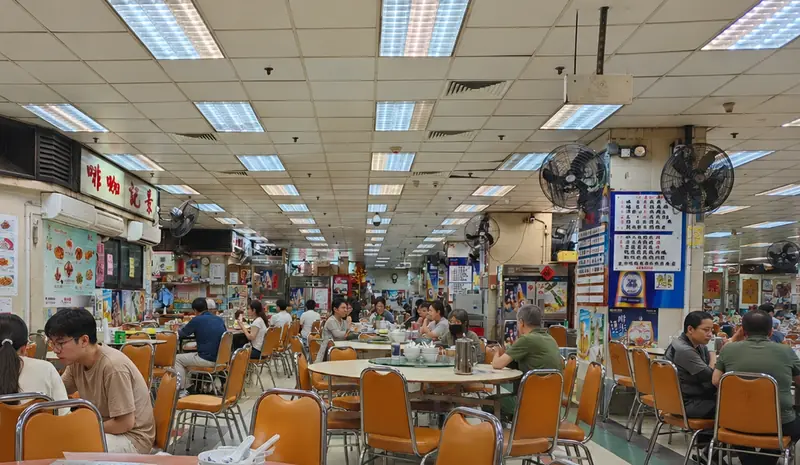
Lin Heung Kui (蓮香居), One Dim Sum (一點心), and Tim Ho Wan in Sham Shui Po (添好運深水埗店) all represent different versions of the same entry point: old-school atmosphere, compact Michelin-era fame, or practical Kowloon convenience. Do not try to do all three in one trip.
Roast Goose and Siu Mei
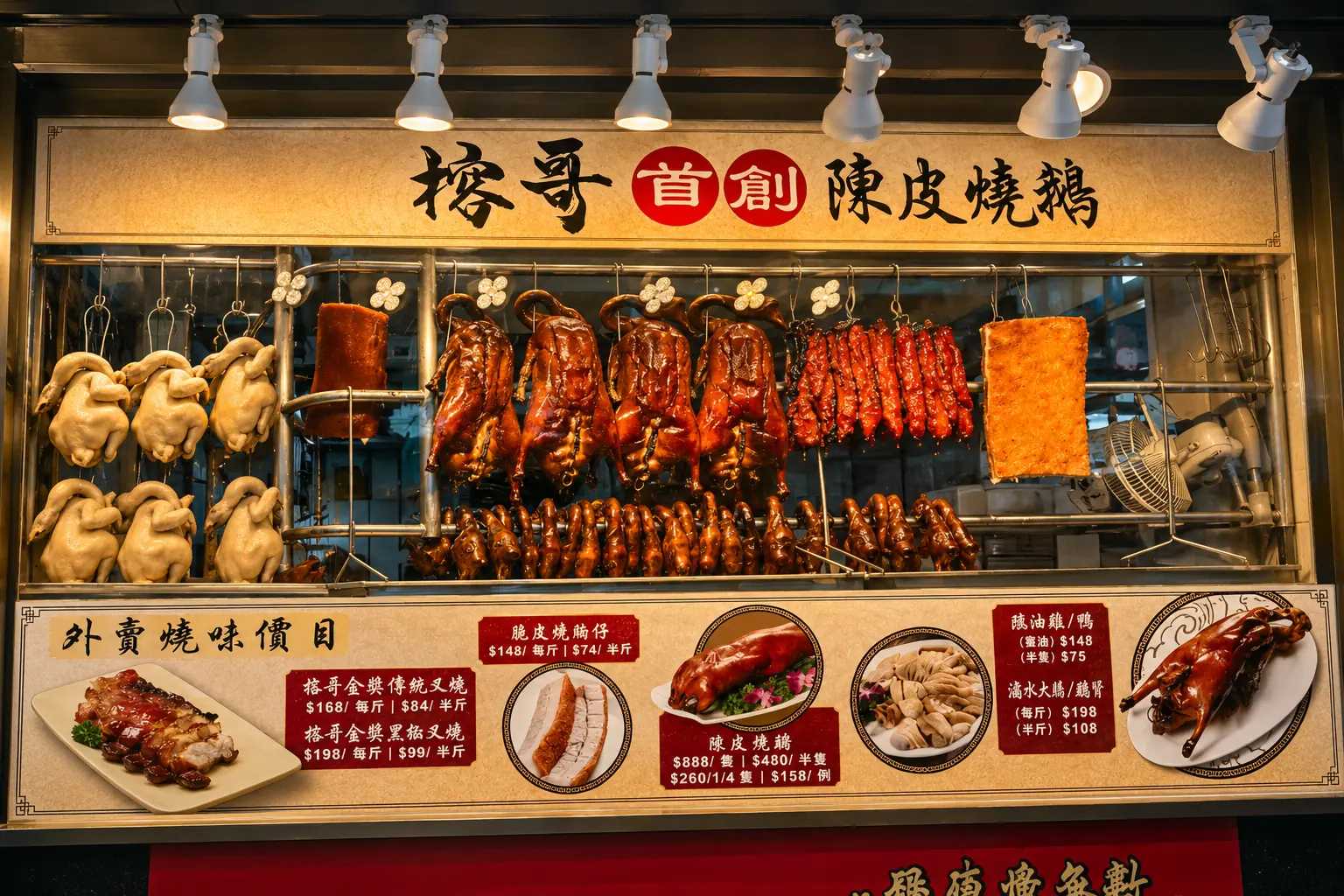
Roast goose (燒鵝) is the one dish most likely to make travelers understand why Cantonese roasting deserves its own obsession. The goal is thin crisp skin, fragrant fat, juicy meat, and rice or noodles that soak up the sauce.
The Hong Kong Tourism Board page for Yat Lok Restaurant notes the classic roast-goose-over-lai-fun-noodles format, while Kam's Roast Goose is a Wan Chai benchmark with long queues. Use these as examples, not commandments. A busy siu mei (燒味) shop with geese hanging in the window can still be a great lunch.
Cha Chaan Tengs (Google | Amap)
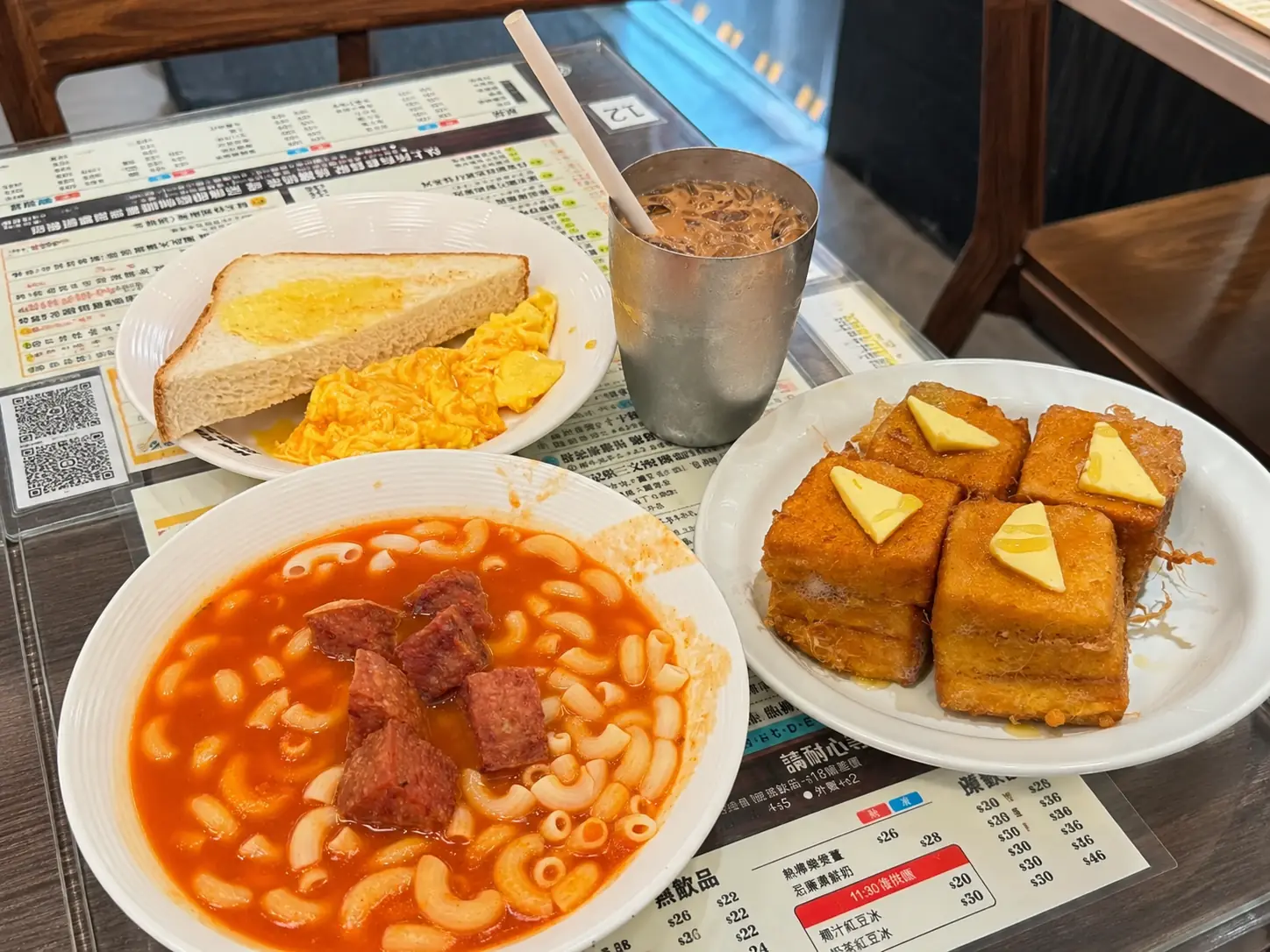
Cha chaan tengs are the reason Hong Kong food feels different from Guangzhou. They are fast, practical diners where a normal table can hold milk tea, pineapple buns, satay beef noodles, macaroni soup, fried eggs, ham sandwiches, baked pork chop rice, and roast-meat rice.
Do not over-order. One drink plus one set meal is enough for breakfast or lunch. Mido Cafe (美都餐室) gives you the nostalgic version in Yau Ma Tei; Central, Mong Kok, Tsim Sha Tsui, Wan Chai, and Causeway Bay all have easier quick-service versions when you just need fuel.
Wonton Noodles and Bakeries
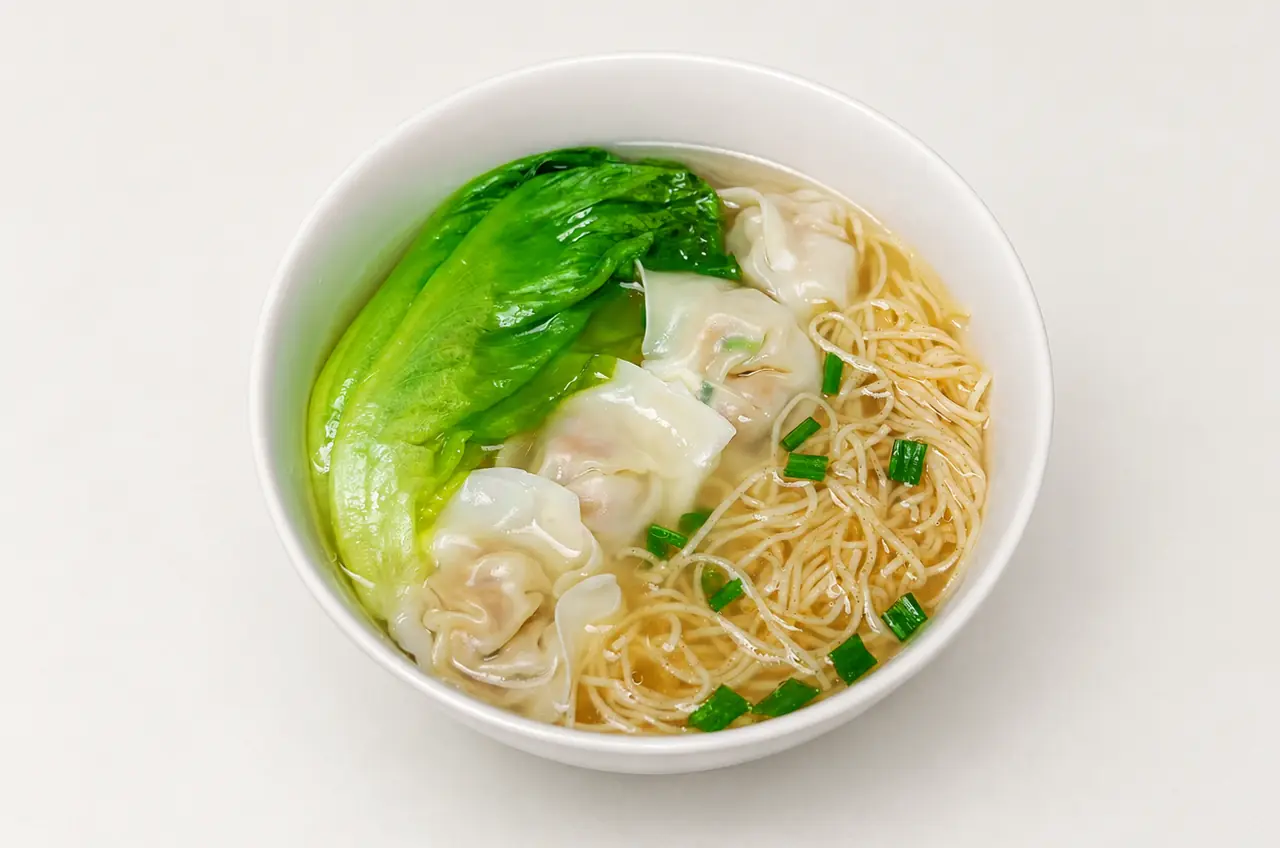
Wonton noodles are a small-bowl food, not a giant noodle meal. The noodles should be springy, the broth clear, and the wontons shrimp-forward. If you are still hungry, add a side of blanched greens or order a second snack nearby.
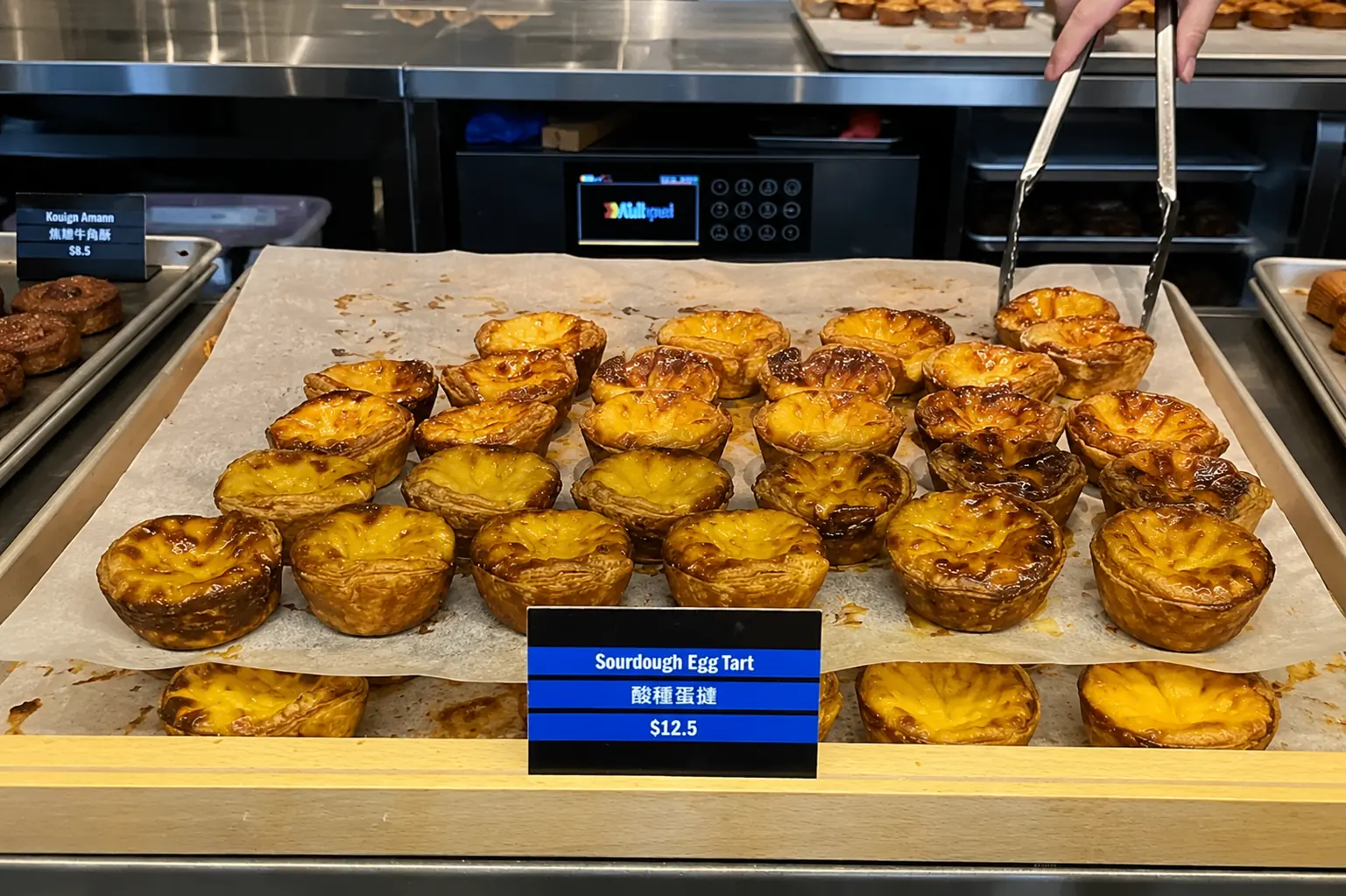
Egg tarts and pineapple buns are best treated as bakery stops rather than desserts after a huge meal. Buy one hot egg tart, eat it immediately, then move. For pineapple buns, the butter version is richer and more memorable, but it is also heavier than it looks.
Street Snacks, Claypots, Markets, and Seafood
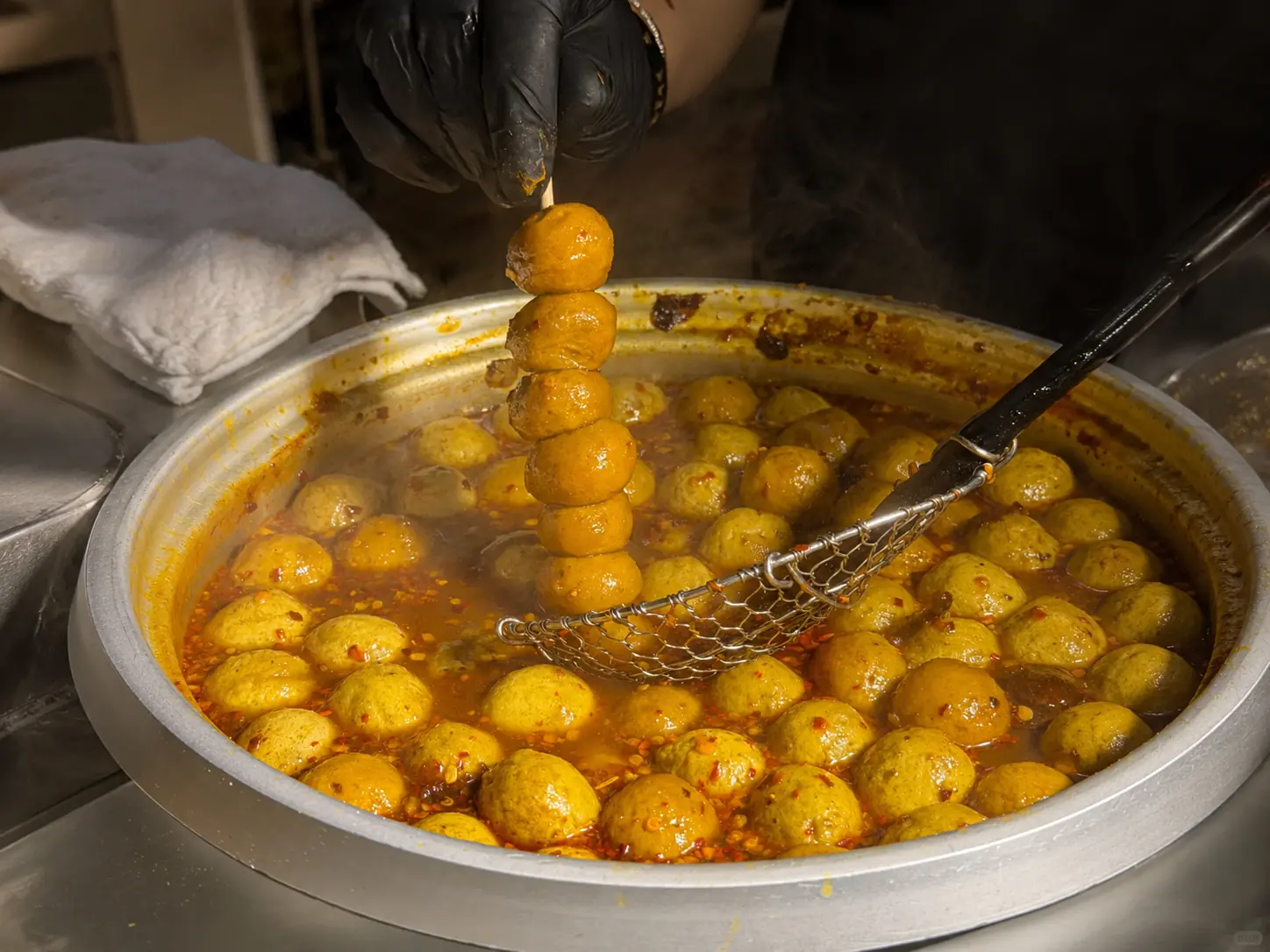
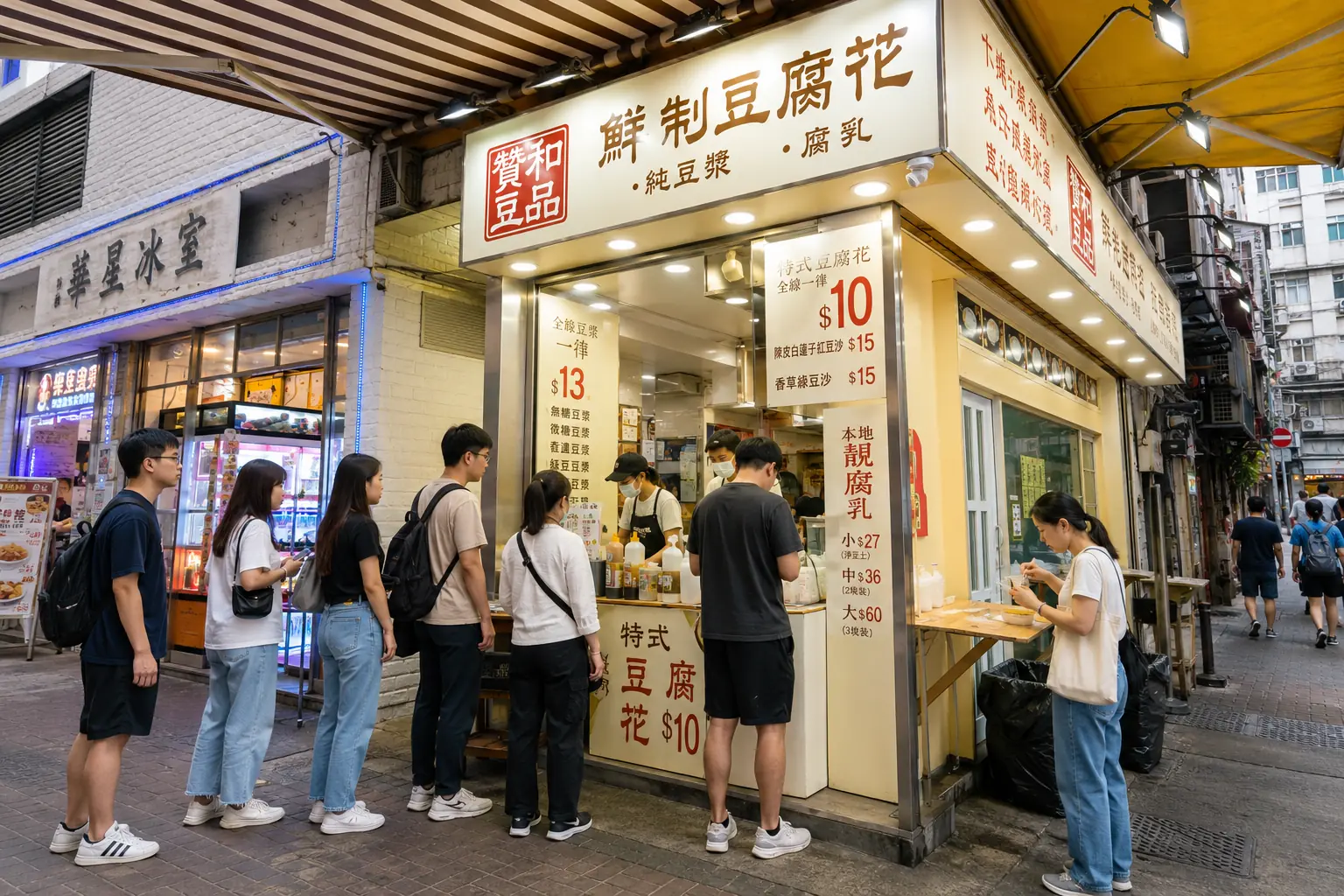
The best Hong Kong food days usually leave room for snacks. Curry fish balls, egg waffles, tofu pudding, cheung fun, fish siu mai, and bakery items help you connect neighborhoods without forcing every stop into a sit-down meal.
Sham Shui Po Snack Stops (Google | Amap) (Google | Amap) (Google | Amap) (Google | Amap)
Sham Shui Po (深水埗) is especially good for this because the food is mixed into a working neighborhood. Pei Ho Street Market (北河街街市) anchors wet-market life, while Kung Wo Beancurd Factory (公和荳品廠) and Hop Yik Tai (合益泰小食) make easy snack stops between market streets.
Claypot Rice and Temple Street (Google | Amap) (Google | Amap)
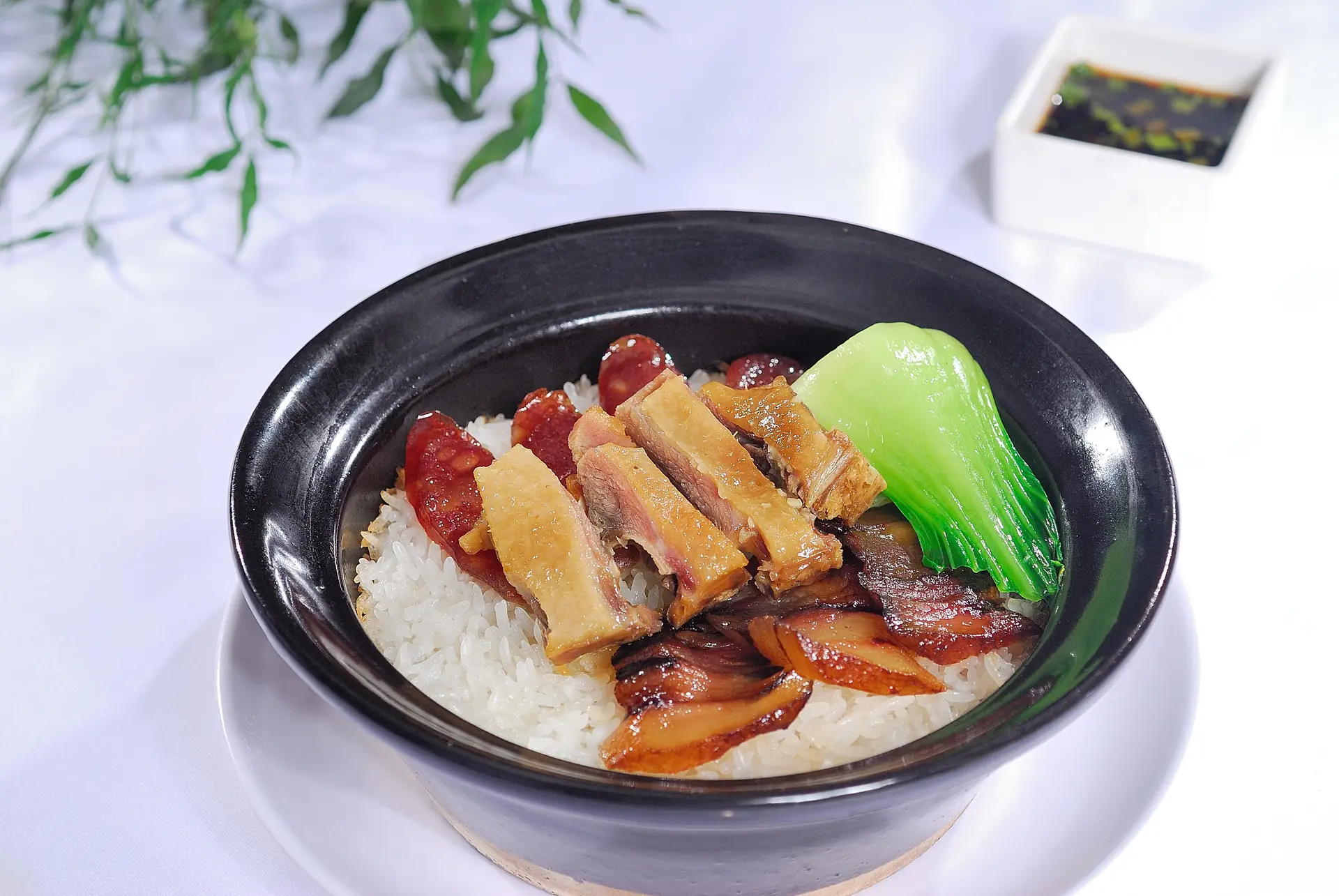
Temple Street (廟街) is not only a souvenir market. The Hong Kong Tourism Board's Temple Street local-cuisine guide highlights claypot rice, dai pai dong-style eating, herbal tea, dim sum, snake soup, and the Woosung Street cooked-food bazaar.
Hing Kee Clay Pot Rice (興記煲仔飯) is the obvious Temple Street reference point. Go early if you hate lines, expect a wait when it is cool outside, and do not rush the rice crust at the bottom.
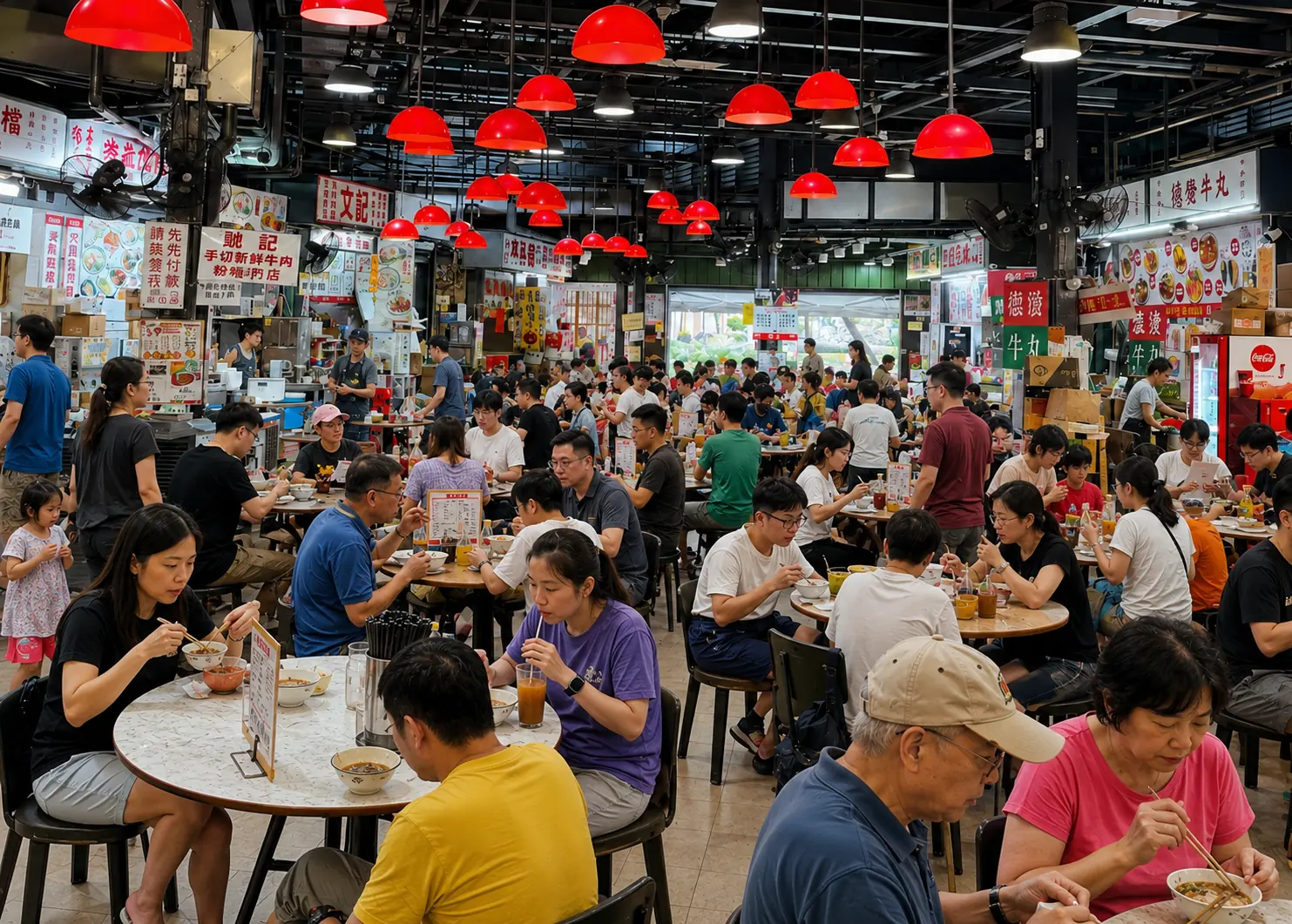
Dai Pai Dong and Cooked Food Centres
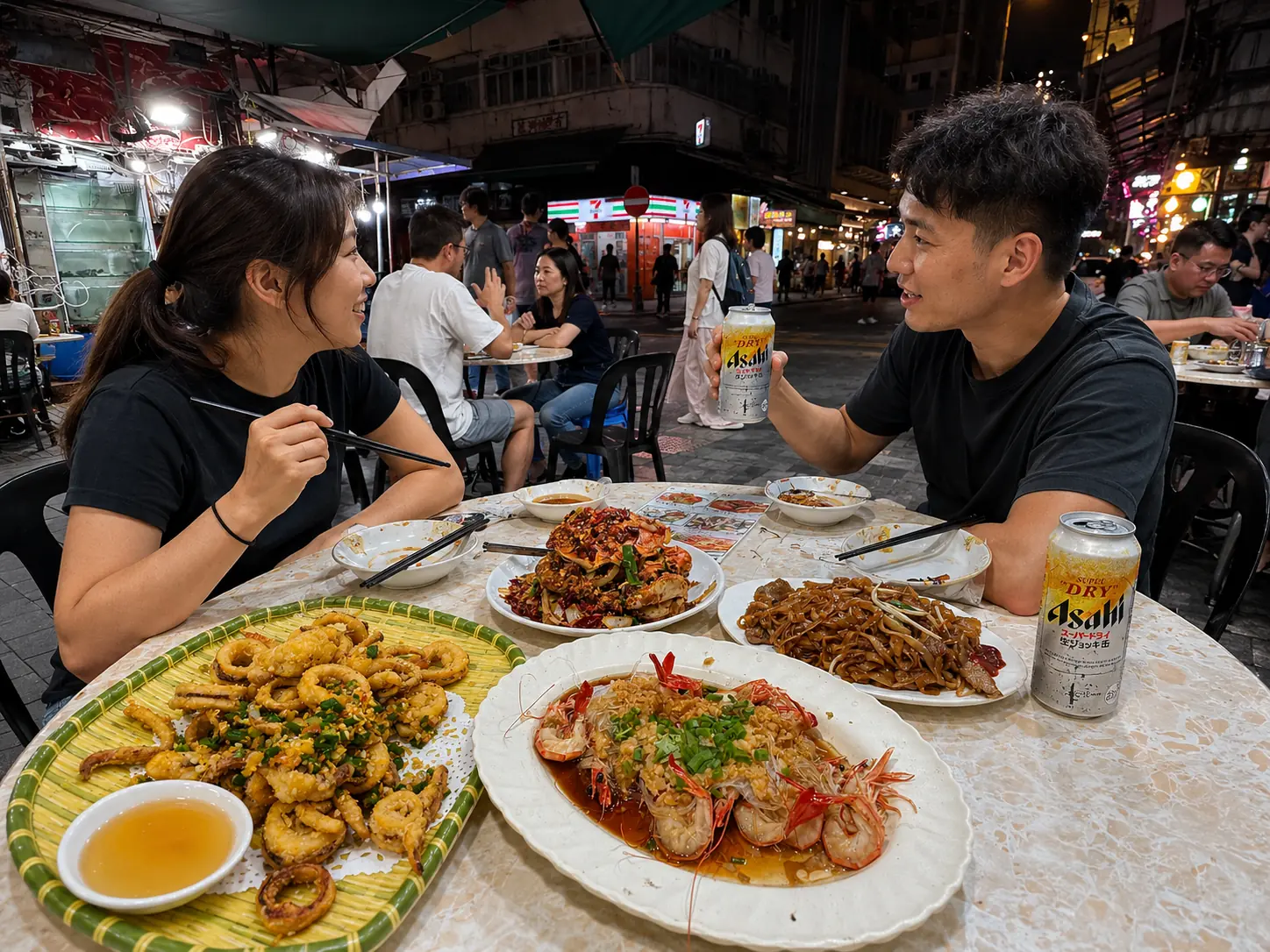
Dai pai dong (大排檔) refers to a street-stall style of cooked food, historically outdoors, simple, loud, and wok-driven. Today, many versions survive inside cooked food centres or hawker bazaars. The Hong Kong Tourism Board dai pai dong guide describes the old green-painted stall look, folding tables, and grass-roots wok dishes that make the format special.
For a first visit, order one wok dish, one vegetable, rice or noodles, and a drink. If the menu is only Chinese, point at nearby tables only when the dish is clearly visible, not when it is a mystery seafood plate with market pricing.
Seafood Districts
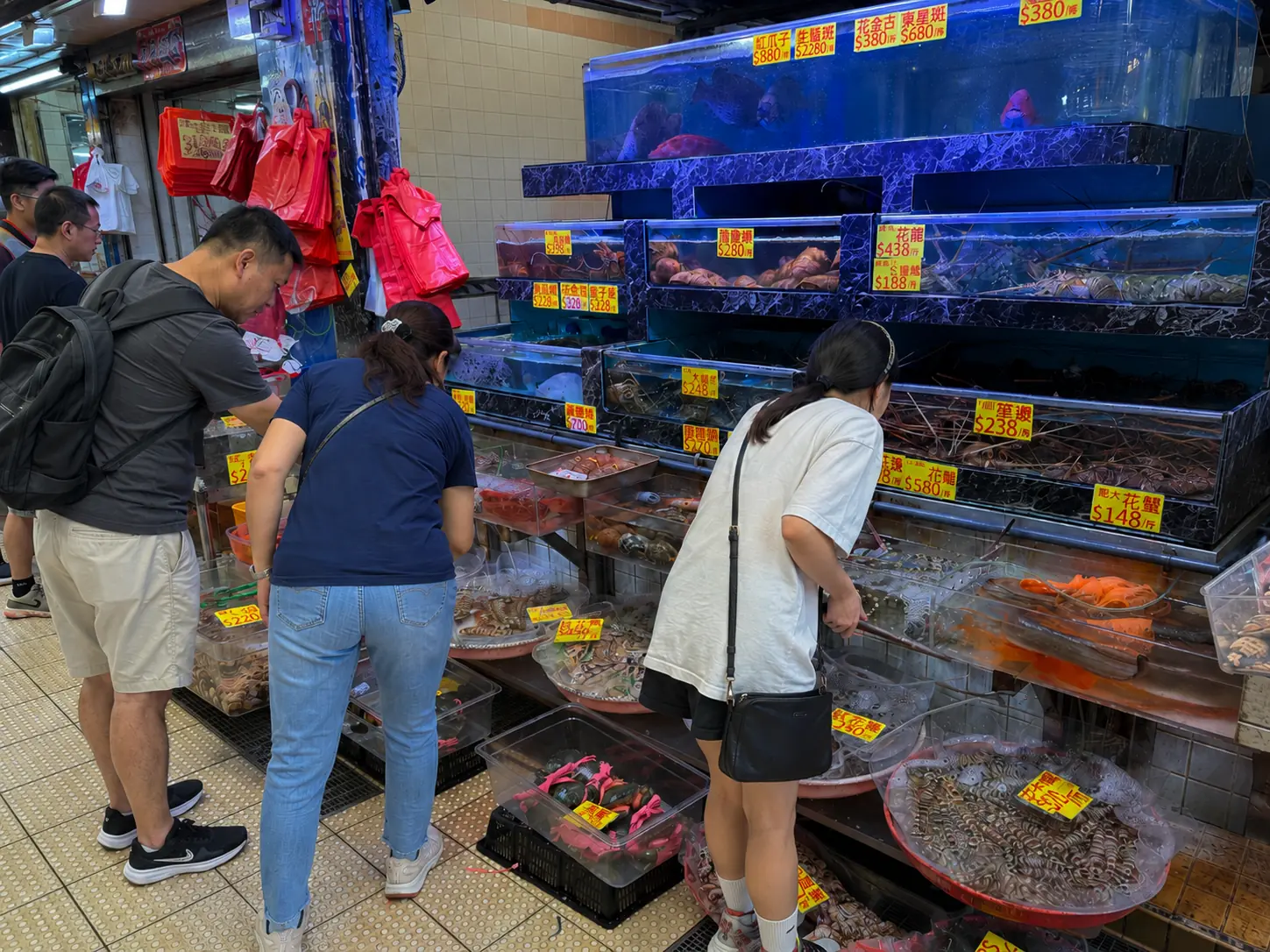
Hong Kong seafood can be excellent, but it is the one part of this guide where price discipline matters most. Lei Yue Mun works like a seafood bazaar: choose seafood, then have nearby restaurants cook it into a meal. For any live seafood order, slow down before the kitchen step; this is the moment to settle the price rather than after the dish arrives.
Sai Kung Seafood Street and Lei Yue Mun Seafood District are the classic tourist-facing choices. The Sai Kung Seafood Street page describes waterfront restaurants with live tanks of prawns, lobsters, mantis shrimp, cuttlefish, and giant garoupa. The Lei Yue Mun page frames it as a seafood bazaar where diners choose seafood and have nearby restaurants cook it.
Confirm seafood totals before cooking
Ask for the total price before the seafood goes to the kitchen. For live seafood, confirm the weight, unit price, cooking fee, and whether the quoted price is for the whole item or per catty.
Where to Eat in Hong Kong by Area
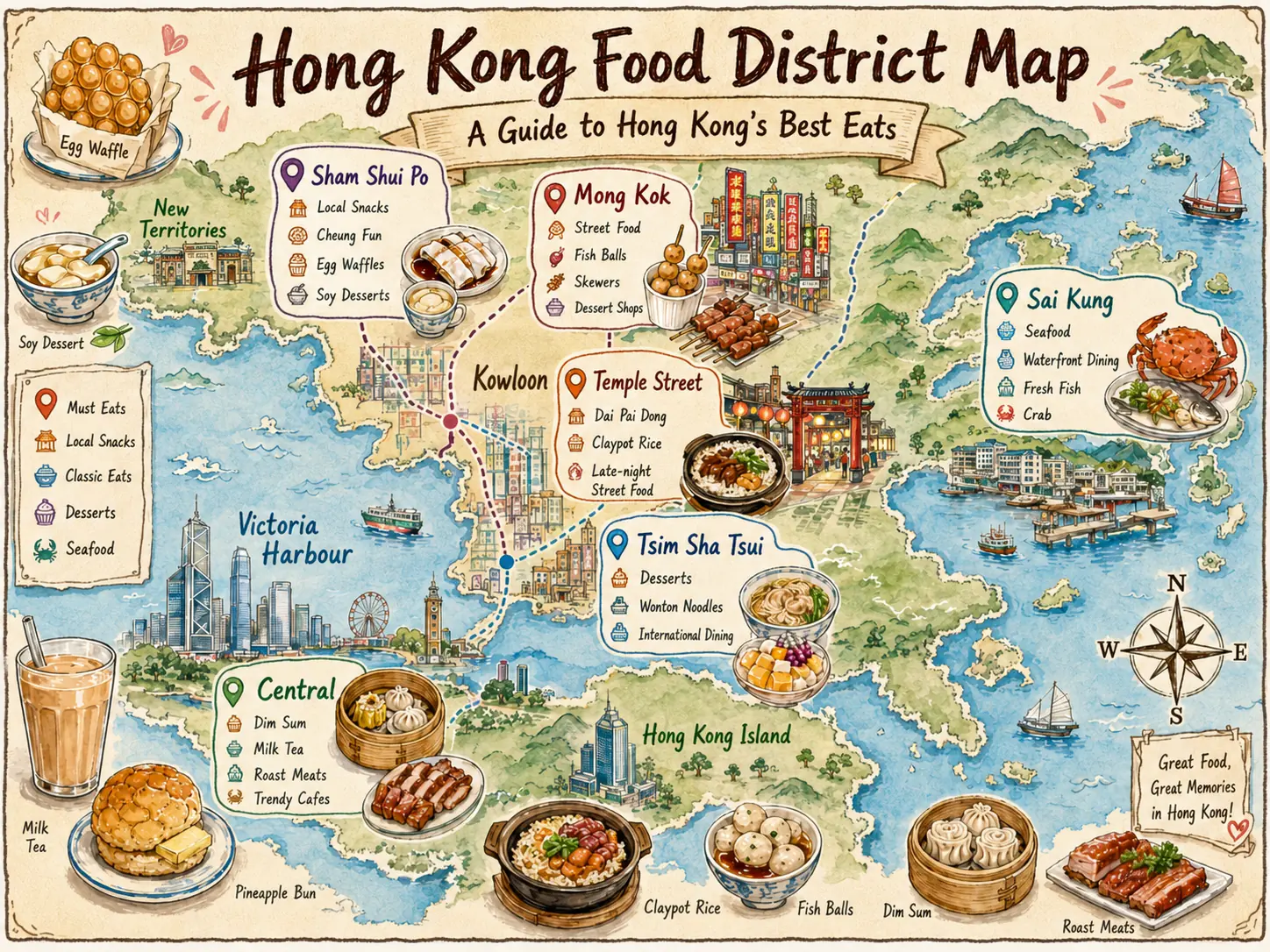
Hong Kong is compact on the map but not frictionless on the ground. A good food plan groups meals around what you are already doing that day.
| Area | Best for | Use it like this |
|---|---|---|
| Central and Sheung Wan | Dim sum, roast goose, old teahouses, workday lunch | Pair with Old Town Central, PMQ, Mid-Levels, or the Star Ferry |
| Sham Shui Po | Snacks, tofu pudding, cheung fun, dim sum, markets | Pair with a market walk, fabric streets, or Garden Hill |
| Mong Kok and Prince Edward | Bakeries, egg waffles, street snacks, dim sum | Use for dense Kowloon food energy and late snacks |
| Yau Ma Tei and Temple Street | Claypot rice, night snacks, dai pai dong atmosphere | Best after dark, especially if staying in Kowloon |
| Tsim Sha Tsui | Tourist-friendly food, harbour walks, cooked food centres nearby | Good when you need English-friendly options and easy transit |
| Wan Chai and Causeway Bay | Roast goose, cafes, dessert, shopping-day meals | Use between Hong Kong Island sightseeing and dinner |
| Sai Kung and Lei Yue Mun | Seafood with waterfront or bazaar atmosphere | Worth it only if seafood is the main event |
Central and Sheung Wan (Google | Amap) (Google | Amap)
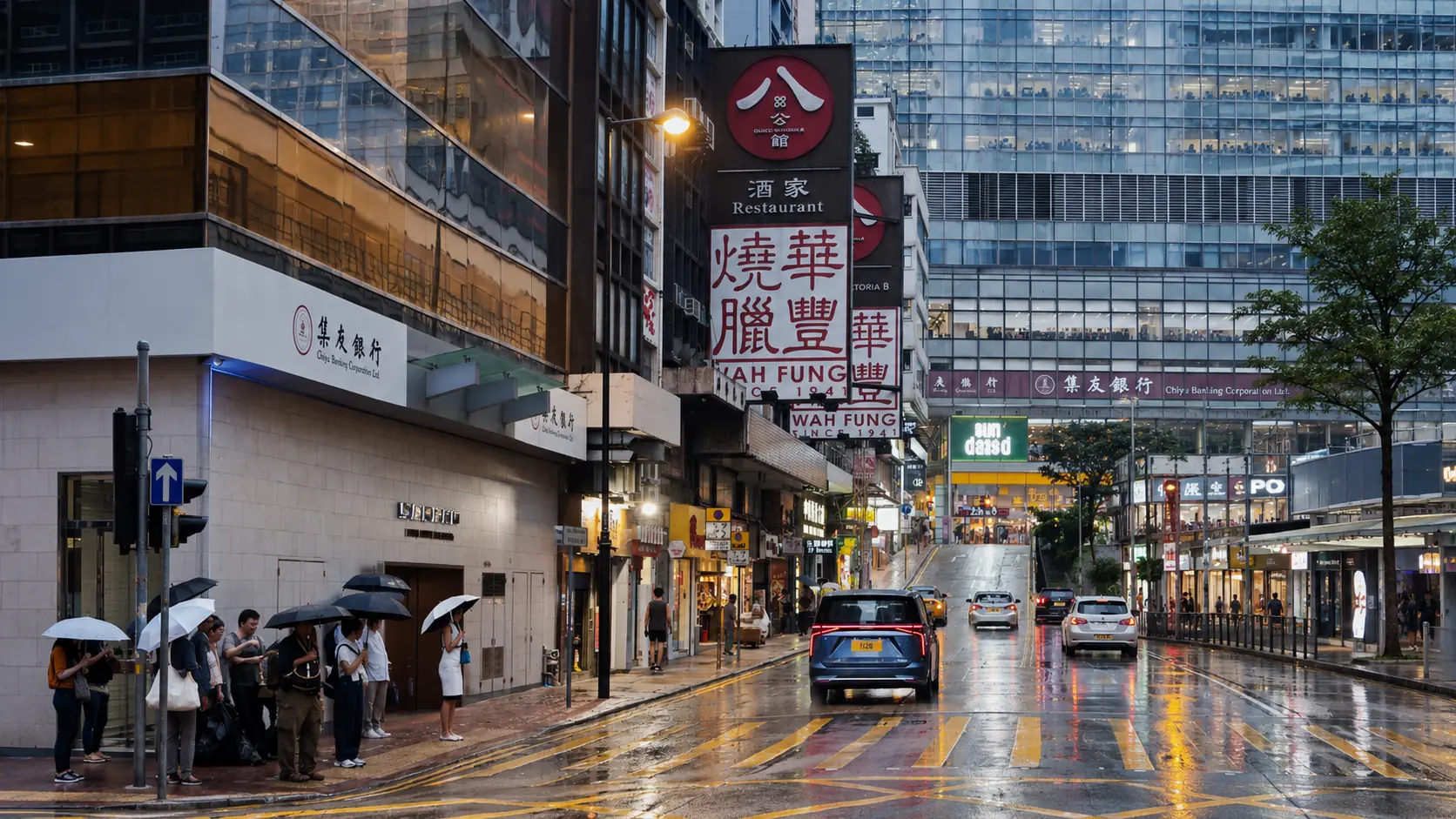
Old Town Central (中環舊城) is the cleanest Hong Kong Island food base. You can do dim sum, roast goose, milk tea, bakery snacks, and bars within a walkable area. This is also the easiest area if your group needs English menus and flexible backup options.
If you are planning the classic Peak and Star Ferry day, keep lunch around Central Station (中環站) rather than sending everyone across town for one famous shop.
Sham Shui Po
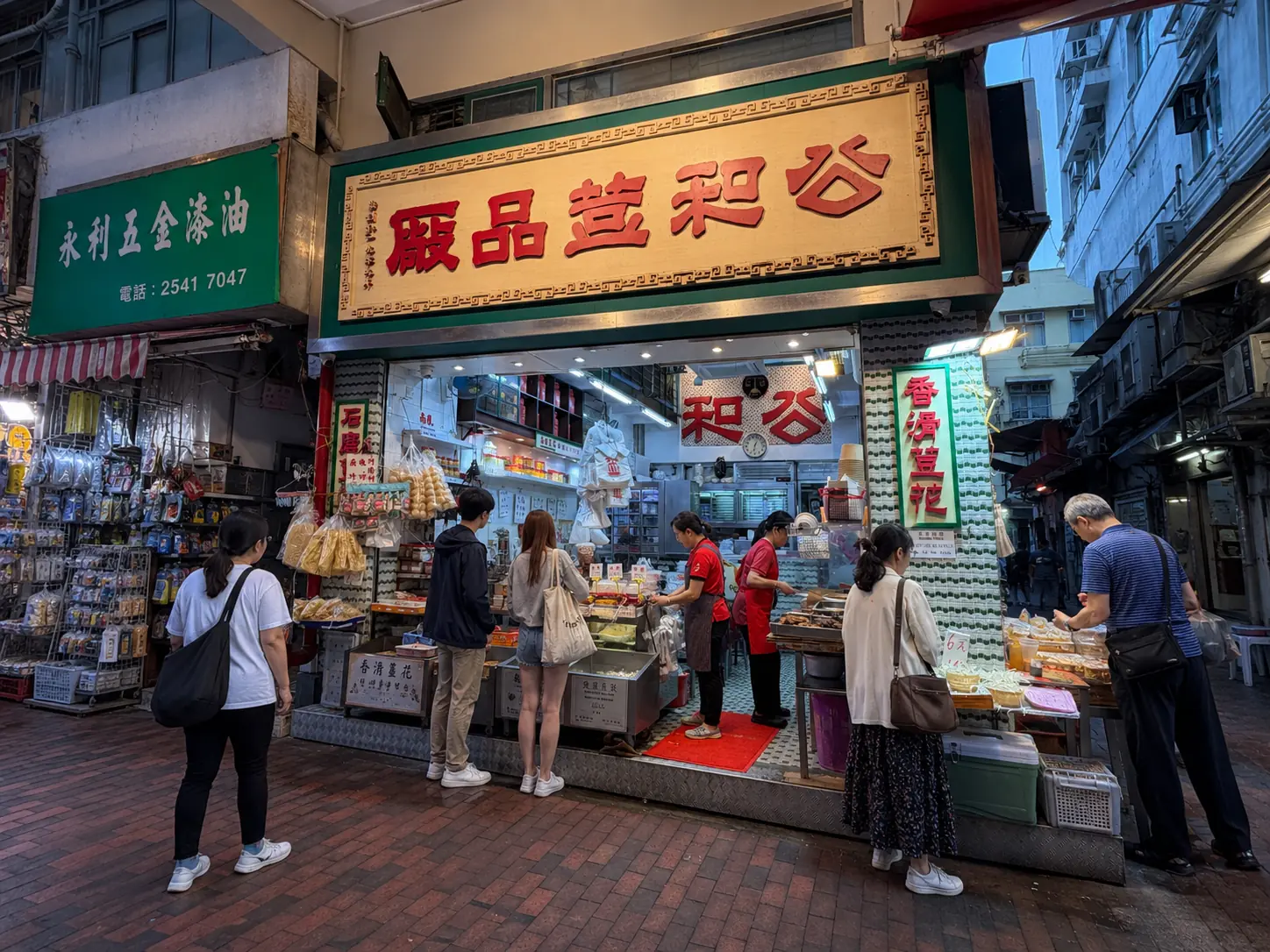
Sham Shui Po is where Hong Kong feels less polished and more alive. It is useful for travelers who want food with markets, old shops, public-housing history, craft streets, and cheaper snacks in the same walk.
Do not arrive too early unless you want wet-market life. Late morning to afternoon is better for market streets and food. Eat one snack, one proper meal, then leave room for Kowloon or Temple Street at night.
Mong Kok, Prince Edward, and Yau Ma Tei
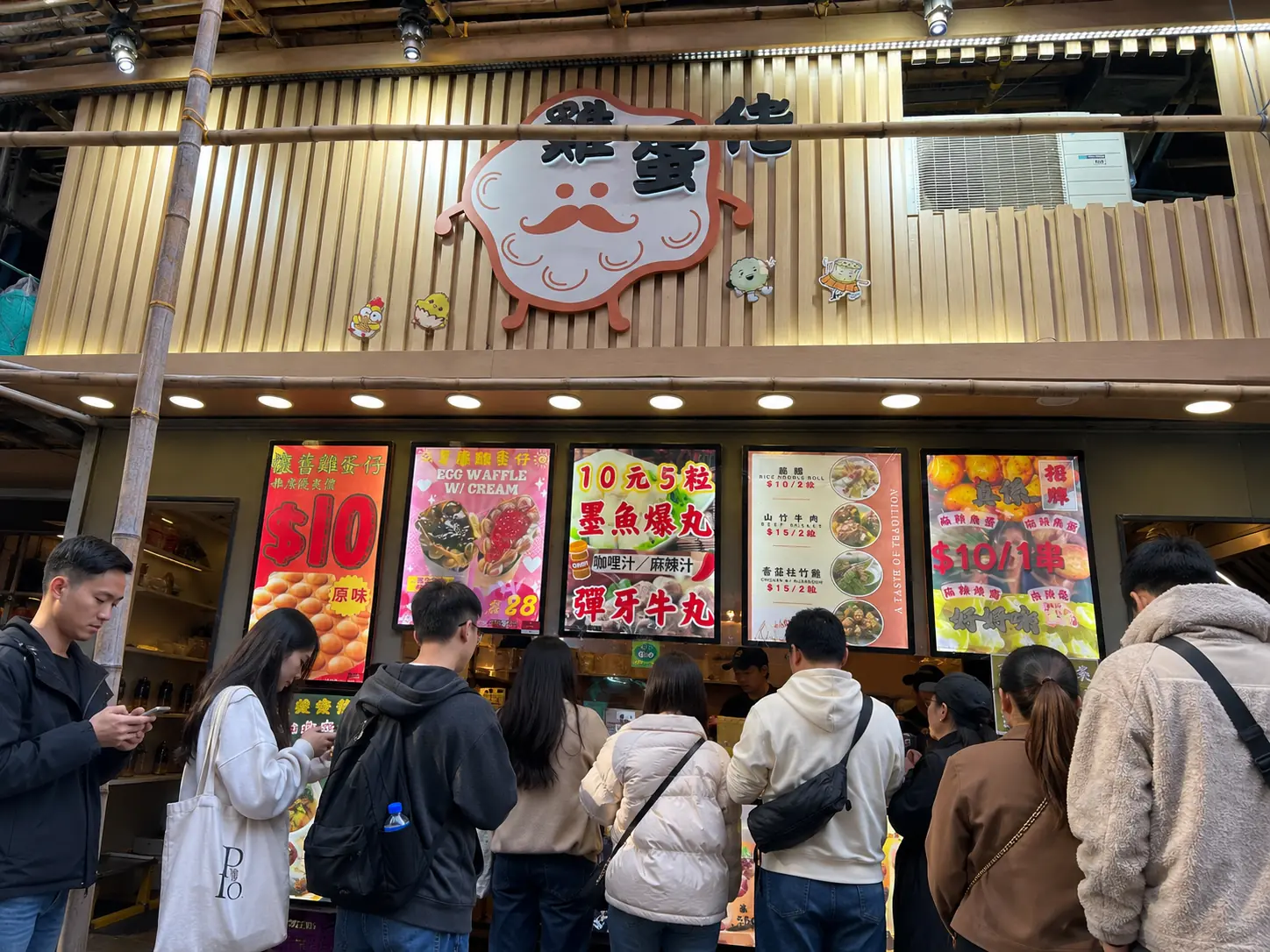
This is the high-density Kowloon version: bakeries, street snacks, casual diners, quick dim sum, crowds, and late-night energy. Prince Edward works for dim sum and bakeries; Mong Kok works for snacks and shopping; Yau Ma Tei works for Mido Cafe and Temple Street.
Use Temple Street as a dinner zone, not an all-day food area. It is much stronger after dark. If you are staying in Tsim Sha Tsui, Jordan, or Yau Ma Tei, this can be your easiest first-night food plan.
Tsim Sha Tsui and the Harbour (Google | Amap)
Tsim Sha Tsui Promenade (尖沙咀海濱長廊) is not the deepest food neighborhood, but it is practical. It helps first-timers connect harbour views, museums, Star Ferry, hotel zones, and easy meals.
When the group is tired, a decent cha chaan teng or roast-meat rice near Tsim Sha Tsui can beat a perfect restaurant 35 minutes away. Hong Kong rewards ambition, but it also rewards timing.
A First-Timer Hong Kong Food Route
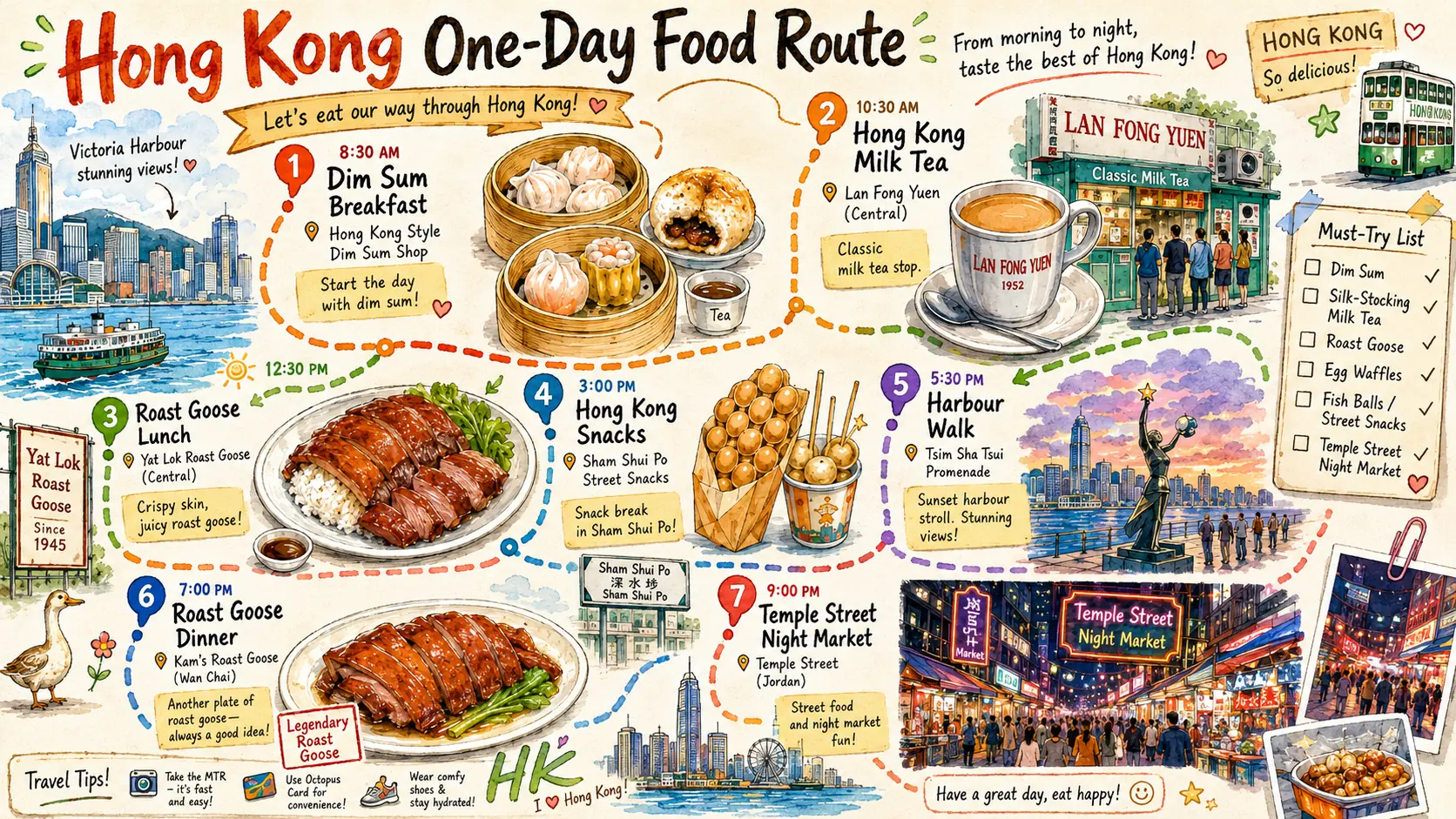
Use this as a flexible route, not a challenge. The goal is to taste the city's range without spending the whole day in transit.
- Cha chaan teng breakfast- Milk tea, pineapple bun, and macaroni soup in Central, Tsim Sha Tsui, or Mong Kok
- Dim sum brunch option- Use this if you skipped breakfast; Central, Prince Edward, and Sham Shui Po are easiest
- Roast goose or wonton noodle lunch- Central, Wan Chai, and Causeway Bay work well for roast meats and quick noodles
- Street snack window- Egg tart, tofu pudding, egg waffle, or curry fish balls in Sham Shui Po or Mong Kok
- Night dinner anchor- Claypot rice, dai pai dong dishes, or seafood around Temple Street, a cooked food centre, or Sai Kung
- Optional sweet finish- Dessert soup, herbal tea, or a harbour walk around Yau Ma Tei or Tsim Sha Tsui
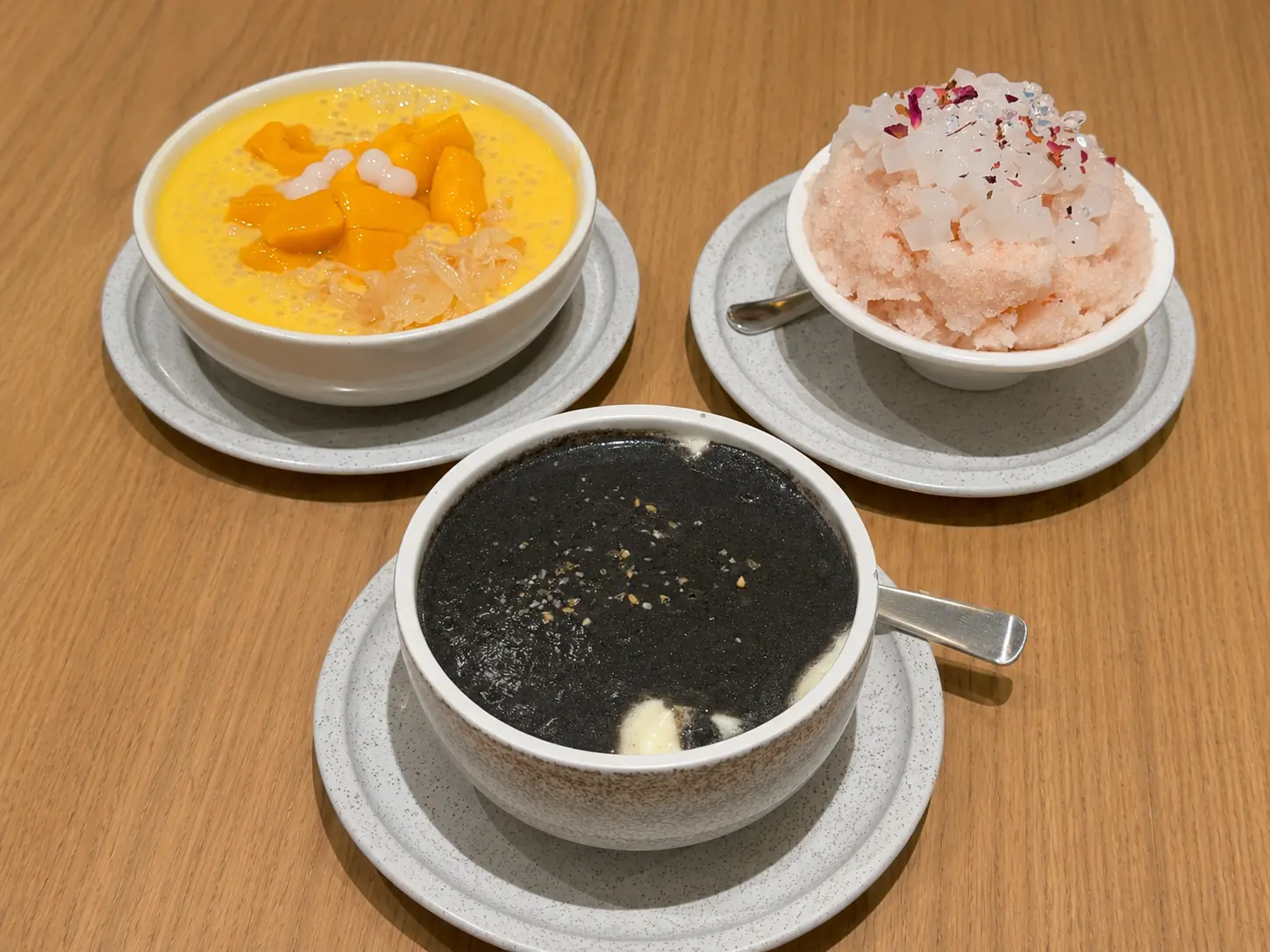
The 21:00+ finish is optional for a reason. Dessert soup, herbal tea, or a harbour walk is a gentle ending; another sit-down meal usually makes the route feel like homework.
If you only have one day, choose either the Kowloon night version or the seafood version:
Kowloon Night Version
Best for first-timers
- ✓Dim sum or roast goose stays near the day route
- ✓Snack crawl keeps transit short
- ✓Claypot rice gives the evening a clear anchor
Central or Tsim Sha Tsui breakfast
Sham Shui Po snacks
Temple Street after dark
Seafood Version
Best for a special dinner
- ✓Works when seafood is the main event
- ✓Keep lunch simple so dinner has room
- —Confirm weight, unit price, and cooking fee
Lighter daytime meals
Sai Kung or Lei Yue Mun dinner
Price checks essential
Hong Kong Ordering, Payment, and Table Etiquette
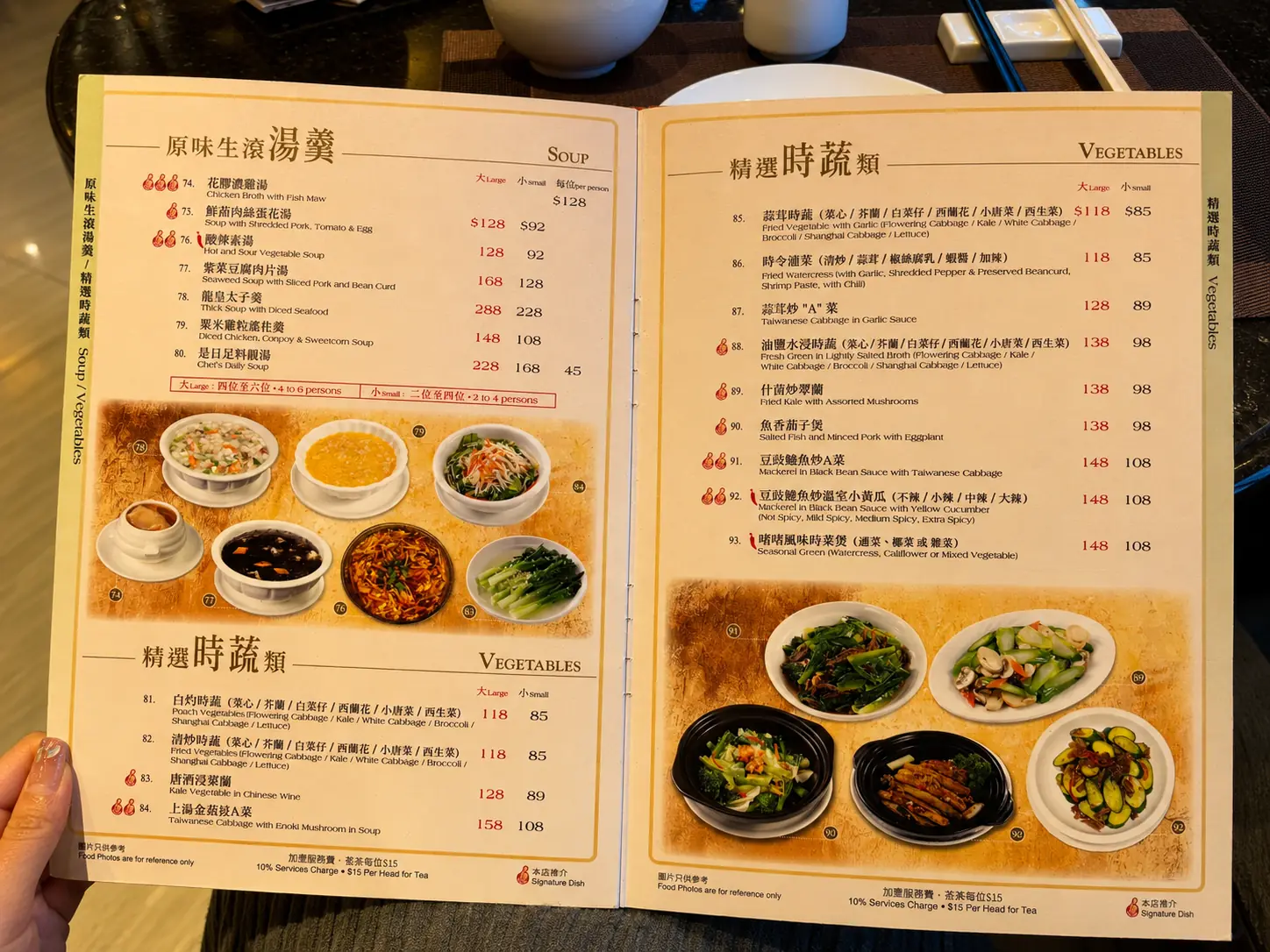
Hong Kong is foreigner-friendly by Chinese standards, but the dining rhythm can feel blunt. Service is fast, tables are close, and staff may not spend long explaining. That is not hostility; it is the city moving at lunch speed.
The Hong Kong Tourism Board traveler essentials page says Chinese and English are official languages, public signs and transport announcements are generally bilingual, most menus are bilingual, and Cantonese is the primary spoken language. In practice, central restaurants are usually manageable in English; small diners and wet-market food spots are easier if you can point, show photos, or use short Chinese phrases.
Payment and Extra Charges
Hong Kong uses cards, mobile payments, Octopus, and cash, but small food situations still reward cash. The HKTB traveler essentials page notes that international credit cards and contactless payments such as Octopus, Apple Pay, Google Pay, Alipay, and WeChat Pay are accepted at many hotels, shops, and restaurants. The official Octopus tourist page explains tourist top-up options and that physical Octopus cards can be topped up with cash at authorized locations.
For restaurants, the important local rules are:
- Carry HKD cash for street stalls, markets, older diners, and some taxis.
- Many sit-down restaurants add a 10% service charge; some cafes and diners do not.
- Some restaurants may bring tea, condiments, or snacks that are charged to the bill.
- For seafood, confirm weight, price, and cooking charges before ordering.
- Keep receipts when paying by card, especially in seafood or tourist areas.
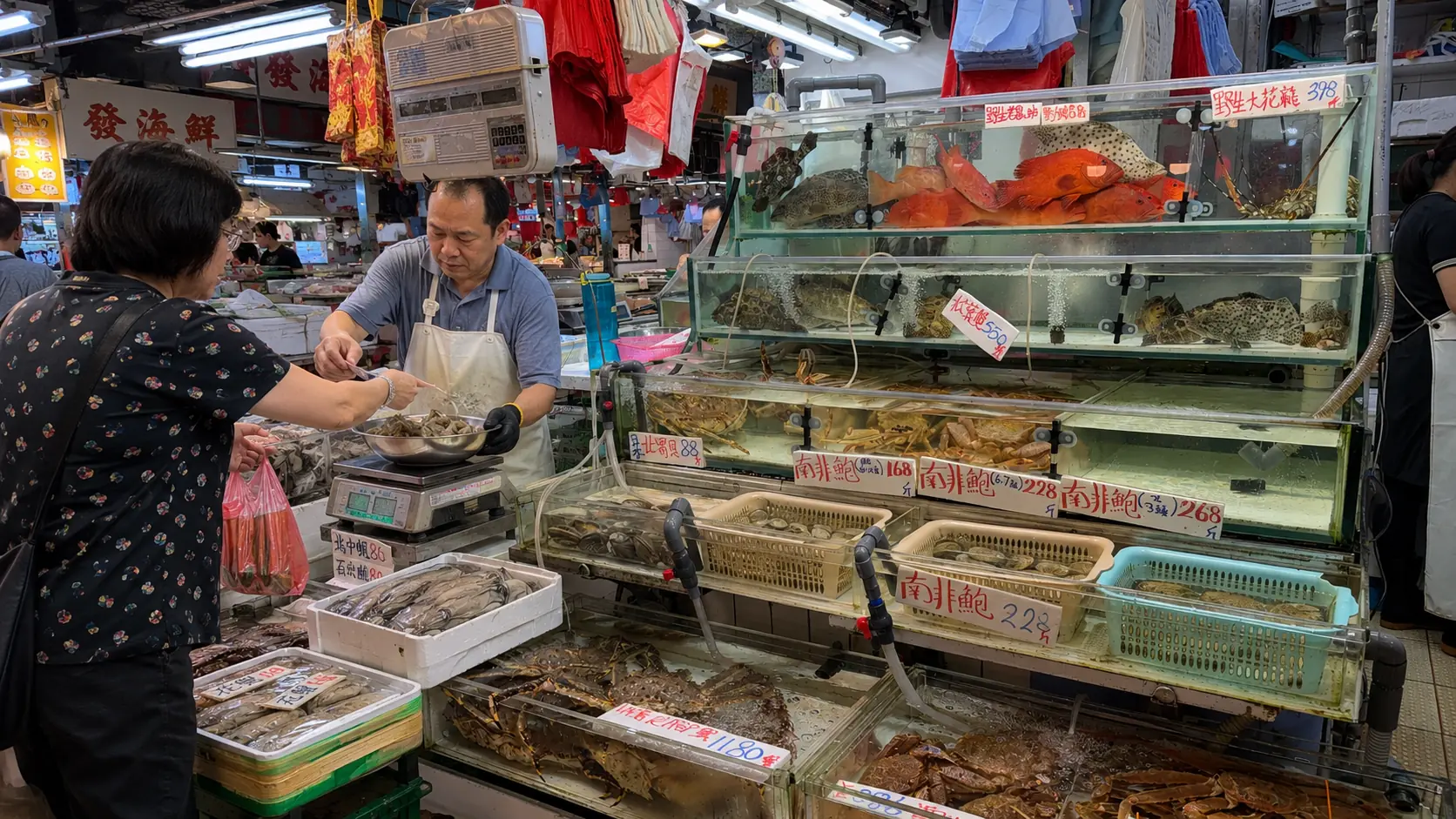
Seafood is where these rules stop being theoretical. If a live crab, fish, or shrimp order is priced by weight, pause before cooking and ask staff to show the weight and total.
Useful Cantonese Phrases
You can survive by pointing, but a few Cantonese phrases make small restaurants easier. The written Chinese helps even when your pronunciation is imperfect.
| English | Chinese | Pinyin | Say It Like… |
|---|---|---|---|
| Please, I want this one | 唔該,我要呢個 | m4 goi1, ngo5 jiu3 ni1 go3 | Mm-goy, ngoh yew nee-gaw |
| Do you have an English menu? | 有冇英文餐牌? | jau5 mou5 jing1 man4 caan1 paai2 | Yau mo ying-man tsaan-pie |
| Less ice | 少冰 | siu2 bing1 | See-oo bing |
| Less sweet | 少甜 | siu2 tim4 | See-oo teem |
| Check, please | 買單,唔該 | maai5 daan1, m4 goi1 | My-daan, mm-goy |
| I am allergic to peanuts | 我對花生敏感 | ngo5 deoi3 faa1 sang1 man5 gam2 | Ngoh doy fah-sang mun-gum |
| I am allergic to seafood | 我對海鮮敏感 | ngo5 deoi3 hoi2 sin1 man5 gam2 | Ngoh doy hoy-seen mun-gum |
Shared tables are normal
At busy diners, staff may seat strangers at the same table. Keep your bag close, do not spread out, order quickly, and treat the table as shared workspace rather than private dining space.
Hong Kong Dietary Notes and Food Safety
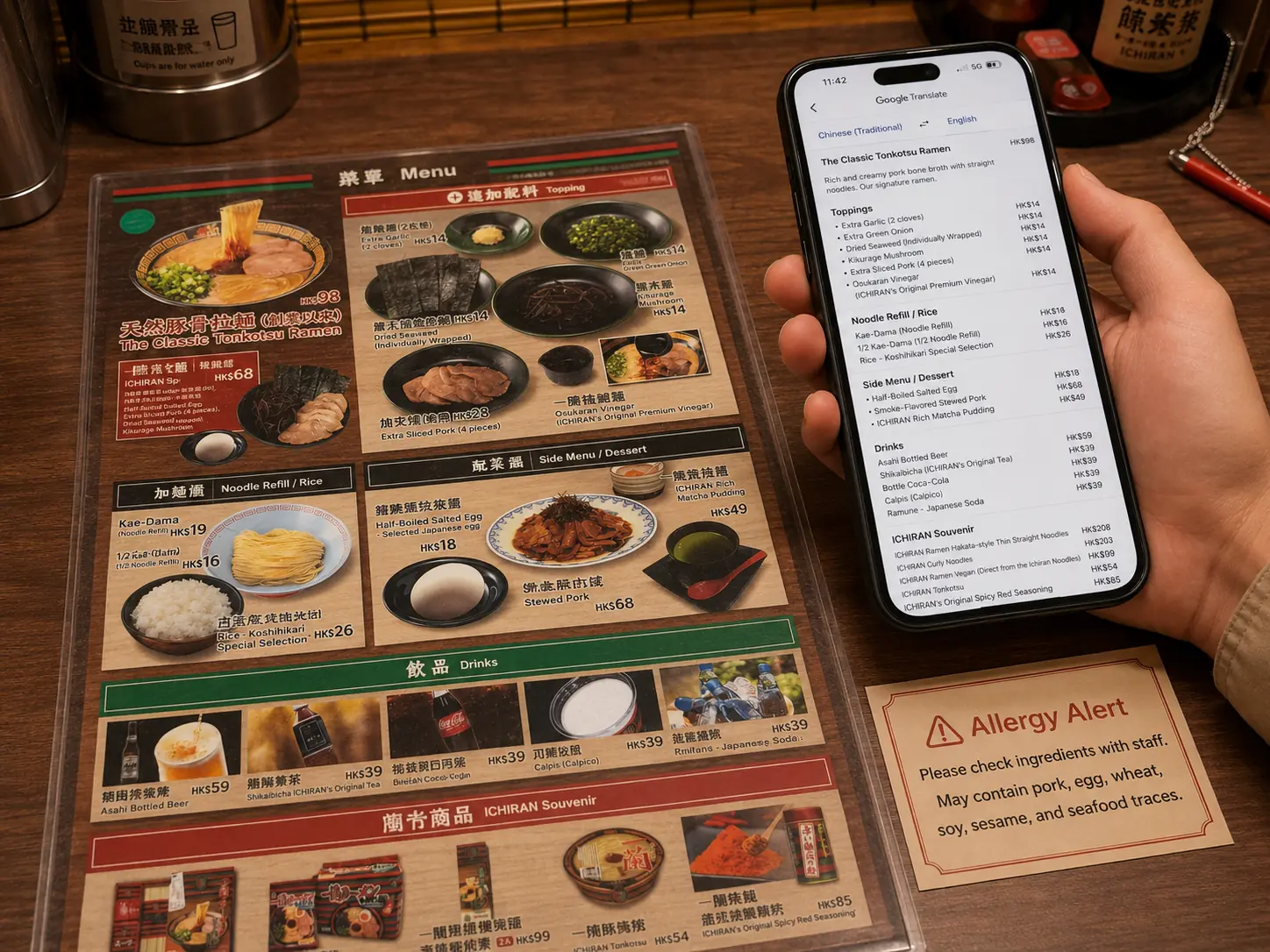
Hong Kong is easier than many mainland cities for dietary restrictions, but Cantonese food still uses hidden ingredients. Oyster sauce, shrimp paste, dried seafood, pork lard, chicken powder, and egg can appear in dishes that look simple.
Vegetarians should use Buddhist vegetarian restaurants, modern vegetarian restaurants, or clearly marked vegetarian dishes rather than assuming vegetable dishes are meat-free. Seafood-allergic travelers need to be extra cautious with wonton noodles, XO sauce, stir-fries, and cooked food centres where woks and utensils may be shared.
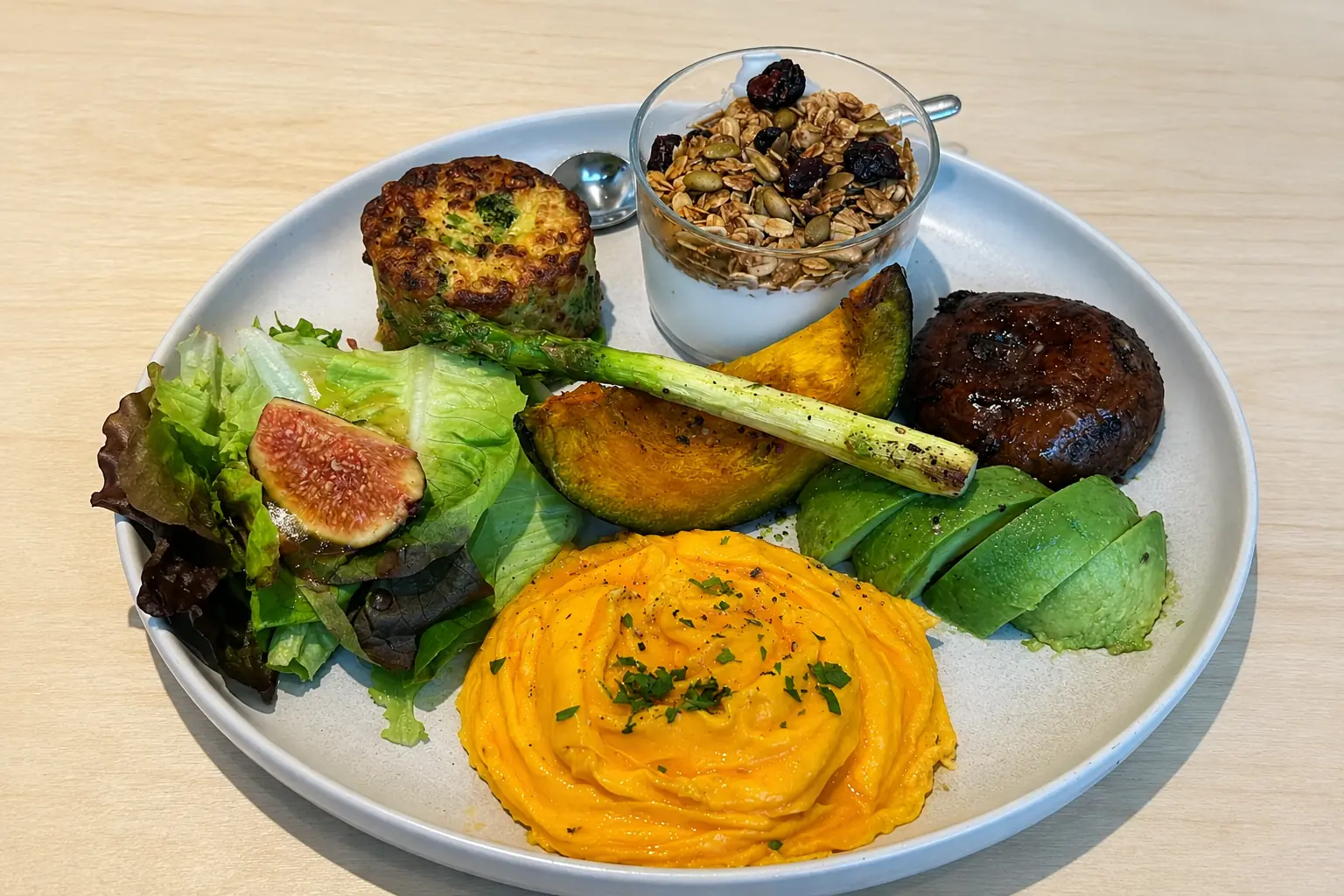
For families, Hong Kong is one of the easiest China food cities. Dim sum, noodles, egg tarts, buns, milk tea without ice, roast meats, rice, and tofu desserts give children plenty of low-spice options. The bigger issue is table space and pace: strollers are awkward in small diners, and lunch queues can move too quickly for a tired group.
Hong Kong Food Guide Frequently Asked Questions
No. Hong Kong shares Cantonese roots with Guangzhou, especially dim sum, roast meats, seafood, and freshness-focused cooking. But Hong Kong adds cha chaan teng diner culture, British-era bakery and tea habits, faster lunch-counter service, and a more bilingual tourist environment.
Sources checked for this guide
- Intangible Cultural Heritage Office (LCSD) exhibition checked for traditional Hong Kong-style milk tea and egg tart making techniques: ICHO Hong Kong: Decoding ICH Food
- Leisure and Cultural Services Department press release checked for Hong Kong intangible cultural heritage food traditions including dim sum: LCSD Hong Kong: Food heritage overview
More Hong Kong Food and Walking Guides
For a classic first-day route that links food with views, use our one-day Hong Kong itinerary. For market energy, continue with Temple Street Night Market or Sham Shui Po Walking Tour. For history and walking between meals, pair this guide with Old Town Central.
- Hong Kong Cooked Food Centres Guide — find market-building wok-hei banquet dishes and cold beer at local neighbourhood prices
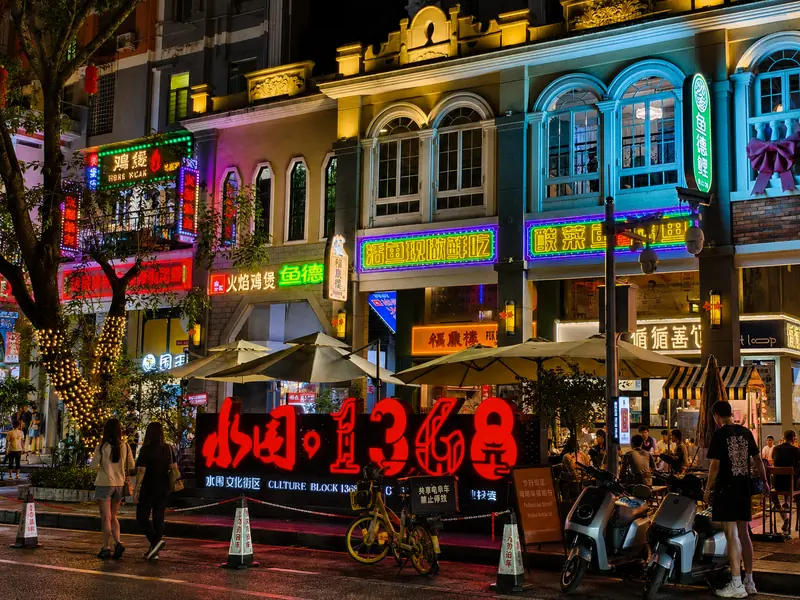
- Shuiwei 1368 (Shenzhen) Food Street Guide — hop two metro stops across Futian Port for claypot, dessert soups, and late-night skewers
© gochinafreely.com — Original guide by Go China Freely.