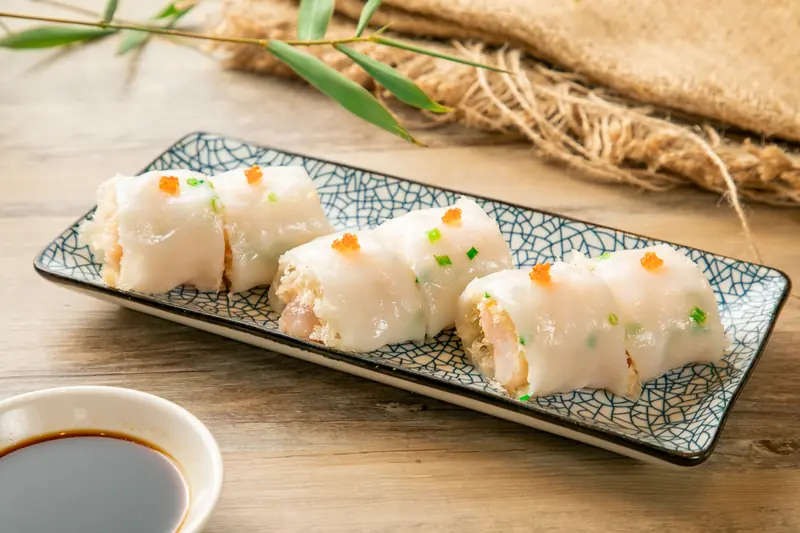
Rice Noodle Rolls (肠粉 / 腸粉), often called cheung fun in English, are the Cantonese breakfast that looks simple until you try to judge it properly. A thin sheet of steamed rice batter is rolled around shrimp, beef, barbecue pork, egg, or nothing at all, then finished with sauce. The pleasure is not loud. It is silk, stretch, warmth, and sauce that knows when to stop.
Executive Summary
What to expect
Silky steamed rice sheets rolled plain or with fillings, usually served with sweet-savory soy sauce. You will see them at Guangzhou breakfast shops, Hong Kong snack counters, and dim sum teahouses.
Best first order
Try shrimp rice noodle rolls at yum cha if you want the classic dim sum version. Choose plain street-style rolls if you want the texture-and-sauce version.
Main traveler challenge
The rice sheet looks gentle, but sauces and fillings can hide shrimp, pork, beef, egg, sesame, peanuts, soy sauce, wheat, and shared-tool cross-contact.
1 / 5
Typical spice level
Breakfast
Classic timing
Steamed
Core method
Soy sauce
Main finish
Why Cheung Fun Means Cantonese Breakfast
Cheung fun belongs to the Cantonese habit of making breakfast feel soft, hot, and practical. It can be a quick street order before work, one item in a morning tea spread, or a cheap snack between neighborhood walks. The dish is mild, but it is not boring. Good rice noodle rolls make texture the main event.
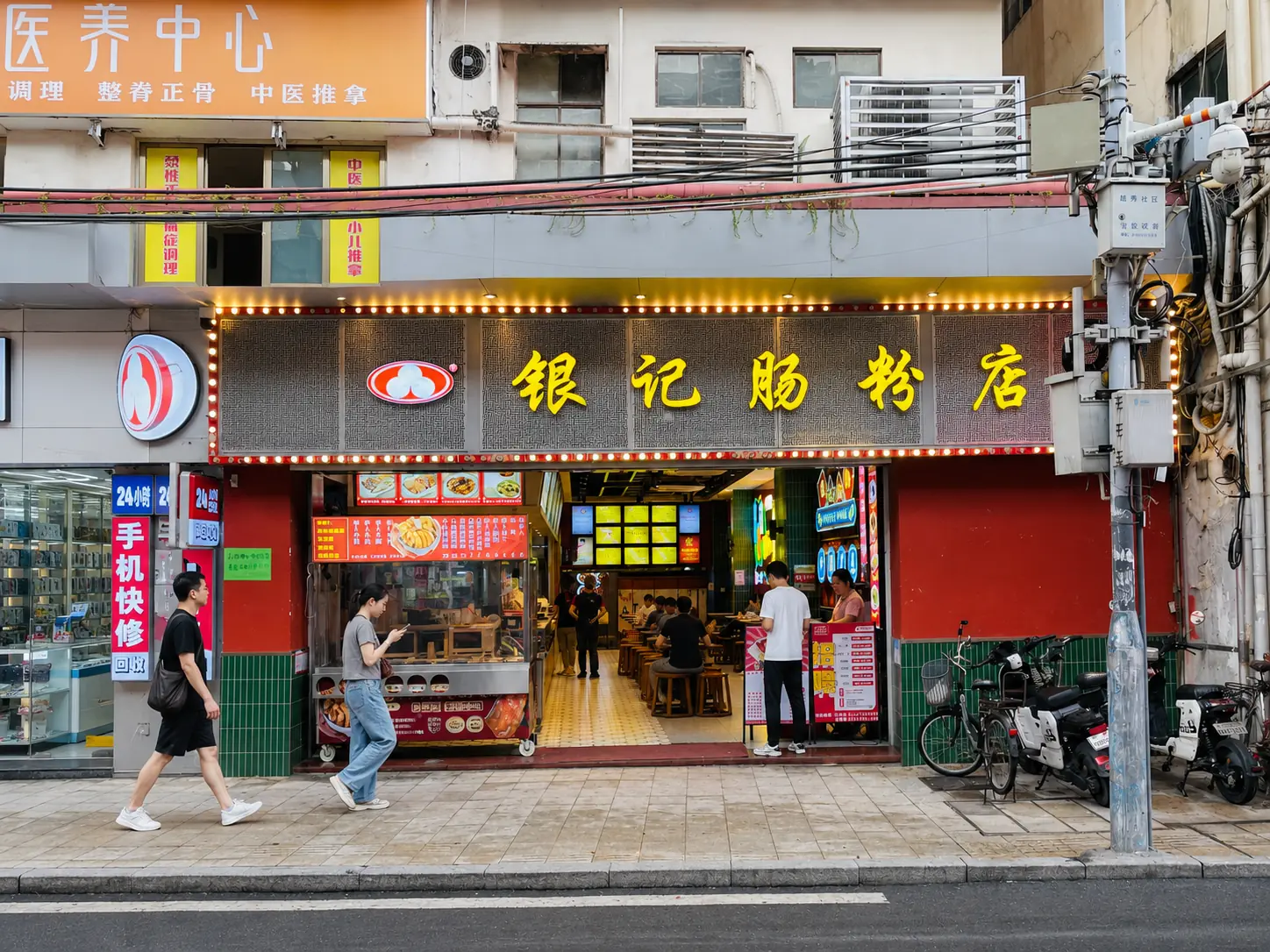
China Daily's Guangzhou page describes rice noodle roll as a Cantonese dish from southern China, commonly served as a snack or small meal, and names Yinji as a notable Guangzhou rice-roll restaurant opened in 1958. China Daily / eGuangzhou
That Guangzhou base matters because rice noodle rolls are easy to flatten into a generic dim sum item abroad. In Guangdong and Hong Kong, the same food lives in several settings: teahouse, street stall, breakfast shop, market snack, and late-morning comfort meal.
The best bite is texture first
Do not judge cheung fun by filling size alone. The rice sheet should be smooth, soft, and elastic enough to hold together when lifted with chopsticks.
What Good Rice Rolls Feel Like
The rice sheet should be thin but not fragile, glossy but not oily, soft but not mushy. When you pick up a piece, it should bend, slide, and hold. When you bite it, the sheet should give a clean, silky pull before the filling appears.
1Silky Sheet
The wrapper should feel smooth and warm, not thick, gummy, cracked, or stuck hard to the plate.
2Clean Sauce
The sauce should taste lightly sweet and savory without drowning the rice sheet.
3Balanced Filling
Shrimp, beef, pork, egg, or fried dough should support the roll rather than turn it into a stuffing contest.
At dim sum, rice noodle rolls act as a quality check in a different way from shrimp dumplings. Dumplings test pleating and filling. Cheung fun tests timing, batter, steaming, and whether the kitchen can make a soft thing feel precise.
How Batter Becomes Silky Rice Sheets
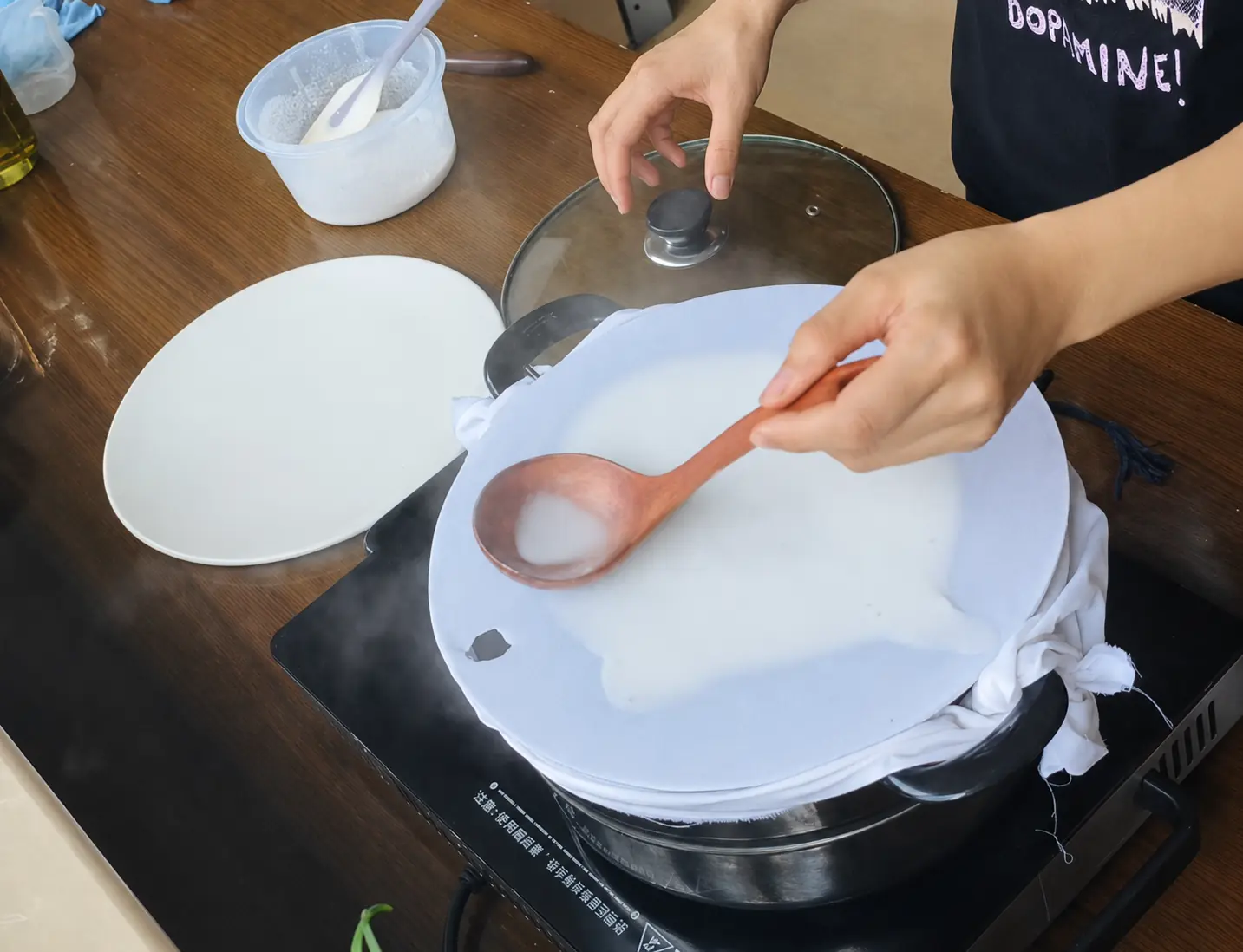
The basic method is simple to describe and difficult to master. A thin rice-based batter is spread over a cloth, tray, or drawer-style steamer. It cooks quickly into a sheet. The cook lifts or scrapes the sheet, adds filling if needed, rolls it, cuts it, and finishes with sauce.
Do not treat recipes as universal. Some kitchens use only rice flour and starches; others may use wheat starch or other blended starches to change translucency and elasticity. Cloth-pulled Guangzhou versions and metal-tray dim sum versions can both be excellent, but they do not feel identical.
| Stage | What Happens | Traveler Takeaway |
|---|---|---|
| Batter | Rice flour or rice-based batter is mixed with water and sometimes starches. | Rice-based does not always mean gluten-safe. |
| Steaming | A thin layer cooks fast on cloth, a tray, or a steamer drawer. | Freshly steamed rolls are usually smoother. |
| Rolling | The sheet is lifted, folded, or rolled plain or around fillings. | Good rolls hold together without turning tough. |
| Saucing | Sweet soy, sesame sauce, peanut sauce, or chili may be added depending on style. | Ask for sauce on the side if allergies or salt matter. |
Dim Sum, Street, Cloth, Zha Leung
Not every rice noodle roll is trying to be the same dish. Use the style to decide what to expect.
| Style | Chinese | What It Feels Like | Best Context |
|---|---|---|---|
| Cloth-pulled rolls | 布拉肠 / 布拉腸 | Guangzhou-style rice sheets pulled from a steaming cloth, often soft and slightly thicker. | Breakfast shops and Guangzhou specialists. |
| Dim sum rolls | 肠粉 / 腸粉 | Thinner teahouse rolls around shrimp, beef, barbecue pork, or vegetables. | Yum cha in Guangzhou or Hong Kong. |
| Plain street rolls | 斋肠粉 / 齋腸粉 | Cut pieces without filling, driven by sauce and rice-sheet texture. | Hong Kong snack counters. |
| Zha leung | 炸两 / 炸兩 | Rice noodle sheet wrapped around a fried dough stick for soft-crisp contrast. | Breakfast or dim sum texture lovers. |
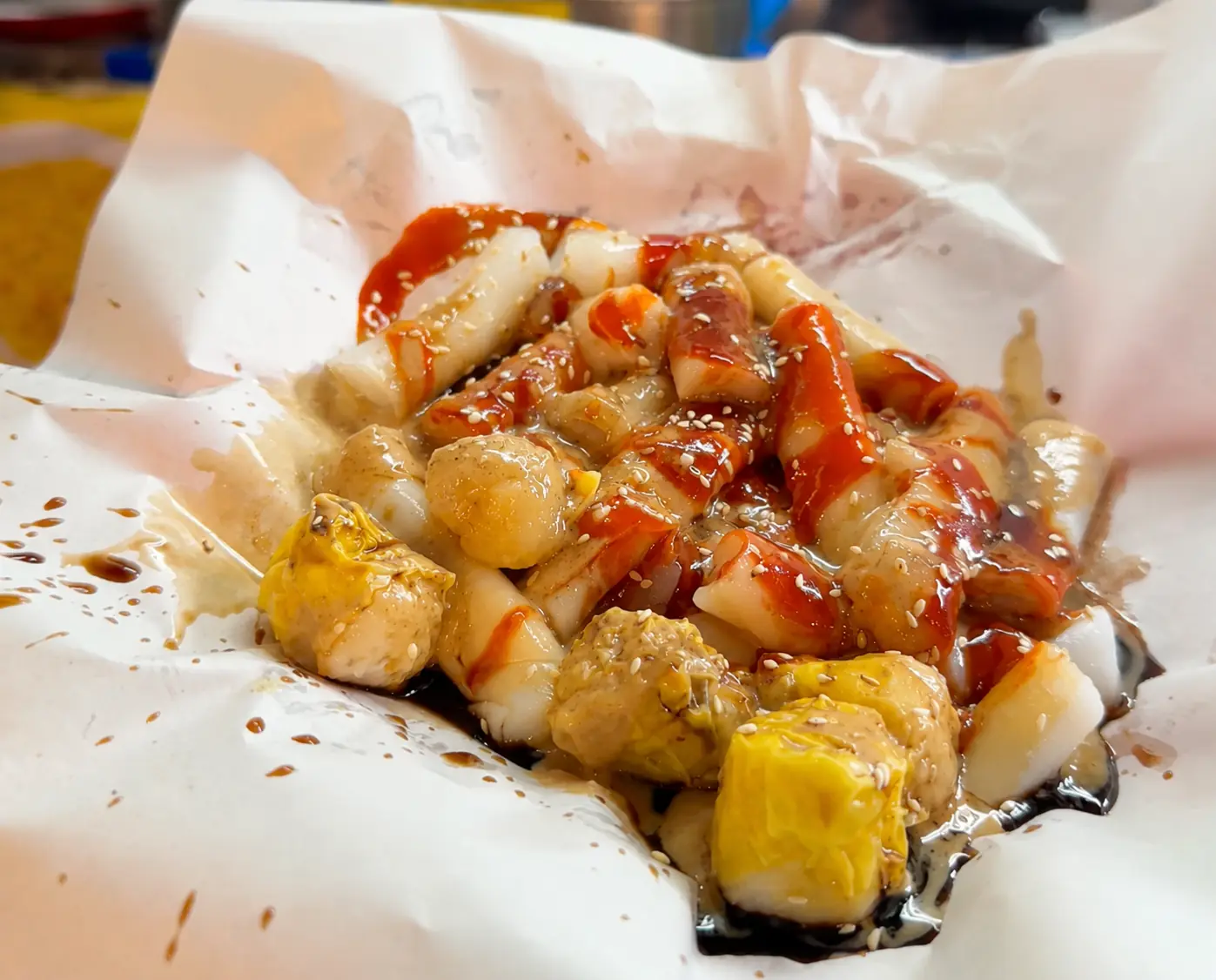
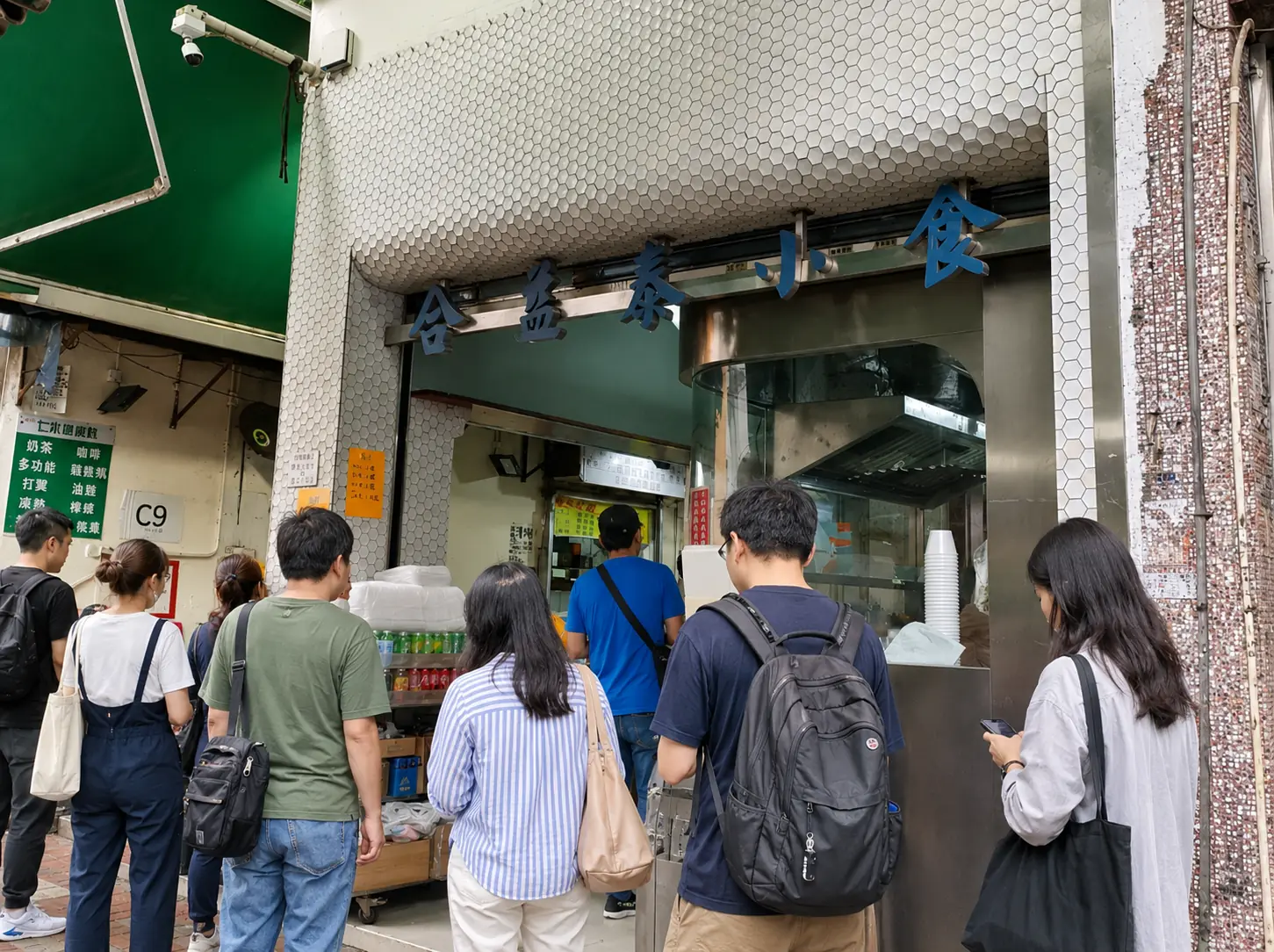
The Hong Kong Tourism Board describes Hop Yik Tai's cheung fun as freshly made, smooth, and paired with sweet sauce, sesame sauce, and soy sauce. Hong Kong Tourism Board That is the street-style logic: plain rice rolls can be enough when the texture and sauce are right.
What to Order on Your First Visit
The safest first order depends on where you are sitting. At yum cha, start with shrimp rice noodle rolls if you can eat shellfish. At a Guangzhou breakfast shop, choose egg, beef, or plain rolls. At a Hong Kong street counter, plain rolls with sauce tell you the most about texture.
- Choose the setting- Teahouse, street counter, or Guangzhou breakfast shop all point to different styles.
- Pick filling gently- Shrimp is classic at dim sum; plain rolls are best for sauce and texture.
- Control the sauce- Ask for sauce on the side if salt, sweetness, sesame, peanut, or chili matters.
- Eat while warm- The rice sheet loses charm as it cools and dries.
| Order | Chinese | Good For | Watch For |
|---|---|---|---|
| Shrimp rice rolls | 鲜虾肠粉 / 鮮蝦腸粉 | Classic dim sum texture and filling balance. | Shellfish allergy. |
| Beef rice rolls | 牛肉肠粉 / 牛肉腸粉 | A softer, savory teahouse order. | Marinades, soy, wheat, sesame oil. |
| Barbecue pork rolls | 叉烧肠粉 / 叉燒腸粉 | Sweet-savory Cantonese pork flavor. | Pork-free, halal, kosher, soy, wheat. |
| Plain rice rolls | 斋肠粉 / 齋腸粉 | Texture and sauce without filling. | Sauce allergens and shared tools. |
| Zha leung | 炸两 / 炸兩 | Soft rice sheet around crisp fried dough. | Wheat in fried dough and fryer cross-contact. |
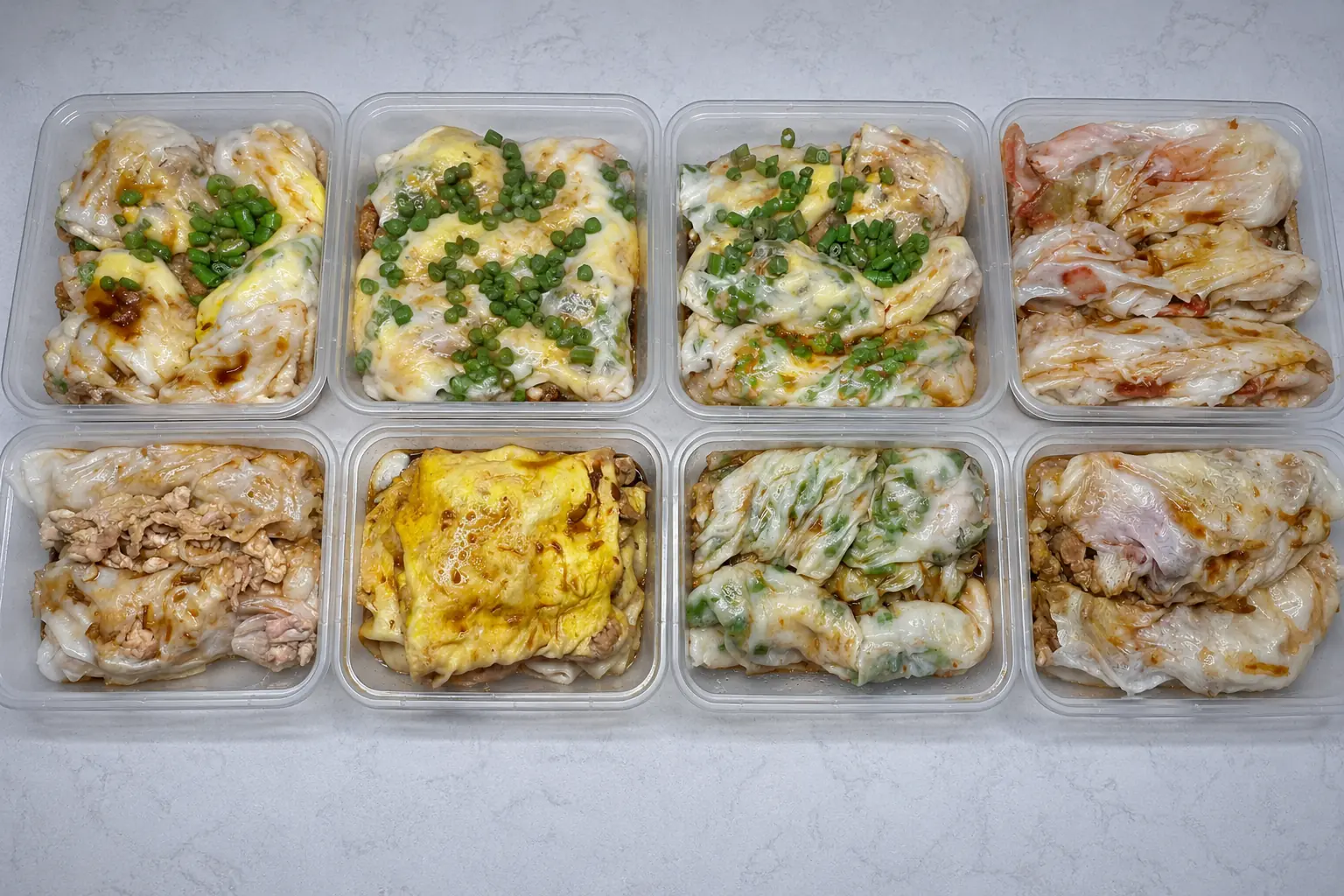
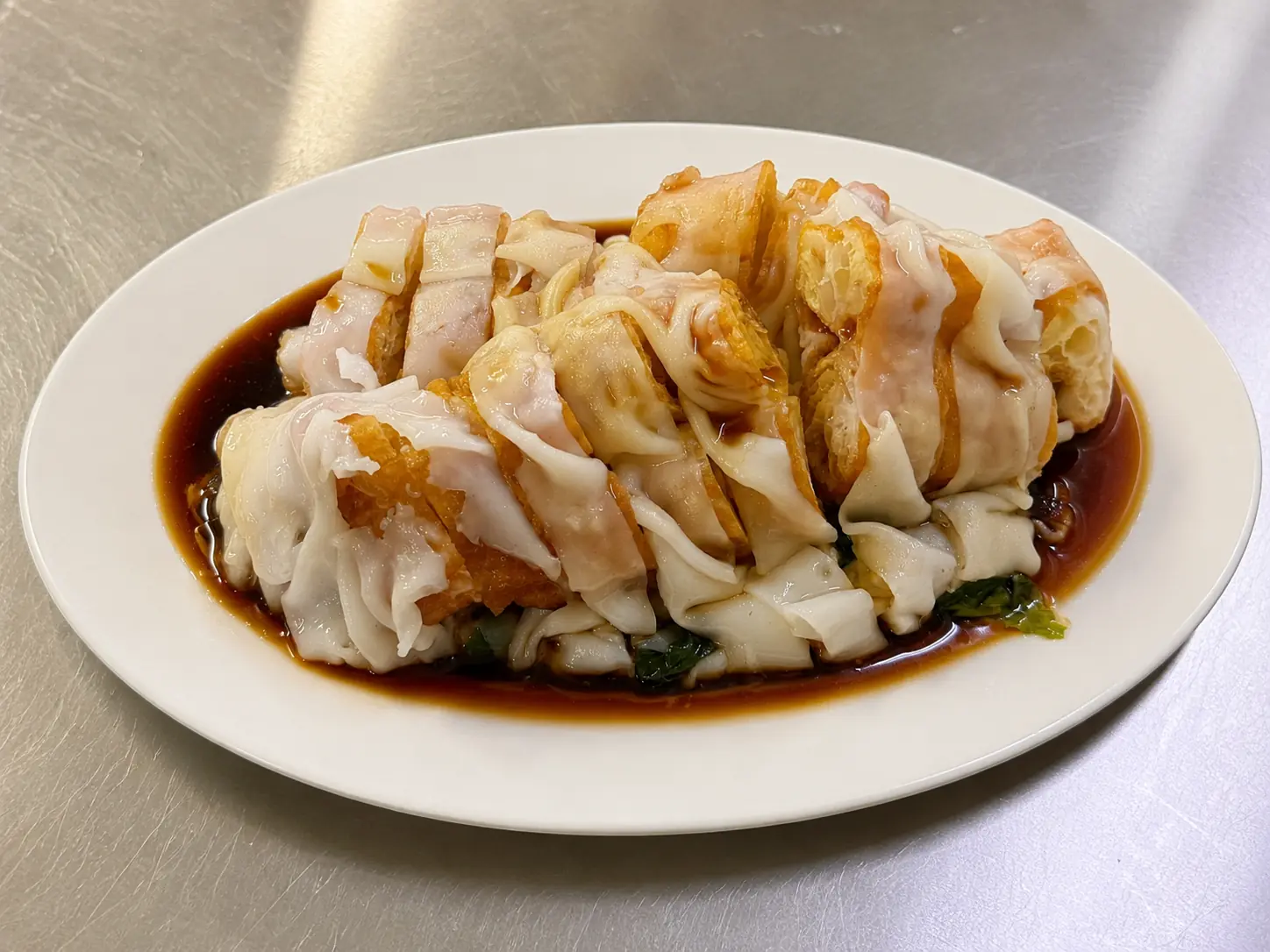
The Hong Kong Tourism Board's dim sum guide describes rice noodles rolled around shrimp, barbecue pork, or beef and finished with sweet soy sauce. Hong Kong Tourism Board That is the cleanest beginner set: one soft rice roll, one dumpling, one bun, one vegetable, and tea.
Where to Try Rice Noodle Rolls
Use Yinji as the Guangzhou rice-roll reference point. It is especially useful if you want cheung fun as breakfast or a focused snack rather than one small item at a teahouse.
Use this for plain Hong Kong-style street cheung fun: smooth cut rolls, sauce, and a snack-counter rhythm in Sham Shui Po.
Choose a teahouse if you want rice noodle rolls as part of a full yum cha table with shrimp dumplings, siu mai, buns, tea, and sweets.
Use Central for a Hong Kong food day where dim sum, roast meats, bakeries, and snacks stay close together.
Sauce and Allergy Notes for Cheung Fun
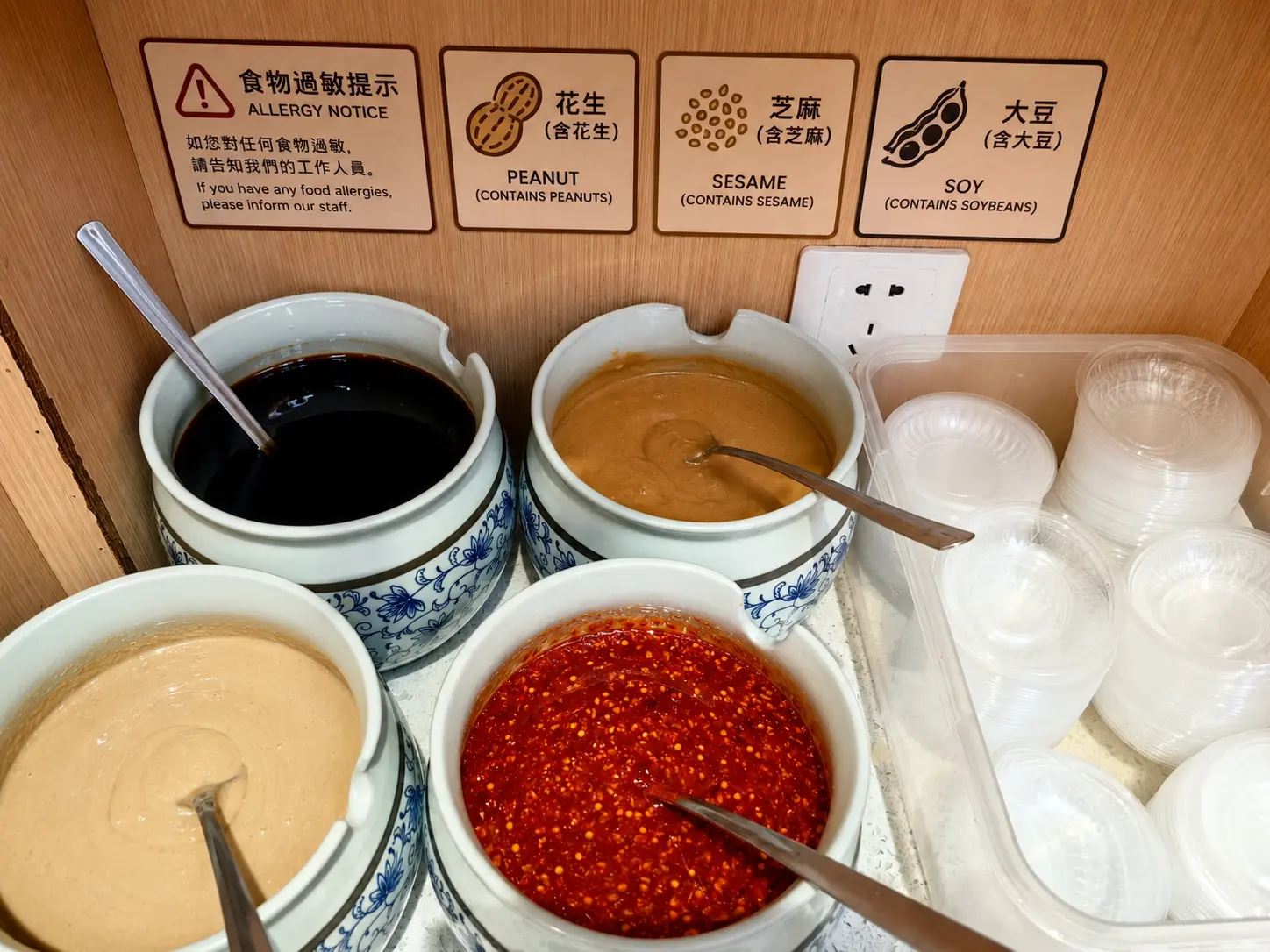
The biggest mistake is assuming the white rice sheet means the dish is automatically safe or plain. The sheet may be rice-based, but the full order can involve wheat starch, soy sauce, oyster sauce, sesame oil, peanut sauce, chili oil, dried shrimp, shrimp filling, barbecue pork, beef, egg, and shared steamers or tools.
Rice-based does not mean gluten-free
Some rice noodle roll batters use wheat starch, and standard soy sauce often contains wheat. Serious gluten-free travelers should ask about batter, sauce, and shared tools rather than relying on the word rice.
- Shellfish: shrimp rolls and dried shrimp can appear in fillings or toppings.
- Pork: barbecue pork rolls and mixed dim sum kitchens are not pork-free by default.
- Soy and wheat: soy sauce, marinades, and some batters may matter for allergies or celiac disease.
- Sesame and peanut: Hong Kong street-style sauces and Guangzhou breakfast sauces may include either.
- Chili: usually optional, but condiment jars can share spoons and surfaces.
| English | Chinese | Pinyin | Say It Like… |
|---|---|---|---|
| Rice noodle rolls | 肠粉 / 腸粉 | chángfěn / cheung fun | chahng-fen / cheung fun |
| Plain rice noodle rolls | 斋肠粉 / 齋腸粉 | zhāi chángfěn / jaai cheung fun | jye chahng-fen / jai cheung fun |
| Shrimp rice noodle rolls | 鲜虾肠粉 / 鮮蝦腸粉 | xiānxiā chángfěn / sin haa cheung fun | shyen-shyah chahng-fen / seen hah cheung fun |
| Beef rice noodle rolls | 牛肉肠粉 / 牛肉腸粉 | niúròu chángfěn / ngau juk cheung fun | nyoh-roh chahng-fen / ngow yook cheung fun |
| Barbecue pork rice noodle rolls | 叉烧肠粉 / 叉燒腸粉 | chāshāo chángfěn / caa siu cheung fun | chah-shaow chahng-fen / chah see-oo cheung fun |
| Rice noodle roll wrapped around fried dough | 炸两 / 炸兩 | zháliǎng / zaa leung | jah-lyahng / zah leung |
| Sauce on the side | 酱料分开放 / 醬料分開放 | jiàngliào fēnkāi fàng / zoeng liu fan hoi fong | jyahng-lyow fun-kye fahng / jeung lew fan hoy fong |
| No peanut sauce | 不要花生酱 / 不要花生醬 | bù yào huāshēng jiàng | boo yow hwa-shung jyahng |
| I am allergic to sesame | 我对芝麻过敏 / 我對芝麻過敏 | wǒ duì zhīma guòmǐn | woh dway jir-mah gwaw-min |
Frequently Asked Questions About Cheung Fun
It can be a dim sum item, but it also works as breakfast, street food, and a quick snack in Guangzhou and Hong Kong.
What to Read After Cheung Fun
Rice noodle rolls are one soft doorway into Cantonese food. After this, use yum cha to understand shared-table rhythm, char siu to understand roast-meat sweetness, and white-cut chicken or roast goose to see how Cantonese cooking handles quietness and fat.
Useful next reads:
- Cantonese Dim Sum and Yum Cha Guide
- Guangzhou Food Guide
- Hong Kong Food Guide
- Char Siu: Chinese BBQ Pork Guide
- White Cut Chicken: Baiqieji Guide
© gochinafreely.com — Original guide by Go China Freely.