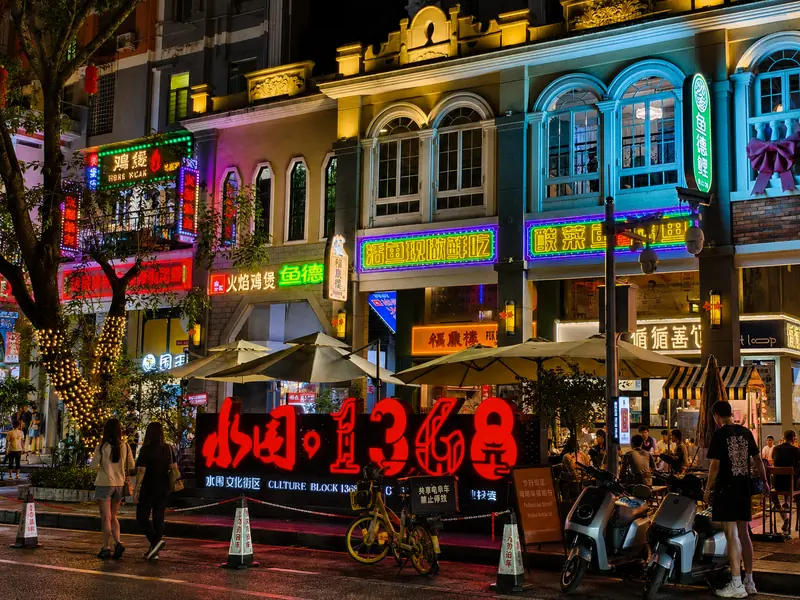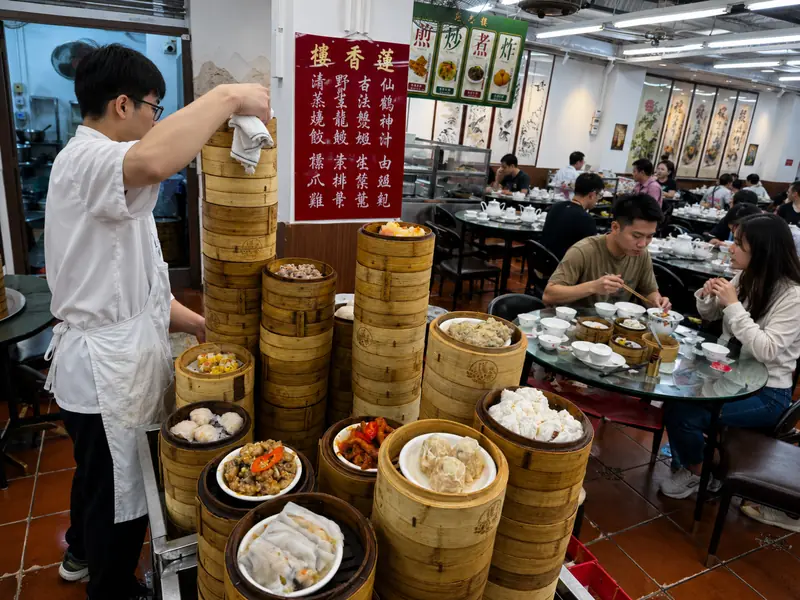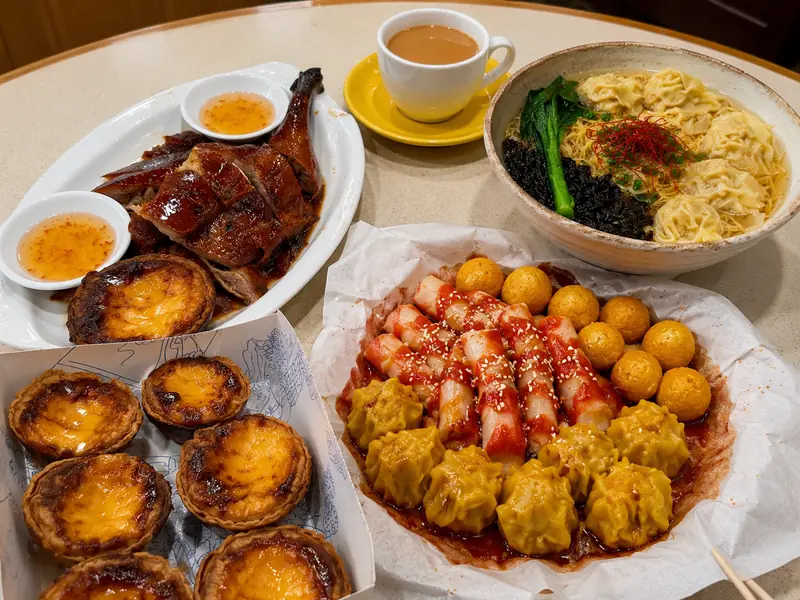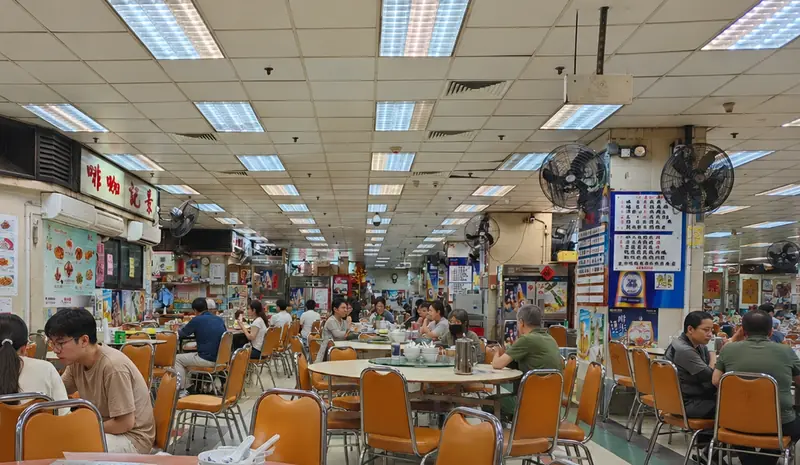
Hong Kong cooked food centres are the city's most practical food puzzle: wet-market elevators, shared tables, family-run stalls, wok smoke, and everyday meals tucked above or beside public markets. They are not polished mall food courts, and they are not all old street-level dai pai dongs. The trick is choosing the one that fits your hotel area, meal time, cash situation, and appetite for noise.
First decision
Pick by neighborhood first. A good nearby centre beats a famous one across town when rain, jet lag, or queues arrive.
Good to know
Carry small HKD notes. Hong Kong is payment-friendly, but older stalls can still be cash-first.
Walk before sitting. Tables, menus, cashiers, and stall ownership can change by venue.
Check current works. FEHD market enhancement projects can temporarily close cooked-food floors.
Decision shortcut
Cooked food centre first choices
Start nearby
Use your hotel area as the filter first; the venue cards below turn that into specific choices.
Expect mixed formats
Cooked food centres, cooked food markets, temporary hawker bazaars, and dai pai dongs can feel related without working the same way.
Ask payment first
Hong Kong is payment-friendly, but confirm cash, Octopus, card, or mobile payment before a large order.
Order simply first
Begin with one wok dish, one vegetable, rice or noodles, and one drink before trying market-price seafood.
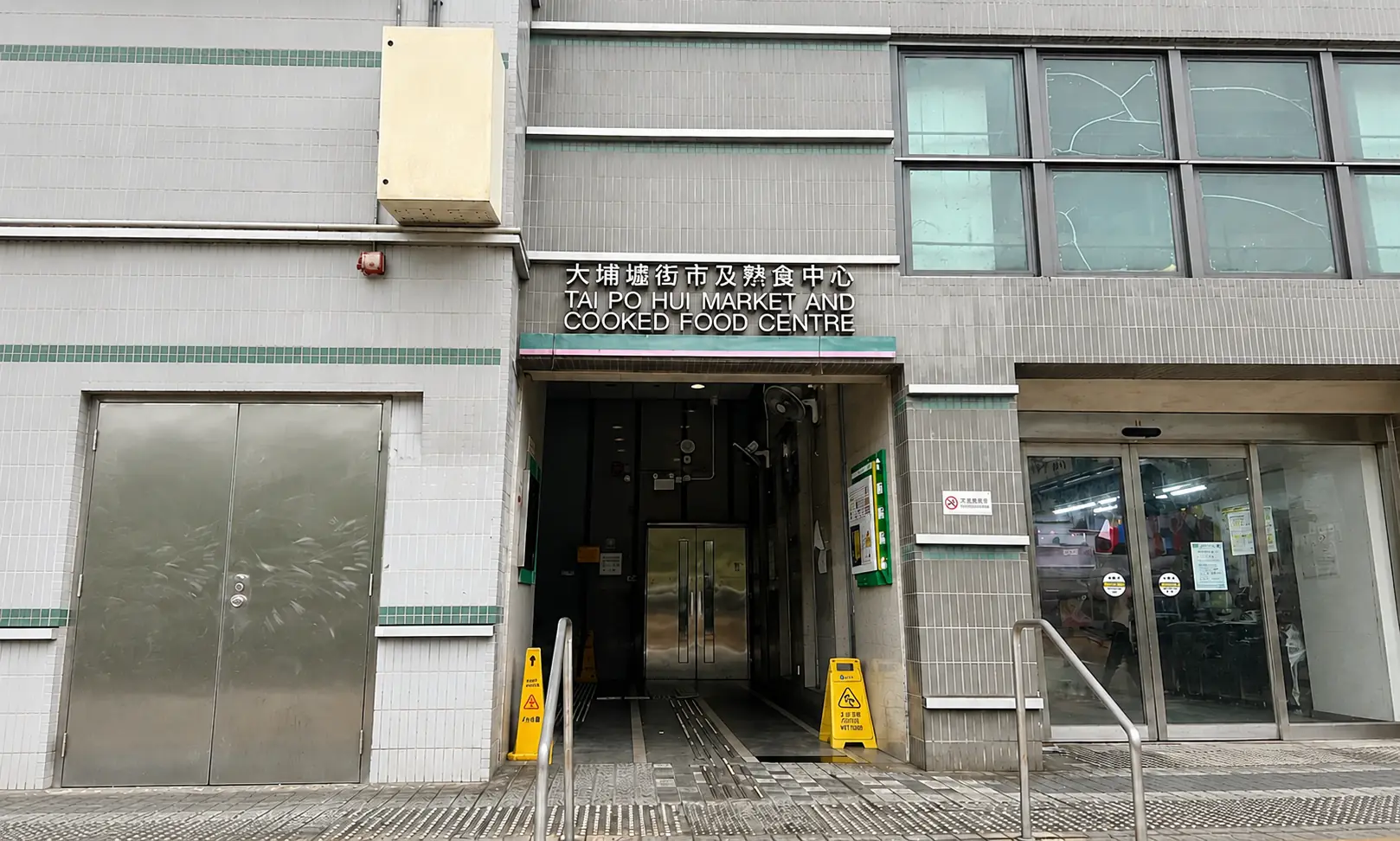
The entrance may look like a municipal market first; the cooked-food floor is often upstairs or tucked beside it.
95
FEHD Public Markets
13,200
Approx. Stalls
11
Queen Street Stalls
9
Haiphong Dai Pai Dongs
Hong Kong Market Food Without the Food-Court Polish
A January 2026 Legislative Council paper says FEHD operates 95 public markets, including 22 standalone cooked food markets, with about 13,200 stalls. That matters because cooked food centres are not a themed attraction built for visitors. They are normal food infrastructure: fresh produce, wet-market shopping, cooked-food stalls, and neighborhood meals sharing the same building ecosystem.
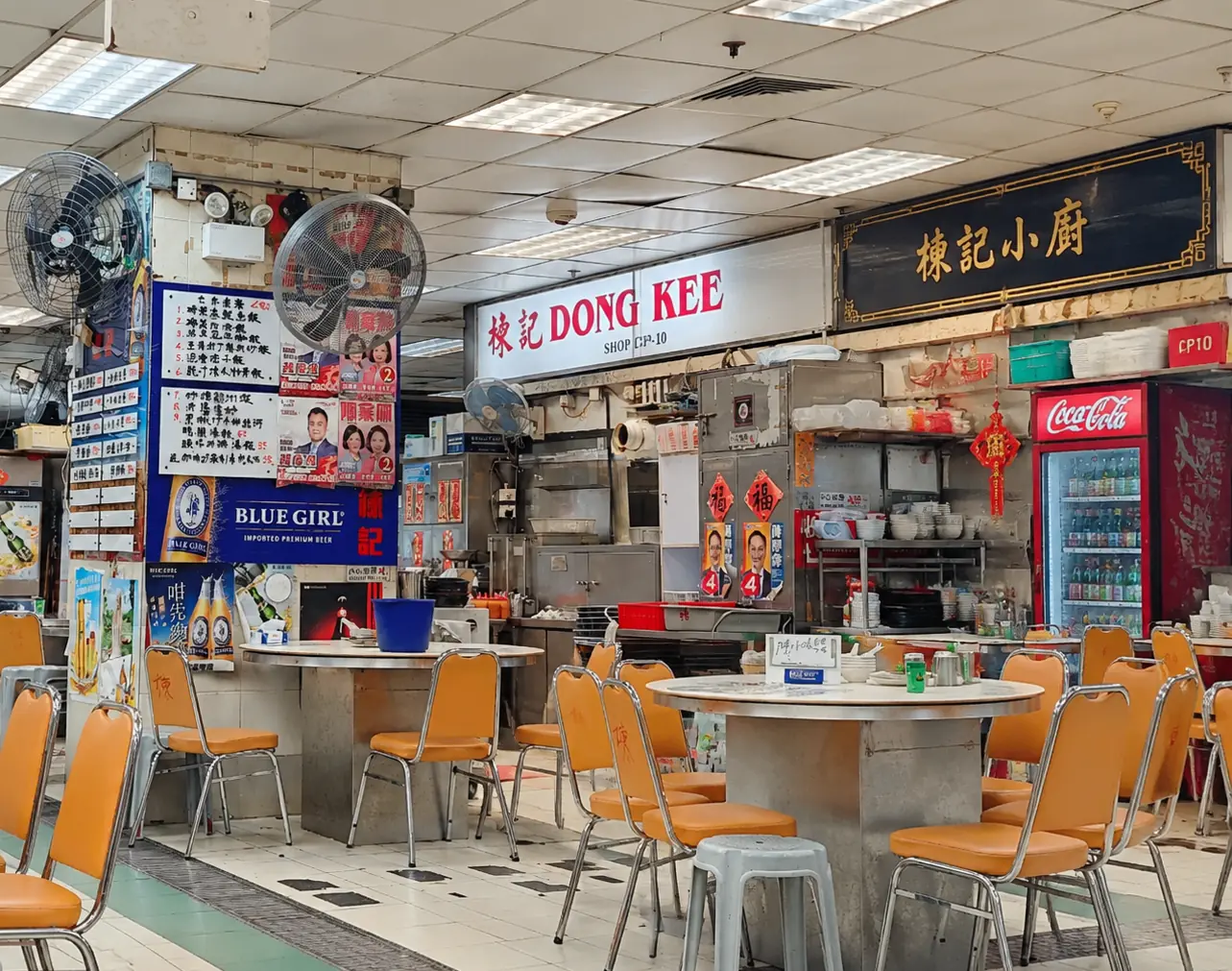
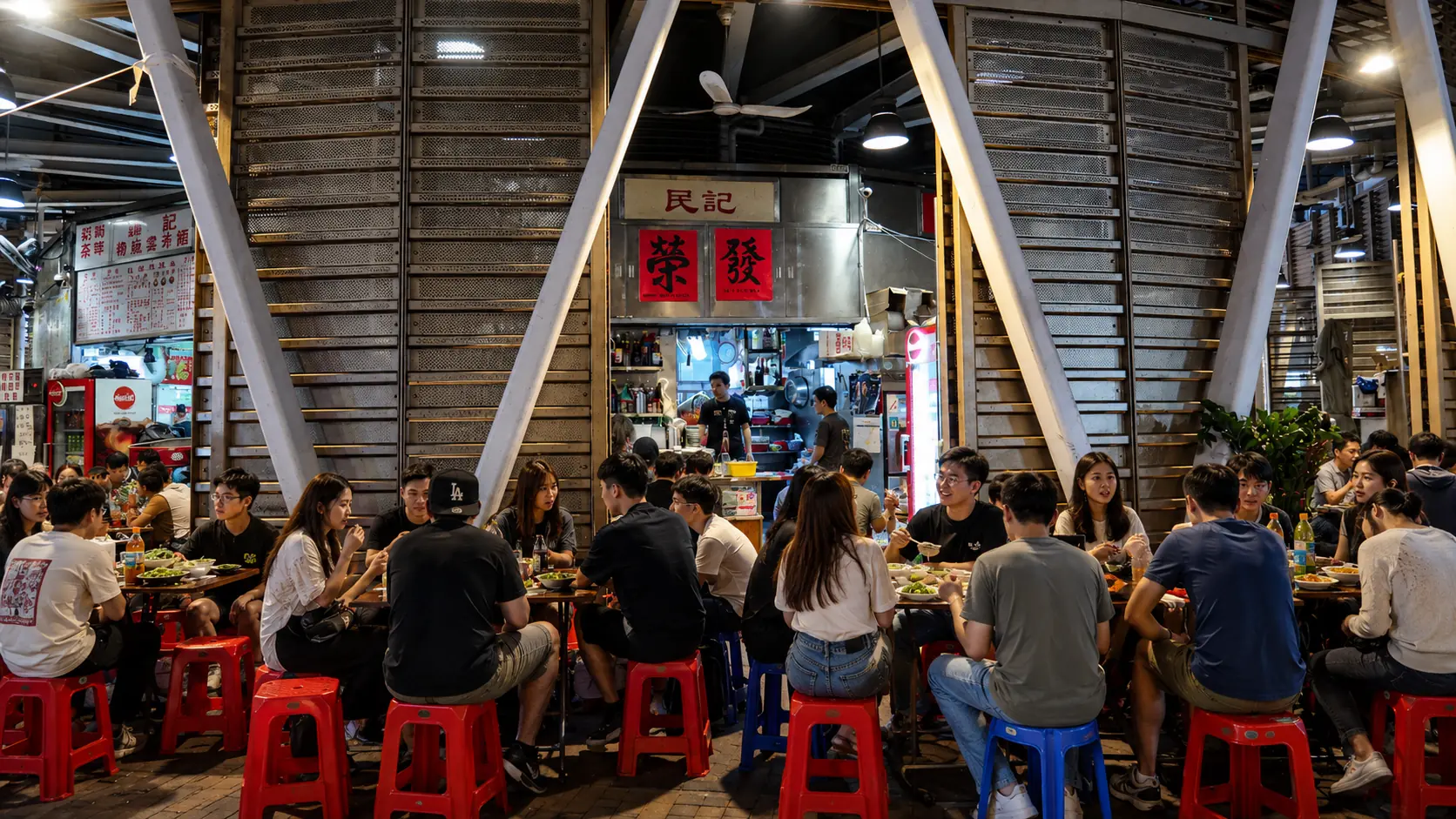
For travelers, the first clue is usually not glamour. It is a municipal-services building, a market directory, a stairwell, an elevator, or a cooked-food floor above fish, meat, fruit, flowers, and dry goods. Once upstairs or inside the cooked-food block, the experience can be vivid: plastic table covers, metal chopstick holders, handwritten menus, staff moving fast, and dishes crossing between tiny kitchens and shared tables.
That unscripted quality is the point. Cooked food centres are easier than bargaining in a wet market, but they still require a little attention. Some tables belong to a specific stall, some are shared, some bills are paid at the stall, and some servers expect regulars to know the rhythm already.
🏬Market building first
Many centres sit above or beside public markets. The entrance may feel functional rather than restaurant-like, so follow signage, smell, and local foot traffic.
🥢Several stalls, one room
Different stalls can have different menus, closing days, payment habits, and table zones. Walk the room before committing.
🔥Best at meal rhythm
The strongest moments are lunch rush, early dinner, and late wok energy near nightlife routes. Exact stall hours matter more than broad market hours.
Pick Your First Cooked Food Centre
Choose your first Hong Kong cooked food centre by route, not by fame. A solid local meal near your hotel is more useful than a cross-city detour for a place that might be closed, crowded, or wrong for the weather.
The easiest first choice if you are staying in Wan Chai, Causeway Bay, Happy Valley, or nearby. Use it for wok dishes, rice plates, roast meats, curries, and lively tables after a Hong Kong Island day.
Best for breakfast, lunch, or a practical meal around Old Town Central, Hollywood Road, Man Mo Temple, and the western dried-seafood streets. It is useful, local, and route-friendly.
FEHD says Queen Street resumed full operation in September 2024 after enhancement works, with 11 cooked food stalls and more than 200 seats. Use it when you want a more legible first-timer setting.
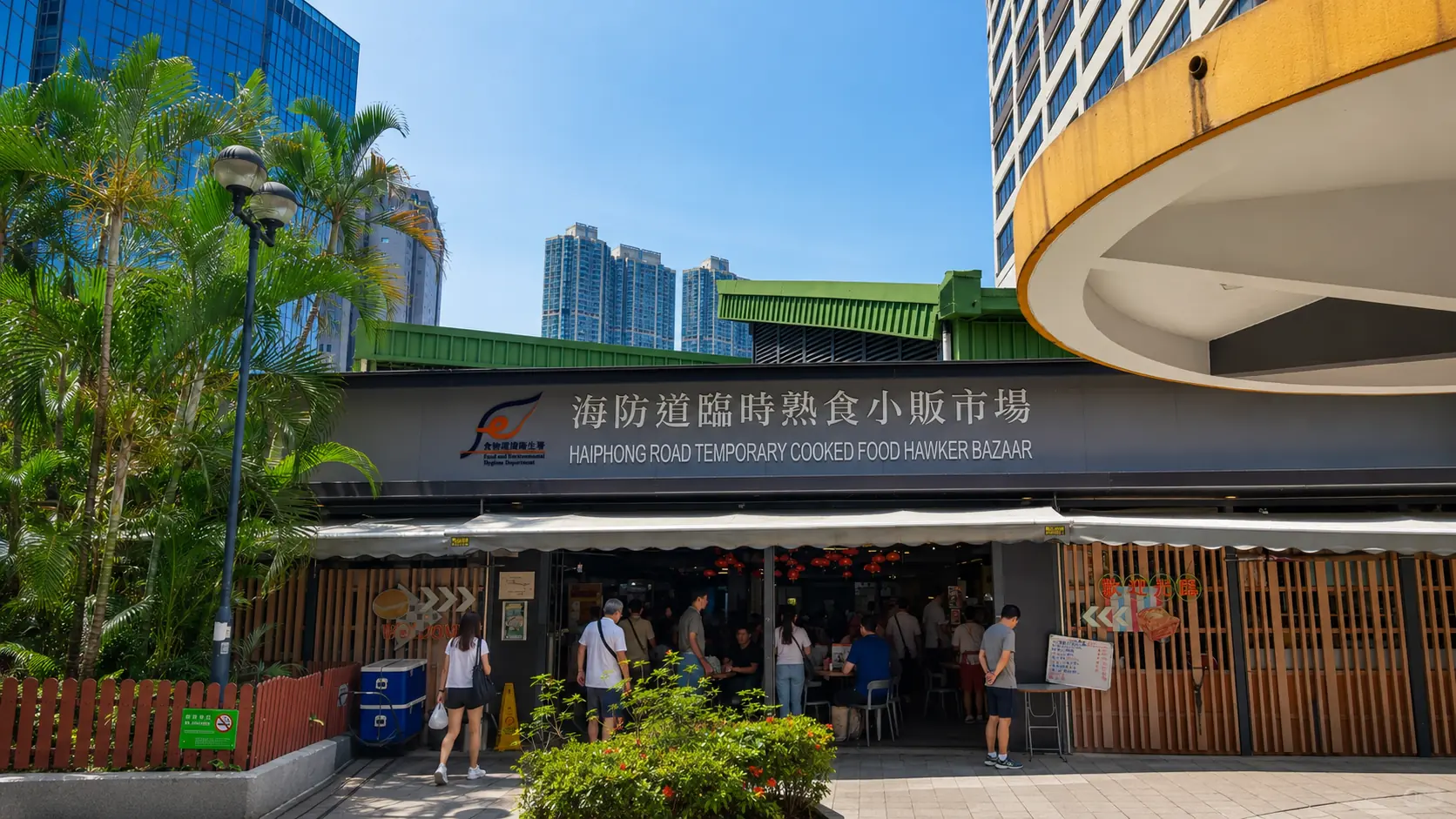
HKTB highlights Haiphong Road as nine dai pai dongs under one roof. It fits Kowloon Park, Harbour City, Tsim Sha Tsui hotels, and a low-friction smoky dinner.
Best when your evening already includes Jordan or Temple Street. HKTB describes it as daytime East-meets-West bites and night-time wok-fried and seafood energy.
Useful if your route already includes Kowloon City, Thai groceries, old streets, or family-style eating. Make it a neighborhood food stop, not a random detour.
Better for Hong Kong Island East than for a first-time Tsim Sha Tsui stay. It rewards travelers who want everyday neighborhood texture instead of checklist names.
Do not use it as a standalone pilgrimage. Use it as fuel for a Sham Shui Po walk, then continue to textile streets, electronics lanes, bakeries, tofu shops, and snack counters.
Check Ap Lei Chau before planning seafood around it
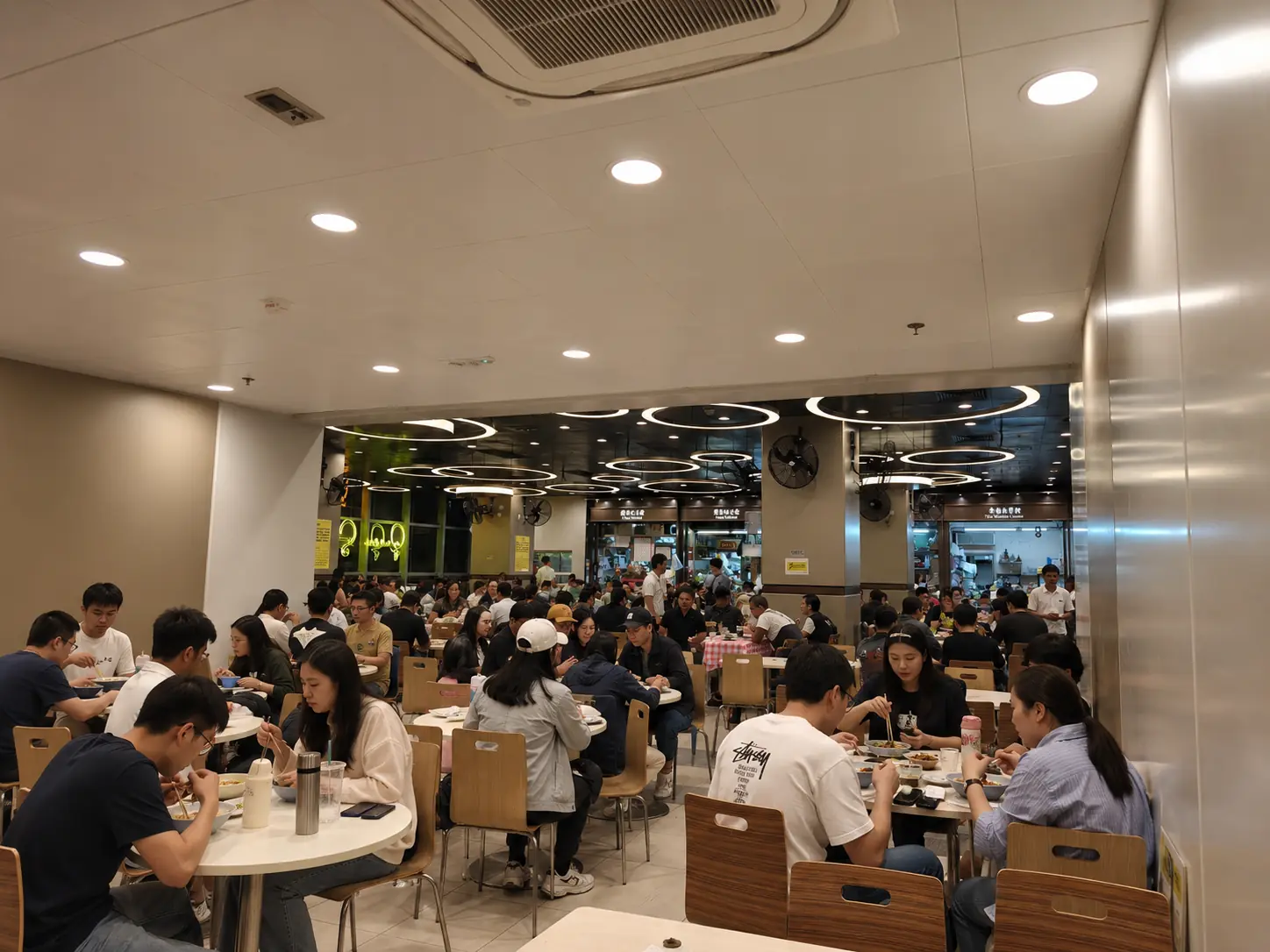
Ap Lei Chau Market and Cooked Food Centre (鴨脷洲街市熟食中心) (Google | Amap) can be attractive for seafood-minded travelers heading to Hong Kong Island South. But FEHD notices said stall enhancement works began in August 2025 and were expected to finish around April 2026, so do not make it your only seafood plan without checking the current FEHD listing close to your travel date.
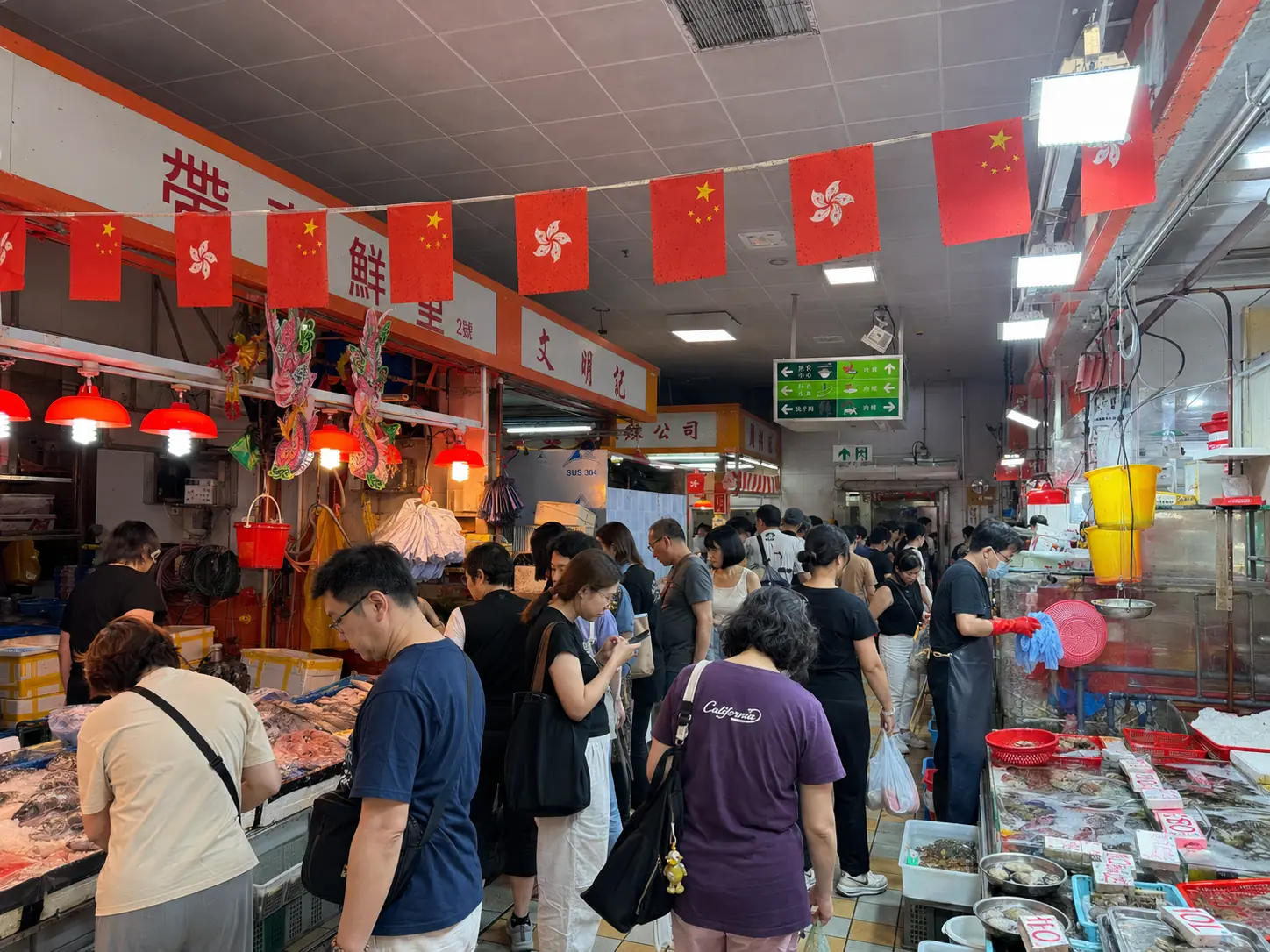
Ap Lei Chau is seafood-minded, but market enhancement works make current-status checks important.
Cooked Food Centre vs Dai Pai Dong
Travel articles often use dai pai dong as shorthand for Hong Kong's old-school cooked-food culture, but the terms are not interchangeable. HKTB describes traditional dai pai dongs through green-painted steel exteriors, foldable tables and chairs, and fast local cooking. Cooked food centres are usually more fixed, market-based, and municipal-building oriented.
| Term | What it usually feels like | Best traveler use |
|---|---|---|
| Dai pai dong | More historic, street-level, smoky, fast, open-air or semi-open | Wok dishes, milk tea, fried noodles, late local atmosphere |
| Cooked food centre | A market building or market floor with several cooked-food stalls | Everyday meals, mixed groups, breakfast, lunch, and budget dinners |
| Cooked food market | A more formal cooked-food venue, sometimes standalone | Cleaner first-timer environment and easier repeat visits |
| Temporary cooked food hawker bazaar | A fixed hawker area with cooked-food stalls | Night meals near tourist routes, especially Tsim Sha Tsui and Jordan |
Use the category as a clue, not a promise. A cooked food centre can feel more chaotic than a street stall, and a temporary bazaar can be easier for visitors than a famous market upstairs.
Do not chase the word dai pai dong
The better question is not whether a place fits a perfect historic label. Ask whether it fits your route, group, budget, language comfort, and food mood.
What to Order at Cooked Food Centres
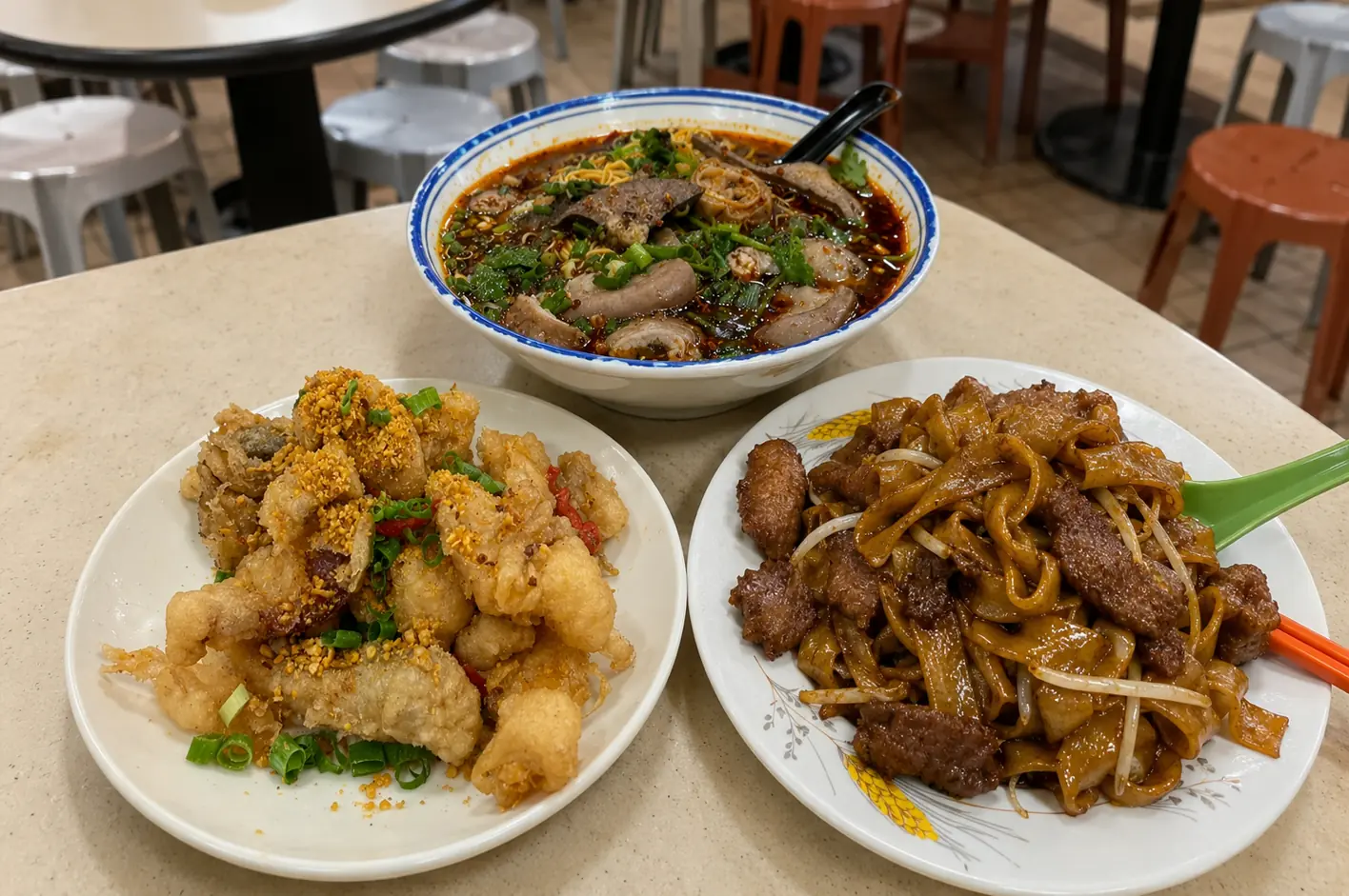
For two or more people, build a first cooked-food-centre table around contrast: one wok-aroma dish, one protein, one vegetable, and one simple starch. This gives you the full feeling without immediately entering market-price seafood territory.
| First order | Why it works | Traveler caution |
|---|---|---|
| Dry-fried beef rice noodles (乾炒牛河) | Classic wok-hei test, easy to share | Can be oily; order greens too |
| Salt-and-pepper squid (椒鹽鮮魷) | HKTB also points travelers toward squid at Woosung Street | Seafood allergy and shared fryer risk |
| Clams in black bean sauce (豉椒炒蜆) | Cantonese wok flavor, good with rice | Confirm spice and shellfish comfort |
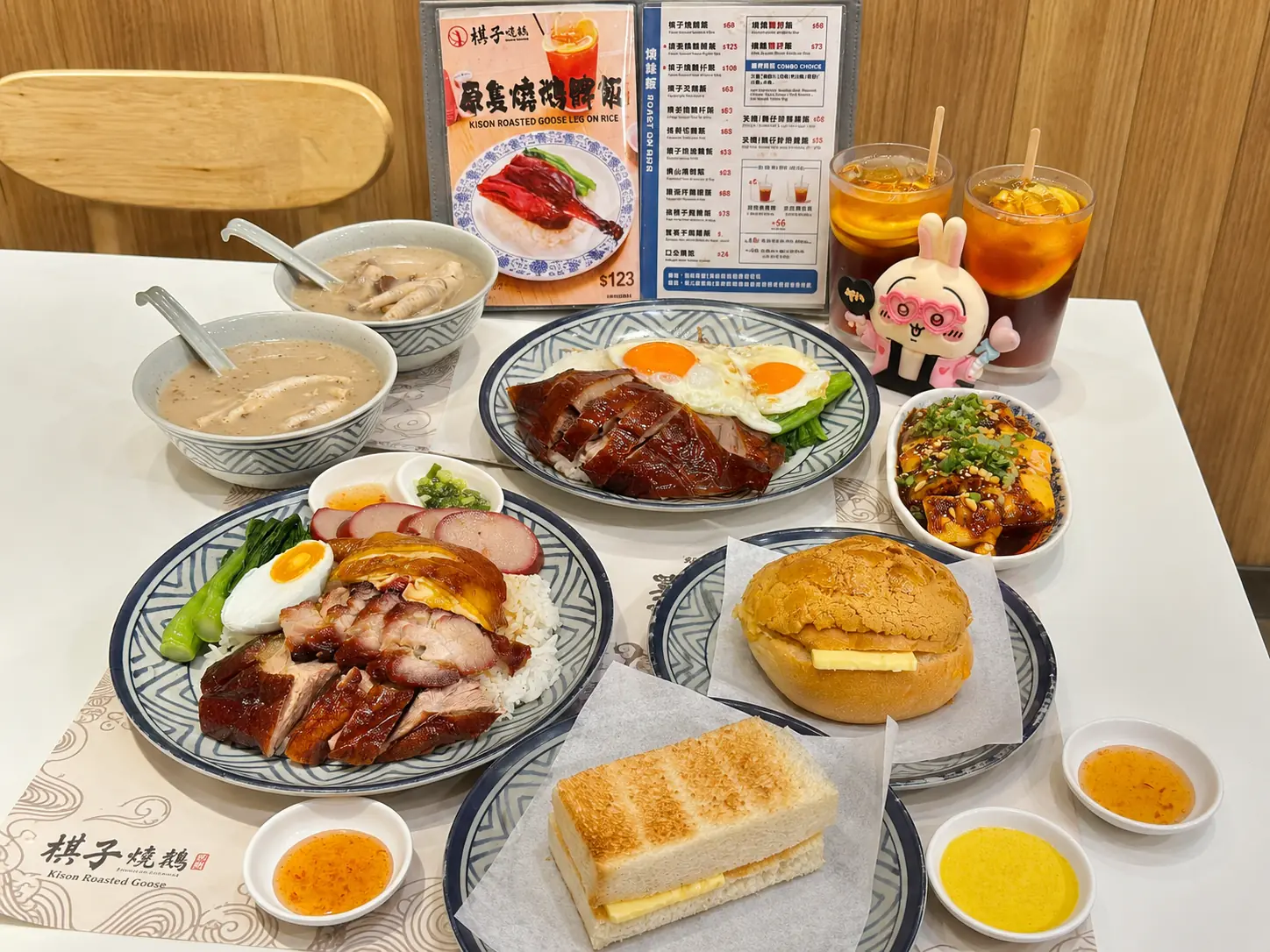
| Roast meat rice (燒味飯) | Easy solo fallback, visible portions | Ask about duck, goose, pork, or chicken clearly |
| Stir-fried greens with garlic (蒜蓉炒菜) | Balances seafood, meat, and noodles | Check oyster sauce if vegetarian |
| Milk tea or yuen yeung (奶茶 / 鴛鴦) | Useful breakfast or late tea-cafe anchor | Sweetness and caffeine can be strong |
Solo travelers should start smaller. A roast meat rice plate, beef rice noodles, wonton noodles, congee, milk tea, or a cha chaan teng-style lunch is easier than negotiating live seafood alone. Families can order rice, mild vegetables, roast meat, and one wok dish before trying stronger sauces.
Seafood needs more discipline. If a dish is market price, confirm the unit, approximate weight, cooking method, and estimated total before the seafood leaves your sight. Live seafood, cooking fees, tea charges, table rules, and minimum orders can make a casual dinner more expensive than expected.
Seating, Ordering, and Paying at Cooked Food Centres
Walk the room once before sitting. Look for menus, table numbers, cashier counters, and which stall seems to be serving which tables. If a table has cups, chopsticks, a bill, or condiments already arranged, it may belong to a stall or to a party that stepped away.
Ordering flow varies. At some stalls you order first and sit after; at others you claim a table and staff come over. If there is no English menu, point to photos, use a translation app, or point to a neighbor's dish politely. Keep one person in your group responsible for the order so you do not accidentally duplicate dishes.
- Walk one loop- Check which stalls are open, where people pay, and whether tables seem tied to a specific stall.
- Pick the stall before the table- If the room is busy, choose the food source first so you do not sit in the wrong zone.
- Order simple anchors- Start with noodles, rice, roast meat, greens, or one wok dish before complex seafood.
- Confirm payment- Ask whether cash, Octopus, card, or mobile payment is accepted before ordering a large meal.
- Keep the bill visible- Shared tables and multiple dishes are easier when one person tracks orders and payment.
Hong Kong is easier for payments than many destinations. HKTB says ATMs accept international cards, most places accept credit cards and mobile payments, and Octopus helps with transport, stores, dining, entertainment, and shopping. Octopus also describes its Tourist Octopus as usable across public transport, dining, entertainment, shopping, and more.
Still, cooked food centres reward cash. Carry small HKD notes before dinner, especially for older stalls, late-night meals, or shared-table situations where splitting electronic payments becomes awkward. If you only have a card, ask before ordering.
| English | Chinese | Pinyin | Say It Like… |
|---|---|---|---|
| Can I sit here? | 請問這裡可以坐嗎? | qing wen zhe li ke yi zuo ma | ching wuhn juh lee kuh yee dzwoh mah |
| Do you have an English menu? | 請問有英文菜單嗎? | qing wen you ying wen cai dan ma | ching wuhn yo ying wuhn tsye dahn mah |
| How much is this? | 這個多少錢? | zhe ge duo shao qian | juh-guh dwaw shaow chyen |
| Not too spicy, please. | 不要太辣。 | bu yao tai la | boo yow tie lah |
| I am allergic to seafood. | 我對海鮮過敏。 | wo dui hai xian guo min | woh dway hi shyen gwaw min |
| Can I pay with cash? | 可以用現金嗎? | ke yi yong xian jin ma | kuh yee yohng shyen jin mah |
Hong Kong Cantonese pronunciation will differ from the Mandarin-style phrases above, but most staff can understand the written Chinese if you show it on your phone.
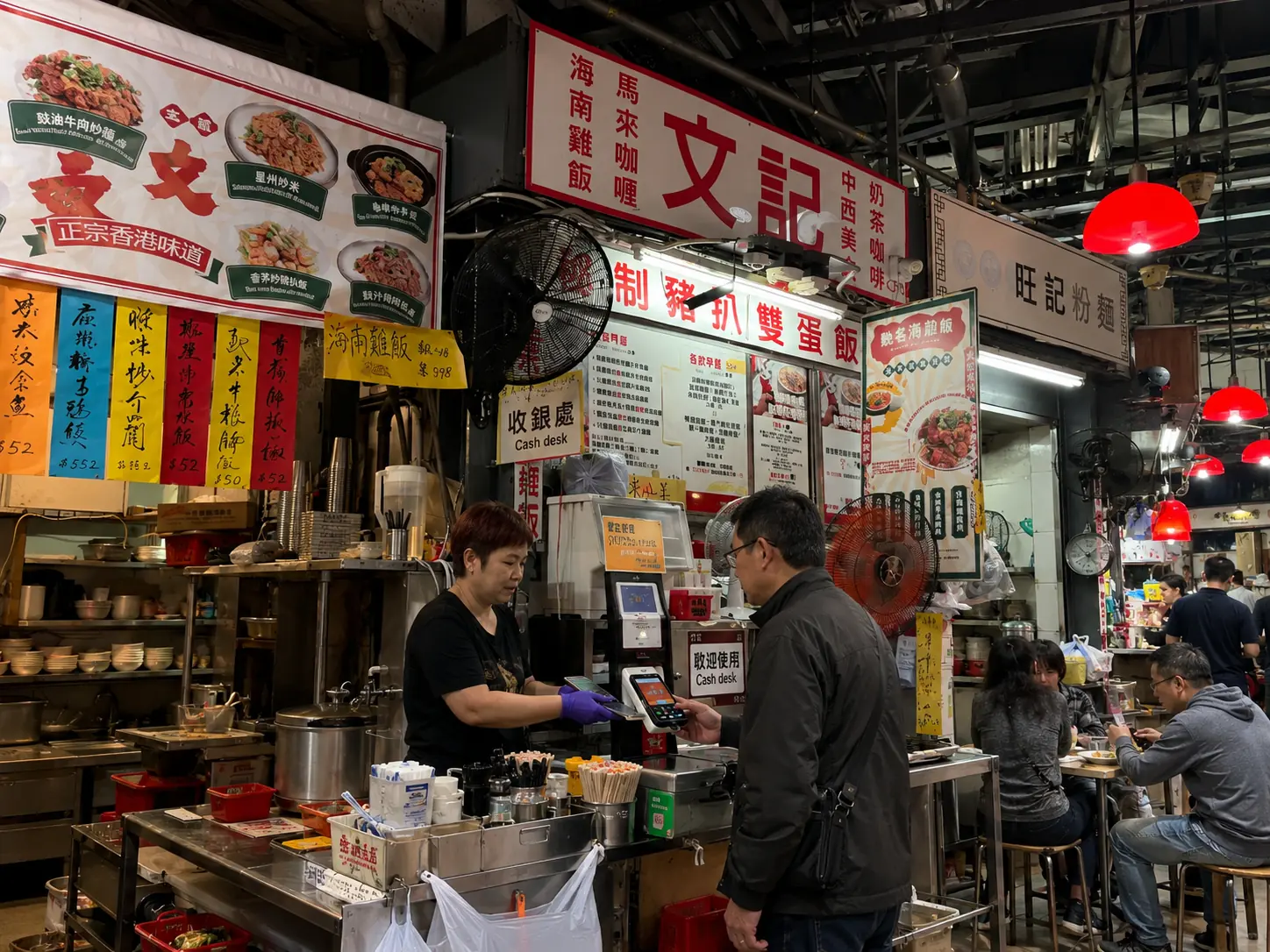
Hong Kong is payment-friendly, but small cooked-food stalls can still be cash-first.
A Simple Cooked Food Centre Route
Use this as a flexible food-day template, not a checklist. Replace the stop with the venue closest to your hotel when rain, jet lag, or appetite says so.
- Sheung Wan or Queen Street(上環 / 皇后街)- Use a market building for milk tea, noodles, rice plates, or a simple lunch before Old Town Central.
- Sham Shui Po and Pei Ho Street(深水埗 / 北河街)- Treat the market as fuel for a walking route, then continue to snack shops, fabric streets, and electronics lanes.
- Bowrington Road, Haiphong Road, or Woosung Street(寶靈頓道 / 海防道 / 吳松街)- Pick by hotel location: Wan Chai, Tsim Sha Tsui, or Jordan. Order one wok dish, one vegetable, and rice.
- Temple Street or harbor walk(廟街 / 海旁)- If you ate near Jordan, continue to Temple Street. If you ate near Tsim Sha Tsui, walk toward the waterfront.
This route works because it does not make one market do everything. Sheung Wan and Queen Street fit a daytime Central-side route, Pei Ho Street fits a Sham Shui Po walk, and Bowrington, Haiphong, or Woosung give you stronger dinner energy. Use Temple Street Night Market (廟街夜市) (Google | Amap) or the Tsim Sha Tsui waterfront as the after-dinner stroll, not another full meal.
When to Skip Hong Kong Cooked Food Centres
Skip the most chaotic cooked food centres when you have large luggage, a stroller, a tight airport transfer, severe allergies, or a group that needs quiet conversation. These places are excellent for flavor and atmosphere, but they are not designed around long explanations.
Large luggage
Choose a mall, hotel-area restaurant, or a simple cha chaan teng first. Tight market aisles and shared tables are not kind to suitcases.
Severe allergies
GovHK dining-out food safety advice emphasizes licensed premises, cleanliness, separation, thorough cooking, and safe temperature. Cooked food centres are licensed settings, but shared equipment and seafood-heavy menus still require caution.
Very young kids
Eat earlier, order rice, noodles, roast meat, and mild vegetables first, and avoid peak late-night wok crowds.
Market-price seafood
Confirm unit price, approximate weight, cooking method, and total before committing. Fixed-price wok dishes are safer for a first visit.
For dietary restrictions, assume sauces matter. Oyster sauce, shrimp paste, fish sauce, lard, stock, alcohol, peanuts, sesame, and cross-contact can appear in dishes that look simple. Show written Chinese, keep orders plain, and avoid complex seafood sauces if the allergy risk is serious.
Hong Kong Cooked Food Centres FAQ
No. Dai pai dong usually refers to traditional cooked-food stalls with a more street-level or historic identity. Cooked food centres are more fixed market-based venues. Some places feel dai pai dong-style, but the terms are not identical.
Sources checked for this guide
- LegCo January 2026 Food Branch paper: 95 FEHD public markets and about 13,200 stalls
- FEHD public markets overview and market-listing entry point
- FEHD public markets and cooked food markets list: venue names, addresses, and current market listing
- FEHD Queen Street Cooked Food Market reopening notice: 11 stalls and more than 200 seats
- FEHD 2025 stall enhancement notice: Ap Lei Chau and Luen Wo Hui cooked food centre works
- FEHD 2026 Yue Wan notice: market-modernisation context and 2026 completion references
- Hong Kong Tourism Board dai pai dong guide: Haiphong Road, Woosung Street, and dai pai dong context
- Hong Kong Tourism Board travel guide: HKD, ATMs, cards, mobile payment, and Octopus basics
- GovHK Five Keys to Food Safety: licensed premises, clean hands, separation, cooking, and safe temperature
Beyond This Hong Kong Food Market Guide
Cooked food centres should be one layer of your Hong Kong eating plan. Pair them with dim sum, cha chaan teng breakfasts, bakeries, roast goose, egg waffles, street snacks, and neighborhood walks rather than turning every meal into a market mission. For a first trip, one daytime market meal and one smoky dinner is enough to understand the rhythm.
Use the broader Hong Kong food guide for the citywide meal plan, the Cantonese dim sum guide for morning or lunch, the Cantonese roast goose guide for a focused classic, and the Hong Kong egg waffles guide for an easy snack stop.
The best cooked food centre meal is not the one with the most famous name. It is the one that fits your route, leaves room for one more walk, and still feels like Hong Kong after the bill is paid.
© gochinafreely.com — Original guide by Go China Freely.