Railway scale
What this guide solves
China's railway network now runs about 165,000 km, including roughly 50,400 km of high-speed rail. Booking apps make that scale feel small by compressing it into codes like G1234, D5678, N3, and V888 — plus station names that can look almost identical at a glance.
Train code
Read the letter first, then compare time, price, stops, and station.
Station name
Use the full station name printed on the ticket, not just the city.
Goal
Avoid the classic mistake: going to the wrong station.
China Train Types: Fast Answer
Fast answer
G / D / C are the modern EMU and bullet-train family; Z / N / V are conventional trains (replacing the old T / K / unprefixed codes from November 25, 2026).
For most first-time visitors, G-trains are the daytime speed default, while C-trains are best for short hops between neighboring cities. D and C services can vary a lot, so compare total time, stops, and station before choosing. Note that China Railway also scheduled a separate late-December 2026 numbering update for high-speed / EMU services, so always follow the live code shown in 12306.
Search by city first, then choose the train.
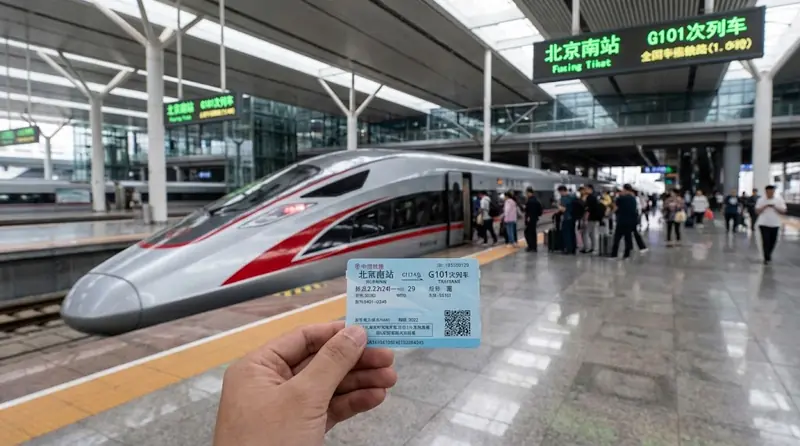
When you search "Beijing to Shanghai" instead of locking "Beijing South to Shanghai Hongqiao" too early, the app can show more station and train-type combinations. After you pick the best departure, copy the full station name into your map app.
Choose G
when speed and simplicity matter most.
Choose C
for short city-cluster hops such as Beijing-Tianjin or Guangzhou-Shenzhen.
Choose D
when it is meaningfully cheaper, better timed, or offered as an overnight sleeper.
Choose Z / N / V
only when the route has no good high-speed option, you want an overnight sleeper, or budget matters more than comfort.
High-Speed Train Types: G, D, C
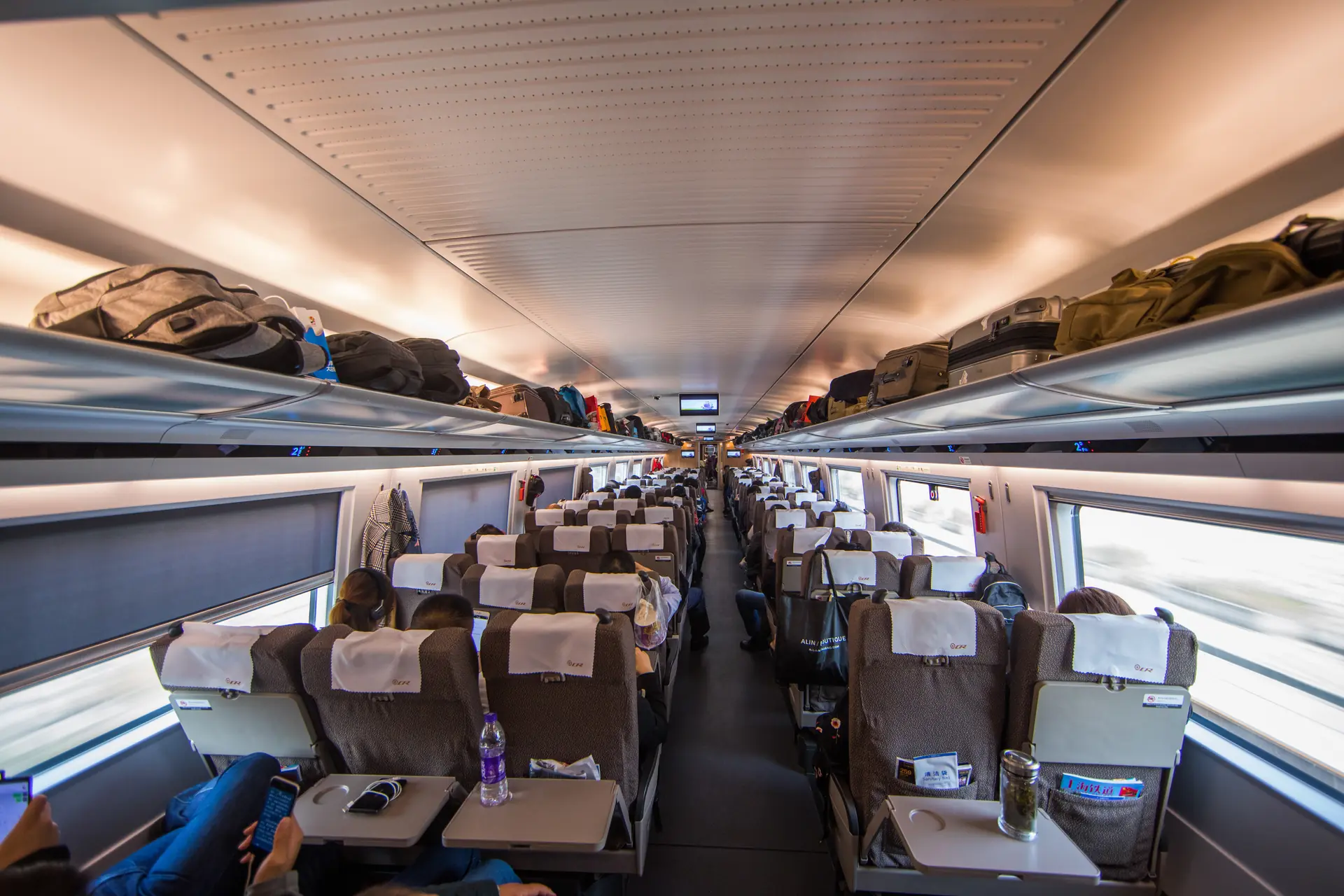
China's modern G / D / C categories generally use EMU-style trainsets, with air conditioning, onboard restrooms, luggage racks, and power access. The difference is not "good versus bad" — it is speed, route role, stop pattern, station, seat type, and price.
G-Trains · 高铁
G-trains (高铁) are the fastest regular category travelers see in booking apps. Many major G services are designed around 300-350 km/h operation, and they cover trunk routes such as Beijing-Shanghai, Beijing-Guangzhou, Shanghai-Chengdu, and other long-distance corridors.
Most G-train searches are seat-first, but do not treat the letter alone as a seat guarantee. If the live booking screen shows No seat / 无座, you have boarding rights without a fixed seat.
Best for: daytime intercity trips of about 2-6 hours when you want the simplest, fastest choice.
D-Trains · 动车
D-trains (动车) are EMU services that can be cheaper, slower, more stop-heavy, or more route-flexible than G-trains. Some use high-speed lines; some share upgraded conventional routes; some operate as overnight sleeper services such as high-speed sleeper berths between major cities.
Best for: saving money on the same corridor, catching a better departure time, or using a sleeper train without dropping all the way to old-style rail.
C-Trains · 城际
C-trains (城际) are intercity services built for short city-cluster trips: Beijing-Tianjin, Guangzhou-Shenzhen, Chengdu-Chongqing, and similar pairs. They run frequently, distances are short, and outside major holidays you can often buy close to departure.
Best for: same-region hops that feel more like a suburban express than a long-distance train.
Swipe to compare G, D, and C trains
G
高铁 · fastest daytime default
- ✓Best for major trunk routes and 2-6 hour daytime trips.
- —Usually seat-focused; check the live seat type before paying.
- —Usually the most expensive option on the same corridor.
D
动车 · flexible EMU tier
- ✓Often cheaper than G when both appear for the same city pair.
- —Can mean slower daytime EMU or overnight sleeper service.
- —Check stop count and arrival station before choosing.
C
城际 · short intercity shuttle
- ✓Best for nearby-city pairs and commuter-style corridors.
- ✓High frequency on popular short routes.
- —Less useful for long cross-country planning.

About CR450 and the Late-2026 Numbering Rollout
You may see news about the CR450 next-generation train, with prototype testing tied to 400 km/h commercial-speed targets, which is not a standalone booking category yet. Separately, China Railway began its 2026 train-numbering reform on November 25, 2026 (switching conventional trains to Z, N, and V), with a second-phase update for high-speed and EMU numbering scheduled for late December 2026. Always match the live code shown in 12306 or Trip.com rather than relying on an old blog's train number.
Conventional Train Types: Z, N, V (Formerly Z, T, K)
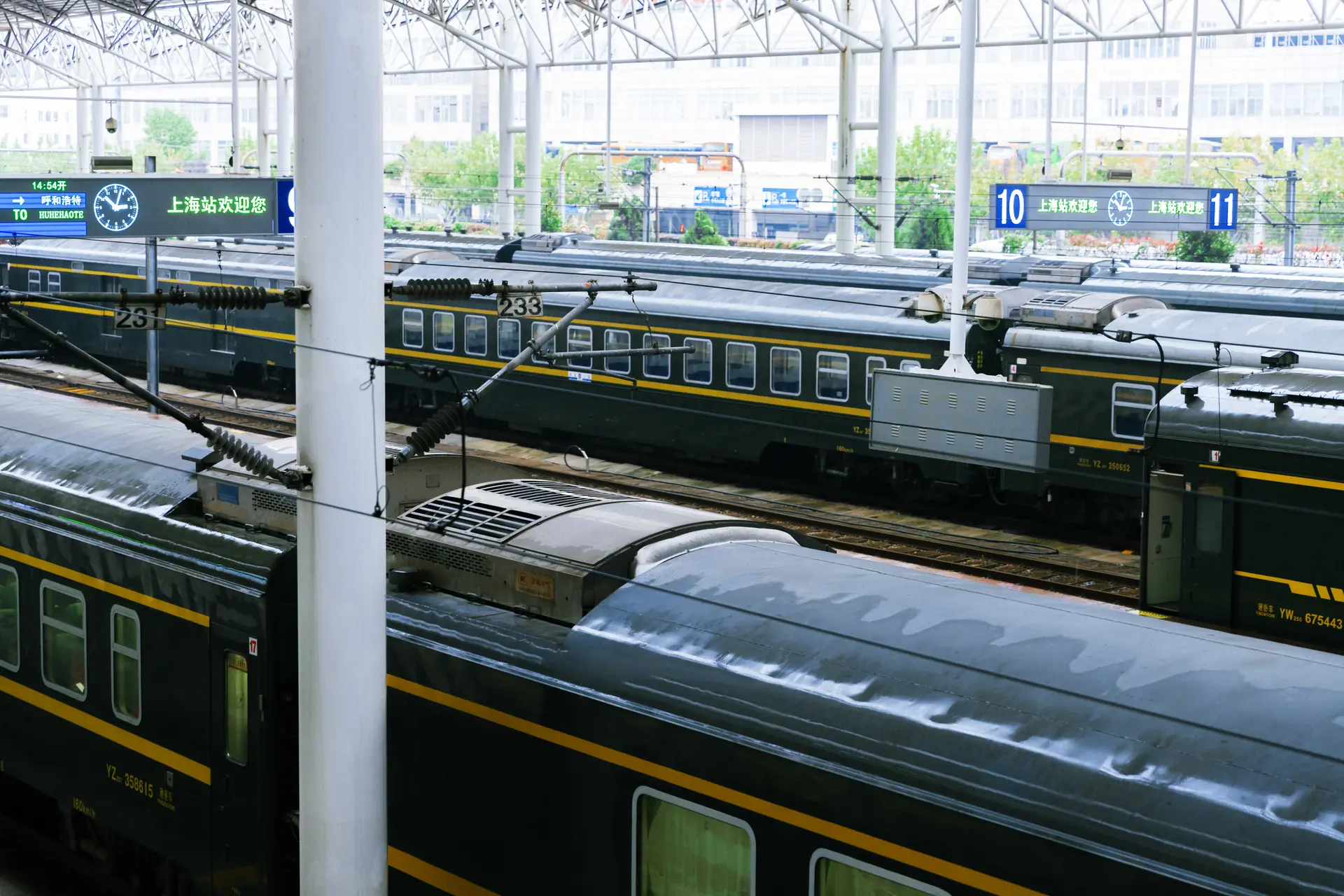
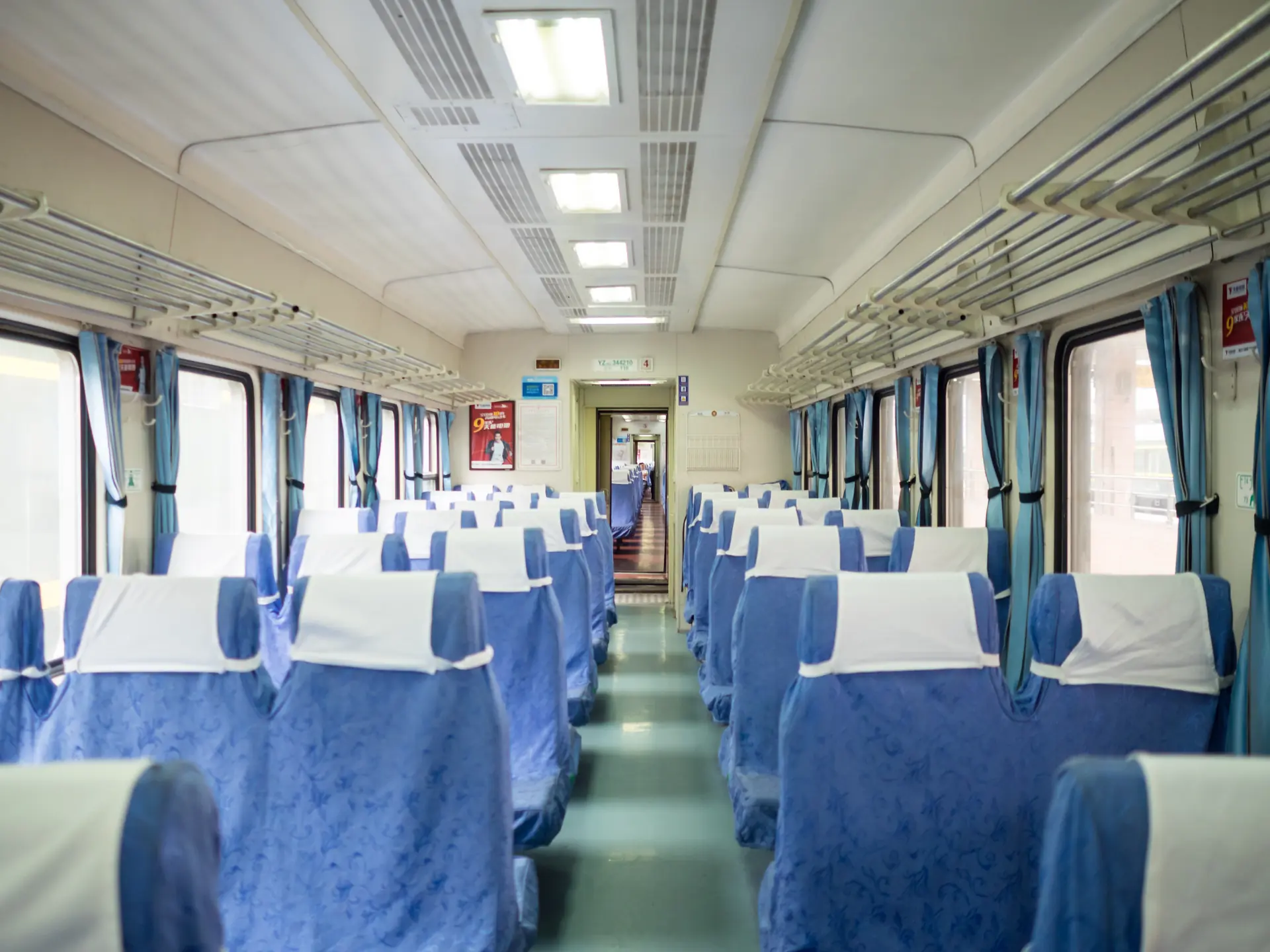
Conventional trains use the older rail network. They are slower than high-speed trains but still matter for western routes, mountain areas, budget trips, and overnight travel where sleeping through the journey is better than spending a day in transit.
November 25, 2026 numbering change: Under China Railway's 2026 numbering rules, conventional passenger trains now use Z, N (replacing former T express services, up to 140 km/h), and V (replacing former K fast and unprefixed regular passenger services, up to 120 km/h). Y remains the prefix for conventional tourist trains. Older guides and forum posts still reference T and K codes (for example, former T109 became N3), so look for N and V in live 12306 searches.
Z-Trains · 160 km/h Fast Conventional
Z-trains remain the fastest conventional category (up to 160 km/h; China Railway retired the legacy "direct express / 直达特快" classification label under its November 2026 numbering rules), usually running long-distance routes with few stops. They are often overnight services, and soft-sleeper compartments on good Z-trains are one of the most comfortable mainstream conventional options. Deluxe soft sleeper can be more private, but it is rarer and usually pricier.
Best for: long overnight routes, especially when high-speed rail is unavailable or badly timed.
N-Trains · 140 km/h Express (Formerly T)
N-trains replaced legacy T-trains (特快) on November 25, 2026. They run up to 140 km/h with more intermediate stops than Z-trains — slightly slower and often cheaper, useful when your destination is a midway stop that faster Z services skip.
Best for: backup overnight options when Z-trains are sold out or do not stop where you need.
V-Trains · 120 km/h Regular (Formerly K & Unprefixed)
V-trains replaced both legacy K-trains (快速) and unprefixed regular passenger numbers on November 25, 2026. They form the broad, budget end of China's conventional rail (up to 120 km/h), stop frequently, and can feel crowded in hard-seat cars. For long routes, choose hard sleeper when you can; keep hard seat short unless the budget is very tight.
Best for: small cities, ultra-budget travel, and places still off the high-speed grid.
Y-Trains and S-Trains
Y-trains (旅游列车) remain dedicated conventional tourist services, often seasonal or scenic-route packages rather than daily point-to-point transport.
S-trains (市域铁路) are suburban or commuter rail services that connect city centers with satellite districts. Some behave more like metro or local rail than long-distance China Railway trains, so you may need the local transit system rather than a normal 12306 search.
Swipe to compare Z, N, and V trains
Z
160 km/h · best conventional sleeper
- ✓Fastest conventional category, often with few stops.
- ✓Good soft-sleeper choice for overnight long-haul trips.
- —May skip smaller stations.
N (ex-T)
140 km/h · express conventional
- ✓Replaced legacy T-trains on November 25, 2026.
- —Slightly slower and more stop-heavy than Z.
- —Often still an overnight train on long routes.
V (ex-K)
120 km/h · budget conventional
- ✓Replaced legacy K and unprefixed trains on November 25, 2026.
- —Frequent stops and lower comfort than high-speed or Z.
- ✗Hard seat is not a good long-distance first-timer choice.
Read China Train Numbers
Code anatomy
Most rail services have a letter + number code, or sometimes just a number.
The letter gives you the useful part: train family, likely speed, and basic comfort expectations.
Quick Rule of Thumb
When a search returns mixed codes, the letter tells you what you are getting. G is usually fastest and most expensive; V (formerly K and unprefixed trains) is usually slowest and cheapest. If the same route shows both G and D, compare arrival station and total time before picking the cheaper one.
Letter
Means: common train type letters are G, D, C for modern EMU/high-speed trains and Z, N, V for conventional trains (N replaced T, and V replaced K and unprefixed codes from Nov 25, 2026), plus S and Y.
Use it: judge speed and comfort before comparing prices.
Number
Means: individual service ID.
Use it: do not read too much into it; check route, stops, and stations instead.
Odd / even
Means: a traditional direction convention tied to railway numbering.
Use it: interesting, but not useful for tourists; trust the app route.
Legacy T / K / pure numbers
Means: pre-November 25, 2026 codes still cited in older articles.
Use it: search by city pair in 12306 and match the live N or V code instead of typing an old T or K number.
Read China Station Names
Wrong-station risk
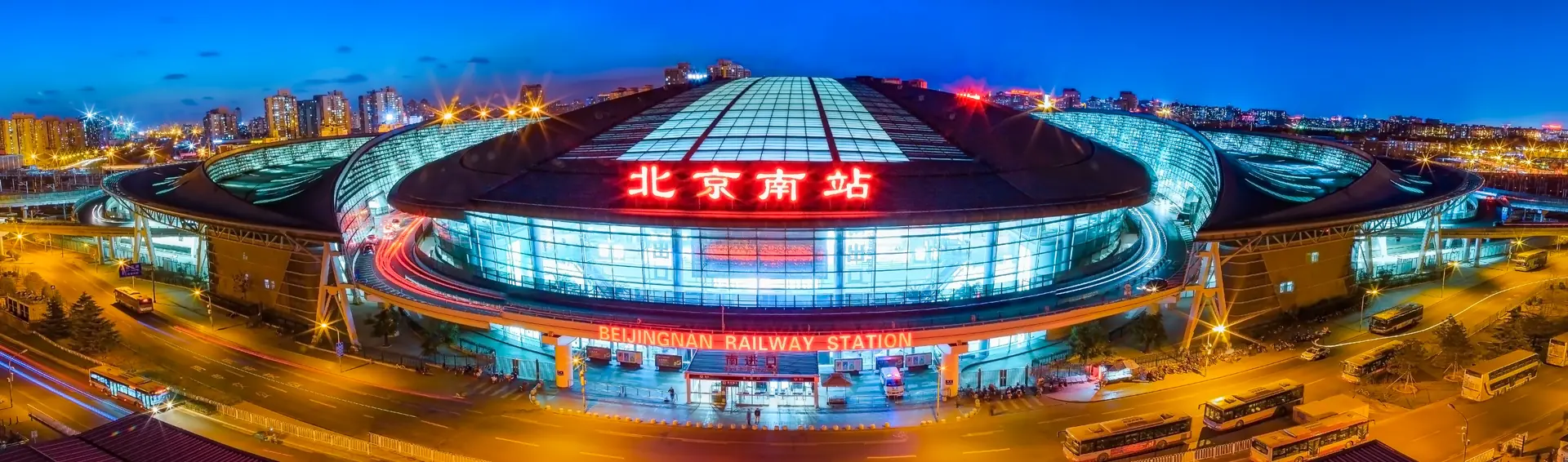
The wrong-station mistake is more common than the wrong-train mistake. Major cities can have three or four rail stations, and they may be 30-60 minutes apart by metro or taxi.
Station-name logic
City + Station Modifier
Many Chinese rail stations combine the city name with a direction word such as East, South, West, or North. Others use district or hub names such as Hongqiao, Chaoyang, or Qinghe. The pattern helps you scan options, but the ticket name always wins.
Ticket name wins
Do not navigate to "Beijing Railway Station" just because your ticket says Beijing somewhere. Navigate to the full station name printed on the ticket.
Station Name Suffixes
East · 东站
Eastern station
Example: Guangzhou East (广州东站)
South · 南站
Southern station
Example: Beijing South (北京南站)
West · 西站
Western station
Example: Beijing West (北京西站)
North · 北站
Northern station
Example: Xi'an North (西安北站)
No suffix · 站
Usually the older city station
Example: Shanghai Station (上海站)
Major Tourist City Cheat Sheet
These are common stations travelers see, not a complete station inventory. Always follow the exact station printed in your booking app or ticket.
Beijing (北京)
Common high-speed / EMU hubs: Beijing South (北京南站), Beijing West (北京西站), Beijing Chaoyang (北京朝阳站), Qinghe (清河站), Beijing North (北京北站).
Older / mixed: Beijing Station (北京站), Beijing Fengtai (北京丰台站), and some Beijing West services.
Watch out: Beijing West is not simply an old station; it can handle both high-speed and conventional trains.
Shanghai (上海)
Main high-speed: Shanghai Hongqiao (上海虹桥站).
Older / mixed: Shanghai Station (上海站), Shanghai South (上海南站).
Watch out: Hongqiao Station sits beside Hongqiao Airport.
Guangzhou (广州)
Main high-speed: Guangzhou South (广州南站).
Newer / mixed: Guangzhou Baiyun (广州白云站), plus older / mixed services at Guangzhou Station (广州站) and Guangzhou East (广州东站).
Watch out: Guangzhou South is about 30 minutes by metro from central areas. Guangzhou Baiyun Station is a railway station, not Baiyun Airport.
Xi'an (西安)
Main high-speed: Xi'an North (西安北站).
Older / mixed: Xi'an Station (西安站).
Watch out: Xi'an North is the main high-speed hub.
Chengdu (成都)
Main high-speed: Chengdu East (成都东站).
Also appears: Chengdu West (成都西站) and Chengdu South (成都南站) on some routes.
Watch out: As of 2026, Chengdu Station / North Railway Station (成都站 / 火车北站) is under passenger-service renovation, so do not choose it by habit. Follow the station printed on your ticket.
Hangzhou (杭州)
Main high-speed: Hangzhou East (杭州东站), with Hangzhou West (杭州西站) appearing on some routes.
Older / mixed: Hangzhou Station / City Station (杭州站 / 城站).
Watch out: Hangzhou Station is central and close to West Lake.
Station timing buffer
For ordinary high-speed trips, arrive about 30-45 minutes before departure. Use about 60 minutes if it is your first China train day, a holiday period, a mega-station, or you expect a staffed passport lane. For connections, allow roughly 45-60 minutes inside the same station and 2+ hours if you must cross to another station. Ticket checks and gates can close several minutes before departure, so do not plan to arrive at the last minute.
Wrong-Station Prevention Checks
Three checks before you move
At booking: confirm the full station name, not just the city name.
Before departure day: search the full station name in Amap (高德地图), Apple Maps, or Baidu Maps.
On travel day: allow extra time for station security, ticket validation, gate access, and finding your carriage.
Do not lock a station too early
If you search a specific station too early, you may hide better trains from other stations in the same city.
When you are still comparing options, search by city name first: Beijing to Shanghai, Chengdu to Chongqing, Guangzhou to Shenzhen. Once you choose a specific train, switch from city thinking to exact station thinking.
If you select "Beijing South Railway Station" at the start, you may miss suitable services from Beijing West, Beijing Chaoyang, or Qinghe. Start broad, compare the citywide results, then map the exact departure station.
Pick the Right Train
Use train type as a filter, not as the only decision. A slower train from a better station can beat a faster train from the wrong side of the city.
Route decision table
2-5 hour daytime trip between major cities
G-train
Fastest, most comfortable, usually highest frequency
Short hop within a city cluster
C-train
Built for frequent nearby-city travel
G-train is expensive or badly timed
D-train
Often cheaper, sometimes only slightly slower
Overnight long-haul
Z soft sleeper or D sleeper
Sleep through the trip and save daytime hours
Tight budget
V hard sleeper
Cheaper than high-speed; more tolerable than hard seat
Destination off the high-speed grid
Z / N / V
Many western, mountain, and smaller-city routes still rely on conventional rail
Ultra-low-budget conventional train
V hard seat
Cheap, but uncomfortable for long distances; choose hard sleeper if the ride is overnight
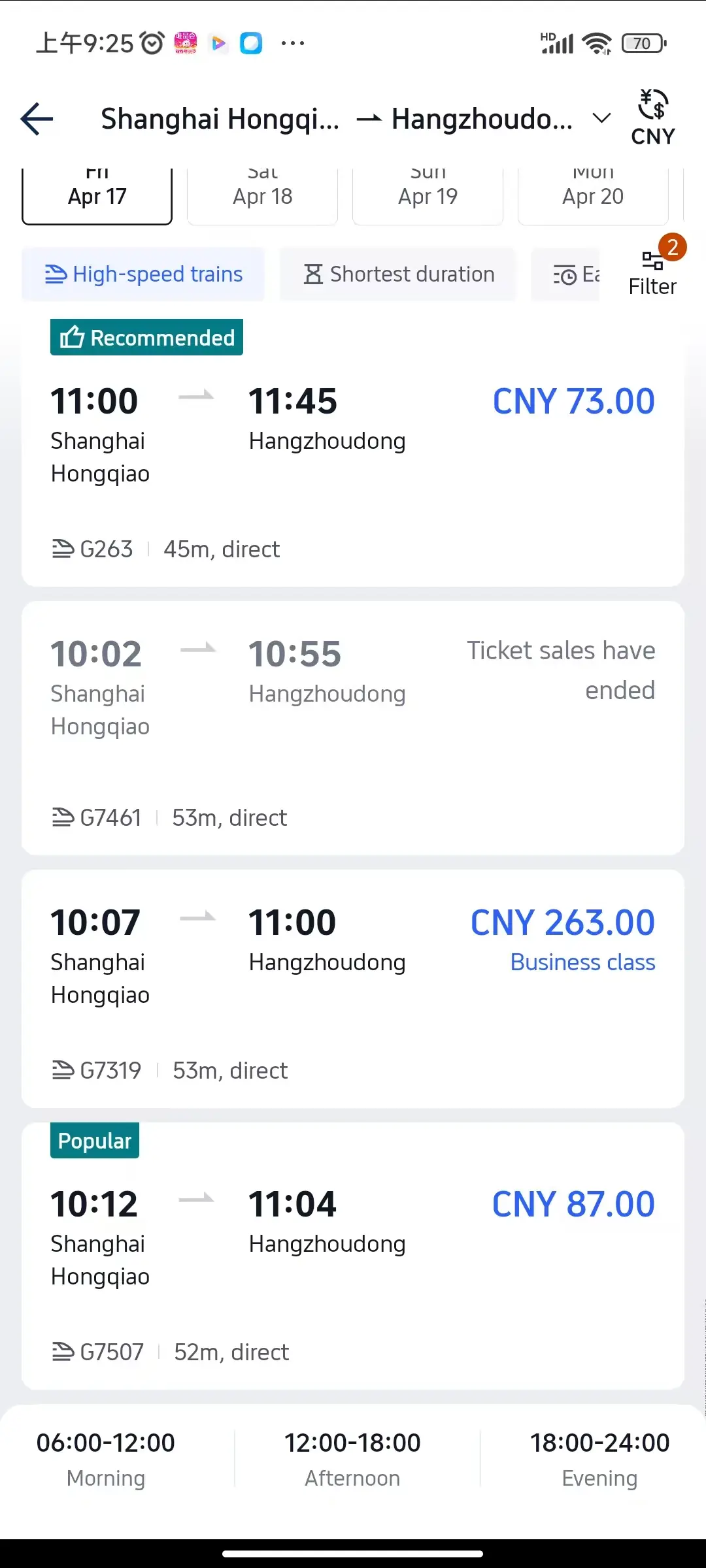
App screen reality
Booking apps put G, D, Z, N, and V options into one list. Read the code, then check station, duration, seat or sleeper type, and final arrival time.
Booking Basics
This article is only for choosing the right train type and station. The actual ticket-buying process lives in the dedicated booking guide.
- 12306 is the official China Railway channel. The English site accepts valid foreign passports and covers ticket purchase, changes, and refunds.
- Trip.com is often easier for first-time visitors because the interface, payment flow, and support are more familiar, but it may add service fees.
- A Trip.com reserve-before-sale request is not the same as an issued ticket. Wait for the final train, carriage, and seat confirmation before treating the ticket as secured.
- Passport details matter. Your ticket, 12306 account, and station entry all depend on the ID document used at booking.
For the step-by-step process — account setup, passport verification, payment, child tickets, changes, and refunds — use the dedicated guide: How to Book China Train Tickets via 12306 and Trip.com. For seat classes, luggage, boarding, and connection timing, continue with the China high-speed rail guide.
Affiliate disclosure: the Trip.com link below is an affiliate link; we may earn a commission at no extra cost to you. Always verify the exact departure and arrival station names, service fees, and final ticket issuance before paying.
Frequently Asked Questions
Some major high-speed stations support foreign passports at automated gates after your identity information is usable in the railway system, but support is not universal. If staff direct you to the staffed lane, use it. Build in time for manual checks instead of assuming the gate will work.
Sources checked for this guide
- Tianjin Municipal Government public notice on China Railway 2026 train-numbering reform: conventional Z/N/V rollout from November 25, 2026 (T to N, K and unprefixed to V) and December high-speed rollout: 2026 train-numbering reform notice
- Suzhou Municipal Government first-day implementation report confirming conventional renumbering on November 25, 2026 (including T109 to N3): November 25, 2026 first-day renumbering confirmation
- State Council / Xinhua railway network statistics used for 165,000 km total railway mileage and about 50,400 km high-speed rail mileage: China railway mileage update
- State Council / Xinhua passenger-rail context used to cross-check 2025 passenger volumes and high-speed rail scale: China railway passenger trips in 2025
- Official 12306 English FAQ used for foreign passport acceptance, ticket services, refund rules, and station security reminders: 12306 English FAQ
- State Council / Xinhua CR450 prototype coverage used to keep next-generation train references separate from booking categories: CR450 prototype testing
- Trip.com train-ticket policy checked for agent-platform handling, passport fields, changes, refunds, and platform-specific support notes: Trip.com train ticket policy
Beyond This Guide
Now that you can read train codes and station names, use these guides to finish the rest of the journey setup:
- How to Book China Train Tickets via 12306 and Trip.com — the full booking walkthrough this article intentionally does not repeat.
- Getting Around Chinese Cities — metro, taxi, Didi, and station-to-hotel transfers after arrival.
- China Essential Travel Apps Toolkit — set up 12306, Amap, translation, payments, and daily-use apps.
- China Navigation Apps: Amap, Maps.me & Apple Maps — make sure the station you map is the station on your ticket.
© gochinafreely.com — Original guide by Go China Freely.