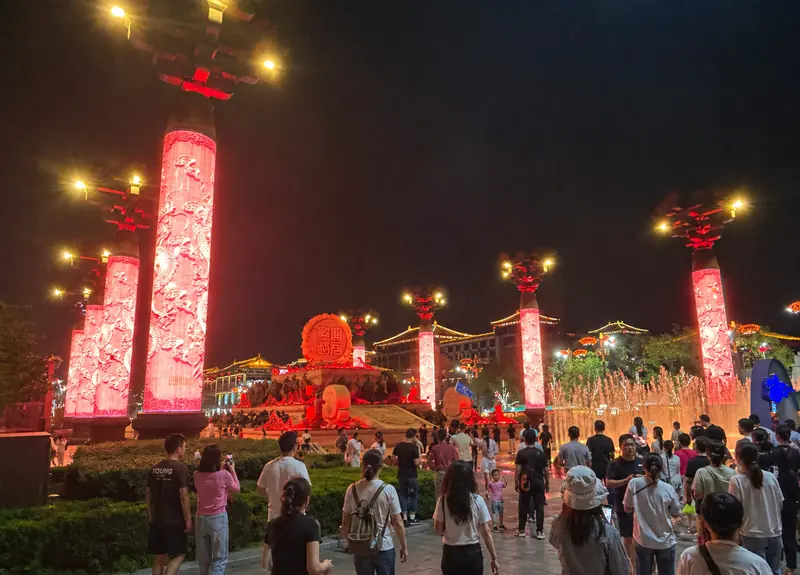
Xi'an is not just the Terracotta Warriors plus a bowl of noodles. In one trip, you can stand above Qin Shi Huang's underground army, cycle a Ming city wall at sunset, watch a Tang-style night boulevard light up, step into a Chinese-style mosque courtyard, and end the day at a local night market with lamb skewers and Bingfeng soda. This guide helps first-time visitors choose the Xi'an experiences worth building a trip around.

First-Time Xi'an Trip Planning Basics for Visitors
Start with capacity, not completeness. Xi'an looks compact on a map, but reservations, security checks, taxi traffic, museum queues, show times, and late-night food plans can quickly turn a clean list into an exhausting day.
One full day
Choose one world-class ancient site, one old-city experience, and one food or night-light layer. For most first-timers, that means the Terracotta Warriors, Xi'an City Wall, and an evening around Bell Tower, Drum Tower, or the Muslim Quarter.

Two full days
Add Shaanxi History Museum, Giant Wild Goose Pagoda, and Great Tang All Day Mall. This is the shortest version where Xi'an starts to feel like an ancient capital city rather than a quick Warriors stop.
Three days or more
Bring in Small Wild Goose Pagoda, Shuyuanmen, Shuncheng Alley, Huaqing Palace, a Tang show, or Daming Palace. This is where Xi'an becomes walkable, layered, and much easier to enjoy.
If you only have one day, do not try to "pass by" all 15. Xi'an rewards editing. The best first trip usually has a strong Qin or Tang anchor, a city-wall or old-lane walk, and one night food scene.
Xi'an Is an Ancient Capital You Can Walk
Xi'an's strength is density. Qin, Han, Sui, Tang, Ming, Qing, and modern street life sit close enough that you can move between them without turning every day into a long transfer.
Qin and Han memory
Where it shows up: Terracotta Warriors, Qin Shi Huang Mausoleum, and the wider Lintong heritage zone.
This layer explains empire, unification, military organization, and the scale of China's first imperial state.

Tang capital imagination
Where it shows up: Giant Wild Goose Pagoda, Shaanxi History Museum, Great Tang All Day Mall, Huaqing Palace, and Tang-style shows.
This is the Chang'an layer: Silk Road exchange, Buddhist translation, court music, poetry, costume, and staged night spectacle.

Ming old city
Where it shows up: Xi'an City Wall, Bell Tower, Drum Tower, Shuyuanmen, the Muslim Quarter, and Shuncheng Alley.
This layer gives the city its walkable frame: gates, lanes, wall-top views, old shopfronts, and food streets.

Today's Xi'an
Where it shows up: night markets, hanfu photoshoots, metro routes, cafes under the wall, and young visitors turning Tang imagery into evening entertainment.
This layer keeps the city from feeling like a museum case.
The goal is not to finish Xi'an. Choose a few strong layers, give each one enough time, and let the city feel connected.
15 Xi'an Experiences Worth Building Around
The first ten are the strongest foundations for a first trip. The final five add evening rhythm, local streets, and slower cultural texture. Use the links when a stop becomes important enough to need its own guide.
The Terracotta Warriors are Xi'an's non-negotiable headline: rows of life-size soldiers, officers, horses, and excavation halls that make Qin state power feel physical. Treat it as a half-day to full-day anchor, not a quick museum stop. Use our Terracotta Warriors guide before choosing transport, routing, and timing.
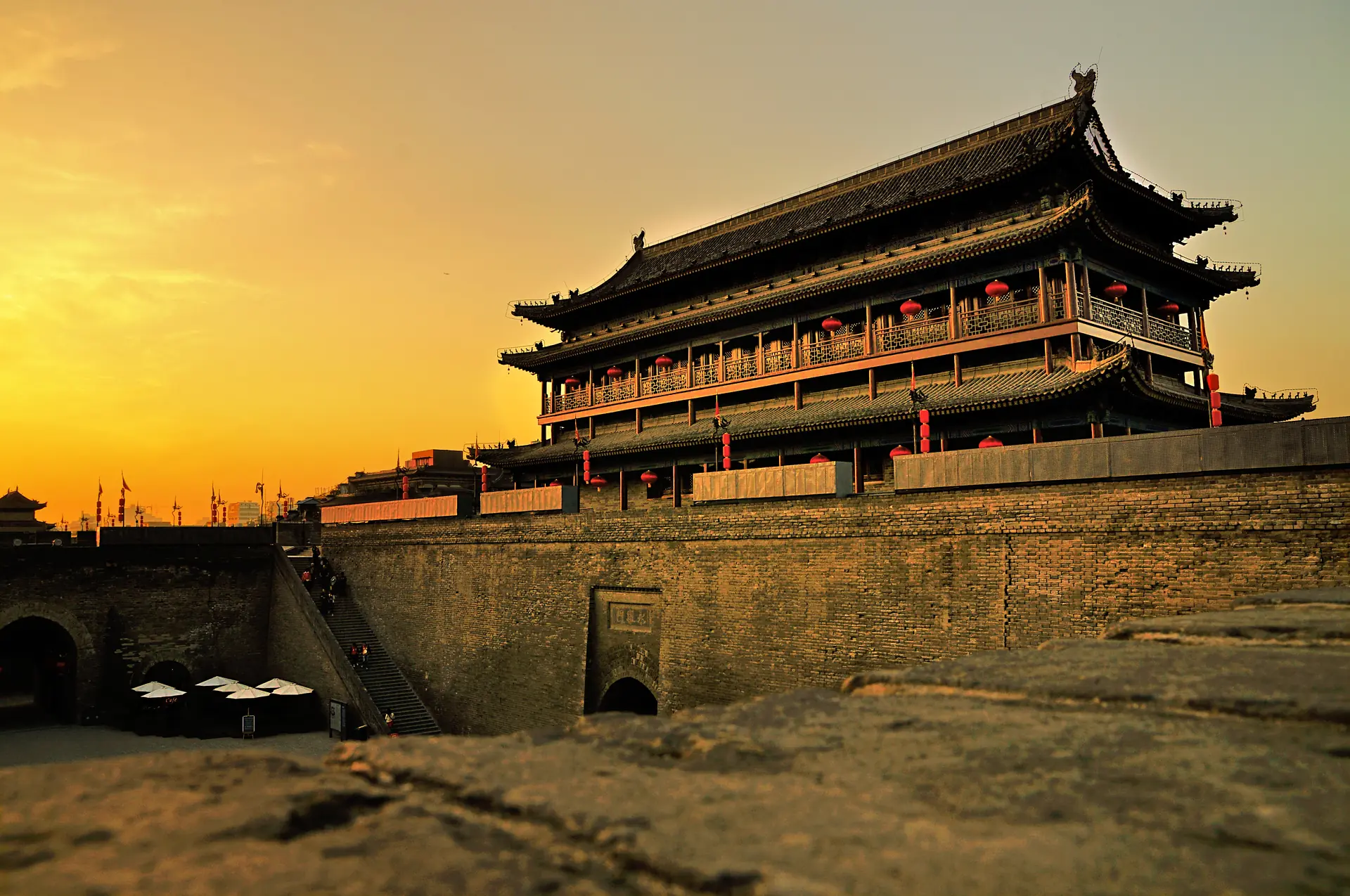
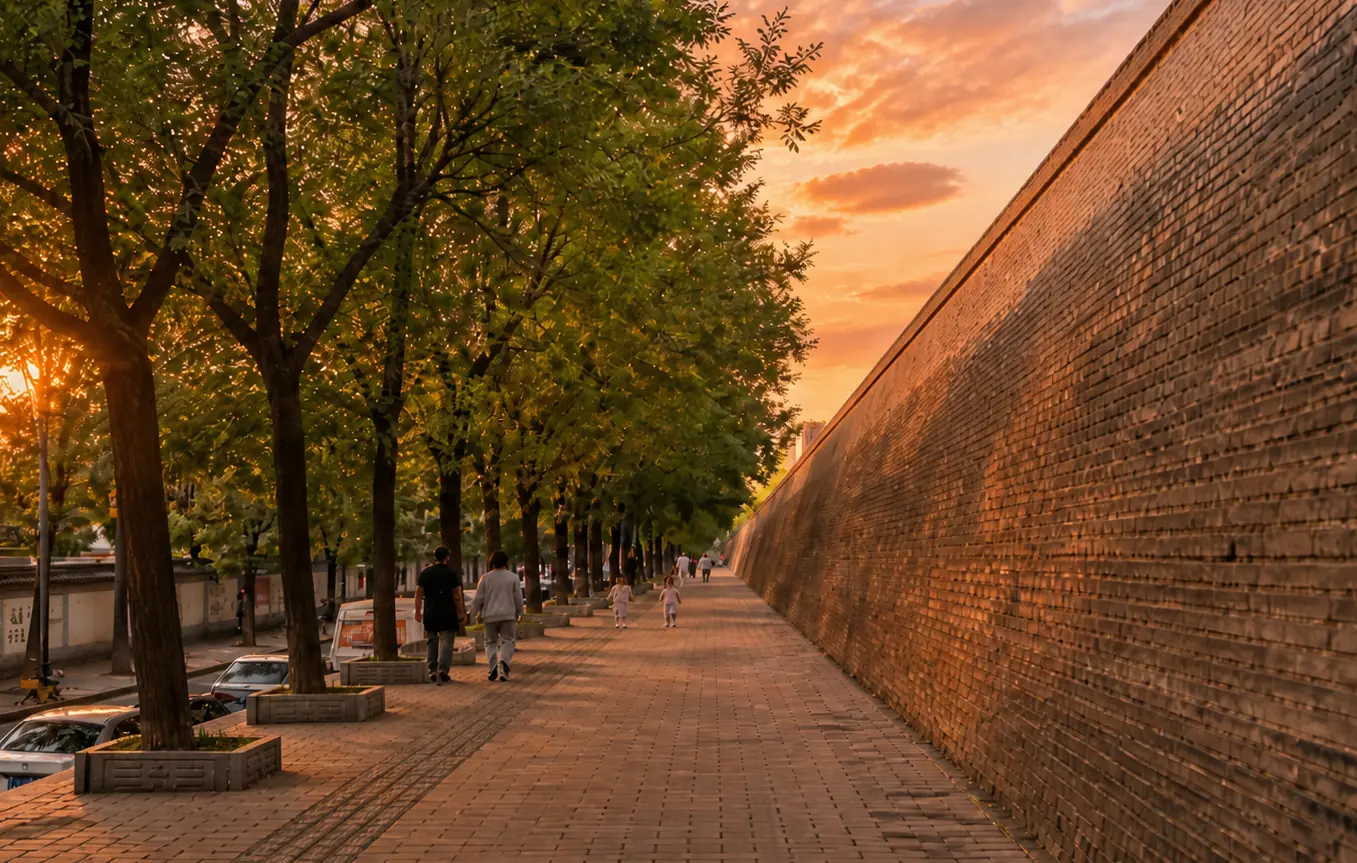
The wall is where Xi'an becomes a city you can feel under your feet. Start near Yongning Gate, walk or cycle the broad ramparts, and watch old roofs and modern towers sit on opposite sides of the same bricks. Use our Xi'an City Wall guide for gates, bikes, and sunset strategy.
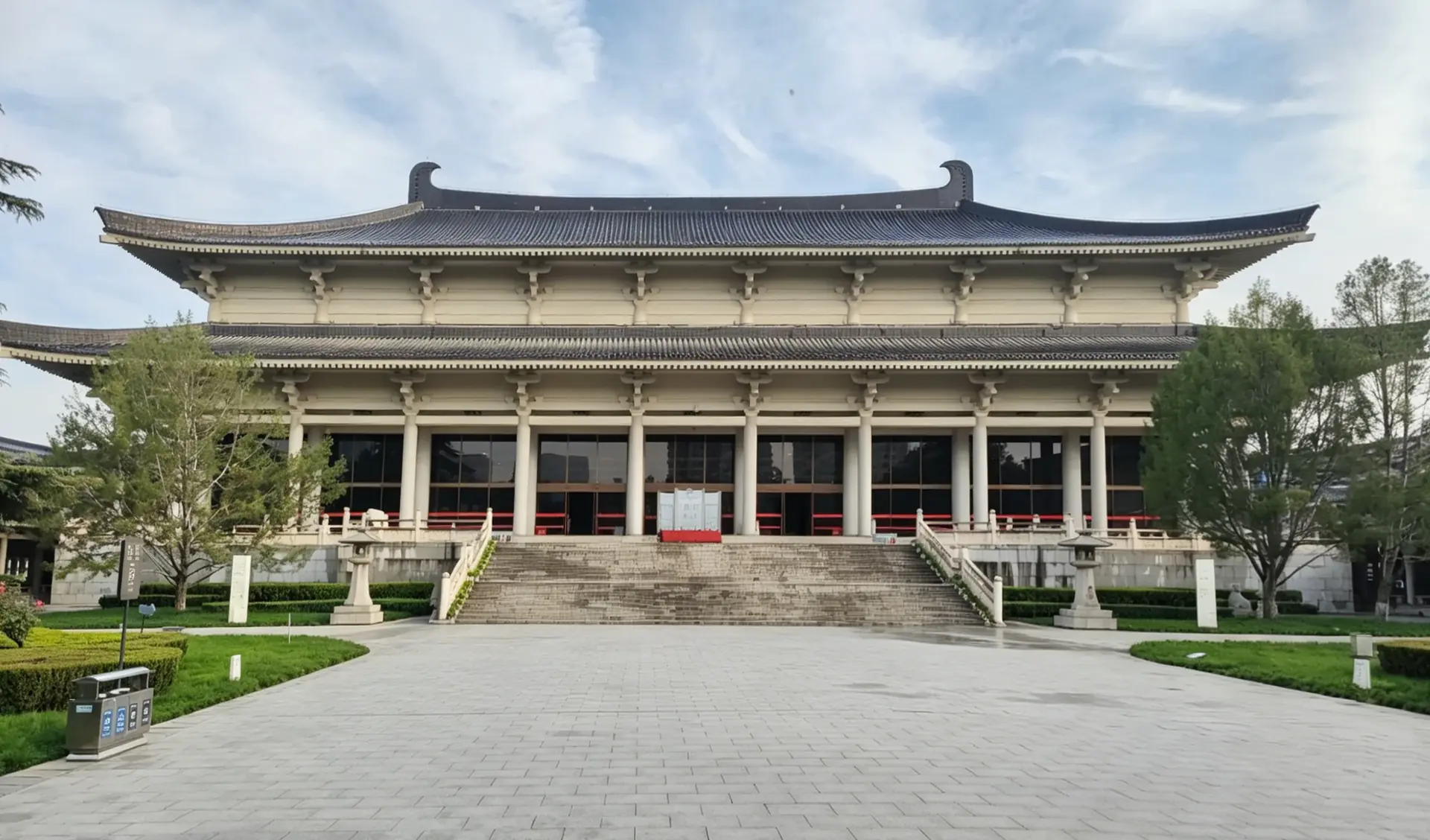
Shaanxi History Museum puts the entire region back into order: prehistoric pottery, Zhou bronzes, Qin and Han objects, Tang tri-color camels, gold and silver hoards, and tomb murals. It is a serious museum, not a reliable walk-in rainy-day backup, and popular dates require planning. Use our Shaanxi History Museum guide if you want the right halls and reservation approach.
Giant Wild Goose Pagoda works best from late afternoon into evening: Da Ci'en Temple for Buddhist and Silk Road context, the pagoda exterior at golden hour, then the North Square fountain or Great Tang All Day Mall after dark. Use our Giant Wild Goose Pagoda guide for the day-to-night strategy.
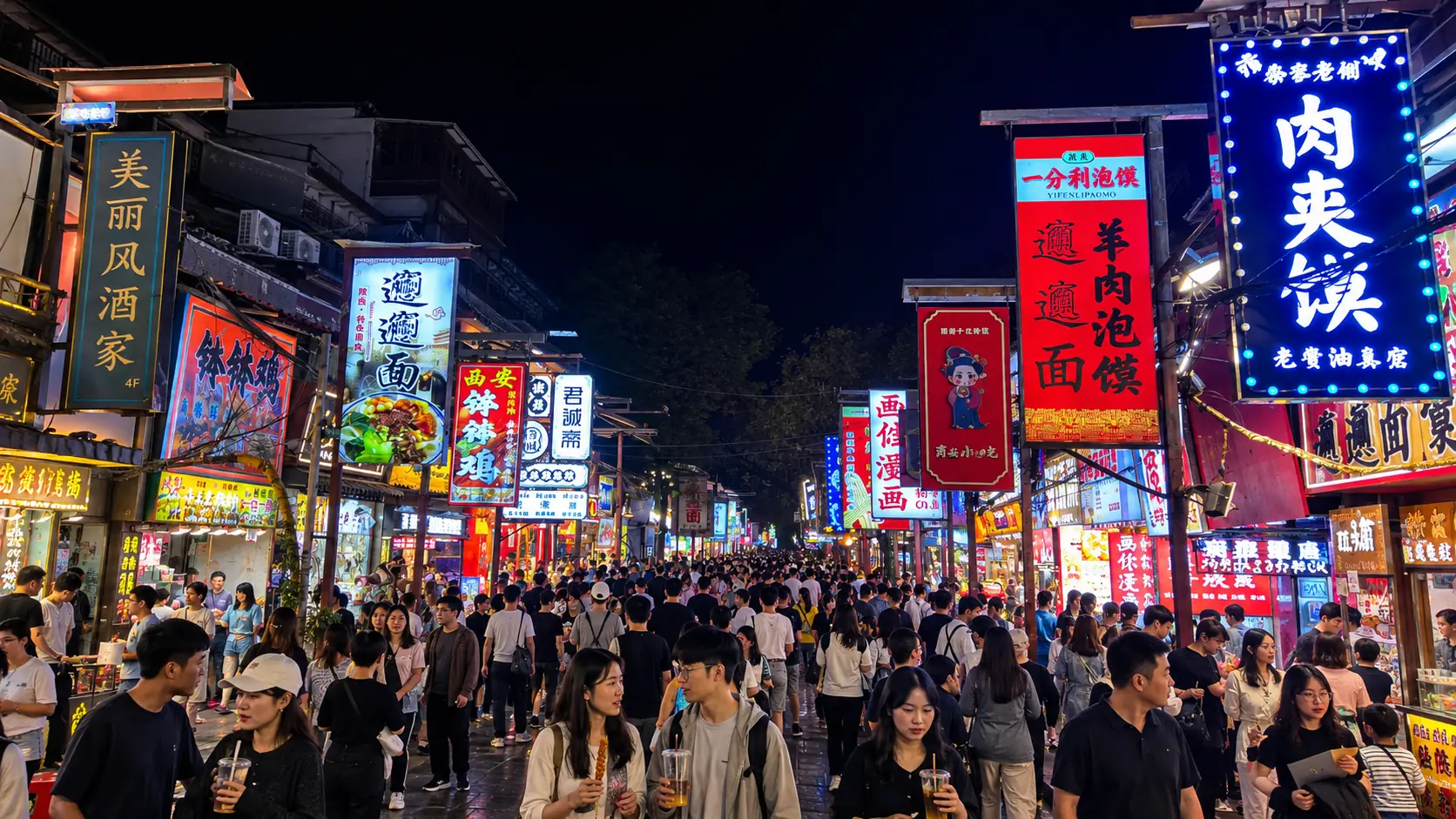
The Muslim Quarter is not just a snack strip behind Drum Tower. The stronger version uses the main street for orientation, then turns into Huajue Lane, Xiyangshi, Dapiyuan, and Sajinqiao for mosque courtyards, Hui daily life, and better food pacing. Use our Muslim Quarter walking tour and Xi'an food guide together.

Great Tang All Day Mall is not an ancient site; it is a free outdoor night theater built from lights, street shows, Tang costumes, sculpture groups, snack stalls, and crowds. The lineup can shift with weather, crowd control, and holidays, so treat same-day notices as the final word. Use our Great Tang All Day Mall guide before planning a show-heavy evening.

The Bell Tower and Drum Tower are useful even if you only see them from outside. They give the old city its center of gravity, connect naturally with the Muslim Quarter, and look better after dark when traffic, roofs, and city lights frame the crossroads. Add the interiors only if weather, timing, and interest line up.
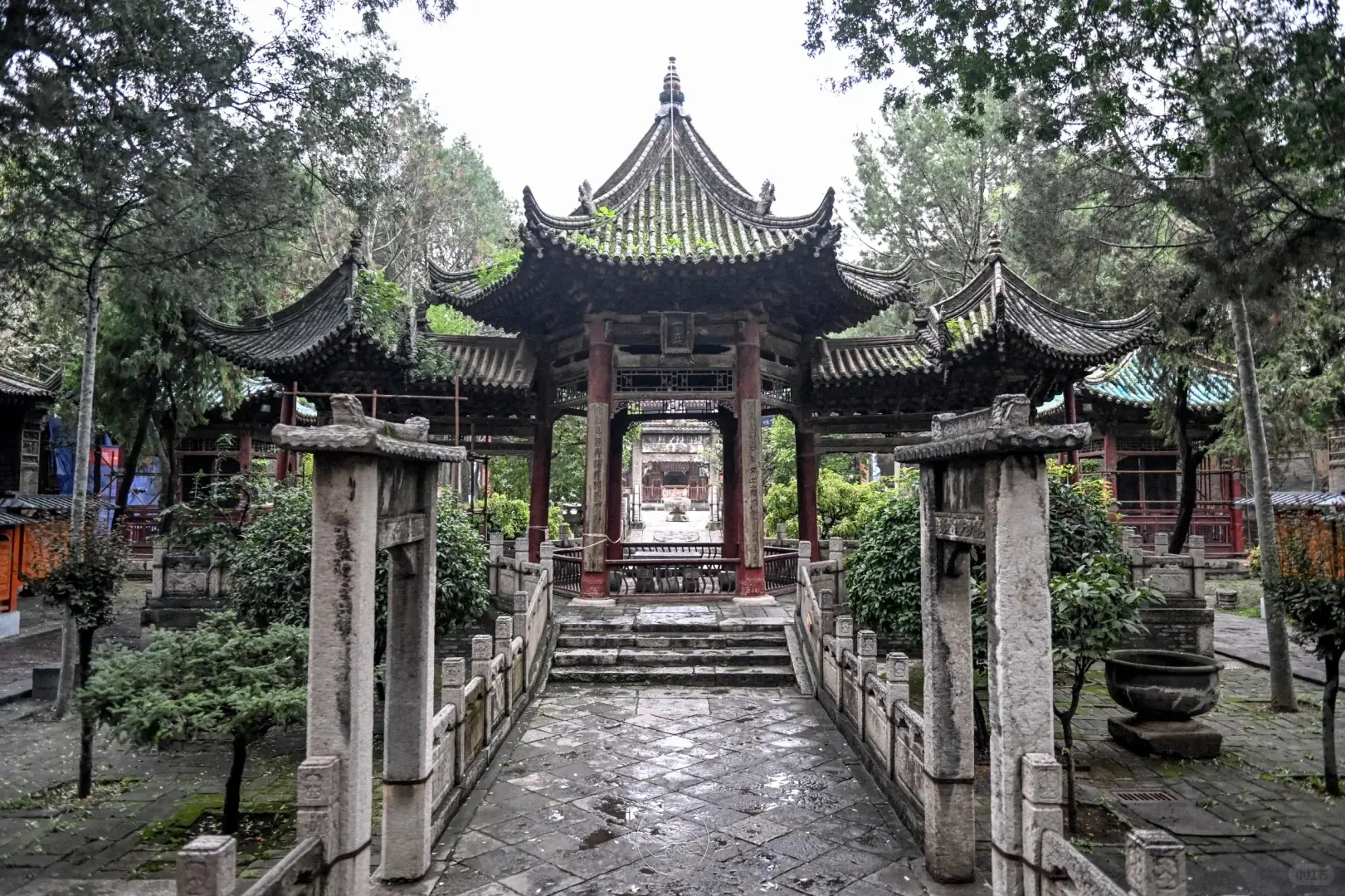
The Great Mosque of Xi'an resets the Muslim Quarter. Instead of domes and minarets, you get Chinese-style courtyards, timber archways, stone steles, garden walls, and a prayer hall used by the local community. Non-Muslim visitors can usually see the courtyards and exterior architecture. Use our Great Mosque guide for etiquette and route context.
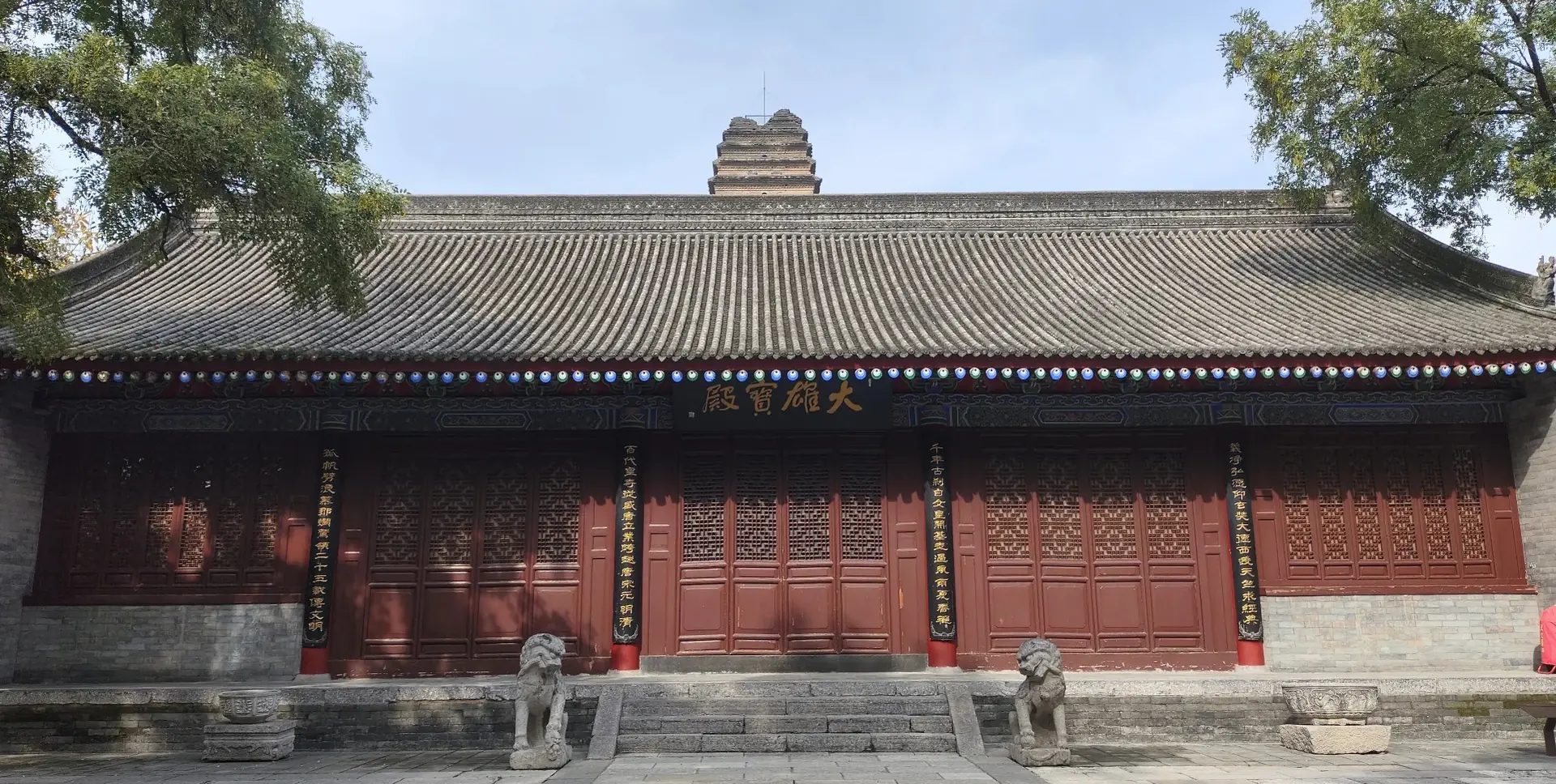
Small Wild Goose Pagoda and Xi'an Museum make the best gentle half-day in the city: a dense-eaved brick pagoda, Jianfu Temple courtyards, an ancient bell, seasonal flowers, and a museum that does not feel as pressured as Shaanxi History Museum. Use our Small Wild Goose Pagoda guide if your trip needs breathing room.

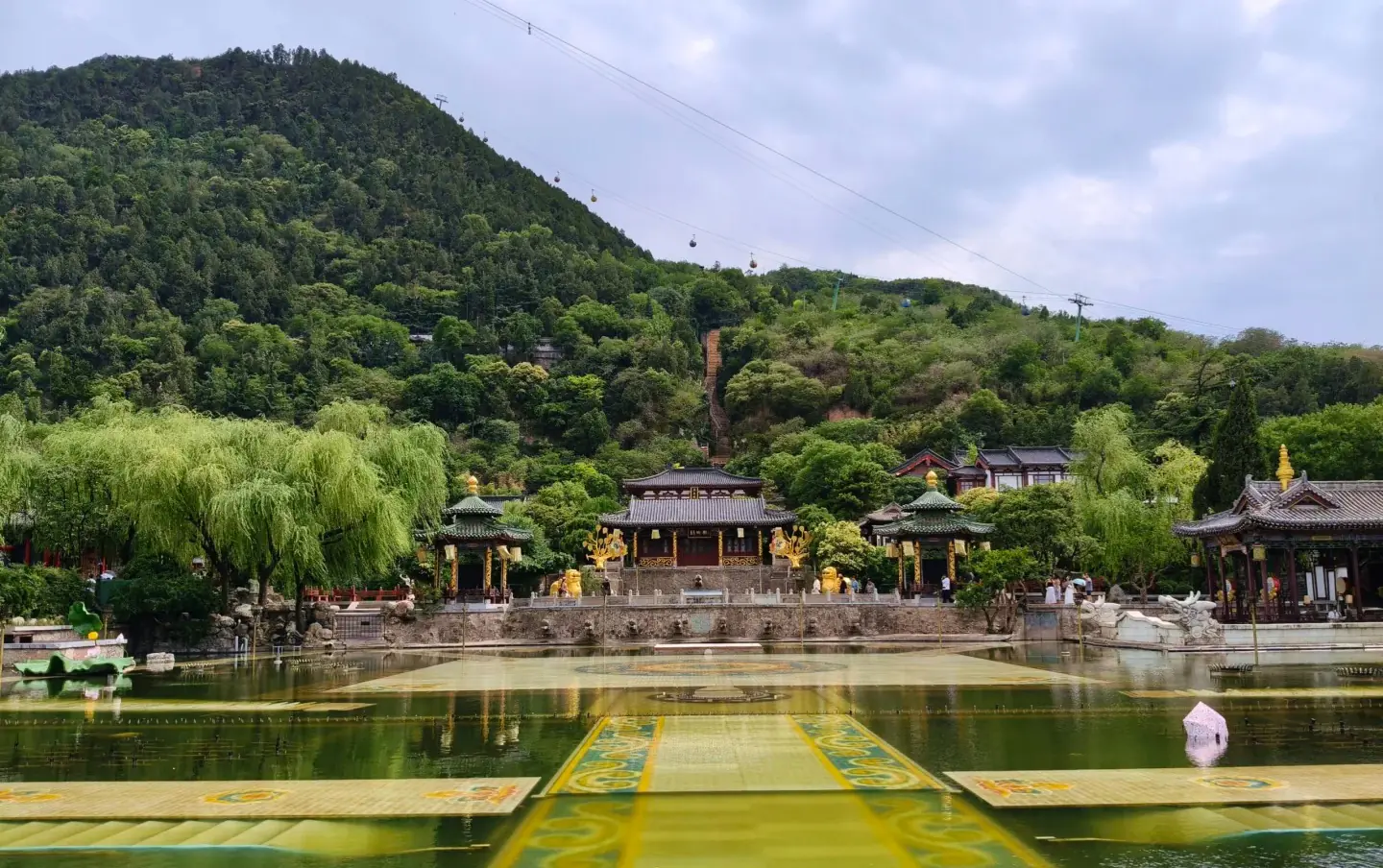
The Song of Everlasting Sorrow turns the Tang Xuanzong and Yang Guifei story into an outdoor water-stage spectacle at Huaqing Palace, with Mount Li as the backdrop. Check the current show calendar instead of assuming year-round daily availability, and remember that weather matters because the stage is outdoors. Use our Song of Everlasting Sorrow guide before pairing it with Lintong sightseeing.
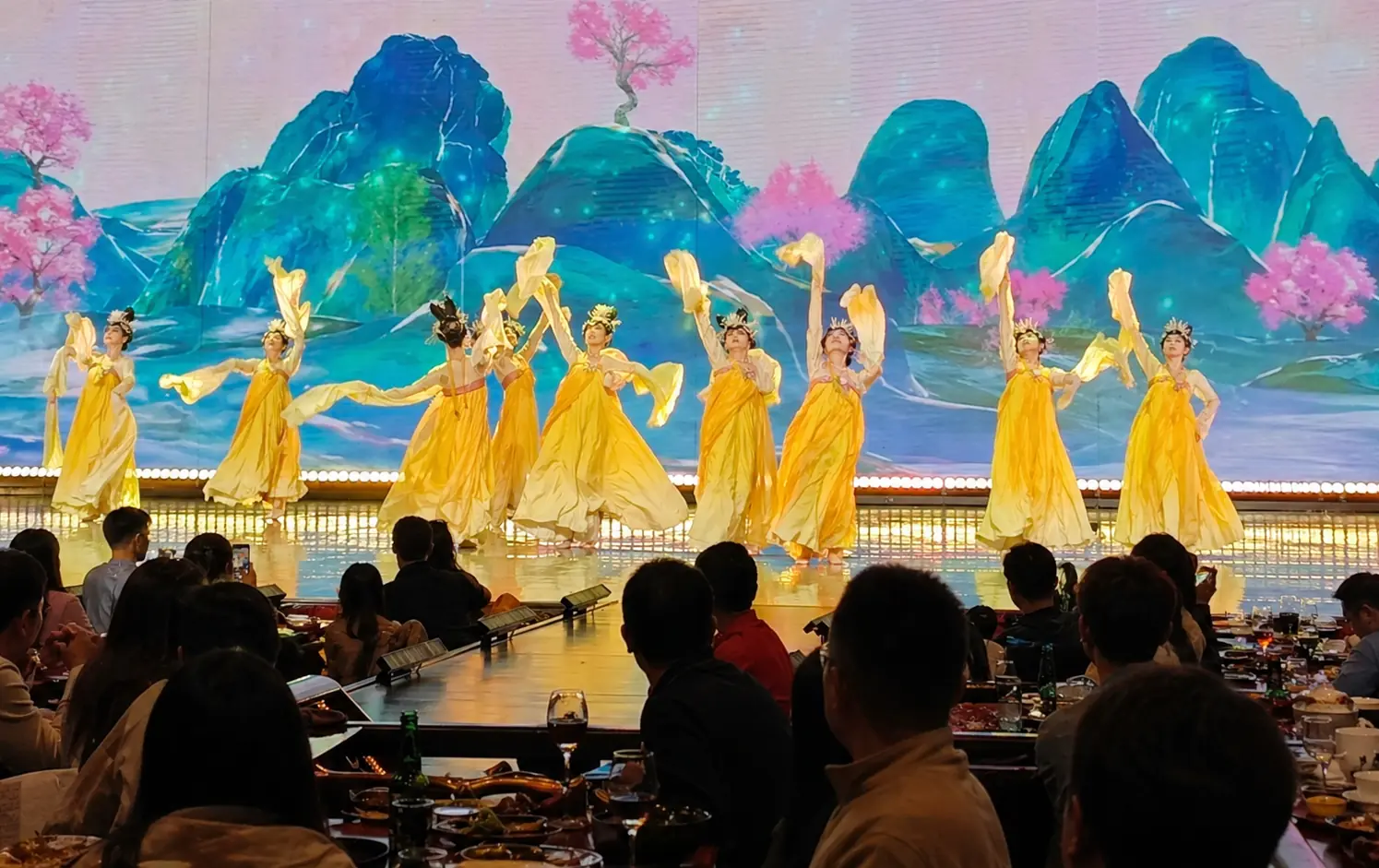
Xi'an's indoor Tang shows suit travelers who want a seated evening, stage lighting, classical music, dance, and sometimes a dumpling banquet. This is different from Huaqing Palace: smaller, easier, more theater-restaurant than mountain-scale spectacle. Use our Tang Dynasty show guide to decide whether it fits your night.
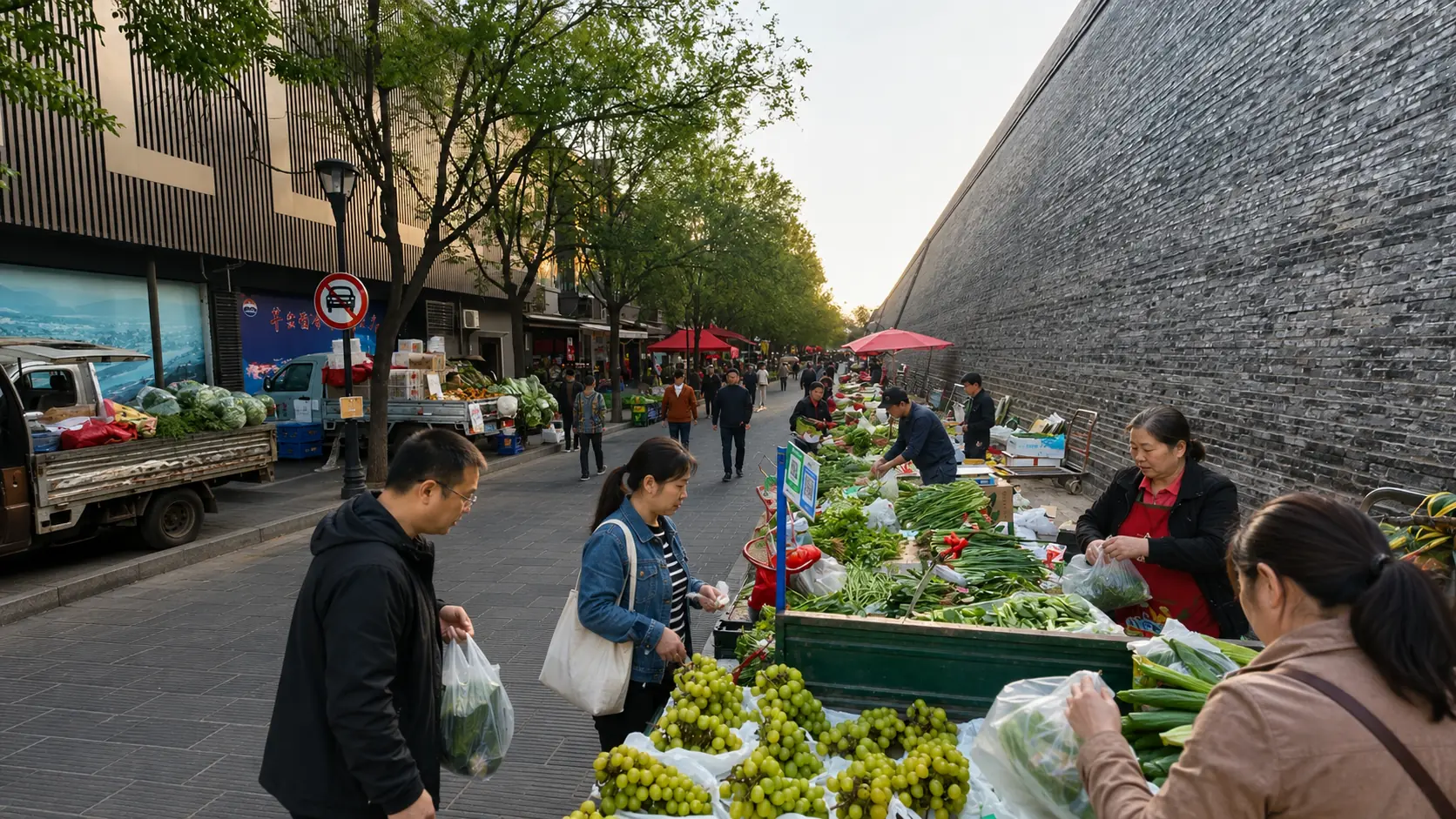
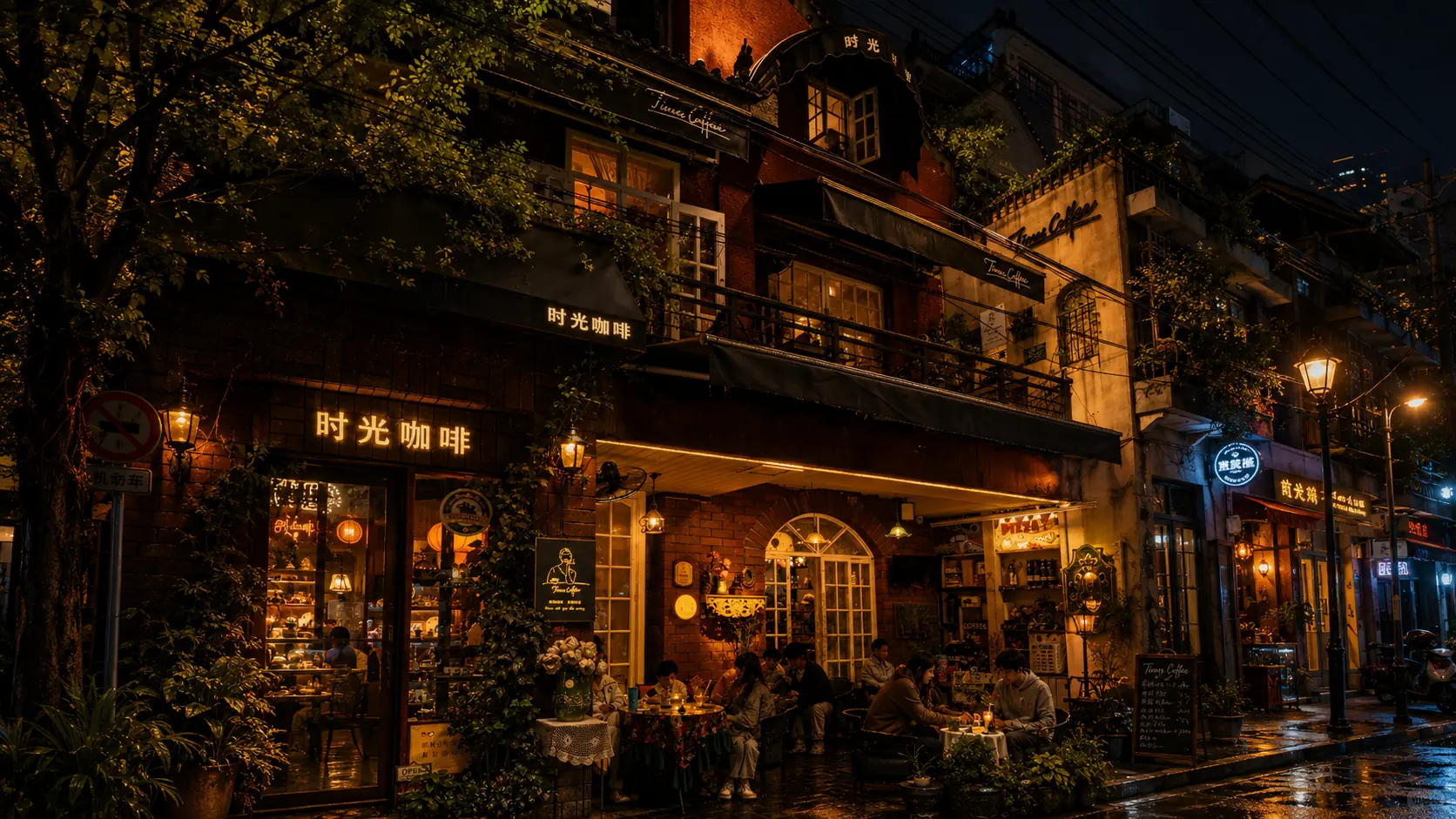
Shuncheng Alley runs below the city wall, where cafes, guesthouses, small bars, gate arches, trees, and local life soften the old-city experience. Walk one section at dusk rather than forcing the full loop. Use our Shuncheng Alley walk if you want a gentler evening after wall cycling.

Shuyuanmen is commercial, but it still works for calligraphy brushes, name seals, rubbings, folk crafts, and an old-city cultural lane near South Gate. Pair it with Stele Forest Museum if stone inscriptions and calligraphy history interest you. Use our Shuyuanmen guide before shopping.
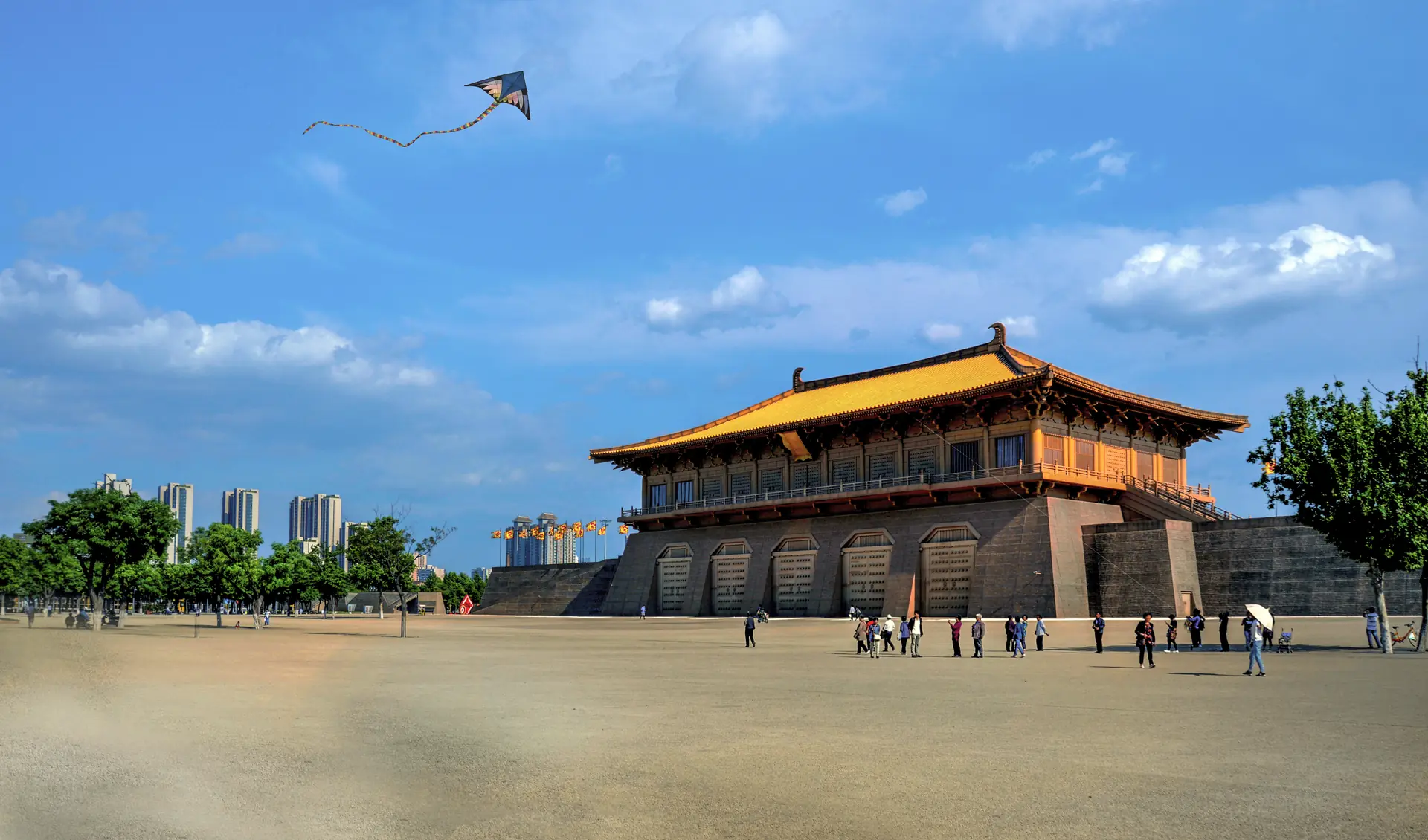
Daming Palace is not the easiest first-trip sight, but it explains the physical scale of Tang Chang'an better than many prettier stops. Expect foundations, open lawns, museum-style interpretation, and reconstructed spatial imagination rather than complete palace buildings. Prioritize it if you love archaeology, urban history, or Tang-dynasty scale.
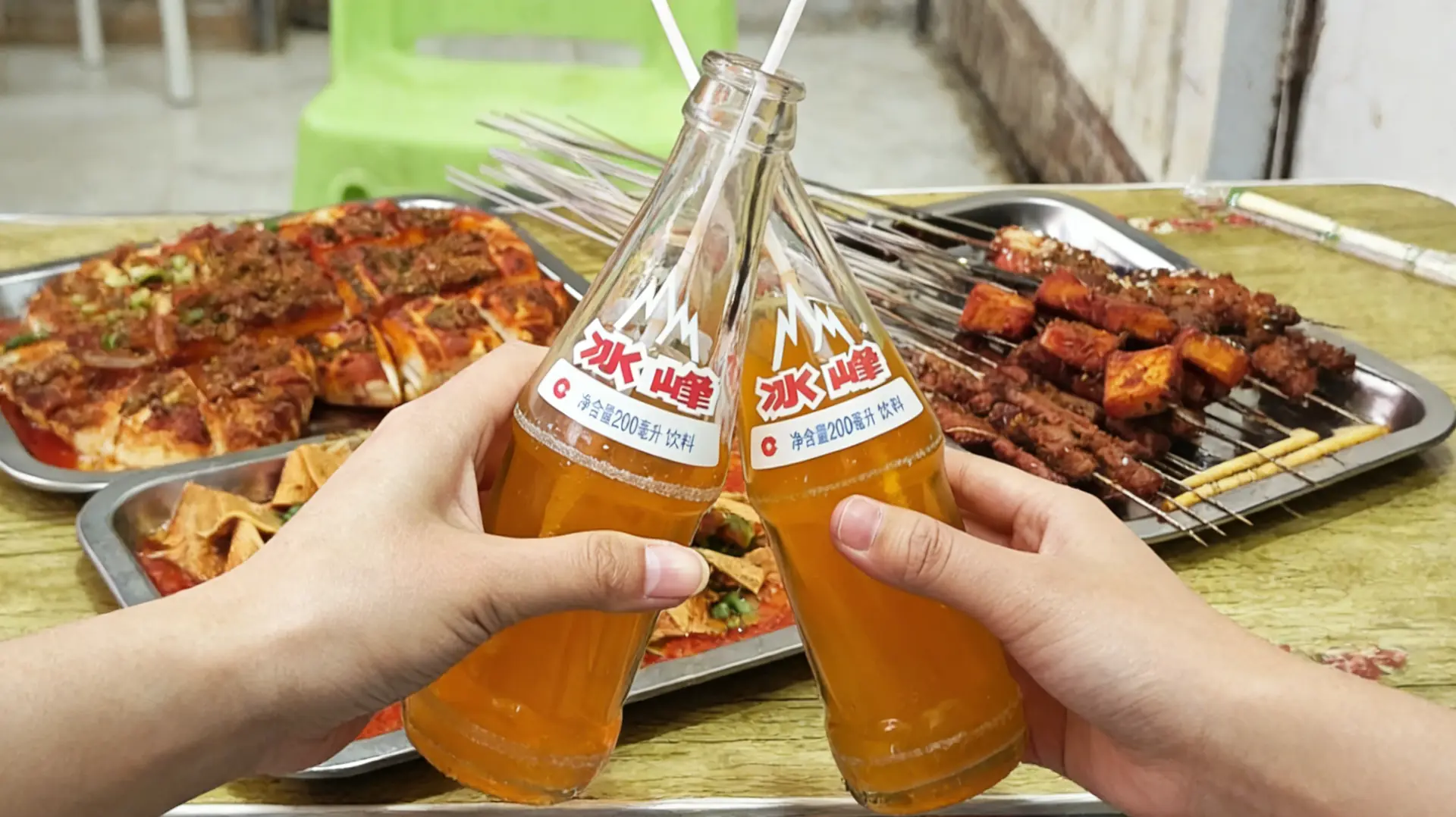
Xi'an nights should include food. Yongxingfang gives a compact Shaanxi snack sampler, Xiaonanmen has stronger local late-night energy, and Sajinqiao is useful for Hui breakfast or evening grazing. Do not use one famous stall as your entire food plan. Let our Xi'an food guide carry the dish-by-dish detail. (Google | Amap)
What Kind of Xi'an Trip Are You Building?
Do not choose Xi'an only by fame. The Terracotta Warriors, City Wall, Shaanxi History Museum, Great Tang All Day Mall, Muslim Quarter, and Huaqing Palace all belong in "things to do in Xi'an," but they create very different trips.

The Classic First Trip
Best for: icons, scale, and a clear first memory.
Prioritize Terracotta Warriors, City Wall, Bell Tower, Drum Tower, Muslim Quarter, Giant Wild Goose Pagoda, and one Tang-style night area.
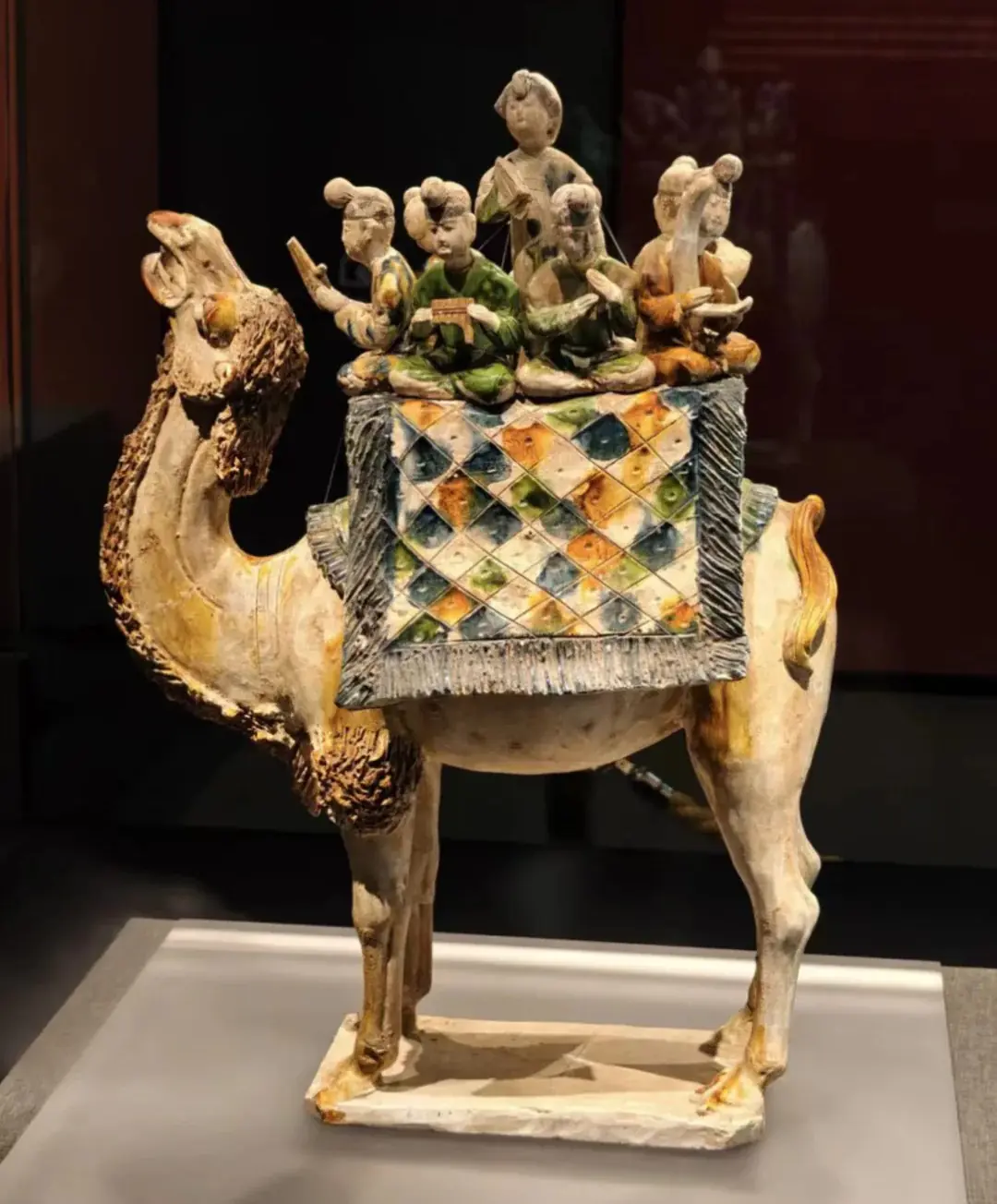
The History Trip
Best for: Qin, Han, Tang, museums, and archaeology.
Add Shaanxi History Museum, Small Wild Goose Pagoda, Stele Forest, Daming Palace, and more time reading context rather than chasing night shows.
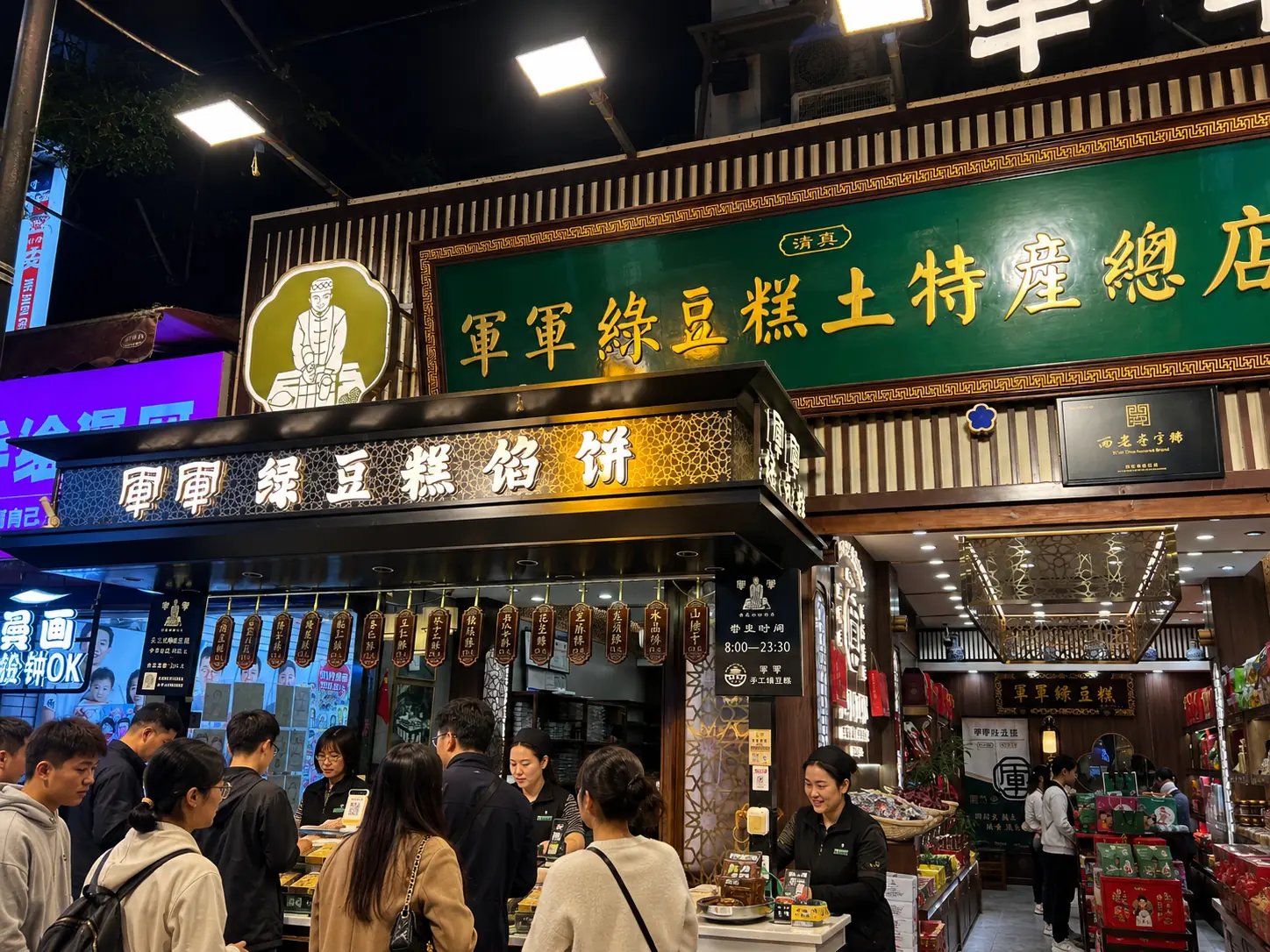
The Nightlife Trip
Best for: lights, street shows, food, and evening walks.
Use Great Tang All Day Mall, Bell and Drum Towers, Muslim Quarter, Xiaonanmen, Yongxingfang, and one ticketed show if your energy allows.

The Family-Friendly Trip
Best for: big sights without punishing the day.
Keep the Terracotta Warriors focused, do a shorter wall ride, choose one museum, and avoid stacking a late-night show after a heavy Lintong day.
The Visual Trip
Best for: walls, towers, fountains, costume, and city lights.
Prioritize City Wall sunset, Bell Tower night photos, Giant Wild Goose Pagoda fountain, Great Tang All Day Mall, Huaqing Palace staging, and hanfu portraits.

The Hands-On Culture Trip
Best for: travelers who want to do, not only watch.
Look at hanfu photoshoots, shadow puppetry, and ink wash painting workshops once your core sightseeing is set.
Xi'an Areas for Smarter Daily Routes
Before building each day, understand the clusters. Xi'an is easier than Beijing or Shanghai, but it still punishes random zigzags.
Old City Core
Includes: City Wall, Bell Tower, Drum Tower, Muslim Quarter, Great Mosque, Shuyuanmen, Shuncheng Alley, and Xiaonanmen.
Use this for: first-night orientation, wall views, old lanes, food, and hotel convenience.
Qujiang and Dayanta
Includes: Giant Wild Goose Pagoda, Shaanxi History Museum, Great Tang All Day Mall, Tang Paradise, hanfu rentals, and several shows.
Use this for: afternoon-to-night routes with Tang imagery and easier family logistics.

Lintong
Includes: Terracotta Warriors, Qin Shi Huang Mausoleum area, Huaqing Palace, and Song of Everlasting Sorrow.
Use this for: a half-day to full-day outer-city anchor. Do not treat it as a gap filler.
Quiet Culture Belt
Includes: Small Wild Goose Pagoda, Xi'an Museum, Stele Forest, and quieter traditional experiences.
Use this for: a calmer second or third day when you need less crowd pressure.

Local Food Streets
Includes: Muslim Quarter side lanes, Sajinqiao, Yongxingfang, Xiaonanmen, Chejiaxiang, and neighborhood noodle streets.
Use this for: breakfast, late-night eating, and a more local rhythm than a single tourist food strip.
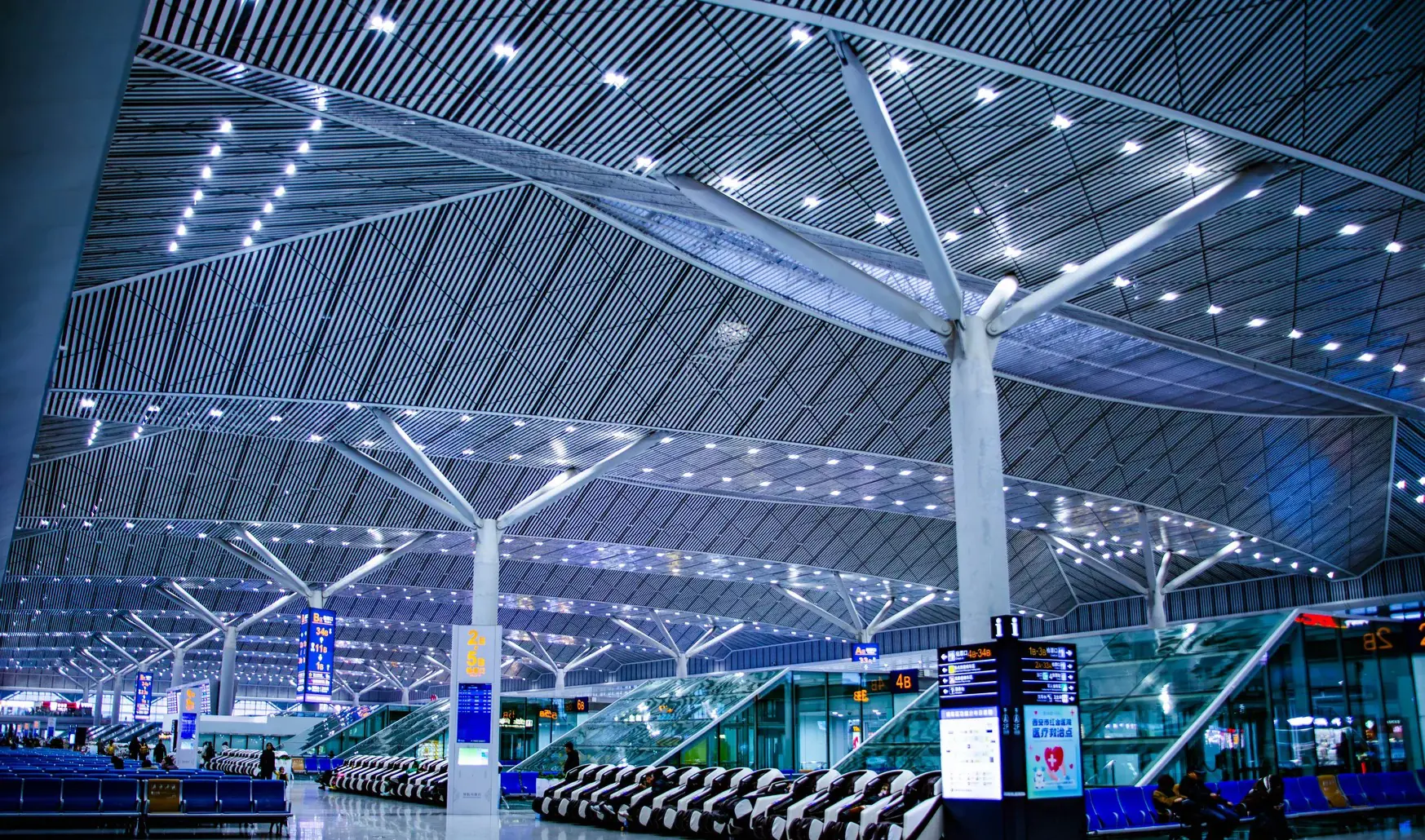
Station Zones
Includes: Xi'an North Railway Station, Xi'an Railway Station, airport transfer corridors, and practical overnight bases.
Use this for: arrival and departure logistics, not for atmosphere unless you have a specific reason.
How to Balance Your Xi'an Days
Once you know how many days you have, decide how heavy each day should feel. Xi'an works best when big reservation-heavy anchors get space, while wall walks, food streets, and night lights keep the trip from turning into a museum marathon.
Heavy Anchor Days
Use for: Terracotta Warriors, Shaanxi History Museum, Huaqing Palace, and Song of Everlasting Sorrow.
Give these stops room for transfers, reservations, security, queues, or late return times. Do not stack two heavy anchors unless your group has planned around the fatigue.
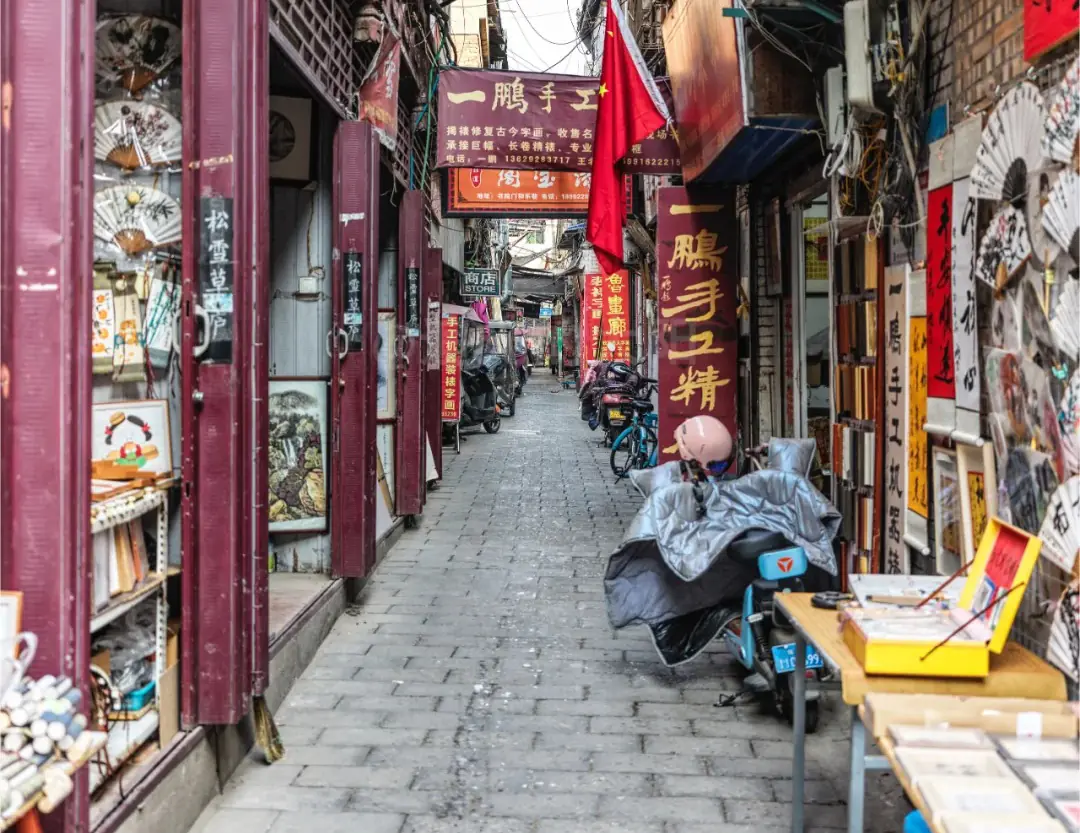
Medium Culture Days
Use for: City Wall, Giant Wild Goose Pagoda, Small Wild Goose Pagoda, Stele Forest, Shuyuanmen, and Shuncheng Alley.
These make good half-day or paired culture blocks. They give Xi'an texture without making every day depend on a hard-to-change booking window.
Light Evening Layers
Use for: Muslim Quarter side lanes, Bell and Drum Tower night views, Great Tang All Day Mall, Yongxingfang, Xiaonanmen, and Sajinqiao.
Use these as rhythm and recovery layers after heavier sightseeing. A good Xi'an night often works better than one more tired attraction.
This is the difference between a list and a usable itinerary: choose the immovable anchors first, then use old-city walks, food alleys, and night scenes to make each day feel balanced.
Common First-Trip Mistakes to Avoid in Xi'an
- Do not treat the Terracotta Warriors as a quick side trip. Transport, security, crowds, and the museum scale make it a serious anchor.
- Do not use the Muslim Quarter main strip as your entire food plan. Turn into side lanes and use Sajinqiao, Xiaonanmen, or Yongxingfang for different food moods.
- Do not stack every Tang-themed night activity. Great Tang All Day Mall, Tang Dynasty Palace, and Song of Everlasting Sorrow overlap in mood; choose one or two.
- Do not make Shaanxi History Museum a rain-day backup. Reservations can be tight, and the best visit needs time and attention.
- Do not arrive exhausted at a late show. A full Warriors day plus an outdoor night performance can be too much for families or first-night arrivals.
What to Save for a Second Xi'an Trip
A strong first Xi'an trip needs editing. These are worthwhile, but not always first-trip priorities.
Daming Palace by Default
Worthwhile for Tang history and archaeology, but less instantly rewarding than the Terracotta Warriors, City Wall, Shaanxi History Museum, or Giant Wild Goose Pagoda.

Too Many Tang Theme Streets
Great Tang All Day Mall is enough for many first-timers. Add more themed commercial districts only if you enjoy costume, shopping, and staged atmosphere.
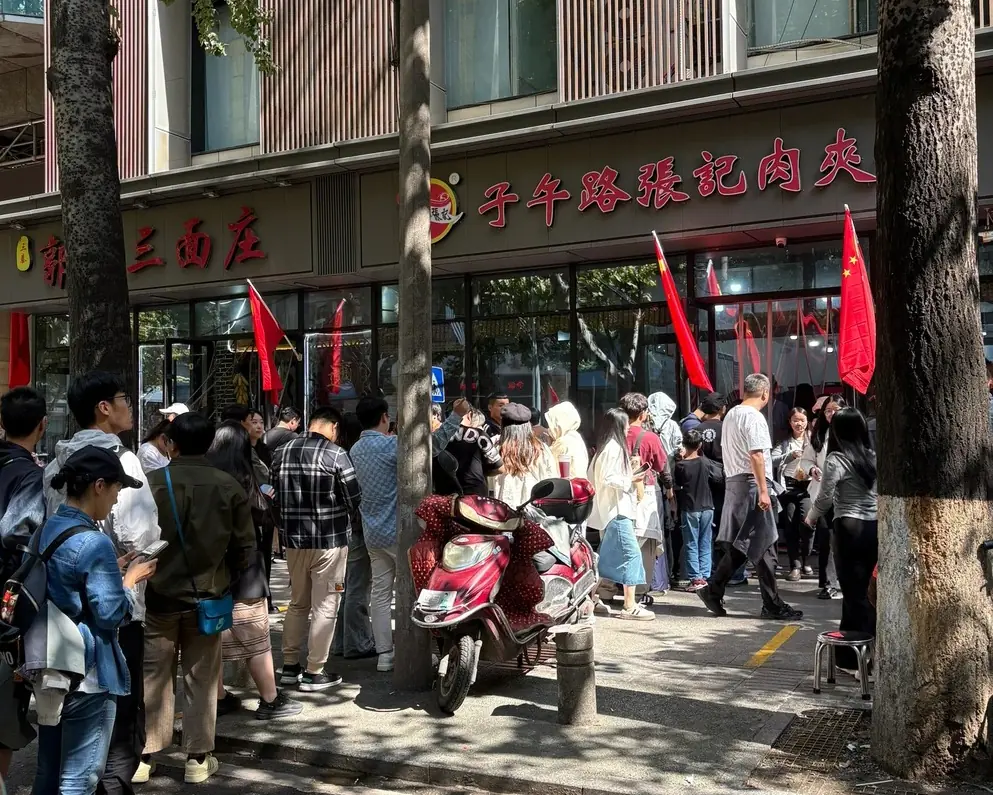
Random Viral Restaurants
Xi'an food is too good to be reduced to one online-famous queue. Use neighborhoods and dish types first, then choose restaurants around your route.
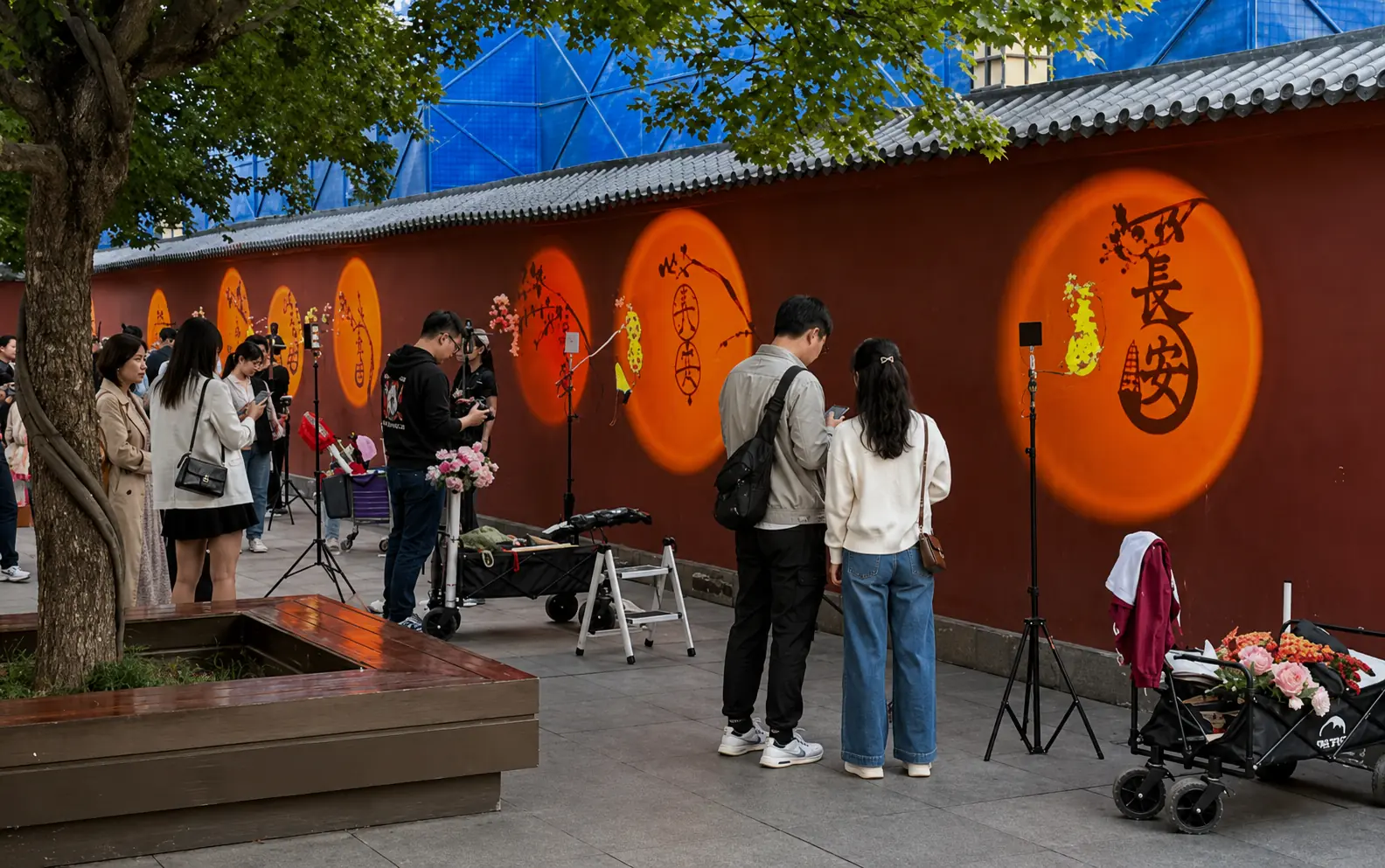
Long Hanfu Sessions
Fun if photography is a priority, but a full costume, makeup, and shoot can consume half a day. Keep it optional unless it is central to your trip.
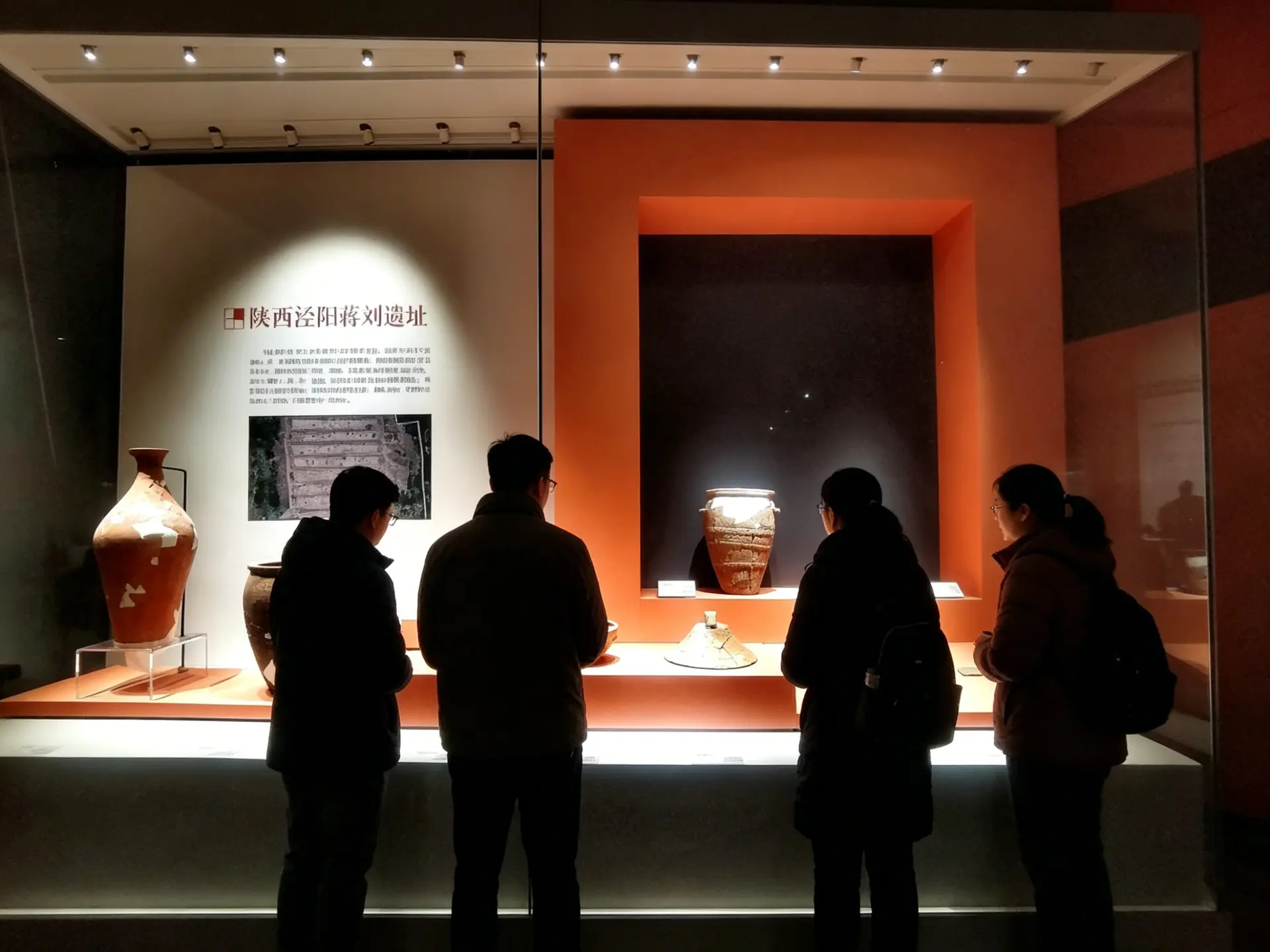
Repeat Museum Time
Shaanxi History Museum plus Xi'an Museum plus Stele Forest can be excellent, but too dense for travelers who do not enjoy reading displays.
Distant Add-Ons
Do not add farther sites just because the map looks manageable. Xi'an is better when your old-city, Qujiang, and Lintong days stay coherent.
Where to Stay for These Sights
Choose a Xi'an base by trip shape, not just hotel price. The wrong base can turn easy evenings into repeated taxi rides.

For First-Time Sightseeing
Best base: Bell Tower to South Gate.
Choose this zone if your first priority is the City Wall, Muslim Quarter, Bell and Drum Towers, Shuyuanmen, metro links, and easy old-city evenings. It is the safest default when you are still deciding your exact route.
For Night Shows and Families
Best base: Giant Wild Goose Pagoda / Qujiang.
Choose this zone if your trip is built around Great Tang All Day Mall, Tang shows, hanfu photos, wider hotel choices, and softer evening logistics after dinner.
For Early Train Links
Best base: Xi'an North Railway Station.
Use it for a one-night transit, late arrival, or early train. It is practical, but it does not give you Xi'an atmosphere outside the hotel door.
For Budget Transport
Best base: Xi'an Railway Station area.
It can work for budget hotels and older transport links, but check hotel quality, noise, and walking comfort more carefully than you would around South Gate.
- Best base
- Bell Tower to South Gate
- Why it works
- Easiest for City Wall, Muslim Quarter, Bell/Drum Towers, Shuyuanmen, metro links, and old-city evenings
- Best base
- Giant Wild Goose Pagoda / Qujiang
- Why it works
- Better for Great Tang All Day Mall, Tang shows, hanfu photos, wider hotels, and a softer evening environment
- Best base
- Xi'an North Railway Station
- Why it works
- Useful for a one-night transit or early train, but weak for atmosphere and old-city walking
- Best base
- Xi'an Railway Station area
- Why it works
- Convenient and older, but choose carefully for hotel quality and noise
If you are choosing blind, stay between Bell Tower and South Gate. Move to Qujiang only when your trip is built around Dayanta, Great Tang All Day Mall, hanfu photos, or Tang-style evening shows.
Xi'an Travel Questions for First-Time Visitors
Two full days is the best minimum for first-timers: one day for the Terracotta Warriors and an old-city evening, one day for Shaanxi History Museum, Giant Wild Goose Pagoda, and Great Tang All Day Mall. Three days is much more comfortable if you want quieter sites, food streets, or a show.
Sources checked for this guide
- Real-name passport booking and two-zone ticket coverage for Pits 1–3 and Lishan Garden: Emperor Qinshihuang's Mausoleum Site Museum ticketing
- Five-day free WeChat reservation window and Xiaozhai main-museum entry rules: Shaanxi History Museum visitor guide
- Ming City Wall rampart access, Yongning Gate anchor, and visitor hours: Xi'an City Wall official visitor page
- World Heritage context for Giant and Small Wild Goose Pagodas along the Chang'an-Tianshan Corridor: UNESCO World Heritage Centre — Silk Roads
Plan Beyond This Xi'an Travel Guide
Once you know which version of Xi'an you want, go deeper on the experiences that will shape your trip most. Start with the Xi'an destination hub, plus our Terracotta Warriors guide, Xi'an City Wall guide, Shaanxi History Museum guide, Giant Wild Goose Pagoda guide, Muslim Quarter walking route, Great Tang All Day Mall guide, and Xi'an food guide.
The best Xi'an plan is not the longest list. It is the version that lets the Warriors, the wall, Tang history, Hui food lanes, and one good night scene each have enough room to land.
© gochinafreely.com — Original guide by Go China Freely.