Workshop basics
Confirm before paying
A Quiet Brush-and-Ink Cultural Class in Xi'an
The class in one frame
Xi'an (西安) is a strong city for brush-and-ink culture, but not every "Chinese art" class is an ink wash painting workshop. The best version is quiet and specific: usually 1.5-3 hours with brush, ink, absorbent paper, and a teacher who helps you paint bamboo, orchids, or a small literati-style composition instead of only writing characters.
Publicly bookable English experiences may appear as calligraphy, fan painting, scroll art, or mixed folk-art classes. Use this guide to identify what is actually hands-on before you pay.
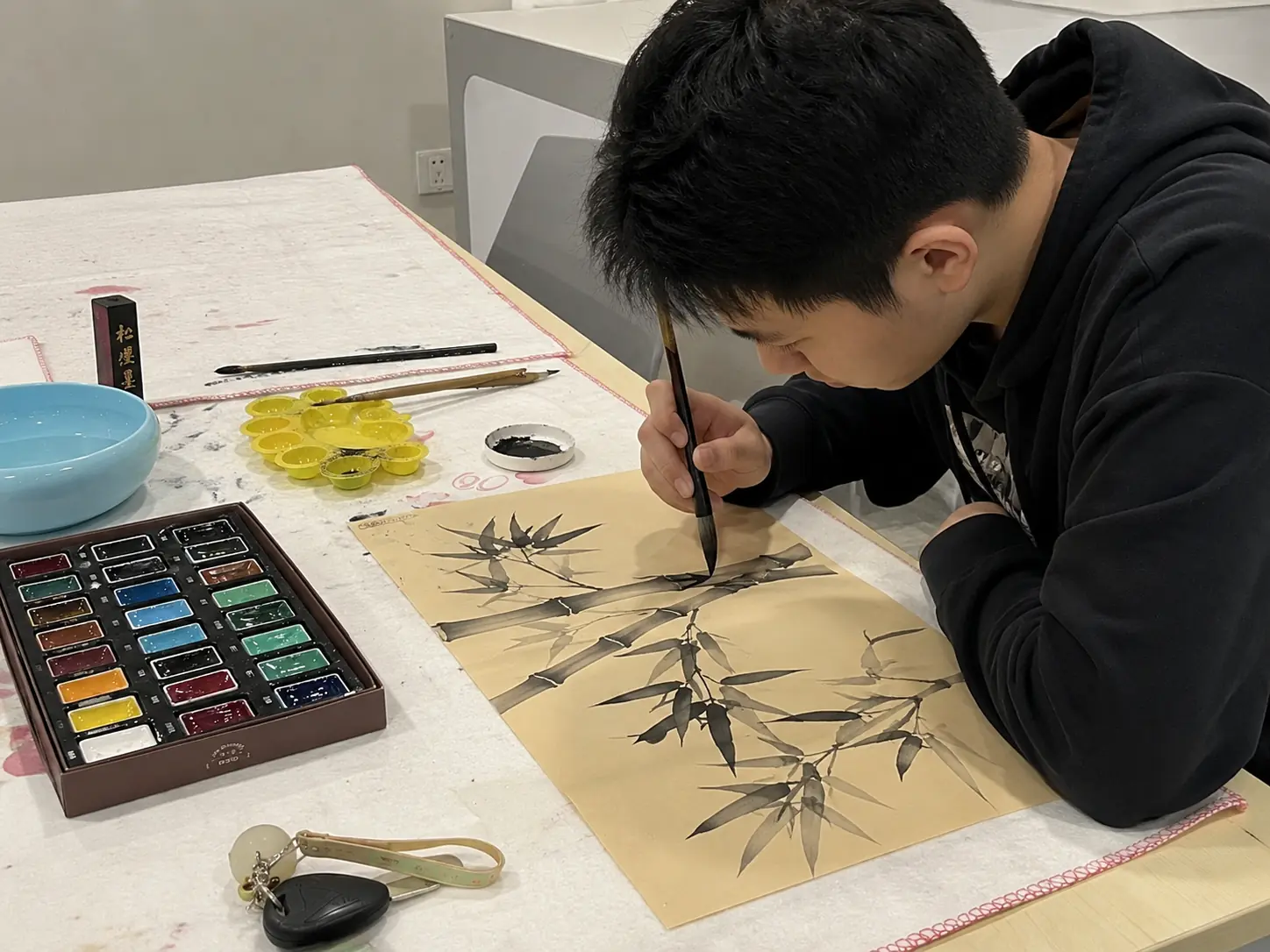
The teacher's first demonstration should show how one bamboo leaf begins, presses, and lifts from the page.
Yes, if you want a slow cultural class rather than another major sight. A good ink-and-brush session gives you three things at once: a basic feel for Chinese brush control, a calmer way to understand Xi'an's calligraphy culture, and a handmade piece that is more personal than a souvenir shop purchase.
It is not a first-time Xi'an must-do for everyone. If you only have one packed day and still want the Terracotta Warriors (兵马俑), the city wall, Muslim Quarter (回民街), and a night show, this workshop is probably too gentle for that schedule. It works best when you have a spare half day, a real interest in art, or a travel group that needs something quieter than another museum.
Decision shortcut
Should you make time for it?
Good fit
Choose it if you like drawing, calligraphy, museums, handmade souvenirs, quiet rooms, and learning why one brush line matters.
Think twice
Skip it if you mainly want fast photos, a guaranteed polished artwork, a high-energy group activity, or only one rushed day in Xi'an.
Ink Painting, Not a Craft Souvenir
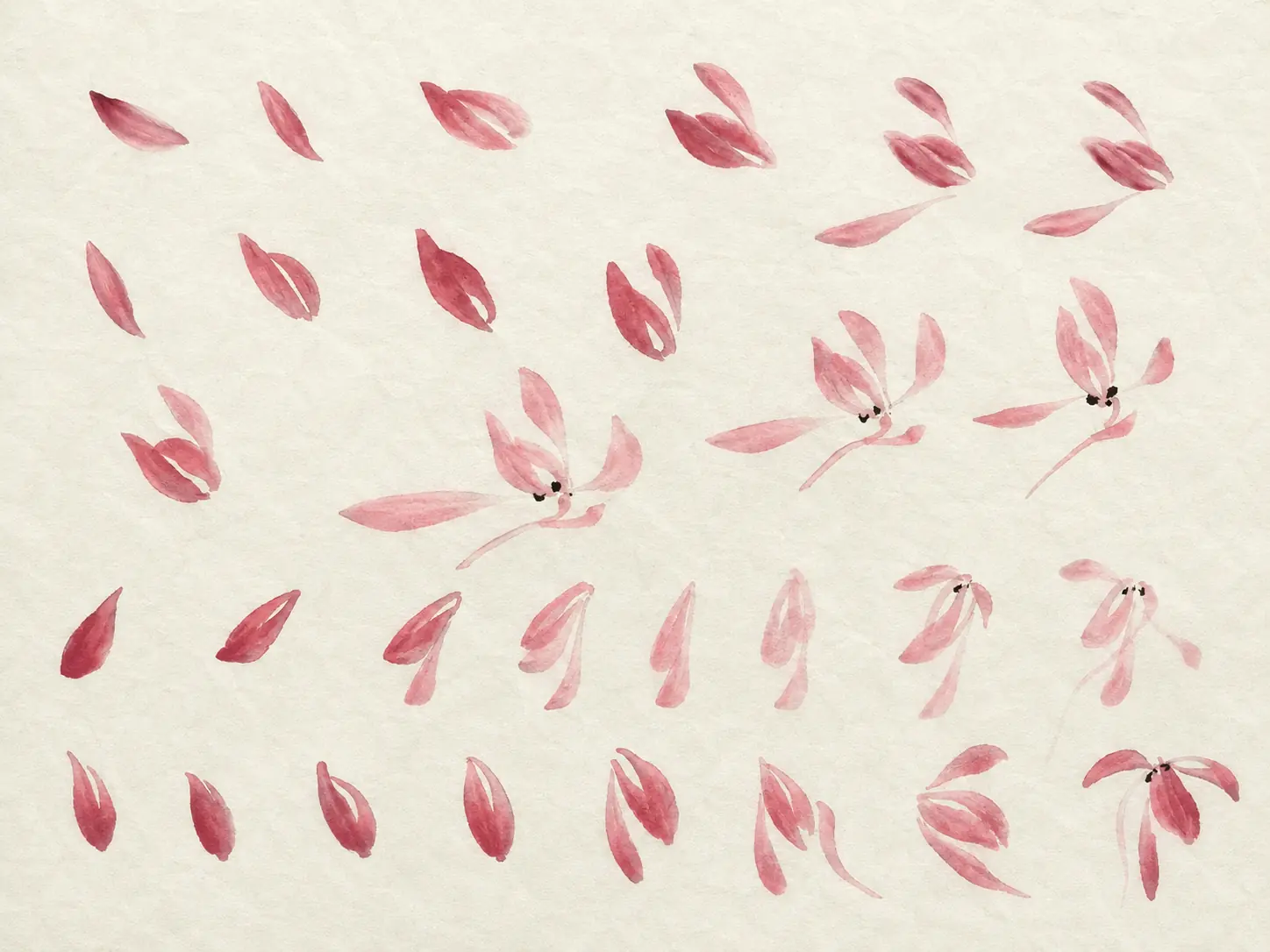
Bamboo leaves and orchid strokes show the class's real focus: pressure, water, speed, and restraint.
Chinese ink wash painting is not a quick decorative craft in the Western watercolor sense. The point is not to fill the page with color or make a bamboo leaf look botanically accurate. The point is brush pressure, speed, moisture, ink tone, and the empty space around the subject.
Bamboo and orchids are classic beginner subjects because they teach two different kinds of control. Bamboo asks for firm joints, clean stems, and leaves that flick from pressure to release. Orchids ask for long, bending strokes that look alive only when the wrist keeps moving.
Why the practice feels slow
A good class feels slower than a typical tourist workshop. You may spend 20 minutes making lines that look almost too simple, then suddenly understand why the teacher cares about how a stroke starts, turns, and ends.
The cultural layer matters too. Bamboo, orchids, plum blossoms, and chrysanthemums are known as the Four Gentlemen (四君子), a set of scholar-painting subjects tied to character, restraint, and literati painting (文人画). You do not need to become an art historian to enjoy the class, but the teacher should give you enough context to understand why these subjects keep appearing in Chinese painting.
Best Ink Workshop Formats in Xi'an
Xi'an has real brush-and-ink experiences, but the market is messy. Some products are mainly calligraphy. Some are museum tours with a short hands-on segment. Some private classes may be able to adapt toward painting if arranged in advance, even when the public listing says "calligraphy" or "ink art."
← swipe to compare all options →
Museum art class
Structured, visitor-friendly
- ✓Good for first-timers who want context before holding the brush
- —Often mixes calligraphy, folk art, and art history rather than pure ink wash
- —Confirm whether you will paint bamboo, orchids, or only write characters
Tangbo-style art history / folk art / calligraphy
Shuyuanmen studio
Best old-city atmosphere
- ✓Best setting if you want the class to sit inside Xi'an's calligraphy quarter
- —English teaching may require a private guide or advance arrangement
- —Ask whether it is a real lesson or a shop demonstration
Brush shops / scrolls / seals / Beilin pairing
Private small class
Most flexible
- ✓Best for families, solo travelers, and anyone who wants English explanation
- ✓Can often adapt the theme to bamboo, orchids, fans, or scrolls
- —Usually costs more than a short group activity
Tea room / fan / scroll / personalized keepsake
Names, prices, locations, and language support change. Use these as format references, then confirm current details directly with the provider or platform before paying.
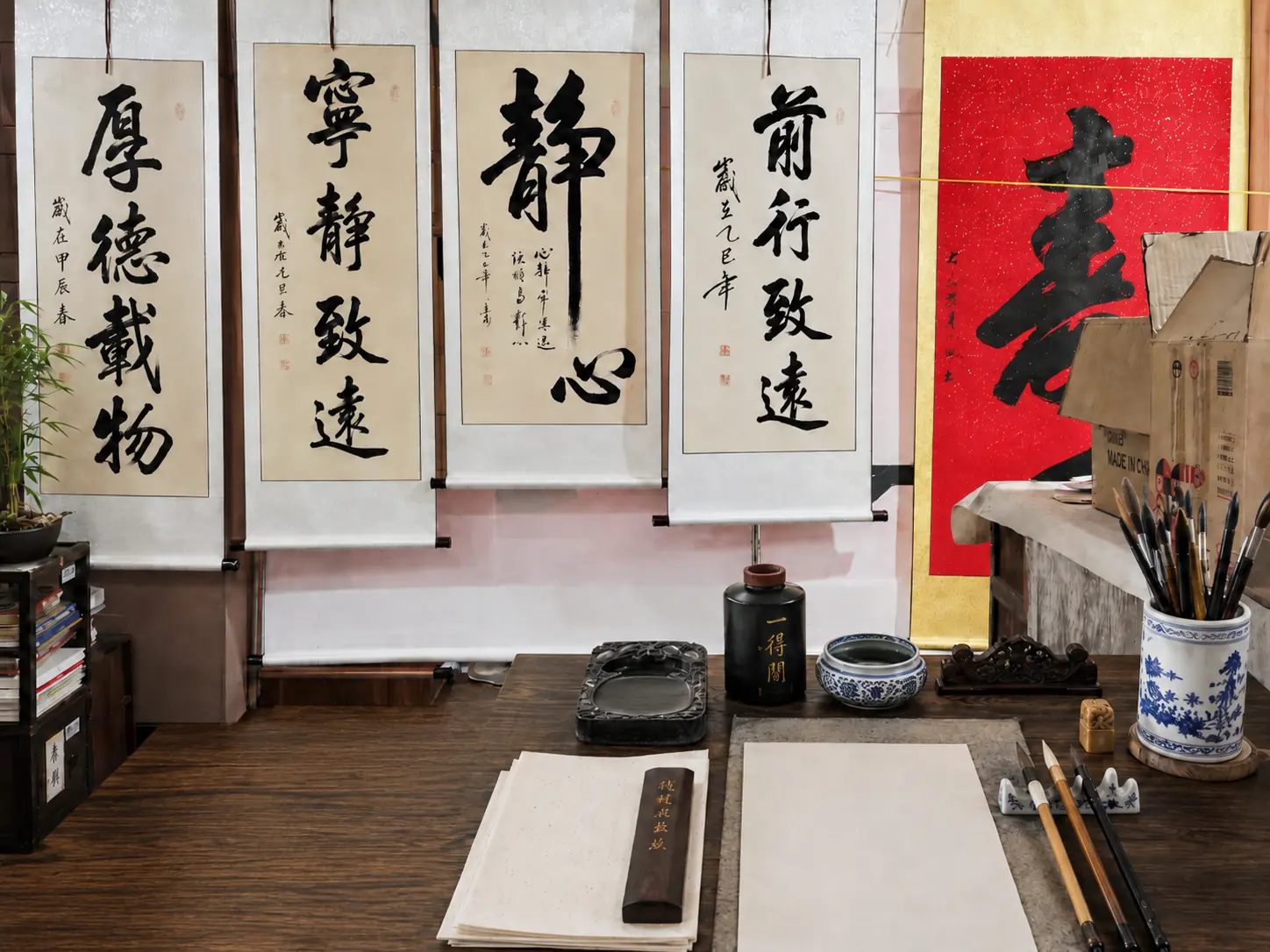
A real brush-and-ink class should give you time to understand the tools before painting the final piece.
For a live booking channel, start with Trip.com or a clearly written provider page that explains the English-friendly small-class format: tea, materials, fan or scroll work, and a take-home piece. Ask whether the session includes actual painting if that is your goal.
For format background, a Tangbo Art Museum (唐博艺术博物馆) activity note such as The China Guide's Tangbo page describes a short calligraphy class rather than a pure painting workshop. Older platform pages for TangBo-style brush-and-ink classes may still appear in search results, but some now show as sold out or unavailable when opened. Use them as evidence that this format exists in Xi'an, not as a live booking path.
Ask the exact question
Do not ask only, "Is this Chinese art?" Ask: "Will we paint bamboo, orchids, or a landscape with ink, or is the class mainly Chinese calligraphy?" That one sentence prevents most disappointment.
Once the class format is clear, use the Shuyuanmen Cultural Street guide to decide whether the studio, Beilin, South Gate, and the City Wall can form one calm half-day.
Bamboo, Orchids, and Your First Brushwork
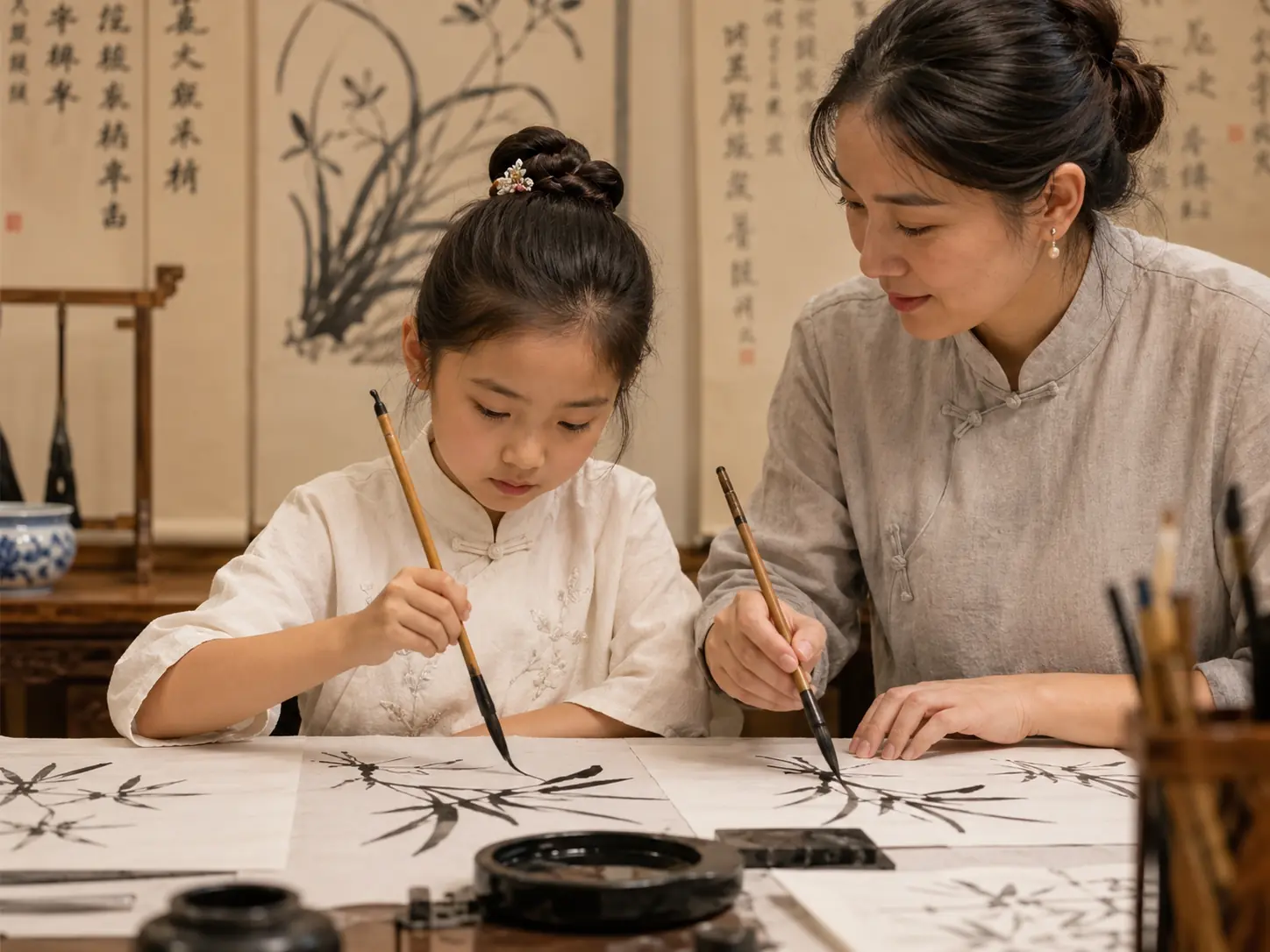
Beginner practice usually starts with repeated leaves and lines before anyone tries a finished painting.
For beginners, bamboo and orchids are ideal because they reveal mistakes immediately. Too much water and the leaf bleeds. Too little confidence and the line shakes. Too much correction and the stroke dies halfway across the paper.
Expect to practice a few basic movements before painting a finished piece:
Four things to feel in the brush
Ink tone
Black ink is not one black. You learn how water creates dark, medium, and pale tones, and why a single brush can carry several tones at once.
Brush pressure
A bamboo leaf changes shape because the brush presses down, moves, and lifts. The line records the body movement.
Dry and wet edges
Some strokes should bleed softly; others should drag with a dry edge. A teacher should explain why both are useful.
Blank space
The empty paper is not leftover space. It controls balance, breath, and where the viewer's eye rests.
If the class includes a final fan, bookmark, or scroll, ask for one small correction before the final version. The teacher can often show you how to place a bamboo stem, leave room for a character, or add a red seal without crowding the page.
What Happens in a 2-Hour Class
A typical beginner sequence
A useful beginner workshop usually runs 1.5-3 hours. Anything shorter can still be fun, but it may be closer to a quick keepsake activity than a real brush lesson.
- Meet the tools- Brush, ink, inkstone, absorbent paper, water dish, felt mat, and sometimes a fan or scroll.
- Control the ink- Try dark, pale, wet, and dry strokes before attempting a subject.
- Practice brush lines- Straight bamboo stems, bending orchid leaves, dots, and quick leaf strokes.
- Paint the subject- Choose bamboo, orchids, plum blossoms, or a simple landscape depending on the teacher.
- Add inscription or seal- The teacher may help with a short character, name, date, or red seal mark.
- Dry and pack it- Confirm whether the piece can be rolled, mounted, or safely carried back to your hotel.

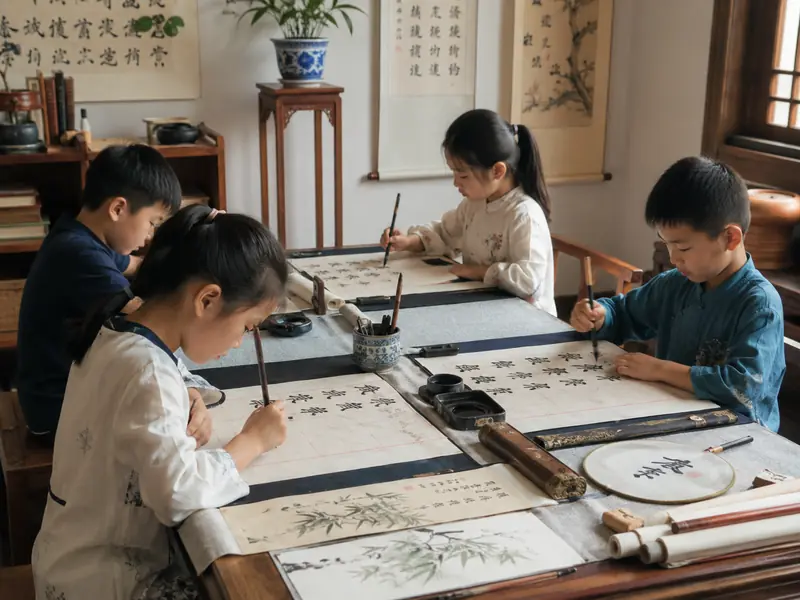
Small classes work best when each traveler gets hands-on correction instead of only watching a demonstration.
The most valuable moment is often not the final artwork. It is when the teacher adjusts your wrist angle, demonstrates beside your paper, and one line suddenly looks less stiff. That tiny correction explains more than a wall of museum labels.
Do not worry if your first sheet looks clumsy. Ink wash is honest: hesitation, pressure, and excess water all show. A good teacher turns that into feedback instead of hiding it with a perfect teacher-finished piece.
Booking Checks Before You Pay Anything
Verify the product, not the mood words
Before paying, confirm the class in practical terms, not just mood words. "Authentic," "traditional," and "ancient art" are not enough.
- Ask whether the class is calligraphy, ink wash painting, fan painting, seal carving, or a mixed cultural activity.
- Ask which subject you will paint: bamboo, orchids, plum blossom, landscape, flowers, or a preset fan design.
- Ask who teaches in English: the artist, a guide, or a translator.
- Ask whether each guest paints their own finished piece and takes it home.
- Ask whether there is a shop visit after class, especially if you dislike sales pressure.
- Ask about children, minimum age, ink stains, stairs, bathrooms, and whether the space is accessible.
- Do not assume an art museum tour includes a full painting class unless the page says so clearly.
Watch for calligraphy-only listings
Many Xi'an brush-and-ink experiences are excellent, but they may teach Chinese characters rather than painting. That is not a problem if you want calligraphy; it is a problem if you specifically expect bamboo, orchids, or landscape painting.
Pair It with Shuyuanmen and Beilin
A suggested old-city half-day
The strongest version of this experience is not an isolated class. It is a half-day built around Xi'an's old brush-and-ink world: Stele Forest Museum (碑林博物馆) (Google | Amap), Shuyuanmen Cultural Street (书院门) (Google | Amap), and a small class or studio session nearby.
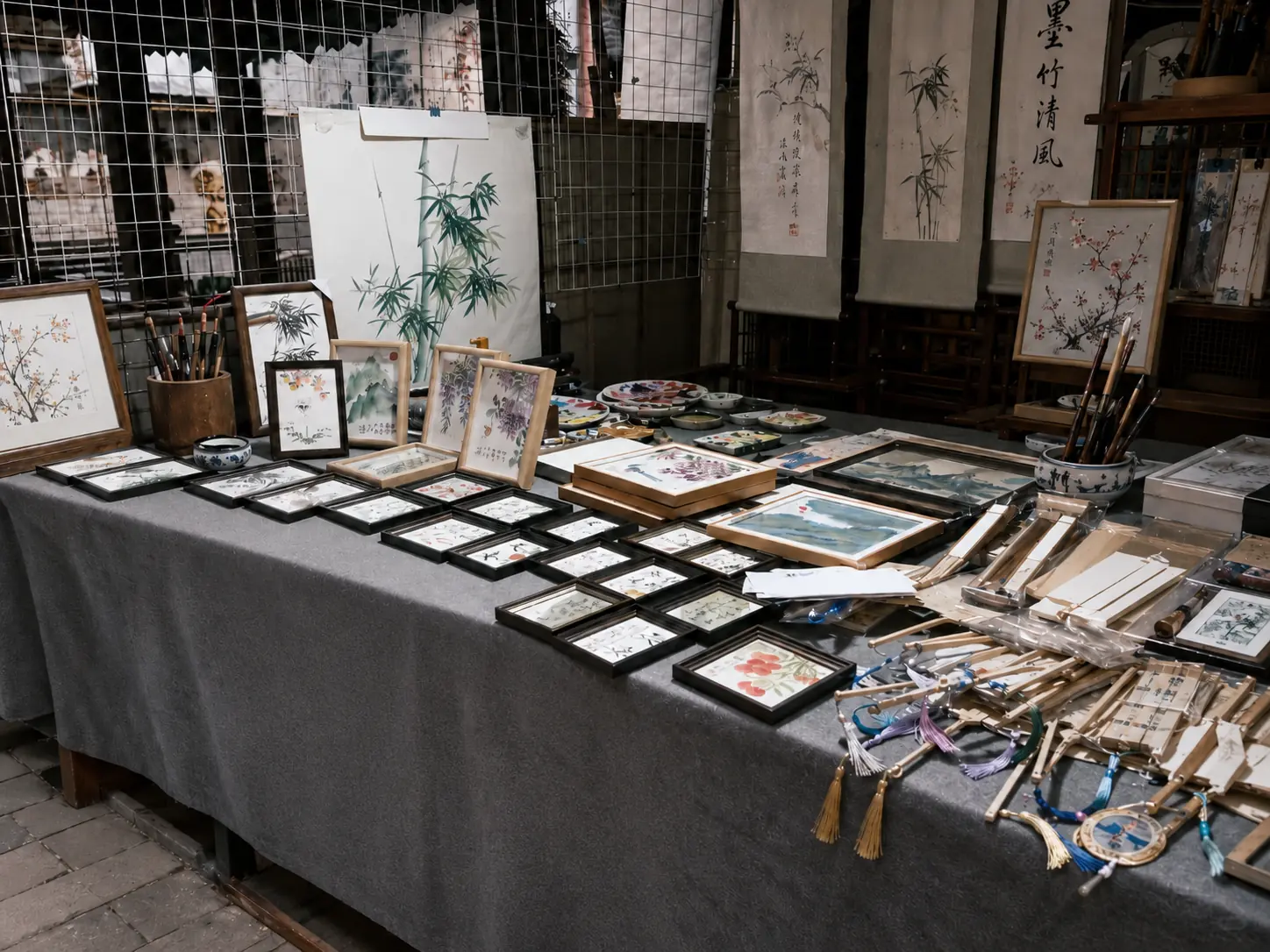
Shuyuanmen gives the workshop context: brushes, seals, scrolls, rubbings, and old-city art shops.
For a slow old-city route, start at the Stele Forest to see how calligraphy, stone carving, and ink rubbings shaped Xi'an's art identity. Then walk through Shuyuanmen for brushes, paper, seals, rubbings, and scroll shops. After that, a painting class makes more sense because you have already seen the tools and the visual tradition around them.
- Stele Forest Museum(碑林博物馆)- See stone inscriptions, calligraphy styles, and rubbings first.
- Shuyuanmen Cultural Street(书院门)- Browse brushes, ink, paper, seals, scrolls, and small art shops.
- Ink wash painting class- Choose a nearby studio if available, or transfer to your confirmed class address.
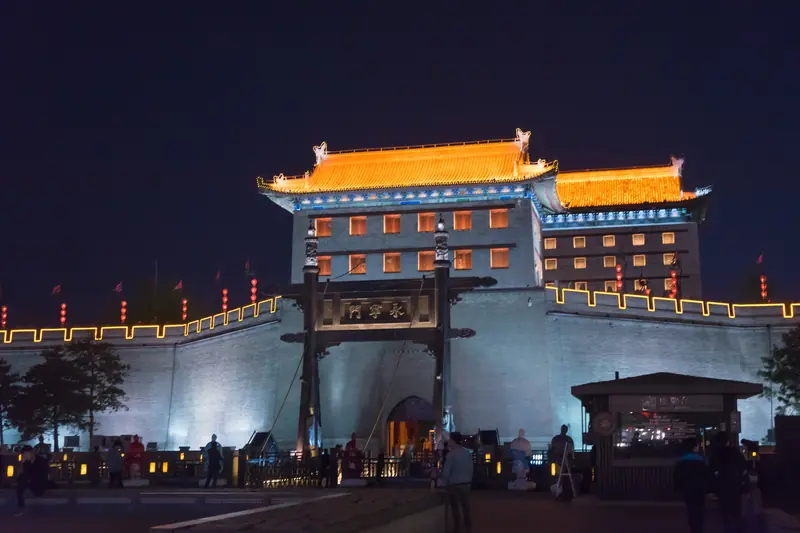
- South Gate or Muslim Quarter(南门 / 回民街)- Keep the evening light: city wall photos, a short walk, or food nearby.
Address-first exception: If your class is at Tangbo Art Museum or another art venue away from the old city, do not force it into the Shuyuanmen route. Pair it with the nearest museum, Big Wild Goose Pagoda (大雁塔) area, or a quieter afternoon plan instead. The real address matters more than the title.
Kids, Solo Travelers, and Tight Schedules
Who this pace suits
Slow travelers
This workshop is best if you enjoy slow looking, hand practice, design details, paper, ink, and quiet cultural activities. Solo travelers often like the structure because it feels social without becoming a large sightseeing tour.
Families with patient kids
Children who like drawing and can sit for 60-90 minutes may love it. Younger kids may do better with shadow puppetry, paper cutting, lacquer fans, or another activity where the finished object appears faster.
One-day Xi'an trips
If you still want Terracotta Warriors (兵马俑), the city wall, Muslim Quarter, and a night show in one full day, this may be too gentle for the schedule. Ink painting needs unhurried time; rushing makes it feel like another checkbox.
Frequently Asked Questions About Ink Painting
Yes. Both use brush, ink, and paper, and both depend on line control, but calligraphy writes characters while ink wash painting builds subjects such as bamboo, orchids, flowers, or landscapes. Many visitor classes combine the two, so confirm the focus before booking.
Sources checked for this guide
- Checked the current official description of Shuyuanmen as a recognized old-city cultural street; used it for area context rather than as a fixed workshop address: Xi'an Local Chronicles — Shuyuanmen cultural street
- Checked the official Sanxuejie planning description, which identifies the Stele Forest as the cultural core and includes calligraphy-and-painting experience functions: Xi'an Natural Resources and Planning Bureau — Sanxuejie district plan
- Checked the museum's current official reservation guidance without hard-coding volatile hours or prices: Xi'an Beilin Museum — official visitor site
- Cross-checked the traditional tool set of brush, ink, paper, and inkstone and used it only as cultural background: China ICH — Four Treasures policy background
Beyond This Xi'an Ink Painting Guide
A quiet way to continue
An ink painting class works best when it belongs to the rest of your Xi'an day: Beilin for stone inscriptions, Shuyuanmen for tools and scrolls, then a quiet table where you try the brush yourself.
More Xi'an guides
- Shuyuanmen Cultural Street: Xi'an's Calligraphy & Art Shopping Guide
- Xi'an City Wall: Walking & Cycling Guide
- Xi'an Shadow Puppetry: Where to Watch, Learn & Buy
- Xi'an Food Guide
- Xi'an Travel Guide
© gochinafreely.com — Original guide by Go China Freely.