Hours and Entry
The Summer 2026 extension ends August 31; check the current official notice before setting out. current visit details below
Before You Go
Hunan Museum: Why Mawangdui Matters
Hunan Museum (湖南省博物馆) is the essential Changsha stop for the Mawangdui Han tombs: three Western Han tombs excavated between 1972 and 1974, with more than 3,000 excavated objects and the preserved body known as Lady Dai (辛追). The permanent exhibition turns an archaeological discovery into a vivid introduction to early Han life, craft, medicine, writing, and ideas about death.
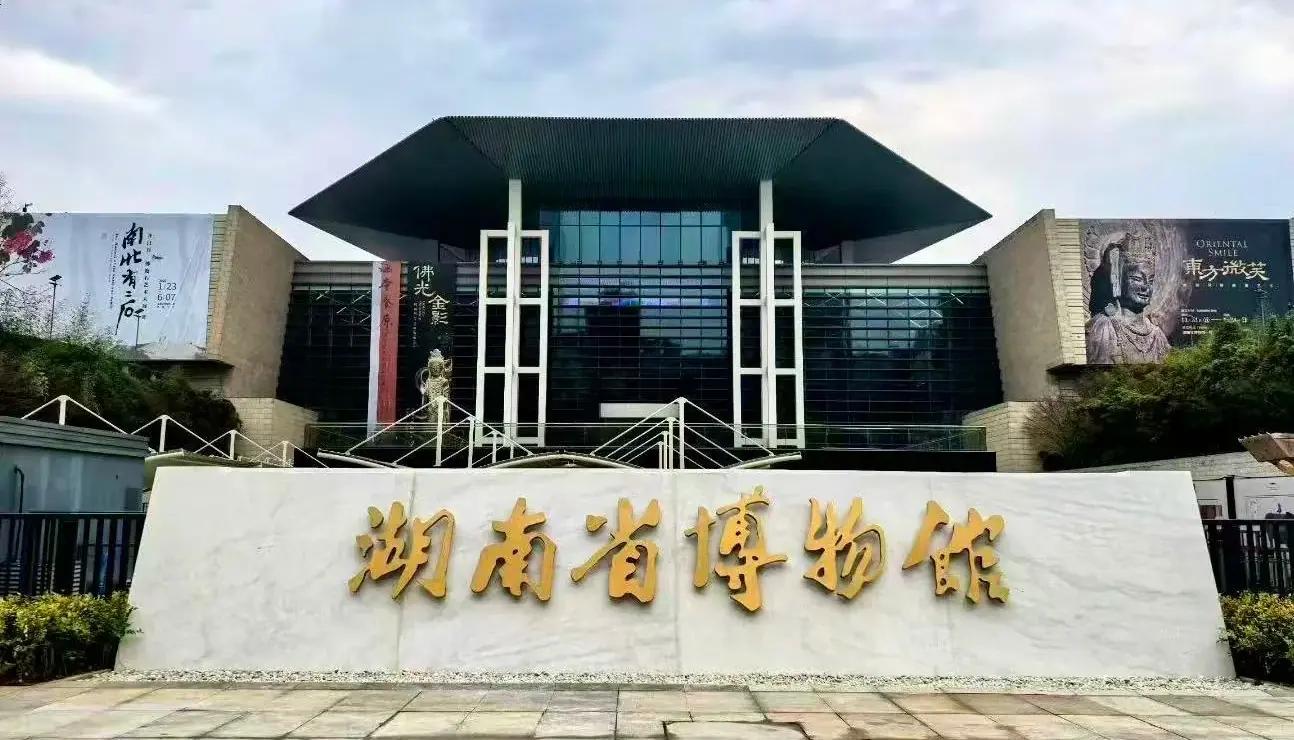
Hunan Museum in Changsha — start here for the permanent Mawangdui and Hunanese exhibitions.
The museum was formerly called 湖南博物院; its Chinese institutional name changed to 湖南省博物馆 in 2025. The English article name remains Hunan Museum. For visitors, the appeal is unchanged: Mawangdui is one of the clearest places in China to connect a tomb, its objects, and the people who made and used them.
Mawangdui Exhibition Route
The Changsha Mawangdui Han Dynasty Tombs Exhibition is a free permanent exhibition on the third floor. Start there before the broader Hunanese galleries, then use this order to keep the story coherent rather than hopping between cases.
- Prologue- Set the excavation and the three tombs in context.
- Life and Art- Look for domestic objects, lacquerware, music, and traces of daily life.
- Silk Texts and Manuscripts- Pause for the silk writing, maps, and technical knowledge.
- Dreams of Immortality- Finish with coffins, funerary imagery, and the preservation story.
Life and Art
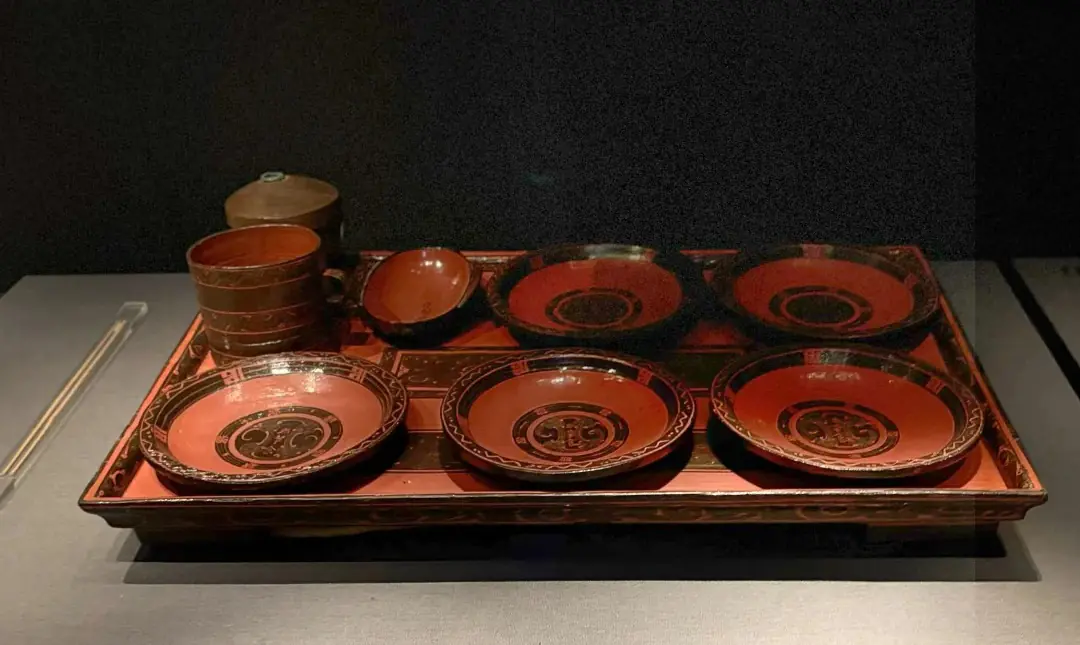
Mawangdui lacquerware — the permanent exhibition records more than 700 lacquer objects from the tombs.
This is the place to look for the texture of an elite Han household: lacquered dining equipment, wooden figures, instruments, textiles, and food remains. Let the labels lead you from individual beautiful objects to the bigger question of how a household was supplied, entertained, and remembered.
Silk Texts and Manuscripts
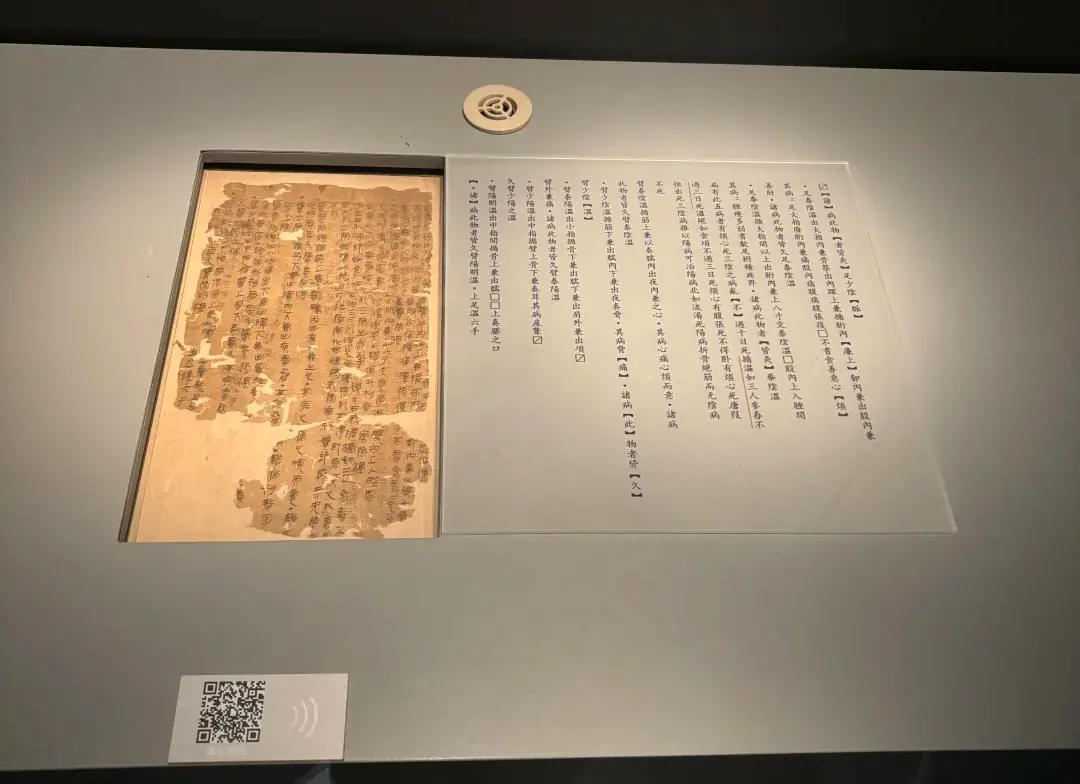
Silk documents from Mawangdui — give yourself time for the maps, medical texts, and astronomical material.
More than 50 bamboo slips and silk manuscripts are part of the Mawangdui story. The cases can feel dense, so choose one or two threads to follow: health, movement, divination, astronomy, or mapping. You do not need to read every label to appreciate how much technical knowledge travelled with the tomb occupant.
Dreams of Immortality

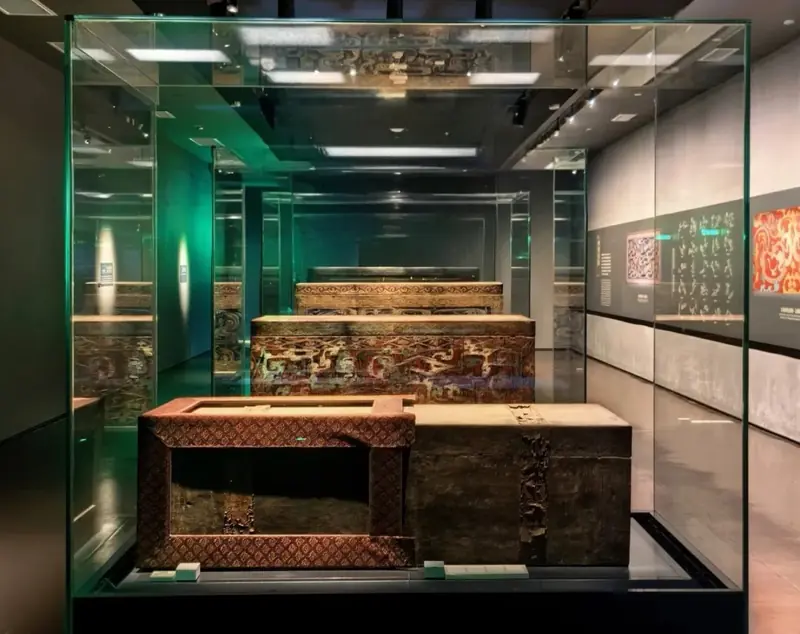
Painted nested coffins from Tomb 1 — study the imagery as part of the tomb's ideas about passage and protection.
The final part connects painted coffins, funerary imagery, and the remarkable survival of Lady Dai. Slow down here: it is the emotional peak of the route, and it makes more sense after you have already seen the objects that framed her daily life.
Mawangdui Highlights to Look For
These are the objects and object groups worth seeking out, not a guarantee that every original is on view. Loans, conservation, and display rotations can change the experience; check the museum's current exhibition notices if one specific artifact is the reason for your visit.
Lady Dai
Lady Dai is the visitor-facing name for Xin Zhui, the woman from Tomb 1. Her preserved body has been publicly displayed by the museum for decades, but treat this part of the exhibition with care and follow the rules posted in the gallery on the day.
Straight-Hem Plain Gauze Garment (直裾式素纱单衣)
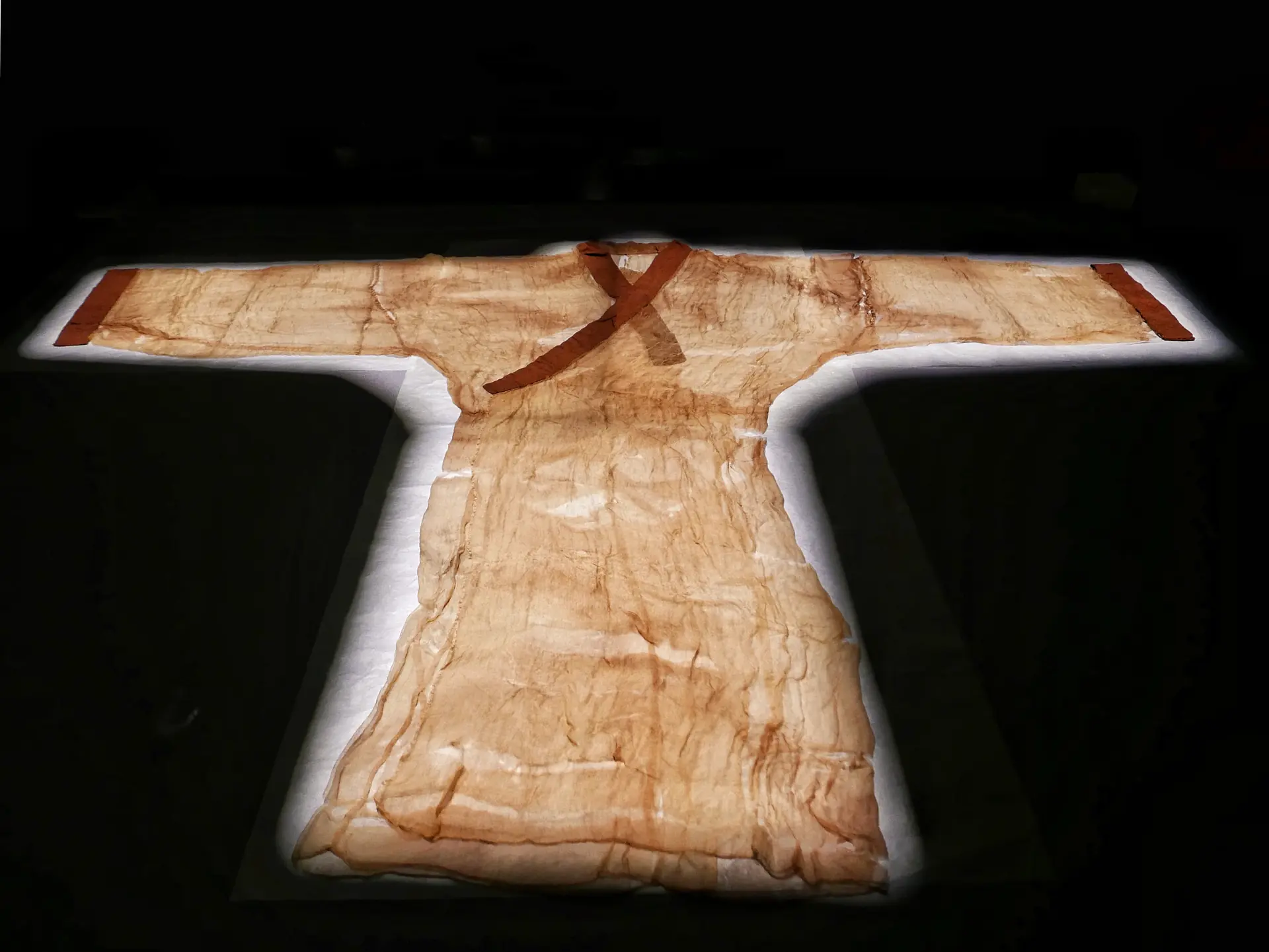
The straight-hem plain gauze garment weighs 49g. A second curved-hem garment from Tomb 1 weighs 48g.
The famous 49g garment is the straight-hem example, not a catch-all label for every Mawangdui gauze robe. A second curved-hem example from Tomb 1 is even lighter at 48g. That distinction is more interesting than a loose superlative: it shows how material, cut, collar, and cuffs all shape the final object.
T-Shaped Silk Painting
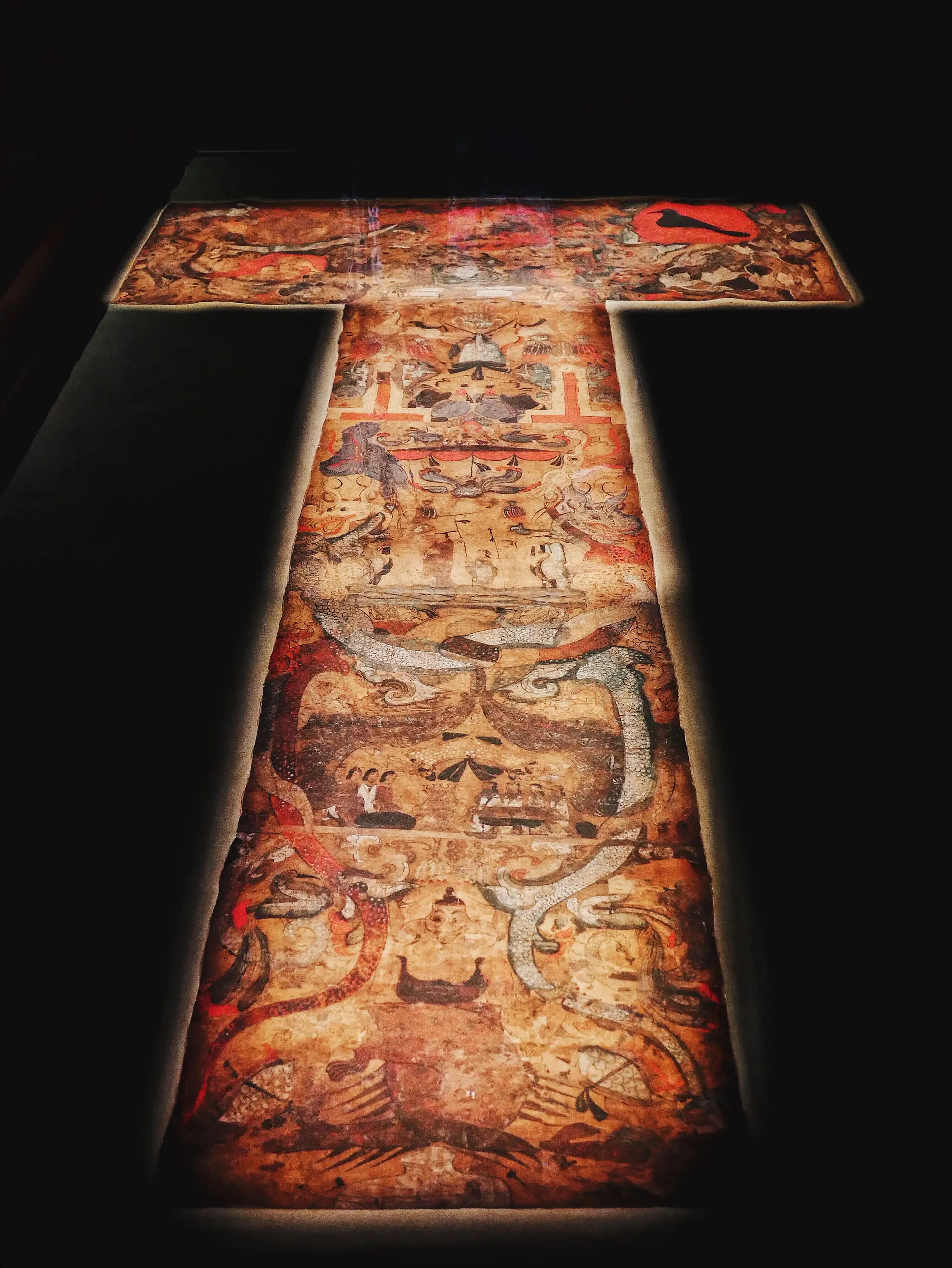
T-shaped silk painting from Tomb 1. As checked on 10 July 2026, the original is on loan in Shanghai through 16 August.
The painting is a powerful guide to Han ideas about the cosmos and the dead. It remains a major Mawangdui highlight, but do not plan your visit around seeing the Tomb 1 original without checking the latest notice: the original is currently on loan in Shanghai until 16 August 2026.
Lacquerware Detail
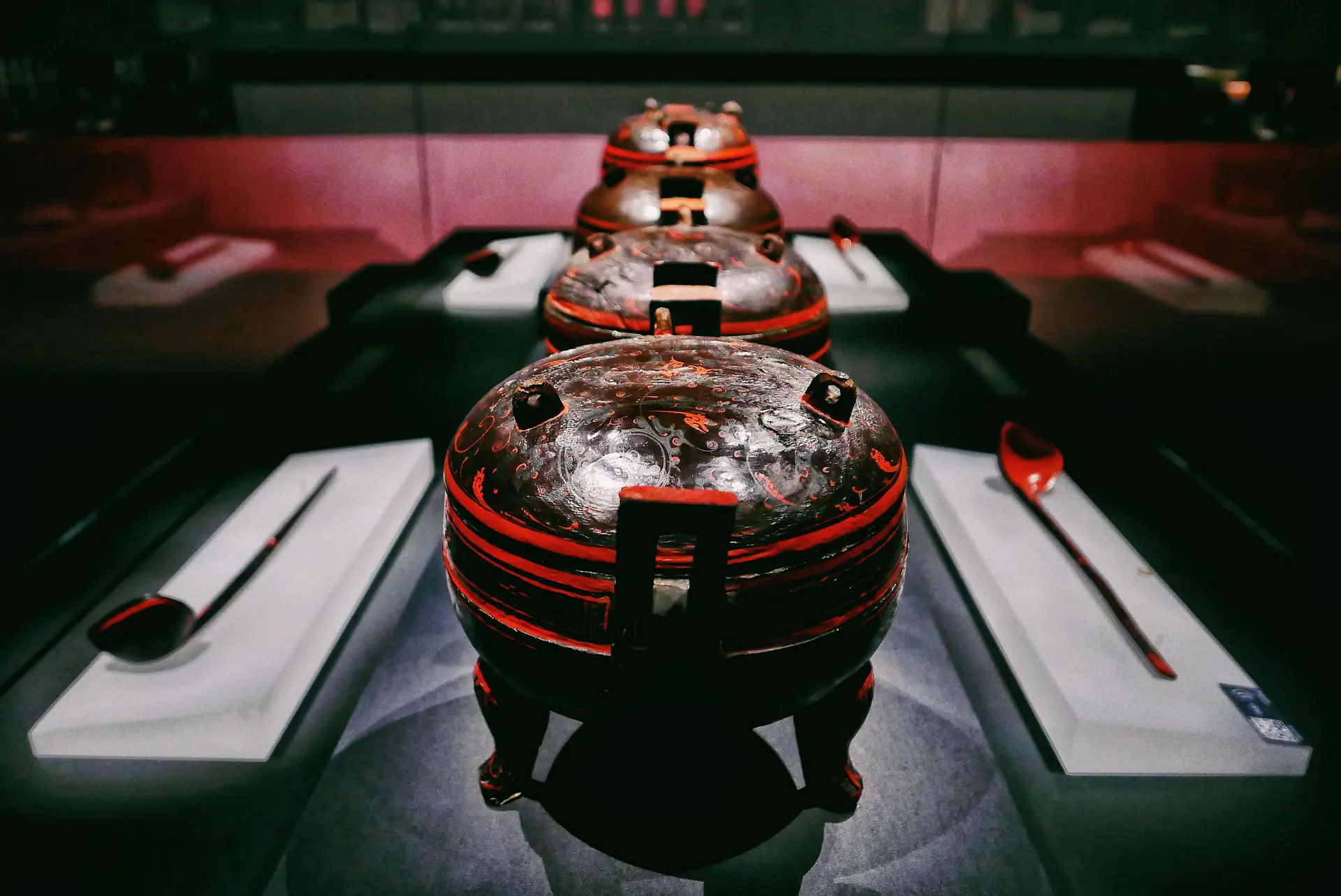
A lacquerware detail — look closely at the cloud patterns, form, and practical inscriptions.
Lacquerware is not just decorative evidence. It helps connect the tomb to dining, storage, grooming, and ritual. Compare the close detail with the wider gallery displays to see how much labor sat behind ordinary household routines.
🧘Daoyin Tu Exercise Chart
The Physical Exercise Chart on Silk (导引图) has 44 human figures. The museum describes it as the earliest extant physical exercise chart found in the world to date.
🗺️Ancient Maps
The maps are best read as evidence of practical knowledge, movement, and territory. Look for the museum labels rather than relying on a quick visual glance.
Other Exhibitions at Hunan Museum
The second floor Hunanese exhibition is also permanent and free. It broadens the day beyond Mawangdui, tracing Hunan through material culture and regional history.
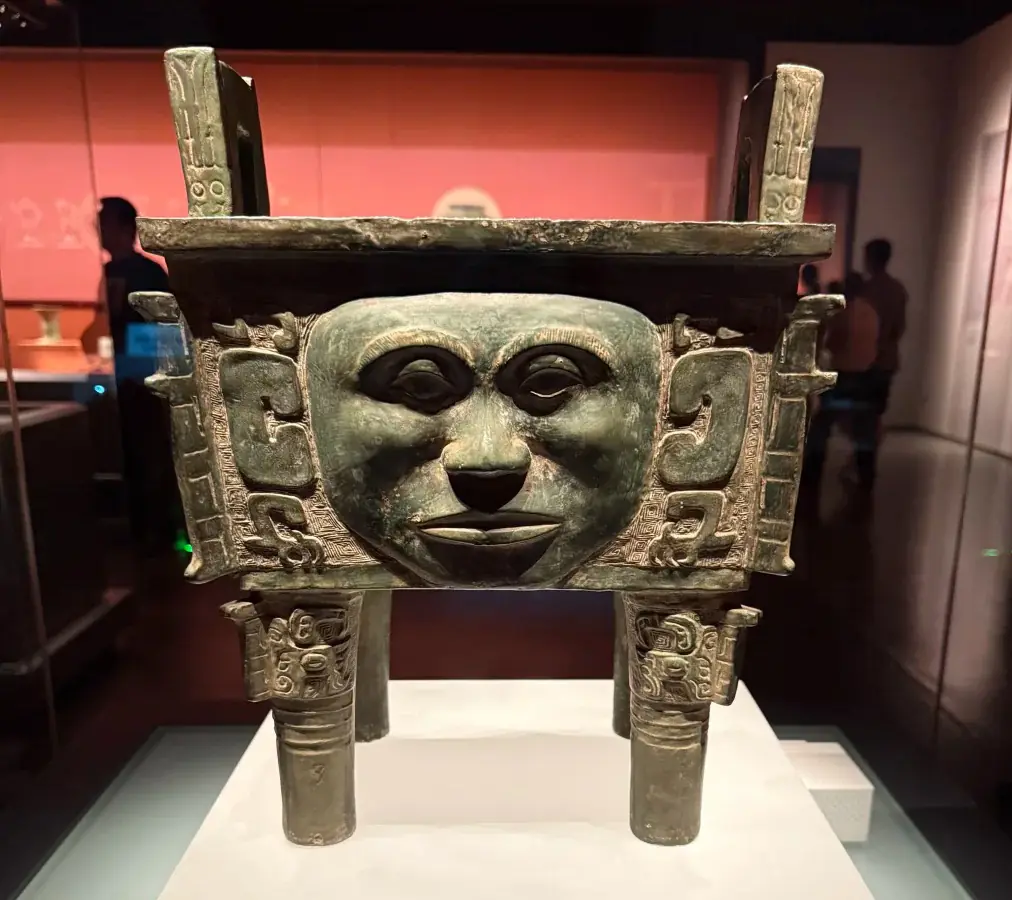
The Hunanese permanent exhibition on the second floor gives the Mawangdui visit a wider regional context.
If you have the energy after Mawangdui, use the Hunanese galleries to connect early Han material culture with the longer history of the province. It is the right second act for travelers who want more than one headline artifact.
🔄Rotating Exhibitions
Special exhibitions change. Check the current exhibition list or the boards at the museum instead of assuming a particular temporary show is still open or free.
🛍️Museum Shop
The shop is a useful final stop for Mawangdui-inspired design objects and books. Treat stock and prices as day-of-visit information.
Tickets, Reservations & Crowd Timing
Permanent exhibitions are free. The current summer extension is a dated exception to regular hours, so save the official page and check it again before travelling.
- Opening
- 9:00-20:30
- Entry note
- Last entry 19:30; extra evening places 17:30-19:30
- Opening
- Tue-Sun, 9:00-17:00
- Entry note
- Last entry 16:00; closed Monday except statutory holidays and Chinese New Year's Eve
For the Summer 2026 extension, the museum requires individual real-name online reservations. Book through the current official WeChat or Alipay channels, use your passport details when applicable, and bring the original document used for the reservation. Outside this dated period, use the latest official notice rather than assuming the same release time, capacity, or cancellation pattern still applies.
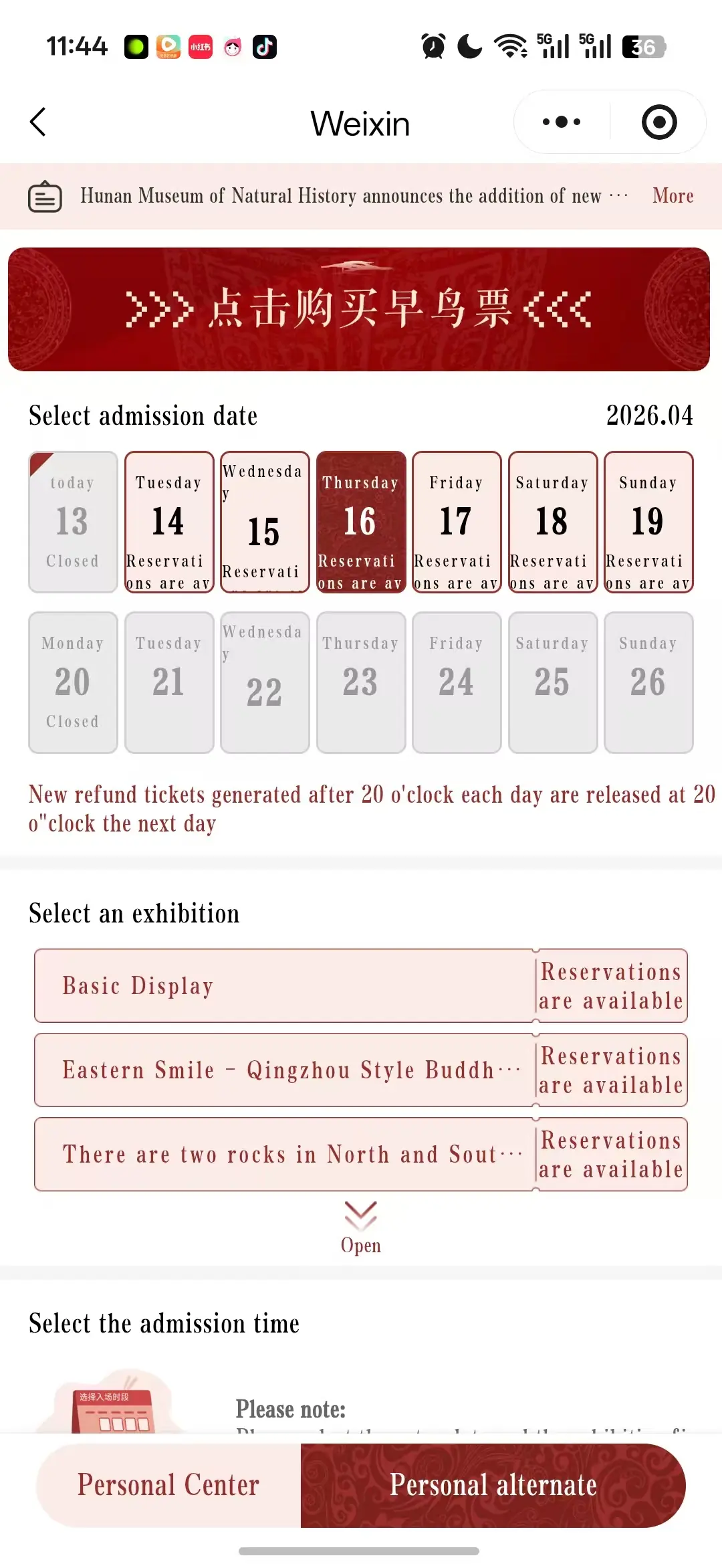
Crowd strategy
For a quieter visit, choose a weekday where possible and start with the third-floor Mawangdui exhibition. During the Summer 2026 extension, an evening reservation creates more time after the daytime rush, but it still needs an advance slot.
Arrival & On-Site Strategy
The arrival instruction in older guides needs updating. Since April 2026, the visitor route begins at the west gate of Hunan Martyrs Park (烈士公园), then passes through the park-side queue corridor and visitor service center before security and the museum building.
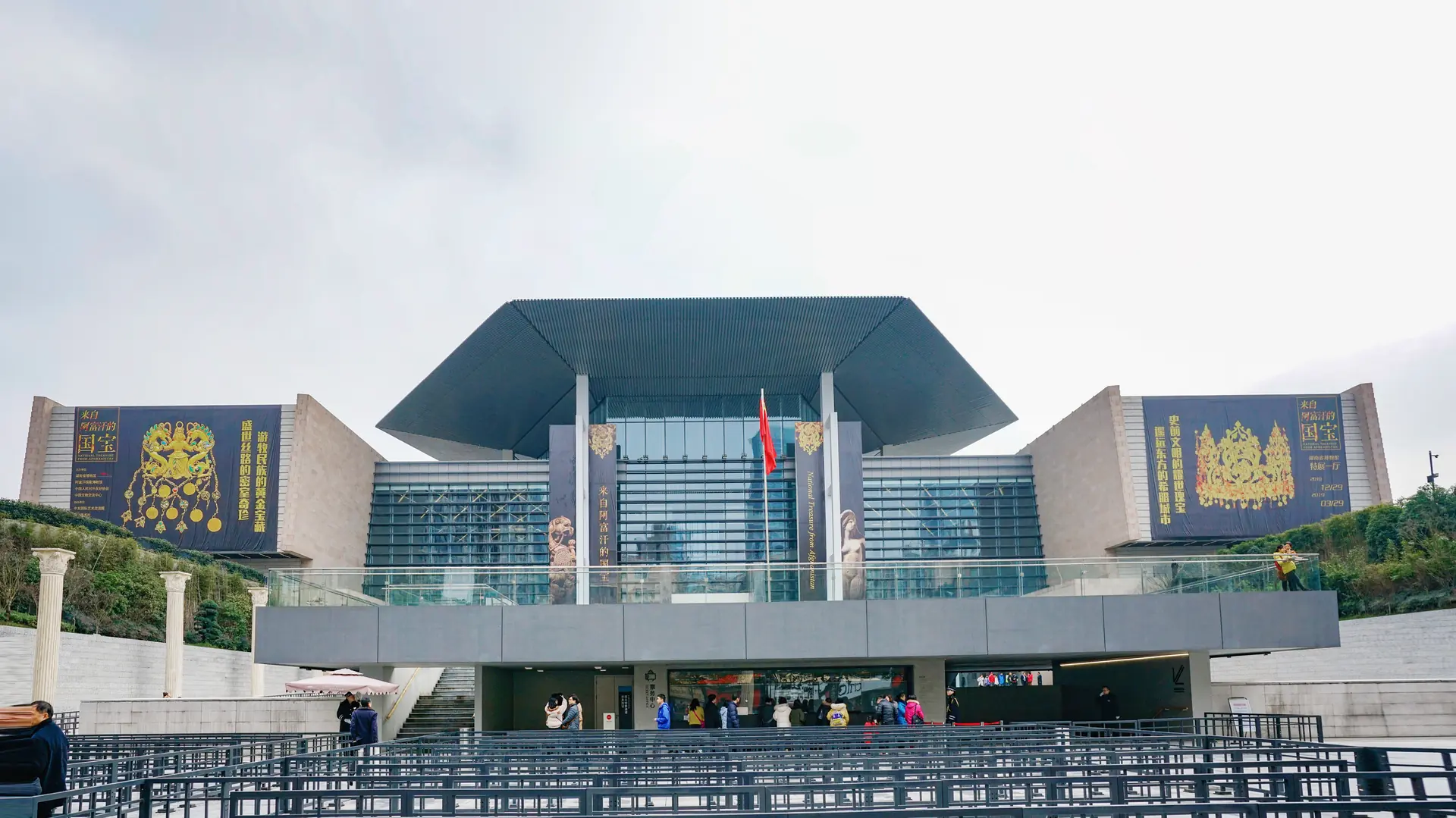
Follow the current west-gate route through Hunan Martyrs Park rather than relying on an older entrance instruction.
Use your map app on the day to route you to the current west-gate entry point. Metro is usually the simplest way to approach central Changsha, but station exits and walking access can change with local works and visitor flow. If you arrive by taxi or ride-hailing, enter the museum name in your own account and follow the driver to the current park-side approach.
Martyrs Park South Metro Station (烈士公园南地铁站) (Google | Amap) remains a useful map reference, but do not treat an older exit number or walking time as a guaranteed current entrance route.
Show this screen to your driver · 出示给司机看
你好,请带我去湖南省博物馆烈士公园西门入口,谢谢。
Hello, please take me to the Hunan Provincial Museum entry at the west gate of Hunan Martyrs Park, thank you.
Confirm the current entry route in your map app before leaving; museum access changed in April 2026.
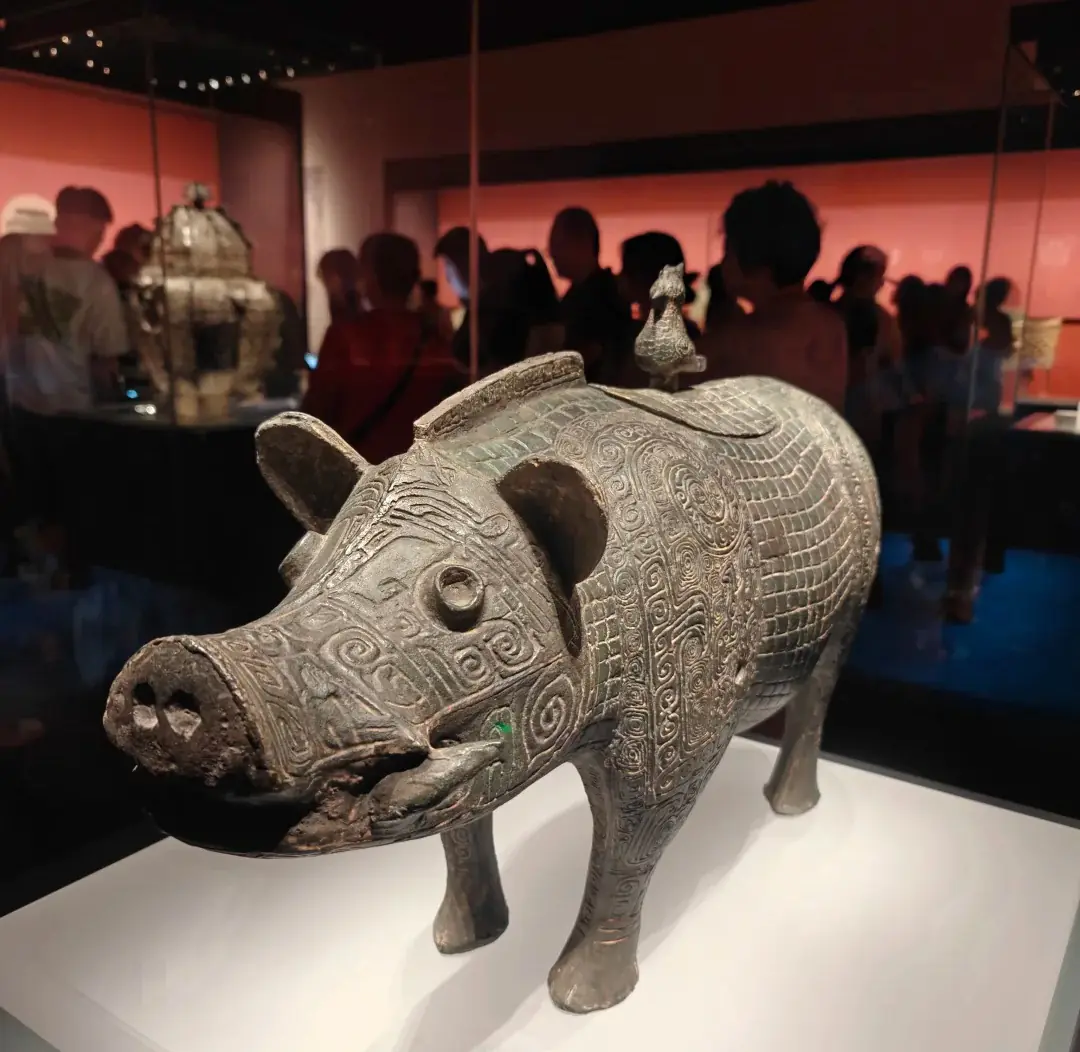
Inside the galleries — use the Mawangdui route first, then decide whether you have energy for the wider Hunanese exhibition.
The museum rewards a paced visit more than a rushed checklist. Use the Mawangdui route first, take a break before moving into the Hunanese galleries, and leave time for entry and security. The museum provides a multimedia audio guide and gallery QR codes; use them when a case needs more context.
- Carry the original passport or identity document used for the reservation.
- Follow the gallery signs and staff directions for photography, storage, and accessibility rules; these can change by room or exhibition.
- Do not make a tight onward train or flight connection immediately after the museum. Entry, walking, and the permanent galleries can take longer than expected.
Where to Eat After the Museum

Chili-fried pork (辣椒炒肉) is a simple, memorable Hunan dish for a post-museum meal.
Keep the food decision simple after a long museum visit: eat near the park if you want a short reset, or turn the afternoon into a Changsha food stop. Chili-fried pork (辣椒炒肉), stir-fried yellow beef (小炒黄牛肉), and fish head with chopped chili (剁椒鱼头) are useful menu anchors if you want a local meal rather than another generic mall restaurant.
For a more active food crawl, head later to Taiping Old Street (太平老街) (Google | Amap) for snacks such as stinky tofu (臭豆腐), sugar-oil rice cakes (糖油粑粑), and Changsha rice noodles.
Nearby Changsha Add-Ons
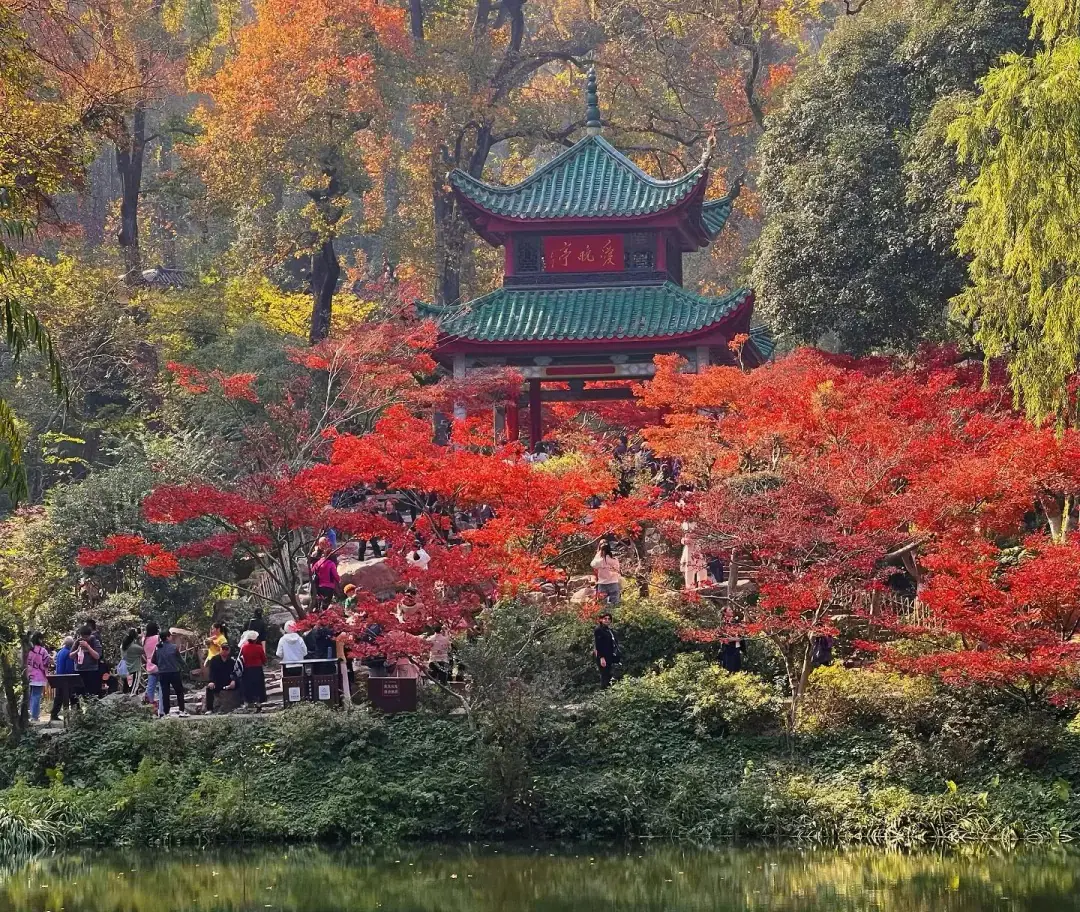
Yuelu Mountain (岳麓山) — a strong half-day contrast to a museum-heavy Changsha itinerary.
Right beside the museum, this is the easiest low-effort decompression stop after a concentrated museum morning.
Choose this for a Xiang River walk and a classic Changsha landmark, ideally when it fits the rest of your city routing.
Frequently Asked Questions
For the Summer 2026 extension, no: the museum requires an individual real-name online reservation and the original document used to reserve. For another travel date, check the latest official notice rather than relying on an old booking pattern.
Sources checked for this guide
- Hunan Museum current permanent exhibitions: Mawangdui and Hunanese floor, status, free entry, lacquerware, and manuscripts
- Hunan Museum Lady Dai research update: 1972-1974 excavation, 3,000-plus objects, and Lady Dai display
- Hunan Provincial Museum name-change announcement: current Chinese institutional name
- Hunan Museum Summer 2026 extension notice: hours, last entry, reservation, and evening capacity
- New park-side entry route: west gate of Hunan Martyrs Park
- T-shaped painting loan notice: Tomb 1 original in Shanghai through August 16, 2026
- Plain gauze garment identities: 49g straight-hem and 48g curved-hem garments
- Hunan Museum Daoyin chart record: 44 figures and museum description
Beyond This Guide
Keep the museum in a wider Changsha or Hunan plan:
- Changsha Food Guide — turn the museum day into an evening of local dishes and snacks.
- Hunan Cuisine Guide — understand the flavors behind the menu names before you order.
- China Train Tickets: 12306 and Trip.com — plan the next rail leg in your own account.
- China Mobile Payments: Alipay and WeChat Pay — prepare the apps that make reservations, food, and local transport easier.
- Fenghuang Ancient Town Guide — a natural next cultural stop when your Hunan route extends west.
Mawangdui is most rewarding when it has room to breathe in your itinerary.
© gochinafreely.com — Original guide by Go China Freely.