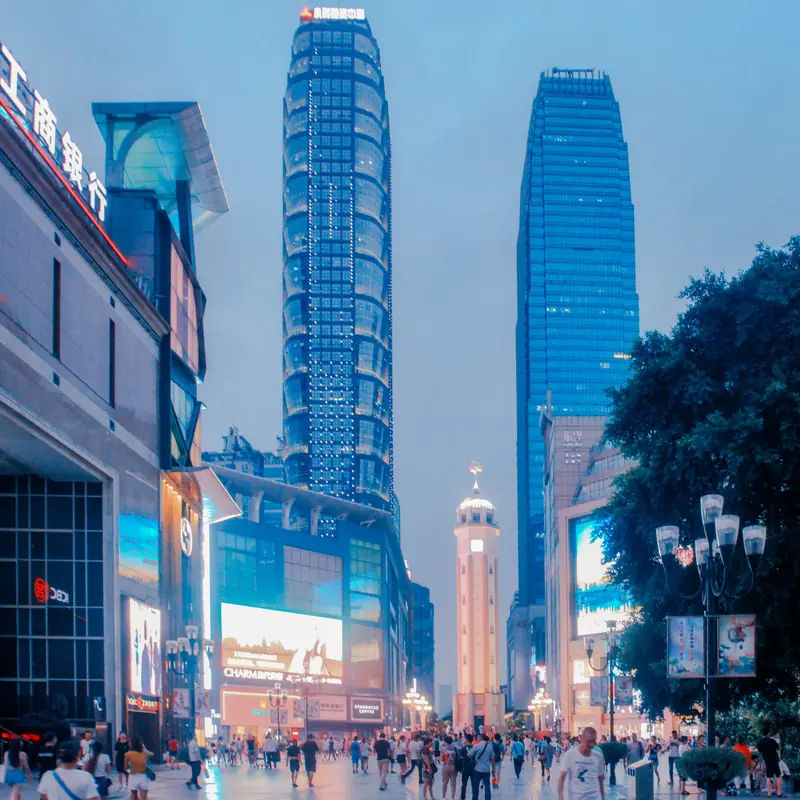
Shangri-La (香格里拉) is easy to flatten into "Yunnan's little Tibet": one old town, one monastery, a few grasslands, and a lake or two. The better first trip starts with the rhythm of the place. This is already a highland city above 3,100 meters, where altitude, sunlight, weather, religious etiquette, and mountain-road distances shape what you can realistically enjoy.
2-4 days
Best Length
3,100m+
City Altitude
1h 18m
Fastest Lijiang Train
138 RMB
Potatso Listed Ticket
First-Time Shangri-La: Start With Altitude
If you have only two days, do not try to fit Songzanlin Monastery (松赞林寺), Dukezong Old Town (独克宗古城), Napahai (纳帕海), Potatso National Park (普达措国家公园), Balagezong, White Water Terraces (白水台), Tiger Leaping Gorge (虎跳峡), and Meili Snow Mountain (梅里雪山) into one rushed list. A steadier first visit is simple: use your arrival day for Dukezong, Guishan Park (龟山公园), and a gentle evening; use the next day for Songzanlin plus Napahai, or give most of the day to Potatso.
Two days
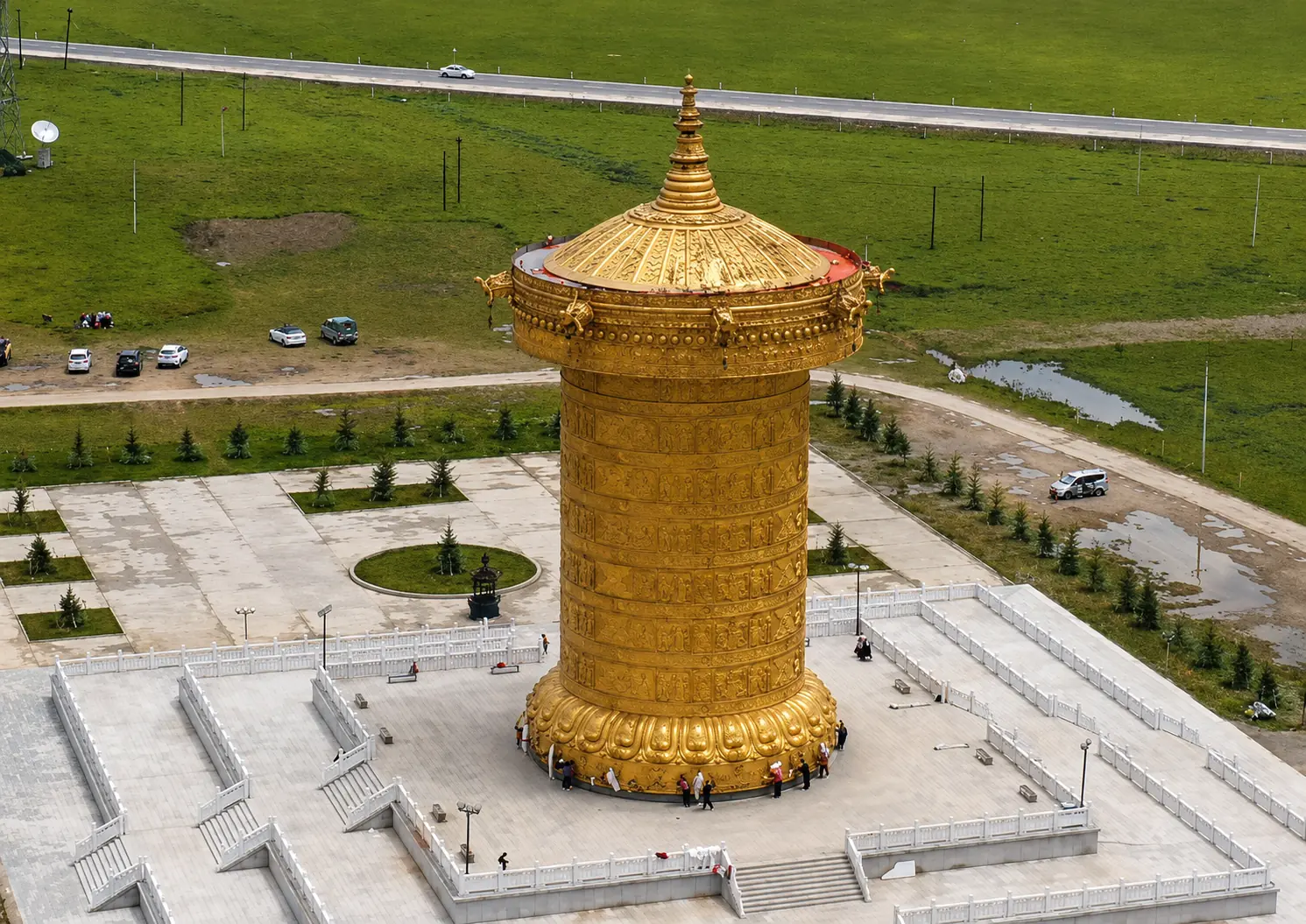
Use Day 1 for Dukezong, Guishan Park, and an easy highland evening. Use Day 2 for Songzanlin plus Napahai, or one slower Potatso day.
Three days
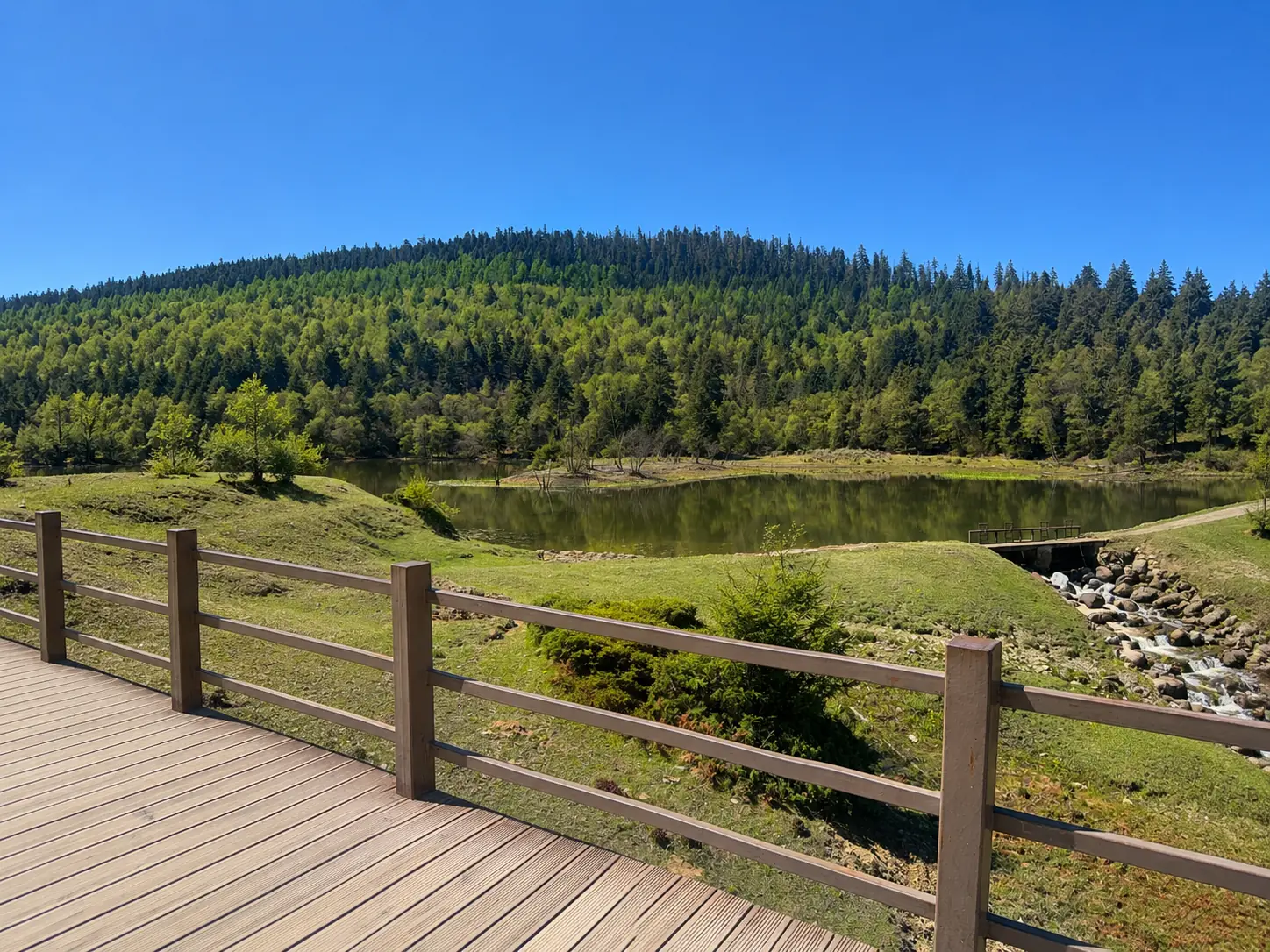
Add one larger nature day: Potatso, Balagezong, White Water Terraces, or a more relaxed Napahai loop. This is the best first-timer pace.
Four days or more
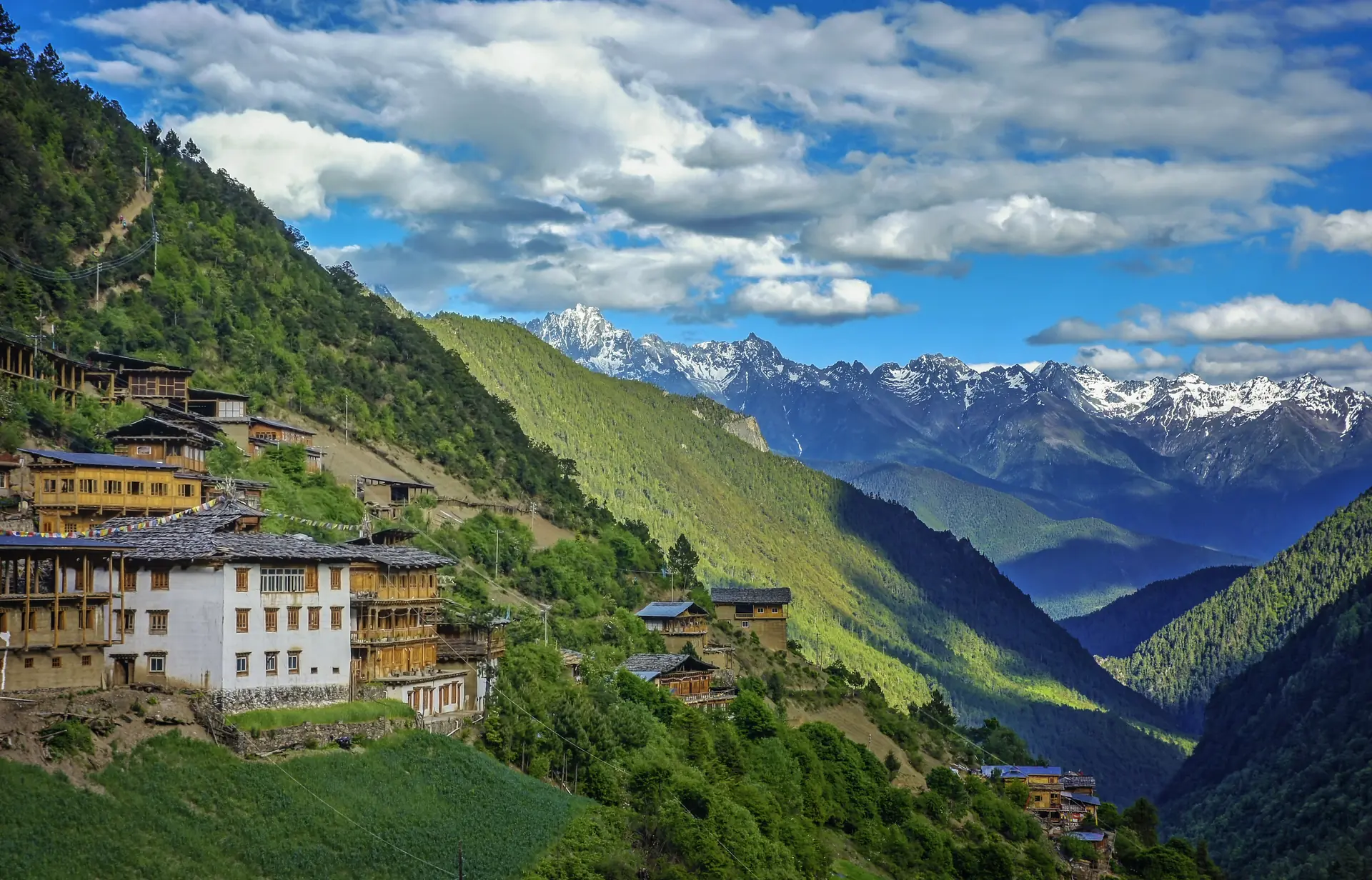
Build toward Deqin, Meili Snow Mountain, Yubeng, or Tiger Leaping Gorge without making every day a transfer or altitude test.
Three days is much better. One day can hold the old town and Songzanlin, one day can go to Napahai or Potatso, and one day can become Balagezong, White Water Terraces, Nixi black pottery, or the start of a Deqin and Meili route. Four days or more lets Shangri-La become a real highland base rather than a scenic detour after Lijiang.
Foreign travelers can visit independently
Shangri-La City is in Yunnan, not inside the Tibet Autonomous Region, so it does not require a Tibet-style travel permit. The practical friction is more ordinary: hotels must be able to register foreign passports, some attractions may use real-name ticketing, and park buses or open areas can change with season, weather, or conservation needs.
Shangri-La Is Tibetan Town, Monastery, and Plateau
Shangri-La is not one attraction. It is a layered highland base. Dukezong is the lodging, food, evening walk, and Guishan Park layer. Songzanlin is the clearest Tibetan Buddhist culture layer in the city. Napahai and Yila Grassland (依拉草原) are the seasonal wetland and grassland layer. Potatso brings alpine lakes, forest, meadow, and the Three Parallel Rivers World Heritage landscape into a structured park day.
Then the outer ring begins: Balagezong for canyon scenery, White Water Terraces for limestone pools and a road connection toward Haba Snow Mountain, Tiger Leaping Gorge as the Lijiang-Shangri-La bridge, and Meili Snow Mountain or Yubeng as a bigger onward journey.
That is why Shangri-La works best when you choose a version of the trip instead of chasing every famous name. You can make it a monastery and old-town stay, a wetland and park stay, a photography stop, a family-friendly highland pause, or an altitude buffer before more serious mountain travel.

Town and culture layer
Where it shows up: Dukezong, Guishan Park, old-town inns, Tibetan meals, and the first evening after arrival.
This is the layer that makes Shangri-La usable as a base, not only a scenic transfer point.

Monastery layer
Where it shows up: Songzanlin Monastery, Lamuyangcuo Lake, prayer wheels, halls, rooftops, and clockwise walking routes.
This layer deserves its own time block because etiquette, stairs, lake reflections, and thin air all affect the visit.
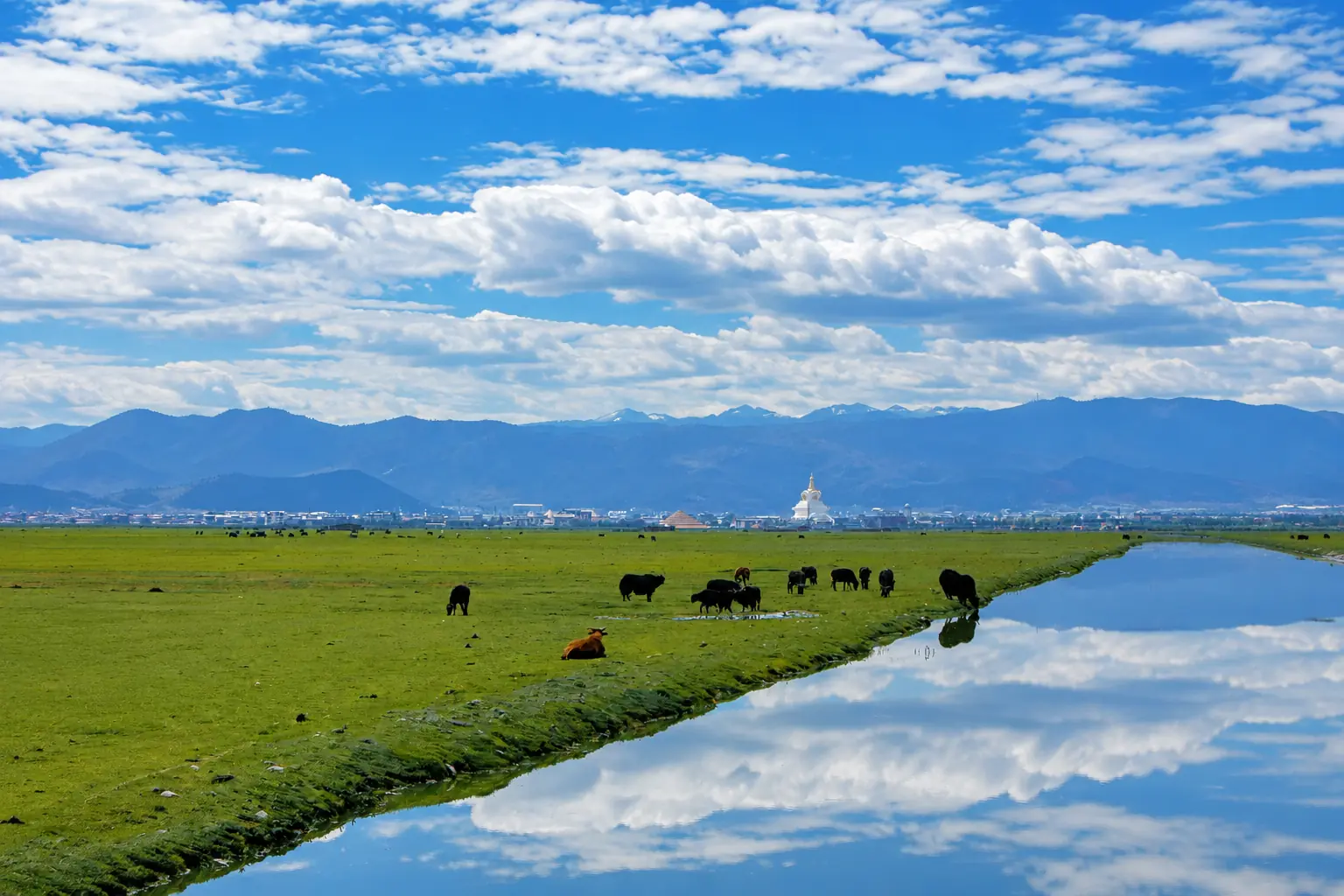
Wetland and park layer
Where it shows up: Napahai, Yila Grassland, Potatso, Shudu Lake, Bita Lake, meadows, forests, and boardwalks.
This layer changes dramatically by season, so ask what the wetland, grassland, and park routes look like during your actual travel week.
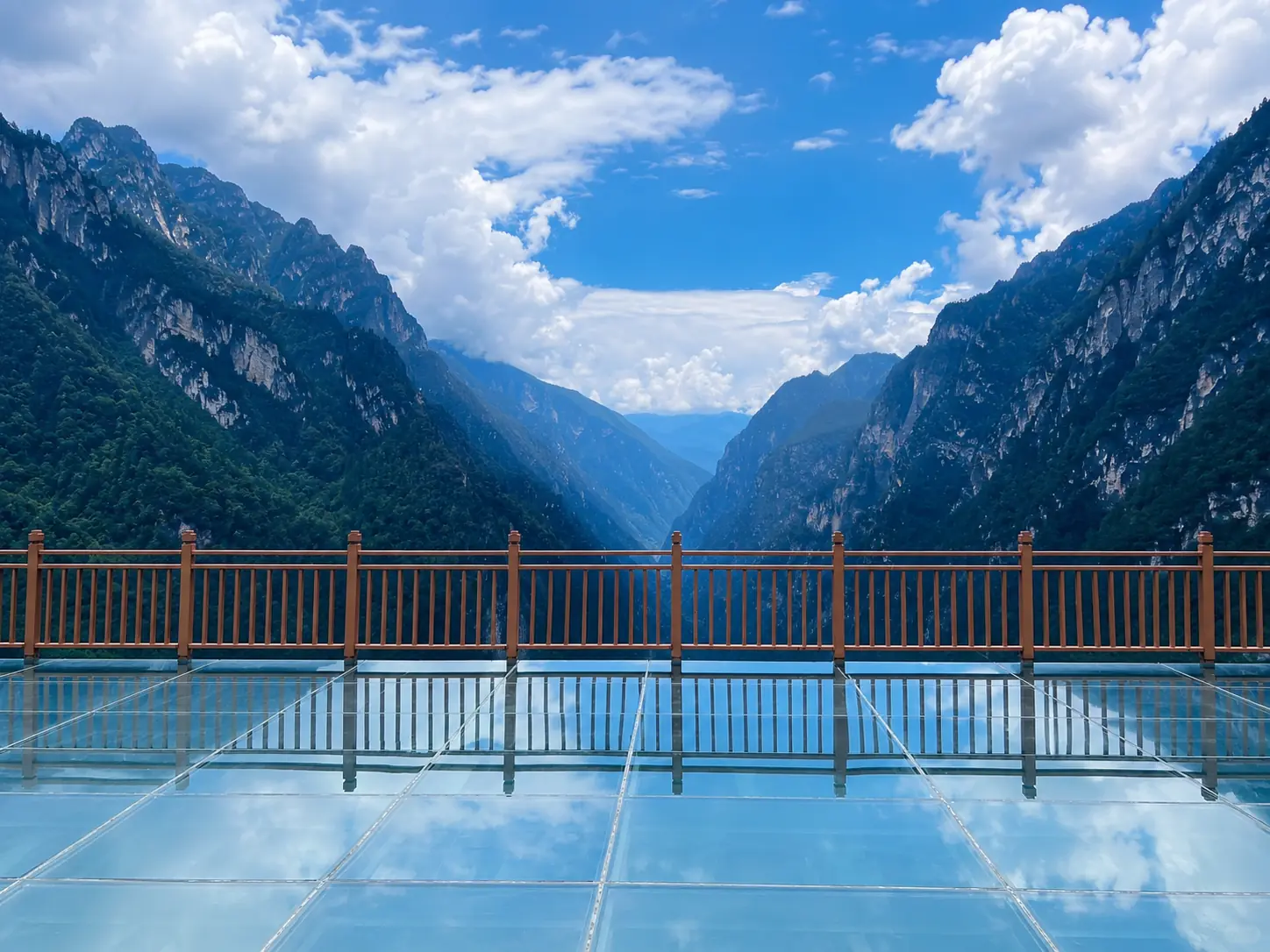
Mountain extension layer
Where it shows up: Balagezong, Nixi, White Water Terraces, Tiger Leaping Gorge, Deqin, Meili, and Yubeng.
This is where the trip becomes less about sightseeing density and more about road time, weather, and altitude margin.
12 Shangri-La Experiences Worth Building Around
These are not twelve things to squeeze into one visit. They are the most useful choices for building a first Shangri-La route. Pick the highland version that matches your days, fitness, weather, and appetite for mountain roads.
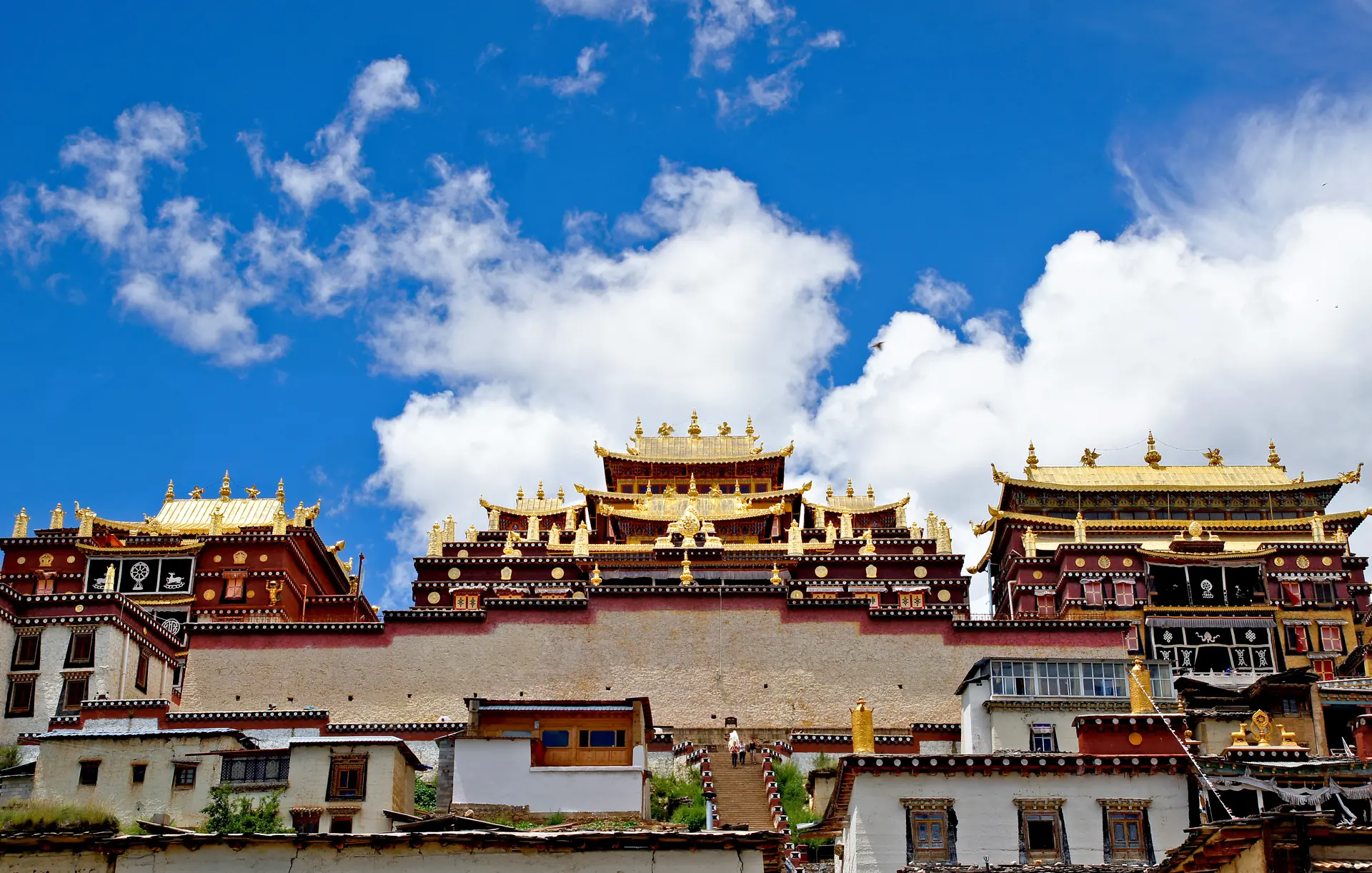
Songzanlin is the cultural anchor of Shangri-La: a functioning Tibetan Buddhist monastery, not just a photo stop. The official scenic-area site currently lists a 90 RMB through ticket and daylight opening around 07:00 to 17:30. Online tickets may package the entrance, shuttle bus, and explanation differently, so confirm the exact inclusions before paying.
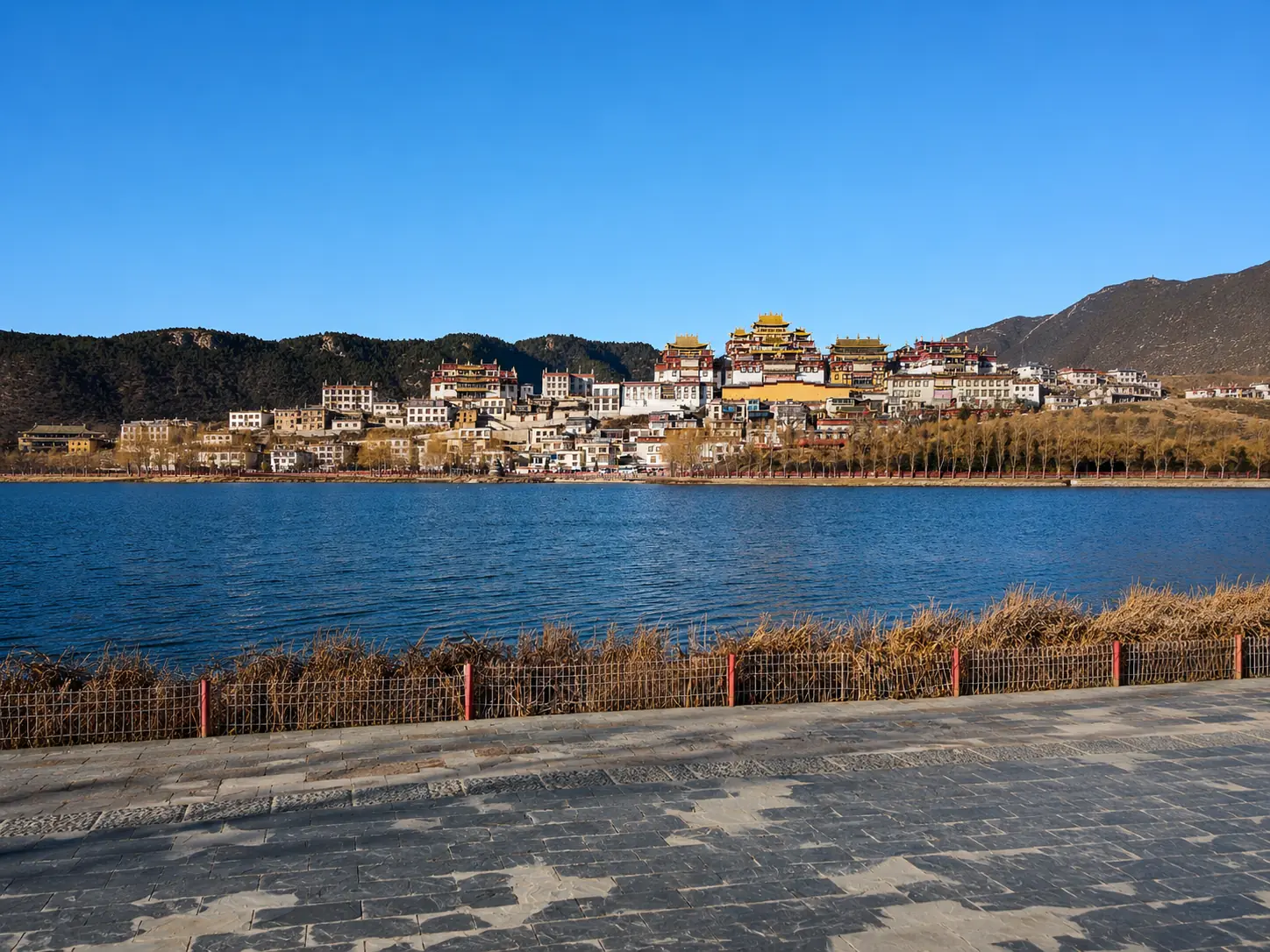
Many visitors climb to the monastery, take the gold-roof photo, and leave. The better visit includes the lake and wetland path below the complex. Clear mornings and late afternoons give the best reflection angles, and the flatter walk helps balance the stair climbing at altitude.
Dukezong is the easiest first base: hotels, food, cafes, shops, and evening walks sit in one compact old-town area. Much of it was rebuilt after the 2014 fire, so read it as a restored highland town and travel base rather than an untouched ancient settlement.
Guishan Park rises above Dukezong and holds the giant golden prayer wheel. Walk clockwise, move slowly on the stairs, and treat the religious setting with respect. It is free to enter in normal conditions and makes a good first evening if you have just arrived.
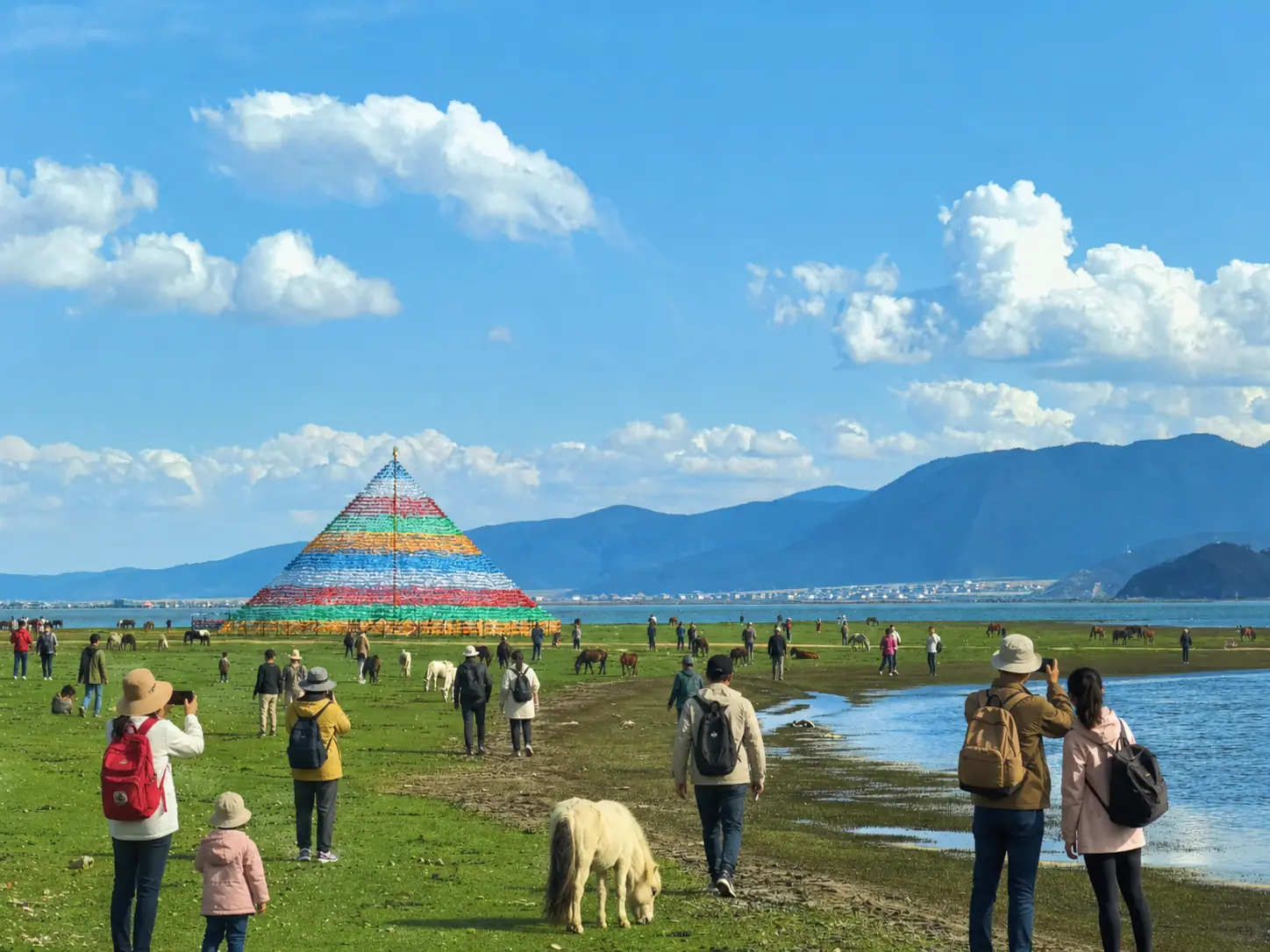
Napahai is not a fixed blue lake. In the rainy season it can become a shallow mirror-like wetland; in drier months it retreats into grassland, grazing land, and bird habitat. Go for changing highland light, not a guaranteed year-round lake view.
Potatso is a real half-day to full-day park, not a quick detour. The official site currently lists a 138 RMB ticket, daylight opening that can shift by season and holidays, and buses between Shangri-La Passenger Station and the park. Plan 4-5 hours for the park itself.
Balagezong is farther from town and stronger on canyon roads, village scenery, and dramatic terrain. It is not a filler between Songzanlin and Potatso. If you choose it, protect a full day and confirm park transport, return timing, and weather before leaving.
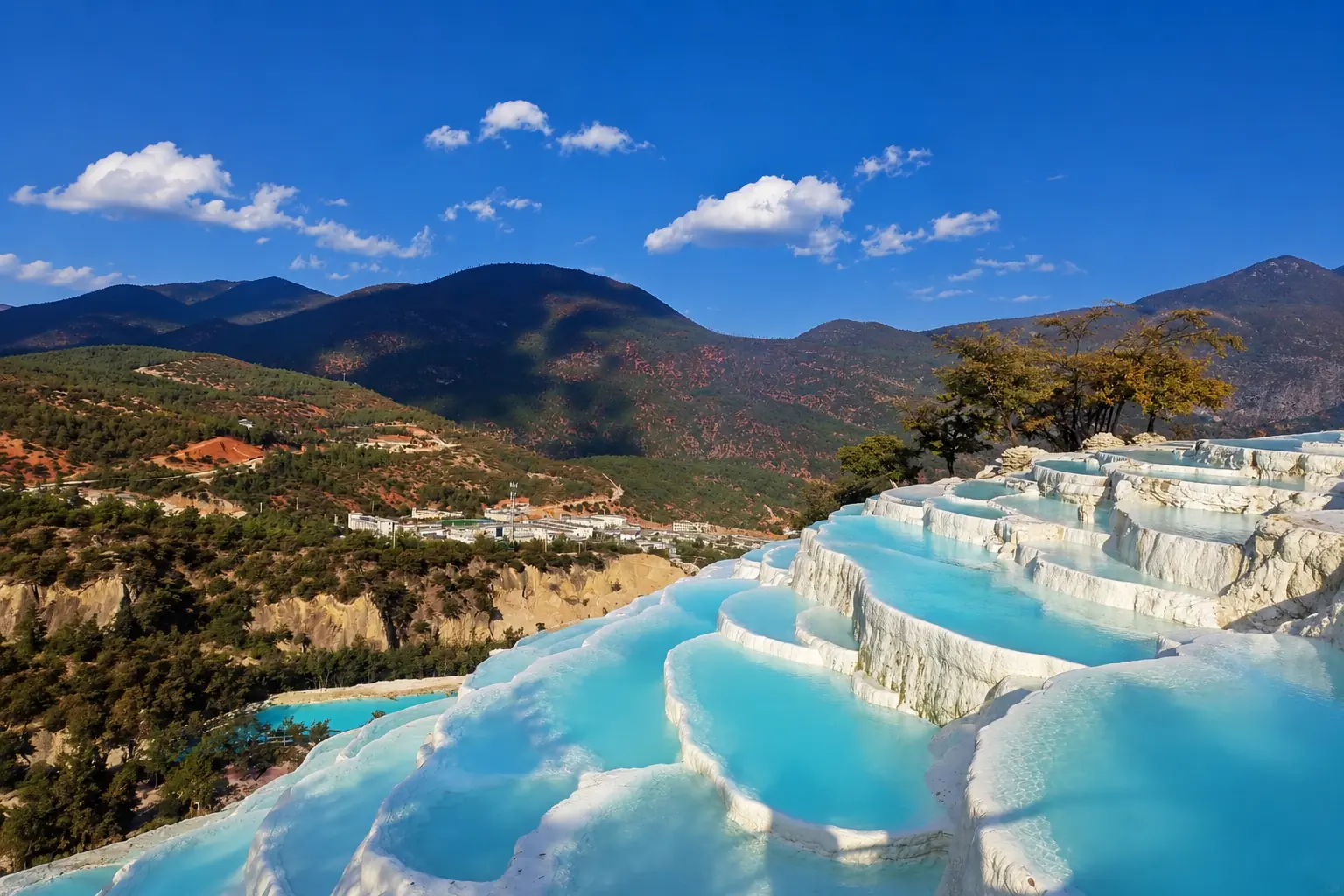
White Water Terraces sit far southeast of Shangri-La near Sanba Township, often on a route toward Haba Snow Mountain, Tiger Leaping Gorge, or Lijiang. The attraction is usually modestly priced, commonly around 30 RMB in current listings, but road time matters more than the ticket.
9. Eat a Highland Dinner
Yak, barley, butter tea
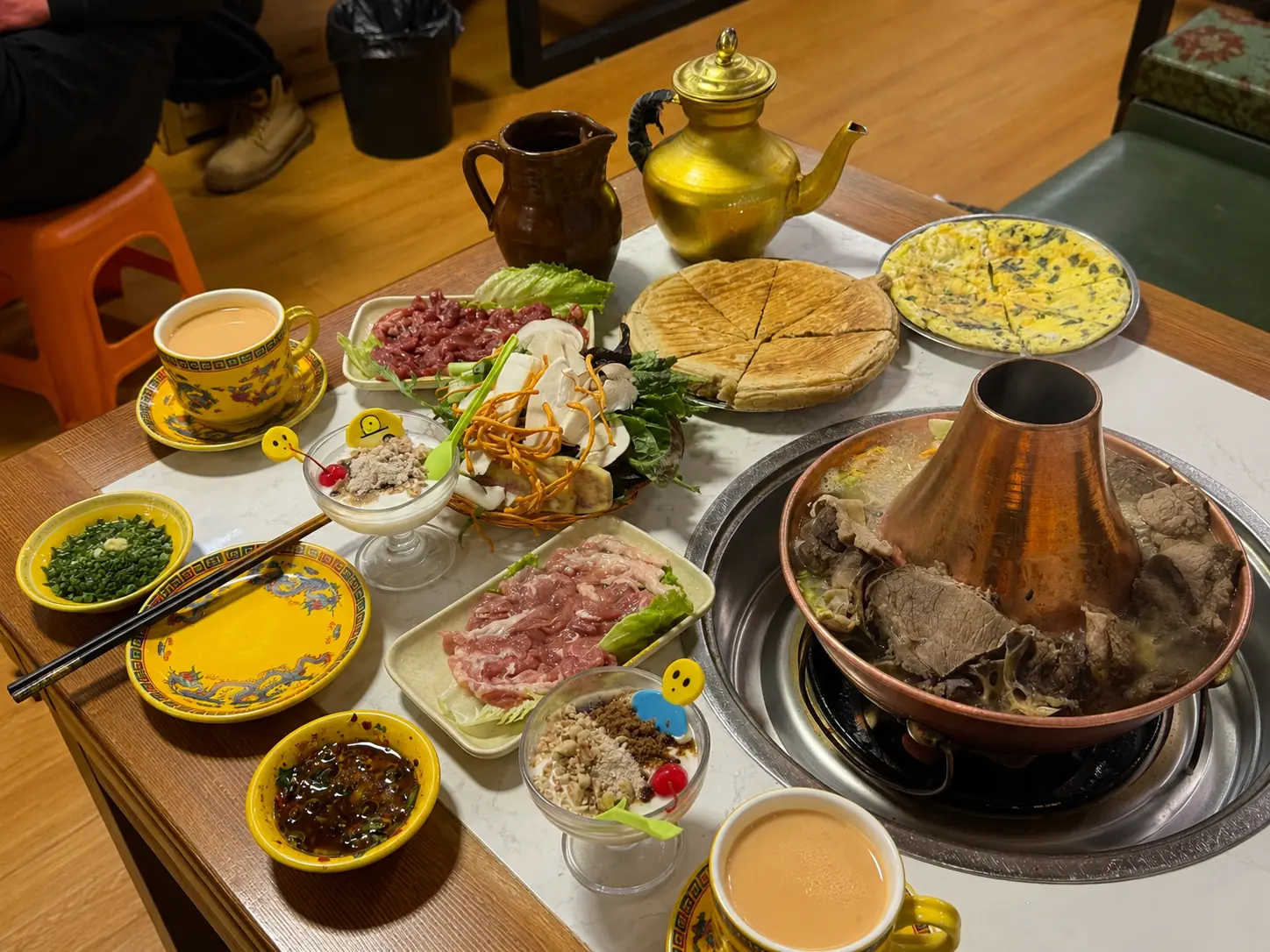
Do not let every meal happen on the same old-town snack lane. Yak hotpot, barley cakes, Tibetan yogurt, butter tea, mushroom season, and highland stews are part of the experience. Go easy on alcohol the first night, especially if you are still adjusting to altitude.

Nixi black pottery is a good cultural stop if your route heads toward Deqin, Balagezong, or a slower village day. Prioritize places where you can see the making process, not only souvenir shelves. It is a quieter counterpoint to the monastery and old-town layers.
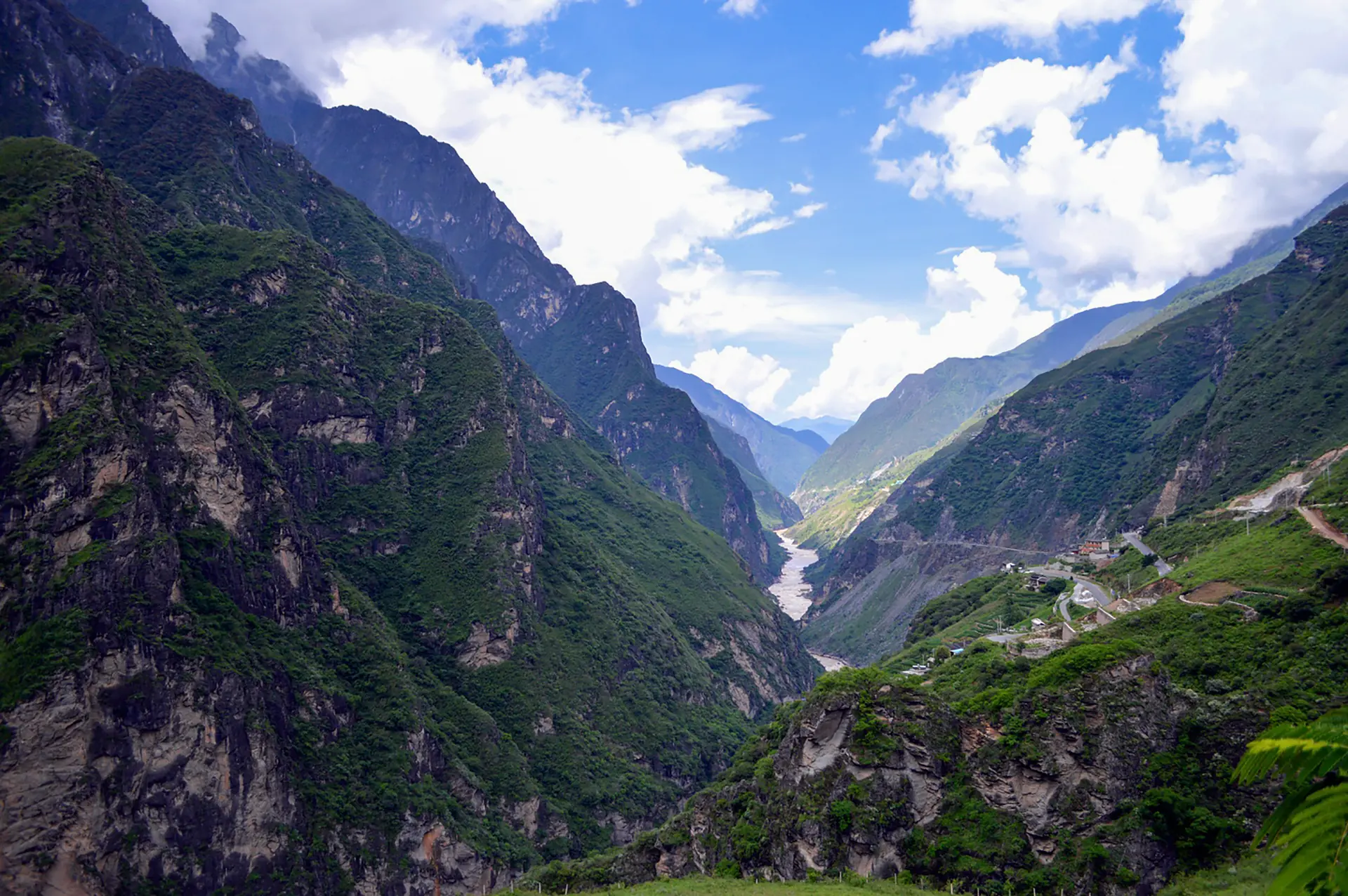
Tiger Leaping Gorge is not a casual Shangri-La half-day. A viewpoint stop can fit between Lijiang and Shangri-La; the classic hike needs more time, weather awareness, and honest fitness planning. Use it as a route bridge, not a box to tick after lunch.

Meili Snow Mountain and Yubeng are among the strongest extensions from Shangri-La, but they are not city-day fillers. Shangri-La is the place to acclimatize, organize transport, and decide whether the weather window is worth continuing toward Deqin.
Choose the Right Shangri-La Trip Style
Do not choose Shangri-La sights only by fame. Choose the version of the plateau you actually want to feel.
Classic first trip
Best mix: Dukezong, Guishan Park, Songzanlin, Lamuyangcuo Lake, and either Napahai or Potatso. Keep the first day gentle.
Monastery and culture trip
Best mix: Songzanlin, Dukezong, Guishan Park, Tibetan dinner, and a craft or village stop such as Nixi black pottery.
Nature-first trip
Best mix: Napahai, Potatso, Balagezong, White Water Terraces, and weather-dependent viewpoints. You need more transport margin.
Family-friendly trip
Best mix: Dukezong, Guishan Park, Songzanlin at a slow pace, Napahai by car, and one flexible park day. Avoid back-to-back long drives.
Photography trip
Best mix: Songzanlin reflections, Napahai seasonal light, Dukezong rooftops, Potatso lakes, and one snow-mountain or canyon extension.
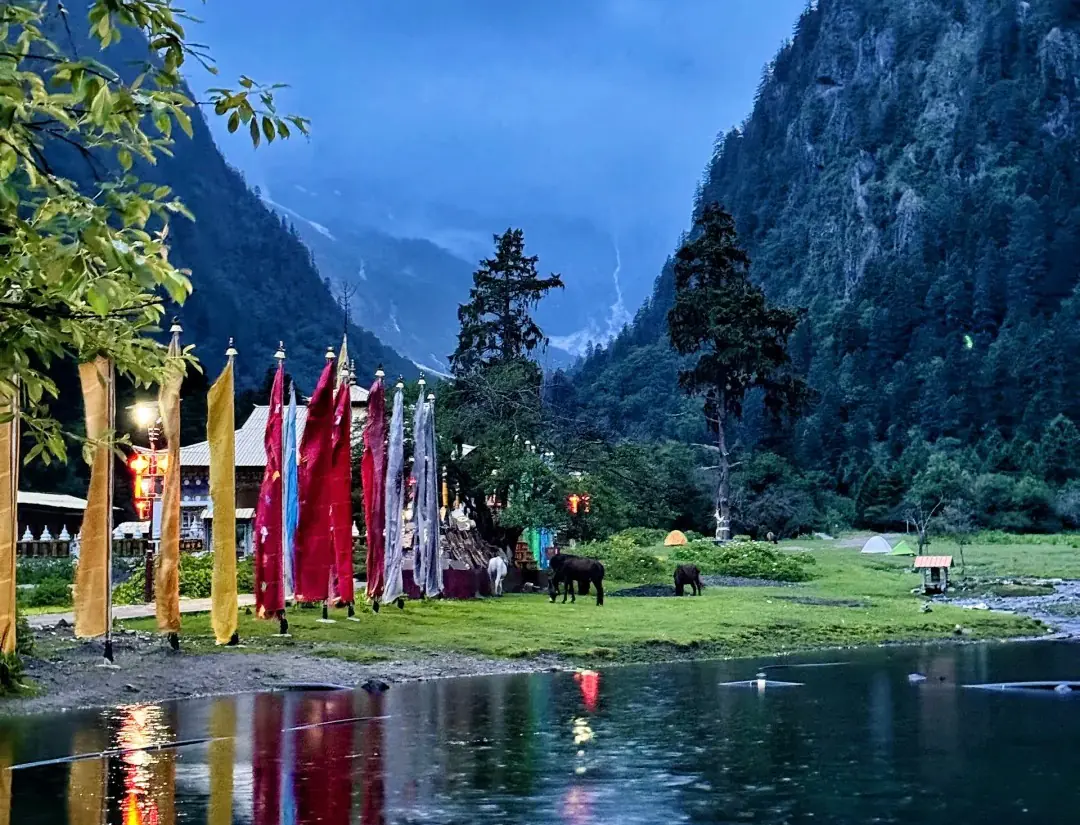
Northwest Yunnan route
Best mix: Lijiang to Shangri-La by train, one acclimatization night, Songzanlin, then Deqin, Meili, Yubeng, or Tiger Leaping Gorge.
Shangri-La by Area: Old Town, Wetlands, Parks
Shangri-La becomes easier once you stop reading it as one dot. The useful travel map is a set of zones, each with a different pace.
Dukezong Old Town
Best use: arrival base, hotels, food, Guishan Park, Moonlight Square, evening walks, and light first-day altitude adjustment.
Timing tip: use the first evening and early morning. Do not rush the stairways if you have just arrived.
Songzanlin Area
Best use: monastery halls, golden roofs, Lamuyangcuo Lake, wetland paths, religious etiquette, and classic photos.
Timing tip: go early or late for softer light. Allow extra time for stairs and thin air.
Napahai and Yila Grassland
Best use: seasonal lake, grassland, grazing scenes, birds, big sky, and looser photography stops around the ring road.
Timing tip: ask locally what the wetland looks like this week. The same place changes dramatically by season.
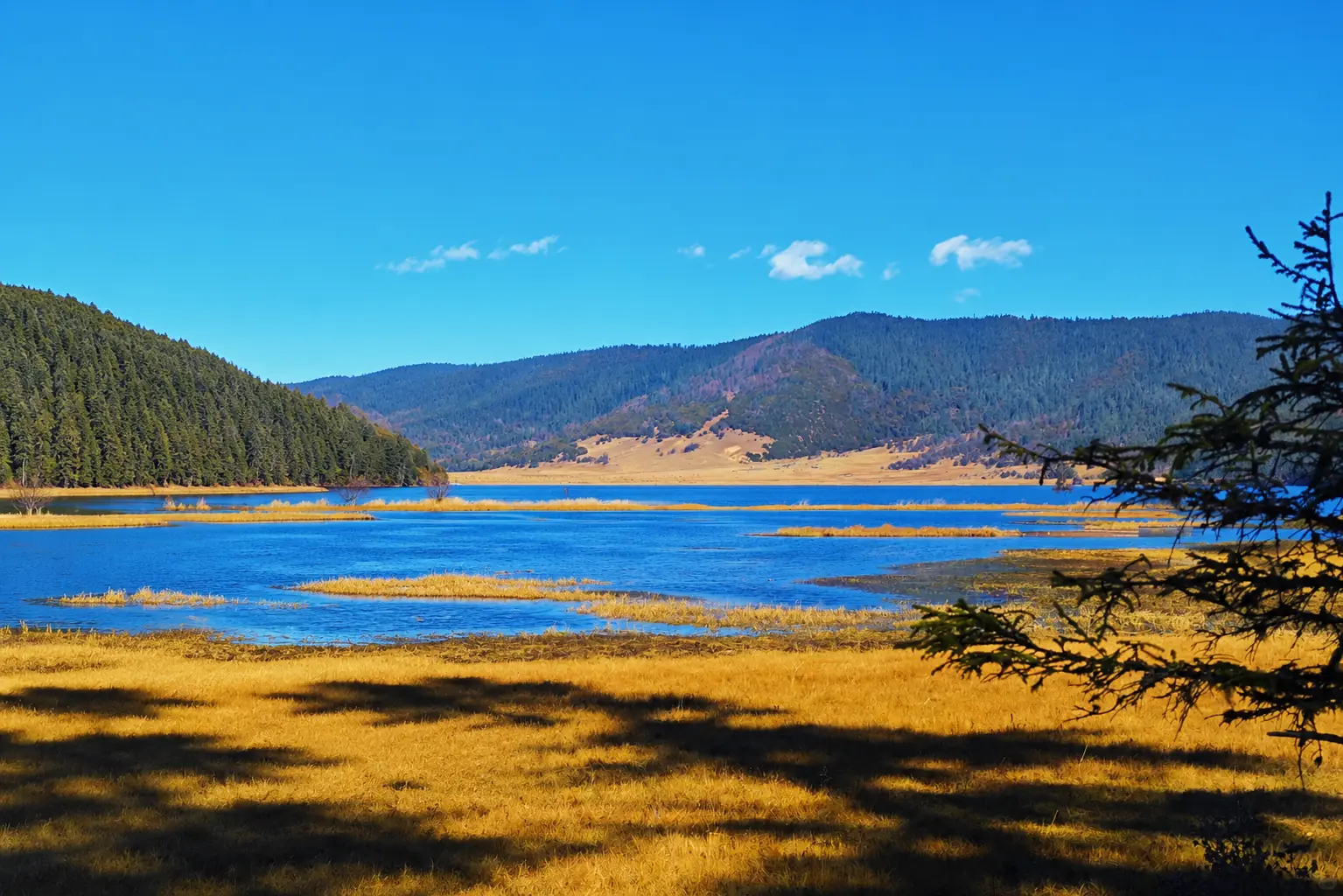
Potatso Direction
Best use: Shudu Lake, Bita Lake, boardwalks, forest, meadow, and a structured national-park day.
Timing tip: use a clear day if possible. Check park bus, last entry, and which routes are open before leaving town.
Northwest Toward Deqin
Best use: Nixi, Balagezong, Meili Snow Mountain, Feilai Temple, and Yubeng route planning.
Timing tip: do not stack this after a heavy park day. Mountain-road days need margin.
Southeast Toward Lijiang
Best use: White Water Terraces, Haba Snow Mountain direction, Tiger Leaping Gorge, and the Lijiang connection.
Timing tip: this works best as a route segment, not as a late-afternoon afterthought.
Plan Shangri-La by Time Blocks
Use broad time blocks: keep arrival light, give Songzanlin a clear morning, protect one afternoon or full day for the nature choice, and save Meili, Yubeng, or Tiger Leaping Gorge for an extra day or onward route.
- Dukezong Old Town and Guishan Park- Settle in, eat early, walk gently, and see how your body handles 3,100 m.
- Songzanlin and Lamuyangcuo- Use your clearest energy for the monastery, lake path, stairs, and etiquette-sensitive spaces.
- Napahai, Potatso, or Balagezong- Choose one nature direction based on weather, season, and transport time. Do not force several big landscapes into the same block.
- Meili, Yubeng, or Tiger Leaping Gorge- Save these for a real extension or onward route, especially if you need an overnight or a mountain-road transfer.
If you arrive late from Lijiang, keep the arrival block even lighter. If the weather is excellent early, move the nature block forward. If altitude symptoms feel strong, reduce the higher or farther block first.
Tickets, Transport and Altitude Planning Basics
The new Lijiang-Shangri-La railway opened in November 2023. China government reporting lists the route at about 139 km and the fastest Lijiang to Shangri-La travel time at 1 hour 18 minutes, a major improvement over the old mountain-road transfer. That makes Shangri-La easier to reach, but it does not make the surrounding sights close together.
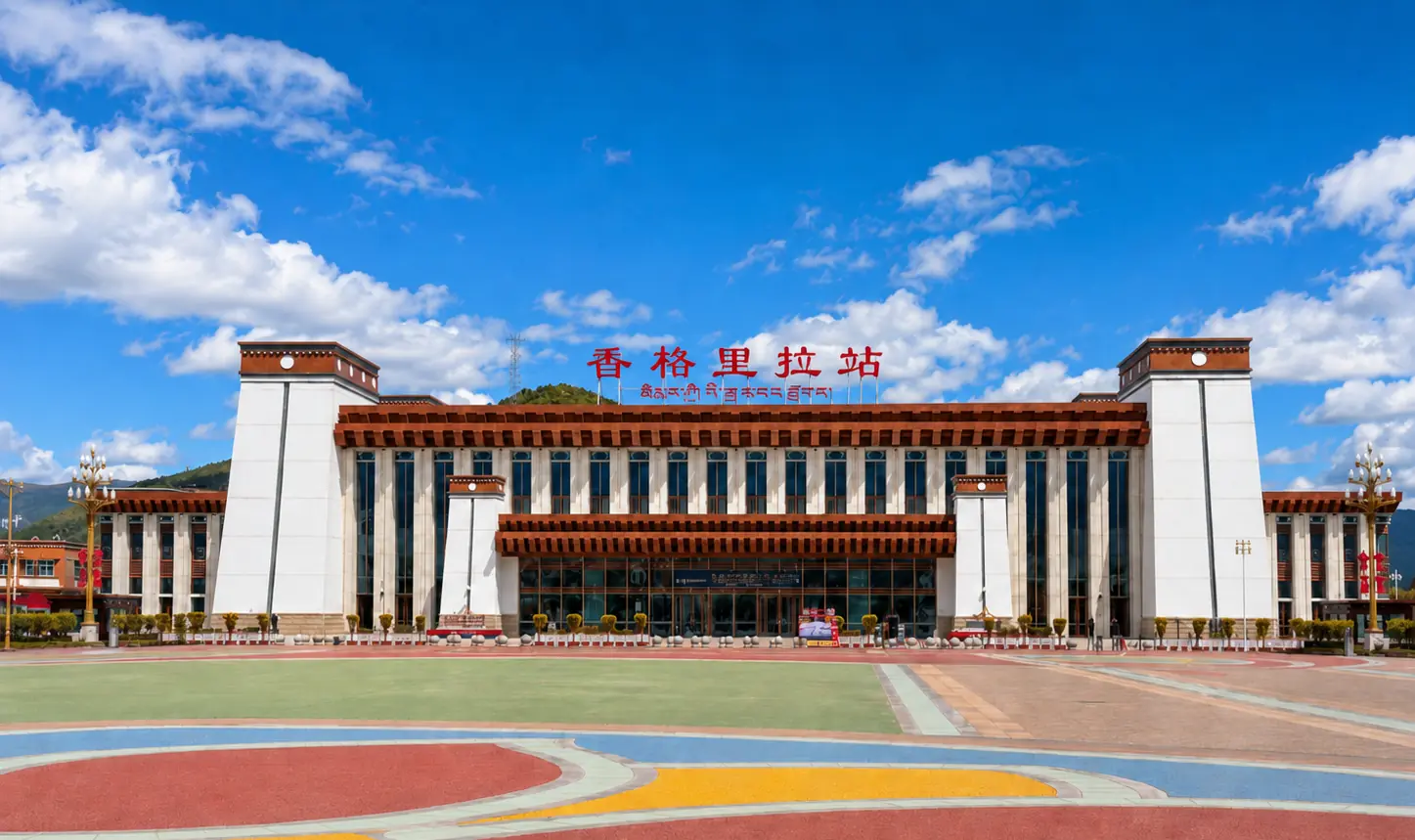
The train solves the Lijiang-to-Shangri-La arrival problem, but the plateau still behaves like mountain country once you leave the city. Potatso, Balagezong, White Water Terraces, Tiger Leaping Gorge, Deqin, and Meili all need road-time margin, weather checks, and a realistic return plan.
| Decision | What to Know | Best Move |
|---|---|---|
| Songzanlin tickets | The official scenic-area site currently lists a 90 RMB through ticket and opening around 07:00-17:30. Online platforms may split or bundle entrance, shuttle bus, and explanation fees differently. | Confirm the ticket components before paying, then allow 2-4 hours depending on pace. |
| Potatso tickets | The official site currently lists 138 RMB per person and notes seasonal, holiday, and announcement-based opening adjustments. | Check the current official notice before travel. Protect 4-5 hours for the park itself. |
| Napahai costs | The broad wetland and grassland area is not experienced like a single gate-only lake attraction. Horse riding and local activities cost extra. | Ask exactly what any activity price includes before agreeing. |
| Rail and road links | The train helps with Lijiang-Shangri-La access, but Balagezong, White Water Terraces, Potatso, and Meili still depend on road transfers. | Check current train times and avoid stacking long road days back-to-back. |
| Altitude | Dukezong is around 3,100-3,200 m, Songzanlin is higher, and Potatso routes are high enough to feel the thin air. | Keep Day 1 gentle, hydrate, use sun protection, and do not push higher if symptoms are strong. |
Treat the first day as part of the trip
In Shangri-La, a gentle first evening is not wasted time. It is how you protect the monastery day, the park day, and any route toward Meili or Yubeng.
Best Seasons for Shangri-La Plateau Scenery
Shangri-La works year-round, but the best version changes sharply with rain, grass, snow, road conditions, and how much thin-air walking you want.
- What Works Best
- Quieter old town, monastery days, early flowers, and cooler highland light.
- Watch For
- Cold mornings, changeable weather, and slower grassland recovery after winter.
- What Works Best
- Green grasslands, fuller Napahai wetland scenes, flowers, and lush Potatso landscapes.
- Watch For
- Rain, clouded views, muddy paths, and school-holiday crowds.
- What Works Best
- Clearer skies, strong photography light, gold grass, good monastery and lake days.
- Watch For
- National Day Golden Week from October 1 to 7 is crowded and expensive.
- What Works Best
- Crisp air, possible snow, quieter Dukezong, birds around wetlands, and stronger snow-mountain visibility.
- Watch For
- Cold nights, wind, icy roads, and possible park or route adjustments.
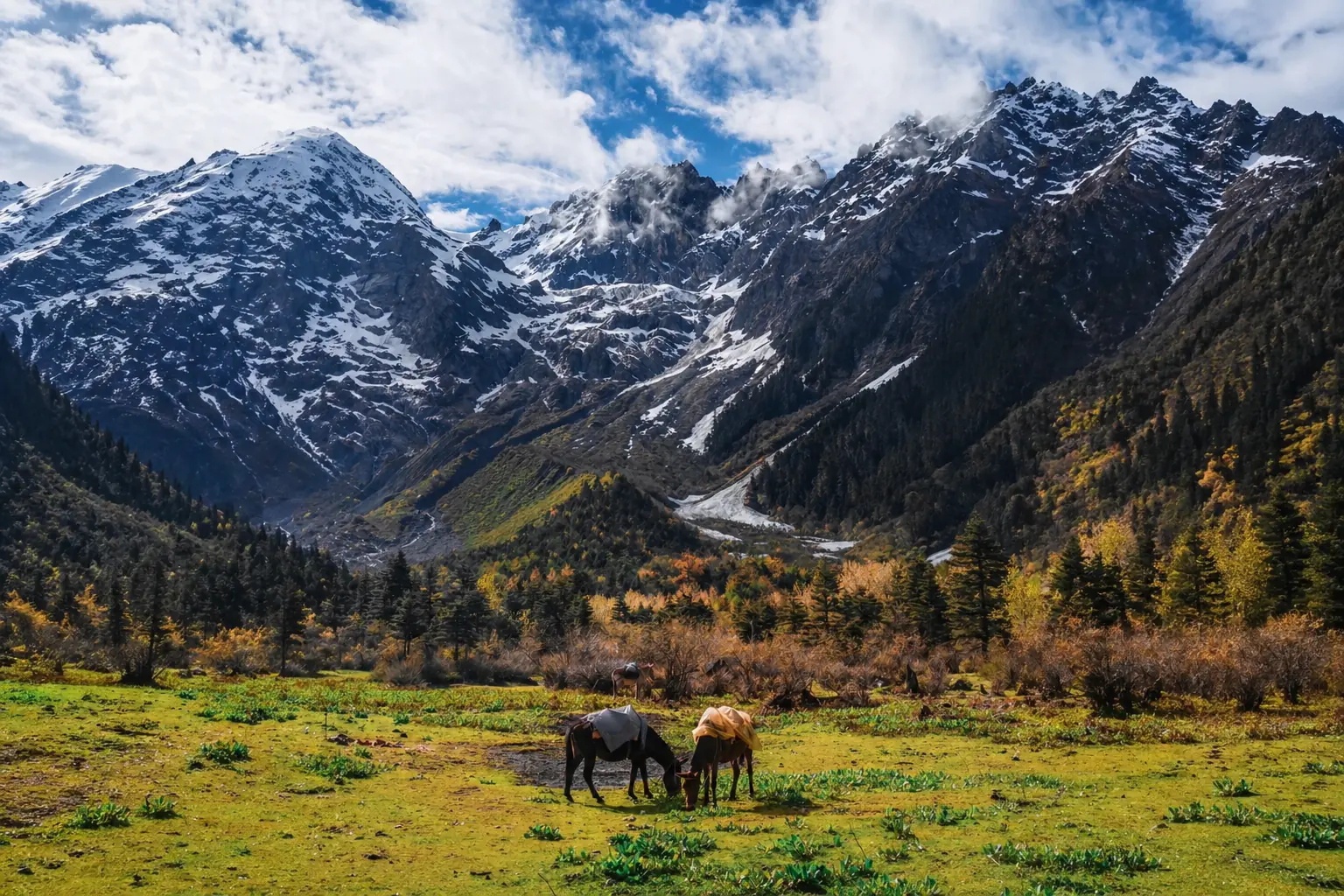
If your main goal is Napahai as a water-and-reflection scene, protect the wetter months. If your main goal is snow peaks, clearer skies, and quieter streets, autumn and winter can be stronger. Potatso is more weather-sensitive than the old town, so keep one flexible nature day if possible.
Common Mistakes to Avoid in Shangri-La
- Arriving at altitude and immediately planning Potatso, Balagezong, or a major hike.
- Treating Dukezong as only a commercial old town and missing its role as the best acclimatization base.
- Photographing freely inside monastery halls or moving against the clockwise flow around religious spaces.
- Expecting Napahai to look like the same lake in every month.
- Leaving only one or two hours for Potatso, then spending most of the visit on buses and transfers.
- Trying to make Meili Snow Mountain or Yubeng a normal Shangri-La day trip.
- Relying on old screenshots for tickets, shuttle buses, park opening, or road access.
Frequently Asked Questions
Two days can cover Dukezong Old Town, Guishan Park, Songzanlin Monastery, and either Napahai or Potatso. Three days is much better because you can add one larger nature day. Four days or more lets you continue toward Balagezong, White Water Terraces, Meili Snow Mountain, Yubeng, or Tiger Leaping Gorge without rushing.
Sources checked for this guide
- Songzanlin Scenic Area official site: Songzanlin identity, current listed through-ticket price, and 07:00-17:30 opening-hour context
- Pudacuo National Park official English site: Potatso ticket listing, daylight opening notice, bus times from Shangri-La Passenger Station, and World Heritage area context
- China government: Lijiang-Shangri-La railway: Railway opening, fastest Lijiang-Shangri-La travel time, and official transport context
- UNESCO: Three Parallel Rivers of Yunnan Protected Areas: World Heritage landscape context for northwest Yunnan alpine lakes, meadows, gorges, and biodiversity
- Visit Yunnan: Shangri-La destination guide: Dukezong rebuild context, Songzanlin and Lamuyangcuo framing, Napahai seasonal lake-grassland description, and Potatso overview
- Visit Colorful Yunnan: Napa Hai Lake: Napahai as a plateau seasonal wetland and dry-season grassland
- Trip.com: White Water Terraces listing: Baishuitai location, current common ticket figure, seasonal opening examples, and road-time context
Beyond This Guide
Once you know what role Shangri-La plays in your Yunnan trip, go deeper on the pieces that decide the route:
- Use our Lijiang things-to-do guide if you are deciding how to connect Old Town, Jade Dragon Snow Mountain, Tiger Leaping Gorge, and Shangri-La.
- Use the Dali things-to-do guide if Shangri-La sits inside a slower Kunming-Dali-Lijiang route.
- Use the Meili Snow Mountain guide before adding Deqin, Feilai Temple, or sunrise views.
- Use the Yubeng Village trek guide before turning the Meili extension into a hiking plan.
- Use the Yunnan cuisine guide so your highland days include Tibetan and northwest Yunnan food, not only old-town snacks.
- Use the China domestic flights guide and China city transport guide if you are pairing trains, flights, taxis, and long-distance road transfers.
- Jianshui Ancient City Guide — explore southern Yunnan's Ming-era gates, Confucian temple, and heritage meter-gauge train
- Yading Nature Reserve (Daocheng) Guide — continue north from Shangri-La into high-altitude treks beneath three sacred snow peaks
Shangri-La works best when it is not rushed into a fantasy checklist. Give it one gentle arrival, one monastery or old-town day, one nature day, and a clean decision about whether you are continuing deeper into the mountains.
© gochinafreely.com — Original guide by Go China Freely.