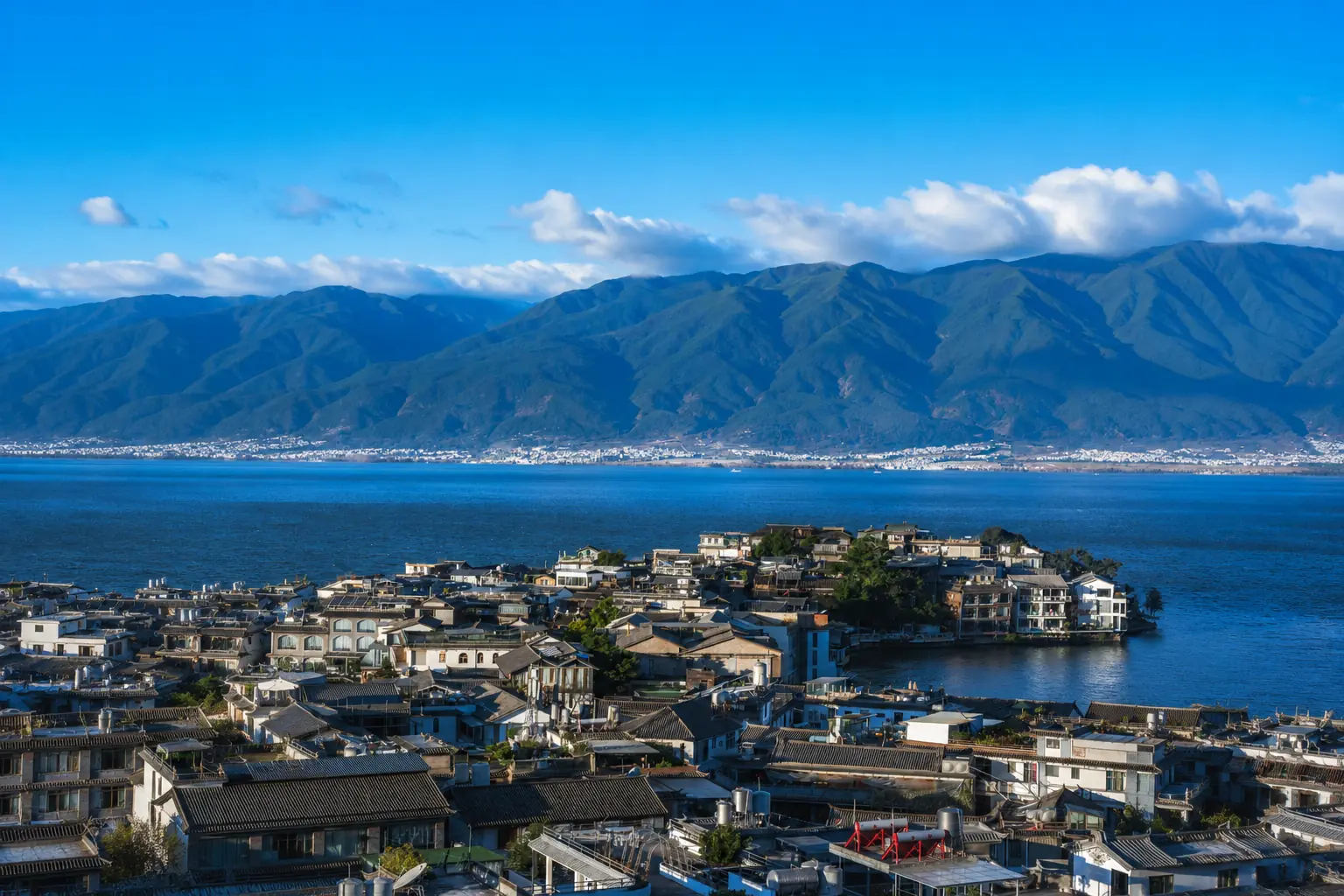
Dali (大理) is easiest to misread as "an old town beside a lake." The better first trip starts with its shape: Cangshan (苍山) rises to the west, Erhai Lake (洱海) opens to the east, and the space between them holds old-town lanes, Bai (白族) villages, fields, piers, guesthouses, and slow Yunnan days. This guide helps you decide what is worth building your Dali time around instead of chasing every lakefront photo stop.
2-4 days
Best Length
1,972 m
Erhai Altitude
19 peaks
Cangshan Range
2015
UNESCO Geopark
First-Time Dali Travel Planning Starts Here
If you have only two days, keep the shape clean: use one day for Dali Old Town (大理古城), Three Pagodas (崇圣寺三塔), or the Cangshan foothills, and one day for Erhai's west shore and Xizhou (喜洲). Do not try to add Shuanglang (双廊), Shaxi (沙溪), a full lake loop, a high Cangshan cableway, and old-town nightlife into the same 48 hours.
With three days, Dali starts to breathe. You can separate the old-town day, the Erhai cycling day, and the Cangshan or east-shore day. Four days or more lets you add Shaxi, a slower tie-dye class in Zhoucheng (周城), an overnight by the lake, or a less rushed Yunnan route onward to Lijiang (丽江).
Foreign visitors can travel to Dali independently. It is not Tibet, and it does not require a Tibet-style travel permit. The practical friction is more ordinary: hotels must be able to register foreign passports, popular sights may use real-name ticketing, Cangshan cableways can change with weather, and e-bike rentals need a clear battery and return plan.
Two days
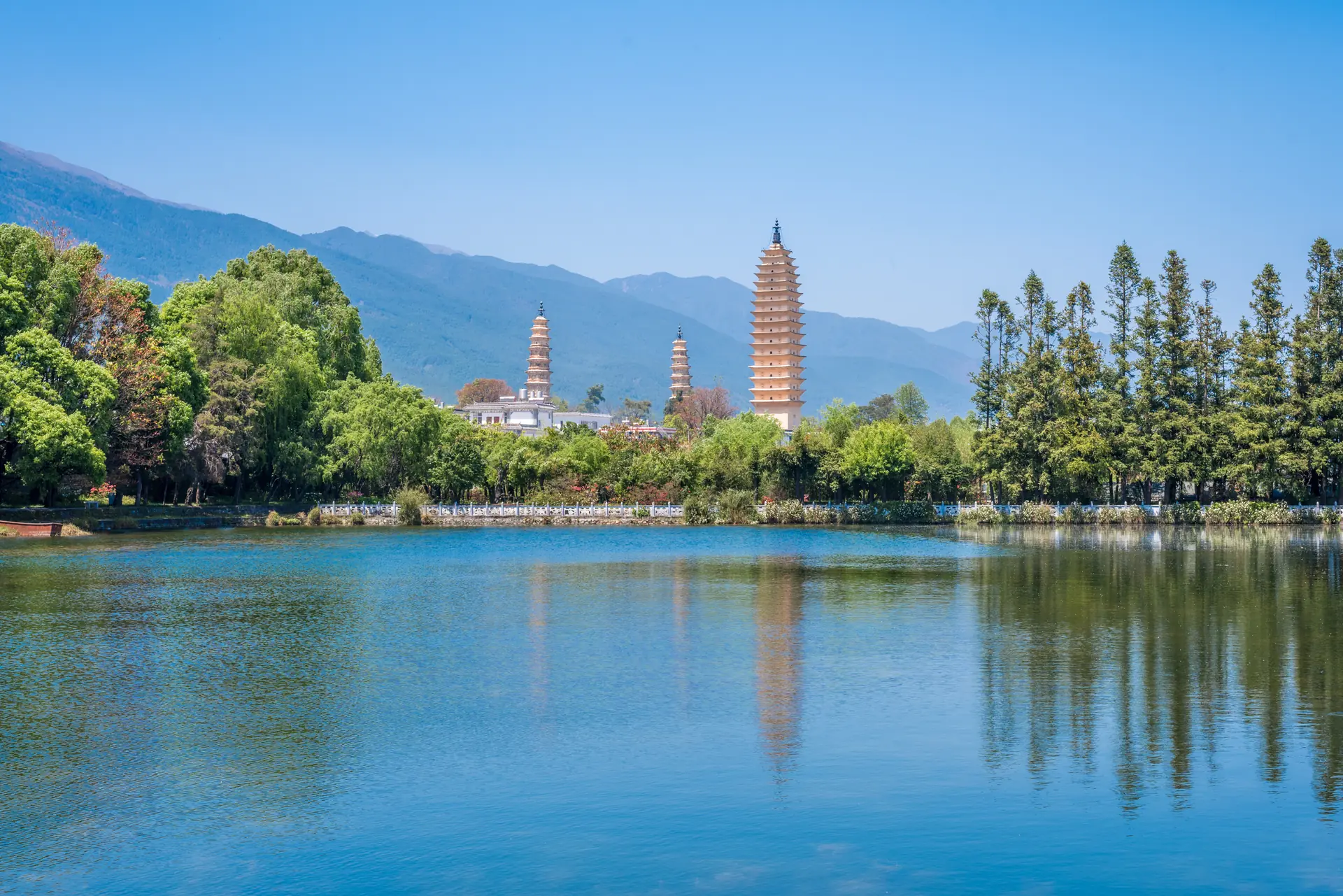
Use Dali Old Town as the base, add Three Pagodas or a gentle Cangshan foothill moment, then spend the second day on Erhai's west shore toward Caicun, Xizhou, or Zhoucheng.
Three days
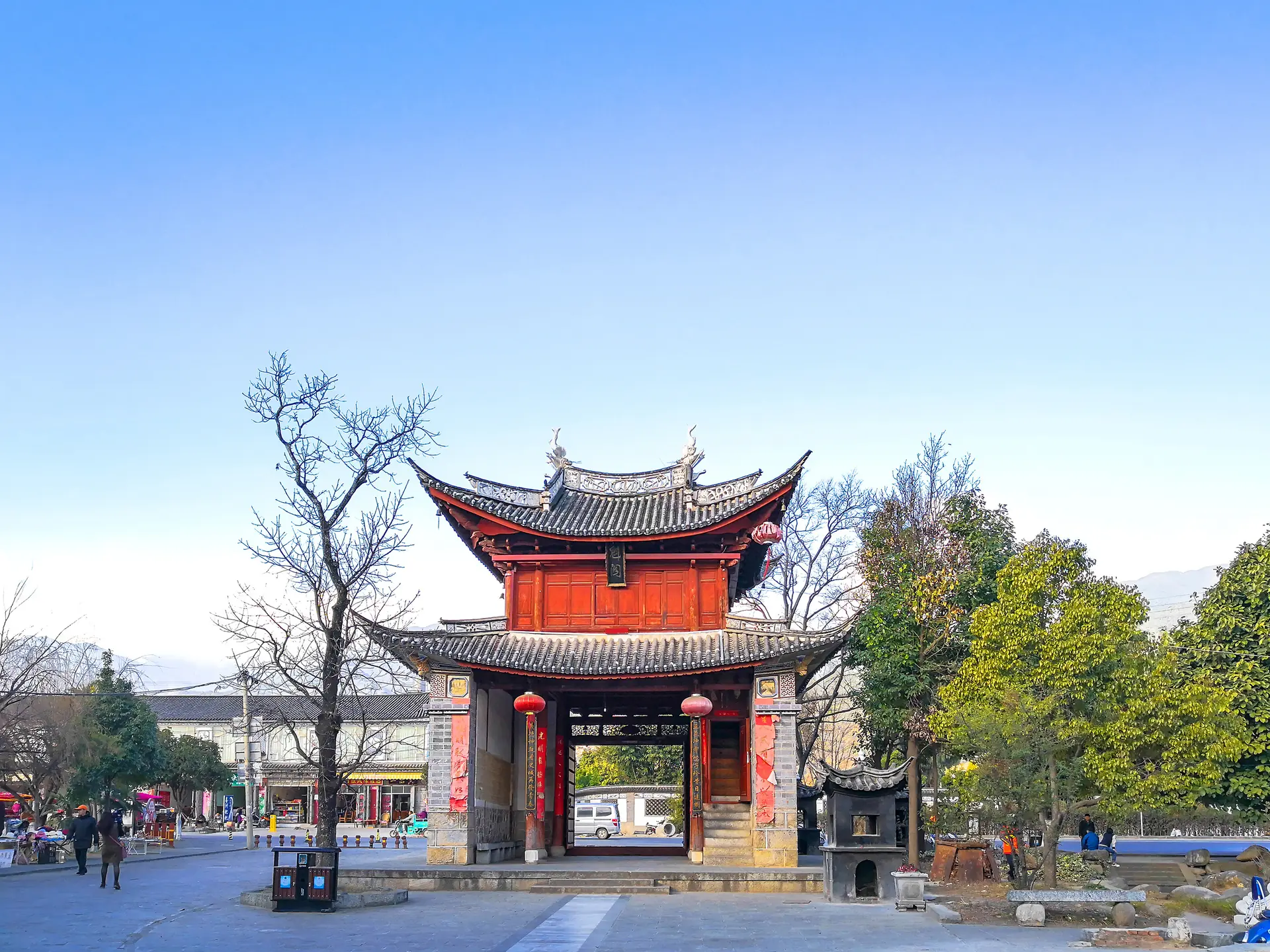
Add one flexible day for Cangshan, Shuanglang, Wase, or a slower Bai village afternoon. This is the best first-timer pace.

Four days or more
Add Shaxi, Shibao Mountain, a full Erhai loop, a proper tie-dye workshop, or a calmer guesthouse day instead of forcing everything into the lake circuit.
The key is to stop treating Dali as one dot. Old Town, Erhai west shore, Cangshan, Xizhou, Shuanglang, and Shaxi each do a different job.
Dali Is Lake, Mountain, and Bai Villages
The Dali Cangshan UNESCO Global Geopark gives the landscape its backbone. Cangshan is commonly described as a roughly 50-km north-south range with 19 peaks, the highest being Malong Peak at about 4,122 meters, and the Jade Belt Road is one of the classic ways to experience the mountain. Down below, the Erhai Ecological Corridor turns the lake edge into a cycling and walking experience rather than just a viewpoint.
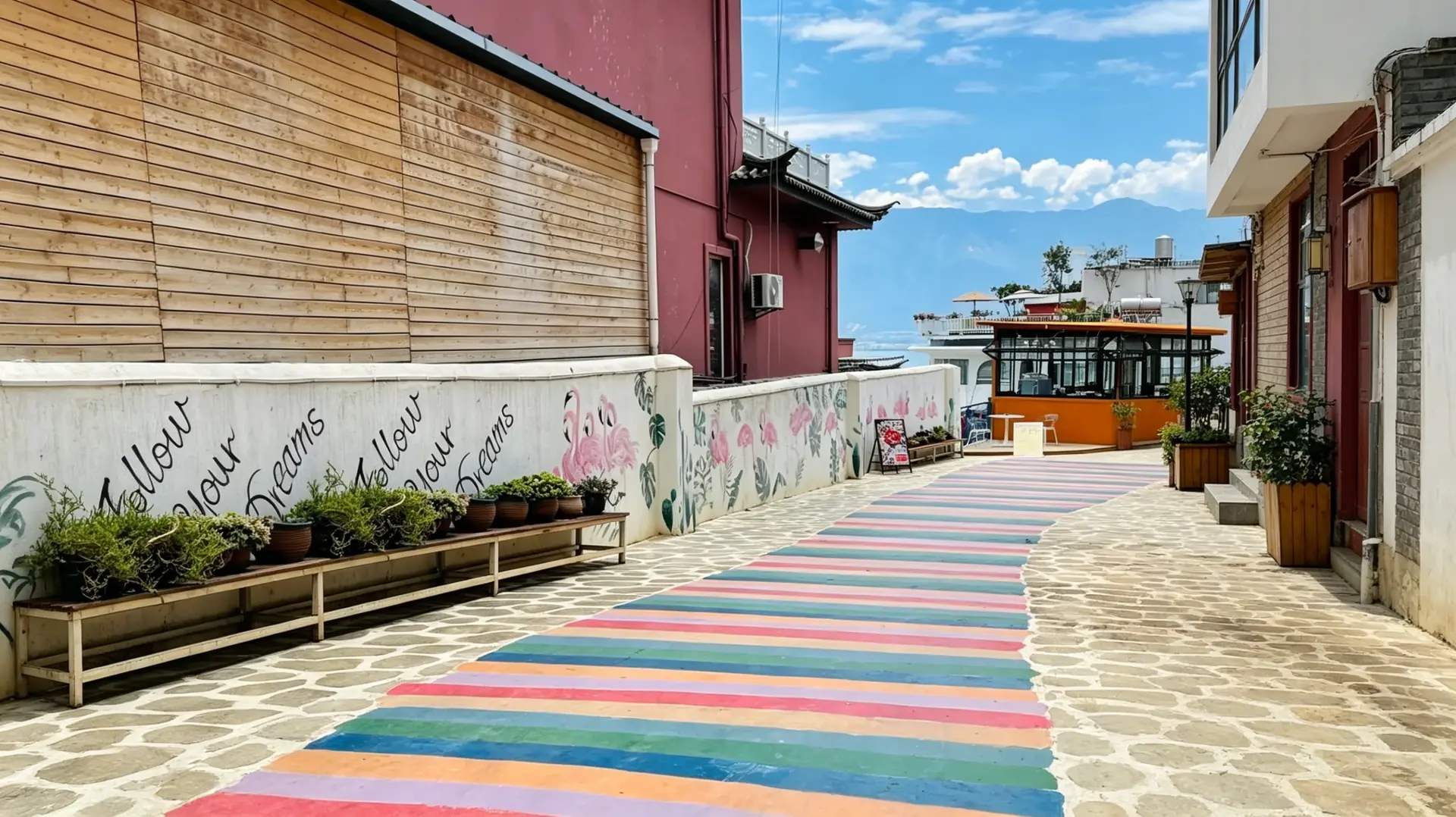
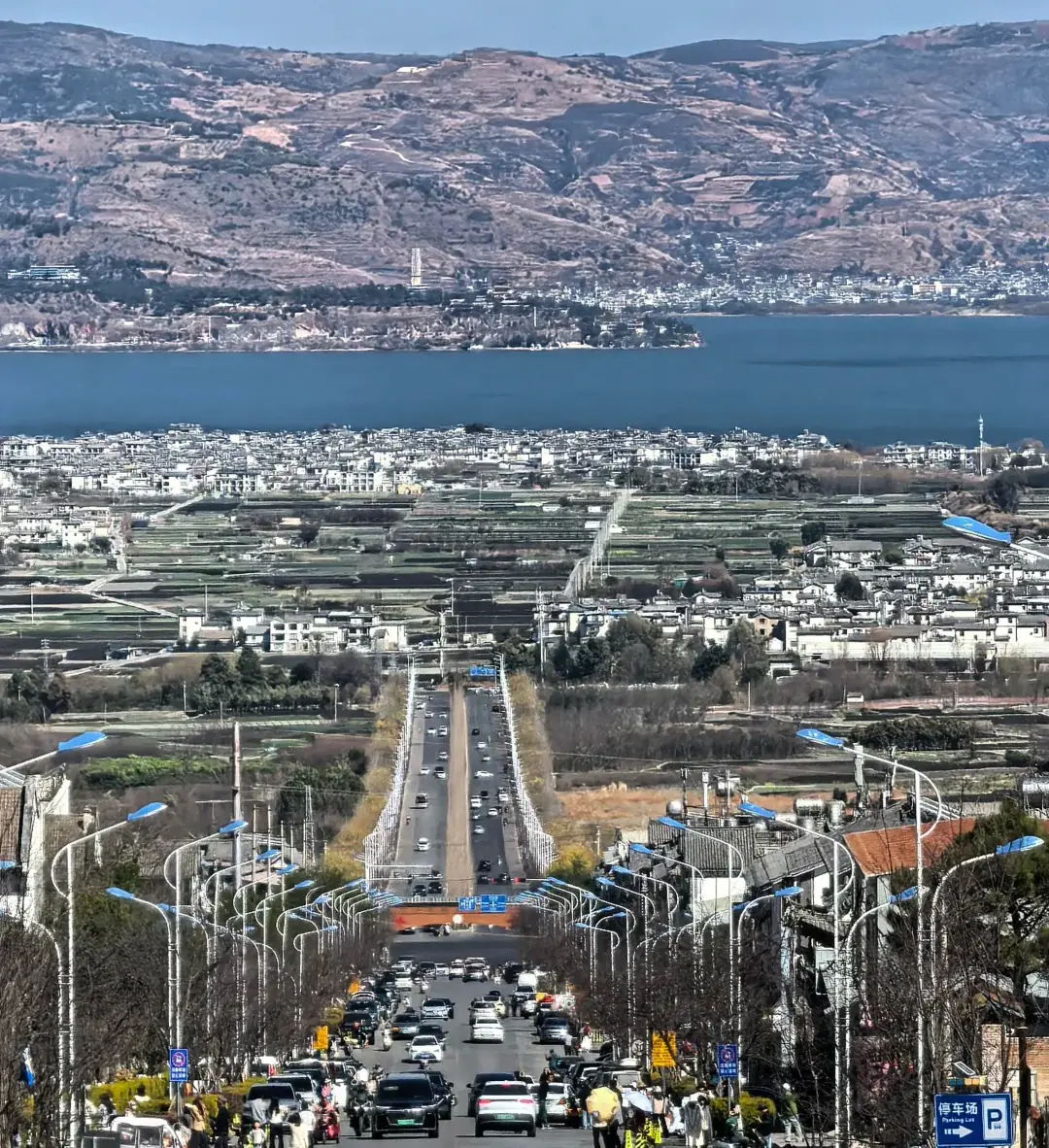
For travelers, the geography decides the trip. Dali Old Town is your logistics and evening base. Erhai's west shore is the easiest cycling and village layer. Cangshan is the height, weather, and lake-view layer. Xizhou and Zhoucheng are the Bai architecture and craft layer. Shuanglang, Wase, and the east shore are the open-water and sunset layer. Shaxi is the farther, slower Tea Horse Road extension.

The old-town base
Where it shows up: Dali Old Town, city gates, side lanes, guesthouses, cafes, rental shops, dinners, and access to Cangshan and Erhai.
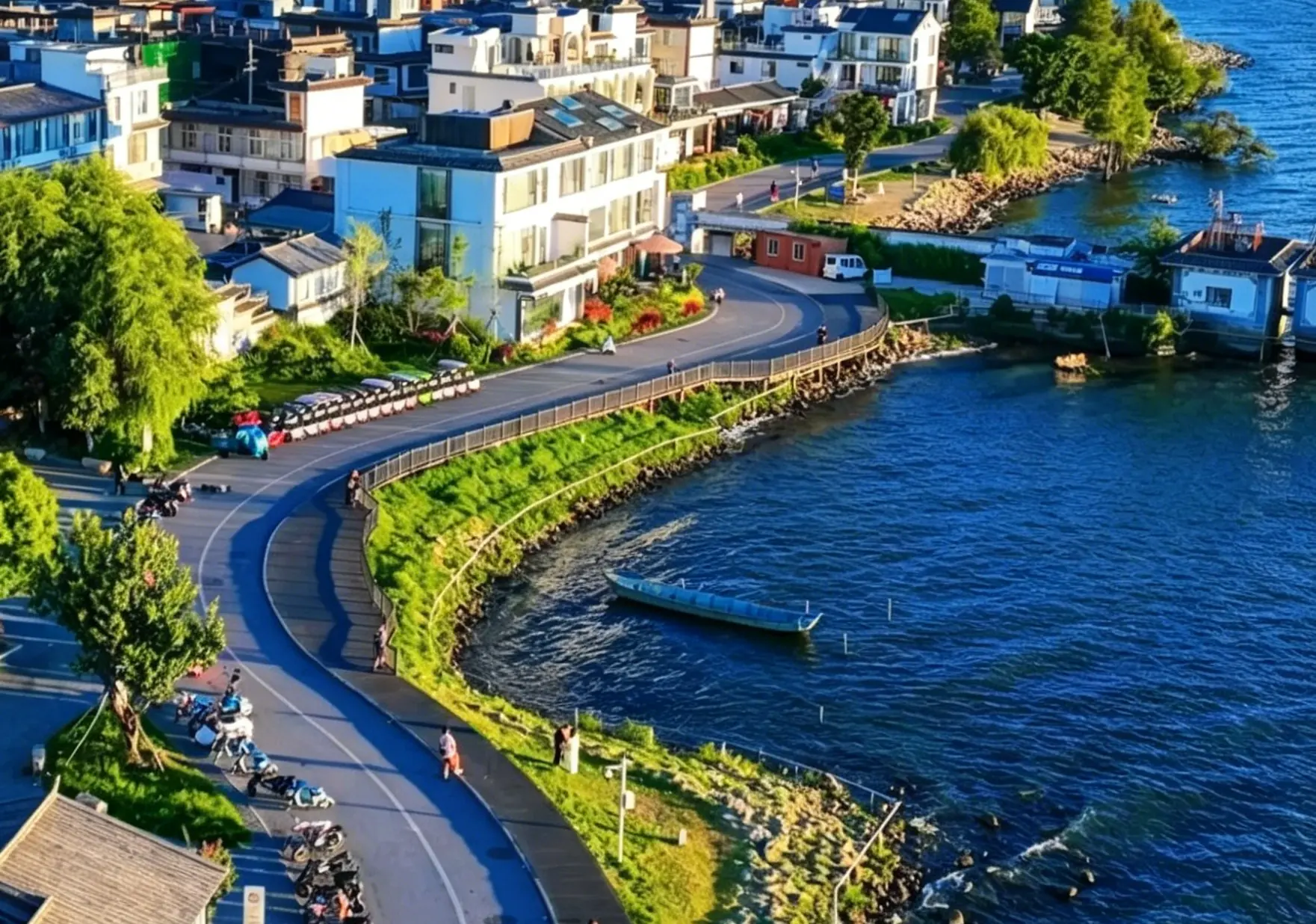
The Erhai layer
Where it shows up: Caicun (才村), Longkan, Panxi S-Bend, Xizhou, Shuanglang, Wase, Little Putuo, sunrise piers, and cycling paths.
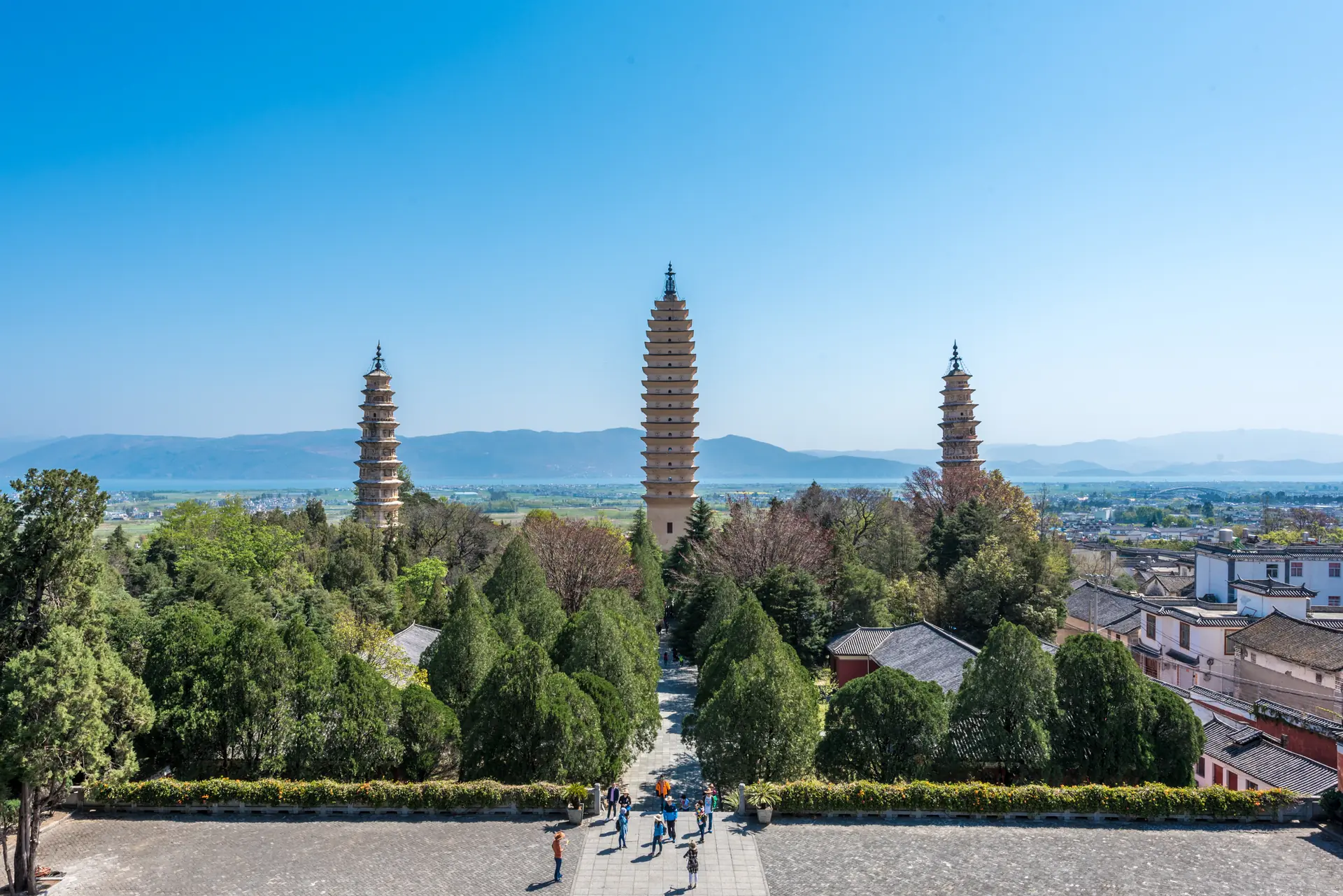
The Cangshan layer
Where it shows up: Jade Belt Road, cableways, mountain temples, waterfalls, lake viewpoints, and weather-dependent hiking decisions.
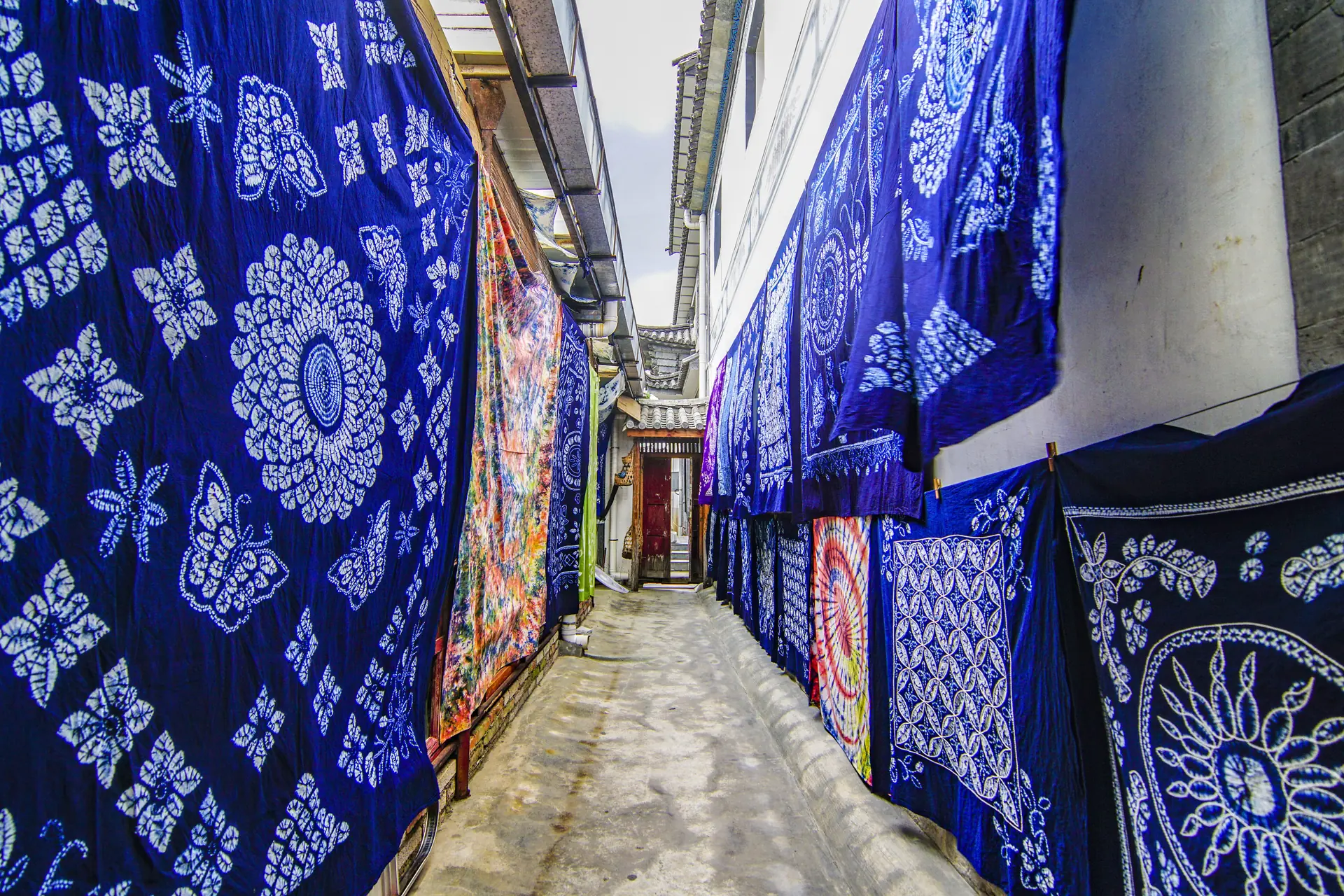
The Bai village layer
Where it shows up: Xizhou courtyards, Zhoucheng tie-dye, village markets, Bai food, traditional homes, and slower north-shore days.
12 Dali Experiences Worth Building Around
These are not twelve things to squeeze into one trip. They are the strongest choices for building a first Dali route. Pick the lake, mountain, village, and extension pieces that match your days.
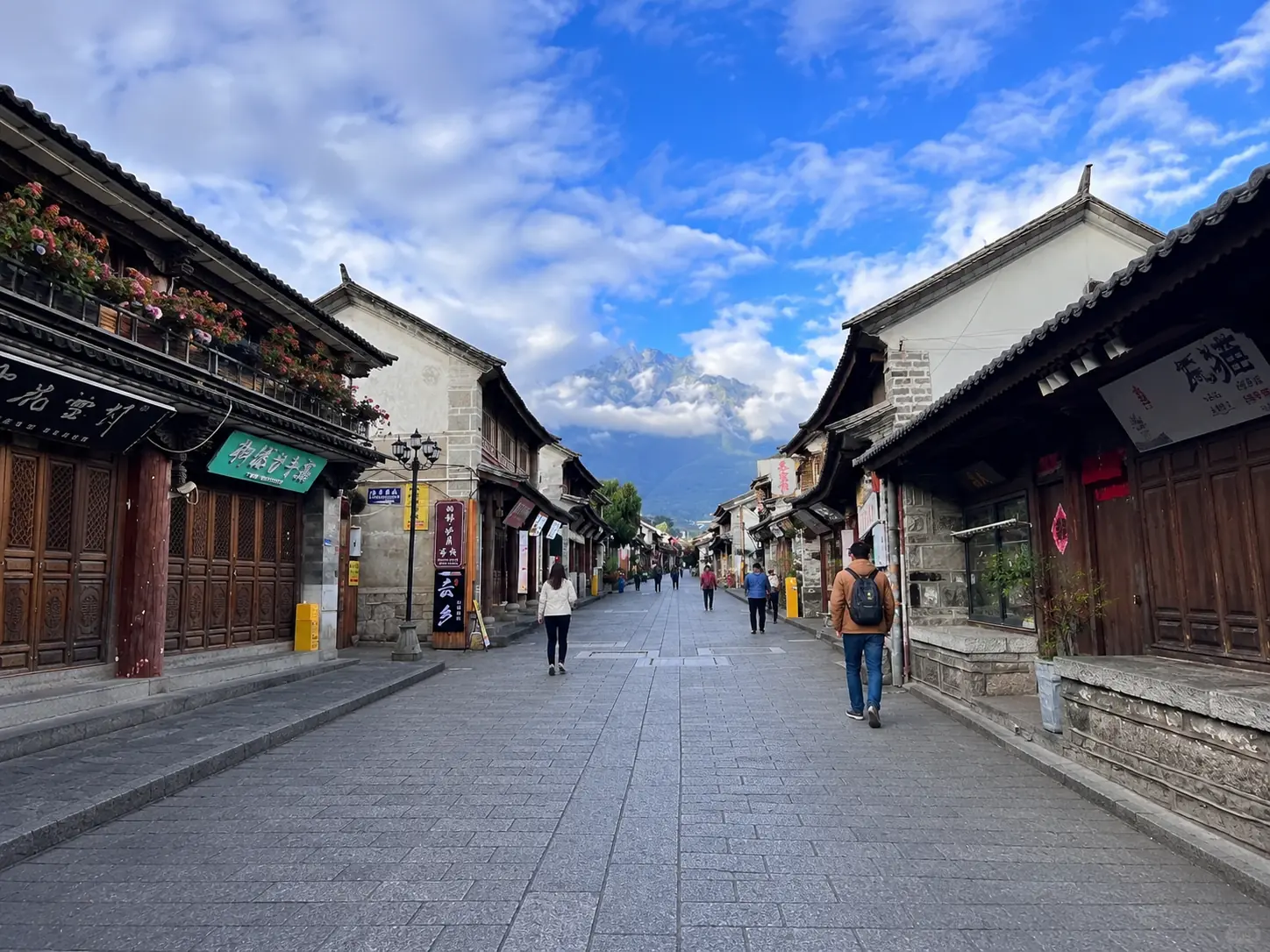
Dali Old Town is useful because it concentrates hotels, restaurants, cafes, e-bike rentals, transport help, and evenings in one walkable area. It can feel commercial on the main streets, so treat it as a base and explore side lanes, gates, and quieter morning hours.
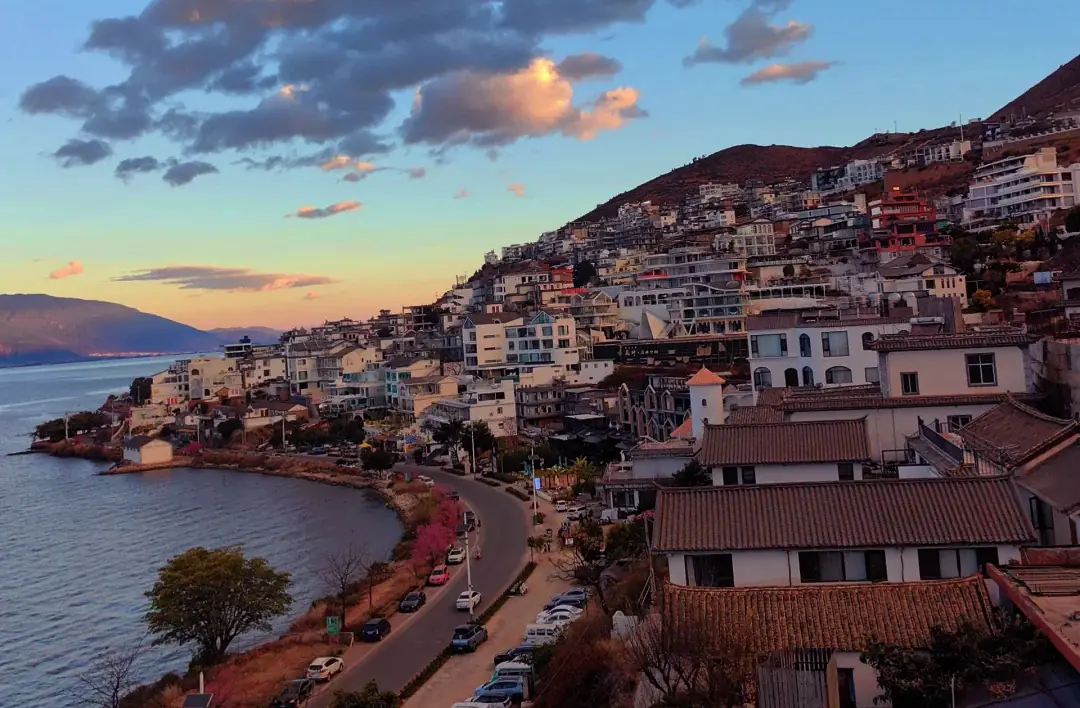
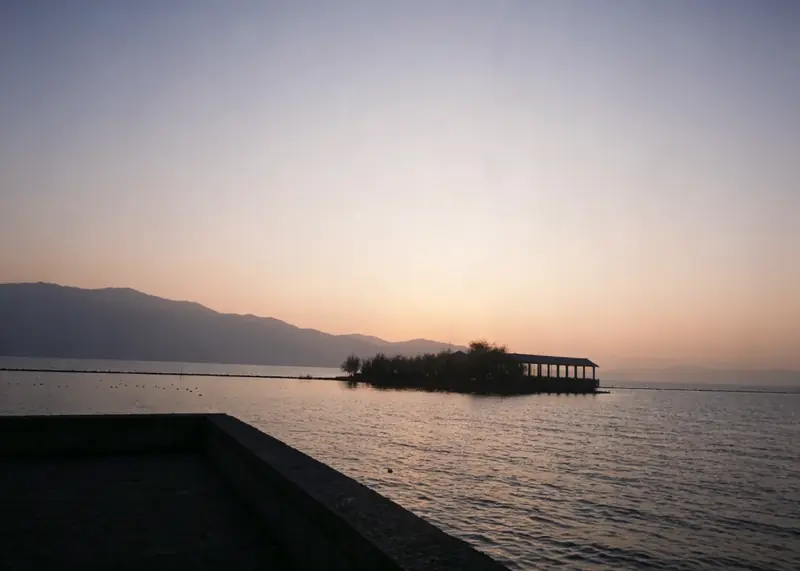
The west shore is the easiest Erhai win for first-timers. Start around Caicun, Longkan, or Panxi if you only want a short ride, or continue toward Xizhou and Zhoucheng for a fuller day. Use our Erhai Lake guide before planning a long loop.

Cangshan is worth it when the sky cooperates. Use it for lake views, the Jade Belt Road, waterfalls, and a stronger sense of Dali's mountain wall. Do not buy the highest or most expensive option just because it sounds complete.

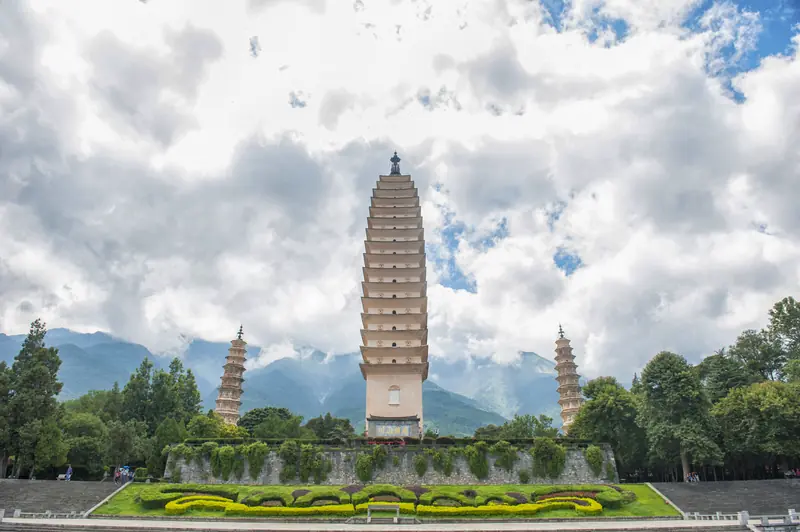
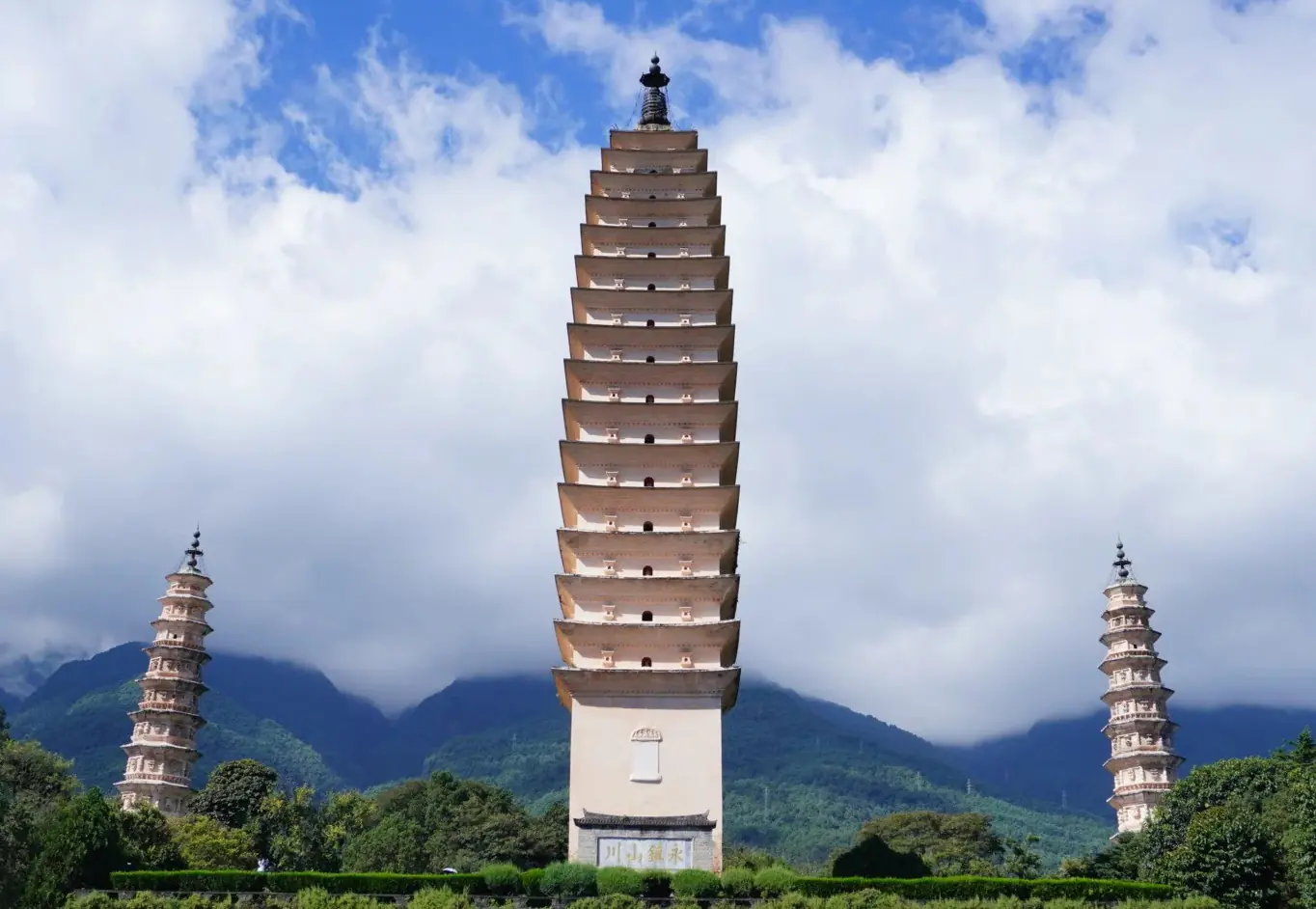
The Three Pagodas are Dali's most recognizable historic landmark and the best way to connect the scenery with the Nanzhao and Dali Kingdom story. Pair them with Old Town or Cangshan foothills. Use our Three Pagodas guide for the deeper visit.
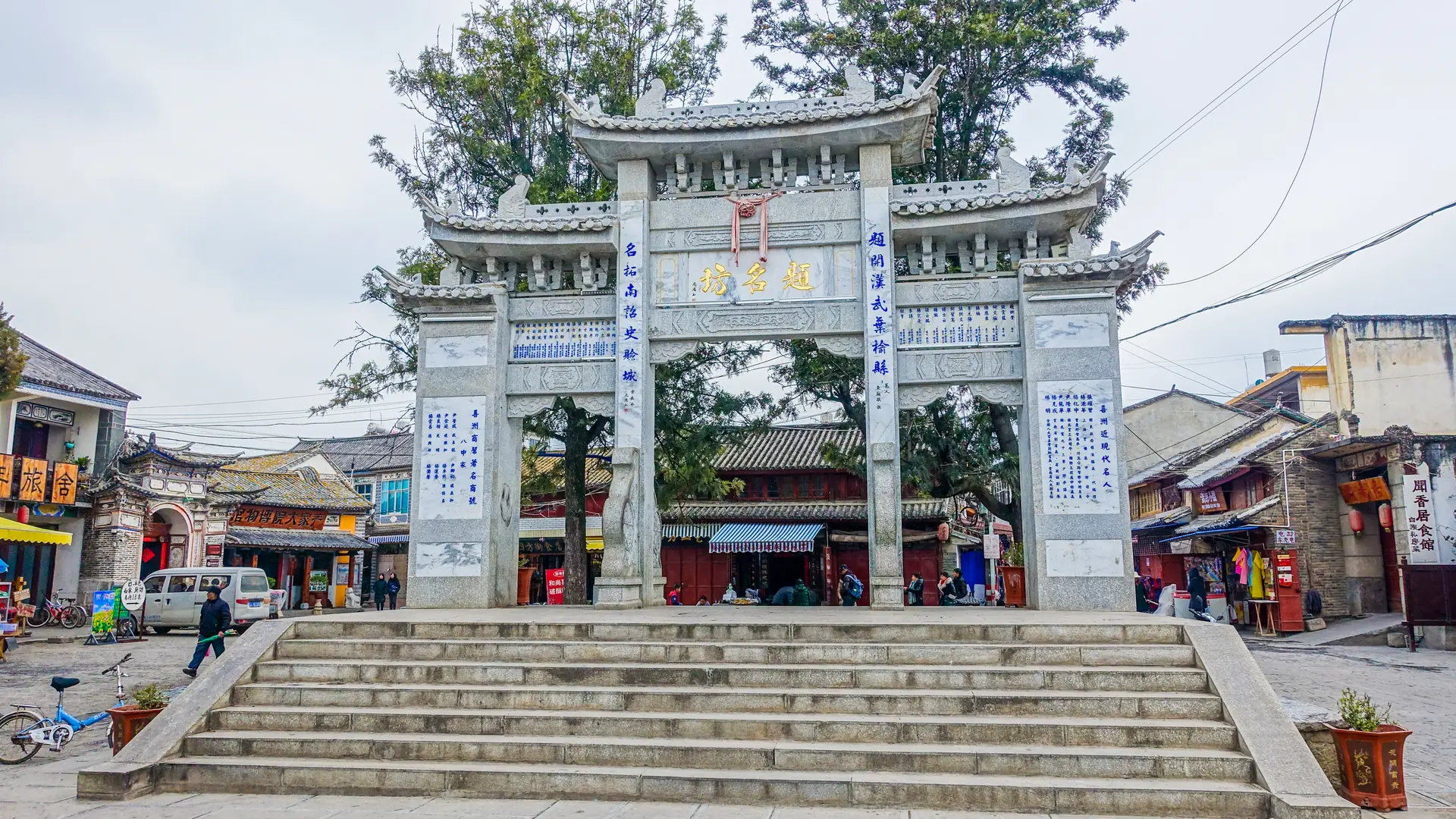
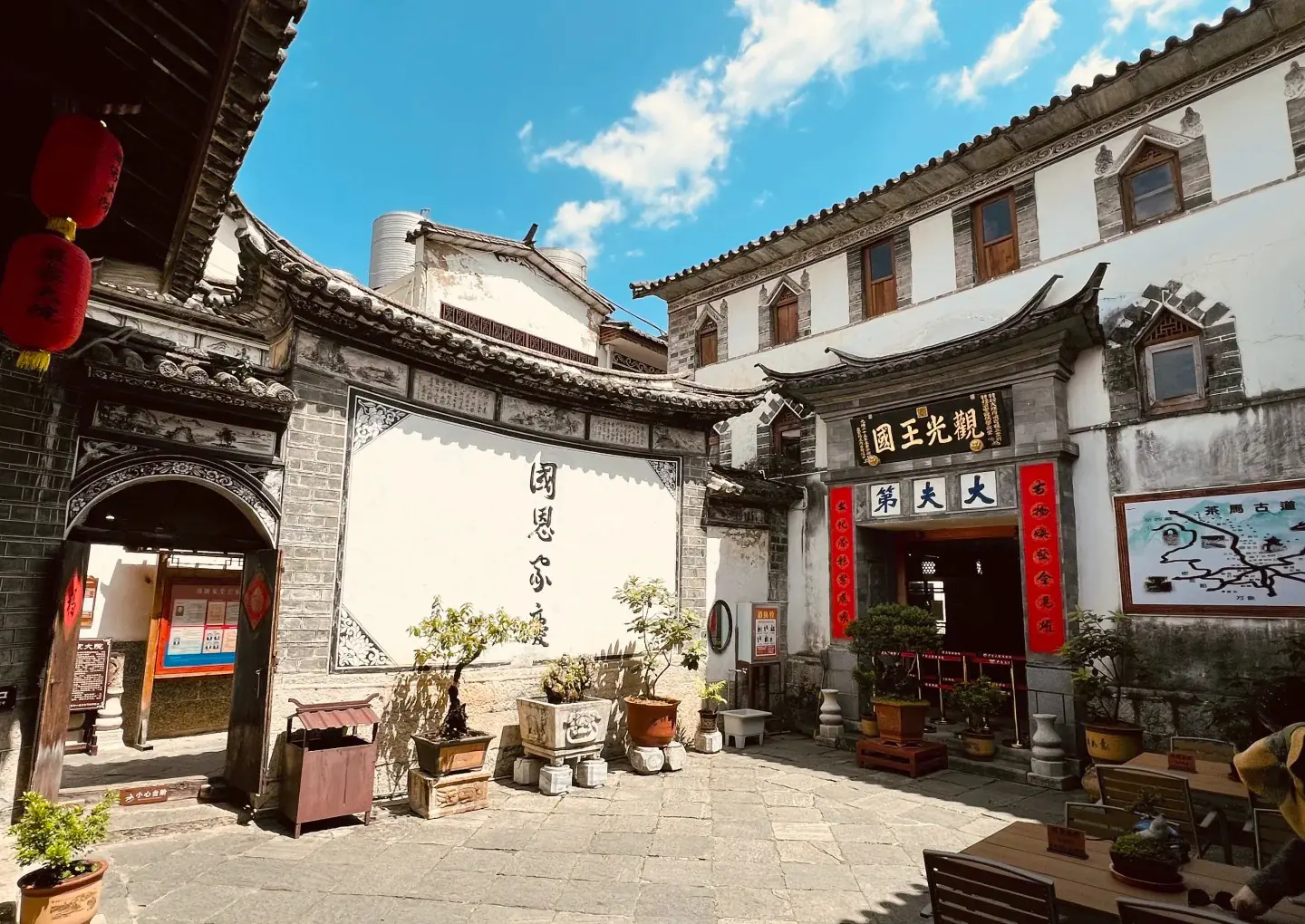
Xizhou is where many visitors finally understand Dali beyond the old town. Go in daylight for Bai courtyards, old merchant homes, fields, bakeries, and a calmer village rhythm. It loses much of its value if you arrive only after dark.
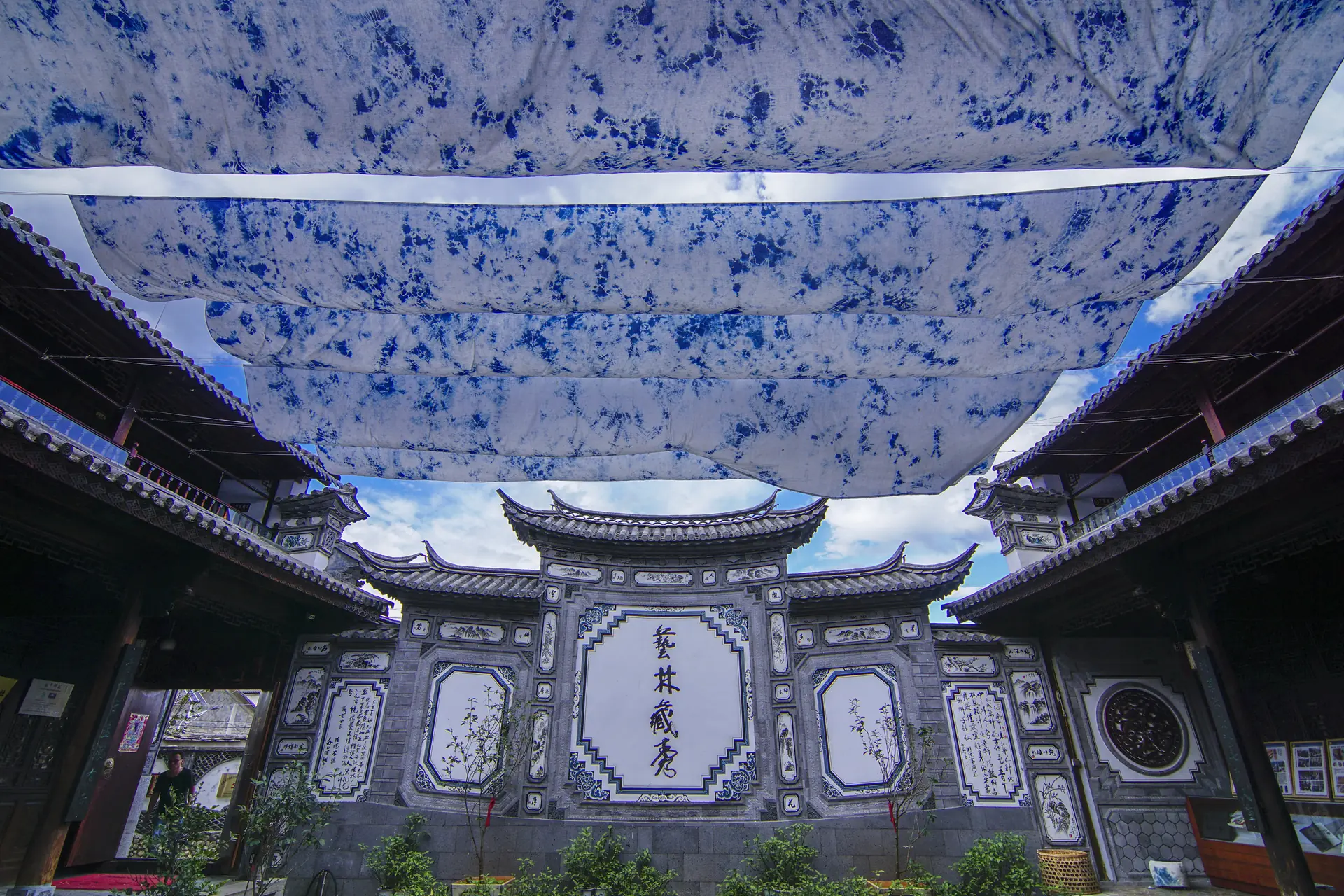
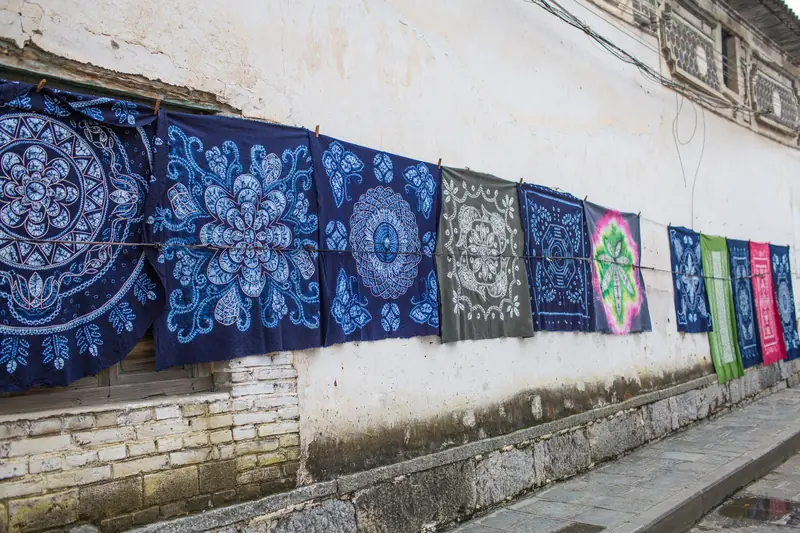
Zhoucheng turns Dali from looking into doing: fold, bind, dye, rinse, and carry home a blue-and-white Bai textile. It works best when paired with Xizhou or the west-shore ride, not as a rushed stand-alone transfer. Use our Dali tie-dye workshop guide if this becomes a main activity.
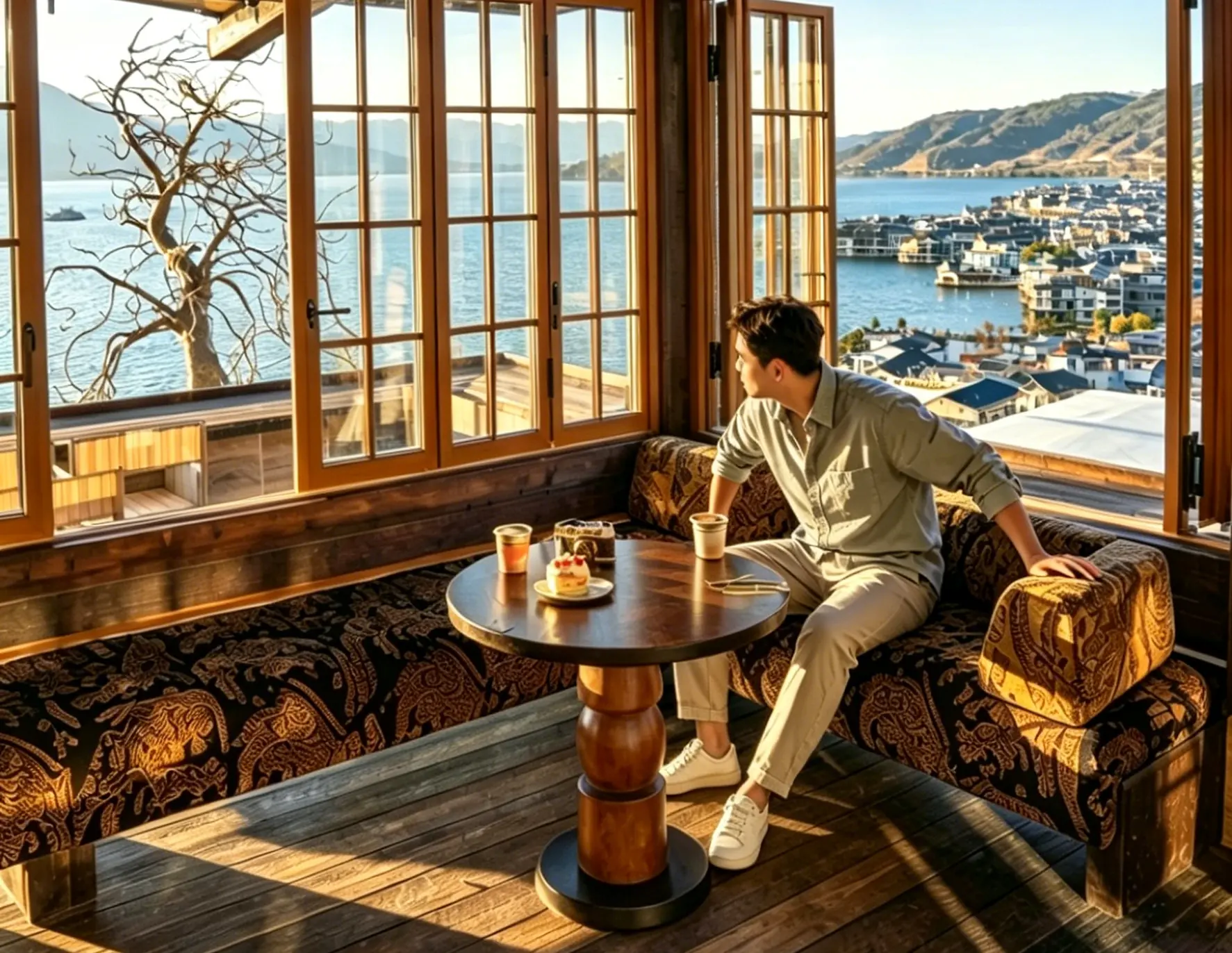
Shuanglang is for open lake views, cafes, guesthouses, and sunset toward Cangshan. It can feel polished and social-media-shaped, so go for the view and pacing rather than expecting an untouched fishing village.
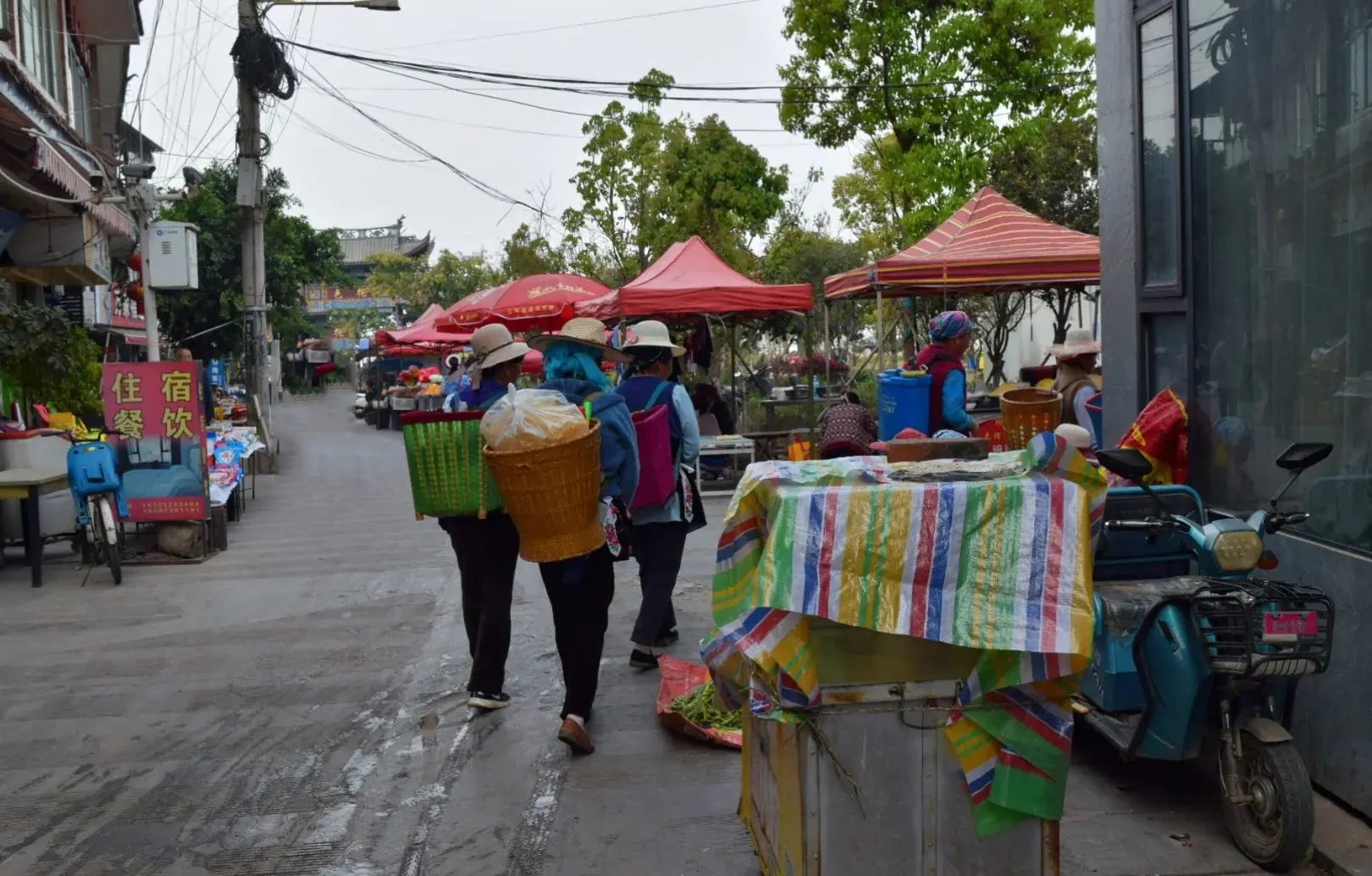
Wase and the east shore are less convenient than the west shore, but they can feel more spacious. Winter gulls, Little Putuo, and road viewpoints make this side useful once you have already seen the old town and Xizhou.
9. Build a Bai Food Day
Markets, cakes, fish, tea

Do not let every Dali meal happen on the same old-town snack street. Xizhou baba, grilled rushan cheese, clay-pot fish, wild mushroom season, Bai Three-Course Tea, and market breakfasts all work better when tied to where you are that day. Pair this overview with our Dali and Lijiang food guide.
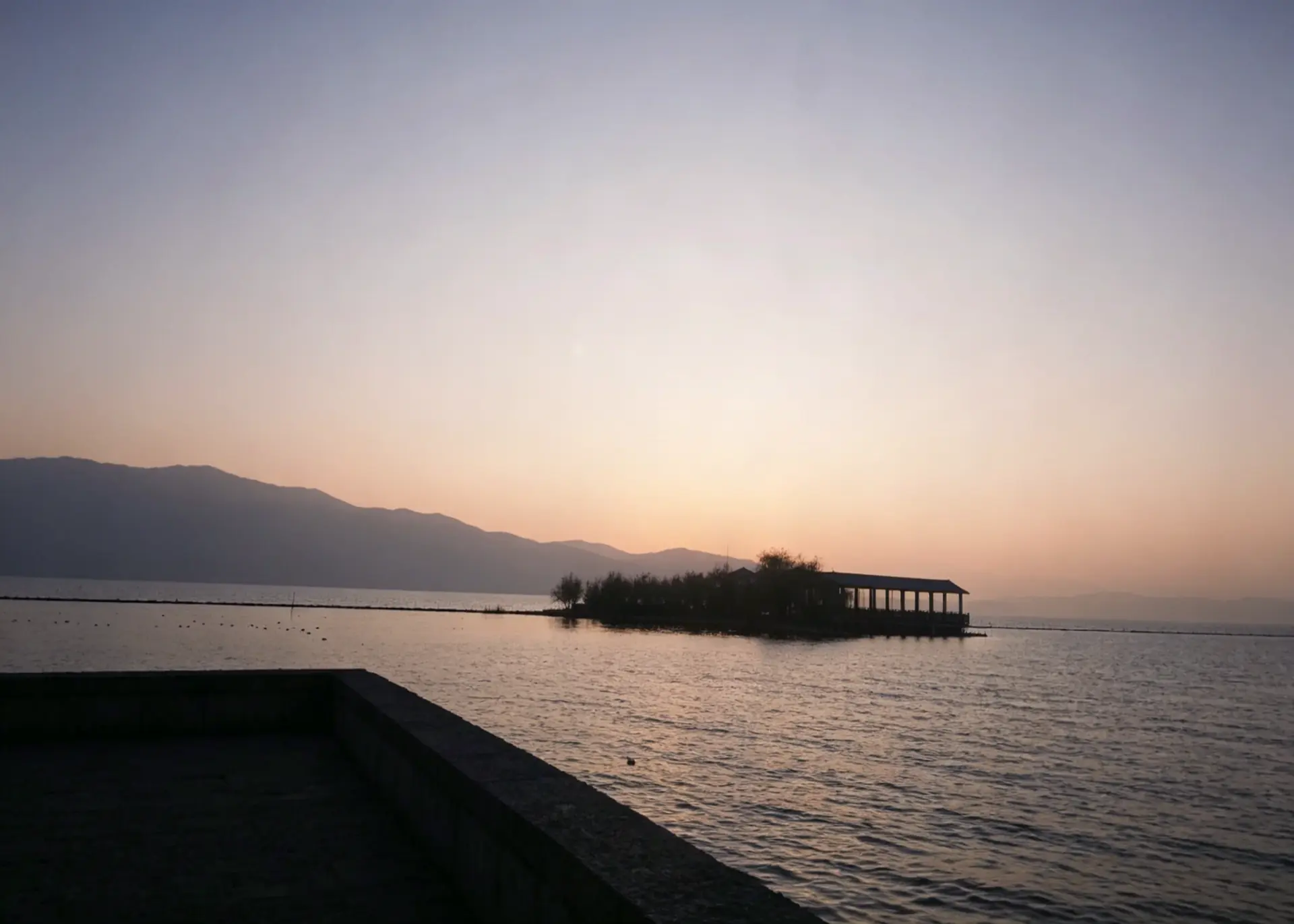
Dali's best light often arrives before the crowds. Caicun, Longkan, west-shore piers, fields, boats, and Cangshan reflections can make the same lake feel completely different from a midday ride.
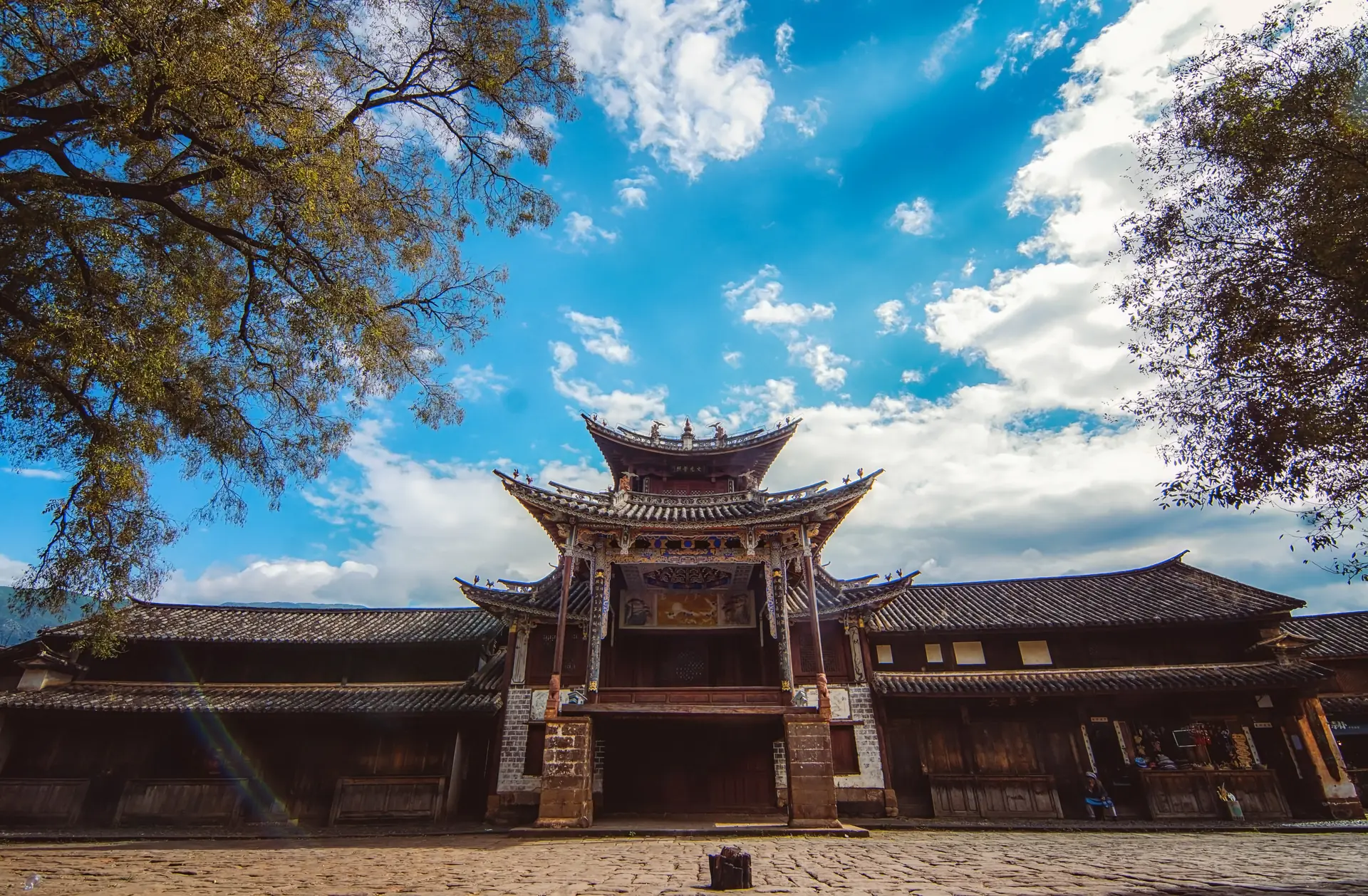
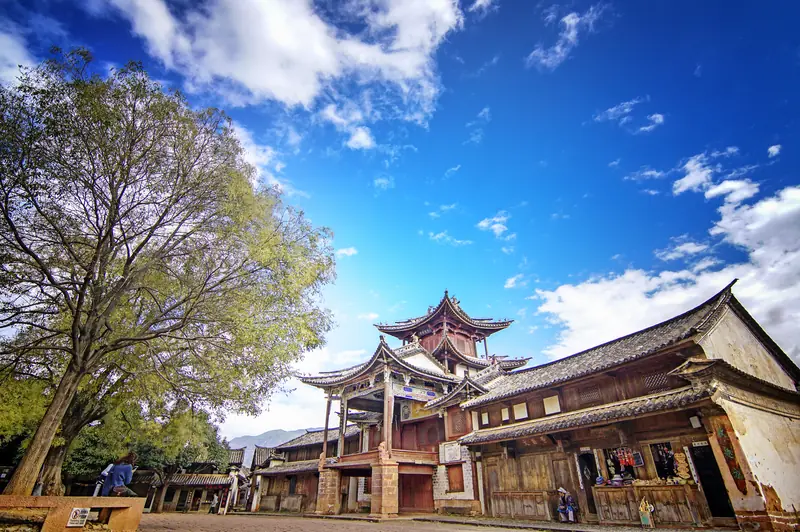
Shaxi is not a quick substitute for Dali Old Town. It sits roughly 120-140 km by road from Dali in Jianchuan County and deserves an overnight if you want Sideng Street, the old theater stage, Friday market, and Shibao Mountain. Use our Shaxi guide before adding it.
12. Leave Space for Ordinary Dali
Guesthouses, lanes, wind, lake

Some of Dali's best memory is not a ticketed sight: a courtyard door, a slow guesthouse breakfast, wind over the lake, a small bookstore, a village lane, or one hour where you stop trying to optimize the day.
Choose the Right Dali Trip Style
Do not choose Dali sights only by fame. Choose the version of Dali you want to feel.

Classic first trip
Best mix: Dali Old Town, Three Pagodas, Erhai west shore, Xizhou, and one Cangshan weather window.
Lake-first trip
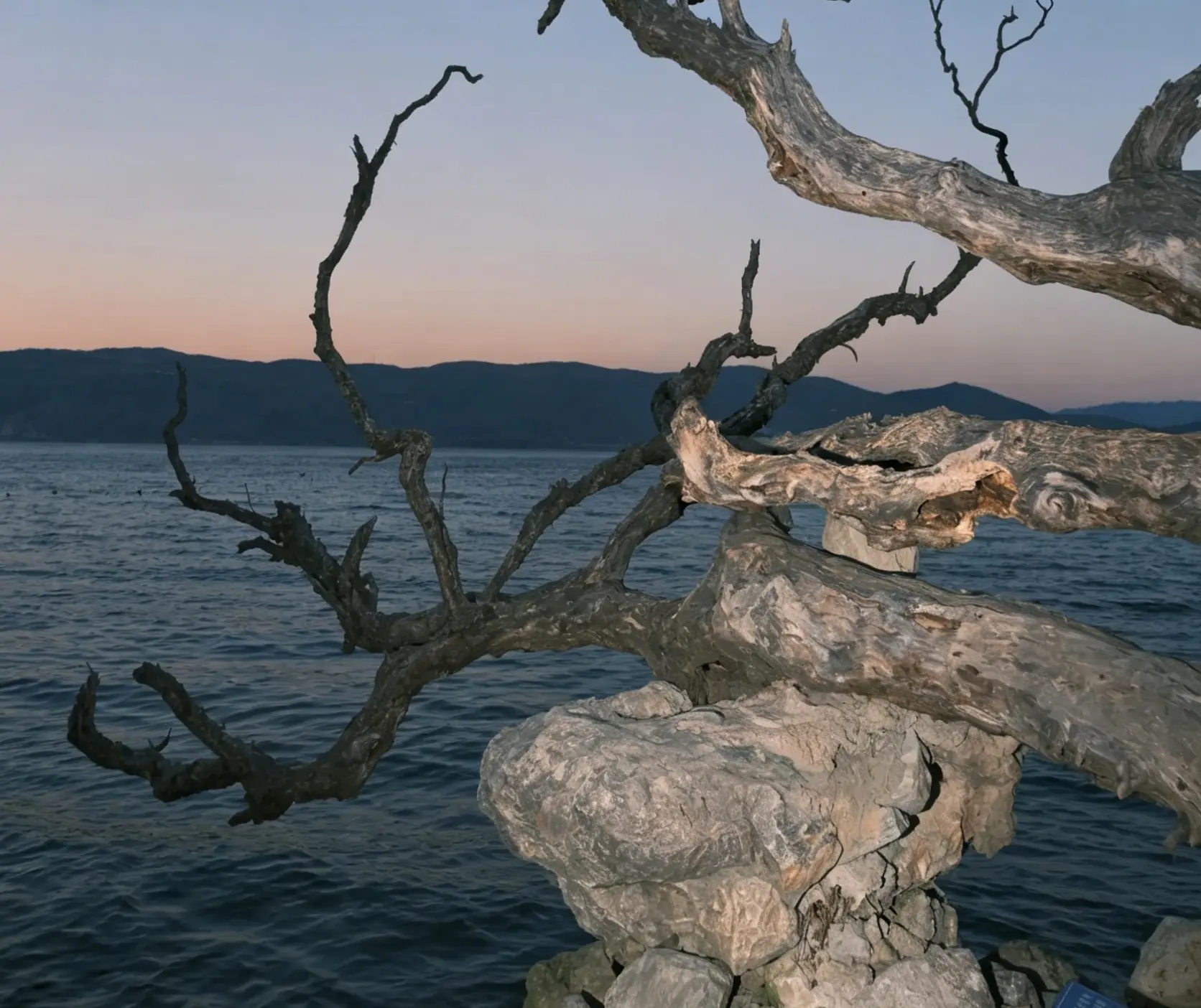
Best mix: Caicun, Longkan, Xizhou, Shuanglang, Wase, and a lakeside stay. Keep the ride sections realistic.
Mountain-view trip
Best mix: Cangshan, Jade Belt Road, Three Pagodas, Old Town viewpoints, and Erhai sunrise or east-shore sunset.
Bai culture trip
Best mix: Xizhou, Zhoucheng, Bai homes, tie-dye, Three-Course Tea, markets, and slower village time.

Family-friendly trip
Best mix: shorter lake rides, Three Pagodas, a light Old Town evening, and low-risk Cangshan options. Avoid daily hotel moves.
Yunnan route trip
Best mix: Dali as a breathing space between Kunming, Lijiang, Shangri-La, and Shaxi. Transport order matters more than one extra photo stop.
Dali by Area: Old Town, Erhai, Cangshan, Villages
Dali becomes much easier when you plan by area instead of by scattered names.
| Area | Best Use | Timing Tip |
|---|---|---|
| Dali Old Town | Arrival, lodging, food access, cafes, e-bike rentals, evening walks, Cangshan and Erhai logistics. | Use mornings and side lanes. Main streets feel busiest and most commercial at night. |
| Erhai west shore | Caicun, Longkan, Panxi, Xizhou, Zhoucheng, flat cycling, fields, villages, and sunrise. | Best as a half-day or full-day ride. Ask about battery range and return rules before starting. |
| Cangshan | Jade Belt Road, cableways, lake views, waterfalls, geology, and mountain air above the old town. | Choose the clearest available day. Wind, rain, and low cloud can affect cableways. |
| Xizhou and Zhoucheng | Bai architecture, courtyards, markets, Xizhou baba, tie-dye workshops, and slower village afternoons. | Use daylight. These are not late-night old-town substitutes. |
| Shuanglang and east shore | Lake-view stays, cafes, open water, sunsets, Wase, Little Putuo, and winter gulls. | Better with extra time or an overnight. Less convenient for quick old-town access. |
| Shaxi and Jianchuan | Tea Horse Road atmosphere, Friday market, Sideng Street, old theater stage, and Shibao Mountain. | Stay overnight if possible. A rushed day trip weakens the whole reason to go. |
How To Sequence Dali Days Without Overpacking
The earlier planning section helps you choose two, three, or four-plus days. Once the trip length is set, use this section to decide what moves earlier, what stays flexible, and what should not be forced into a spare afternoon.
- Move Cangshan to the clearest weather window, even if that means changing the original order.
- Keep Xizhou, Zhoucheng, and west-shore cycling in daylight; they lose much of their value after dark.
- Use Dali Old Town and Three Pagodas as arrival-day or half-day anchors unless history is your main focus.
- Do not treat a full Erhai loop as a fallback afternoon after arrival; distance, battery, and return logistics make it a real day.
- Treat Shaxi as an overnight extension unless you only want a long transfer and a short square visit.
If your trip feels crowded, remove one transfer before you remove the slow parts. Dali is strongest when the lake, mountain, and village days still have room to breathe.
Erhai and Cangshan Planning Basics for First-Timers
Erhai is a protected lake as well as a travel landscape. Yunnan reporting describes the Ecological Corridor as part of a wider effort to protect the lake environment, restore wetlands, and manage tourism pressure. Treat the lakeshore as a protected corridor: do not swim, barbecue, camp, litter, leave marked paths where signs prohibit it, or treat every waterside space as public photo property.
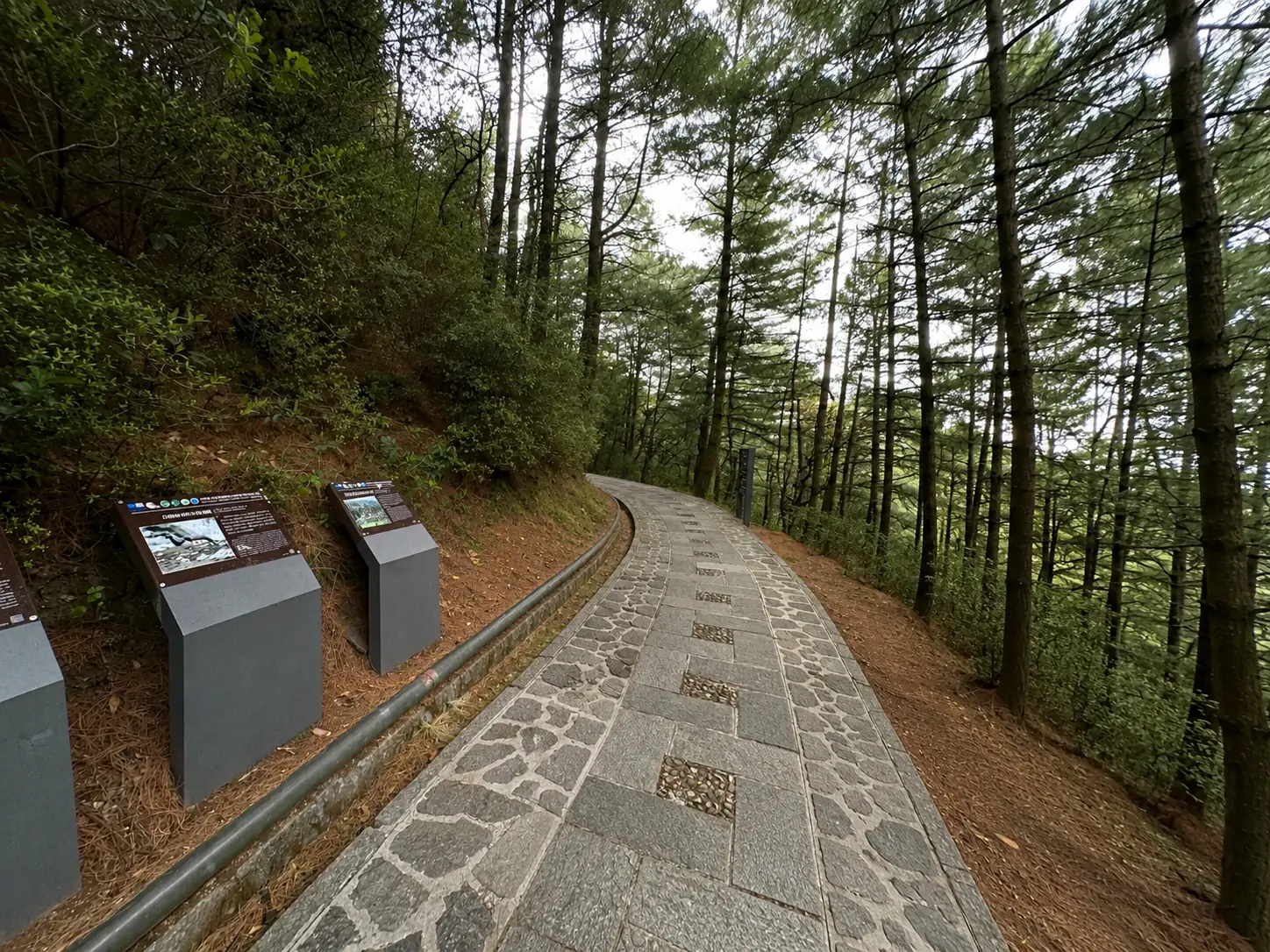
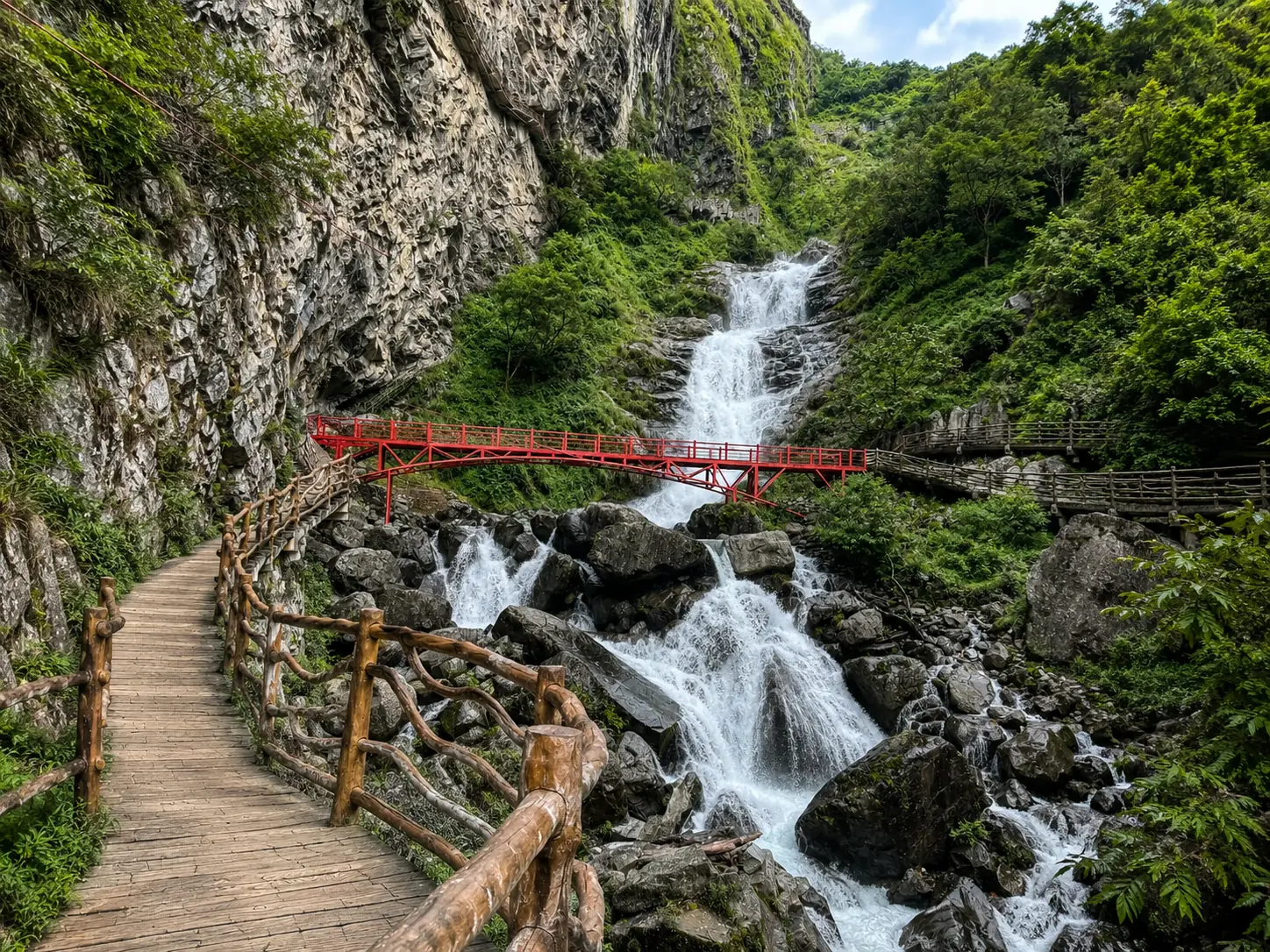
Cangshan is a route decision, not one single ticket. Common choices include lower or middle mountain access, the Jade Belt Road, and higher cableway options when weather allows. Prices, routes, and operating status can change by season and weather, so check current official or hotel-confirmed information shortly before you go instead of relying on old screenshots.
- Choose the main job first: lake ride, mountain view, Bai village time, or old-town atmosphere.
- Ask e-bike shops about range, deposit, return point, late fee, and road restrictions before leaving.
- Keep Cangshan flexible if wind, rain, snow, or low cloud affects visibility and cableways.
- Do not plan a full lake loop, high Cangshan route, and old-town night in the same day.
- Do not assume every Erhai guesthouse is convenient for Dali Old Town, the station, and Xizhou at once.
Plan the ending before the start
A Dali ride or lake drive can look simple on a map, but the endpoint matters. Before you start, know where you will return the bike, how you will get back after sunset, and whether your hotel sits on the old-town side or the lake side.
Best Seasons for Dali Scenery and Mountain Views
Dali works year-round, but the best version changes with light, wind, rain, flowers, crowds, and mountain visibility.
- What Works Best
- Flowers, pleasant cycling, Bai festivals, Old Town and Xizhou walks.
- Watch For
- Qingming, May holiday, and local festival crowd spikes.
- What Works Best
- Green fields, dramatic clouds, long days, cooler highland weather than much of China.
- Watch For
- Rain, slippery lanes, clouded Cangshan views, and school-holiday crowds.
- What Works Best
- Clearer skies, comfortable riding, strong Cangshan and Erhai visibility.
- Watch For
- National Day Golden Week from October 1 to 7 is crowded and expensive.
- What Works Best
- Crisp mountain views, quieter mornings, Erhai gulls, cozy guesthouse time.
- Watch For
- Cold mornings and evenings, wind, and possible weather-related Cangshan changes.
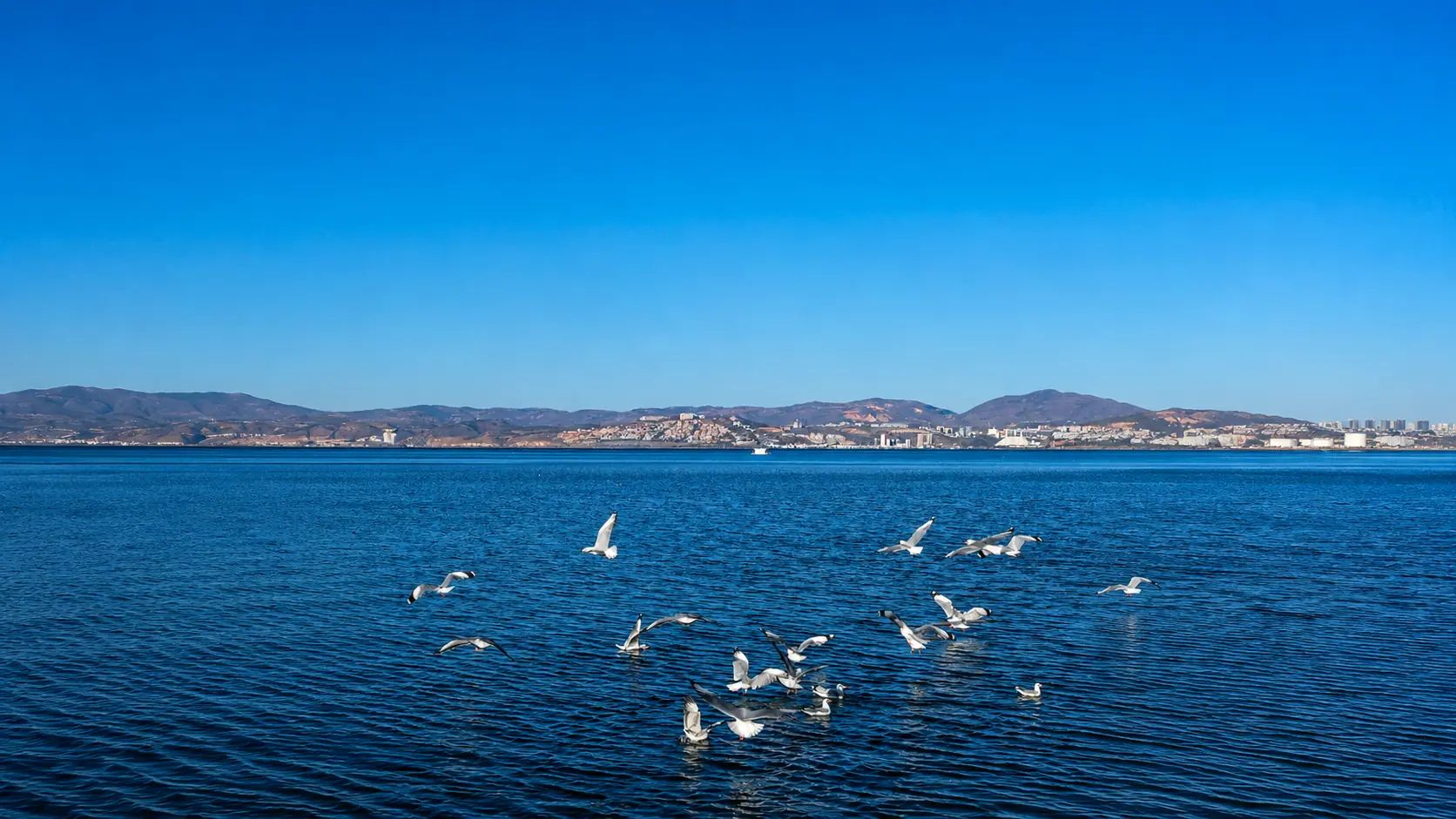
If Cangshan views are the emotional center of your trip, protect a clear-weather window. If Erhai cycling and Bai villages matter more, Dali is less fragile: cloudy weather can still be beautiful as long as rain and wind stay manageable.
Common Dali Travel Mistakes To Avoid
- Staying only on Old Town main streets, then deciding Dali is too commercial.
- Trying to complete the whole Erhai loop before understanding distance, battery, and traffic rules.
- Buying a Cangshan ticket on a poor-visibility or high-wind day just because it was in the plan.
- Treating Shaxi as a spare half-day instead of a slower overnight extension.
- Visiting Xizhou and Zhoucheng after dark, when the architecture, fields, and workshops lose most of their purpose.
- Booking an Erhai-view hotel without checking how far it is from Dali Old Town, Dali Station, and your next-day route.
- Eating every meal on the same old-town snack street and missing Dali's Bai food and market rhythm.
Dali Travel Frequently Asked Questions for First-Timers
Two days can cover Dali Old Town, a short Erhai west-shore ride, and either Three Pagodas or a light Cangshan moment. Three days is much better because you can add Xizhou, Zhoucheng, Shuanglang, or a proper weather window for Cangshan. Add a fourth day if Shaxi or a full lake loop matters.
Sources checked for this guide
- UNESCO: Dali-Cangshan UNESCO Global Geopark: 2015 UNESCO Global Geopark designation and Dali-Cangshan location context
- Visit Colorful Yunnan: Mount Cangshan Hiking: Cangshan range length, 19 peaks, Malong Peak 4,122 m, and Cloud Traveller's Path / Jade Belt Road context
- Visit Colorful Yunnan: Old Town of Dali: Dali Old Town setting between Cangshan and Erhai, Ming-era context, and station / airport distance reference
- Visit Colorful Yunnan: Erhai Lake: Erhai cycling, boating, landscape road, spring-autumn timing, and winter gull context
- Yunnan Express / CGTN: Erhai Lake Ecological Corridor: Erhai protection, ecological corridor, 129-km ring-road project, and drinking-water-source context
- Visit Colorful Yunnan: Xizhou Ancient Town: Xizhou Bai architecture, Tea Horse Road context, and suggested visit time
- Global Times: Electronic border area travel permit: 2026 border permit explainer noting Kunming, Dali, and Lijiang are not border-management-zone tourist destinations requiring the permit
Plan More Yunnan Travel Beyond Dali
Once you know Dali belongs in your Yunnan route, start with our Dali destination guide for overnight area and station comparisons, then go deeper on the pieces that decide the trip:
- Use our Erhai Lake guide before choosing a ride section, lake base, or east-shore day.
- Use the Three Pagodas guide if Dali's Nanzhao and Dali Kingdom history matters.
- Use the Dali Bai tie-dye workshop guide if Zhoucheng becomes more than a quick stop.
- Use the Shaxi Ancient Town guide before turning Shaxi into an overnight extension.
- Use the Dali and Lijiang food guide so your route includes Bai and Naxi food rather than repeating old-town snacks.
- Use the Lijiang things-to-do guide, China high-speed rail guide, and China domestic flights guide if Dali is part of a longer Kunming-Dali-Lijiang-Shangri-La route.
If Dali is only one part of a wider Yunnan trip, the best plan is often less about adding more famous names and more about protecting the right pace: one lake day, one mountain or history day, one village day, and one clean transfer onward.
© gochinafreely.com — Original guide by Go China Freely.