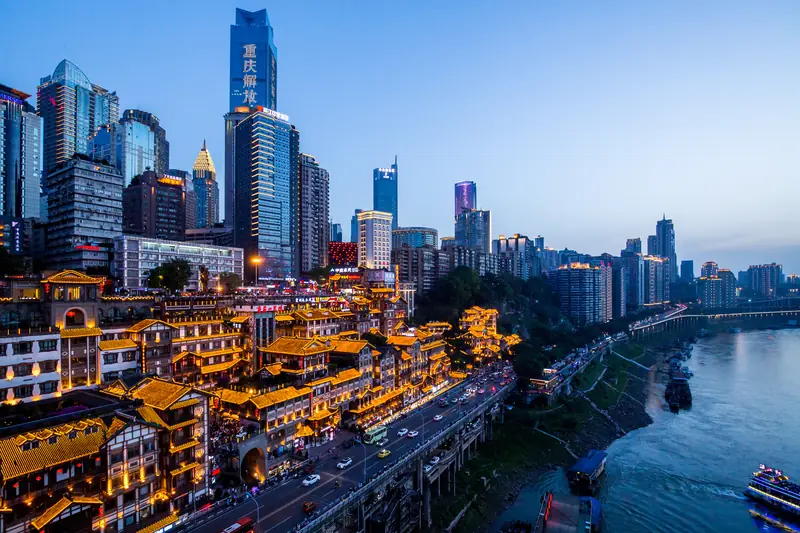
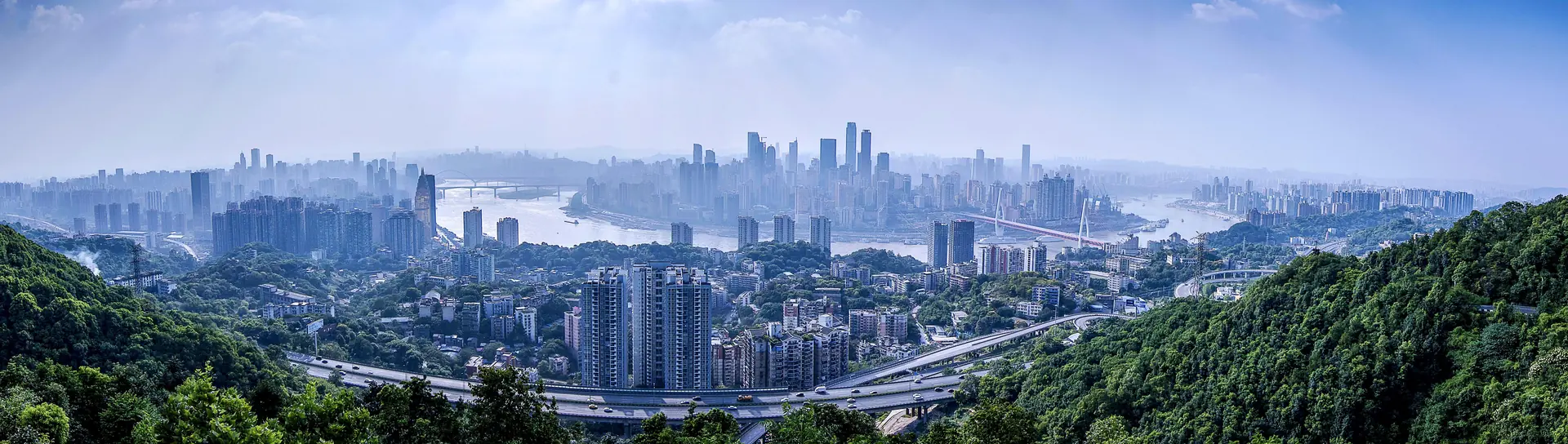
Chongqing (重庆) is easy to flatten into one short-video label: a 3D city. The better first trip sees something richer: mountains, rivers, bridges, stairways, light rail, cable cars, hotpot tables, cliffside neighborhoods, and night views stacked into one restless city. This guide is a first-timer's map of what is actually worth building your Chongqing trip around, and what can wait for a second visit.
First-Time Chongqing: Start Here
If you are planning Chongqing for the first time, do not begin by stuffing every viral name into the same day. The map can be misleading here: a short straight-line distance may still involve stairs, ramps, bridges, elevators, confusing exits, or a street that sits several floors below where you are standing.
The useful first-trip filter is simple: see the mountain-city layout, give yourself one real hotpot or noodle moment, and place the night view where it actually belongs. If those three things work, even a short stay can show why Chongqing feels different from Shanghai, Chengdu, Xi'an, or Beijing.

One Day
Stay focused on Yuzhong: choose two or three 3D-city stops, add one evening view, and eat one proper Chongqing meal. Do not add Wulong or Dazu.
Two Days
Use one day for Yuzhong, Liziba, hillside streets, and night lights. Use the second for Baixiangju, Eling, Ciqikou, Nanbin Road, or a slower food plan.

Three Days
Add one full-day side trip: Dazu for rock carvings and culture, or Wulong for karst landscapes. Trying to do both usually makes the city itself too rushed.
This guide is best for first-time visitors, food-focused travelers, photographers, families choosing around hills and crowds, and independent travelers who want Chongqing's city layers without turning it into a checklist.
Chongqing Is a City of Layers
The easiest way to understand Chongqing is to stop treating it as one big cyberpunk photo set and start seeing four different layers.

Transport Chongqing
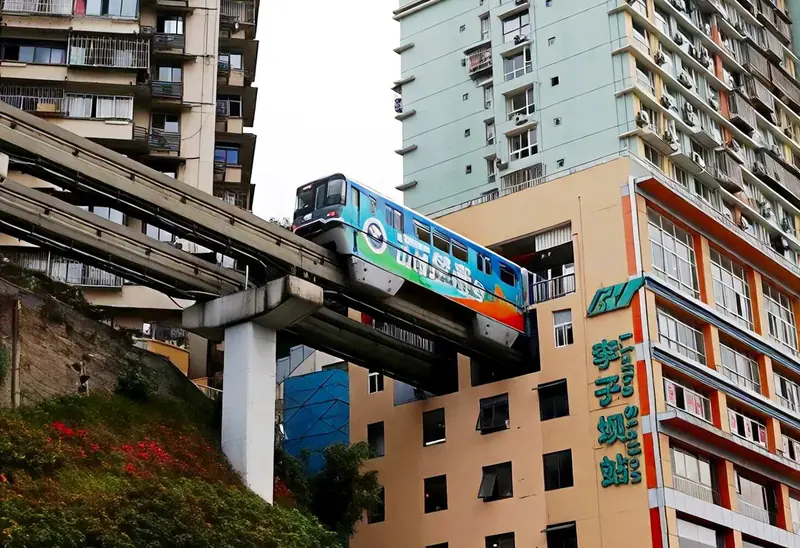
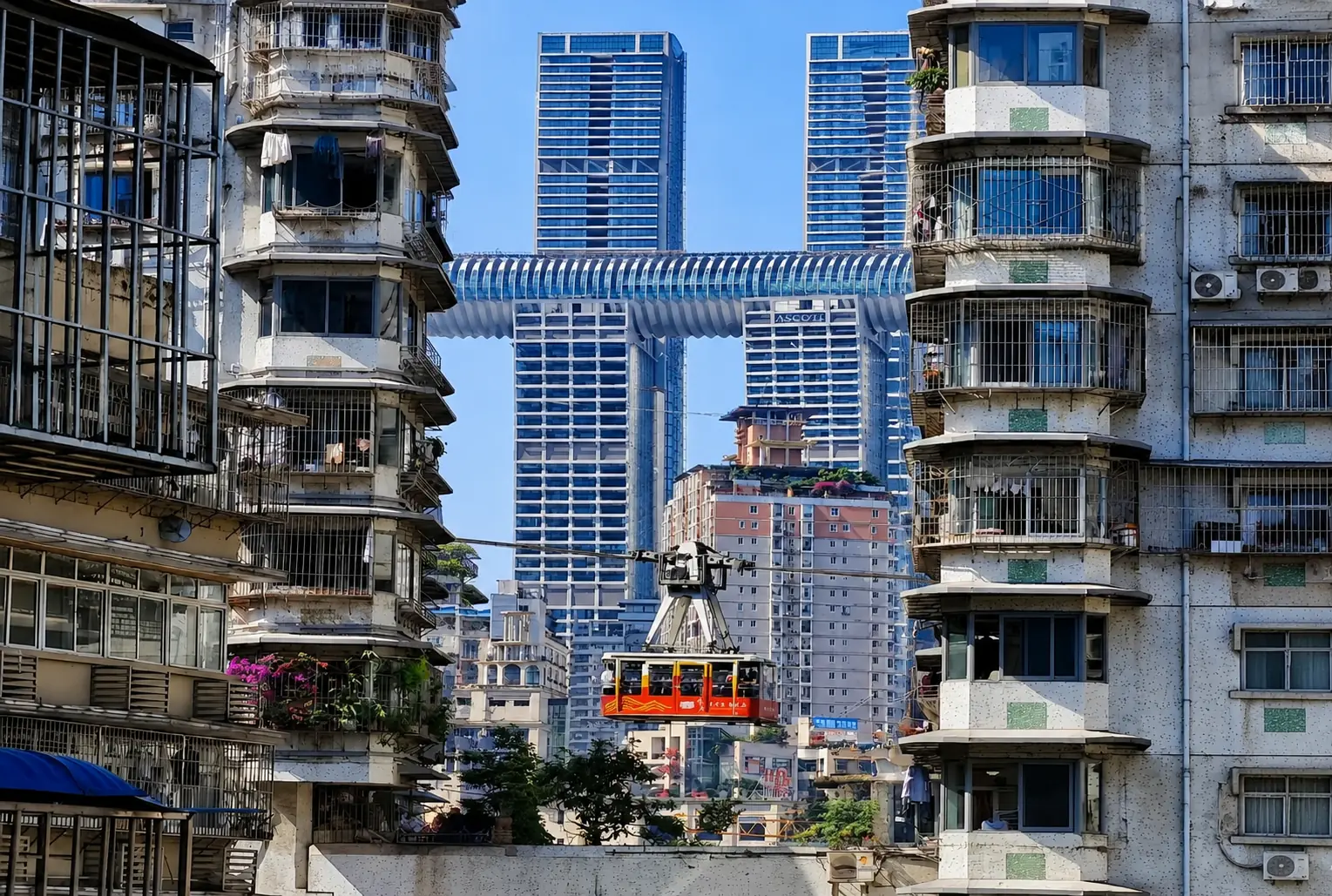
Where it shows up: Liziba, Line 2, Yangtze River Cableway, bridges, metro exits, and river crossings.
This layer gives the city its famous sense of movement through buildings, across rivers, and between vertical street levels.
Hillside Chongqing
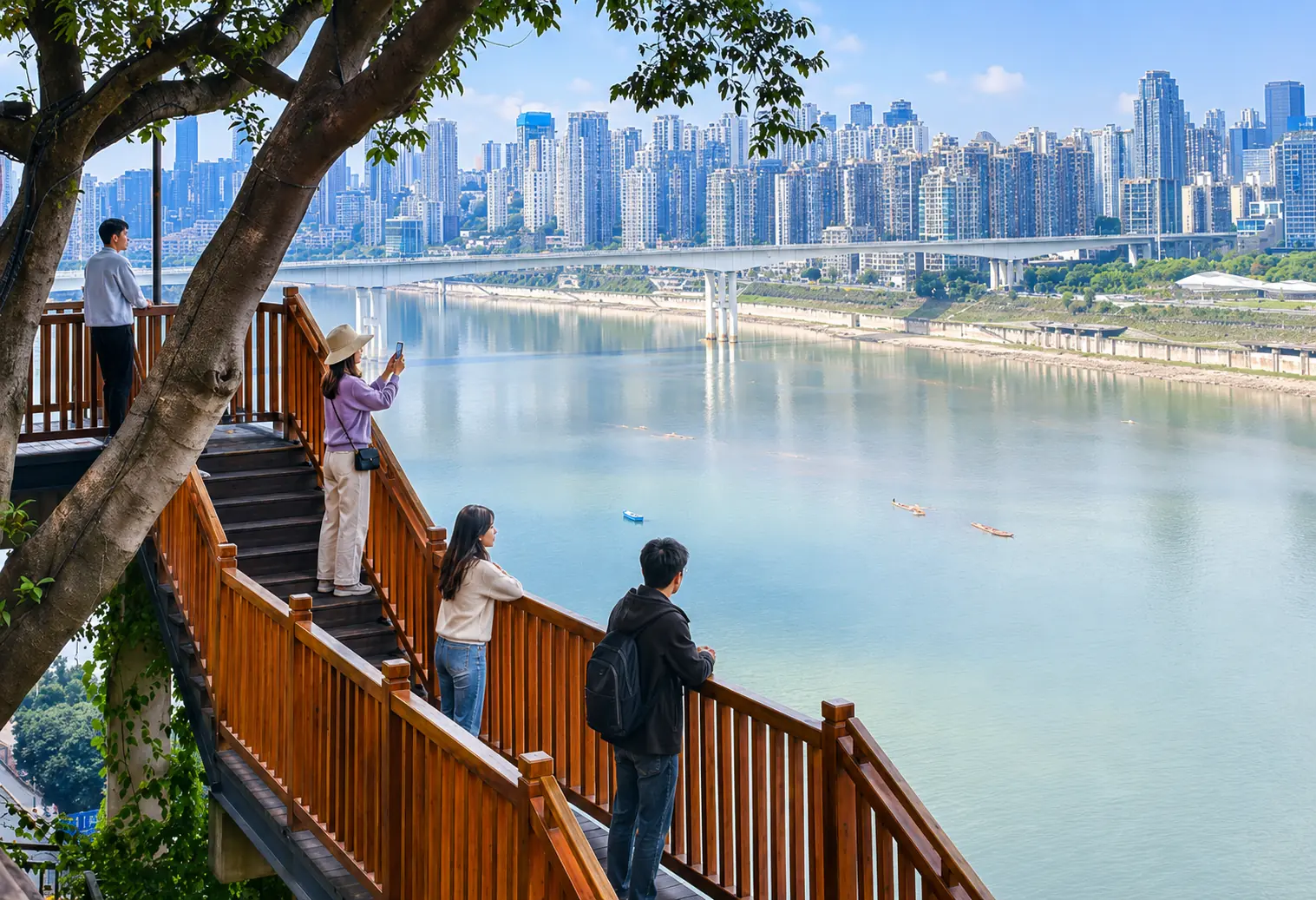
Where it shows up: Mountain City Trail, Eighteen Steps, Baixiangju, Kuixinglou, Eling, and old Yuzhong lanes.
This layer is why a short distance can still feel like a climb, and why Chongqing should not be planned only by map pins.
Night-View Chongqing
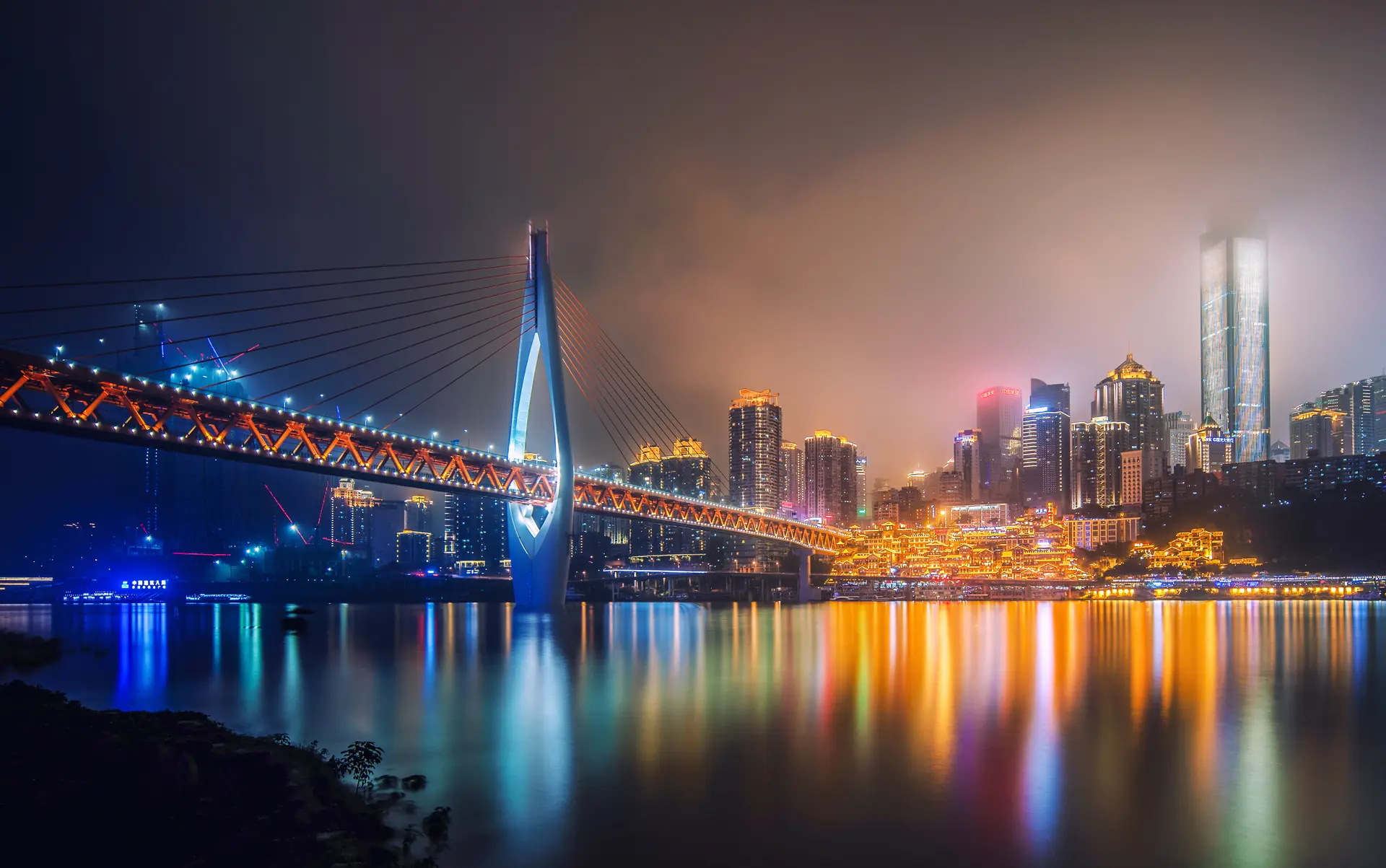
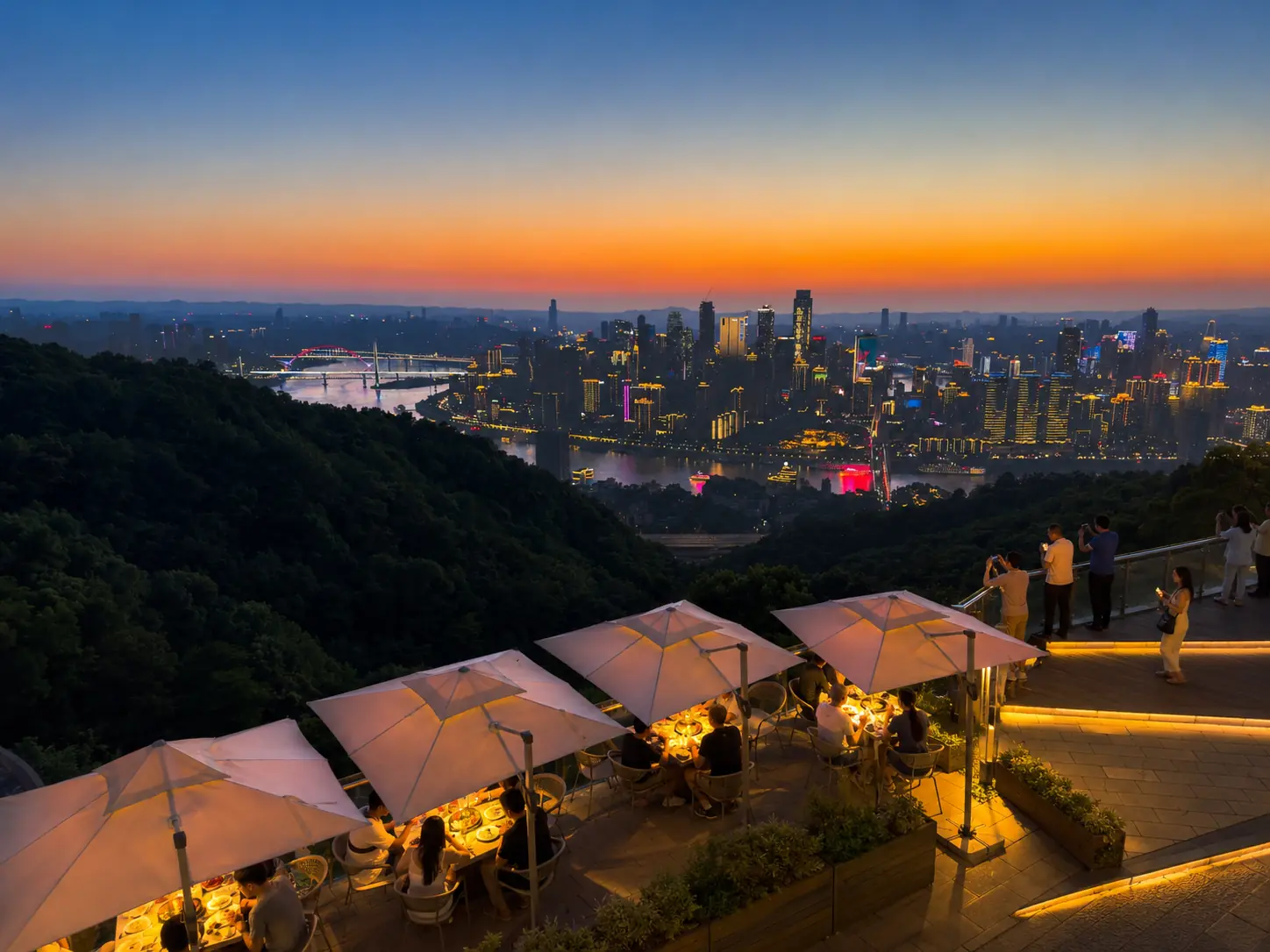
Where it shows up: Hongyadong, Qiansimen Bridge, Nanbin Road, Nanshan, river cruises, and skyline hotels.
This layer is dramatic, but it works best when you leave room for weather, crowd control, and dinner timing.

Food Chongqing
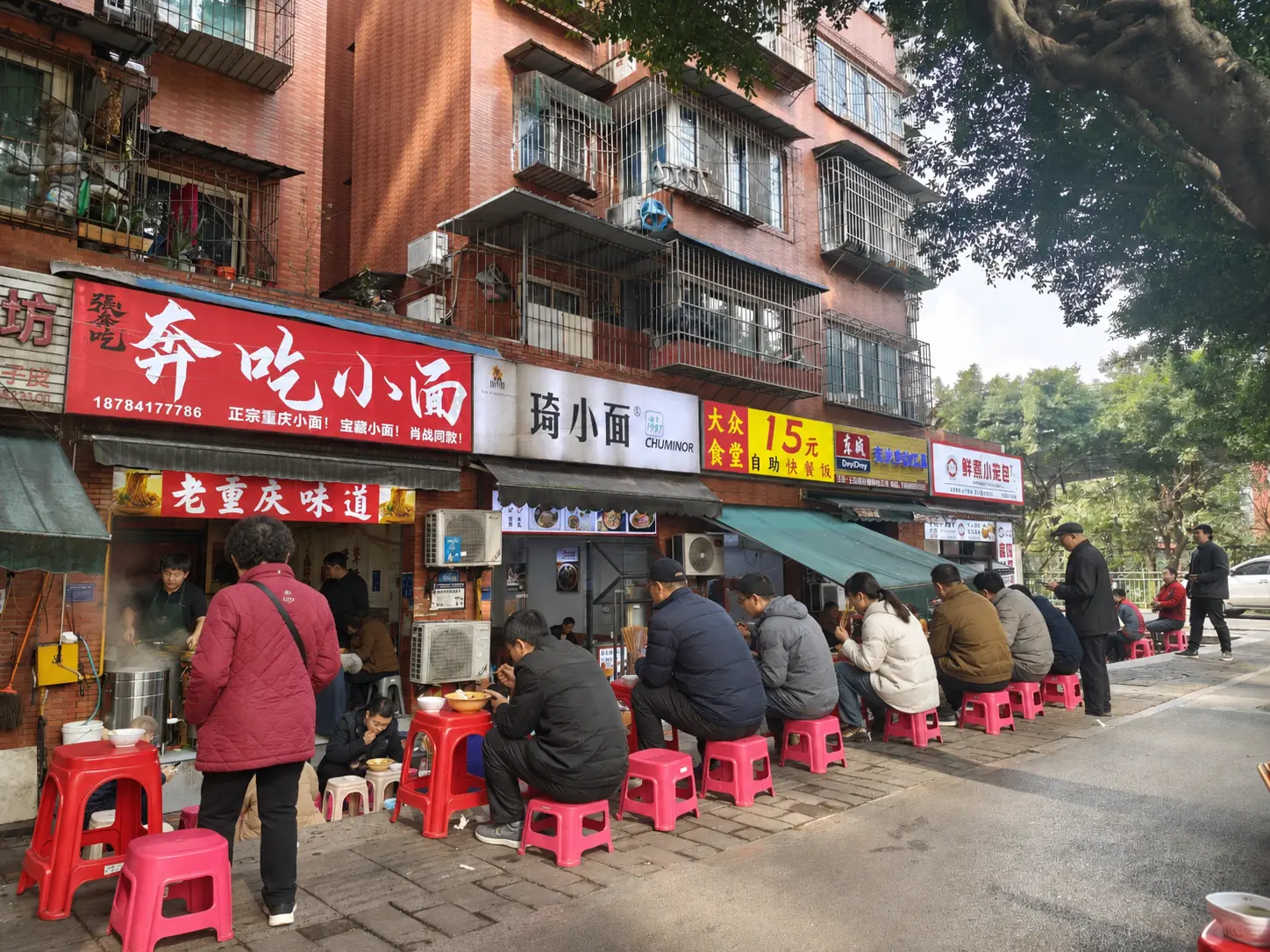
Where it shows up: hotpot, small noodles, Jianghu dishes, snack streets, air-raid-shelter restaurants, and late-night tables.
This layer keeps Chongqing from becoming only a skyline city. Meals are part of the sightseeing, not an afterthought.
For a first trip, the goal is not to "finish" Chongqing. Choose one or two strong experiences from each layer, then leave enough space for stairs, heat, queues, and the city to feel alive rather than merely completed.
15 Chongqing Experiences Worth Building Around
The first thirteen are the strongest city-core and food foundations. The final two are full-day add-ons. If you only have one or two days, do not try to complete the whole list.
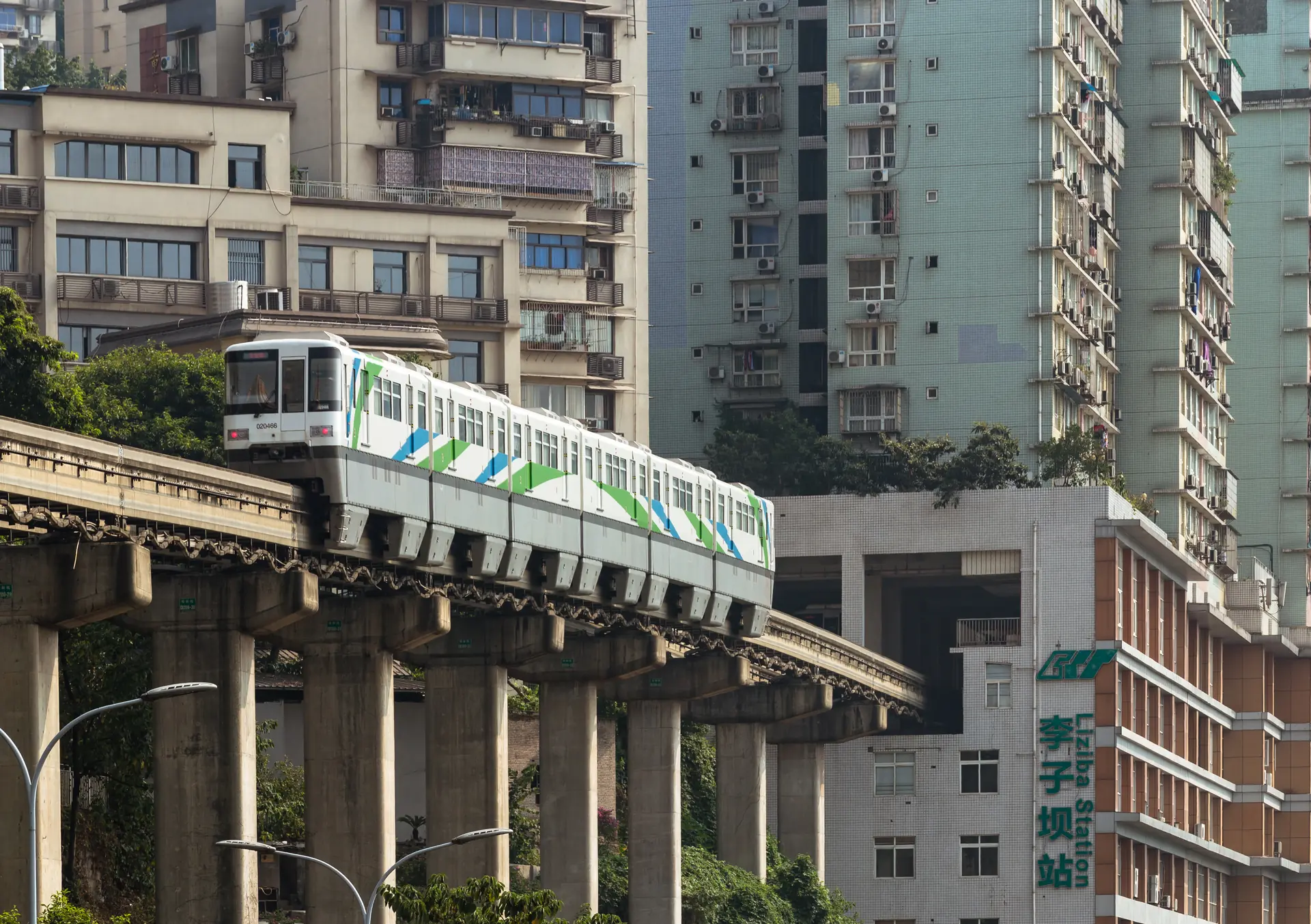
Liziba (李子坝) (Google | Amap) is the quickest way to understand why Chongqing feels three-dimensional. Watch the Line 2 monorail pass through the building from the viewing platform, then ride a short section yourself. Use our Liziba and Eling guide if you want to extend the stop into a half day.
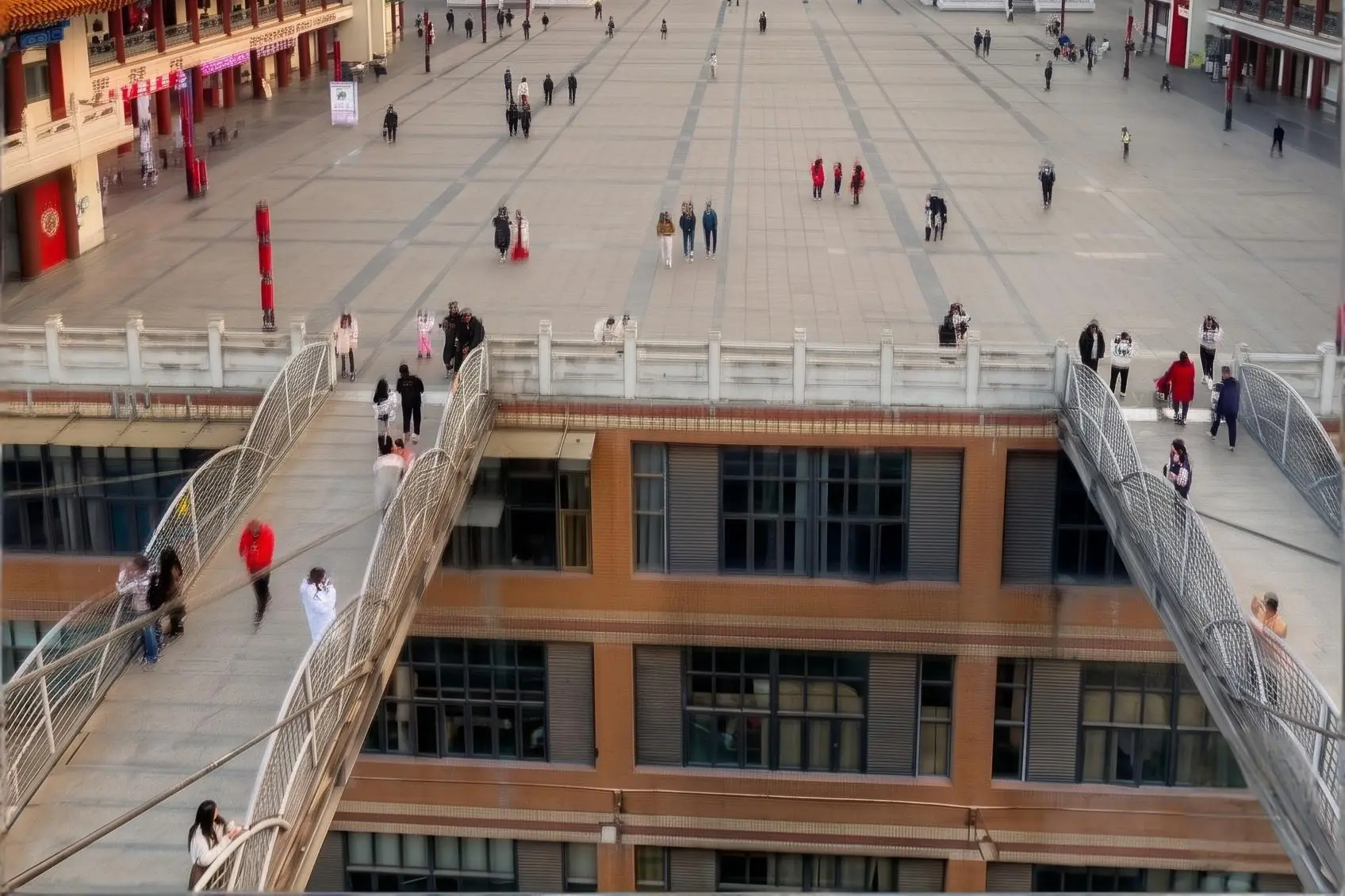
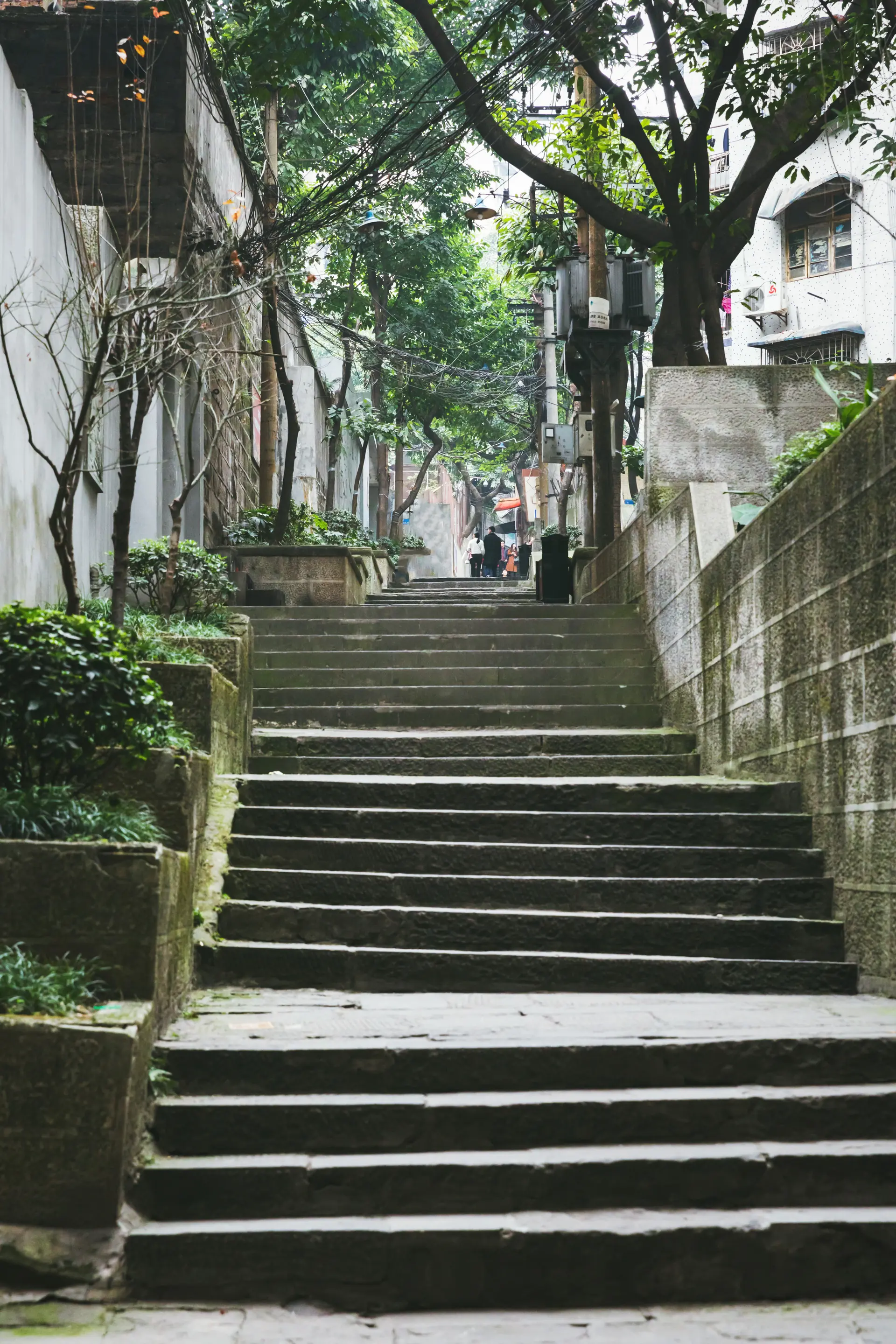
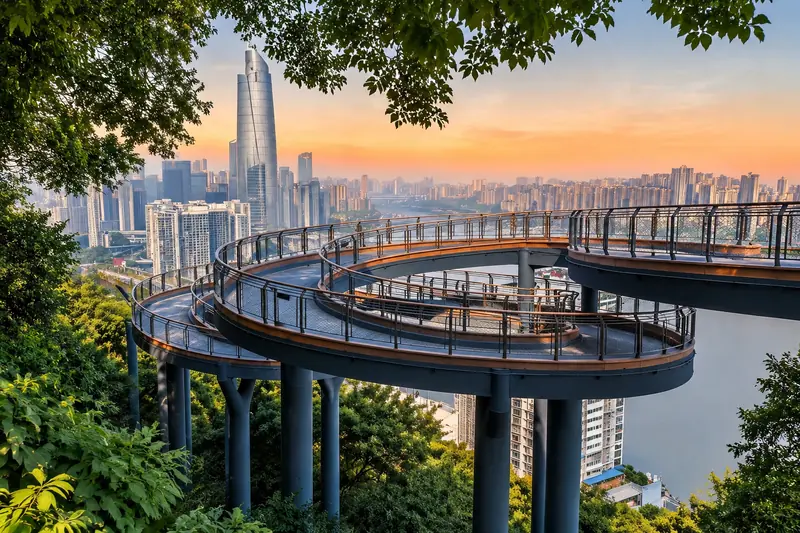
Mountain City Trail (山城步道) (Google | Amap) gives Chongqing a body memory: slopes, steps, old walls, cliffside sections, and sudden river views. Wear shoes with grip, especially after rain. Use our Mountain City Trail guide for a better walking section.
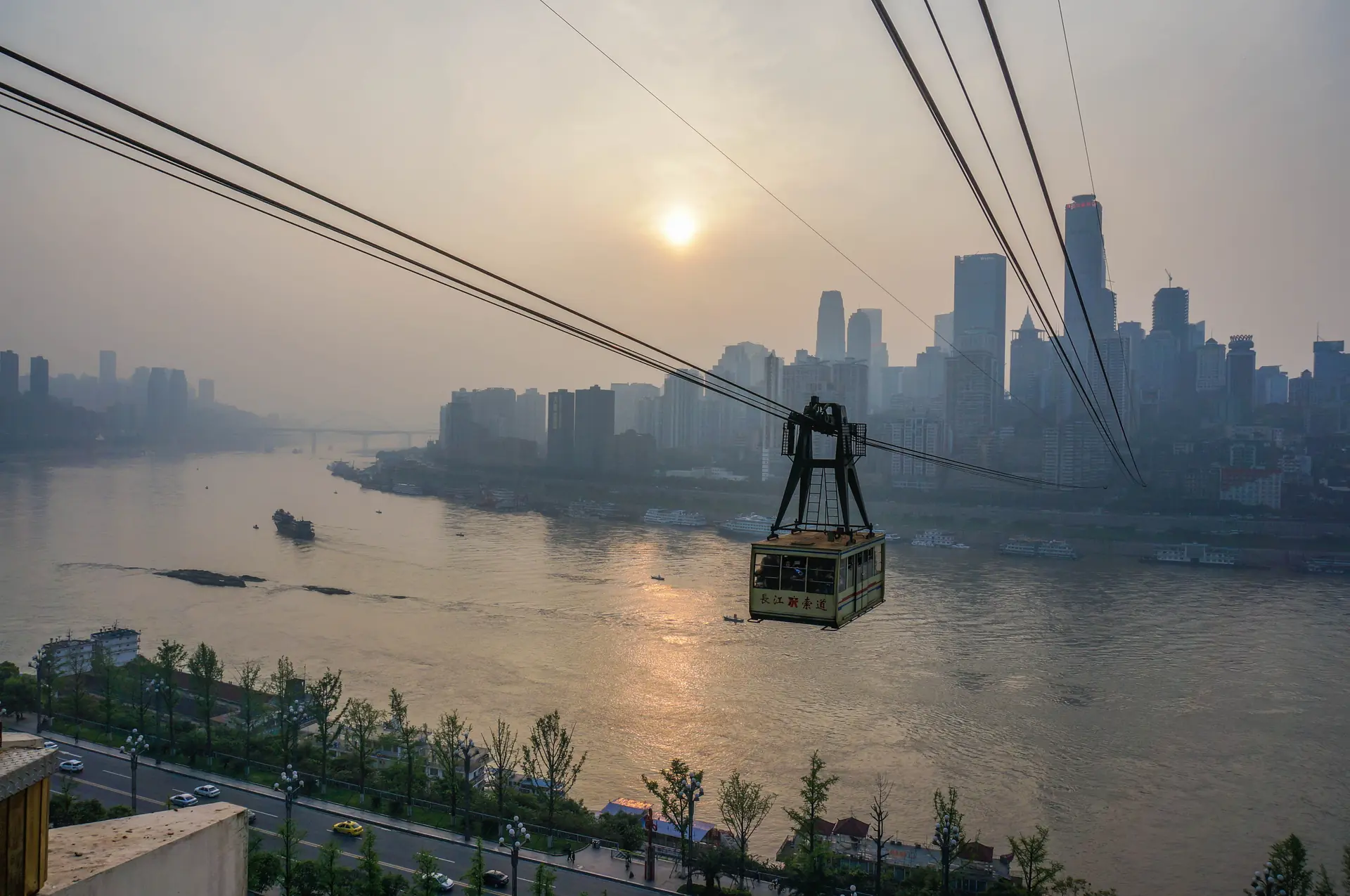


Chongqing hotpot (重庆火锅) is not a bravery contest. A central option like Peijie Old Hotpot (珮姐老火锅) (Google | Amap) can work, but the bigger rule is pacing: start mild or split-pot if needed, and avoid placing your hottest meal right before an early train. Use our Chongqing food guide before ordering.

What Kind of Chongqing Trip Are You Building?
Do not choose Chongqing experiences only by fame. Choose them by the version of the city you want your first trip to reveal.
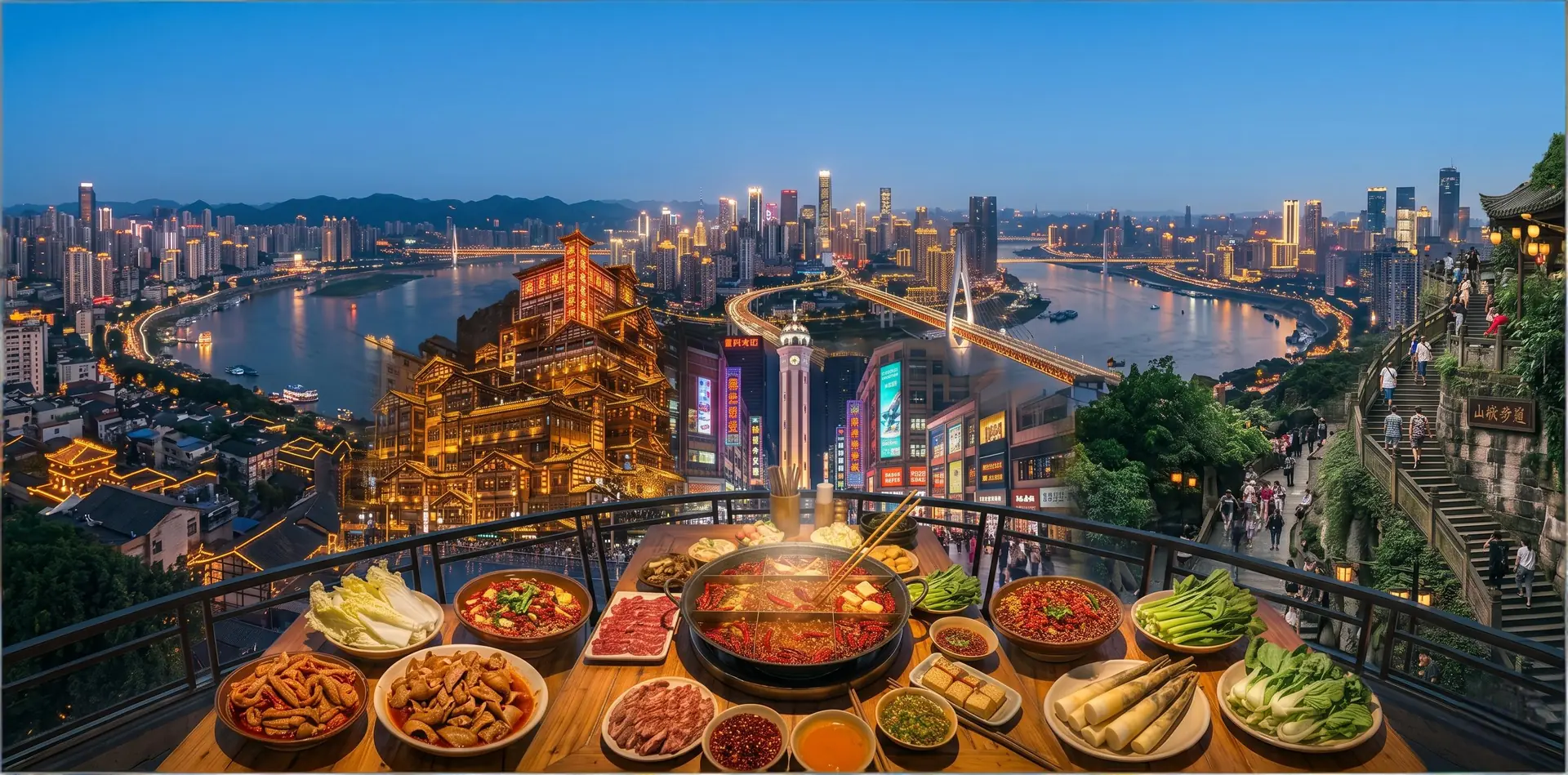
The Classic First Trip
Best for: first-time visitors with one or two days.
Stay in or near Yuzhong, see Liziba, Kuixinglou or Mountain City Trail, eat hotpot, and choose one night-view anchor. This is the cleanest short-trip version.
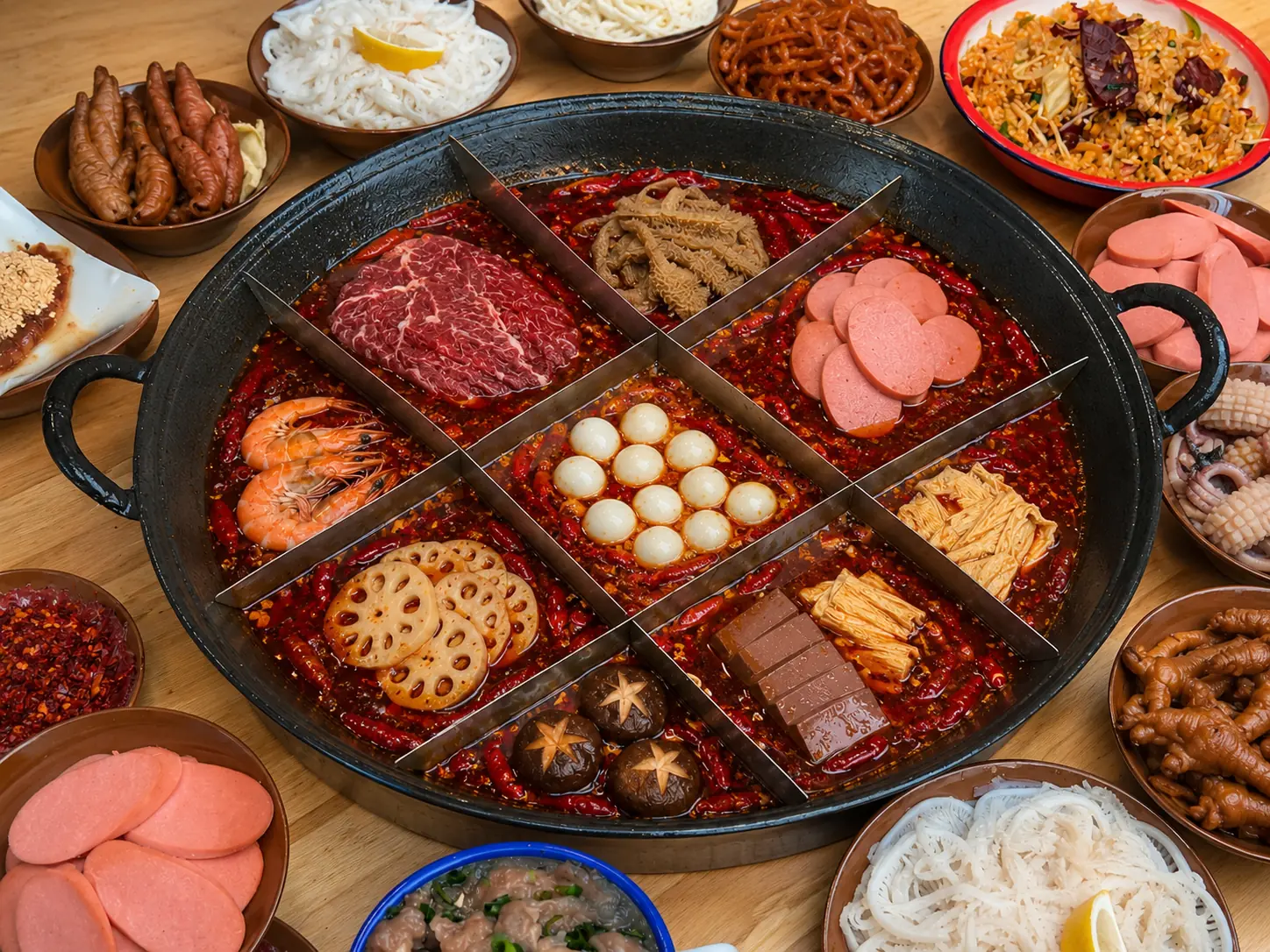
The Food-First Trip
Best for: travelers who judge a city by meals.
Let hotpot, small noodles, Jianghu dishes, night snacks, and recovery time shape the day. Chongqing food is better when it is not squeezed between too many stairs.
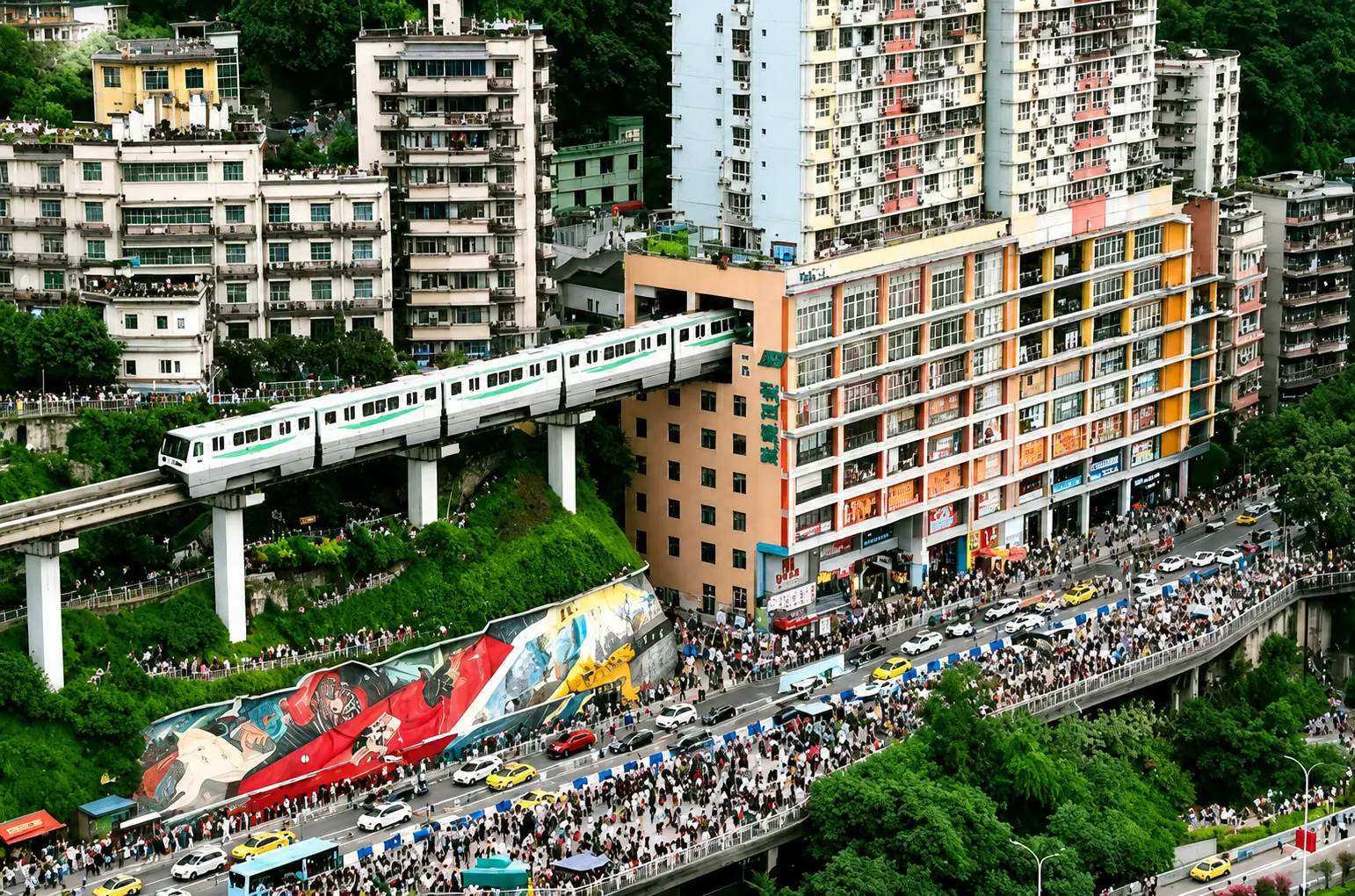
The Photography Trip
Best for: cityscape, transit, and night-view shooters.
Build around light and backup angles: Liziba, Baixiangju, Kuixinglou, Hongyadong exterior views, Nanbin Road, Eling, and hillside lanes. Weather and crowds matter here.
The Family Trip
Best for: children, grandparents, and lower-stress logistics.
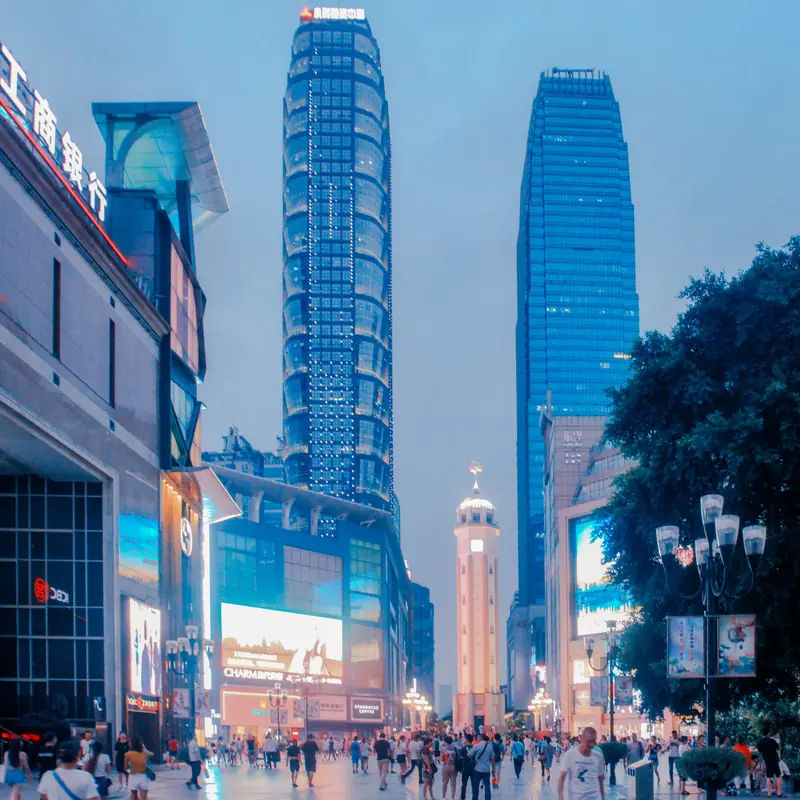
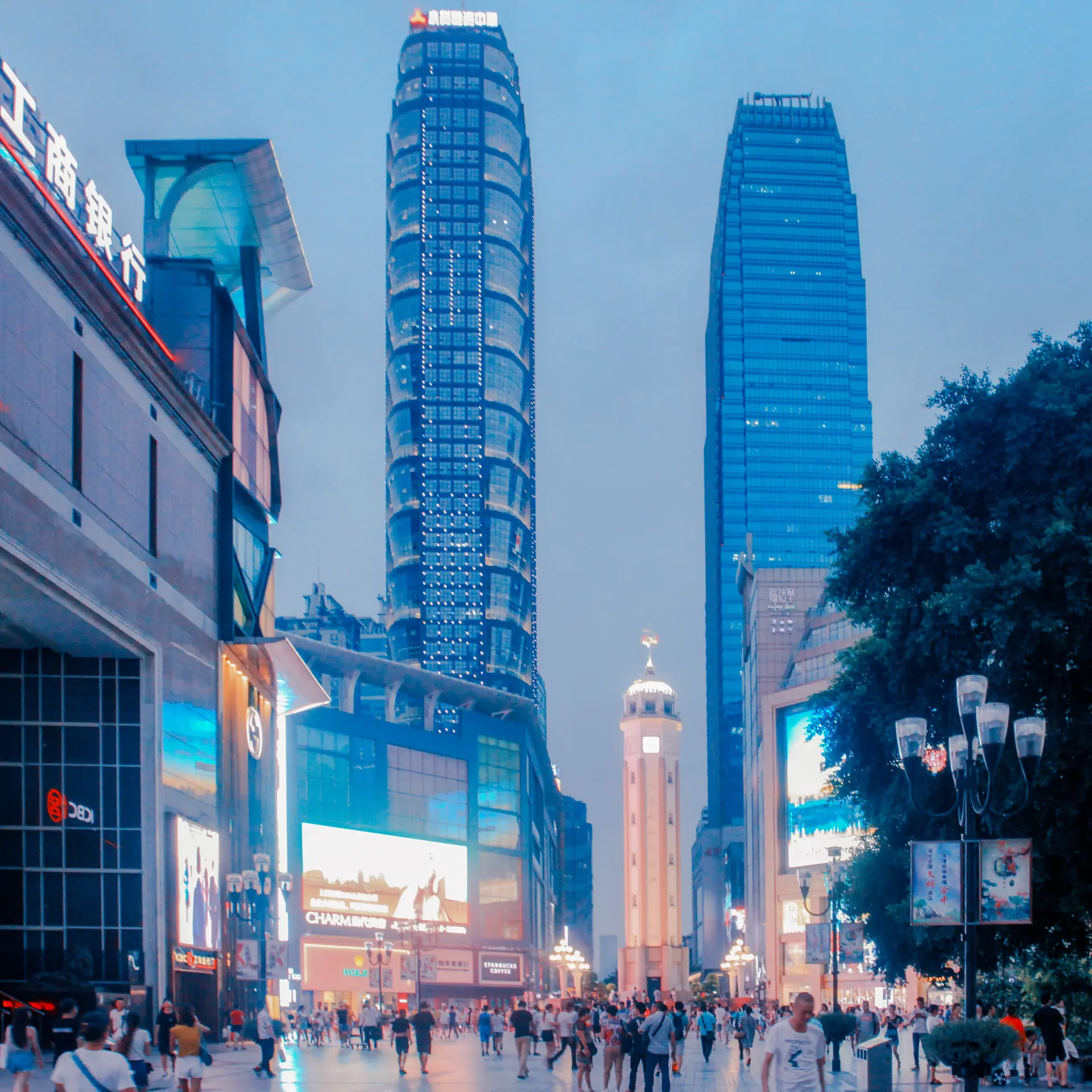
Choose clear exits, easy transport, and flexible rests. Jiefangbei, Hongyadong exterior views, Nanbin Road, Ciqikou, and short hillside walks usually work better than long stair-heavy days.
Chongqing Areas for First-Time Planning
Before you build each day, understand Chongqing's main clusters. The city is not hard because sights are far apart; it is hard because vertical levels distort timing.
Yuzhong Peninsula
Includes: Hongyadong, Jiefangbei, Eighteen Steps, Mountain City Trail, Baixiangju, Xiaoshizi, Kuixinglou, and the cableway north station.
Use this for: first-time convenience and the strongest short-trip core. Watch out: crowds, hotel entrances, and confusing street levels.
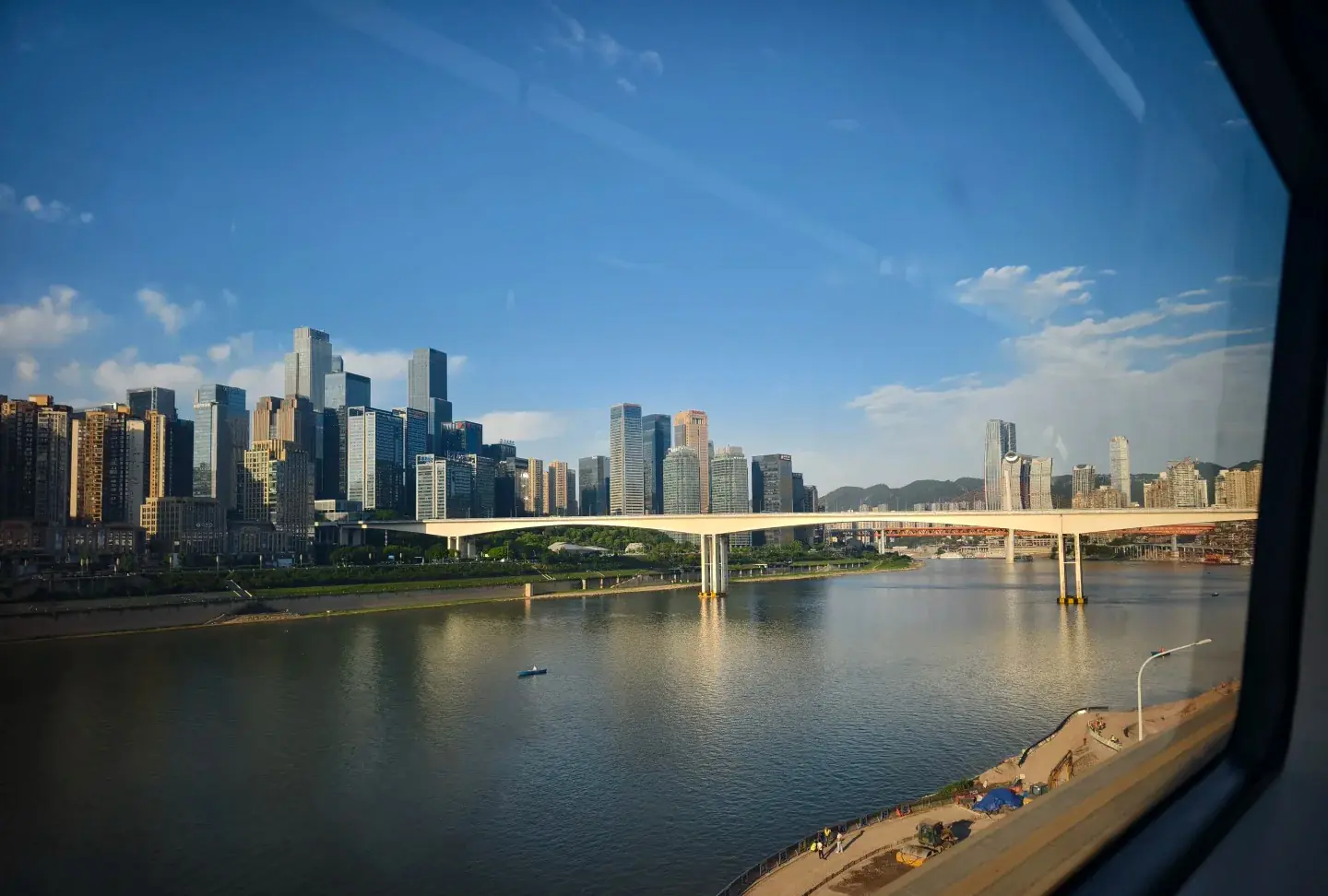
Jialing River and Eling
Includes: Liziba, Eling Park, TESTBED 2, bridge views, and Line 2 river scenery.
Use this for: light rail, creative-park pauses, and hillside-city photographs. Watch out: the walk between stops is not always gentle.
Nan'an and Nanbin Road
Includes: Nanbin Road, Nanshan, cableway south side, riverfront dining, and open skyline views.
Use this for: looking back at Yuzhong across the Yangtze. Watch out: cross-river timing if your hotel and most sights are downtown.
Shapingba and Ciqikou
Includes: Ciqikou, university-area energy, old-town snacks, tea houses, and a slower half day.
Use this for: family wandering and snack browsing. Watch out: it is optional on a tight one-day Yuzhong-focused plan.
Dazu, Wulong, the Three Gorges, and other wider Chongqing-area sights belong to a larger travel map. They are not casual stops between Hongyadong and dinner.
How to Pace Your Chongqing Days
The opening cards help you choose one, two, or three days. Once the dates are set, give each day a clear job so the city does not collapse into one stair-heavy checklist.
City Core Day
Use for: Yuzhong, Liziba, Kuixinglou, Hongyadong exterior views, the cableway, and one night-view anchor.
Keep it compact. Two or three strong vertical-city stops usually feel better than chasing every viral angle.
Food and Hillside Day
Use for: hotpot, small noodles, Baixiangju, Eling, Mountain City Trail, Ciqikou, or Nanbin Road.
This is where the trip gains texture. Leave time between stairs and spicy meals so the day feels alive instead of punishing.
Full-Day Side Trip
Use for: Dazu or Wulong, not both on the same short trip.
Treat this as a real day outside the city core. Protect transport time, weather backup, and a simpler evening after you return.
Four days or more lets you slow the city down: separate hotpot, small noodles, Jianghu dishes, night views, hillside walks, and one bigger excursion. Chongqing rewards slow walking, but not constant stair fatigue.
Common Chongqing First-Trip Mistakes to Avoid
- Making Hongyadong's interior the main event. The famous view is usually outside: riverside, bridge, skyline, and layered lights.
- Planning by map distance alone. In Chongqing, entrances, exits, bridges, ramps, stairs, and elevation can matter more than kilometers.
- Scheduling hotpot on your most exhausted night. Keep it for an evening without early transport pressure or a heavy stair climb afterward.
- Underestimating summer humidity. Spring and autumn are easier for walking. Winter can be good for hotpot and night views, but river wind can feel cold.
- Forcing Wulong or Dazu into a one-day city stop. Both are worthwhile, but central Chongqing is already strong enough for a short stay.
What to Save for a Second Trip
Dazu Rock Carvings
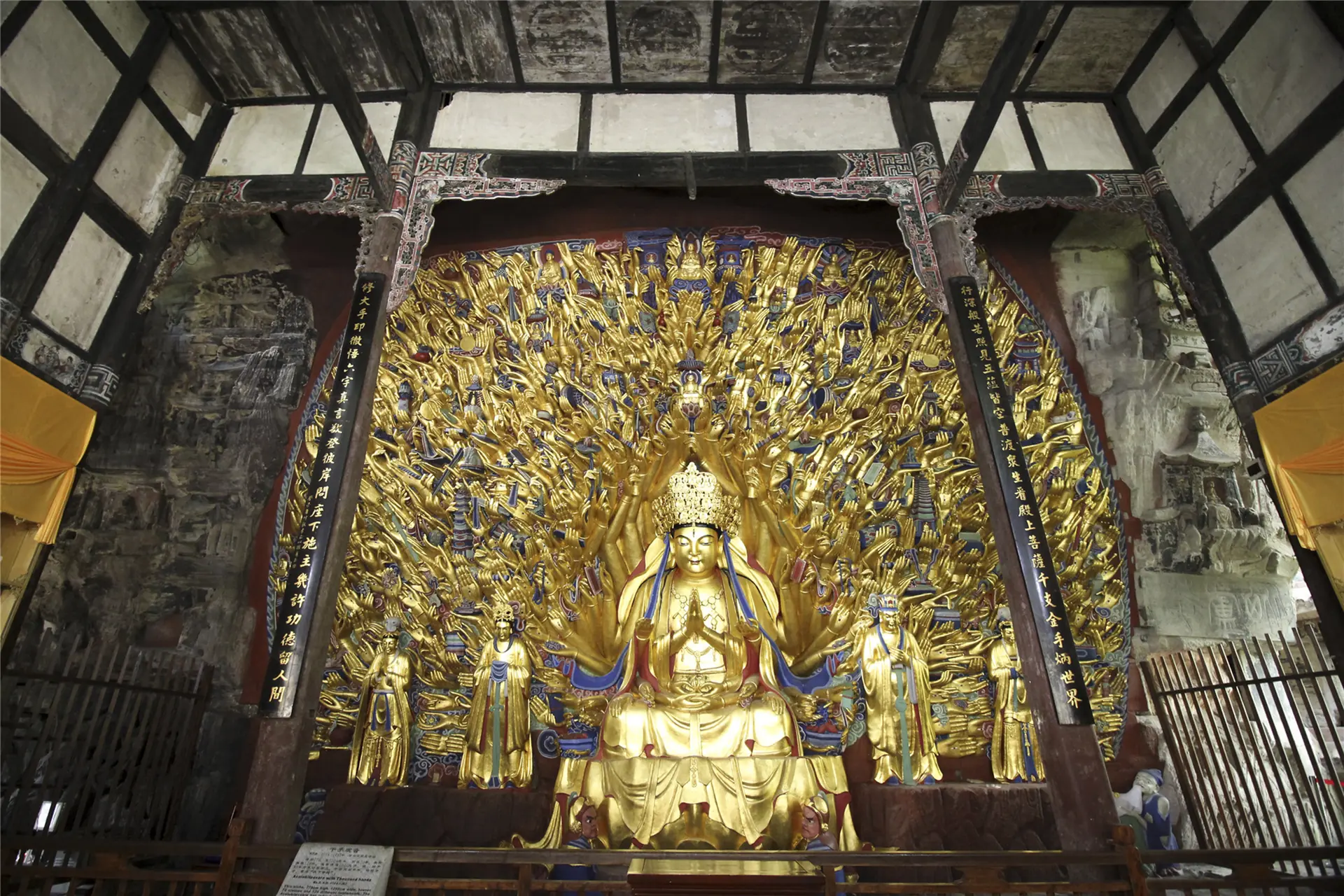
Dazu Rock Carvings (大足石刻) are best for travelers who want UNESCO culture, Chinese cave-temple art, religious imagery, and a slower day outside the city core.
Wulong Karst
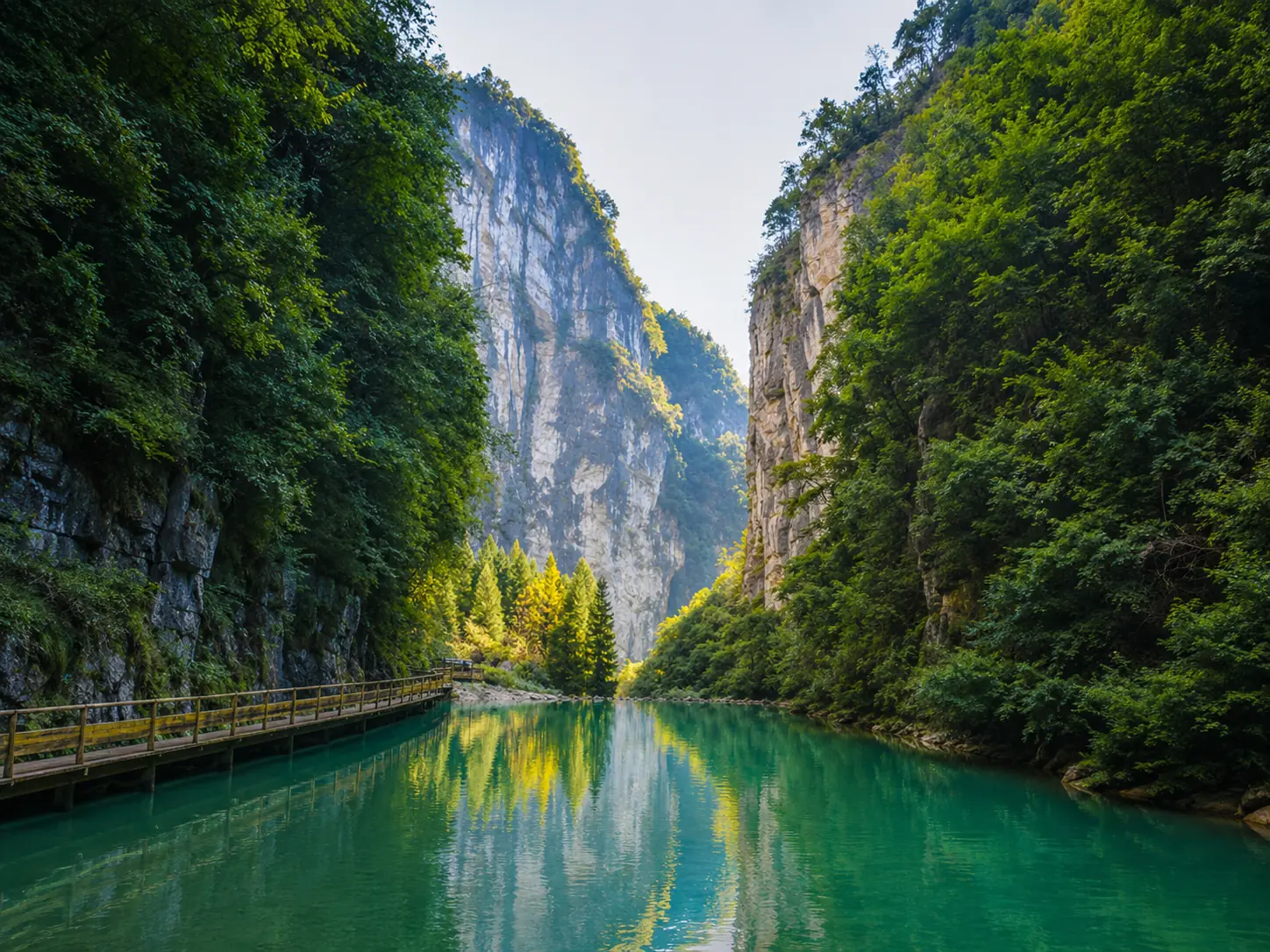
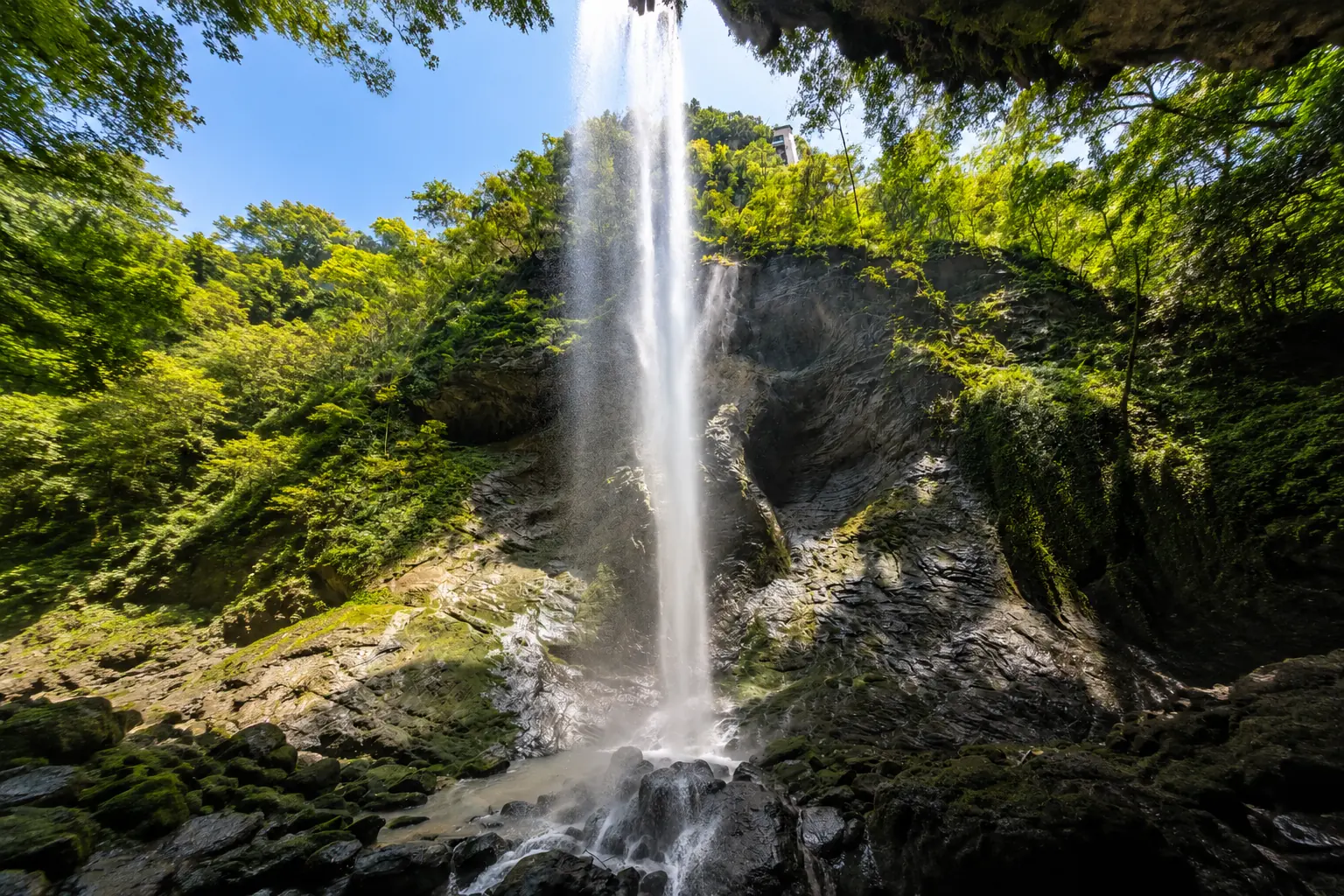
Wulong Karst (武隆喀斯特) is the nature choice: bridges, gorges, caves, sinkholes, and mountain scenery. It needs earlier transport planning and a weather backup.
Ciqikou and Slower Old Streets
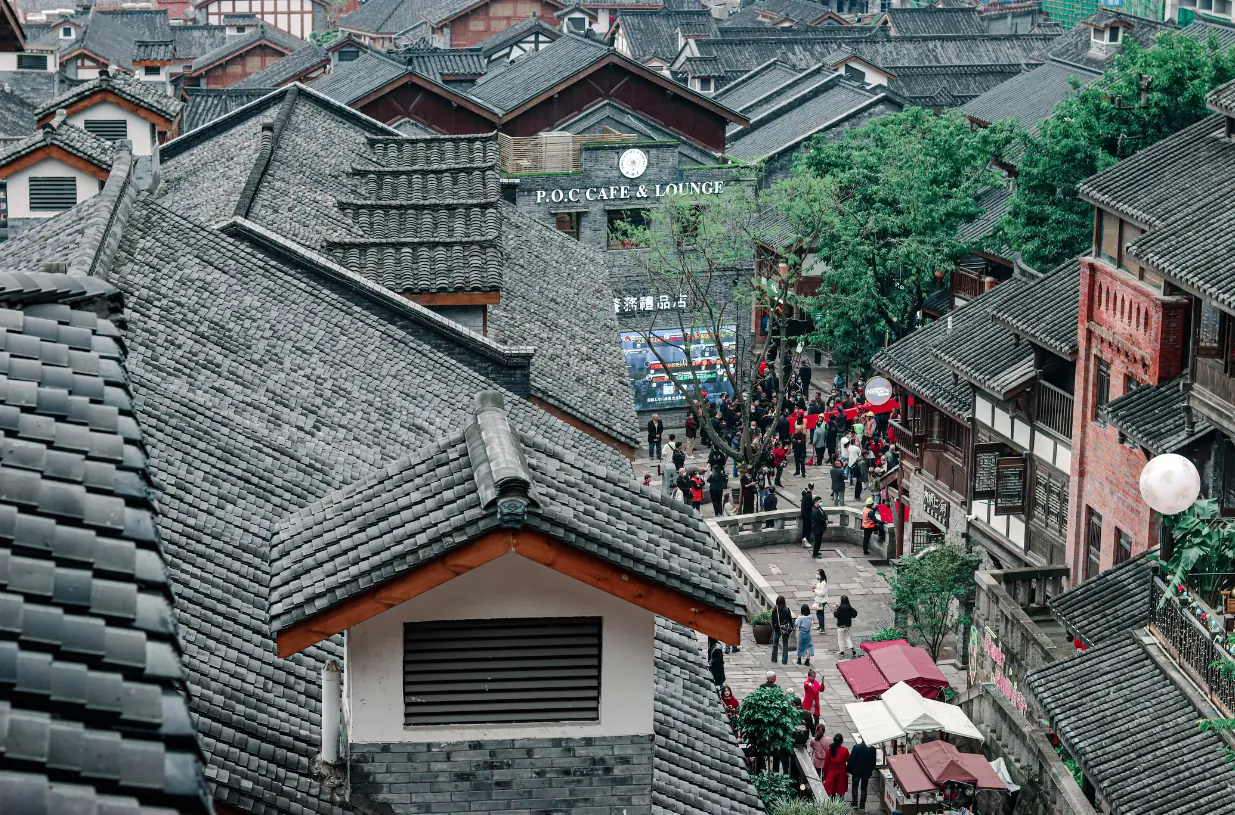
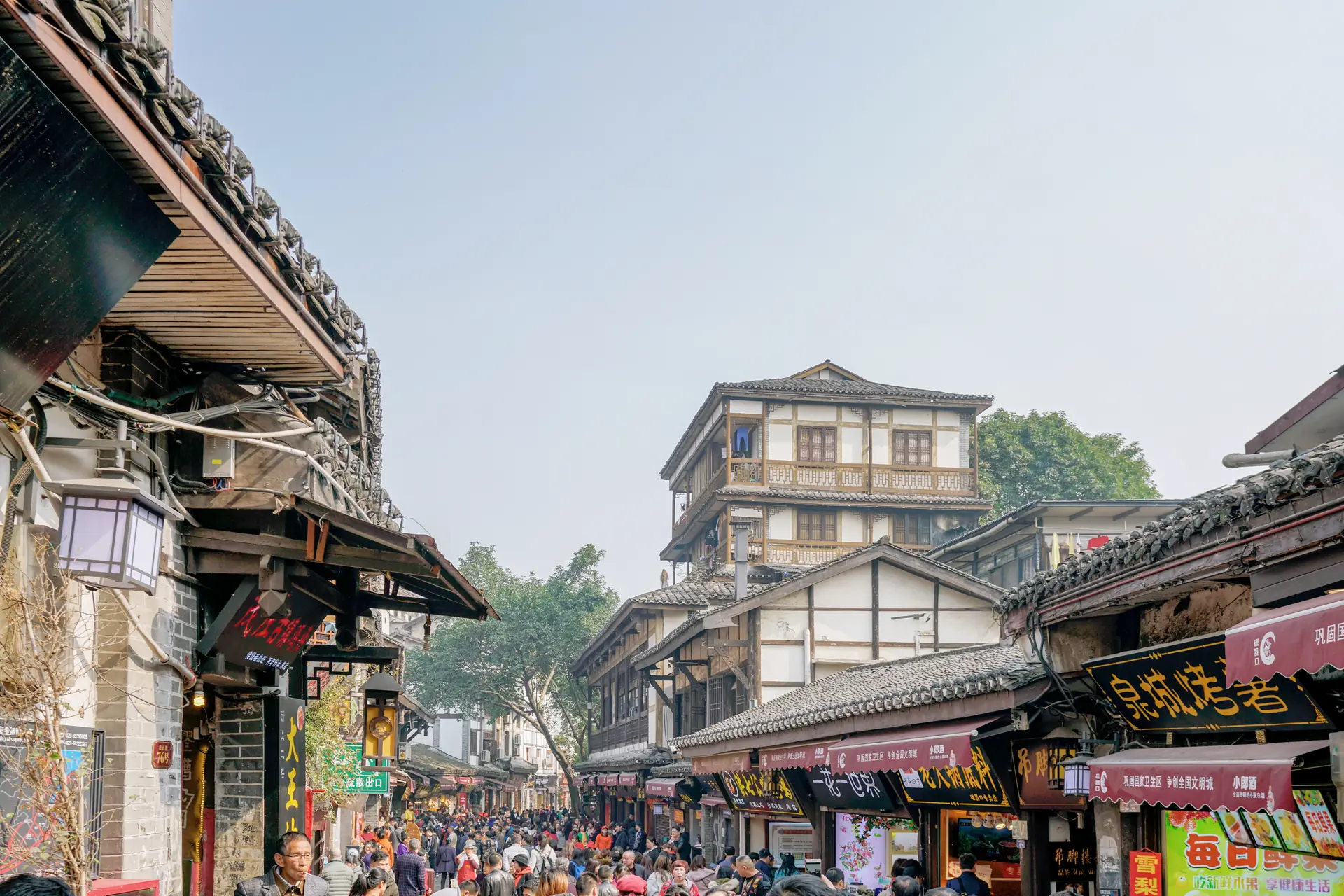
Ciqikou, Huguang Guild Hall, Longmenhao, more hillside lanes, and neighborhood tea breaks make more sense after you have already seen the central 3D-city highlights.

Three Gorges Travel
The Three Gorges should not be treated as a downtown Chongqing extension. It is a separate river journey that usually needs a cruise or multi-day plan.
Where to Stay for These Sights
Jiefangbei or Xiaoshizi
Best for most first-timers. You are close to food, Hongyadong, the cableway, Eighteen Steps, Xiaoshizi, and transit. Check hotel entrances carefully because some buildings are vertically confusing.

Near Hongyadong
Good for night views and walking access, but study the actual hotel entrance, noise level, and crowd flow. A view is not worth a daily access headache.
Guanyinqiao
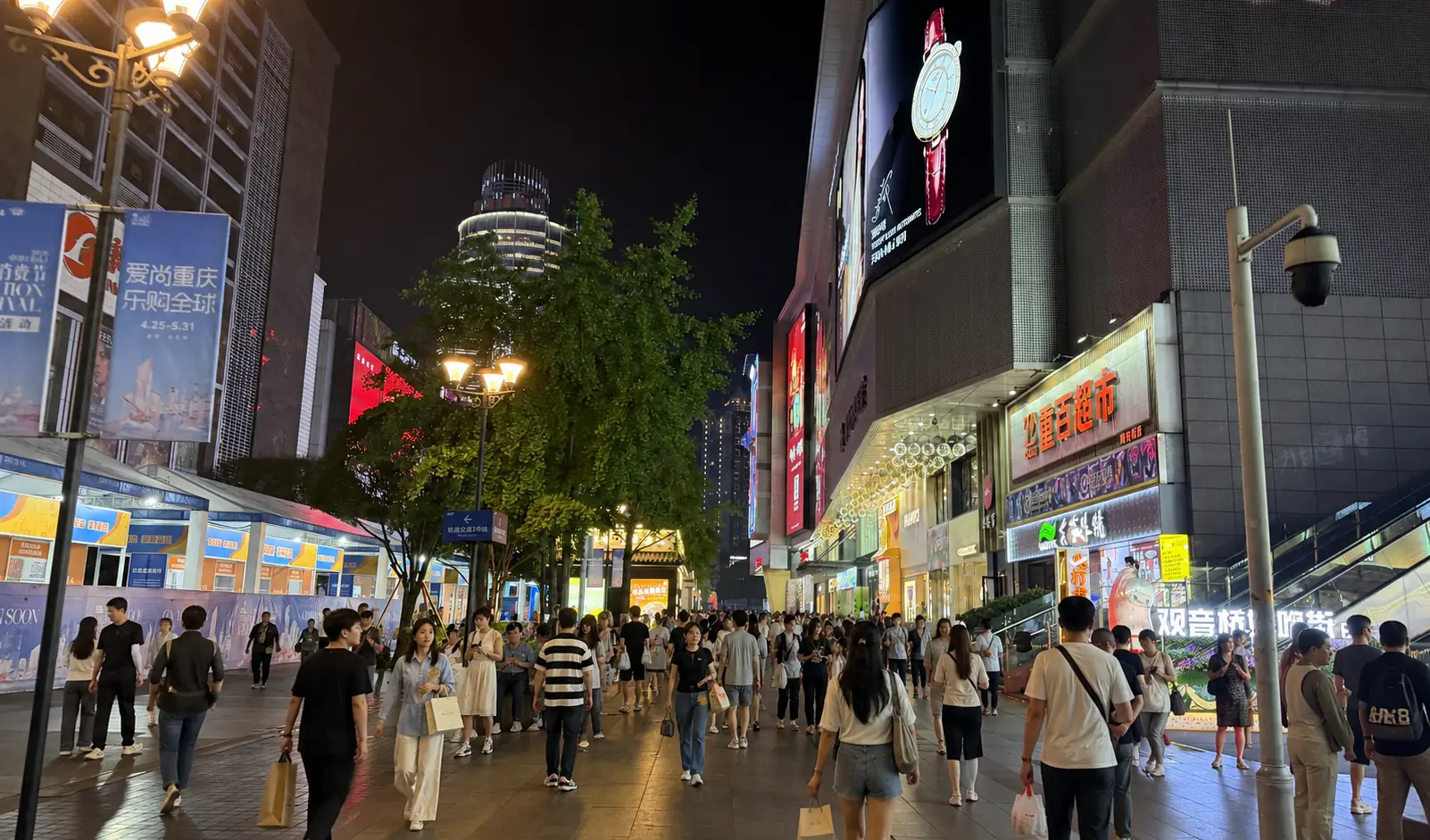
Better for local commercial energy, nightlife, and food variety away from the tourist core. It works especially well for repeat visitors or travelers staying longer.
Nanbin Road or Nan'an
Good for river-view hotels and skyline angles. Less ideal if your first-trip list is mostly in Yuzhong and you do not want to cross the river often.
Frequently Asked Questions
Two days is the most comfortable first visit: one day for Yuzhong, city layers, and night views, and one day for food, Eling, Baixiangju, Ciqikou, or Nanbin Road. One day can still show the city; three days lets you add Dazu or Wulong.
Sources checked for this guide
- Evening facade lighting window and free public viewing context around Hongyadong: Chongqing Municipal Government lighting notice
- Central mountain-city pedestrian trail network and Yuzhong elevation context: Chongqing Housing and Urban-Rural Development Commission — Mountain City Trail
- Baodingshan and Beishan tour instructions, ticketing sections, and day-trip context from Chongqing: Dazu Rock Carvings Academy official English visitor guide
- World Heritage inscription for Dazu Rock Carvings and South China Karst (Wulong component): UNESCO — Dazu Rock Carvings and UNESCO — South China Karst
Beyond This Guide
Chongqing is easiest to ruin by turning it into a list of viral spots. Decide first which Chongqing you want: 3D city, hotpot, night views, hillside neighborhoods, UNESCO culture, or karst nature. Then shape the days around your walking pace, spice tolerance, weather, hotel area, and transport windows. For route execution, pair this overview with the Chongqing destination hub, our one-day Chongqing itinerary, Chongqing food guide, Hongyadong night walk, Baixiangju guide, and Dazu Rock Carvings guide.
© gochinafreely.com — Original guide by Go China Freely.