Shanghai is not just a skyline stop between Beijing and Xi'an. It is a city where a Ming-style garden, 1920s bank facades, plane-tree streets, commuter ferries, glass towers, soup dumplings, contemporary art, and Disney fireworks can all compete for the same two or three days. This guide helps first-time independent travelers choose what is actually worth building a Shanghai trip around.
First-Time Shanghai Planning Starts With Trip Length
If you are visiting Shanghai for the first time, start with trip length, not a giant attraction list. Shanghai is easier than Beijing in one way: the classic central sights sit closer together. The trap is different: the city offers so many easy add-ons that travelers keep adding "just one more" until the day loses its shape.

One day
Focus on the old-town to skyline route: Yu Garden, Nanjing East Road, The Bund, a ferry or metro crossing, and Lujiazui after dark. Do not add Disneyland, Zhujiajiao, or a far museum.
Two days
Add one softer layer: the former French Concession, Shanghai Museum East, Power Station of Art, or a food-focused evening. This is the shortest visit where Shanghai starts to feel rounded.

Three or four days
Choose a full-day add-on: Disneyland, Zhujiajiao, a deeper art route, serious shopping, or an East China side trip. Pick one strong theme instead of turning every day into a transfer chain.
This guide is best for first-timers, couples, solo travelers, families, food-focused visitors, and anyone deciding what Shanghai should be in a wider China route. It is less useful if your trip is already built around one special interest, such as Disneyland only, art museums only, or luxury shopping only.
Shanghai Is a City of Contrasts
The easiest way to understand Shanghai is to stop asking "what are the sights?" and start asking which version of the city you want to feel.

Classic Shanghai
Where it shows up: Yu Garden, City God Temple, Laoximen, shikumen lanes, old food streets, and water-town architecture.
This layer gives Shanghai texture before the skyline takes over.
Treaty-Port Shanghai
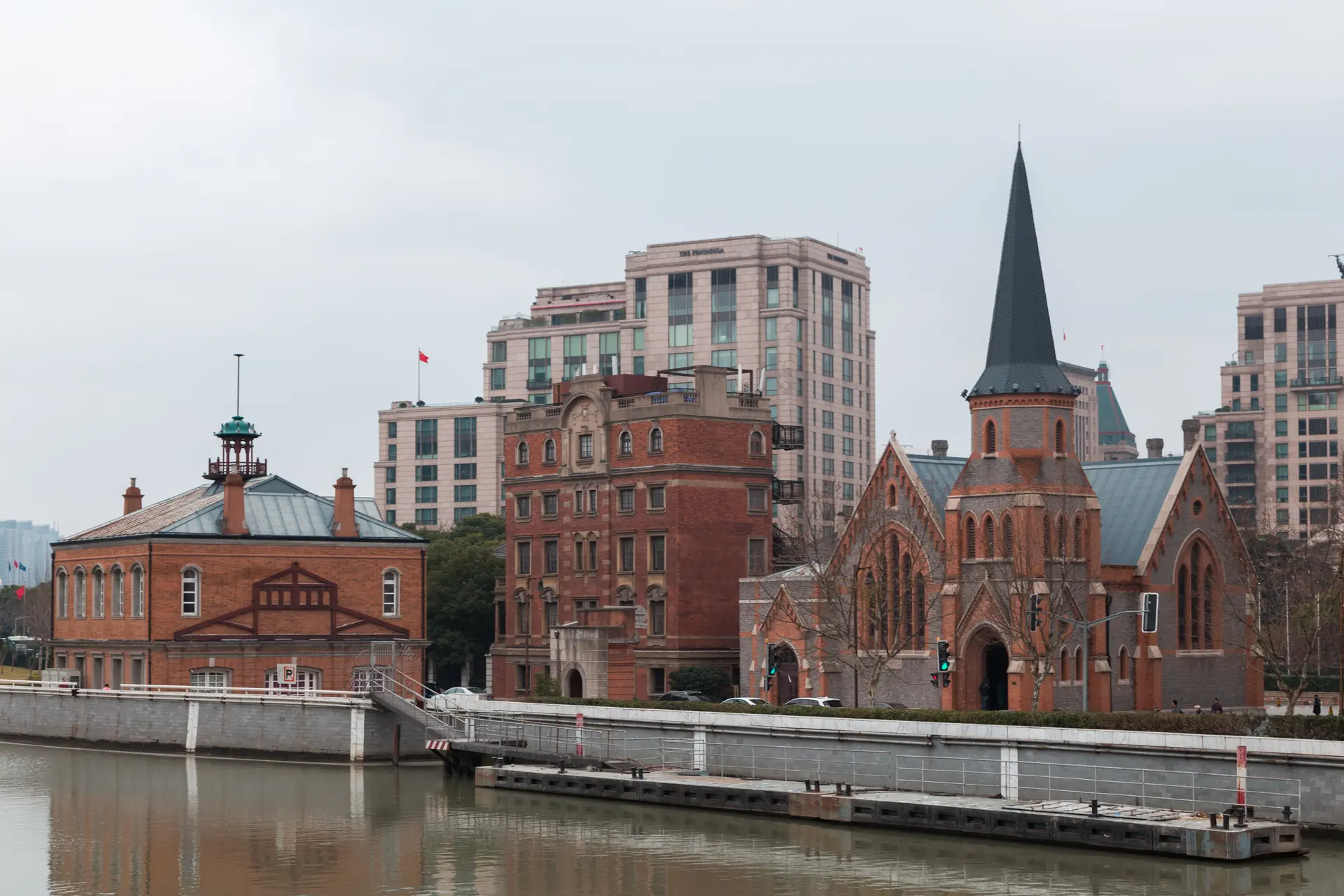
Where it shows up: The Bund, Bund Source, Peace Hotel, old bank facades, Customs House, and second-row finance streets.
This layer explains the city's glamour, money, trade, architecture, and harder modern history.
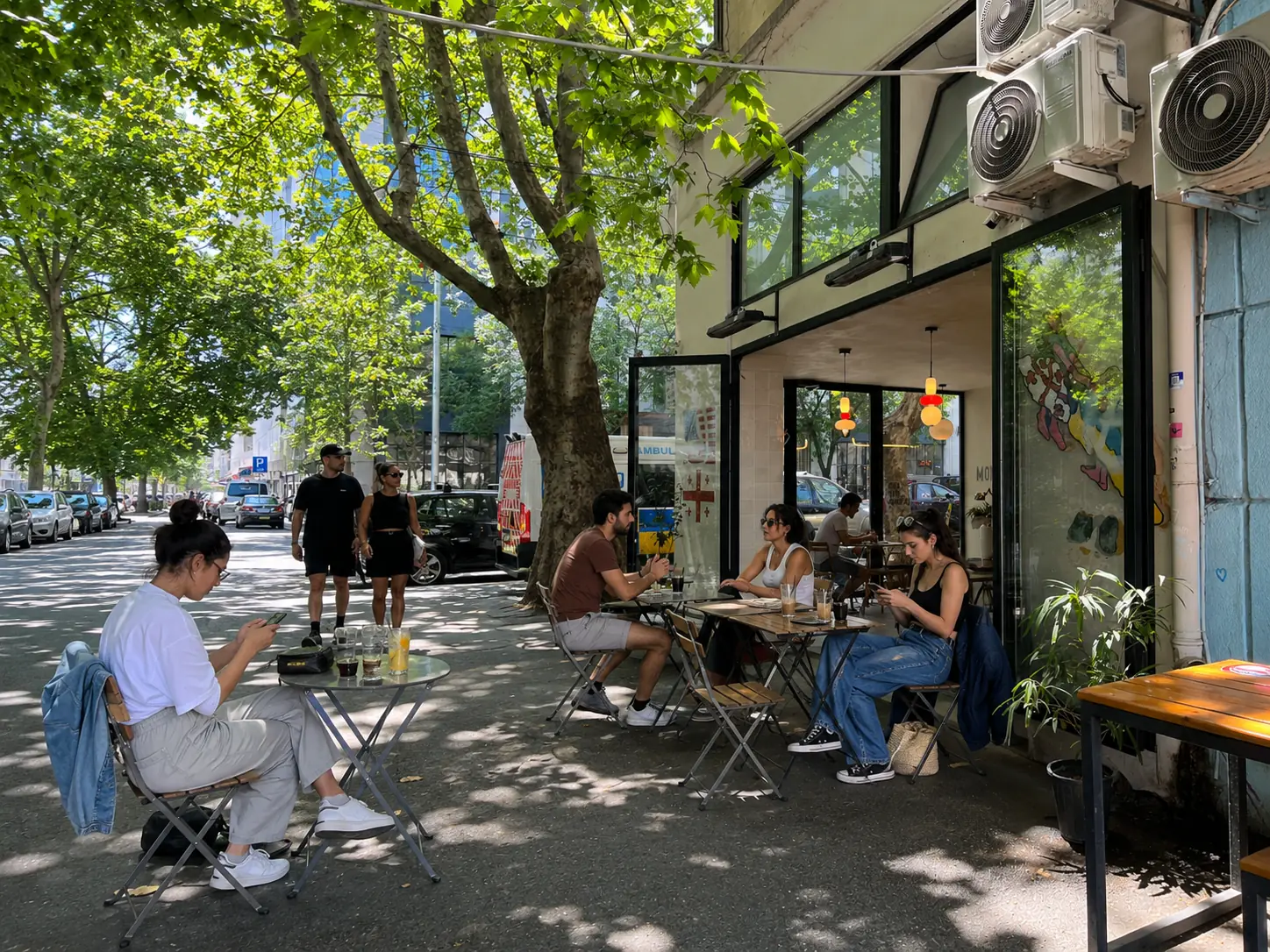
Everyday Shanghai
Where it shows up: former French Concession lanes, parks, cafes, breakfast shops, residential entrances, and neighborhood food streets.
This layer keeps Shanghai from feeling like a museum or a mall.
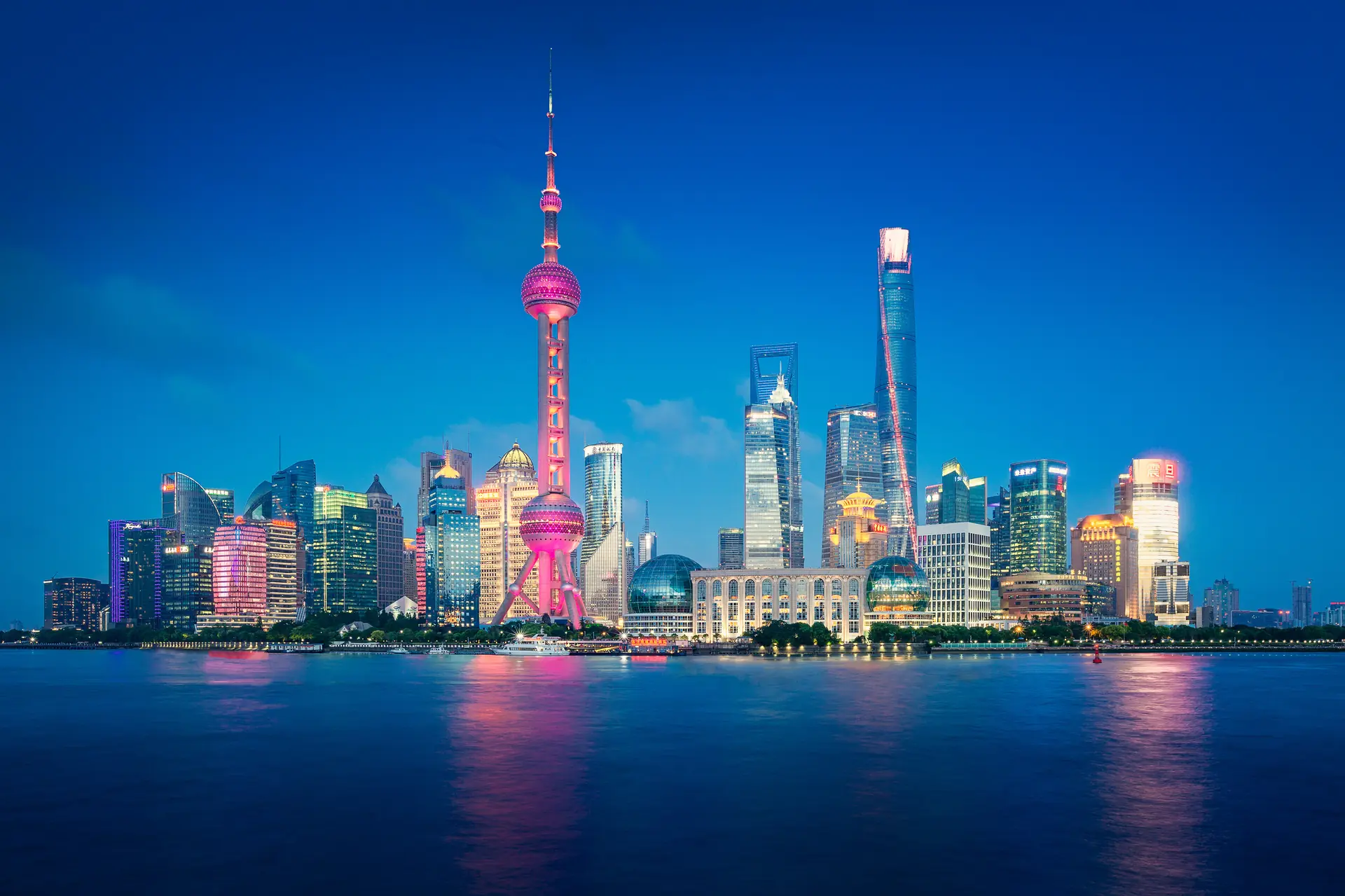
Future Shanghai
Where it shows up: Lujiazui, Shanghai Tower, the circular pedestrian bridges, West Bund, museums, design stores, and night scenes.
This layer gives the city its glass-and-neon punch.
For a first trip, the goal is not to "finish" Shanghai. Choose one or two strong experiences from each layer, then let the city breathe between them.
15 Shanghai Experiences Worth Building Around
The first eight are the strongest first-trip foundations. The final seven add food, shopping, performance, family fun, art, and water-town texture. If you only have one or two days, do not try to complete the whole list.

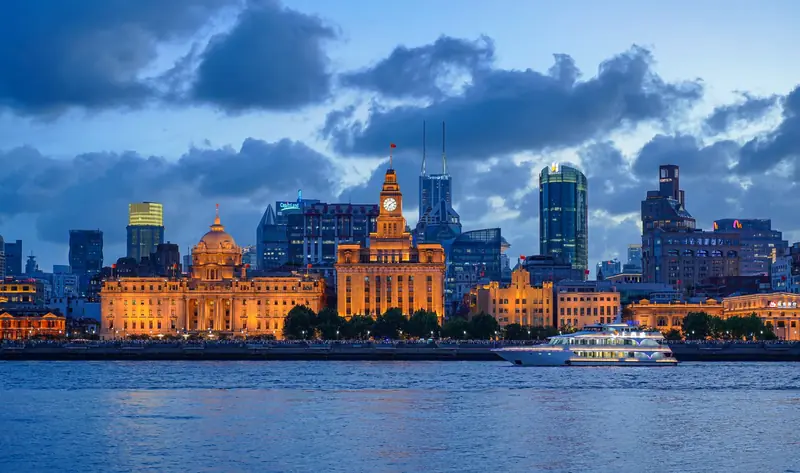
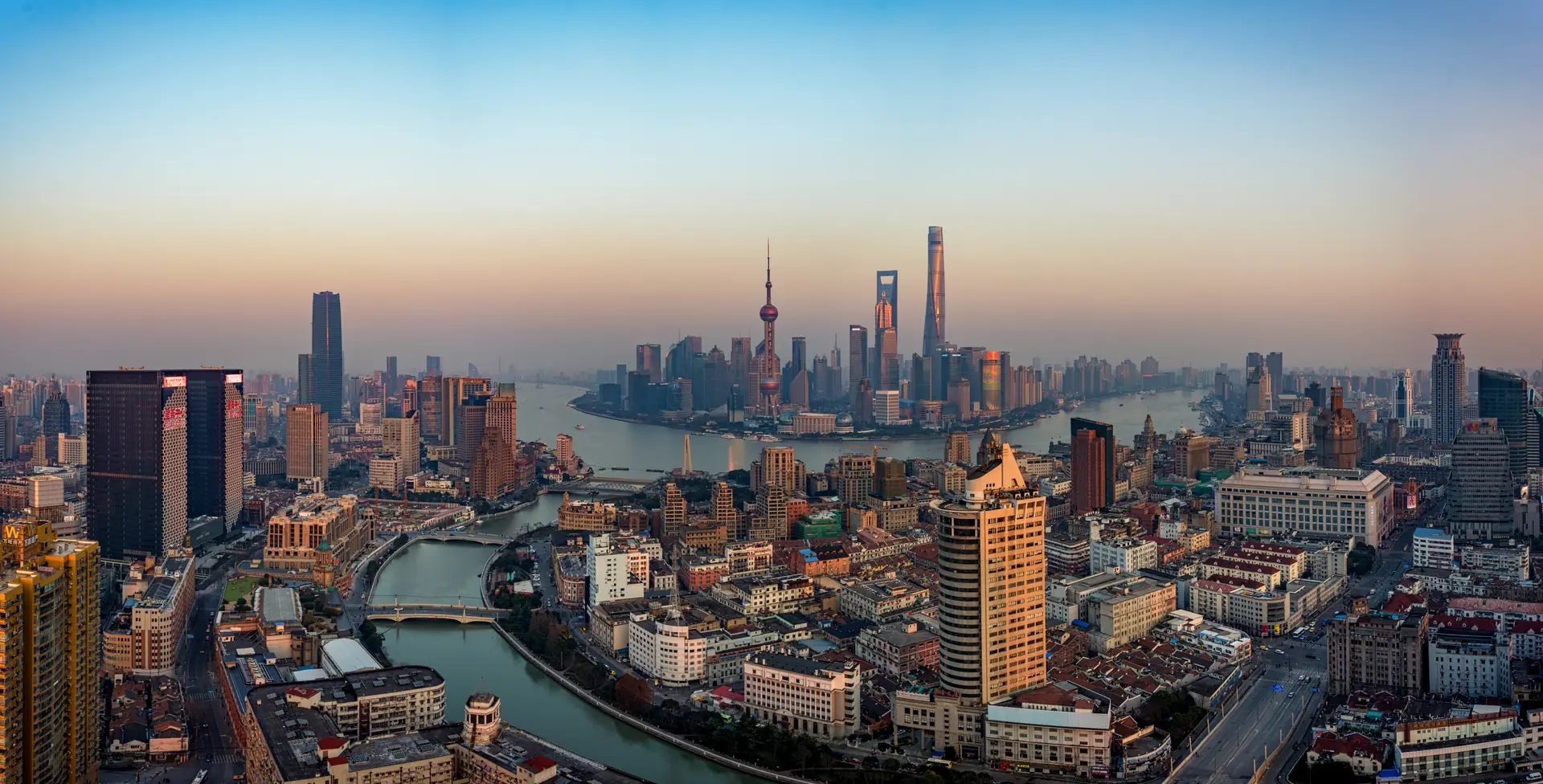
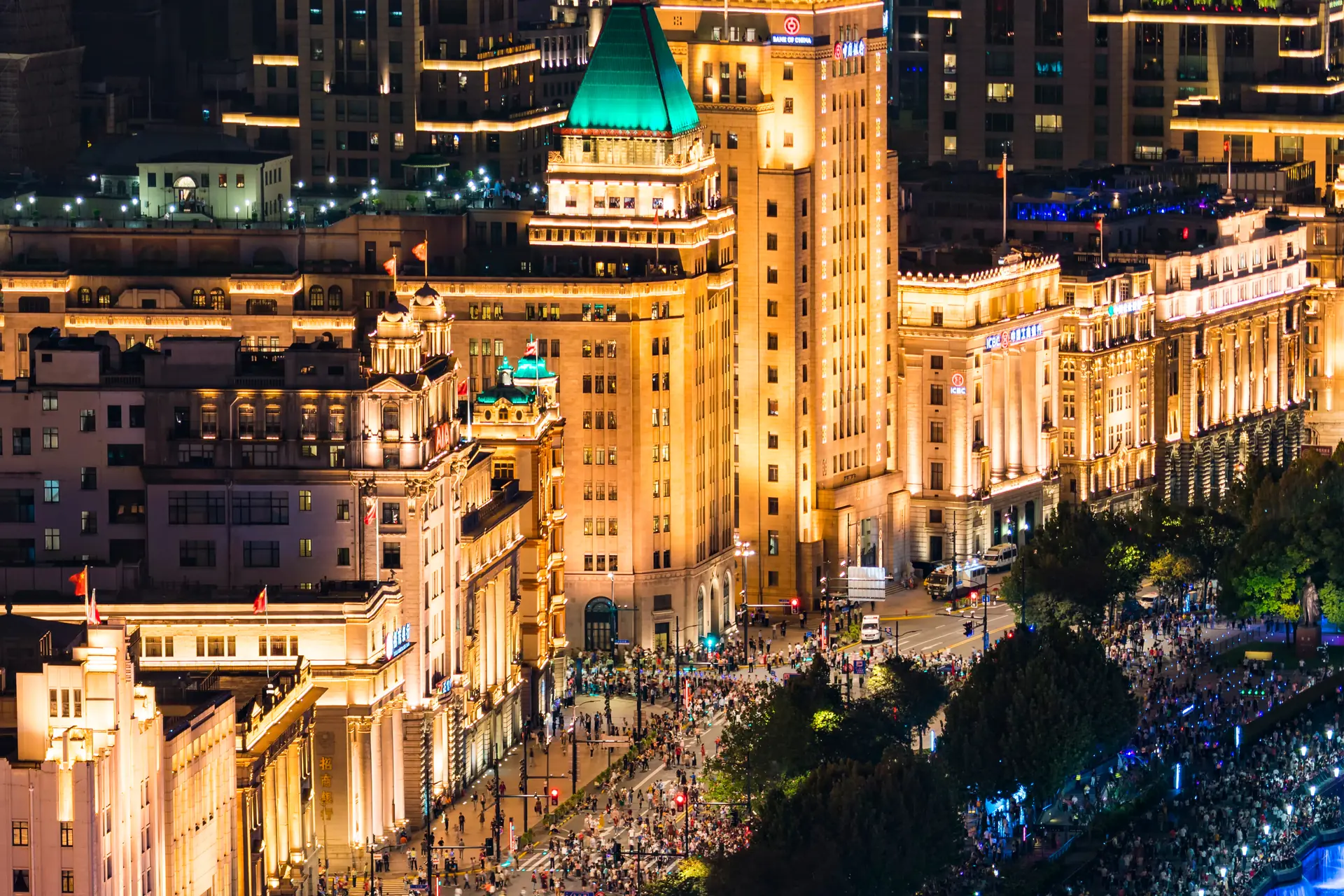
The Bund is Shanghai's strongest first impression: 1.5 kilometers of historic facades on one side and Pudong's skyline across the river. Prioritize it at dusk if you want the classic old-meets-new Shanghai scene. Use our Bund architecture walk if you want to read the buildings instead of only photographing them.
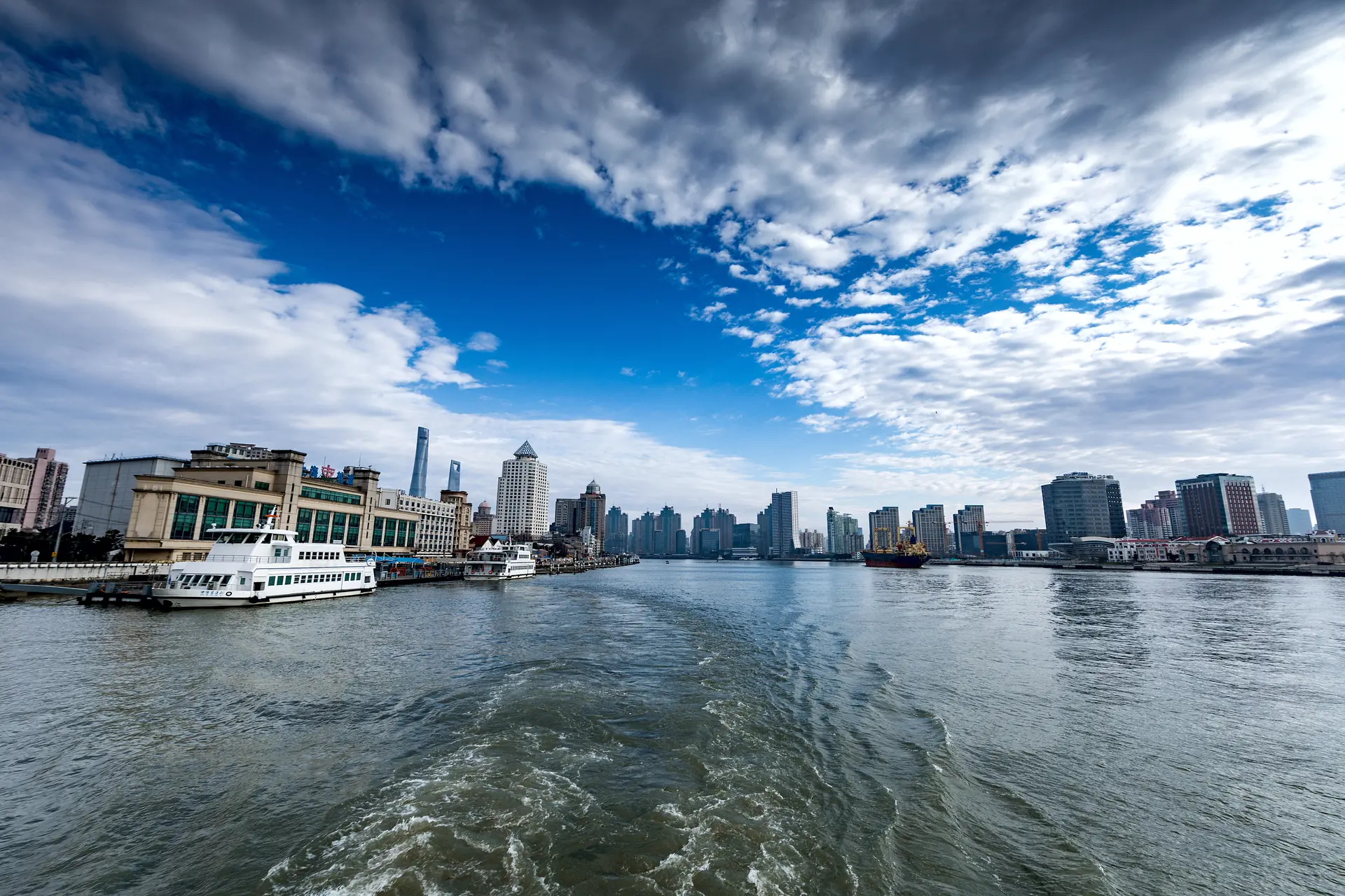
The commuter ferry is short, low-cost, and more local than a sightseeing cruise. It works best after The Bund, when you want to cross toward Lujiazui with the river under your feet. Keep it flexible; if service, rain, or crowds make it awkward, Metro Line 2 is the practical backup.
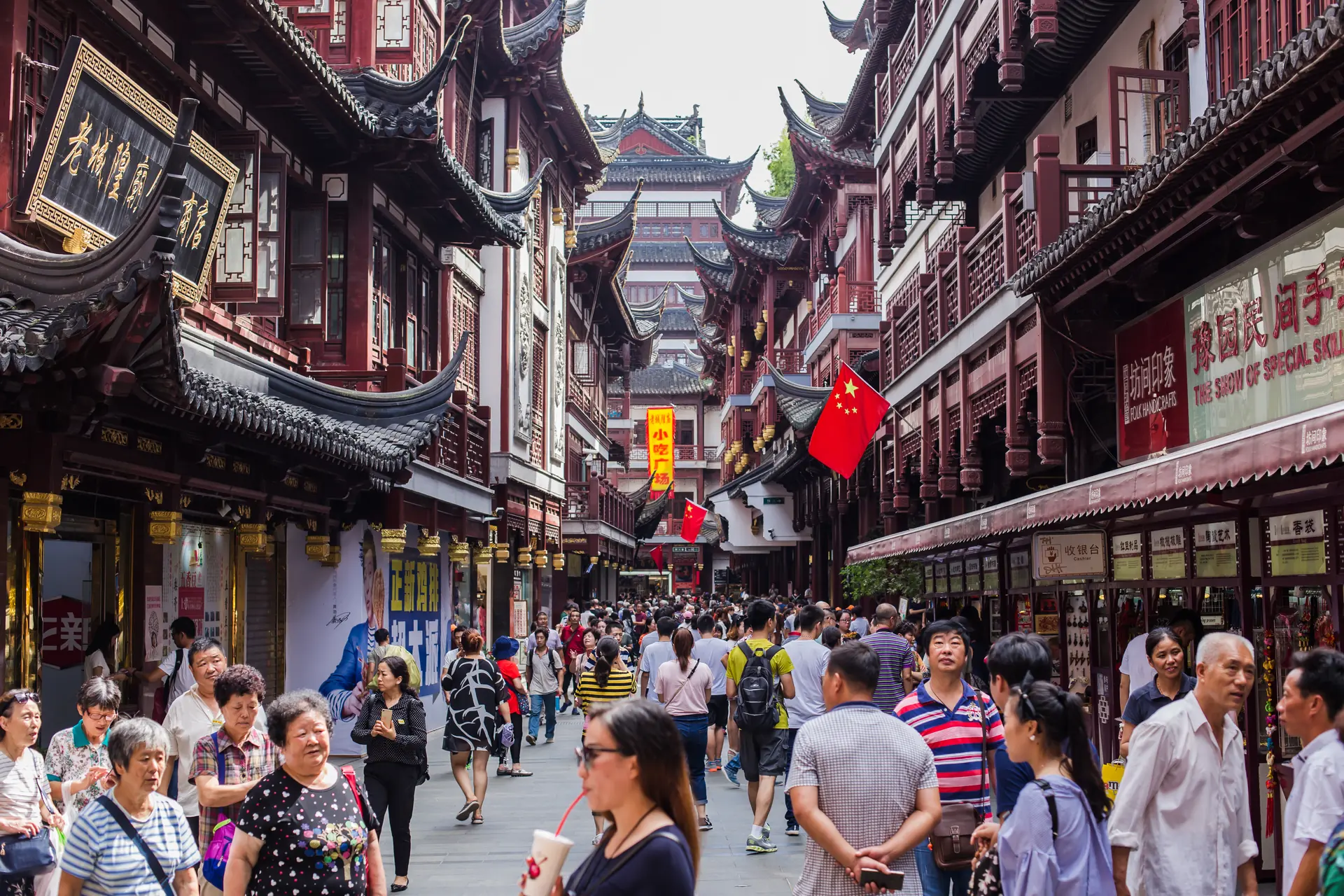
Yu Garden gives first-timers a compact hit of Jiangnan garden design: rockeries, ponds, lattice windows, pavilions, the Zigzag Bridge, and a busy old-town bazaar outside the walls. Go in the morning for the paid garden, or in the evening for lanterns and commercial atmosphere. Use our Yu Garden guide for tickets and route order.

South of Yu Garden, Laoximen and the old city lanes show a less polished Shanghai: small streets, old walls, renewal blocks, local shops, and residential entrances. Prioritize it if you want more than the bazaar version of "old Shanghai." Use our Laoximen old city walk for a self-guided route.
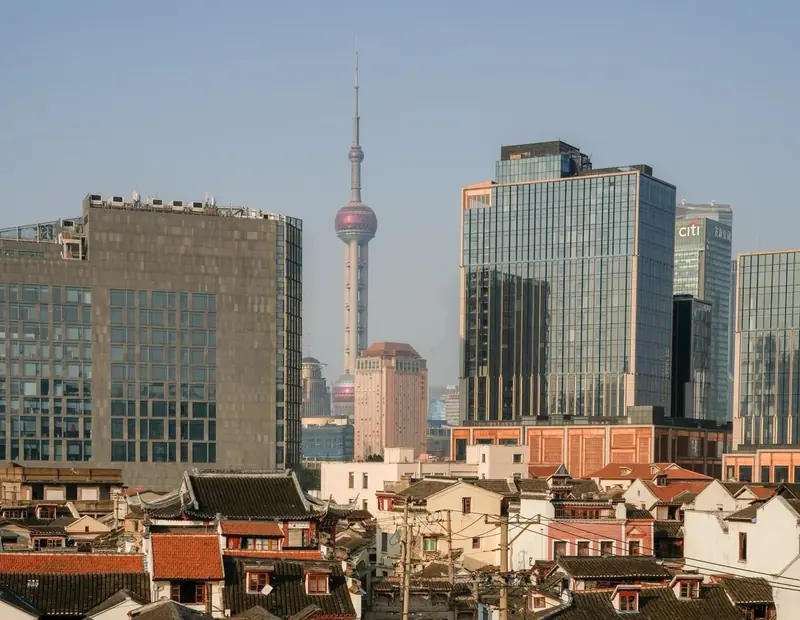
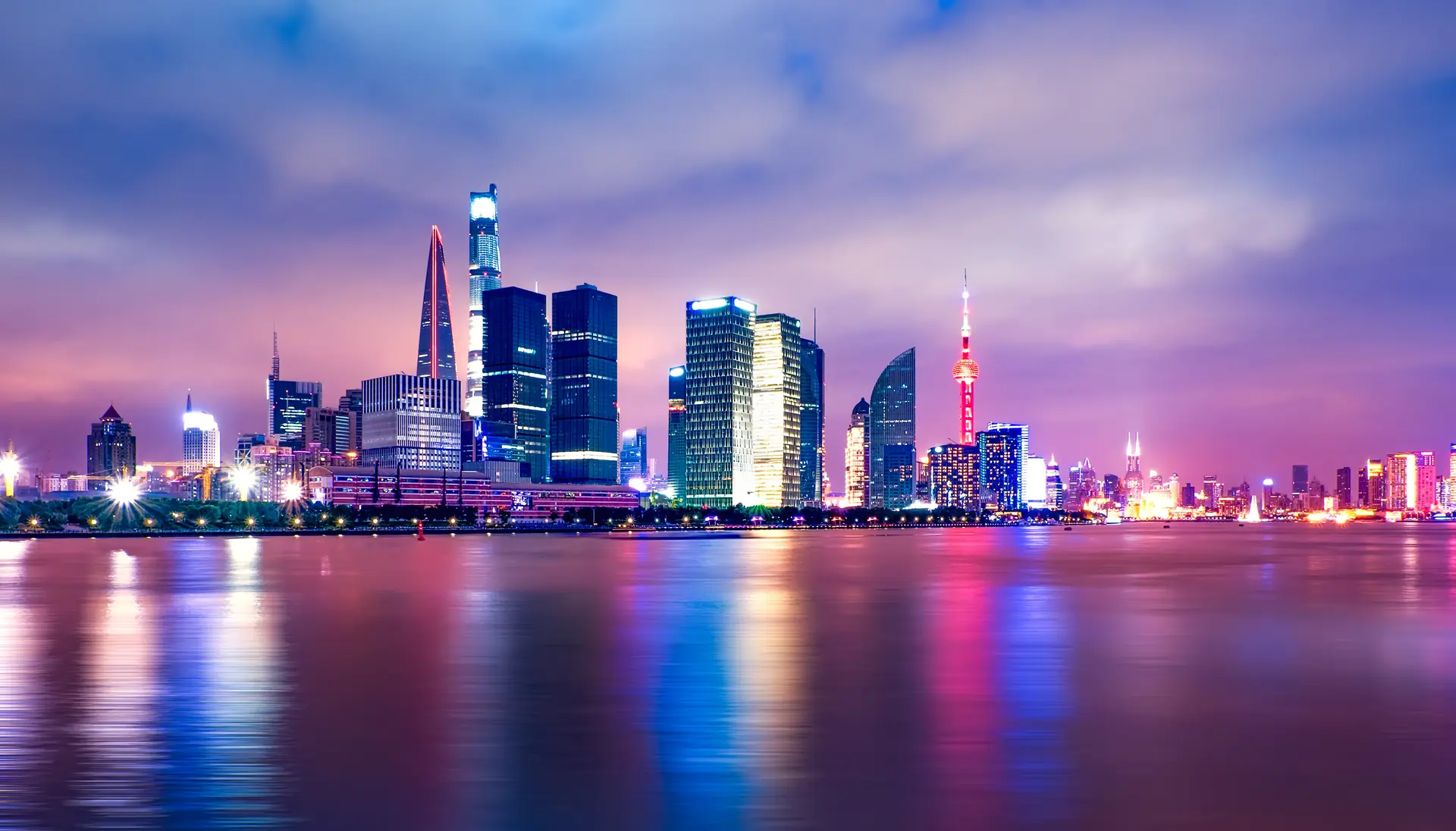
Lujiazui is where Shanghai becomes electric: pedestrian bridges, glass towers, the Oriental Pearl Tower, Shanghai Tower, mall light, traffic, and river reflections. You do not need to go up every tower. Ground-level blue hour plus one observation deck, if the weather is clear, is usually enough.

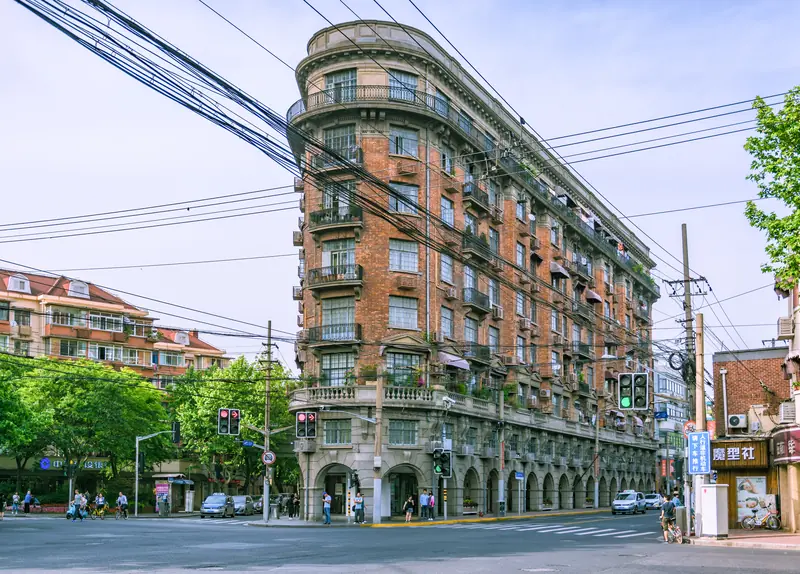
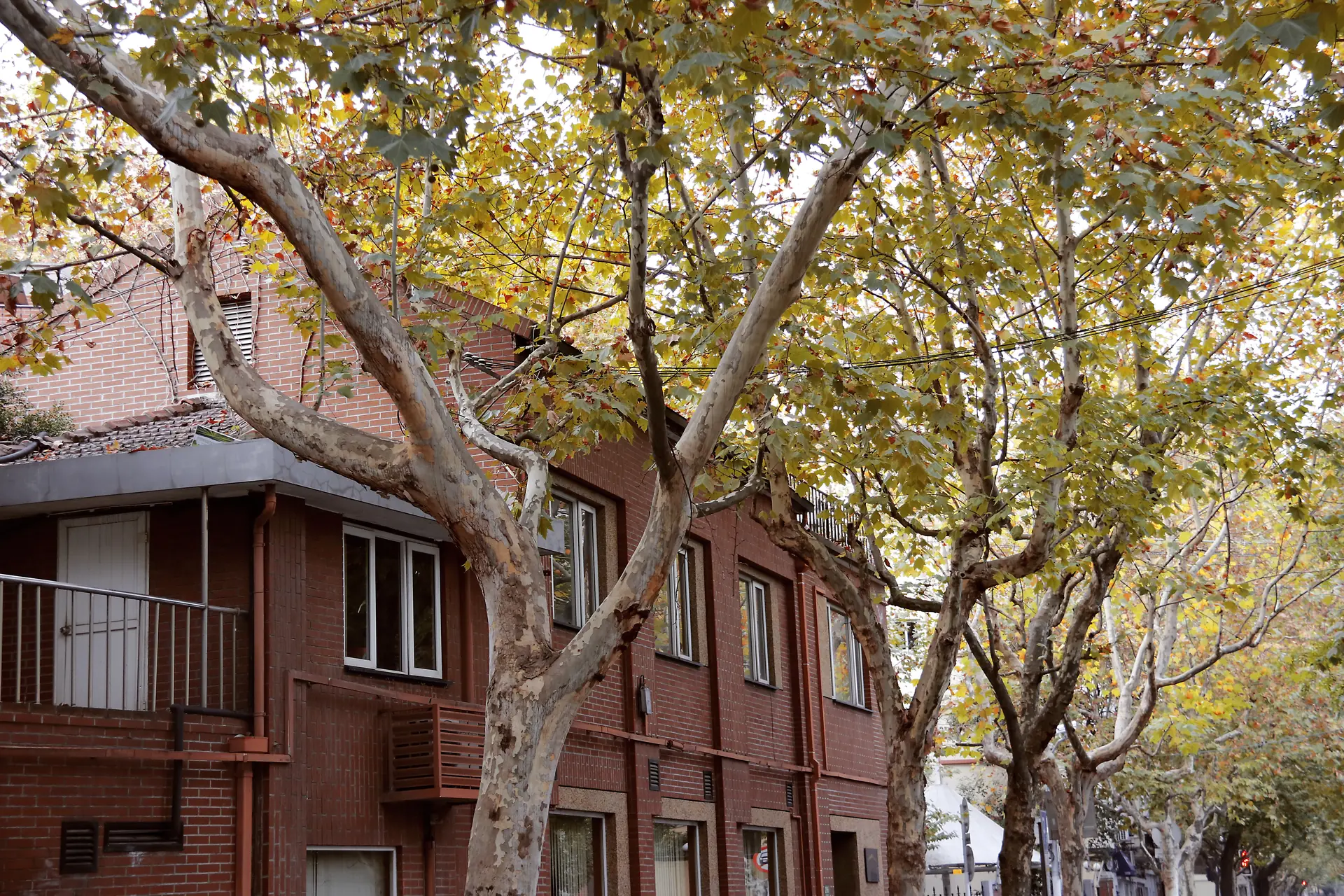
The former French Concession is Shanghai's slow layer: Wukang Mansion, Wukang Road, Anfu Road, Fenyang Road, Sinan Mansions, Fuxing Park, cafes, boutiques, and stone-gate lane houses. Prioritize it when you need a human-scale day after the skyline. Use our French Concession walking route to avoid wandering too vaguely.

Shanghai Museum East is one of the easiest places to build context for bronzes, ceramics, sculpture, calligraphy, painting, and Jiangnan culture. It is a smart rain, heat, or jet-lag anchor. The official visitor guide lists nearly 120,000 square meters and 13 permanent galleries.

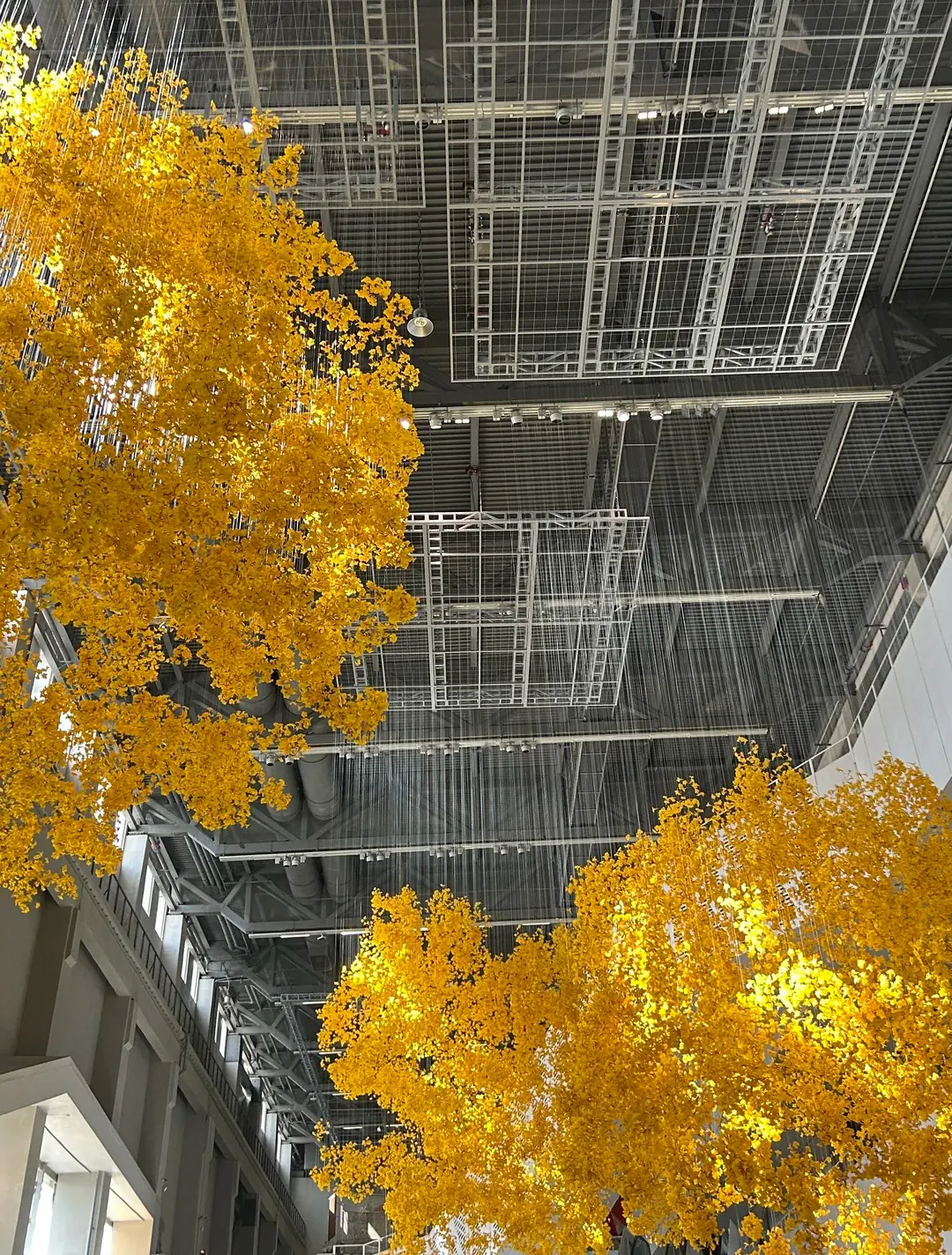
Power Station of Art and the West Bund art corridor give Shanghai a modern cultural layer beyond skyscrapers. Choose PSA for a dramatic converted power-plant setting, or West Bund for a more spacious museum-and-riverfront day. Check current exhibitions before you go; the value depends heavily on what is showing.
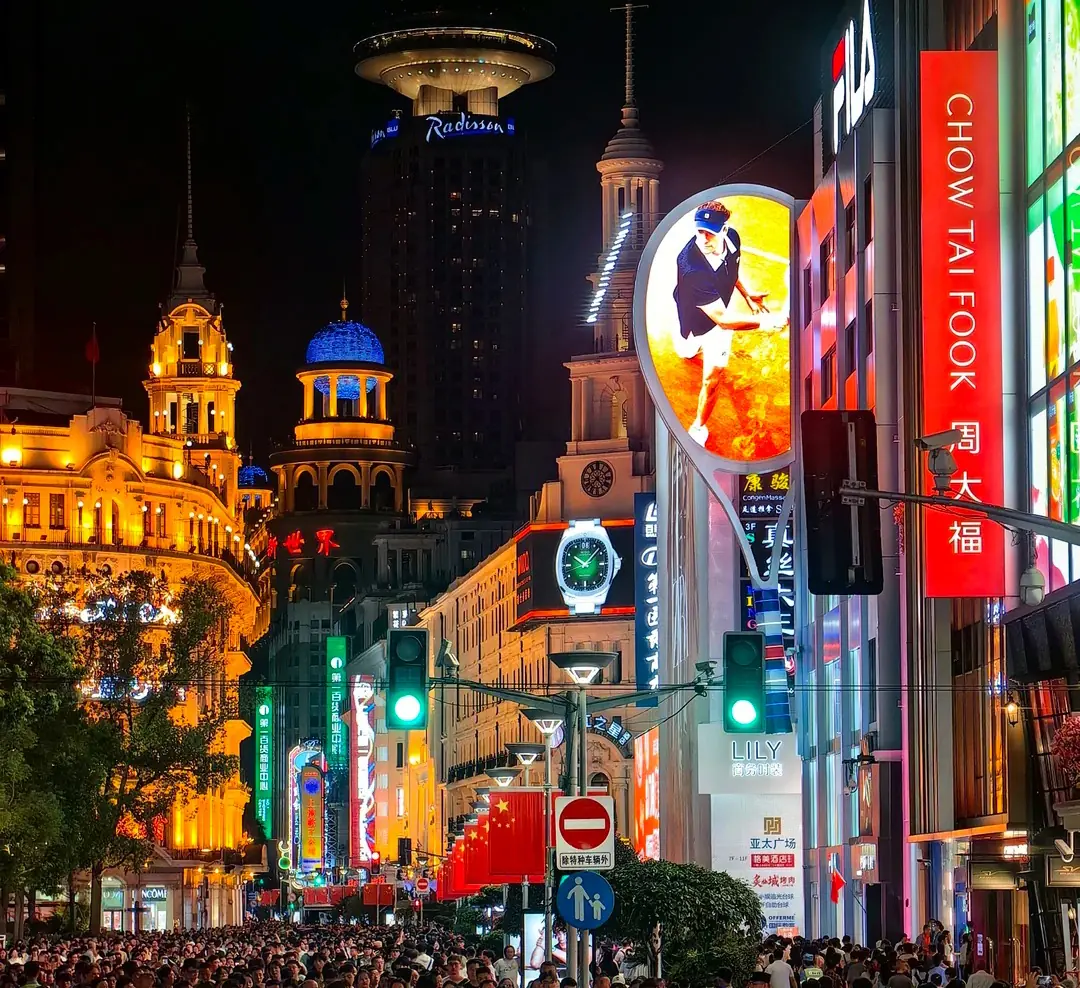
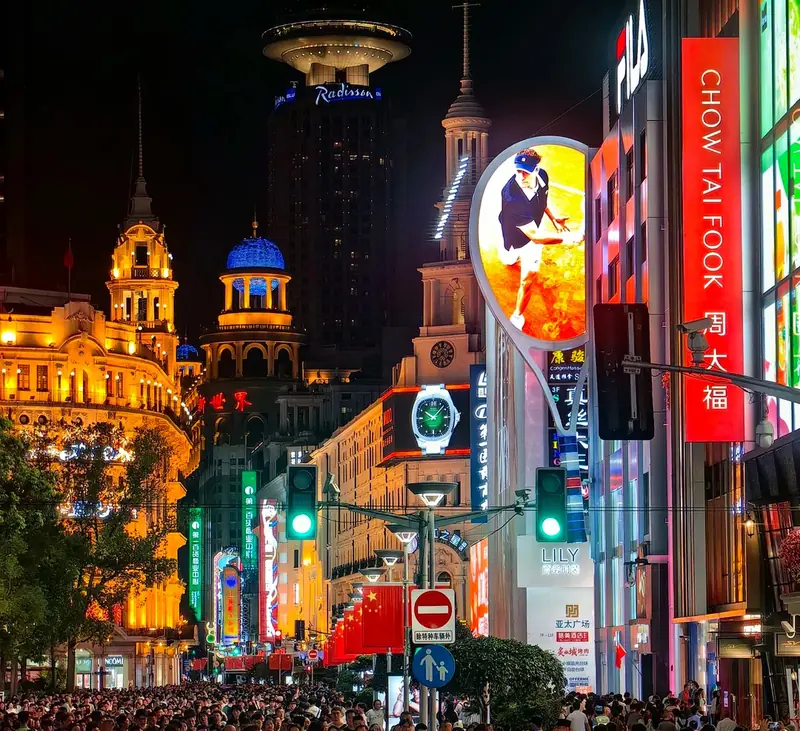
Nanjing East Road is not Shanghai's most subtle street, but it is useful: department stores, food shops, neon signs, crowds, and a direct walk toward The Bund. Use it as a connecting experience, not your entire shopping plan.

Shanghai is a friendly first food city because many classics are not spicy: soup dumplings, pan-fried buns, red-braised dishes, scallion oil noodles, fried pork cutlets with rice cakes, and autumn hairy crab. Use our Shanghai food guide when meals become the main point of the trip.

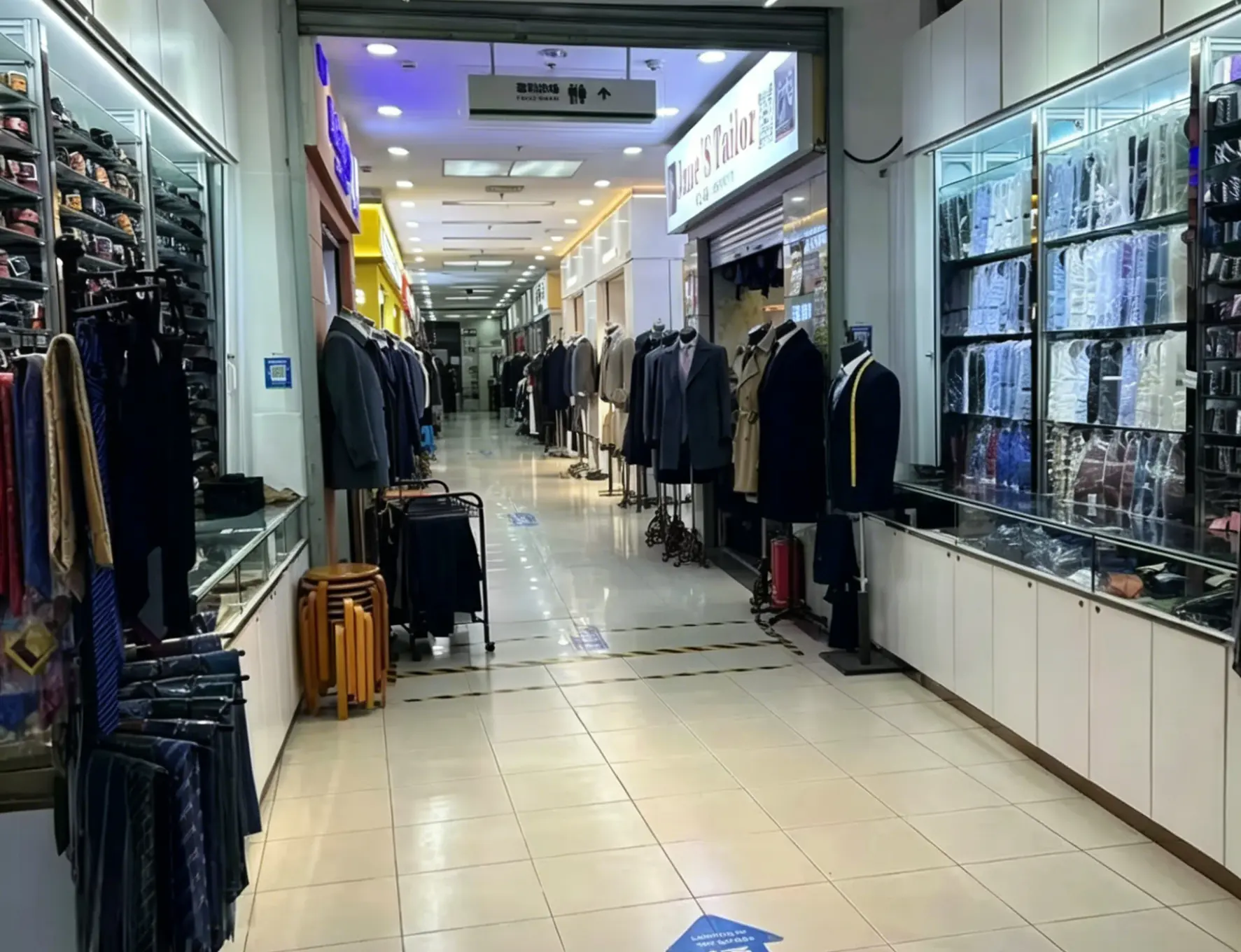
Shanghai shopping works best when you know the mission. South Bund Fabric Market is for tailoring, AP Plaza is for bargain browsing, Zhang Yuan and Xintiandi are for polished retail and restored architecture, and West Nanjing Road is for malls. Do not try to combine every shopping zone in one day.
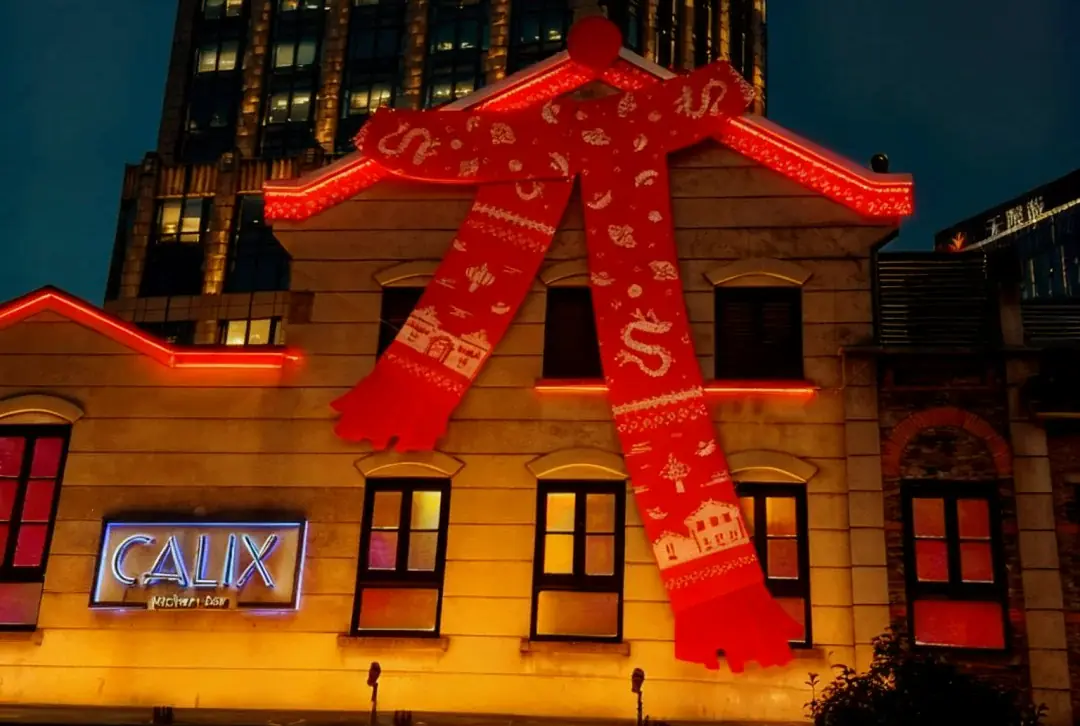
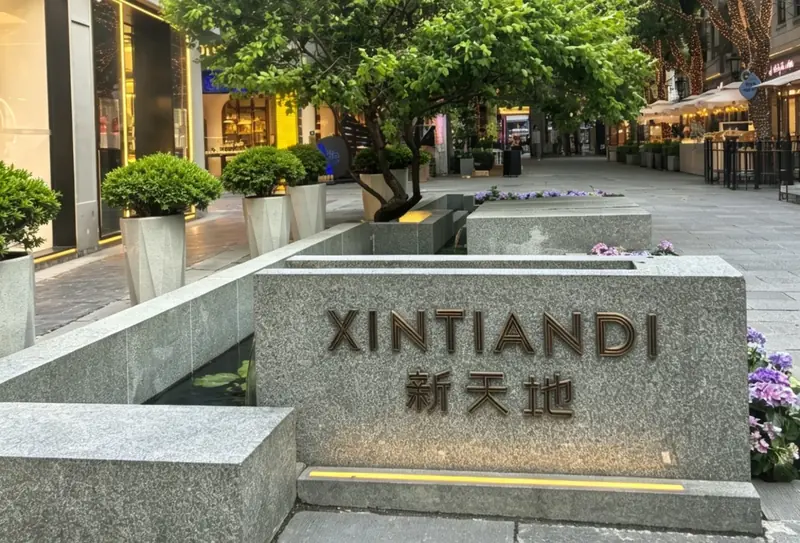
Xintiandi is polished and commercial, but it helps visitors understand shikumen architecture and Shanghai's restored-lane-house aesthetic. Pair it with the nearby CPC First Congress site or a French Concession walk if you want the area to feel less like a dining district.
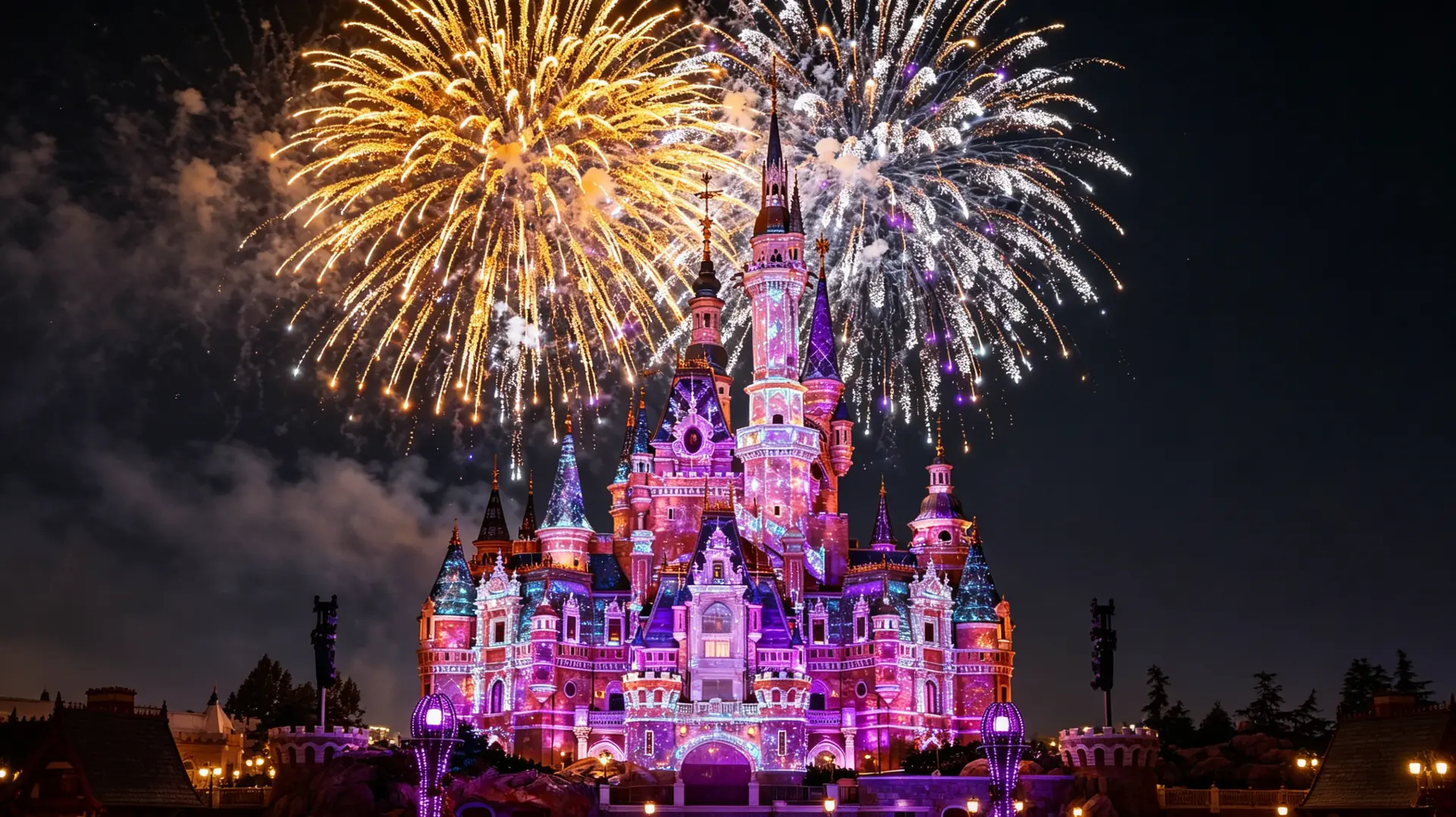
Shanghai Disneyland is not a quick stop after Yu Garden and The Bund. It is a full-day choice for families, Disney fans, and travelers who want a softer English-friendly day in China. Use our Shanghai Disneyland guide if the park is a real priority.

Zhujiajiao is the easiest water-town add-on within Shanghai's administrative area: canals, stone bridges, old streets, boats, Kezhi Garden, Yuanjin Temple, and the Qing Dynasty Post Office. It is useful if you are not also visiting Suzhou, Wuzhen, or another Jiangnan water town. Use our Zhujiajiao guide before committing the day.

Shanghai is strong for visual performance, especially acrobatics at Shanghai Circus World. It is a good evening choice when your group wants entertainment without needing Chinese. Use our Beijing and Shanghai acrobatic shows guide to choose the right venue and style.
Choose the Shanghai Trip You Are Building
Do not choose Shanghai experiences only by fame. Choose them by the version of Shanghai you want your first trip to reveal.
The Classic First Trip
Best for: first-time China visitors who may not return soon.
Prioritize Yu Garden, The Bund, the Huangpu ferry, Lujiazui at night, one French Concession walk, and one Shanghai meal. This is the strongest two-day version.
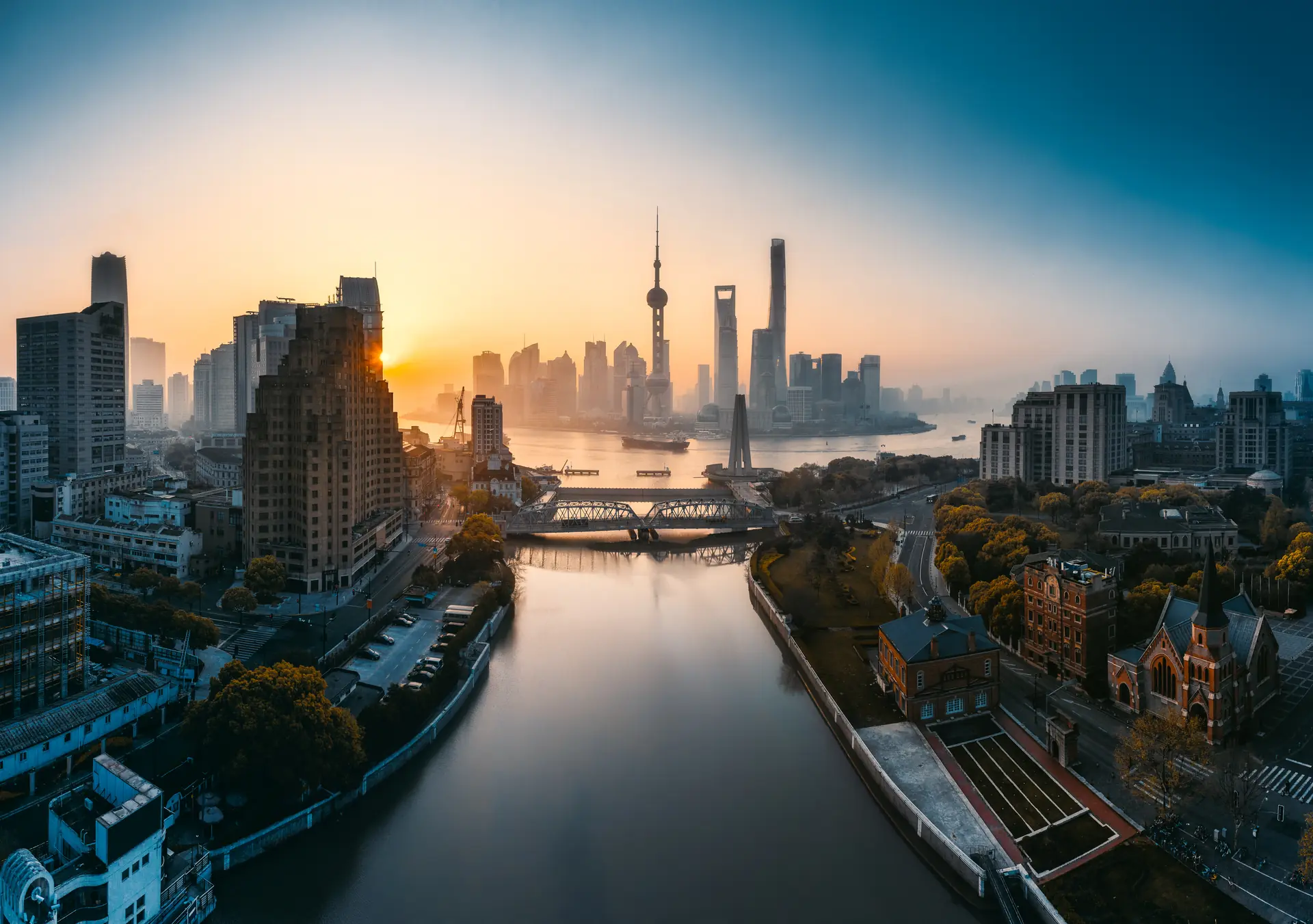
The Visual Trip
Best for: photographers, couples, and skyline chasers.
Build around The Bund at dusk, Waibaidu Bridge, Lujiazui blue hour, Yu Garden lanterns, Wukang Mansion, and one rooftop or observation-deck moment if weather is clear.
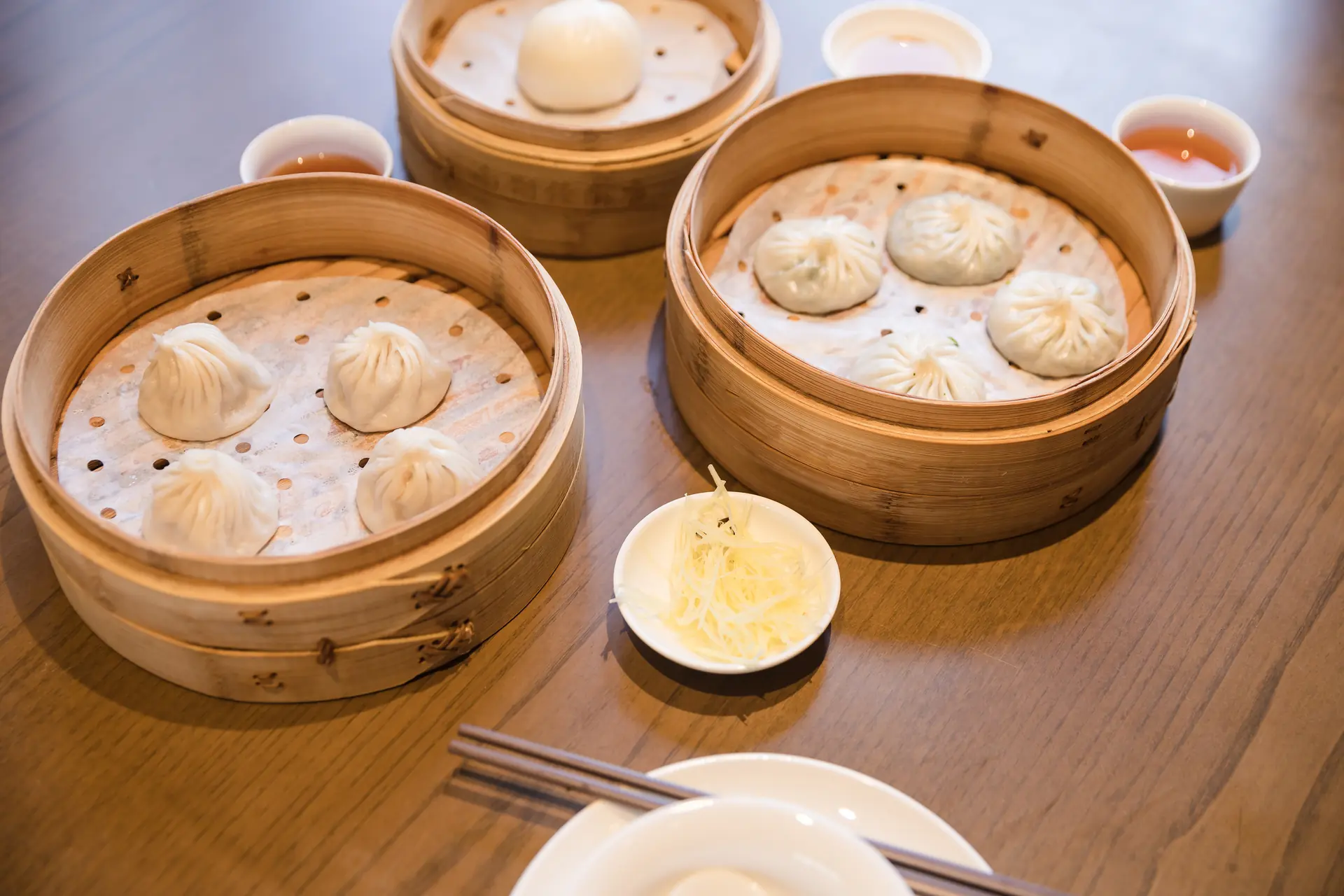
The Food-First Trip
Best for: travelers who judge a city by meals.
Anchor the day with soup dumplings or pan-fried buns, a Shanghai local dinner, a neighborhood snack walk, and enough time between meals to actually enjoy them.
The Family-Friendly Trip
Best for: children, grandparents, and lower-stress logistics.
Use Yu Garden early, Lujiazui malls for rest, Shanghai Museum East or Natural History Museum for weather backup, and Disneyland only as a dedicated full day.
The Culture and Art Trip
Best for: museum lovers and repeat China travelers.
Pair Shanghai Museum East with PSA, West Bund, M50, or a shikumen history stop. This version works better when you resist filling every gap with another mall.
The Easy Base Trip
Best for: travelers using Shanghai as an East China entry point.
Keep two central Shanghai days, then choose Suzhou, Hangzhou, Nanjing, or a water town as the side-trip layer instead of stretching Shanghai itself too thin.
Shanghai Areas That Shape Your Route
Before you build each day, understand Shanghai's main clusters. The city is easier than it looks if you stop pairing sights only by fame and start pairing them by geography.
Old City
Includes: Yu Garden, City God Temple, Laoximen, Wenmiao, and Penglai Road.
Use this for: traditional texture, snacks, old-town lanes, lanterns, and the start of a classic first day.
Bund and People's Square
Includes: The Bund, Bund Source, Nanjing East Road, People's Square, and Shanghai Museum People's Square.
Use this for: architecture, skyline approaches, shopping street energy, and easy central walking.
Lujiazui and Pudong
Includes: Oriental Pearl Tower, Shanghai Tower, Super Brand Mall, Shanghai Museum East, and the riverfront.
Use this for: night views, observation decks, family breaks, and a strong contrast after The Bund.
Former French Concession
Includes: Wukang Road, Anfu Road, Fenyang Road, Sinan Mansions, Fuxing Park, Tianzifang, and Xintiandi.
Use this for: lane walks, cafes, old apartments, boutiques, and a slower second day.
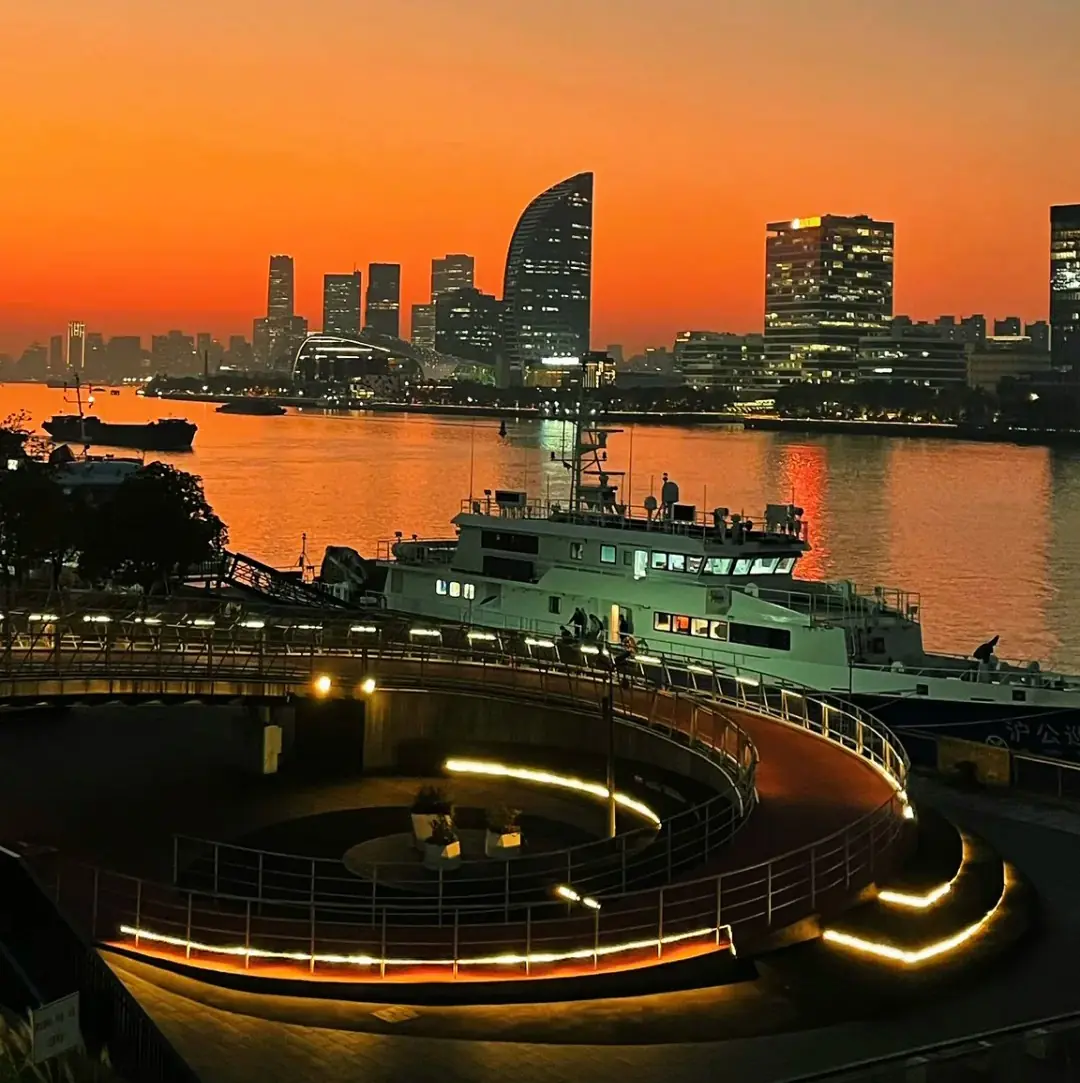
West Bund and Art Zones
Includes: PSA, Long Museum, Tank Shanghai, West Bund riverside, M50, and changing exhibitions.
Use this for: modern art, industrial spaces, rainy days, and travelers who want Shanghai beyond the skyline.
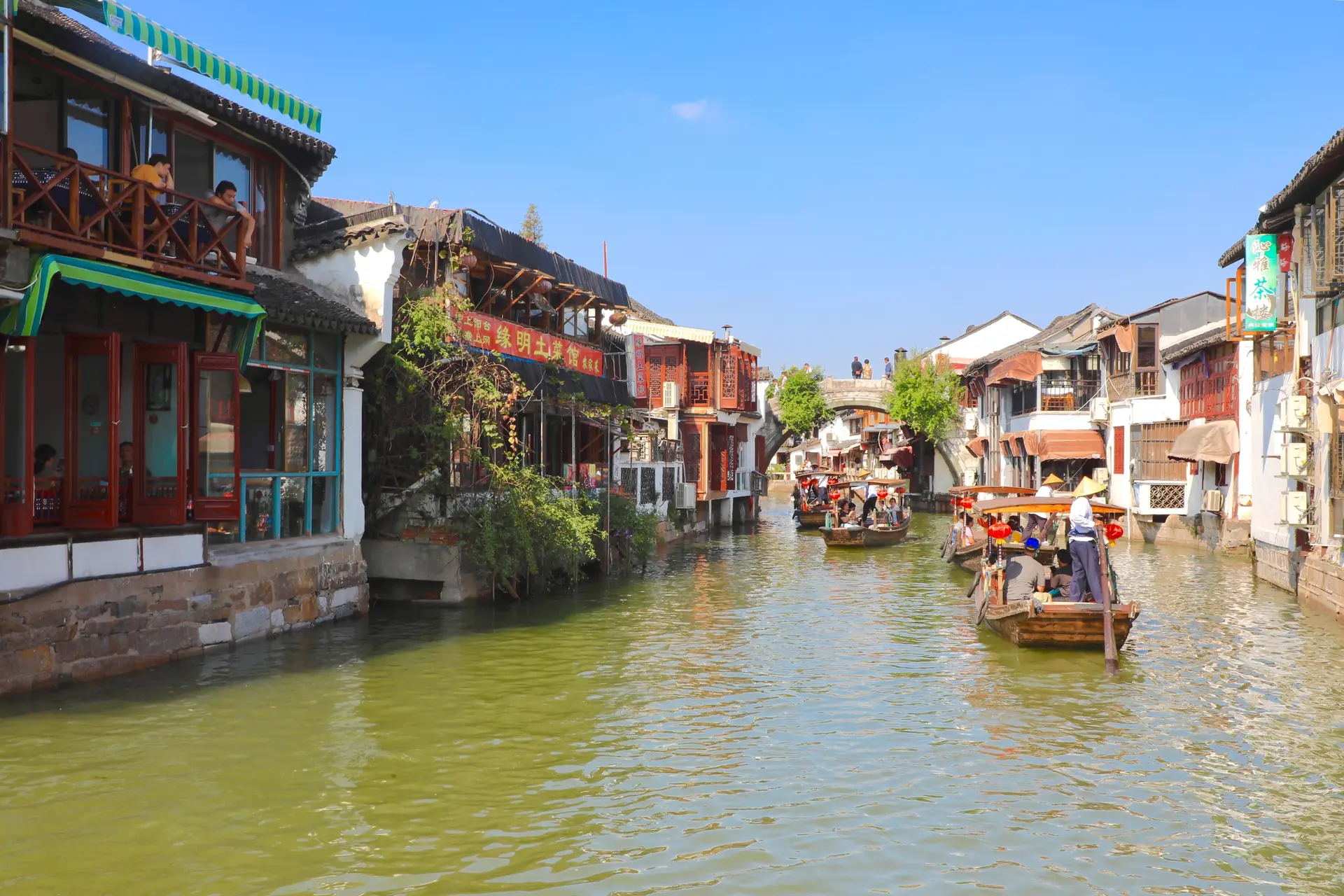
Outer Shanghai
Includes: Disneyland, Zhujiajiao, Lingang, Shanghai Astronomy Museum, and far-suburb add-ons.
Use this for: full-day choices. Do not treat these as quick fillers after central sightseeing.
How to Pace Your Shanghai Days
Shanghai itineraries fail when every easy add-on looks harmless. The opening cards help you choose trip length; this section helps you give each day one clear job so the plan does not blur.
Classic Contrast Day
Use for: Yu Garden, Nanjing East Road, The Bund, ferry or metro, and Lujiazui.
This is your strongest first-day arc. Protect the shape; do not add Disneyland, Zhujiajiao, or a distant art district.
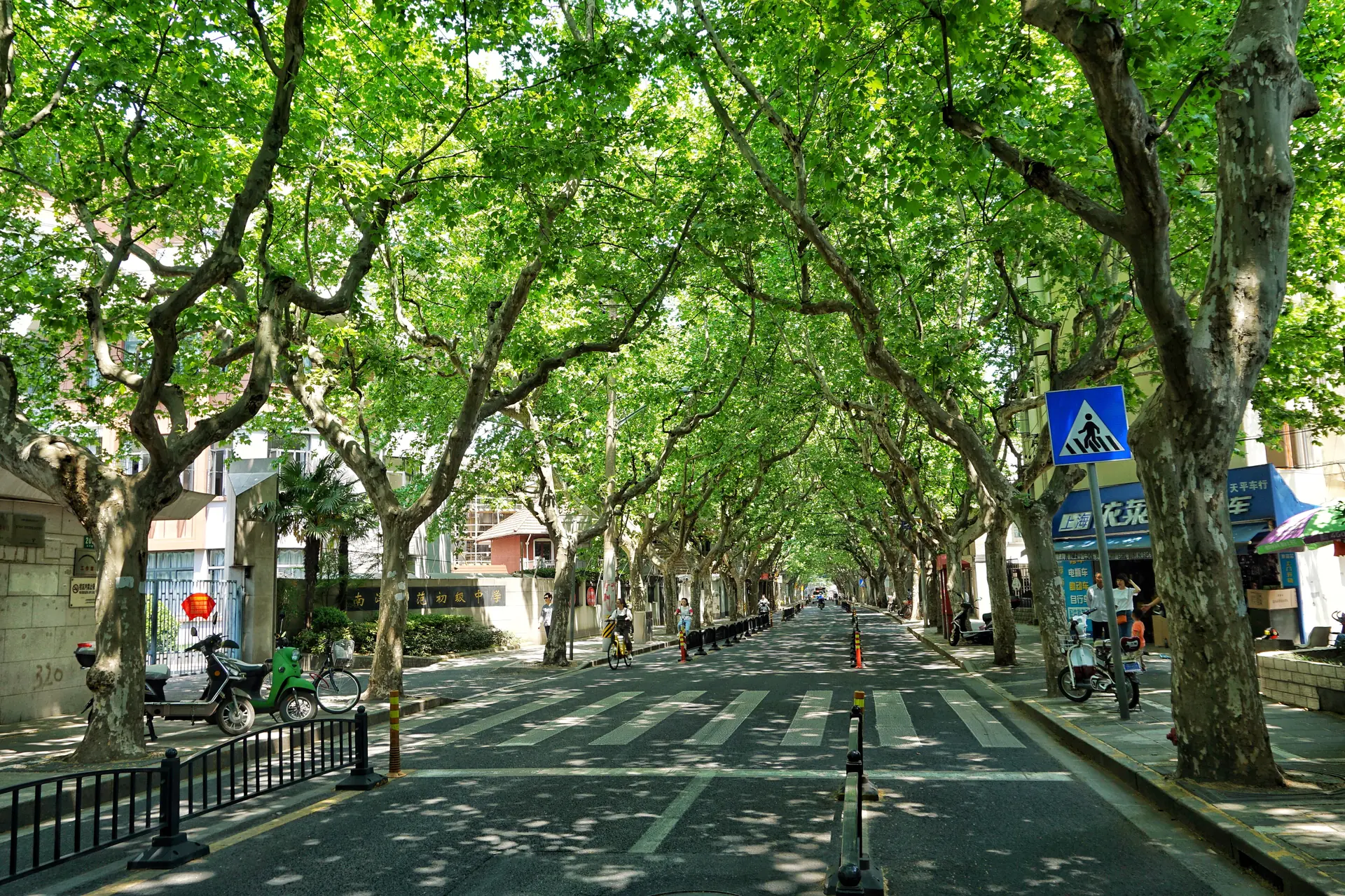
Neighborhood Culture Day
Use for: former French Concession walks, Shanghai Museum East, PSA, M50, food streets, and cafes.
These days work best with fewer timed entries and more room to wander, eat, rest, and change plan if rain or heat hits.
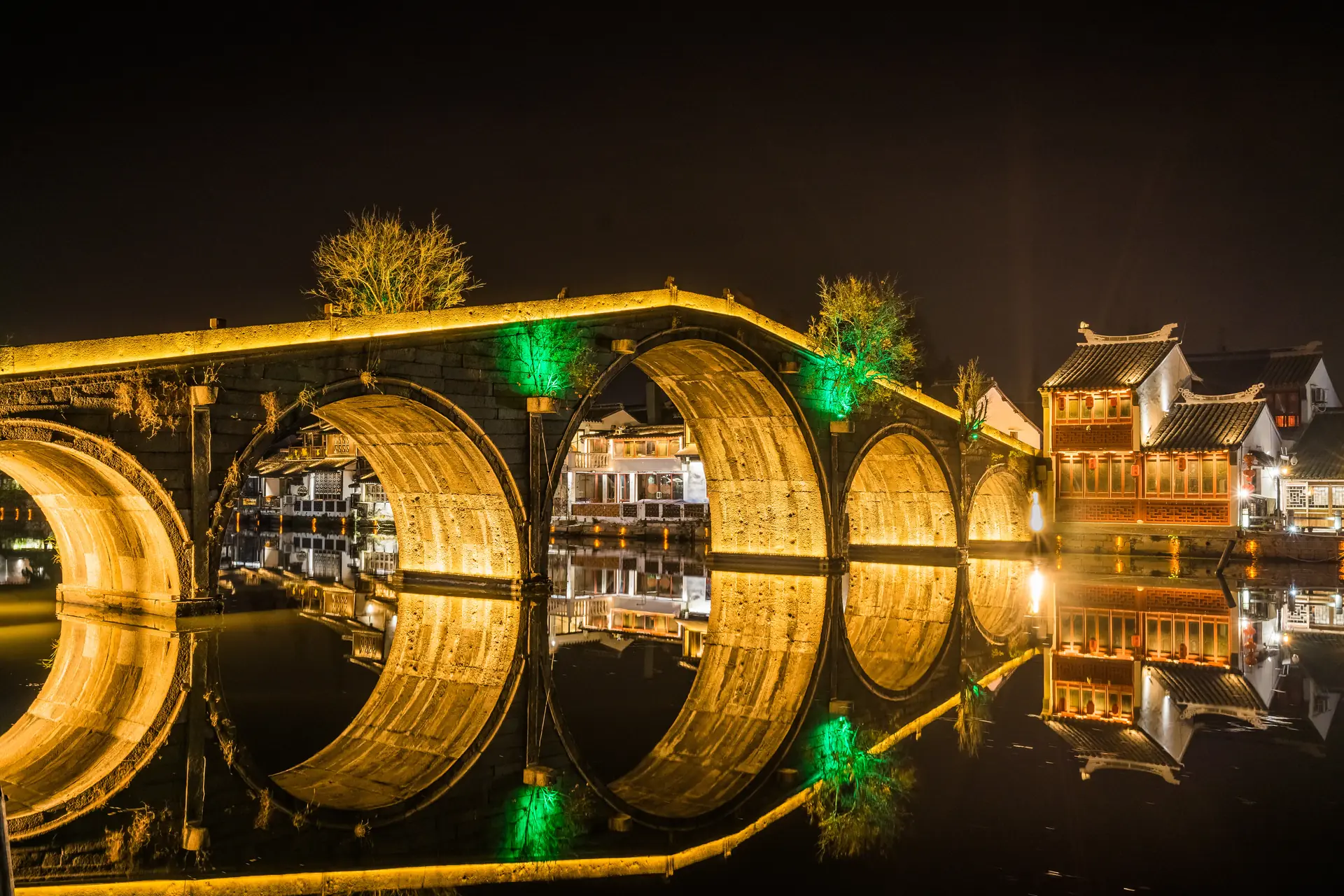
Full-Day Add-On Day
Use for: Disneyland, Zhujiajiao, Suzhou, Hangzhou, or serious shopping.
Treat these as real day shapes, not extra names. If one is important, give it space and simplify the evening.
Most first trips need one classic contrast day first. Add a neighborhood or culture day if you have a second day, then choose only one full-day add-on when your time or group interests genuinely support it.
Common Shanghai First-Trip Mistakes to Avoid
- Do not put Disneyland on the same day as Yu Garden, The Bund, and Lujiazui.
- Do not pay for a high observation deck when low cloud, heavy haze, or rain blocks the view.
- Do not treat Nanjing East Road as your full shopping strategy.
- Do not queue for every viral cafe in the former French Concession.
- Do not add Zhujiajiao if your route already includes Suzhou, Wuzhen, Zhouzhuang, or another water town.
- Do not use old exhibition listings without checking the venue's current official channel.
Save These for a Second Shanghai Trip
A strong first Shanghai trip needs editing. These places can be excellent, but they are not always first-trip essentials.
Every Observation Deck
Save for later unless: clear views are the point.
One tower or zero towers is enough for most first-timers. The Bund and Lujiazui ground-level views already deliver the skyline contrast.
Zhujiajiao by Default
Save for later unless: this is your only water-town chance.
If your wider China route includes Suzhou, Wuzhen, or another Jiangnan water town, use that time for a Shanghai-specific layer instead.
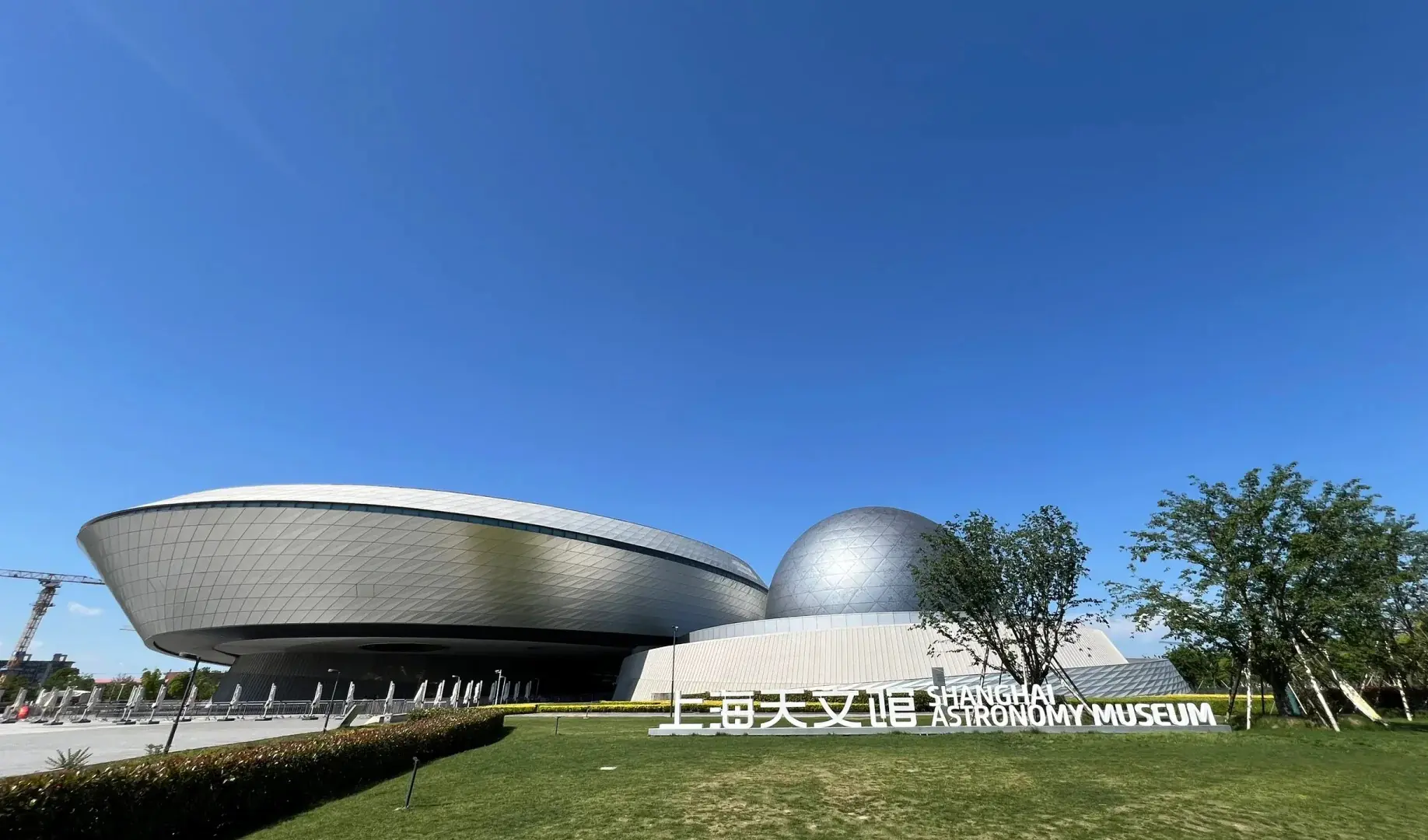
Lingang and Far-Suburb Museums
Save for later unless: the museum itself is a priority.
Shanghai Astronomy Museum is excellent for the right traveler, but Lingang is far from the central sightseeing cluster.
All Shopping Markets
Save for later unless: shopping is the reason for the day.
South Bund Fabric Market, AP Plaza, Zhang Yuan, Xintiandi, and West Nanjing Road solve different needs. Pick one theme.
Too Many Art Stops
Save for later unless: exhibitions are the trip's focus.
PSA, West Bund, M50, Long Museum, and Tank Shanghai are not interchangeable, but short trips do not need all of them.
Theme Parks Without Buy-In
Save for later unless: your group genuinely wants the park.
Disneyland can be wonderful, but it competes directly with one full Shanghai city day. Do not add it out of obligation.
Where to Stay for These Sights
Shanghai hotel choice is less about being "central" and more about which side of the river, which metro lines, and what evening mood you want outside the door.

For the Easiest First Trip
Best base: People's Square, Nanjing East Road, or The Bund edge.
Choose this zone if your priority is the classic Yu Garden-Bund-Lujiazui route, easy metro access, and simple taxi pickups. It is efficient, but the busiest streets can feel tourist-heavy.
For Neighborhood Atmosphere
Best base: Jing'an, Former French Concession, or Xuhui.
Choose this zone for cafes, plane-tree streets, small restaurants, boutiques, and a softer evening base. The trade-off is slightly longer rides to Yu Garden and Pudong.
For Skyline and Business Comfort
Best base: Lujiazui or Pudong riverside.
Choose this zone for modern hotels, tower views, malls, and easy Pudong-side sightseeing. The trade-off is less old-city texture outside the hotel.

For Families and Lower Friction
Best base: People's Square, Jing'an, or a metro-convenient family hotel.
Choose fewer transfers over a trendy address. Easy food, toilets, malls, metro access, and rest stops matter more than being beside one famous sight.
Swipe to compare Shanghai base areas
People's Square / Bund Edge
First-time efficiency
- ✓Best for classic sightseeing and simple metro access.
- —Choose carefully if you dislike busy tourist streets.
Jing'an / Xuhui
Cafes and neighborhood mood
- ✓Best for plane-tree streets, cafes, boutiques, and softer evenings.
- —Expect slightly longer rides to Yu Garden and Pudong.
Lujiazui / Pudong Riverside
Skyline comfort
- ✓Best for tower views, modern hotels, malls, and Pudong-side sightseeing.
- —Less old-city texture outside the hotel.
Metro-Convenient Family Base
Lower-friction logistics
- ✓Best for families who need easy food, toilets, malls, and rest stops.
- —Prioritize fewer transfers over the trendiest address.
For a deeper accommodation breakdown, use our Beijing and Shanghai hotel area guide.
Frequently Asked Questions
Two to three days is the most comfortable range. One day covers the classic central route, two days adds neighborhoods and museums, and three days lets you add Disneyland, Zhujiajiao, shopping, or a food-focused day.
Sources checked for this guide
- Permanent gallery concentration at Pudong East versus People's Square exhibition rules: Shanghai Museum Pudong East visitor guide
- Dated admission and original passport turnstile verification: Shanghai Disney Resort travel document rules
- 21-line Shanghai Metro network coverage across Puxi and Pudong: Shanghai Municipal Government — Metro update
- Humid subtropical climate and June–July plum-rain season context: China Weather — Shanghai climate profile
Beyond This Guide
Once you know which version of Shanghai you want, go deeper on the pieces that will shape your trip most. Start with the Shanghai destination hub, Shanghai one-day itinerary, Bund architecture walk, Yu Garden guide, French Concession walk, Shanghai food guide, and Zhujiajiao water town guide.
- Power Station of Art Shanghai Guide — visit China's flagship public contemporary art museum inside a converted riverside power plant
- Shanghai Museum Guide (Both Branches) — compare Pudong East's free permanent galleries with People's Square exhibitions
- Shanghai Astronomy Museum Guide — advance-ticket strategy and dome-theater picks at the world's largest planetarium
- Shanghai Propaganda Poster Art Centre Guide — find the 7/F East Building gallery and pair it with a French Concession walk
- AP Plaza Shanghai Guide — Line 2 underground market for bargaining, souvenirs, and prescription glasses
- Shanghai Teahouses Guide — slow down between sights at garden pavilions, historic villas, and modern tea lounges
© gochinafreely.com — Original guide by Go China Freely.