Hours & Base Ticket
Essential Rules
Laoximen: Old Shanghai Before the Skyline
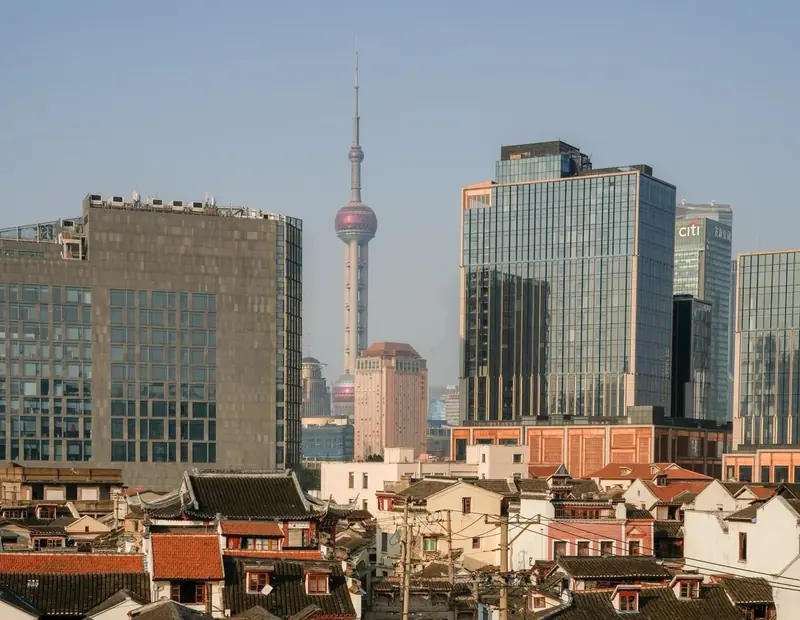
If you only see the Bund, Lujiazui, Wukang Road, and Xintiandi, Shanghai can feel very well dressed. Laoximen (老西门) is different: an old-city neighborhood where Confucian temple memory, sealed lane houses, relocation notices, construction hoardings, and stubborn street texture sit within a short walk of the skyline.
This guide gives you a 2-3 hour route through the gritty, changing side of Old Shanghai, with one rule up front: document the streets with care, not as urban poverty theater.
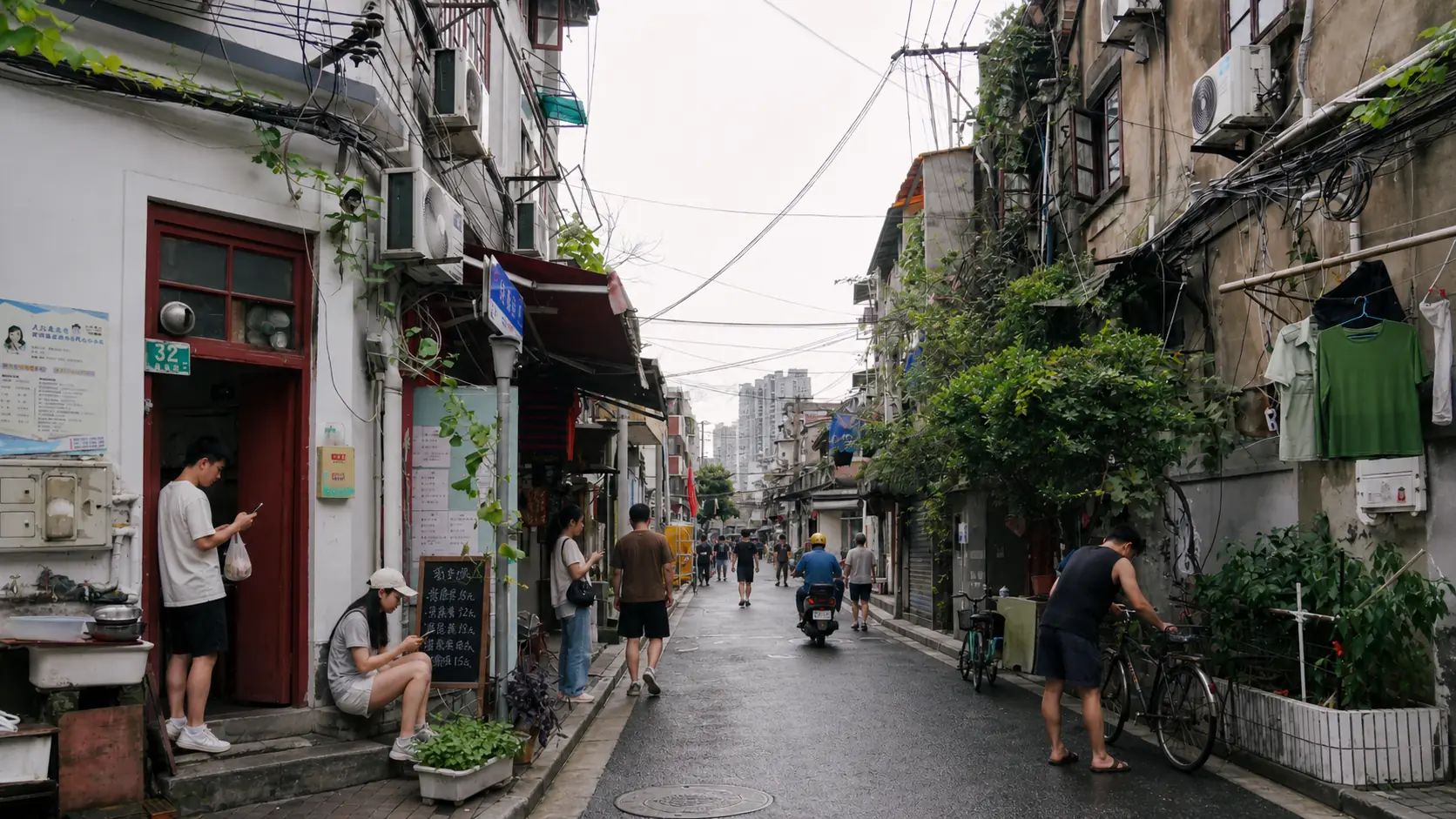
Read the old-city shape before the details. Laoximen means Old West Gate. The name points back to Shanghai's walled Chinese city, not the treaty-port waterfront most visitors picture first.
The Laochengxiang Historical and Cultural Block (老城厢历史文化风貌区), described by Shanghai's official English portal as the oldest residential area in Huangpu District, covers about 199.72 hectares inside the Renmin Road and Zhonghua Road ring.
The wall is mostly gone, but the ring roads still hint at its boundary. Inside, metro exits, old lanes, bricked-up doors, temple memory, relocated households, new projects, and modern towers press into the same view.
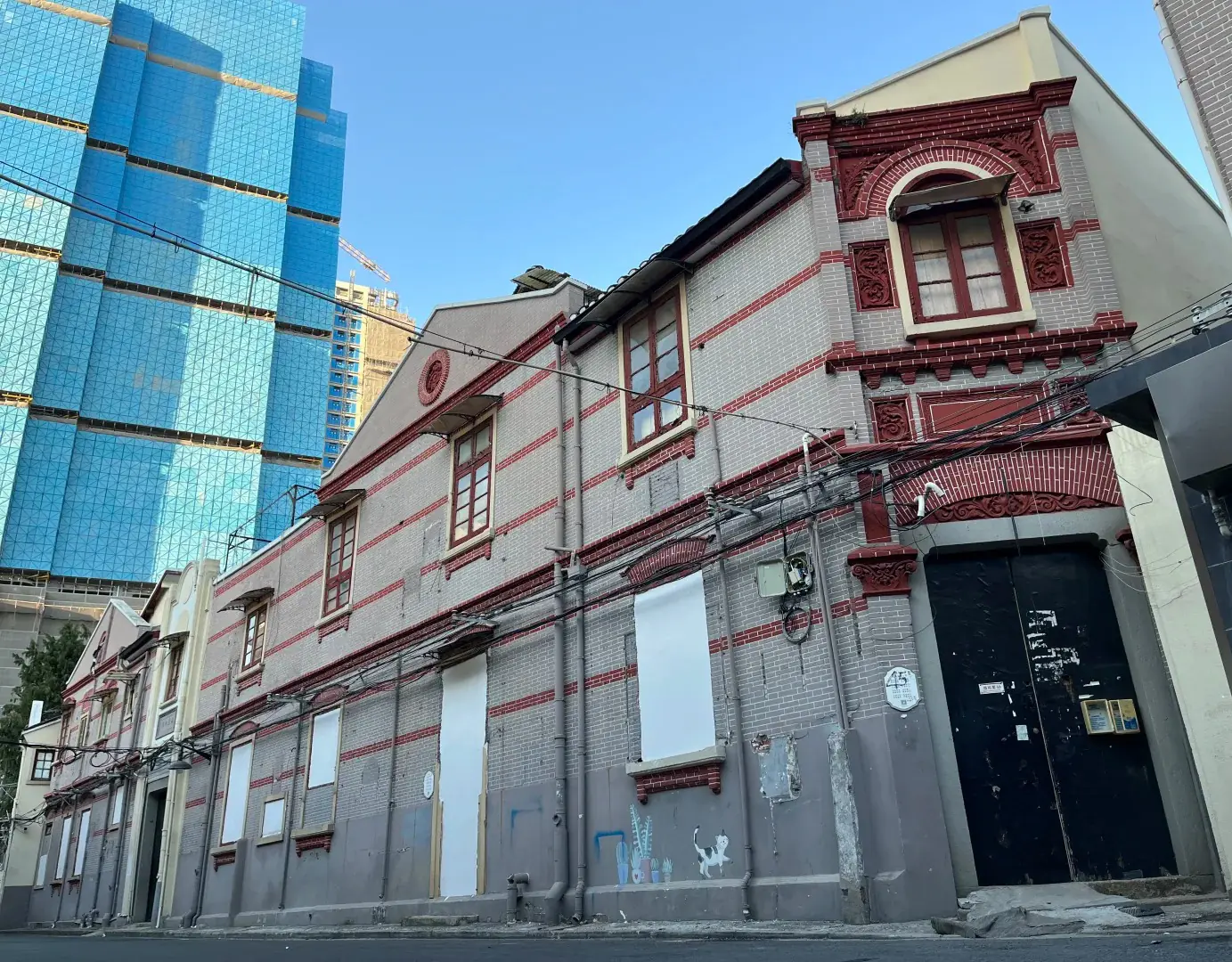
Keep expectations honest. Laoximen is not an untouched ancient quarter. Large parts have been relocated or redeveloped, and some lanes change faster than travel articles can keep up. It is also not romantic just because it is rough around the edges. Many old homes looked photogenic outside while offering difficult living conditions inside, including shared facilities and damp, crowded spaces. The best way to walk Laoximen is to read it as a city in transition.
1Old-City Boundary
Renmin Road and Zhonghua Road still help you understand the old walled-city footprint.
2Relocation Memory
Sealed doors, empty compounds, and photo projects point to recent urban renewal.
3Street Photography
The route rewards patient detail shots, not intrusive portraits or private interiors.
Laoximen to Xiaonanmen Old-City Walking Route
For a first walk, use this simple west-to-southeast line:
- Laoximen Station(老西门站)- Lines 8 and 10; start near the Old West Gate area
- Dajing Pavilion(大境阁)- Old city wall memory and a useful historical anchor
- Wenmiao Road(文庙路)- Confucian temple exterior and old book-market memory
- Penglai Road(蓬莱路)- Relocated lanes, photo-memory stories, and old-city texture
- Qiaojia Road(乔家路)- Short, dense street for shikumen and lane-house details
- Xiaonanmen Station(小南门站)- Line 9 finish; easy onward metro connection
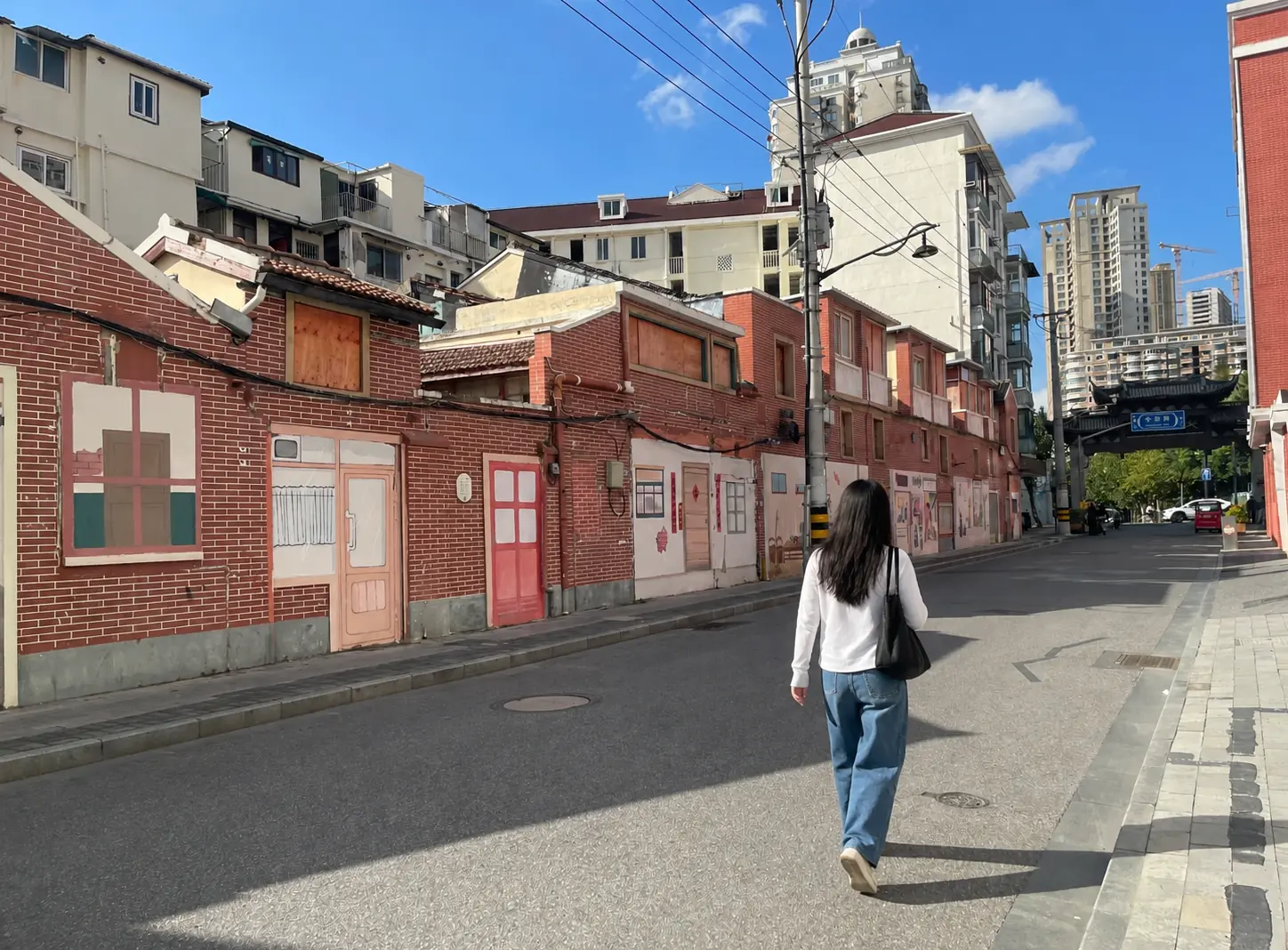
The full walk is roughly 2.5-3.5 km depending on detours and photo stops. The street route is free. Current official Wenmiao entry status could not be confirmed for this update, so verify directly before treating it as an optional paid or timed stop. The exterior streets still carry the route.
Best timing is daylight. Morning from about 9:00 to 11:30 gives quieter streets and cleaner detail photos. Late afternoon from about 15:30 to 18:00 gives stronger contrast between old walls, street lights, and high-rises. Avoid turning this into a night-time lane exploration; the main roads are fine, but sealed compounds, construction edges, and narrow side lanes are not where you want to improvise after dark.
Old West Gate and Dajing Pavilion
Start at Laoximen Station (老西门站) (Google | Amap). Before you head into smaller streets, pause around the Fuxing East Road and Zhonghua Road area and orient yourself. The point is to understand that Laoximen was once an edge, not a center: the old walled-city boundary met later traffic, commerce, and modern infrastructure here.
Dajing Pavilion (大境阁) (Google | Amap) makes a good first stop because it gives the walk a physical anchor. You are not looking at a complete city wall, but at a surviving, restored, and repurposed trace of the wall system. That is exactly the tone of this route: fragments rather than a clean museum display.
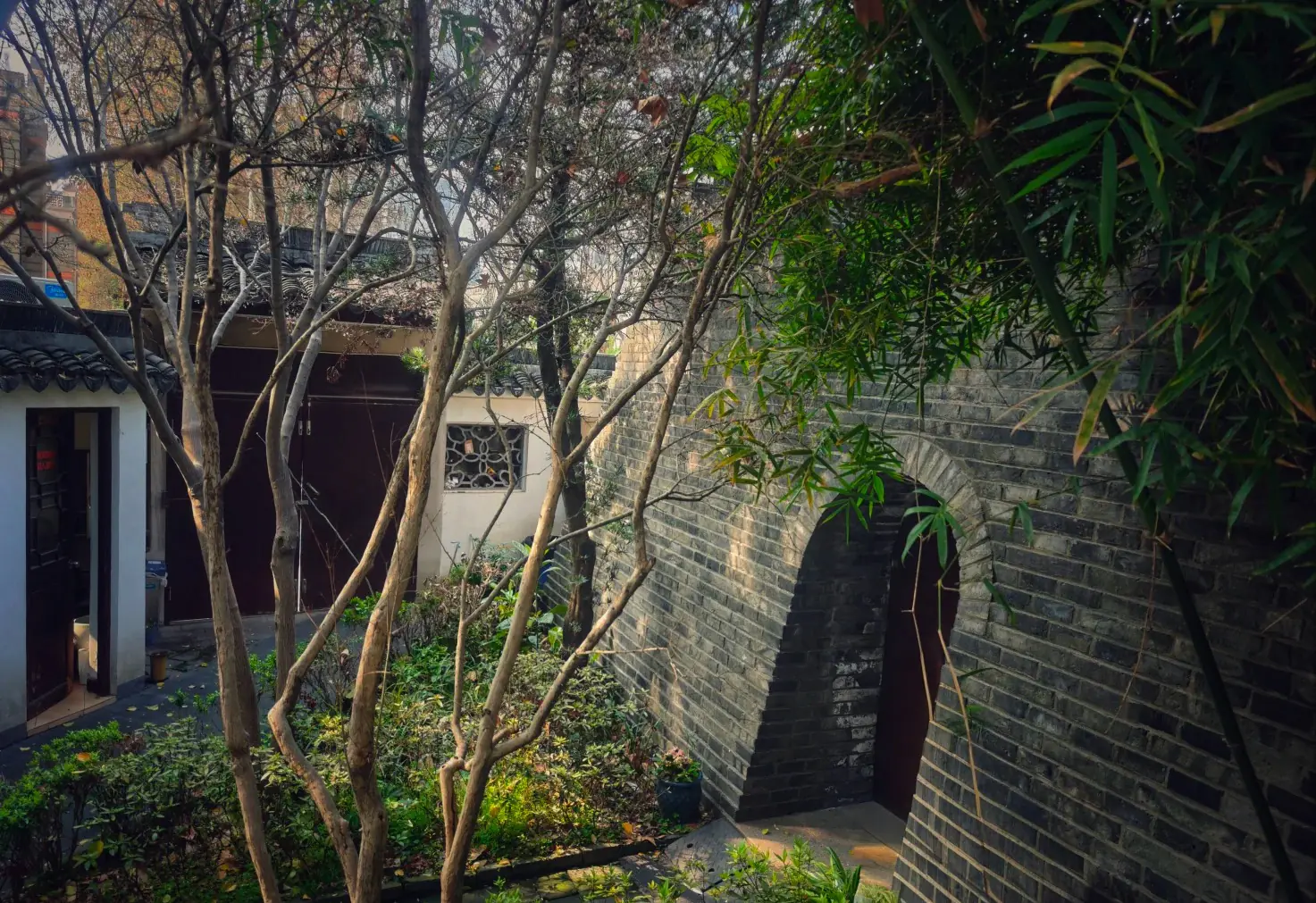
Spend only 15-20 minutes here unless you are especially interested in old Shanghai fortifications. The stronger experience begins when you use this boundary memory as context and then walk into the lanes around Wenmiao Road and Penglai Road.
Read the Ring Roads
Renmin Road and Zhonghua Road are not just traffic corridors. They help you sense the old city's outline, even when the wall itself has disappeared.
Wenmiao Road and Old Book-Market Memory
Shanghai Wenmiao (上海文庙) (Google | Amap) sits at 215 Wenmiao Road. Its history reaches back to Shanghai's early county-school tradition: sources trace the formal Confucian temple to 1294, while the current site was rebuilt in 1855 after the Small Sword Society upheaval damaged the earlier temple. In local memory, Wenmiao also meant weekend secondhand books, stationery, comics, snacks, and small shops around the temple area.
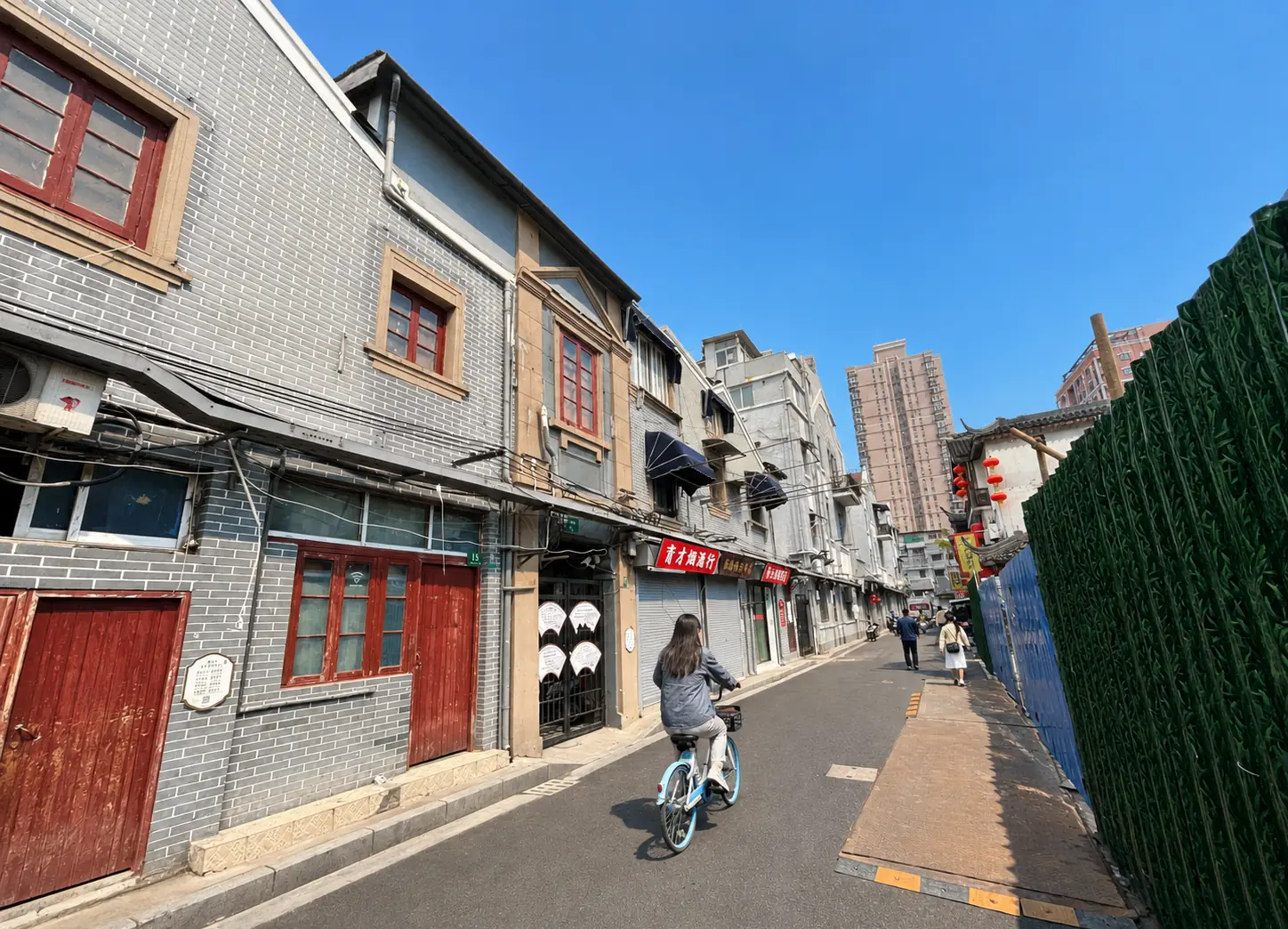
The better way to read Wenmiao Road is as cultural memory under repair. The temple, book market, school history, lane houses, and renewal projects all sit in the same small area. For foreign visitors, this is often the moment Laoximen stops being just old buildings and starts feeling like a neighborhood whose memories have been rearranged, not simply preserved.
Verify Wenmiao Access Before You Go
Earlier official and state-media reports described a renovation target, but this update did not find a current official notice confirming visitor access, hours, tickets, or reservations. Check the latest Huangpu or venue channel before you build your day around entering. This walk still works if you stay outside.
Penglai Road and Relocated Lane Memory
Penglai Road (蓬莱路) (Google | Amap) is the most important documentary stretch of this walk. It is an east-west road in the Old City, built in 1906 and named after the former Penglai Daoist temple. The surviving road is about 773 meters long, which is short enough to walk slowly and long enough to show several layers of old-city change.
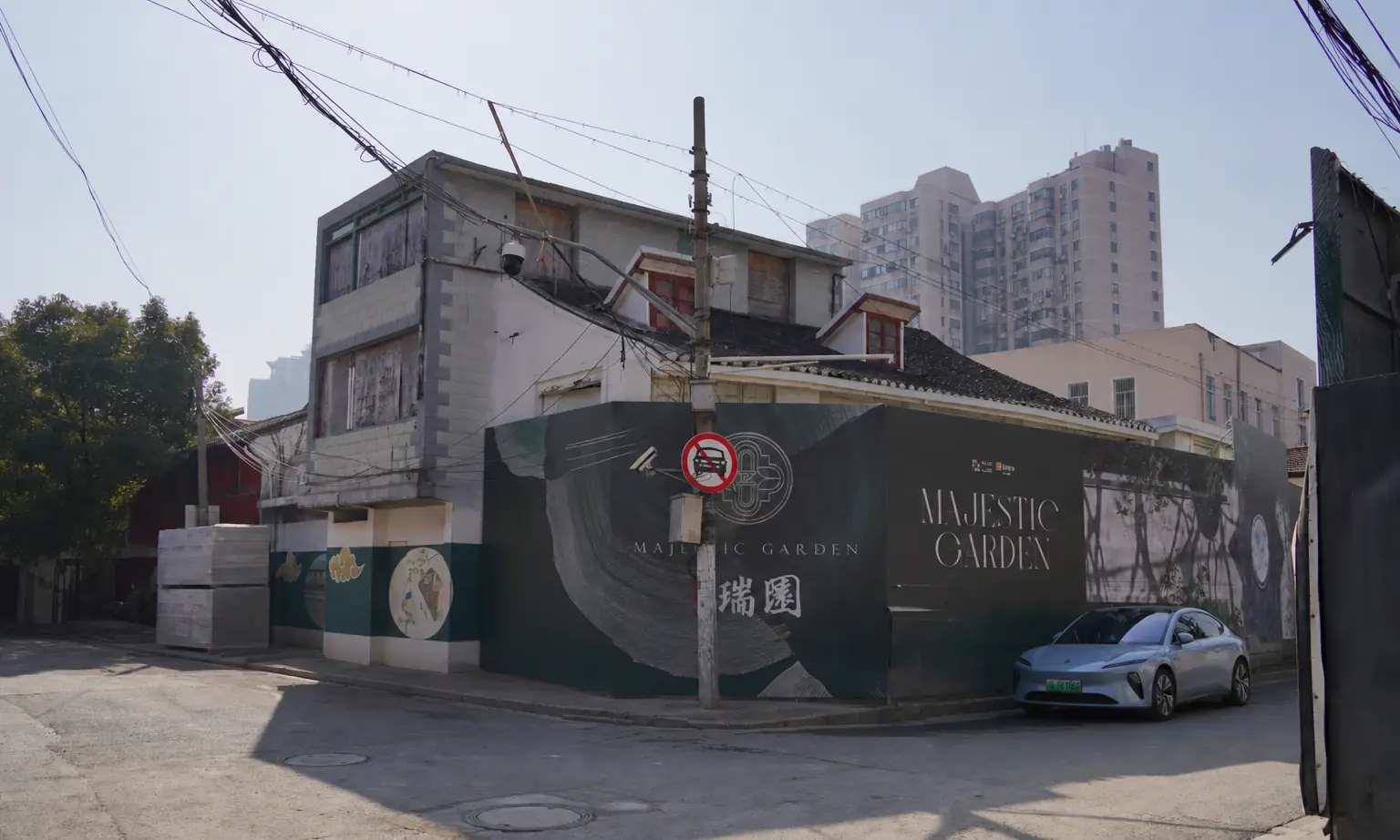
In 2023, a Laoximen citywalk photo exhibition used 388 Penglai Road and surrounding streets as an outdoor memory wall, displaying 129 images connected to the neighborhood and its residents. The exhibition itself was temporary, but it gives the right lens for this article: Laoximen is not only a place outsiders come to photograph. Local photographers, former residents, and the subdistrict have also used photography to hold onto memory as relocation and redevelopment reshape the area.
Look for public, readable details: door-sized photo panels if any remain, sealed windows, old shopfront traces, posted notices, wall textures, and places where a lane suddenly gives way to a cleared plot or a new structure.
Stay on Public Streets
Do not force entry into empty-looking spaces. A bricked-up doorway is a subject; the interior behind it is not yours.
Qiaojia Road: Old-City Texture Reading Lesson
Qiaojia Road (乔家路) (Google | Amap) is short but dense. It runs from Zhonghua Road to Ninghe Road and is about 539 meters long. Historical notes describe it as the former Qiaojia Creek, which was filled and turned into a road in 1917.
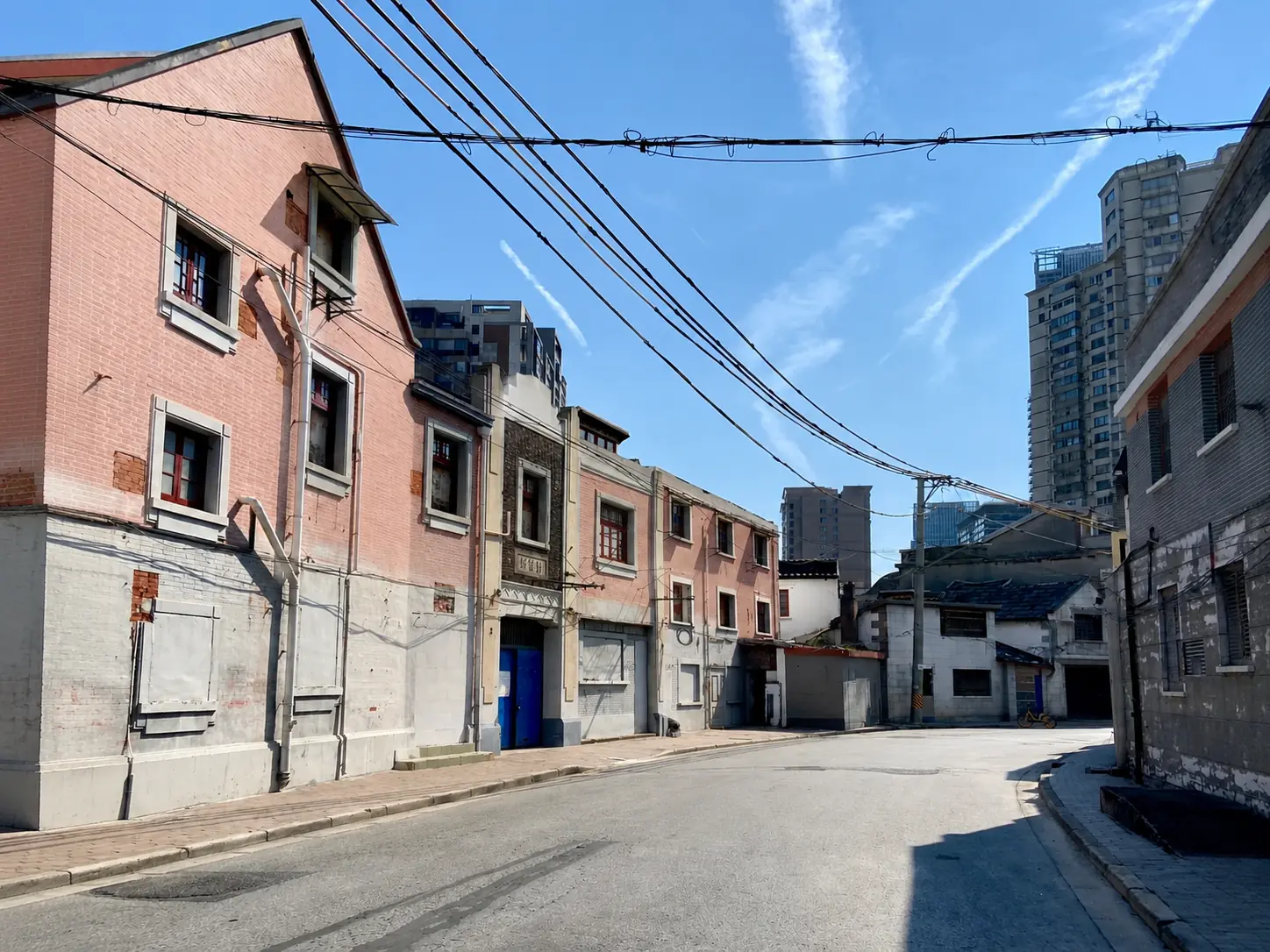
This is where you should slow down and read details rather than hunt for a single landmark. Watch the narrow road width, corner geometry, patched walls, old doors, window grilles, lane mouths, parked scooters, laundry, and the way newer buildings press against older street lines. Laoximen is not a grand facade walk. Its value is cumulative.
Use Qiaojia Road to teach yourself four things:
1Street Width
Old-city lanes were not designed for today's traffic, parking, and delivery pressure.
2Sealed Openings
Bricks, boards, metal doors, and hoardings tell you which spaces have been relocated or are waiting for work.
3Shikumen Scale
Many buildings are part of lane-house systems, not isolated monuments.
4Layered Shanghai
Old-city texture appears within a short metro ride of the Bund, Xintiandi, and Lujiazui.
Photography Etiquette for Laoximen's Public Streets
Laoximen is photogenic, but it is not an open set. Many spaces that look abandoned may still be managed, guarded, privately owned, or emotionally tied to residents who recently moved. Treat the neighborhood as a living city record, not an urban-exploration playground.
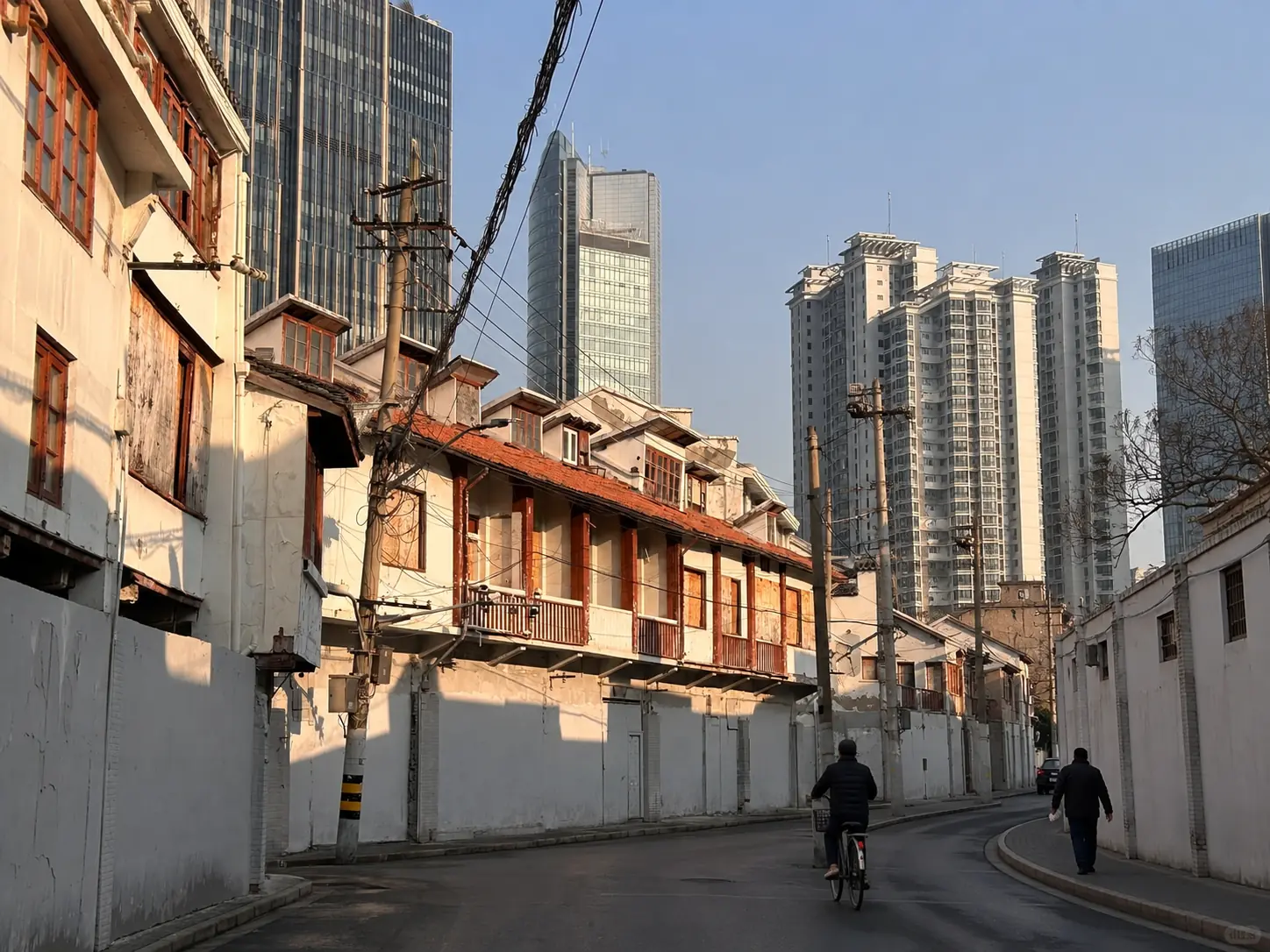
Photograph the public street. Good subjects include signs, facades, doors, windows, trees, lane mouths, bicycles, wall shadows, road surfaces, and distant skyline contrasts. An environmental scene is different from a close portrait of someone sitting in a doorway, moving belongings, or working inside a shop. If someone looks uncomfortable, lower the camera immediately.
Keep the story honest. Do not use the language of "slums," "ruins," or "hidden poor Shanghai" around this route. "Gritty" is useful only when it explains old housing, relocation, construction, memory, preservation attempts, and urban pressure. Document change; do not make hardship decorative.
- Photograph public texture. Street signs, facades, door details, old-new contrasts, and wide environmental scenes are fair subjects.
- Ask before close human scenes. Shop interiors, identifiable portraits, open doorways, and residents' belongings need permission.
- Do not enter closed spaces. Sealed compounds, construction zones, stairwells, private courtyards, and blocked lanes are outside this route.
Timing and Safety Notes for Laoximen
The best windows are weekday morning and late afternoon. Summer midday can feel harsh because shade is inconsistent and the route includes exposed roads and construction edges. Winter is visually strong, especially on clear days, but bring layers because you may stop often to look and photograph.

Wear comfortable shoes and keep luggage out of this route. The walk is mostly flat, but narrow pavements, uneven surfaces, parked scooters, construction hoardings, and temporary road changes make it poor for strollers, wheelchairs, or rolling suitcases.
- Use a mainland-friendly map. Amap (高德地图) or Apple Maps is usually more reliable than Google Maps for lane-level walking.
- Keep bags light. Narrow pavements and temporary road changes make rolling luggage a bad match for this route.
- Finish by metro. Xiaonanmen Station on Line 9 is the cleanest exit for onward connections.
Finish at Xiaonanmen Station (小南门站) (Google | Amap). From there, you can continue toward Dapuqiao, Xintiandi, or your hotel. If you still have energy, you can walk toward Yu Garden and City God Temple, but the mood changes quickly from documentary old-city streets to a much more commercial visitor zone.
Do Not Treat Empty-Looking Buildings as Open
If a doorway is sealed, a lane is blocked, or a guard or sign suggests restricted access, stay out. This route is built around public streets only.
Pair Laoximen with Bigger Shanghai Sights
Laoximen works best as a half-day contrast, not as a rushed add-on. Choose the pairing based on what you want the day to say.
Best for first-timers
Laoximen + Yu Garden
Move from raw old-city streets to commercial traditional scenery. The contrast is strong, but the mood becomes tourist-heavy around Yu Garden and City God Temple.
Best for urban renewal
Laoximen + Xintiandi
Compare unpolished old-city change with curated shikumen redevelopment. It is useful for city observers, but less relaxed than a simple sightseeing day.
Best for photography
Laoximen + the Bund
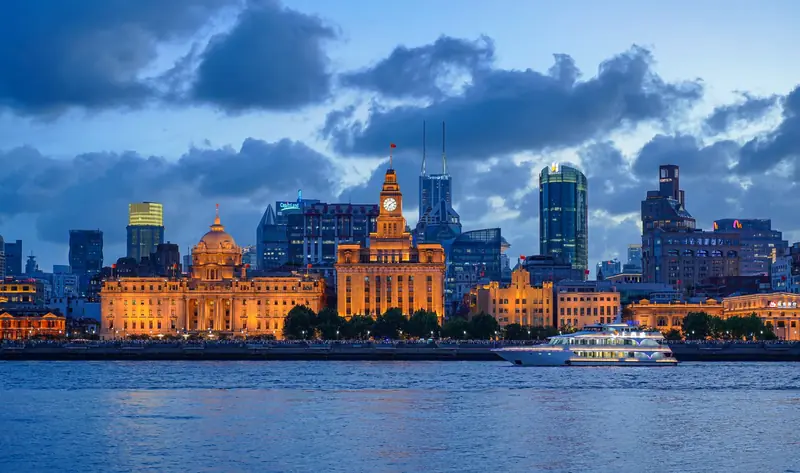
Photograph old lanes in the afternoon, then colonial riverfront architecture and the Pudong skyline at dusk. Leave enough transit time; do not rush the last light.
Laoximen + Dinner · Best slow evening
Walk first, then plan a real Shanghainese meal around Yunnan South Road, Huanghe Road, or Huaihai Road. This article stays focused on the walk; use the Shanghai food guide for meal choices.
Do not overpack the day. Laoximen rewards slow looking. If you try to combine it with Shanghai Museum, Yu Garden, Xintiandi, the Bund, Nanjing Road, and a full dinner crawl, it becomes another checklist and loses the reason to come.
Frequently Asked Questions
Yes, if you want to understand Shanghai beyond polished landmarks. Do not expect a complete old town or a cleanly restored heritage zone. The value is in seeing old-city texture, relocation traces, temple memory, and redevelopment pressure in one walk.
Sources checked for this guide
- Laochengxiang heritage-block boundary, age and Huangpu old-city context: Shanghai official English portal
- Current Wenmiao renovation project documentation; it does not confirm visitor reopening: Huangpu District project document
- Earlier Wenmiao renovation and reopening target, retained only as project history: China News Service
- Wenmiao 1855 relocation and old-city context: Shanghai Academy of Social Sciences
- 2023 Laoximen outdoor photo exhibition and its 129 neighborhood images: Shanghai Information Office
- Laoximen update-unit and transport-planning context: Shanghai planning authority
- Auxiliary Wenmiao visitor listing; not used as proof of current opening: Trip.com visitor listing
- Auxiliary Wenmiao visitor listing; not used as proof of current opening: JTB visitor listing
- Auxiliary Laoximen Lines 8 and 10 station check: MetroMan Laoximen
- Auxiliary Xiaonanmen Line 9 station check: MetroMan Xiaonanmen
- Penglai Road local-history context: Shanghai local-history resource
- Dajing Pavilion and old-city wall auxiliary visitor context: Trip.com Dajing listing
- Auxiliary Penglai Road length and naming check: Penglai Road reference
- Auxiliary Qiaojia Road length and road-history check: Qiaojia Road reference
- Qiaojia Road old-city history and street context: Shanghai Observer
Beyond This Guide
Use Laoximen as the rough-textured half of a Shanghai day. Pair it with Yu Garden if you want old-city contrast, Xintiandi if you want to compare different styles of shikumen redevelopment, or one day in Shanghai if you need a full first-timer route.
For food after the walk, use the Shanghai food guide rather than trusting the nearest snack window. Laoximen is strongest as a city-reading walk; dinner is better planned separately.
© gochinafreely.com — Original guide by Go China Freely.