Hours & Admission
All visitors, including free-ticket groups, use online real-name ticketing. Foreign visitors enter with the original passport used to book. General tickets open seven days before the visit at 09:30; film tickets open at 10:00. Check current visitor rules
Plan the Long Trip
A Universe Without Straight Lines
Shanghai has over a hundred museums, but only one makes you look up before you even step inside. The Shanghai Astronomy Museum (上海天文馆) covers 38,000 m² — the world's largest planetarium by building scale — designed by New York's Ennead Architects with not a single straight line in sight. Tickets are ¥30, but you'll need to book ahead: walk-up purchases aren't available.
Architecture at a glance
Read the building before you read the sky.
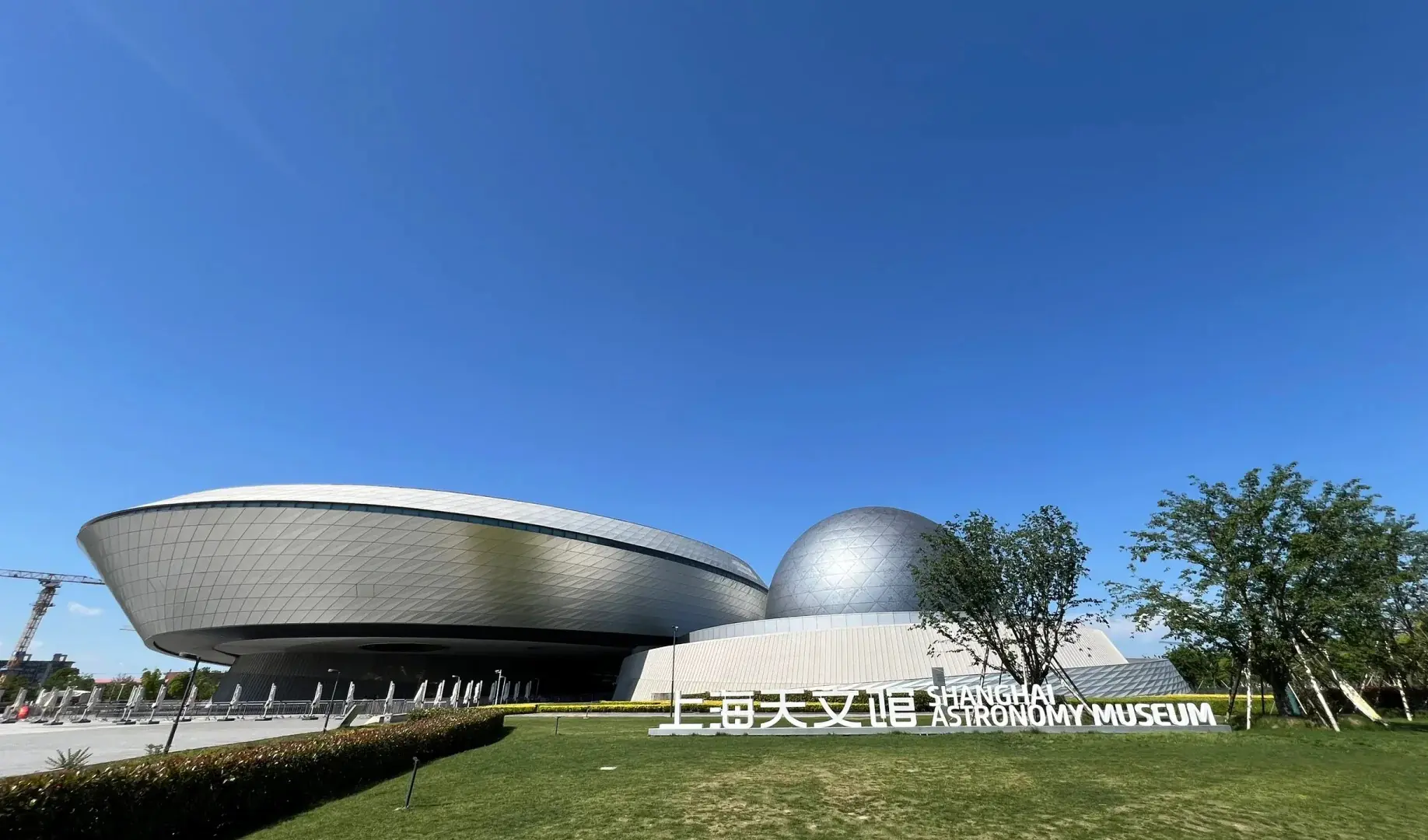
The Shanghai Astronomy Museum is a branch of the Shanghai Science and Technology Museum (上海科技馆). It opened on July 18, 2021, on a 58,600 m² site in Lingang (临港) New City, Pudong — far from the city center, but that distance is the point: minimal light pollution makes real astronomical observation possible here.
Ennead Architects designed the building around a single principle: "the universe has no straight lines." Three architectural elements define the structure:
- Orbital curved facades: The entire exterior is flowing curves, resembling a planet taking shape
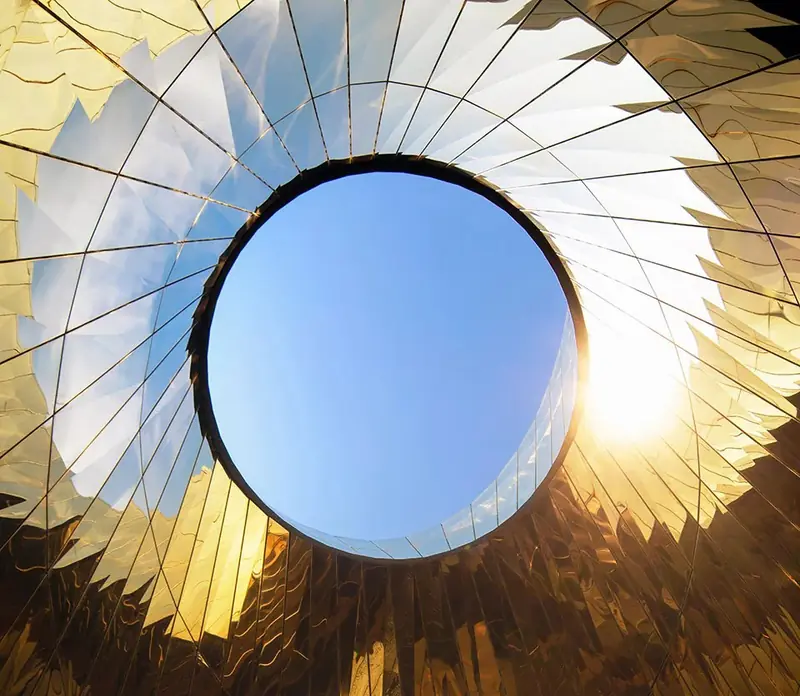
- The Oculus: A circular skylight above the entrance that tracks the sun's path — light casts a moving circle across the plaza throughout the day, aligning perfectly at noon on the summer solstice
- The Sphere: A massive sphere suspended inside the building, housing the immersive planetarium theater
- The Inverted Dome: A concave glass structure on the roof accessible via a 720-degree spiraling ramp — stand on top for an unobstructed view of the sky. On a clear day, this is the best photo spot in the entire complex
Oculus and Sphere details

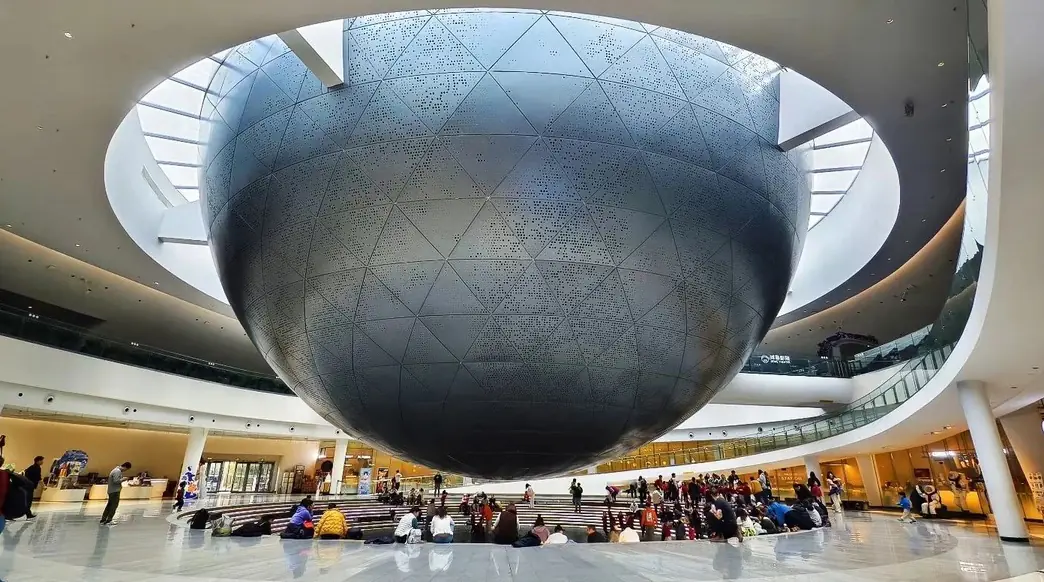
The building is the first exhibit
If the weather is clear, don't rush inside. Spend 10 minutes at the entrance plaza watching how the Oculus light changes — the sun angle shifts every minute, and the shadow play on the ground is genuinely mesmerizing.
Tickets, Reservations, and What Sells Out
Adult
¥30
Standard admission
Student / Child
¥15
Over 6 years old or taller than 1.3 m
Senior (60–69)
¥25
Ages 60–69
Free entry
¥0
Age 70+, under 6 or shorter than 1.3 m, disabled, active military
Dome film
¥40 per person
Requires general admission; book separately
Wangshu Observatory / public observation
Check the current event notice
Not a standing daily add-on ticket
Online booking is mandatory — no walk-up tickets.
- Book through the official Shanghai Astronomy Museum (上海天文馆) site or ticket mini-program
- General admission opens 7 days before the visit at 9:30; dome-film tickets open at 10:00
- Popular weekends and holidays can sell out, so use the live official inventory rather than assuming same-day availability
- The 2026 refund-fee policy depends on when you cancel; read the current notice before paying for a date you may change
Hours:
- Tuesday – Sunday: 9:30 – 17:00 (last entry 16:00)
- Closed Mondays except national holidays
- Night observation and holiday programmes use separate dated announcements; they are not part of the standing daily schedule
Booking tips for foreign visitors
Use the visitor's real name and foreign-passport number when booking, then bring that original passport for entry verification. Choose the official morning window (9:30–12:30) or afternoon window (12:30–15:00); all visitors, including free-ticket groups, complete online real-name ticketing.
Three Exhibition Halls: Home, Cosmos, Journey
Choose your hall priority
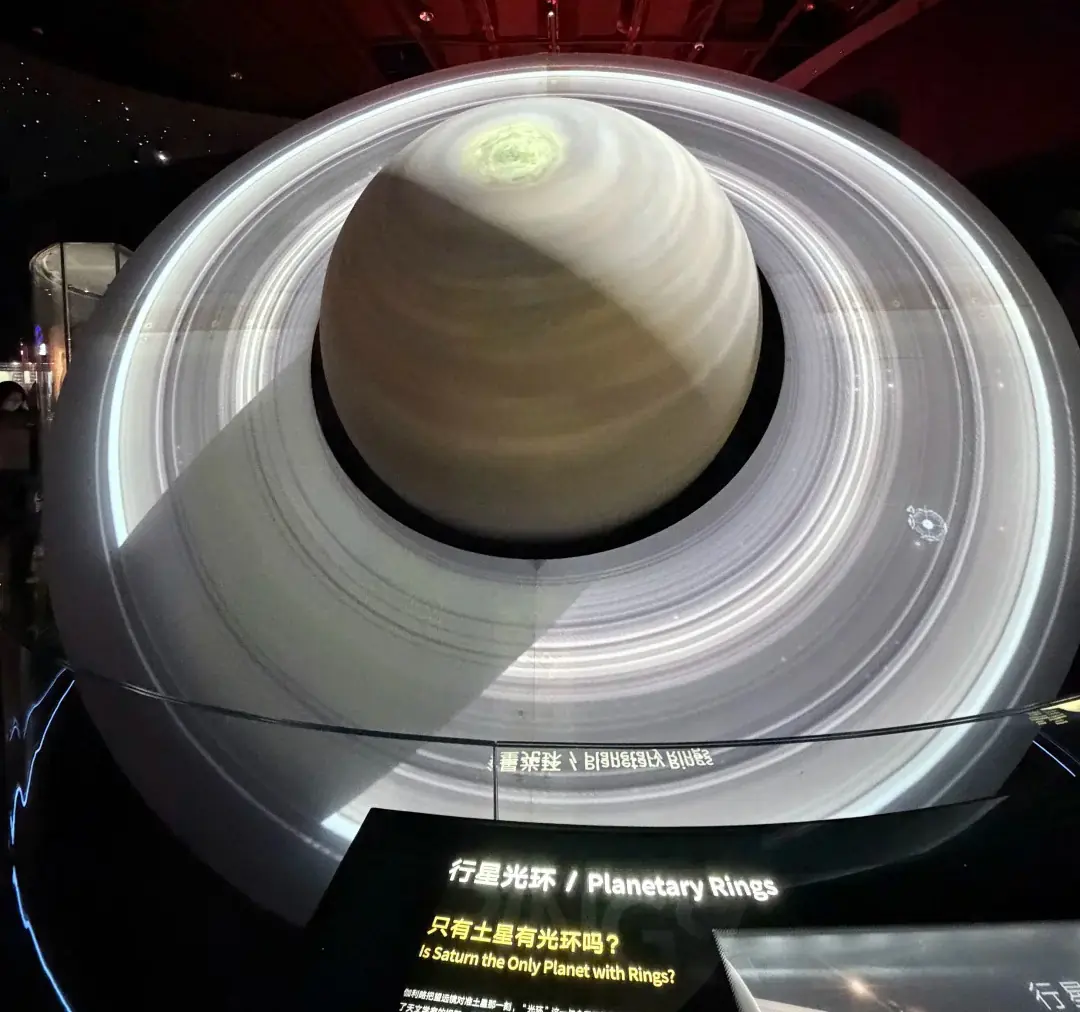
Over 300 exhibits, roughly 70 meteorite samples, and 120+ cultural relics are spread across three main halls, arranged from the familiar to the unknown.
Start with the familiar
Home — Ground Floor
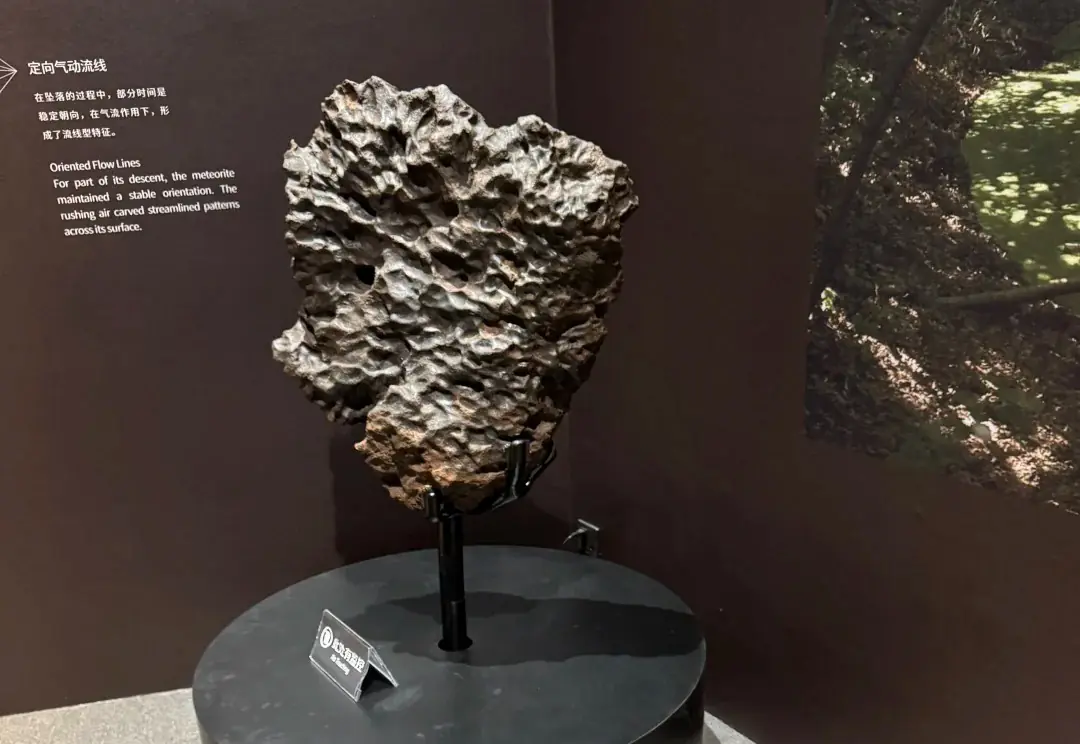
Starting with the Solar System, this hall places Earth in its cosmic context. Standout exhibits include the Changxing Meteorite, an early English translation of Newton's Principia, and a scale model of the Solar System.
- Changxing Meteorite (长兴陨石): One of the heaviest meteorite specimens in the collection — you can examine the cross-section up close
- Newton's Principia (early English translation): Sits quietly in a display case — most visitors walk past without noticing
- Scale model of the Solar System: Walk the full loop to viscerally grasp how small Earth really is
- Optical Planetarium: Lie back in beanbag chairs and watch constellations drift overhead. Earlier published guidance described a 5–9-minute experience, no reservation, and typical 10–15-minute queues; confirm current access and wait times on site.
Move into the unknown
Cosmos — Second Floor
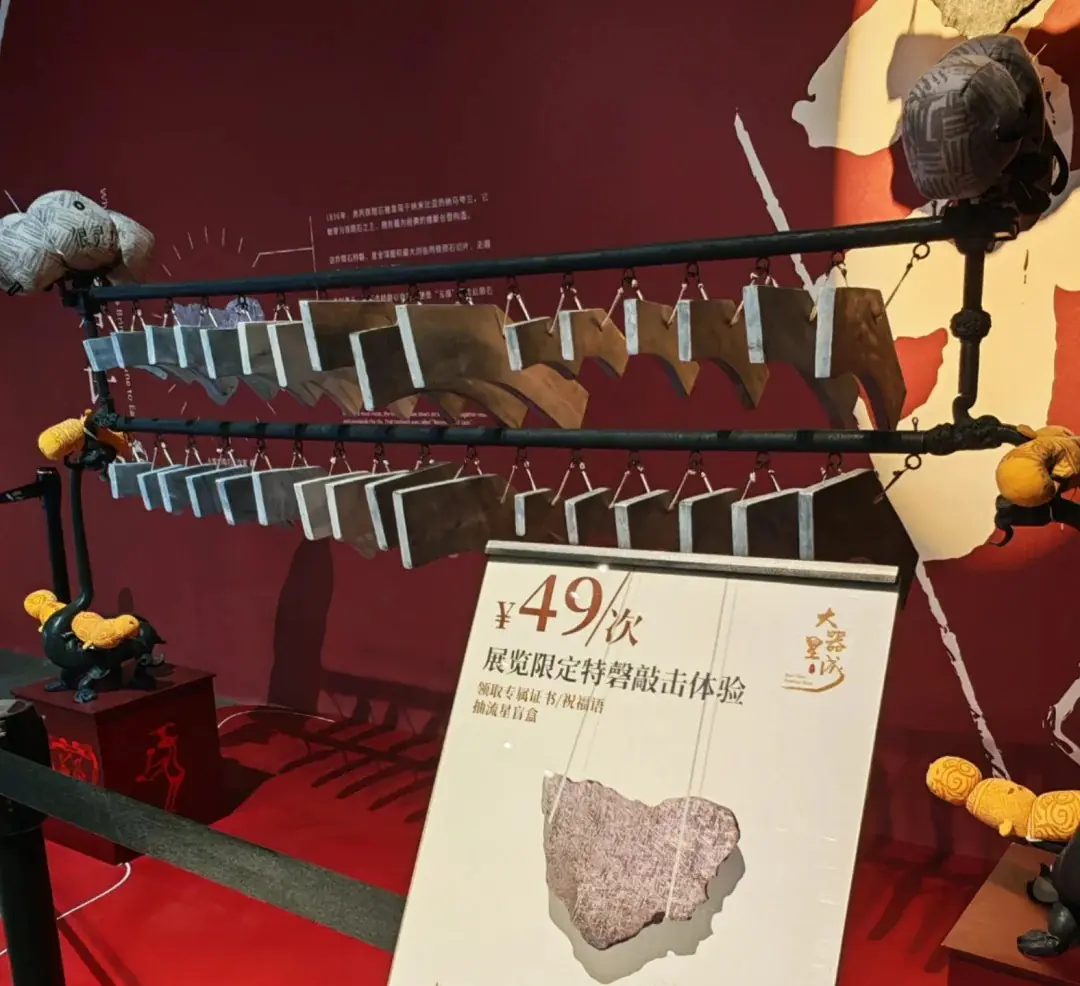
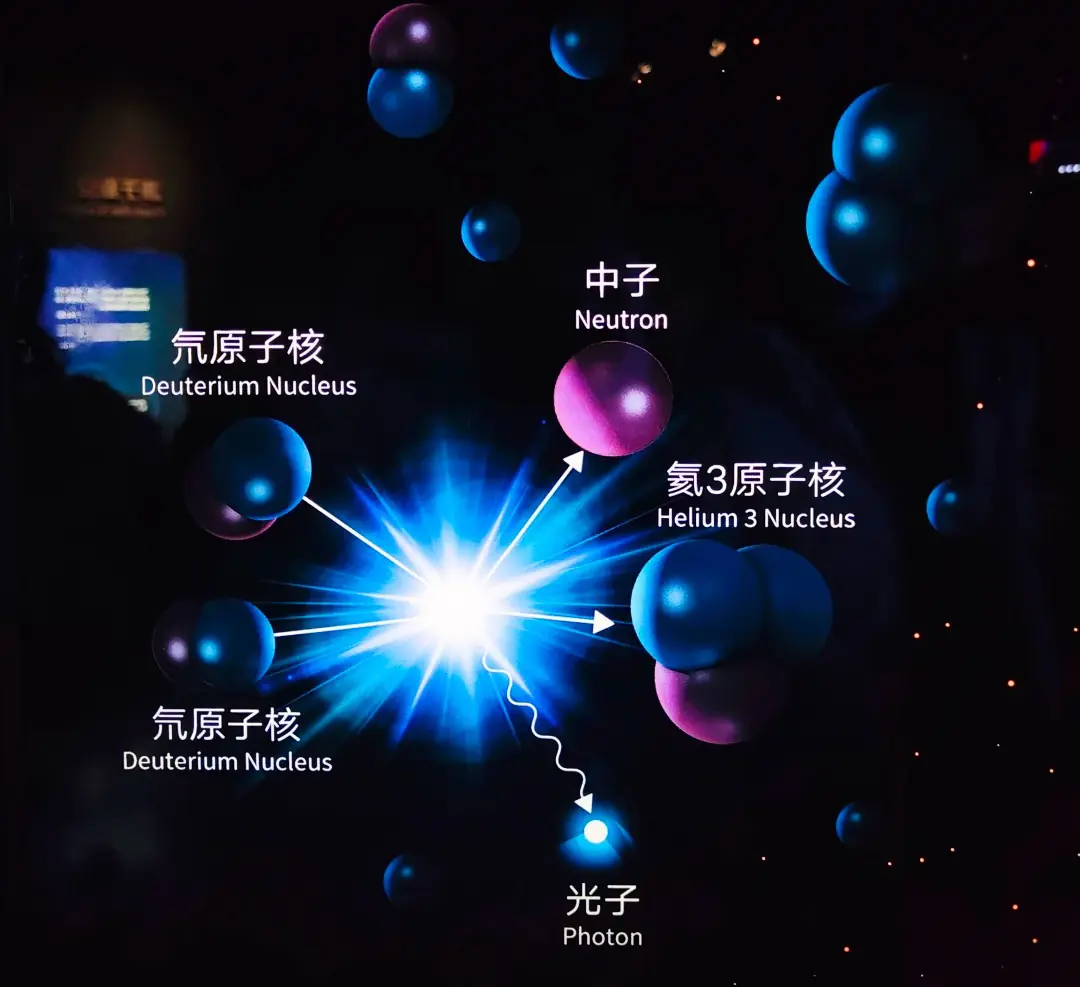
This hall gets more abstract: spacetime, gravity, light, elements, life. It's the most interactive floor — gravitational lens simulators, dark matter visualizations, and touchscreens explaining the 95% of the universe we can't see.
The periodic table specimen wall pairs every element with a physical sample — the bismuth crystal is particularly striking. Nearby, the Origins of life exhibit traces an evolutionary timeline from amino acids to multicellular organisms.
Finish with human exploration
Journey — Second Floor
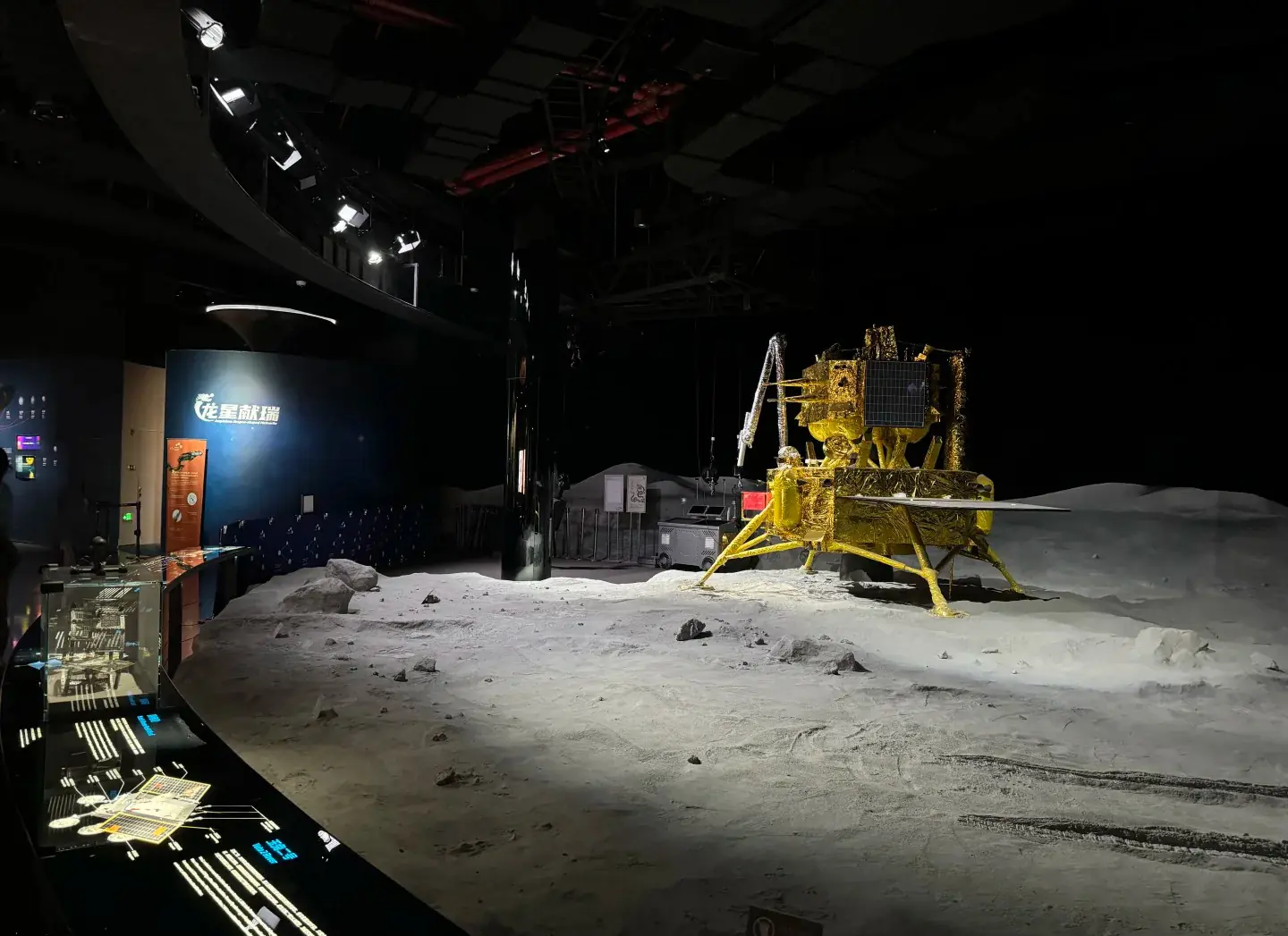
Human space exploration past, present, and future, with dedicated depth on China's space program. Highlights include a 1:1 Chang'e lunar rover model (嫦娥), a Tiangong space station model (天宫), real rocket engine components that have flown in space, and a side-by-side timeline comparing SpaceX, NASA, and China's space program.
Immersive Experiences Worth Booking
The museum has published five named immersive experiences, but do not assume that all five use one permanent booking process or operate every day. The live visitor guide currently confirms the Dome Film as a standing ¥40 ticket; availability, session rules, duration, and height limits for the other experiences can change. Treat the details below as planning references and verify the current official listing for your visit date.
- Published duration*
- 20–25 min
- Best for
- Everyone
- Published height note*
- None
- Published duration*
- 8 min
- Best for
- Thrill seekers
- Published height note*
- ≥ 1.1 m
- Published duration*
- 9 min
- Best for
- Everyone
- Published height note*
- None
- Published duration*
- 45 min
- Best for
- Ages 3–8
- Published height note*
- None
- Published duration*
- 30 min
- Best for
- Teens / Adults
- Published height note*
- ≥ 1.5 m
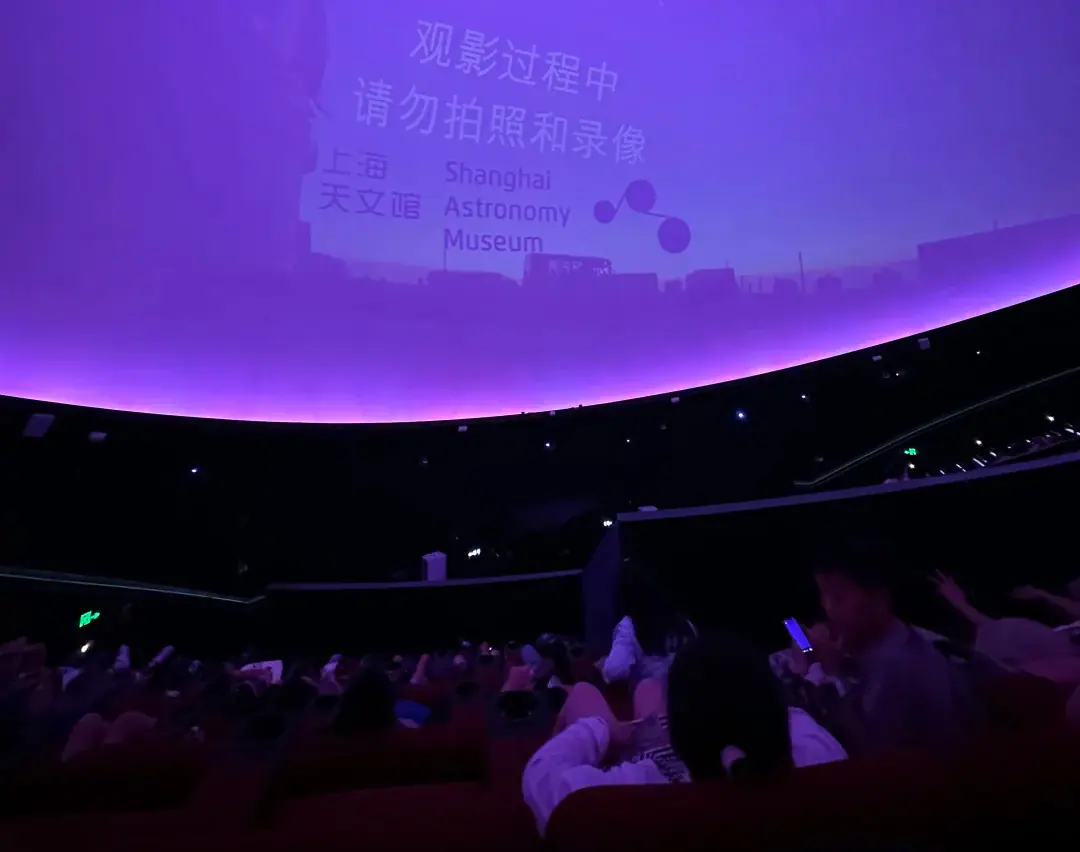
The Dome Film is the clearest all-ages choice — a massive dome screen, high-resolution projection, and reclined viewing. Films rotate, so check the current official film inventory and session time before choosing your admission window. Tickets are ¥40, separate from general admission.
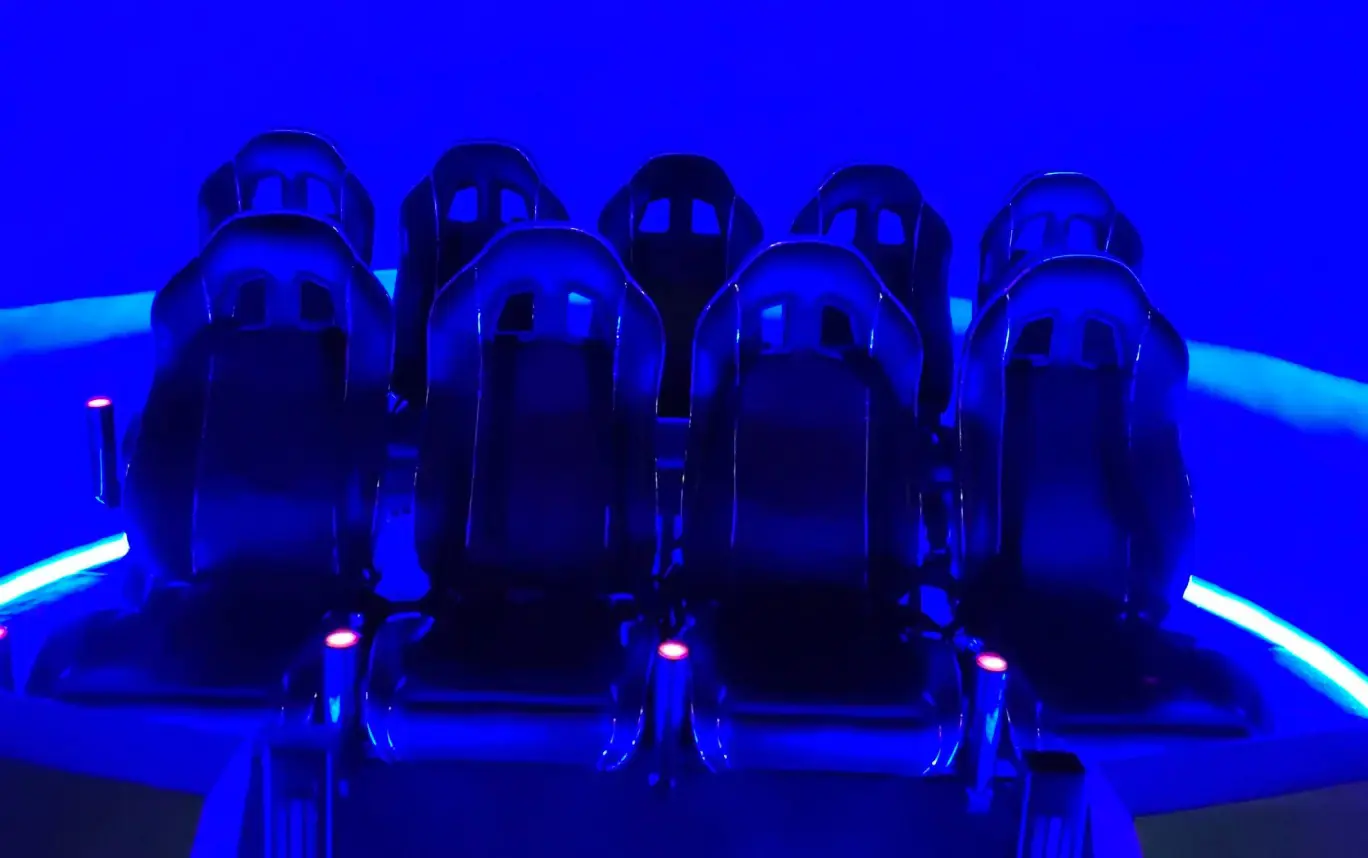
When it is operating, the Galaxy Ride is a 6K motion-platform experience that simulates a flight through the Milky Way, with a tilting and vibrating seat. Earlier published guidance described an eight-minute session and a 1.1 m height threshold; confirm both against the current listing before promising it to your group.
When current access is offered, Curious Planet is the family-focused play zone, with climbing structures, slides, and interactive projections. Earlier published guidance described a 45-minute session for ages 3–8 with socks required; verify the live age, session, and access rules before building the day around it.
Booking strategy
Start with the live official inventory, then choose by fit: the Dome Film is the most dependable all-ages option, while families can check whether Curious Planet is operating for their date. Do not promise a specific session until its current ticket or access instructions are visible.
Stargazing and Public Observation
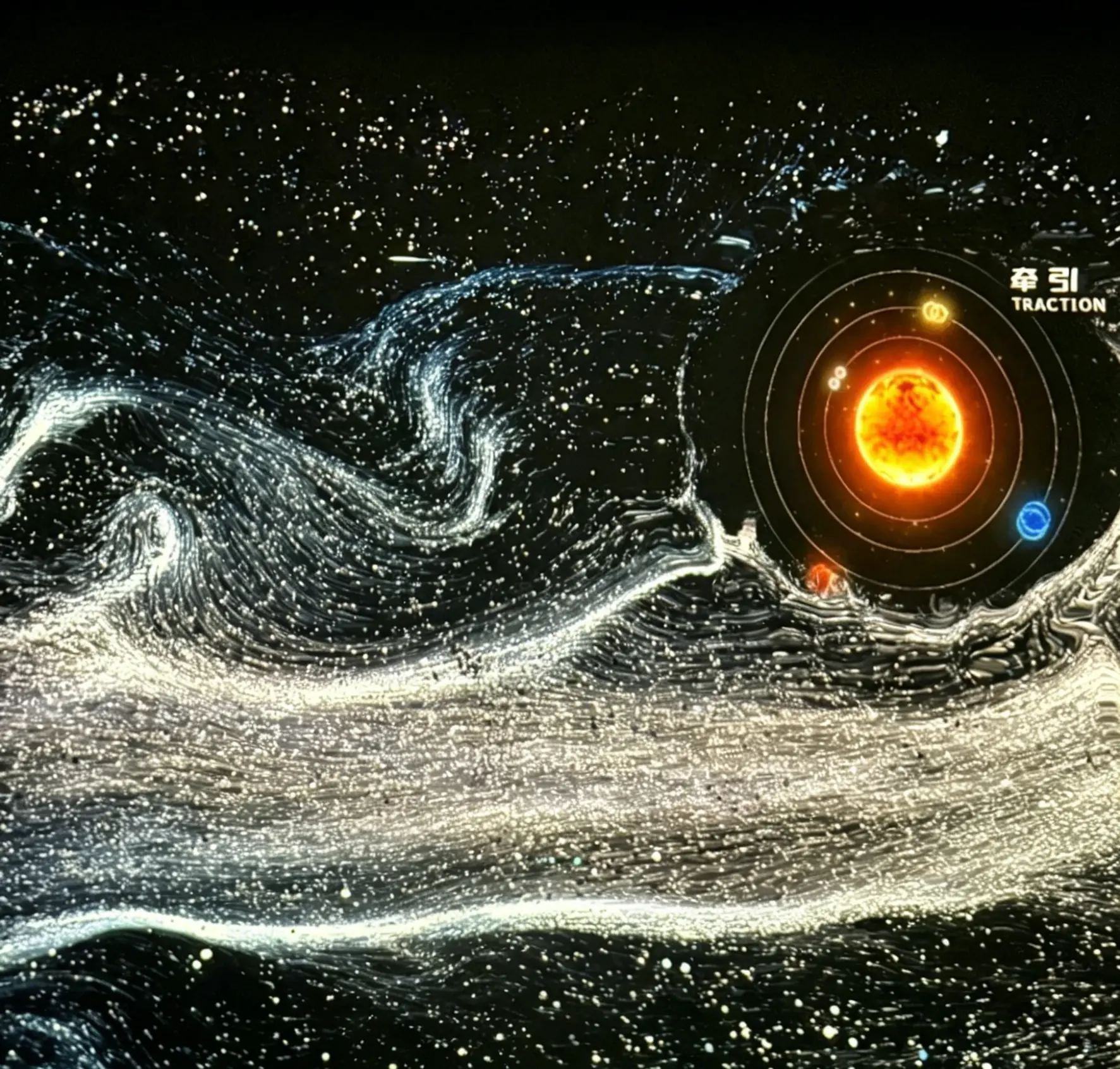
The museum runs "Encounter with the Stars" (邂逅星空) and other public-observation activities on selected dates, including some holidays and notable sky events. This is an event programme, not a standing Saturday-night session: confirm the date, hours, access method, and capacity in the current official announcement.
The Wangshu Observatory (望舒天文台) houses the museum's public optical telescope. What visitors can observe depends on the event plan, season, sky position, and weather, so lunar craters, planets, or other targets are possibilities rather than guarantees. Daytime solar-observation activities may use the museum's Xihe Solar Tower (羲和太阳塔) when announced.
- Read the dated notice: The current announcement controls the reservation or registration channel, session length, capacity, and entry requirements
- Weather dependent: Cloud, rain, or unsafe conditions can change or cancel observing — recheck before travelling
- Targets vary: Do not promise Saturn, Jupiter, or a specific telescope view unless the event notice names it
Best stargazing conditions
Lingang is farther from central-city light, but cloud, haze, wind, and the event's chosen target still determine the view. Dress warmly for the exposed coastal setting and bring a thermos if the dated notice permits it.
Visiting with Kids: Age-by-Age Guide
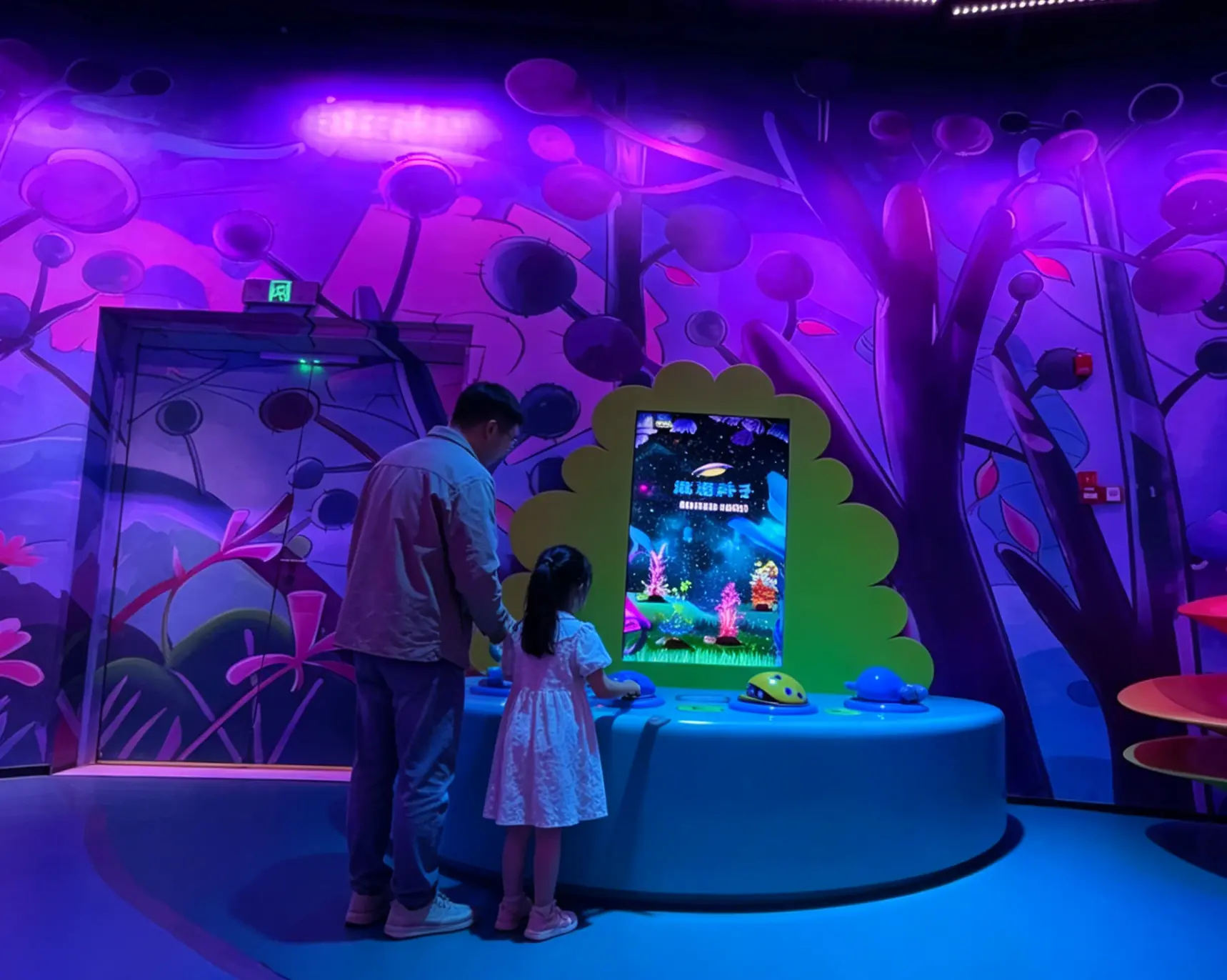
From toddlers to teens, the museum has something at every level — but not every age group benefits equally from the trip out to Lingang. Here's what works best.
Use the named experiences as age-planning references, not guaranteed inventory. The live visitor guide does not publish permanent session, duration, or height rules for every zone, so recheck the current listing before promising one to a child.
Ages 0–2
Not worth a special trip
Exhibits are visual and interactive — too advanced for toddlers
Ages 3–5
Curious Planet · meteorites · star projections
Earlier guidance described a 45-minute, socks-required play session; verify current access and age rules
Ages 6–8
Curious Planet · Galaxy Ride · Journey hall
Earlier guidance listed a 1.1 m Galaxy Ride threshold; confirm the current rule and skip motion seating if your child is sensitive
Ages 9–12
Cosmos · Dome Film · Journey hall
This age group gets the most out of the museum; allow 3–4 hours
Ages 13+
All halls · Journey to Mars · Dome Film
Earlier guidance listed a 1.5 m Journey to Mars threshold; confirm the current rule
- Strollers: Allowed inside; halls are spacious
- Restrooms and nursing rooms: Available on every floor
- Dining: The museum has a small food court (noodles, drinks, snacks) but options are limited and queues are long during peak hours — bring lunch or snacks
- Suggested time: 3–4 hours with kids, allowing extra time if a suitable scheduled experience is available
How to Get There
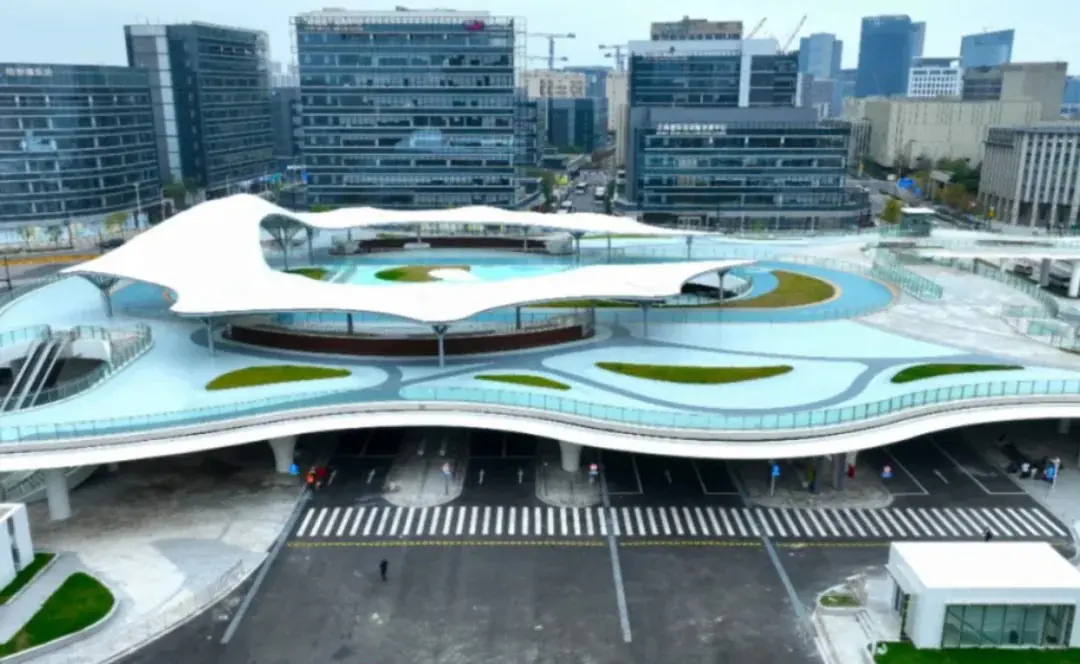
The museum sits in Lingang New City (临港新城), Pudong — far from central Shanghai. From the Bund, expect roughly 1 hour 15 minutes. But the route is straightforward.
Metro (recommended):
- Line 16 to Dishui Lake Station (滴水湖站)
- Use Exit 3 or Exit 4, then allow about 15 minutes on foot to the museum
- Check station signs and your live map for the most convenient surface route on the day
Taxi / ride-hailing:
- From central Shanghai, check the live app estimate: the metered or app fare varies materially with your exact origin, traffic, route, and demand
- For the return, compare the live pickup time with the roughly 15-minute walk back to Line 16 rather than relying on a fixed taxi-wait promise
Driving:
- The museum has a limited paid outdoor parking lot
- Capacity, fees, and traffic controls follow the current on-site notice; do not rely on an old fixed space count, flat fee, or free overflow-lot promise
Show this screen to your driver · 出示给司机看
去上海天文馆,临港大道380号。
Shanghai Astronomy Museum, 380 Lingang Avenue, please.
Metro Line 16 to Dishui Lake Station (滴水湖站), then use Exit 3 or 4 and allow about 15 minutes on foot. Budget 1–1.5 hours from central Shanghai.
Practical Tips
- Quietest daysTuesday to Friday mornings — typically fewer crowds and more time to check the day's scheduled activities
- AvoidWeekend afternoons and public holidays if you dislike peak crowds; check current activity inventory rather than assuming a session will be available
- Sun protection / warmthThe plaza and Inverted Dome are outdoors — intense sun in summer, strong winds in winter
- English signageMain exhibit labels are bilingual; immersive experiences and the booking system are primarily in Chinese
- Wheelchair accessFully accessible with elevators throughout
- Return trip timingLast entry is 16:00 and normal closing is 17:00. Allow about 15 minutes back to Line 16; any evening event uses its own dated notice and access rules
Where to Stay for Shanghai Astronomy Museum
Because Lingang sits far southeast of central Shanghai, most families keep one central hotel along Metro Line 2 and transfer once at Longyang Road Station (龙阳路站) onto Line 16 for Dishui Lake, rather than moving hotels for a single museum day.
Affiliate disclosure: the Trip.com hotel links below are affiliate links; we may earn a commission at no extra cost to you. Check exact Line 2 exit distance, family room setups, and cancellation rules before booking.
Stay in Lujiazui (Pudong)
Shorter Pudong Line 2 hop to Line 16
Lujiazui (陆家嘴) puts you on the Pudong side of Metro Line 2 just a short ride west of Longyang Road Station, trimming commute time to Dishui Lake while keeping spacious family-friendly skyline hotels nearby.
Booking tip: Strong fit if your Shanghai trip focuses on Pudong family outings like the Astronomy Museum, Shanghai Museum East, and Disneyland.
Stay Near People's Square (Puxi)
Best all-round central hub
People's Square (人民广场) sits directly on Metro Line 2 for the same single transfer at Longyang Road to Line 16, while keeping Nanjing Road, the Bund, and central Puxi dining walkable on your other days.
Booking tip: Pick a hotel near Line 2 exits so early-morning departures for the 09:30 admission window stay straightforward.
Comparing Puxi and Pudong bases for a family trip? See our Shanghai travel guide.
Frequently Asked Questions
Yes. All visitors, including free-ticket groups, use online real-name ticketing, and no walk-up ticket is promised. General admission opens seven days before the visit at 09:30; popular dates can sell out, while film tickets use a separate 10:00 release.
Sources checked for this guide
- Current opening hours, admission prices, real-name online ticketing, passport entry, visitor services, address, metro access and parking guidance: Shanghai Astronomy Museum visitor guide
- Current ticket release and refund rules: 2025 ticket-service optimization notice and 2026 ticket-service notice
- Wangshu Observatory and current public-observation programme identity: Shanghai Astronomy Museum featured areas and Shanghai Astronomy Museum public observation
Beyond This Guide
Shanghai's museum scene runs deep — from astronomy to ancient bronzes to contemporary art — and the best route through it depends on your interests, your kids' ages, and how many days you have.
More Shanghai for families? Shanghai Disneyland is another full-day outing. For a different museum experience closer to central Shanghai, try the Shanghai Museum on People's Square.
© gochinafreely.com — Original guide by Go China Freely.