Hours & Base Ticket
Essential Rules
Plane Trees, Villas, and Street Life
Shanghai's former French Concession is not a single ticketed sight. It is a walkable layer of the city: plane trees, garden villas, shikumen lanes, cafes, photo crowds, old parks, and residential streets still doing ordinary work. This self-guided route gives you a practical 4-5 hour way to read that layer, starting with the famous Wukang Road streetscape and ending with a choice between Tianzifang's lane-market texture or Xintiandi's polished evening scene.
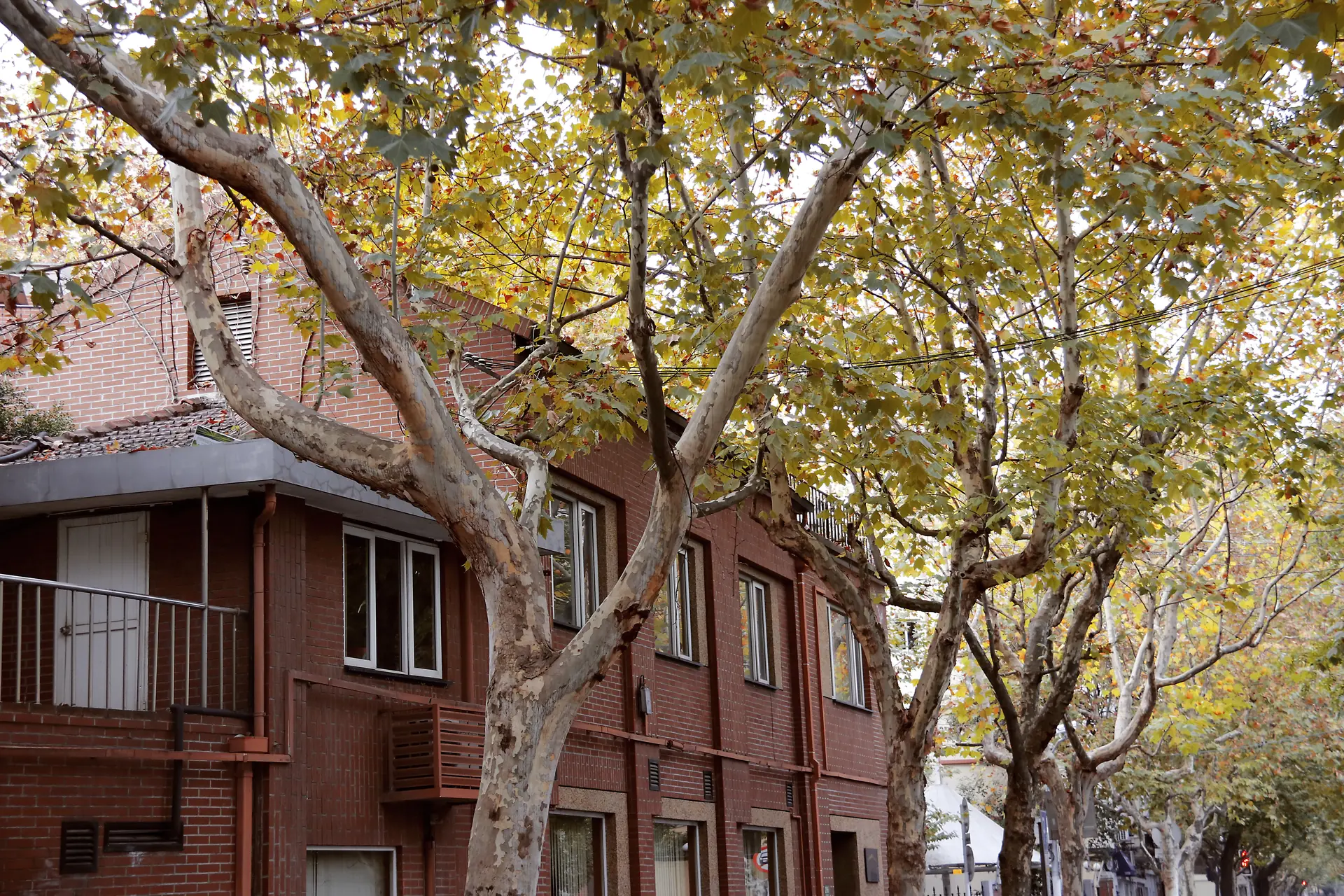
First, set expectations clearly: "French Concession" is a historical shorthand, not a current official district. Most visitors use it to mean a group of central Shanghai neighborhoods tied together by tree-lined streets, old villas, shikumen lanes, cafes, and the Hengshan Road-Fuxing Road Historical and Cultural Block (衡山路-复兴路历史文化风貌区).
4-5h
With Stops
6-7 km
Main Route
Free
Street Access
Line 10
Best Start
Think of it as three moods in one walk:
1Wukang and Anfu
The classic plane-tree lanes, old apartments, boutiques, cafes, and Shanghai's most photographed street corner.
2Fenyang and Sinan
Quieter villa streets, a small craft museum, restored garden houses, and better room to slow down.
3Park and Lanes
Fuxing Park brings local daily life back into the walk before Tianzifang or Xintiandi adds a commercial finish.
A Self-Guided French Concession Walking Route
Start: Shanghai Library Station (上海图书馆站) (Google | Amap)
Use Line 10 for the western start. The full eight-stop route is roughly 6-7 km and takes 4-5 hours with photos, coffee, and one short indoor stop. For a 90-minute version, stop after Anfu Road and walk to South Shaanxi Road Station.
- Shanghai Library Station(上海图书馆站)- Line 10; the practical western start for Wukang Road
- Wukang Mansion(武康大楼)- Iconic photo corner; keep the stop short and stay on the pavement
- Wukang Road(武康路)- Tree shade, old residences, and layered architecture
- Anfu Road(安福路)- Cafes, boutiques, theatre culture, and current street life
- Fenyang Road(汾阳路)- Quieter villa streets and the craft museum option
- Sinan Mansions(思南公馆)- Restored garden-house block and polished old-Shanghai setting
- Fuxing Park(复兴公园)- French-style park layout and an easy public-space pause
- Tianzifang(田子坊)- Dense shikumen lane-market finish near Dapuqiao Station
For lane-level walking inside mainland China, use Amap (高德地图) or Apple Maps and confirm the next entrance as you go. Small side streets, gates, and pedestrian approaches can shift.
Walk West to East
Starting at Wukang lets you see the most famous photo stop first, then gradually move into quieter streets, a park break, and a flexible evening finish. The reverse direction works, but it often ends at the most crowded corner.
Start with Wukang Mansion's Photo Crowd

First photo stop
Wukang Mansion (武康大楼) (Google | Amap)
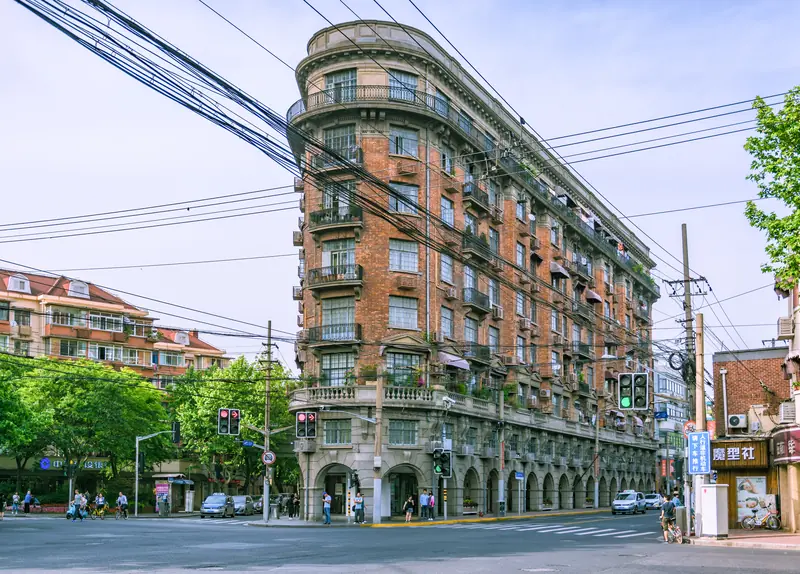
Wukang Mansion (武康大楼) sits where Wukang Road meets Middle Huaihai Road (淮海中路). The official Shanghai portal describes the building as rising like the bow of a large ship at the junction, and that image is exactly why people gather here. Morning light makes the triangular facade look sharp; weekends make the crosswalk feel like a photo queue.
Give it 10-15 minutes. Take the safe sidewalk shot, do not step into the traffic lane, and then move on. The best part of this walk is not standing in front of one apartment building with everyone else. It is watching the crowd thin as you head into Wukang Road's trees, old walls, balconies, and side lanes.
The Soong Ching Ling Memorial Residence in Shanghai (上海宋庆龄故居) is at No. 1843 Middle Huaihai Road. It is open Tuesday to Sunday, 09:00-17:00, with last entry at 16:30; Monday and holiday arrangements can change. Adult admission is ¥20, and the museum asks independent visitors to buy through its official WeChat mini-program before arrival.
Treat it as optional: this is a street walk first, and the full residence visit can take close to an hour.
Wukang Road, Anfu Road, and Side Lanes
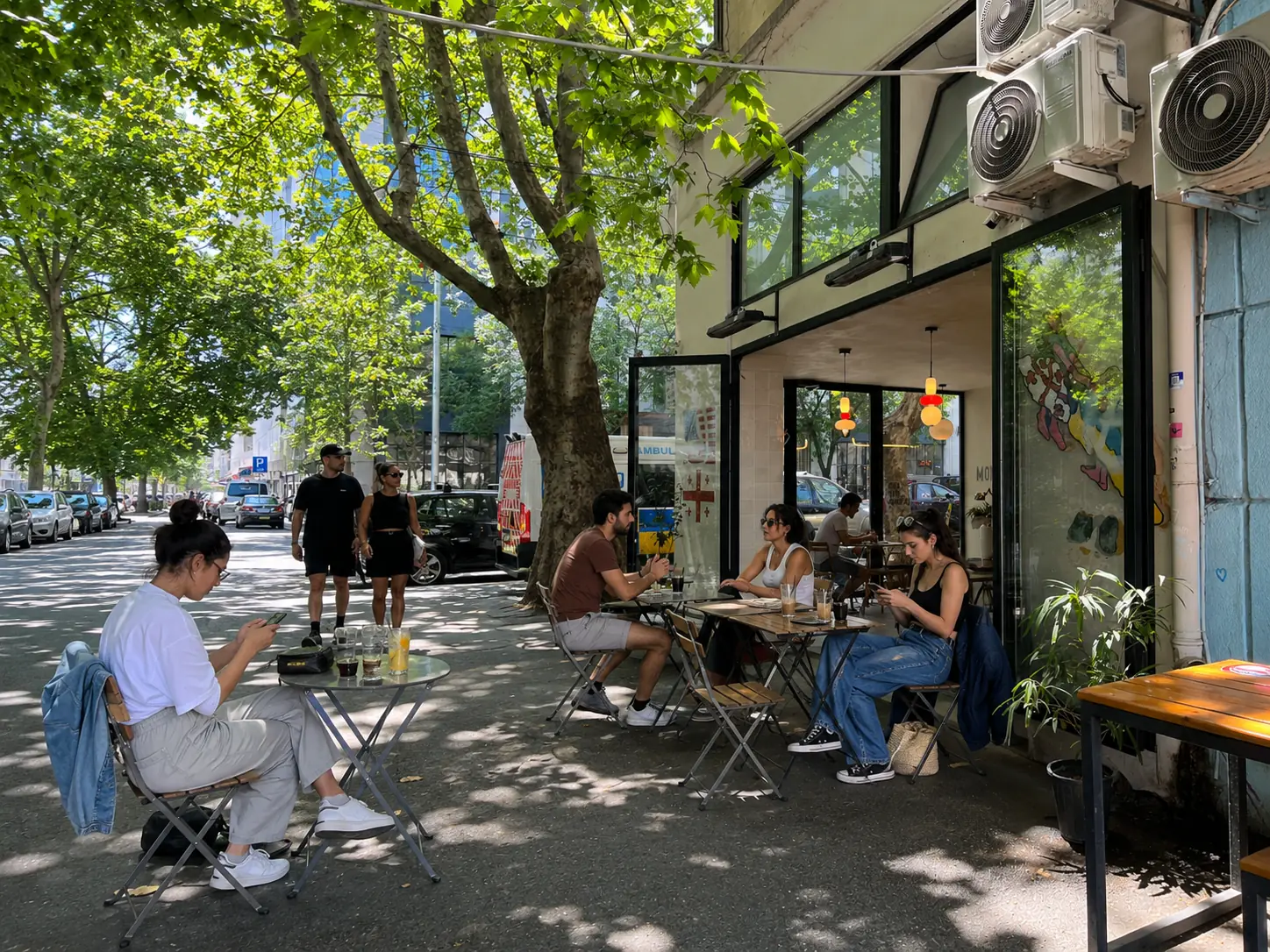
Wukang Road (武康路) is the walk's tree-shaded spine. The city tourism portal notes that the street holds landscape architecture, multi-family residences, and modern-lane houses, with many culturally significant buildings hidden behind walls and trees. That is the right way to experience it: not as a line of open attractions, but as a sequence of street fronts.
Anfu Road (安福路) is where the route starts to feel more contemporary. Cafes, bakeries, small fashion stores, theatre students, dog walkers, bikes, delivery riders, and photo groups all share a narrow urban stage. It can feel stylish, but do not reduce it to "Shanghai's little Europe." What makes it Shanghai is the mix: old buildings, new brands, residential life, and people constantly negotiating limited sidewalk space.
Walk rhythm
Use Wukang and Anfu as the main spine, then turn once into Hunan Road (湖南路), Wuyuan Road (五原路), Yongfu Road (永福路), or a quieter pocket between them. The noise often drops within one block.
Stay on the spine: clearest architecture, cafes, and street-life sequence.
Take one side lane: a quieter ten-minute detour.
Old Houses Are Not Open Houses
The former French Concession is full of beautiful facades, but many buildings are private homes, offices, hotels, or appointment-only venues. If a gate is closed or a doorway has no public sign, stay outside. Photograph the street, not people's windows or lives.
Fenyang Road and a Craft Museum
From Anfu Road, drift south toward Fenyang Road (汾阳路). This is where the walk can calm down after Wukang and Anfu. The streets feel more spacious, the crowds usually thin, and the old villa walls give you room to notice details: iron gates, garden edges, old stairwells, tree roots, and the way modern shops fit into older street lines.
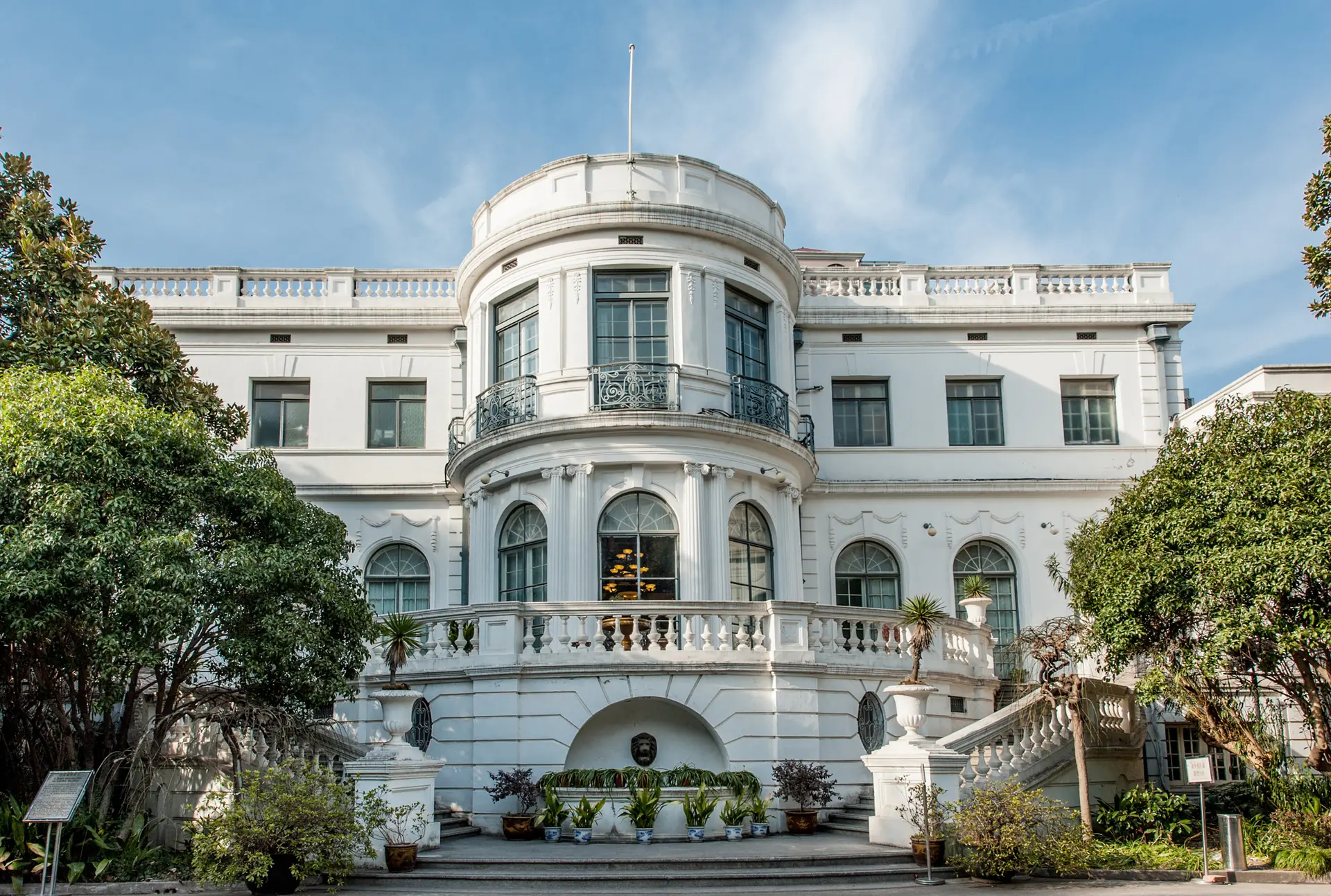
Shanghai Museum of Arts and Crafts (上海工艺美术博物馆) is the best small indoor stop on this route. It sits at No. 79 Fenyang Road inside a white French Neo-Renaissance-style building.
The museum is useful for two reasons. First, it gives you a weather break that still fits the architecture theme. Second, it shows actual craft traditions rather than another cafe interior. If you are not in a museum mood, skip it and keep walking; Fenyang Road itself still earns its place in the route.
Hours: 09:00-11:30 and 13:00-16:30; last entry 11:00 and 16:00; closed Monday.
Adult ticket: ¥8. Student and senior tickets are ¥4.
Sinan Mansions and Fuxing Park Layers
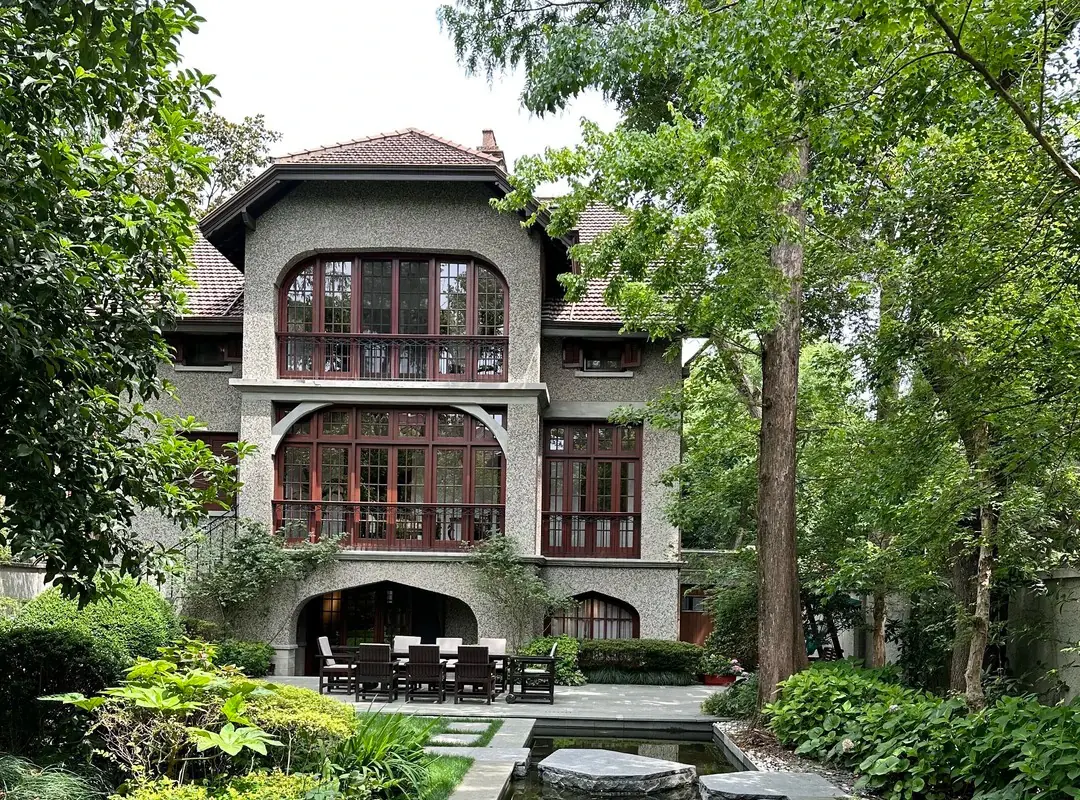
Sinan Mansions (思南公馆) (Google | Amap)
Instead of a linear street like Wukang Road, Sinan Mansions changes the texture with a restored block of 51 garden houses from the 1920s and 1930s.
It is polished, and that is the point. Sinan shows one version of heritage reuse: villas turned into hotels, offices, shops, restaurants, and public-facing cultural spaces. It is not "raw old Shanghai," and it should not be sold that way. Use it to understand how the city presents its modern residential history when restoration, consumption, and photography all meet.
Read for: restoration, adaptive reuse, and the difference between a residential street and a curated heritage block.
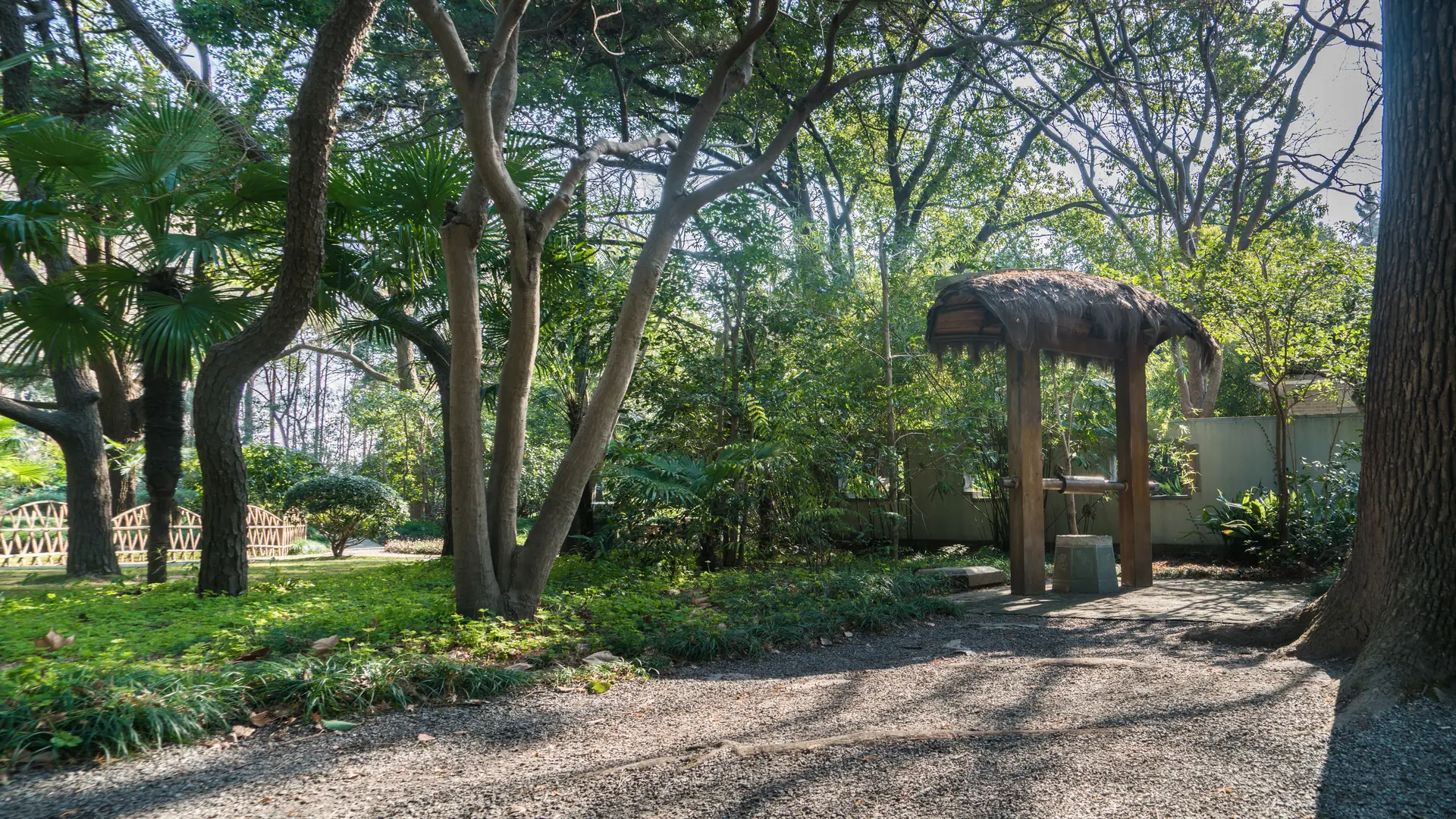
Fuxing Park (复兴公园) (Google | Amap)
Fuxing Park brings the route back to public life. The official park page calls it one of Shanghai's earliest public parks and the city's only garden preserved in classical French style. It opened in 1909 as Gujiazhai Park and was widely known as the French Park.
Do not treat Fuxing Park as filler. If you walk in the morning, it may be the most local-feeling stop of the day: dancing, exercise, trees, benches, and people using the park as part of ordinary life. In the afternoon, it becomes the best reset before you decide how commercial you want the route's final hour to be.
Practical pause: free admission; open daily 05:00-21:00.
Tianzifang or Xintiandi for the Finish
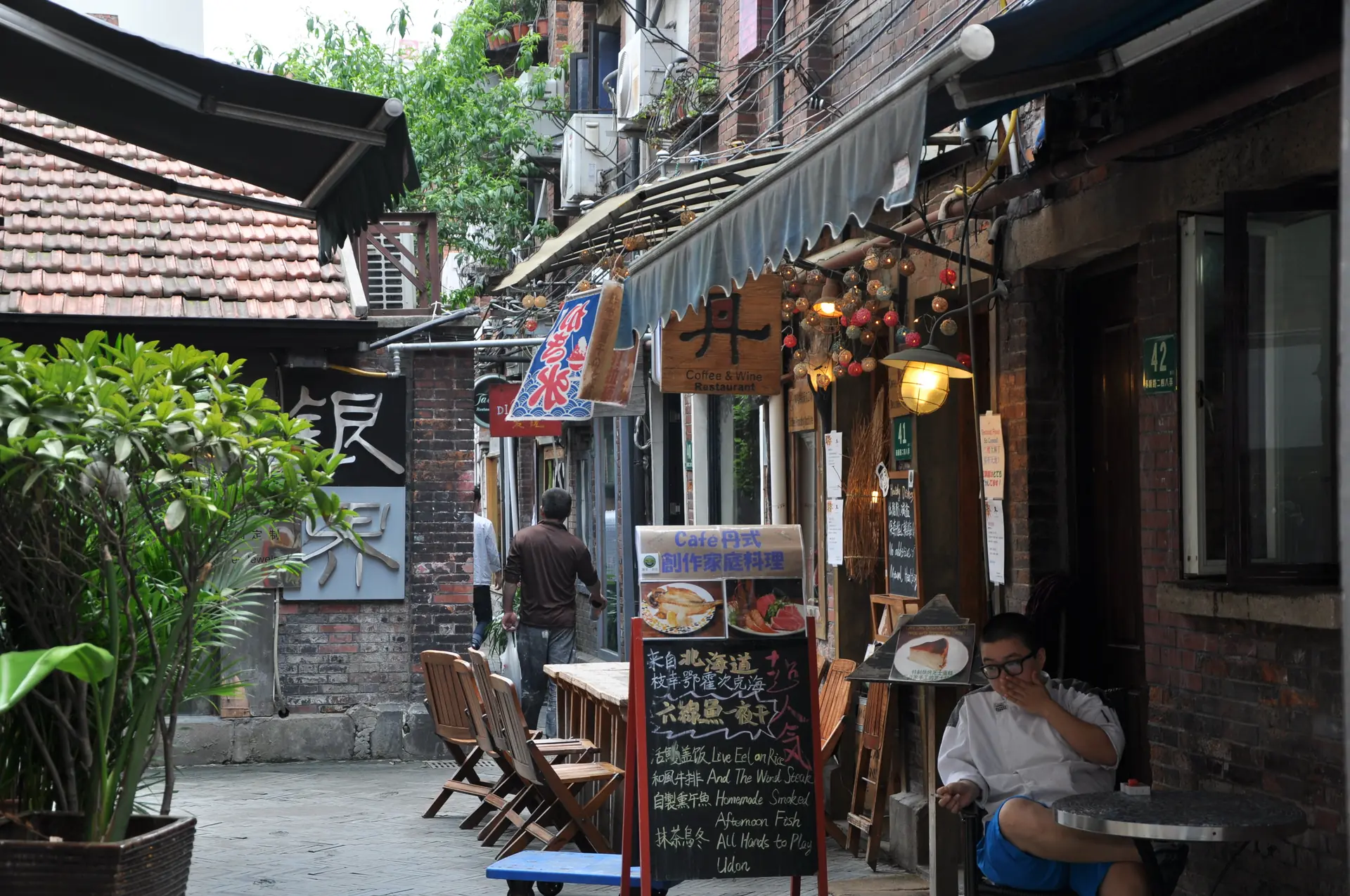
Tianzifang's lane-market scene (Google | Amap)
The cleanest default finish is Tianzifang (田子坊) near Dapuqiao. The official Shanghai portal lists it at Alley 210, Taikang Road, with 24/7 street access and free admission. It is dense, touristy, and sometimes too souvenir-heavy, but it makes sense after Fuxing Park because it shows another kind of old-building reuse: shikumen and workshop lanes turned into a small commercial maze.
Street access does not mean every shop stays open around the clock. Come in normal daytime or evening hours if browsing matters, then choose between Tianzifang's compressed lanes and Xintiandi's more polished dinner setting.
← swipe to compare all options →
Tianzifang
Dense, lane-like, market energy
- ✓Works naturally after Fuxing Park and Sinan Mansions
- —Good for quick browsing, gifts, and shikumen lane photos
- ✗Not the place to chase serious food quality
Best if you want a textured finish
Xintiandi
Polished, dining-focused, evening-friendly
- ✓Better restaurants, terraces, nightlife, and comfort
- —Less lane-like, more curated and upscale
- ✓Pairs well with our full Xintiandi guide
Best if you want dinner or bars
If you want a smoother evening, turn northeast to Xintiandi (新天地) (Google | Amap). It is more polished, better for dinner and drinks, and covered in a deeper standalone guide on this site. The contrast is useful: Tianzifang feels like a crowded lane-market conversion; Xintiandi feels like a carefully curated dining quarter.
Best Time, Shoes, Toilets, and Food
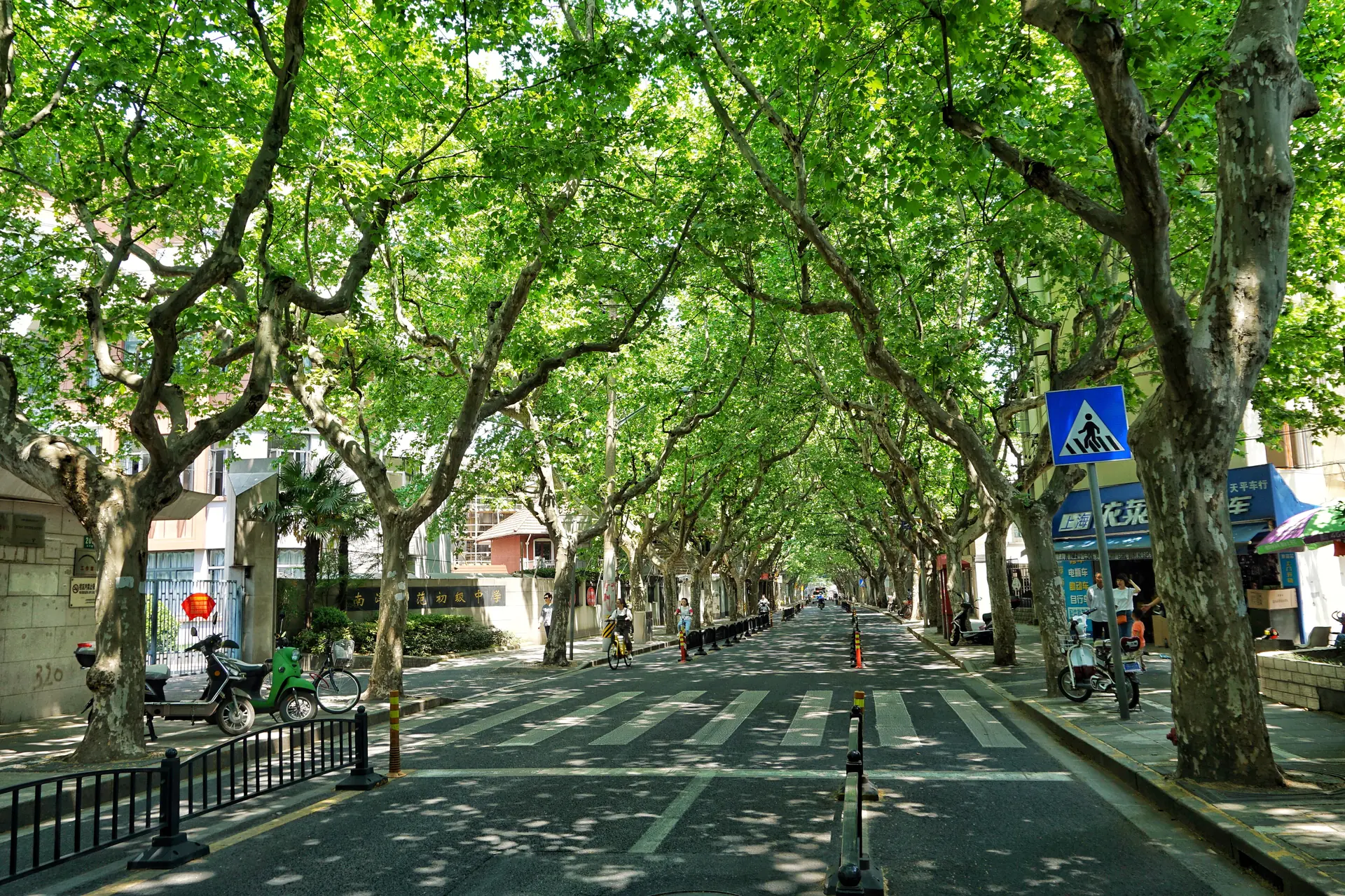
Treat this as a walking day with a few planned resets, not a chain of cafe and restaurant stops. Four decisions make the route much easier:
What Most French Concession Walks Get Wrong
The walk becomes richer when you stop chasing a single landmark or a borrowed label. Use these three corrections to keep the route focused:
1Not One Sight
There is no gate, ticket, or correct completion point. The value comes from sequence: famous corner, quieter street, villa or museum pause, park, then a lane or dinner finish.
2Not One Building
Wukang Mansion starts the story. Continue for road width, tree shade, apartment entrances, balconies, shop signs, and present-day life around the older fabric.
3Not Little Europe
Read Shanghai's own layers: treaty-port history, local residential architecture, shikumen lanes, post-1949 institutions, retail, and ordinary routines on the same pavements.
Pick a route and a mood. Trying to collect every photogenic address makes the walk thin and tiring.
Frequently Asked Questions
No. It is a historical term, not a current administrative district. For travelers, it usually means a cluster of central neighborhoods around Wukang Road, Anfu Road, Hengshan-Fuxing, Sinan, Fuxing Park, Tianzifang, and Xintiandi.
Sources checked for this guide
- Hengshan Road-Fuxing Road heritage-zone scale, boundaries and 12-zone context: Shanghai official heritage-zone guide
- Wukang Mansion setting and Wukang-Anfu block identity: Shanghai official Wukang-Anfu guide
- Current Soong Ching Ling Memorial Residence hours, last entry, ticket prices and official purchase channel: Soong Ching Ling Memorial Residence official site
- Shanghai Museum of Arts and Crafts hours, last entry, Monday closure and ticket prices: Shanghai official museum guide
- Sinan Mansions: 51-villa identity and 1920s-30s building period: Shanghai official Sinan Mansions guide
- Current Fuxing Park opening hours, free admission and French-style garden history: Shanghai official park guide
- Tianzifang location, free admission and 24-hour public-street access: Shanghai official Tianzifang guide
Beyond This Guide
Use the French Concession as Shanghai's slow half-day. Pair it with Xintiandi for dinner and nightlife, Yu Garden for old-city contrast, or our one-day Shanghai route if you need a full first-timer plan from garden lanes to skyline views.
- Shanghai Propaganda Poster Art Centre Guide — tuck an offbeat 20th-century poster collection into a west-Puxi afternoon
© gochinafreely.com — Original guide by Go China Freely.