Lhasa (拉萨) is not just Potala Palace (布达拉宫) plus a temple day. It is pilgrims circling Jokhang Temple (大昭寺), red-and-white palace walls glowing above the city, monastery debates in the afternoon, sweet tea poured at shared tables, high-plateau light, and lake roads that need more respect than their postcard photos suggest. For foreign visitors, though, Lhasa is also a permit-first destination: you plan the Tibet route before you treat it like a normal independent city stop.

Foreign visitors need arranged Tibet travel
Foreign passport holders generally need a Tibet Travel Permit before entering the Tibet Autonomous Region, including Lhasa. This normally means planning through a registered travel operator with a confirmed route. A private or one-person trip can still feel flexible, but it is not the same as ordinary independent travel in Beijing, Chengdu, or Xi'an.
First-Time Lhasa: Start Here
If you are looking at Lhasa for the first time, start with pacing and rules, not completeness. A short Lhasa trip can be powerful, but only if the first 48 hours protect your body and the route matches what your Tibet permit actually allows.
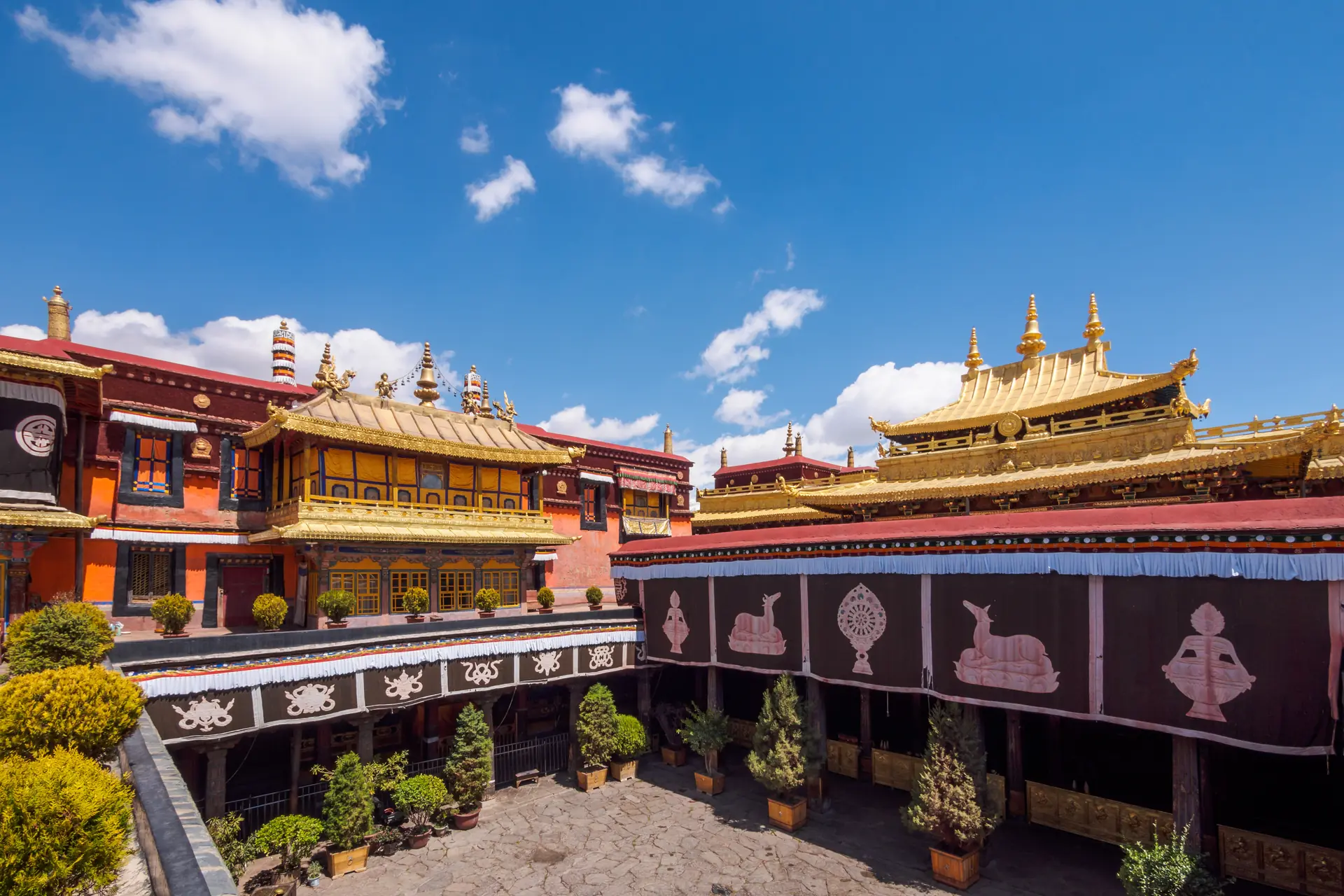
Three days
Focus on Jokhang Temple, Barkhor Street, Potala Palace, one photo viewpoint, and plenty of recovery time. Do not add a plateau lake unless you are already acclimatized and your route is built for it.
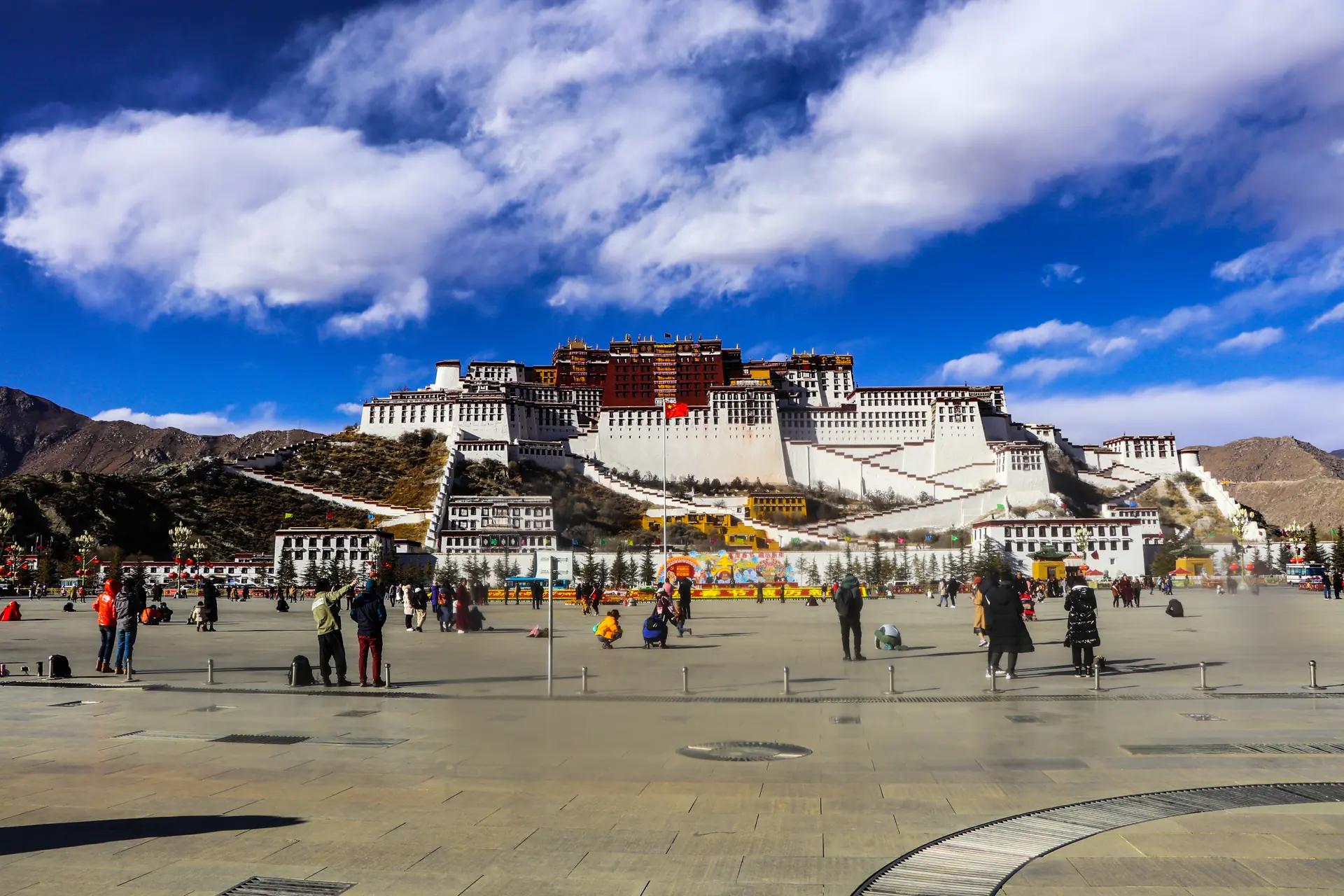
Four days
Add one monastery or Norbulingka after the core sights. This is the shortest version where Lhasa starts to feel layered rather than rushed, especially if Potala is scheduled after one acclimatization day.

Five days or more
Consider one lake extension, a wider Tibet route, or deeper monastery time. Choose Namtso Lake (纳木措) or Yamdrok Lake (羊卓雍措) carefully instead of stacking both into a short first trip.
This guide is best for first-time Tibet travelers, culture-focused visitors, photographers, families who need softer pacing, and independent-minded travelers who still need to respect Tibet's visitor rules. It is less useful if you want nightlife, shopping, or a fully flexible backpacking route with no fixed Tibet plan.
Lhasa Is a Permit-First Sacred City
The biggest mistake is treating Lhasa like another city on a China route. You can design a highly personalized Tibet trip, but for foreign visitors the Tibet segment usually needs a permit-backed itinerary, guide arrangements, and route approval before transport into Lhasa.
What is possible
You can choose a private tour, a family trip, or a small-group route. You can decide whether your Lhasa days focus on temples, photography, culture, lighter pacing, or nearby lake scenery.
What is not normal DIY
Do not assume you can personally board a Lhasa-bound train or flight, arrive without a Tibet Travel Permit, and then roam Tibet exactly like the rest of China.
- Confirm Tibet Travel Permit rules before paying for Lhasa transport.
- Use a registered Tibet operator for the permit-backed route.
- Treat sights beyond Lhasa, such as Everest, Ngari, or some border areas, as extra-permit planning.
- Keep your passport and permit details consistent with tickets, hotels, and route documents.
This is why a Lhasa "things to do" list should be read differently. The question is not only what is beautiful. It is what belongs on your first acclimatization day, what needs timed booking, what depends on monastery schedules, and what should wait until your body handles about 3,650 meters well.
Lhasa Is a City of Layers
The easiest way to understand Lhasa is to stop treating it as one sacred postcard and start seeing four different layers. A strong first trip should touch the first two, add one monastery layer, and only then consider a plateau extension.
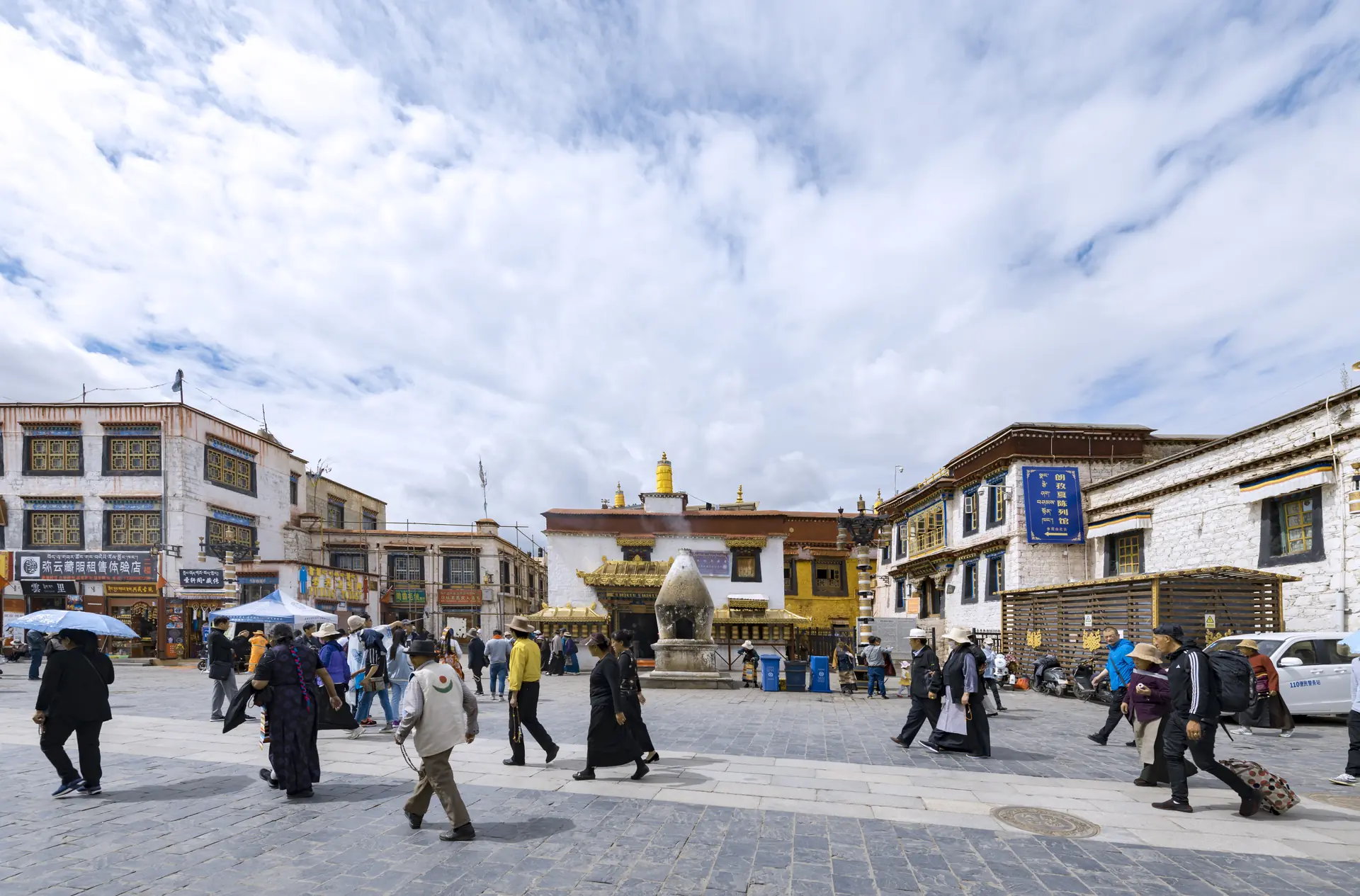
Sacred Old Town
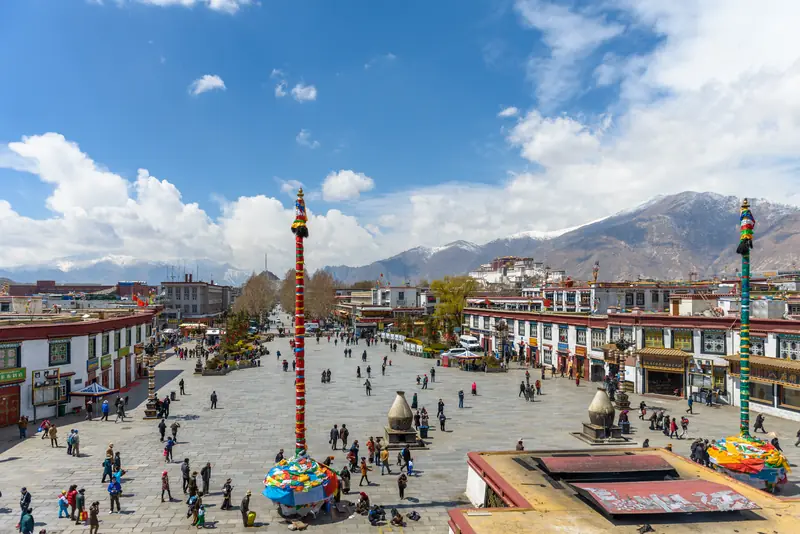
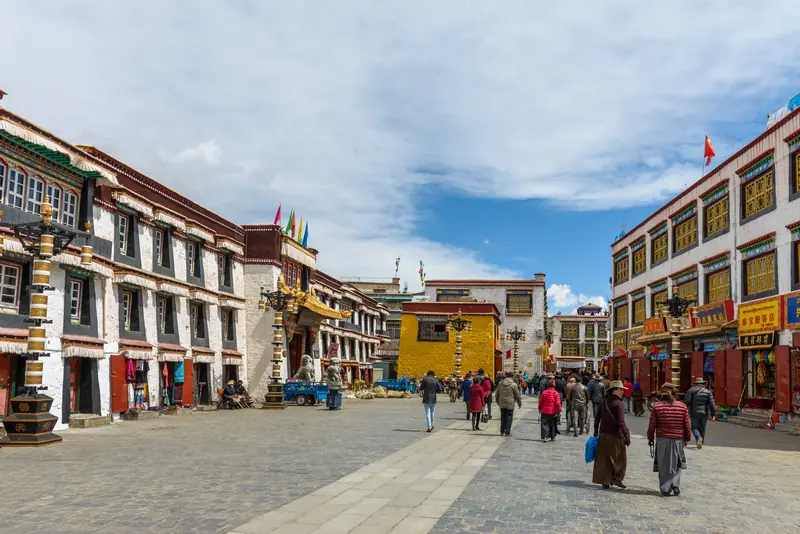
Where it shows up: Jokhang Temple, Barkhor Street, prayer wheels, incense, prostrations, and sweet tea houses.
This is Lhasa at human scale. Move slowly, walk clockwise, and observe before photographing.

Palace and Power
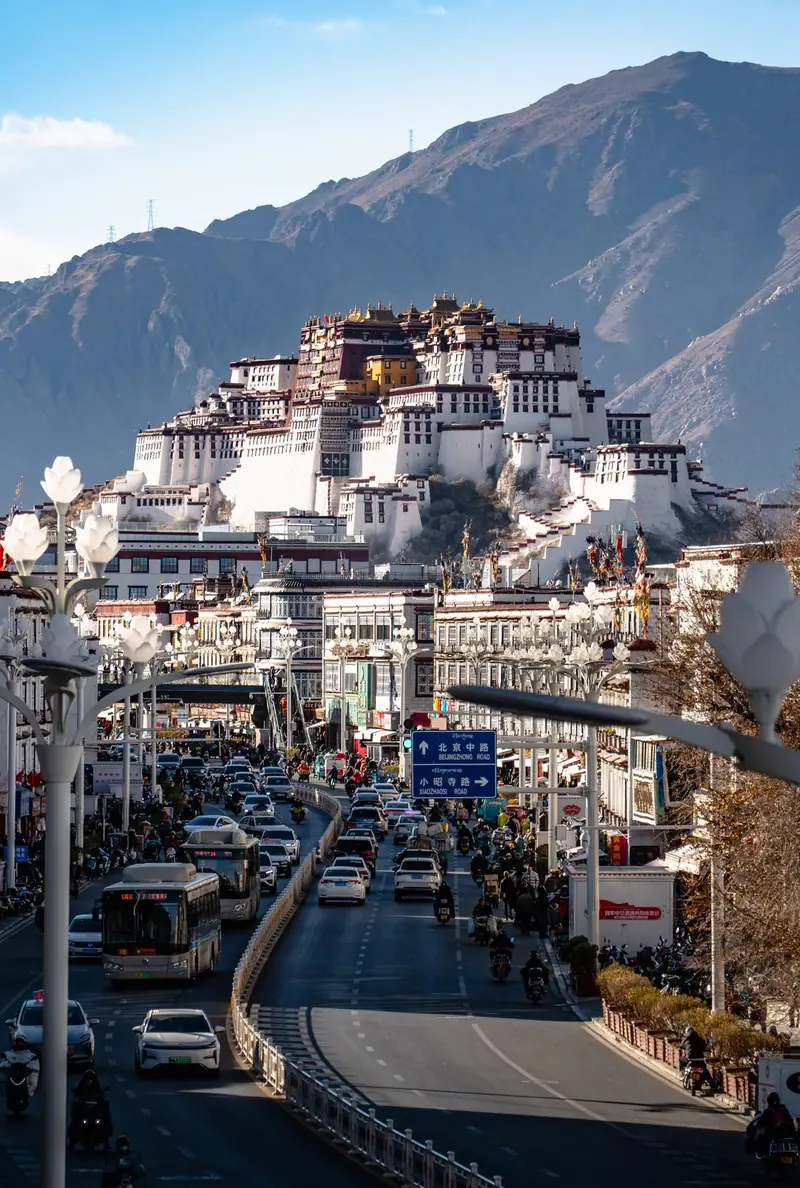
Where it shows up: Potala Palace, Yaowangshan Observation Deck, Zongjiao Lukang Park, and palace-view streets.
This layer gives Lhasa its skyline, but it also asks for timed tickets, stairs, and careful altitude pacing.
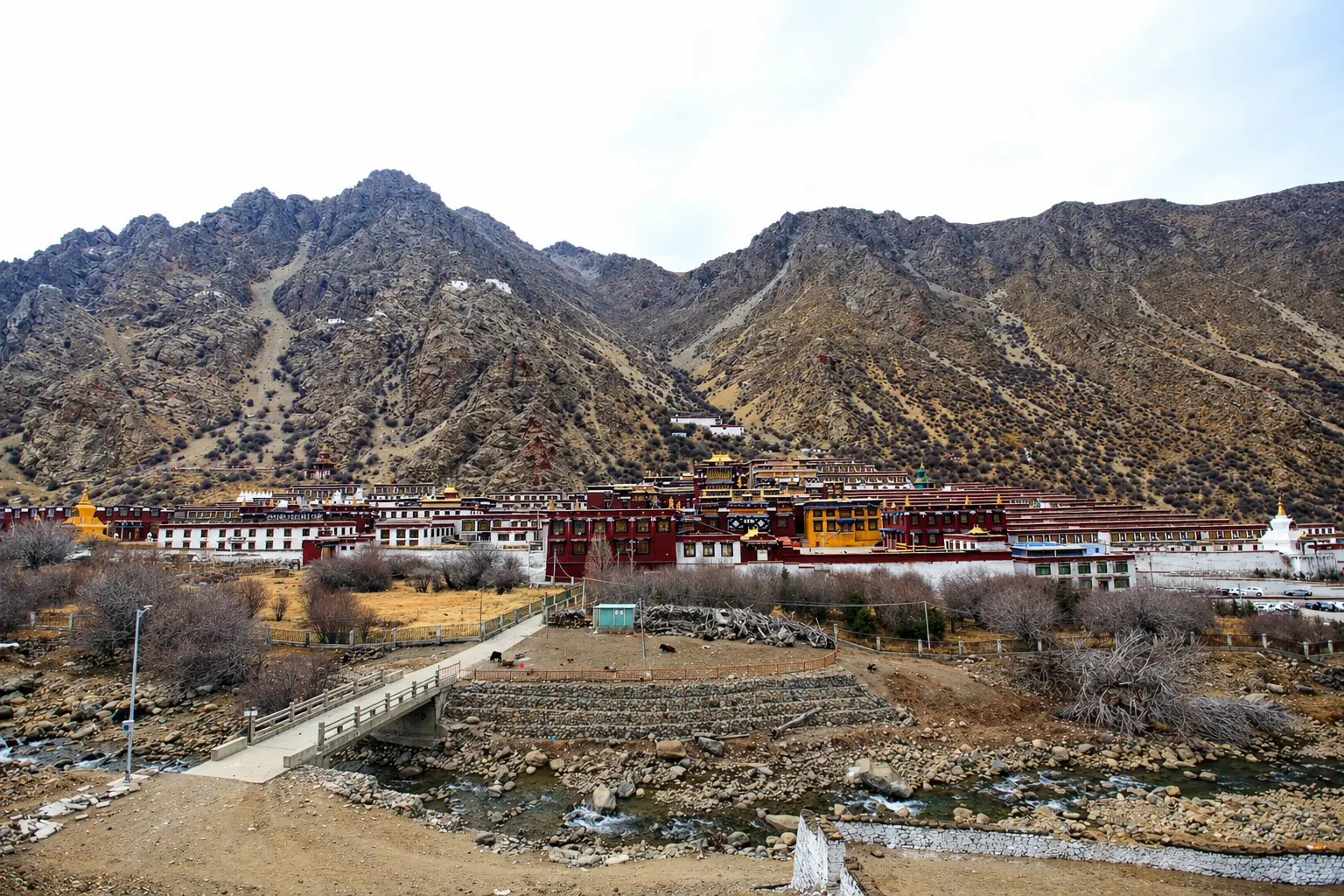
Monastery Hills
Where it shows up: Sera Monastery (色拉寺), Drepung Monastery (哲蚌寺), and festival courtyards.
This layer is quieter, more spacious, and more physical than many first-timers expect.
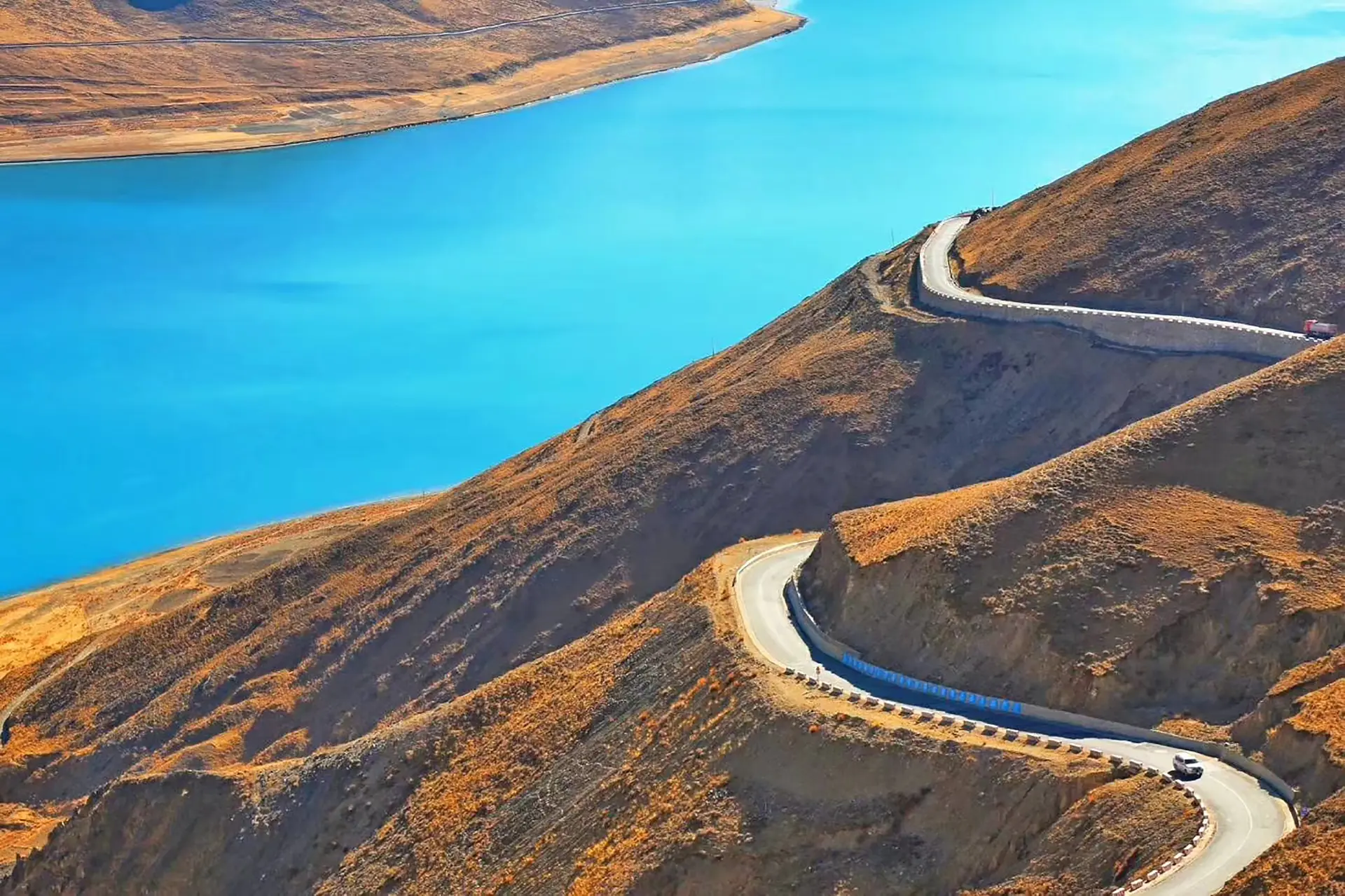
Plateau Extensions
Where it shows up: Namtso Lake, Yamdrok Lake, Shigatse routes, and high mountain passes.
This layer needs weather judgment, higher-altitude caution, and a route that is allowed for your trip.
For a first trip, the goal is not to "finish" Lhasa. Choose one or two strong experiences from each layer, then leave enough breathing room for the city to feel sacred, lived in, and physically manageable.
10 Lhasa Experiences Worth Building Around
The first three are the core of almost every first Lhasa trip. The others help you choose between monastery depth, easier recovery time, local life, evening culture, and permit-dependent excursions beyond the city.

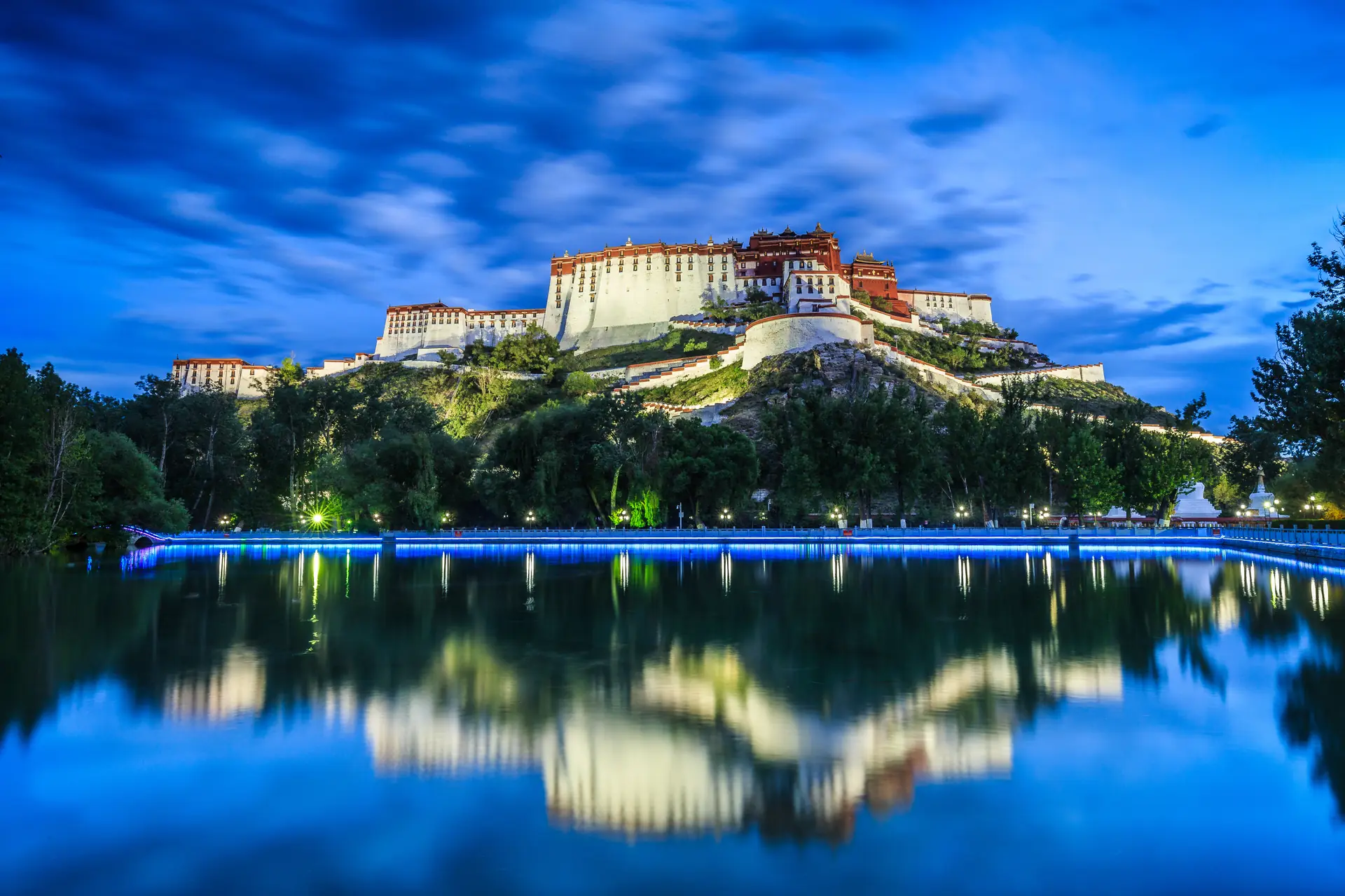
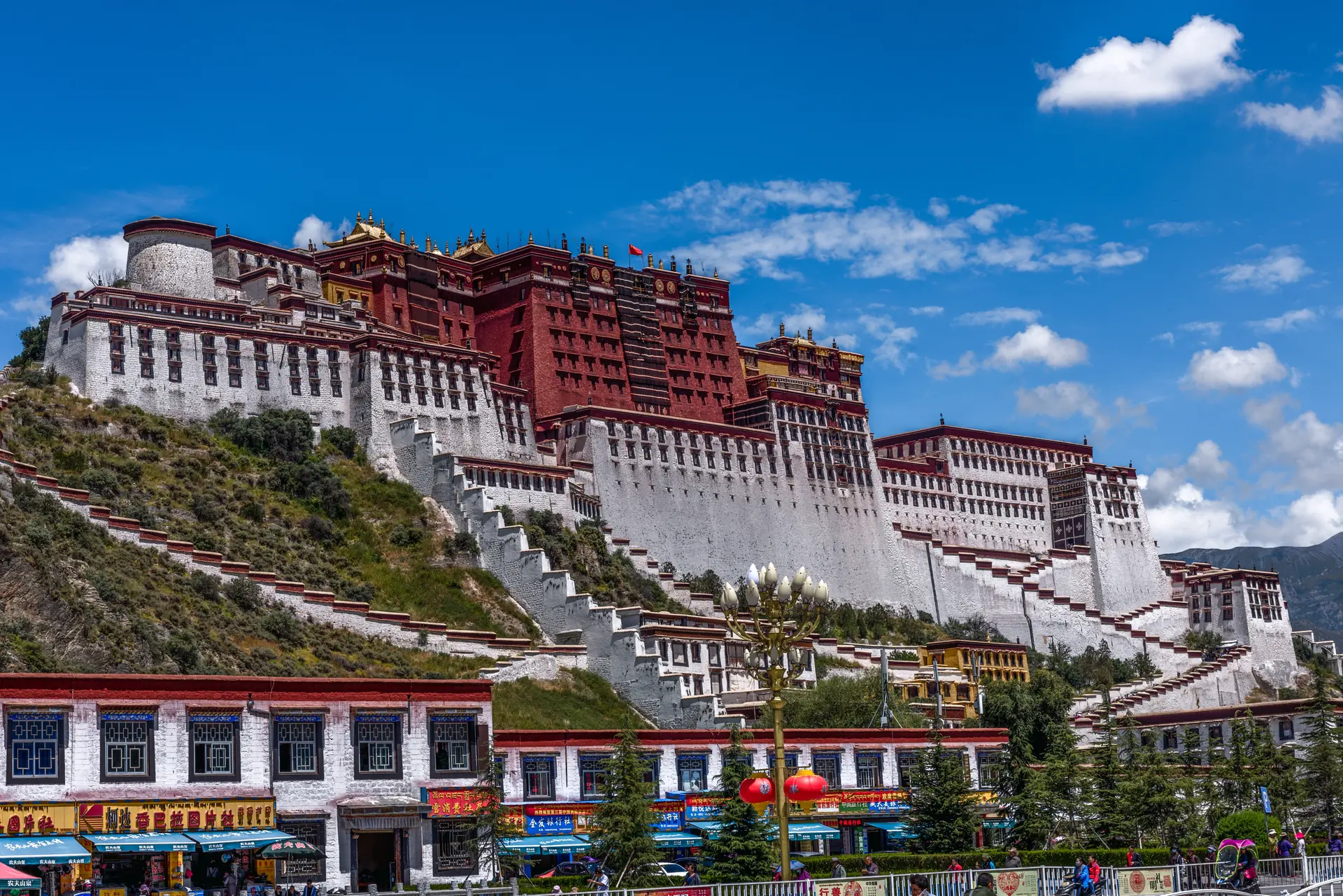
Potala Palace is the first image most travelers associate with Lhasa, but it should not be your arrival-day activity. The visit involves altitude, stairs, security, a one-way route, and timed tickets. Read our Potala Palace guide before fixing your first Lhasa days.

Jokhang Temple is the spiritual heart of Lhasa. The key is not just seeing the building; it is understanding the pilgrims, the Jowo Buddha, the clockwise flow, and the etiquette around sacred halls. Pair it with one quiet Barkhor loop.
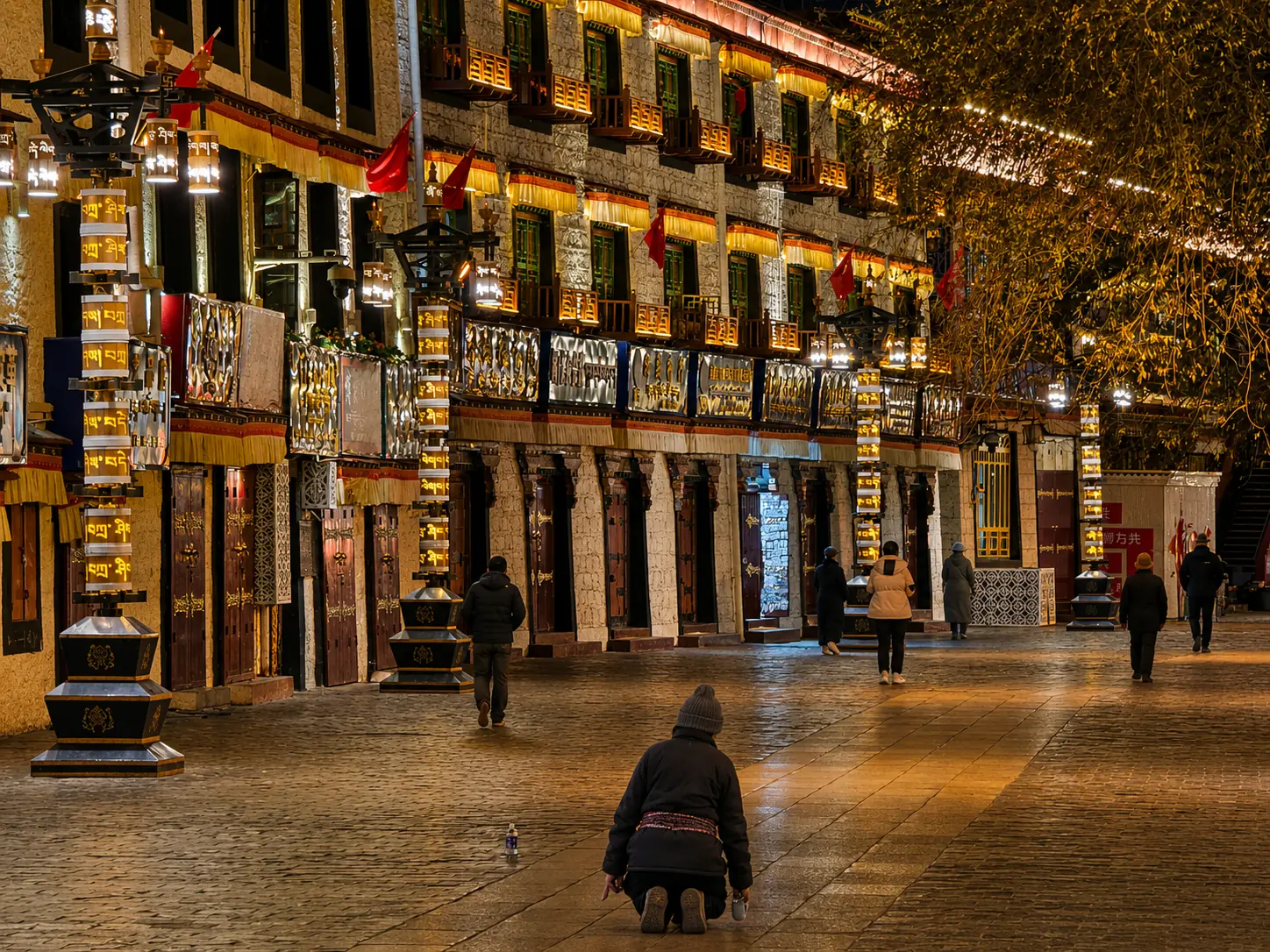
Barkhor Street is a pilgrimage route before it is a shopping street. Walk clockwise, leave space for prostrating pilgrims, and save your first full loop for morning or late afternoon. Use our Barkhor walking guide for route etiquette.
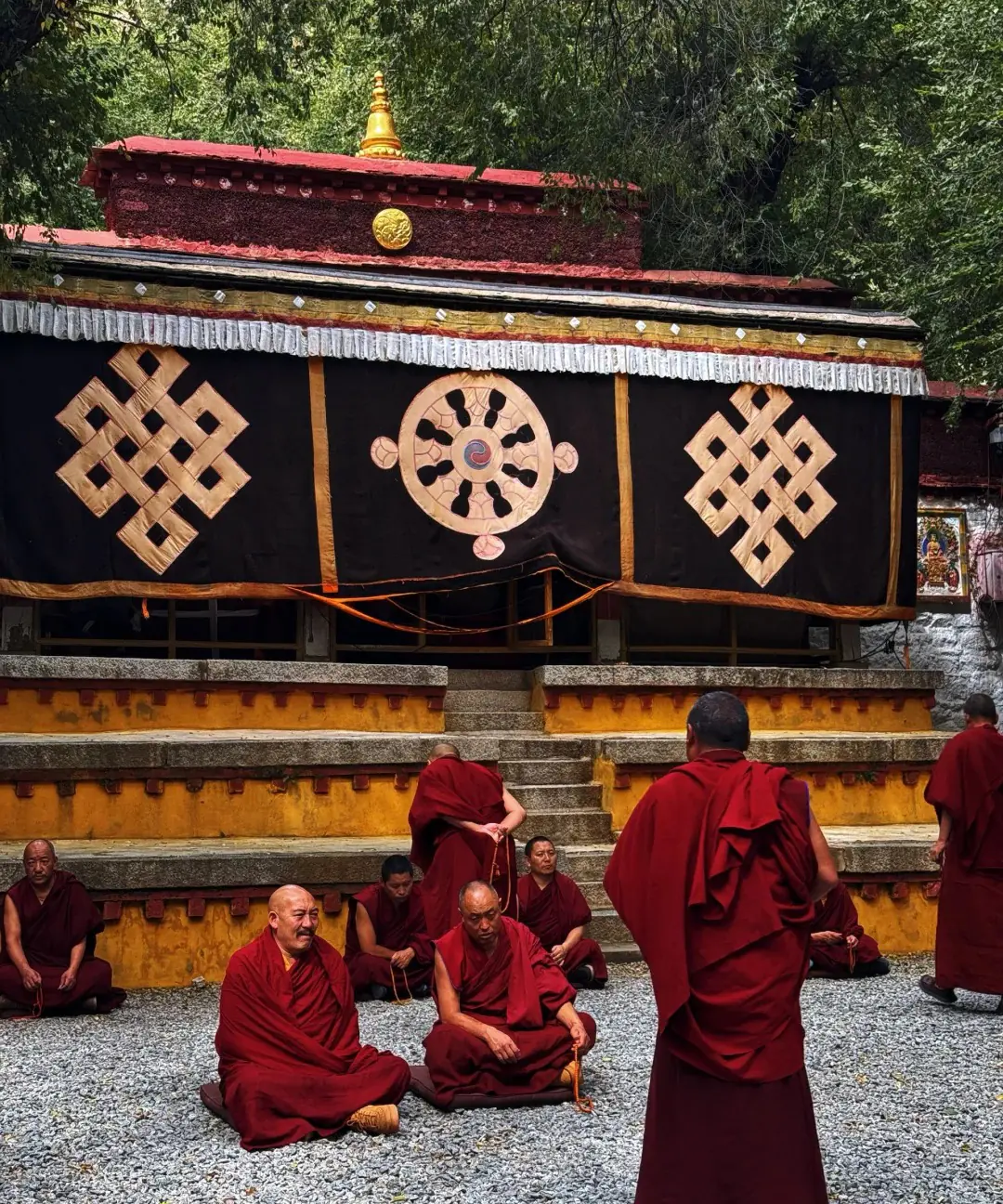
Sera Monastery is best known for its debating courtyard, usually an afternoon experience when schedules allow. Have your guide confirm the current day before you build the whole afternoon around it.
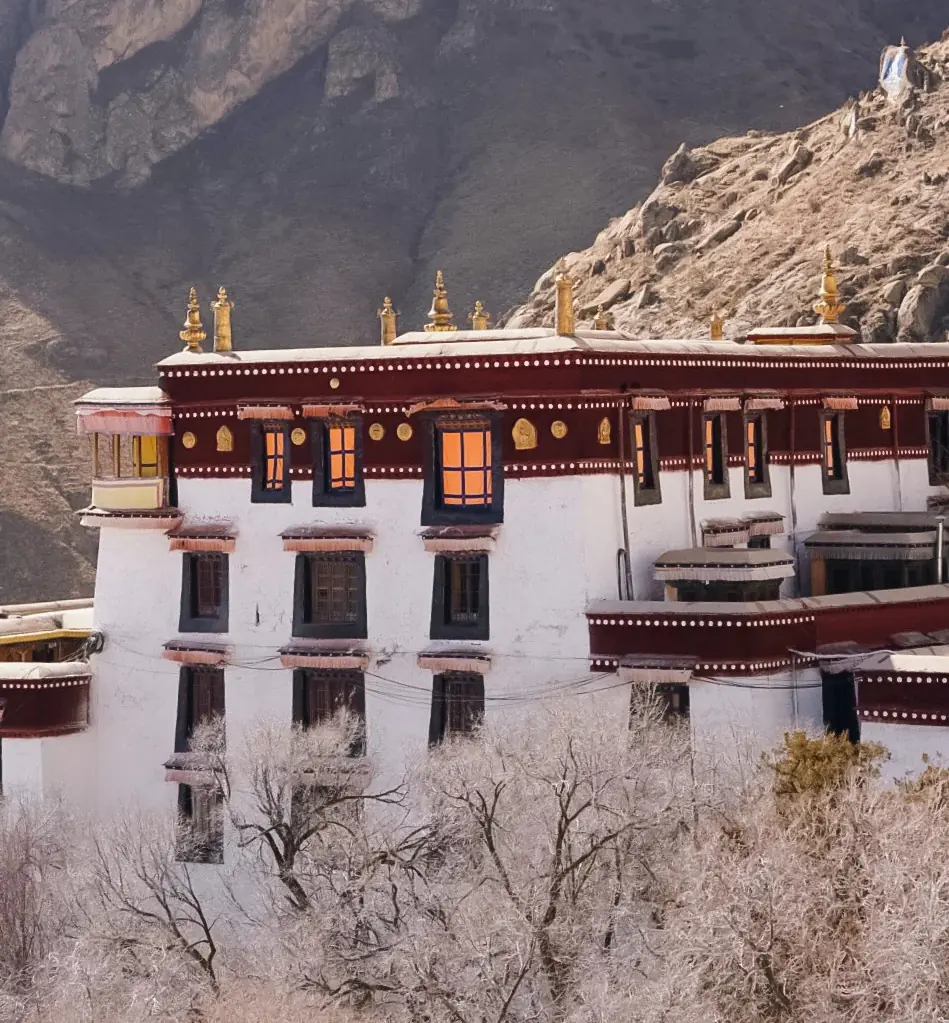
Drepung Monastery is larger and more physical than many first-timers expect. It works best once you have adjusted to altitude and are ready for a slower, more spacious monastery day.
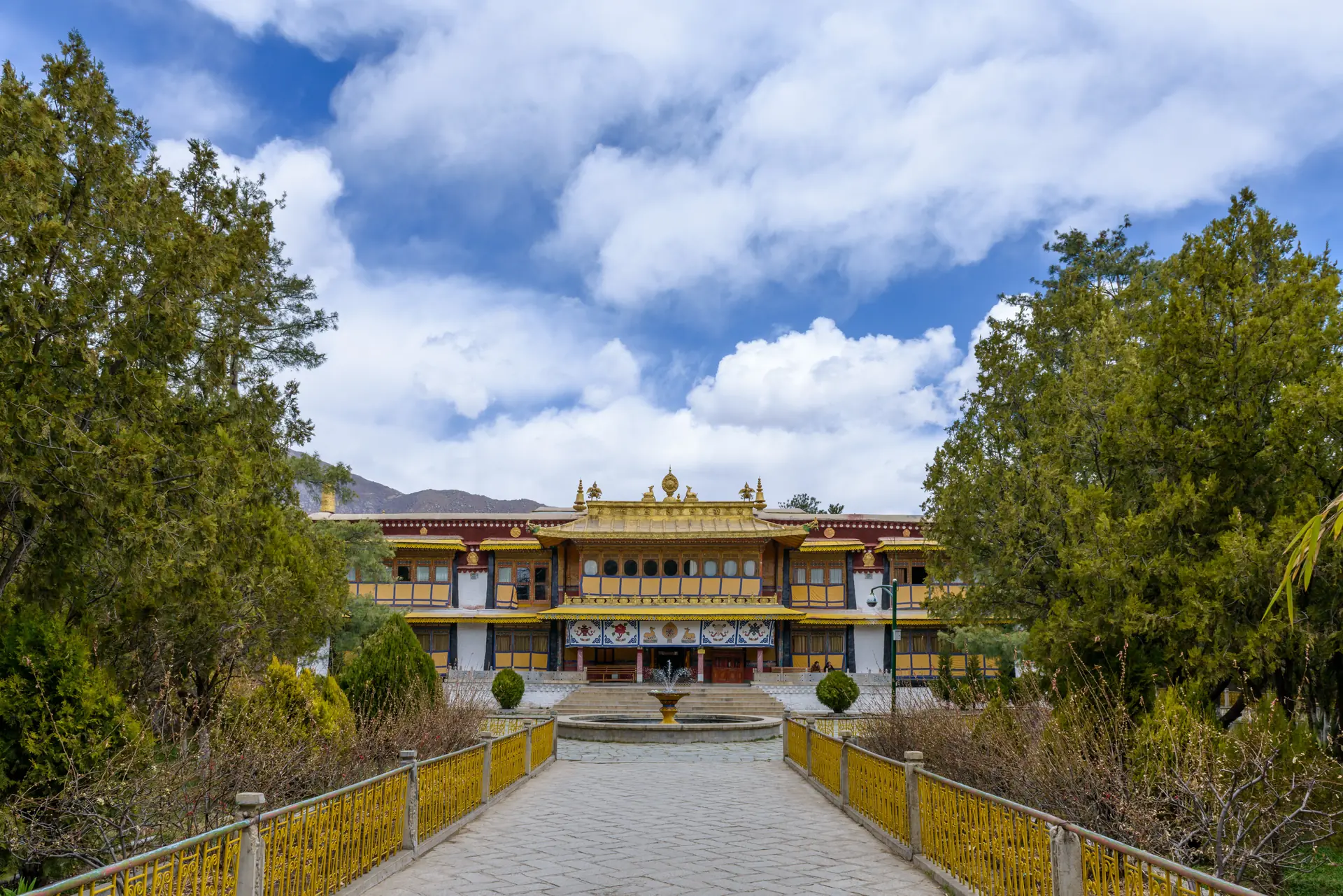
Norbulingka is flatter, greener, and easier on the lungs than Potala or Drepung. It is a smart recovery-day choice, especially for families or travelers who need a gentler cultural stop.
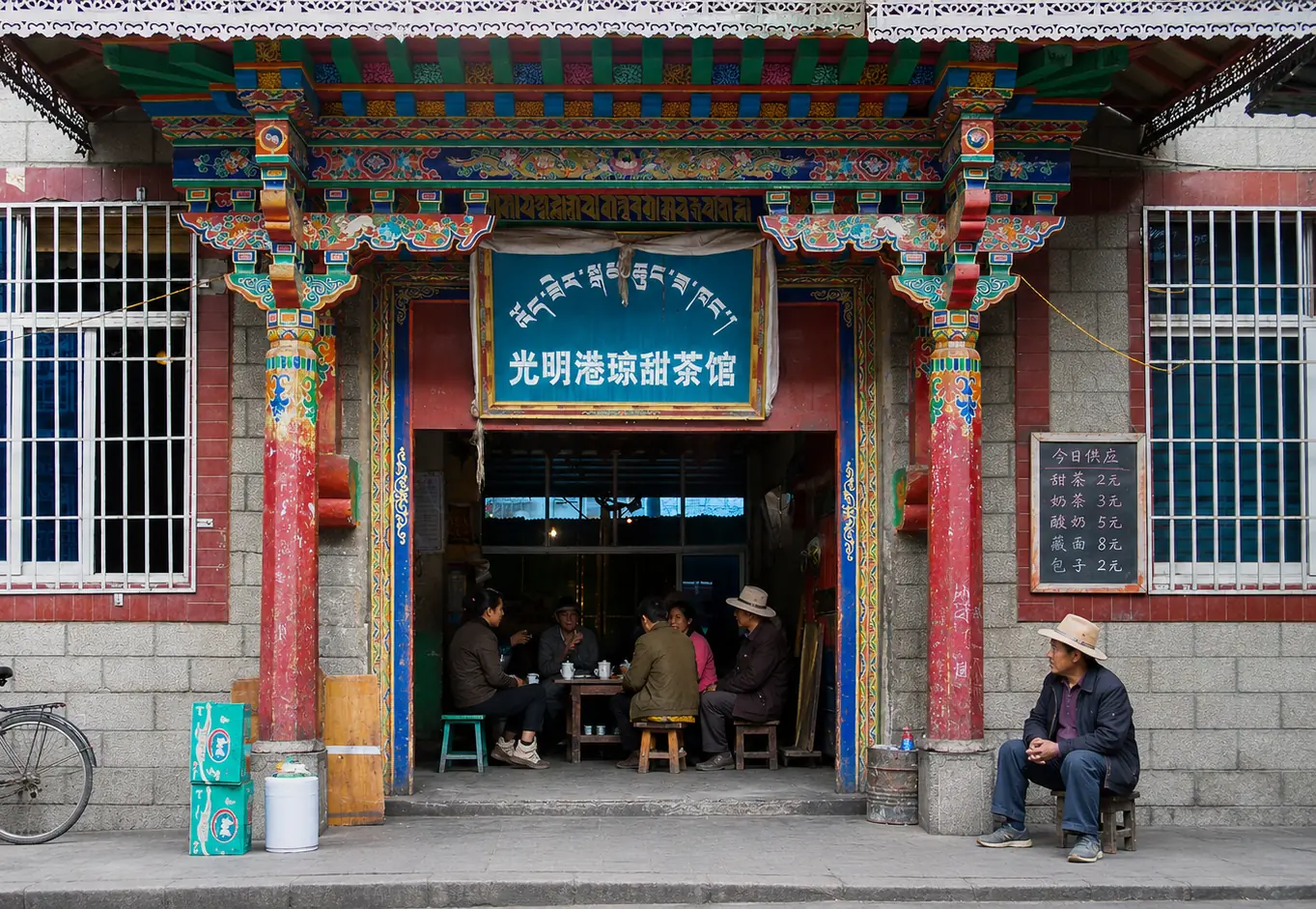
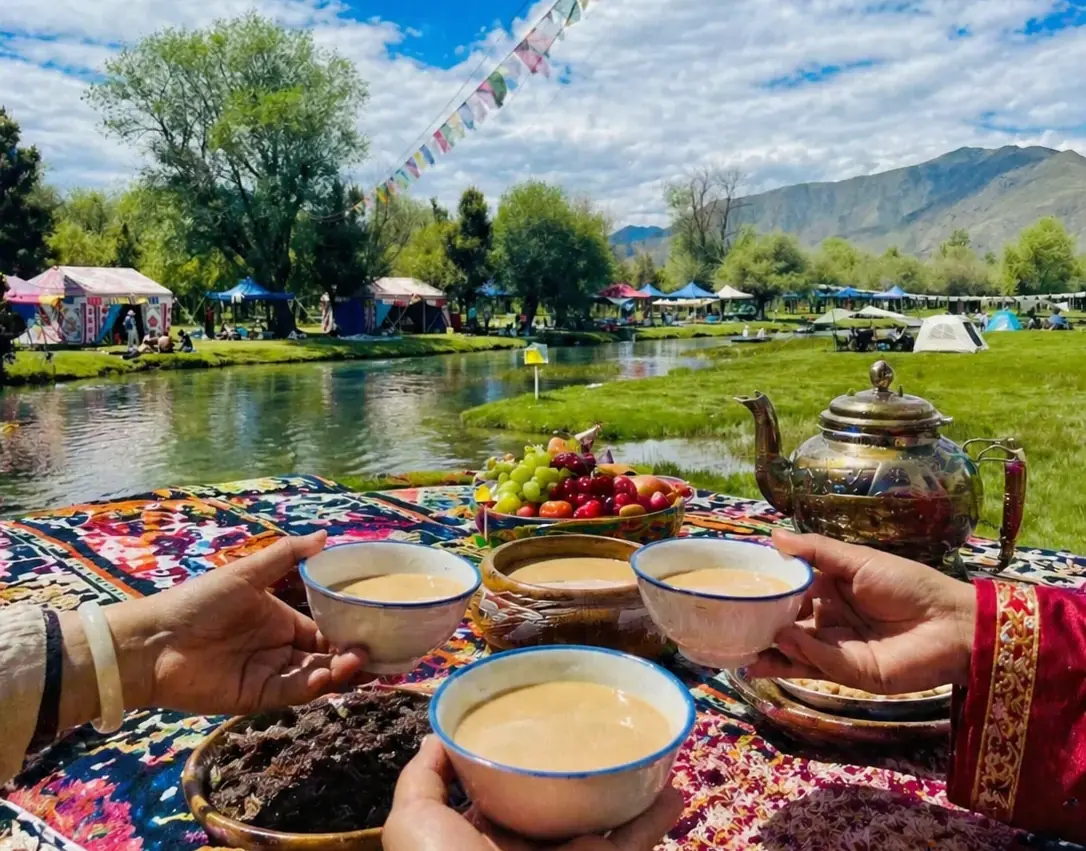
Lhasa becomes more human when you sit down for sweet tea, Tibetan noodles, and shared tables. Guangming Sweet Teahouse (光明港琼甜茶馆) is the classic low-key stop after Barkhor or Jokhang.

The Princess Wencheng show can be a strong evening if you like staged culture, but it still happens at high altitude and in cold night air. Schedule it on your second or third evening, not right after landing.
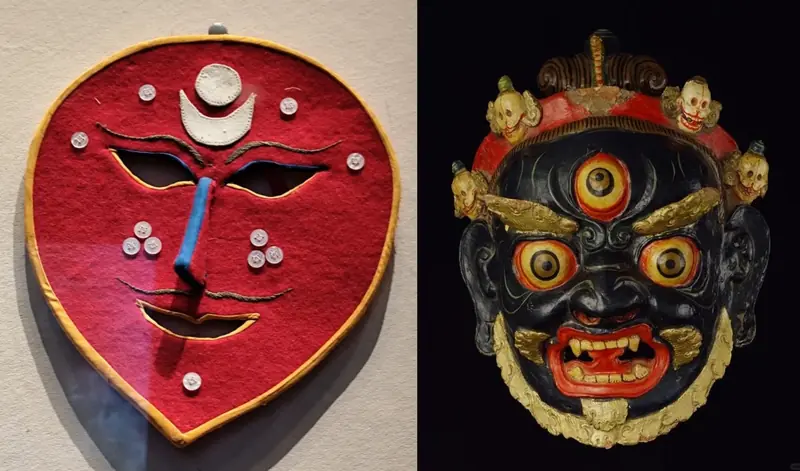
9. Check Seasonal Opera and Cham
Festivals, masks, and monastery rituals
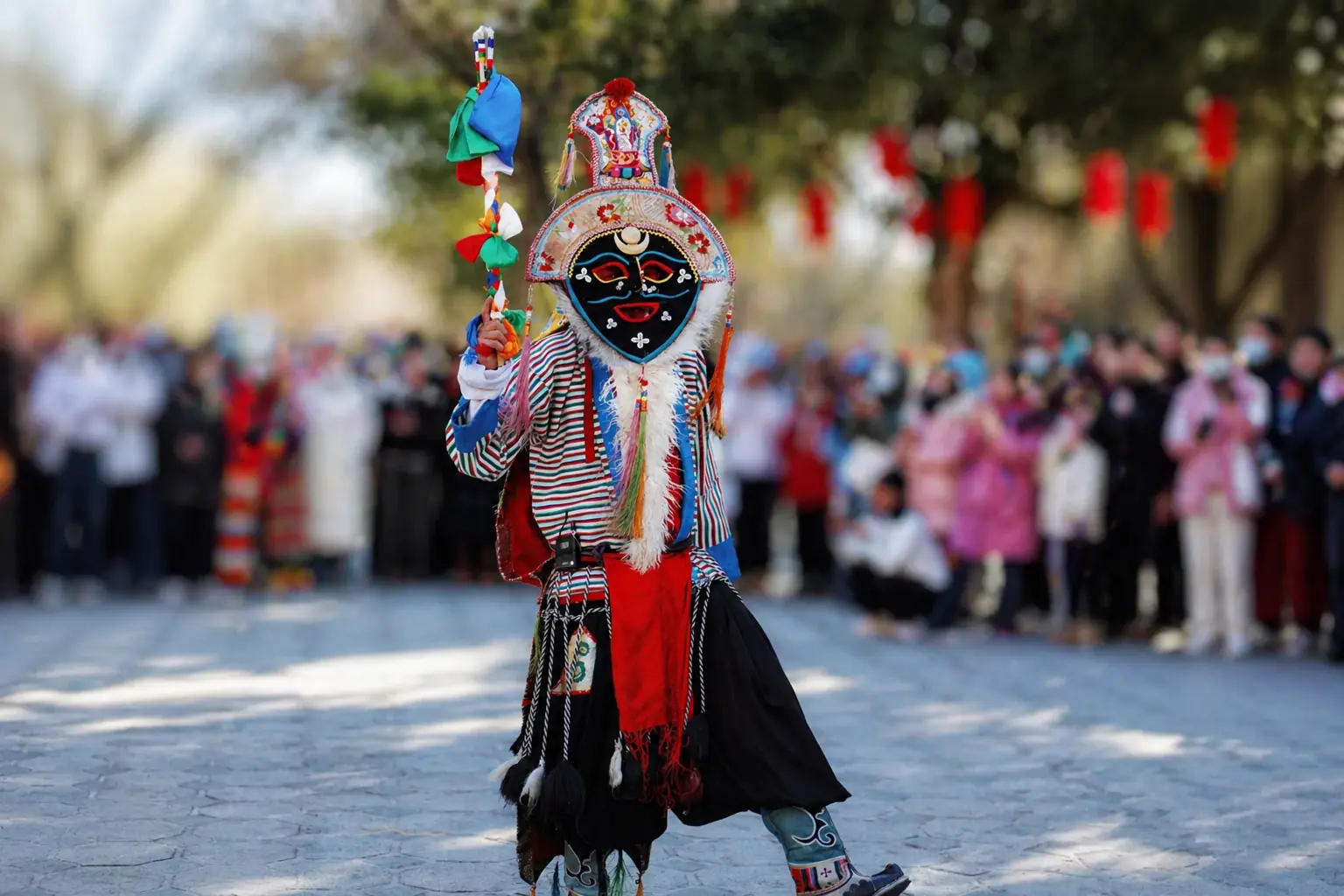
Tibetan opera, Cham dance, Shoton Festival, and monastery rituals can turn a Lhasa trip from sightseeing into living culture. Dates follow the Tibetan calendar and venue rules vary, so treat them as date-specific opportunities.
10. Choose One Lake Extension
Namtso or Yamdrok, not everything
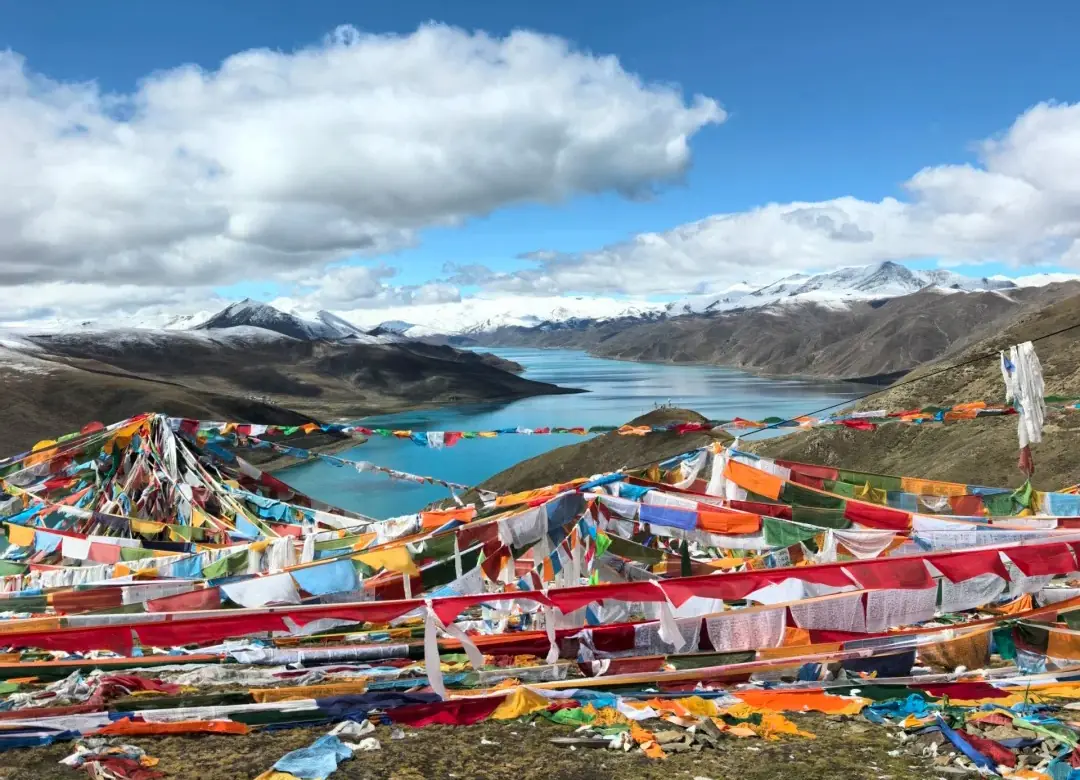
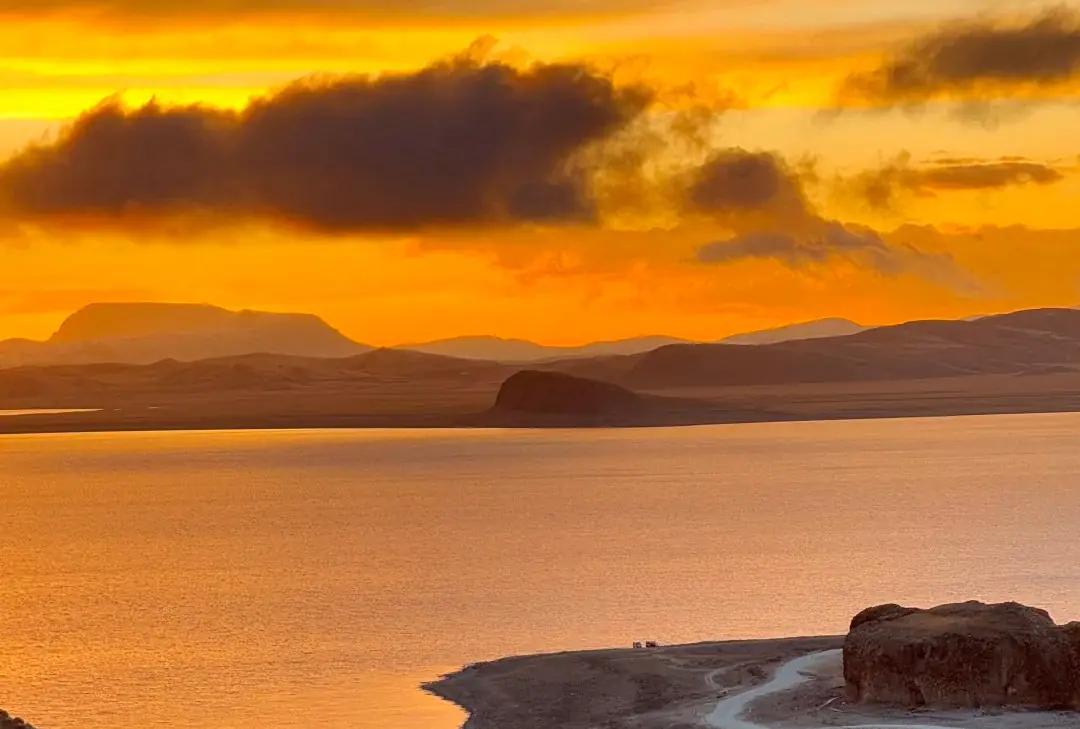
Namtso Lake and Yamdrok Lake are not ordinary city add-ons. They involve longer drives, higher altitude, weather risk, and route permissions. First-timers should choose one carefully instead of stacking both into a short Lhasa stay.
Choose the Right Lhasa Trip Style
Do not choose Lhasa stops by fame alone. Choose the version that matches your body, dates, interests, and the amount of Tibet paperwork you are willing to carry.
The Classic First Trip
Best for: icons, sacred core, and a clear first Lhasa memory.
Build around Potala Palace, Jokhang Temple, Barkhor Street, one monastery, Norbulingka or a tea house, and one photo viewpoint. Keep the first day light.
The Faith and Culture Trip
Best for: temple time, living rituals, and slower observation.
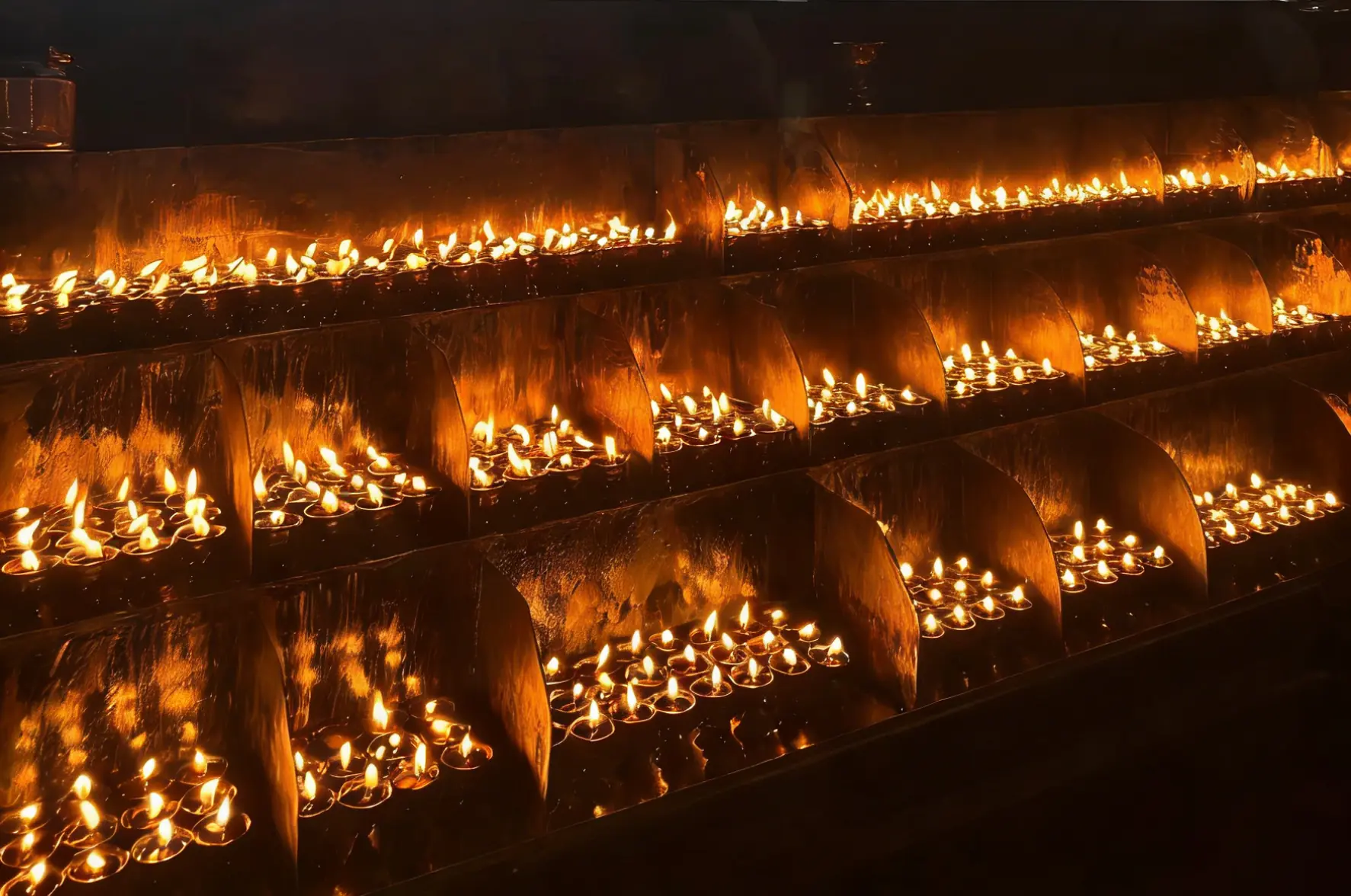
Prioritize Jokhang, Barkhor, Drepung, Sera, Norbulingka, and seasonal opera or Cham instead of pushing quickly toward lake excursions.
The Lower-Stress Family Trip
Best for: mixed fitness, older travelers, children, and gentler days.
Keep Day 1 gentle, delay Potala until after acclimatization, choose fewer monasteries, and avoid late shows right after arrival.
Lhasa by Area: Old Town to Lakes
Before you build each day, get a feel for how Lhasa's highlights cluster. The map looks compact in the city center, but altitude, security checks, timed entries, and monastery locations make day weight more important than distance alone.

Potala and Viewpoints
Includes: Potala Palace, Potala Square, Yaowangshan, and Zongjiao Lukang Park.
Use this for: the city symbol, skyline photos, and the heaviest first-trip anchor. Watch out: timed entry, stairs, and first-day altitude risk.
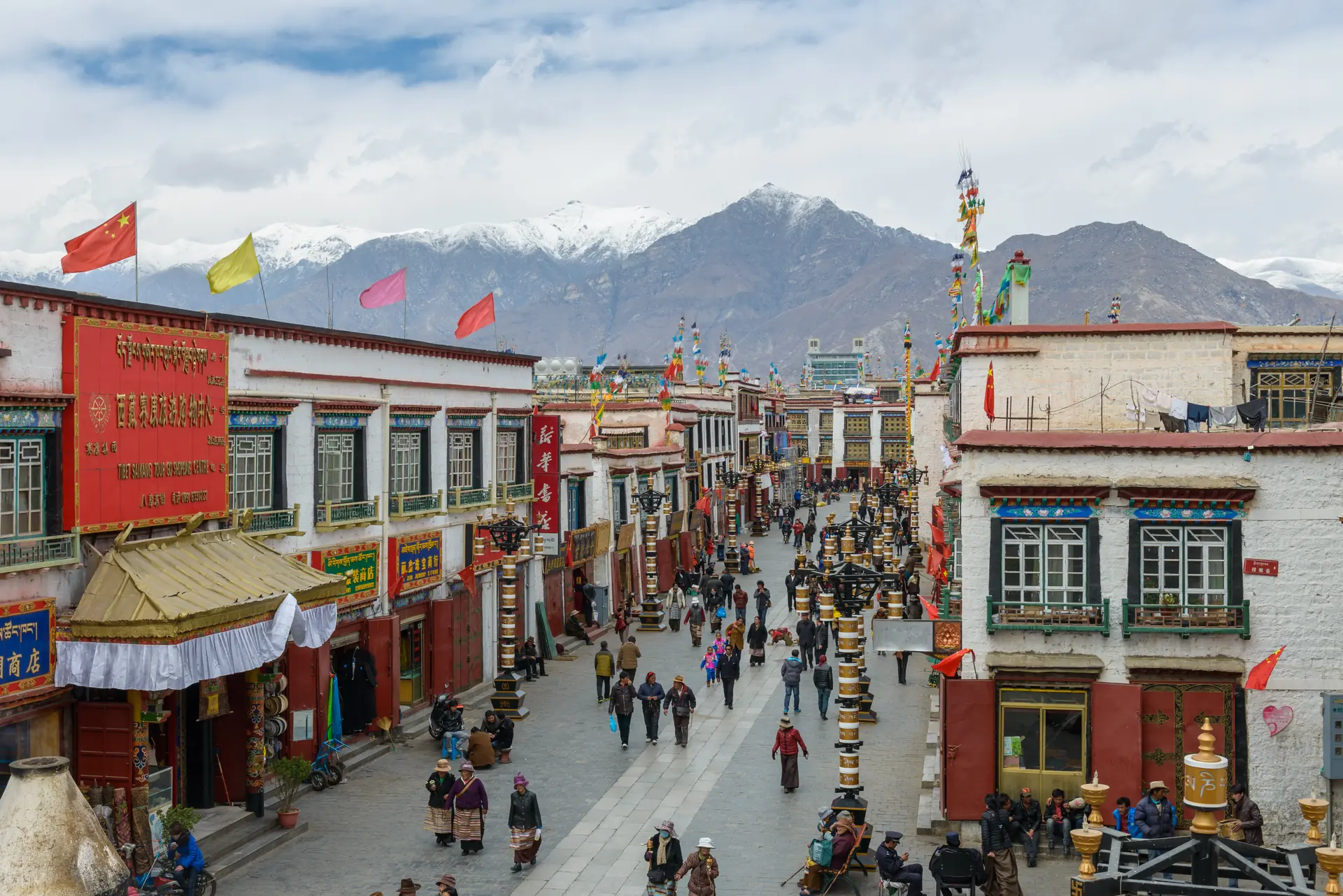
Jokhang and Barkhor
Includes: Jokhang Temple, Barkhor kora, prayer wheels, tea houses, shops, and old-town lanes.
Use this for: Lhasa's sacred daily rhythm. Watch out: photography etiquette and crowd flow around pilgrims.
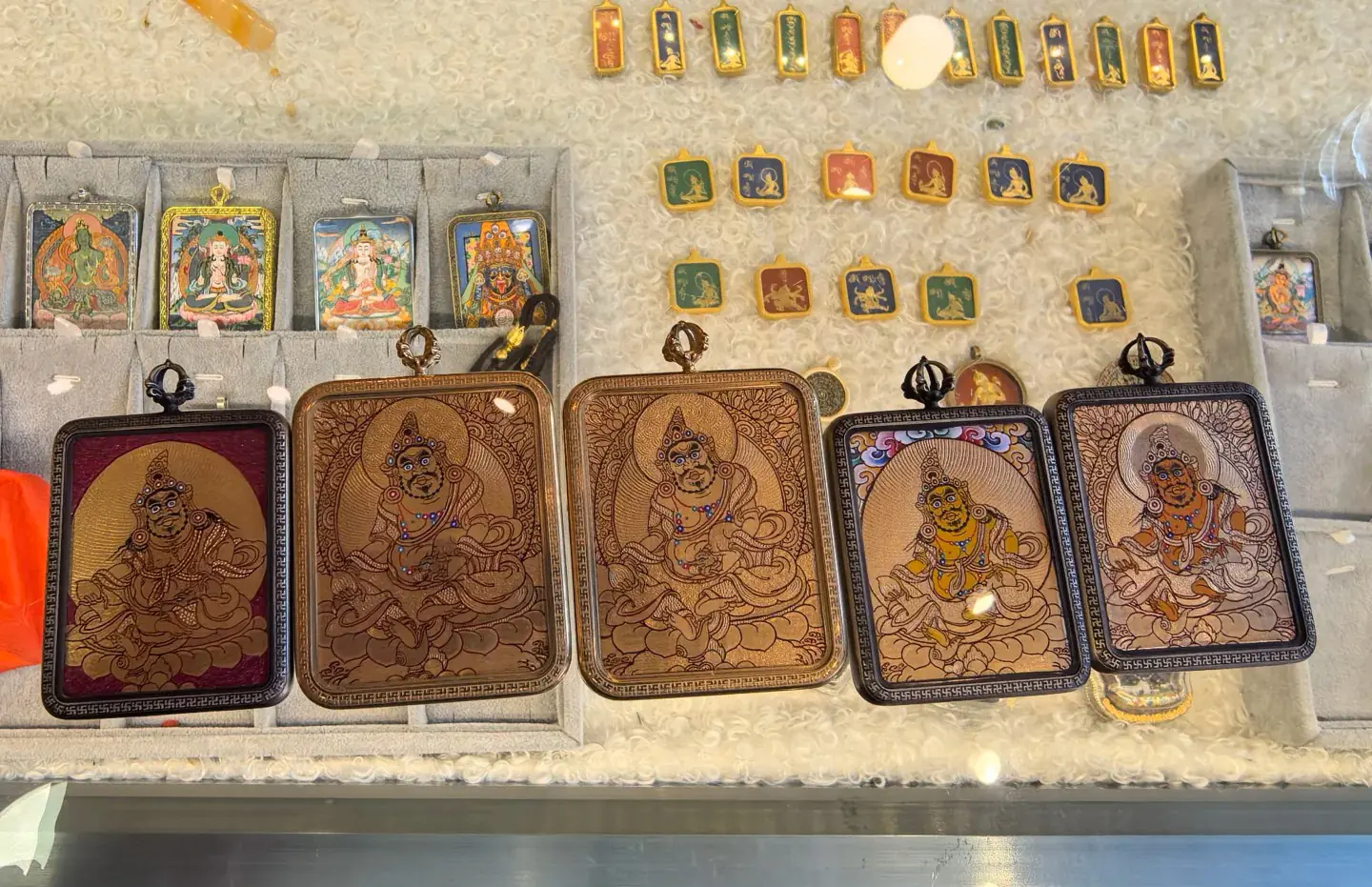
Western Recovery Stops
Includes: Norbulingka, slower museum or craft stops, and easier meals.
Use this for: softer pacing between heavier sights. Watch out: it is meant to protect the trip rhythm, not fill every spare hour.
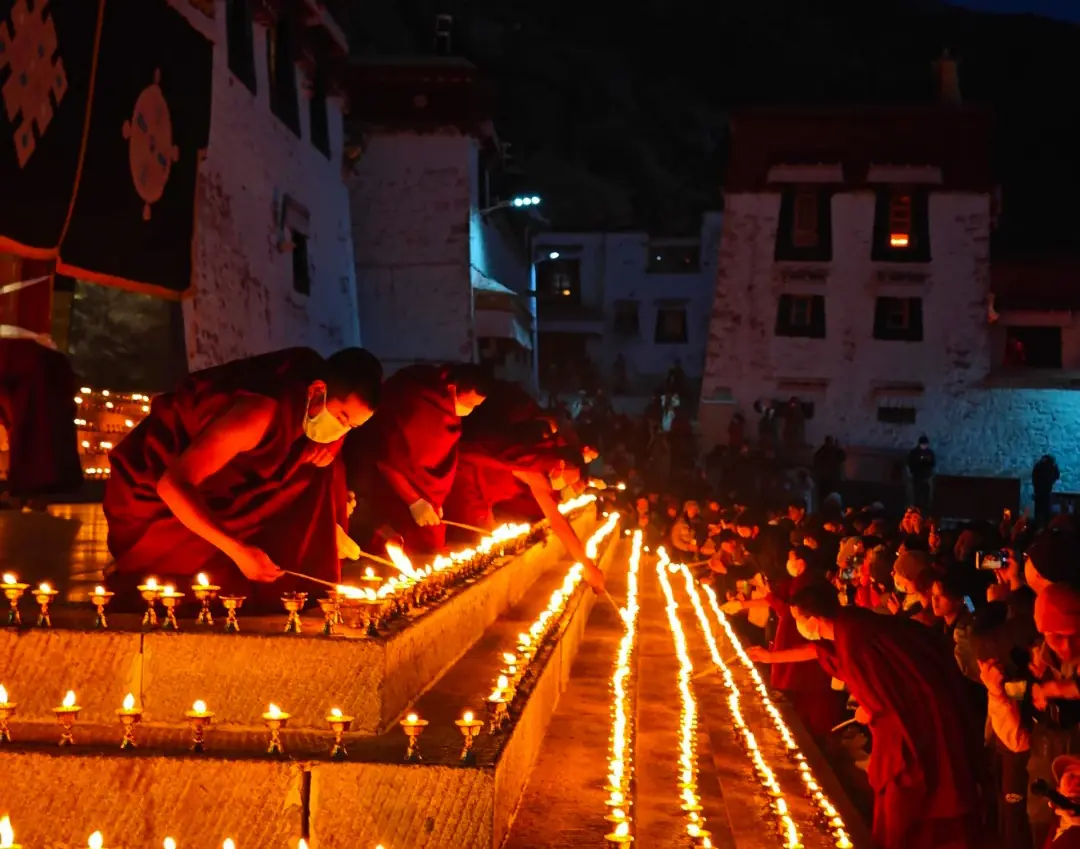
Monastery Belt
Includes: Sera Monastery, Drepung Monastery, and festival-linked monastery courtyards.
Use this for: monastic scale, afternoon debates, and deeper Tibetan Buddhist context. Watch out: slopes and schedules.
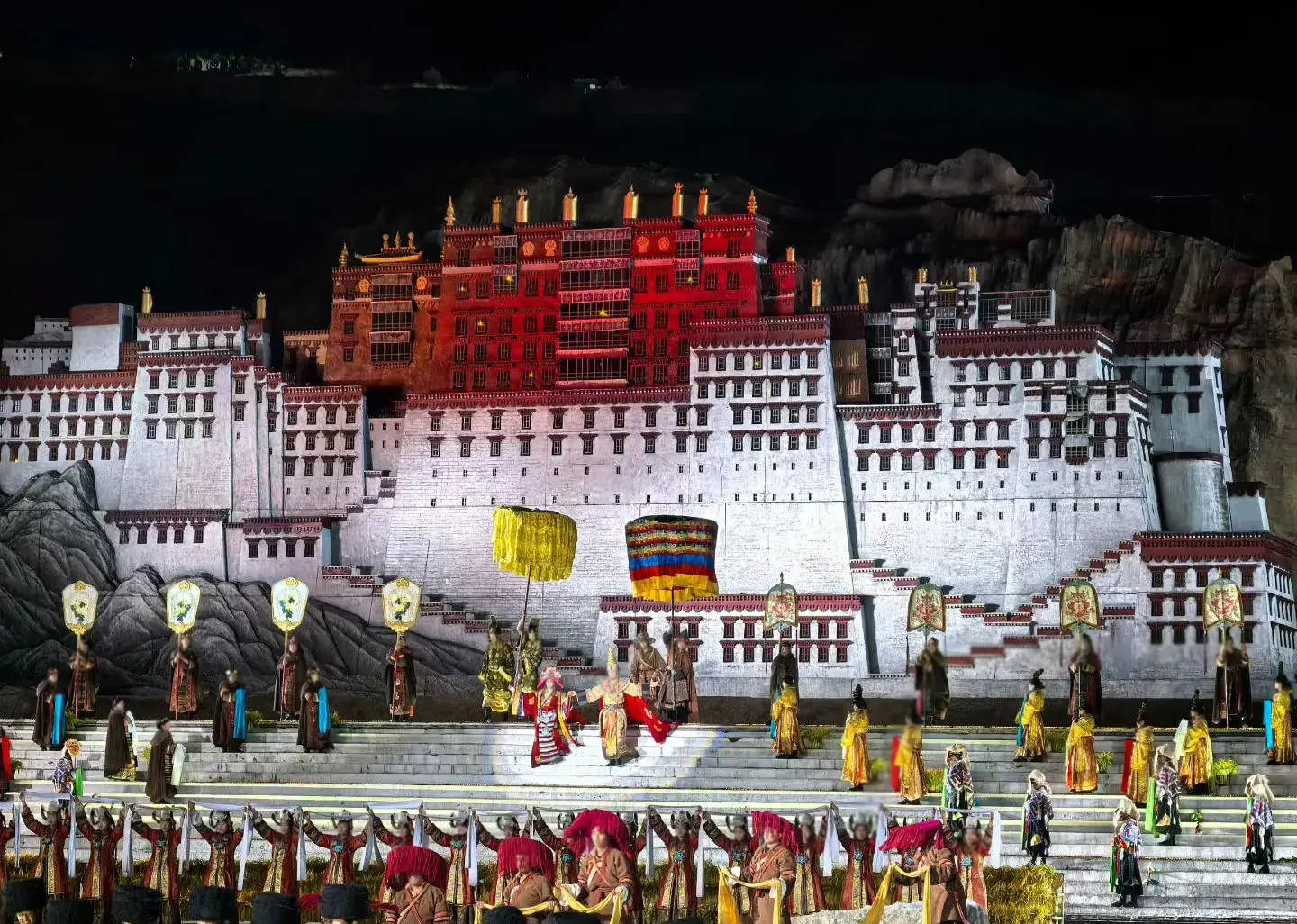
Evening Culture
Includes: Princess Wencheng, Tibetan opera, selected cultural shows, and night views.
Use this for: a memorable evening after a lighter day. Watch out: cold night air and high-altitude fatigue.
High-Plateau Routes
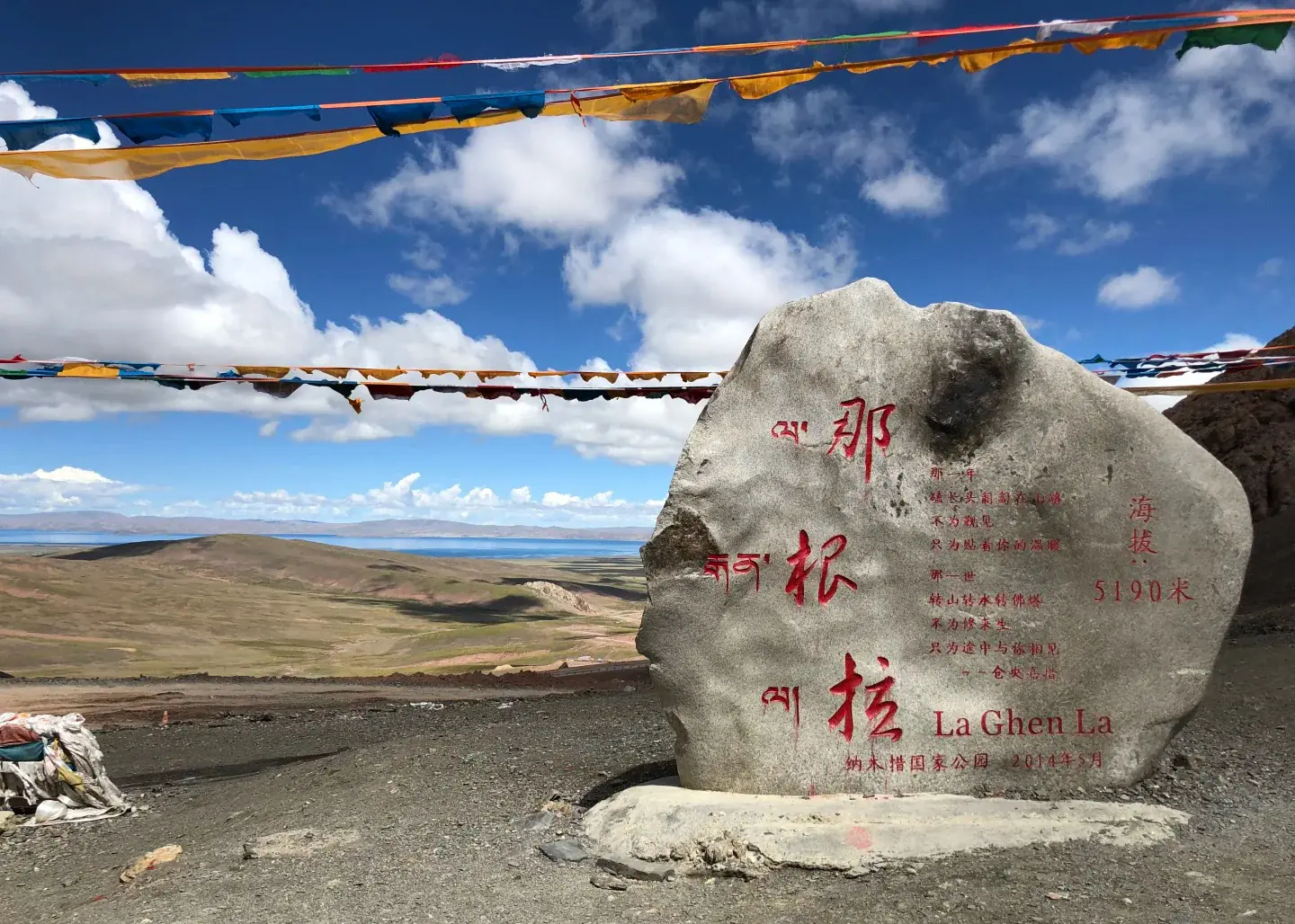
Includes: Namtso Lake, Yamdrok Lake, Shigatse routes, and higher passes.
Use this for: one big landscape day or a wider Tibet itinerary. Watch out: extra altitude, weather, and route permissions.
Plan Your First Lhasa Days Well
Two rushed nights are usually too thin for Lhasa. Foreign visitors already have to invest in permit-backed planning, so it makes sense to give the city enough time to breathe.
- Arrive and rest- Short old-town walk only; no hard climbing
- Jokhang Temple and Barkhor- Slow sacred core day with tea-house breaks
- Potala Palace and photo viewpoints- Timed visit after one full acclimatization day
- Sera, Drepung, or Norbulingka- Choose one main cultural focus
- Lake or wider Tibet route- Only if permits, health, and weather line up
If you only have three days, do not add a lake. Use the time to make Potala, Jokhang, Barkhor, and one monastery feel calm. If you have four or five days, you can start thinking about Namtso, Yamdrok, or a route onward to Shigatse.
Permit Rules Foreign Visitors Must Know
The Tibet Travel Permit is not a China visa. It is a separate Tibet entry document for foreign travelers, and it is tied to your identity, route, and travel arrangement. You should confirm this before buying non-refundable transport into Lhasa.
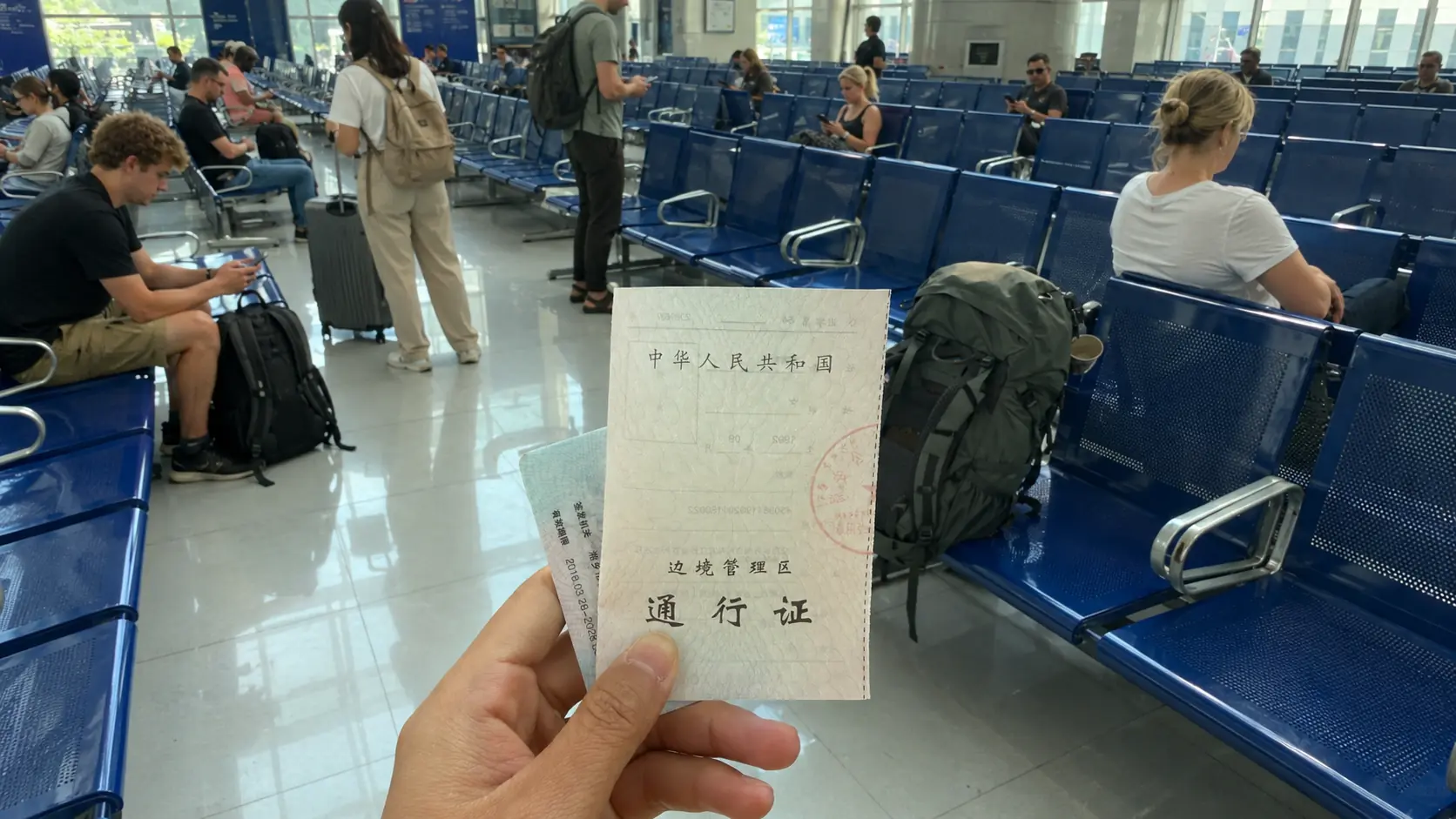
- Do not plan Tibet as a last-minute open-ended add-on to a China trip.
- Ask your operator how the permit, guide, route, and documents are coordinated.
- Lhasa city sightseeing is the simplest Tibet segment; areas beyond Lhasa may require more route control.
- If you are a journalist, diplomat, official visitor, or entering from Nepal, rules can differ from ordinary tourism.
Private trip does not mean permit-free trip
A private Tibet trip can be the right choice if you want flexibility, but it still needs the legal Tibet travel process. Keep the language clear: you are customizing an arranged route, not bypassing the permit system.
Altitude Rules That Shape Your Schedule
Lhasa sits at about 3,650 meters. That number should shape the first 48 hours of the trip more than any sightseeing list. Fit travelers can still get headaches, poor sleep, shortness of breath, or nausea.
~3,650 m
Lhasa elevation
24-48 hr
Gentle start
0
Potala on arrival day
1 lake
First-trip limit
- Keep your arrival day flat, short, and boring on purpose.
- Do not climb Potala Palace, Drepung Monastery slopes, or high viewpoints right after arrival.
- Avoid alcohol, heavy meals, long hot showers, and unnecessary stairs in the first day or two.
- Portable oxygen can help as backup, but it should not become permission to rush.
Best Seasons for a Lhasa Trip
For most foreign visitors, late spring, early summer, and autumn are the easiest planning windows. The weather is more comfortable, the light is good, and you avoid some of the harsher winter conditions.
Best Balance
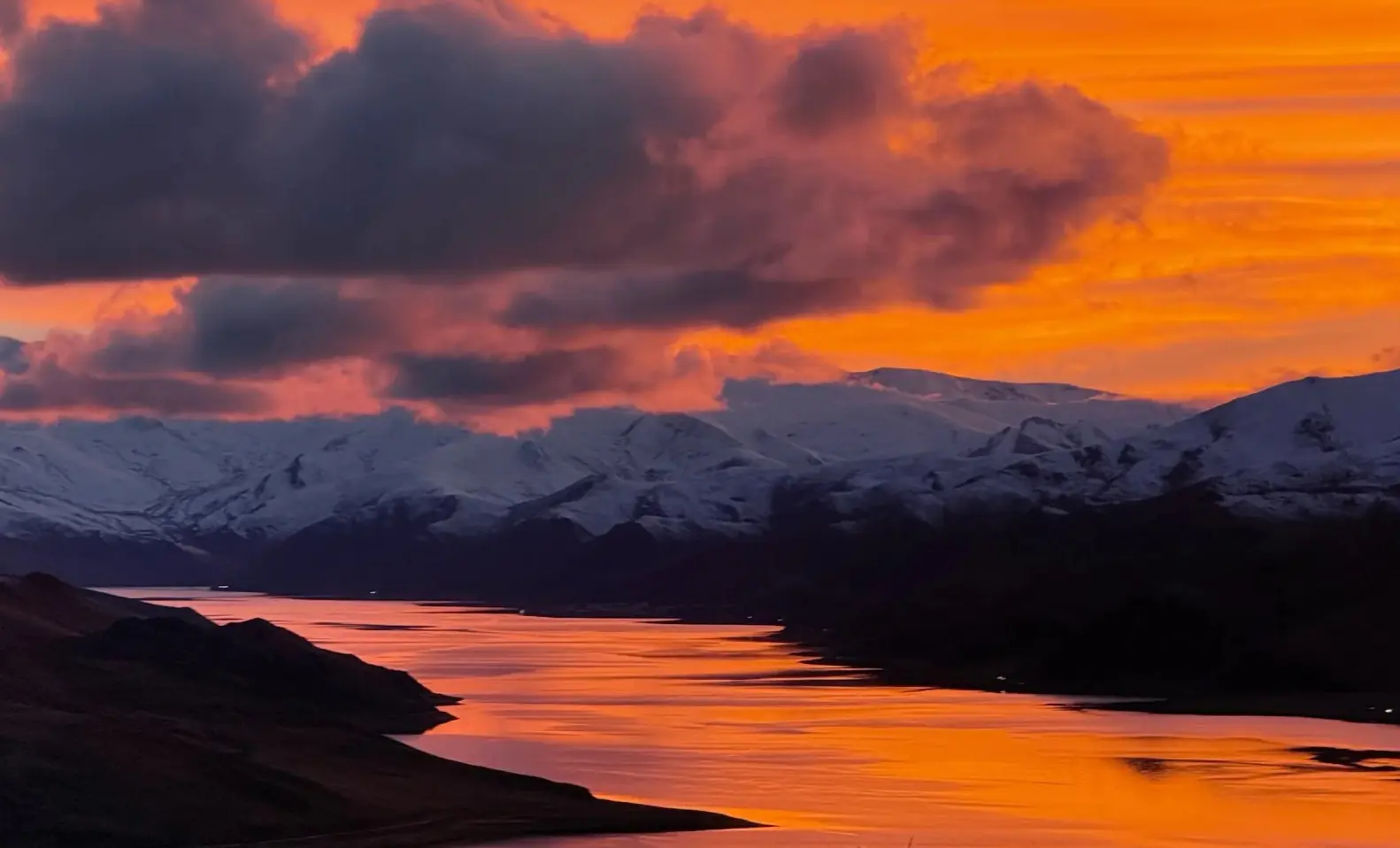
May-Jun and Sep-Oct: good light, comfortable city walking, and a strong balance for temples plus lake scenery.
Still plan permits, Potala timing, and operator coordination early.
Peak Summer
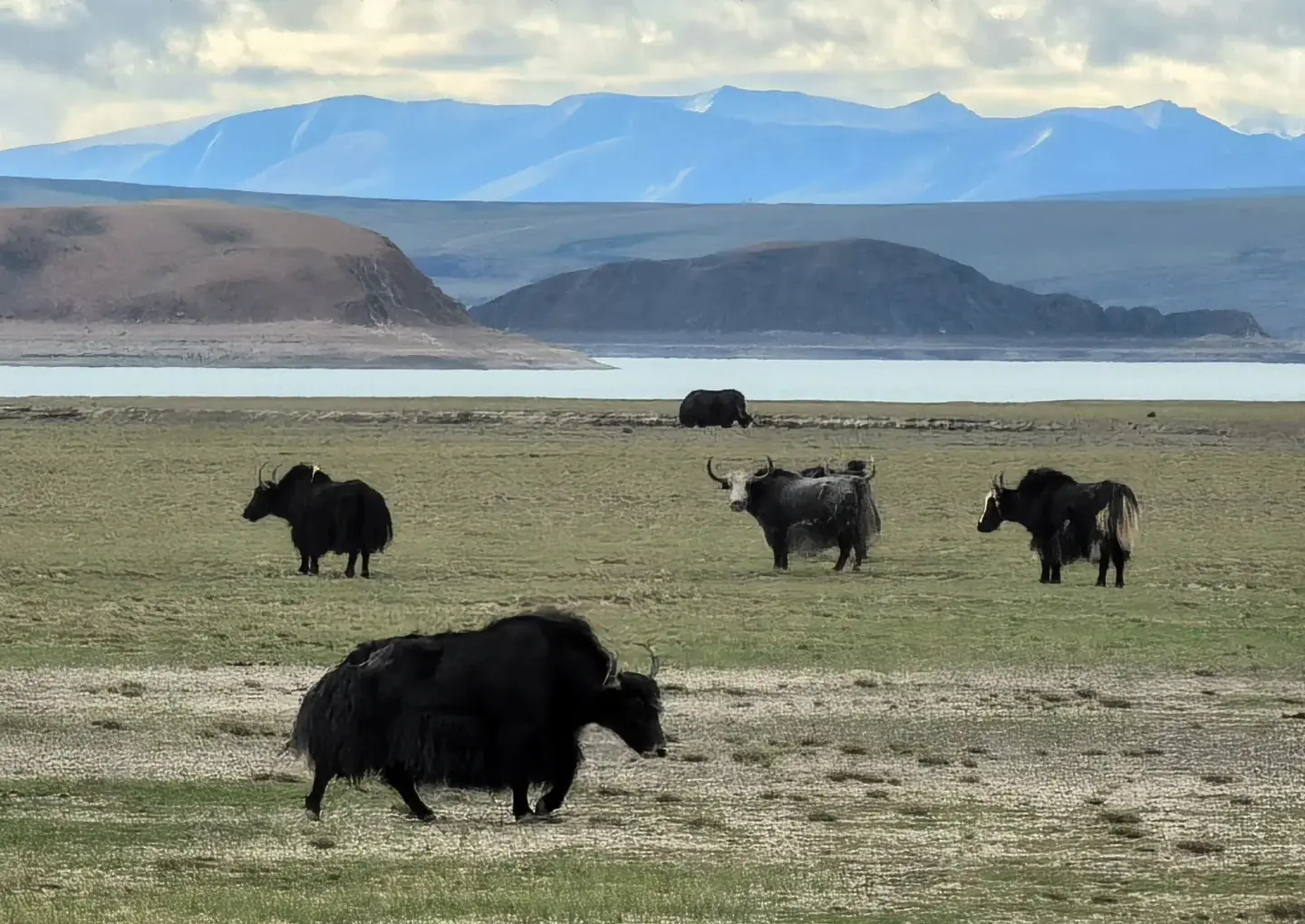
Jul-Aug: greener landscapes, warmer nights, and more visitor demand.
Expect more pressure on guides, hotels, transport, and timed Potala planning.
Winter Tibet
Nov-Mar: quieter in some periods, but colder, drier, and less forgiving for altitude comfort.
Check current rules carefully around Tibetan New Year and seasonal route changes.
Common Lhasa Mistakes to Avoid
Planning it like Chengdu
Lhasa is not a normal independent-travel city for foreign visitors. Sort the permit-backed route first, then build the sightseeing list.
Putting Potala on Day 1
Potala Palace is too stair-heavy and too important to waste while your body is still deciding how it feels at about 3,650 meters.
Treating lakes as quick add-ons
Namtso, Yamdrok, and other plateau lake days involve higher altitude, longer drives, weather, and permit-sensitive routing.
Photographing before observing
Barkhor pilgrims, prostrations, temple halls, and monastery rituals are not street performance. Watch first, ask when close, and accept no.
The best Lhasa trip is usually not the one with the most names. It is the one where the legal process is clear, the first day is gentle, the sacred sites get enough time, and the hardest physical day happens after acclimatization.
Frequently Asked Questions
Not in the same way they can visit most Chinese cities. Foreign passport holders generally need a Tibet Travel Permit and an arranged Tibet itinerary through a registered travel operator before entering Lhasa.
Sources checked for this guide
- China Ministry of Foreign Affairs: official notice background for foreign travel applications to Tibet
- China Tibet Online: Tibet Travel Permit requirement, pre-booked tour, and transport boarding context
- China Tibet Online: independent travel restrictions and permit types beyond Lhasa
- UNESCO World Heritage Centre: Historic Ensemble of the Potala Palace, Jokhang Temple, and Norbulingka
- Tibet Culture and Tourism Department: 2026 Potala Palace peak-season ticket and opening notice
- China Weather Lhasa climate profile: 3,650 m Lhasa plateau sunshine, seasonal temperatures, and day-to-night swings
- Britannica: Lhasa elevation and geographic context
Beyond This Lhasa Guide
Once you know Lhasa belongs in your China trip, start with our Lhasa destination guide for 3,650-meter base selection and LXA/Qinghai–Tibet train arrival rules, then go deeper on the pieces that decide the route:
- Start with Potala Palace: Complete Visitor's Guide before choosing the palace day.
- Use Jokhang Temple & Barkhor Street for temple entry, kora etiquette, and old-town pacing.
- Walk Barkhor Street's kora route if you want the sacred street without overloading the first day.
- Compare Namtso Lake and Yamdrok Lake before committing to a higher-altitude excursion.
- Use China train tickets guide and China domestic flights guide only after your Tibet operator confirms what transport works with your permit timing.
- Lake Manasarovar Guide — understand permit, altitude, and multi-day overland requirements for western Tibet's sacred lake
© gochinafreely.com — Original guide by Go China Freely.