Visit basics
Decision notes
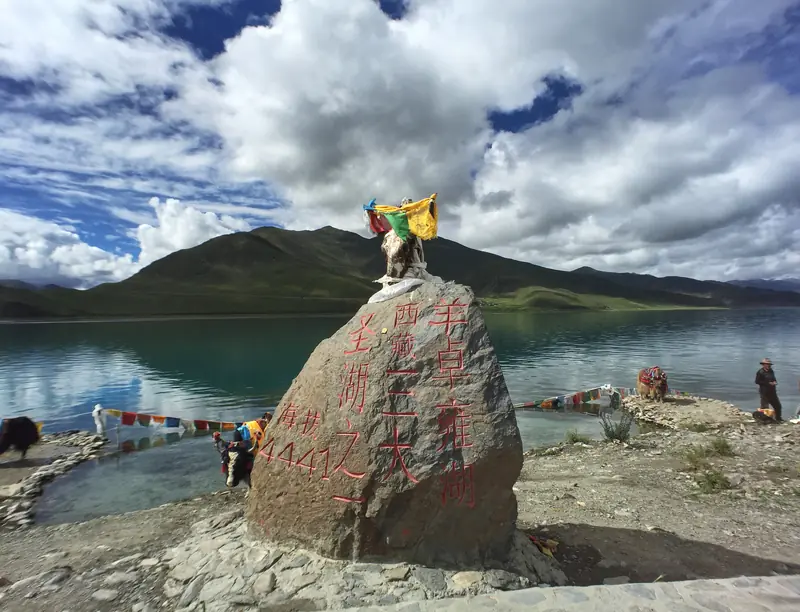
Yamdrok Lake: Turquoise at 4,441 Meters
Sacred highland lake
A roadside wonder at 4,441 m
Yamdrok Lake (羊卓雍措)
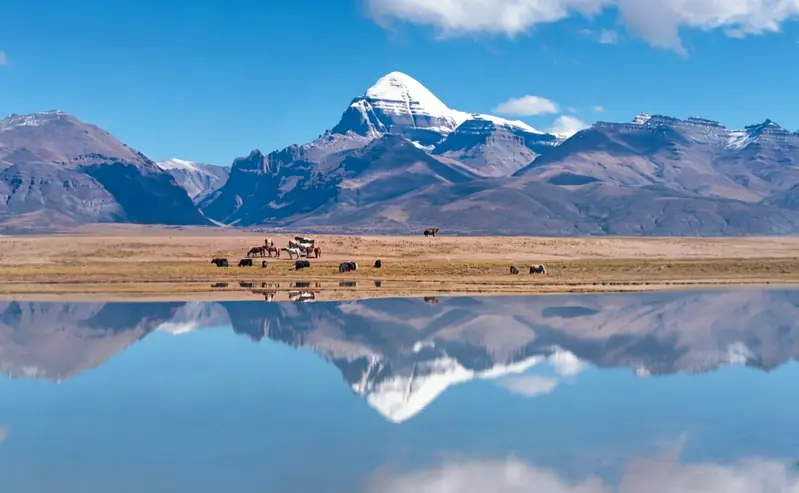
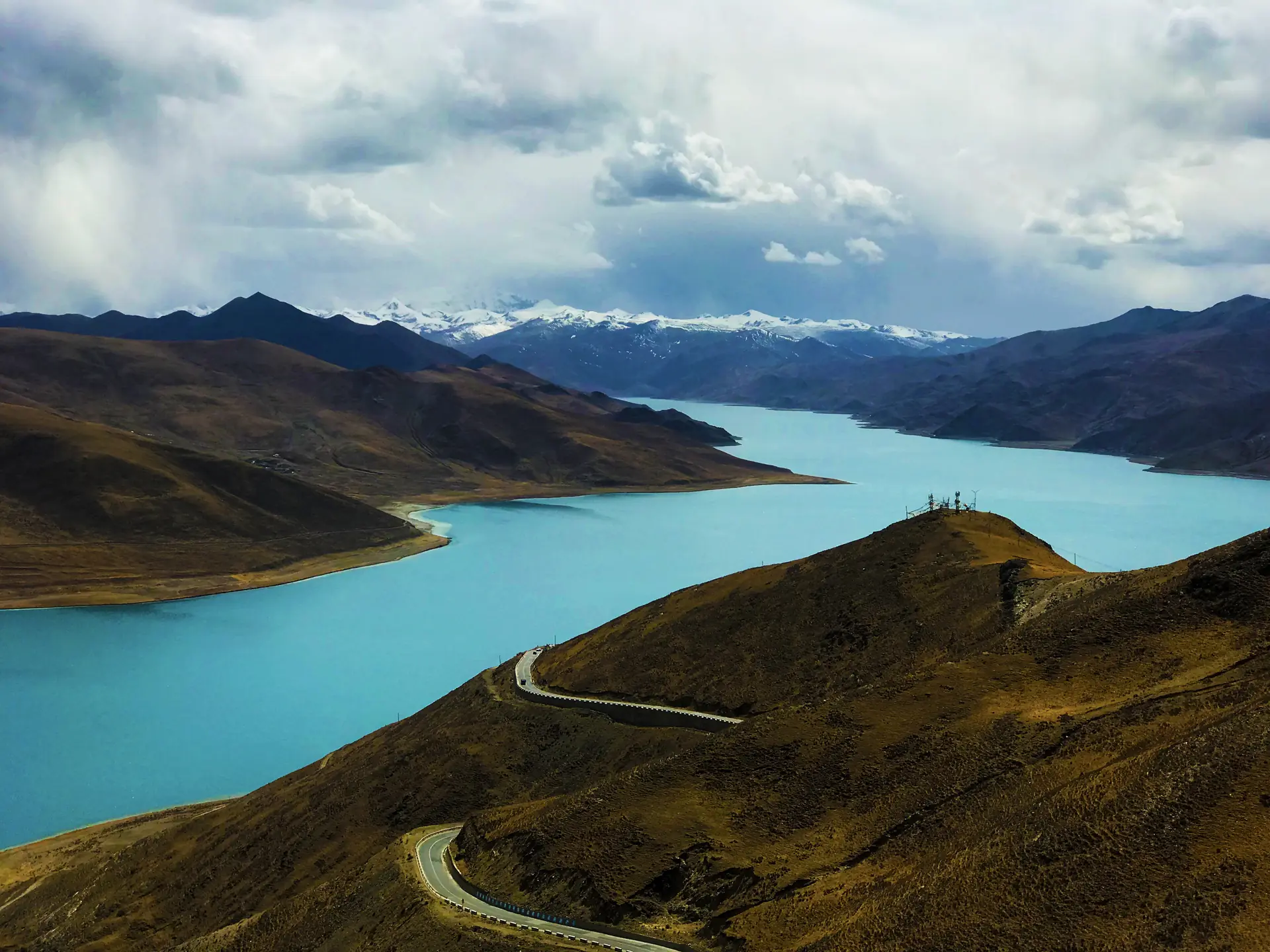
Two hours out of Lhasa, your car crests a 4,790-meter mountain pass — and there it is: a 72-kilometer ribbon of turquoise draped between snow-capped peaks.
4,441 m
Lake surface
~638 km²
Water area
Why it feels larger than a normal lake
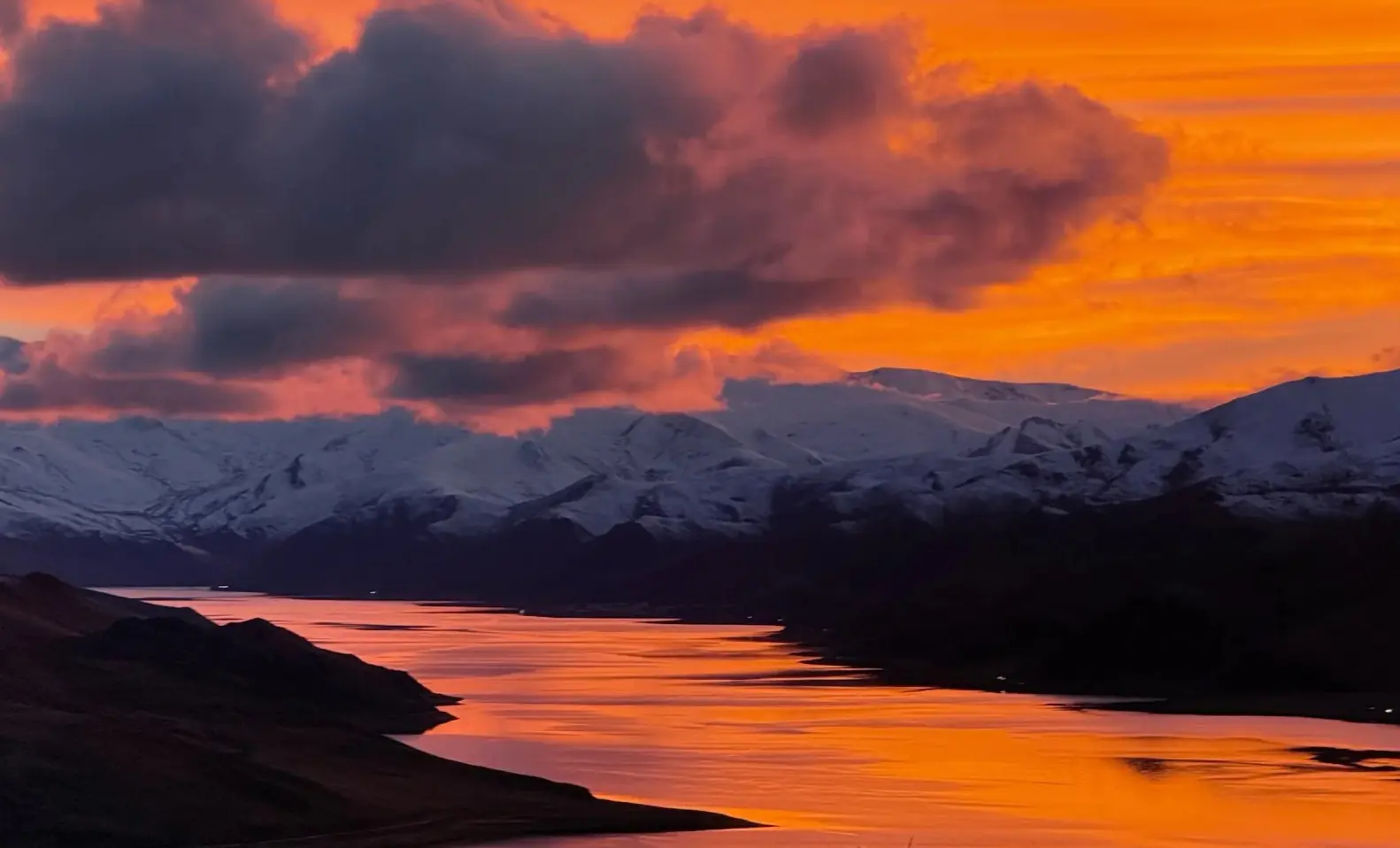
Yamdrok Lake — Yamdrok Tso in Tibetan, meaning "jade lake" — stretches and twists through the mountains like a green river, so every viewpoint reveals a different shape.
The color is the memory
Depending on the time of day and cloud cover, the water shifts between deep sapphire, emerald, jade, and pale sky blue. On a clear morning between 10:00 and noon, the surface reaches that impossible turquoise that makes people check their camera screens twice.
Why it matters locally
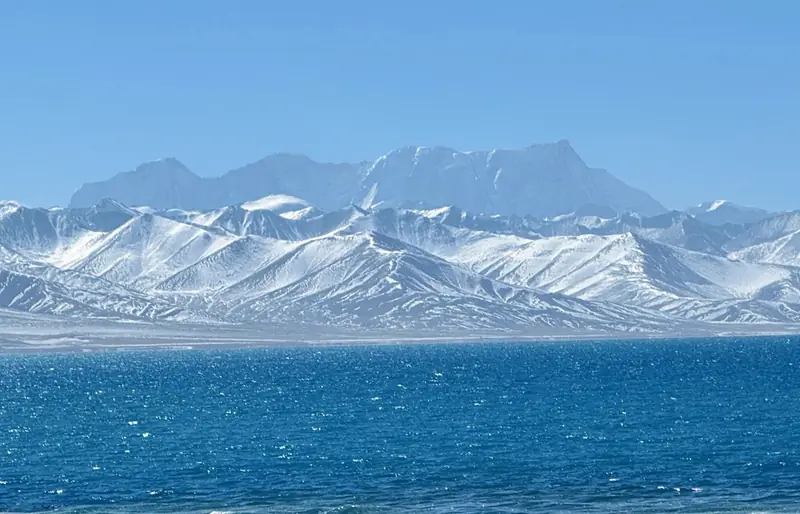
This is one of Tibet's three great holy lakes, alongside Namtso (纳木措) and Lake Manasarovar (玛旁雍措), and Tibetans believe that the day its water dries up is the day life in Tibet ends.
For foreign travelers, Yamdrok is the "roadside wonder" — just 110 km from Lhasa, a 2–3 hour drive, no camping or hiking required. Cross the Kampala Pass and the entire lake unfolds below your feet. That makes it the first (and sometimes the only) natural holy site many foreign visitors see in Tibet.
Yamdrok Lake carries deep significance in Tibetan Buddhism. Samding Monastery (桑丁寺) on the lakeshore is the only monastery in Tibetan Buddhism presided over by a female incarnate lama — Dorje Phagmo (多吉帕姆). Tibetans consider the lake a living sacred place; local herders pray beside it and circumambulate its shores. This isn't a fenced-off "scenic area" — it's a place that breathes and is lived in.
Five Viewpoints You Shouldn't Miss
Yamdrok Lake is not a "stop once and leave" destination. From different elevations and directions, you see an entirely different lake.
First and highest viewpoint
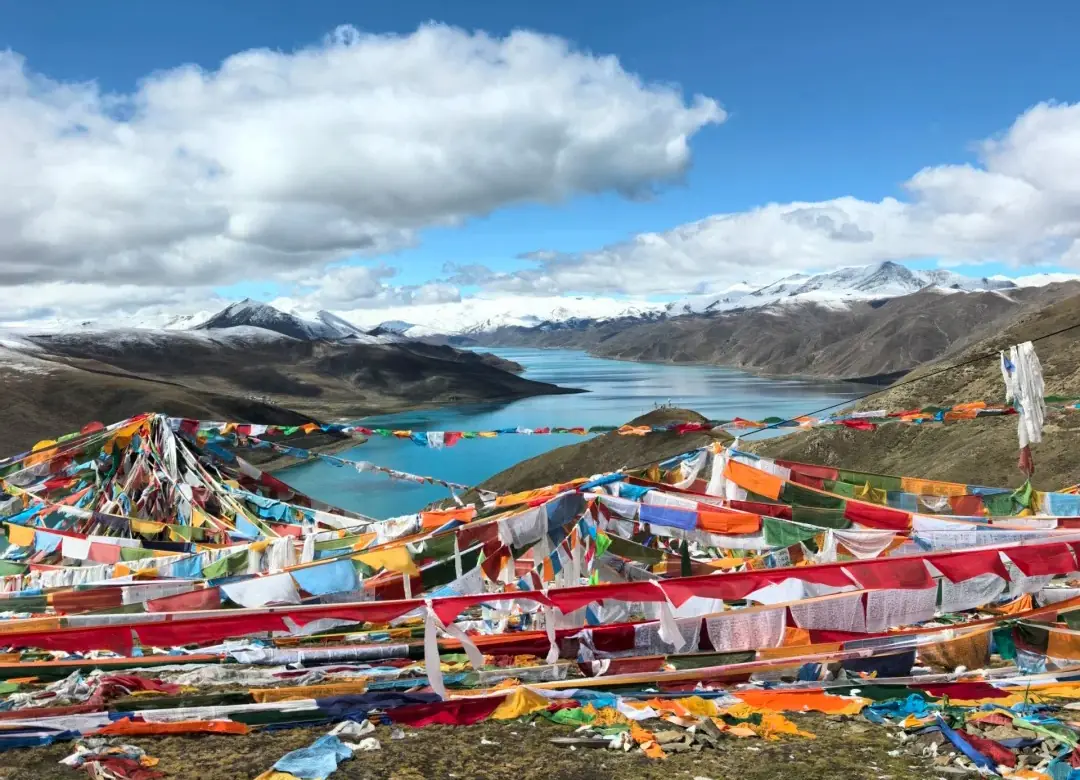
Kampala Pass (岗巴拉山口) (Google | Amap)
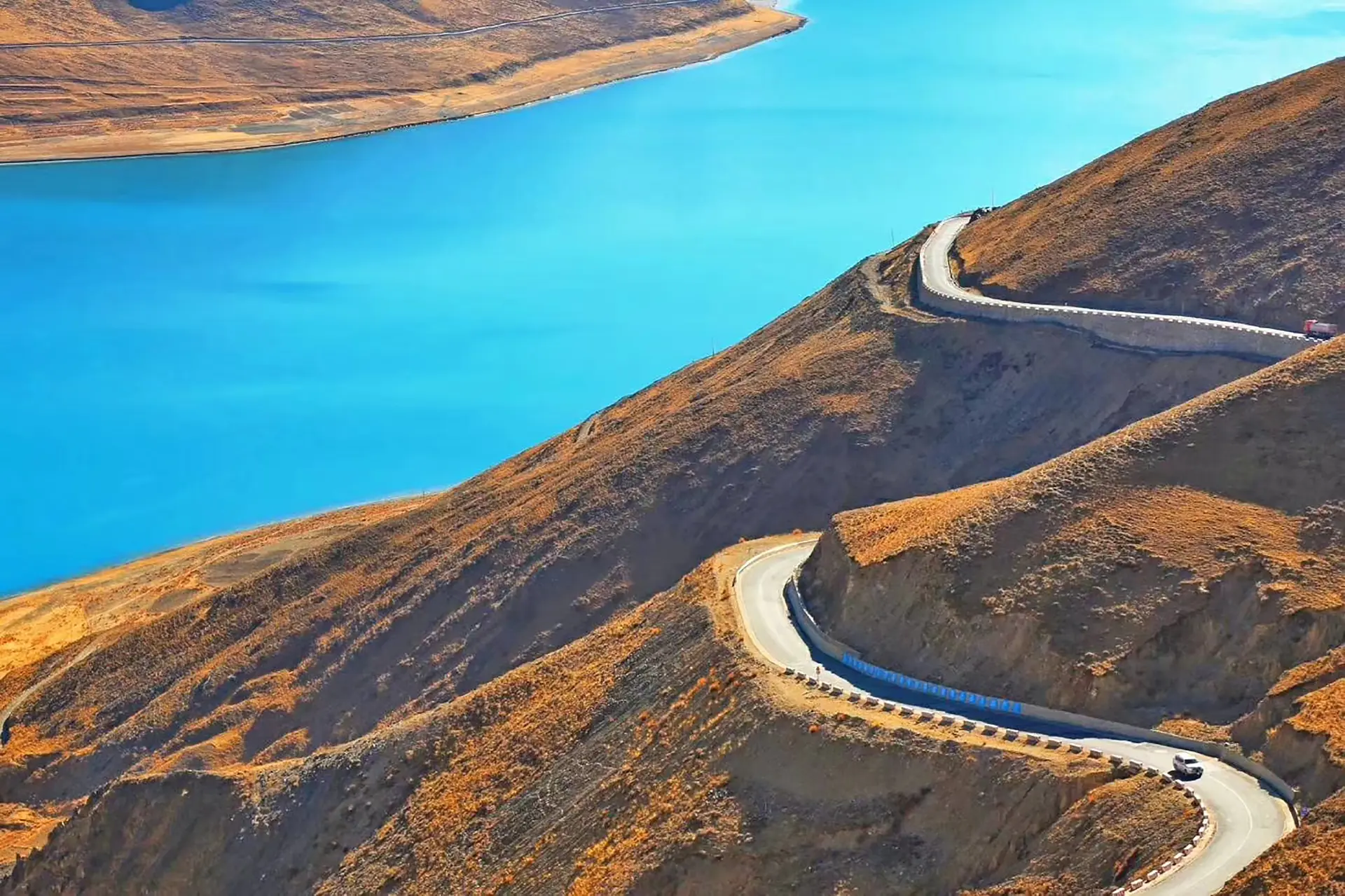
At approximately 4,790 meters, this is the first viewpoint after crossing the mountain from the Lhasa side — and the most iconic. The highway goes directly to the pass; step out of the car and you're at the viewpoint. A stone viewing platform sits beside the road. Allow 20–30 minutes here — the altitude is high, so keep movements slow.
Lower and calmer
Lakeshore Road Platforms
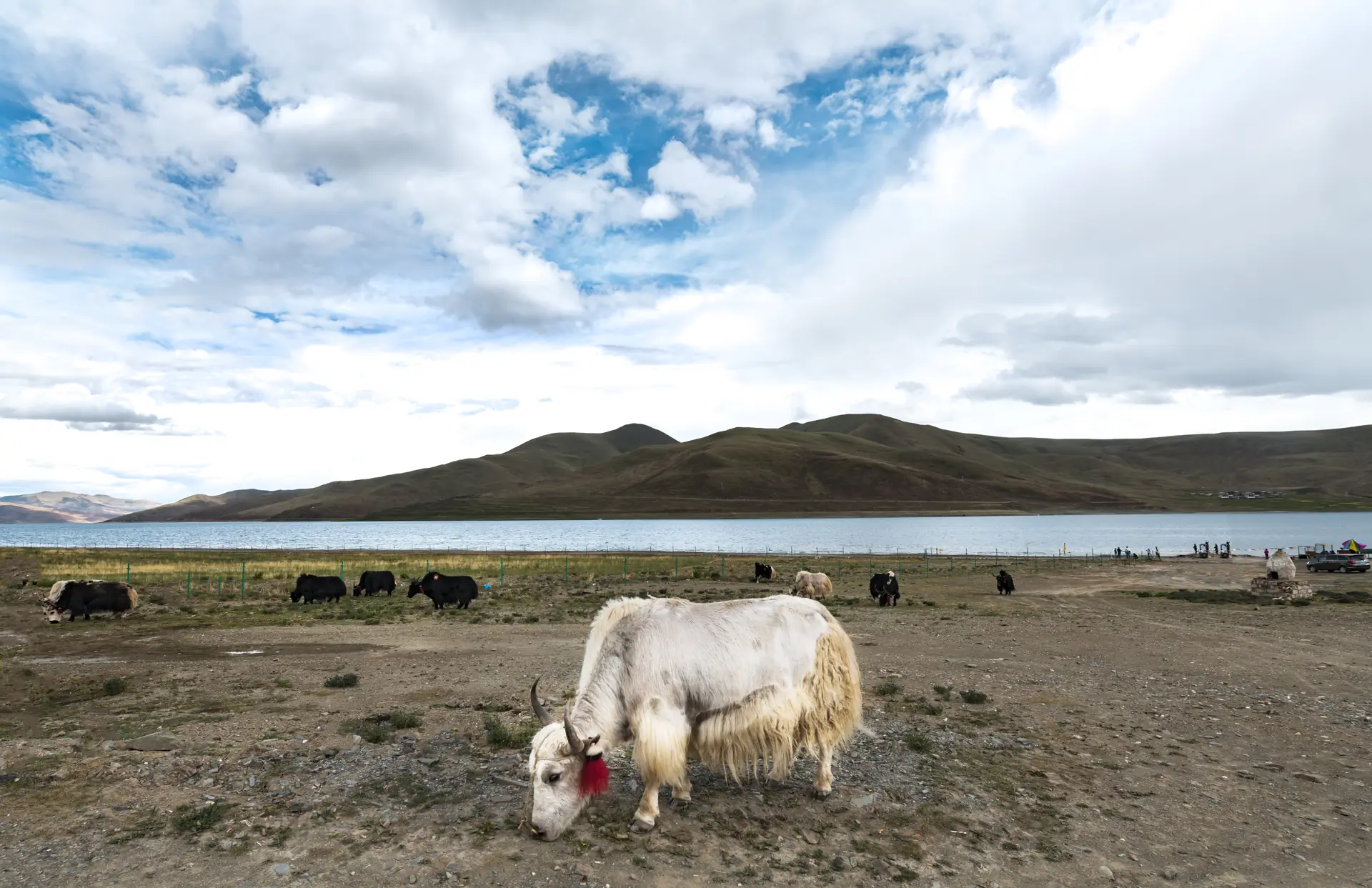
After descending from the pass, the road runs along the lake with 2-3 pull-off viewing platforms. They sit around 300-400 meters lower than the pass, so they feel noticeably more comfortable. Walk right to the water's edge: up close the color deepens, you can see stones on the lake bed, and yaks grazing by the shore create the classic "yak meets holy lake" photo.
Quietest if you continue west
Rido Township Direction (日多乡)
Most day-tour groups stop twice, at Kampala Pass and the lakeshore, then head back to Lhasa. If your route continues toward Gyantse (江孜) or Shigatse (日喀则), the road follows the lake for a long stretch. The shore near Rido Township sees almost no tourists, making it Yamdrok at its quietest and best as a mid-route stop on a multi-day itinerary.
Level with the lake
Nagartse County Direction (浪卡子)
Nagartse is the closest town to the lake. If you're on the standard Lhasa → Yamdrok → Karola Glacier → Gyantse route, you'll pass through here. The view is level with the water rather than from above, so you feel the lake's sinuous curves instead of seeing them from a bird's-eye perspective.
Guide-dependent detours
Hidden Angles Off the Main Road
If your guide is willing to detour 15-20 minutes down a dirt track, some side roads reach the far side of the lake. Expect zero tourists, just herders and yaks. This requires negotiation with your guide or driver, and not all will take non-standard routes.
Fierce wind at the pass
Wind chill at Kampala Pass can drop the feel 10–15°C below actual temperature. Bring a windproof jacket and face cover even in summer.
Karola Glacier: Highway Ice Wall
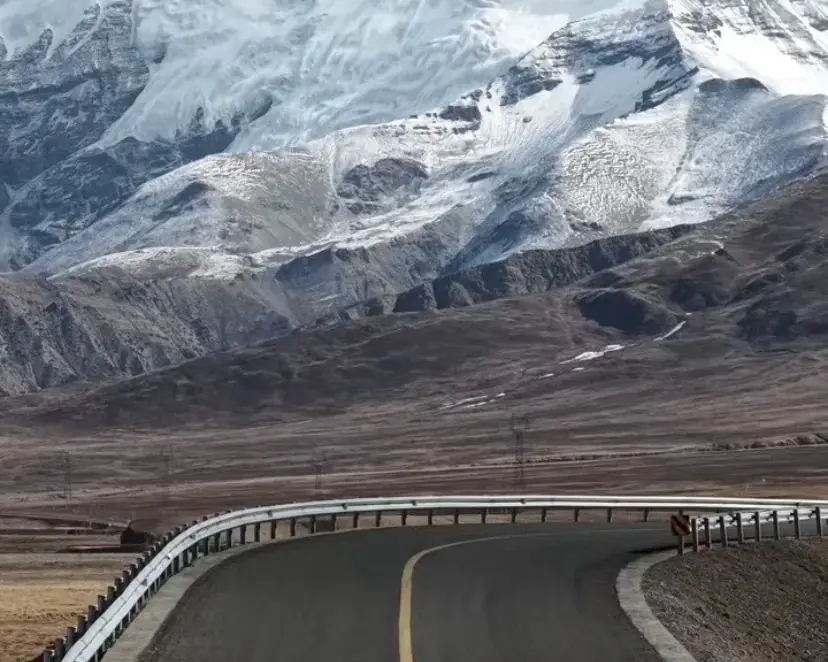
Karola Glacier (卡若拉冰川) (Google | Amap) is the second jaw-dropping sight on the route from Lhasa via Yamdrok Lake to Gyantse, sitting just 300 meters from the road.
5,039 m
Glacier Terminus
9.4 km²
Glacier Area
7,206 m
Parent Peak
~¥50
Platform Ticket
Why it's worth seeing
A glacier you can reach from the highway
What makes Karola Glacier unique: you don't need to hike, climb, or hire a mountaineering guide. The highway passes directly in front of the glacier. Step out and you're face-to-face with an enormous ice tongue cascading down the mountainside, with crevasses and ice towers visible to the naked eye. Being able to see a glacier this closely from a paved road is extraordinarily rare anywhere on Earth.
Why timing matters
The glacier is retreating
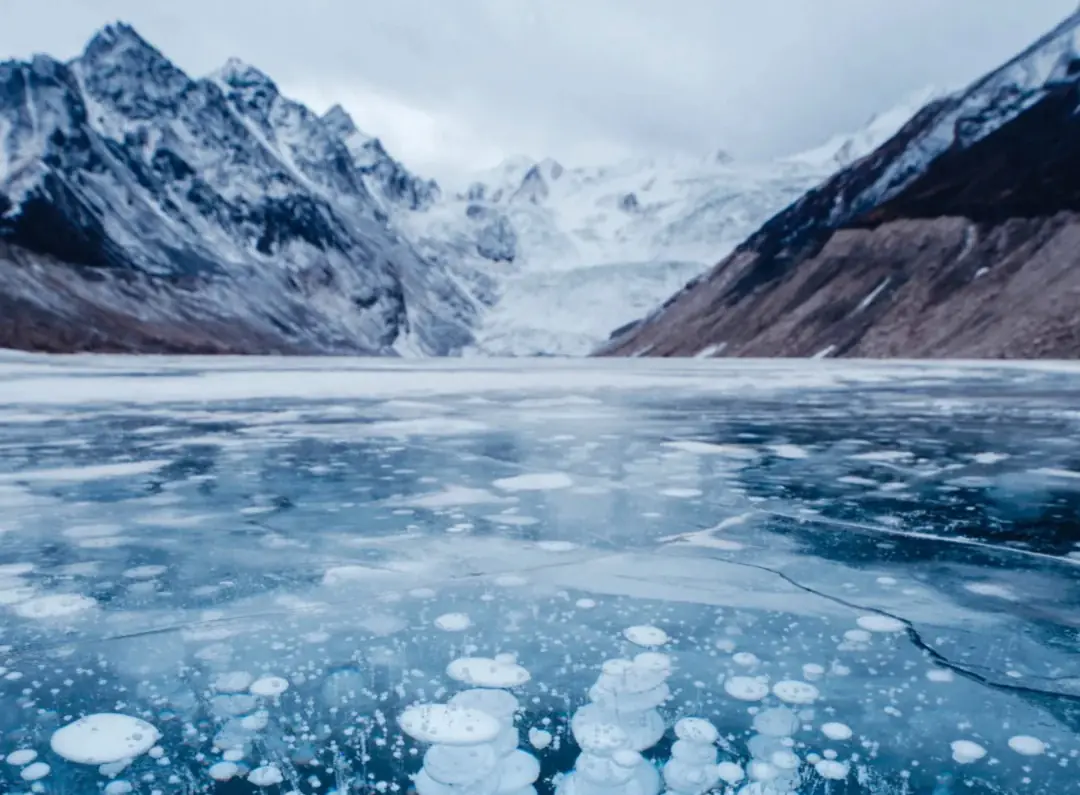
If you compare photos from 10–20 years ago, the retreat is obvious. The ice tongue once reached almost to the roadside; now it has pulled back significantly. Climate change is starkly visible here — in a way, the glacier you see today will be more impressive than whatever remains in another decade.
Photography Guide
Yamdrok Lake and Karola Glacier are among Tibet's most photogenic landscapes, but high-altitude photography has its own rules.
Best Light Windows
Light direction
Aim for the late-morning postcard window
Yamdrok's color changes more with sun angle than with camera settings. The simplest rule is to make the lake front-lit, then avoid the harsh midday glare.
10:00-12:00
BestConditions: sun from the east, front-lit lake.
Notes: the "postcard shot" window, with colors closest to the iconic turquoise.
Sunrise / sunset
Conditions: golden tones and layered shadows.
Notes: requires overnighting near the lake or an extremely early departure.
12:00-14:00
Conditions: light is too direct, with glare.
Notes: washes out the turquoise, making this the worst window.
Composition and gear choices
Lake and pass
Kampala Pass framing
Use the colorful prayer flags as a natural foreground frame for the lake and mountains. Go wide: the lake winds for kilometers, and a 14-24 mm focal length captures the scale. Morning arrivals typically have the sun behind you, while afternoon returns may be backlit.
Karola detail shots
Glacier compression
For Karola Glacier, a 70-200 mm lens compresses the distance between glacier and road, making the ice wall look more imposing. At 100 mm and above, you can isolate blue-ice veining and crevasse patterns. Place a person in front of the glacier when you need scale.
Altitude effects on gear
At 4,400-5,000 m, cold can cut battery life by 30-50%, slow some cameras, and make phones shut down unexpectedly. Keep spare batteries inside your jacket, warmed by body heat; Android devices generally handle cold better than iPhones.
Optional paid photo setup
Renting Tibetan clothing for photos
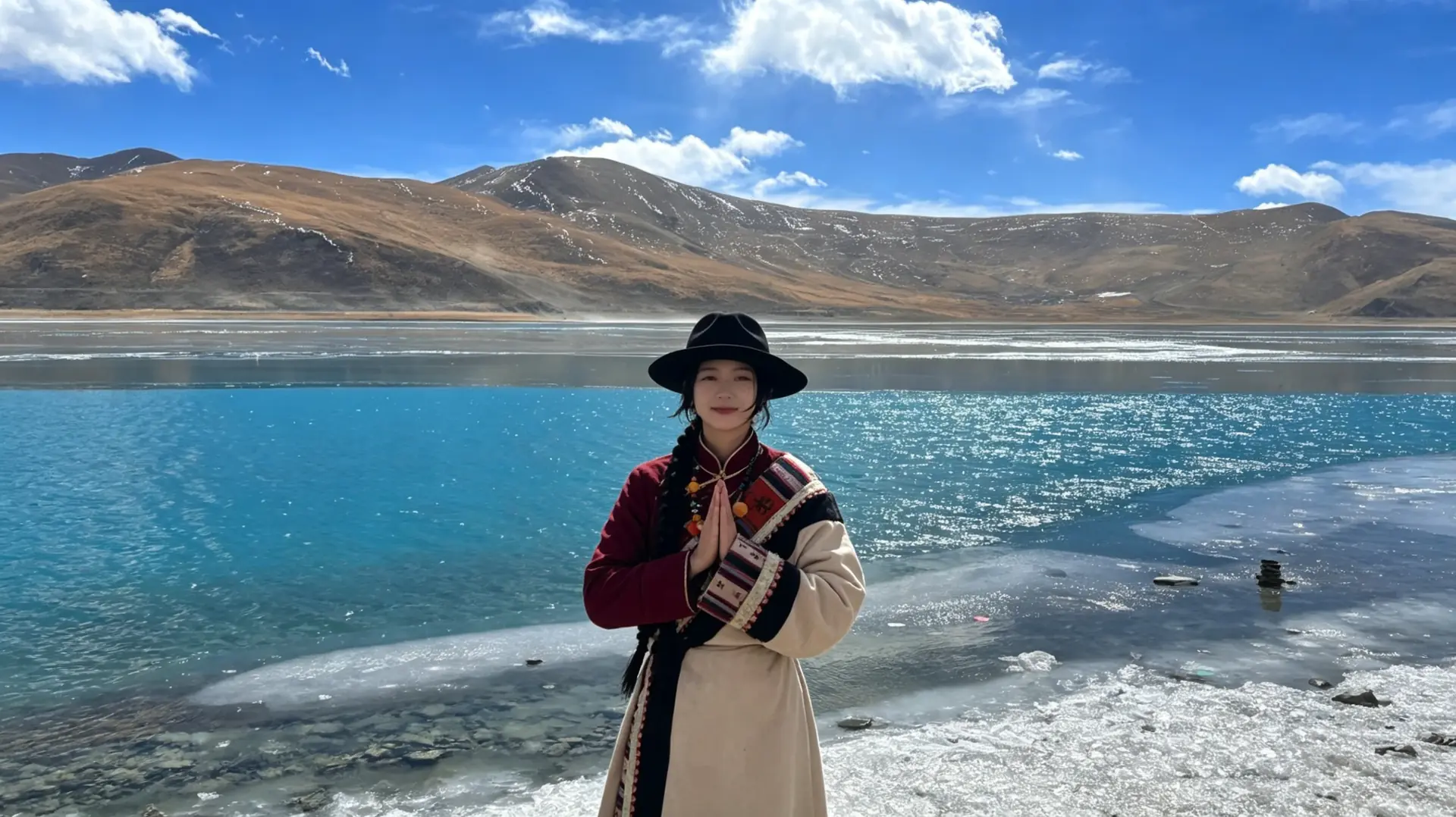
At Kampala Pass and the lakeshore, locals rent out Tibetan outfits for photos. Price is approximately ¥20–50 per outfit (includes basic styling). Agree on the price before shooting — this prevents post-shoot price surprises.
When to Go
Yamdrok is accessible in more than one season, but the best trip balances lake color, sky clarity, road safety, and how your body handles altitude.
Season choice
Pick for clear sky first, then comfort
April-May and September-October give the cleanest balance of blue skies, safer road conditions, vivid lake color, and manageable temperatures. Summer is easier on oxygen levels but less reliable for visibility; winter can be visually pure only when the pass is confirmed open.
Season-by-season reality check
Spring
BestApr-May
Weather: daytime 5-15°C, frequent clear skies.
What's special: best season (tied), with the clearest skies and purest lake color.
Watch out: mornings and evenings can drop to -5°C.
Summer
Jun-Aug
Weather: daytime 10-20°C, highest oxygen levels.
What's special: greenest grasslands; altitude sickness is milder.
Watch out: clouds and afternoon showers reduce visibility.
Autumn
BestSep-Oct
Weather: daytime 5-15°C, stable weather.
What's special: best season (tied), with fall tones, blue skies, and crystal water.
Watch out: late October can bring possible nighttime snow.
Winter
Nov-Mar
Weather: daytime -5 to 10°C, dry.
What's special: purest colors on clear days; fewest tourists.
Watch out: roads may ice over or close; altitude sickness risk is higher.
Best practical choice
First-timers and photographers should choose April-May or September-October for the cleanest balance of sky clarity, safer roads, and vivid color. Skip Oct 1-7 and the summer peak if you want lighter traffic and more flexible photo stops.
UV at 4,400+ meters
UV radiation is more than double sea-level intensity. Sunscreen (SPF 50+), hat, and sunglasses are mandatory year-round.
Getting to Yamdrok Lake from Lhasa
For most foreign travelers, the route question is not "which bus" but how your licensed Tibet agency sequences the lake, the pass, and any onward stops toward Gyantse or Shigatse.
~110 km
Lhasa to Yamdrok
2-3 hrs
Typical drive
Paved
Highway route
Agency
Required for foreigners
The Route
- Lhasa- Departure - 3,650 m
- Qushui (曲水)- Join S307 highway
- Kampala Pass (岗巴拉山口)- 4,790 m - First viewpoint
- Yamdrok Lakeshore- 4,441 m - Photo stops
- Nagartse (浪卡子)- Optional - Closest town
- Karola Glacier- Optional - 5,010 m terminus
- Gyantse (江孜)- Optional - Continue to Shigatse
Foreign Travelers Cannot Visit Independently
Mandatory regulation
All foreign travelers in Tibet must arrange a guide and private vehicle through a licensed travel agency. You cannot self-drive, take public transport, or ride a motorcycle to Yamdrok Lake. No exceptions.
Road conditions
Paved route
Highway the entire way; road conditions are generally good.
Mountain pass
Kampala Pass has sharp turns and steep grades, but local drivers know every bend.
Winter risk
December-February snowfall can temporarily close the pass.
Common arrangements
Day trip
Round trip from Lhasa, usually including vehicle, guide, and lunch.
¥400-600 pp
2-3 day route
Lhasa → Yamdrok → Karola Glacier → Gyantse → Shigatse.
¥1,500-2,500 pp
Shared tours
Small-group trips lower the per-person cost while keeping the required guide and vehicle.
4-6 travelers
Tibet Travel Permit
Yamdrok Lake sits inside the Tibet Autonomous Region, so foreign visitors need the same Tibet travel setup as a Lhasa or Everest trip.
Required Documents for Foreign Visitors
Foreign traveler setup
Two documents matter for Yamdrok
Yamdrok uses the standard Tibet entry setup: a valid China visa plus the Tibet Travel Permit arranged through your licensed agency. You do not need the extra border-area permit used for places like Everest Base Camp.
Required
Chinese visa (L tourist visa or other valid type)
Required
Tibet Travel Permit (TTB): issued by the Tibet Tourism Bureau; can only be obtained through a licensed travel agency.
Not needed here
Alien's Travel Permit: only required for border areas (e.g. Everest Base Camp). Yamdrok Lake is not in a border zone.
Application Process
10-15 working days
Processing time: your agency needs scanned copies of your passport information page and Chinese visa page.
July-August
Peak season: allow more time when demand rises and agencies process more traveler groups.
One permit, one agency
Agency lock-in: once issued, the permit is tied to that agency; you travel with that agency only.
Chinese citizens: Chinese nationals with a valid ID card do not need a permit and can self-drive or take public transport.
Altitude Sickness — Take It Seriously
Yamdrok Lake sits at 4,441 meters. Kampala Pass hits 4,790 meters. This isn't "you might feel a little off" altitude — this is "most people will experience some level of discomfort."
Start point
Lhasa 3,650 m
Rest here first. Your body needs time before the next altitude jump.
Safer rule
2+ days
Strongly recommended before heading to Yamdrok. Day-one lake trips cause many severe symptoms.
Highest point
Kampala 4,790 m
The pass is the hardest part of the day. Move slowly and keep the stop controlled.
Common symptoms
If discomfort starts
Stop and slow down. Don't run, don't shout, and keep every movement controlled at the pass. Tell your guide early. Agencies typically carry portable oxygen in the vehicle; use it at the first sign of discomfort.
Before you go up
Stay hydrated: dehydration worsens symptoms. No alcohol: avoid drinking for two days before arriving in Lhasa and while at altitude. Medication: Rhodiola rosea (红景天) is a traditional Chinese medicine often started one week before travel but not rigorously proven; acetazolamide (Diamox) is prescription and medically supported, with side effects such as tingling fingers and frequent urination.
Descend Immediately If You Experience These Symptoms
Severe headache, vomiting, confusion, or difficulty breathing. High-altitude pulmonary edema (HAPE) and high-altitude cerebral edema (HACE) are life-threatening emergencies. Descend to lower altitude immediately.
Local Tips from the Ground
These are the small on-site details that make the day feel smoother once the scenery has already convinced you to go.
What to wear
Even in July-August summer, wind at Kampala Pass can push the wind chill near freezing. Always bring a windproof jacket. A scarf or face covering helps against wind and blowing sand.
Yak photo ops are pay-to-play
At the pass and lakeshore, herders bring decorated yaks for tourist photos. Typical price is ¥10-20, usually charged per shot. Agree on the price before shooting, and avoid undecorated yaks; don't approach or touch them because they are semi-wild and can be aggressive.
Respect the sacred lake
Don't throw anything into the lake.
Don't take stones from the lakeshore — Tibetans consider this disrespectful to the sacred water.
Don't disturb prayer flags or mani stone piles.
Don't fly drones by the lake — locals strongly object, and it may violate local regulations.
Food and supplies
Kampala Pass has basic stalls with instant noodles, hot water, and butter tea, but choices are extremely limited. Bring at least 1 liter of water plus energy bars or biscuits. Nagartse town has basic restaurants, but keep expectations modest.
Restrooms
The pass has a basic public toilet, and conditions are very rough. Bring wet wipes and tissue, and mentally prepare yourself.
Frequently Asked Questions
About 2–3 hours by car (110 km). Road conditions are good — paved highway the whole way. A day trip including photo stops typically runs 8–10 hours total.
Sources checked for this guide
Beyond This Guide
Use Yamdrok as one piece of a wider Tibet plan rather than a stand-alone photo stop:
- Best things to do in Lhasa for foreign visitors — pair the lake with acclimatization days in the city
- Everest Base Camp Tibet guide — continue the high-altitude road journey toward Shigatse and Everest
- China visa requirements — check your national entry rules before arranging Tibet permits
- Mobile payments in China — set up payment before Lhasa, where foreign-card backup can be limited
Yamdrok looks simple on a map, but your best day depends on acclimatization, weather, photo priorities, and whether you continue toward Gyantse, Shigatse, or Everest. Our planners can design the Tibet route, timing, and permit-ready sequence around your travel dates.
© gochinafreely.com — Original guide by Go China Freely.