Traveling China with a severe peanut, tree nut, or sesame allergy is not a normal "picky eater" problem. The risky ingredient may be visible as peanuts on a noodle bowl, or invisible as sesame oil, sesame paste, peanut oil, chili crisp, a hotpot dip, a dessert filling, or a shared spoon. Use this as a restaurant and trip-planning framework for deciding when to ask, when to simplify, and when to walk away; medical decisions still belong with your clinician.
Executive Summary
Best rule
Show a written Chinese allergy card before ordering, name peanut, tree nuts, sesame, oils, pastes, and shared tools separately, then wait for a clear answer.
Main traveler trap
No peanuts does not automatically mean no peanut oil, no sesame oil, no sesame paste, no nut garnish, or no cross-contact from shared utensils.
Safer path
Plan meals around controllable settings, carry backup food and prescribed emergency medication, and never treat any restaurant or region as guaranteed allergy-safe.
Severe Allergies Need a Different China Plan
For severe allergies, the first decision happens before the restaurant. The CDC Yellow Book advises travelers at risk for anaphylaxis to review their medication plan before travel, carry injectable epinephrine and an anaphylaxis action plan, learn key allergen names in the destination language, obtain medical phrase cards, and identify nearby medical facilities.
FARE and AAAAI similarly stress carrying epinephrine and an emergency care plan when traveling or dining out.
That matters in China because many restaurants can be kind and careful without having formal food-allergy training. A server may understand "do not add peanuts" but not cross-contact from a shared spoon, oil, wok, or sauce jar. A cook may not think of sesame oil as "sesame" because it is a finishing aroma, not the main ingredient.
This guide cannot certify food safety
Do not use this article as medical advice or as a guarantee that any China restaurant is safe. Travelers with diagnosed severe allergies should follow their clinician's plan, carry prescribed medication, and avoid any meal that cannot be clearly confirmed.
Peanut, Nut, and Sesame Are Different Words
Show the exact Chinese terms
Do not rely on the phrase "nut allergy" alone. Show peanut, tree nuts, sesame, oils, pastes, and shared tools as separate risks.
In English, people often say "nut allergy" casually. In a Chinese restaurant, that is too vague. Peanut (花生), tree nuts (坚果), and sesame (芝麻) are separate words, and oils or sauces need their own names.
| English | Chinese to Show | Why It Matters |
|---|---|---|
| Peanut | 花生 | Visible peanuts, crushed peanuts, peanut garnish, peanut candy, peanut soup, chili crisp, noodles, desserts. |
| Peanut oil | 花生油 | Cooking oil or frying oil may not be mentioned on the menu. |
| Tree nuts / all nuts | 坚果 / 所有坚果 | A broad term. If your allergy is specific, list cashew, almond, walnut, pine nut, pistachio, or other nuts separately. |
| Sesame | 芝麻 | Seeds on pastries, noodles, snacks, desserts, cold dishes, and dipping sauces. |
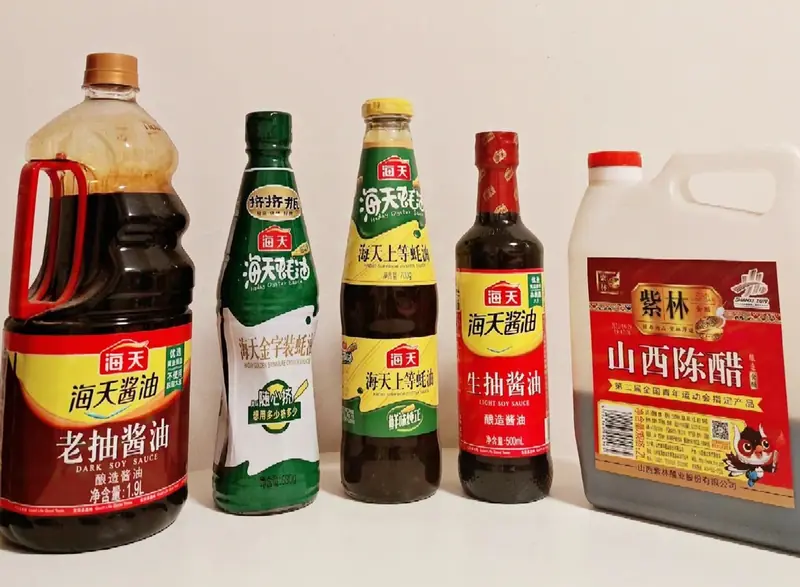
| Sesame oil | 芝麻油 / 香油 | 香油 often means toasted sesame oil. It may be added at the end and treated as a seasoning. |
| Sesame paste | 芝麻酱 | Common in hotpot dips, cold noodles, sesame noodles, northern sauces, and some breakfast/snack foods. |
The FDA lists peanuts, tree nuts, and sesame among the nine U.S. major food allergens, and notes that sesame became the ninth major allergen recognized by U.S. law in 2023. That U.S. labeling context does not control Chinese restaurant practice, but it explains why sesame deserves the same serious treatment as peanuts and tree nuts in your travel card.
Where Nuts and Sesame Hide in China
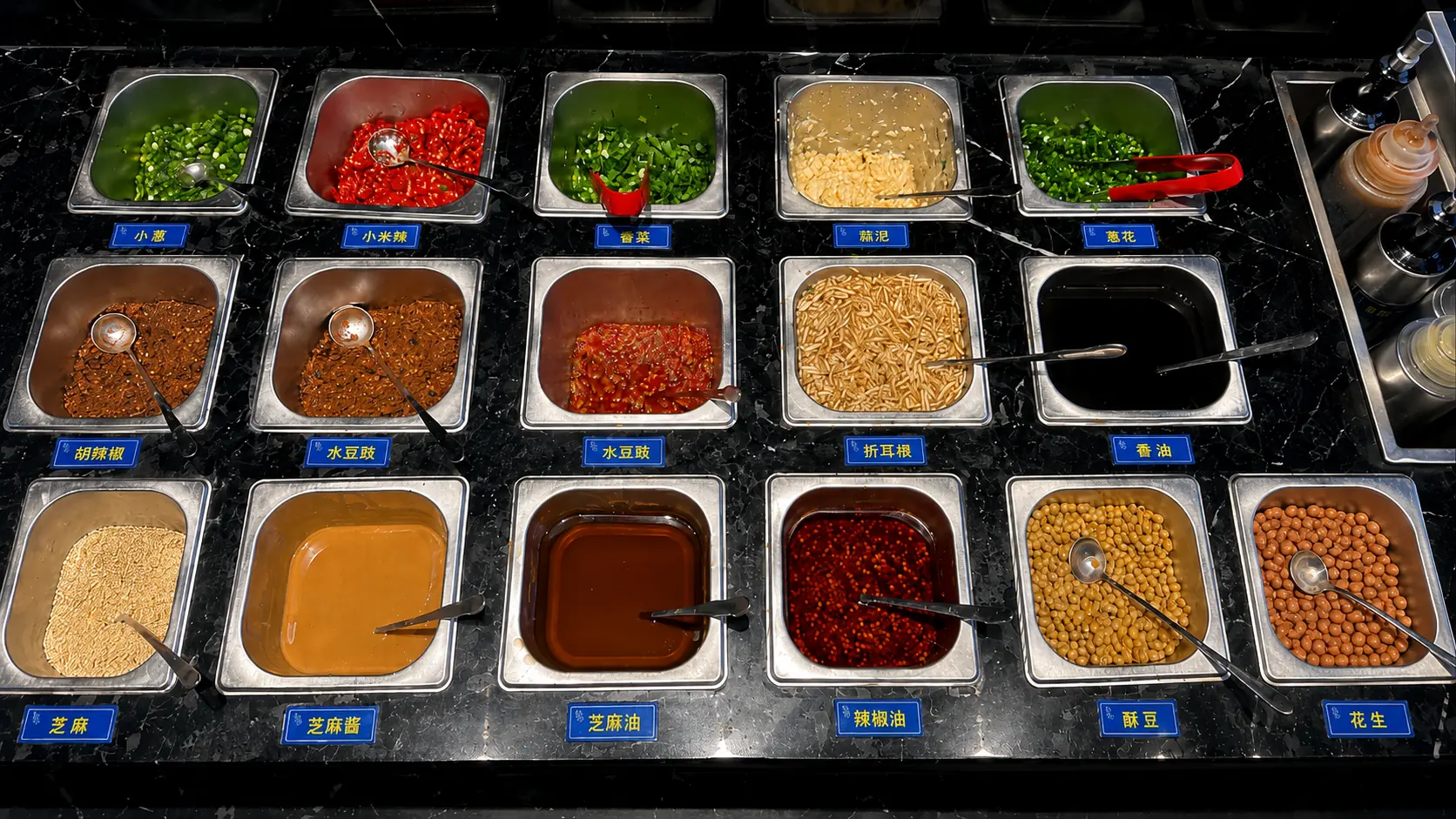
The danger is not only a visible peanut topping. In Chinese food, peanuts and sesame often appear as aroma, texture, oil, paste, garnish, or a shared condiment.
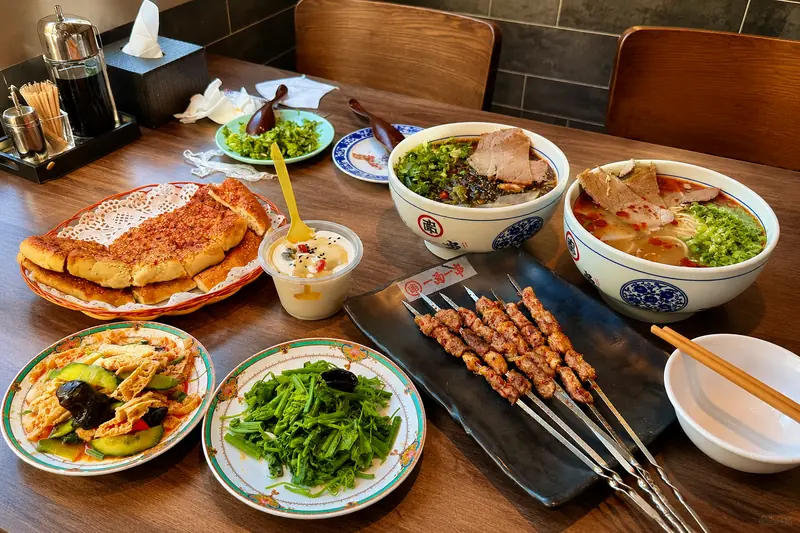
- Cold dishes: cucumber salads, cold noodles, liangpi, shredded chicken, tofu skin, and mixed vegetables may use sesame oil, sesame paste, peanuts, or chili oil.
- Noodles and spicy snacks: dan dan noodles, hot dry noodles, red-oil wontons, sour-spicy noodles, and mixed noodles can use sesame paste, chili oil, peanuts, soybeans, or sesame.
- Hotpot and malatang: sauce stations may contain sesame paste, sesame oil, peanut crumbs, chili oil, and shared spoons.
- Chili oil and chili crisp: recipes vary; peanuts, sesame, soybean, spices, or shared production tools may be involved.
- Desserts and snacks: sesame balls, tangyuan, maqi, bingfen toppings, peanut soup, mooncakes, mahua, pastries, and tourist snacks can hide nuts or sesame.
- Shared tools: the same scoop, ladle, tongs, wok, fryer, oil, or sauce spoon may touch multiple allergens.
For one concrete food example, Red House Spice's dan dan noodles guide describes a sauce made with Chinese sesame paste and chili oil, plus toppings that can include fried peanuts or soybeans. That does not mean every dan dan noodle bowl is identical. It means this food category is not a casual order for a traveler with severe peanut or sesame allergy.
High-Risk China Restaurant Situations to Avoid
Conservative rule
If staff cannot explain the oil, sauce, garnish, and shared tools clearly, do not treat politeness as a safety answer. Leave and use backup food.
Some food settings are hard to control even when staff want to help. For severe allergy travel, your question is not "Is this food famous?" It is "Can this kitchen explain ingredients and prevent the specific contact I need to avoid?"
| Situation | Why It Is Risky | Conservative Move |
|---|---|---|
| Night markets and street stalls | Fast service, shared oil, unclear sauces, limited ingredient control. | Skip if your allergy is life-threatening unless you can clearly verify every step. |
| Hotpot sauce bars | Sesame paste, sesame oil, peanut crumbs, shared spoons, and diner-controlled mixing. | Use only sealed/plain items you control, or choose another meal. |
| Cold dish counters | Sesame oil, chili oil, peanuts, and shared tongs are common. | Avoid open displays and pre-mixed dishes. |
| Bakery, pastry, and souvenir snacks | Sesame, peanuts, walnuts, almonds, mixed fillings, and shared trays are common. | Use sealed products only if you can read or verify the label. |
| Busy local restaurants | Servers may not have time to ask the kitchen carefully. | Leave if the answer is vague or rushed. |
Decision shortcut
Should I eat here?
They read the card and ask the kitchen
Possible, but still choose simple food and confirm oil, sauce, and tools.
They say probably no problem
Do not rely on this for severe allergy. Pick another place or eat backup food.
They cannot explain the oil or sauce
Leave. Unknown oil or sauce is a major risk for peanut and sesame allergy.
The food is pre-mixed or self-serve
Treat it as high cross-contact risk.
Safer Meal Strategy in Chinese Cities
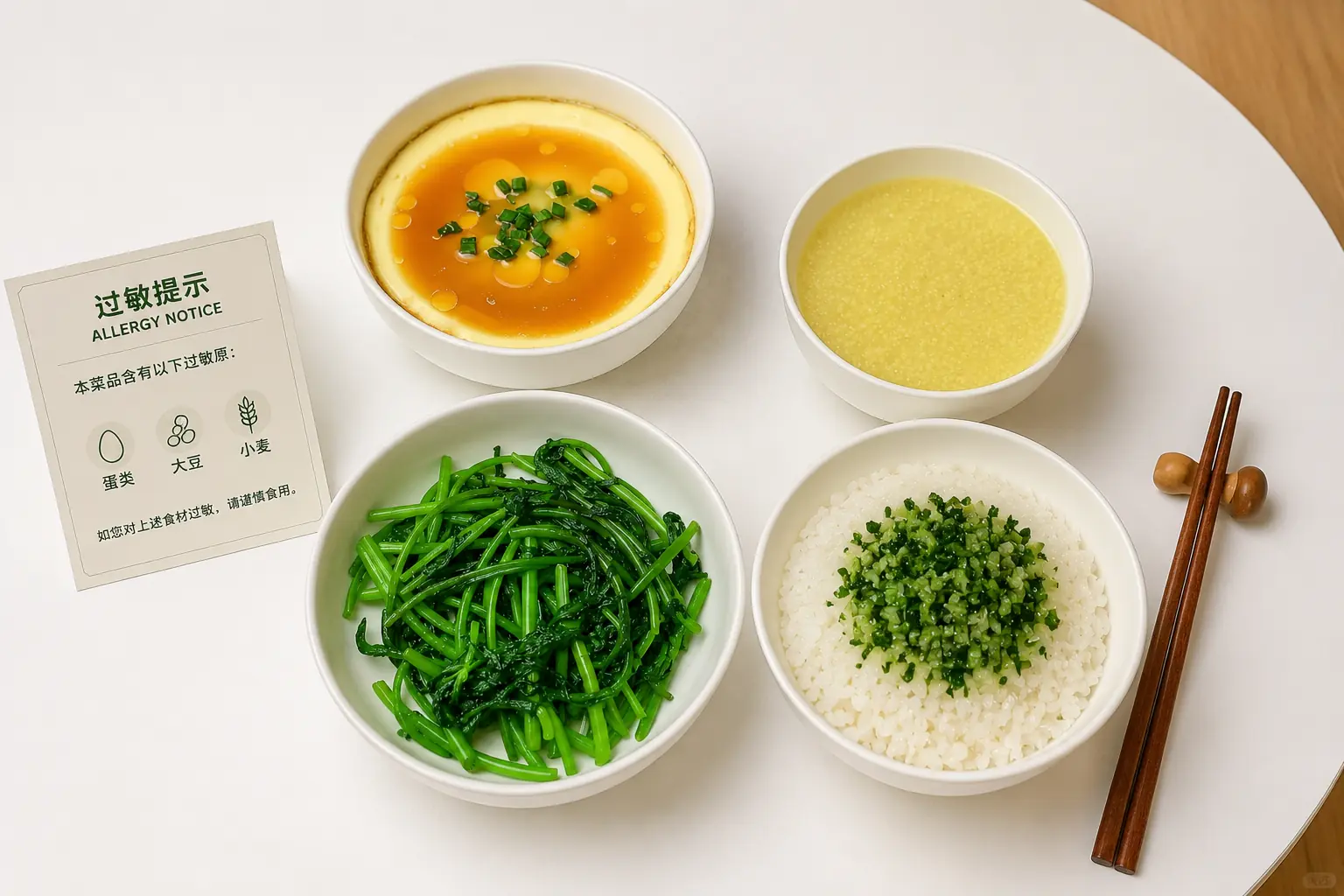
"Safer" does not mean "safe." It means easier to verify. In Chinese cities, that usually means choosing restaurants or lodging where communication is slower, ingredients are simpler, and someone can ask the kitchen properly.
Better starting points can include:
- International hotels: usually better at reading written allergy cards and involving kitchen staff.
- Higher-end mall restaurants: often slower-paced than street stalls and may have a manager who can help.
- Self-catering stays: useful for breakfast, travel days, and children with severe allergy history.
- Packaged safe foods from home: important for flights, trains, scenic areas, and late arrivals.
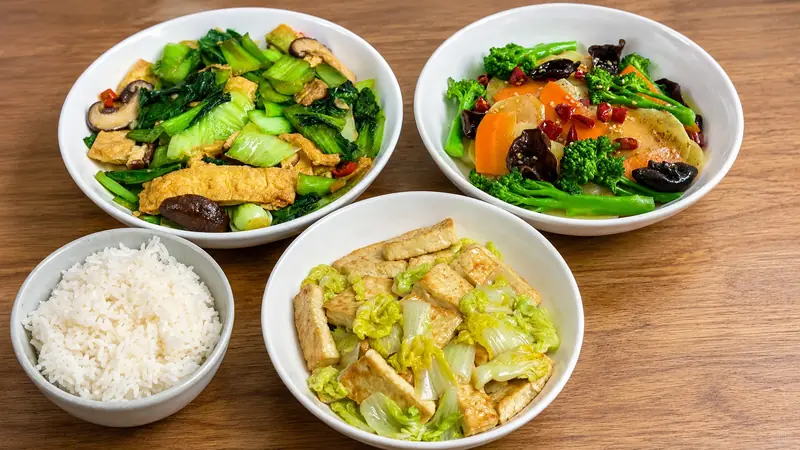
- Simple orders: plain rice, plain congee, steamed egg, clear soup, or simply cooked vegetables may be easier to discuss than mixed sauces, cold dishes, or desserts.
Even then, ask about oil, sauce, garnish, and tools. A plain-looking plate can still be finished with sesame oil. A vegetable can still be stir-fried in shared oil. A dessert can still use peanut, walnut, almond, or sesame filling.
How to Use a Chinese Allergy Card
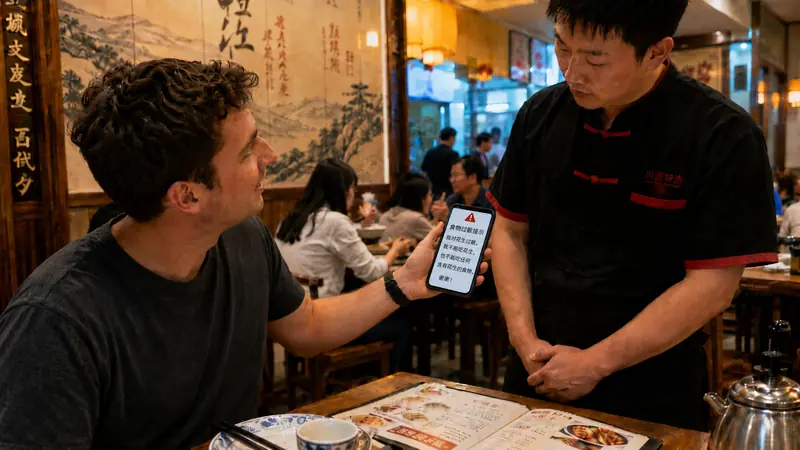
Do not rely on one short sentence. "I am allergic to peanuts" may be understood as "do not sprinkle peanuts on top." A useful severe-allergy card must explain severity, oils, pastes, shared tools, and what staff should do if they are unsure.
Use this order:
- Show the card before ordering- Do this before the kitchen starts cooking, not after the dish arrives.
- Let the server read it fully- Do not reduce the message to a quick spoken phrase.
- Ask them to check with the kitchen- The person taking the order may not know the oil, sauce, or garnish.
- Wait for a clear answer- Probably, maybe, and should be okay are not enough for severe allergy.
- Leave if uncertain- Politeness is not worth an avoidable reaction.
Your card should say something like this:
Severe allergy card core text
我对花生、所有坚果和芝麻严重过敏。少量也可能有生命危险。请不要使用花生、花生油、坚果、芝麻、芝麻油、香油、芝麻酱,也不要使用碰过这些食材的油、锅、铲子、勺子或夹子。如果不能保证,请告诉我,我不吃。谢谢。
That is longer than a tourist phrase, but severe allergy communication should be longer. Show it on your phone and carry a printed backup.
Phrases for Peanut, Nut, and Sesame Allergies
Use characters first
For serious allergies, show the Chinese characters from this table. Pronunciation helps in a pinch, but the written card is safer.
Save these phrases. For serious allergies, show the characters rather than relying on pronunciation.
| English | Chinese | Pinyin | Say It Like… |
|---|---|---|---|
| I have a severe peanut allergy. | 我对花生严重过敏。 | wǒ duì huā shēng yán zhòng guò mǐn | Woh dway hwa-shung yen-jong gwor-meen |
| I have a severe tree nut allergy. | 我对坚果严重过敏。 | wǒ duì jiān guǒ yán zhòng guò mǐn | Woh dway jyen-gwaw yen-jong gwor-meen |
| I have a severe sesame allergy. | 我对芝麻严重过敏。 | wǒ duì zhī ma yán zhòng guò mǐn | Woh dway jir-mah yen-jong gwor-meen |
| Even a small amount can be life-threatening. | 少量也可能有生命危险。 | shǎo liàng yě kě néng yǒu shēng mìng wēi xiǎn | Shaow lyahng yeh kuh nung yo shung-ming way-shyen |
| No peanuts, and no peanut oil. | 不要花生,也不要花生油。 | bù yào huā shēng, yě bù yào huā shēng yóu | Boo yow hwa-shung, yeh boo yow hwa-shung yo |
| No sesame, sesame oil, toasted sesame oil, or sesame paste. | 不要芝麻、芝麻油、香油、芝麻酱。 | bù yào zhī ma, zhī ma yóu, xiāng yóu, zhī ma jiàng | Boo yow jir-mah, jir-mah yo, shyahng yo, jir-mah jyahng |
| No tree nuts, such as cashews, almonds, walnuts, or pine nuts. | 不要坚果,比如腰果、杏仁、核桃、松子。 | bù yào jiān guǒ, bǐ rú yāo guǒ, xìng rén, hé táo, sōng zǐ | Boo yow jyen-gwaw, bee roo yaow-gwaw, shing-ren, huh-taow, song-dz |
| Please use a clean wok and a clean spatula. | 请用干净的锅和干净的铲子。 | qǐng yòng gān jìng de guō hé gān jìng de chǎn zi | Ching yong gahn-jing duh gwaw huh gahn-jing duh chan-dz |
| Do not use oil or tools that have touched these ingredients. | 不要用碰过这些食材的油或工具。 | bù yào yòng pèng guò zhè xiē shí cái de yóu huò gōng jù | Boo yow yong pung-gwaw juh shyeh shir-tsai duh yo hwaw gong-jyoo |
| If you cannot guarantee it, please tell me. I will not eat. | 如果不能保证,请告诉我,我不吃。 | rú guǒ bù néng bǎo zhèng, qǐng gào su wǒ, wǒ bù chī | Roo gwaw boo nung baow-jung, ching gow soo woh, woh boo chir |
| Please call an ambulance. | 请叫救护车。 | qǐng jiào jiù hù chē | Ching jyow jyoh-hoo-chuh |
Pack and Plan Before You Fly
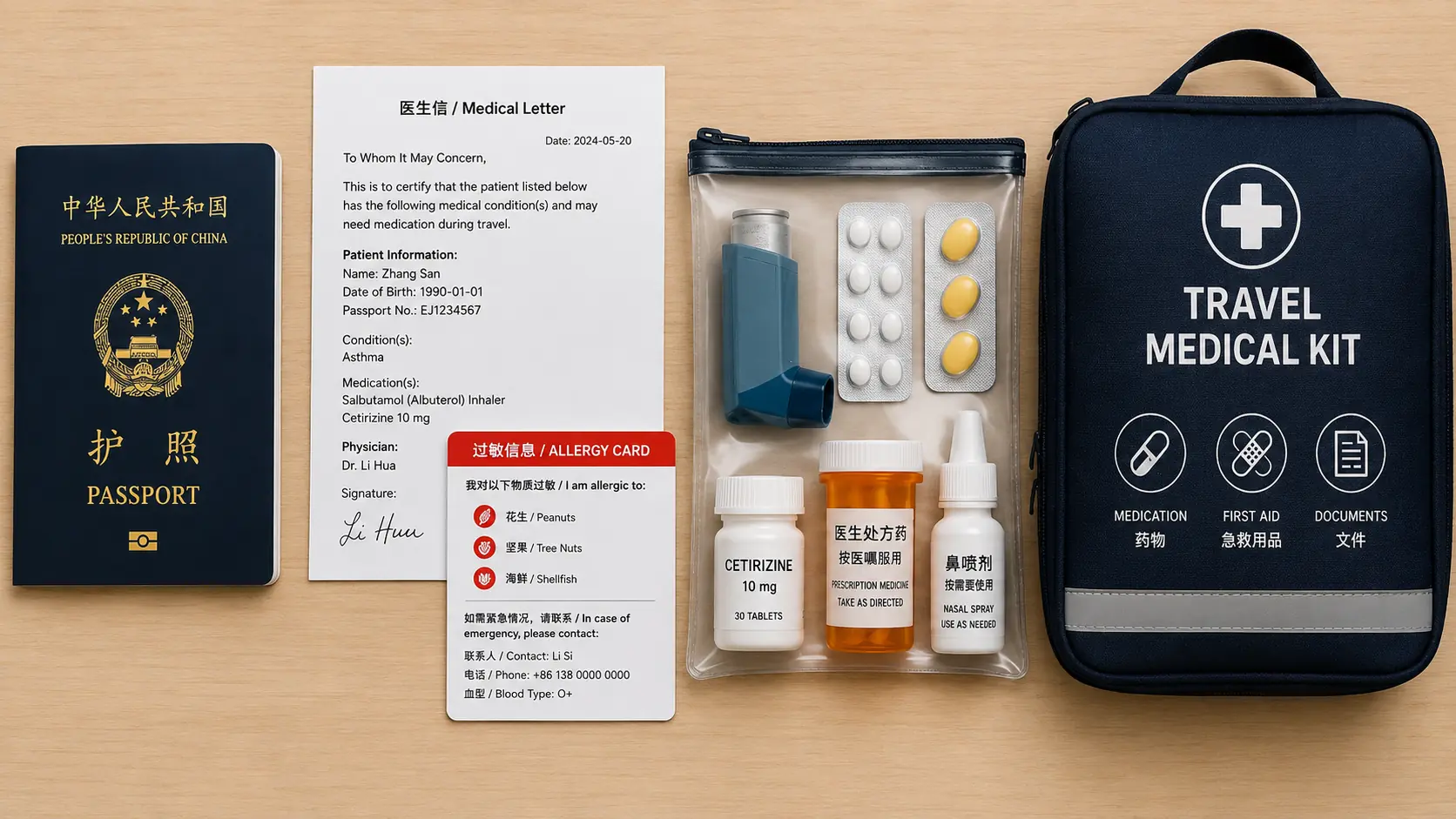
Food planning and medical planning need to travel together. Discuss your medication and emergency plan with your clinician before departure, especially if you have a history of anaphylaxis. The CDC Yellow Book notes that medications can have different names abroad, may be unavailable, and may be of uncertain quality; it also says extra injectable epinephrine may be appropriate when availability or language barriers are uncertain.
Build a practical kit:
- Emergency medication: prescribed epinephrine and other medication according to your clinician's plan.
- Paperwork: allergy action plan, doctor letter, prescriptions, and original packaging.
- Communication: printed Chinese allergy cards, phone screenshots, medical phrases, and local emergency contacts.
- Food backups: safe snacks for flights, trains, scenic areas, early starts, late arrivals, and days when restaurants cannot answer.
- City planning: save nearby hospital or international clinic options in each major stop.
This may feel less romantic than wandering into the busiest snack street. That is the point. With severe allergies, a boring backup meal can protect the rest of the trip.
China prepackaged labels vs restaurant dishes (GB 7718-2025)
China's updated prepackaged-food labeling standard (GB 7718-2025, mandatory from March 16, 2027 after a two-year transition) requires prepackaged foods to declare eight major allergen categories — including peanuts (花生) and tree nuts (坚果) — except specified deeply processed derivatives with allergenic protein removed under Appendix D (such as refined peanut oil). However, sesame (芝麻) is not in the mandatory eight categories, precautionary "may contain" cross-contact warnings remain voluntary, older labels stay in circulation during the transition, and freshly made restaurant meals or bulk snacks are exempt. Never treat the absence of a bold allergen warning box as proof that oils, derivatives, sesame, or cross-contact are absent — read the full 配料表 (ingredient list) and use your written card in restaurants.
Frequently Asked Questions
It can be managed with planning, but severe peanut allergy requires conservative choices. Peanut oil, crushed peanuts, chili oil, desserts, snacks, shared tools, and vague answers all matter.
Sources checked for this guide
- GB 7718-2025 mandatory eight-allergen prepackaged labeling (peanuts and tree nuts included; sesame not in the mandatory eight), March 16, 2027 implementation date, and restaurant/bulk-food exemption: Quanzhou Market Supervision Administration — GB 7718-2025 compliance guide
- Pre-trip medication planning, chef cards, and carrying safe backup food abroad: FARE — Traveling with Food Allergies
- Kitchen cross-contact risks from shared oils, utensils, and garnishes when dining out: AAAAI — Dining Out with Food Allergies
- Red-flag anaphylaxis symptoms, immediate adrenaline auto-injector use, and emergency response: NHS — Anaphylaxis guidance
- Carrying local-language allergy and medication cards when traveling in China: CDC Travelers' Health — China
- 120 as China's unified national medical emergency ambulance hotline: Beijing Municipal Health Commission — 120 emergency guidance
Beyond This Guide
For the full pre-trip emergency, hospital, and backup-food framework, read our China food allergies and dietary restrictions guide. For nearby dietary-risk reading, use Hidden Pork and Broth in Chinese Veggie Dishes, Halal Food in China, and Toddler Survival Menu. Food-specific guides such as Bingfen, Tanghulu, Baozi, and Lanzhou Beef Noodles can help you spot where peanut, sesame, wheat, soy, pork, or shared tools enter otherwise simple-looking meals.
© gochinafreely.com — Original guide by Go China Freely.