Visit Basics
Luxury boat ~¥90 · passport needed for some ticketed sites.
Decision Notes
West Lake: Poetry, Engineering & Legend
Cultural lake landscape
A designed walk through poetry, water, islands, and pagodas
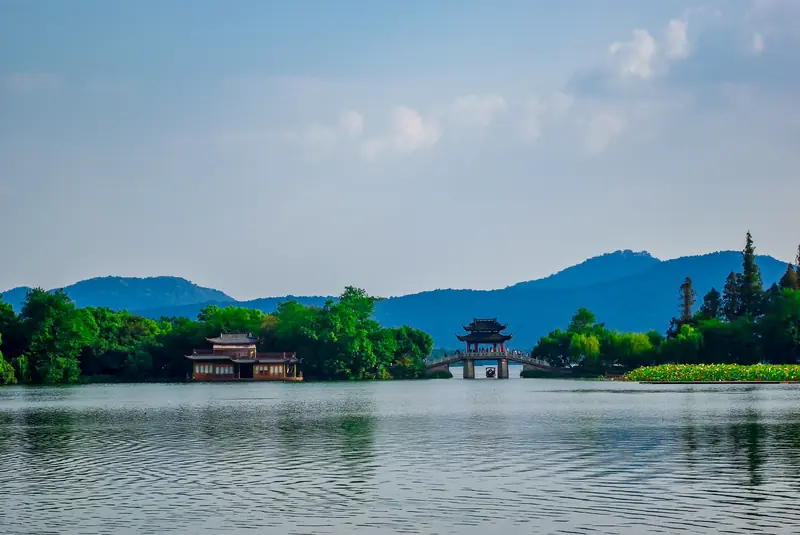
West Lake is China's most celebrated cultural landscape: roughly 6.5 km² of open water, ~15 km of shoreline, and more than 2,000 years of poetry, engineering, and legend packed into one city lake.
West Lake (西湖)
It is not just a scenic lake with pretty bridges. Causeways, islands, pagodas, temples, poetry, and seasonal views were arranged to be experienced from shore, water, and hilltop.
Free
Lake entry
6-7 hrs
First visit
Think sequence, not circle
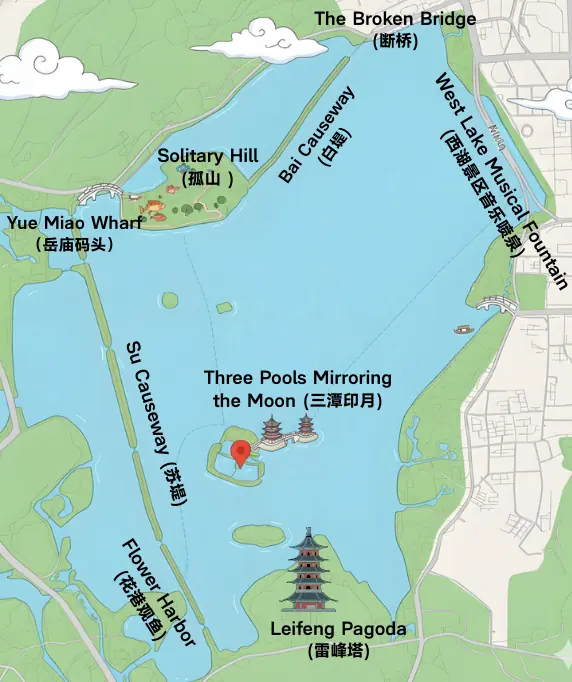
The classic formula is one mountain, two causeways, and three islands: Gushan (孤山), Bai Causeway (白堤), Su Causeway (苏堤), and the lake islands that create the famous water-level views.
What stays free
The shoreline, causeways, lakeside parks, and most views cost nothing. You only pay for add-ons such as boats to Small Yingzhou, Leifeng Pagoda, special performances, or optional transport.
Best first-time route
Start with Broken Bridge (断桥), cross Bai Causeway, use a boat for Small Yingzhou (小瀛洲), then finish south at Leifeng Pagoda (雷峰塔). Walk + boat + shuttle is part of how the lake is meant to unfold.
What to See Around West Lake
For a first visit, do not treat every named view as equal. Prioritize the north-to-south story: Broken Bridge and Bai Causeway for the legendary opening, Solitary Hill for culture, Small Yingzhou for the water scene, Su Causeway for the long lake walk, and Leifeng Pagoda for the sunset finale.
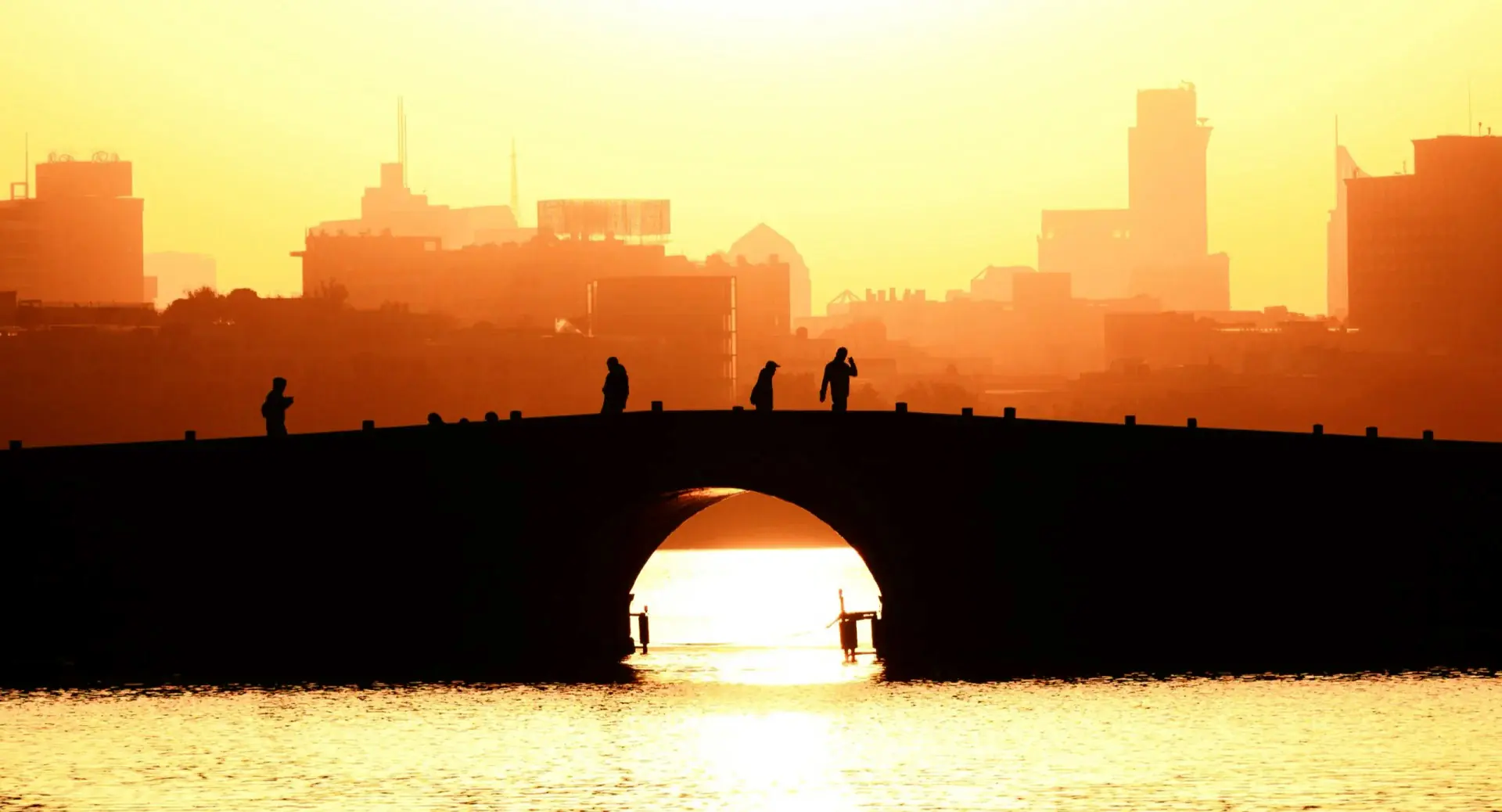
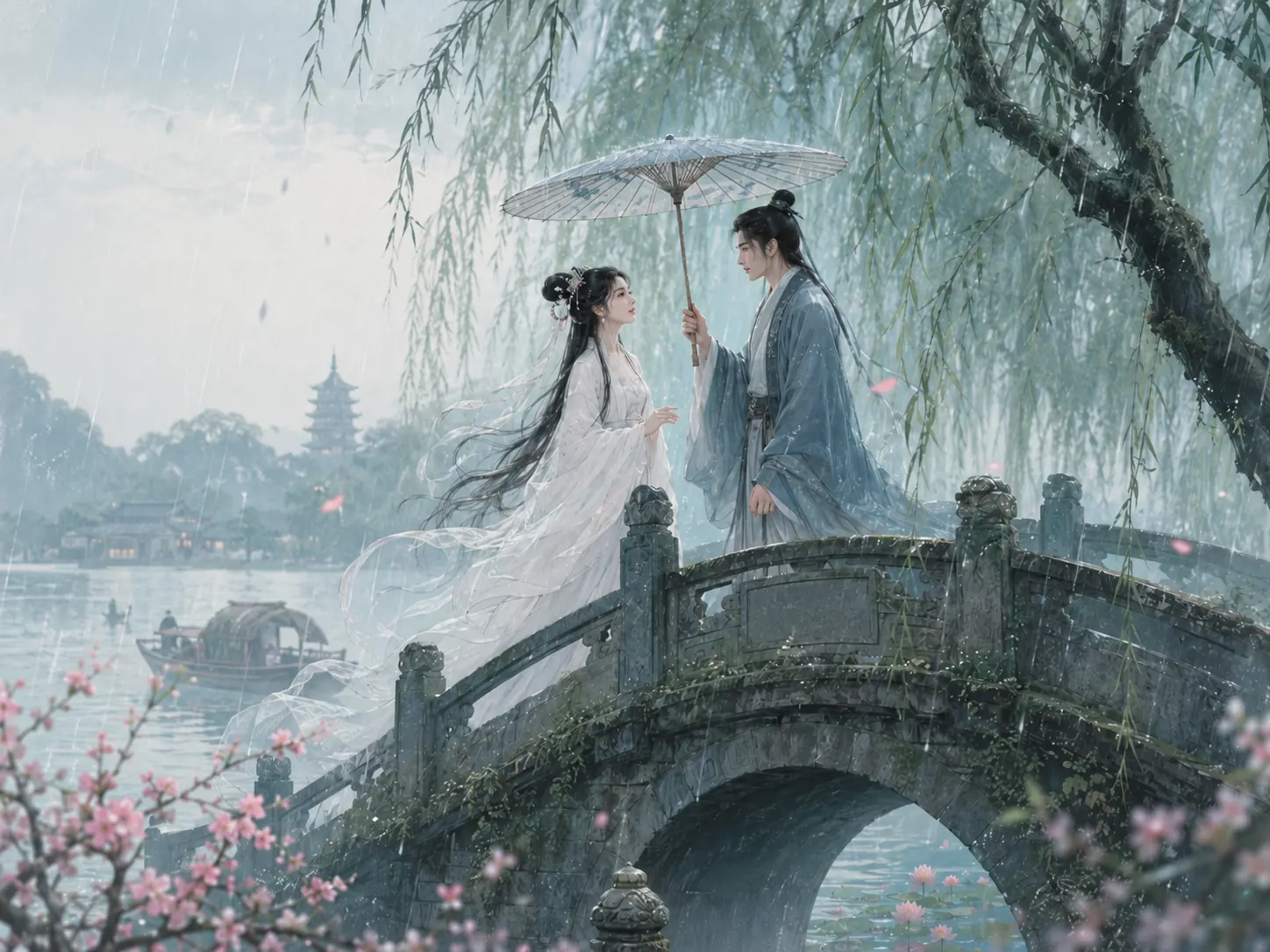
China's famous White Snake legend begins here with a rainstorm, a borrowed umbrella, and a meeting on the bridge. The name comes from winter snow melting first on the arch, creating a visual break.
Bai Causeway
白堤 · 1 km lake walk
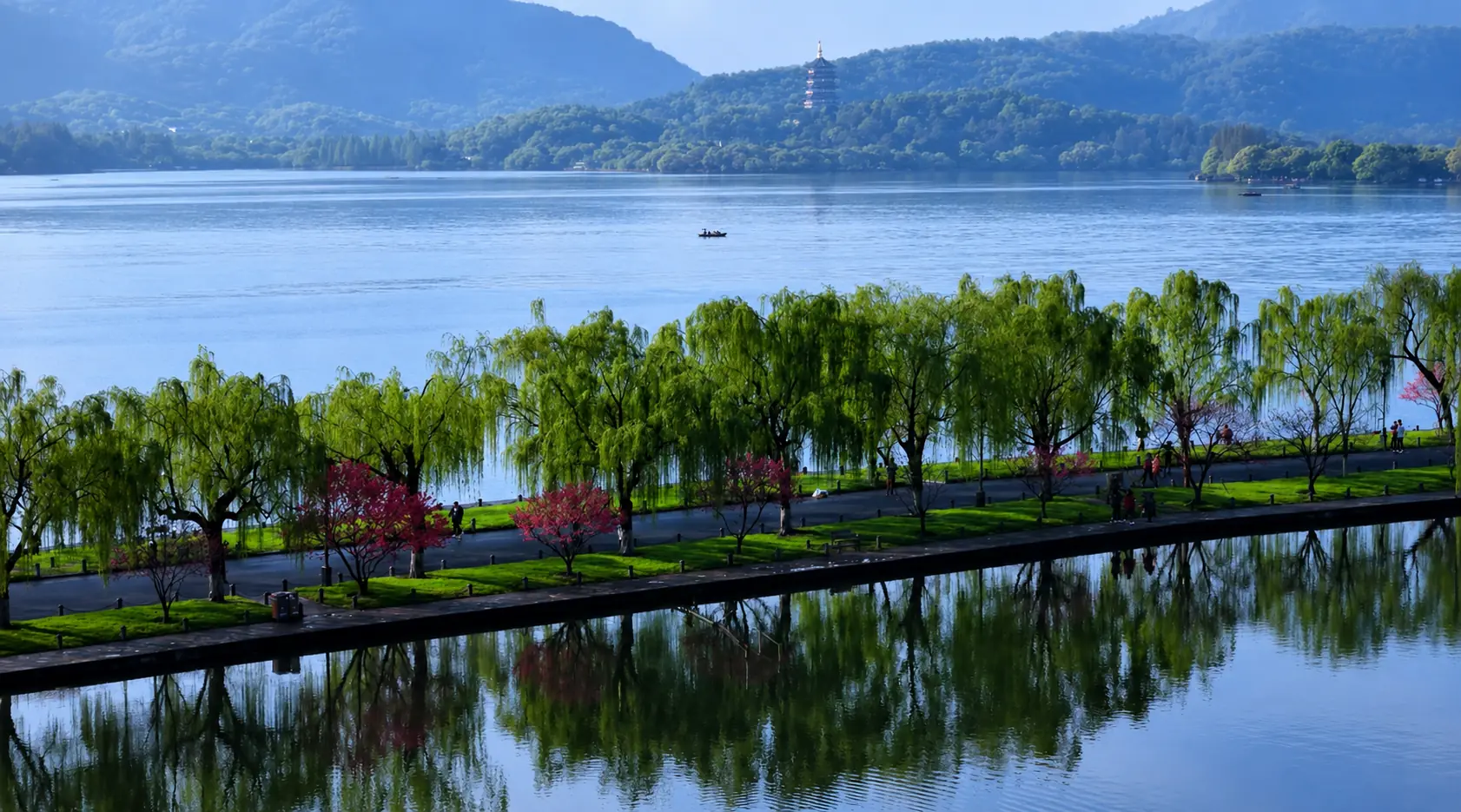
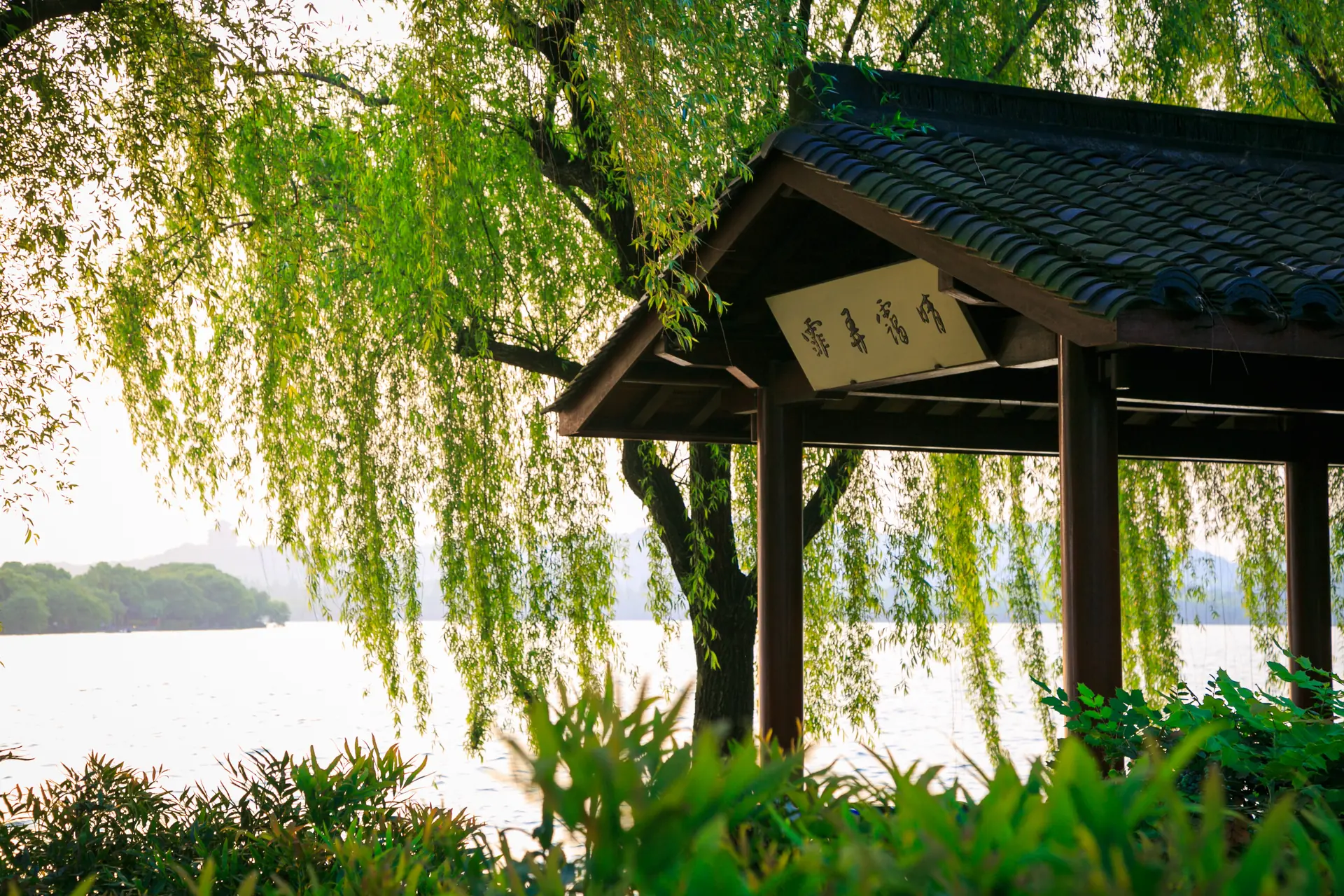
Alternating willows and peach trees create the spring rhythm praised in poetry. Brocade Belt Bridge (锦带桥) is the classic arch-and-reflection photo stop.
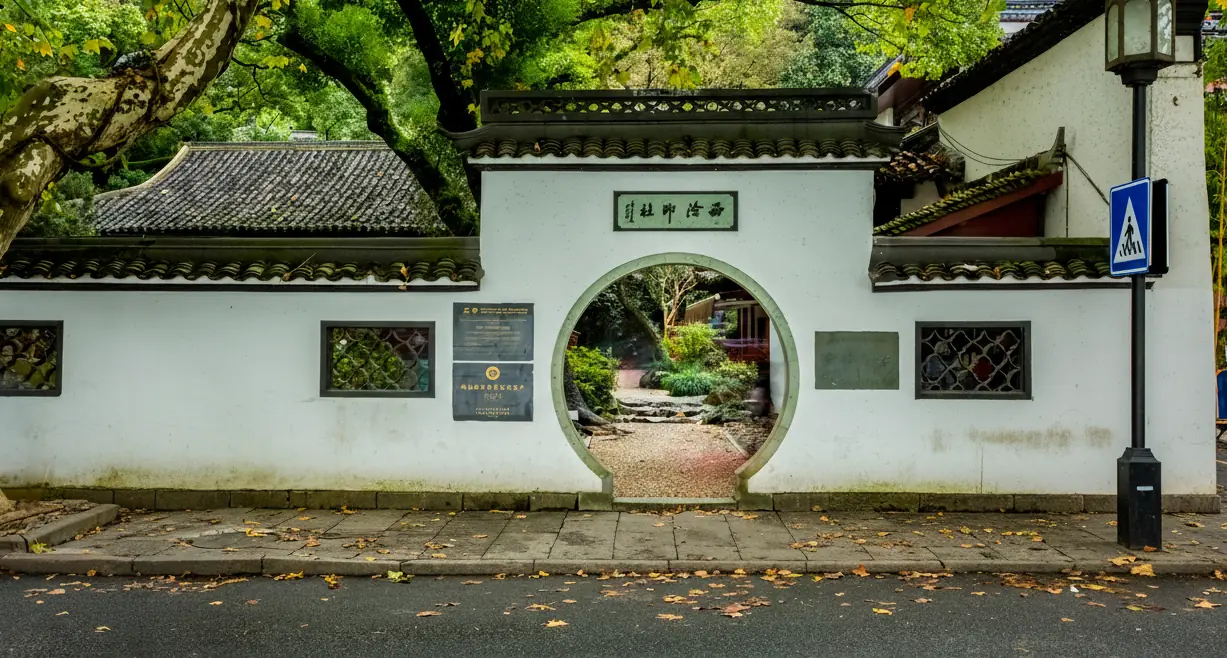
Solitary Hill holds Xiling Seal Society (西泠印社), Qiu Jin's tomb (秋瑾墓), and the memory of hermit Lin Hejing, whose retreat inspired the phrase plum wife, crane children.
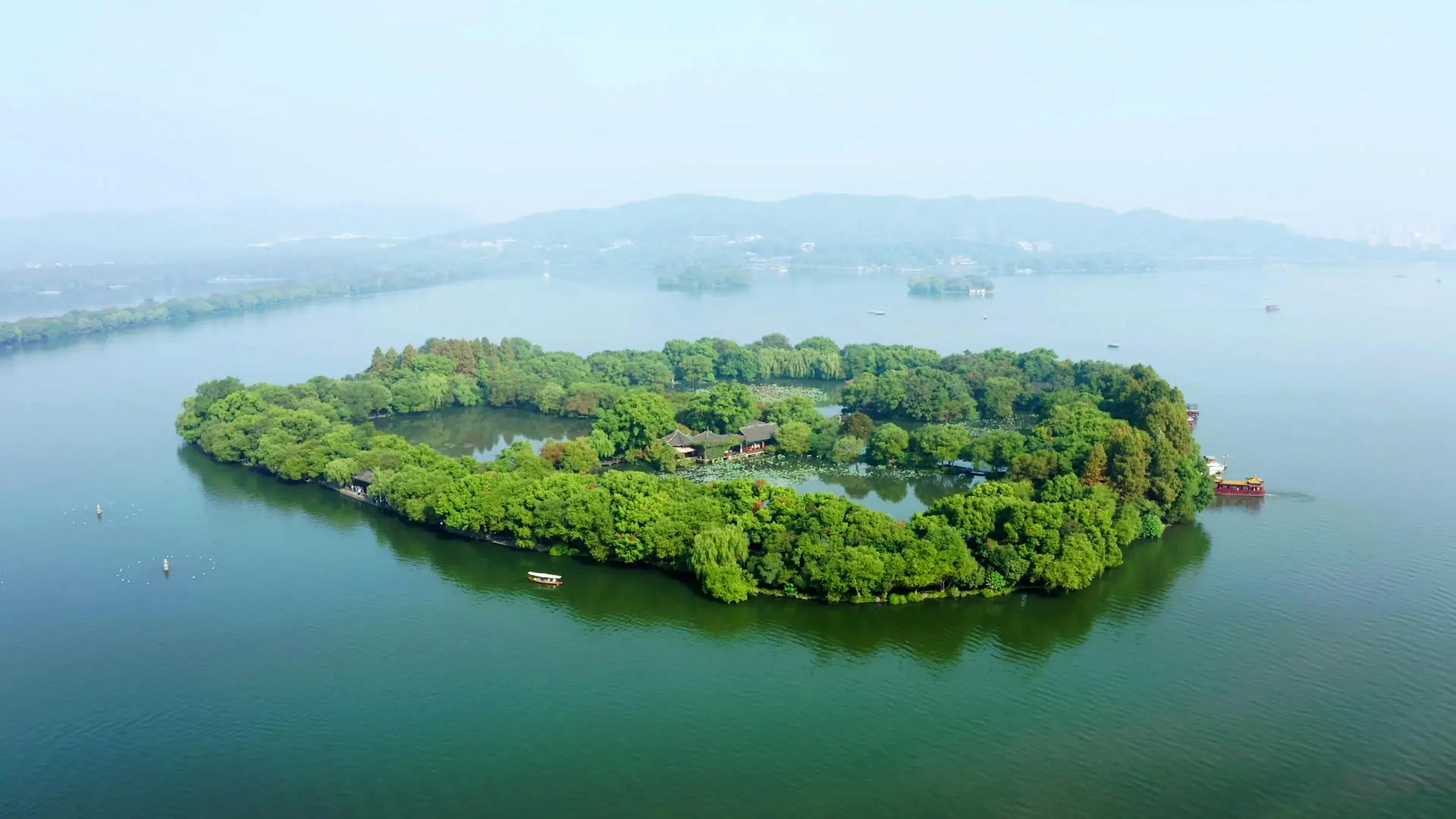
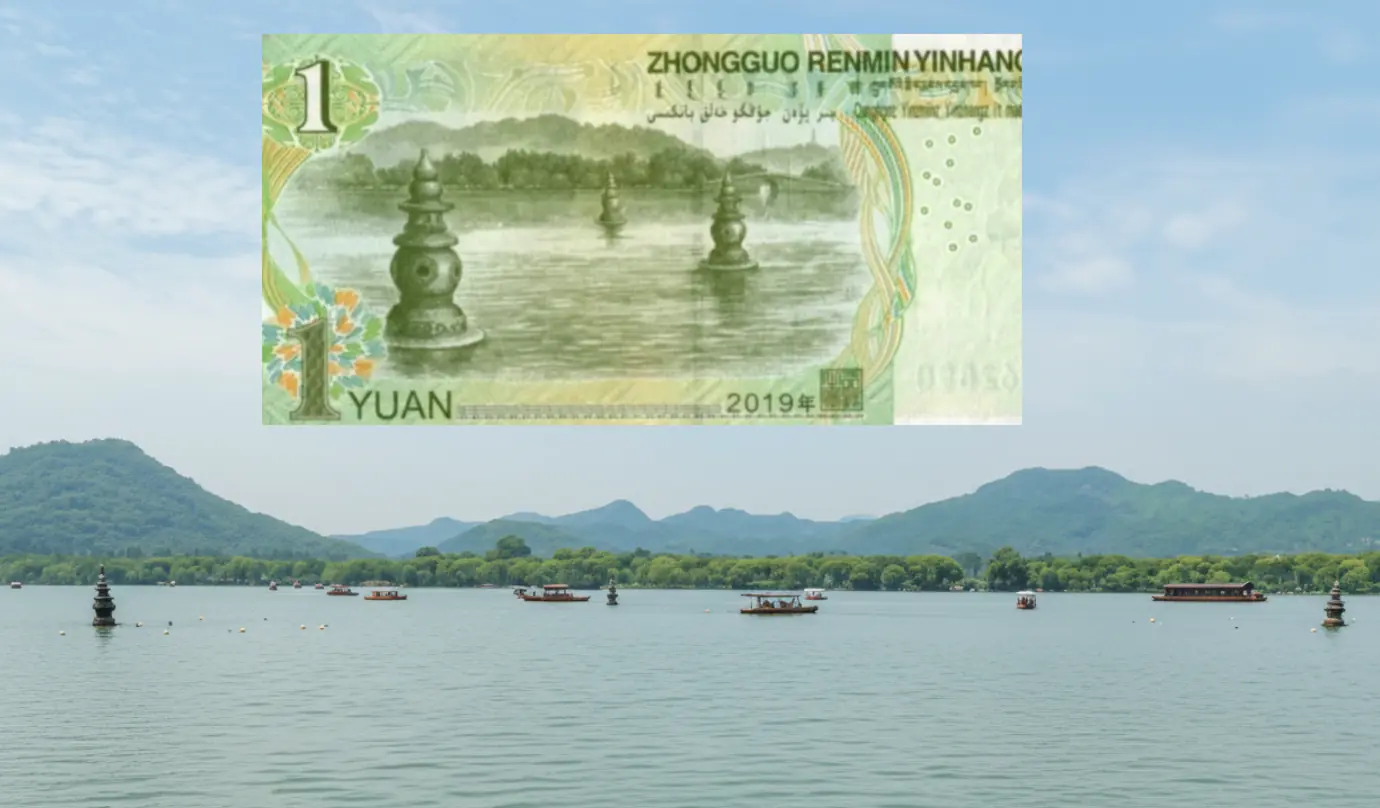
This is the island behind the ¥1 banknote view. During Mid-Autumn Festival, candles in the three stone pagodas create the famous 33 moons illusion.
Su Causeway
苏堤 · 2.8 km, six bridges
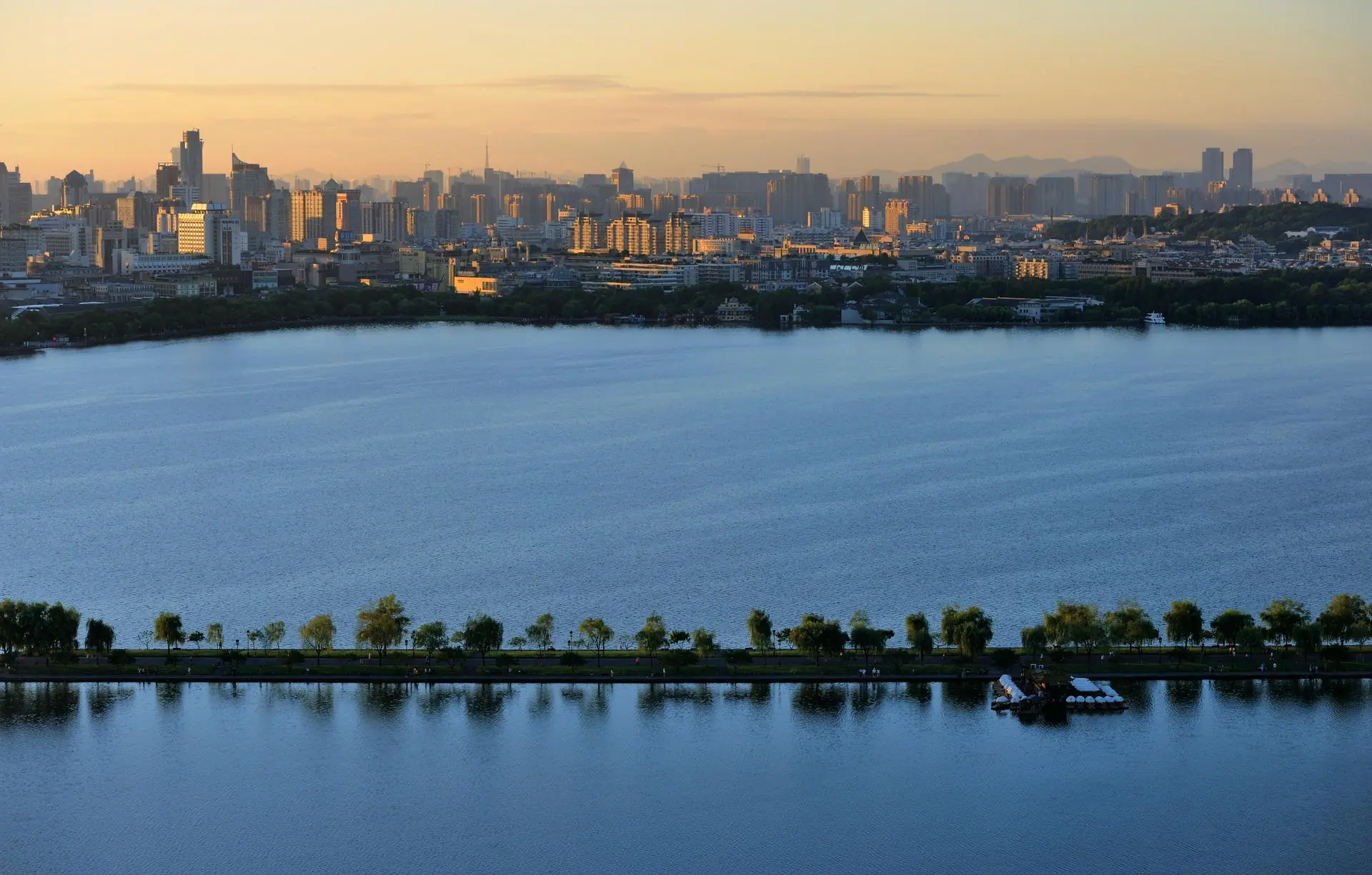
Built under Su Dongpo in 1089, this long causeway gives the lake its grandest walking sequence. Yadi Bridge (压堤桥) is the usual wide-view point along the ridge.
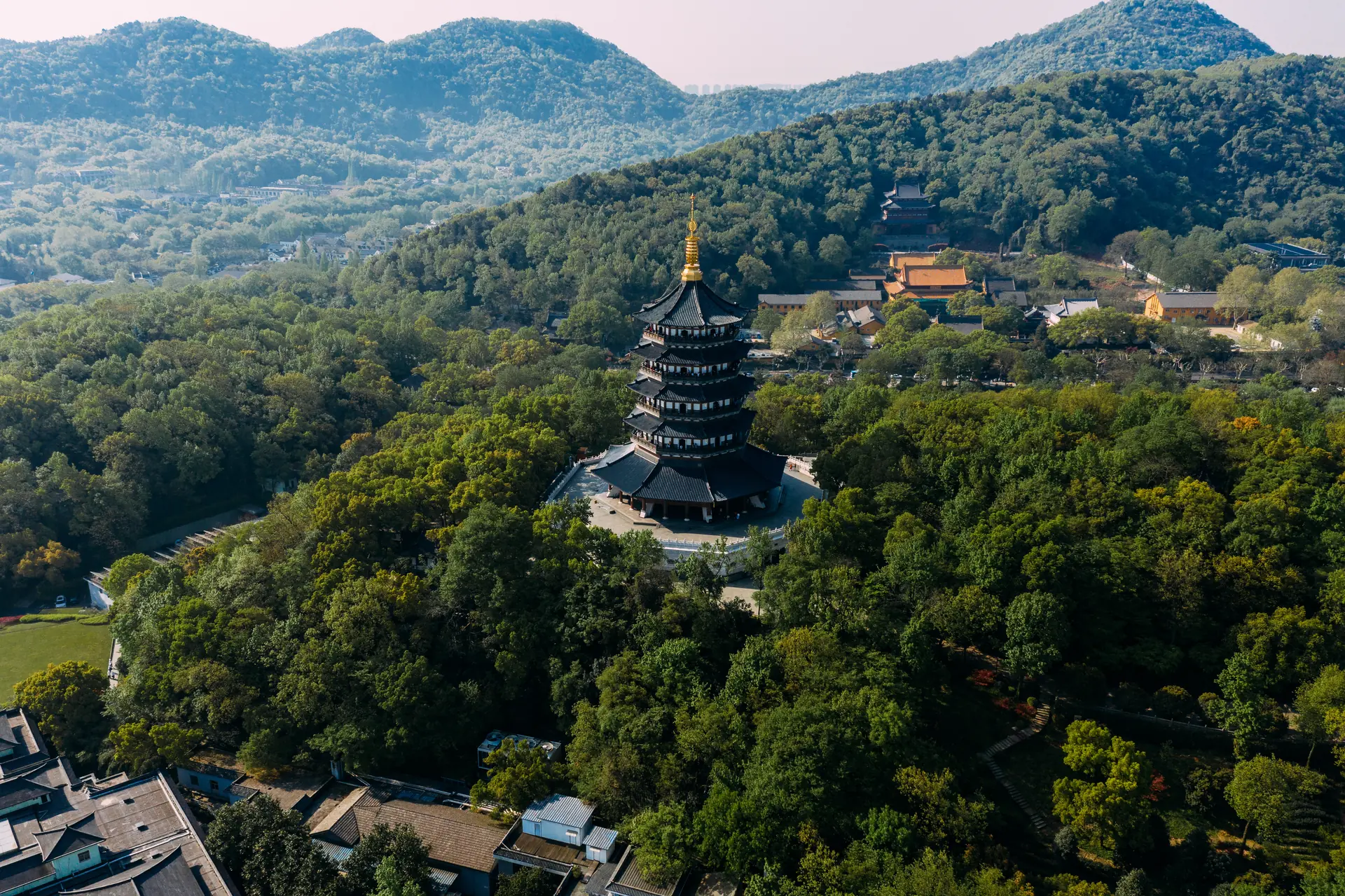
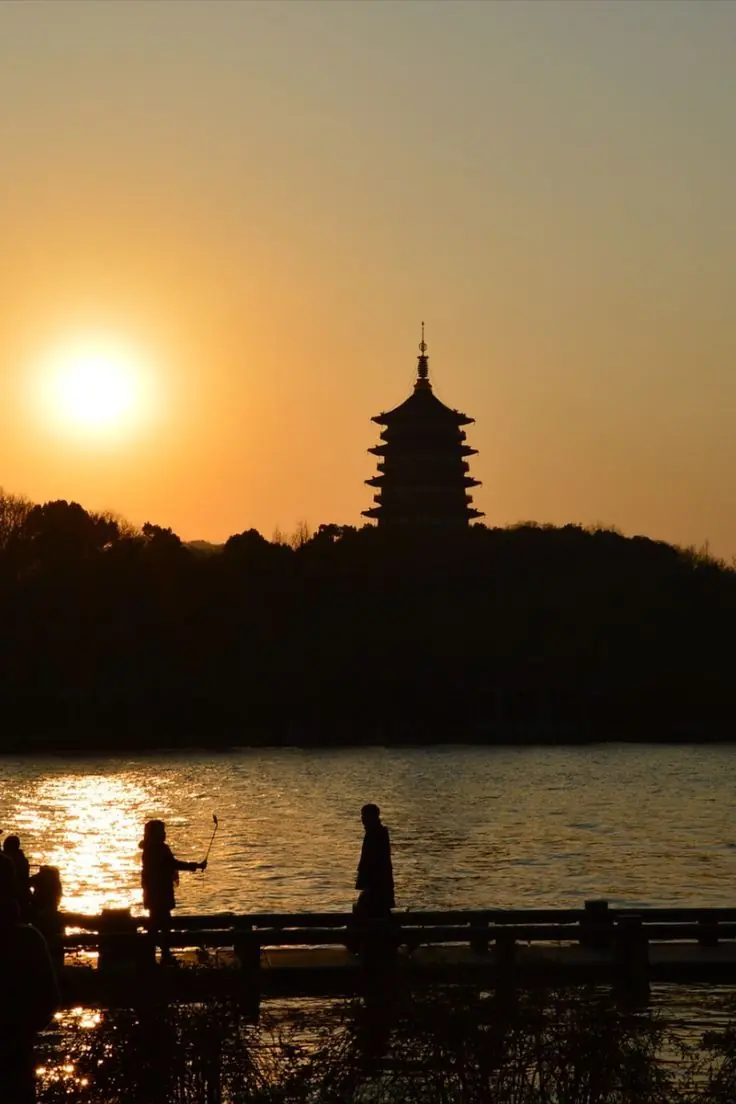
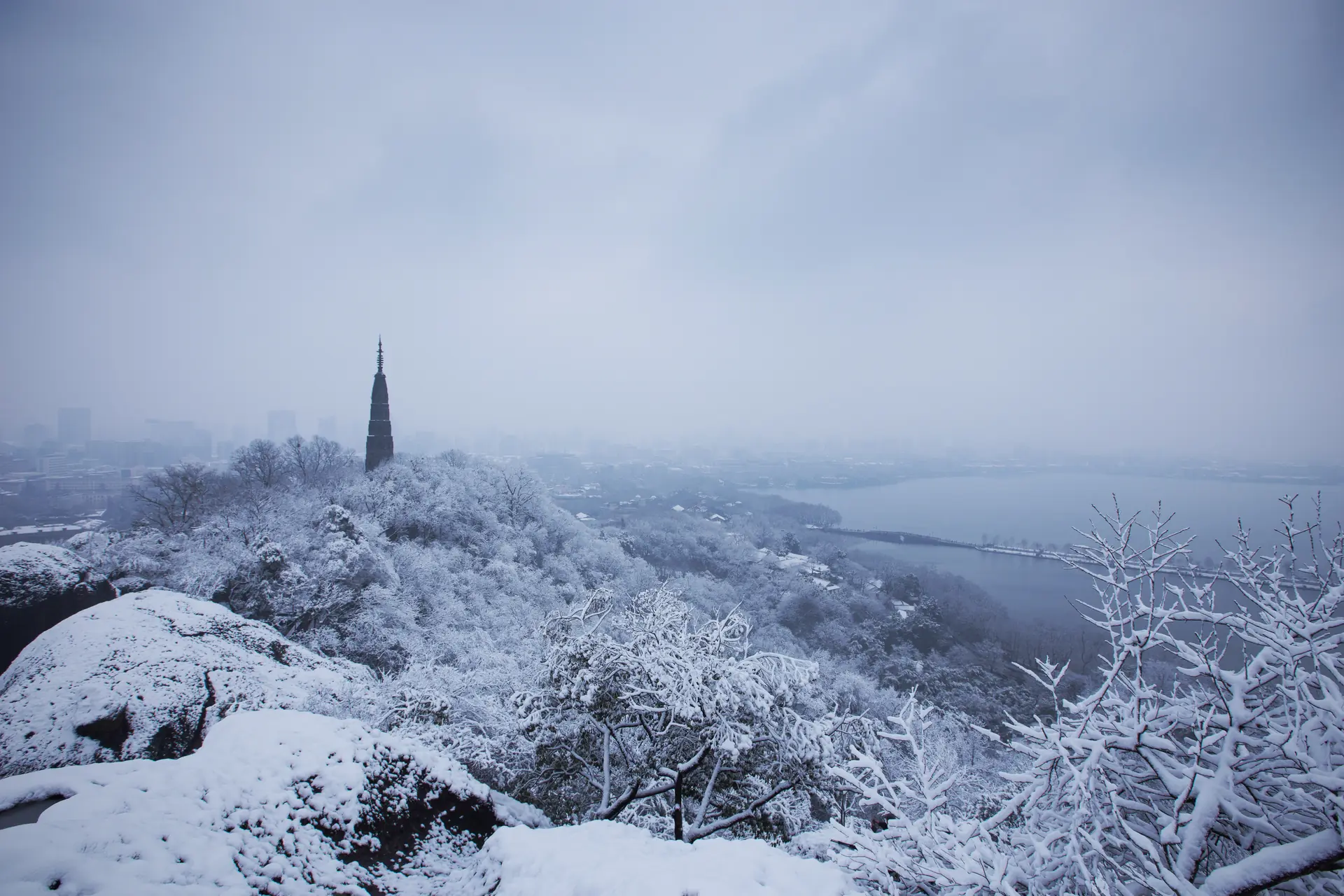
The original pagoda collapsed in 1924; the 2002 rebuild preserves ancient ruins below and gives a high sunset panorama above. Arrive around 17:00 for the evening glow scene.
Culture Layers
The lake's beauty is not only scenery. Its most durable images come from poet-governors who reshaped the shoreline and from legends that turned ordinary bridges and pagodas into emotional landmarks.
Legend layer
Broken Bridge begins the White Snake story
In the popular White Snake telling, Bai Suzhen (白素贞) meets Xu Xian (许仙) here in spring rain after he offers her shelter with an umbrella. They fall in love and marry, which is why Broken Bridge still reads as a romantic landmark rather than just another pretty crossing.
Why it matters on the ground: in the most familiar version, the monk Fahai (法海) forces them apart and Bai Suzhen becomes linked to Leifeng Pagoda. You do not need to know every plot turn; the practical point is that Broken Bridge gives the story its tender beginning, while Leifeng Pagoda gives it its tragic shadow.
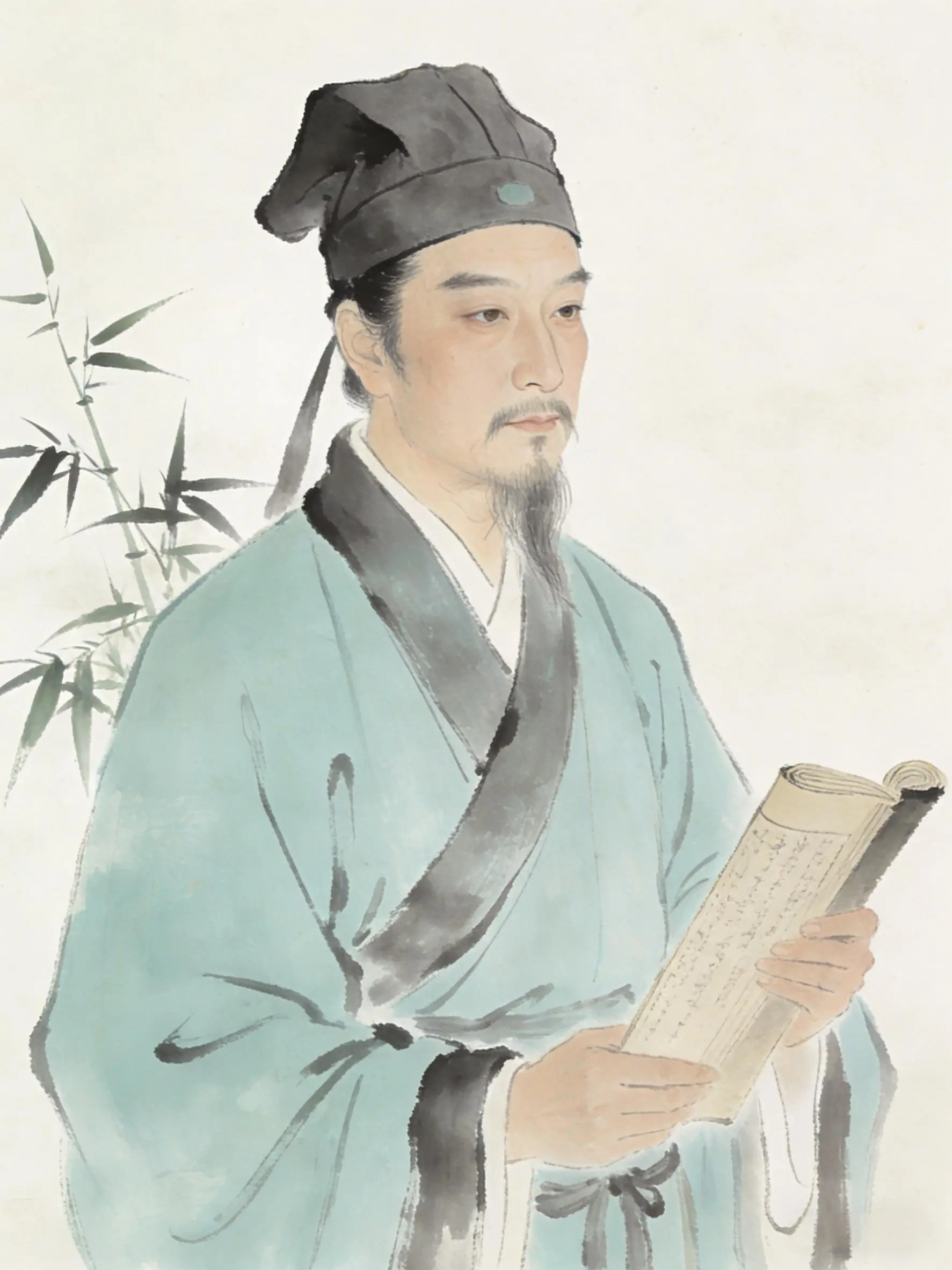
Poet-governors
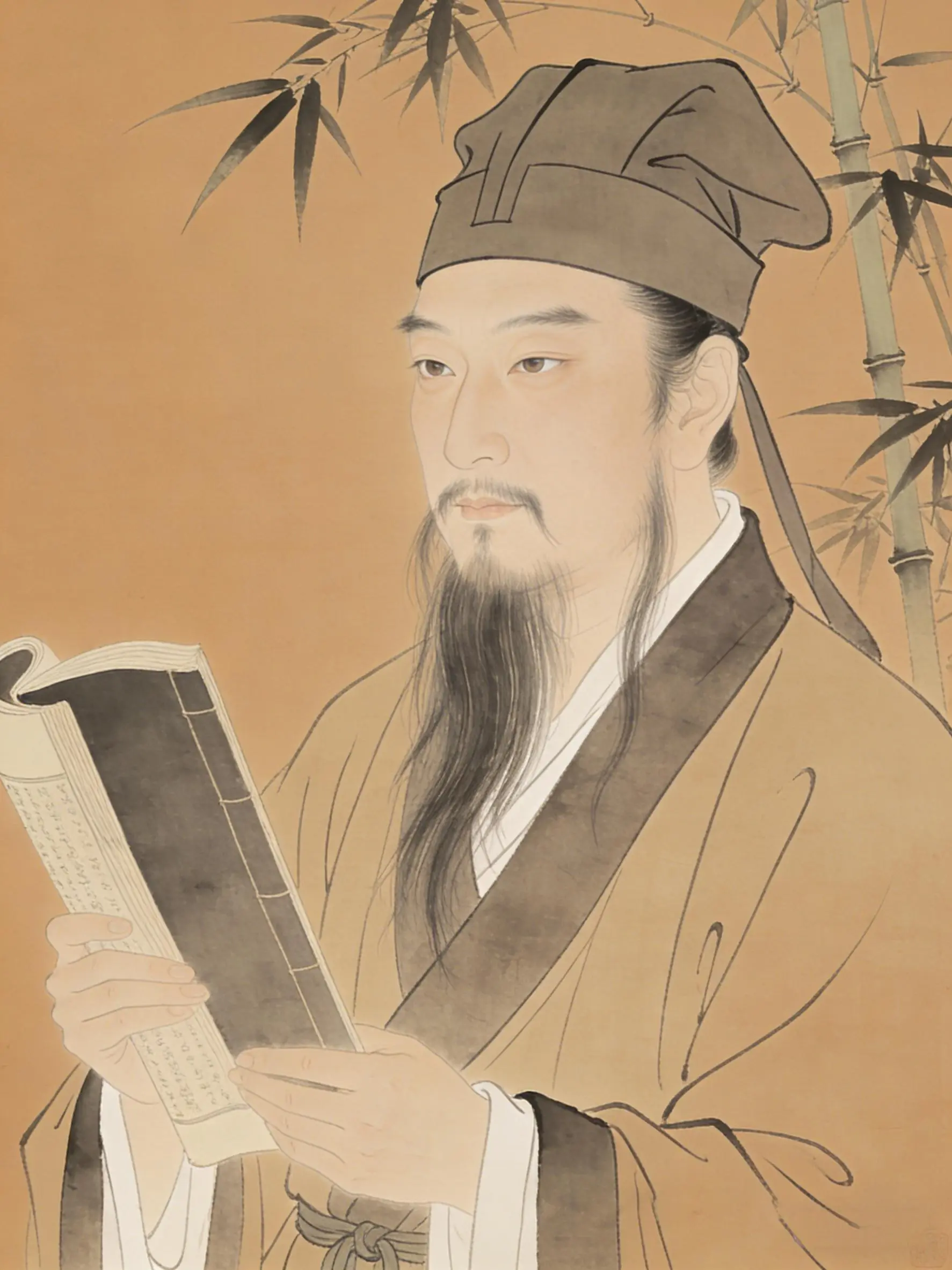
Poetry here was also infrastructure
The famous causeways are not decorative extras. They explain why a first visit can move through the lake in a readable north-to-south sequence instead of feeling like a random shoreline walk.
Bai Juyi (白居易, 772-846) dredged the lake and is linked with Bai Causeway. Su Dongpo (苏东坡, 1037-1101) created Su Causeway in 1089 and is tied to Dongpo Pork. Their engineering is why the lake still reads like a poem you can walk through.
Causeways as public works: Bai Causeway and Su Causeway are not just pretty walking paths. They began as dredging, embankment, and flood-control work, then became the poetic route that still organizes a first visit around the lake.
Detail Stop: Inside Leifeng Pagoda
Leifeng Pagoda rewards a slower interior visit if you are already paying for the sunset view. The ruins, woodcarvings, and panorama make the ticket feel less like a simple elevator ride.
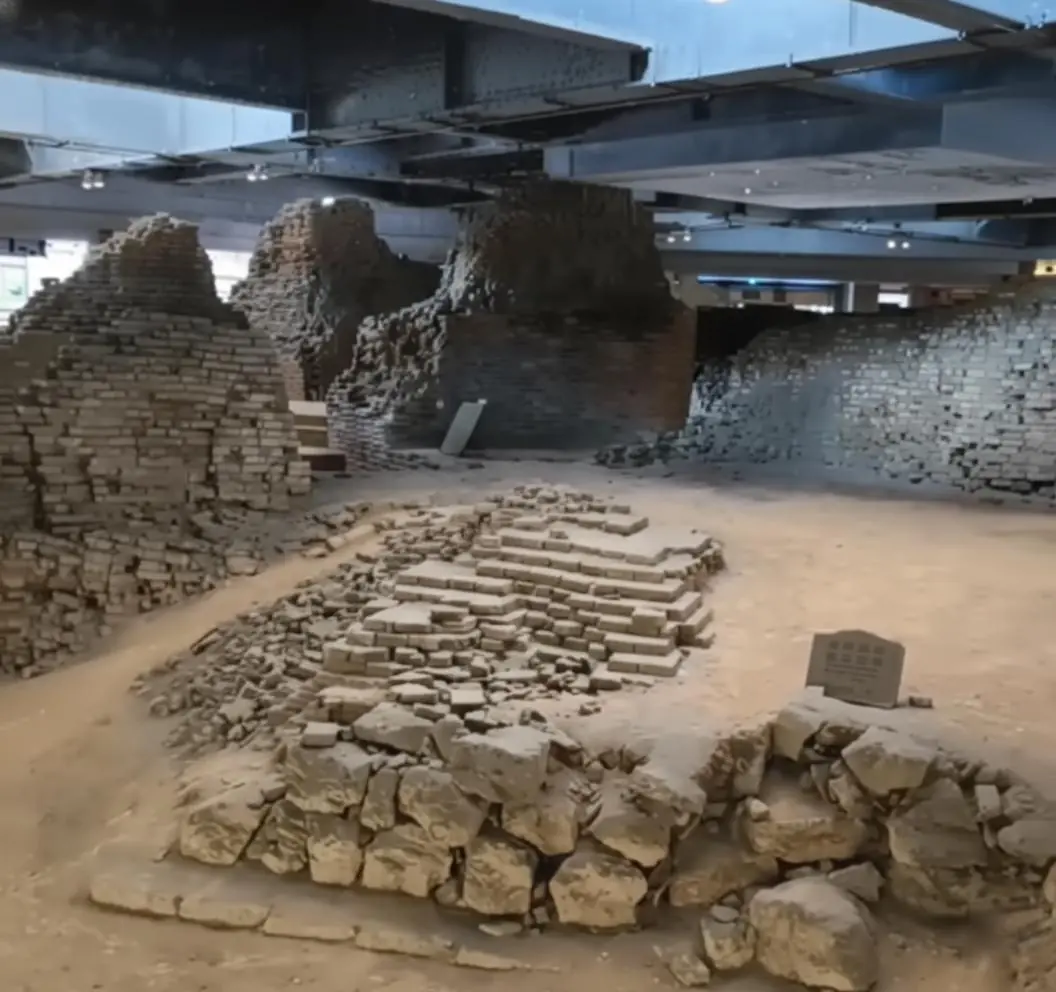
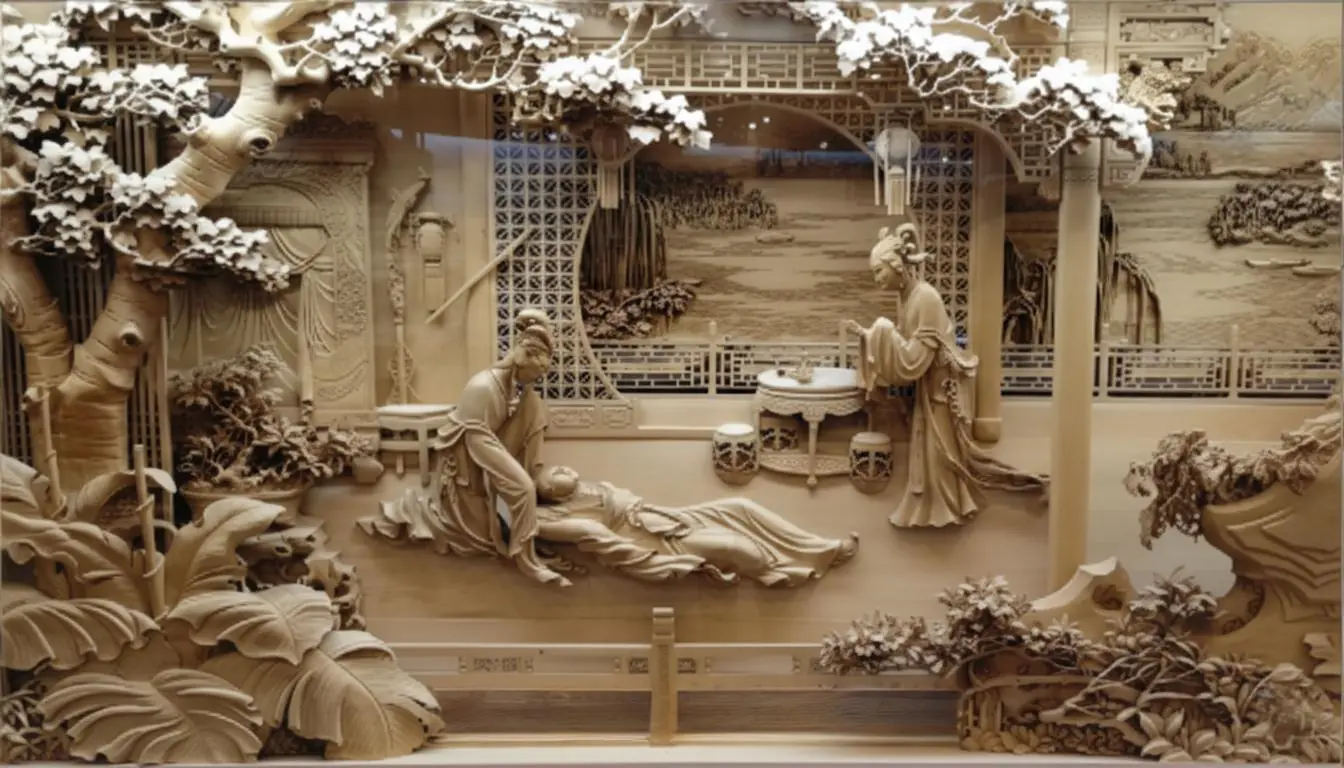
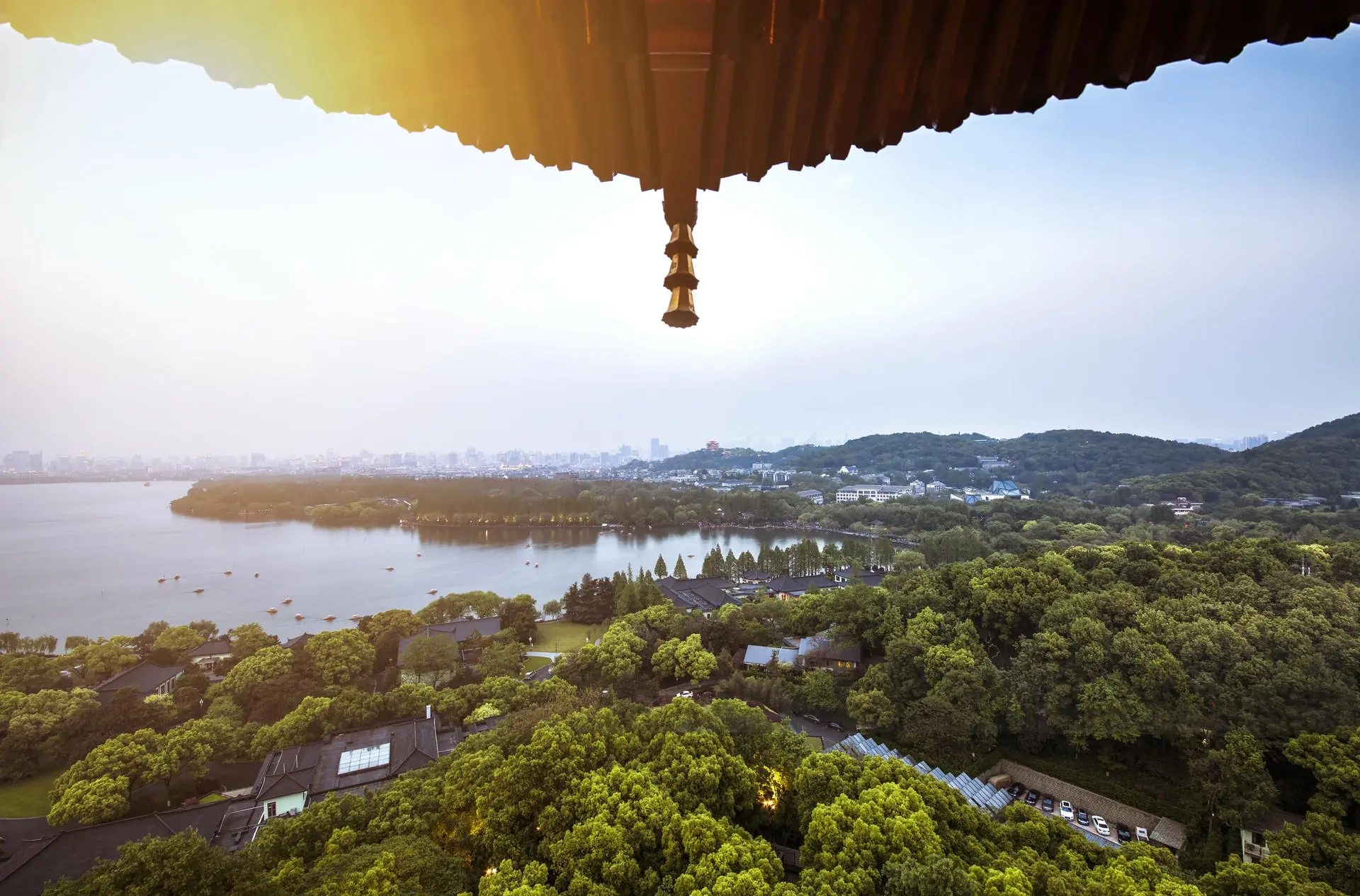
Lakeside Details Worth Slowing For
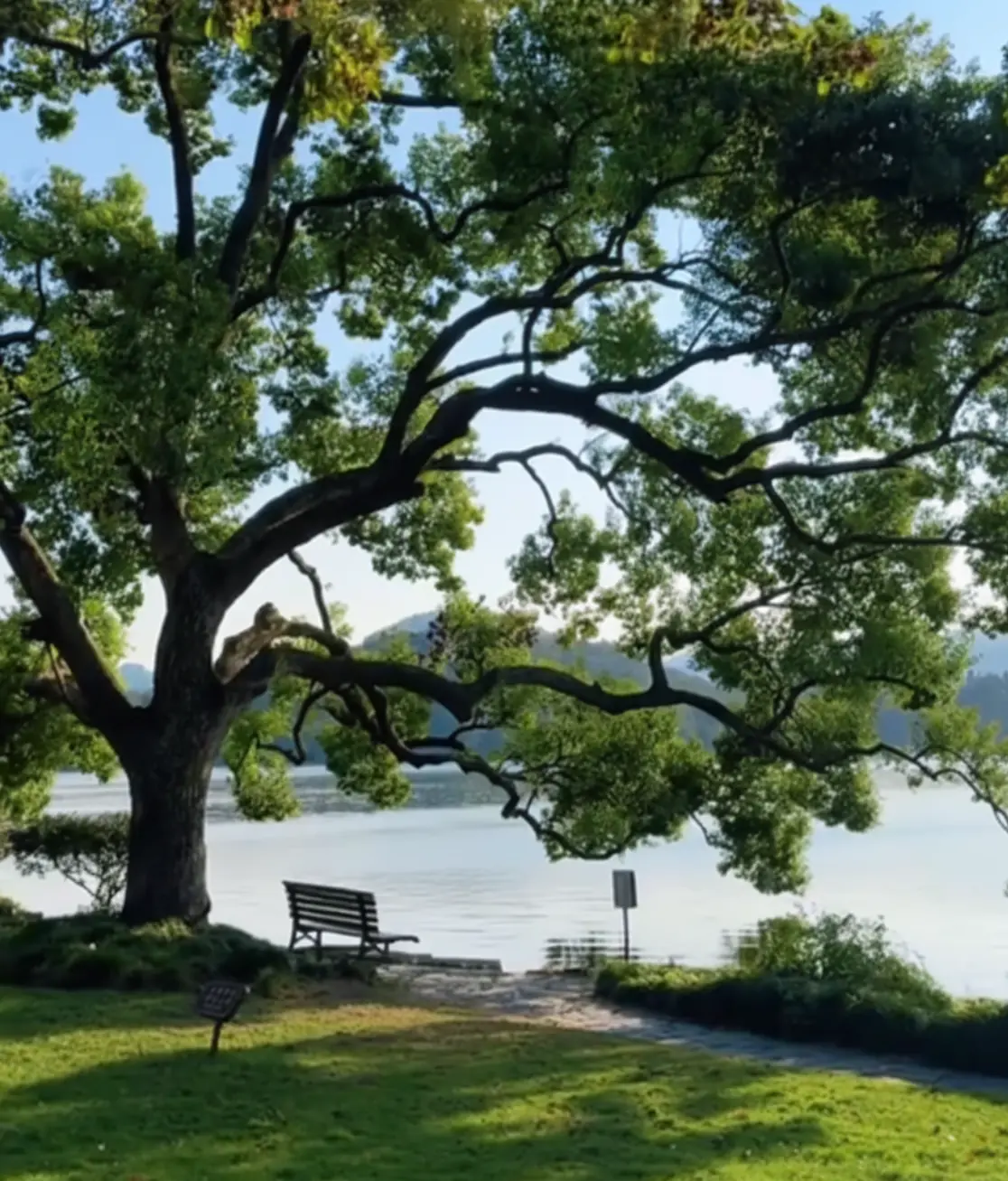
Use these smaller visual stops as pacing breaks, not as a second checklist. They work best when they naturally sit beside your walk, boat landing, or garden pause.
Boat Navigation Tip
When leaving Small Yingzhou, queue for Yue Miao (岳庙) dock. It drops you at the north end of Su Causeway, setting up the clean southbound walk to Leifeng Pagoda.
Poet's Walk: 6-Hour Route
The Poet's Walk is a north-to-south route that follows the lake's narrative logic: romance at Broken Bridge, literary culture at Solitary Hill, water views on Small Yingzhou, Su Dongpo's causeway, then Leifeng Pagoda at sunset.
The route is not just a shortest path. Each movement changes the story, the view height, or the strain on your legs.
📜Chronological
Tang and Song poet-governors first, Ming-Qing legends later, contemporary skyline and evening lights at the end.
🐍Legend Arc
The White Snake story opens at Broken Bridge and reaches its tragic visual ending at Leifeng Pagoda.
⚡Energy Smart
Walk the scenic segments, boat across the lake, then use a shuttle or taxi when distance stops adding value.
6-7 hrs
Moderate route
8 stops
Classic sequence
1 boat
Small Yingzhou link
Use this route as the spine, then shorten with a shuttle, taxi, or skipped stop if weather, crowds, or lunch runs long.
- Broken Bridge(断桥)- 07:00 dawn start
- Bai Causeway(白堤)- 08:00 willows and peach trees
- Solitary Hill(孤山)- 09:30 Xiling Seal Society
- Boat to Small Yingzhou(游船)- 11:00, usually ~¥70
- Three Pools Mirroring the Moon(三潭印月)- ¥1 banknote scene
- Su Causeway(苏堤)- 14:00, 2.8 km
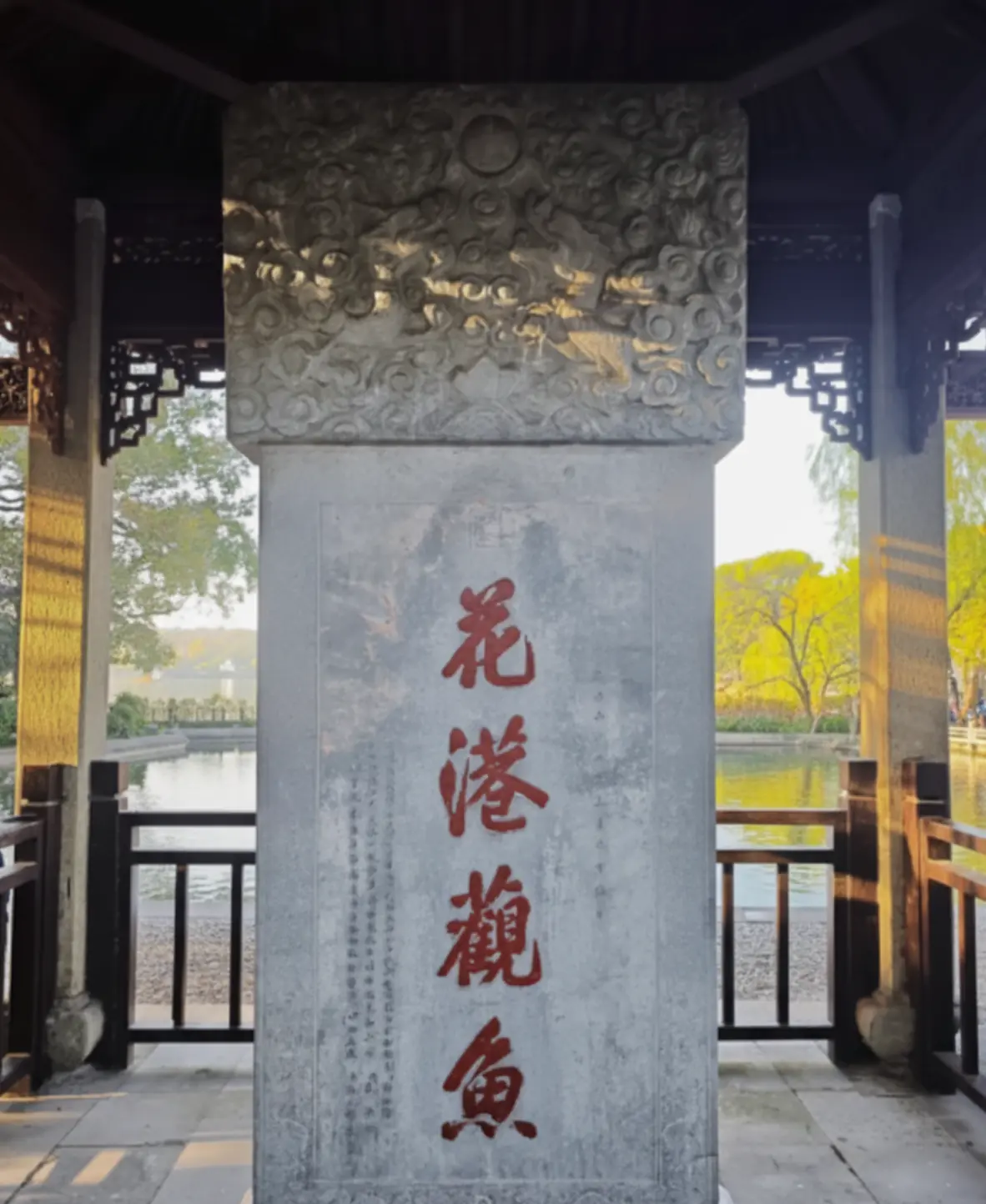
- Flower Harbor(花港观鱼)- 15:30 stele and garden pause
- Leifeng Pagoda(雷峰塔)- 17:00 sunset finale
Evening Extension
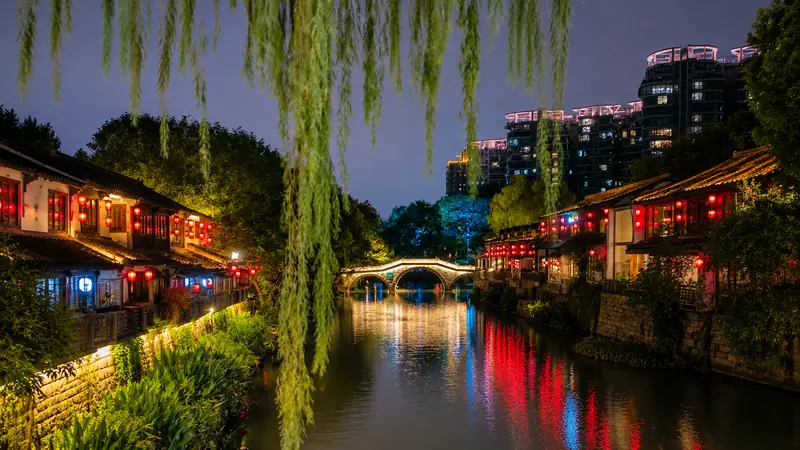
After Leifeng Pagoda, walk or taxi to Nanshan Road (南山路) for restaurants, bars, and live music. If you are tired, skip the romantic bus idea and use a taxi or DiDi.
Best Time & Crowd Strategy
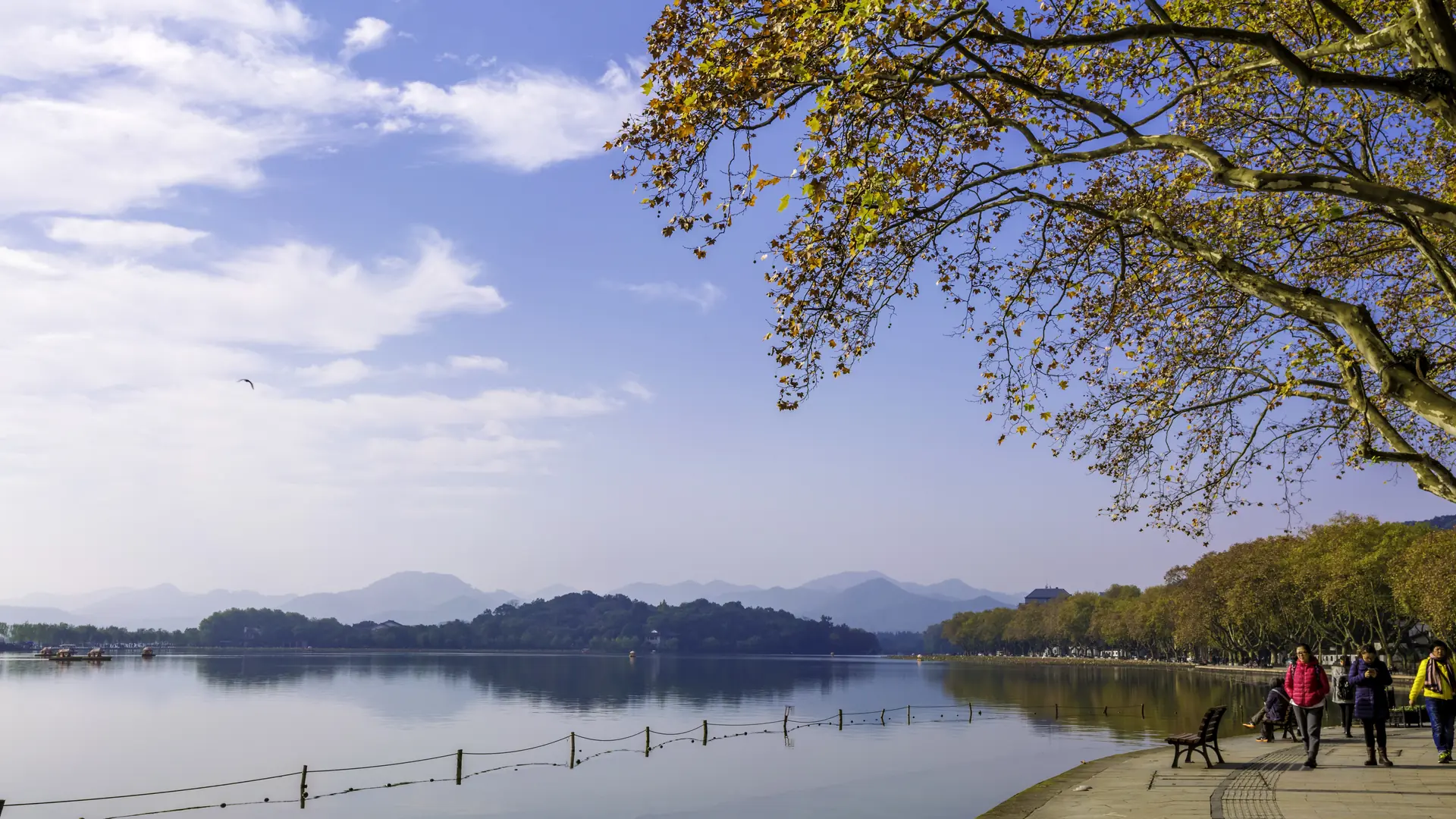
The lake changes by the hour. Early morning belongs to locals and photographers; midday belongs to tour groups and boats; sunset belongs to the south shore and Leifeng Pagoda.
🌅06:00-08:30
The local lake. Morning mist, tai chi, ground-water calligraphy, and the cleanest light. Stay lakeside if you want a 06:30 start without stress.
🔥10:00-16:00
The tourist surge. Causeways can become human rivers. Escape to the boat, Xiling Seal Society, Jingci Temple, Zhejiang Museum, or a long tea break.
🌇17:00-20:00
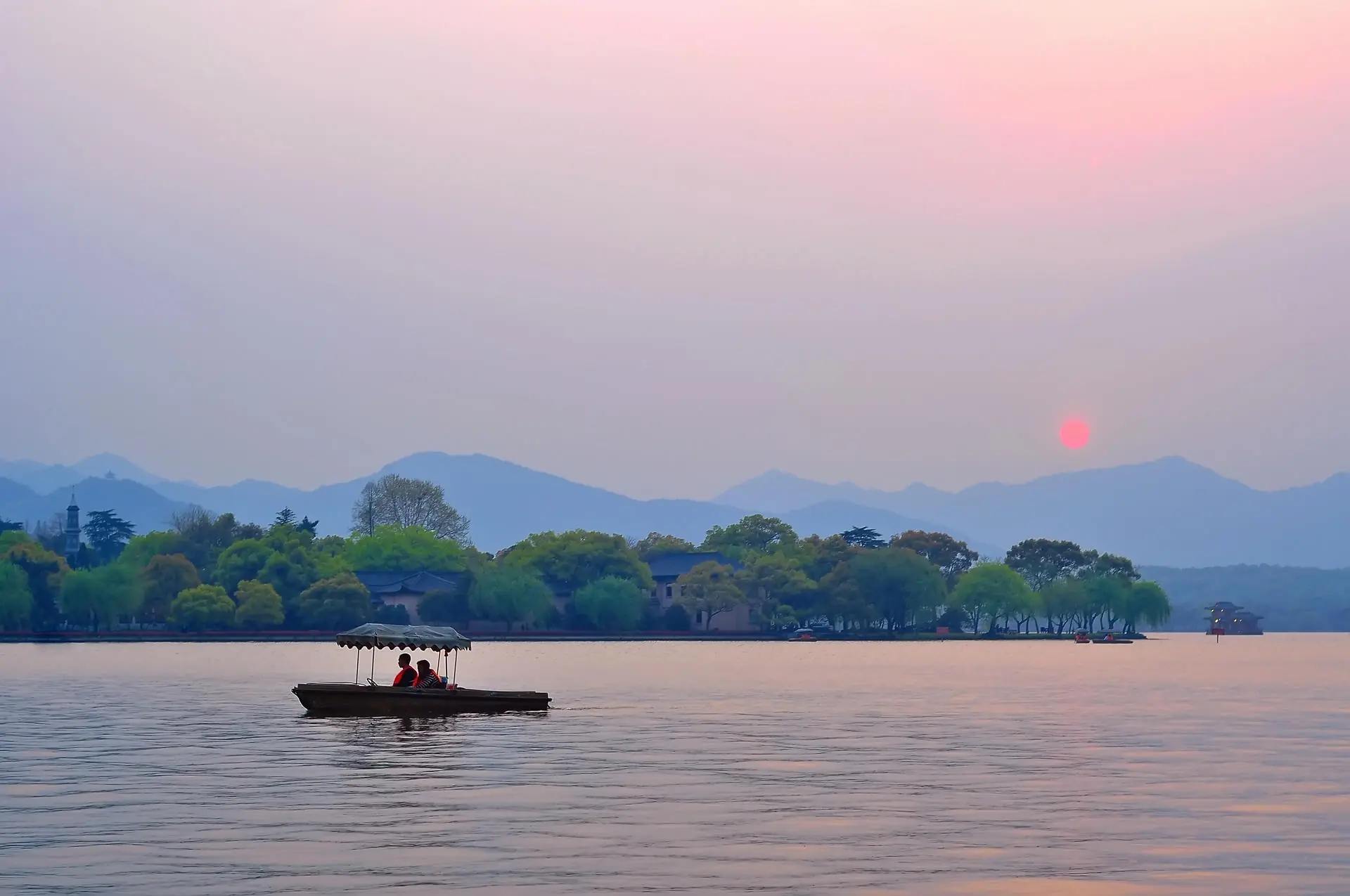
Golden hour. Leifeng Pagoda in Evening Glow (雷峰夕照) pulls photographers south while tour groups retreat and the lake settles down.
Avoid National Day Golden Week
October 1-7 is the hardest time to enjoy West Lake: causeways can become impassable, boat tickets can sell out early, Leifeng Pagoda queues can stretch for hours, and restroom waits can become part of the day.
Tickets, Boats & Booking
West Lake's free access is real, but the best first-time route still has paid choices: the island boat, Leifeng Pagoda, optional battery cars, and any evening performance.
Costs at a Glance
West Lake shoreline
西湖
Free
Typical cost
Causeways, parks, lake views
No entry fee, ever
Island boat
游船
~¥70
Typical cost
Round-trip boat + Small Yingzhou entry
Confirm at the dock; needed for the island
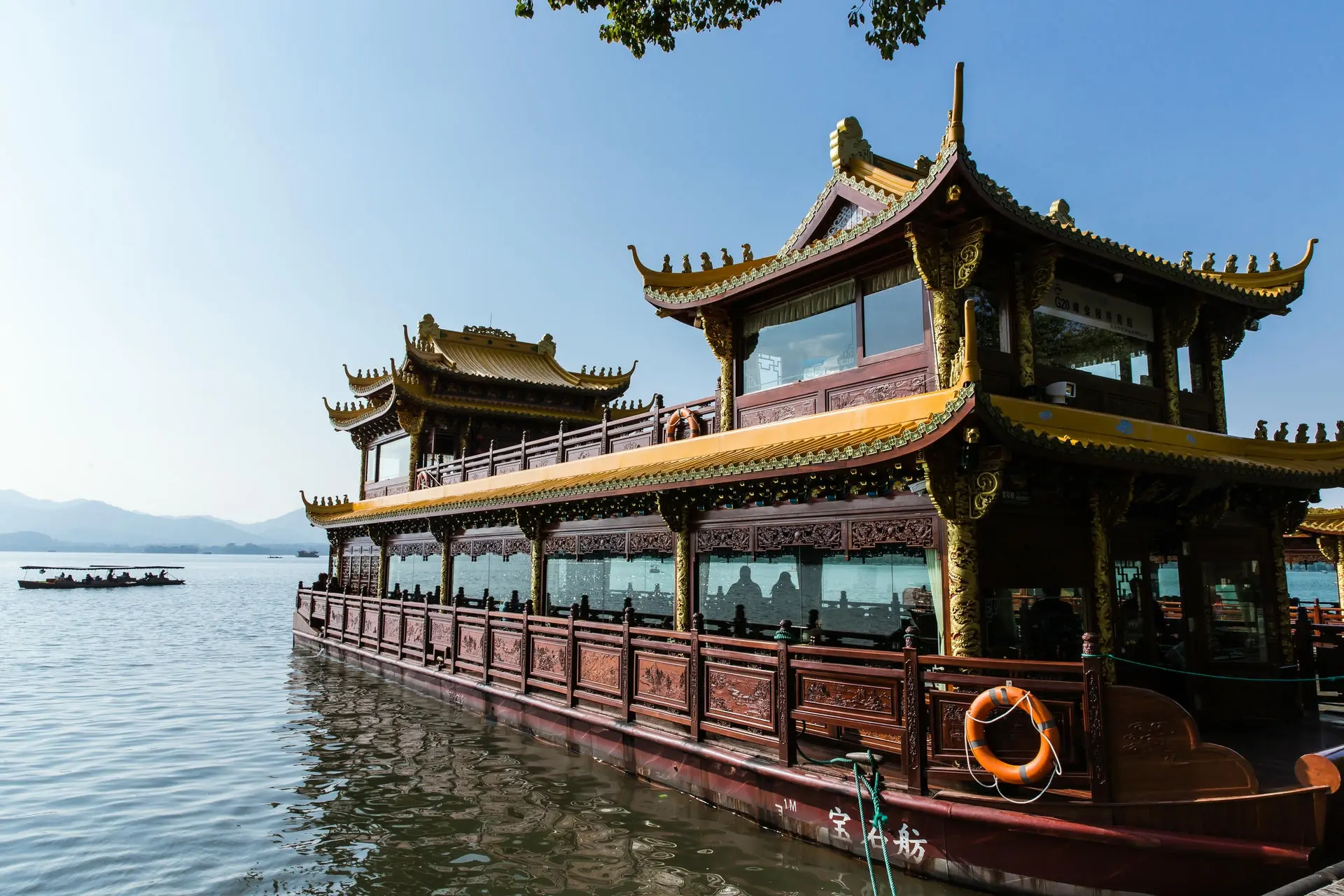
Luxury boat
豪华画舫
~¥90
Typical cost
Scenic loop, often no island landing
Better for resting than route execution
Electric shuttle
电瓶车
~¥10-20
Per segment
Per-section rides
Useful when fatigue hits
Leifeng Pagoda
雷峰塔
~¥40
Typical cost
Ruins, woodcarvings, panorama
Passport or official ID may be required
Booking Friction
📱Booking Channels
Trip.com / Ctrip: easiest English checkout, sometimes with a small premium. Official WeChat mini programs: 西湖旅游 and 雷峰塔景区, or scan the QR code shown at the dock or gate. Hotels and concierges: useful for Chinese-only Meituan or Dianping flows.
⚠️Passport Verification Glitches
If you see 身份信息有误 or an infinite loading loop, do not hammer retry. Multiple failures can trigger a short lockout. Ask hotel staff for help or buy at the window when available.
What to Prepare Before the Dock
🛂Passport
Bring the original passport for ticketed sites and real-name checks. A photocopy, scan, or wallet photo may not be accepted.
📱Digital Payment
Set up WeChat Pay or Alipay before arrival. International Visa and Mastercard cards are supported in many common tourist payment flows.
🗺️Offline Maps
Lake WiFi is unreliable and cellular signal varies. Download offline maps before you start walking.
Getting There & On-Site Practicalities
Longxiangqiao Station is the cleanest metro entry for the east shore. For a dawn start at Broken Bridge, a taxi or DiDi is often easier than trying to walk from the station in the dark.
Arrival
Start from Longxiangqiao or taxi straight to Broken Bridge
Exit
Finish near Leifeng Pagoda, then keep the evening simple
After Leifeng Pagoda: use the South Gate taxi queue or walk to Nanshan Road.
Bus 1314: a romantic homophone route, but tourist routes change seasonally; verify same-day hours.
Bus 4: often useful in the evening, roughly ¥3 depending on route and stop.
Show this screen to your driver · 出示给司机看
你好,请带我去西湖断桥,谢谢。
Hello, please take me to Broken Bridge at West Lake, thank you.
Use this for a dawn start if the metro is inconvenient.
Facilities
Restrooms
About every 500 m; carry tissue.
WiFi
Unreliable; use offline maps.
Emergency numbers
110
Police · 报警 · English rare.
120
Medical · 急救 · Shaw Hospital.
119
Fire · 火警.
On-the-ground cautions
Lakeside hazards: no guardrails on some causeway edges, slippery stone after rain, and no-photo-while-moving common sense around bikes, shuttles, and crowds.
Crowd management: Golden Weeks rank among China's busiest travel windows. Start early, retreat at midday, hydrate, and keep the route flexible.
Scam awareness: decline unauthorized guides, confirm tea prices before sitting down, and insist on the taxi meter or app price.
Dining Near West Lake
West Lake dining works best as three layers: a historic restaurant if you want the famous lunch, street snacks if you want quick local texture, and Nanshan Road if you finish near Leifeng Pagoda after dark.

Lou Wai Lou Lunch
Lou Wai Lou (楼外楼) (Google | Amap) has operated since 1848 at 30 Gushan Road. Its name quotes Lin Sheng's Southern Song poem: beyond the mountains, green mountains; beyond the towers, towers.
How to use it: arrive around 10:45 for lunch, expect 90+ minute waits at peak times, and order the signatures if you are here for Hangzhou classics.
Signature Dishes
Dongpo Pork
东坡肉 · slow-braised belly
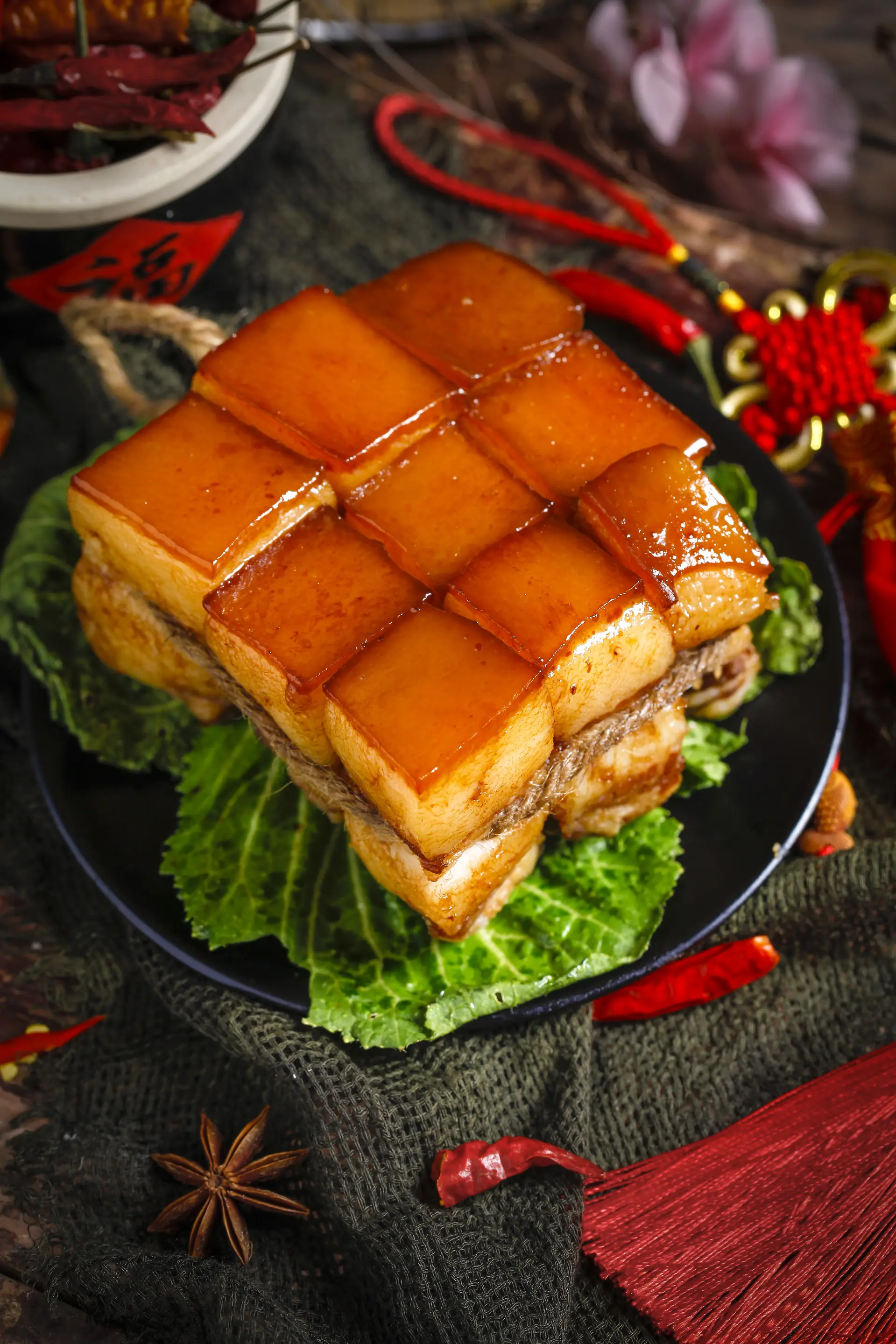
The classic version is a roughly 5 cm square of pork belly braised for hours until glossy and soft.
Beggar's Chicken
叫花鸡 · order ahead
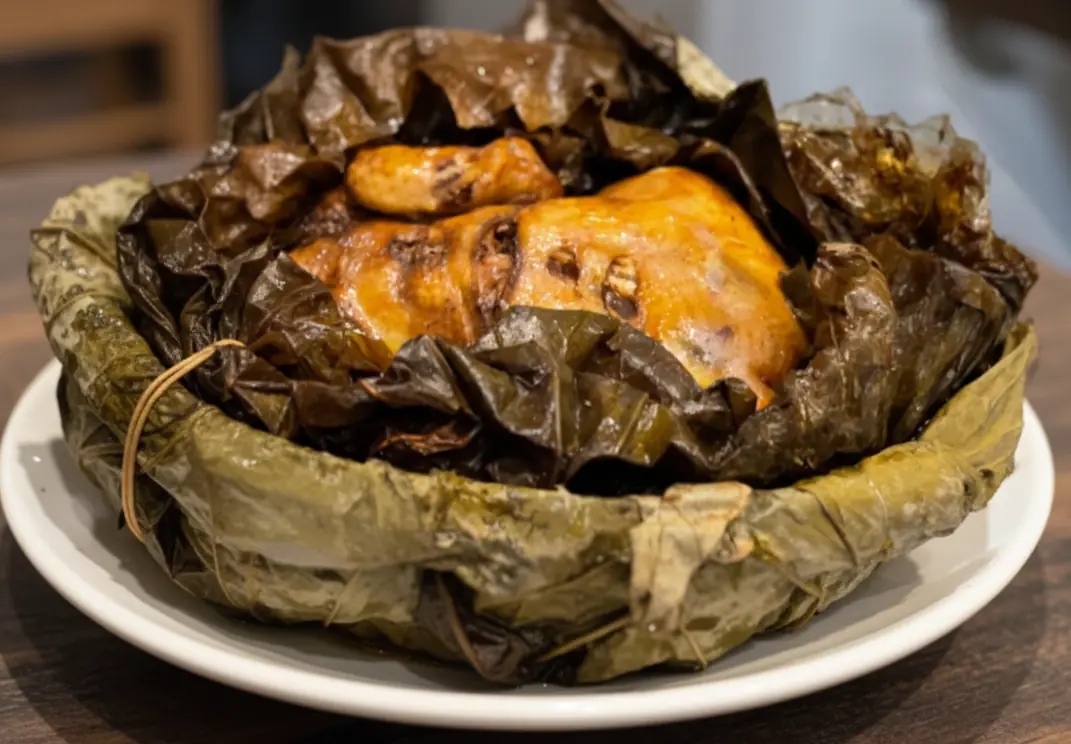
A whole chicken sealed and cooked in lotus leaf; allow about 45 minutes or ask before ordering.
West Lake Vinegar Fish
西湖醋鱼 · divisive classic
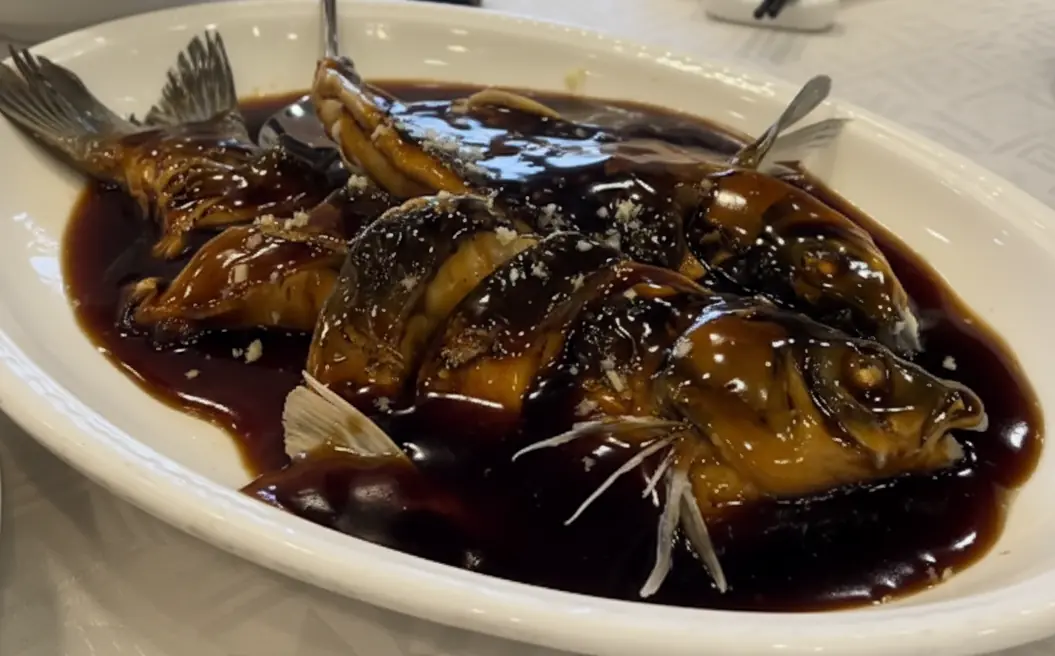
Historically famous, sharply divisive. Try it if you want the canonical dish, not because everyone loves it.
Quick Snacks
Lotus Root Powder
西湖藕粉 · sweet lake snack
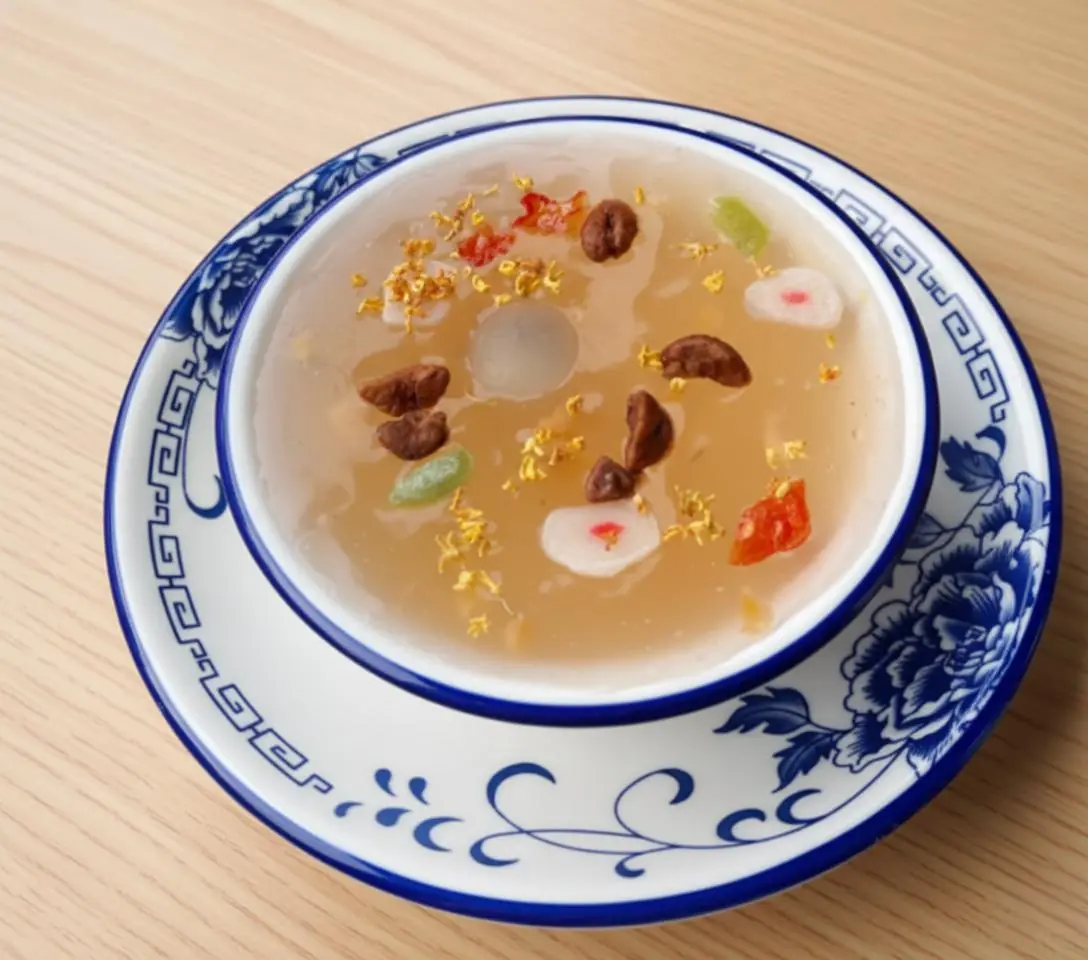
A translucent sweet gel made from lotus root starch. Look for Longjing tea or osmanthus versions near Hubin Road.
Scallion Pancake
葱油饼 · eat immediately
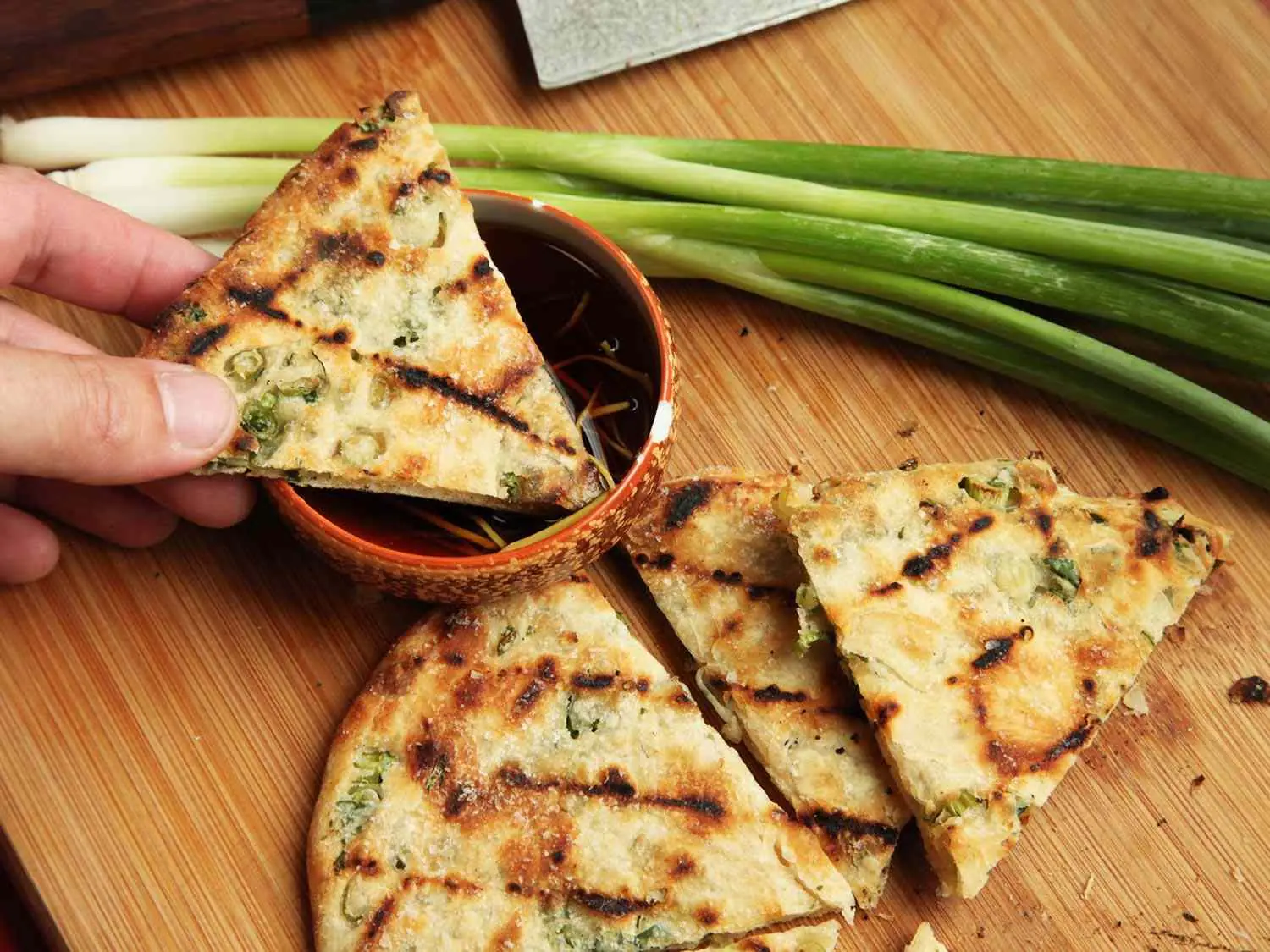
Ask for 脆一点 if you want it extra crispy. The texture fades fast, so eat it within five minutes.
Landmark Popsicles
文创雪糕 · photo snack
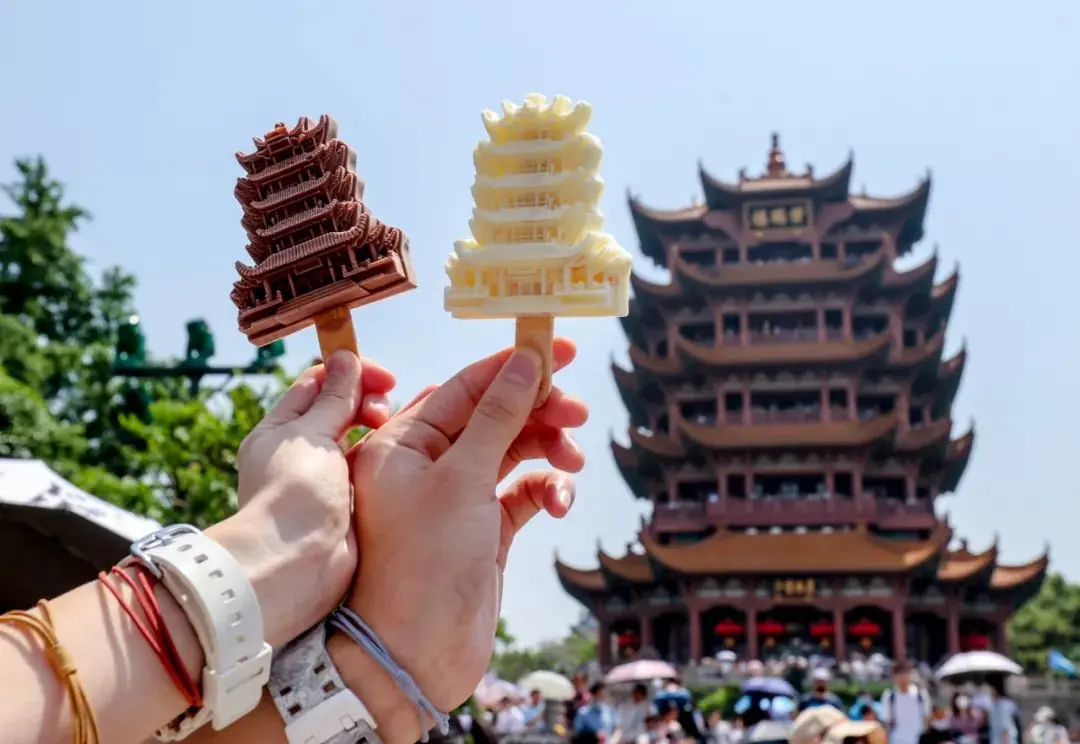
Broken Bridge and Leifeng Pagoda shapes are common, often in Longjing tea or osmanthus flavors. Expect roughly ¥15-25.
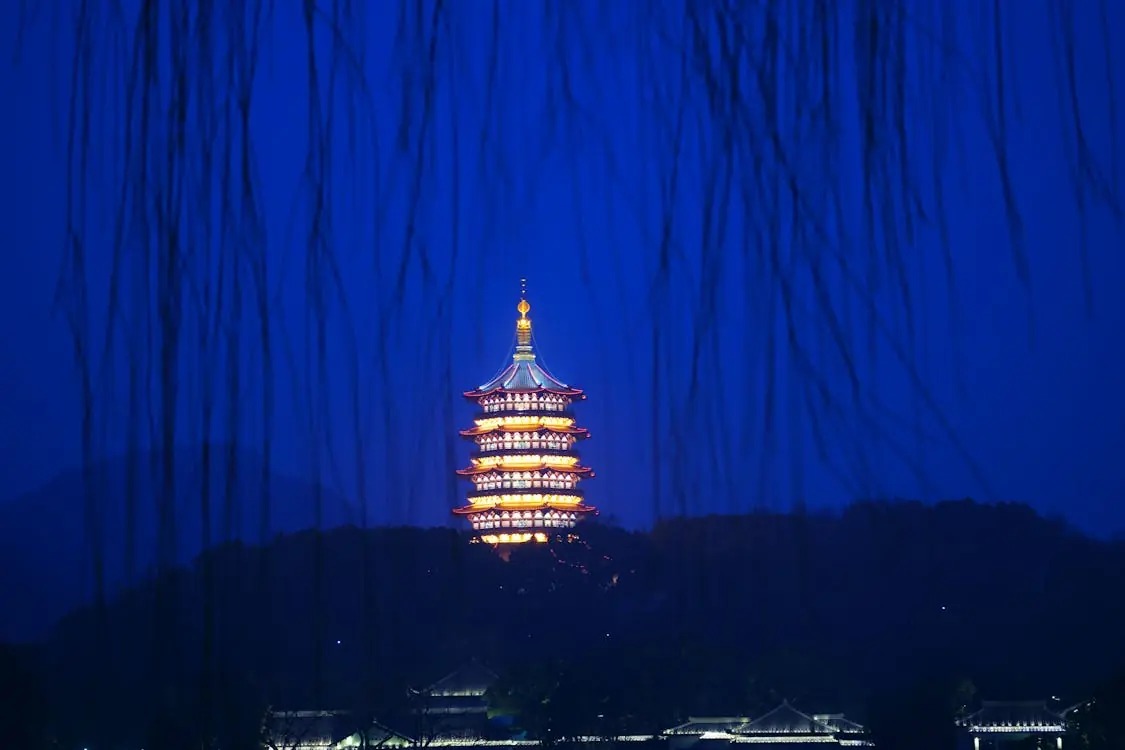
Nanshan Road After Dark
Nanshan Road (南山路) (Google | Amap) is the easiest celebration dinner area after Leifeng Pagoda. Former industrial buildings now hold restaurants, bars, and jazz clubs, and the people-watching is best after dark.
Budget pattern: casual chains such as Grandma's Home or Green Tea can be around ¥60-80; mid-range places often sit around ¥150-300; high-end choices such as Jinsha at Four Seasons can go far above ¥800.
Nearby Add-Ons
If you have more than one day in Hangzhou, keep West Lake as the scenic core and add one tea or wetland escape, then one evening show only if you still have energy.
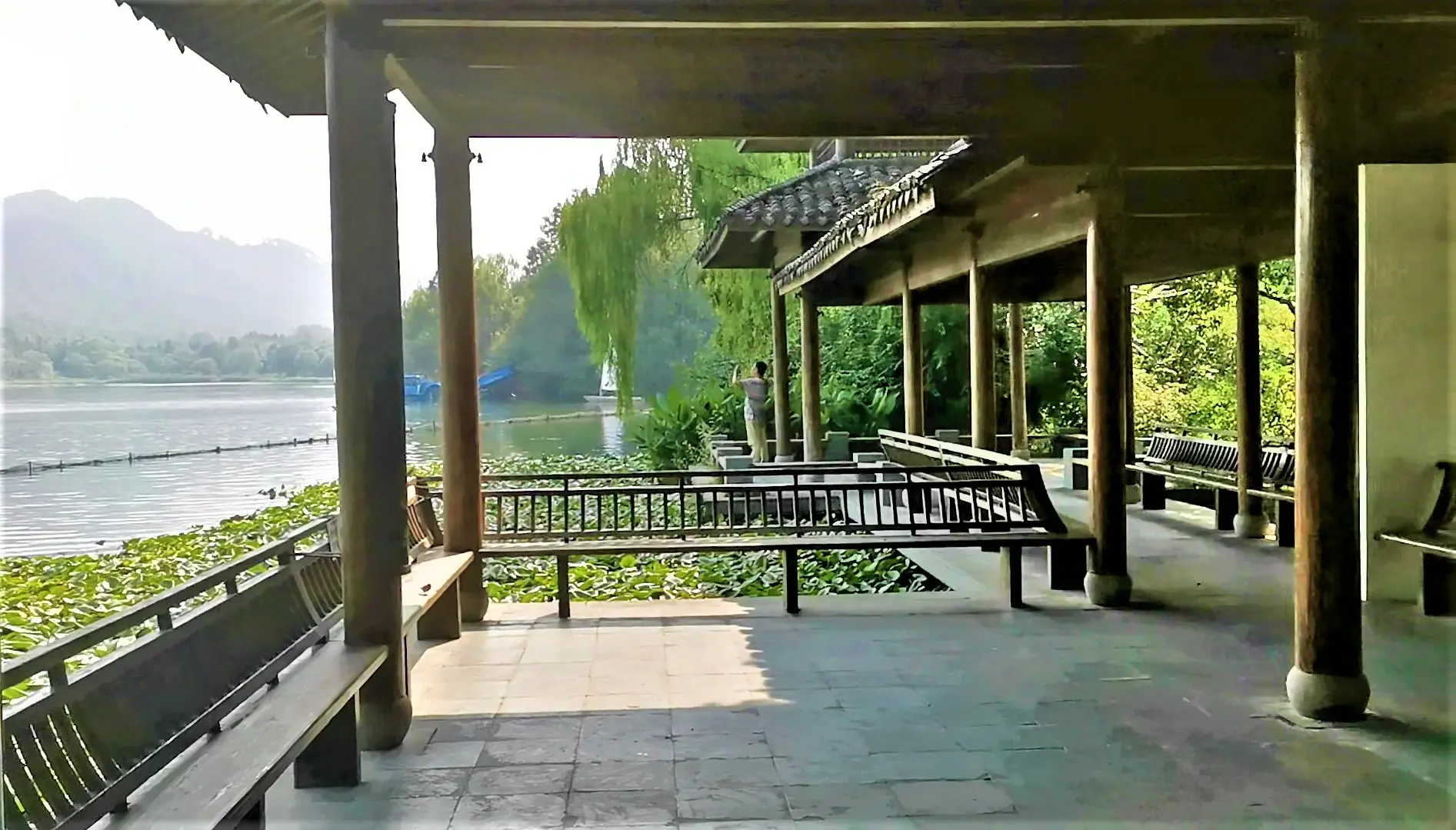
West of Su Causeway, Maojia Bu feels like the quiet wetland version of West Lake: a 3 km boardwalk loop, dawn mist photography, and a fraction of Broken Bridge crowds.
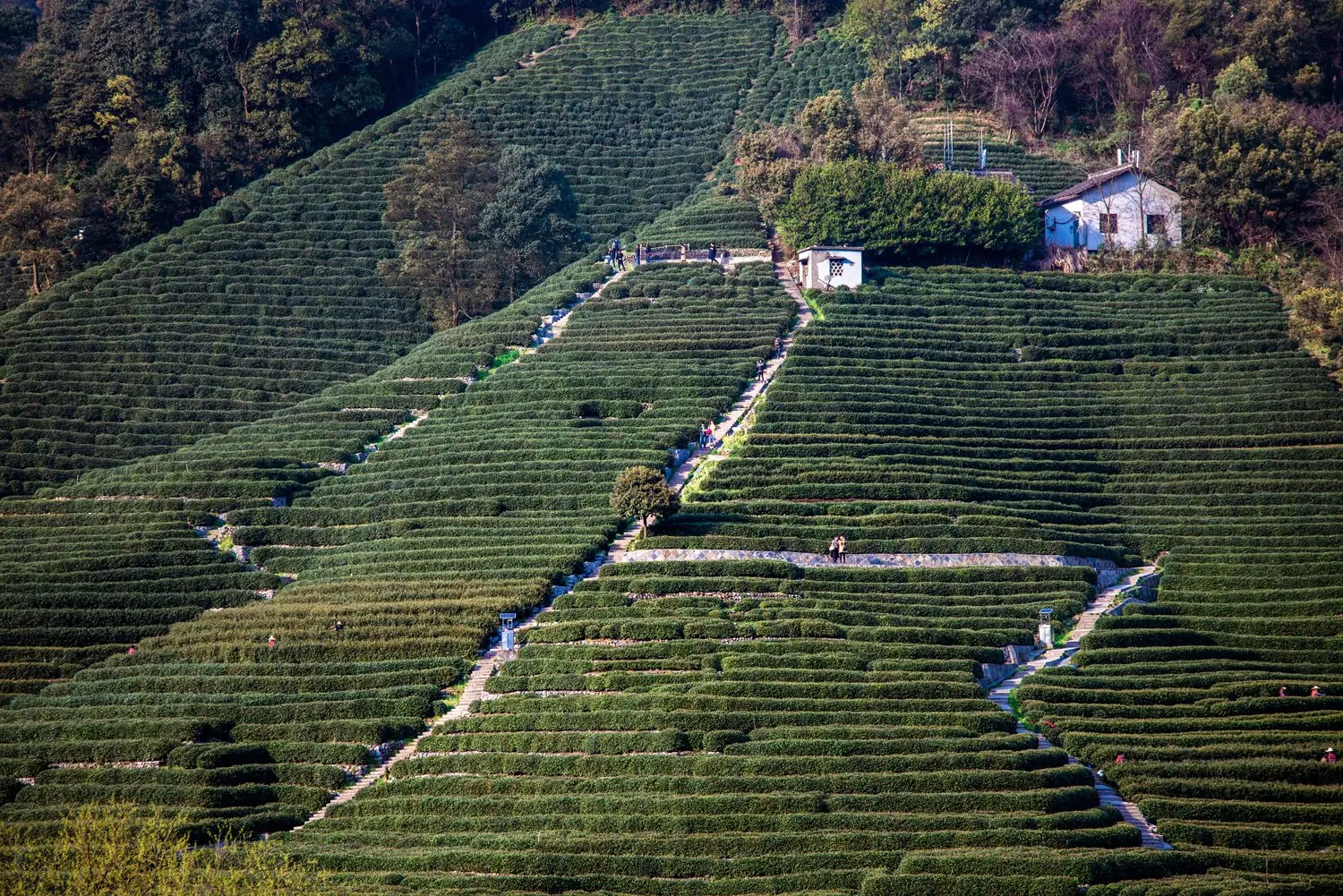
Spring harvest usually runs from late March to April. Longjing Village is convenient but touristy; Meijiawu (梅家坞) and Jiuxi (九溪) feel more relaxed and forested.
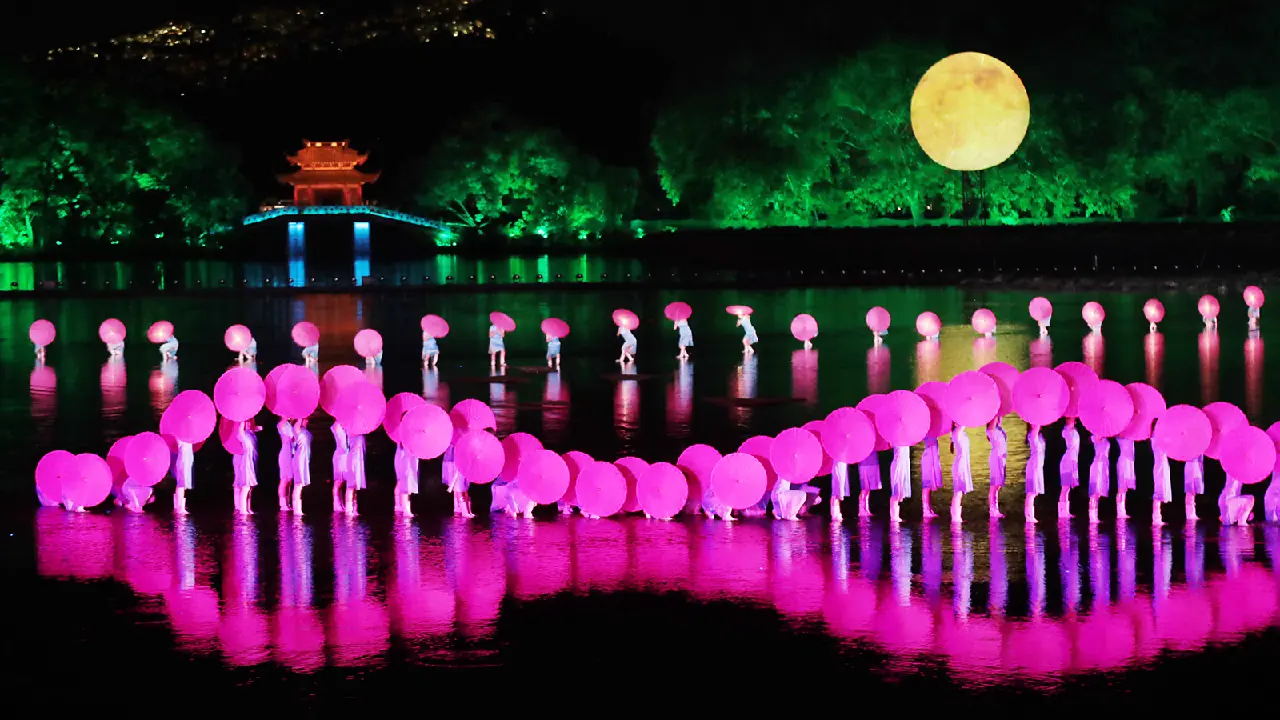
Zhang Yimou's water-stage show uses the actual lake, hills, and night sky as the backdrop. It runs about 70 minutes; premium seats can vary widely, often around ¥680-880.
Hubin Musical Fountain
音乐喷泉 · free evening stop
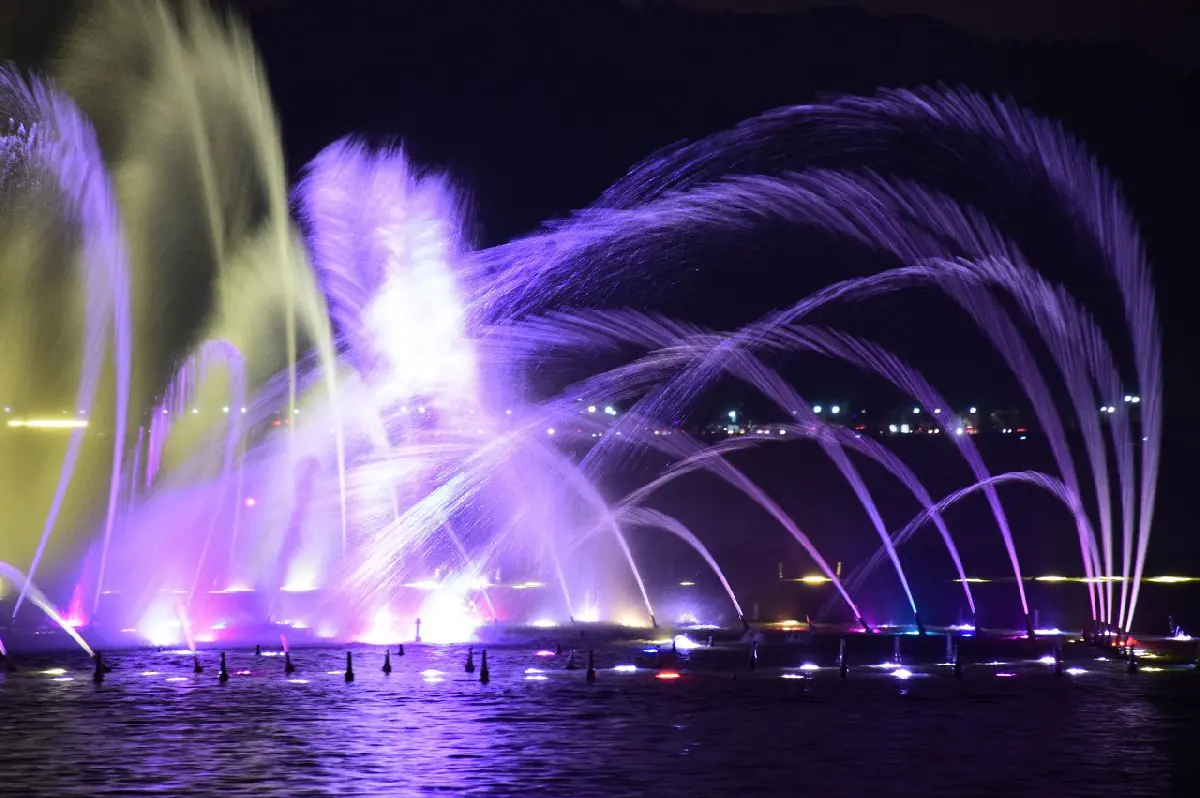
A short free water-and-light show near the east shore. Arrive 45 minutes early for a clear view, or try the later show for fewer crowds.
Frequently Asked Questions
Yes. The lake shore, causeways, and most lakeside parks are free and open. You only pay for optional add-ons such as boats, Leifeng Pagoda, battery cars, and performances.
Sources checked for this guide
- UNESCO World Heritage Centre: West Lake Cultural Landscape of Hangzhou
Beyond This Guide
Before you go deeper into Hangzhou:
- Hangzhou day trip: West Lake, Lingyin Temple & Longjing tea — turn the lake into a complete city day
- China high-speed rail guide — plan the train leg if you are pairing Hangzhou with Shanghai or Suzhou
- China mobile payments: Alipay & WeChat Pay — set up QR payments before boats, meals, taxis, and ticket windows become a problem
- China shared bikes guide — useful for lake-edge connections, but skip bikes inside crowded scenic bottlenecks
West Lake is one anchor of Hangzhou, but fitting it around train arrival times, QR payments, bike or taxi choices, tea villages, and evening plans depends on your dates, pace, and hotel location. Our Hangzhou planning specialists can help you improve the day-by-day route you are building around the way you actually travel.
© gochinafreely.com — Original guide by Go China Freely.