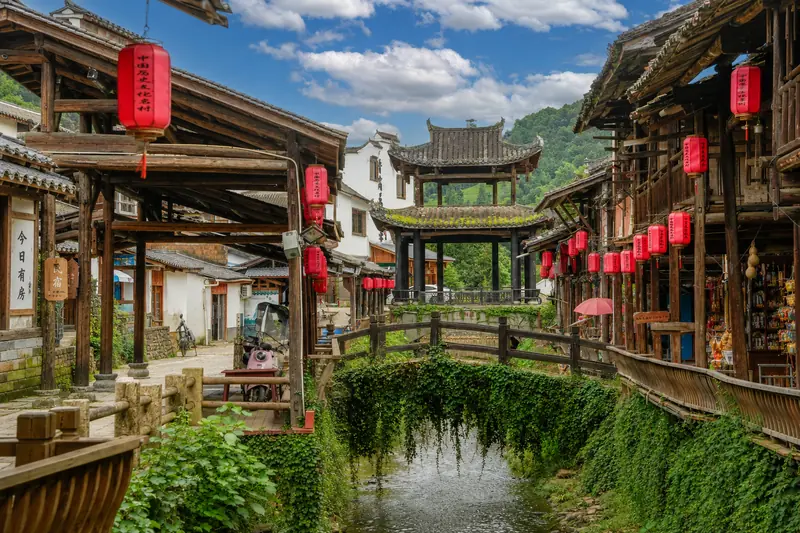
Wuyishan (武夷山) is both a Fujian city name and the travel shorthand for Mount Wuyi, the scenic area most visitors actually come to see. The best first trip is not about collecting every trail. It is about choosing the right balance of Nine-Bend Stream (九曲溪) bamboo rafting, red Danxia cliffs, Wuyi rock tea, ancient village culture, and one calm evening without turning two days into a race.
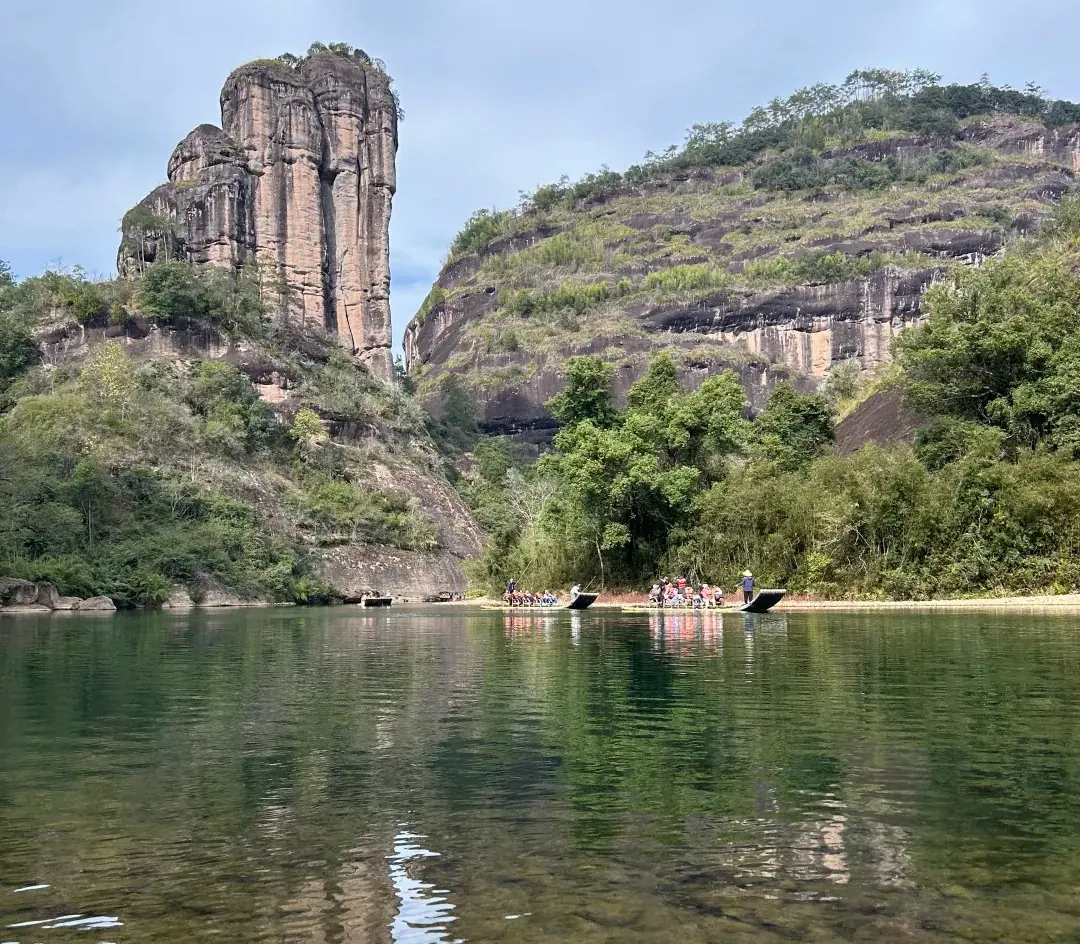
Wuyishan Is a City of Layers
Wuyishan is easiest to understand when you stop treating it as one mountain stop and start seeing four overlapping layers.
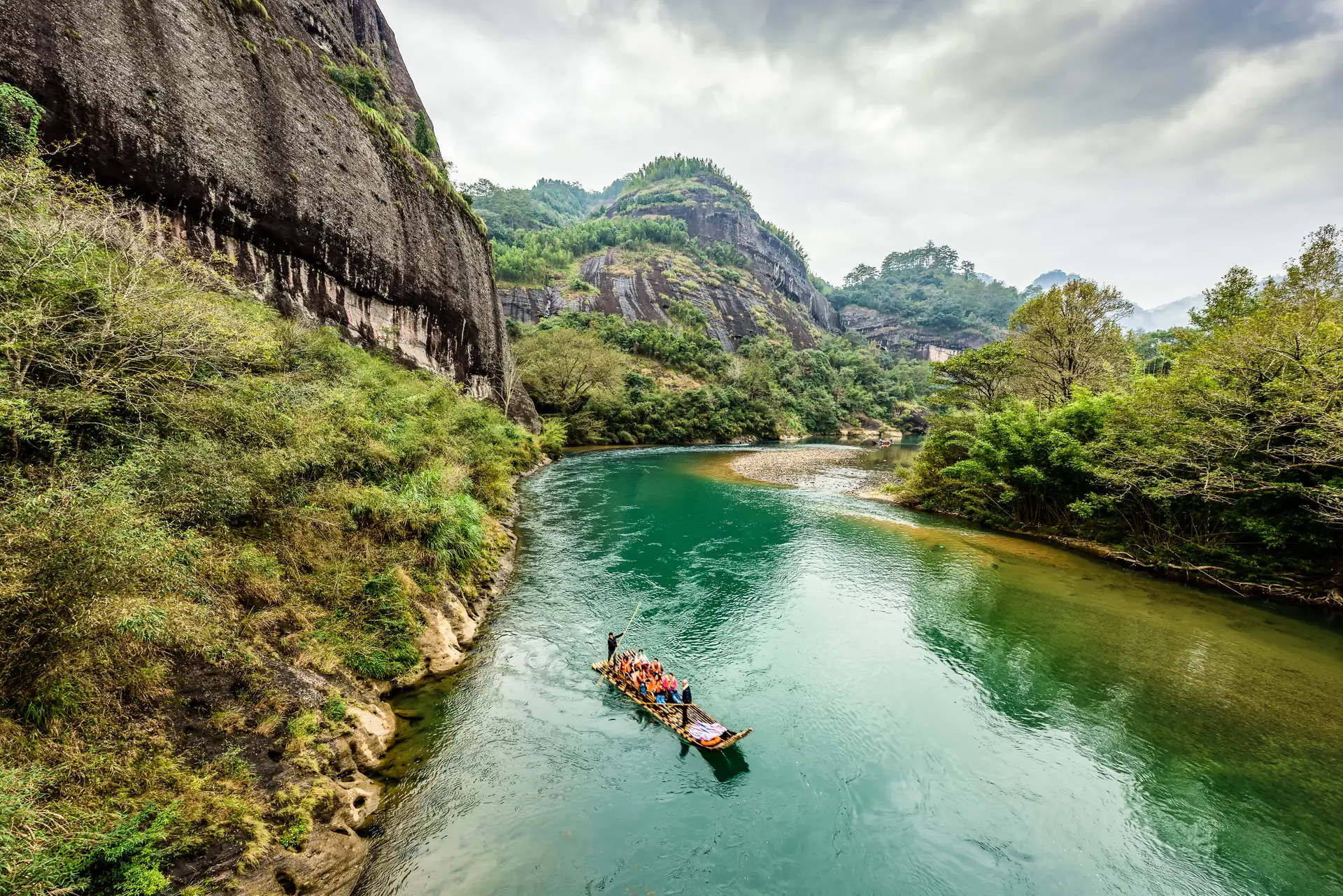
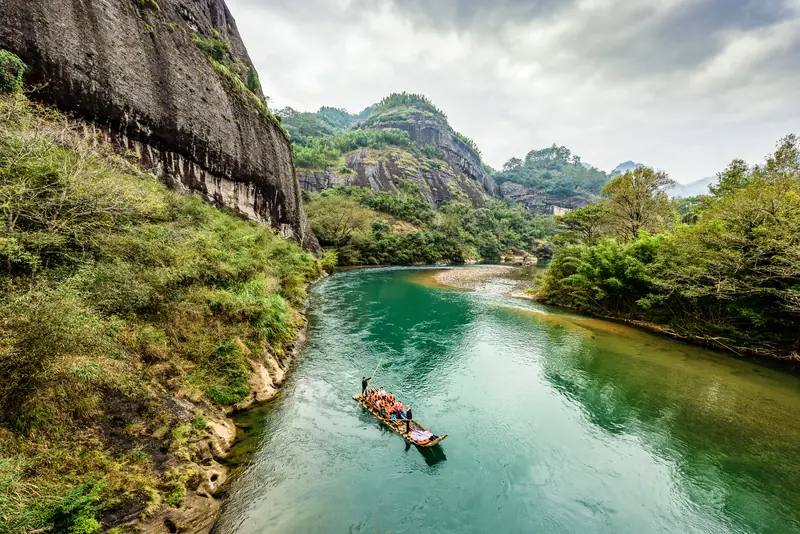
Water Wuyishan
Where it shows up: Nine-Bend Stream bamboo rafting, riverside bends, reflections, and the softest first look at the cliffs.
This is the classic Wuyishan postcard layer, especially for travelers who do not want a hard hiking day.
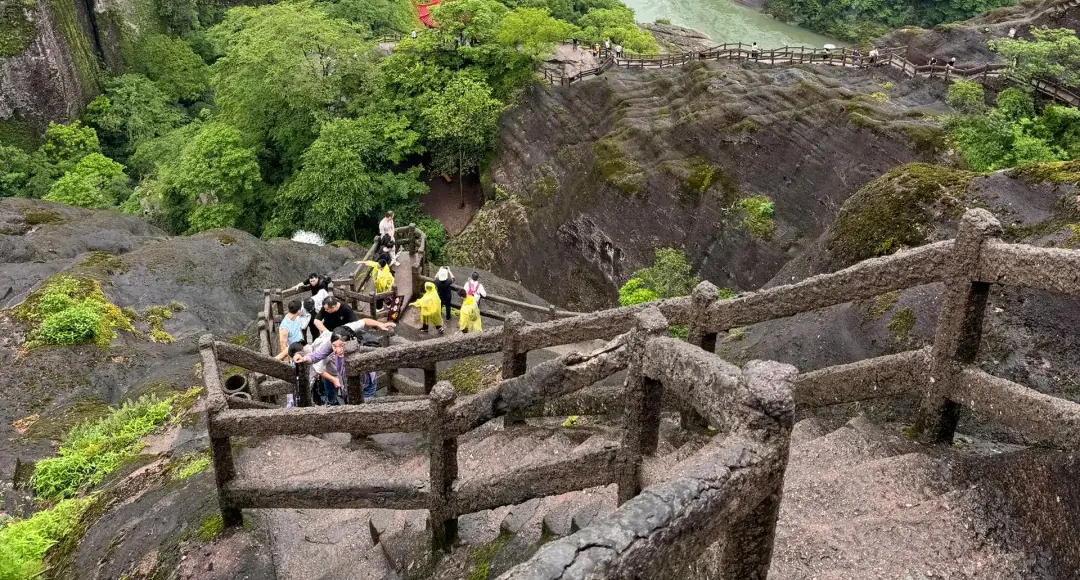
Danxia Wuyishan
Where it shows up: Tianyou Peak (天游峰), Huxiao Rock (虎啸岩), One-Line Sky (一线天), and the red cliffs above the river.
This layer gives the trip its height, stairs, viewpoints, and more physical mountain memory.
Tea Wuyishan
Where it shows up: Da Hong Pao (大红袍), Jiulongke (九龙窠), rock tea valleys, roasting rooms, tea tables, and village lanes.
The tea is not background scenery. It is one of the main reasons Wuyishan feels different from China's bigger or snowier mountains.
Evening and Base-Town Wuyishan
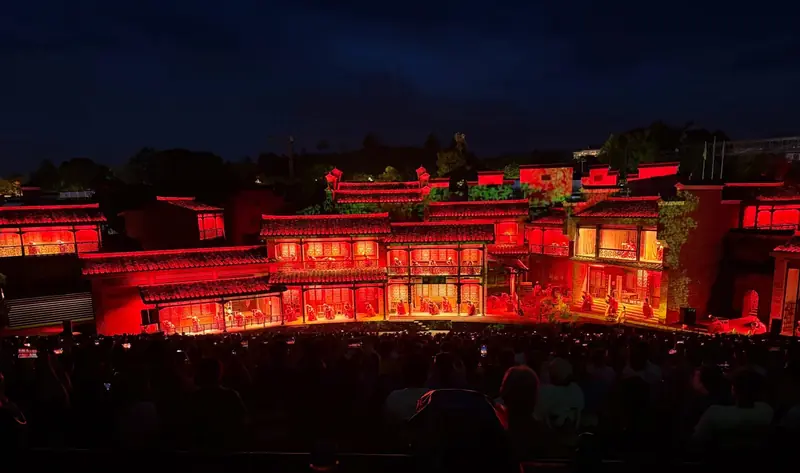
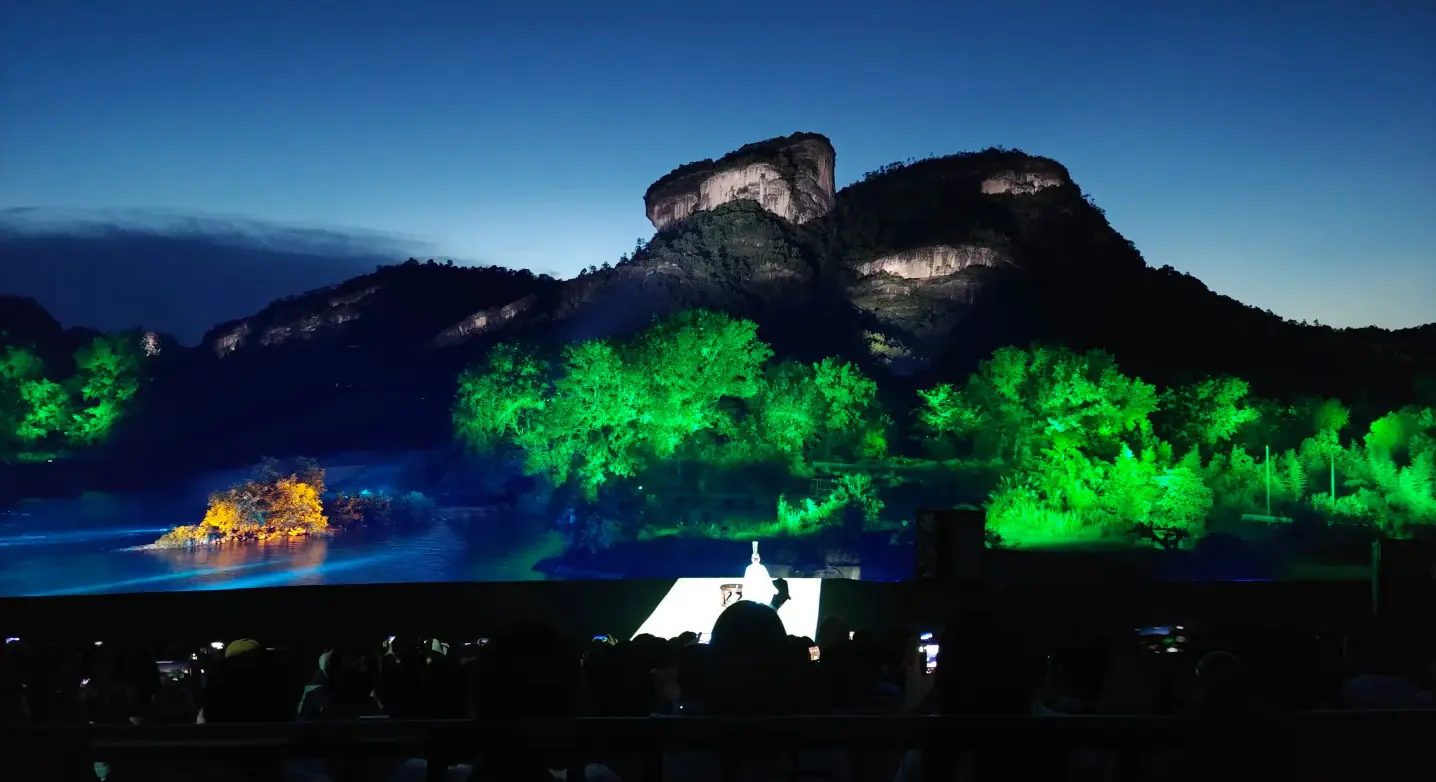
Where it shows up: Sangu Resort Area (三姑度假区), restaurants, tea shops, hotels, and Impression Da Hong Pao.
This layer makes the trip work logistically. It is where you recover, eat, drink tea, and decide whether tomorrow needs fewer stairs.
UNESCO lists Mount Wuyi as a mixed cultural and natural World Heritage Site, inscribed in 1999. That matters for travelers because the appeal is layered: subtropical forest, Danxia landforms, a winding river, Neo-Confucian history, and tea culture all sit within the same travel area.
First-Time Wuyishan Planning Starts With Pace
If you are planning Wuyishan for the first time, start with pace, not the full attraction list. The map looks compact, but raft slots, scenic-area shuttles, steps, weather, tea sessions, and showtimes quickly decide how much the trip can actually hold.
One day
Best for: a tight pass-through.
Choose one main experience: Nine-Bend Stream bamboo rafting plus Wuyi Palace, or Tianyou Peak plus a tea-valley walk. Do not try to cover every famous name.
Two days
Best for: most first-timers.
Use one day for the raft, Wuyi Palace, Song Street (宋街), and Impression Da Hong Pao (印象大红袍). Use the other for Tianyou Peak, Da Hong Pao, and one smaller hike.
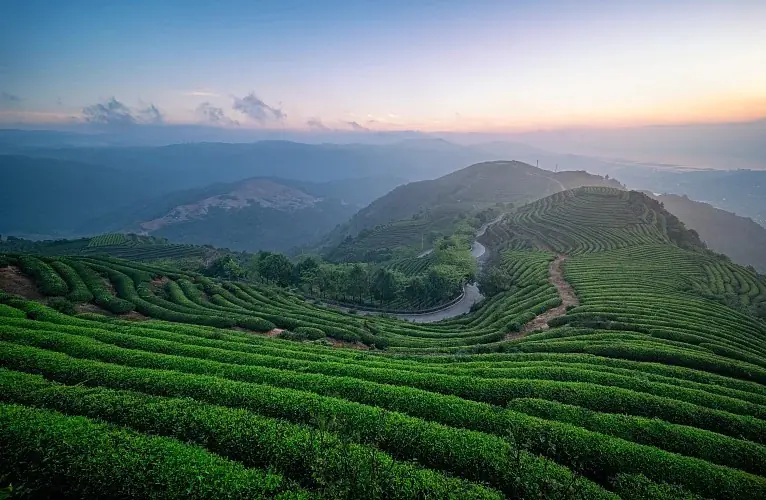
Three days
Best for: tea, villages, and a calmer route.
Add Xiamei Ancient Village (下梅古村), Wufu Town (五夫镇), a slower tea session, or a weather buffer. Three days is when Wuyishan stops feeling like a checklist.
This guide is best for first-time independent travelers choosing priorities, families who need a realistic mountain pace, tea-curious travelers, photographers, and anyone deciding whether Wuyishan deserves one, two, or three days. It is less useful if you only want a full ticket-by-ticket scenic-area operating guide. For that layer, use our deeper Mount Wuyi guide.
10 Wuyishan Experiences Worth Building Around
These are the Wuyishan experiences that deserve space in a first-trip plan. You do not need all ten. You need the right mix for your time, fitness, weather, and interest in tea.
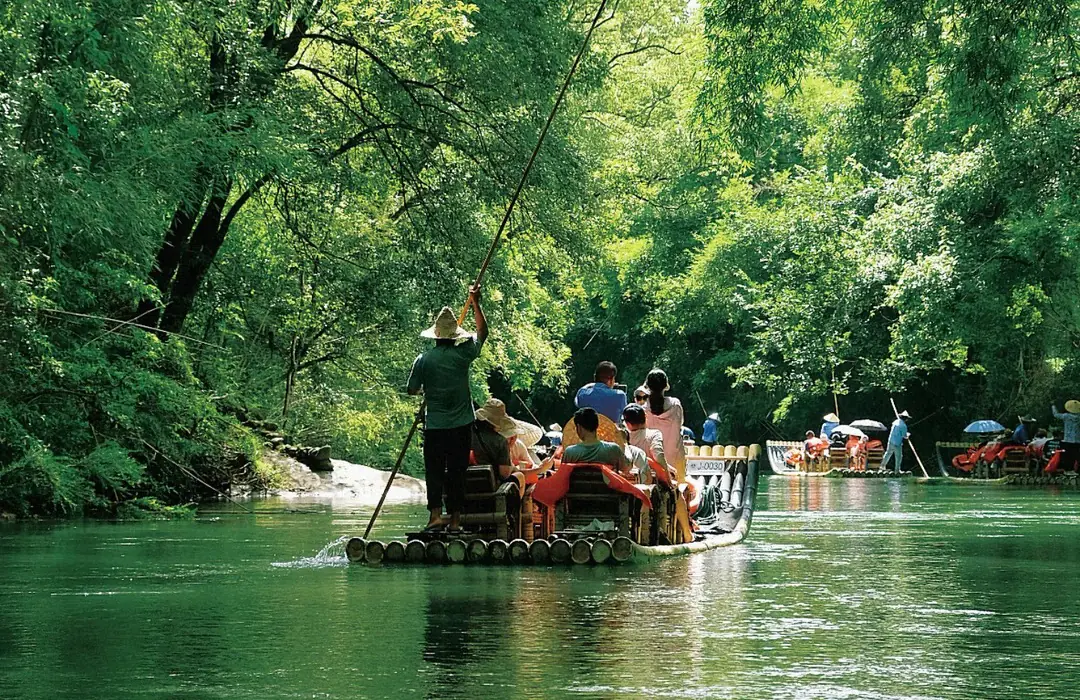
The bamboo raft is Wuyishan's classic opening scene: a low, slow ride between red Danxia cliffs and river bends. It usually takes about 1.5-2 hours, but slots, weather, water level, and reservation rules can change, so treat it as a planned item rather than a casual walk-up add-on.
2. Climb Tianyou Peak
Best first panorama 天游峰
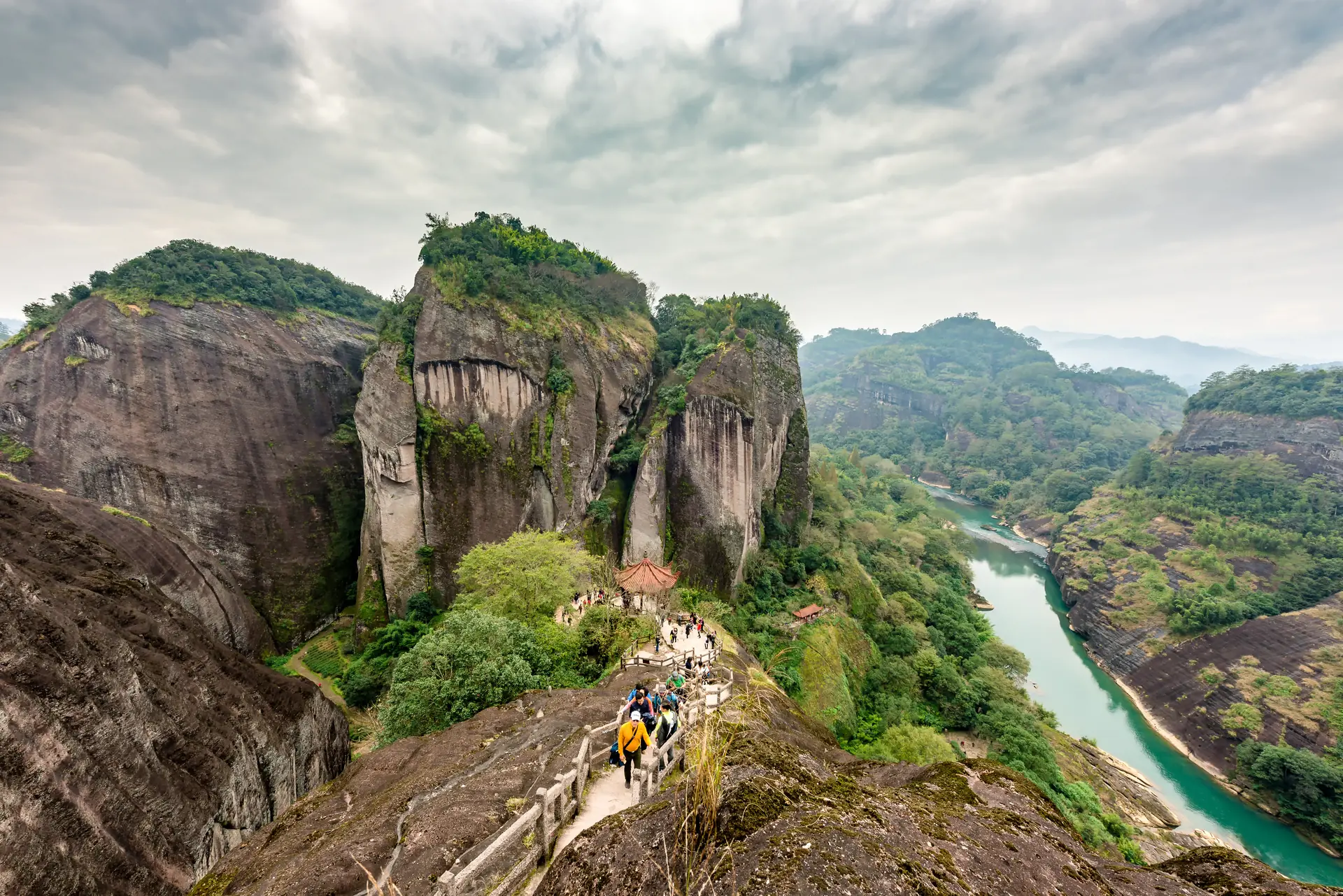
Tianyou Peak gives the clearest high view over the river bends and layered Danxia peaks. It is not a huge mountain day, but stairs and tour groups can make it feel harder than the map suggests. Go early if this is your priority.
3. Walk the Da Hong Pao Valley
Rock tea cliffs and mother-tree story 大红袍
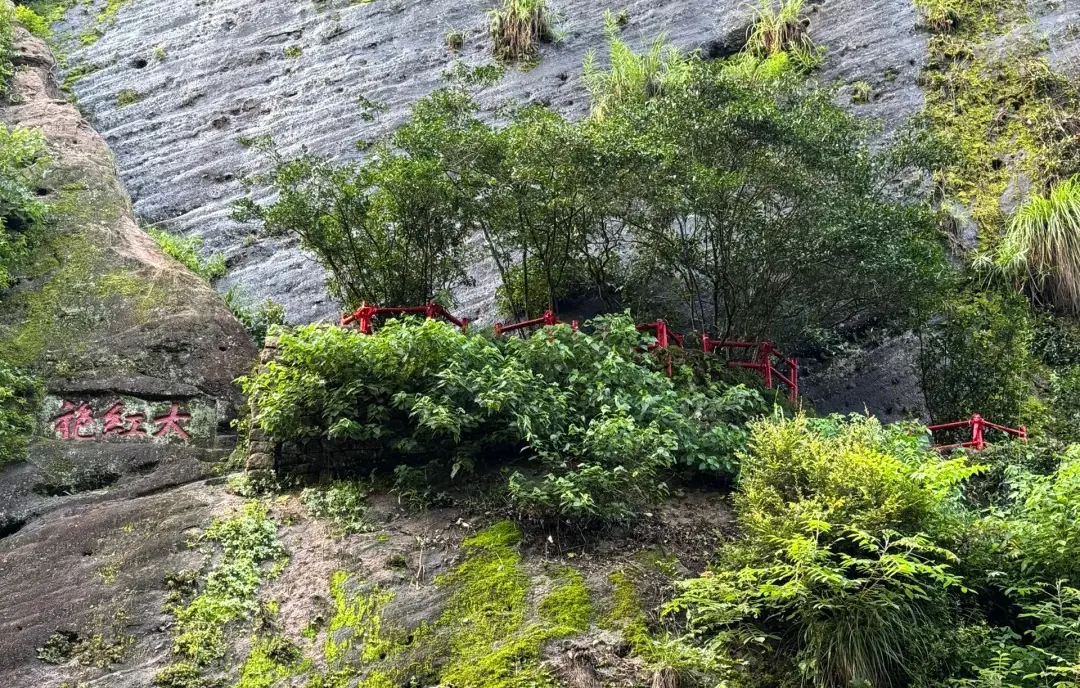
The Da Hong Pao and Jiulongke area is where Wuyishan's tea identity becomes visible: tea bushes, rock walls, narrow valleys, and the famous protected mother-tree story. Do not treat shop tea as "mother-tree tea"; think in terms of rock tea styles, origins, roasting, and taste.
4. Sit Down for Rock Tea
Tea table, roasting, aroma 武夷岩茶
If you only photograph tea bushes, you miss the point. A calm tea session helps you understand fragrance, roast, mineral texture, and why Wuyi rock tea is talked about differently from green tea. You do not need to buy expensive tea to learn something.
5. Add One-Line Sky or Huxiao Rock
Narrow gorge and stairs 一线天 / 虎啸岩
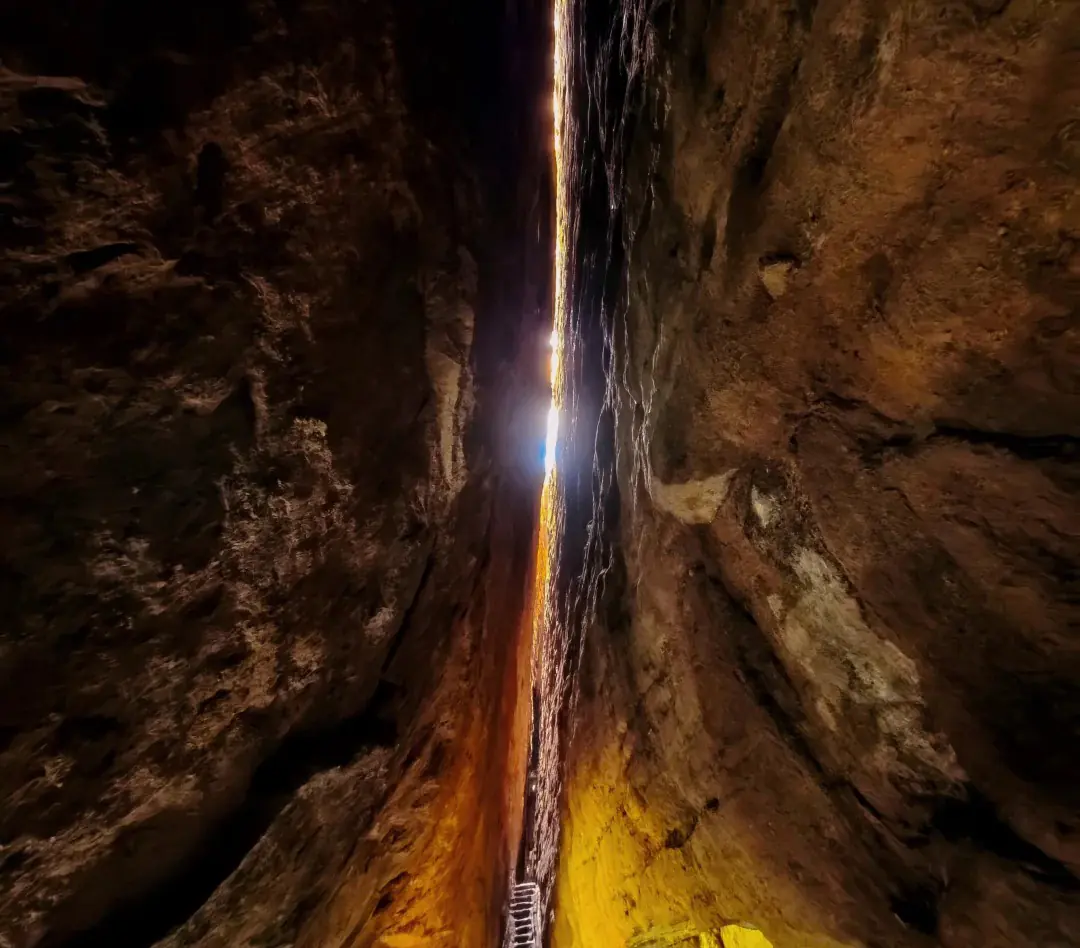
One-Line Sky is narrow, damp, and slow when it queues. Huxiao Rock is more about steps and viewpoints. Both are good second-day add-ons, but they are not better than the raft or Tianyou Peak for a short first visit.
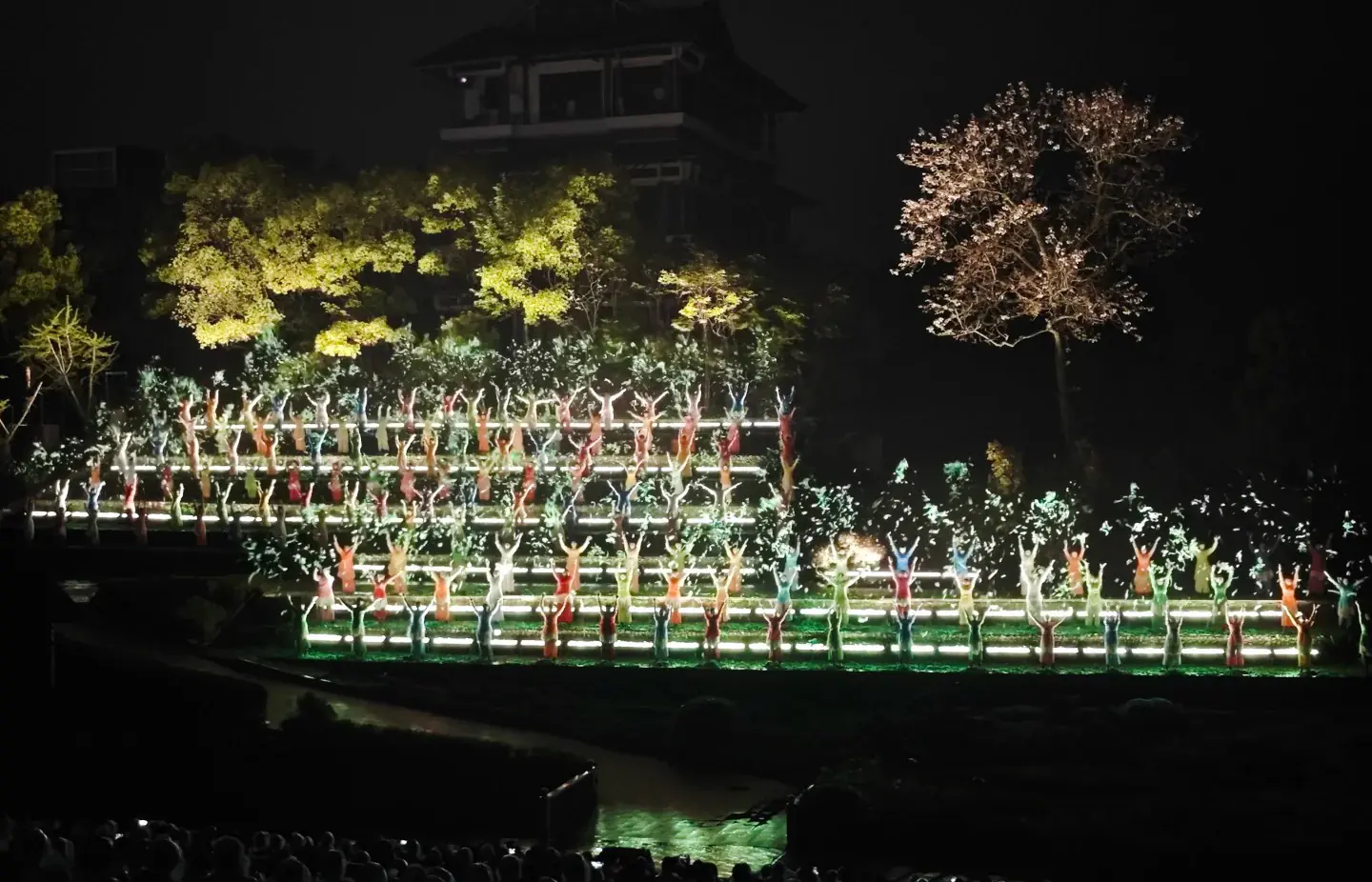
This outdoor show is the easiest night plan in Wuyishan, especially after a day of hiking and tea. Showtimes, extra performances, pauses, and weather policies vary, so check the current schedule close to your date. Use our Impression Da Hong Pao guide before building the evening around it.
7. Use Wuyi Palace as a Reset
Soft landing after rafting 武夷宫 / 宋街
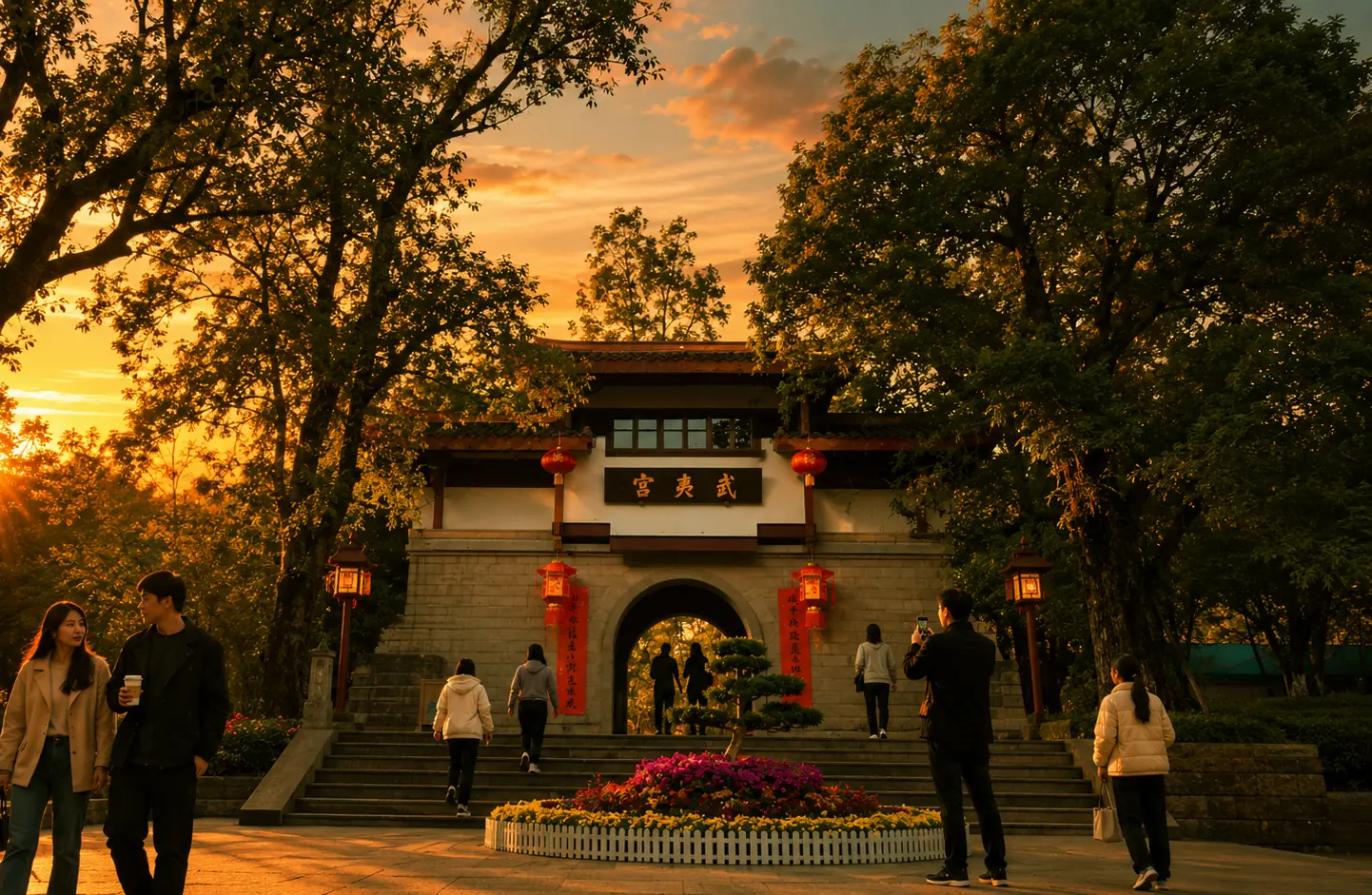
Wuyi Palace and Song Street are not the most dramatic sights, but they are useful. They work as a pause between rafting, shuttles, snacks, water, bathrooms, and a slower stroll before the next decision.
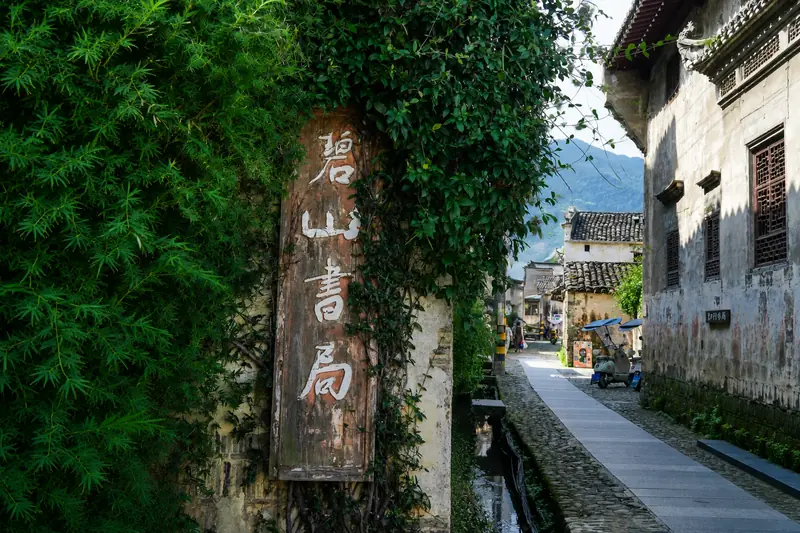
8. Detour to Xiamei Ancient Village
Old tea-route village 下梅古村

Xiamei is best if you already care about tea routes, old lanes, and a quieter village layer. With only two days, it is optional. With three days, it can feel more meaningful than squeezing in one more scenic-area path.
9. Add Wufu for Zhu Xi History
Neo-Confucian layer 五夫镇 / 朱熹
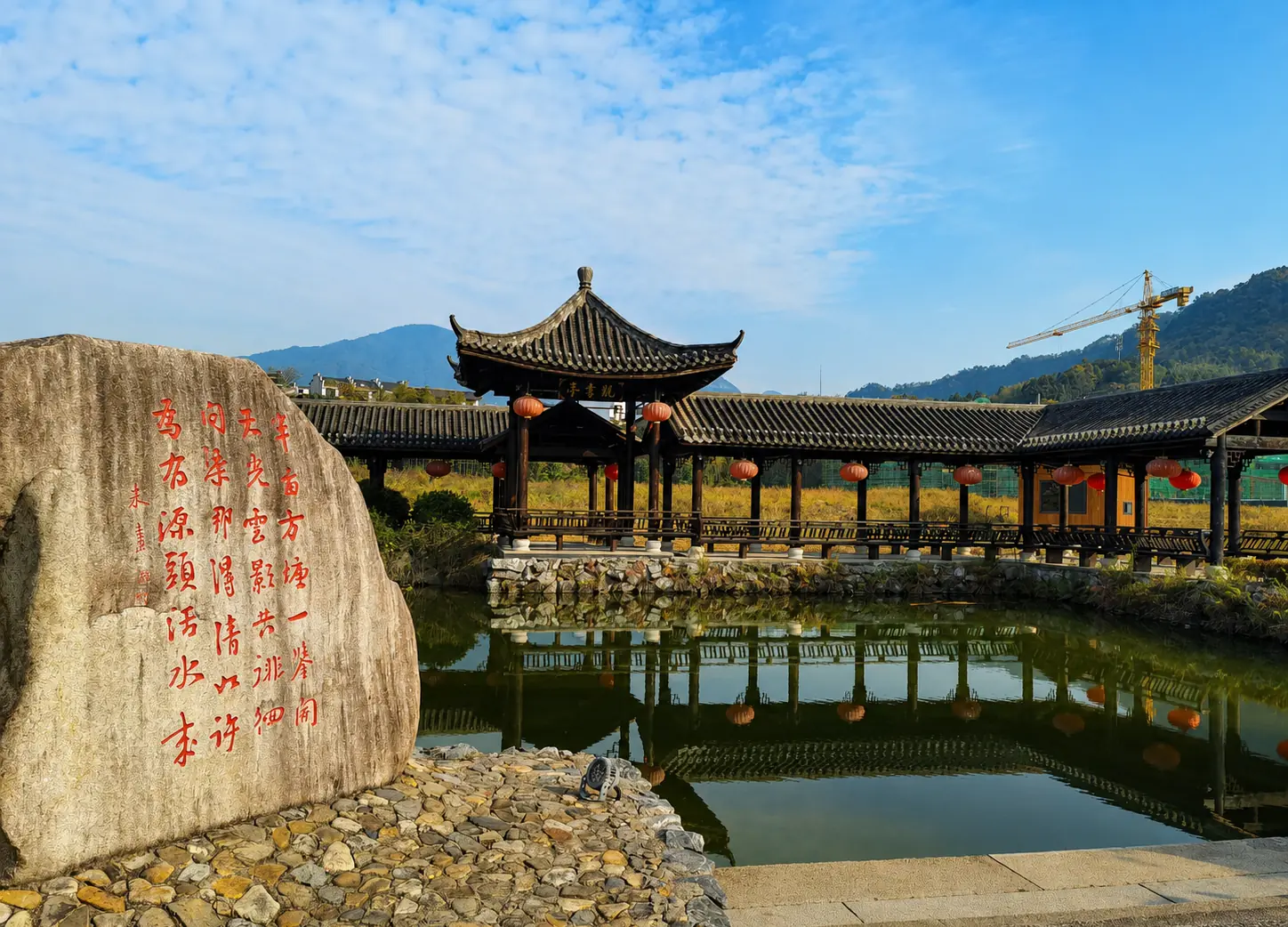
Wufu Town is for travelers who like the historical and intellectual side of Mount Wuyi. It connects to Zhu Xi (朱熹) and Neo-Confucian tradition, but it is less visually immediate than rafting, peaks, and tea valleys.
10. Eat a Wuyishan Table
Smoked goose, river fish, bamboo shoots 武夷山菜
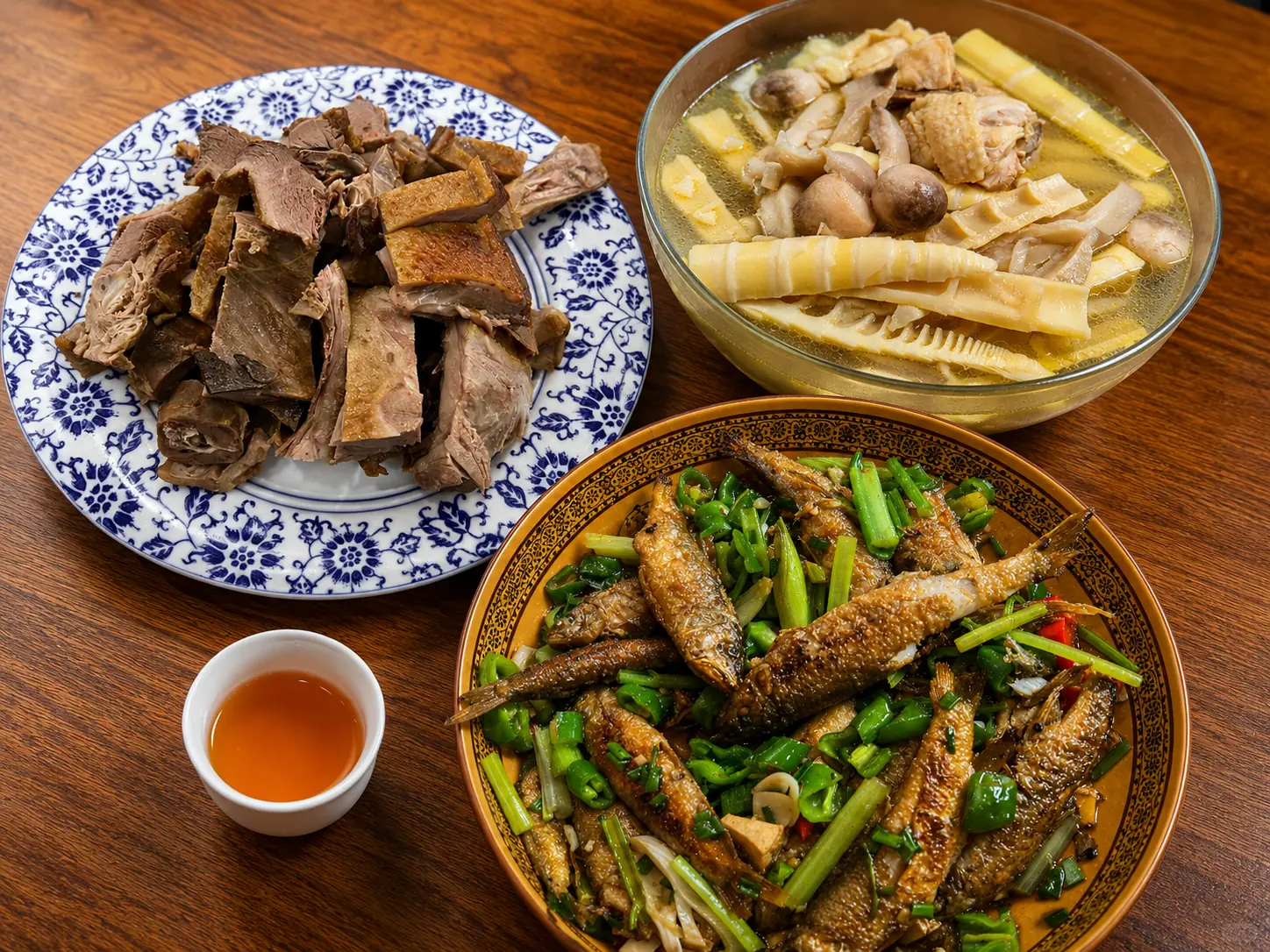
Dinner matters here. Smoked goose, river fish, bamboo shoots, mushrooms, tea-scented dishes, and a pot of rock tea help the trip feel local instead of scenic-only. Sangu Resort Area is the easiest base for this.
What Kind of Wuyishan Trip Are You Building?
Do not choose Wuyishan sights only by fame. Choose them by the kind of place you want the trip to reveal. Most first-time trips mix two or three of these styles, but choosing one primary focus will make the itinerary easier.
Rafting-first Wuyishan
Best for: postcard views and a gentler day.
Build around Nine-Bend Stream, Wuyi Palace, Song Street, and one relaxed tea or dinner stop. This is the safest short-trip version.
Tea-first Wuyishan
Best for: Da Hong Pao and Wuyi rock tea.
Leave time for the Da Hong Pao valley, a proper tea table, and a slower conversation about roasting and origin. Do not overload the day with every stair route.
Peak-first Wuyishan
Best for: photos and the physical mountain layer.
Put Tianyou Peak early, then add Huxiao Rock or One-Line Sky only if your knees and weather agree. The raft can sit on a separate half day.
Village-first Wuyishan
Best for: culture, lanes, and slower travel.
Add Xiamei or Wufu after the core scenic area. These places reward curiosity more than sightseeing speed, and they work better when the trip already has three days.
Wuyishan Travel Areas and Base Zones
Wuyishan is easy to misread on a map. The city name, the scenic area, the resort base, the rail stations, and the tea villages are connected, but they are not the same travel zone. Use this section to decide where your daylight, hotel, meals, and transfer time should actually sit.
Wuyishan Scenic Area
Plan your daytime around: Nine-Bend Stream, Tianyou Peak, Da Hong Pao, One-Line Sky, Huxiao Rock, Wuyi Palace, and the scenic shuttle network.
This is where the trip's core experiences sit. If you only have one or two days, most daylight should stay here instead of being pulled toward outer stops. (Google | Amap)
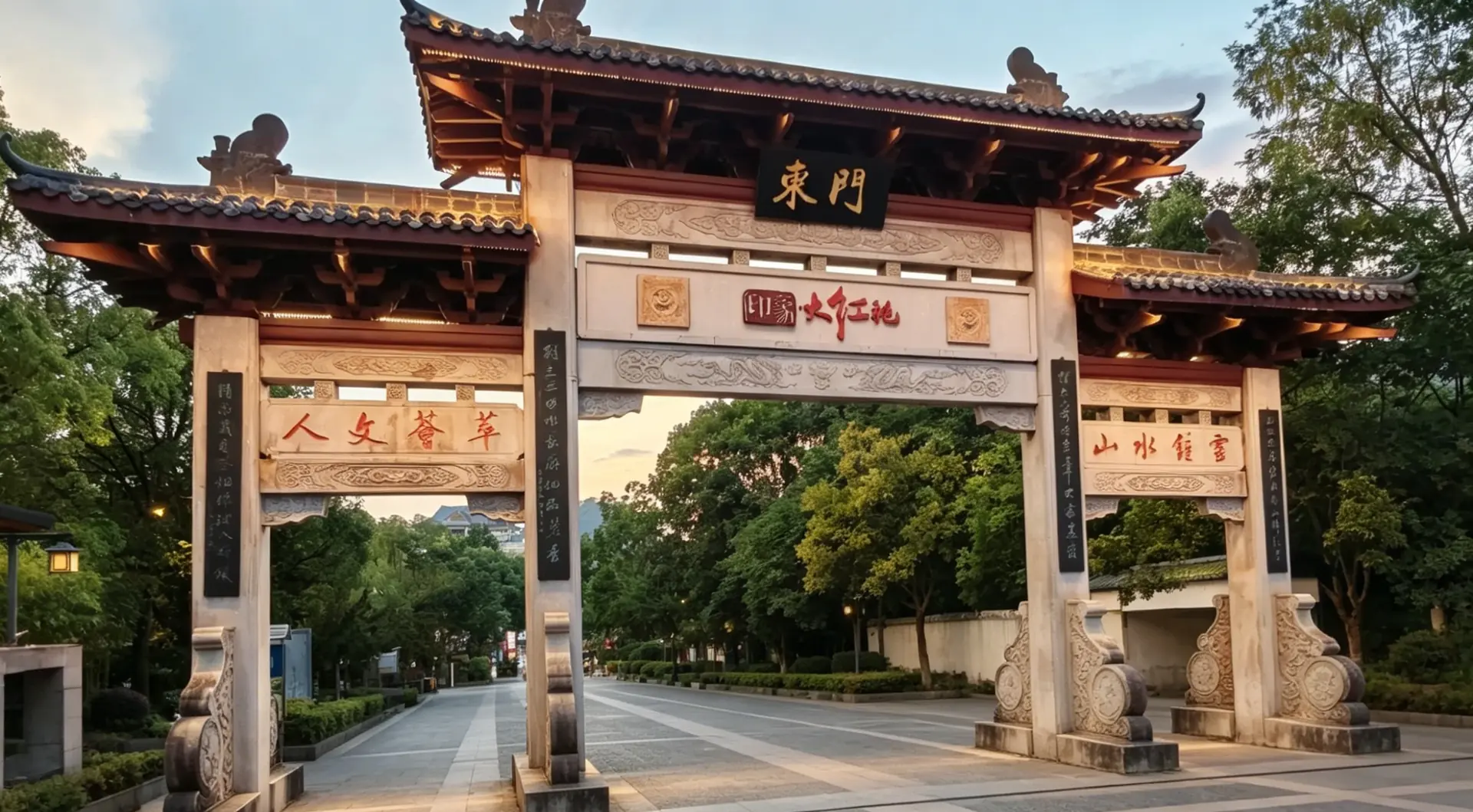
Sangu Resort Area
Use it as your base for: hotels, restaurants, tea shops, evening walks, and Impression Da Hong Pao access.
For most independent travelers, Sangu is the practical base. You can sleep, eat, drink tea, and reach the show without turning every evening into a transfer problem.
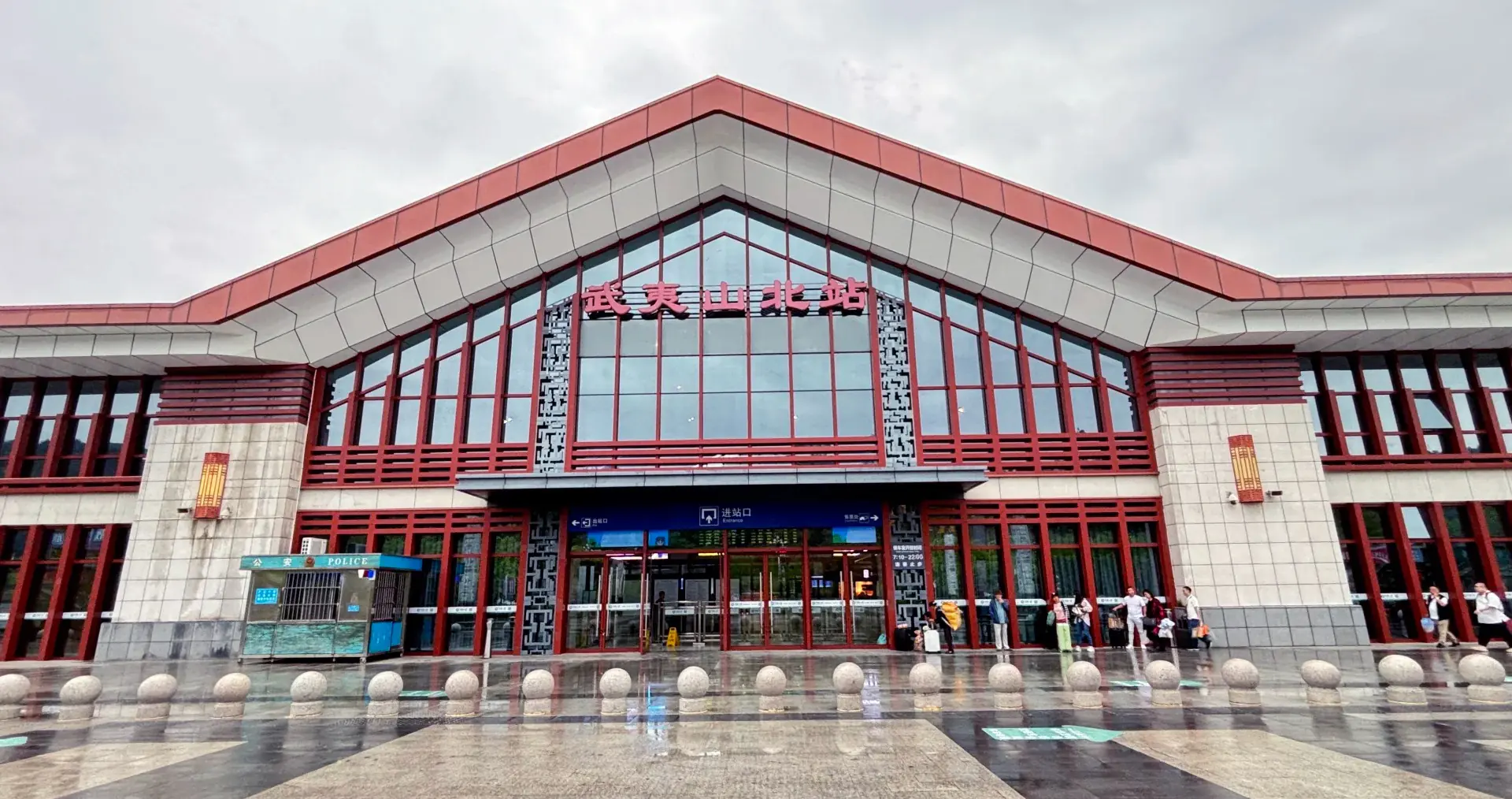
Outer Villages
Add them for: Xiamei, Wufu, tea-route stories, Zhu Xi history, and a slower third day.
These stops are not quick fillers. They work when you have enough time to let the tea-country and cultural layer breathe after the main scenic-area day.
Pace Wuyishan Days Around Weather and Shows
Spring
Tea season brings green valleys and more tea energy, but it also comes with more rain. Build in flexibility if rafting or outdoor paths are central to the trip.
Autumn
This is often the easiest first-visit recommendation: steadier weather, comfortable walking, and cleaner light for cliffs, river views, and photos.
Summer
The scenery can be lush and vivid, but heat, sudden rain, slippery steps, storm delays, and raft disruption are real planning factors.
Winter
Winter is quieter and can suit a slow tea-focused trip, though the landscape feels more restrained and some days are simply cold and gray.
The practical rule is simple: confirm raft operations and show schedules close to your travel date. Wuyishan is not a place where one old ticket screenshot can safely plan the whole trip.
Treat raft and show details as live information
Ticket bundles, shuttle rules, opening hours, raft departures, showtimes, and weather policies can shift by season, maintenance, water level, and holiday crowd control. Use official Wuyishan channels, your hotel, or the current ticketing mini-program before locking the final day plan.
Common Wuyishan First-Trip Mistakes to Avoid
- Do not treat Nine-Bend Stream bamboo rafting as a casual walk-up item during busy periods.
- Do not squeeze rafting, Tianyou Peak, Da Hong Pao, One-Line Sky, Huxiao Rock, and a night show into one day.
- Do not assume any expensive tea is "mother-tree Da Hong Pao." Buy for taste and trust, not mythology.
- Do not choose a station-area hotel for two sightseeing days unless transit convenience matters more than the trip itself.
- Do not plan rainy mountain paths with the same confidence as a dry autumn day.
Where to Stay for Wuyishan Trips
Hotel choice in Wuyishan decides your morning more than the map suggests. Match the base to the next day's first move.
Sangu Resort Area
Best for: most first-time visitors.
Choose Sangu if you want restaurants, tea shops, evening access, show logistics, and simpler scenic-area days. It is the most forgiving base.
Near the Scenic Entrance
Best for: early raft or early hiking plans.
Choose this if your first priority is getting into the scenic rhythm quickly. Check whether the hotel is actually convenient for your planned gate or shuttle point.
Near a Railway Station
Best for: late arrival or early departure.
Use station hotels as a transit tool, not as your default sightseeing base. The convenience disappears once you need meals, tea, shows, and scenic-area access.
Tea Village or Guesthouse
Best for: slow travel and repeat visitors.
A tea-focused stay can be memorable, but confirm dinner, transport, pickup points, and what happens after dark before choosing atmosphere over logistics.
Use this as the quick default if you are choosing between hotel areas:
- Best base
- Sangu Resort Area
- Best base
- Near the relevant scenic entrance
- Best base
- Near the railway station
- Best base
- Tea village or guesthouse
Frequently Asked Questions
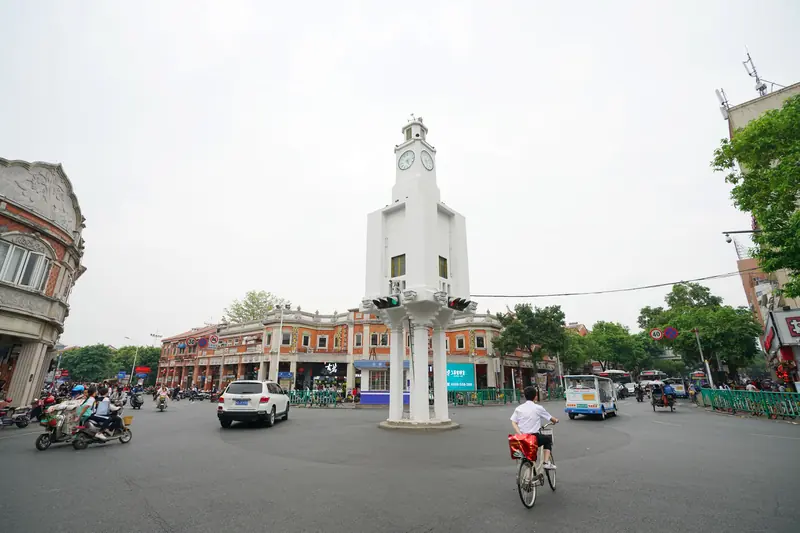
Both. Wuyishan is a county-level city in Fujian, while travelers often use Wuyishan or Mount Wuyi to mean the scenic area of river, cliffs, tea valleys, shuttle routes, and nearby resort base.
Sources checked for this guide
- UNESCO World Heritage Centre: Mount Wuyi World Heritage listing
- Wuyishan official tourism site: official English Mount Wuyi tourism context
- UNESCO Intangible Cultural Heritage: traditional tea processing and associated social practices in China
- Fujian Provincial Government: Wuyi rock tea craftsmanship context
Beyond This Guide
Once you know which version of Wuyishan you want, use these deeper guides to build the actual trip:
- Start with Wuyishan (Mount Wuyi): Bamboo Rafting, Tea Culture and Hiking Guide for the detailed scenic-area route, ticket cautions, and day planning.
- Use Impression Da Hong Pao Wuyishan Guide before choosing your evening show.
- Read Fujian Cuisine Guide for regional food context before you decide dinner is just a gap between sights.
- Read Oolong Tea in China if Wuyi rock tea is one of your main reasons for coming.
- Use China High-Speed Rail Guide if Wuyishan is part of a Fujian, Hangzhou, or Shanghai rail route.
© gochinafreely.com — Original guide by Go China Freely.