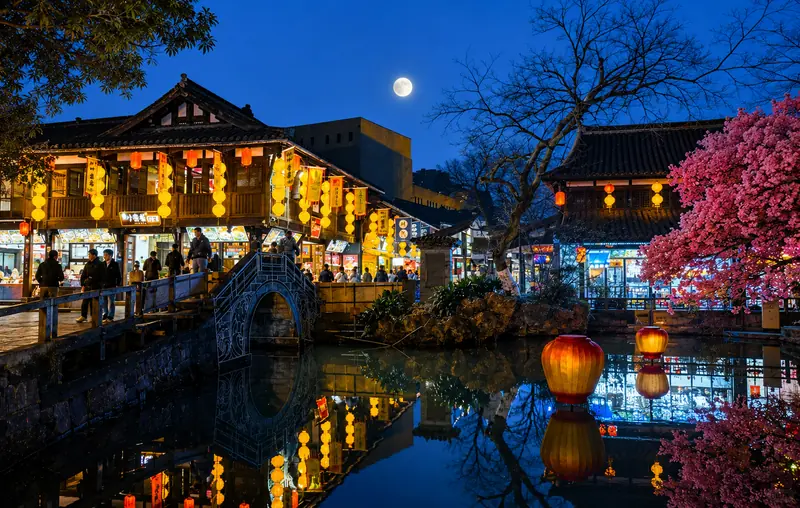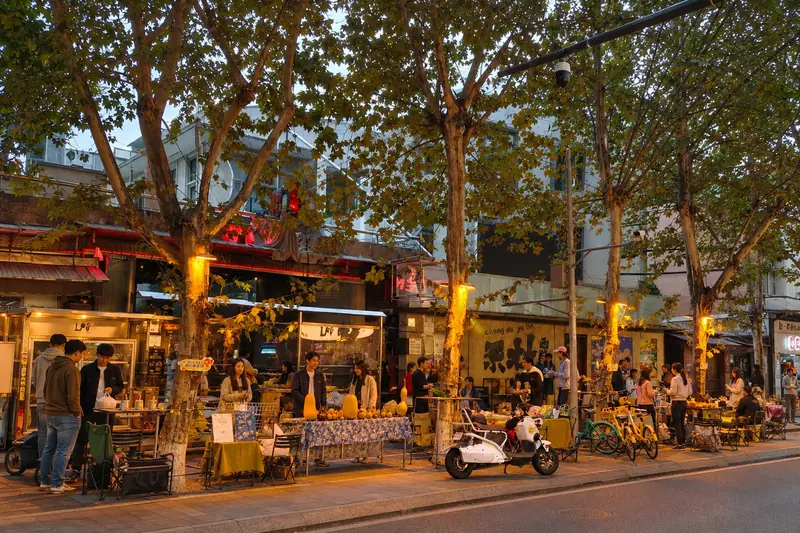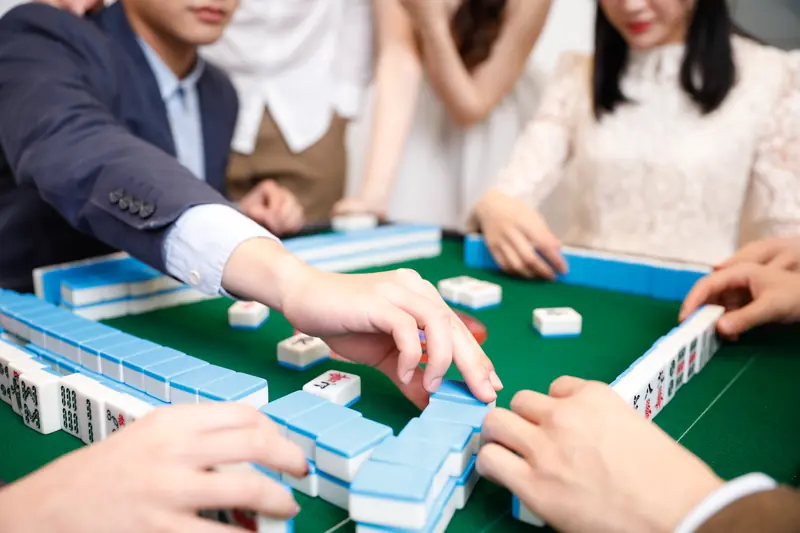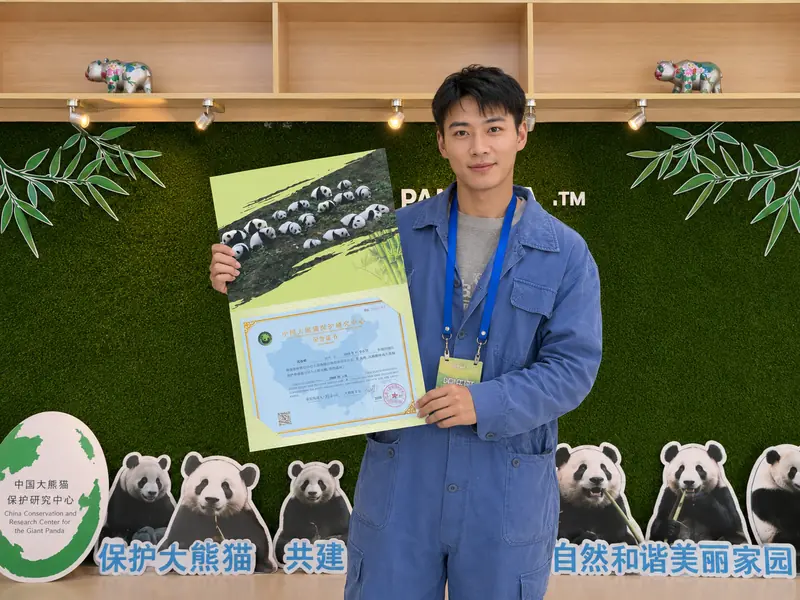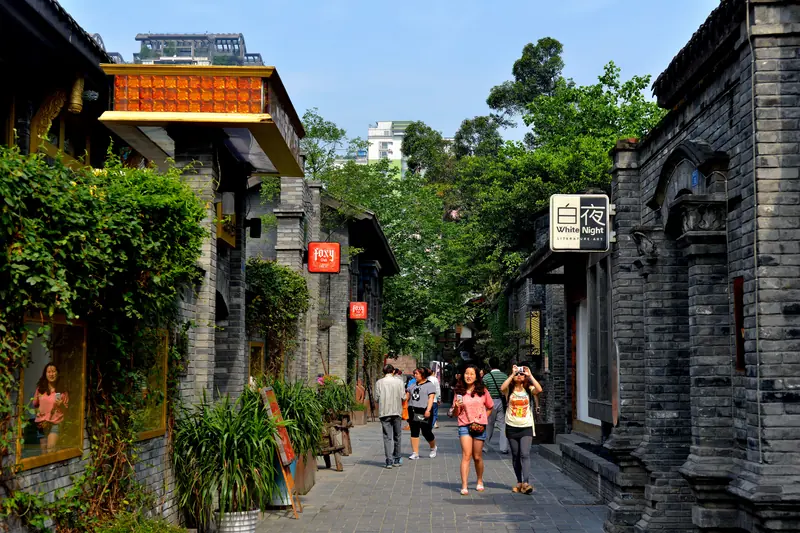
Chengdu is not just pandas plus hotpot. It is giant pandas eating bamboo before the city fully wakes up, bamboo chairs under old park trees, temple smoke, gray-brick lanes, red lanterns after dark, face-changing masks, mahjong tiles, and late-night broth that makes the whole table lean in. This guide is a first-timer's map of the things to do in Chengdu that are actually worth building your trip around.

Start Here for a First Chengdu Trip
If you are planning Chengdu for the first time, start with capacity, not completeness. Two days can give you a strong Chengdu memory, but only if you protect the city rhythms that make Chengdu different from China's bigger monument cities.
Two days
Focus on the Panda Base, one real teahouse pause, one old-lane or temple district, and one food or performance night. This is enough if you edit hard.
Three days
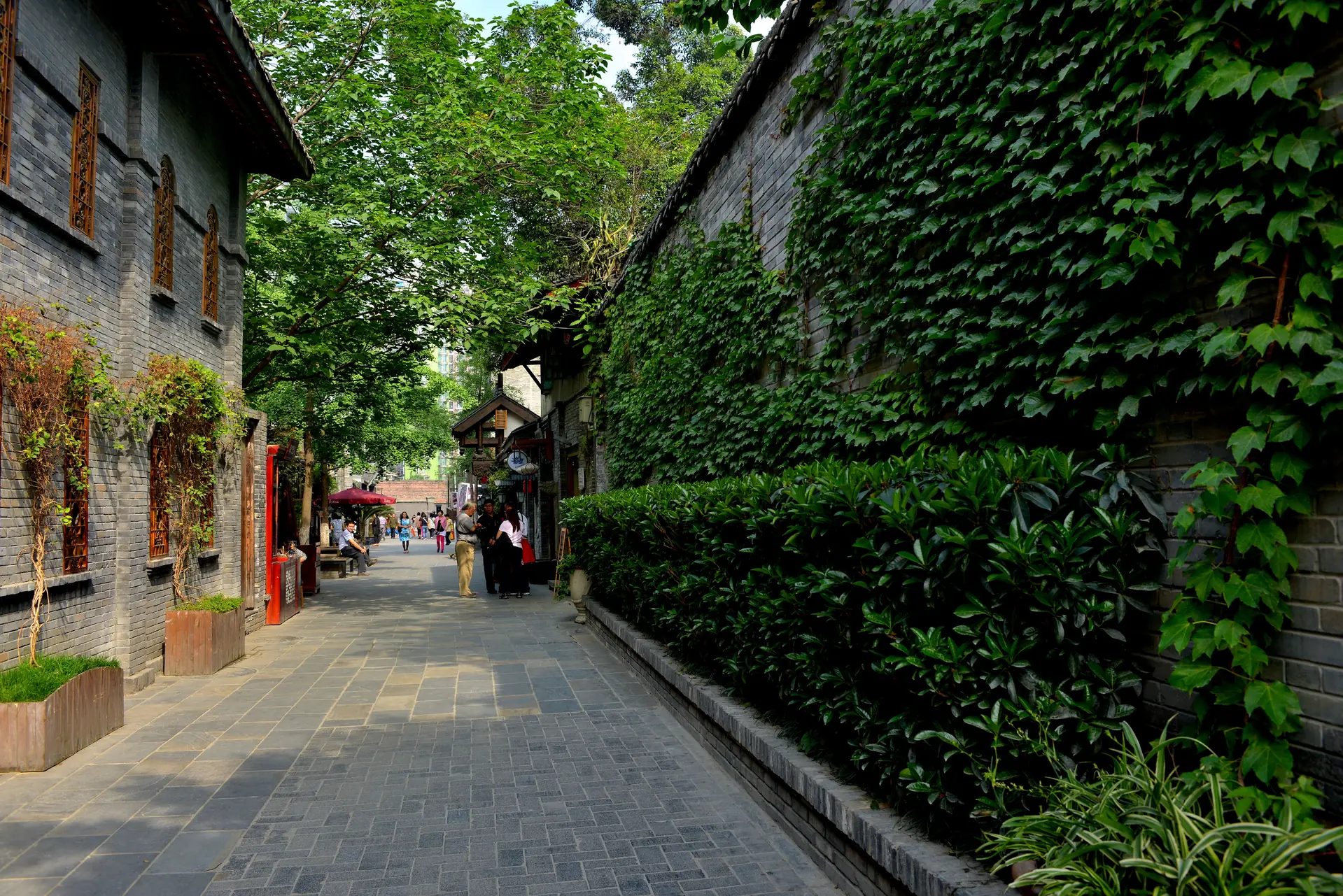
Add Wenshu Monastery, Kuanzhai Alley, Yulin, Du Fu Thatched Cottage, or Chengdu Museum. This is the shortest trip length where Chengdu starts to feel rounded rather than sampled.

Four or five days
Add a day trip to Dujiangyan, Qingcheng Mountain, Leshan, or Sanxingdui, then keep one flexible half-day for tea, food, or a neighborhood you did not expect to like.
This guide is best for first-time visitors, families choosing carefully, food-focused travelers, solo travelers who want independent logistics, and anyone trying to understand Chengdu beyond one panda morning. It is less useful if you only want luxury shopping, nightlife, or a private tour where every hour is already fixed.
Chengdu Is a City of Layers
The easiest way to plan Chengdu is to stop treating it as one soft-focus "slow city" and start seeing four different layers.

Panda Chengdu
Where it shows up: Chengdu Panda Base, Dujiangyan Panda Valley, panda-themed souvenirs, and family-friendly morning plans.
This layer gives Chengdu its most famous first-trip image, but it works best early in the day.
Teahouse Chengdu
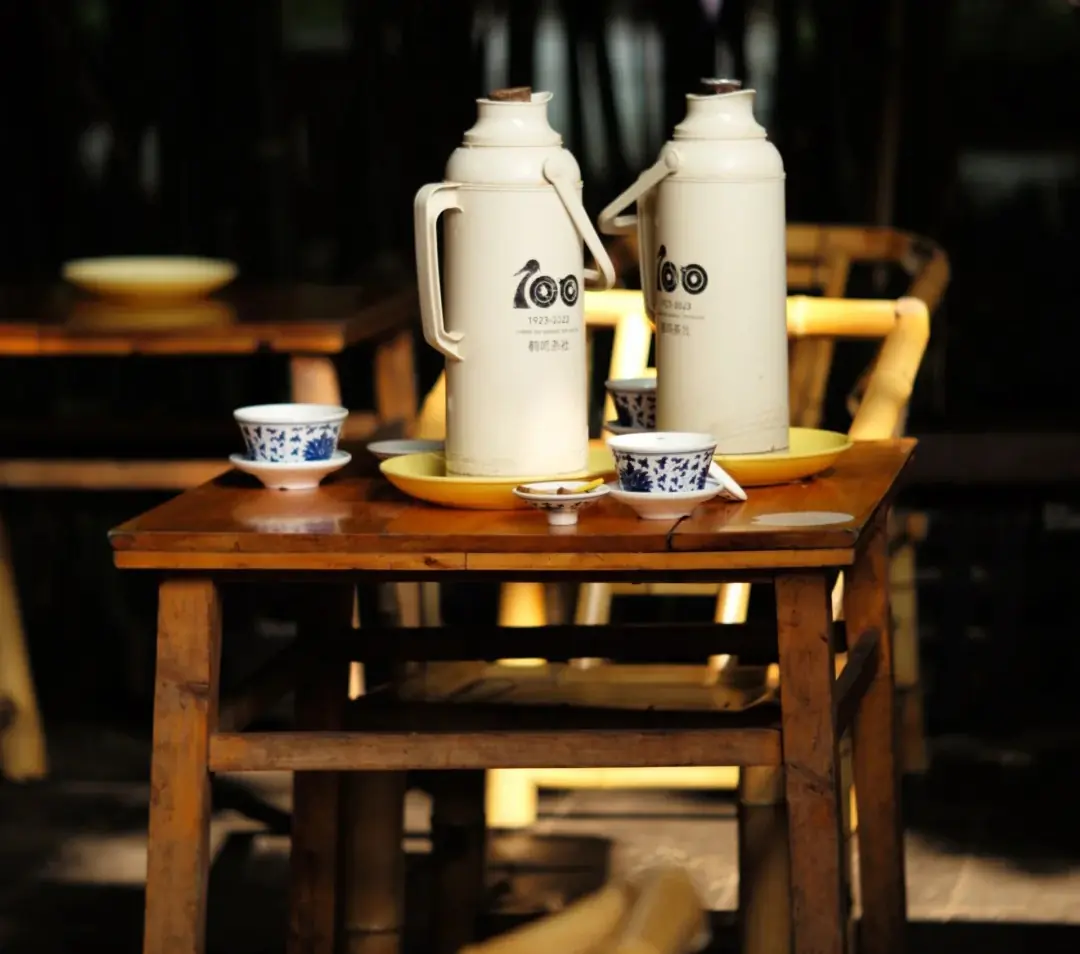
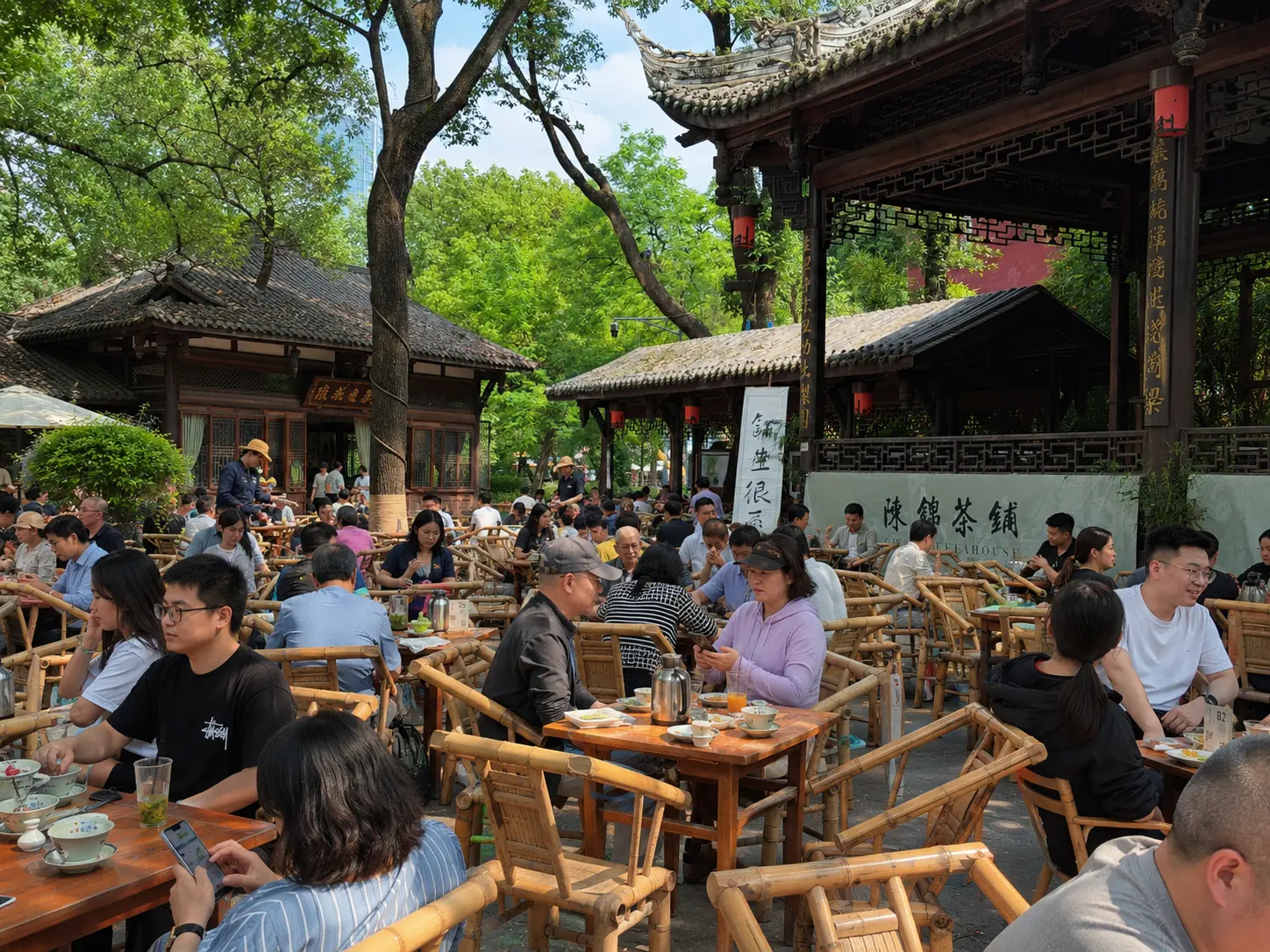
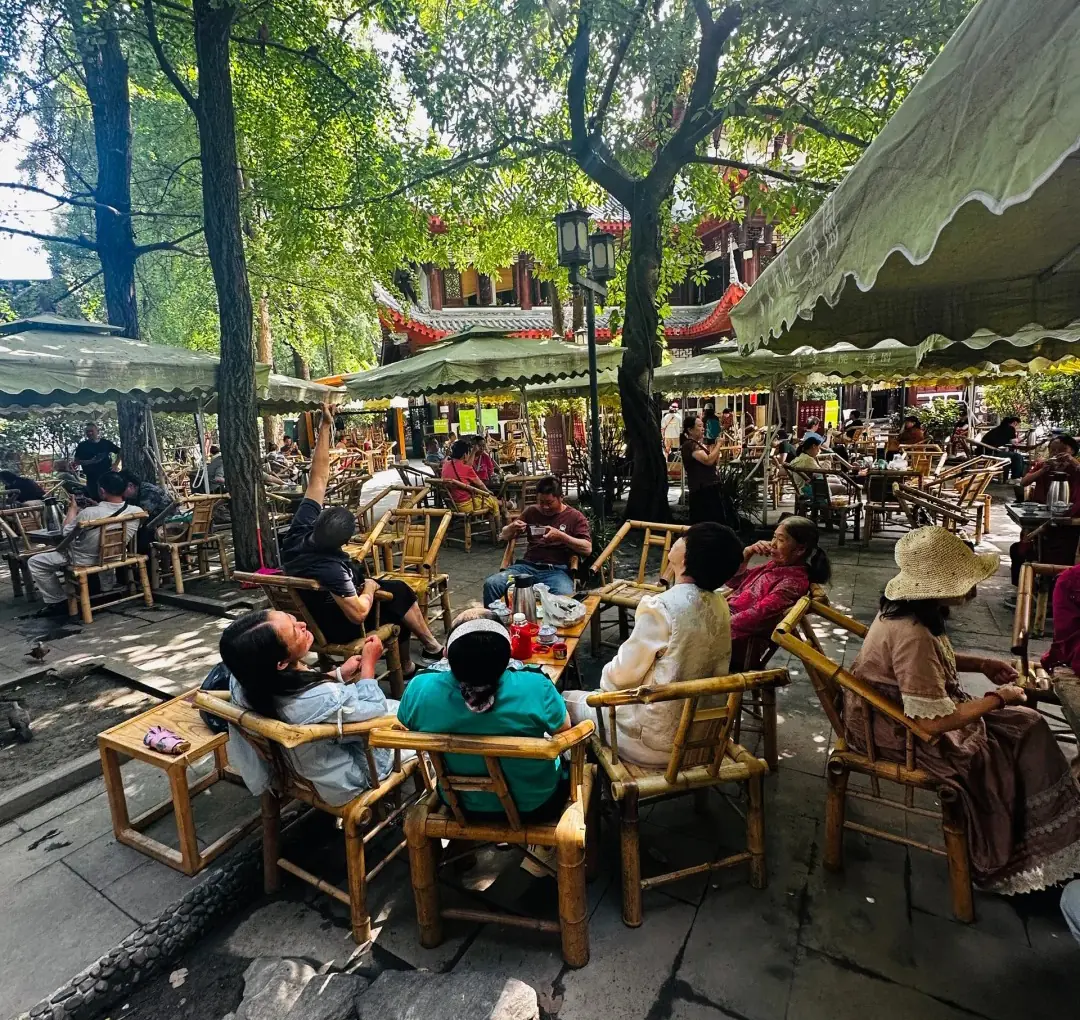
Where it shows up: People's Park, Heming Tea House, Wenshu Monastery, neighborhood tea gardens, and mahjong tables.
This layer turns Chengdu from sightseeing into observation: sit longer than feels necessary and the city starts to explain itself.
Old-Lane Chengdu
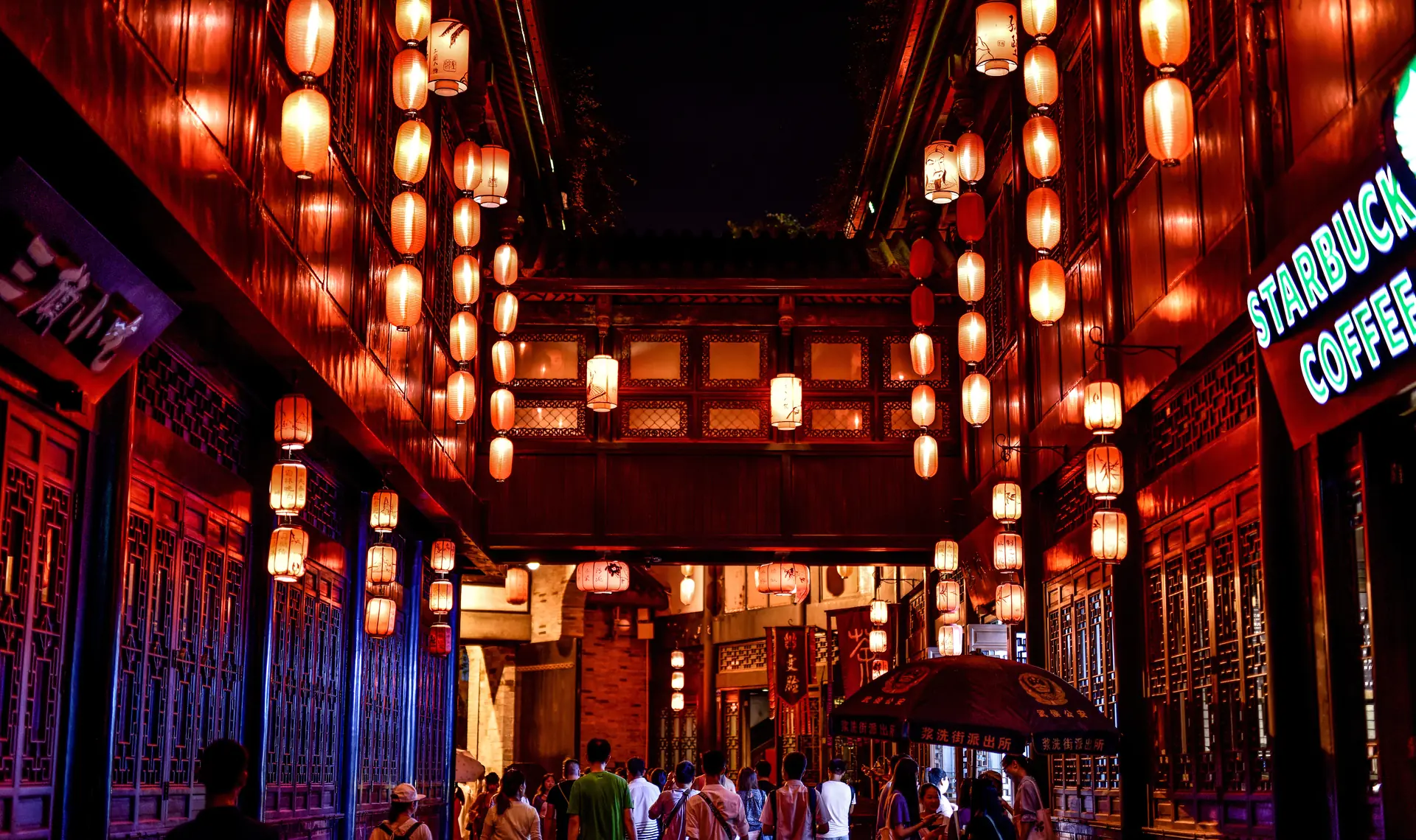
Where it shows up: Kuanzhai Alley, Jinli, Wuhou Shrine, Wenshu Monastery, and Wenshufang.
This layer gives you courtyards, temples, lanterns, incense, Three Kingdoms history, and the polished version of old Chengdu.

Spicy Night Chengdu
Where it shows up: hotpot restaurants, Yulin, Kuixinglou Street, Jianshe Road, Jiuyanqiao, Sichuan opera, and late-night snacks.
This layer gives Chengdu its social heat: meals, lights, performances, and streets that feel more alive after dark.
For a first trip, the goal is not to finish Chengdu. Choose one or two strong experiences from each layer, then leave enough breathing room for tea, food, and weather.
12 Chengdu Experiences Worth Building Around
The first seven are Chengdu's strongest first-trip foundations. The final five add performance, neighborhoods, hands-on culture, modern contrast, and day-trip depth. If you only have two days, do not try to complete the whole list.
Chengdu's Panda Base is the city's clearest must-do, but timing decides the experience. Go as close to opening as you can, when pandas are more likely to eat, move, or interact with their spaces. Use our Chengdu Panda Base guide for gate choice, tickets, and the best walking sequence.
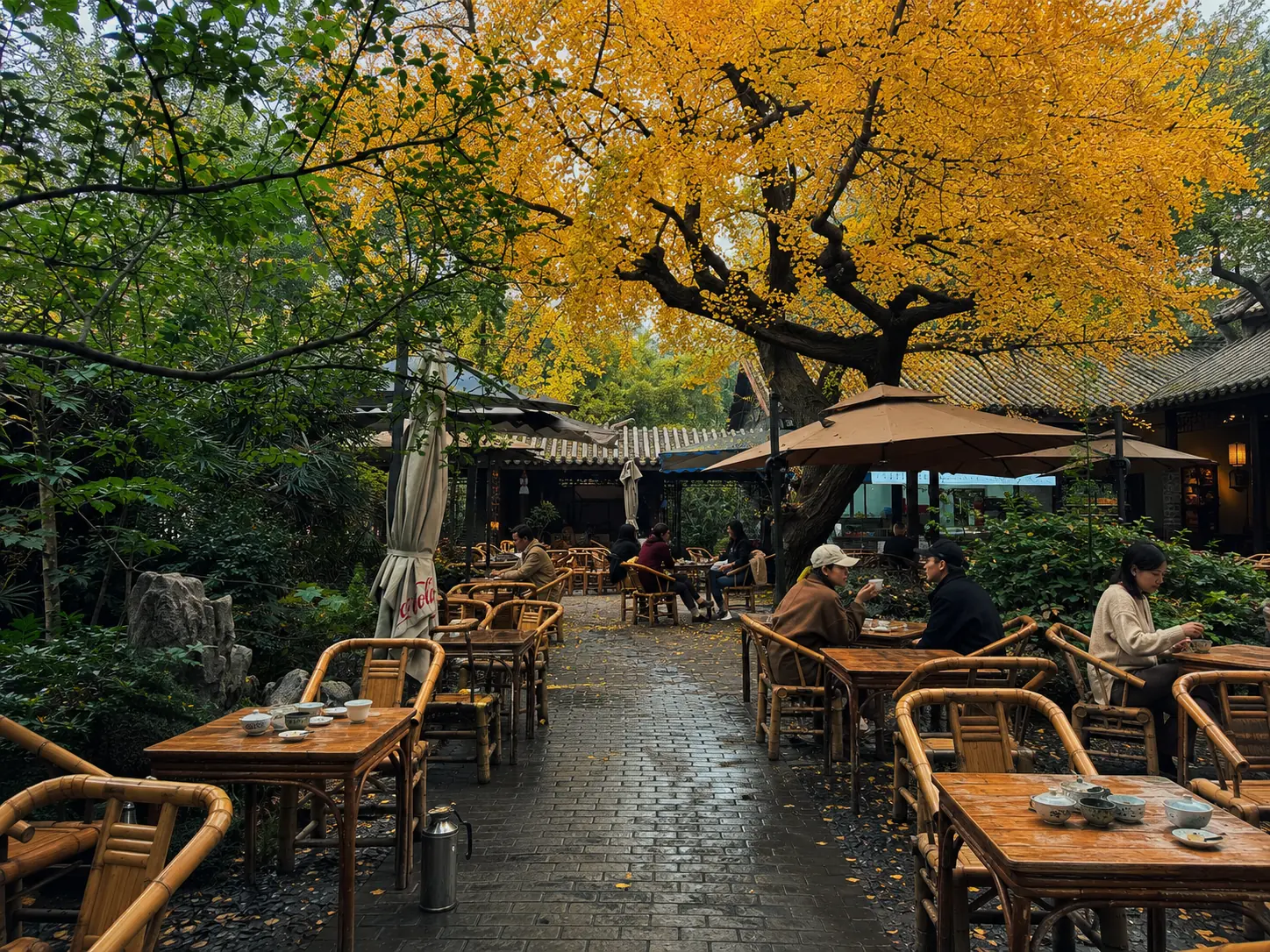
People's Park is where Chengdu's slow life becomes visible: bamboo chairs, covered-bowl tea, hot-water refills, ear cleaning, conversation, and entire afternoons that refuse to hurry. Prioritize it after an early panda morning. Use our People's Park guide for the classic tea-house version.
Kuanzhai Alley is commercial, but useful. It gives first-timers a compact version of old Chengdu courtyard visuals, tea shops, snack streets, and restored Qing-era lane atmosphere. Go for texture, not untouched authenticity. Use our Kuanzhai Alley guide before you decide the timing.
Jinli works better as an evening atmosphere walk than as your most important meal. Come for red lanterns, small snacks, stage energy, and the Wuhou Shrine setting. Then eat dinner somewhere better. Use our Jinli night guide to set expectations.
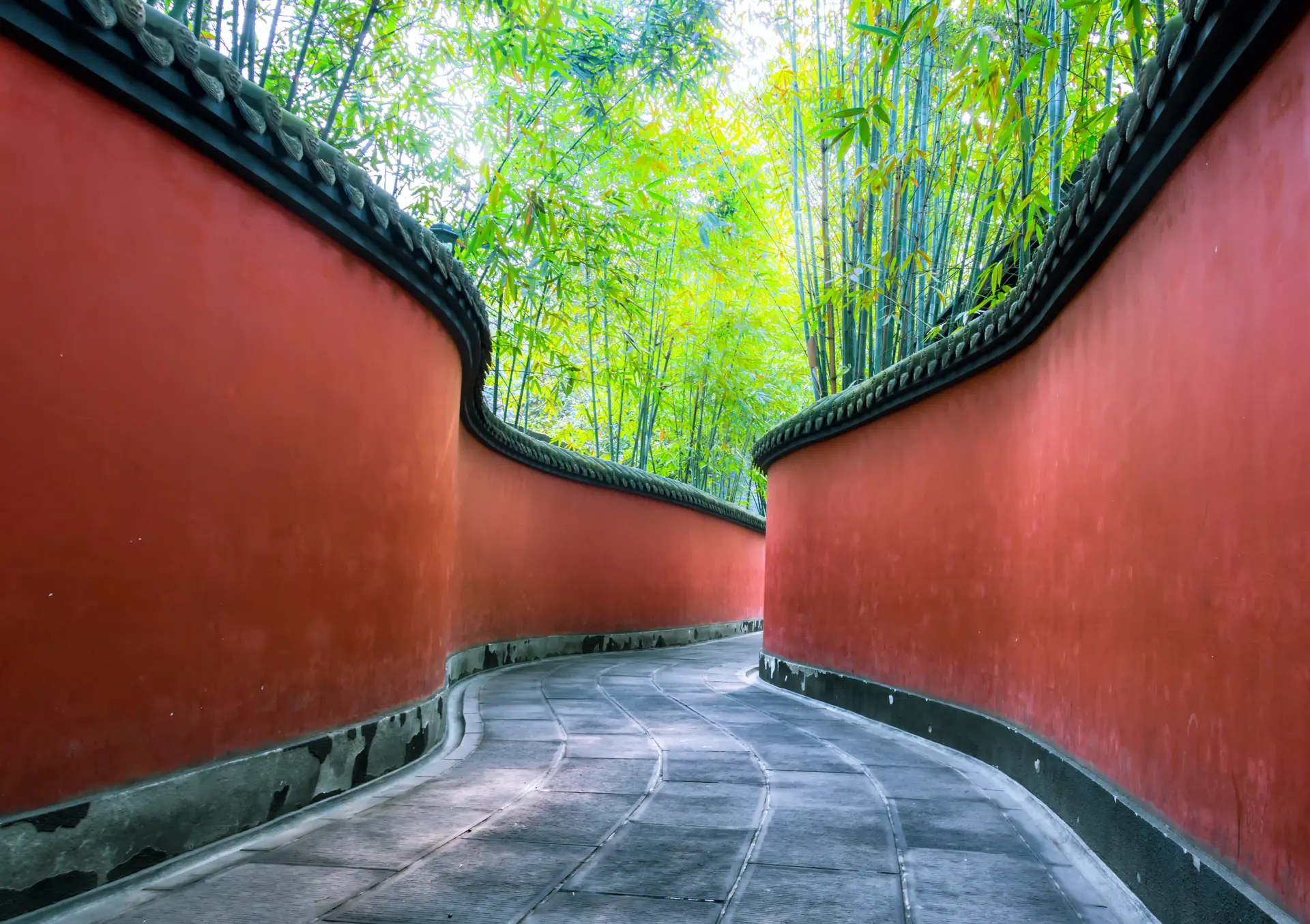
Wuhou Shrine gives the Jinli area its cultural weight: Three Kingdoms memory, red walls, bamboo shade, and temple courtyards. It is not mandatory for everyone, but it upgrades Jinli from a lantern street into a more meaningful afternoon-to-evening pairing.

Wenshu Monastery is Chengdu's calmer old-city layer: incense, temple roofs, vegetarian food, back-garden tea, and Wenshufang lanes nearby. Prioritize it if your trip needs less crowd pressure. Use our Wenshu Monastery guide for a soft morning.
7. Make Hotpot the Main Event
Red oil and social dining · 四川火锅
Hotpot is not just dinner in Chengdu; it is the city's social engine. If you cannot eat spicy food, order a yin-yang pot, tomato broth, mushroom broth, or mild heat. Use our Chengdu food guide before you choose what to order.
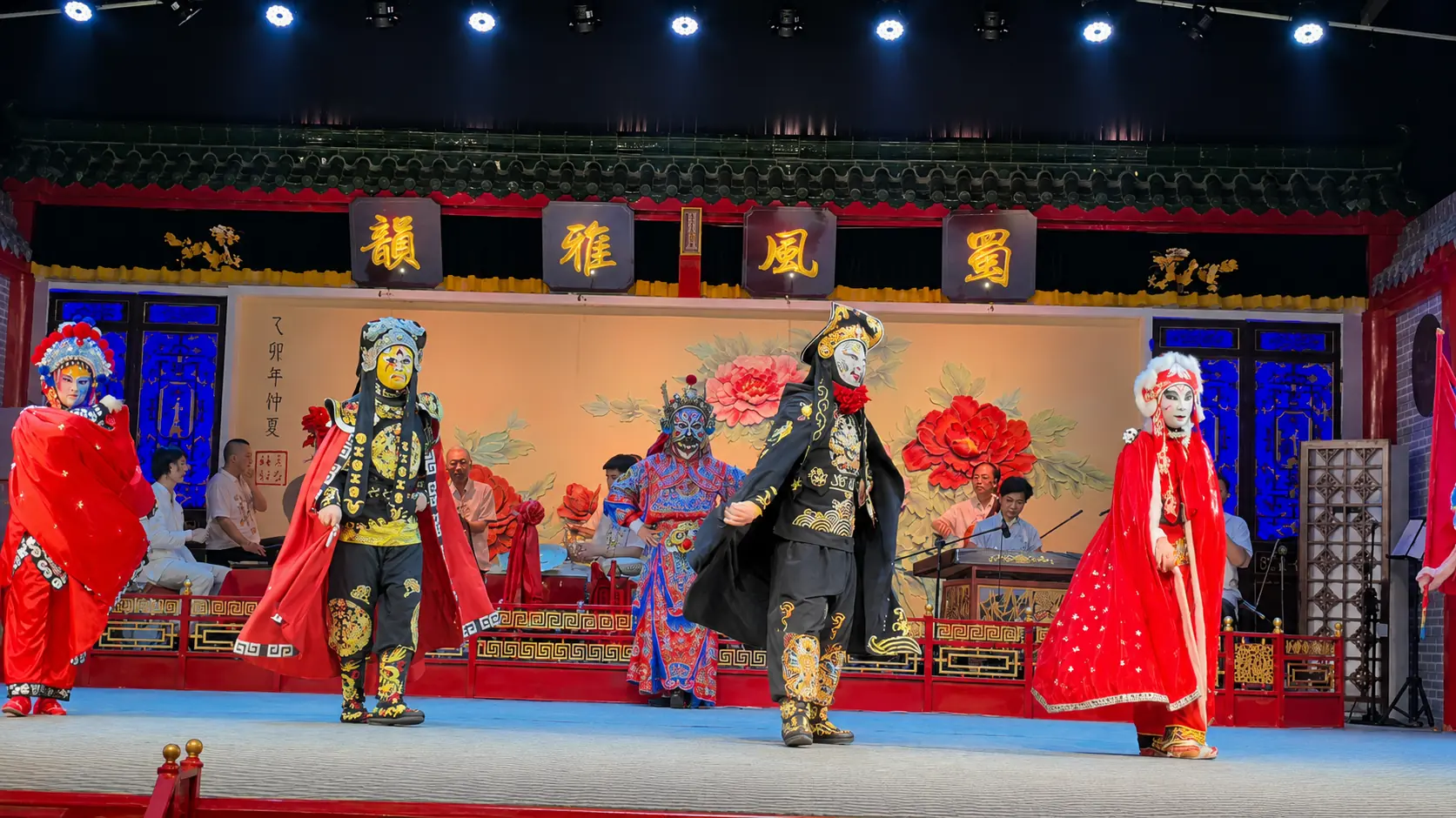
Sichuan opera is the easiest Chengdu night culture to understand across language: masks, sleeves, fire-spitting, shadow play, comedy, and tea-theater atmosphere. Use our Sichuan opera guide to choose the right format.

Yulin is the neighborhood version of Chengdu: cafes, small restaurants, bars, market corners, residential lanes, and a slower evening than the headline sights. Start with our Yulin walking guide or the Yulin Market guide.
10. Learn Mahjong or Cooking
Hands-on Chengdu · 麻将 / 川菜课

Chengdu is better when you do something with your hands. A mahjong class explains the teahouse world; a cooking class explains why Sichuan flavor is more than heat. Use our mahjong class guide or Sichuan cooking class guide for options.

Taikoo Li is not "old Chengdu," but that is the point. It shows the city as luxury retail, coffee, young fashion, preserved temple space, and modern urban design in one walkable district. Use our Taikoo Li guide if you want the contemporary layer.
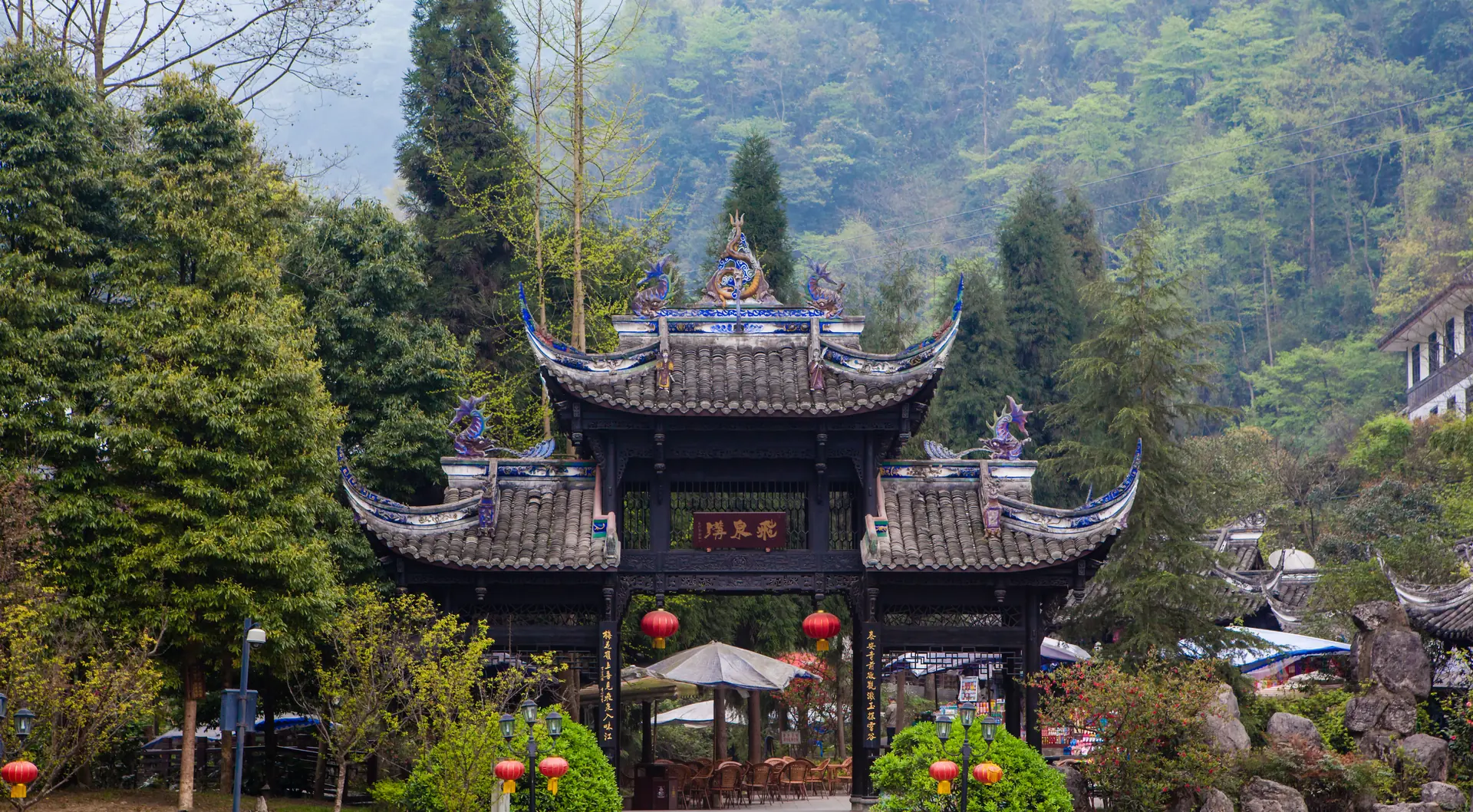
Once you have protected two city days, add one outer layer: Dujiangyan and Qingcheng Mountain for engineering and mountain air, Sanxingdui for ancient Shu civilization, or Leshan Giant Buddha for a major heritage sight. Do not spend your only Chengdu day outside the city.
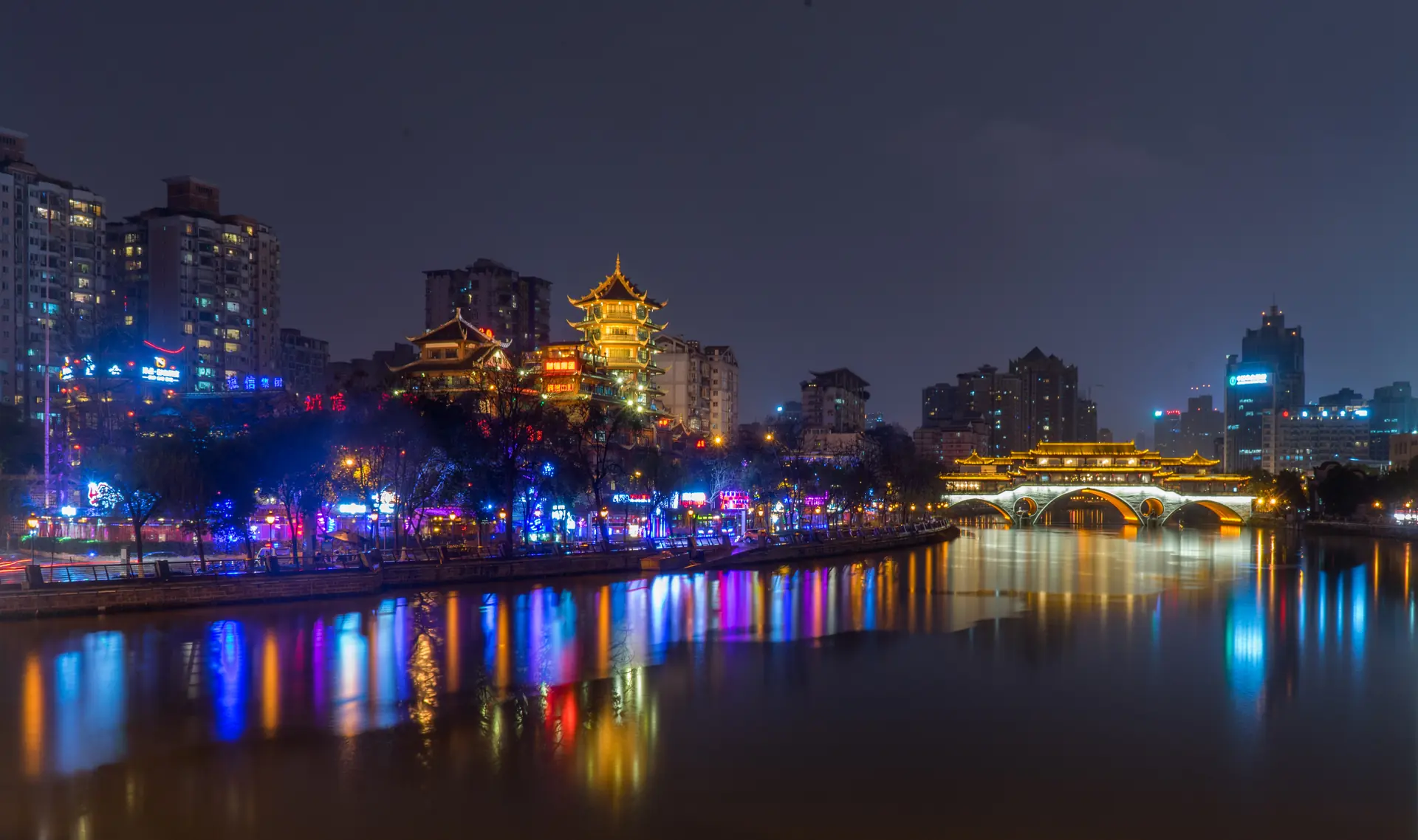
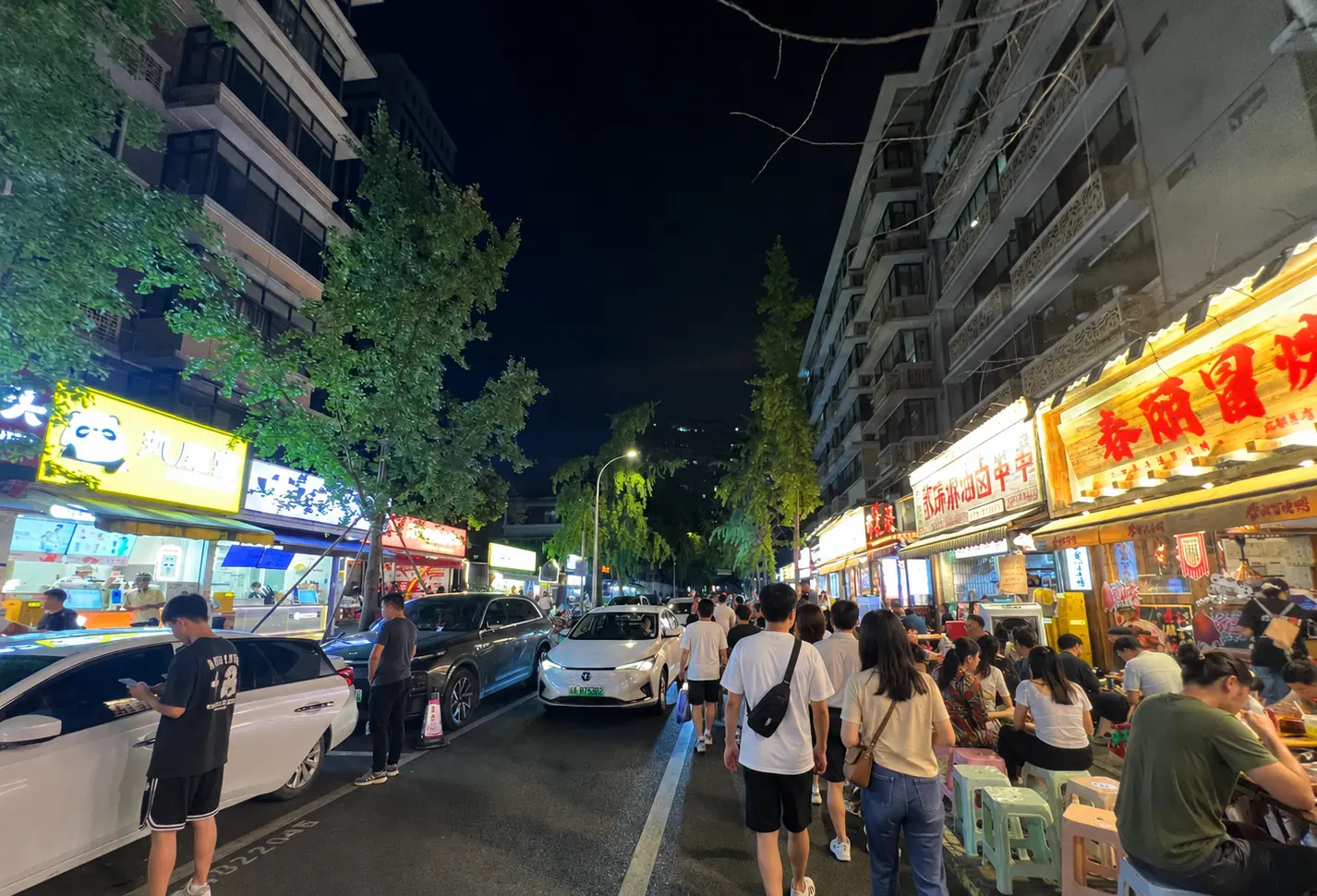
What Kind of Chengdu Trip Are You Building?
Do not choose Chengdu experiences only by fame. Choose them by the kind of city you want your first trip to reveal. Most first-timers mix two or three of these styles, but picking one primary focus makes the itinerary easier.

The Classic First Trip
Best for: pandas, tea, one old street, and one spicy dinner.
Keep the Panda Base, People's Park, Kuanzhai or Jinli, and hotpot. This version is the safest choice for first-timers with two or three days.
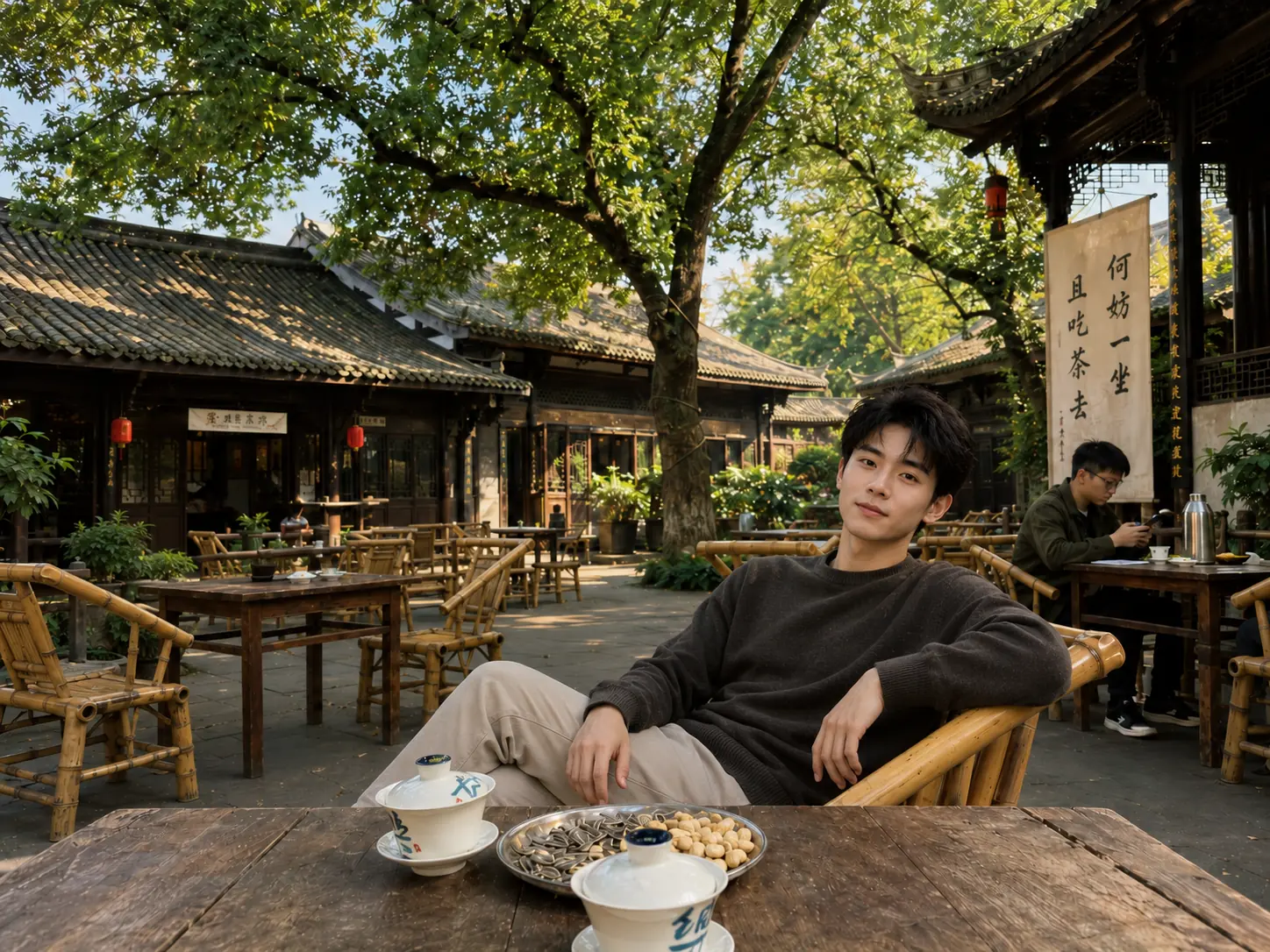
The Slow-Life Trip
Best for: tea, parks, temples, mahjong, and unhurried afternoons.
Give more room to People's Park, Wenshu Monastery, Du Fu Thatched Cottage, and neighborhood tea. This is Chengdu at its most distinctive pace.
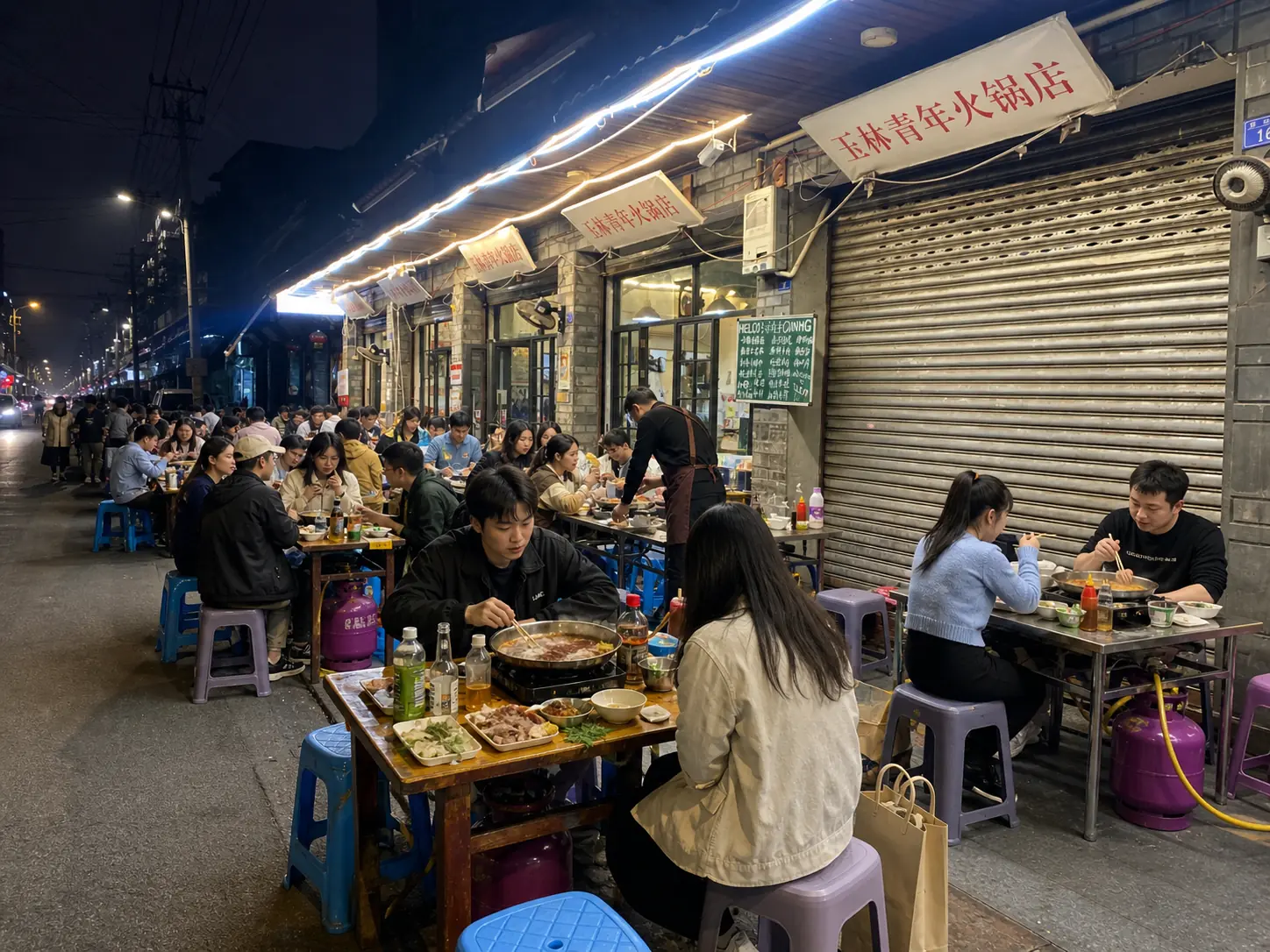
The Food-and-Night Trip
Best for: hotpot, snacks, Yulin, opera, and late evenings.
Keep mornings lighter, then spend evenings on hotpot, Kuixinglou Street, Jianshe Road, Sichuan opera, Yulin, or Jiuyanqiao. This version needs recovery time.
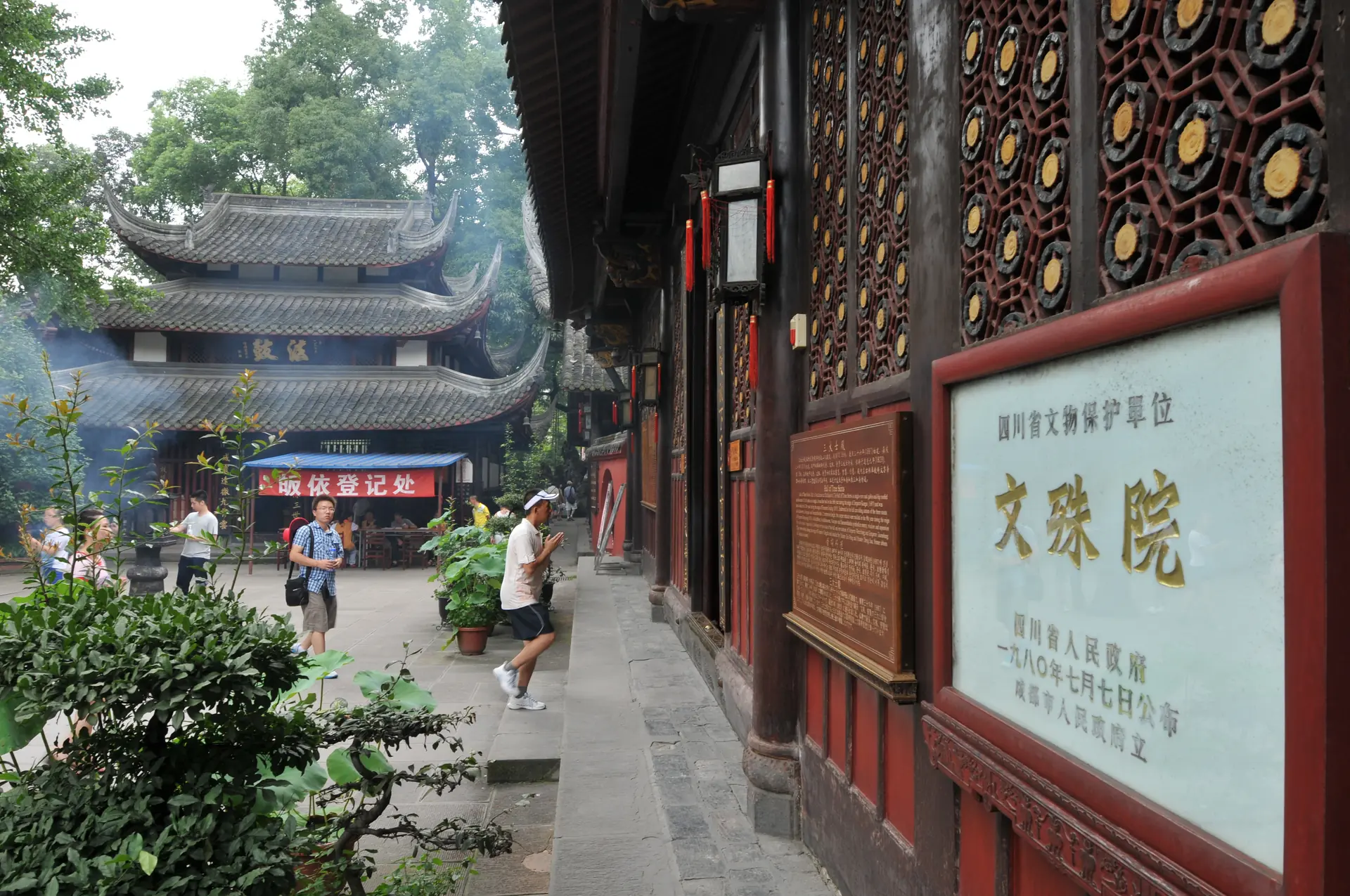
The Culture Trip
Best for: temples, museums, history, and performance.
Build around Wenshu Monastery, Wuhou Shrine, Sichuan opera, Chengdu Museum, Sichuan Museum, and maybe Sanxingdui if ancient Shu history matters.
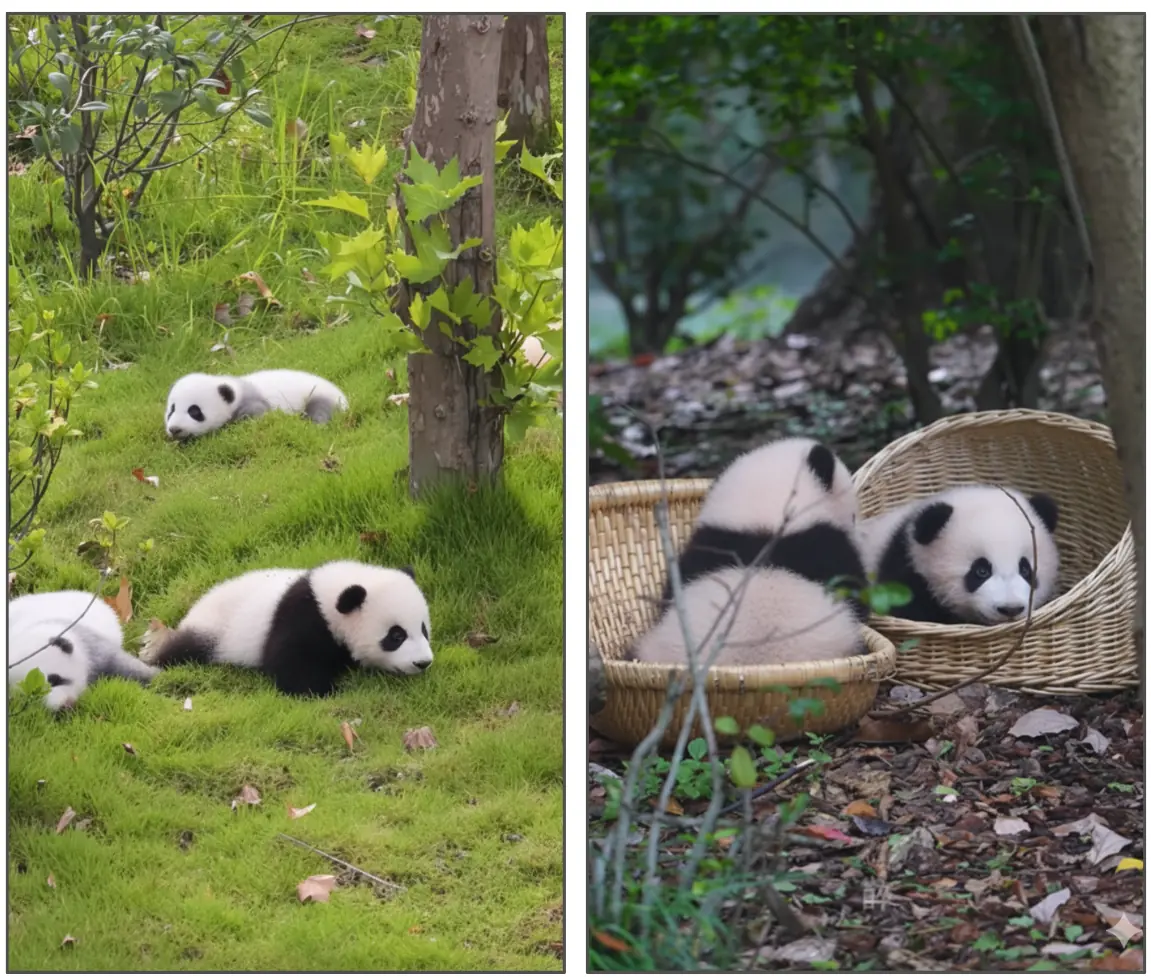
The Family-Friendly Trip
Best for: pandas, open space, mild meals, and short transfers.
Use an early Panda Base morning, keep People's Park gentle, choose one old street, and avoid stacking a late opera after a long day unless everyone still has energy.

The Day-Trip Trip
Best for: travelers using Chengdu as a Sichuan base.
Protect the city core first, then choose one or two outer days. Dujiangyan, Sanxingdui, Leshan, and Qingcheng Mountain are not interchangeable, so match the day trip to your interest.
Chengdu by Area: Where Sights Cluster
Before you build each day, get a feel for Chengdu's main zones. The city is easier than Beijing, but a rushed plan can still waste time by bouncing between neighborhoods that do not naturally belong together.
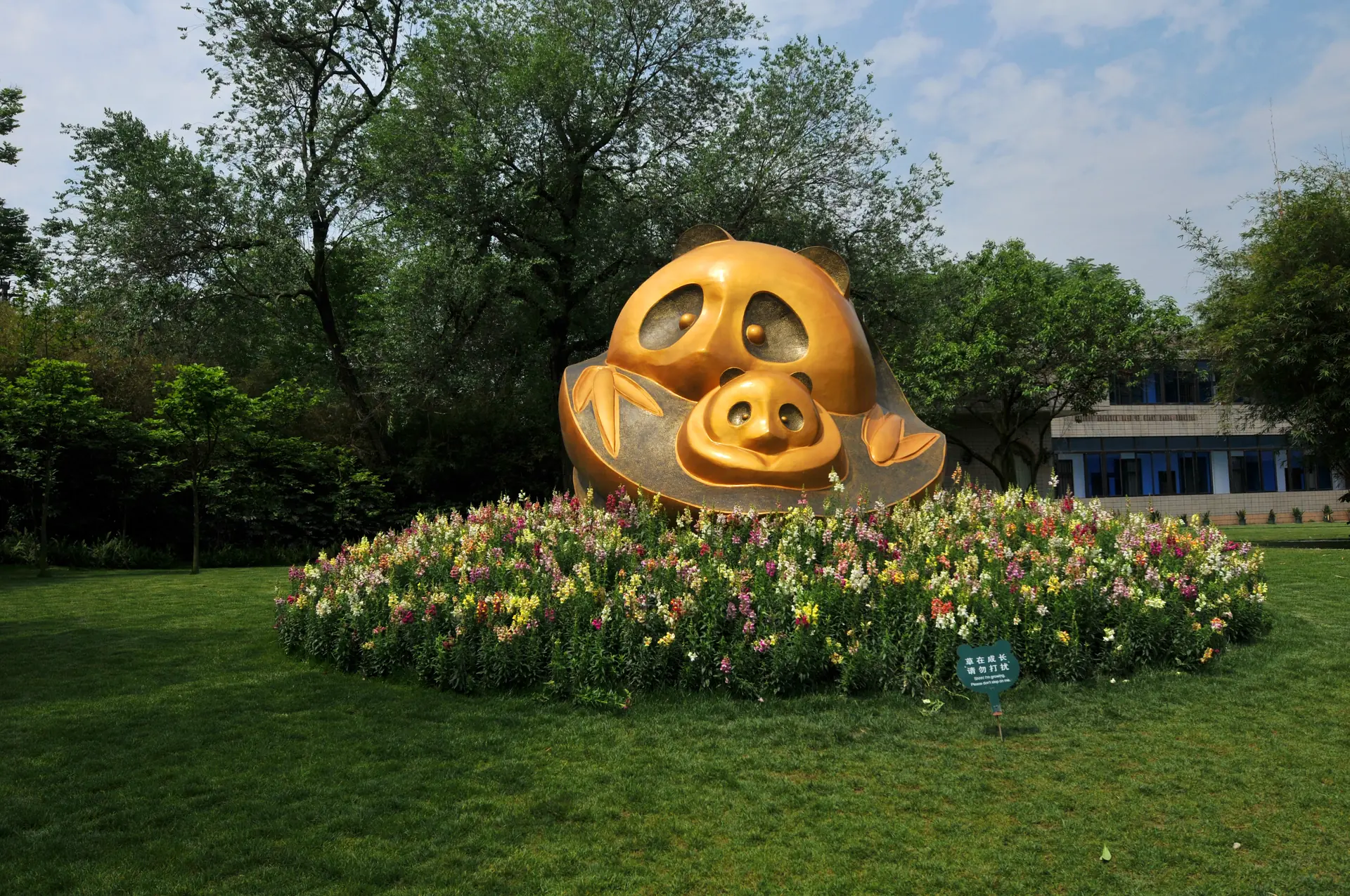
North Panda Zone
Includes: Chengdu Panda Base and nearby transfer points.
Use this for: your earliest morning. Watch out: it does not need a hotel move; staying central and leaving early is usually easier.
Old City Tea Core
Includes: People's Park, Heming Tea House, Kuanzhai Alley, Tianfu Square, and nearby museums.
Use this for: tea, easy walking, old-city visuals, and a soft landing after pandas. Watch out: Kuanzhai is polished and busy.
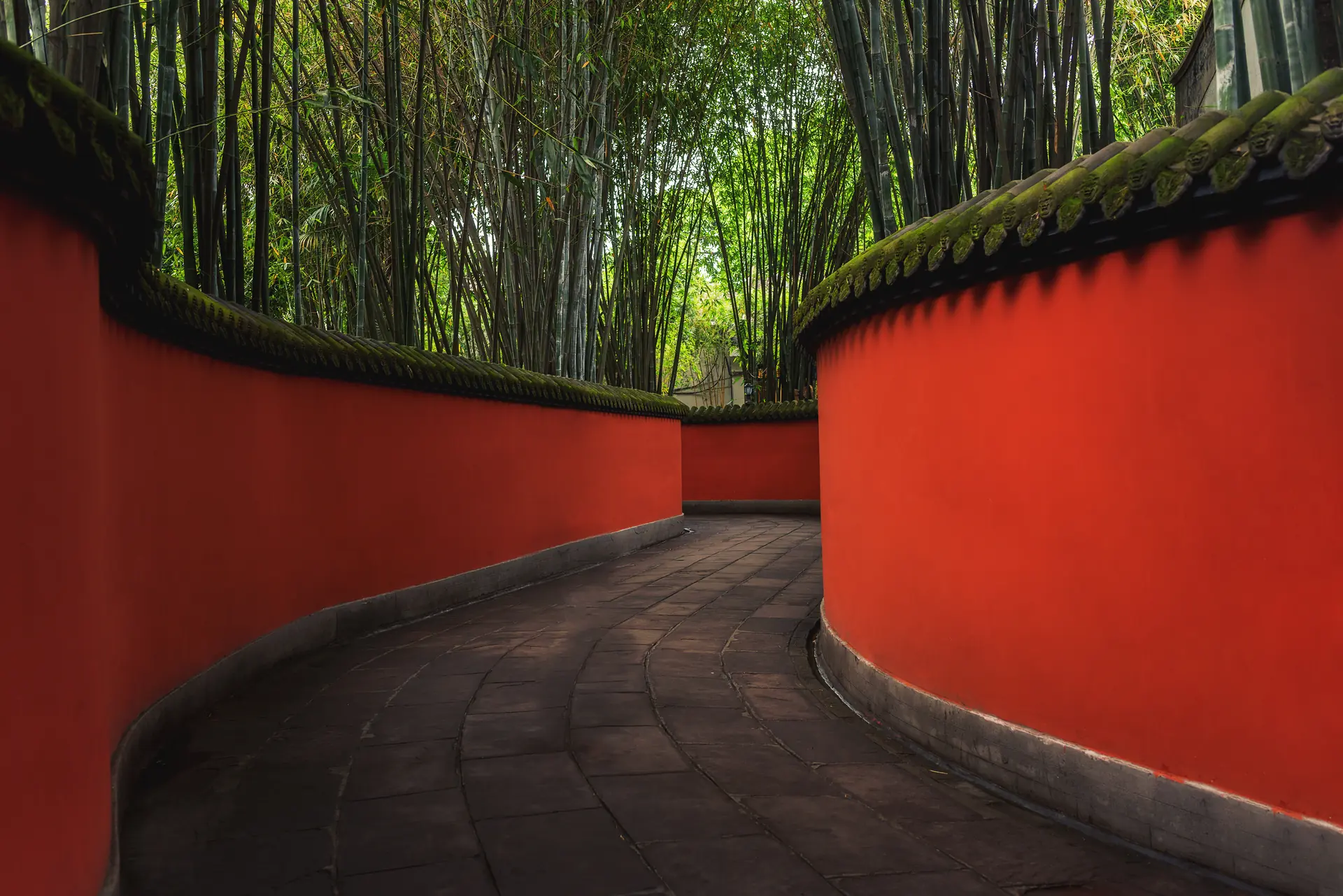
Wuhou and Jinli
Includes: Wuhou Shrine and Jinli Ancient Street.
Use this for: afternoon history into lantern-night atmosphere. Watch out: it is better as a walk than as your main food plan.
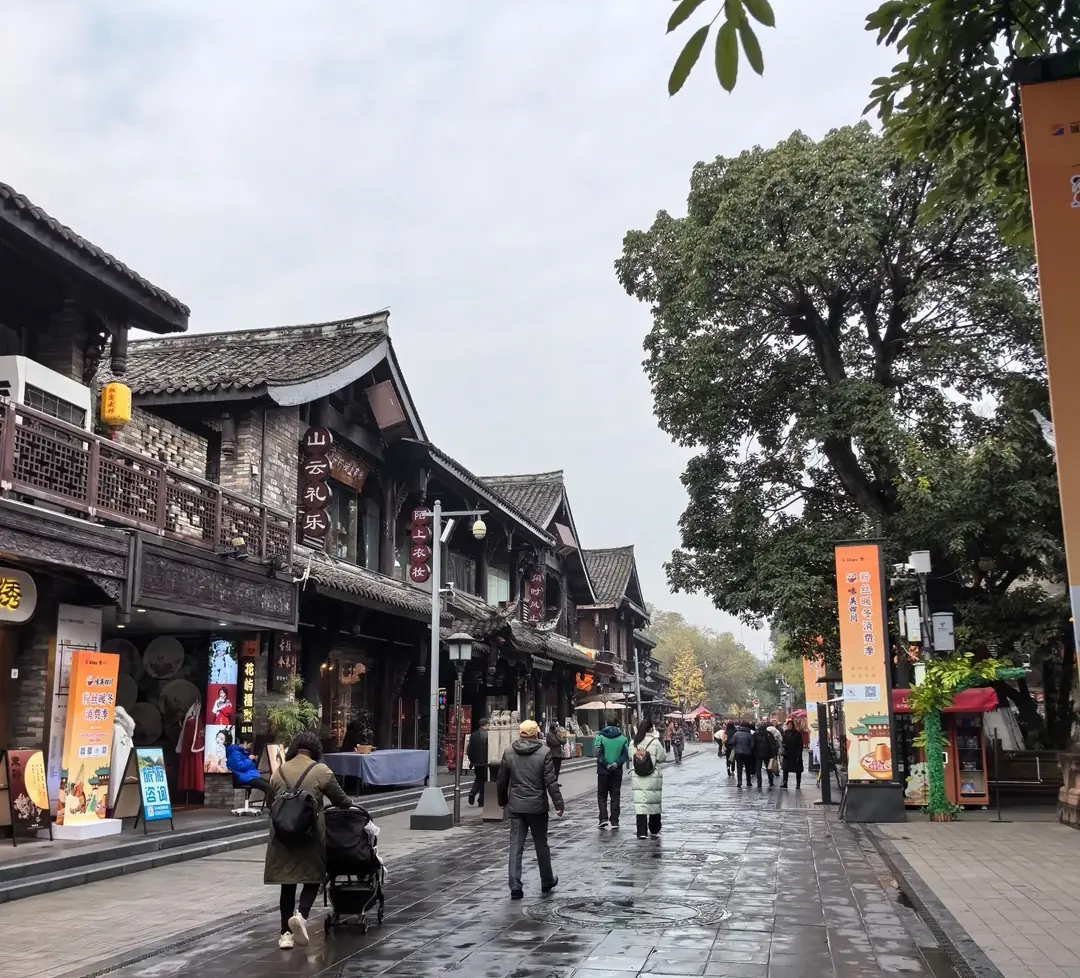
Wenshu and North Old Streets
Includes: Wenshu Monastery, Wenshufang, teahouses, vegetarian food, and older snack brands.
Use this for: calmer temple time and rainy-day flexibility. Watch out: it rewards slow walking more than a quick drop-in.
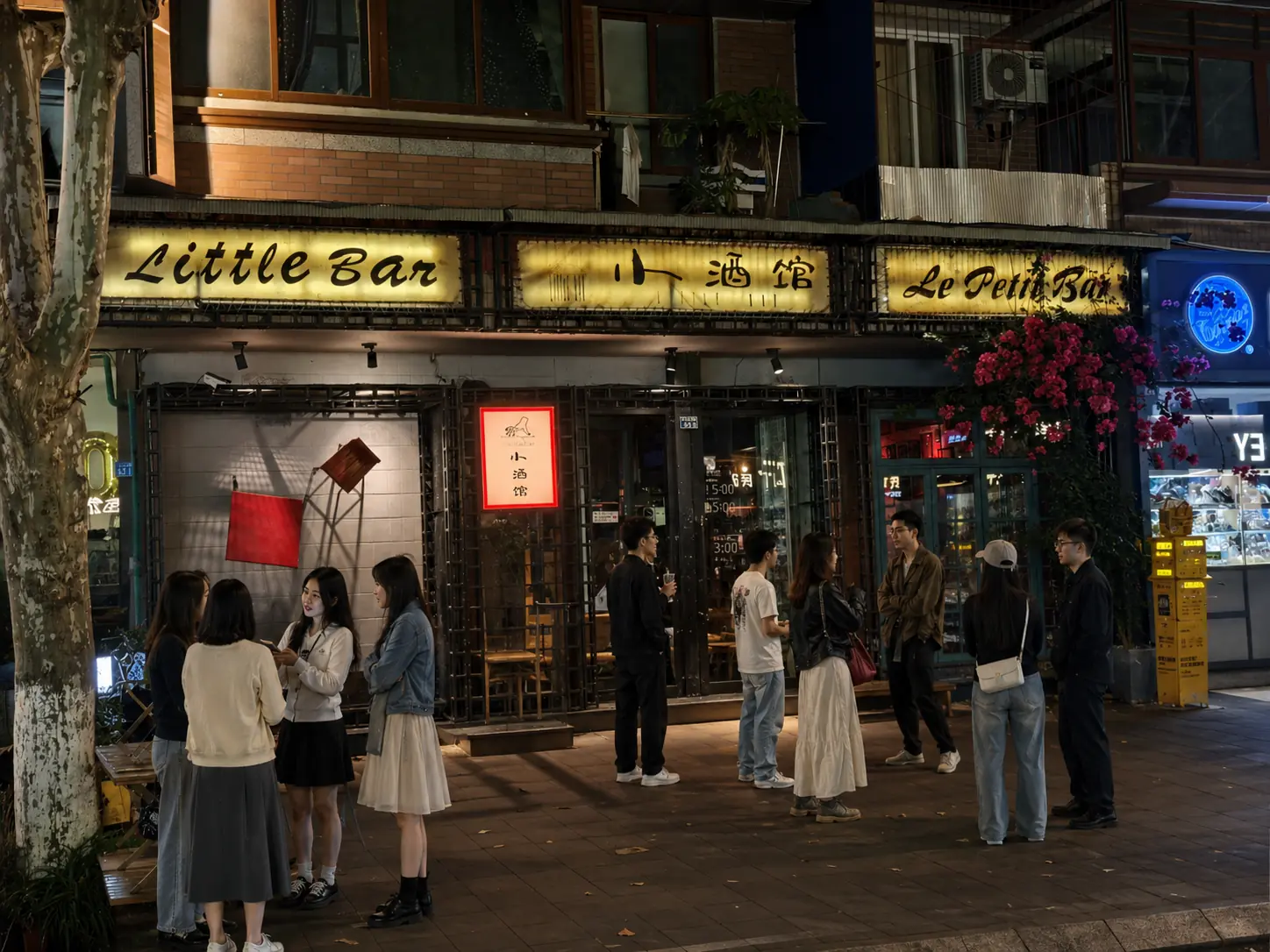
Yulin and South Chengdu
Includes: Yulin Road, Yulin Market, small bars, cafes, and neighborhood restaurants.
Use this for: dusk walks, food, and a more local-feeling night. Watch out: it is atmospheric rather than monument-heavy.
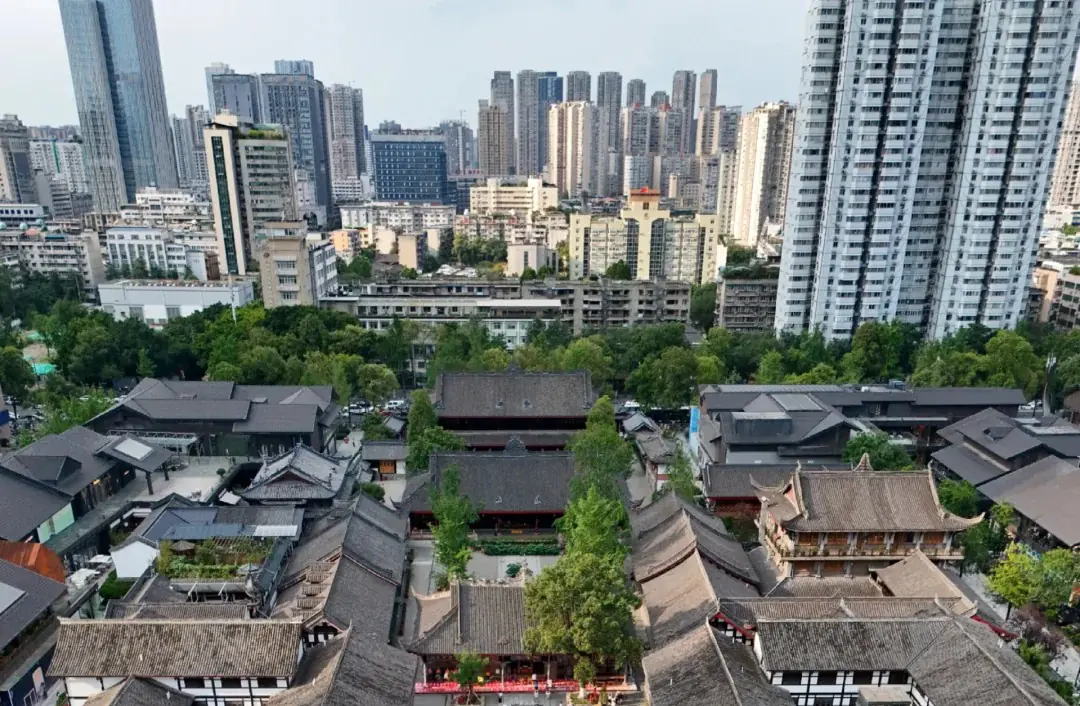
East Modern Core
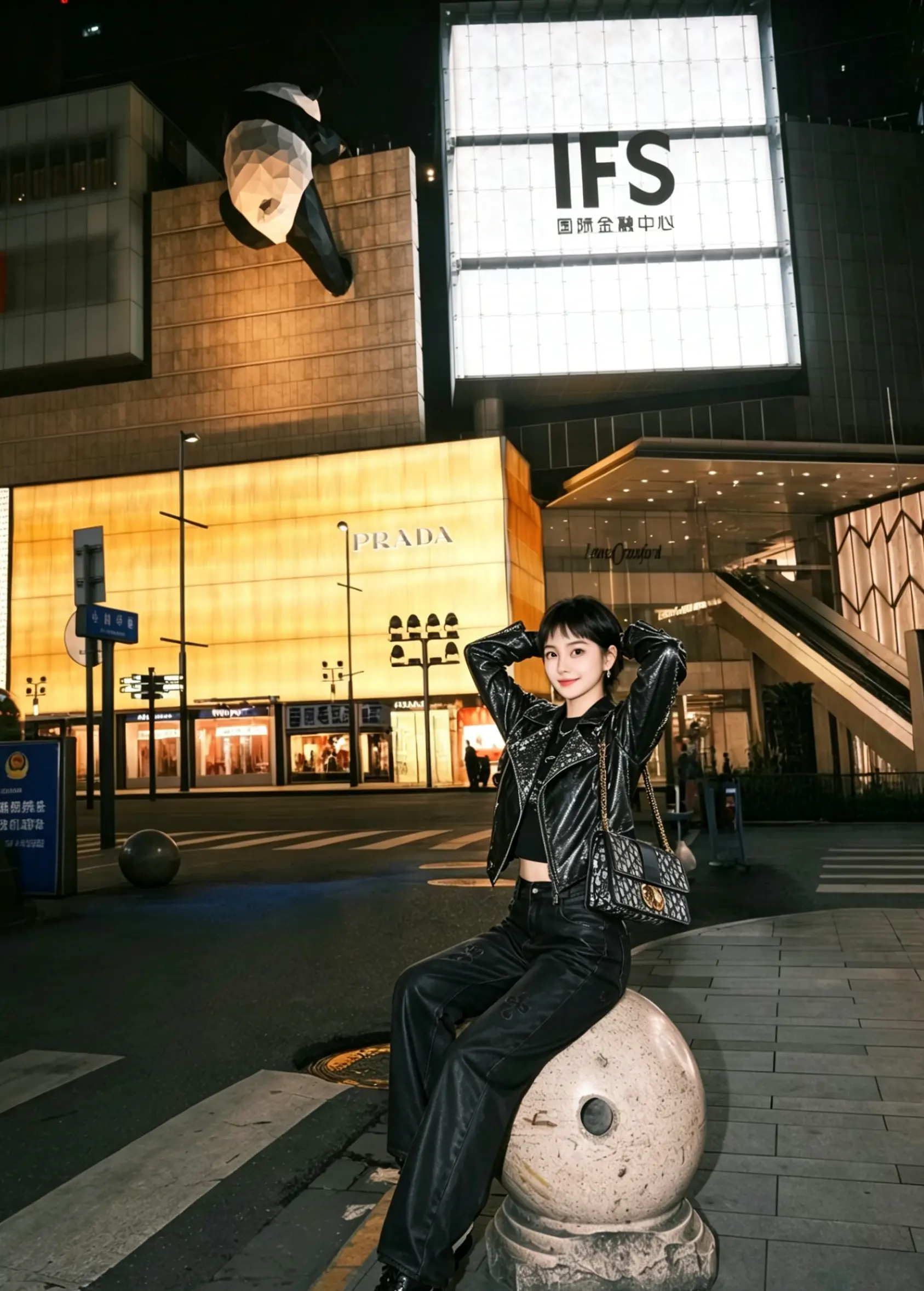
Includes: Chunxi Road, Taikoo Li, Daci Temple, IFS, shopping, cafes, and modern dining.
Use this for: comfort, shopping, contemporary contrast, and easy evenings. Watch out: it is not the deepest old-Chengdu layer.
How to Pace the Big Chengdu Days
Once you know what you want to include, think less about equal sightseeing days and more about day weight. Chengdu works best when the early morning anchor, the slow afternoon, and the night layer do not compete for the same energy.
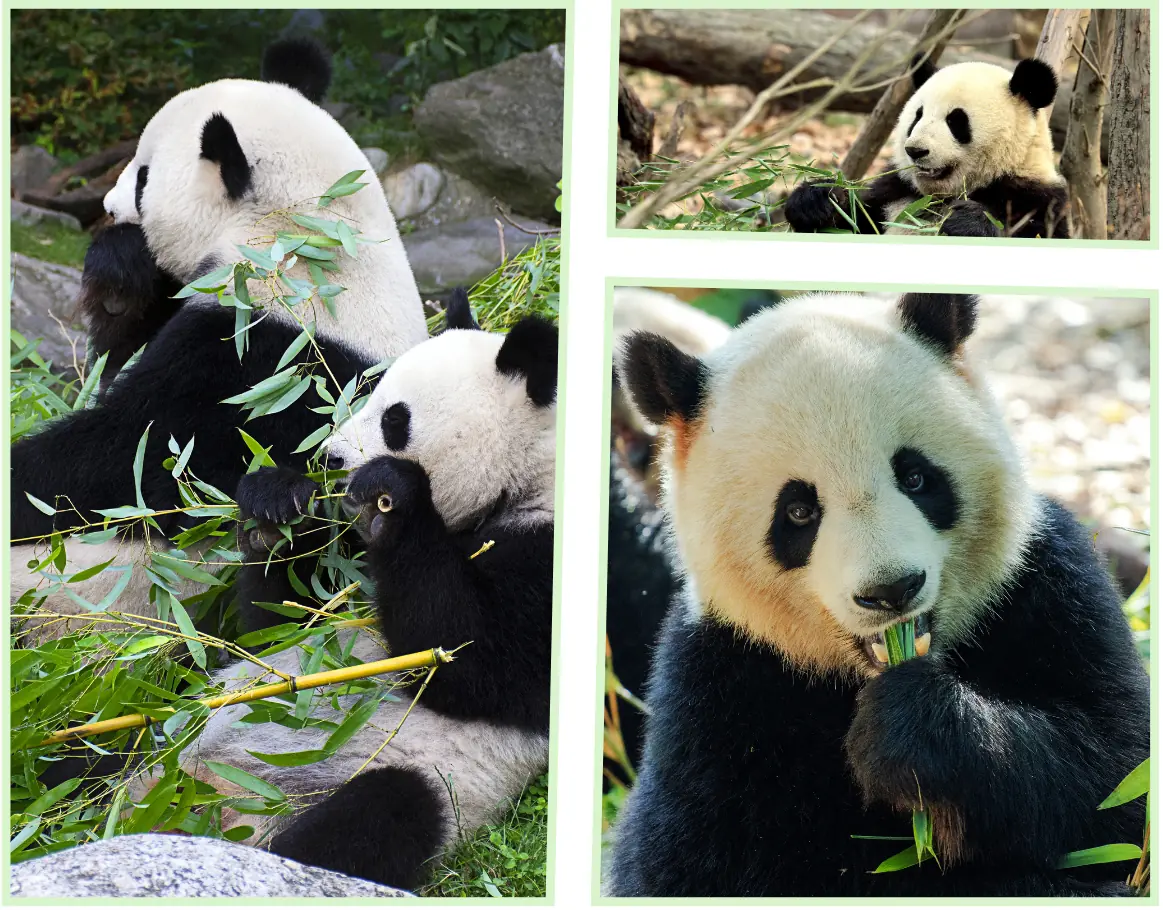
Heavy Morning Anchors
Use for: the Panda Base, Sanxingdui, Dujiangyan, Leshan, and any major train-based day.
Give these experiences the first half of the day. They involve early timing, transport, heat, tickets, or crowds, so they should shape the day instead of filling a leftover gap.
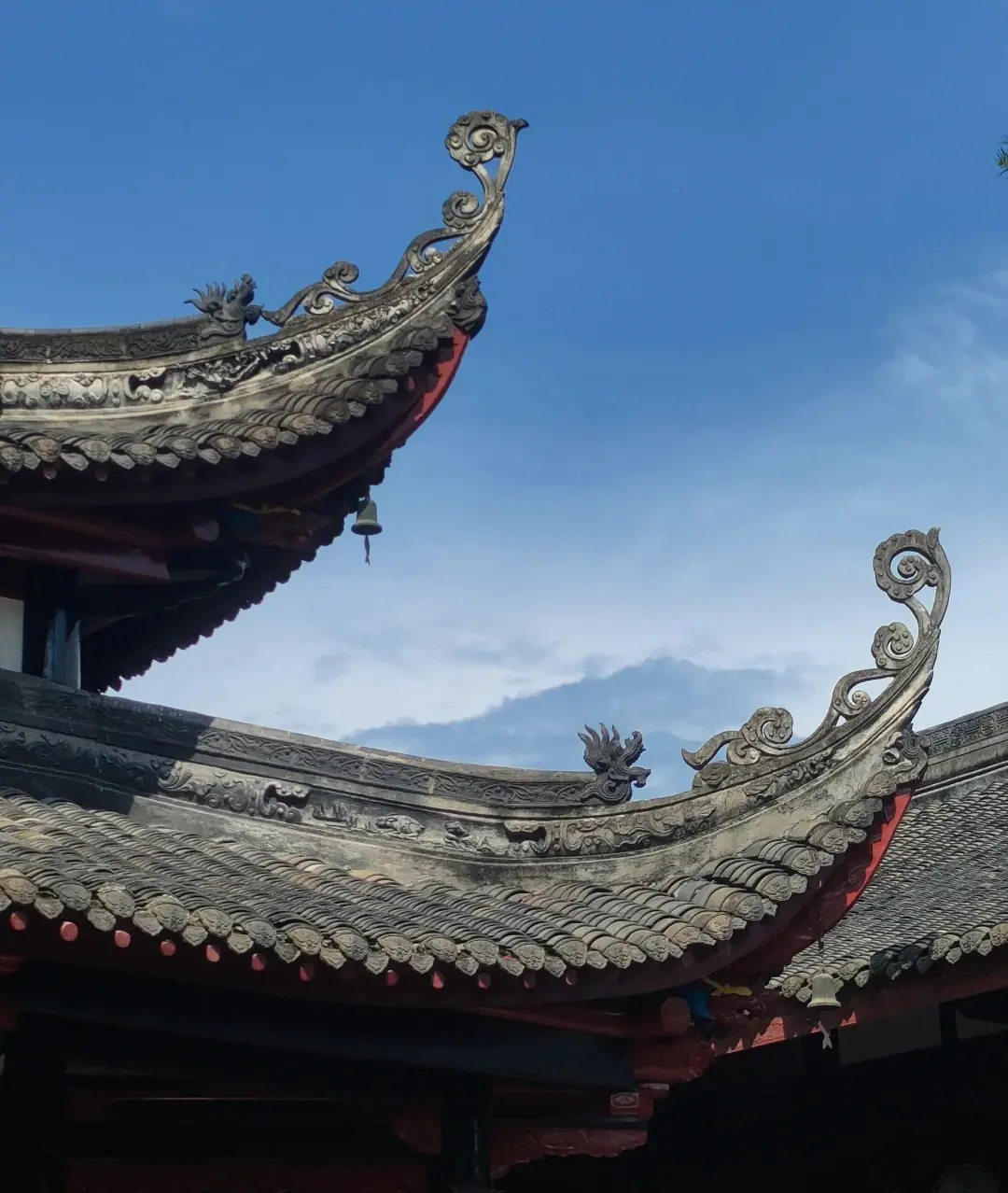
Medium Culture Afternoons
Use for: Wenshu Monastery, Wuhou Shrine, Du Fu Thatched Cottage, Chengdu Museum, and Kuanzhai Alley.
These pair well with nearby tea, snacks, or an early dinner. They add context without forcing every day to feel like an expedition.

Light Evening Layers
Use for: Jinli, hotpot, Sichuan opera, Yulin, Jiuyanqiao, and snack streets.
Choose one main event per night. Chengdu evenings are better when you let one meal, show, or street carry the night instead of turning it into a race.
This is the step between a list and a usable itinerary: choose the big anchors first, then use tea, food, old lanes, and short evenings to balance the trip.
Common Mistakes on a First Chengdu Trip
- Do not visit the Panda Base late unless you have no alternative.
- Do not make Jinli your most important Chengdu meal.
- Do not schedule hotpot, Sichuan opera, Jinli, and bars all on the same night.
- Do not treat People's Park as a 20-minute photo stop.
- Do not add Dujiangyan, Leshan, or Sanxingdui before you have protected at least two city days.
What to Save for Extra Time
A strong first Chengdu trip needs editing. These are good additions, but they should not push out pandas, tea, one old-city layer, and one serious food night.
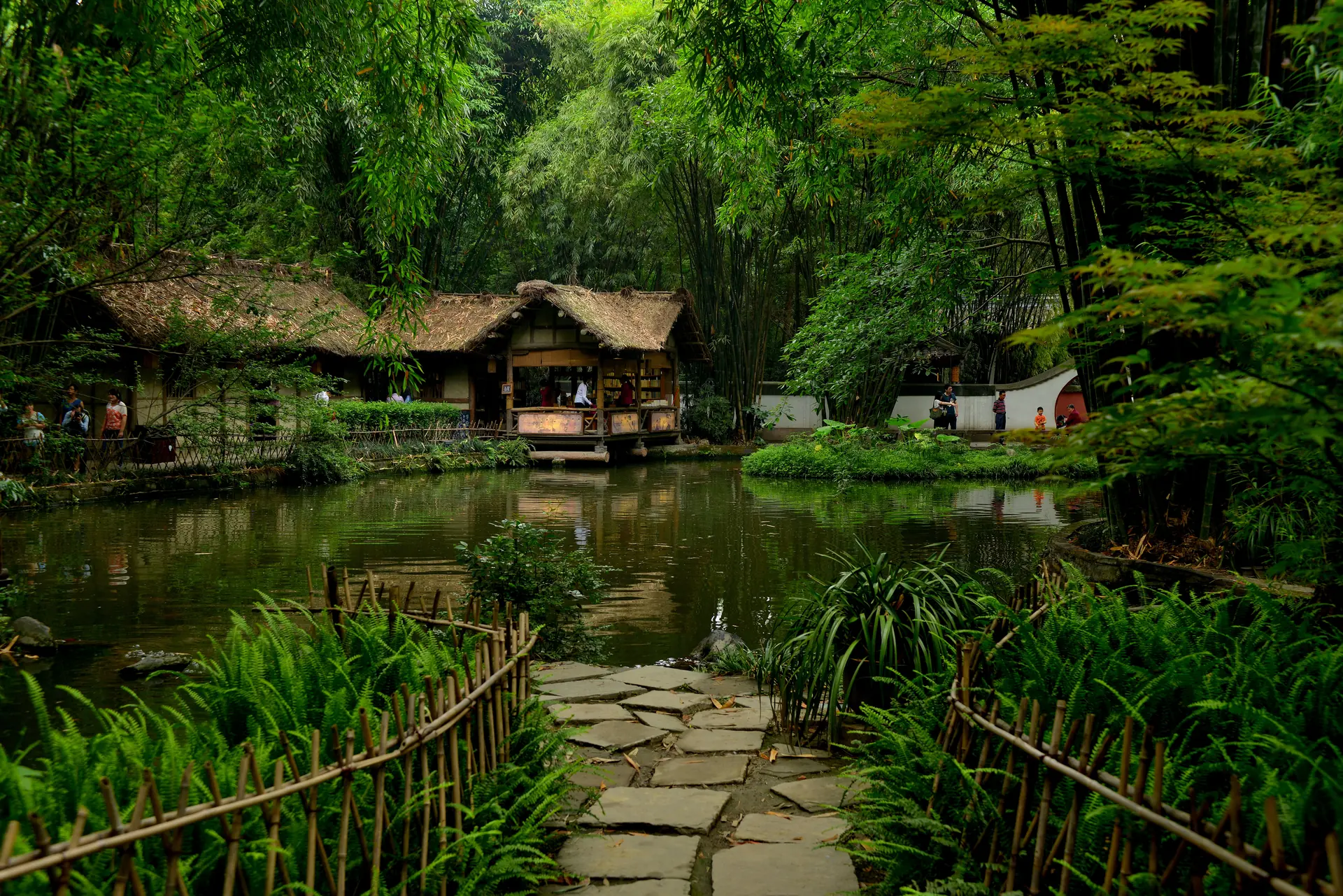
Du Fu Thatched Cottage
Save for later unless: poetry, gardens, and quieter cultural sites matter to you.
It is a lovely slow stop, but not as essential as the Panda Base or People's Park for most first-timers.
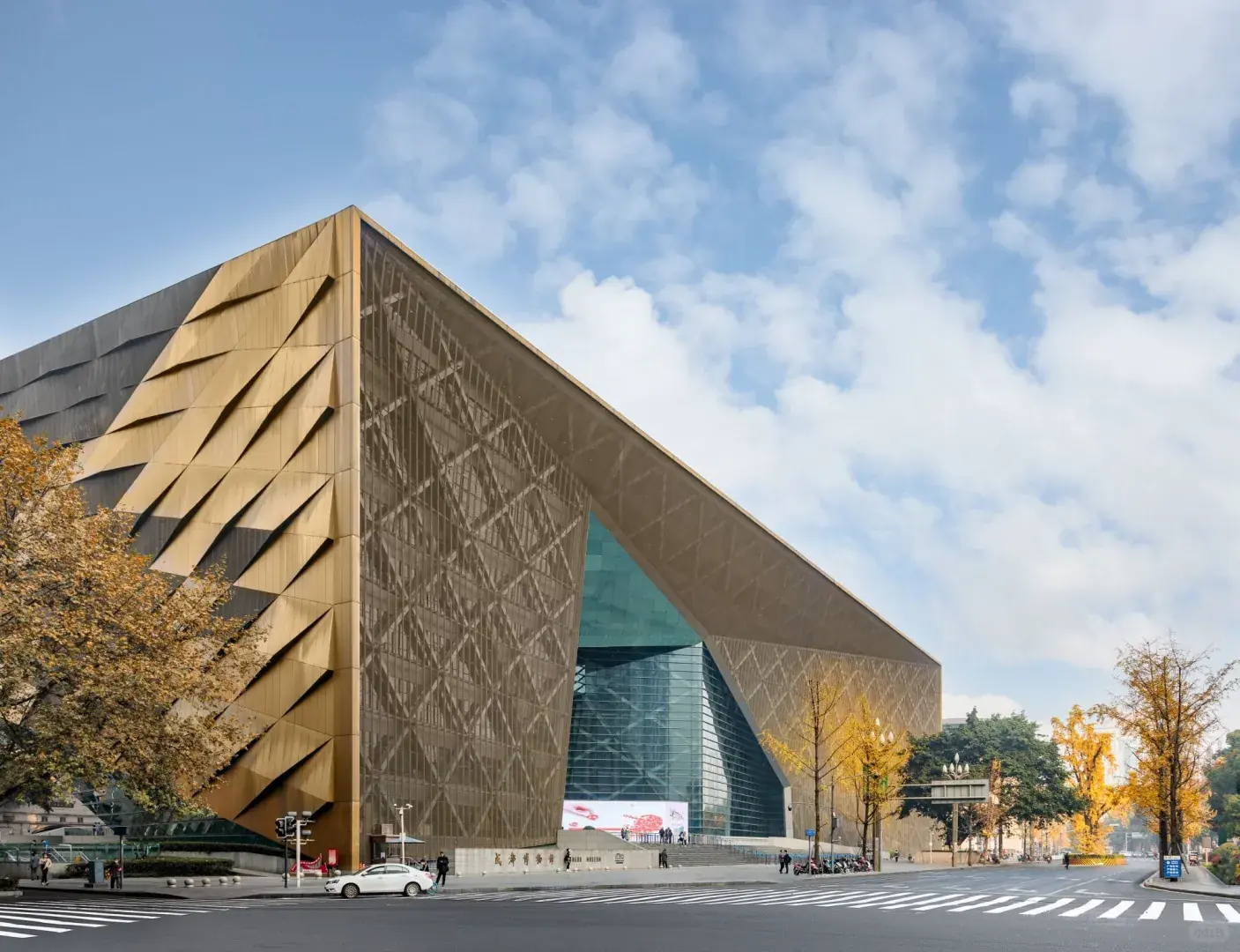
Chengdu Museum
Save for later unless: you need rain, heat, or history insurance.
Chengdu Museum is useful and central, but it is easier to add once the city's outdoor rhythm is already protected.
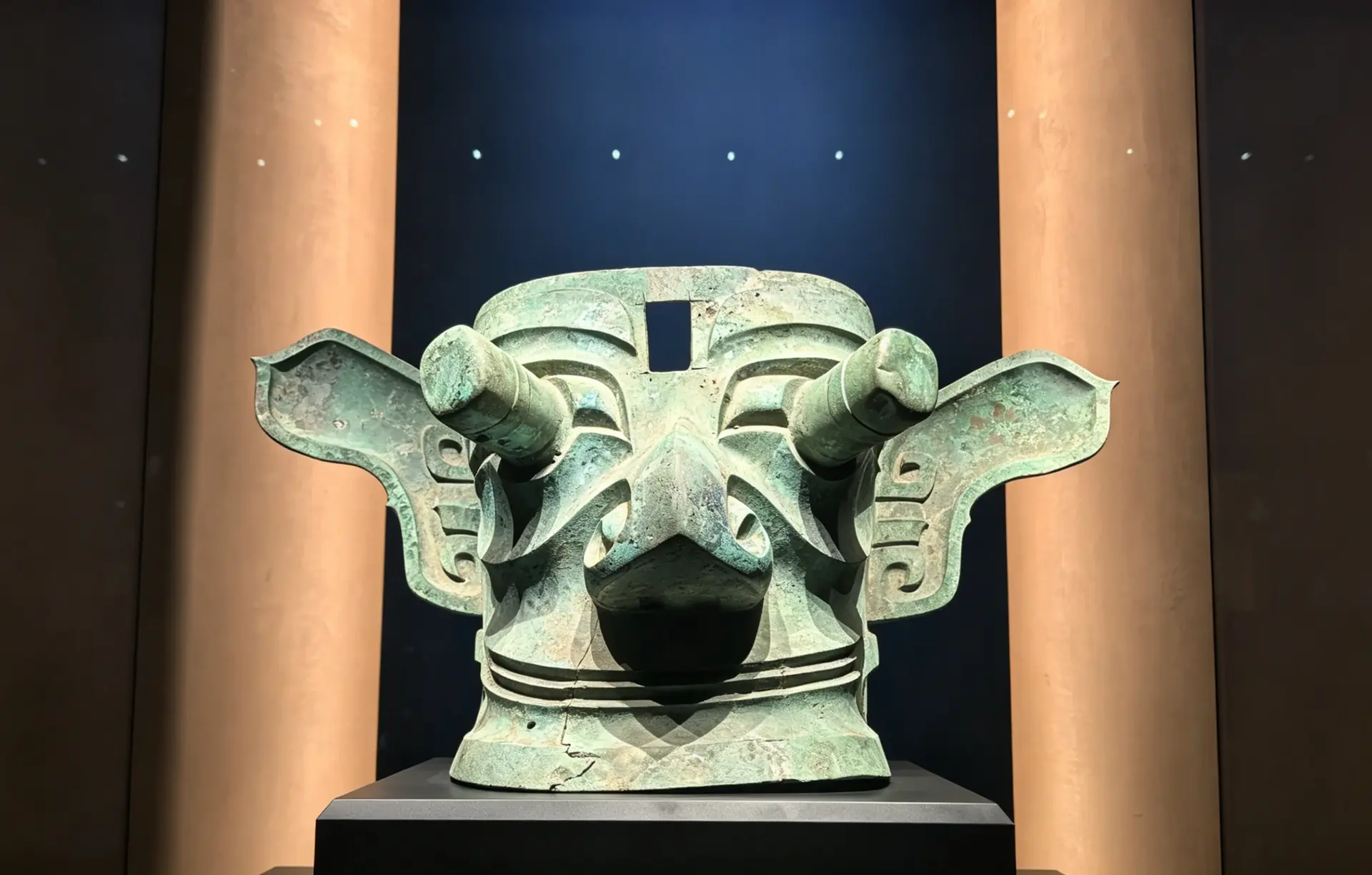
Sanxingdui Museum
Save for later unless: ancient Shu civilization is a major interest.
It can be one of the best museum days near Chengdu, but it needs enough time and attention to be more than a checkbox.

Leshan Giant Buddha
Save for later unless: you want a major heritage sight more than another Chengdu neighborhood.
Leshan is strong, but it competes with a full Chengdu day. Add it when your trip has at least three days in the area.
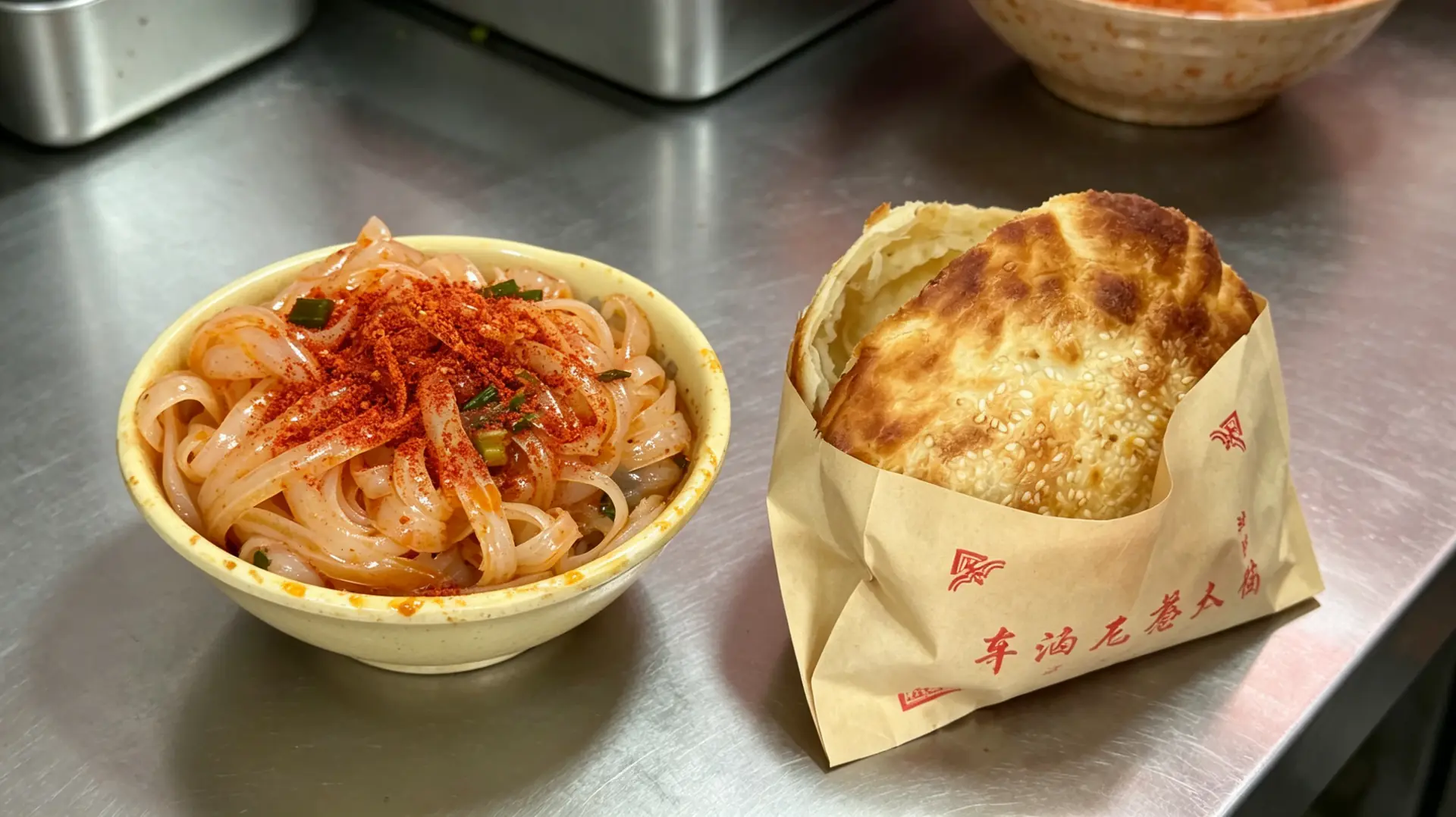
More Food Streets
Save for later unless: food is the main reason for your trip.
Kuixinglou Street, Jianshe Road, and Yulin Market are all useful, but you do not need every snack zone on a short first visit.
Extra Shopping Time
Save for later unless: shopping and cafes are part of the brief.
Taikoo Li is convenient and photogenic, but on a short cultural trip it should be a contrast layer, not the center of the day.
Where to Stay for These Sights
Think less about the "best" Chengdu neighborhood and more about what kind of base you need. Chengdu is more manageable than Beijing, but a hotel that forces awkward morning transfers can still make the Panda Base or day trips feel heavier than they need to be.
For the Easiest First Trip
Best base: Chunxi Road, Taikoo Li, or Tianfu Square.
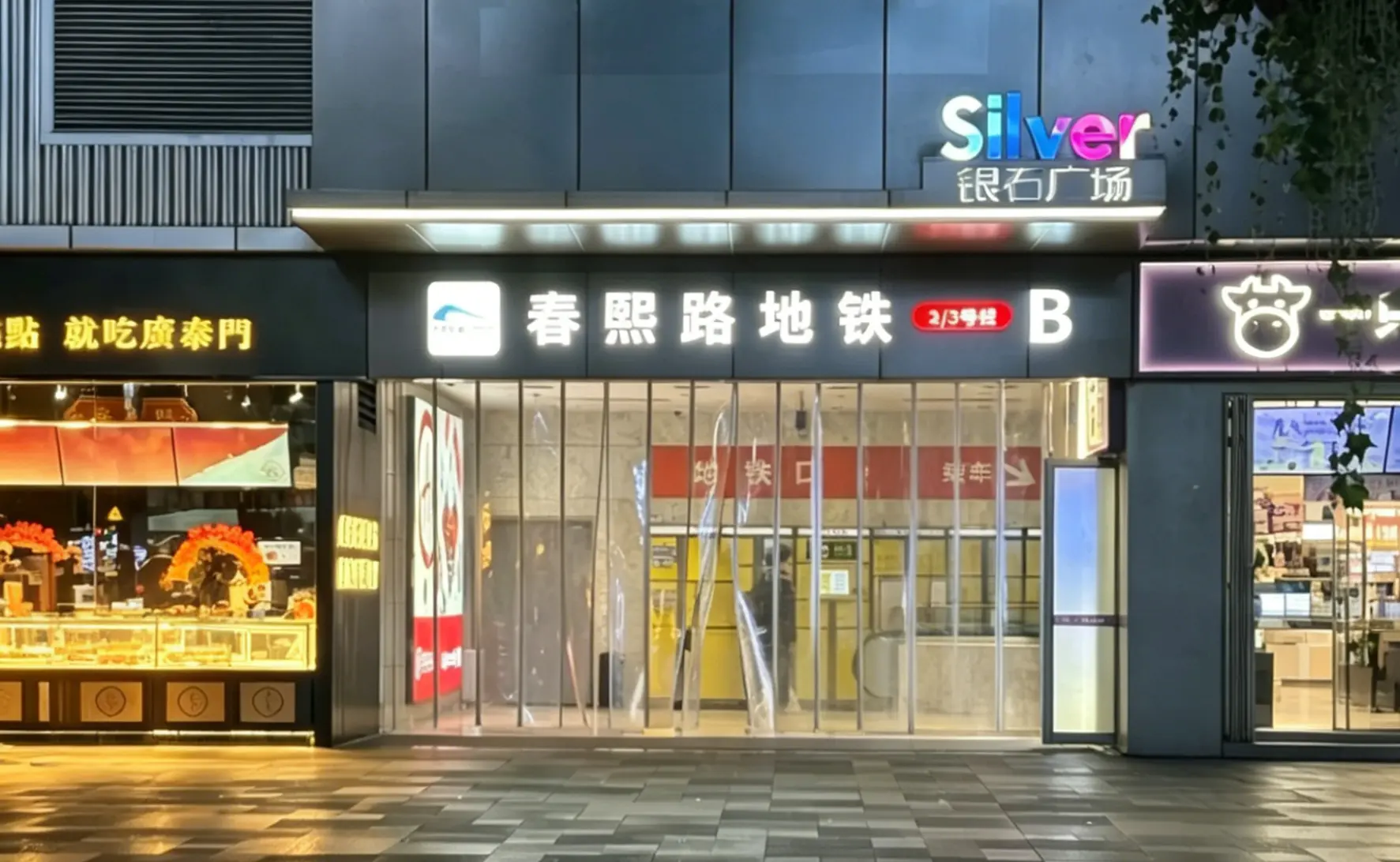
Choose this zone if you want easy metro access, simple taxi pickups, shopping, restaurants, and a familiar landing point after long sightseeing days.
For Old-City Atmosphere
Best base: Kuanzhai Alley or People's Park area.
Choose this zone if you care about tea, old lanes, short walks, and a softer city feel. It is especially convenient for first-trip Chengdu mood.
For a Calmer Stay
Best base: Wenshu Monastery area.
Choose this zone if you want temple access, quieter evenings, vegetarian food, and a less commercial old-city base.
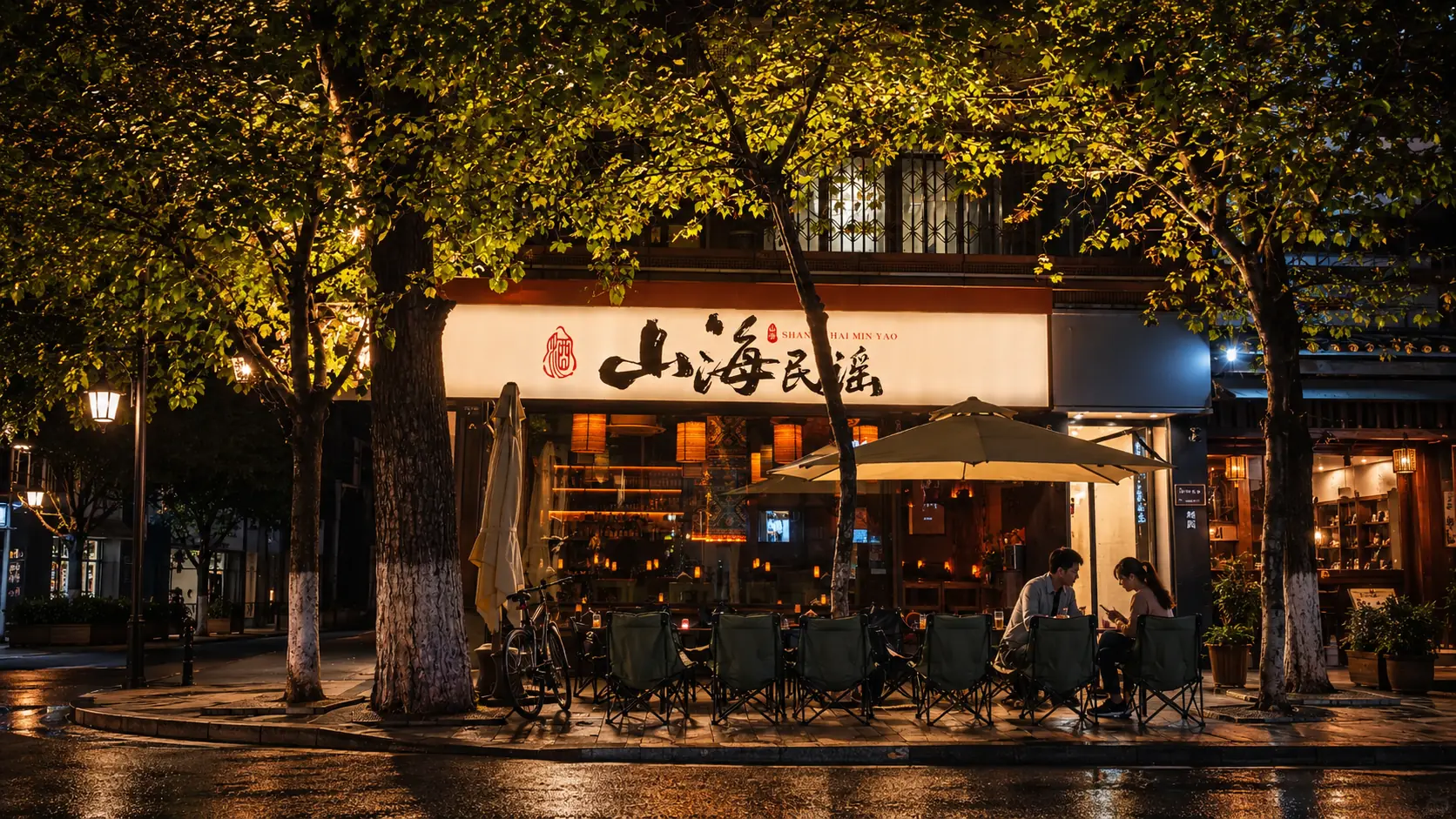
For Food and Bars
Best base: Yulin or south-central Chengdu.
Choose this zone if evenings matter more than maximum sightseeing efficiency. It is better for neighborhood food, small bars, and a lived-in Chengdu feeling.
Use this as the quick default if you are choosing between hotel areas:
- Best base
- Chunxi Road / Taikoo Li / Tianfu Square
- Best base
- People's Park / Kuanzhai Alley
- Best base
- Wenshu Monastery
- Best base
- Yulin
If you are choosing blind, start with Chunxi Road, Taikoo Li, or Tianfu Square. Move to People's Park, Kuanzhai, Wenshu, or Yulin only if that atmosphere clearly matches your trip.
Frequently Asked Questions About Chengdu Trip Planning
Two days is enough for pandas, a teahouse, one old-lane area, and one night experience. Three days is much better because you can add Wenshu Monastery, Du Fu Thatched Cottage, Chengdu Museum, Yulin, or one day trip. Four days lets Chengdu feel slow instead of merely efficient.
Sources checked for this guide
- Seasonal 07:30/08:00 opening hours, real-name passport ticketing and advance reservation window: Chengdu Research Base of Giant Panda Breeding — Ticket Service
- Heritage context for the Dujiangyan irrigation system and Mount Qingcheng day-trip pairing: UNESCO World Heritage Centre — Mount Qingcheng and Dujiangyan
- Humid Sichuan Basin climate, overcast comfort and summer rain patterns: China Weather Chengdu climate profile
Where to Go Next After This Guide
Once you know which version of Chengdu you want, go deeper on the experiences that will shape the trip most. For the next layer, start with the Chengdu destination hub, our Panda Base guide, People's Park guide, Chengdu food guide, Sichuan opera guide, and one-day Chengdu itinerary.
- Langzhong Ancient City Guide — take a 2-hour bullet train north of Chengdu to one of China's best-preserved riverside old towns
© gochinafreely.com — Original guide by Go China Freely.