Class basics
Choose carefully
Is It Worth It?
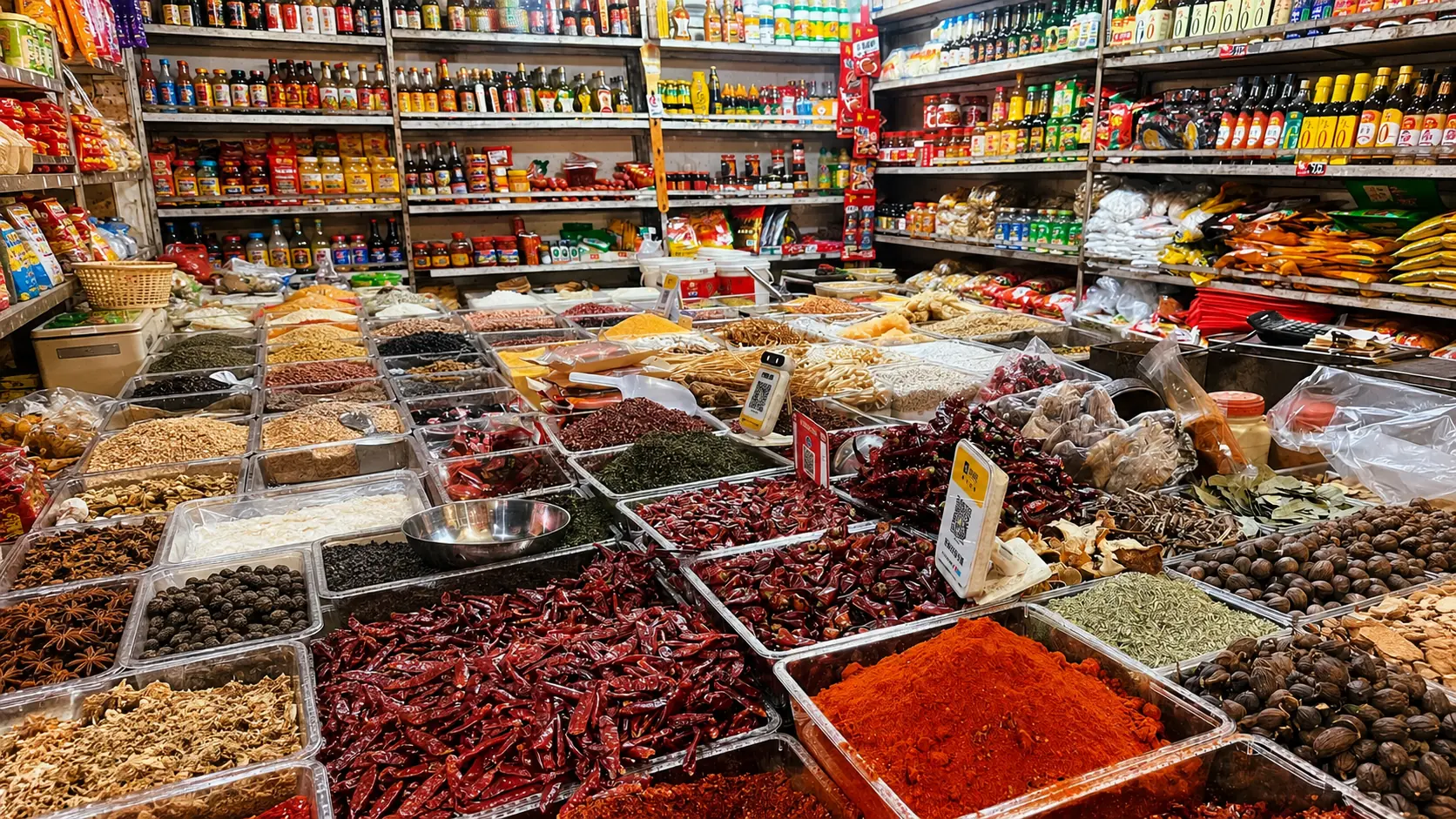
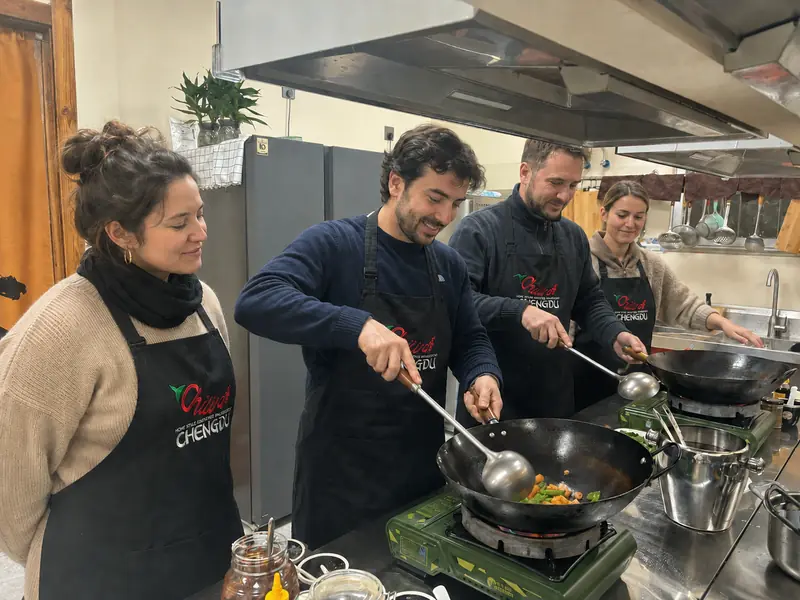
Chengdu is not only a city to eat through. A good Sichuan cooking class takes you behind the menu: first into a wet market full of peppercorns, chilies, pickles, tofu, and bean paste, then into a kitchen where those ingredients become lunch.
For most food-focused visitors, the half day is worth it when the class combines a local market visit, a clear explanation of Sichuan seasonings, and enough hands-on wok time to make the lesson stick. You learn why Sichuan food tastes layered rather than simply hot while walking, cutting, cooking beside a teacher, and eating what you make.
Decision shortcut
Should you spend half a day on it?
Good fit
Choose it if you like markets, hands-on cooking, peppercorns, chilies, bean paste, and a shared lunch or dinner.
Think twice
Skip it if you mainly want restaurant photos, dislike oil smoke, have severe allergy concerns, or only have a few free hours.
It is less useful if you only want to move quickly between famous restaurants, dislike kitchen smoke, do not want to handle raw ingredients, or already have a packed day. A cooking class is slower than a food tour and more active than a restaurant meal.
Time budget is the final check. A city-center market-and-cooking class usually takes a half day. The Sichuan Cuisine Museum (川菜博物馆) is a broader food-culture outing in Pidu District (郫都区), so travel time is part of that decision. The rest of this guide shows where to compare formats, what the session feels like, and how to separate a genuinely hands-on class from a shallow photo activity.
Why This Class Works
Chengdu is part of UNESCO's Creative Cities Network as a City of Gastronomy, but the appeal is not the label. It is the fact that Sichuan cooking is still everyday knowledge here. Market vendors understand peppercorns and chilies in detail, small restaurants build menus around one sauce or one wok technique, and home-style dishes often teach more than famous banquet plates.
The class is worth doing when it answers one question clearly: why does Sichuan food taste layered, not just spicy? If the teacher can connect Sichuan peppercorns (花椒), dried chilies (干辣椒), fermented chili bean paste (郫县豆瓣酱), pickled chilies, vinegar, sugar, garlic, ginger, and scallions to actual dishes, the experience becomes much more than recipe-following.
Flavor logic 01
Numbing-spicy (麻辣)
It should be fragrant, not brutal. Good teaching separates peppercorn aroma, chili heat, and oil fragrance.
Flavor logic 02
Fish-fragrant (鱼香)
It contains no fish. The balance comes from pickled aromatics, ginger, garlic, scallions, vinegar, sugar, and soy sauce.
Flavor logic 03
Home-style (家常)
The depth often comes from fermented bean paste, oil, garlic shoots, and careful control of heat.
A useful teacher explains the connections
If a class only says “this is spicy” and “that is numbing” without showing how peppercorns, chilies, bean paste, pickles, sugar, and vinegar work together, it is closer to light entertainment than a useful cooking lesson.
The goal is not to master every Sichuan dish in one morning. The goal is to leave with a few working ideas you can recognize again in restaurants and try again at home.
Where to Book
Chengdu has real visitor-friendly Sichuan cooking classes, but the booking paths are scattered and availability changes. Choose the type first, then confirm the exact date, menu, language, meeting point, duration, and cancellation terms before paying.
← swipe to compare all options →
City-center class
Market plus wok practice
- ✓Best for first-time visitors and home cooks
- ✓Look for a real market visit before cooking
- —Confirm the actual start time, finish time, group size, and hands-on ratio
Best first choice
Usually easiest to fit into a Chengdu day
Cuisine Museum
Food culture outing
- ✓Best for families, food history, and bean paste culture
- —Check which package includes hands-on cooking
- —Confirm transfer details before treating it as a quick half-day
Pidu District
More travel time
Private class
Flexible menu and timing
- ✓Best for children, allergies, vegetarian requests, or low-spice needs
- —Confirm exact dishes, language support, and pickup area
- —Pay the provider or platform directly, especially for paid activities
Useful for dietary needs
Usually costs more
Prices, dates, and package names change quickly. Confirm the current booking page before paying.
Current provider references
Choose the format first, then verify the exact product
City-center market class
Start with Trip.com's Chengdu cooking class with fresh market experience(affiliate link · may earn commission, no extra cost), then compare the format with direct details from providers such as Chilli Cool China. (Google | Amap) Platform pages can display different duration details in different places, so confirm the real finish time rather than relying on the headline.
Sichuan Cuisine Museum
Read the package name carefully. A ticket, snack, or cooking-show package is not the same as a hands-on Sichuan cooking experience.
Private format
Ask your hotel concierge for names and compare them with direct provider details. This can suit children, allergies, vegetarian requirements, or a narrow schedule. You choose the provider and pay it directly.
Across all three formats, a good class should include a local market visit, spice explanation, hands-on cooking, an English-speaking guide or chef, a clear menu policy, recipe notes, cancellation terms, and allergy handling. Prices, dates, package names, and inclusions change; confirm the current page and pay the provider or platform directly.
Use the Chengdu one-day itinerary to see whether market timing and a three-to-four-hour class fit beside pandas, teahouses, and meals without rushing the day.
The Half-Day Flow
A good class should feel like a small food walk that slowly turns into lunch. The sequence matters: you see the ingredients first, smell them before anyone over-explains them, then meet the same flavors again in the wok.
- Meet at the Market- Your guide points out the stalls that matter: fresh tofu, greens, pork cuts, dried chilies, Sichuan peppercorns, pickles, and fermented bean paste.
- Smell the Spices- You compare peppercorns, chili varieties, and bean paste so the later cooking steps make sense.
- Talk Flavor Logic- The teacher connects ingredients to flavor profiles such as numbing-spicy, fish-fragrant, home-style, and red-oil.
- Prep in the Kitchen- You wash, cut, measure sauces, and set everything beside the wok before the heat starts.
- Cook Dish by Dish- The chef demonstrates one step, then you repeat it: blooming aromatics, frying bean paste, adding sauce, thickening, and stopping at the right moment.
- Eat and Debrief- The meal is the reward. A useful teacher explains what tasted too salty, too flat, or just right, and how to try again at home.
Two operating checks
Ask for actual clock times
Visitor classes may run in the morning or afternoon. “Half day” is not standardized, so confirm the start, finish, and whether the meal is lunch, dinner, or a late tasting.
Ask who gets a wok
A strong class combines short demonstrations with student cooking. Confirm how many people share a station, whether everyone cooks, and whether the teacher corrects heat, cutting, and sauce timing.

At the market, curiosity starts with smell: rub a Sichuan peppercorn between your fingers, compare chilies for color, aroma, and heat, and see why a spoonful of fermented bean paste can change an entire sauce.
In the kitchen, you move from observer to cook. The instructor may show you how to fry bean paste until the oil turns red, then correct the moment the aroma lifts. By the meal, the useful memories are small decisions: bloom peppercorns gently, mix sauce before the wok is hot, keep vinegar bright, and stop when the sauce turns glossy rather than heavy.
What You May Cook
Menus vary by provider, season, group size, and ingredient availability, so treat this as a typical list rather than a guarantee.
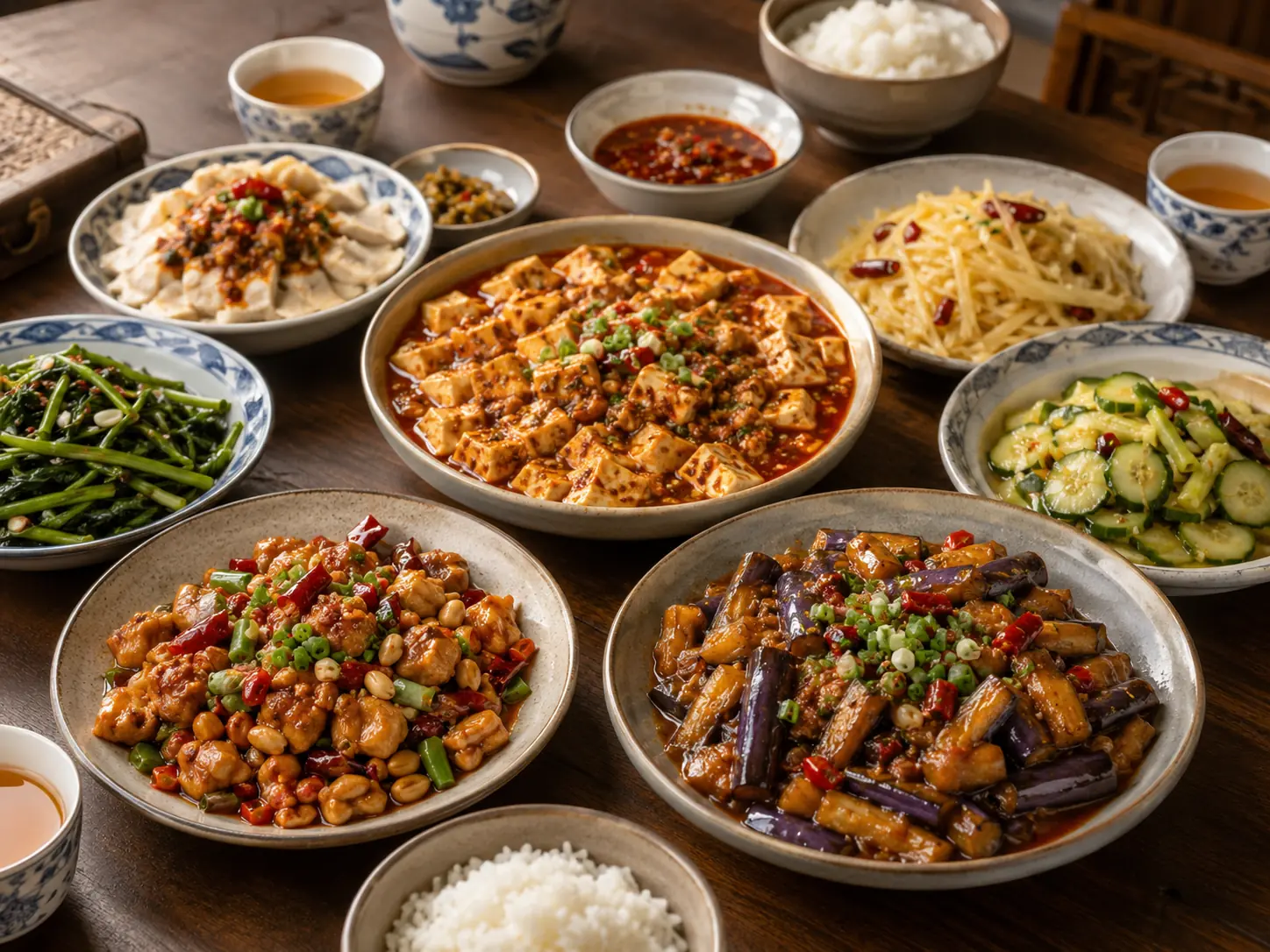
If your main goal is wok technique, prioritize classes that include dishes such as mapo tofu, kung pao chicken, twice-cooked pork, or fish-fragrant eggplant. If you mainly want a relaxed activity, red-oil wontons, dan dan noodles, steamed buns, and dumplings can be fun, but they usually teach fewer wok skills.
Mapo tofu
麻婆豆腐
The most useful classroom dish. It teaches fermented bean paste, peppercorn fragrance, tofu handling, and starch-thickened sauce.
Kung pao chicken
宫保鸡丁
Teaches dried chilies, peppercorns, peanuts, quick stir-frying, and sweet-sour balance. The Chengdu version is usually cleaner and more aromatic than the sticky overseas version many travelers know.
Twice-cooked pork
回锅肉
Excellent for learning home-style flavor. Slice thickness, rendered fat, fermented paste, and garlic shoots change everything.
Fish-fragrant eggplant or pork
鱼香茄子 / 鱼香肉丝
The best sauce lesson. There is no fish: the flavor comes from pickled aromatics, sugar, vinegar, soy sauce, and starch-thickened sauce.
Snack classes teach a different skill set
Some classes add red-oil wontons (红油抄手), sweet-water noodles (甜水面), dan dan noodles (担担面), or dumpling-style snacks as tasting extras. These are fun, but they should not replace real wok practice if learning wok technique is your goal.
Market Questions to Ask
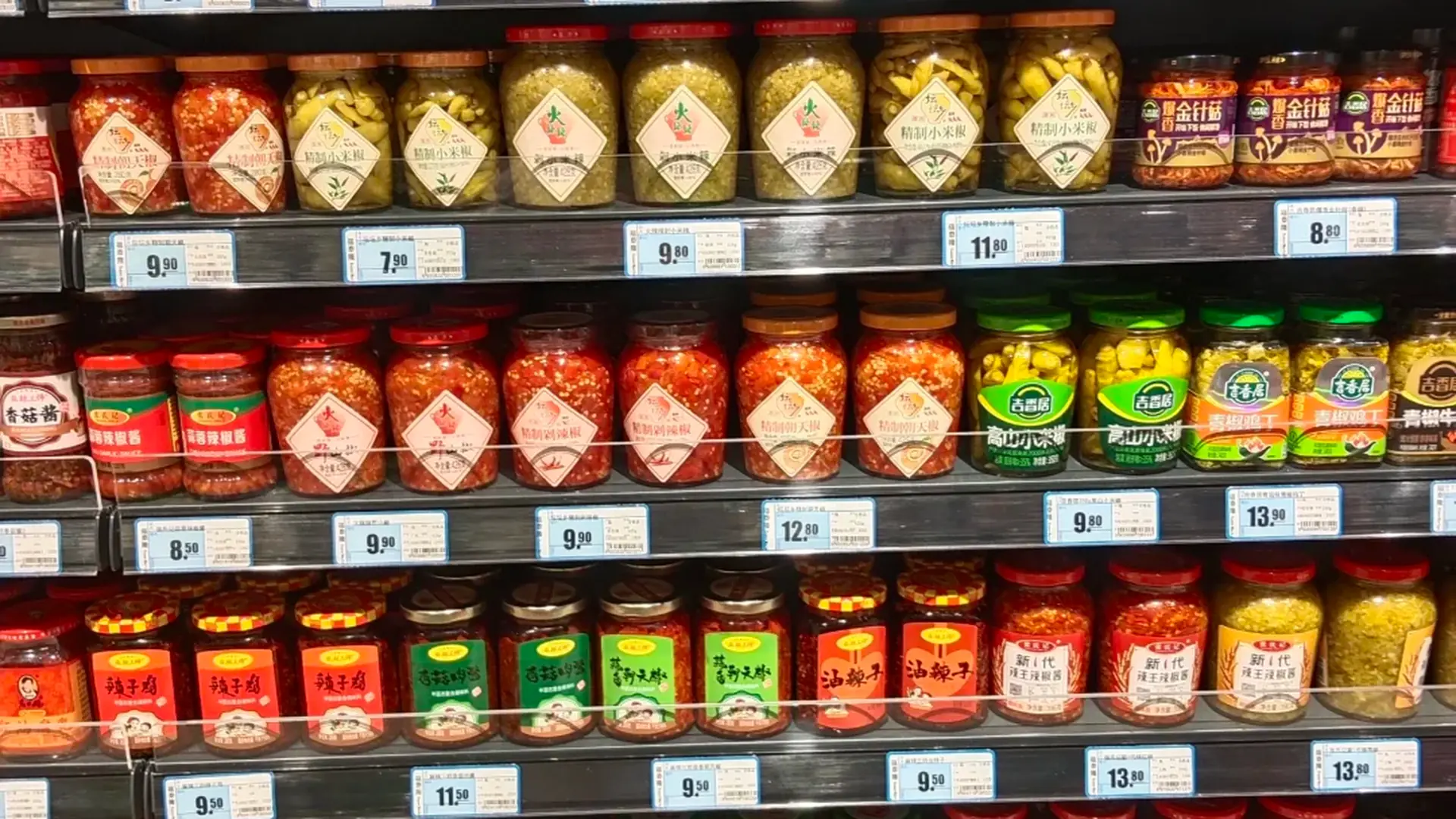
The market tour is not there to fill time. It gives you the vocabulary of the kitchen before cooking begins, and it works best when you ask questions instead of only taking photos.
The best questions connect a stall to the later dish: which peppercorn goes into mapo tofu, which chili changes color, and why bean paste needs time in oil.
Ask 01
Sichuan peppercorns
Which type is more fragrant, which is more numbing, and which would the teacher use for mapo tofu? Aroma, numbness, freshness, and heat are separate decisions.
Ask 02
Dried chilies
Which chilies bring color, aroma, or direct heat? Some are better for quick oil infusion than for eating whole.
Ask 03
Fermented chili bean paste
Is the paste better for mapo tofu, twice-cooked pork, or braised dishes? Fermented chili bean paste (郫县豆瓣酱) brings salt, red-oil color, and deep savory flavor.
Ask 04
Pickled aromatics
How do pickled chilies differ from fresh or dried chilies? Pickled chilies and ginger are why fish-fragrant dishes taste bright and complex.
Connect the stall to today’s cooking
Ask which ingredients will appear later in class. A peppercorn, chili, or bean paste is easier to remember when you smell it first and then watch it change in hot oil.
Wok Skills
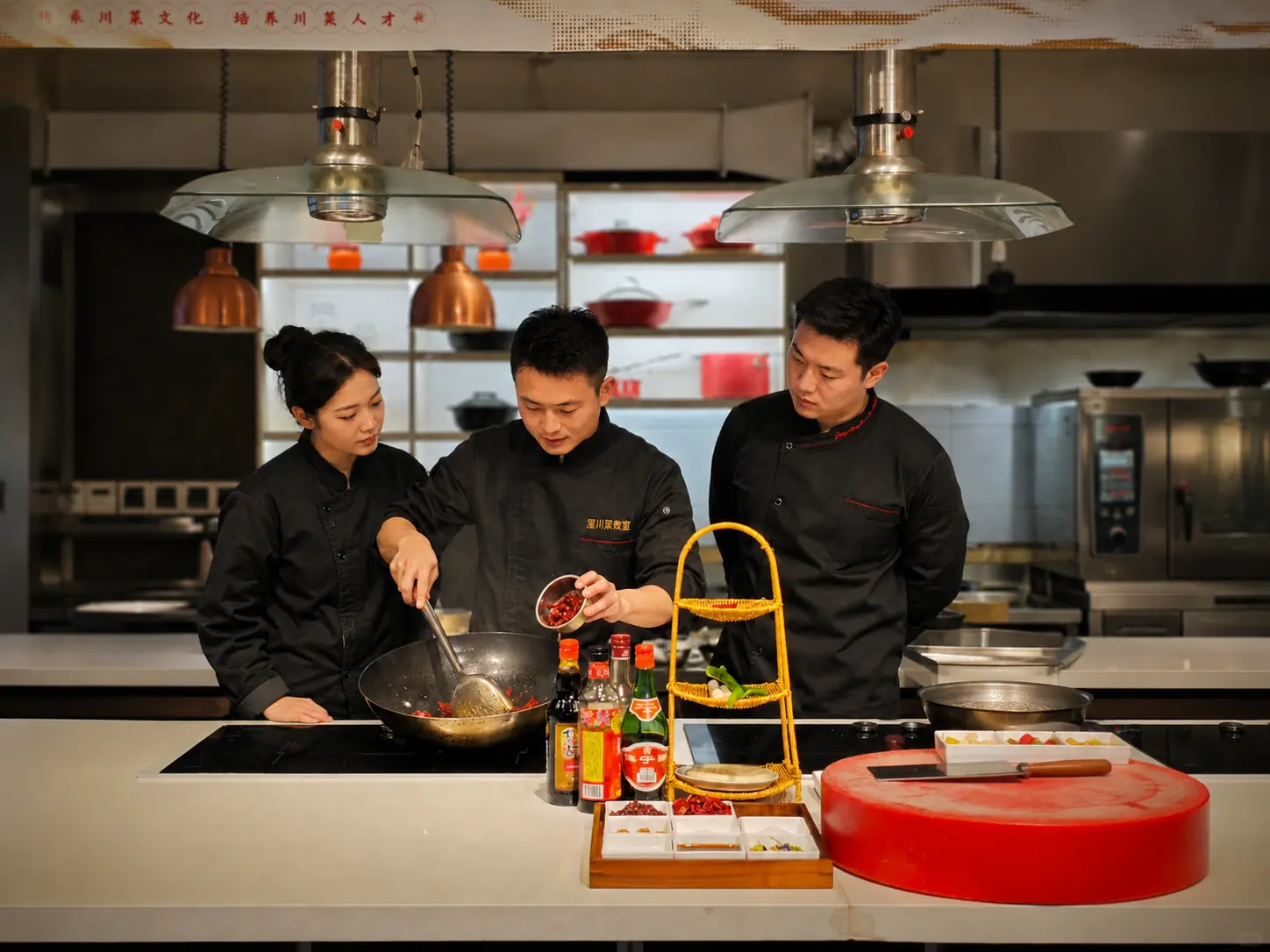
Spices get the attention, but wok rhythm is where many first-time cooks stumble. A useful teacher should show you what to prepare before the wok is hot, when to add aromatics, and when to stop.
Professional woks in Chengdu may be stronger than your stove at home. What transfers is the logic: hot pan, prepared ingredients, controlled aromatics, sauce at the right moment, and no dumping everything into the wok at once.
Preparation
Sichuan stir-fries move quickly, so aromatics, sauces, starch slurry, main ingredients, and garnishes need to be ready before the wok is hot.
Oil temperature
Peppercorns and chilies need heat to release fragrance, but they burn fast. Bean paste needs oil time to release red color, but too much heat makes it harsh.
Sequence
Mapo tofu, kung pao chicken, twice-cooked pork, and fish-fragrant eggplant all ask for different timing. Paste, sauce, thickening, and stopping time decide whether the dish tastes clean or muddy.
What You Should Learn
A good Chengdu cooking class should send you away with practical judgment, not just a full stomach.
Minimum learning outcome
Five ideas you should be able to explain after class
- Sichuan peppercorn numbness, fragrance, and freshness are not the same sensation.
- Fermented chili bean paste needs oil time to release red color and savory depth, but it should not be scorched.
- Fish-fragrant flavor depends on pickled aromatics, ginger, garlic, scallions, sugar, vinegar, and soy sauce; it is not fish sauce.
- Wok success starts before cooking: ingredients, sauces, starch slurry, and garnishes must be ready before the pan is hot.
- Some dishes are easy to recreate at home, while others depend more on local ingredients, wok heat, or teacher correction.
What to Bring Home
01 · Remember
Recipe notes
Ask for them before class ends. The most useful souvenir is often the order of operations: prepare, heat, bloom aromatics, add sauce, and stop in time.
02 · Pack carefully
Sealed seasonings
Bean paste, peppercorns, chili flakes, and dried spices travel more easily than fresh pickles or loose liquids. Check airline and home-country food rules before packing anything oily, wet, homemade, or unlabeled.
03 · Adapt
Home-stove logic
A weaker stove is manageable. Cook smaller portions, prepare sauce bowls in advance, and treat peppercorns, chilies, bean paste, vinegar, and sugar as separate flavor decisions.
How to Avoid Booking the Wrong Class
Do not book by price or dish count alone
A cheap class may be a snack activity or a chef demonstration, while a longer menu may still give students very little real cooking time.
Confirm before paying
- A real market segment is included rather than a kitchen-only start, and weather, holidays, provider schedules, or platform changes have not removed it.
- Each person cooks, or the shared-wok arrangement is clear, and the teacher corrects heat, cutting, and sauce timing.
- English instruction is confirmed for your date, not inferred from an English booking page.
- The current menu policy accounts for season, class size, and school schedule.
Avoid these shortcuts
- Do not treat a low price or a long dish list as proof of meaningful hands-on time.
- Do not assume an English product page guarantees full English teaching by the chef on your date.
- Do not confuse dan dan noodles, red-oil wontons, steamed buns, or dumplings with the wok skills taught by stir-fried dishes.
- Do not treat city-center and museum formats as the same time commitment; their transport costs differ substantially.
Diet and allergy detail
Confirm vegetarian, no-pork, low-spice, peanut, sesame, soy, and other allergy needs. Pork, chilies, peppercorns, and fermented bean paste are common, so a vague “not spicy” note is not enough.
Final logistics
Record the real start and finish times, exact Chinese address, meeting point, transport plan, and cancellation policy before paying.
Comfort and Safety Notes
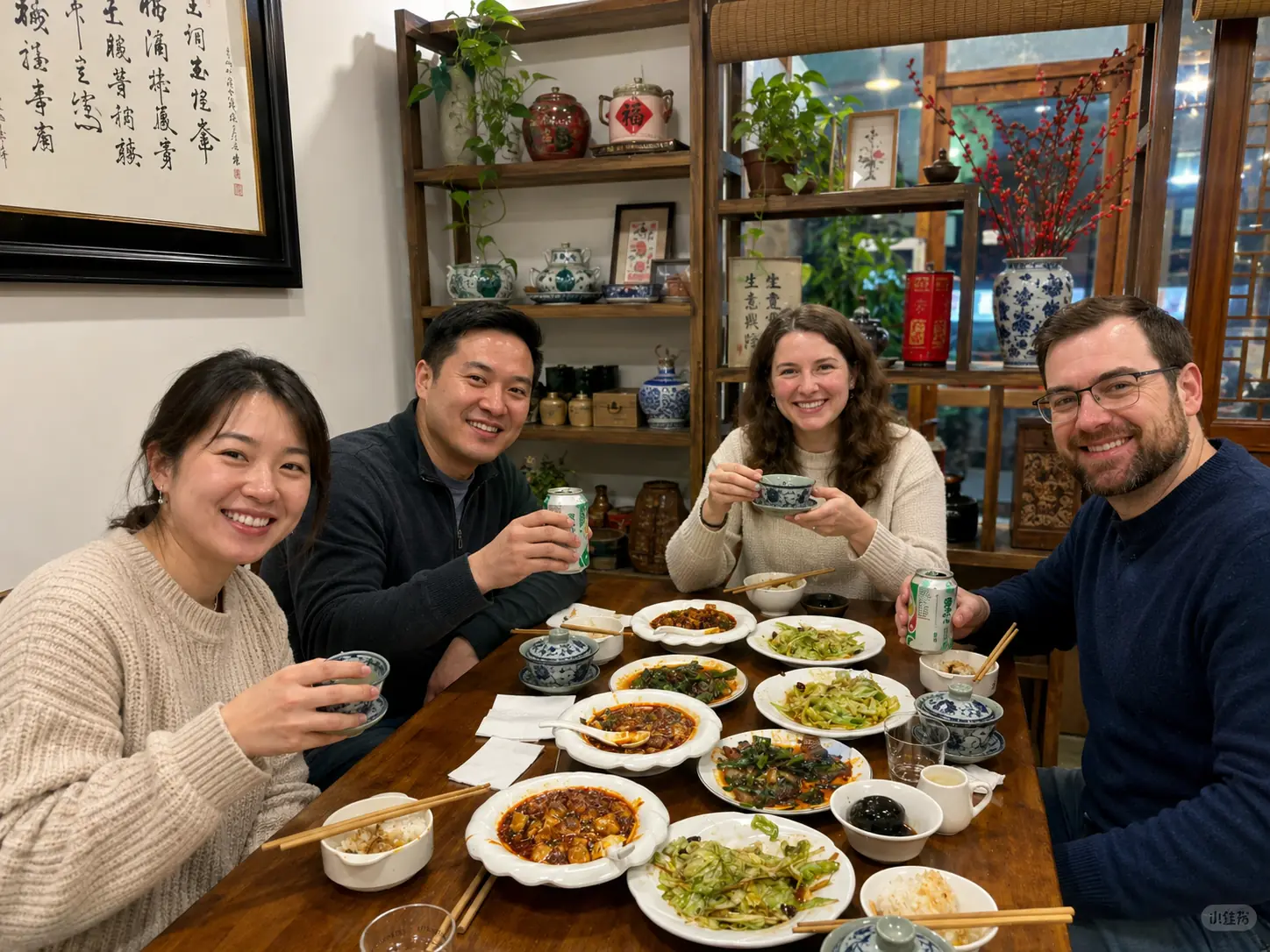
Once the format fits your trip, check the comfort details. Classes can involve wet-market aisles, knife work, hot oil, open flames, shared stations, and a kitchen that smells strongly of chilies and peppercorns.
Summer market tours can be hot. Wear light clothes, avoid expensive white clothing, and do not schedule the class on your first jet-lagged evening. Morning is usually smoothest: markets are active, the class becomes lunch, and the rest of the day can stay relaxed.
Check allergies and smoke sensitivity early
It is less suitable if you are highly sensitive to kitchen smoke, do not want to handle raw meat, cannot tolerate any chili or Sichuan peppercorn, or need a fully controlled allergen-free kitchen. Vegetarian travelers can join some classes, but confirm the menu before paying.
Half-Day Pairings
City-center class
Cuisine Museum
Food-focused day
Combine this guide with our Chengdu food guide and Yulin Market guide. The class explains the logic; restaurants and markets give you the memory.
Frequently Asked Questions
Yes for most food-focused visitors, especially if the class includes a local market visit, seasoning explanation, and hands-on wok time. Skip it if you mainly want a quick restaurant meal, do not want kitchen smoke, or have a very packed day.
Sources checked for this guide
- Checked Chengdu's current Creative Cities Network status and UNESCO's description of its flavor diversity: UNESCO — Chengdu, Creative City of Gastronomy
- Checked the current official museum site and used package-level confirmation language rather than assuming every admission includes hands-on cooking: Sichuan Cuisine Museum — official site
- Checked a current direct-provider reference for Chengdu market-and-kitchen experiences; date-specific language and availability still require confirmation: Chilli Cool China — official site
- Cross-checked the current market-plus-cooking product snapshot and retained confirm-before-paying language for duration, inclusions, meeting point, and cancellation terms: Trip.com — Chengdu cooking class product
Beyond This Guide
A cooking class is most useful when it fits the rest of your Chengdu food plan: markets, teahouses, hotpot, small restaurants, and enough time to digest the city rather than rush through it. Protect enough time for each stop, and choose experiences that fit your group's pace, spice comfort, and dietary needs.
© gochinafreely.com — Original guide by Go China Freely.