Hours & Base Ticket
Essential Rules
800 Years Beside One Canal
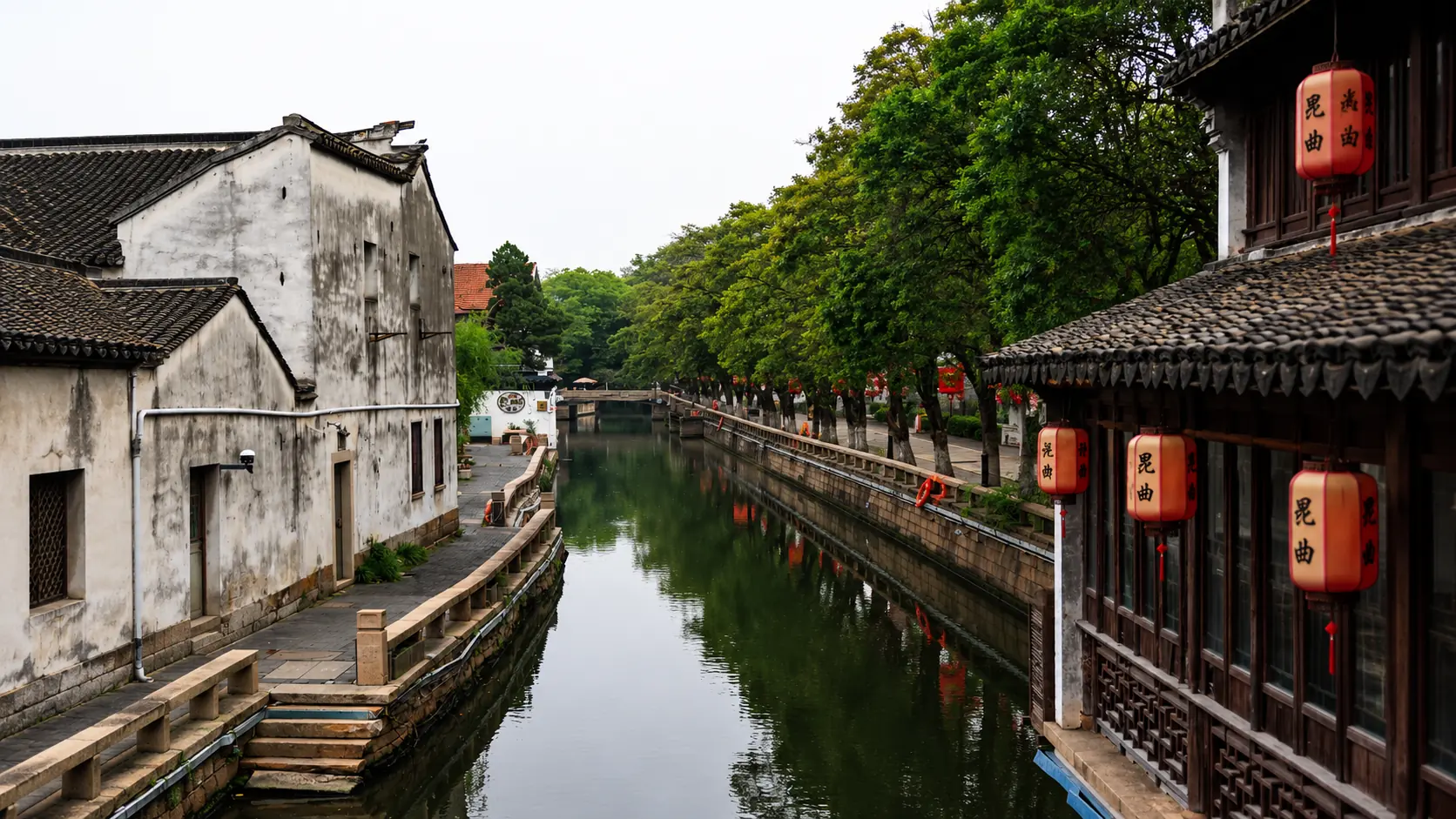
Read Pingjiang as an old-city system, not a row of picturesque shops.
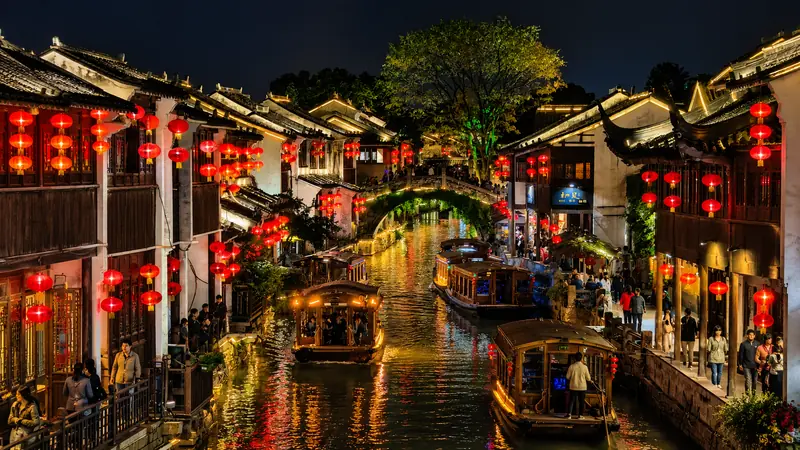
Pingjiang Road (平江路) is a walkable piece of Suzhou's old-city structure: stone road on one side, Pingjiang River (平江河) on the other, then bridges and side alleys stitching them together. Suzhou's development authority describes the 1,606 m spine as an “800-year ancient road” whose layout continues the Tang–Song city-block pattern.
The wider historical neighbourhood is older still. Suzhou's municipal profile dates the district to about 2,500 years ago, describes roughly 116.5 hectares, and emphasizes the parallel water-and-land “double chessboard.”
Use the canal-side spine for orientation, bridge views, snacks and a simple north-south line.
Turn into two or three crossings for residential scale, old walls and the district's quieter daily life.
Use the north end to connect with Suzhou Museum and the classic garden cluster.
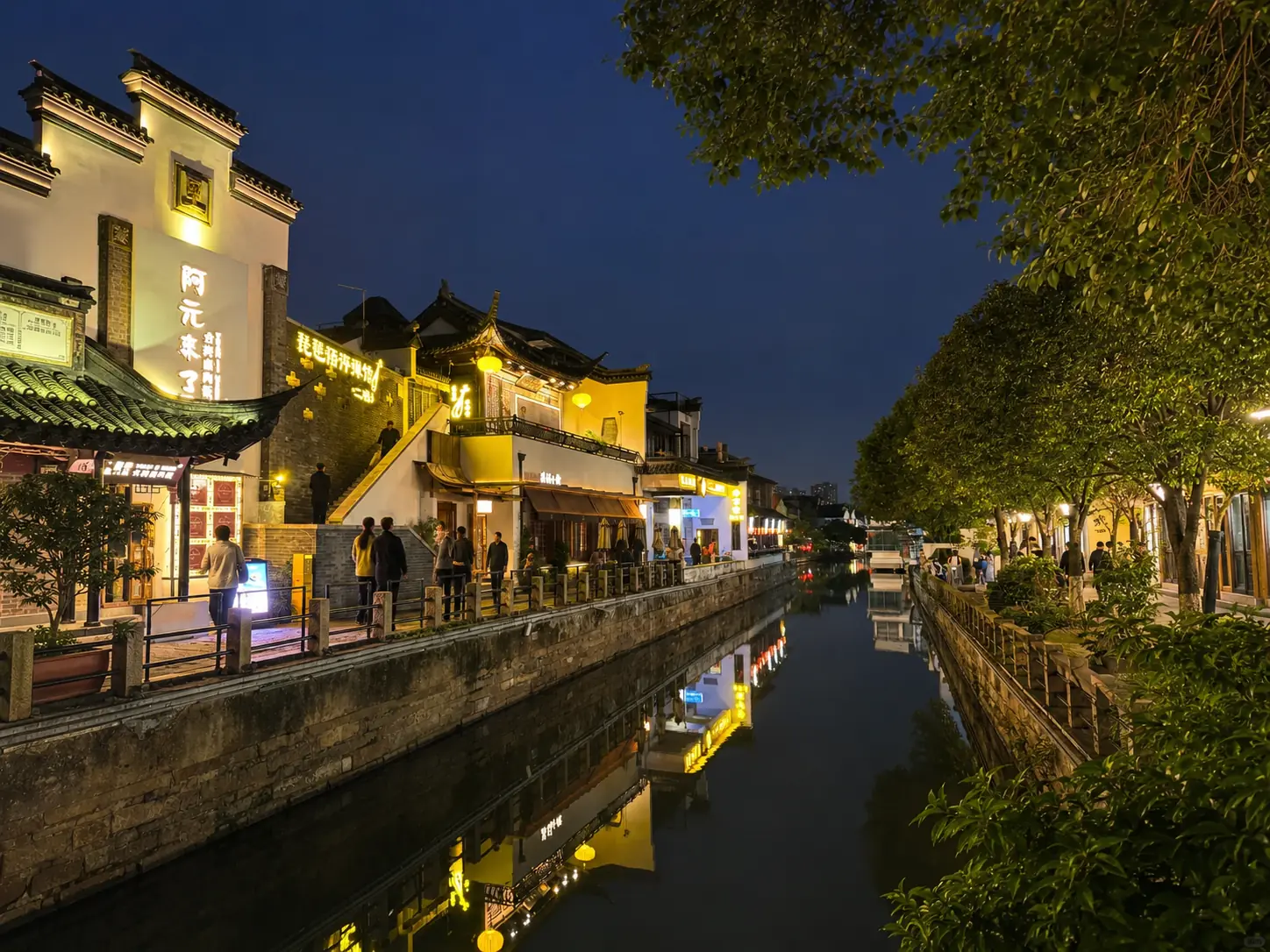
The attraction is the relationship between ordinary pieces.
Canal, road, bridge, lane, white wall, dark tile, small doorway and residents still moving through the same narrow fabric all explain one another. Stay only on the busiest stretch and the road can feel commercial; step into the side alleys and the old Suzhou logic becomes clearer.
Pingjiang Road Walking Route
For a first visit, walk south to north: start with an easy Line 1 arrival and let the larger gardens and museums become the finish rather than a detour you have to retrace.
- Xiangmen Station(相门站)- Line 1; easiest south-side start
- Pingjiang Road South End(平江路南段)- Enter the road-and-canal layout slowly
- Yuanqiao Bridge Area(苑桥一带)- Good first stop for canal scale and old-map context
- Zhangjia Alley(张家巷)- Pingtan Museum, tea houses, and side-lane texture
- China Kunqu Opera Museum(中国昆曲博物馆)- Small but meaningful culture stop
- Couples Retreat Garden Detour(耦园)- Quiet garden option east of the main street
- North Garden Cluster(拙政园 / 狮子林 / 苏州博物馆)- Best finish if you are linking major sights
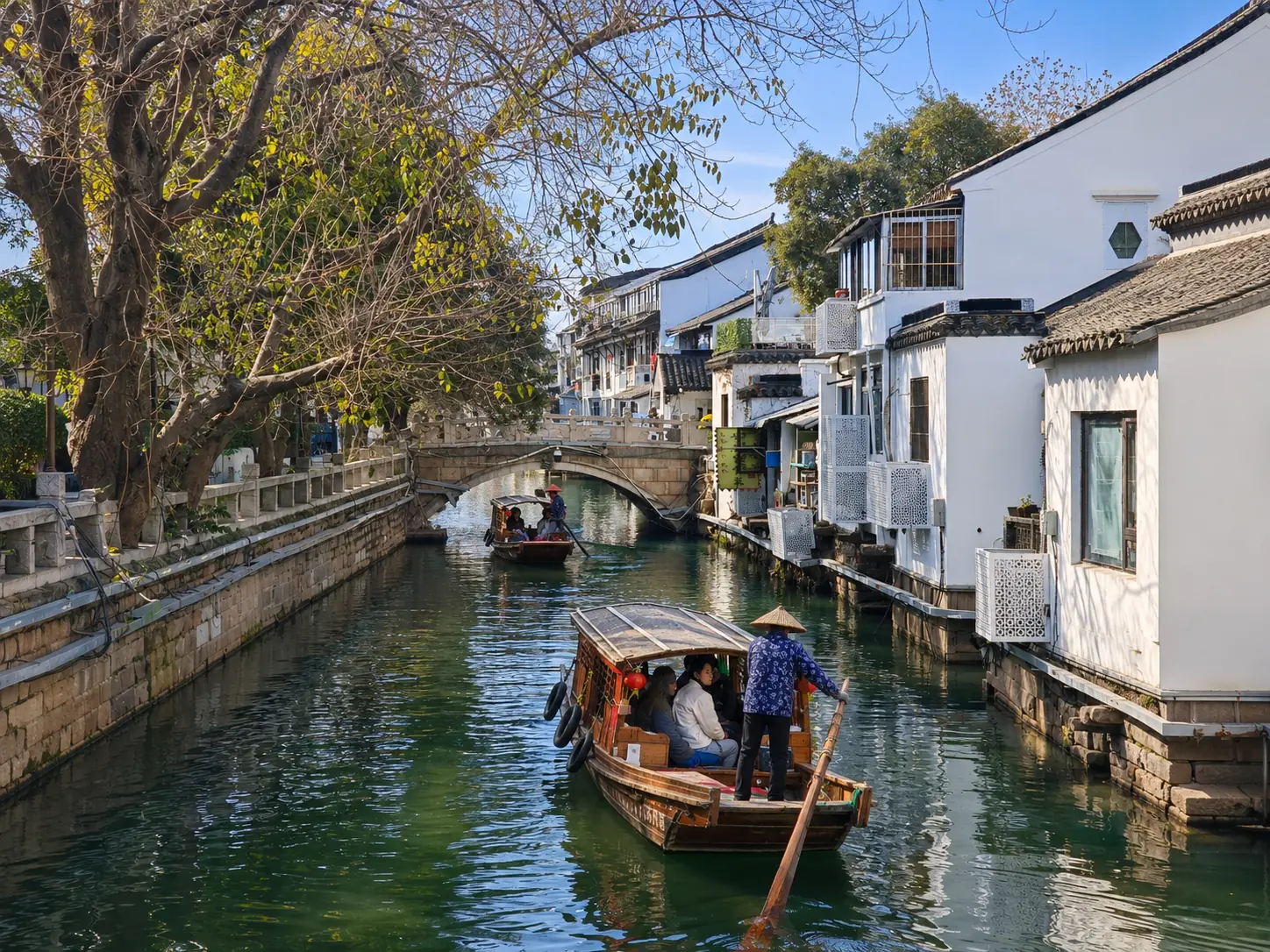
Main street → bridge pause → side alley → tea or museum → back to the canal.
The route is flat and simple, but the main road should give direction while the side lanes give texture. If you are coming from the Humble Administrator's Garden or Suzhou Museum in the morning, reverse it and let Pingjiang become lunch, tea and a slower afternoon.
Shorter than the guide; useful only when time is tight.
1.5–3 hours with two side lanes and one deliberate stop.
Best after the north gardens or Suzhou Museum.
South End: Xiangmen to Yuanqiao
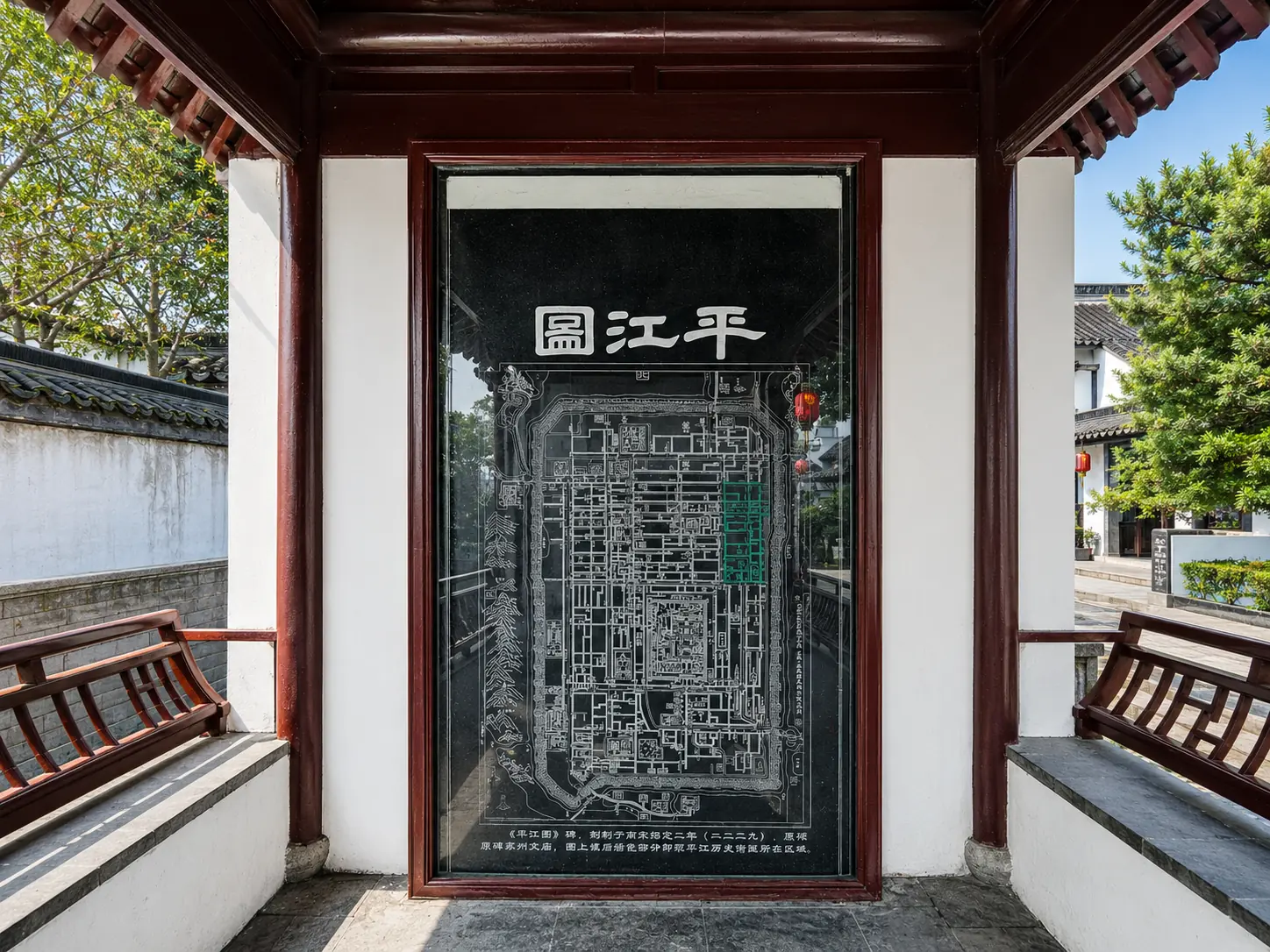
Let Yuanqiao explain the district before you chase side lanes.
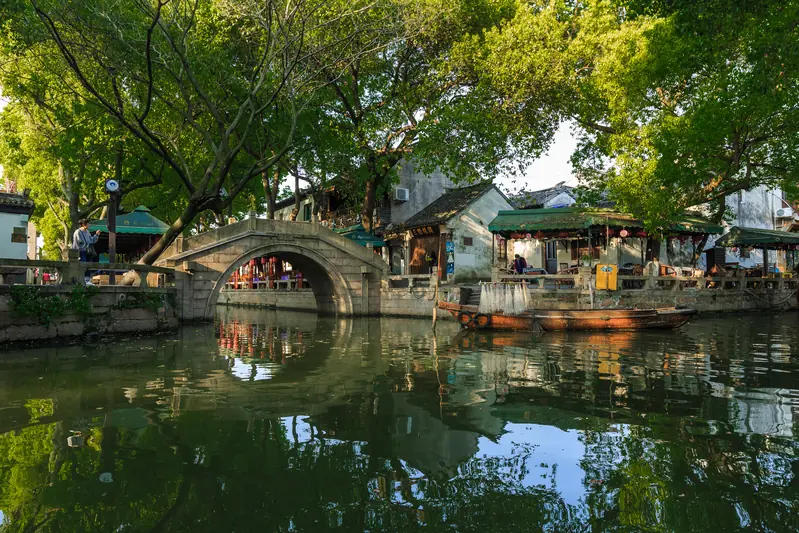
From Xiangmen, walk northwest and settle into the street. This is not a broad promenade: stone path, narrow canal, houses, small bridges, shopfronts and lanes compress into one field. Stand on a bridge and the two circulation lines—people and water—become almost touchable.
The point is the continuing street-canal-alley logic, not a claim that every facade is untouched.
Before the first detour: spend 10–15 minutes on the main street. Once you know where the canal sits and which way north runs, the side lanes are easier to enjoy without feeling lost.
Tea, Pingtan, and Kunqu Stops
Pingjiang Road is not only a canal walk. It is also one of the easiest places in Suzhou to add a light cultural stop without turning the day into a formal museum schedule.
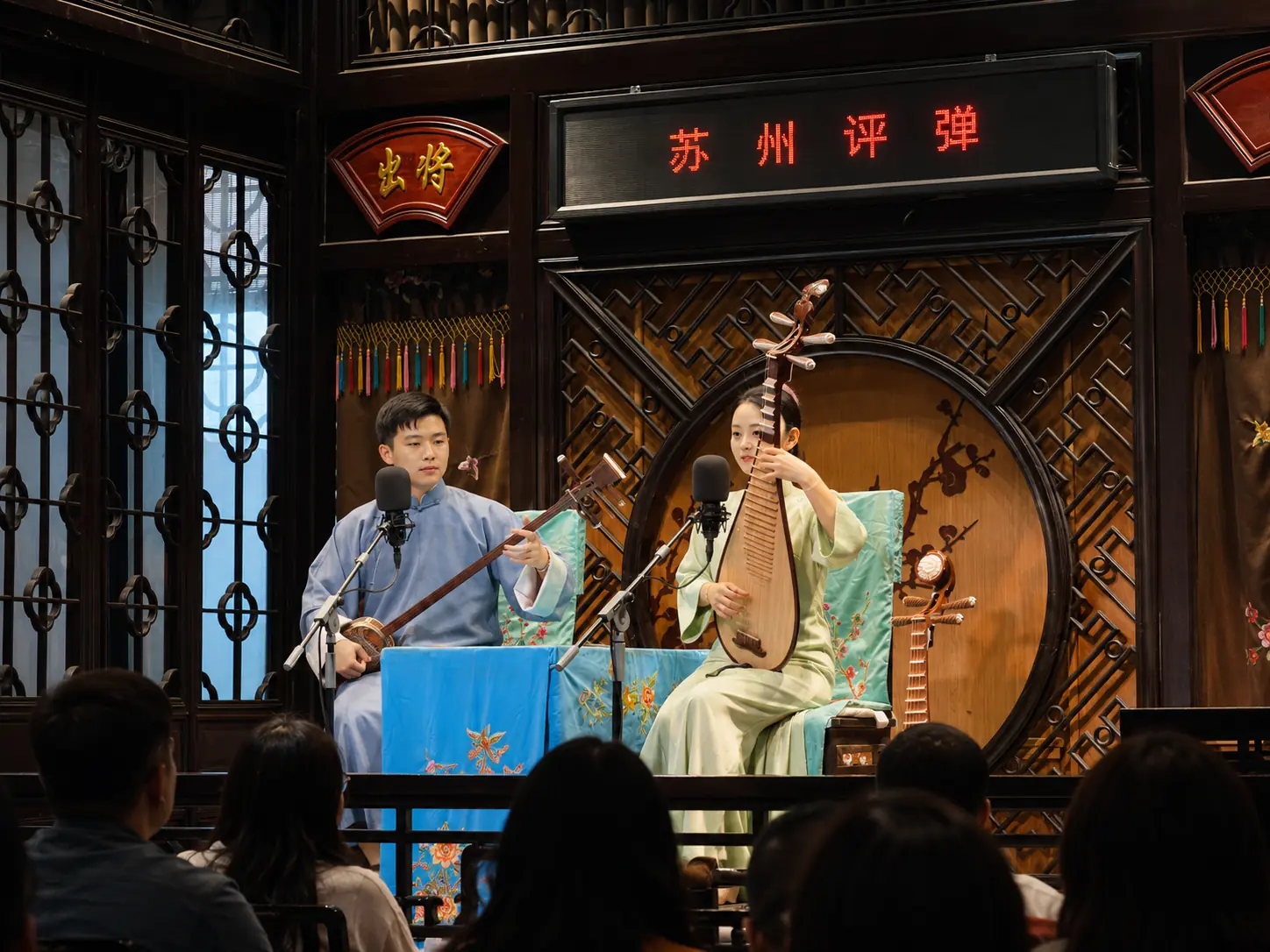
Choose this for a slow break rather than a performance you must fully understand. Even if you miss the local speech, the intimate voices, instruments and tea-house setting make the walk sound specifically Suzhou.
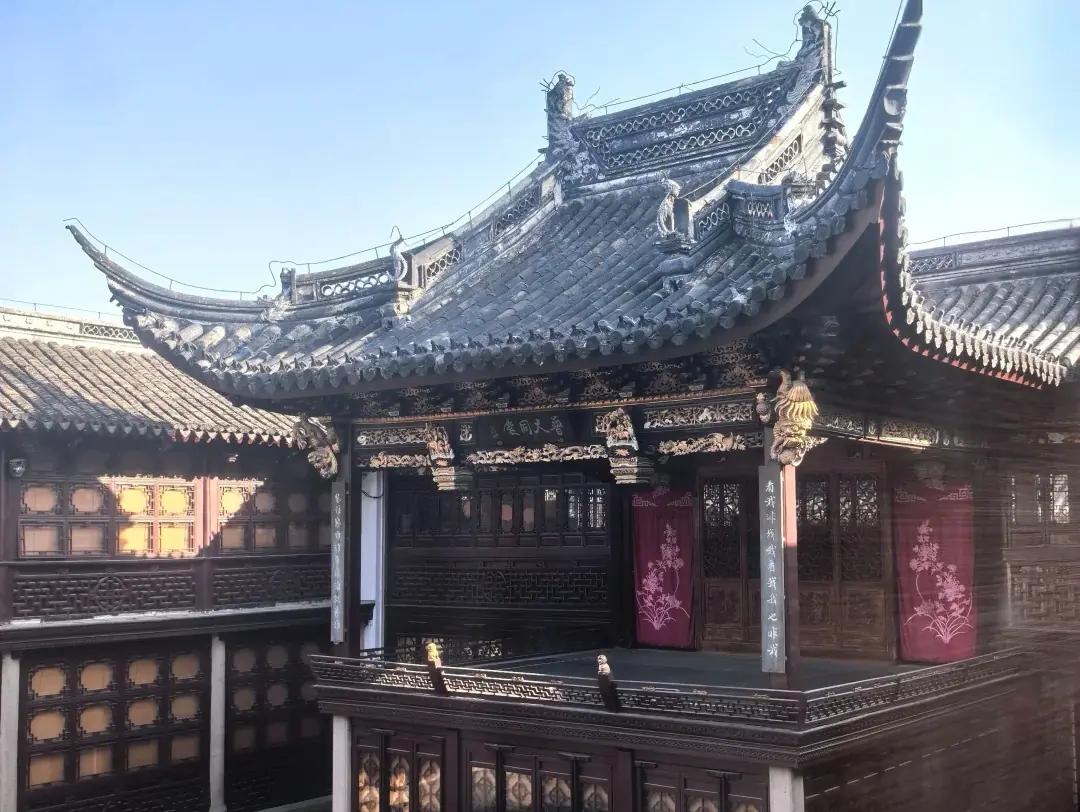
This is the better stop for travelers who like opera, old stages and guildhall architecture—or want evidence that Suzhou's canal streets were cultural spaces, not just pretty backdrops.
Same-day check: use the official pages for current access. Both museums list Monday closure, while tea-house sessions and seating can change independently.
Side Alleys Most Visitors Miss
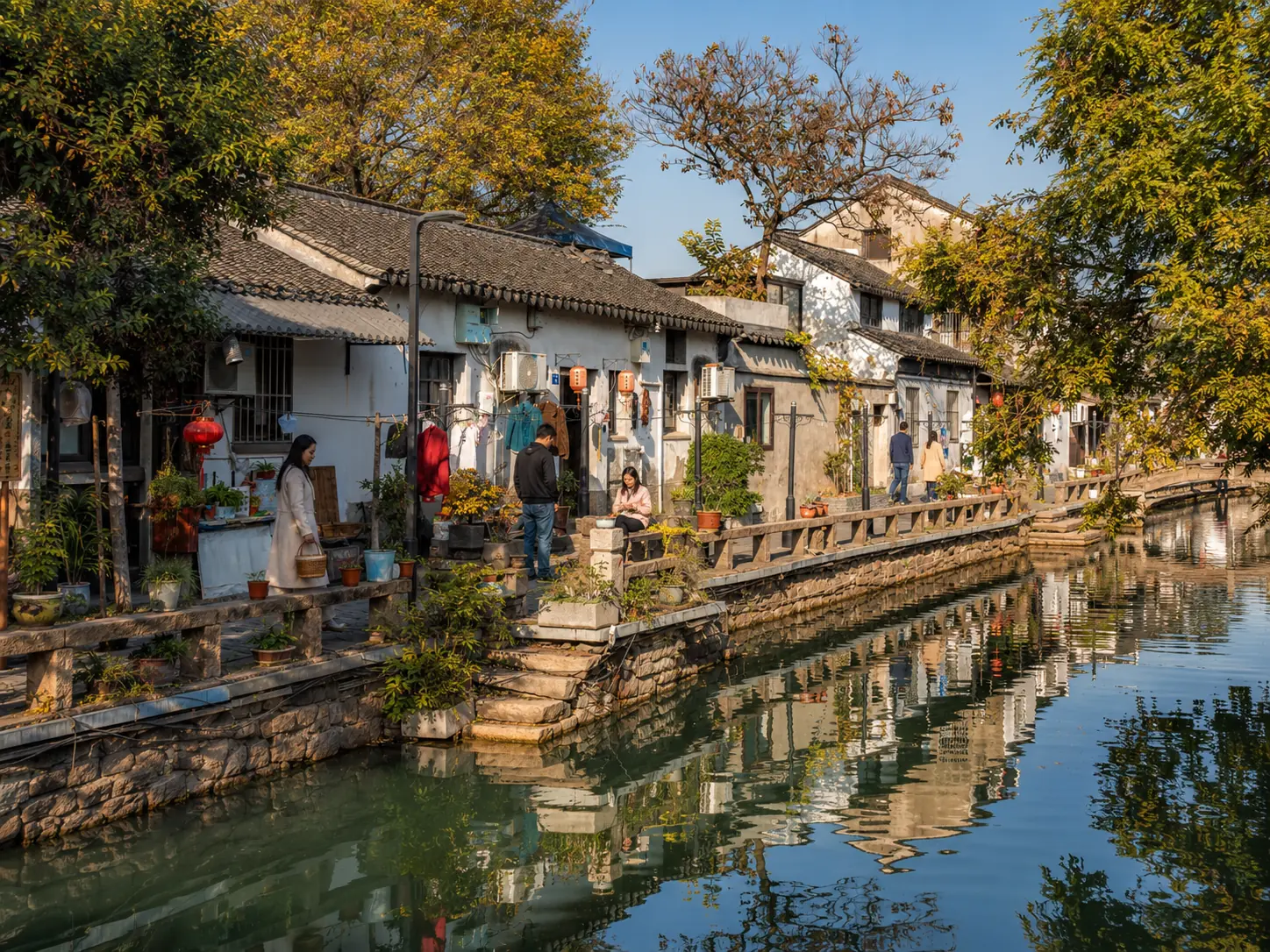
When the main spine feels too commercial, cross it—do not abandon the district.
Zhangjia Alley, Zhongzhangjia Lane, Xuanqiao Lane (悬桥巷), Xiao Xinqiao Lane (小新桥巷) and smaller crossings connect visitors with old houses, museums, bridges, secondary canals and residents. Choose two or three, walk slowly, and return when a lane becomes distinctly private or very quiet.
Look for water marks on white walls, flowerpots, laundry, bicycles, old door frames and small shop signs—not a single “must-see” facade.
Beautiful doors still lead to homes; keep the camera outside private thresholds.
Take the photo, then step aside—the best viewpoints are also narrow crossings.
A short side-lane detour can change the atmosphere immediately when crowds build.
Respect the boundary: do not block doorways, stage long shoots on bridge centers or point a camera into courtyards. Free street access does not make every doorway public.
Couple's Retreat Garden Detour
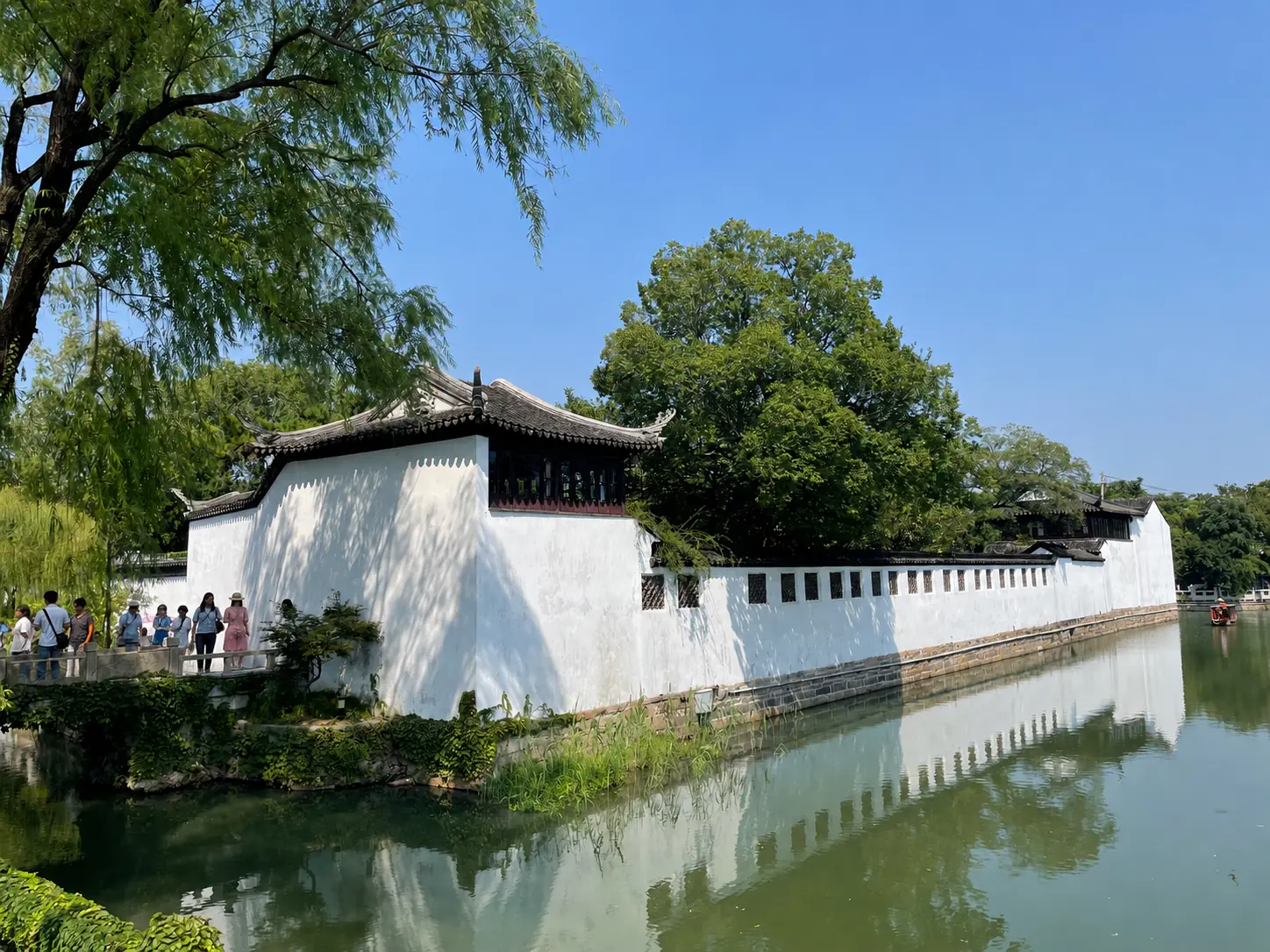
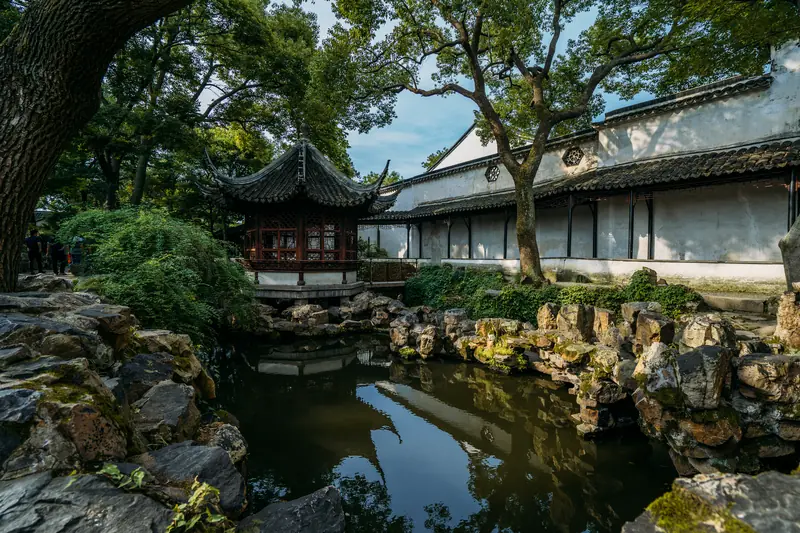
East of Pingjiang Road, this is the most natural small-garden detour. Suzhou's official profile identifies it as a UNESCO World Cultural Heritage site and state-level protected relic, with a central residence, gardens on both east and west, and water on three sides.
Choose it for a “canal street plus quiet garden” day. If you have never seen the Humble Administrator's Garden or Lion Grove Garden, continue north and spend your energy on the classics instead.
Official garden profile ↗Couple's Retreat Garden
Quieter, smaller, easier to pair with the walk
- ✓Good if you have already seen the famous gardens.
- ✓Better when you want a softer half-day route.
- —Less essential for a first Suzhou garden visit.
Best for a calm garden break
North Garden Cluster
Better for first-time Suzhou classics
- ✓Prioritizes Humble Administrator's Garden and Lion Grove Garden.
- ✓Pairs naturally with Suzhou Museum.
- —Busier, especially around weekends and holidays.
Best for the classic first-visit circuit
Suzhou Snacks and Tea Breaks
Pingjiang Road is not Suzhou's cheapest or most local dining district, but it is excellent for low-pressure breaks. Think noodles, pastries, tea, small snacks, and a comfortable seat by the canal rather than a serious citywide food hunt.
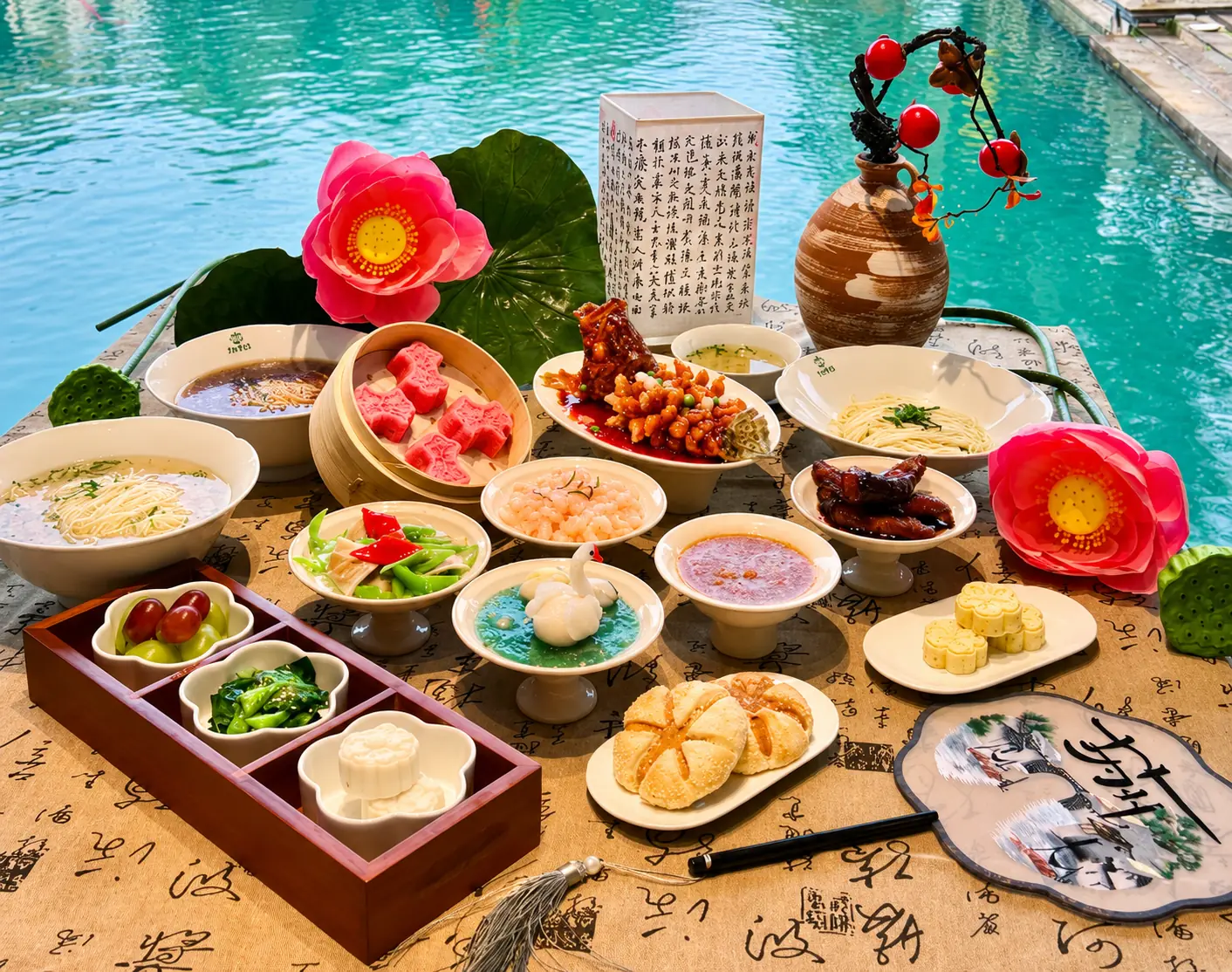
For a fuller meal, Suzhou-style noodles are the safest choice. Tongdexing is one practical option when the timing works, especially for lunch or a late-morning meal.
For sweets, try osmanthus cake, begonia cake or another soft Suzhou-style snack—but do not buy one of everything simply because the windows are photogenic.

Use tea for decompression, not another consumption stop.
Coming from Suzhou Museum or the gardens, Pingjiang can become lunch, tea and a slower landing. A Pingtan tea house is often more memorable than another drink shop because the rest becomes part of the cultural experience. For a deliberate food crawl, pair Guanqian Street with a separate plan and keep this walk focused on the canal.
Best Times and Photo Etiquette
Morning reveals daily texture; late afternoon builds reflection and glow.
Quieter stone paths, easier bridge frames and small signs of resident life.
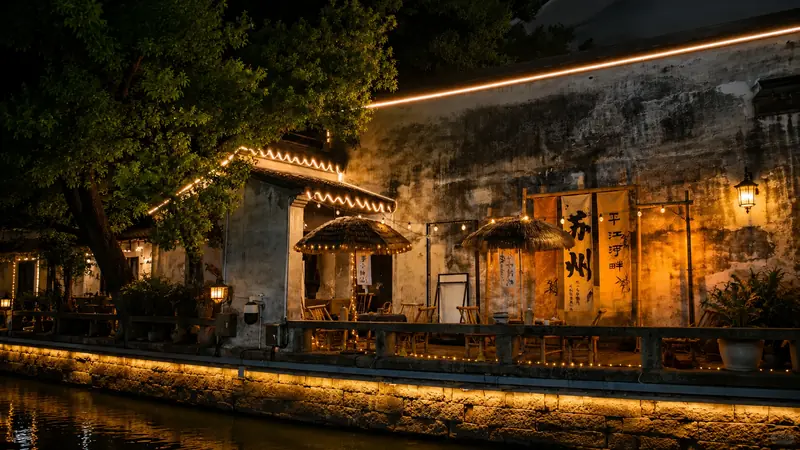
Warmer light, canal reflections and tea-house glow into early evening.
Weekend afternoons and public holidays bottleneck at bridge centers, popular tea houses and narrow photo points. At a busy time, use the main street as a connector and give more attention to side lanes, small museums or a shorter after-dark section.
Frame quickly, then move aside for working crossings.
Keep cameras outside thresholds and courtyards.
Reflections improve, but wet narrow lanes get slippery.
Useful for maps, side-lane POIs and metro checks.
Getting There and Nearby Sights
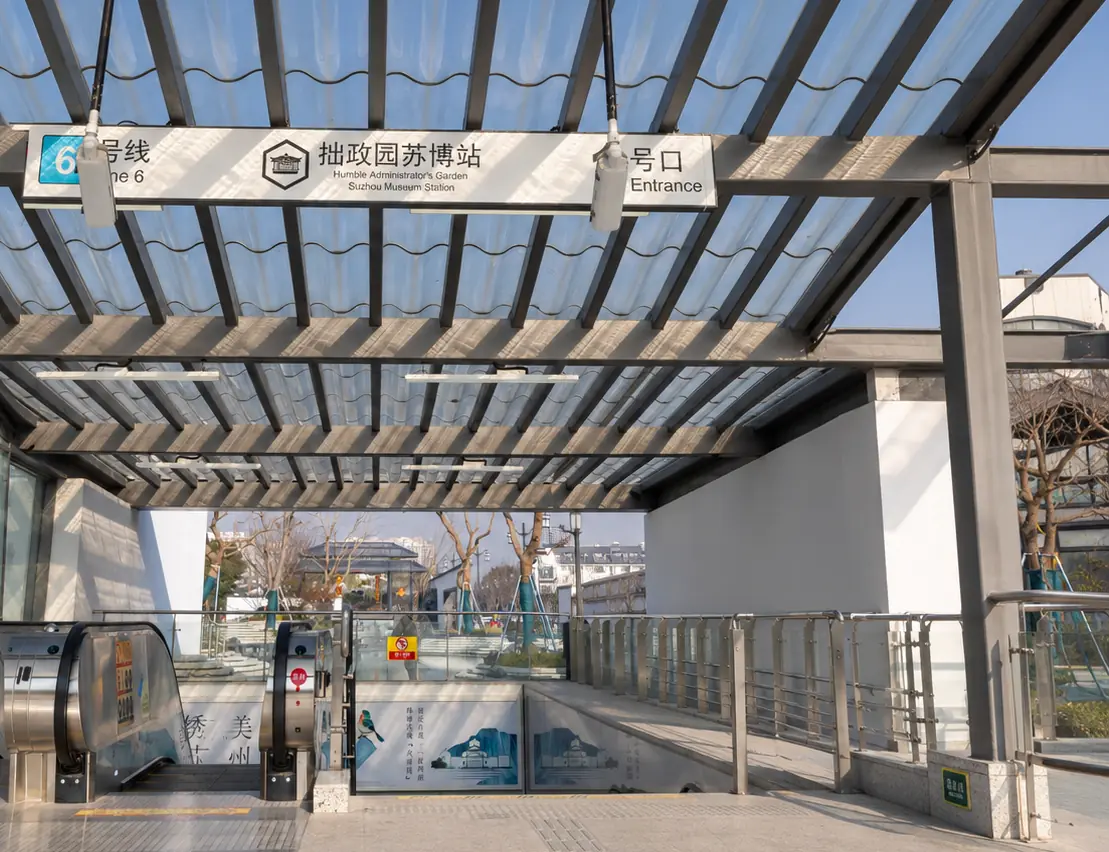
Start south for the full walk; start north when the big sights own your morning.
Do larger ticketed sights while you have energy and opening hours on your side, then use Pingjiang Road for the slower half of the day.
Frequently Asked Questions
Yes, if you treat it as a canal-street walk rather than only a shopping street. The main lane is commercial in places, but the canal, bridges, side alleys, Pingtan stops, and nearby gardens make it one of the easiest ways to understand old Suzhou.
Sources checked for this guide
- Pingjiang Historical Neighbourhood area, antiquity, parallel water-and-land layout and free public access: Suzhou Municipal Government district profile
- Pingjiang Road as a 1,606 m ‘800-year ancient road’ continuing the Tang–Song street pattern: Suzhou Development and Reform Commission
- Suzhou Pingtan Museum address, regular opening hours and Monday closure: Official Suzhou museum profile
- China Kunqu Opera Museum address, regular opening hours and Monday closure: Official Suzhou museum profile
- Couple’s Retreat Garden heritage status and residential / east-west garden layout: Official Suzhou garden profile
- Line 6 opening and official station-access table for the old-city garden cluster: Suzhou Municipal Government transport notice
- Current 2026 Suzhou Museum seasonal hours and main-building reservation guidance: June 30 municipal notice
Beyond This Guide
Pingjiang Road works best when it is neither dismissed as too touristy nor romanticized as untouched old Suzhou. Go with the right expectation: a famous canal street, still-commercial main sections, quieter side lanes, small cultural stops, and a practical connection to Suzhou's garden and museum cluster.
Use it as the slow piece of your Suzhou day. Pair it with the Humble Administrator's Garden, Suzhou Museum, Lion Grove Garden, or a Pingtan stop nearby; save Tongli or another water town for a separate plan if you want a larger canal-town day.
More Suzhou: Suzhou Day Trip from Shanghai · Humble Administrator's Garden · Suzhou Museum · Suzhou Pingtan and Kunqu · Tongli Water Town
© gochinafreely.com — Original guide by Go China Freely.