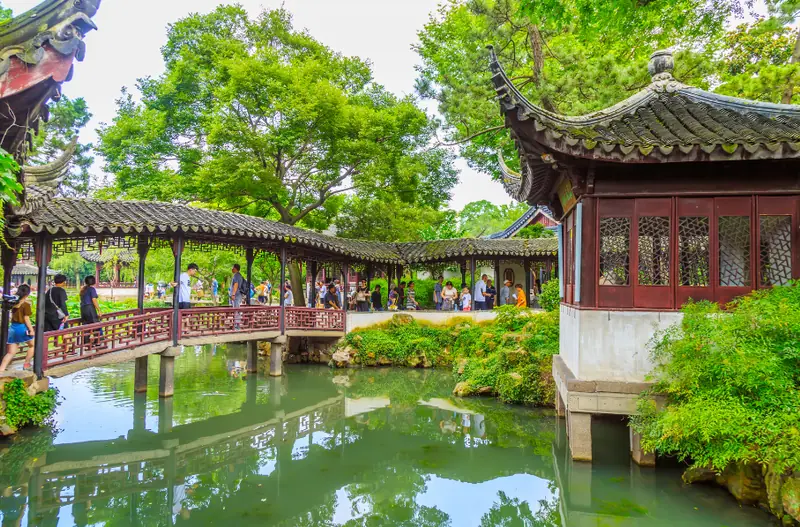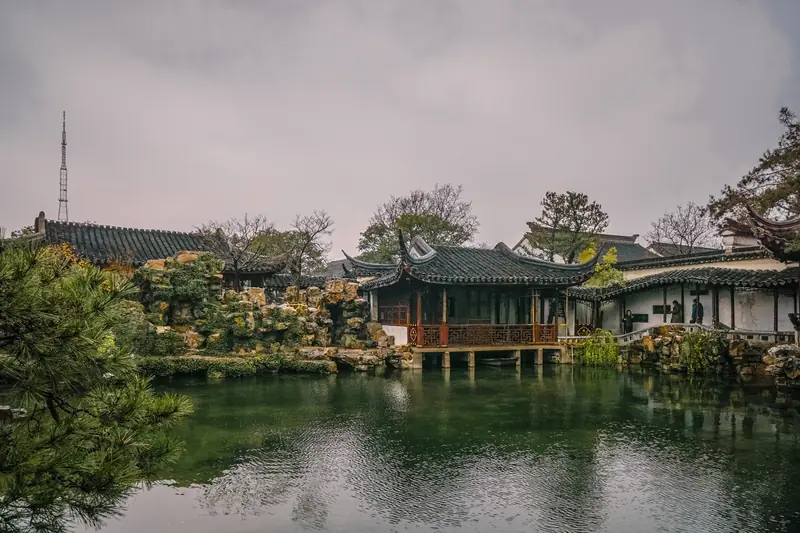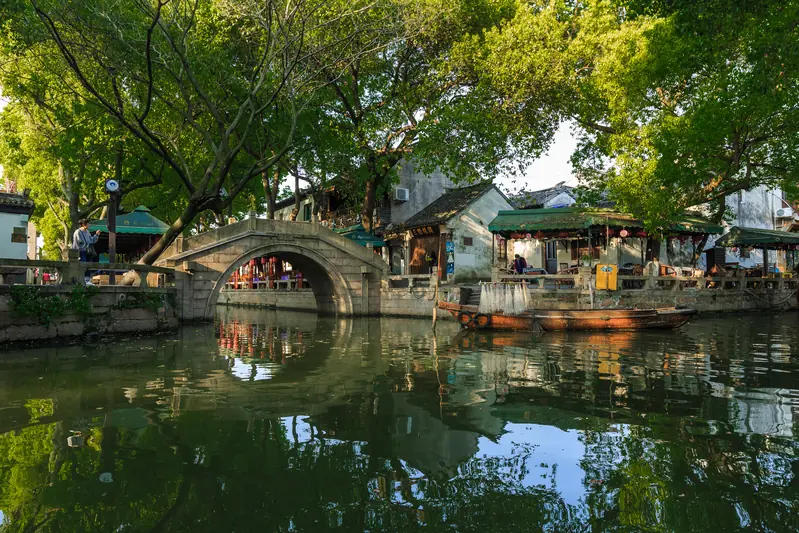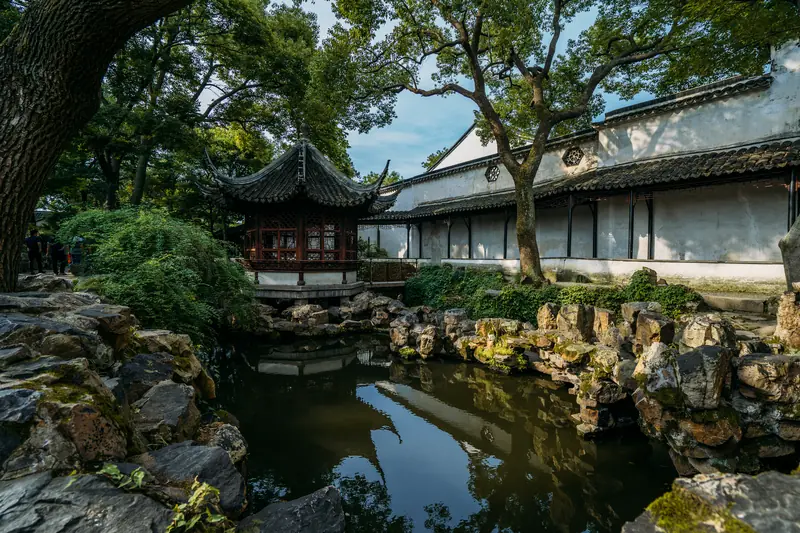
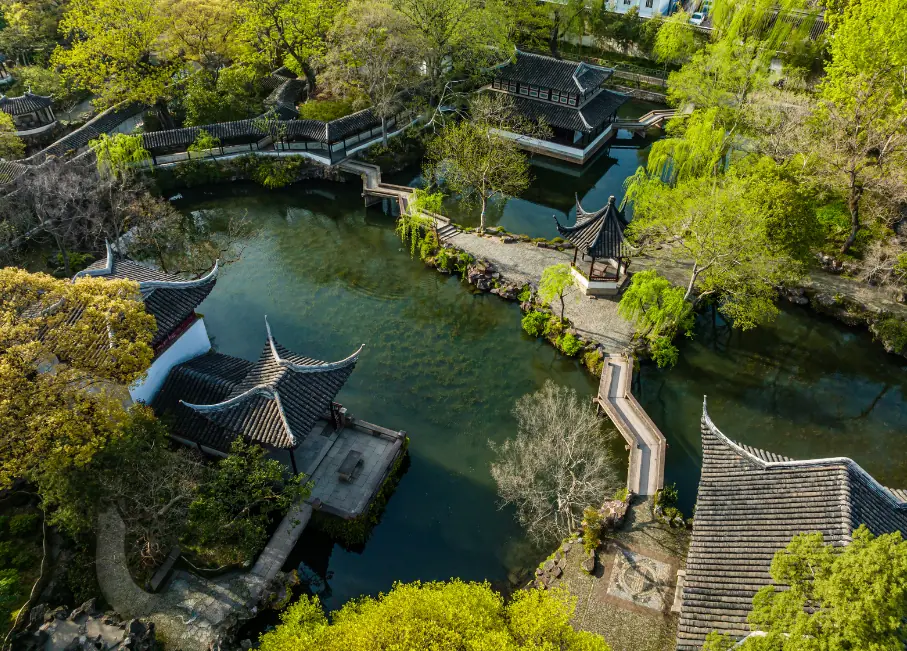
Suzhou is not a city where you try to "see everything." The best things to do in Suzhou start with its nine UNESCO-listed classical gardens, then become richer when you add silk, canal lanes, museum architecture, teahouse music, and sweet-savory Jiangnan food. This guide helps first-time independent travelers choose a strong route instead of turning Suzhou into a rushed checklist.
First-Time Suzhou: Start Here
If you are visiting Suzhou for the first time, start with the kind of city you want to meet, not with attraction count. Use this section to choose your emphasis; the route section later turns that emphasis into an actual one-day or two-day sequence.
Balanced First Look
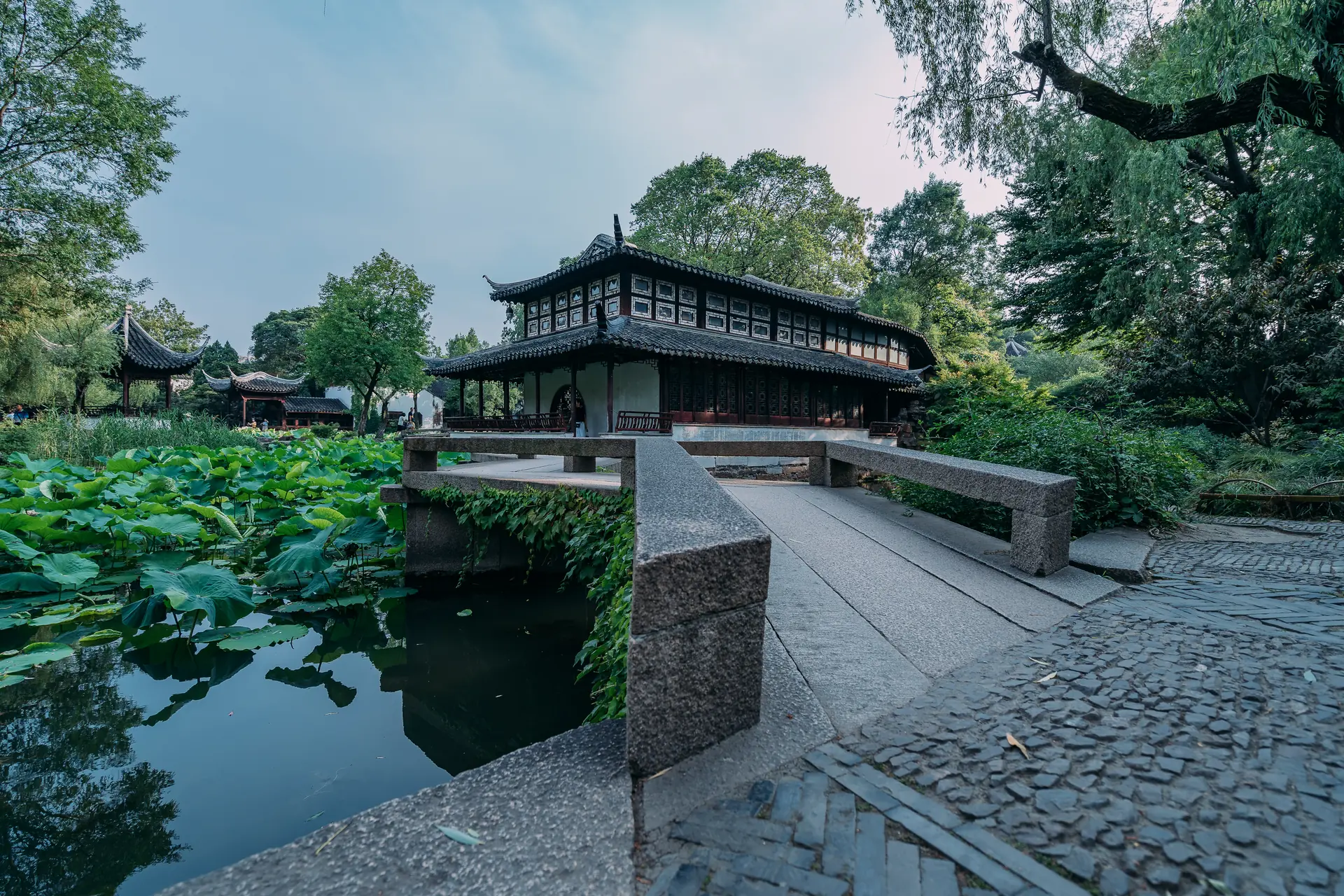
Best for: first-timers and Shanghai day-trippers who want Suzhou to feel complete in a short window.
Keep the experience balanced: one garden mood, one cultural layer, one canal atmosphere, and one proper pause for food or tea.
Overnight Slow Suzhou
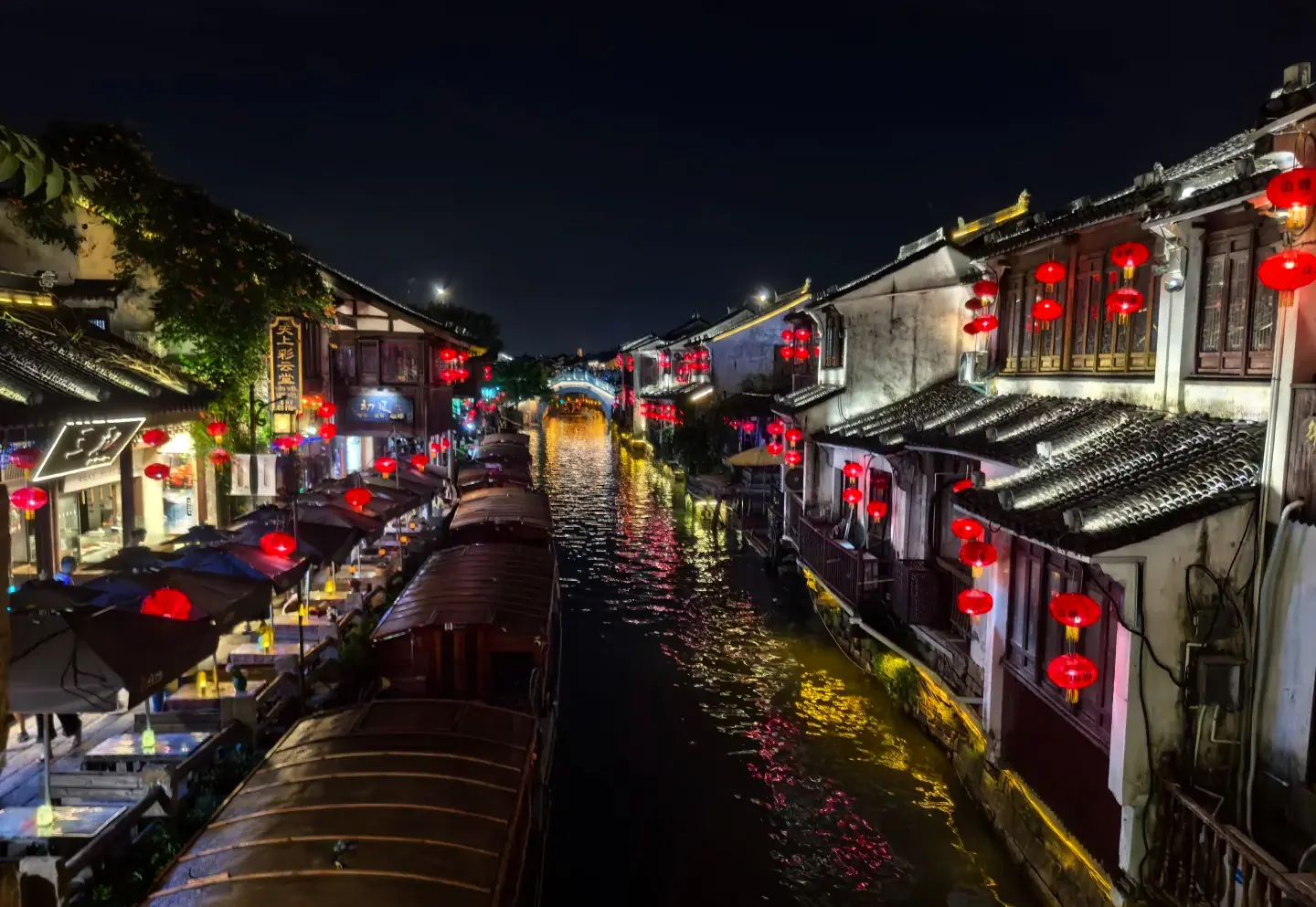
Best for: travelers who can stay overnight, arrive without a hard evening train, or want the city to feel lived-in.
Use the extra time for quieter transitions, a performance or teahouse stop, and one less obvious old-town area that would feel rushed in a day trip.
Garden-Lover Focus
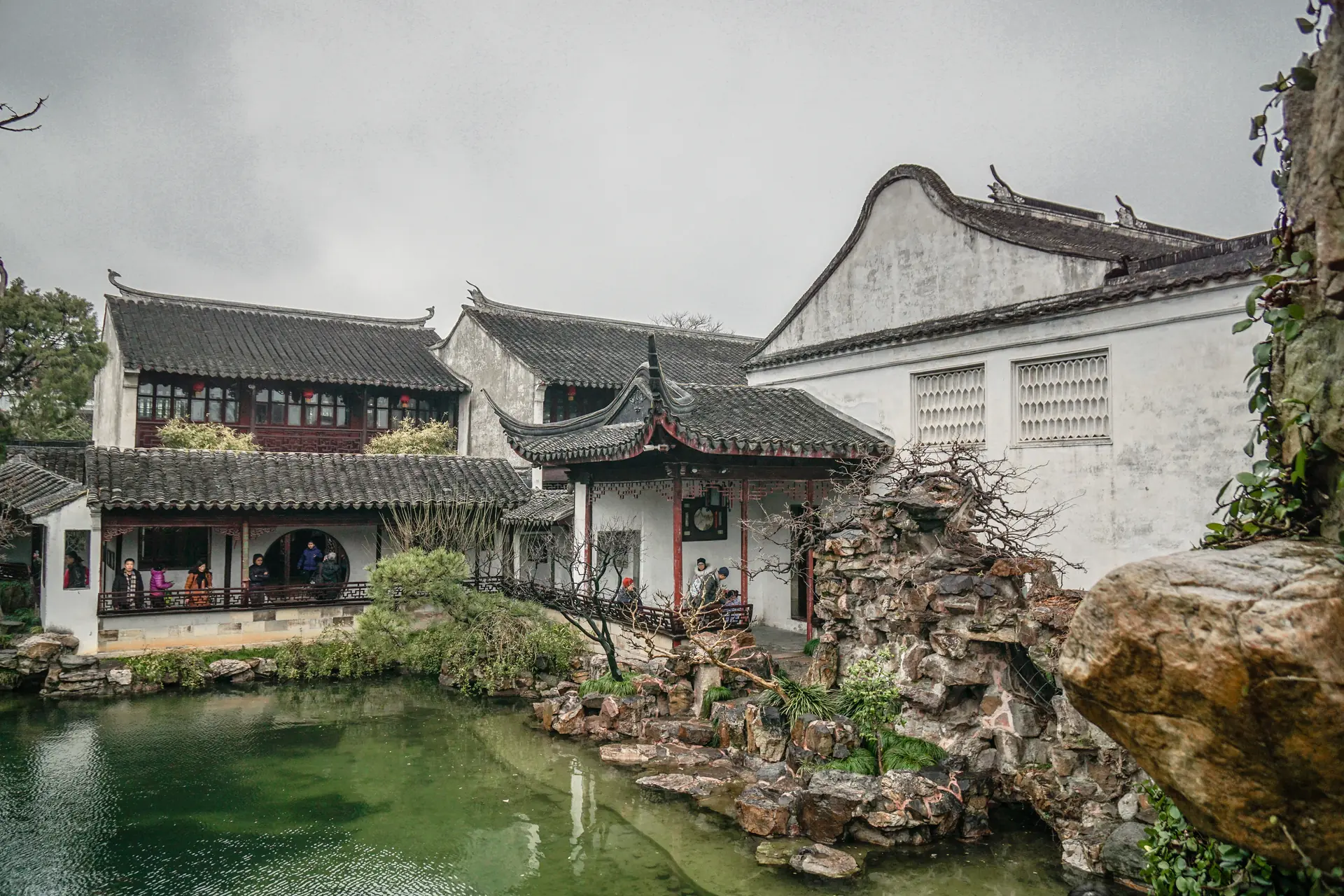
Best for: travelers who care about architecture, framed views, rockeries, water, and slow looking.
Choose contrast rather than quantity: one larger water garden, one smaller detail-rich garden, then something outside gardens to reset your eyes.
This guide is best for first-timers, Shanghai day-trippers, garden lovers, culture-focused travelers, families, and anyone deciding what Suzhou should add to a Jiangnan route. It is less useful if your trip is only about luxury shopping, theme parks, nightlife, or a fully escorted tour with no self-planning.
Suzhou Is a City of Layers
The easiest way to understand Suzhou is to stop treating it as "the Venice of China" and start seeing four overlapping layers. The gardens are essential, but they make more sense when the silk, canal, food, and performance layers are allowed into the day.
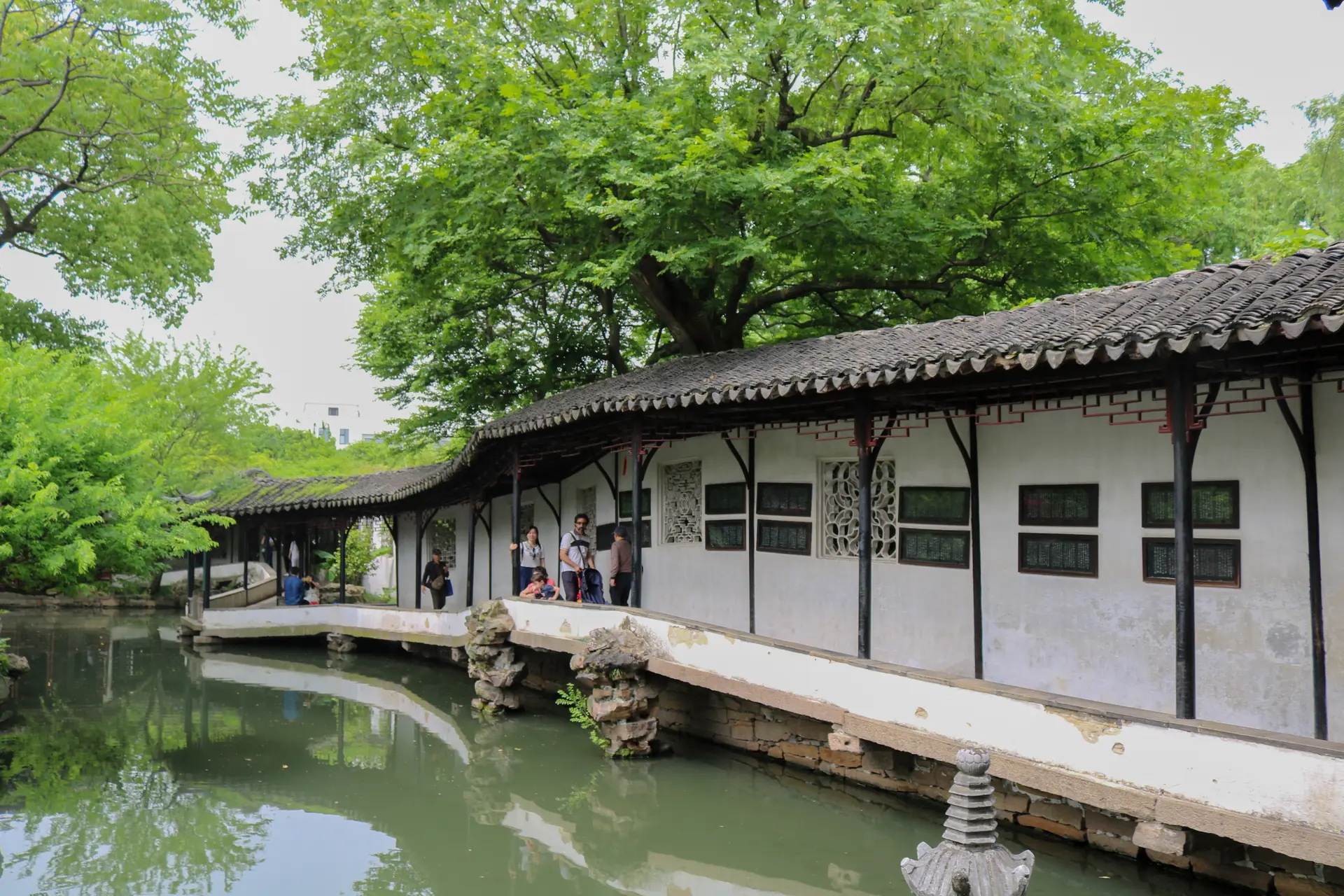
Classical Garden Suzhou
Where it shows up: Humble Administrator's Garden, Lingering Garden, Lion Grove, Master of the Nets, Canglang Pavilion, and Couple's Retreat Garden.
UNESCO describes Suzhou's nine classical gardens as miniature natural landscapes shaped between the 11th and 19th centuries.
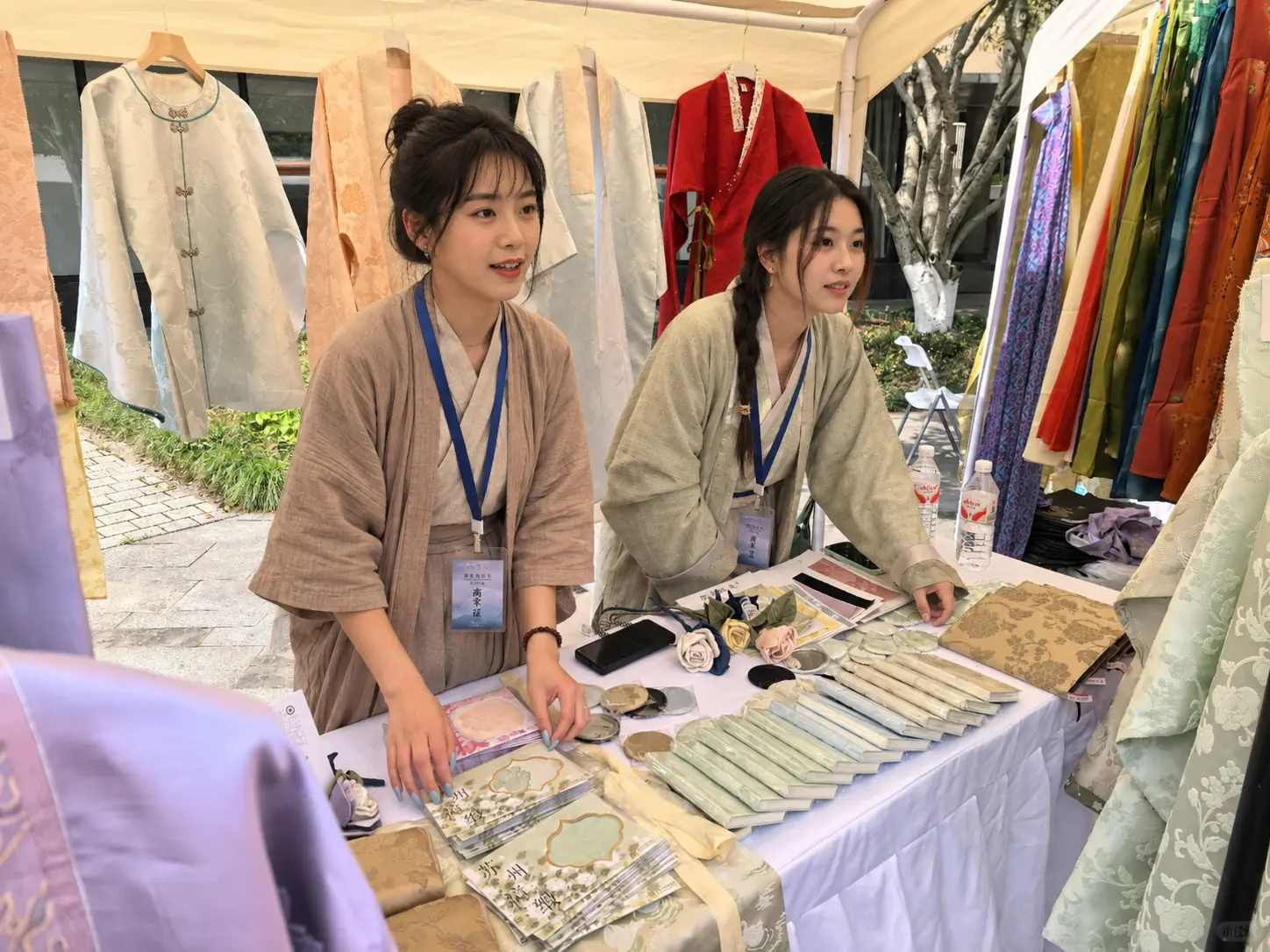
Silk and Craft Suzhou
Where it shows up: Suzhou Silk Museum, embroidery, Song brocade, craft shops, and museum collections.
This layer explains why the city could fund refined gardens: Suzhou was a wealthy Jiangnan craft and trading center, not just a scenic old town.
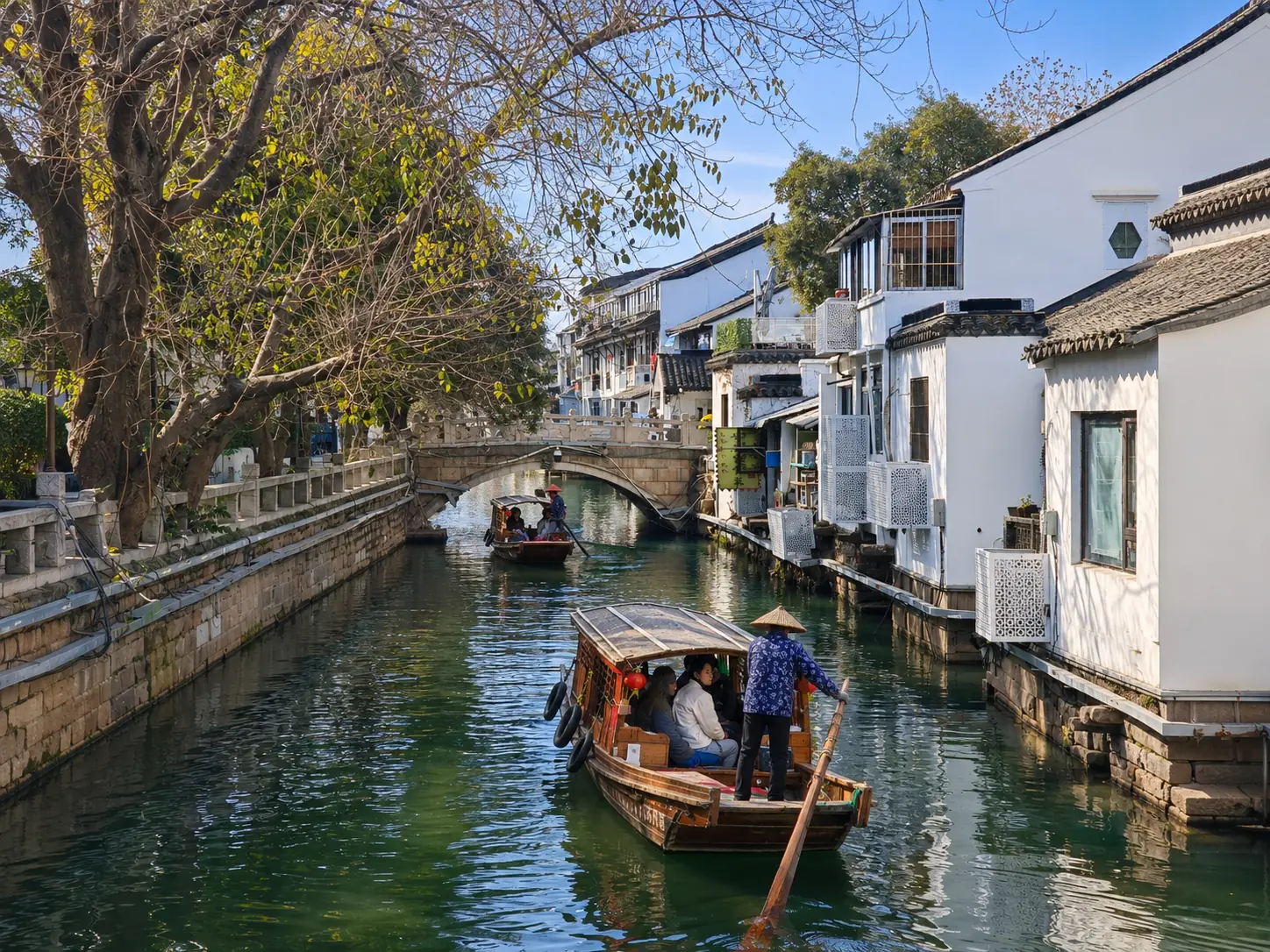
Canal-Life Suzhou
Where it shows up: Pingjiang Road, Shantang Street, Panmen, Tongli, Zhouzhuang, and the old lanes between ticketed sights.
The canals give Suzhou human scale: bridges, boat calls, tea seats, shopfronts, and ordinary residences beside famous scenery.
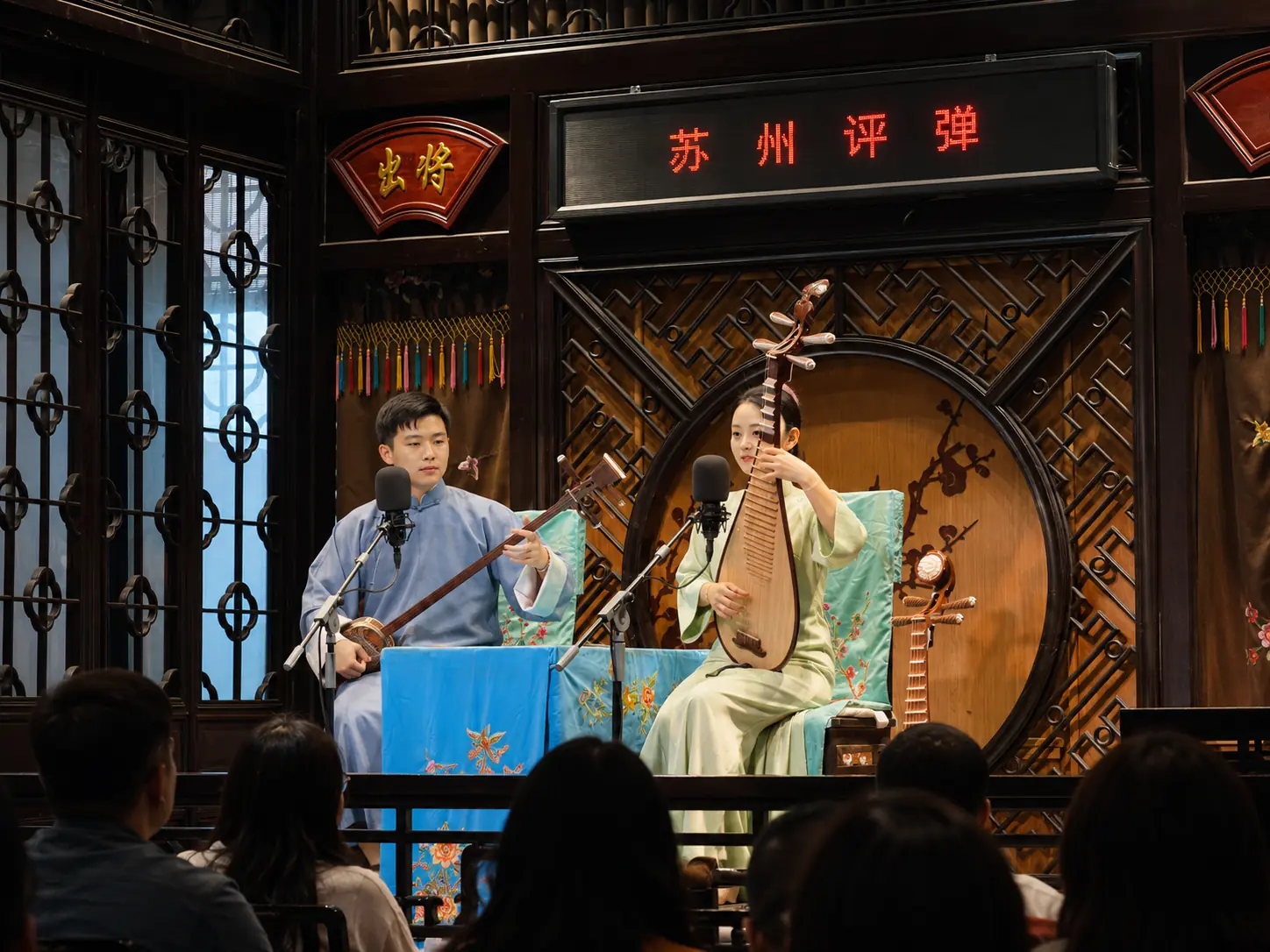
Evening and Food Suzhou
Where it shows up: Pingtan teahouses, Kunqu stages, Guanqian Street, noodle shops, and canal-side dinners.
This layer keeps the city from becoming only courtyards and tickets. It gives the day sound, sweetness, and a slower finish.
For a first trip, the goal is not to finish Suzhou. Choose one or two strong experiences from each layer, then give them enough space to breathe.
10 Suzhou Experiences Worth Building Around
The first six are the strongest old-town foundations. The final four add evening atmosphere, food, and a possible water-town extension. If you only have one day, do not try to complete the whole list.

Humble Administrator's Garden is the best first garden for most visitors: large, water-centered, iconic, and close to Suzhou Museum and Lion Grove. Budget 1.5-2.5 hours if you want more than a photo loop. Use our Humble Administrator's Garden guide before choosing gates and timing.
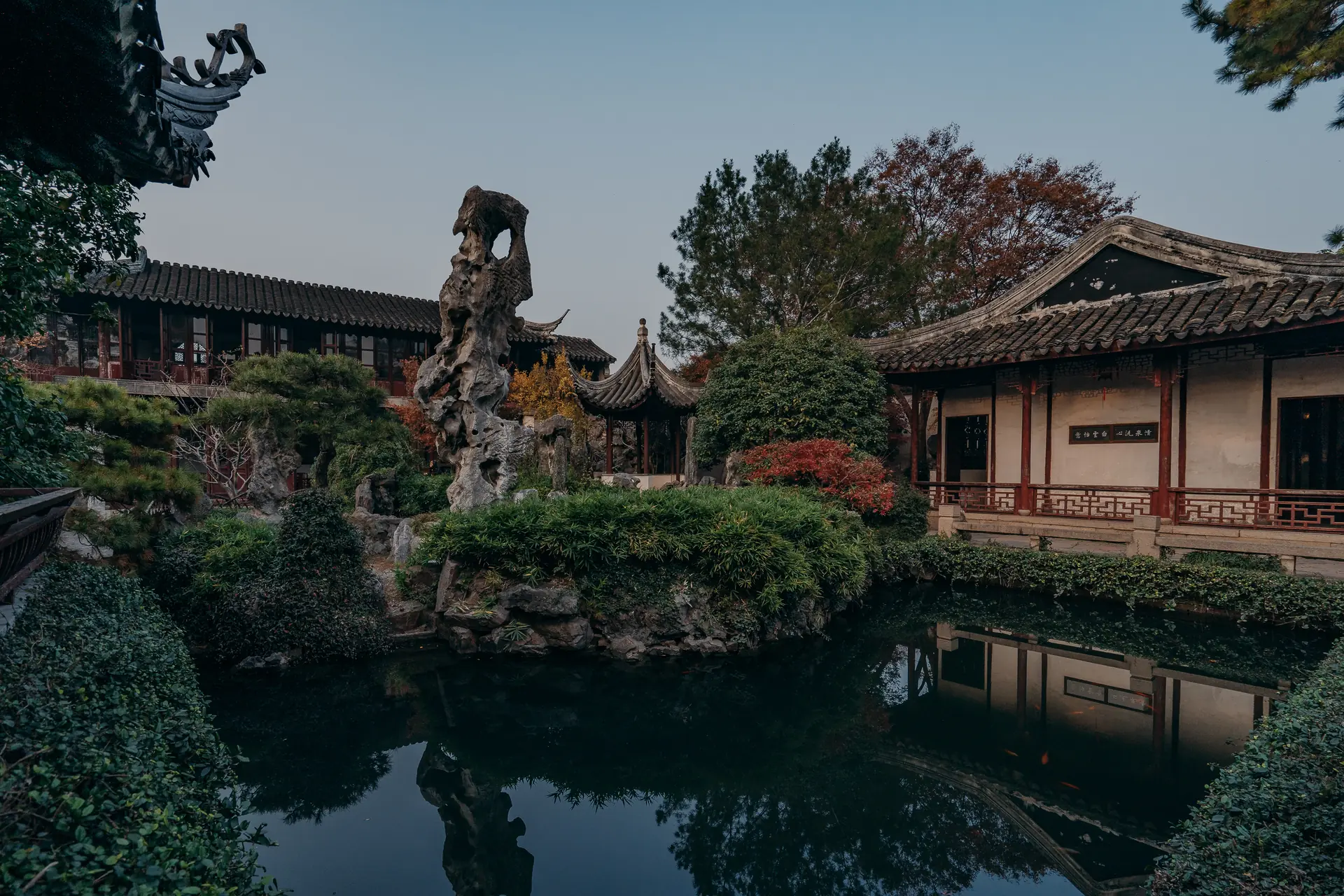
Lingering Garden is the best second garden if you care about rooms, corridors, rock compositions, and compact spatial design. It pairs naturally with Shantang Street, Tiger Hill, or the western old-town side of Suzhou.
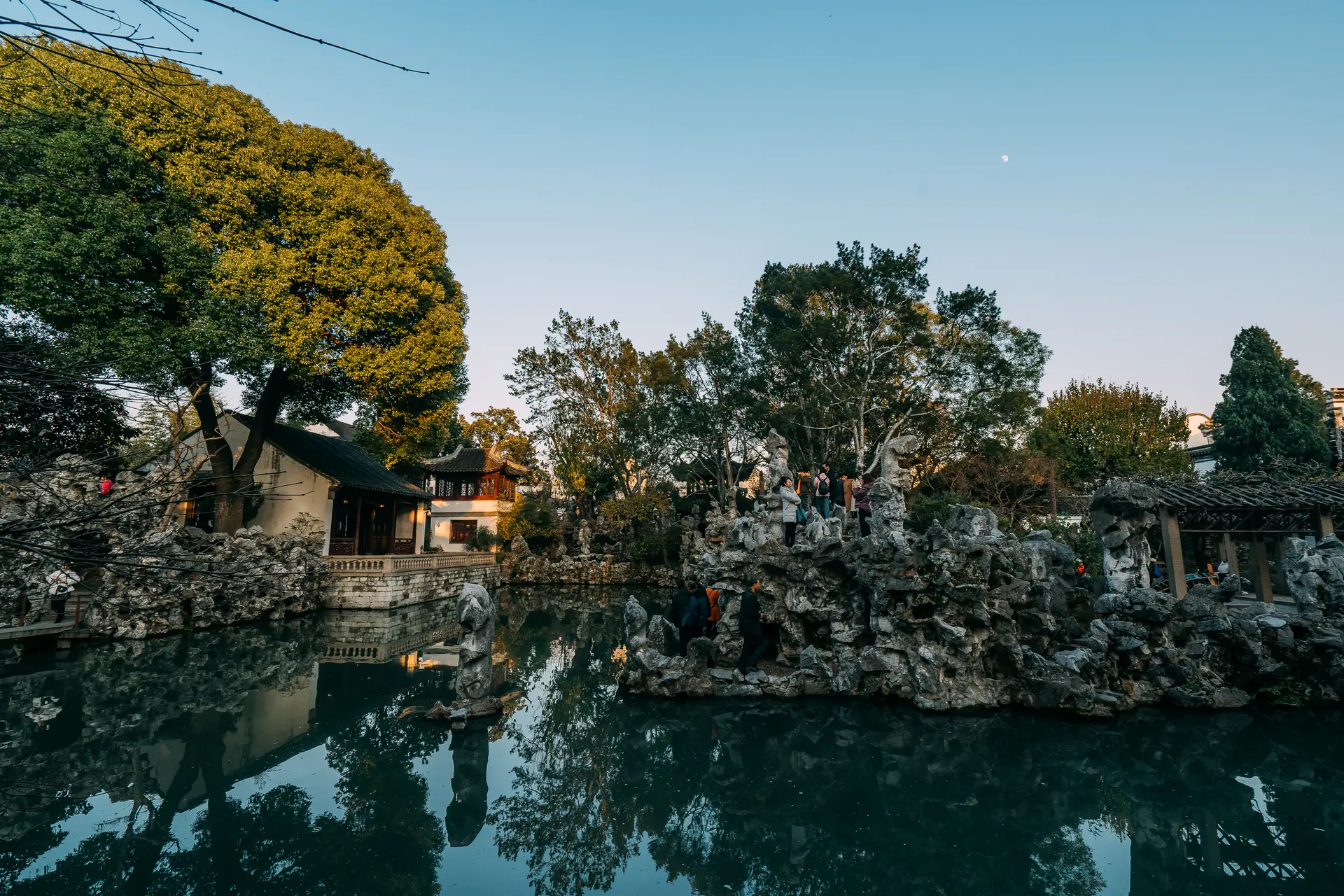
Lion Grove is the most interactive classical garden for many travelers. Its Taihu rock maze feels like walking through a stone puzzle, which makes it especially good for families or anyone who has already seen a quieter water garden.

Master of the Nets is small, refined, and excellent if you want the "miniature universe" idea without the scale of Humble Administrator's Garden. Its night garden program is a separate evening experience, not just the same garden after dark.
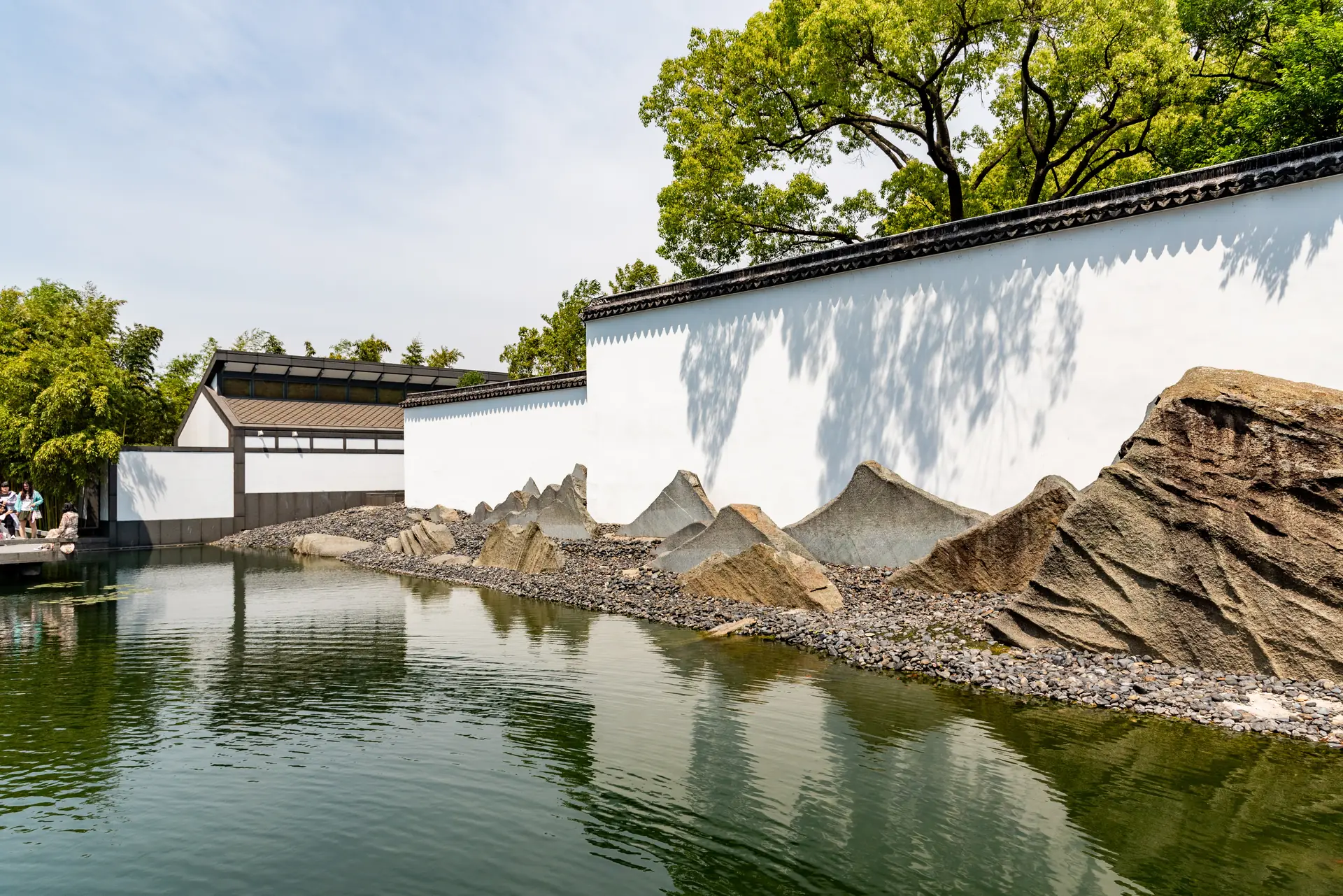
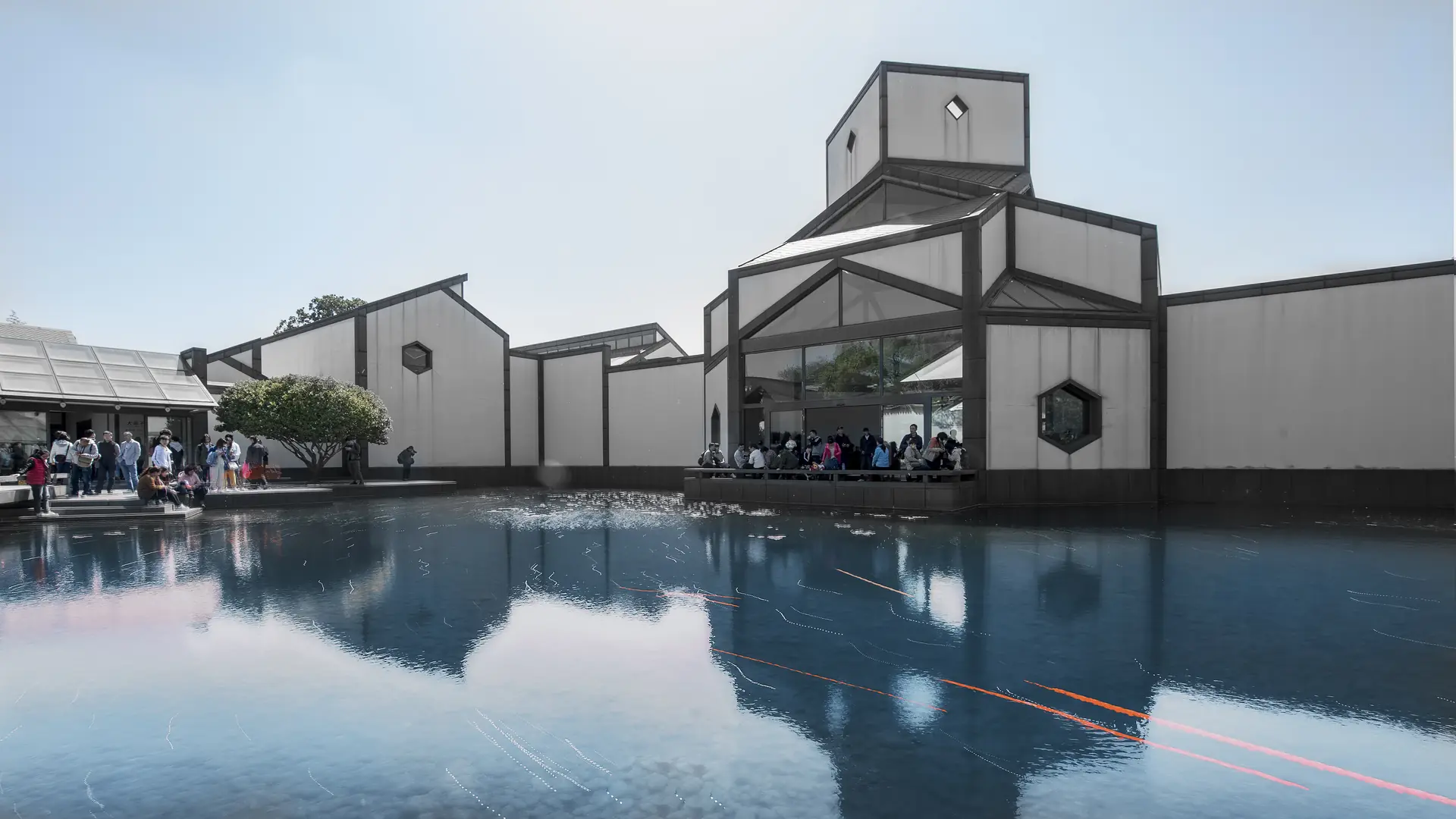
Suzhou Museum works like a modern garden: white walls, gray rooflines, framed courtyards, water, and strict geometry. It is the best indoor partner for a garden day, but the main building uses timed reservations, so confirm a slot before you build the day around it.
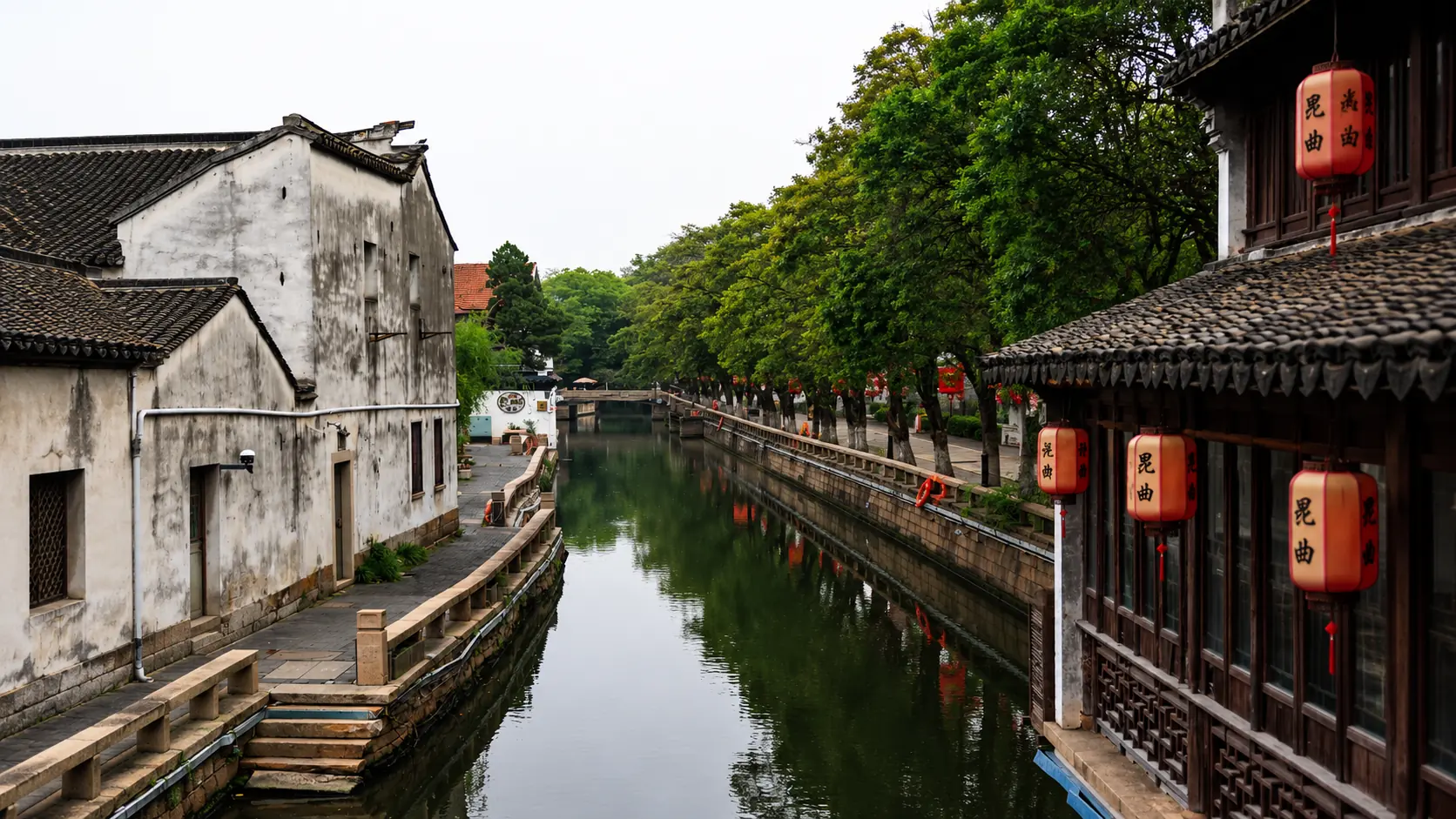
Pingjiang Road is best by morning, late afternoon, or early evening: canals, bridges, teahouses, snacks, side lanes, and a walking link between the museum-garden cluster and old-city life. Use our Pingjiang Road walking guide for a slower route.

Shantang Street is more theatrical than Pingjiang Road. Arrive before dark, walk beyond the densest commercial section for a quieter stretch, then return when lanterns and canal reflections turn on. Use our Shantang Street guide before choosing where to start.
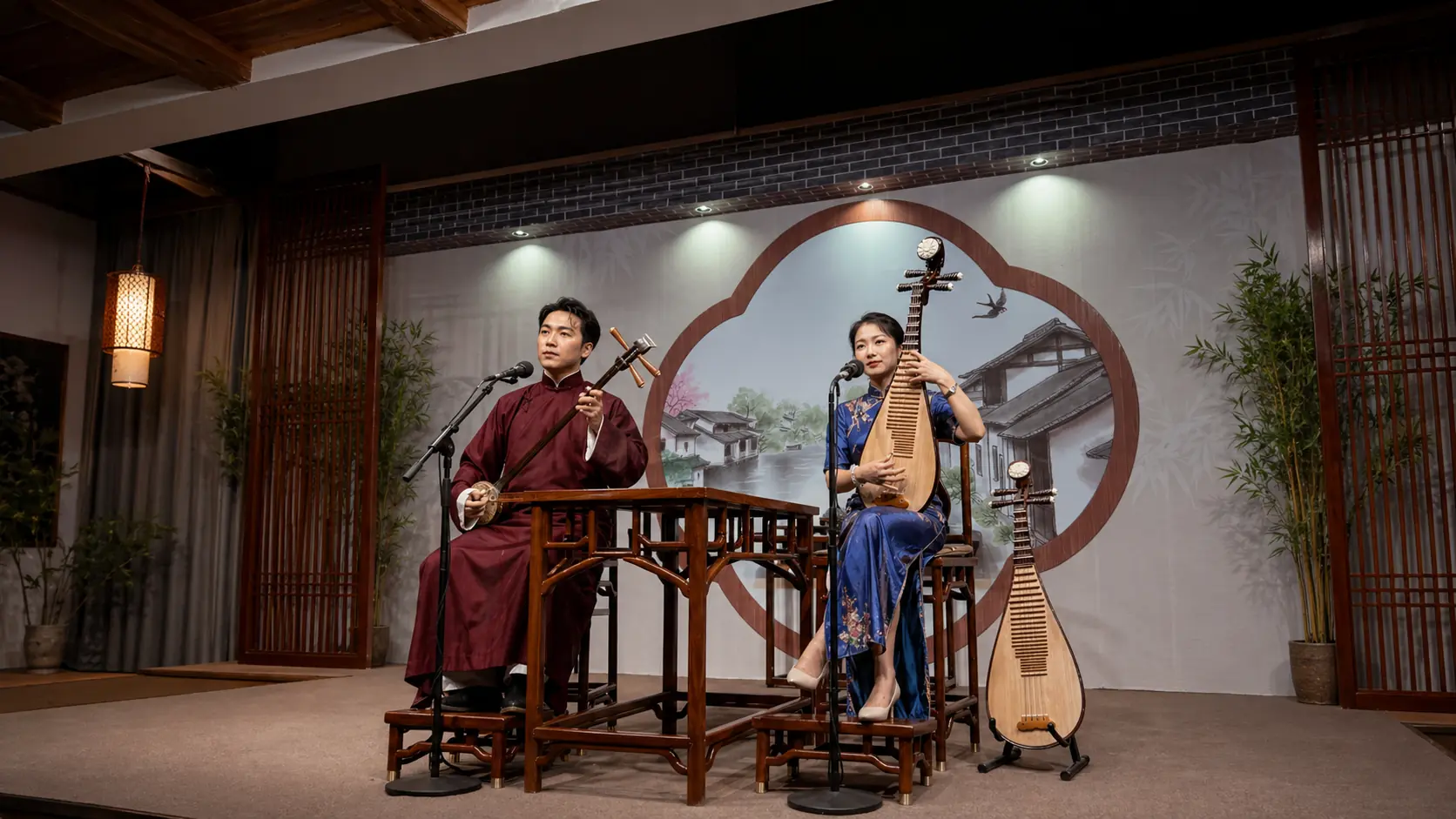
Pingtan is the lower-pressure evening: tea, a small room, storytelling, and Suzhou-dialect music. Kunqu is more formal and visual, especially in garden-night settings. Use our Pingtan and Kunqu guide to choose the right format.
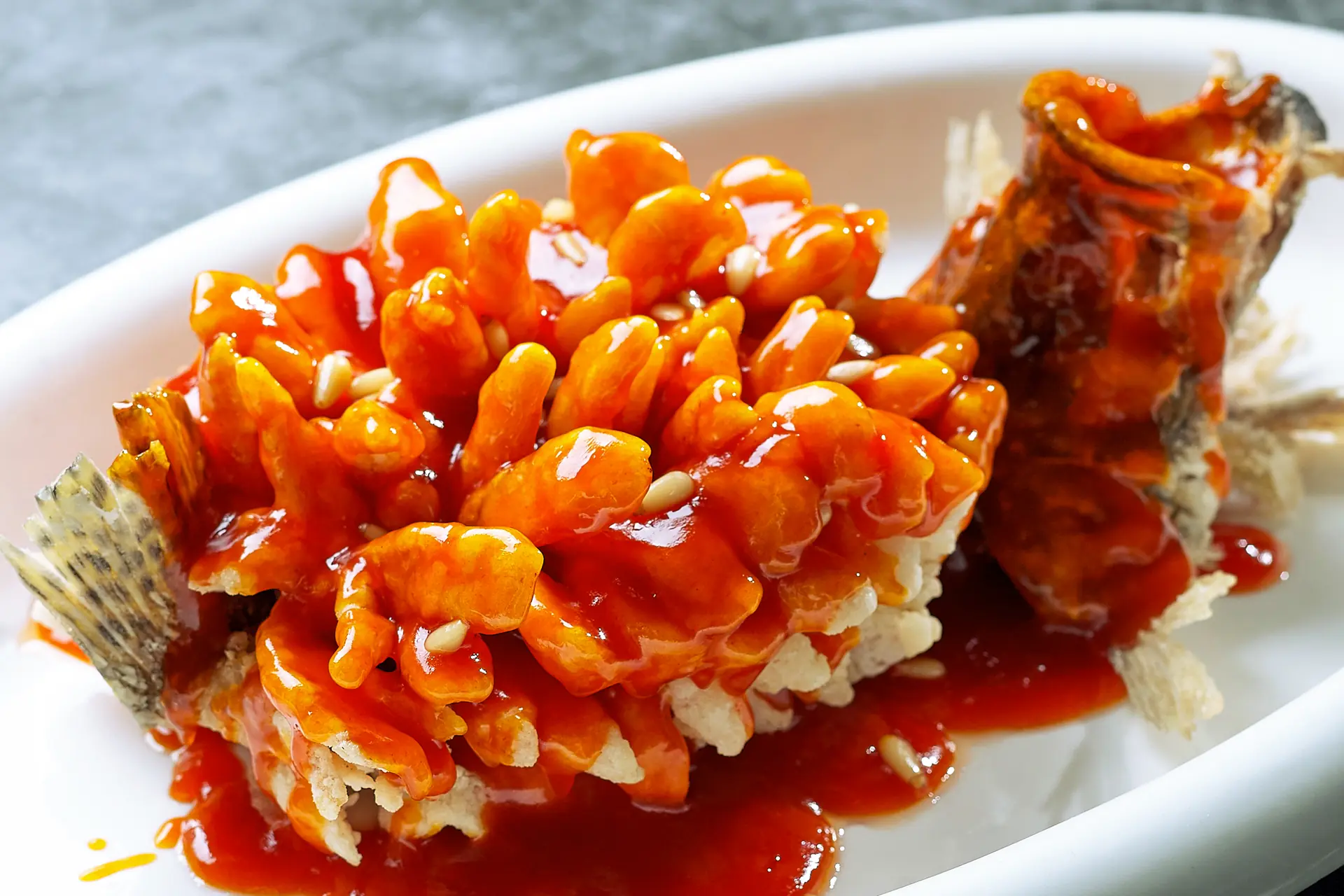
Suzhou food is sweeter, softer, and more seasonal than many first-time visitors expect. Build one meal around Su-style noodles, squirrel-shaped mandarin fish, pastries, or a quieter local restaurant rather than relying only on snack lanes. Start with our Suzhou food guide.

Tongli is a worthwhile water-town extension, but not a casual add-on to a packed garden day. Choose it when canals and old houses matter more to you than another Suzhou old-town stop. See the Tongli Water Town guide before trading away city time.
Add the Silk Layer
If you only visit gardens, you miss a major part of Suzhou's identity. Silk connects the city to canal trade, elite clothing, embroidery, domestic labor, and the high-craft world that helped shape Jiangnan taste.
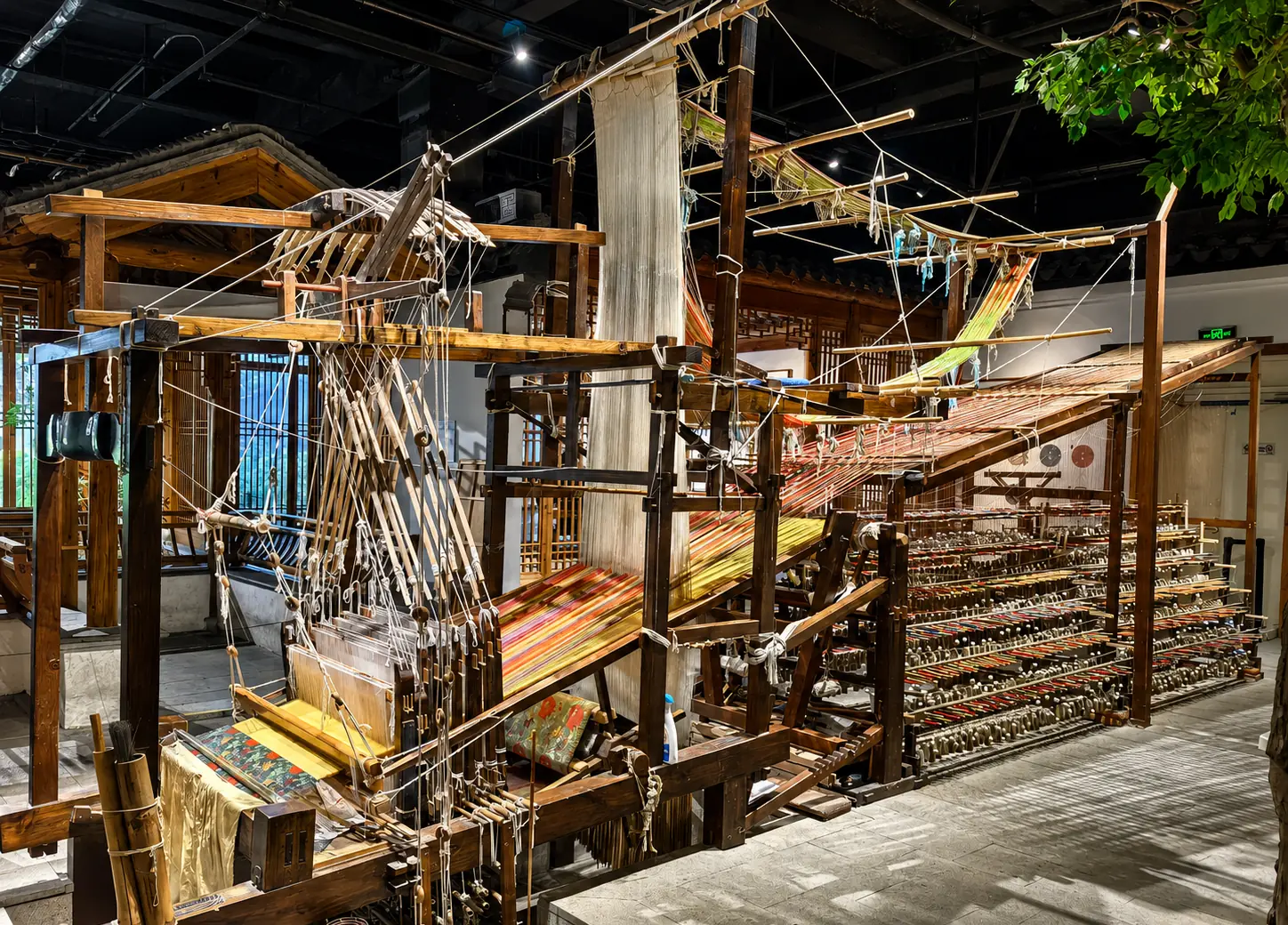
Suzhou Silk Museum (苏州丝绸博物馆) (Google | Amap) is the easiest serious silk stop. The government tourism page lists it at No. 2001 Renmin Road, with 9:00-17:00 hours, last entry at 16:00, Monday closure except national holidays, and free general admission. It sits near the old-town north area, so it can pair with Humble Administrator's Garden, Suzhou Museum, Beisi Pagoda, or a Pingjiang Road walk.
Treat commercial silk factories and silk shops differently. They can be interesting if you actually want scarves, bedding, embroidery, or brocade, but they are shopping stops first. If a driver or package route insists on a "silk factory," ask how long it takes and whether it replaces time at the gardens you came to see.
Silk stop or shopping stop?
For cultural context, start with Suzhou Silk Museum. For purchases, leave shopping until the end of the day so you can compare quality, avoid pressure, and keep your garden route intact.
What Kind of Suzhou Trip Fits You?
Do not choose Suzhou sights only by fame. Choose them by the kind of city you want your first trip to reveal. Most strong Suzhou visits mix two or three of these styles, but picking one primary focus makes the itinerary easier.
The Classic First Trip
Best for: first-timers, Shanghai day-trippers, and families.
Prioritize Humble Administrator's Garden, Suzhou Museum, Pingjiang Road, and Shantang Street or dinner. Add silk only if the museum slot and walking pace allow it.
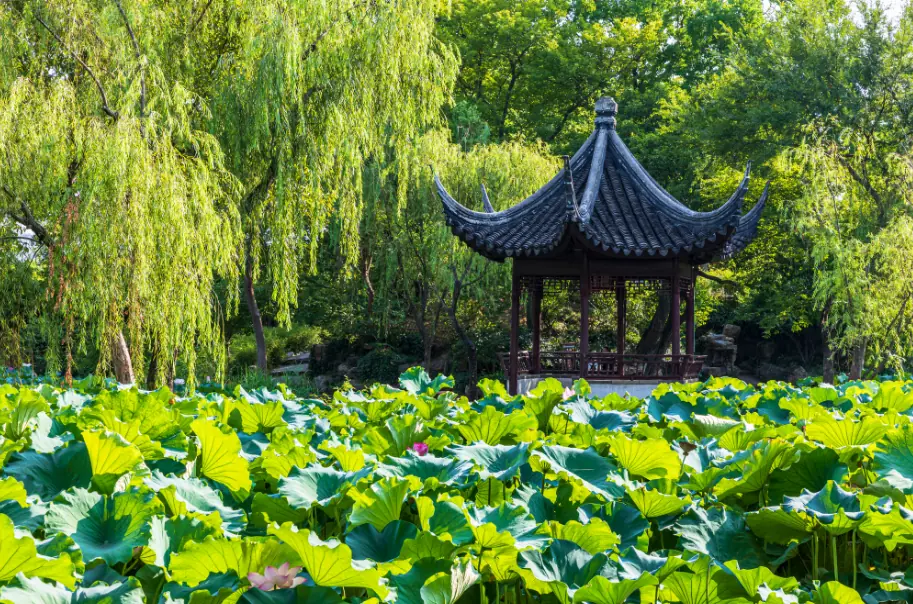
The Garden-Lover Trip
Best for: architecture, quiet looking, photography, and slow walkers.
Pair Humble Administrator's Garden with Lingering Garden, Master of the Nets, or Lion Grove. Avoid four gardens in a day unless garden design is the main reason you came.
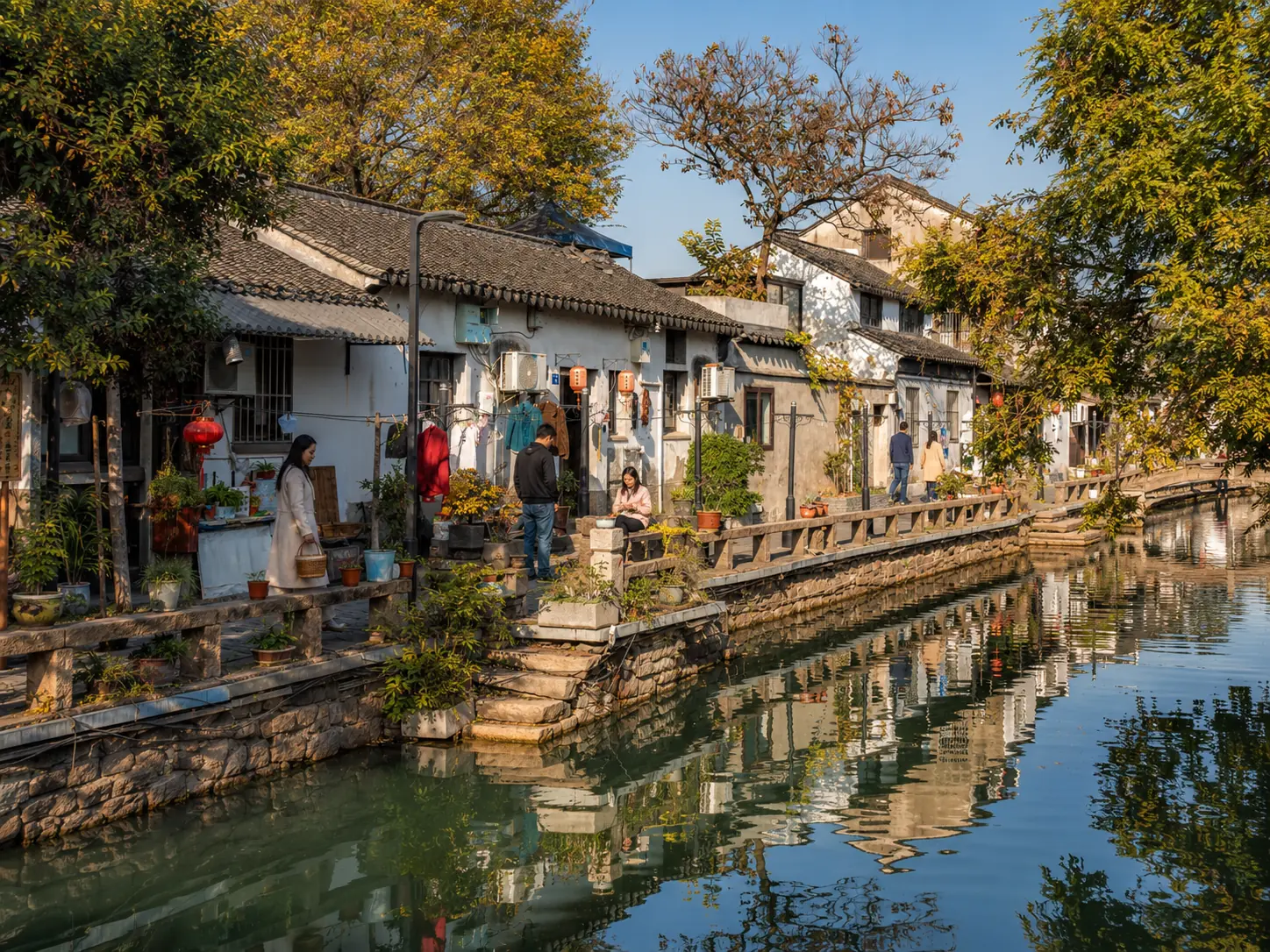
The Canal-Life Trip
Best for: tea, side lanes, boats, bridges, and old-town atmosphere.
Give more room to Pingjiang Road, Shantang Street, Panmen, and Tongli. This version works better with slow meals and fewer ticketed interiors.
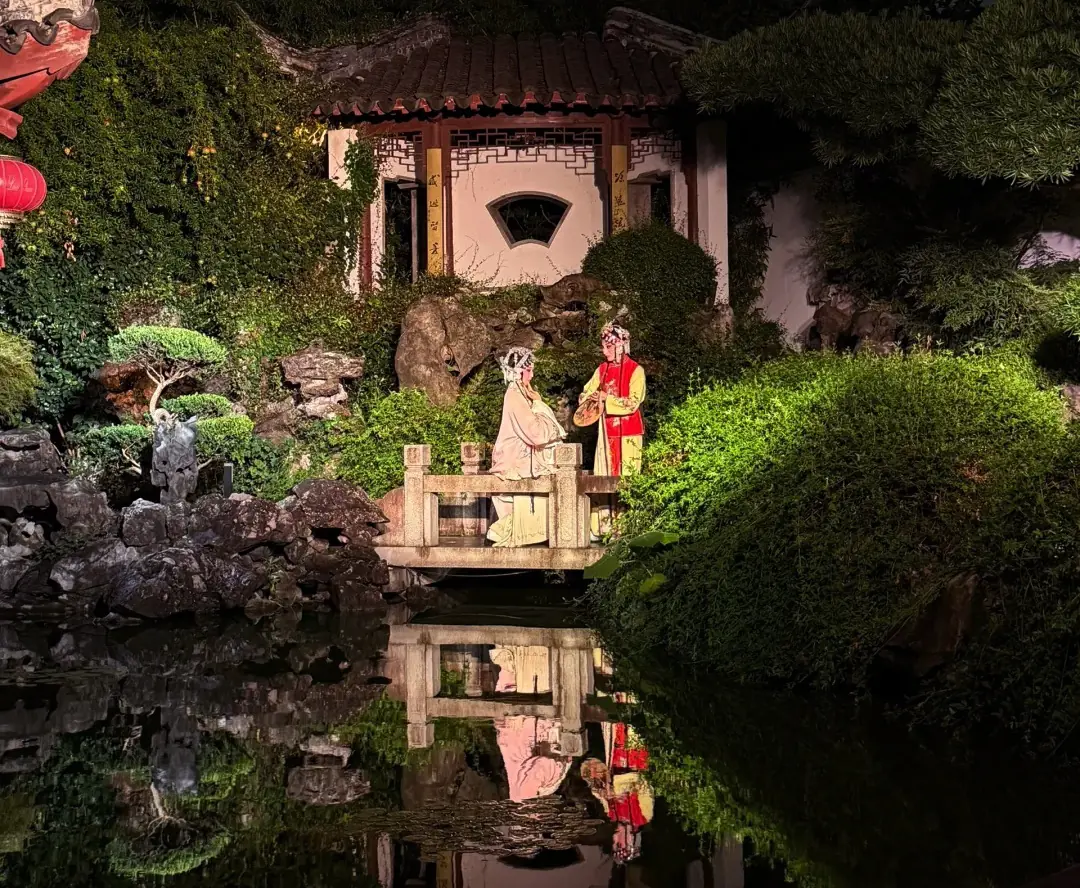
The Culture Evening Trip
Best for: performance, music, and a stronger sense of local identity.
Use the daytime for one garden and one museum, then choose Pingtan, Shantang Kunqu, or Master of the Nets Night Garden instead of another late attraction.
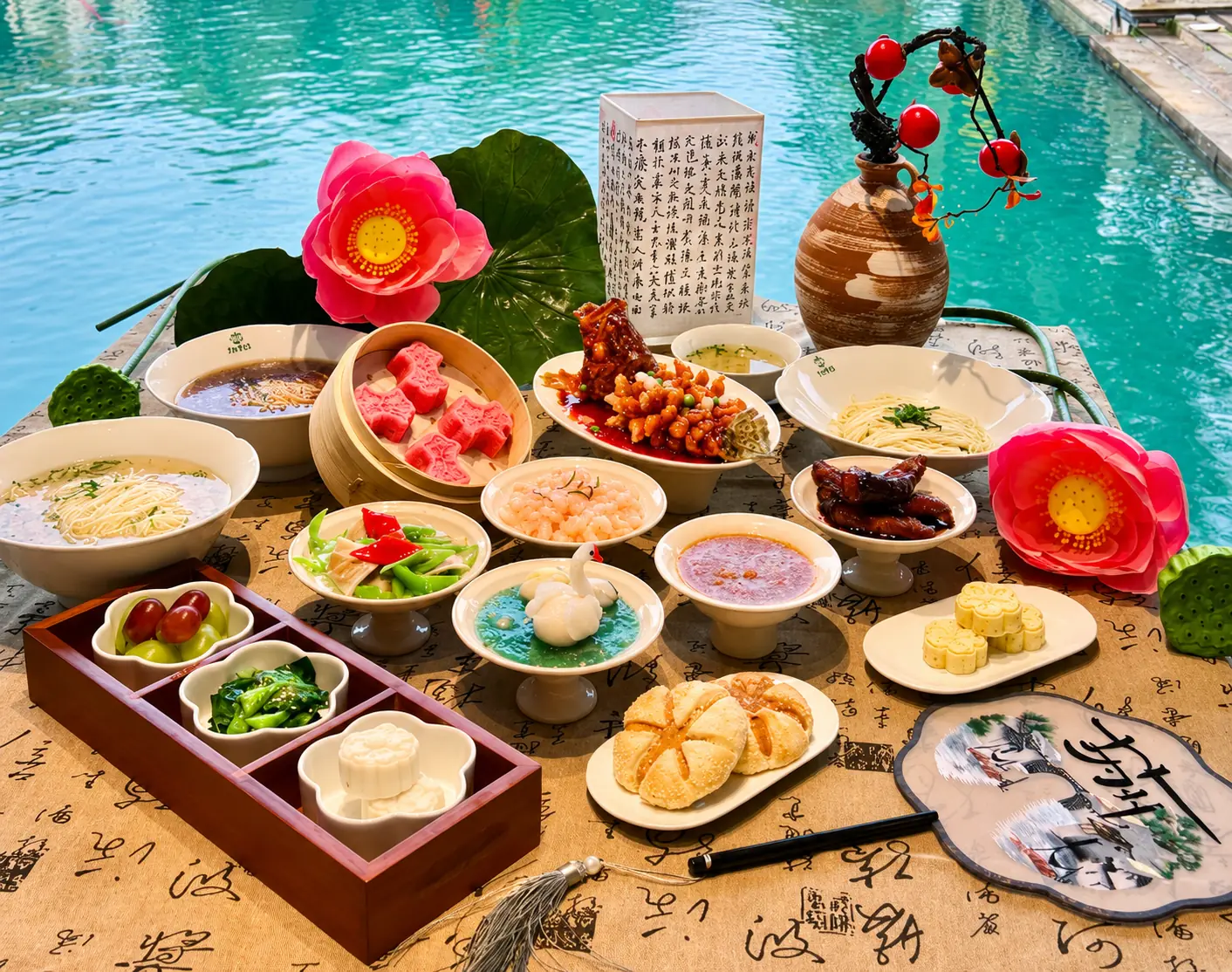
The Food-Forward Trip
Best for: travelers who remember cities through meals.
Anchor the day with Su-style noodles, one proper Suzhou dinner, pastries or tea, and a canal walk. Do not let food become only random snacks between tickets.
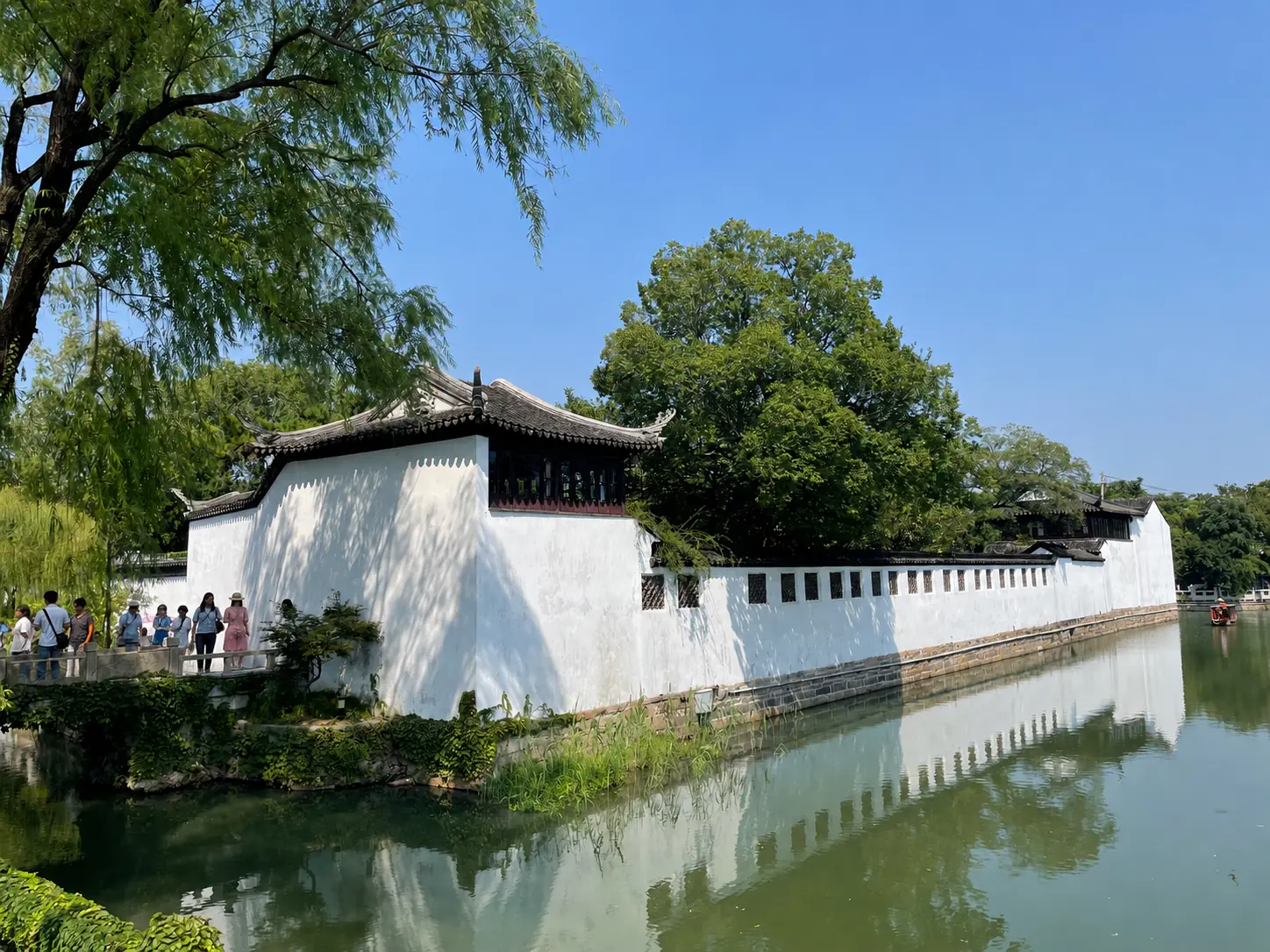
The Second Suzhou Trip
Best for: travelers who have already seen the headline garden cluster.
Add Panmen, Canglang Pavilion, Couple's Retreat Garden, Tiger Hill, Suzhou Museum West, or a water town. This is where Suzhou becomes less obvious and more personal.
Suzhou by Area
Before you build each day, get a feel for the main clusters. Suzhou is compact on a map, but a route that jumps randomly between north, west, south, and water-town edges will still drain the day.
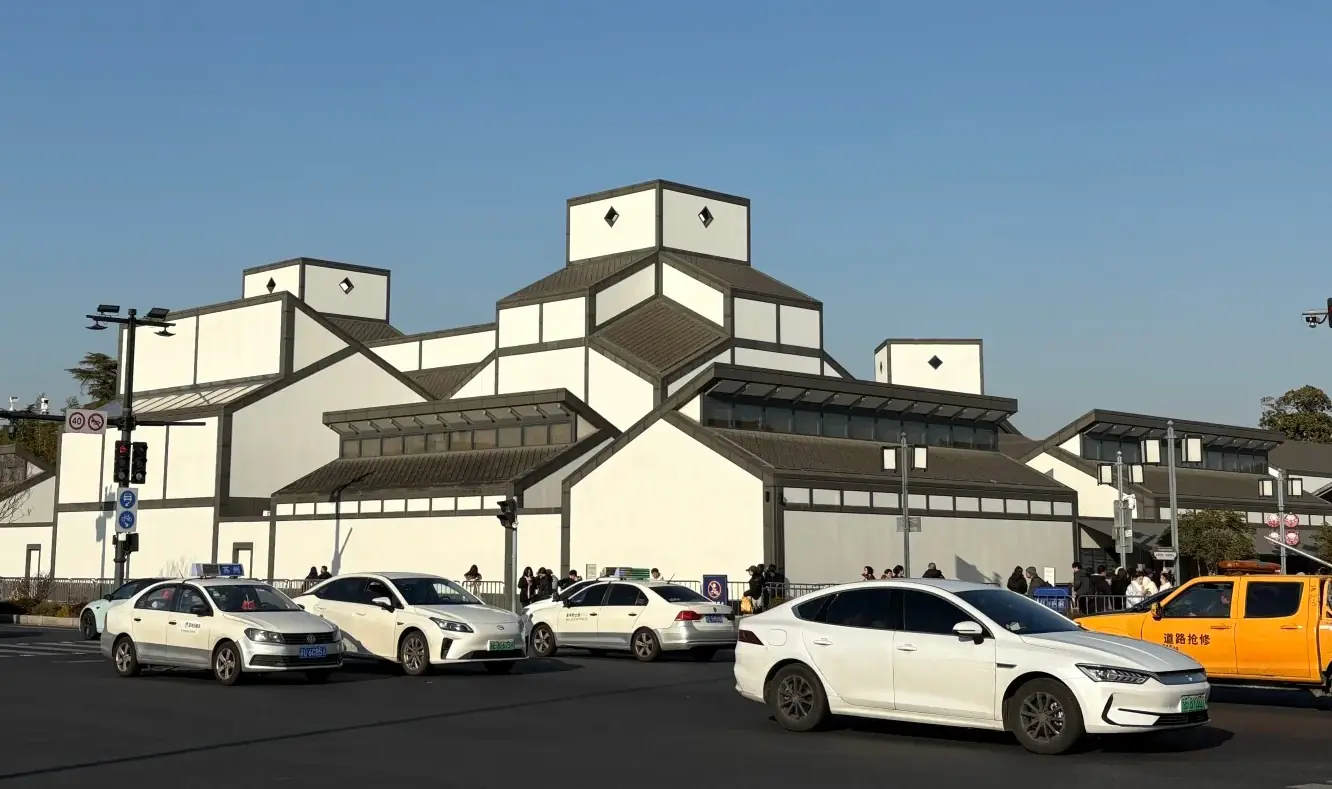
North Garden Cluster
Includes: Humble Administrator's Garden, Suzhou Museum, Lion Grove, Beisi Pagoda, and nearby old lanes.
Use this for: the easiest first-day anchor. Watch out: museum reservations and garden crowds make this a light-schedule zone.
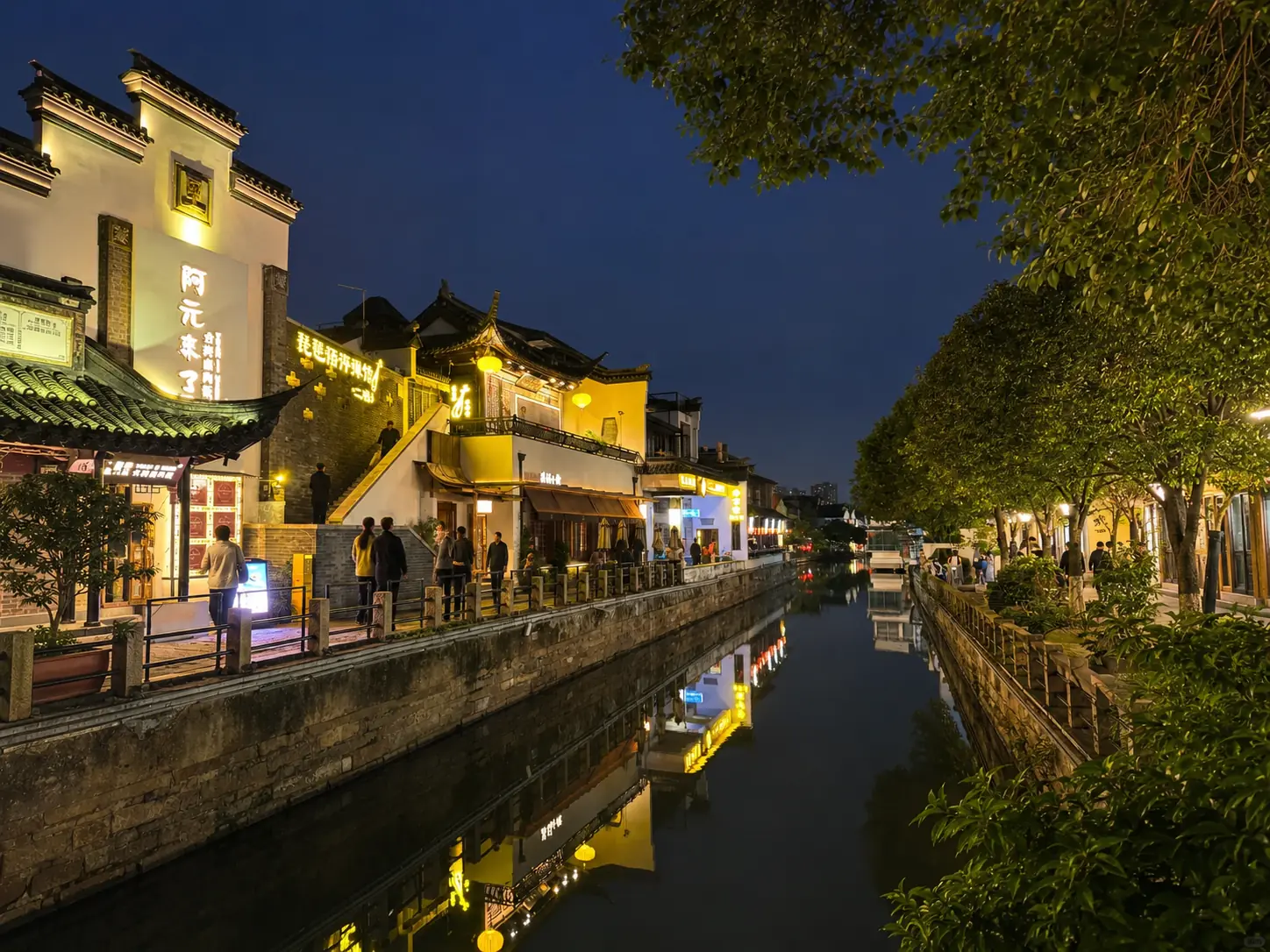
Pingjiang and Xiangmen
Includes: Pingjiang Road, side alleys, Pingtan stops, Kunqu Museum, and Couple's Retreat Garden.
Use this for: a soft walking link after the garden cluster. Watch out: the main lane gets busy, so side alleys matter.
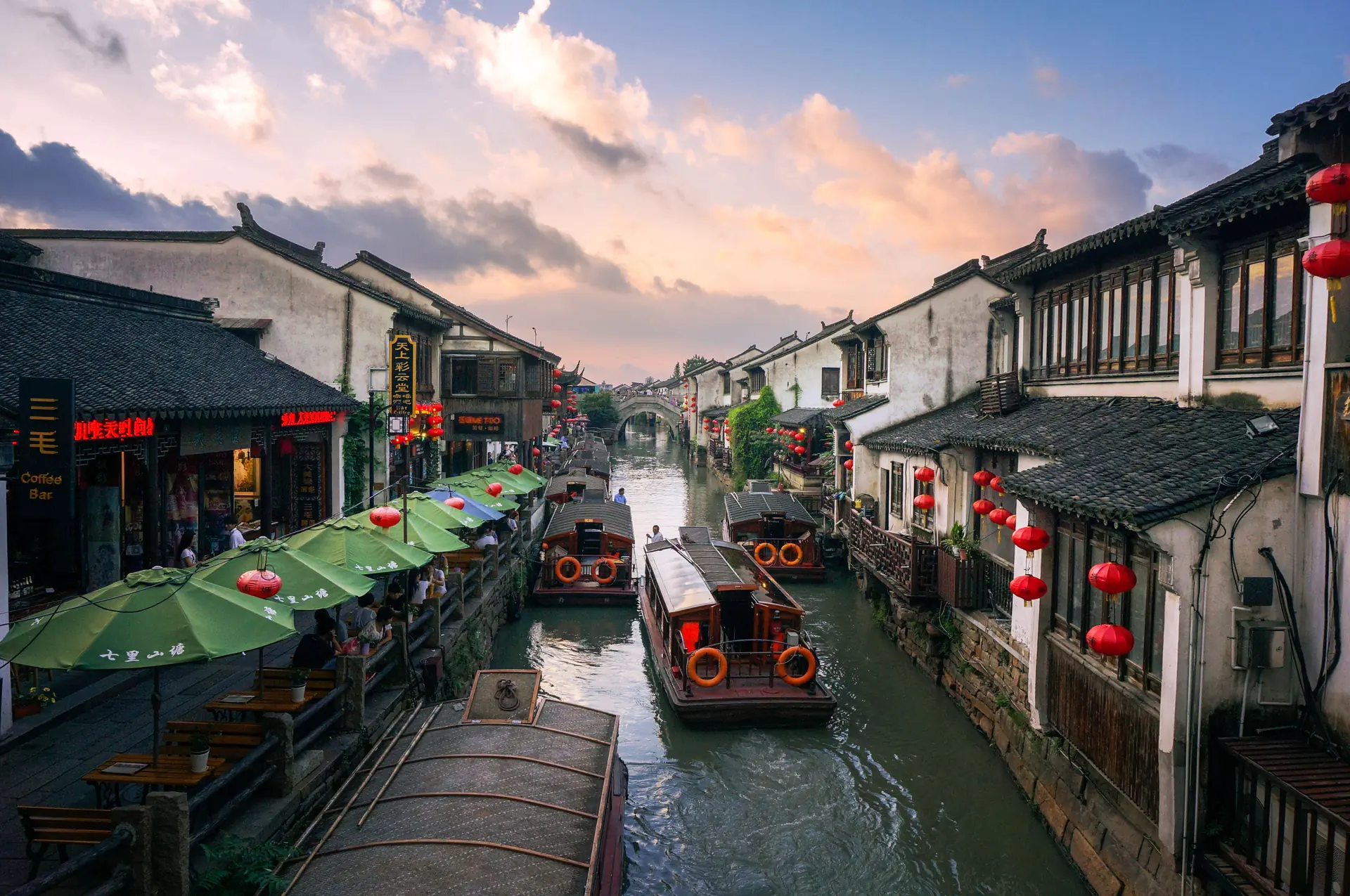
Western Old Town
Includes: Lingering Garden, Shantang Street, Tiger Hill, and the old canal route toward Changmen.
Use this for: a second garden plus dusk canal atmosphere. Watch out: do not walk the full historic distance unless that is the point of the day.
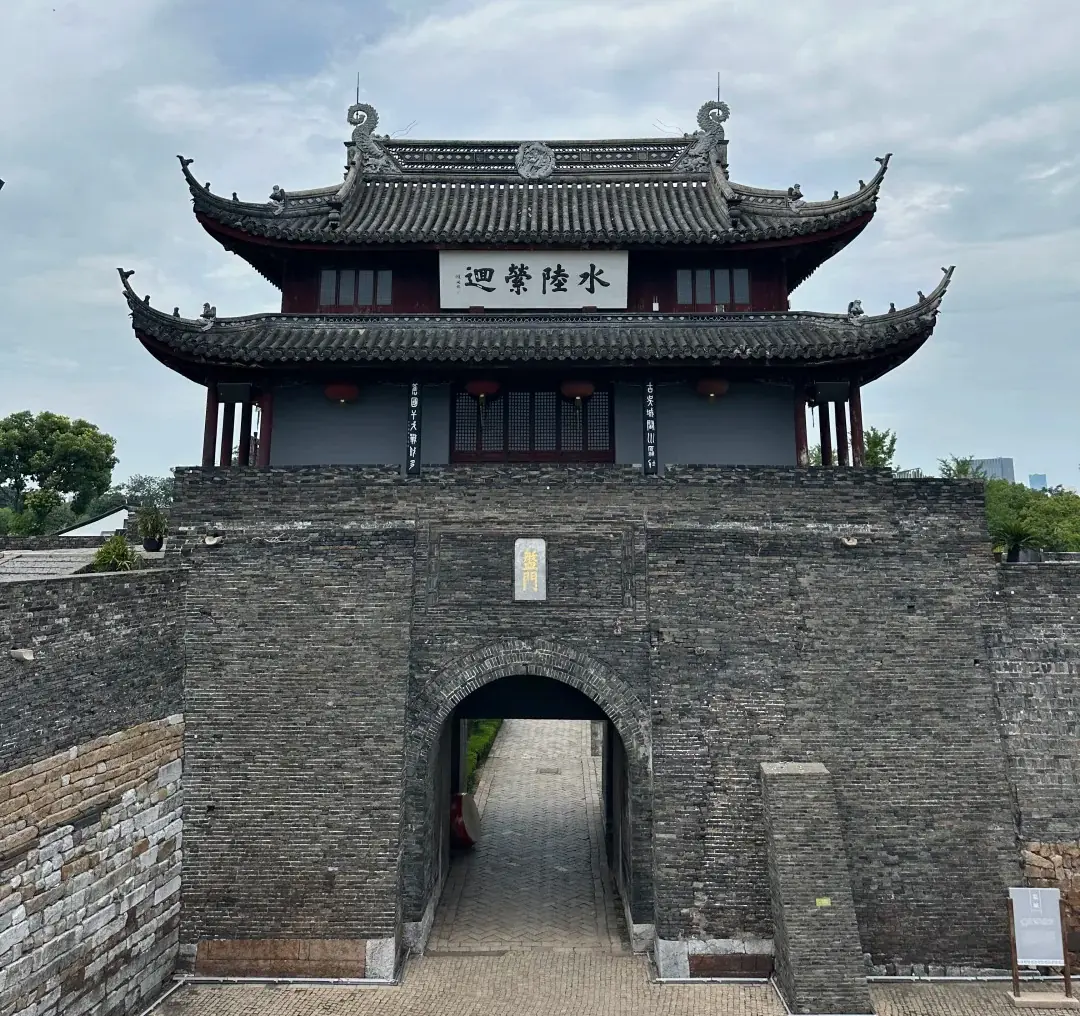
Southern Old Town
Includes: Panmen, Canglang Pavilion, Master of the Nets Garden, and quieter old-city pockets.
Use this for: a less obvious second day. Watch out: it is better for slow walkers than for checklist tourism.
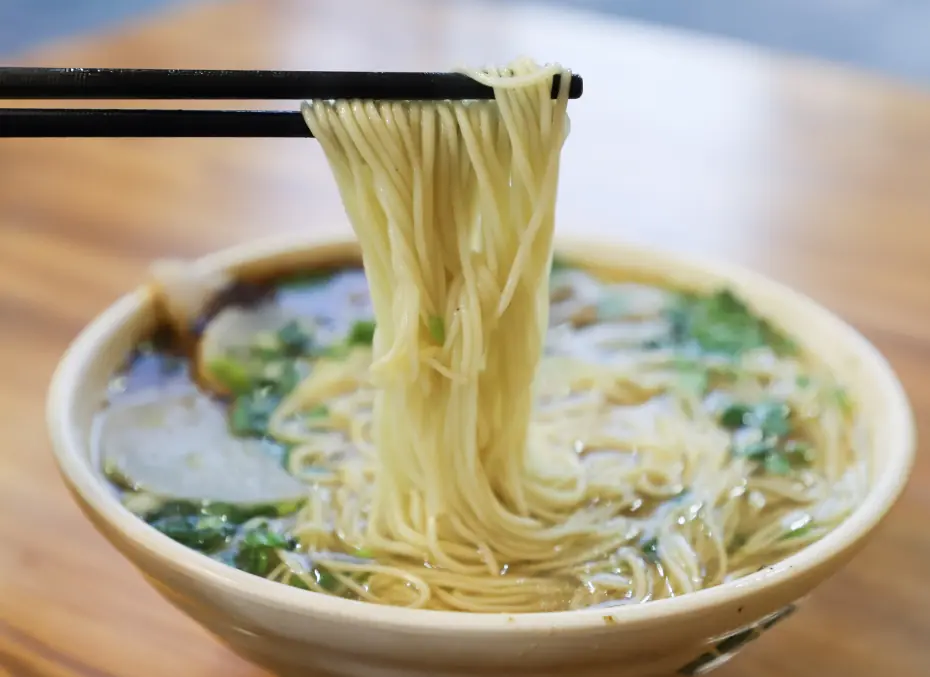
Guanqian and Food Streets
Includes: Guanqian Street, old restaurants, noodle shops, pastries, and central shopping lanes.
Use this for: dinner, rainy-day shopping, or a low-effort food finish. Watch out: famous streets are convenient, not always the most atmospheric.
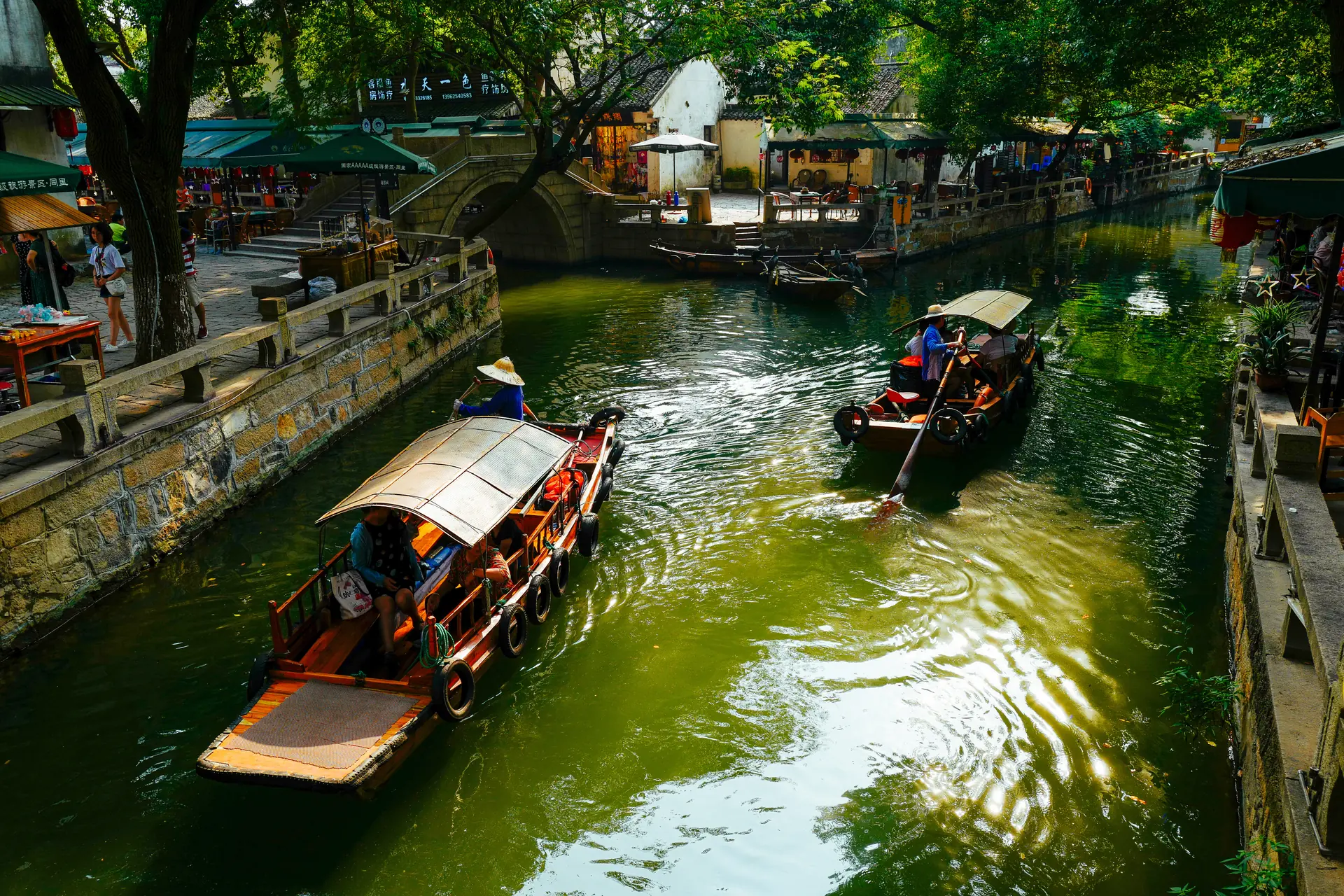
Water-Town Edge
Includes: Tongli, Zhouzhuang, and other canal towns outside the old city.
Use this for: a separate half-day or overnight mood. Watch out: water towns compete directly with garden time.
Turn Your Focus Into One or Two Days
After choosing your Suzhou focus, translate it into time. For one day, the best route is not "all top attractions." It is one major garden, one museum or silk stop, one canal walk, and one evening mood. Anything beyond that starts to flatten the city.

One-Day Core Shape
Best shape: Humble Administrator's Garden, Suzhou Museum or Suzhou Silk Museum, Pingjiang Road, then Shantang Street before dusk.
This gives you garden scale, museum or craft context, canal life, and one evening mood without pretending a day trip can hold every famous stop.
Two-Day Slower Shape
Day 1: Stay around the north old-town cluster: Humble Administrator's Garden, Suzhou Museum, Lion Grove or Pingjiang Road, then Pingtan or a relaxed dinner.
Day 2: Shift west or south for Lingering Garden, Tiger Hill, Shantang Street, Panmen, a silk stop, or an evening show.
Shanghai Day-Trip Trade-Off
Use our Suzhou day trip from Shanghai guide for station choice, timing, and whether a water town fits.
Tongli is worth a separate decision; use the Tongli Water Town guide if canals and old houses matter more than another garden.
Tickets, Reservations, and Garden Hours
Suzhou's practical details are seasonal. Treat the tables below as planning guidance, then confirm on the official Suzhou Gardens channel or the attraction's current booking page before travel.
The Suzhou Garden and Greening Administration's published opening-hours table is the safest reference before you go. Major municipal gardens such as Humble Administrator's Garden, Lingering Garden, and Lion Grove Garden generally open around 7:30, run longer in the warmer months, and stop ticket checks roughly 30 minutes before closing. Major Chinese holidays may extend closing times, while winter schedules can be shorter.
The city price authority's government-guided price table is useful as a ceiling reference rather than a live booking page. It has listed these daytime ticket examples:
- Peak
- ¥80
- Off-peak
- ¥70
- Planning note
- Mandatory 1–7 day real-name online booking
- Peak
- ¥55
- Off-peak
- ¥45
- Planning note
- Easier to pair with Shantang or Tiger Hill
- Peak
- ¥70
- Off-peak
- ¥60
- Planning note
- Give it its own half-day if you walk slowly
- Peak
- ¥40
- Off-peak
- ¥30
- Planning note
- Best paired with the museum-garden cluster
- Peak
- ¥40
- Off-peak
- ¥30
- Planning note
- Night garden programs are separate
- Peak
- ¥20
- Off-peak
- ¥15
- Planning note
- Good quieter second-garden choice
Actual prices can differ for night gardens, special exhibitions, packages, concessions, or third-party products. For Suzhou Museum's main building, assume reservation first, sightseeing second; a 2026 city notice described a timed reservation system with booking up to seven days ahead, but you should confirm the current window before building your day around it.
Getting Around Suzhou
Suzhou's old town is compact, but the wrong station choice can make the day feel clumsy. For most garden-and-canal routes, Suzhou Railway Station is more convenient than Suzhou North Railway Station because it sits much closer to the old city. Suzhou North can still work for some high-speed rail schedules, but it usually adds a longer metro or taxi transfer.
Use this quick geography:
- Museum-garden cluster: Humble Administrator's Garden, Suzhou Museum, Lion Grove Garden, Pingjiang Road.
- Western old town: Lingering Garden, Shantang Street, Tiger Hill.
- Southern old town: Panmen, Canglang Pavilion, Master of the Nets Garden.
- Water towns: Tongli and Zhouzhuang are separate day-plan decisions, not casual add-ons.
Short taxis can save energy, especially with family or older travelers, but do not use taxis to jump randomly across the city all day. Pick a cluster, walk inside it, then use one transfer to the next cluster.
Common First-Trip Mistakes
- Do not visit four classical gardens in one day unless garden design is your main special interest.
- Do not assume Suzhou Museum is a walk-in backup just because admission is free.
- Do not let a commercial silk stop replace the cultural silk stop you actually wanted.
- Do not arrive at Pingjiang Road and Shantang Street at the same peak evening hour.
- Do not force Tongli or Zhouzhuang into a day that already has gardens, museum, silk, food, and canals.
Frequently Asked Questions
One full day is enough for a focused first taste if you keep the route tight. Two days is much better if you want Lingering Garden, Tiger Hill, an evening show, or a water town without turning the trip into a checklist.
Sources checked for this guide
- Mandatory 1–7 day real-name online reservation and registered ID entry at Humble Administrator's Garden: Suzhou Municipal Government garden notice
- Seven-day main-building reservation rule versus Suzhou Museum West Branch queue access: Suzhou Municipal Government English museum notice
- Classical garden seasonal pricing and Master of the Nets Night Garden framework: Suzhou Garden Bureau ticket guide
- Pingjiang Historical Neighbourhood parallel water-and-land canal pattern and free access: Suzhou Municipal Government Pingjiang profile
Beyond This Guide
Once you know which version of Suzhou you want, go deeper on the sights that will shape your trip most. For the next layer, start with the Suzhou destination hub, our Humble Administrator's Garden guide, Lion Grove and Master of the Nets guide, Pingjiang Road guide, Shantang Street guide, Pingtan and Kunqu guide, and Suzhou food guide.
© gochinafreely.com — Original guide by Go China Freely.