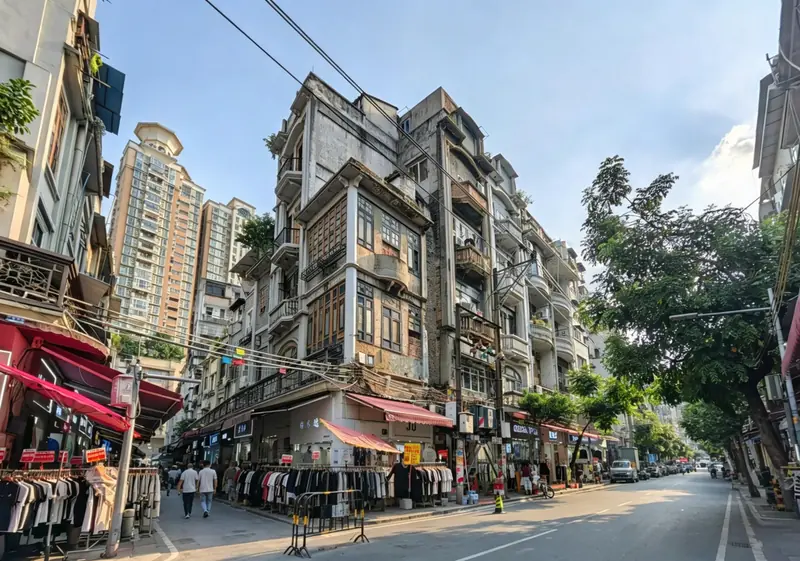
Choose a district
Hours, retail sales, photography, returns, payment, and weekend opening are building- or merchant-specific. Confirm the current policy for your target market before a special trip. See transport planning
Buy on written terms
From Thirteen Hongs to Wholesale Capital
Guangzhou's wholesale landscape is not one market but a network of specialist trading districts. Clothing, textiles, toys, luggage, shoes, watches, and dried goods each have their own commercial geography, and the useful visitor skill is choosing the right cluster before the trading window disappears.
A trading city across three centuries
- 1
The Canton System concentrates Western maritime trade in Guangzhou
1757-1842The Thirteen Hongs district becomes the principal regulated interface between Qing China and Western maritime merchants.
- 2
Treaty-port opening ends the monopoly
1842The exclusive system closes, but the merchant networks, logistics knowledge, and export culture remain part of Guangzhou's commercial identity.
- 3
The Canton Fair begins
1957The China Import and Export Fair launches in Guangzhou and continues to run every spring and autumn.
- 4
Specialist market clusters expand
Reform era to todayGarment, textile, toy, luggage, shoe, and food markets develop into distinct sourcing districts; Guangzhou Commerce reported 508 professional markets in 2026.

Shisanhang remains a working wholesale district: compare buildings and trading terms rather than treating it like a single mall.
Specialist geography
One product list may require two districts; an unfocused route can consume the useful trading hours.
Independent stalls
Each seller sets its own MOQ, sample, payment, photography, and after-sales policy.
Working trade, not a mall
The experience is most rewarding when you compare products and observe how orders move through the supply chain.
Clothing Markets: Shisanhang & Beyond
Guangzhou's garment trade has three main geographies: Shisanhang in Liwan, the railway-station fashion cluster in Yuexiu, and Shahe in Tianhe. The four modules below use the same decision fields so you can choose a fit instead of collecting market names.
Shisanhang (十三行)
Early wholesale rhythm · dense womenswear trade
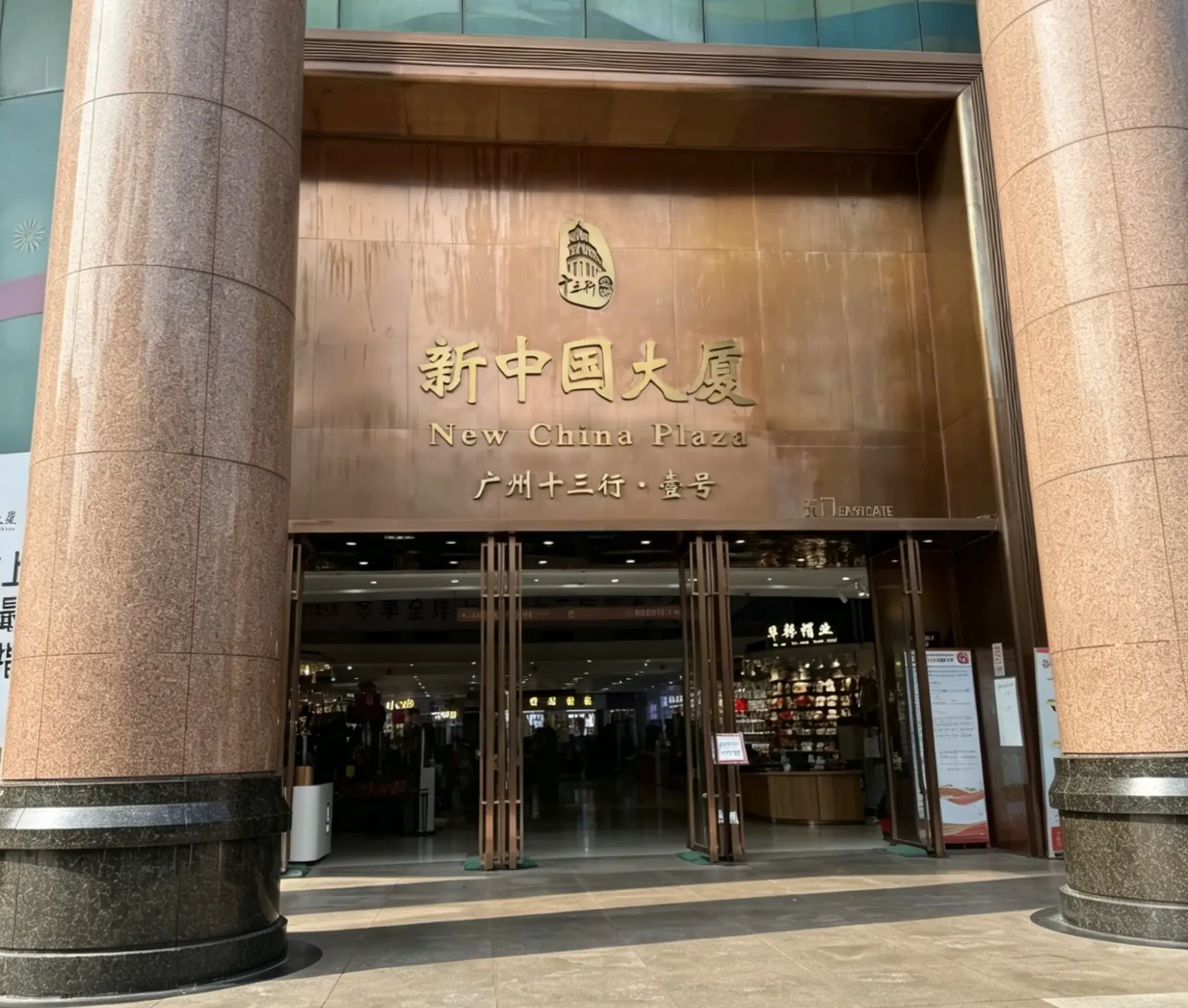
What it is: A group of garment buildings around Shisanhang Road (十三行路) and Guyi Road (故衣路), with New China Building (新中国大厦) as the best-known landmark.
Buying position: Fast-moving womenswear, knitwear, casual pieces, and trend-led stock. Floor use and seller mix change; confirm the current building directory.
Best fit: Visitors who want the strongest wholesale atmosphere and can arrive early with a shortlist.
Check first: Building hours, quantity, unit, sample policy, and the exact goods. Many floors wind down earlier than conventional retail malls.
Baima Clothing Market (白马服装市场)
08:00-18:00 official hours · calmer comparison
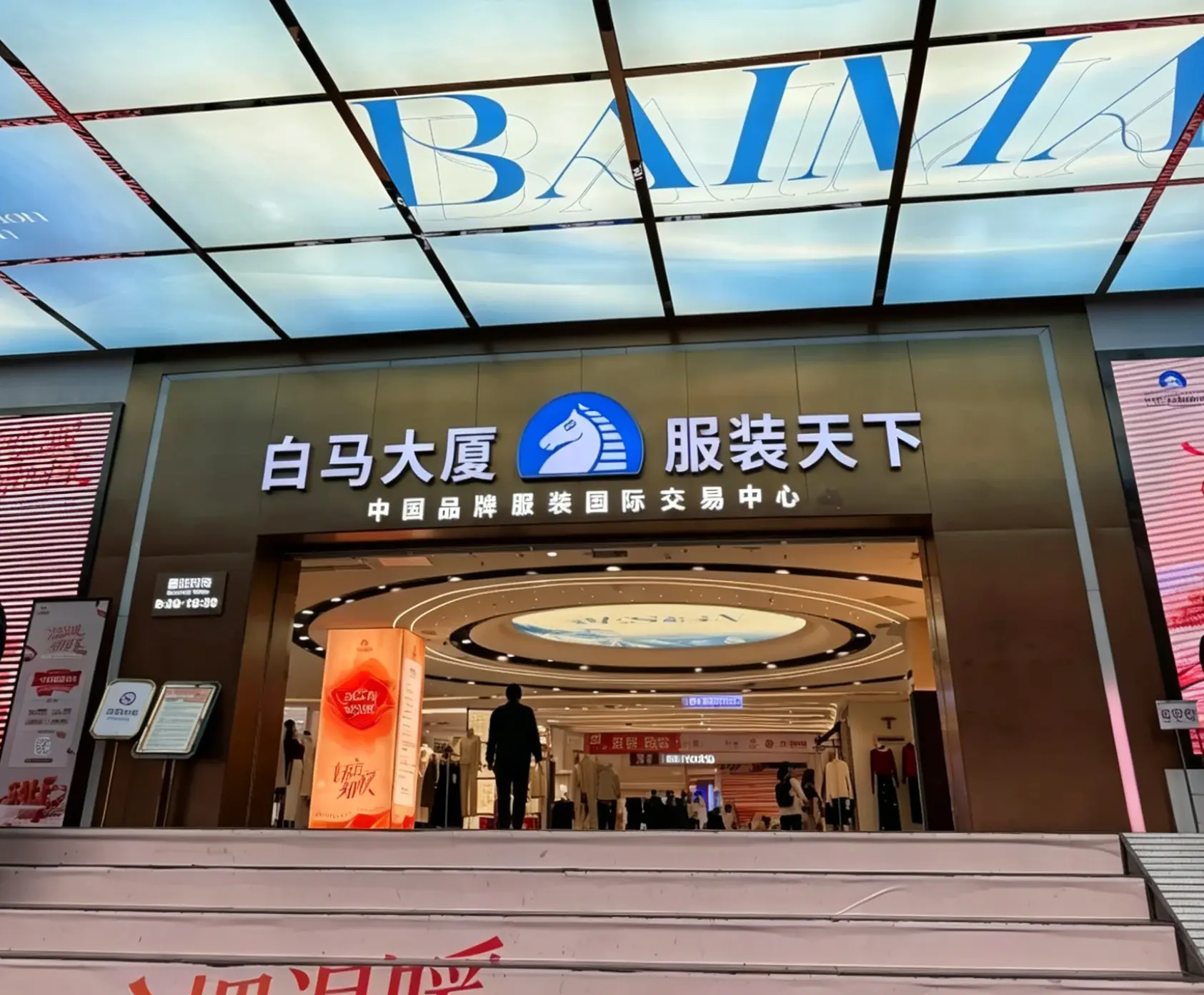
What it is: A long-running fashion market at No. 16 Zhannan Road (站南路), opposite the railway-station district.
Buying position: More showroom-like presentation and a broader mid-range selection than the most crowded early-morning markets; prices and originality still vary by stall.
Best fit: First-time visitors who value regular hours, easier comparison, and a less compressed visit.
Access: Guangzhou Railway Station Metro Lines 2/5, Exit G. The Line 11 stop at the railway station remains deferred.
Shahe Clothing Market (沙河服装市场)
Very early trade · price-led cluster
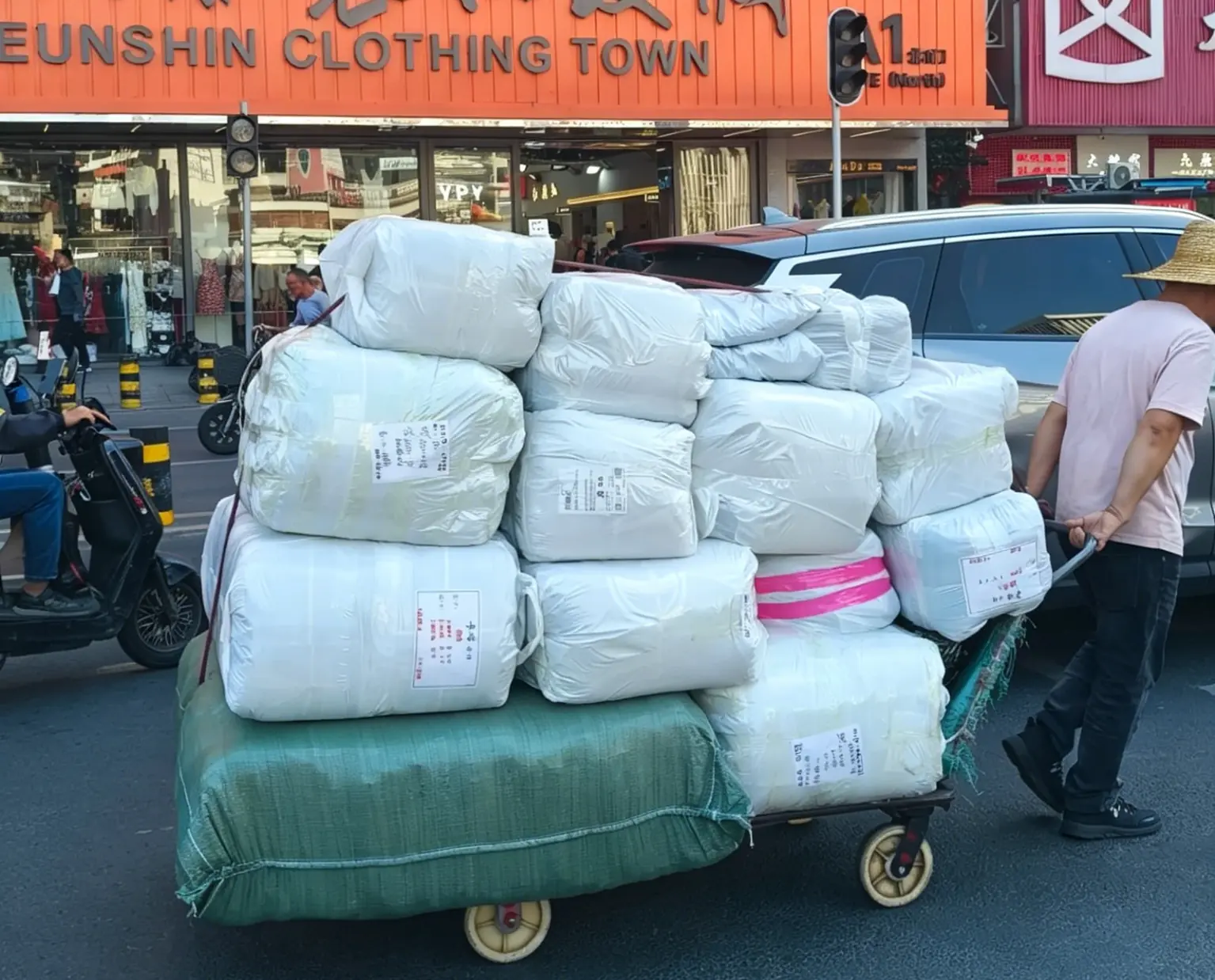
What it is: A multi-building garment district near Xianlie East Road (先烈东路), including Nancheng (南城), Wanjia (万佳), Jinma (金马), and other trading buildings.
Buying position: High-volume, price-sensitive stock with wide variation in construction and merchant policy.
Best fit: Experienced buyers or curious visitors prepared for a working logistics environment; casual single-piece sales are not guaranteed.
Access: Shahe station on Metro Lines 6/11 opened in December 2024. Use the live map for the building and entrance you need.
Train Station District (站西商圈)
Baima · Liuhua · Hongmian · apM
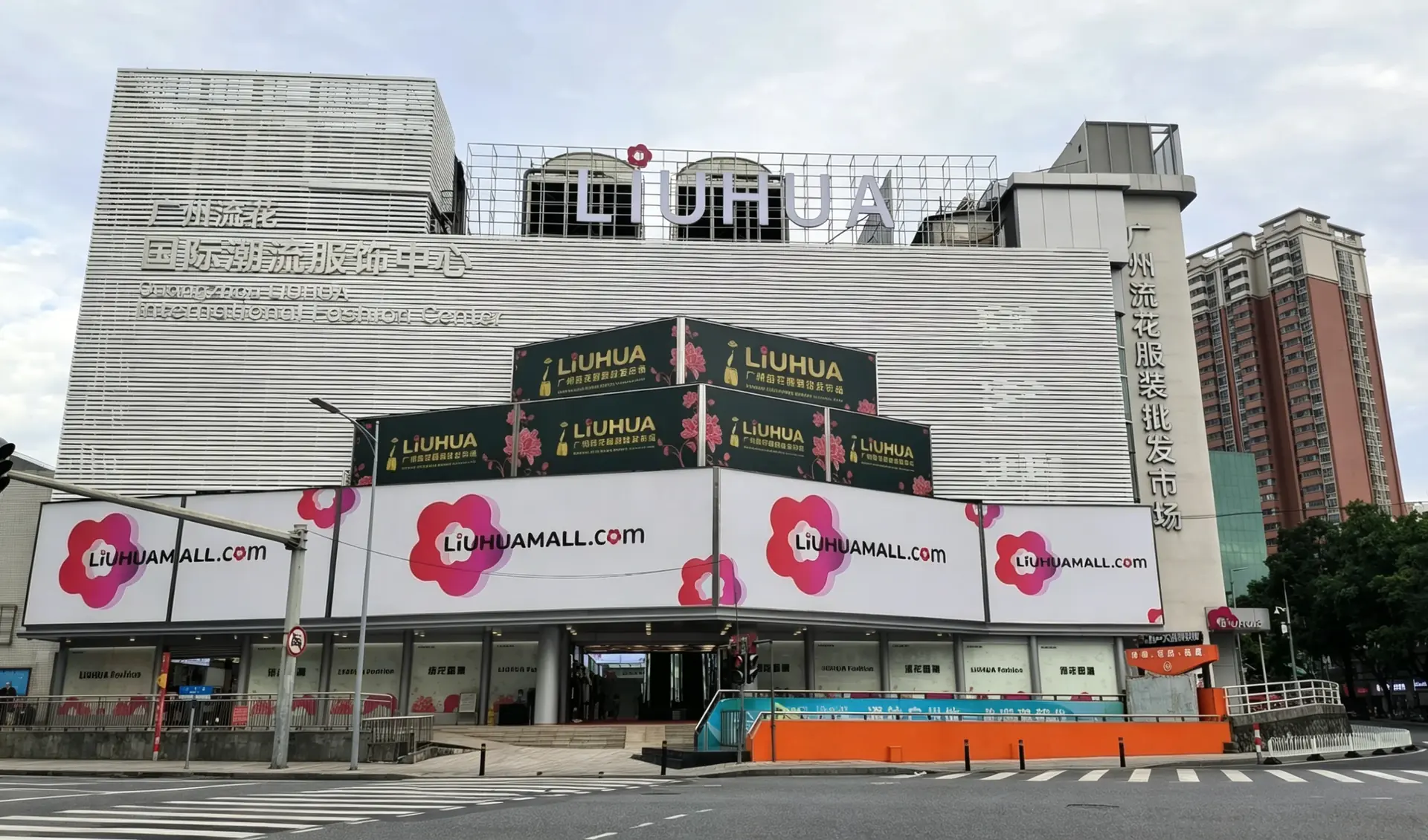
What it is: A walkable cluster around Guangzhou Railway Station that includes Liuhua Clothing Market (流花服装城), Hongmian International Fashion City (红棉国际时装城), and apM Fashion Square (壹马服装广场).
Buying position: Multiple fashion tiers and presentation styles within one district; apM emphasizes trend-led and Korean-influenced fashion branding.
Best fit: Travelers who want to compare several buildings after Baima without crossing the city again.
Check first: Save each building name in Chinese and compare the directory, hours, quantity, and seller terms separately.
Choose by visit style, not a universal price ranking
Most energetic: Shisanhang, early and focused.
Most approachable: Baima plus the station cluster.
Most trade-intensive: Shahe, with quality and retail policy checked stall by stall.
Beyond Clothing: Specialty Markets
Guangzhou's specialist markets work best as product clusters, not a catch-all shopping list. Use one district for one material or merchandise task, then decide whether the next cluster is worth the cross-city transfer.
Yide Road: Toys, Dried Seafood & Snacks (一德路)
Wanling Plaza · toy, gift, dried-goods and snack cluster
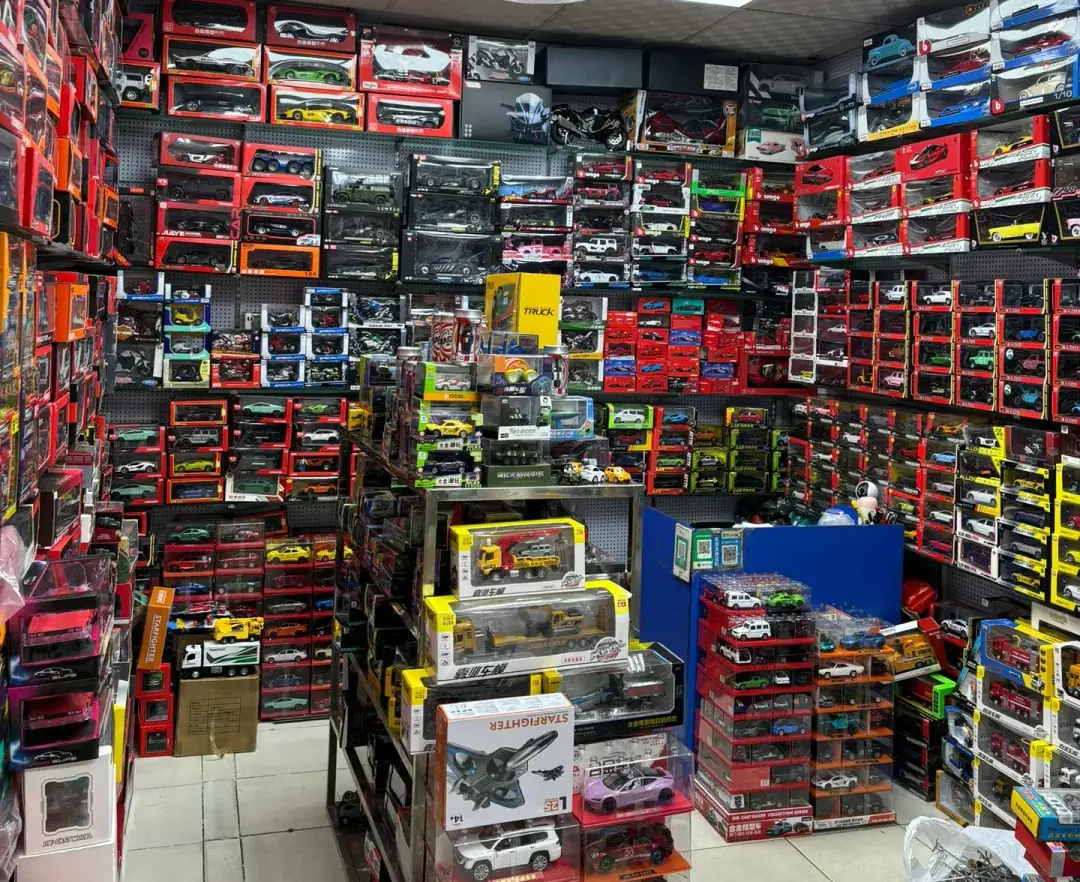
Product focus: Wanling Plaza (万菱广场) and nearby buildings cover toys, stationery, gifts, party decorations, models, and seasonal merchandise; the surrounding street also concentrates dried seafood and packaged foods.
Best fit: The broadest non-clothing stop for visual browsing, but compare packaging, labeling, expiry dates, restricted ingredients, and quantity before buying.
Access: Yide Lu station on Metro Line 6; use the live map for the exact building.
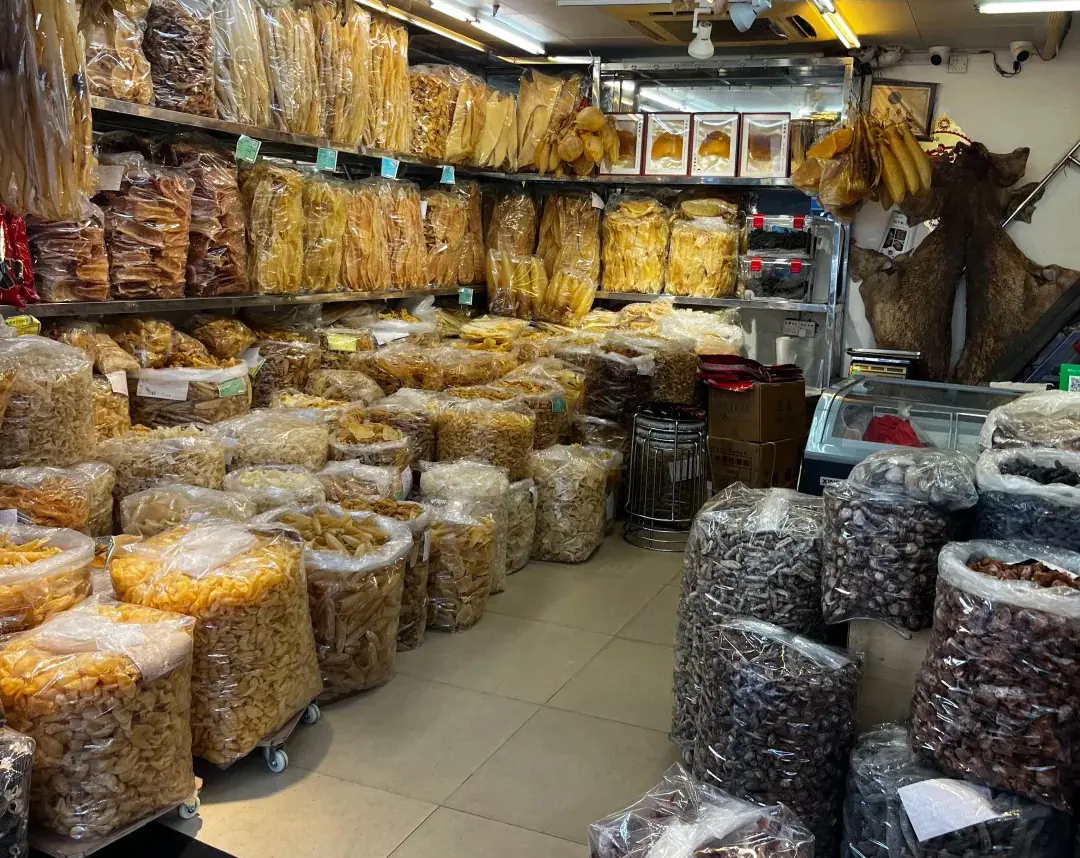
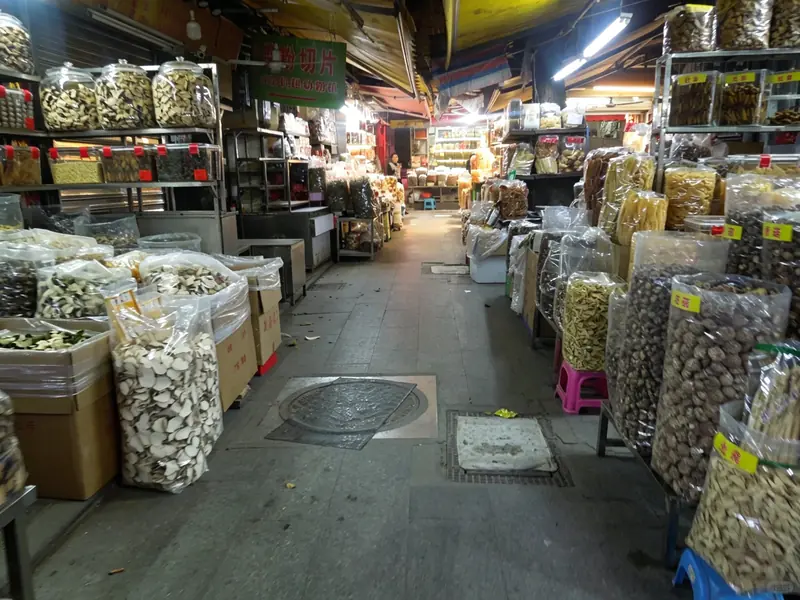
Yide Road's second trading face: dried seafood, preserved ingredients, and food wholesalers.
Zhongda Fabric Market (中大布匹市场)
Textiles and accessories · professional sourcing scale
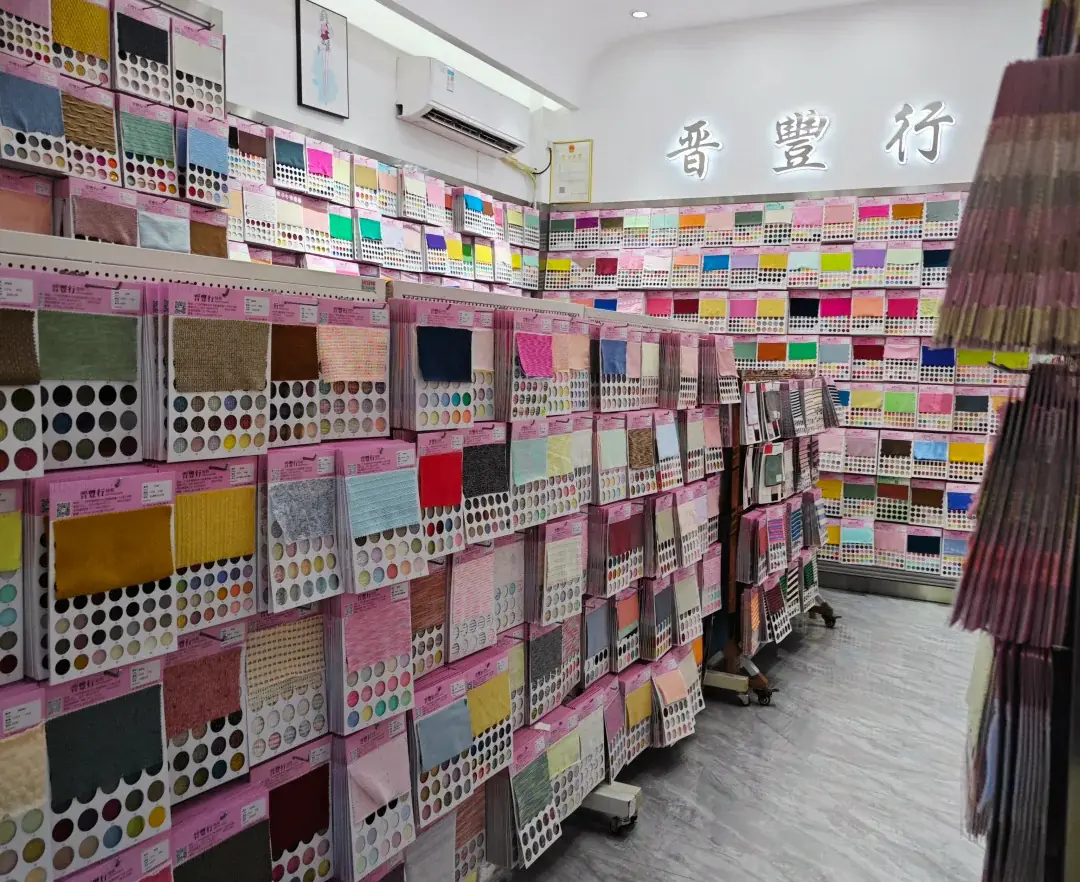
Product focus: The Zhongda textile cluster along and around Ruikang Road (瑞康路) covers cotton, linen, silk, wool, synthetics, lace, denim, leather, trims, and garment accessories.
Current scale: Guangzhou government reporting in 2025 described 61 professional markets and nearly 16,000 merchants or enterprises across the broader cluster.
Best fit: Travelers with a fabric specification, swatch, measurement, or serious tailoring project. Ask whether fabric and labor are quoted separately.
Check first: Fiber content, width, unit, shrinkage, color lot, minimum cut, workshop identity, fitting schedule, written completion time, and remedy. Do not rely on a fixed low tailoring headline.
Xijiao Building & Zhanxi Road
Bags, luggage, leather goods and shoes
Product focus: Xijiao Building (西郊大厦) on Zhanqian Road (站前路) concentrates wallets, luggage, backpacks, and handbags; Zhanxi Road (站西路) is associated with shoe wholesale.
Best fit: A targeted search for construction, materials, dimensions, and hardware rather than a general fashion browse.
Check first: Branding and intellectual-property risk, zipper and wheel quality, lining, stitching, pair matching, size system, packaging, and seller remedy.
Other Niche Markets
Eyewear, watches, medicine and stationery
Danan Road (大南路): eyewear frames, lenses, and optical accessories; use a qualified optical provider for prescriptions and eye-health decisions.
Haizhu Square (海珠广场): watches, accessories, and components; authenticity and warranty require careful checking.
Qingping Market (清平市场): herbs, teas, and traditional ingredients. Read the Qingping Market guide before buying anything medicinal or restricted.
Nantai Market (南泰批发市场): stationery, office, school, and household supplies for focused sourcing.
One-cluster rule: If the visit is recreational, choose either Yide for variety or Zhongda for textiles. Combining both with a clothing district in one day turns the route into transport rather than useful comparison.
How Wholesale Markets Actually Work
A wholesale price is not a magic discount. It is one point in a set of terms: product, specification, quantity, unit, packaging, lead time, payment, and remedy. Treat the stall as a small commercial negotiation even when you buy one piece.
MOQ vs. Single-Piece Buying
MOQ means minimum order quantity, but the unit may be a piece, color, style, pack, carton, or mixed order. Retail and sample sales vary by building and merchant, so ask before discussing price: “可以拿一件吗?” means “Can I buy one piece?”
One piece
Available only when the seller chooses to retail. Confirm whether the item is a sample, display piece, or ordinary stock.
Small mixed order
Some sellers allow mixed colors or styles. Record the exact combination and per-unit price.
Wholesale order
Lower unit pricing may require a higher quantity, standard pack, or repeat order. Compare total cost, not the headline number.
Wholesale vs. Sample vs. Tourist Price
A product may have different quotes for retail, samples, and a stated wholesale quantity. Ask “拿货价多少?” (“What is the wholesale price?”), then ask what quantity and unit that number actually assumes.
拿货价 · wholesale quote
The per-unit figure attached to the seller's stated MOQ, pack, specification, and payment terms.
Record: quantity, unit, color/style mix, packaging, lead time, and total.
样品价 · sample quote
A paid sample or small-quantity figure used to inspect quality before a larger decision. It may not be offered.
Record: whether later orders receive any credit and whether the sample matches production stock.
零售价 · retail quote
A one-piece or marked retail figure. It can be reasonable when you want convenience rather than wholesale terms.
Compare: the exact item at two or three stalls; do not infer a universal markup percentage.
Quality Checks Before You Pay
Quality, fitting, exchange, and remedy policies vary. Before paying:
- Match the item to the agreed photo, model, size, color, material, and quantity
- Check stitching, seams, zippers, buttons, lining, surface flaws, and pair matching
- Measure instead of relying only on an S/M/L label; fitting space is not guaranteed
- Photograph the written terms, booth/building location, receipt, and payment record
Confirm the remedy before payment
Many wholesale transactions are final or have narrower exchange rights than conventional retail. Ask what happens if the quantity, specification, or condition is wrong, and keep the seller's written answer.
Bargaining Tactics That Work
Bargaining is possible in many Guangzhou wholesale stalls, but it is not a universal obligation. Your strongest position comes from comparable specifications and quantity—not a dramatic opening percentage.
The Calculator Method
Calculator method
Turn a spoken quote into written terms
The seller types a number, you confirm the unit and quantity, then enter a counter only after comparing an equivalent product elsewhere. The display solves language friction but does not define the deal by itself.
1. Define the item
Model, material, size, color, quantity, unit, packaging, and sample status.
2. Ask for the applicable quote
Use 拿货价多少? for the wholesale quote, then ask the MOQ behind it.
3. Counter from evidence
Base the counter on a comparable stall or a genuine quantity change, not a fixed percentage script.
4. Write the final terms
Confirm total, payment, packing, lead time, pickup, and remedy before money changes hands.
Strategies That Actually Help
Five tactics that improve the comparison
Browse first
Compare the same specification at two or three stalls before buying.
Ask the quote type
Retail, sample, and wholesale figures can assume different quantities.
Use real volume
Ask whether a genuine quantity increase changes the unit price; never imply volume you will not buy.
Stay willing to leave
A polite comparison is more effective than pressure or an endless argument.
Separate payment from price
Confirm the price first, then choose an accepted payment method; mobile payment does not guarantee a discount.
When Not to Bargain
Treat these as compare-or-accept situations
A marked retail counter, brand showroom, low-margin item, or seller who clearly states a fixed price may not negotiate. If the complete quote is fair, accept it or leave politely; do not turn bargaining into confrontation.
Payment, Shipping & Logistics
How to Pay
Alipay / WeChat Pay
Common across many stalls, but acceptance and foreign-card funding can vary. Confirm before the final quote.
Cash
Renminbi cash is legal tender and useful as a backup; obtain a receipt or written sales record.
International cards
Do not assume acceptance at wholesale stalls. Some larger showrooms may support cards, with terms set by the merchant.
Set up more than one option before arrival and read the mobile payments guide. Never share a password, one-time code, or full payment-card details with a seller or helper.
Shipping Purchases Home
Treat transport as a separate purchase. The cheapest product quote can become expensive once packing, dimensional weight, pickup, consolidation, insurance, export paperwork, destination duty, and last-mile delivery are included.
- Create one goods and terms list- Record seller, booth, product, material, quantity, unit value, total value, packaging, battery/liquid status, and intended destination.
- Choose a transport path- Use a domestic courier for a later China address, international express for a small time-sensitive parcel, an independently checked freight forwarder for consolidation, or airline baggage only within your carrier and customs rules.
- Compare the complete written cost- Confirm packing, pickup, actual and dimensional weight, warehouse fees, route, insurance, customs-service scope, destination charges, exclusions, and who contacts you if documents are required.
- Contract, pay, declare, and retain records- You choose, contract with, and pay the courier, airline, or independent forwarder directly. Keep receipts, packing lists, tracking, declarations, and provider details.
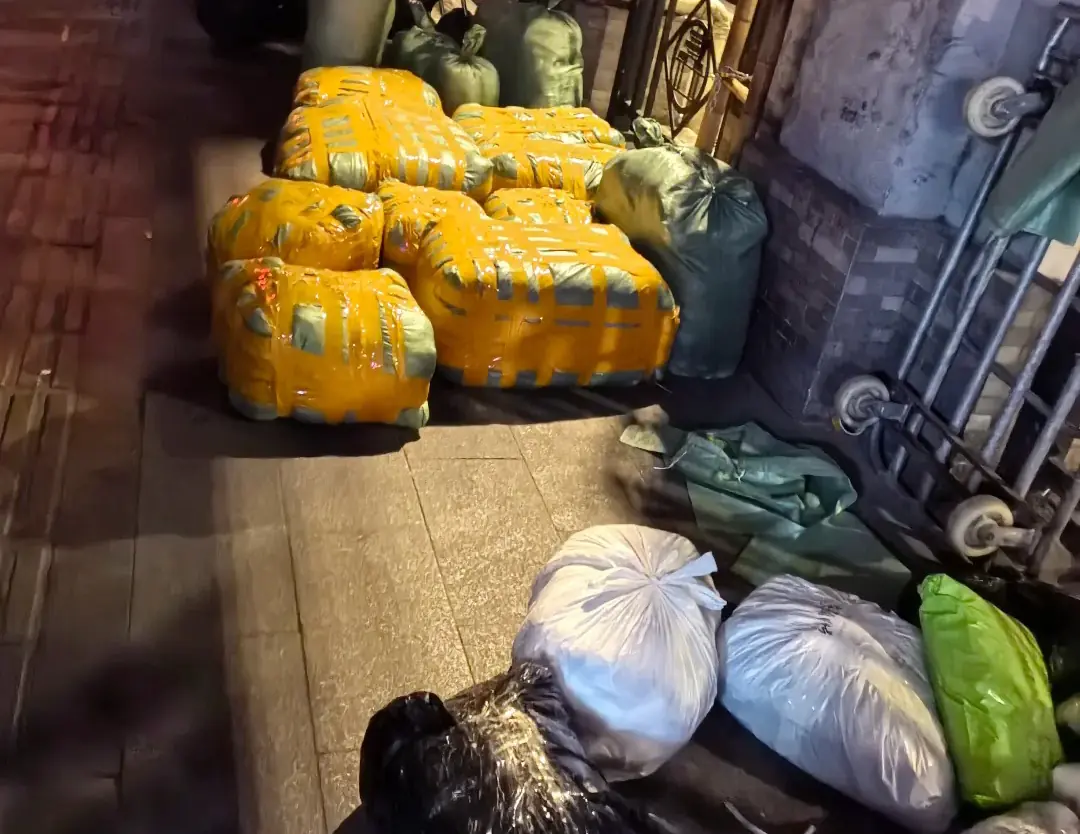
Packing is only one step: verify the provider, chargeable weight, paperwork, declaration, insurance, and destination costs before handoff.
Customs Heads-Up
Declare truthfully and separate baggage from commercial goods
China Customs requires passenger baggage to be for personal use and within a reasonable quantity. Goods, samples, separated baggage, and commercial consignments may require declaration or the applicable goods procedure. Your destination sets its own import, tax, safety, food, plant, battery, and intellectual-property rules. Keep receipts and declarations, and do not ask a seller or provider to misdescribe the contents, quantity, or value.
Getting Around the Market Districts
Metro Lines for Every Market
Guangzhou's metro reaches each major cluster, but an exit letter is useful only when it is current and matched to the exact building. Save the market name in Chinese and check the live route on the day.
- Useful station
- Cultural Park (文化公园)
- Current line / access note
- Lines 6 / 8; Exit A serves Cultural Park and the Thirteen Hongs area
- Useful station
- Guangzhou Railway Station (广州火车站)
- Current line / access note
- Lines 2 / 5, Exit G for Baima; the Line 11 stop remains deferred
- Useful station
- Shahe (沙河)
- Current line / access note
- Lines 6 / 11; opened December 2024, then follow the live map to the target building
- Useful station
- Yide Lu (一德路)
- Current line / access note
- Line 6; choose the exit for Wanling Plaza or the saved merchant building
- Useful station
- Zhongda (中大)
- Current line / access note
- Line 8; the cluster is broad, so map the exact market before leaving the station
- Useful station
- Guangzhou Railway Station (广州火车站)
- Current line / access note
- Lines 2 / 5; use a live walking route for the specific building
Suggested One-Day Route
If you only have one day, protect Shisanhang's early trading window and treat the last stop as optional:
- Shisanhang(十三行)- Start with the exact building and category on your list. Confirm current floor hours; many wholesale floors finish earlier than conventional retail.
- Lunch and transfer reset(午餐与转场)- Eat near Liwan, review saved quotes, charge the phone, and take Metro rather than turning the transfer into an unplanned shopping stop.
- Baima and one station-area comparison(白马服装市场)- Baima's official hours are 08:00-18:00. Choose only one additional nearby building if it serves the product list.
- Optional Yide Road target(一德路)- Add this only if the exact toy, gift, or food building is confirmed open and you still have decision energy; otherwise finish the station cluster carefully.
Two-Day Option
Use Day 1 for Shisanhang and the station fashion cluster. Use Day 2 for one specialist goal—Zhongda textiles or Yide Road—then add the Thirteen Hongs Museum only if its current opening window fits.
Survival Tips for Market Newbies
The market day is easier when your phone, hands, shoes, and carrying plan still work after the first building. Travel light enough to inspect goods and leave room for the unexpected.
What to Wear & Bring
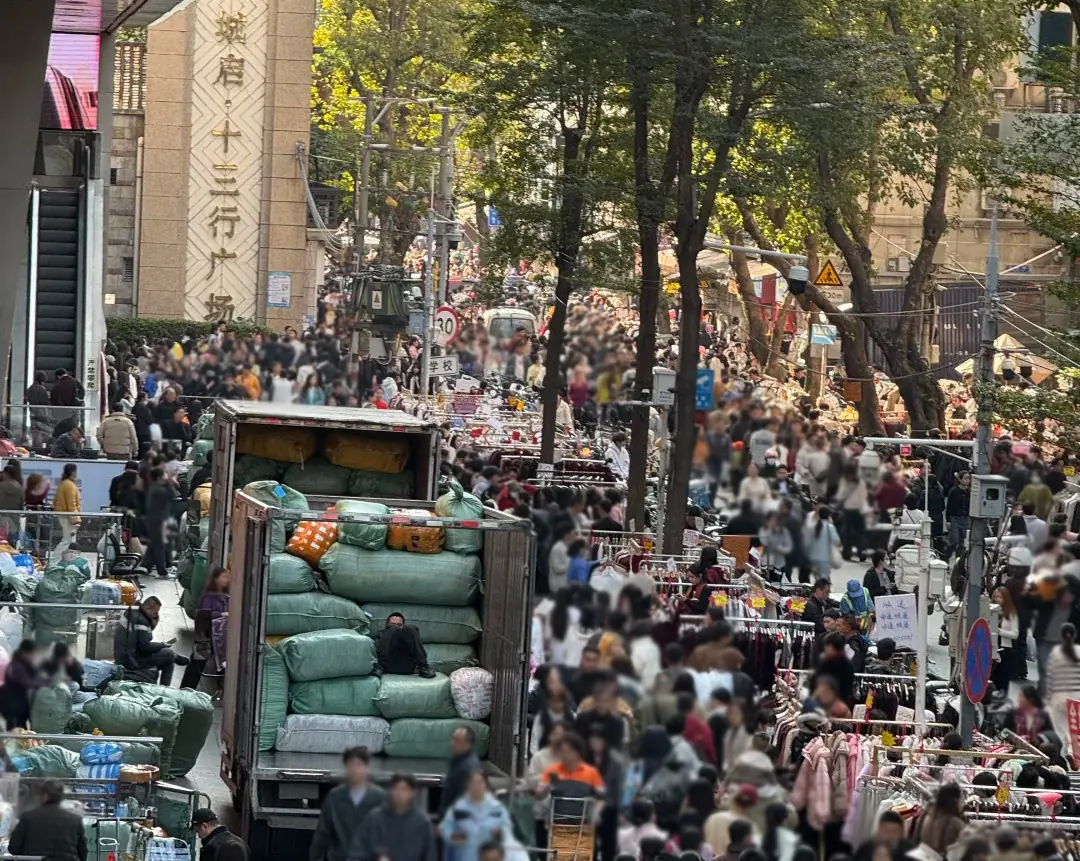
A busy wholesale aisle: keep both hands available, carry less, and set a meeting point before entering a crowded building.
Broken-in shoes
Distances accumulate inside buildings and between clusters.
Hands-free bag
Keep the phone accessible for maps, notes, translation, and payment.
Light layers + water
Indoor temperature and ventilation vary sharply by building and season.
Foldable tote or strict limit
Do not buy more than you can secure, inspect, and transport safely.
Photography Rules (Important)
Ask before photographing products or stalls
Photography policy is set by the building and merchant. Do not assume that product samples, pricing, people, or work areas may be photographed. Ask first, accept a refusal, and avoid filming faces or commercial details without consent. A permitted reference photo should include the booth coordinate so it stays attached to the right seller.
Language
Do not plan around a guessed English percentage. Download a translation tool, save product pictures and specifications, and type quantities and numbers. If you consider an independent interpreter or sourcing agent, verify identity, fees, conflicts, deliverables, and exclusions in writing; you choose, contract with, and pay that provider directly.
Translate the specification
Keep material, dimensions, quantity, color, deadline, and destination in one note.
Show a reference image
Use it to identify the product, not as permission to copy protected branding or designs.
Write the final numbers
A calculator display should still be paired with unit, quantity, packing, and total.
| English | Chinese | Pinyin | Say It Like… |
|---|---|---|---|
| How much is this? | 这个多少钱? | zhè ge duō shǎo qián? | juh guh dwoh shaow chyen? |
| What's the wholesale price? | 拿货价多少? | ná huò jià duō shǎo? | nah hwoh jyah dwoh shaow? |
| Can you lower the price? | 便宜一点可以吗? | pián yi yì diǎn kě yǐ ma? | pyen yee ee dyen kuh yee mah? |
| Too expensive | 太贵了 | tài guì le | tie gway luh |
| I'll buy more — any further discount? | 我多拿几件,能再少吗? | wǒ duō ná jǐ jiàn, néng zài shǎo ma? | woh dwoh nah jee jyen, nung zai shaow mah? |
| Can I buy just one piece? | 可以拿一件吗? | kě yǐ ná yī jiàn ma? | kuh yee nah ee jyen mah? |
| What's the lowest price? | 最低多少? | zuì dī duō shǎo? | zway dee dwoh shaow? |
Dodge the "Free Guides"
Avoid Market Touts
Treat an unsolicited “free” market guide as a commercial offer until proven otherwise. Ask who pays them, which sellers pay commission, what the service includes, and whether you are free to compare elsewhere. Decline politely when the role or incentive is unclear.
Where to Eat Nearby
Near Shisanhang
Use Shangxiajiu or the Liwan side streets for Cantonese snacks and a seated reset; follow the live map.
Near Baima / railway station
Station-area fast food and noodle shops suit a short, predictable break between buildings.
Near Yide Road
Haizhu Square and Beijing Road have a wider dining choice once the product task is finished.
Near Zhongda
The university-area streets have casual restaurants; keep enough time to return before your target market closes.
Thirteen Hongs Museum (十三行博物馆)
The museum gives the modern Shisanhang visit a historical close: the same Liwan district that now moves garments once sat at the center of regulated Qing-era maritime trade.
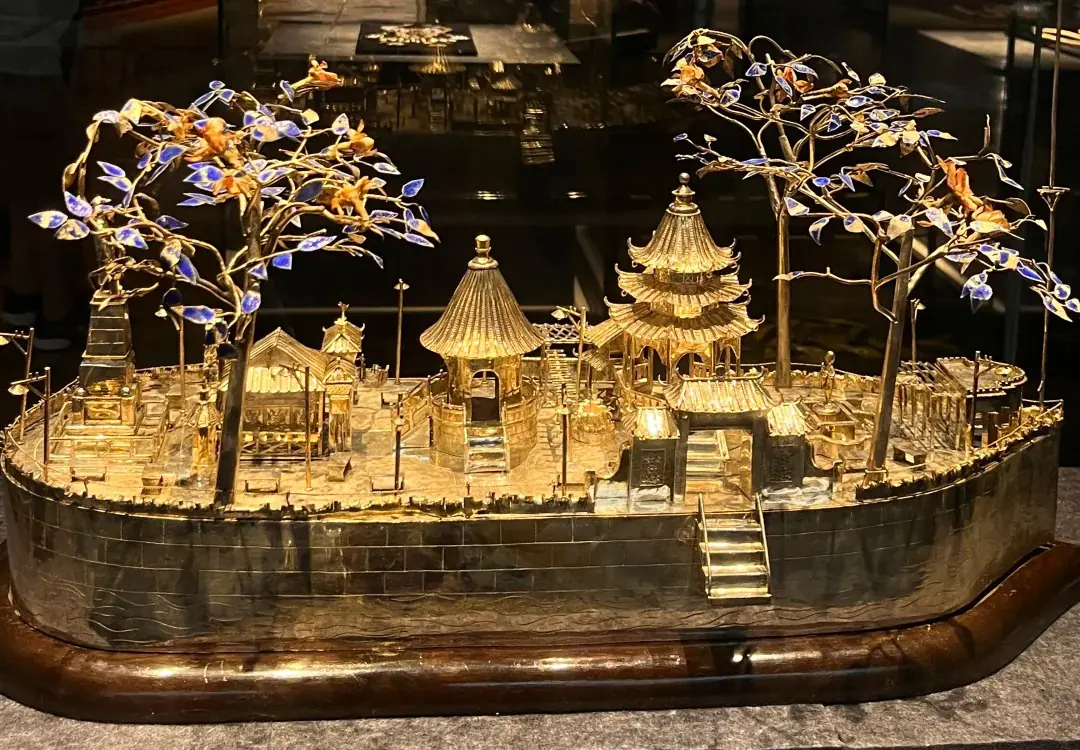
Export paintings, Cantonese painted porcelain, furniture, and trade material reconnect the modern market district with its maritime history.
A quiet historical finish
Guangzhou Thirteen Hongs Museum
Inside Cultural Park (文化公园), the museum presents the 1757-1842 Canton System through export paintings, Cantonese painted porcelain, silk, furniture, documents, and reconstructed trading scenes.
Allow roughly 60-90 minutes for a focused visit. Bring your passport or another accepted valid ID and check the latest museum notice if the visit falls on a public holiday or special-event day.
Hours
Tuesday-Sunday 09:00-17:30; last entry 17:00. Monday closed; special notices may vary.
Admission
Free according to the current Guangzhou museum information table.
Access
Cultural Park station on Metro Lines 6/8; Exit A serves Cultural Park and the museum area.
Frequently Asked Questions
Sometimes. Retail and paid-sample sales vary by building, stall, product, and day. Ask whether the seller offers one piece, a sample, or a mixed small order, then record the unit and price. Do not assume a fixed premium over the wholesale quote.
Sources checked for this guide
- Current city reporting checked for the 2026 total of 508 professional markets and the status of the main fashion and textile clusters: Guangzhou Commerce — professional-market scale
- Current city policy checked for the active status and 2026-2028 development of the Thirteen Hongs, railway-station, Zhongda, and Yide professional-market clusters: Guangzhou Government — professional-market plan
- First-party address, 08:00-18:00 hours, and Guangzhou Railway Station Lines 2/5 Exit G checked: Guangzhou Baima — official contact and access
- Line 11 opening and the simultaneous opening of Shahe station on December 28, 2024 checked: Guangdong Department of Transport — Line 11 and Shahe
- Deferred Line 11 stops at Guangzhou Railway Station and Guangzhou East Railway Station checked: Guangzhou Government — Line 11 deferred stops
- Current Zhongda cluster scale and merchant count checked: Guangzhou Government — Zhongda textile cluster
- Museum address, free entry, Tuesday-Sunday 09:00-17:30 hours, 17:00 last entry, and Monday closure checked: Guangzhou Culture and Tourism — museum information table
- The 1757-1842 Thirteen Hongs trading period and its place in Guangzhou commercial history checked: Guangzhou Government — Thirteen Hongs history
- The Canton Fair 1957 establishment and twice-yearly Guangzhou schedule checked: Canton Fair — official introduction
- Passenger baggage personal-use and reasonable-quantity standard, truthful declaration, and goods/sample requirements checked: China Customs — passenger baggage supervision
Beyond This Guide
Guangzhou rewards a narrow product list and a realistic district sequence. Use these guides to prepare the parts that sit around the market visit:
- Mobile payments in China — set up more than one payment option before the first stall
- Essential Chinese phrases — keep transport, food, and problem-solving language available offline
- Qingping Market guide — understand the nearby traditional-medicine market before buying herbs or ingredients
- Yiwu International Trade City guide — compare Guangzhou's multi-district system with Yiwu's concentrated five-district complex
- Huaqiangbei electronics market guide — use a specialist Shenzhen alternative for electronics and components
© gochinafreely.com — Original guide by Go China Freely.