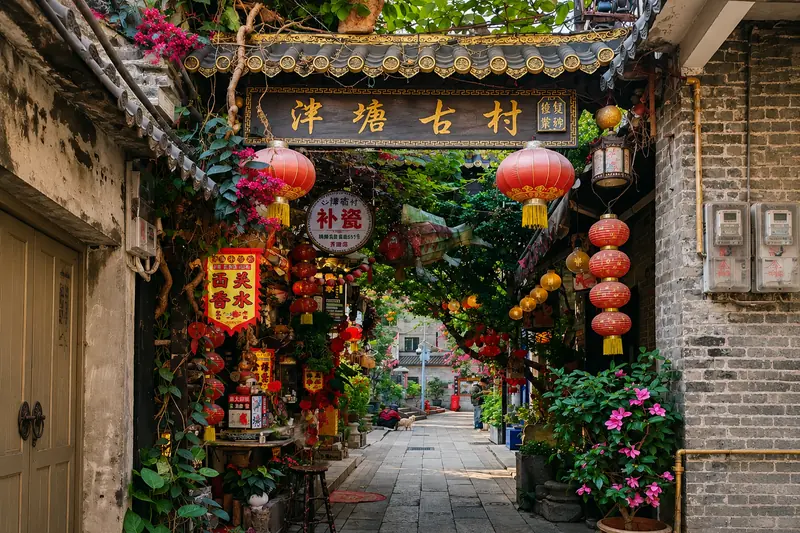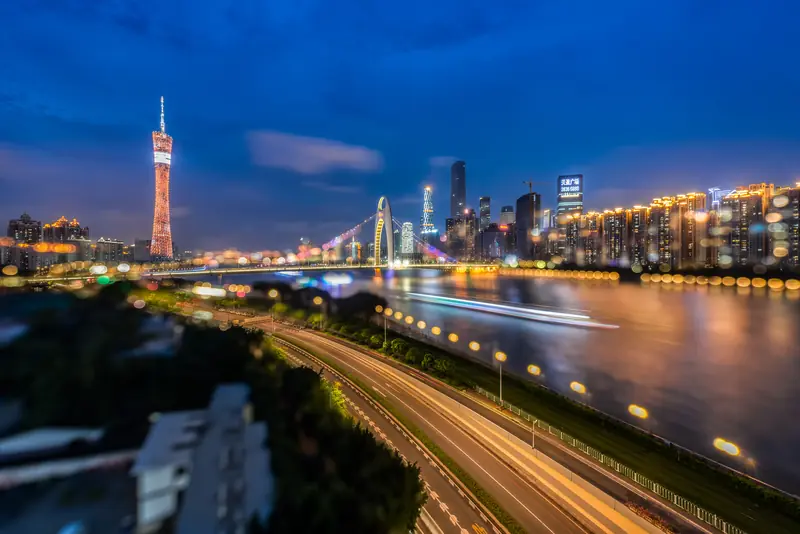
Guangzhou is easiest to love when you move from table to river: bamboo steamers in old Liwan District (荔湾区), carved roof ridges at Chen Clan Ancestral Hall (陈家祠), shaded treaty-port streets on Shamian Island (沙面岛), then Canton Tower (广州塔) glowing across the Pearl River (珠江). The city has held its center for more than 2,200 years, but first-timers usually feel it through three layers: food, Lingnan craft, and water. This guide helps you choose the Guangzhou experiences worth building a trip around.
2-3 days
Best First Stay
Morning
Dim Sum Window
Metro
Easiest Transport
Night
River Payoff
First-Time Guangzhou: Start With Trip Length
If you are deciding what to do in Guangzhou for the first time, start with capacity, not a giant checklist. One focused day can give you the city's strongest arc: morning tea, old-city heritage, Shamian shade, then the Pearl River skyline. Two days let you add Nanyue history, Yuexiu Park, Beijing Road, and a deeper Liwan walk without rushing the food.

One day
Prioritize dim sum, Chen Clan Ancestral Hall, Shamian Island, and a Canton Tower or Pearl River evening. This is the cleanest first-timer route.

Two days
Add the Museum of the Nanyue King, Yuexiu Park, Beijing Road, Yongqingfang, and more old-Liwan food. This is the best balance for most travelers.

Three days
Choose one bigger add-on: Chimelong for families, Baiyun Mountain for views, or a slower food-and-market day. Do not force all three into the same trip.
Guangzhou works best when you let the day change texture. Old Liwan gives you breakfast, ancestral halls, herbal markets, and arcade streets. Yuexiu gives you the old capital layer. Zhujiang New Town and Canton Tower give you the modern riverfront. The mistake is treating all of them like equal map pins.
Guangzhou Is a City of Layers
The fastest way to understand Guangzhou is to stop asking for a single "must-see" and start reading the city's layers. Its best experiences are close enough to combine, but different enough that each one changes the mood of the day.
Food Guangzhou
Where it shows up: Liwan, Xiguan, Tao Tao Ju, Guangzhou Restaurant, Dian Dou De, Panxi Restaurant, Xihua Road, and old snack lanes.
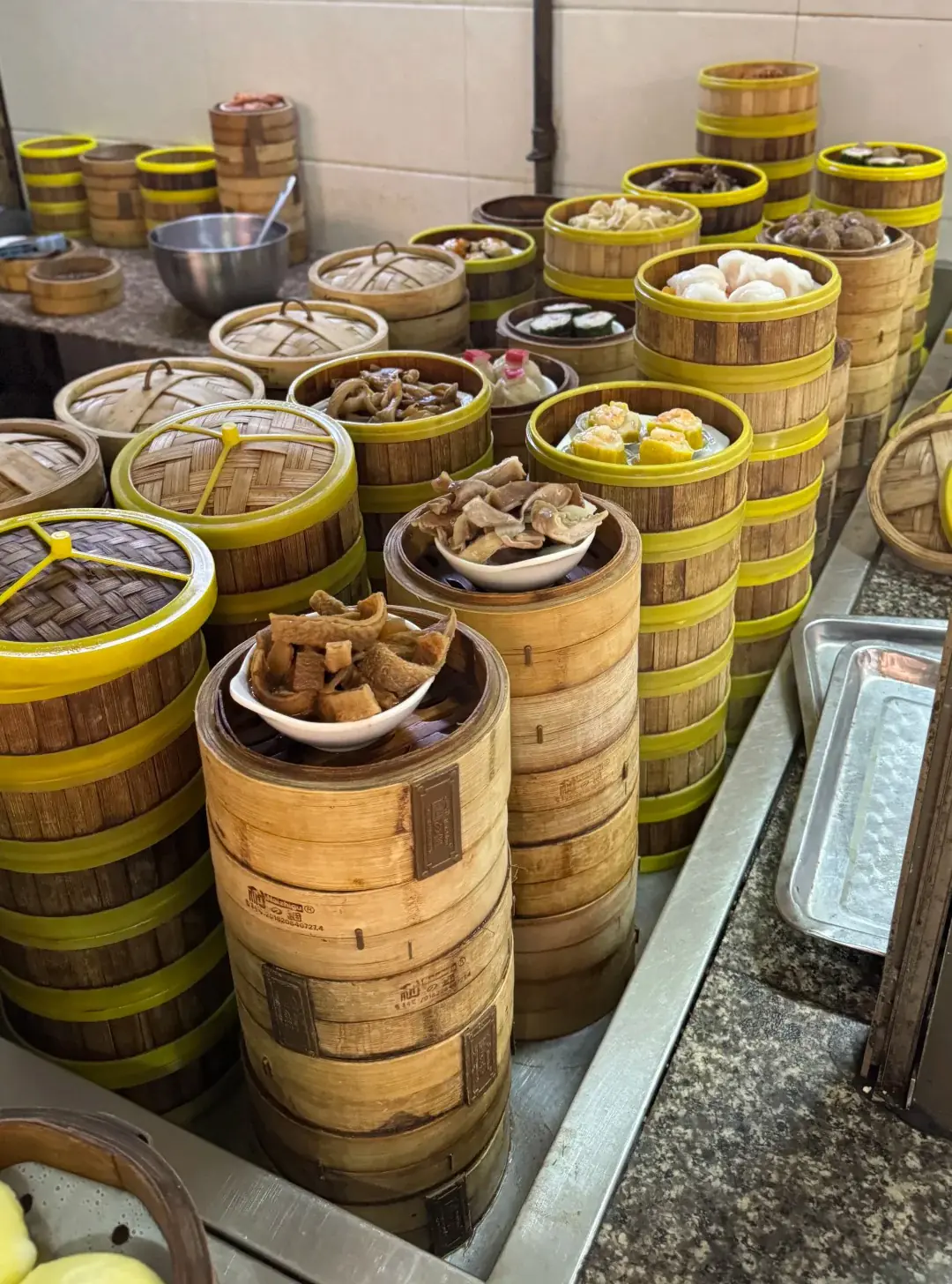
This layer is not only about what to eat. Morning tea (早茶) is Guangzhou's social rhythm: tea first, dim sum (点心) slowly, conversation longer than breakfast.
Lingnan Craft Guangzhou
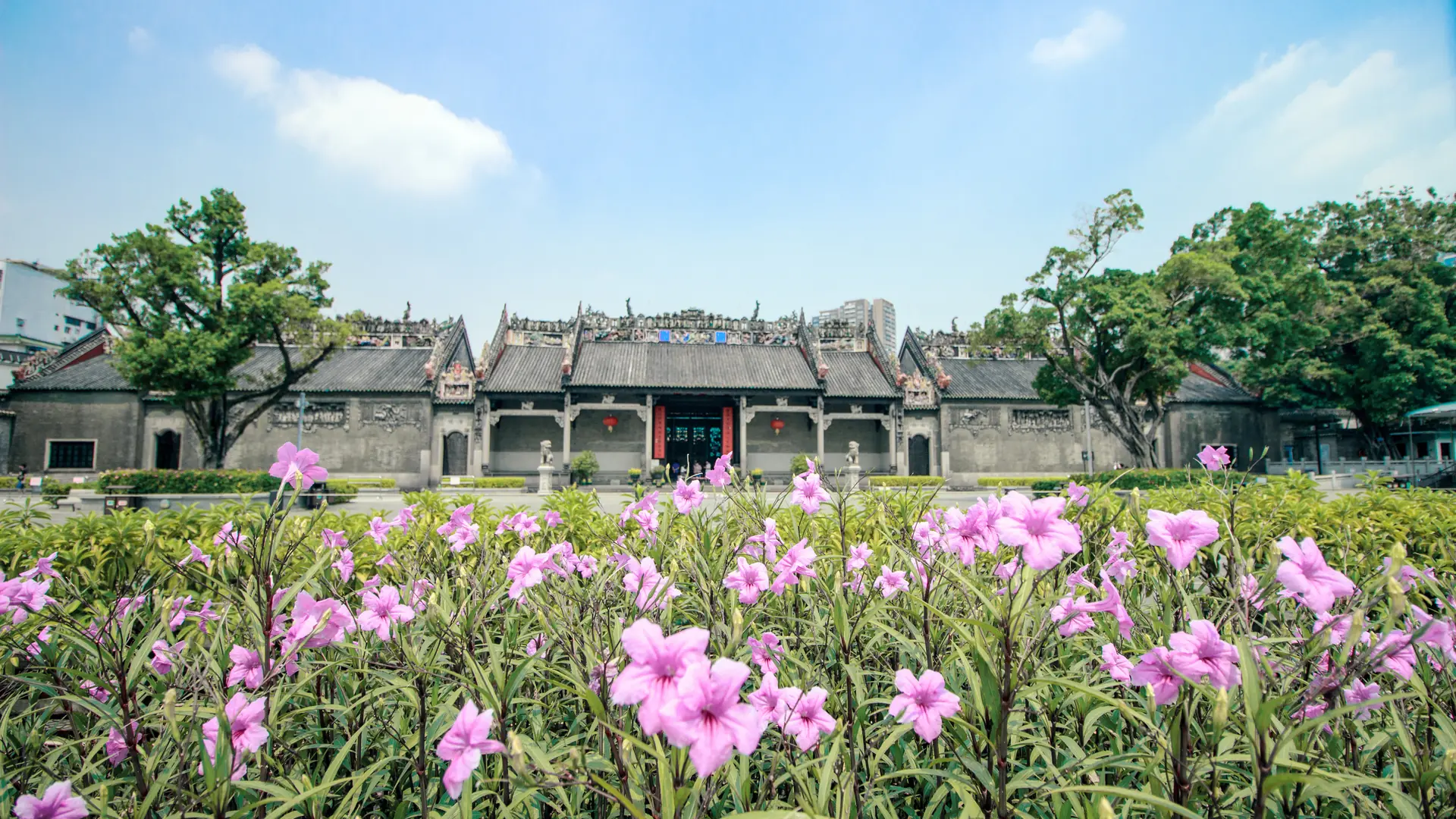
Where it shows up: Chen Clan Ancestral Hall, Cantonese Opera Art Museum, old Xiguan houses, carved roof ridges, brickwork, woodwork, and glazed ceramics.
This is the layer that makes Guangzhou visually different from Beijing, Shanghai, or Chengdu.

Trade Guangzhou
Where it shows up: Shamian Island, Qingping Market, Thirteen Hongs Museum, Beijing Road, and the old commercial streets around the river.
Guangzhou was never only an inland historic city. Its story is river trade, foreign contact, merchants, markets, and port-city adaptation.
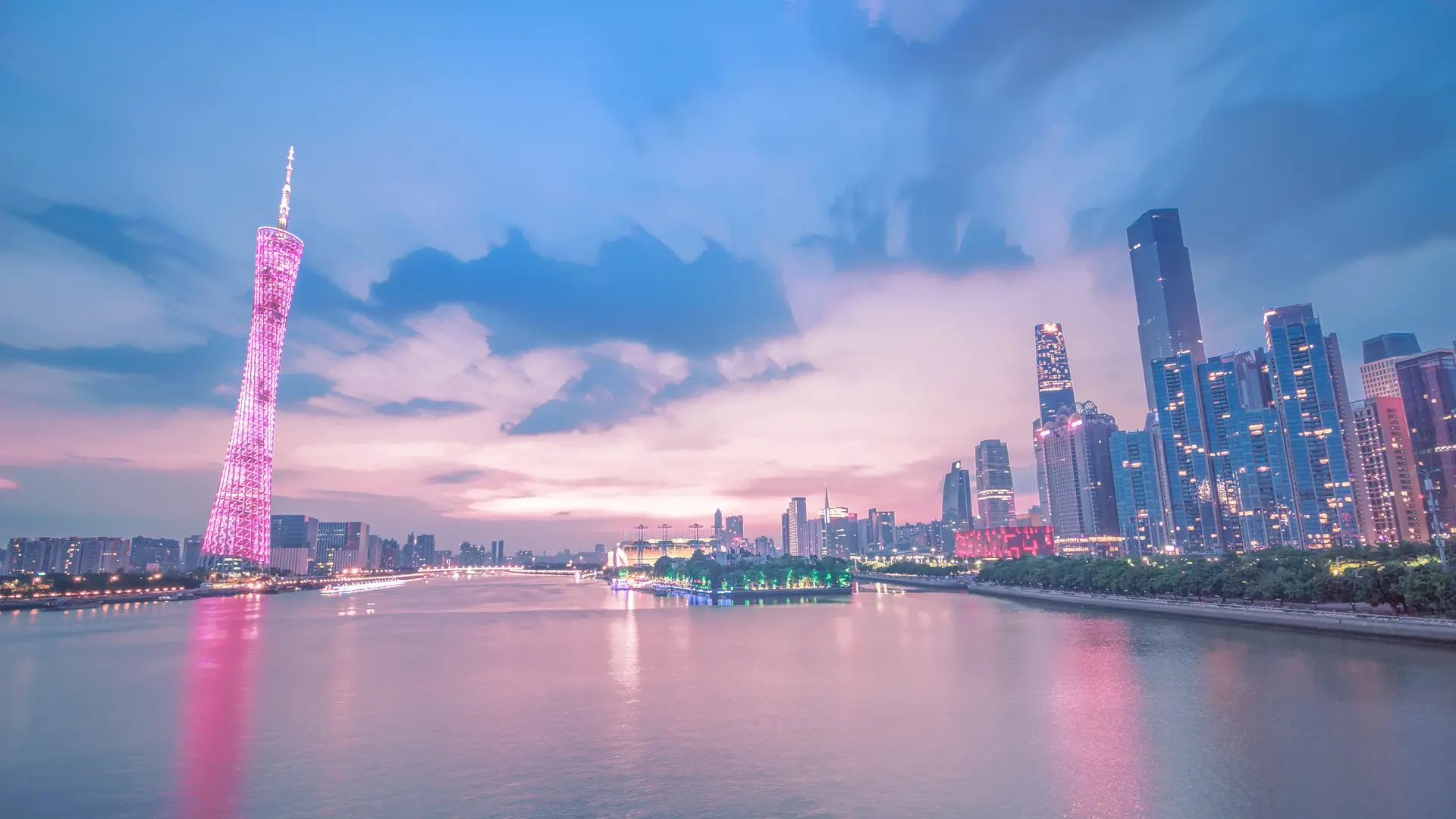
River Guangzhou
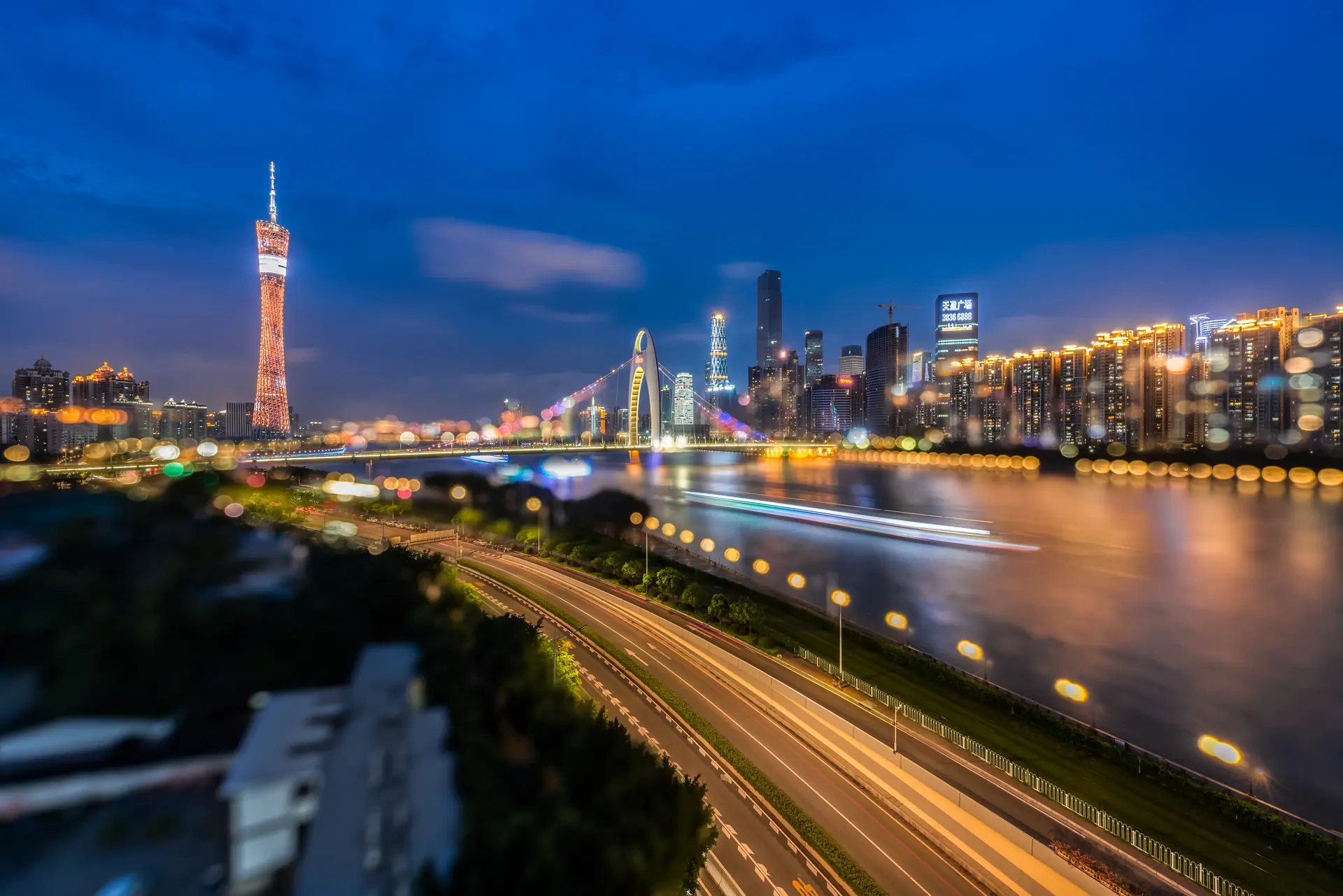
Where it shows up: Canton Tower, Zhujiang New Town, Huacheng Square, Haixinsha, Tianzi Pier, and the Pearl River cruise route.
This is the night layer. It is free from the riverbanks, paid if you choose the tower or a cruise, and best when visibility is clear.
10 Guangzhou Experiences Worth Building Around
The first six are the strongest foundation for a first trip. The final four are add-ons that change the pace: more archaeology, more shopping-street history, more skyline, or more old-Liwan texture.
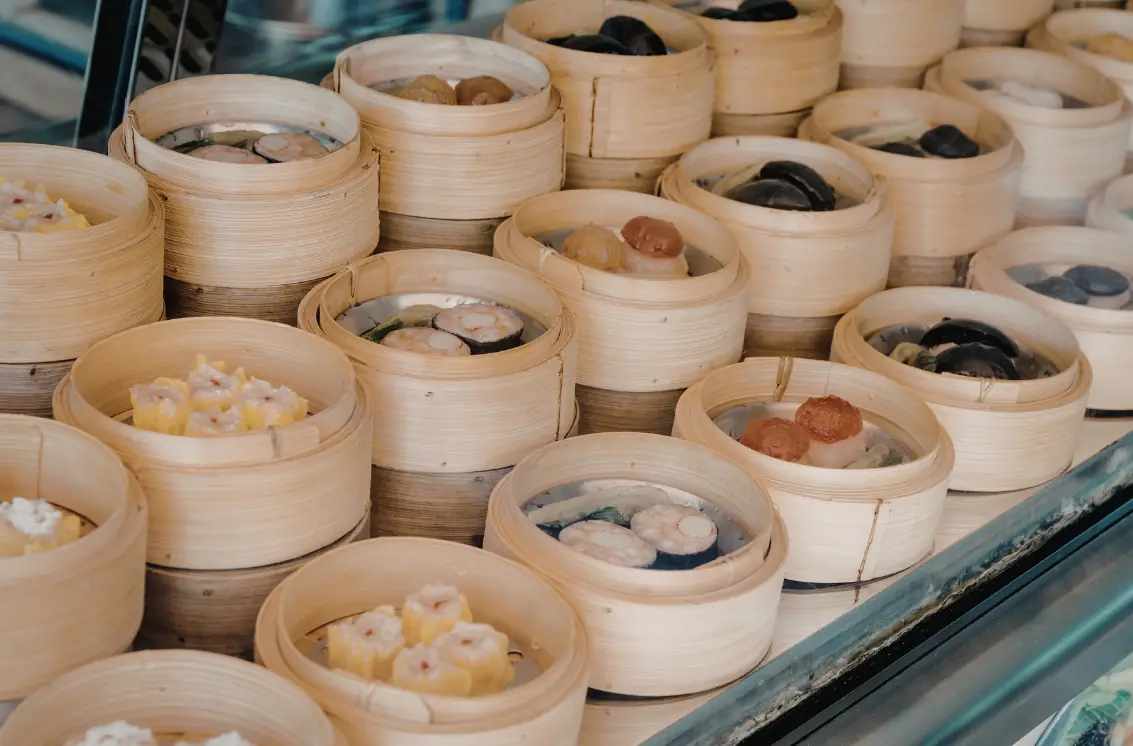
Morning tea is the most Guangzhou way to begin a day. Choose a classic old-town teahouse such as Tao Tao Ju (陶陶居), Guangzhou Restaurant (广州酒家), or Panxi Restaurant (泮溪酒家), order enough for the table, then stop before breakfast consumes the whole morning. For deeper ordering help, use our Guangzhou food guide.
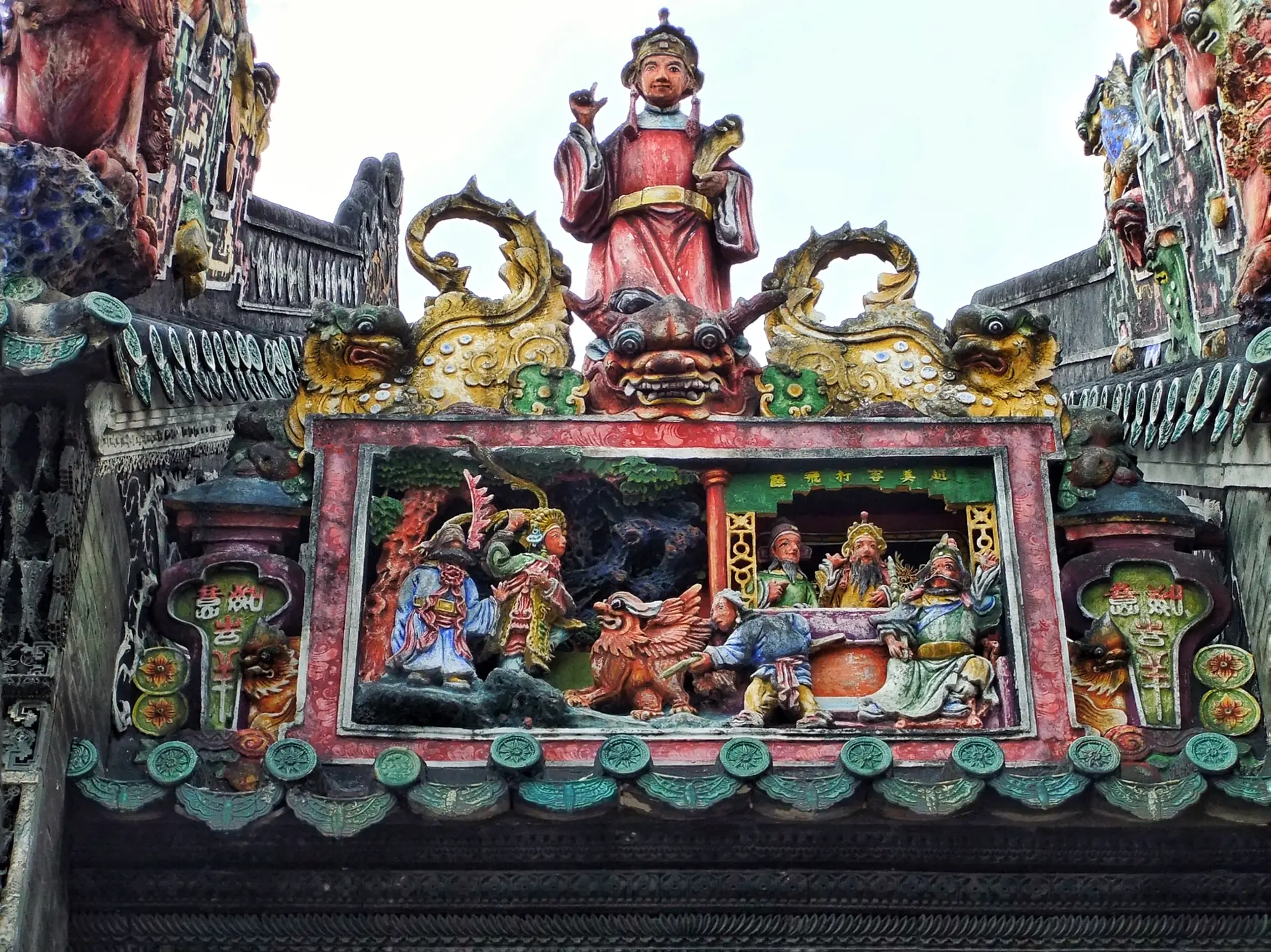
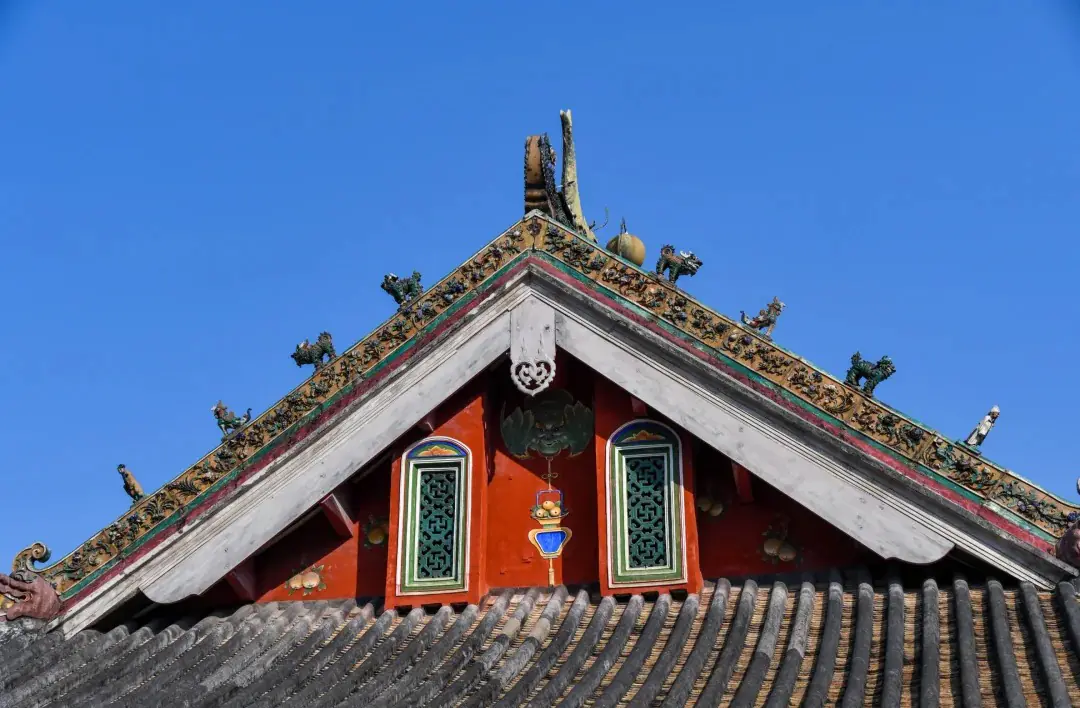
Chen Clan Ancestral Hall is the quickest place to see Lingnan craft in one courtyard sequence: roof ceramics, brick carving, wood carving, stonework, and folk-art displays. Do not treat it as a front-gate photo stop; the details are the point.

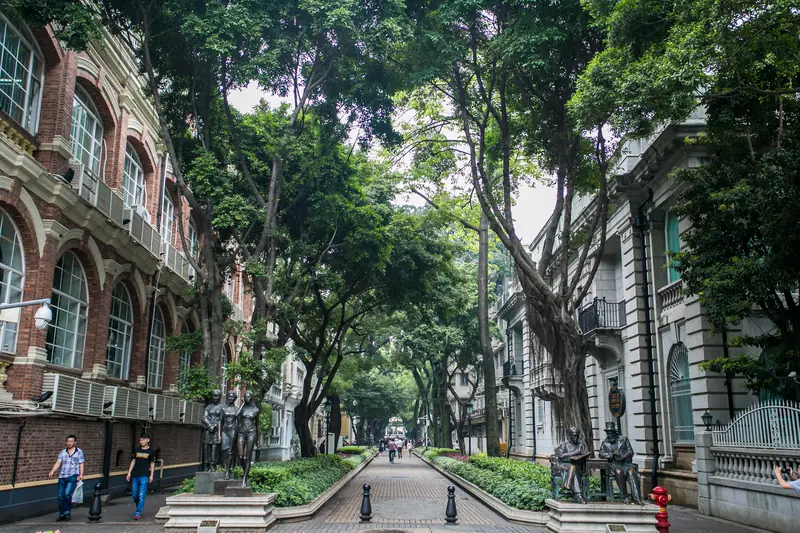
Shamian is shaded, flat, and easy, but it is not just a pretty European-style district. Its consulates, banks, churches, and riverfront streets tell the story of Guangzhou's concession-era trade world. Use our Shamian Island walk if you want a slower route.
The streets around Qingping Medicine Market, Shangxiajiu, Xihua Road, and Baohua Road make old Guangzhou feel lived in. Go for herbal shops, dried goods, arcade buildings, rice rolls, sweet soups, and the small transitions between tourist streets and local errands.
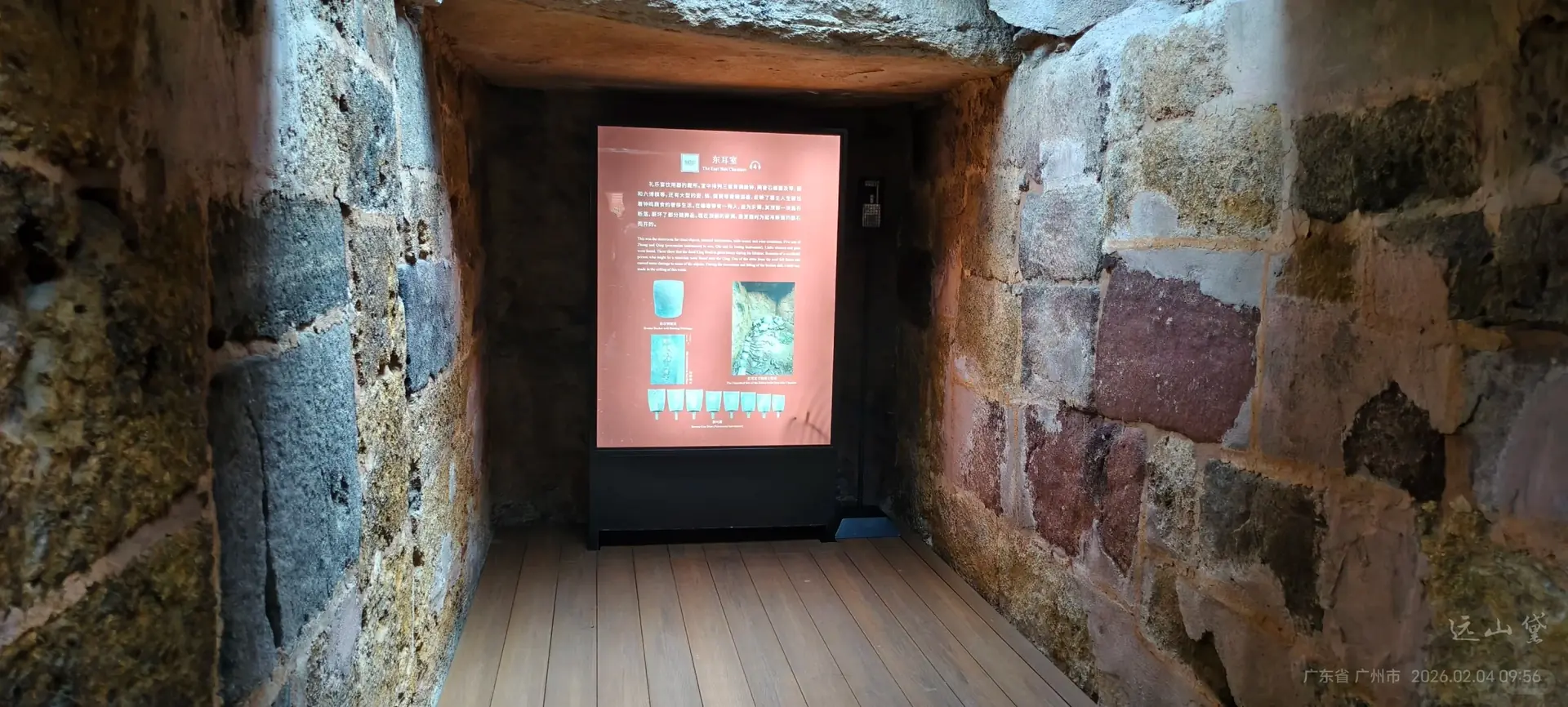
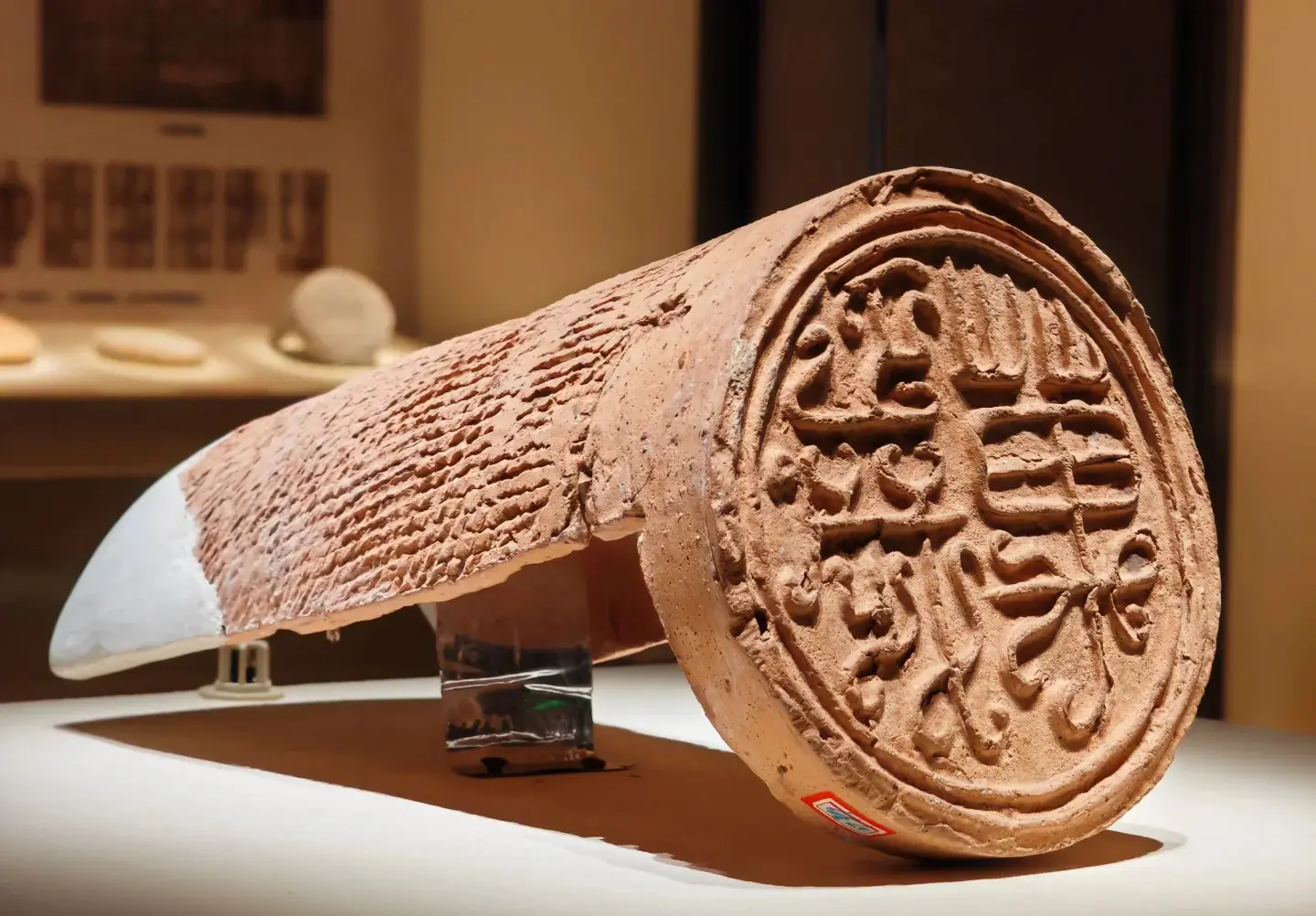
Guangzhou's ancient layer becomes much clearer when you see the Nanyue King story. The Tomb Site gives you the buried royal world; the Palace Site near Beijing Road explains the city-center archaeology. Our Nanyue King Museum guide covers the two-site logistics.
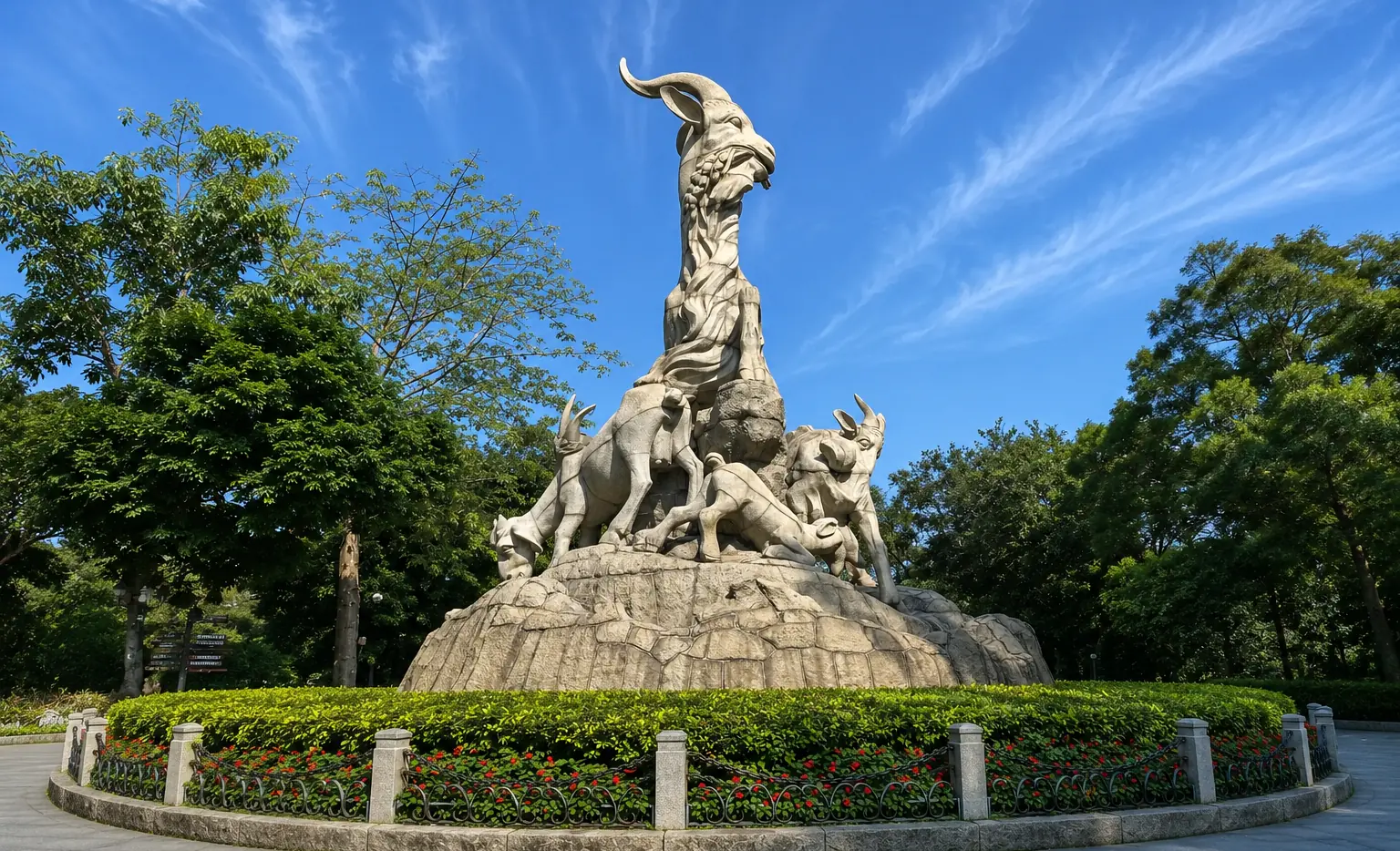
Yuexiu Park is a useful reset between museums and old streets. The Five Rams statue, Zhenhai Tower, old city-wall traces, lakes, and shaded paths make it a softer Guangzhou history stop than another indoor gallery.
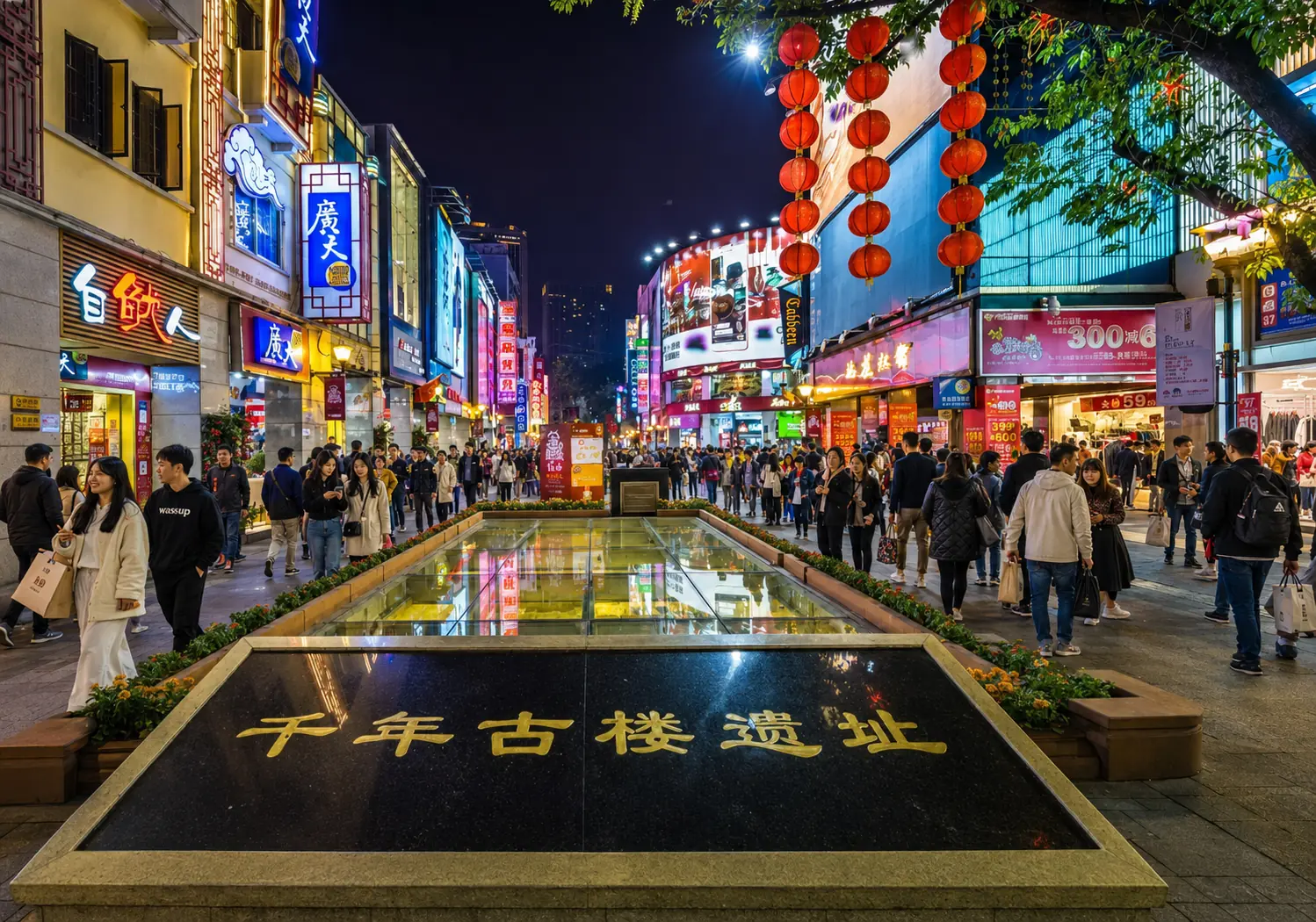
Beijing Road is commercial, busy, and sometimes loud, but it has one strange advantage: the ancient road layers under glass in the middle of the pedestrian street. It is the easiest place to see Guangzhou's old city center sitting underneath a modern shopping district.

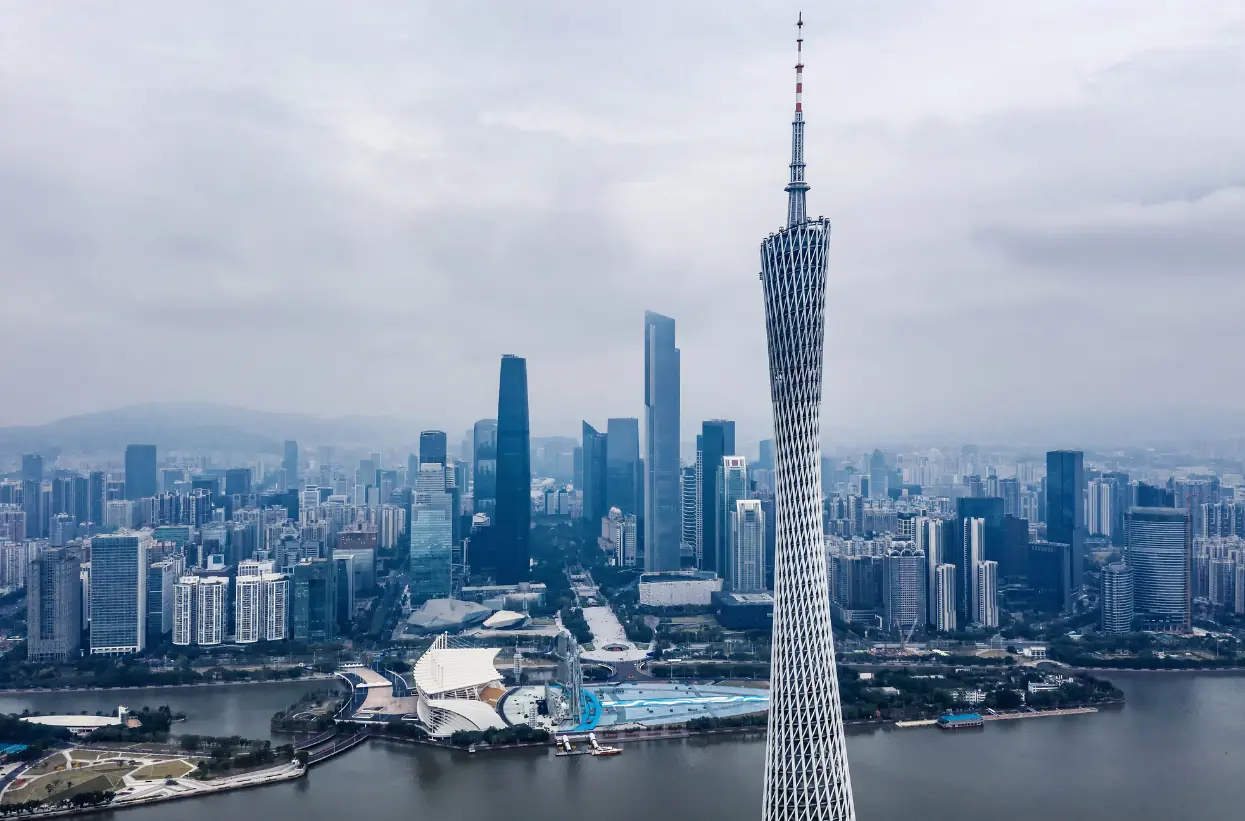
Canton Tower is worth seeing even if you never buy a ticket. The free views from Huacheng Square, the riverbank, and Zhujiang New Town are often enough. Pay for an observation deck or Bubble Tram only if visibility is good and you want the height.
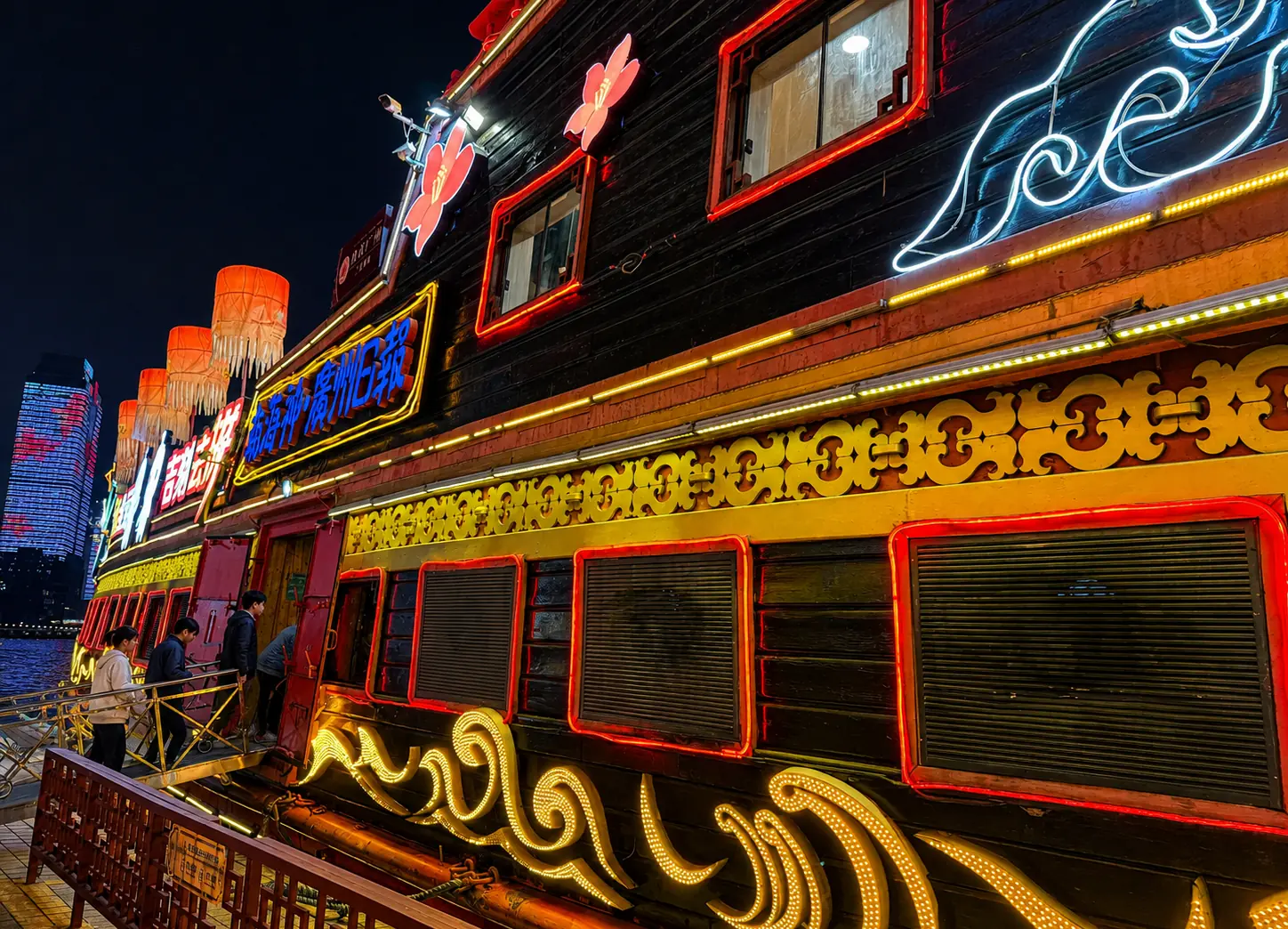
A Pearl River night cruise is not mandatory, but it can be a strong finish when the weather is clear and your group still has energy. Treat departure times, boat classes, piers, and fares as live details to check close to the day.
10. Continue to Yongqingfang
Old Liwan, updated - 永庆坊
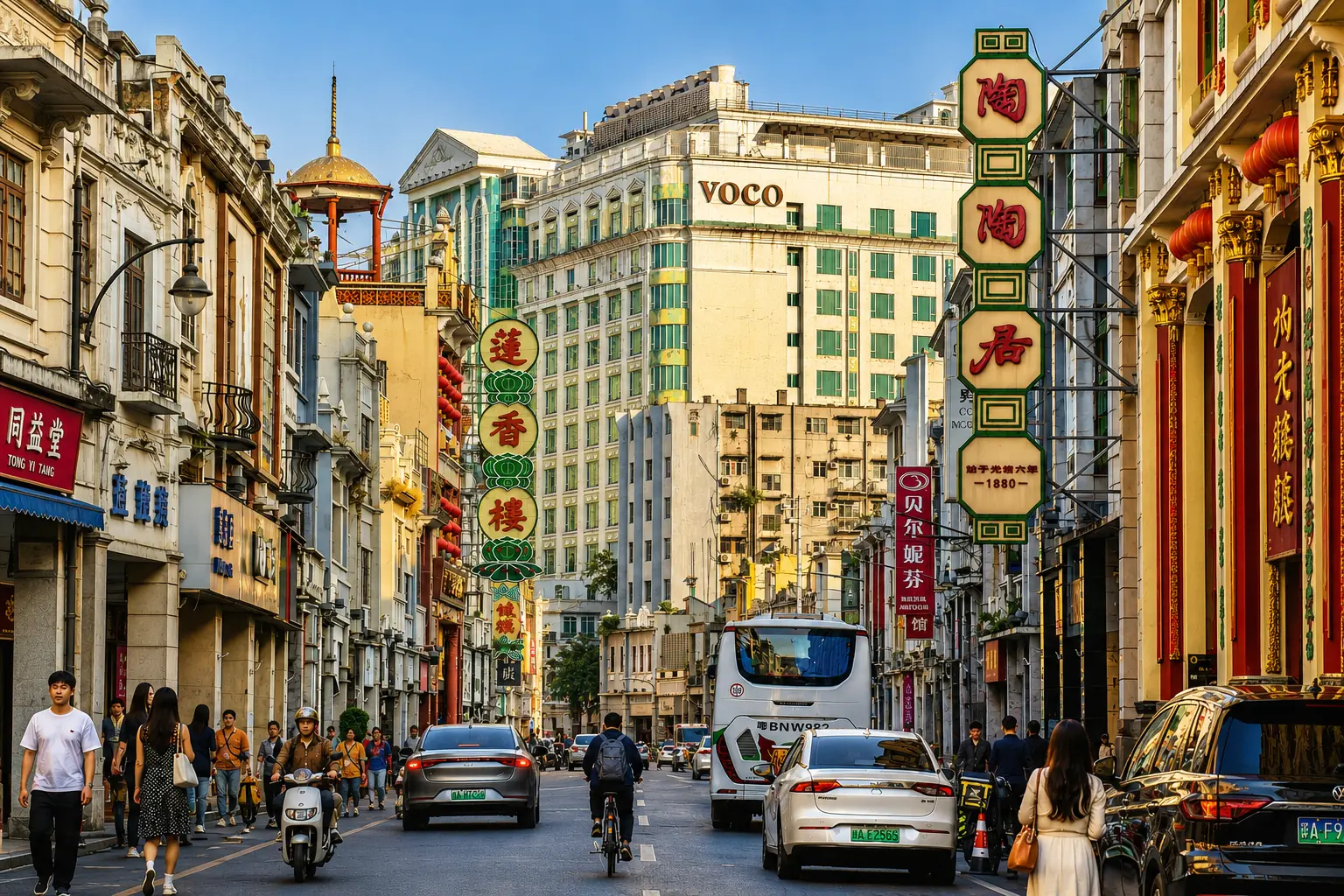
Yongqingfang is old Guangzhou in a more polished form: arcade streets, cafes, Bruce Lee family history, heritage shops, and the Cantonese Opera Art Museum (广东粤剧艺术博物馆). It pairs well with Pantang Wuyue, Liwan Lake, or a relaxed dinner in the west side.
How To Plan Your Guangzhou Days
Choose the trip length first, then let the route stay simple. Guangzhou works best when old Liwan, ancient-city history, and the Pearl River skyline each get their own rhythm instead of being forced into one long transfer chain.
One Day: Food, Heritage, River
Best when: Guangzhou is a short stop in a wider South China route.
Core line: start with dim sum in Liwan or Xiguan, read Chen Clan Ancestral Hall, slow down on Shamian Island, then move east once for Canton Tower or the Pearl River.
Keep the cruise optional. A clear riverbank evening is already enough if the day has been full.
Two Days: Old City and Nanyue
Best when: Guangzhou is a real destination, not just a meal stop.
Day 1: use dim sum, Chen Clan Hall, Shamian, Qingping, and the skyline for the classic old-to-new arc.
Day 2: add the Museum of the Nanyue King, Yuexiu Park, Beijing Road, City God Temple, Six Banyan Temple, and Yongqingfang without rushing.
Three Days: Add One Bigger Detour
Best when: you want one deeper Guangzhou theme after the core sights.
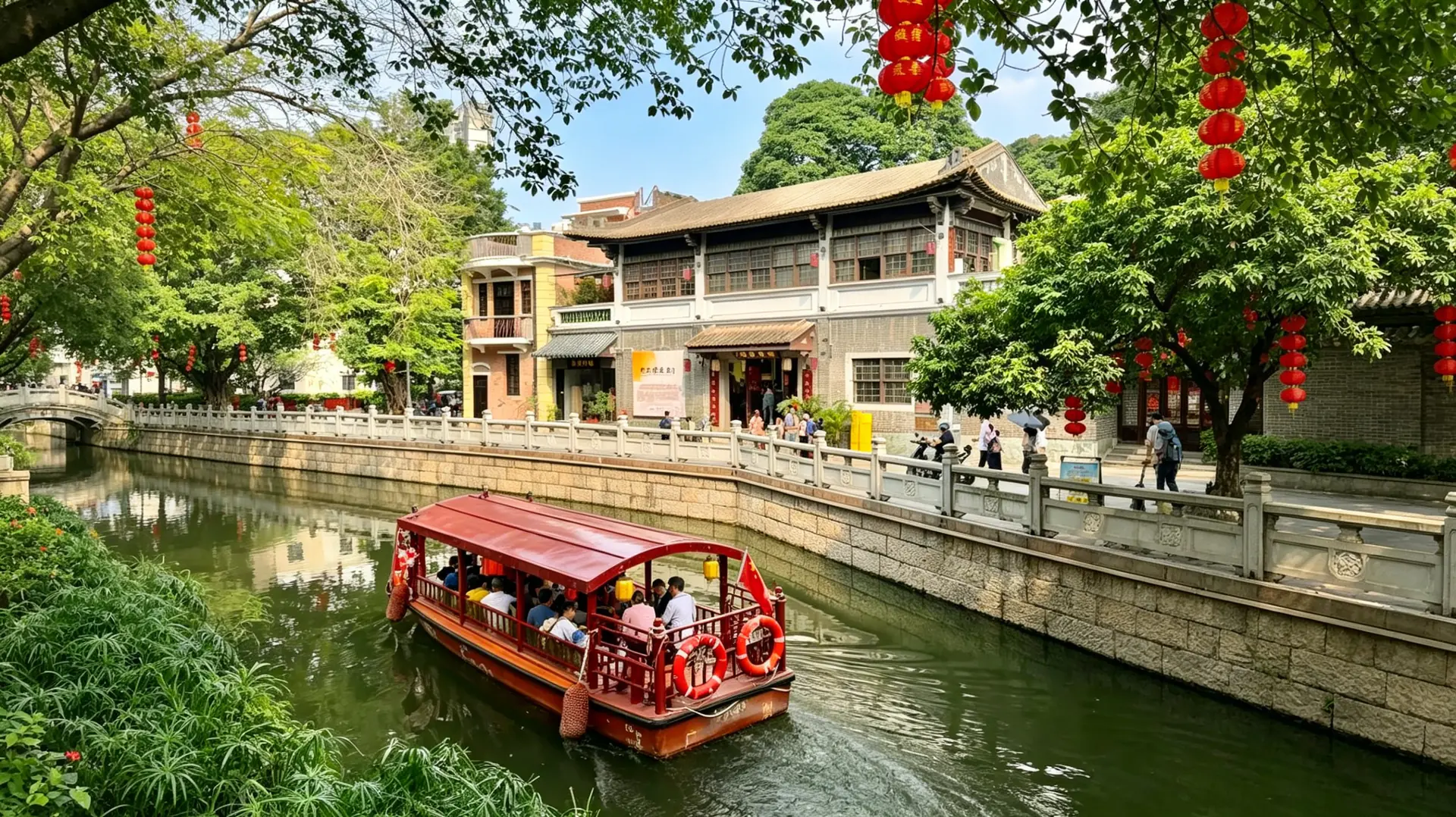
Families can give Chimelong its own day. View seekers can add Baiyun Mountain. Food travelers can stay west for Panxi Restaurant, Pantang Wuyue, Liwan Lake, Qingping, and old teahouses.
Pick one bigger direction; Guangzhou rewards focus more than leftover sightseeing.
What Kind of Guangzhou Trip Are You Building?
Do not choose Guangzhou stops only by fame. Choose the version of the city you want the trip to reveal, then let the right sights fall into place.
The Classic First Trip
Best for: one or two days, first-timers, and a balanced city memory.
Prioritize dim sum, Chen Clan Hall, Shamian, Canton Tower, and a flexible Pearl River evening. This is the strongest version if Guangzhou is one stop in a wider China trip.
The Food-First Trip
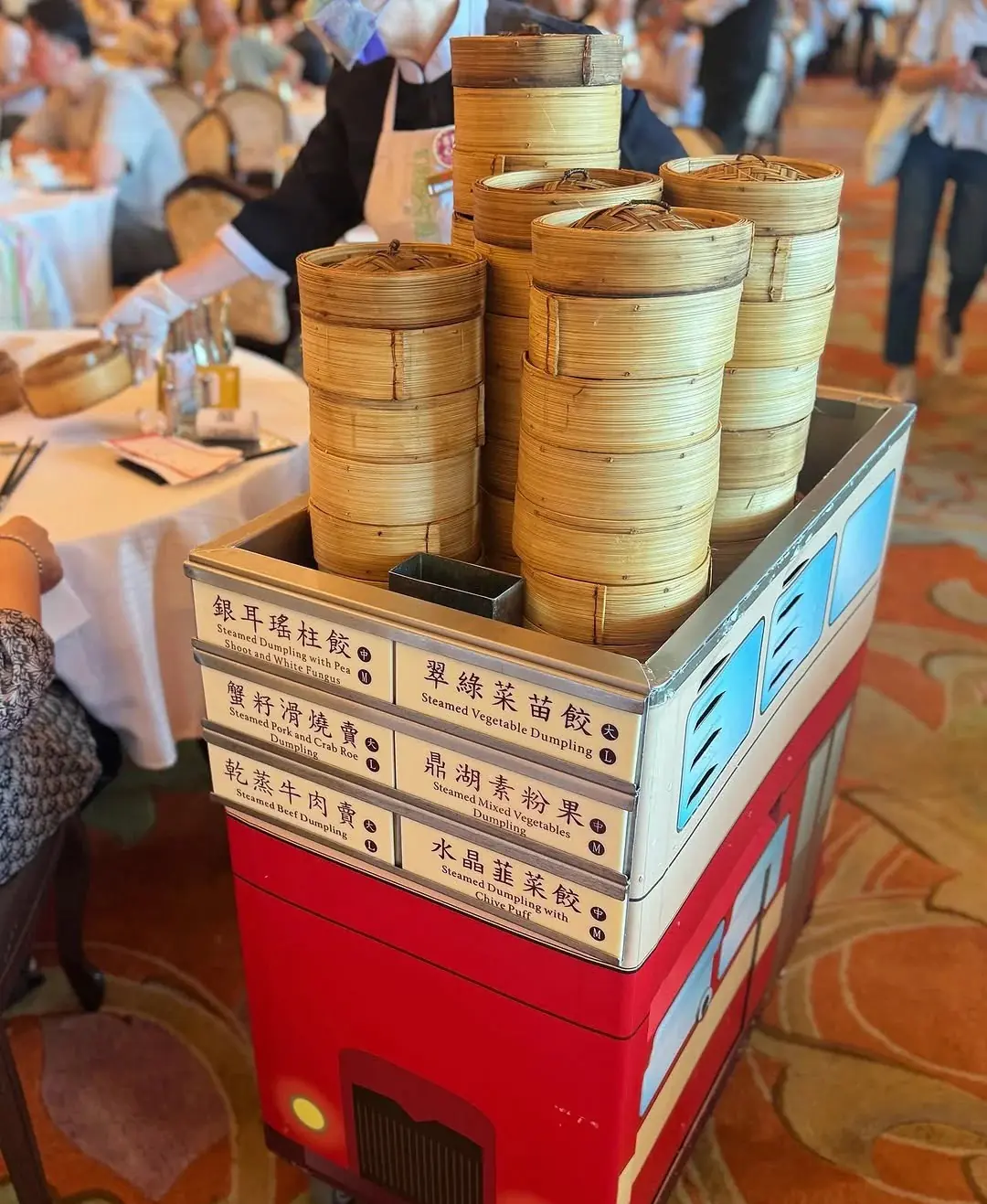
Best for: morning tea, roast meats, noodles, desserts, and late-night congee.
Use Liwan and Xiguan as your base layer, then add one light heritage stop between meals instead of turning the day into a transfer chain.
The History-Focused Trip
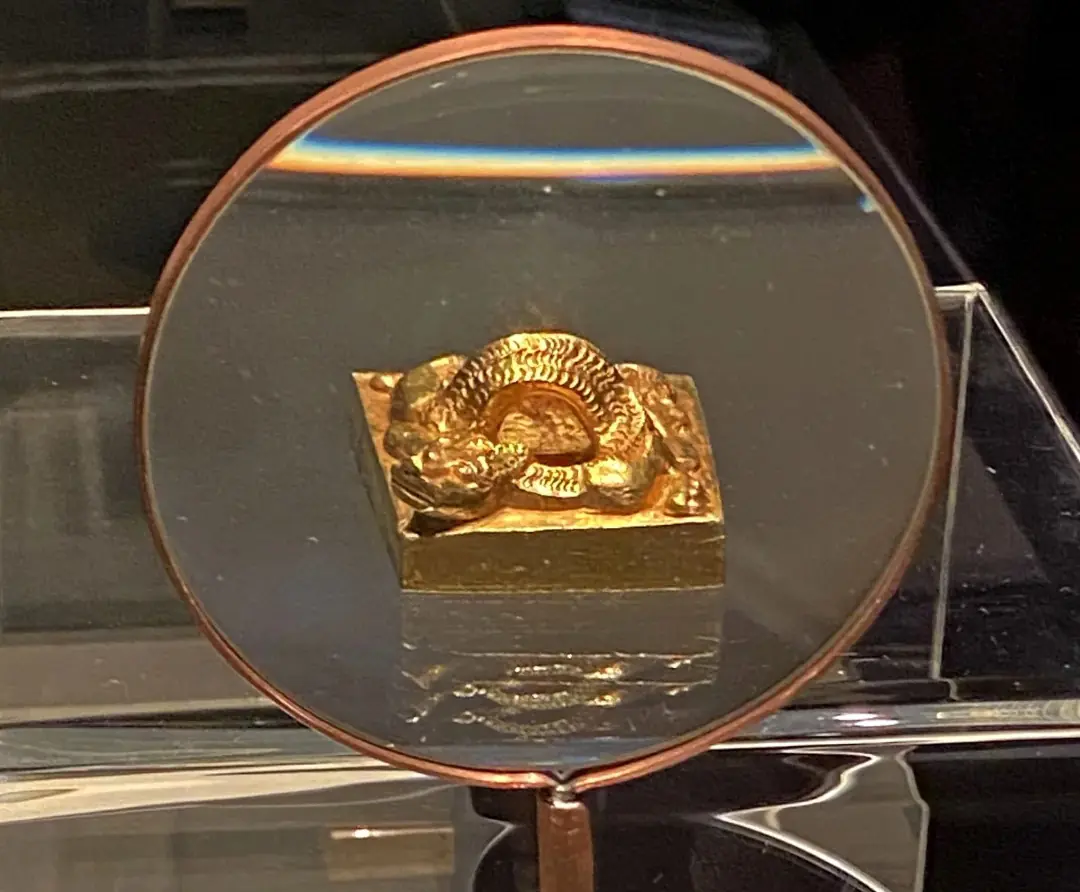
Best for: Nanyue archaeology, old city layers, trade history, and Lingnan craft.
Add the two Nanyue King Museum sites, Yuexiu Park, Beijing Road, Chen Clan Hall, Shamian, and the Thirteen Hongs Museum if you like city history.

The Family-Friendly Trip
Best for: one old-city day plus a full Chimelong day.
Keep dim sum and Shamian gentle, use taxis when heat or fatigue builds, and give Chimelong its own day rather than squeezing it after museums.
The Visual Trip
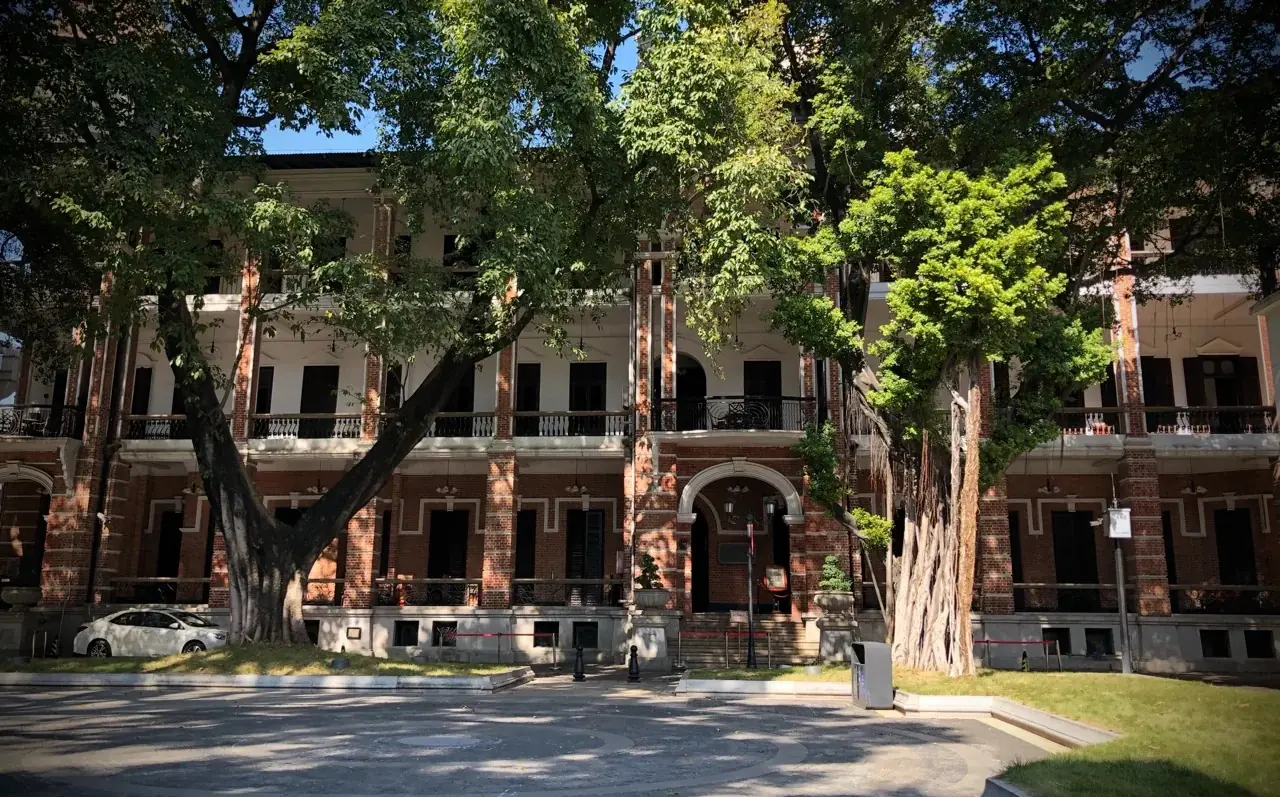
Best for: roof details, market texture, island facades, skyline light, and river reflections.
Use Chen Clan Hall for close detail, Shamian for street texture, Huacheng Square for the tower, and the cruise only if the night is clear.
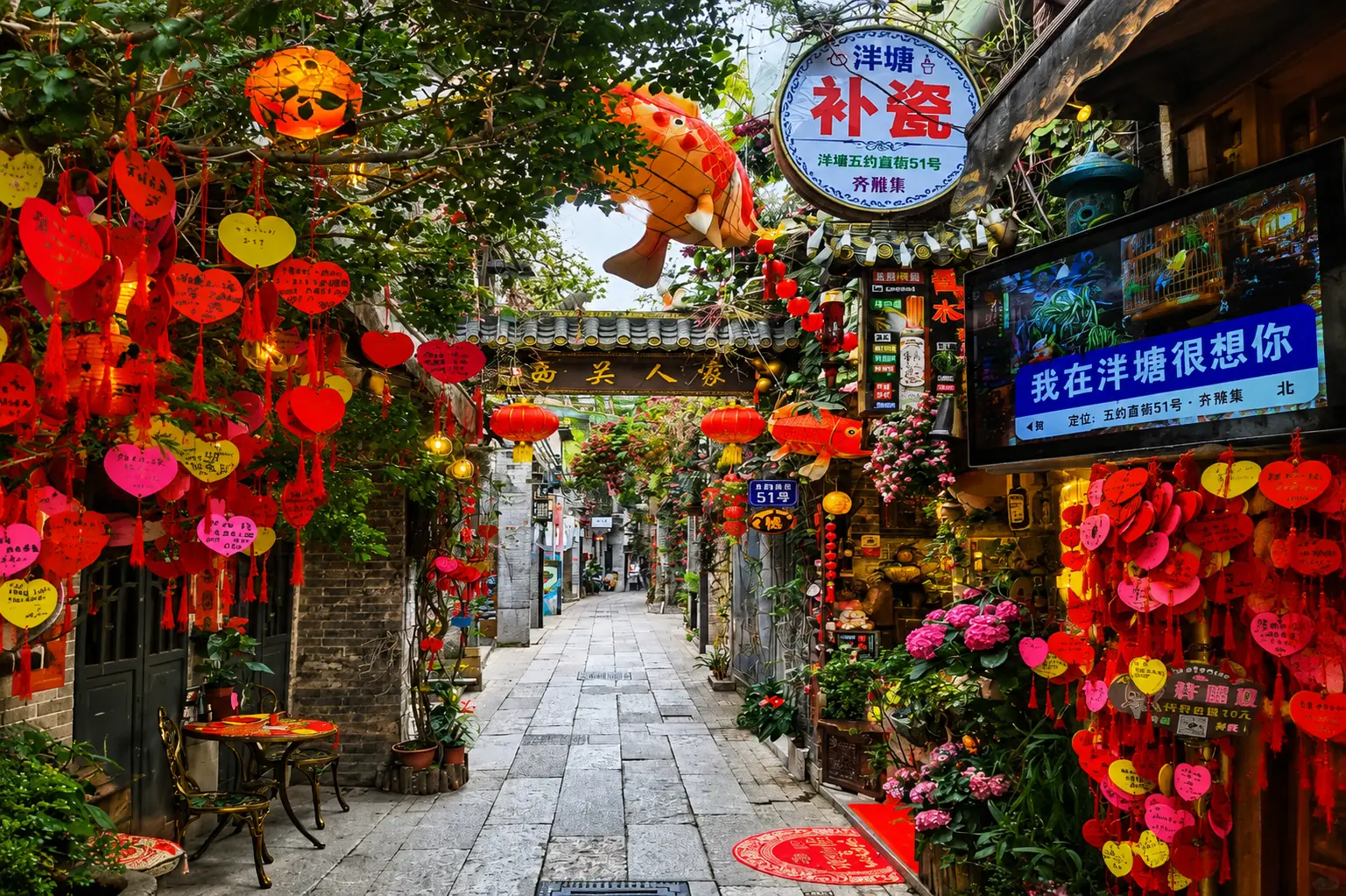
The Slow Liwan Trip
Best for: travelers who prefer neighborhoods to icons.
Build around dim sum, Pantang Wuyue, Liwan Lake, Qingping, Yongqingfang, Shamian, and a relaxed old-town dinner.
Guangzhou by Area: Choose Your Base
Guangzhou's first-trip sights cluster more clearly than they look on a map. Use the areas below to avoid hopping between the old west side and the modern east side all day.
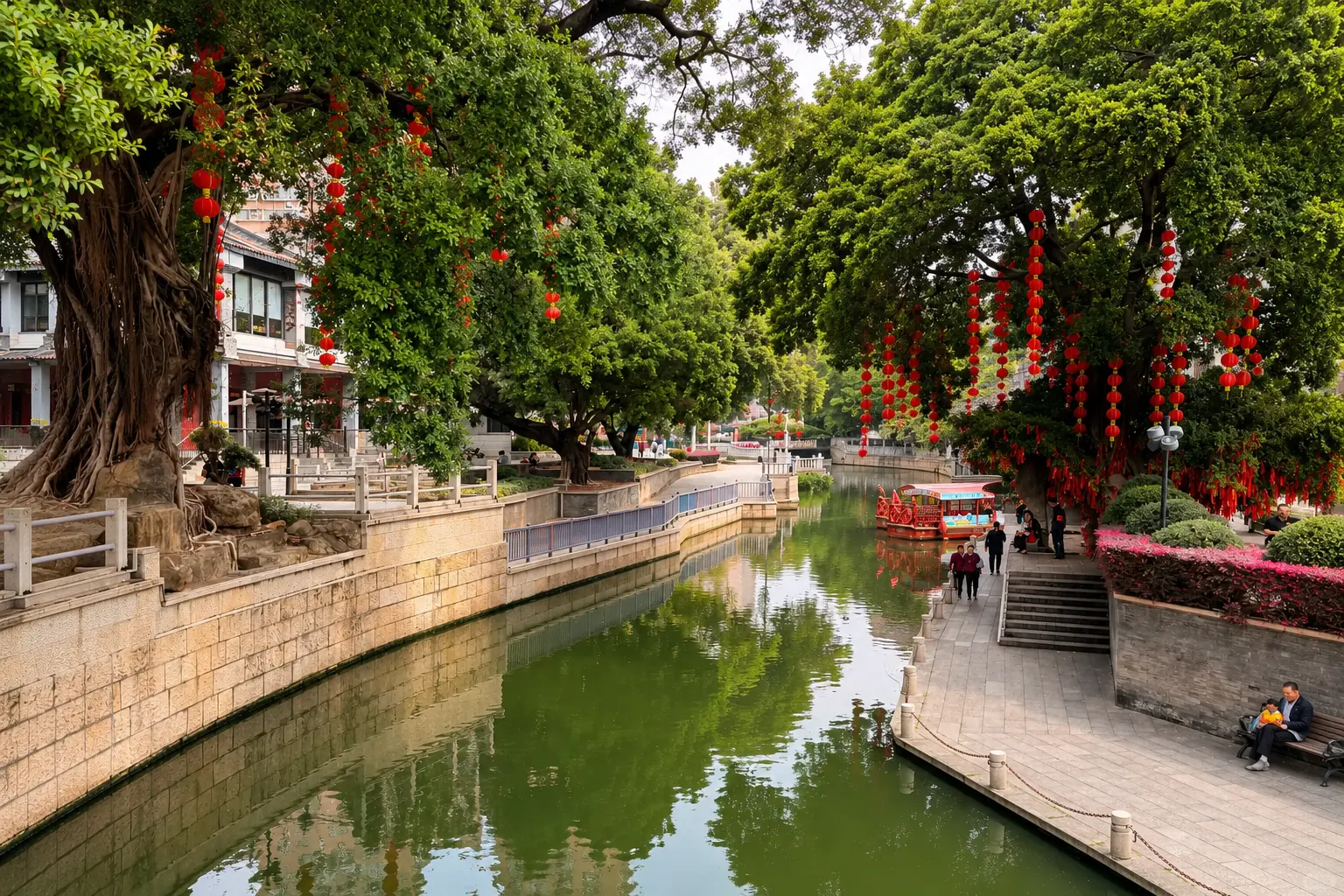
Old Liwan and Xiguan
Includes: dim sum, Panxi Restaurant, Pantang Wuyue, Liwan Lake, Shangxiajiu, Qingping, and Yongqingfang.
Use this for: food, old streets, local rhythm, and the most Guangzhou-feeling half day.
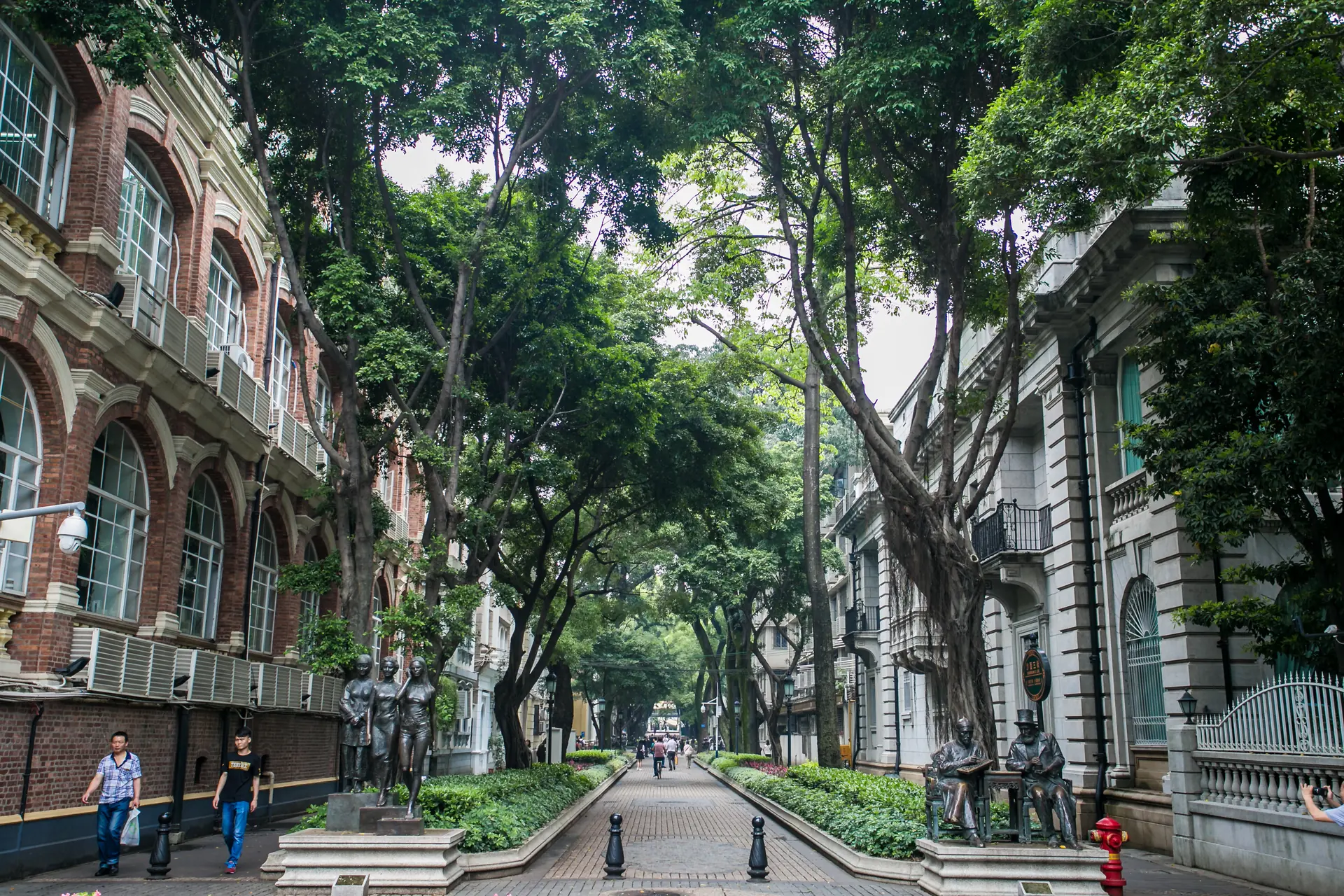
Shamian and River Trade
Includes: Shamian Island, Qingping, Cultural Park, White Swan Pond, and the Thirteen Hongs context.
Use this for: shaded walking, treaty-port architecture, and trade history beside the river.
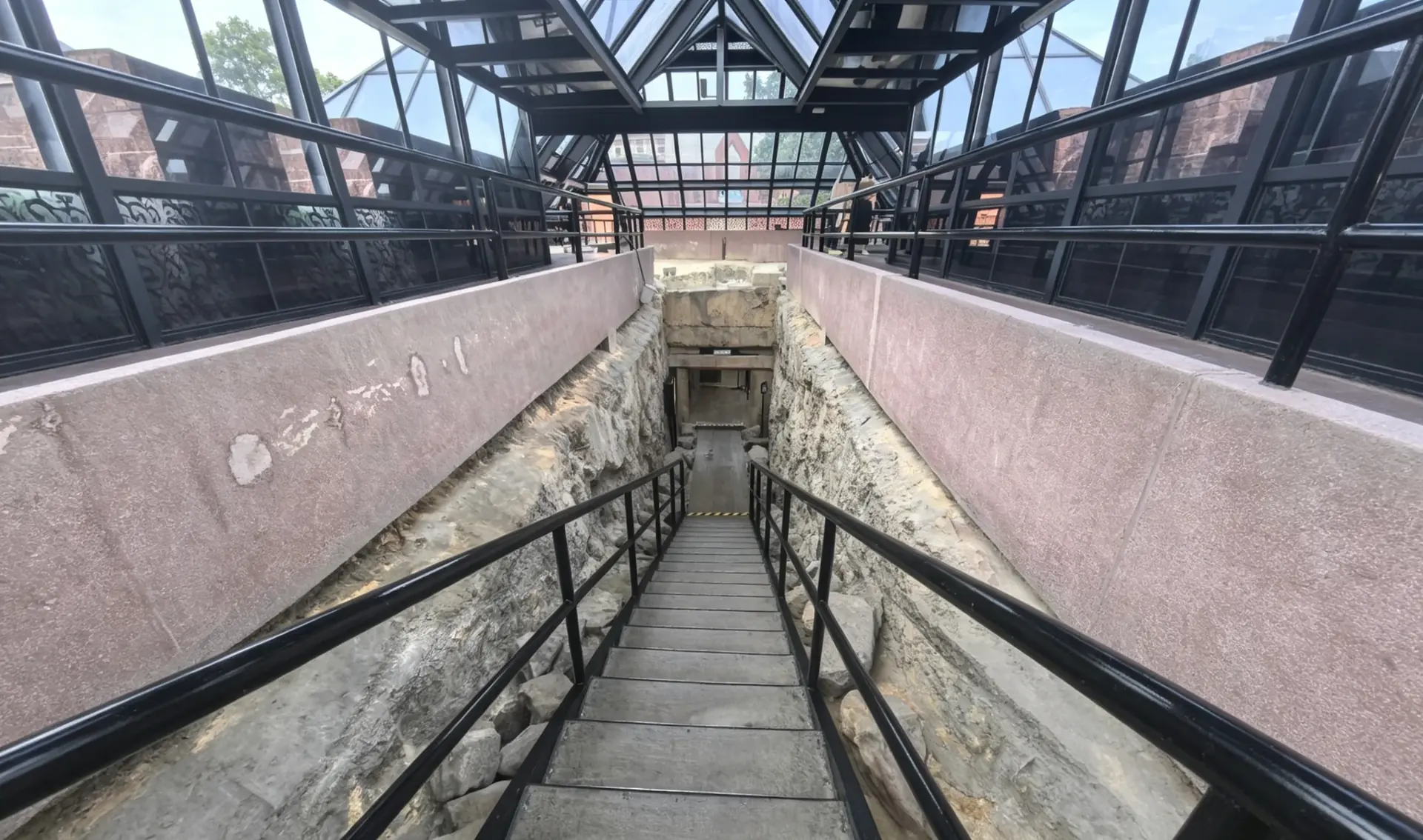
Yuexiu and Beijing Road
Includes: Nanyue King Museum, Yuexiu Park, Beijing Road, City God Temple, and Temple of the Six Banyan Trees.
Use this for: ancient Guangzhou, central-city archaeology, and a compact museum-plus-park day.
Zhujiang New Town
Includes: Canton Tower, Huacheng Square, the APM, malls, dinner options, and riverfront views.
Use this for: the modern skyline and the easiest evening finish after an old-city day.
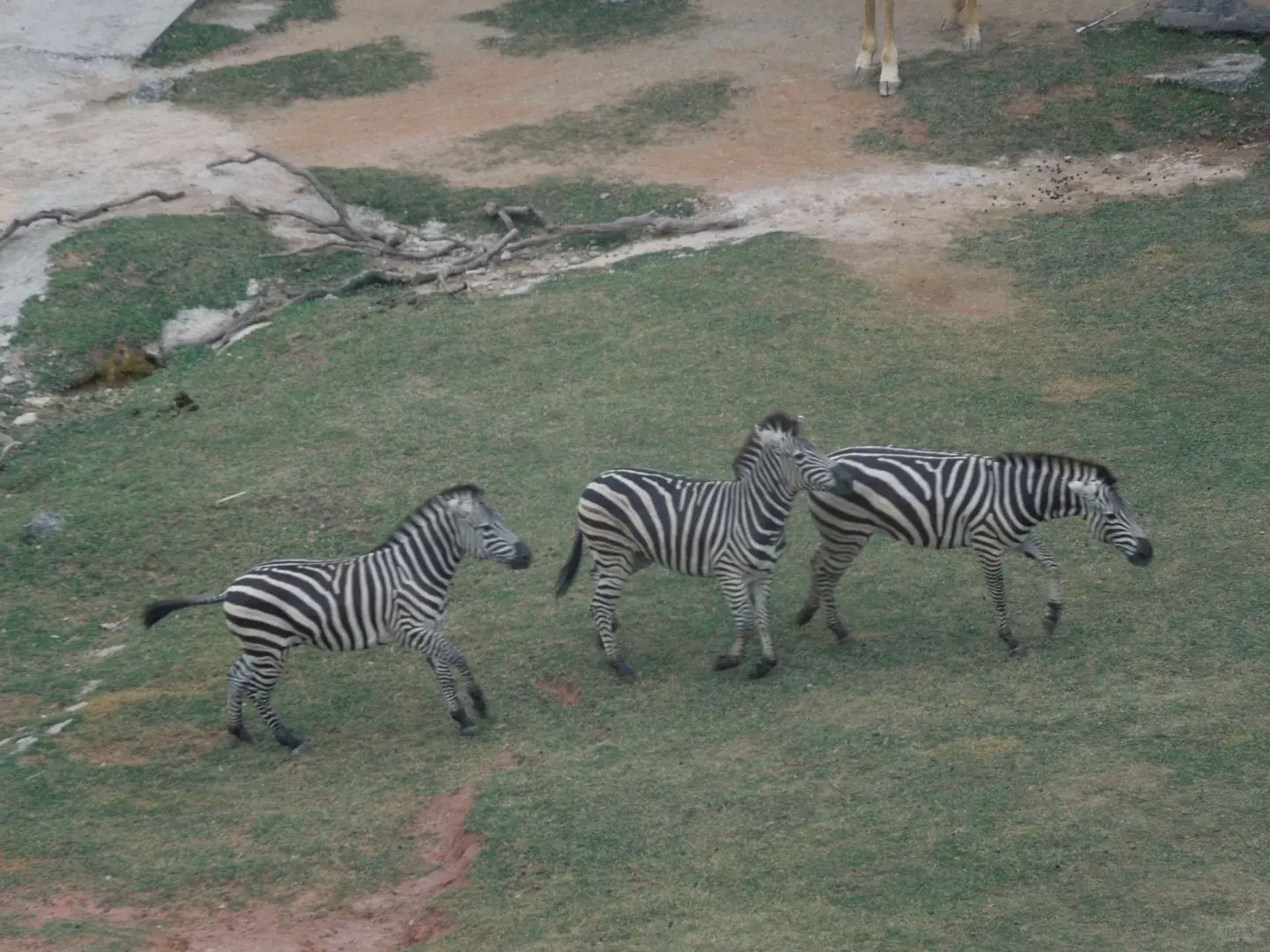
Panyu and Chimelong
Includes: Chimelong Safari Park, Chimelong Circus, and family-heavy resort logistics.
Use this for: a separate full day, not a gap after Chen Clan Hall or Shamian.
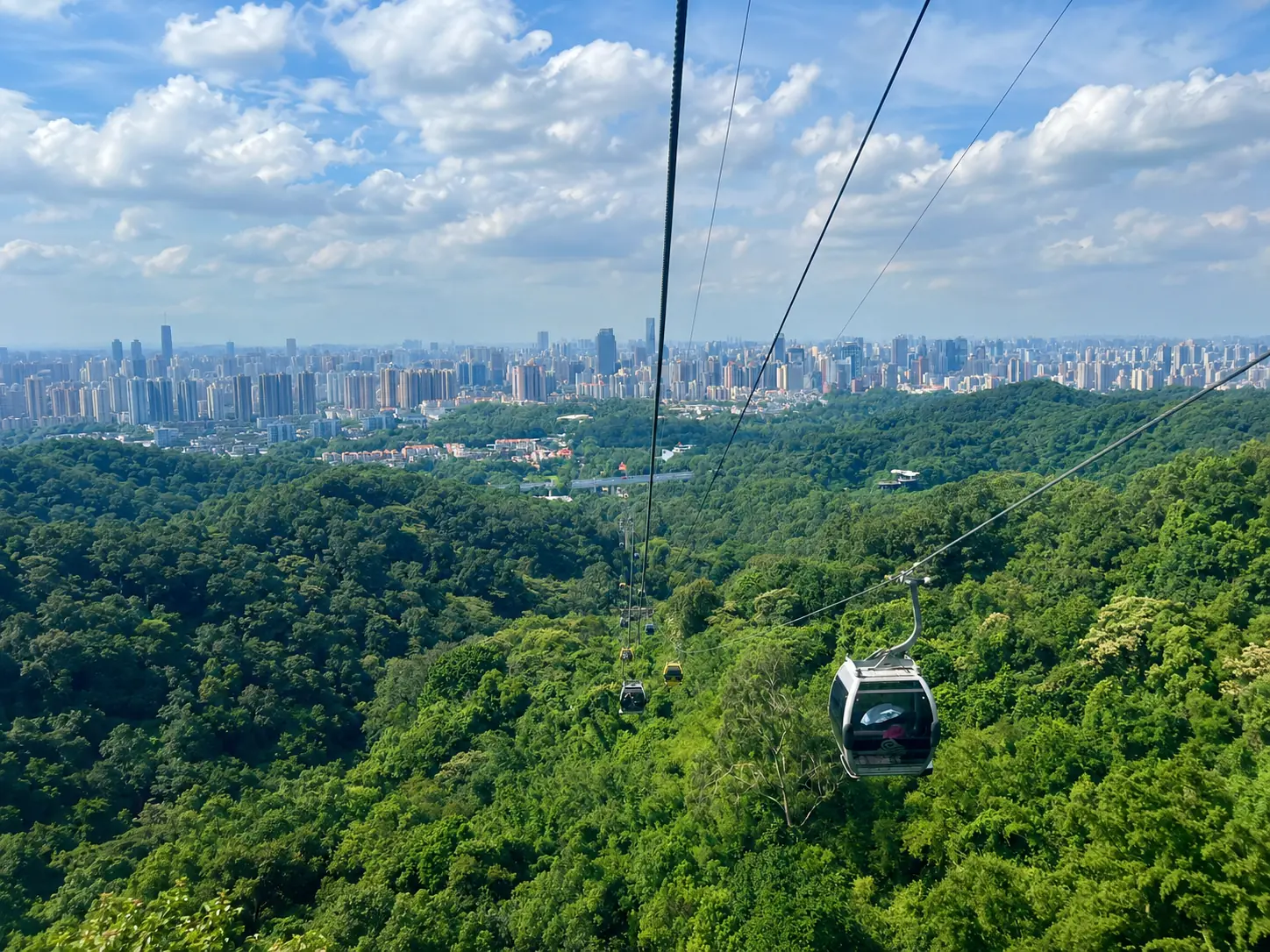
Baiyun Mountain
Includes: hill paths, cable-car access, city views, and a completely different pace from the riverfront.
Use this for: a half day with clear weather and hiking energy, not a rushed add-on.
How to Pace Big Guangzhou Days
Guangzhou is not hard to navigate, but heat, food pacing, and east-west transfers can quietly wear people down. Think in day weights, not just attraction names.
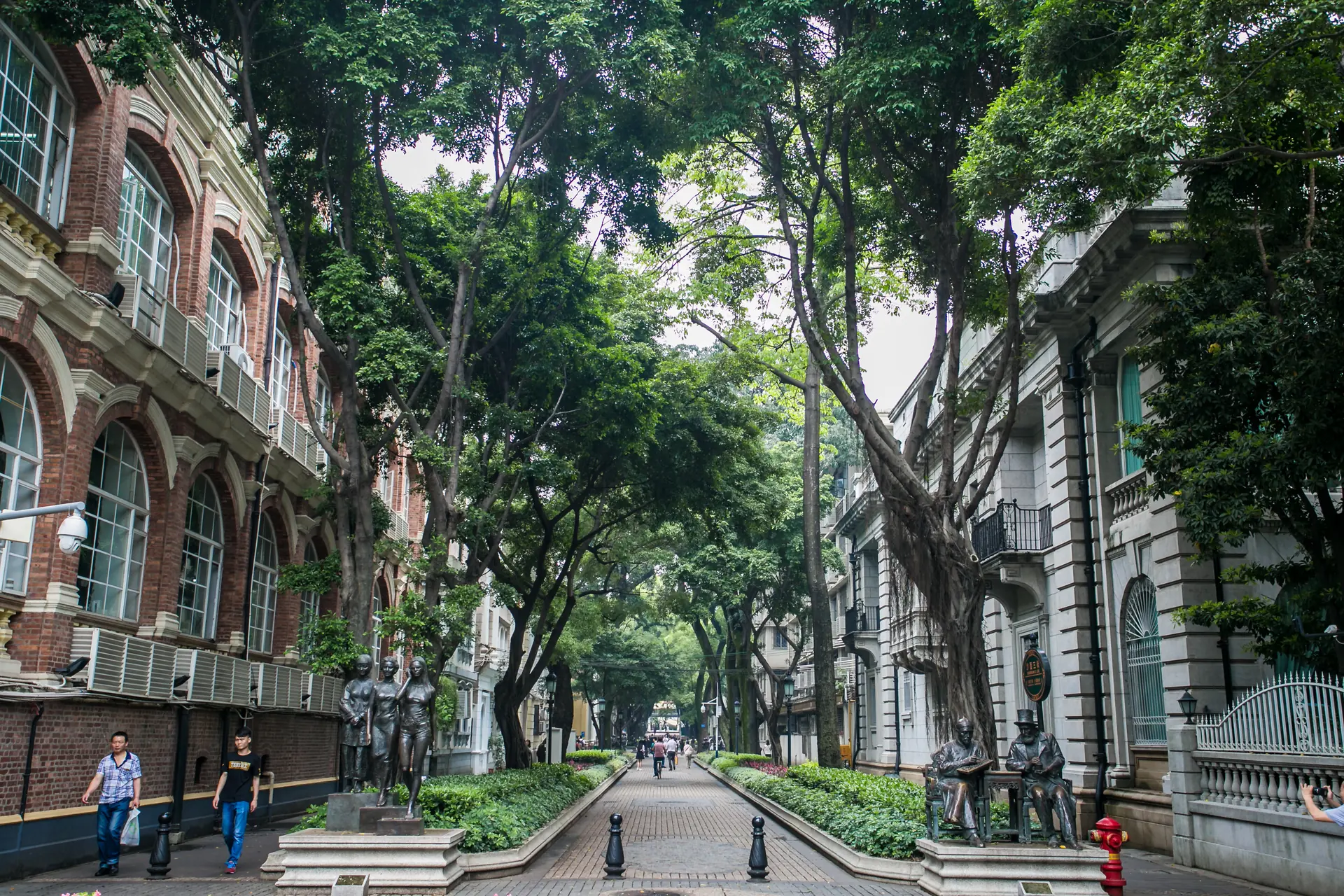
Heavy Food-and-Heritage Day
Use for: dim sum, Chen Clan Hall, Shamian, Qingping, and a river evening.
Keep breakfast under control and move east only once. This day is satisfying because the old-city stops sit close together.
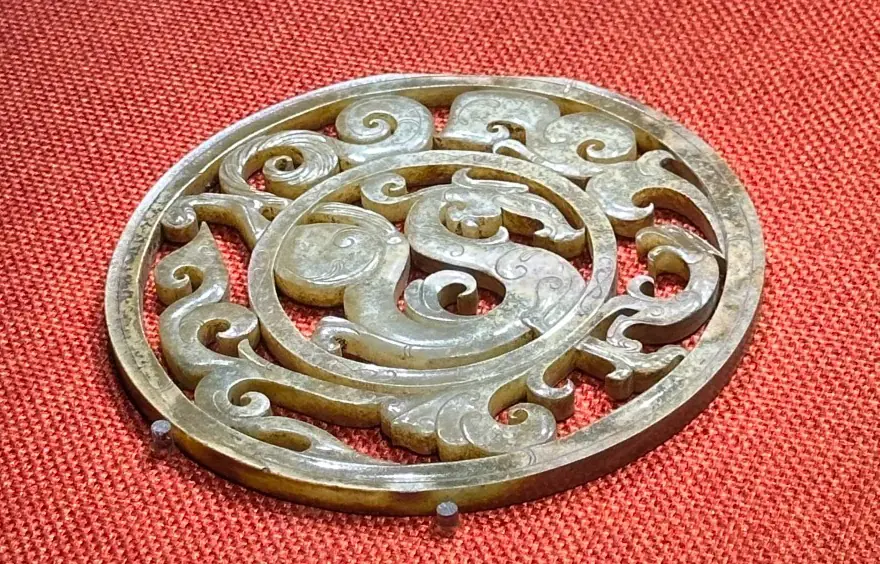
Medium Museum Day
Use for: Nanyue King Museum, Yuexiu Park, Beijing Road, temples, and a lighter dinner.
This day is easier than the old-city route, but museum reading and summer heat still need breaks.
Light River Evening
Use for: Huacheng Square, Canton Tower views, dinner, and an optional cruise.
Keep the river flexible. If rain, haze, or fatigue wins, free riverbank views are still a good ending.
Save These for a Second Trip
A strong first Guangzhou trip needs editing. The city becomes easier when you leave a few worthy experiences for another day instead of forcing every famous name into the first route.
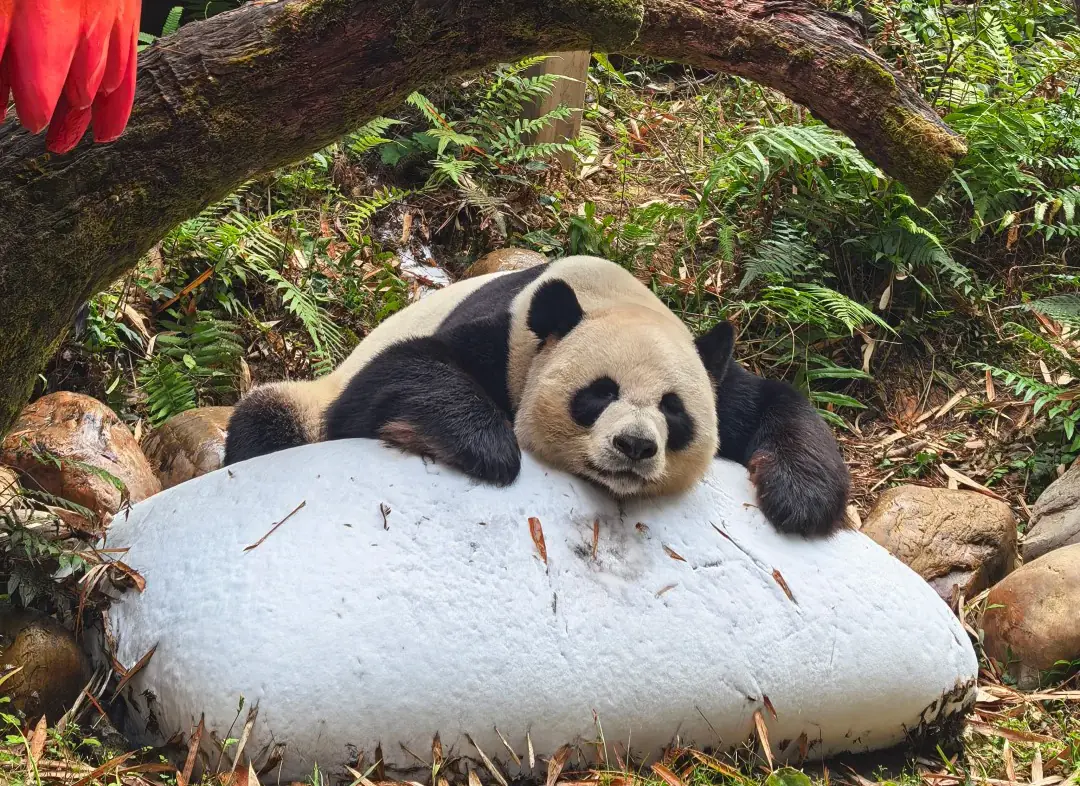
Chimelong by Default
Save for later unless: children or wildlife are a major reason for the trip.
It is excellent, but it takes a full day and sits far from the old-city route.
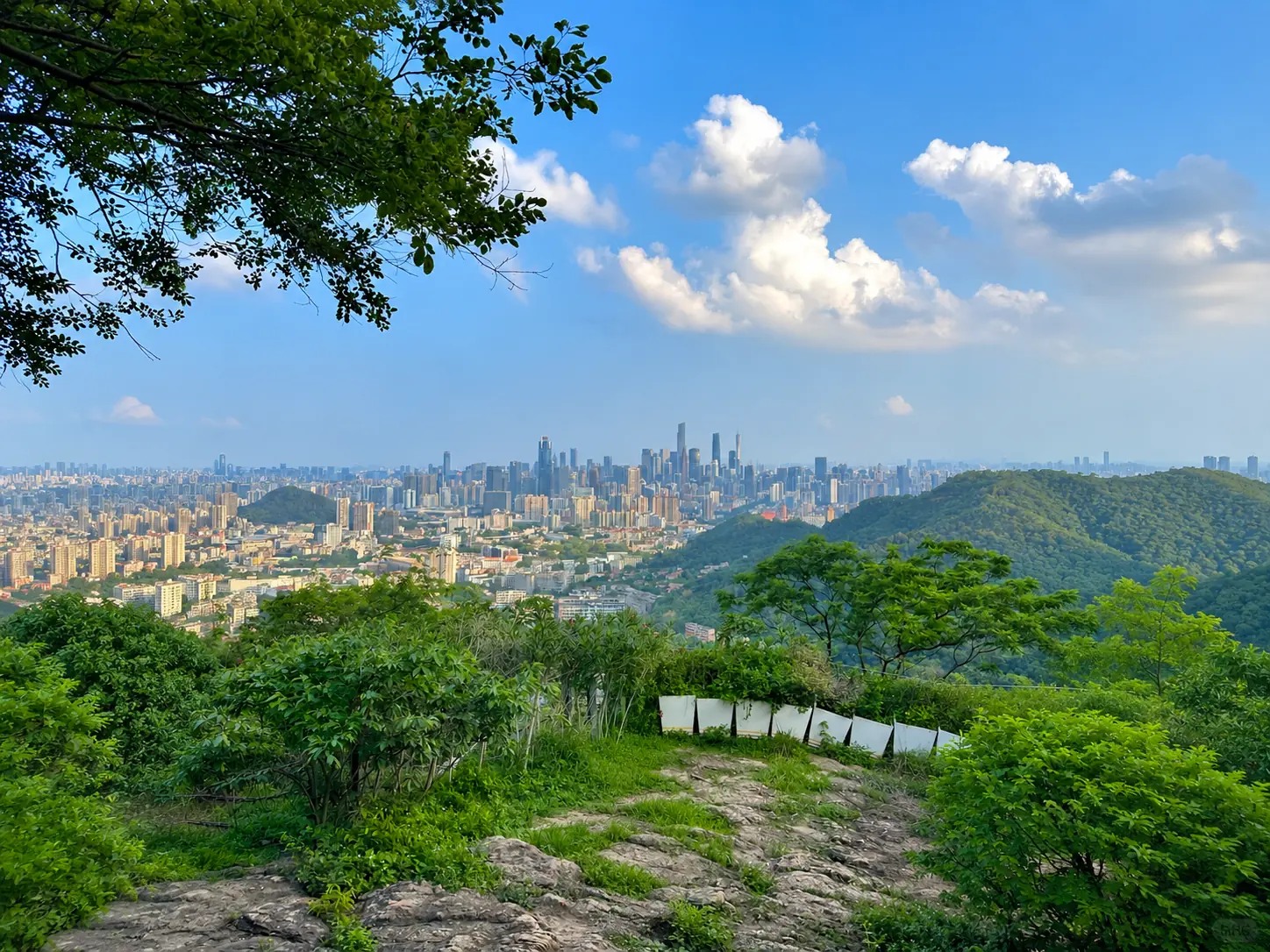
Baiyun Mountain
Save for later unless: the forecast is clear and you want a nature break.
It is not hard, but it competes with the old-city and river route for time and energy.
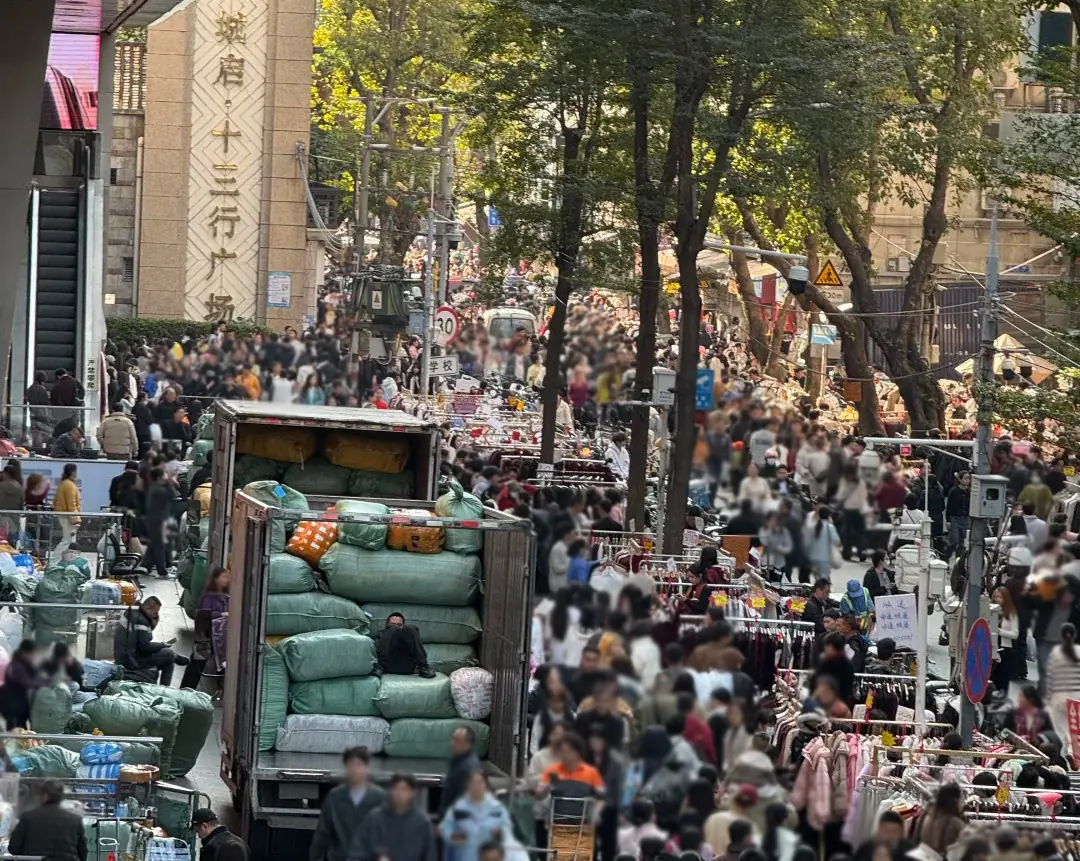
Wholesale Markets
Save for later unless: sourcing, fabrics, clothing, or business shopping is part of your goal.
They are useful, intense, and practical, but they are not the best first cultural read of Guangzhou.
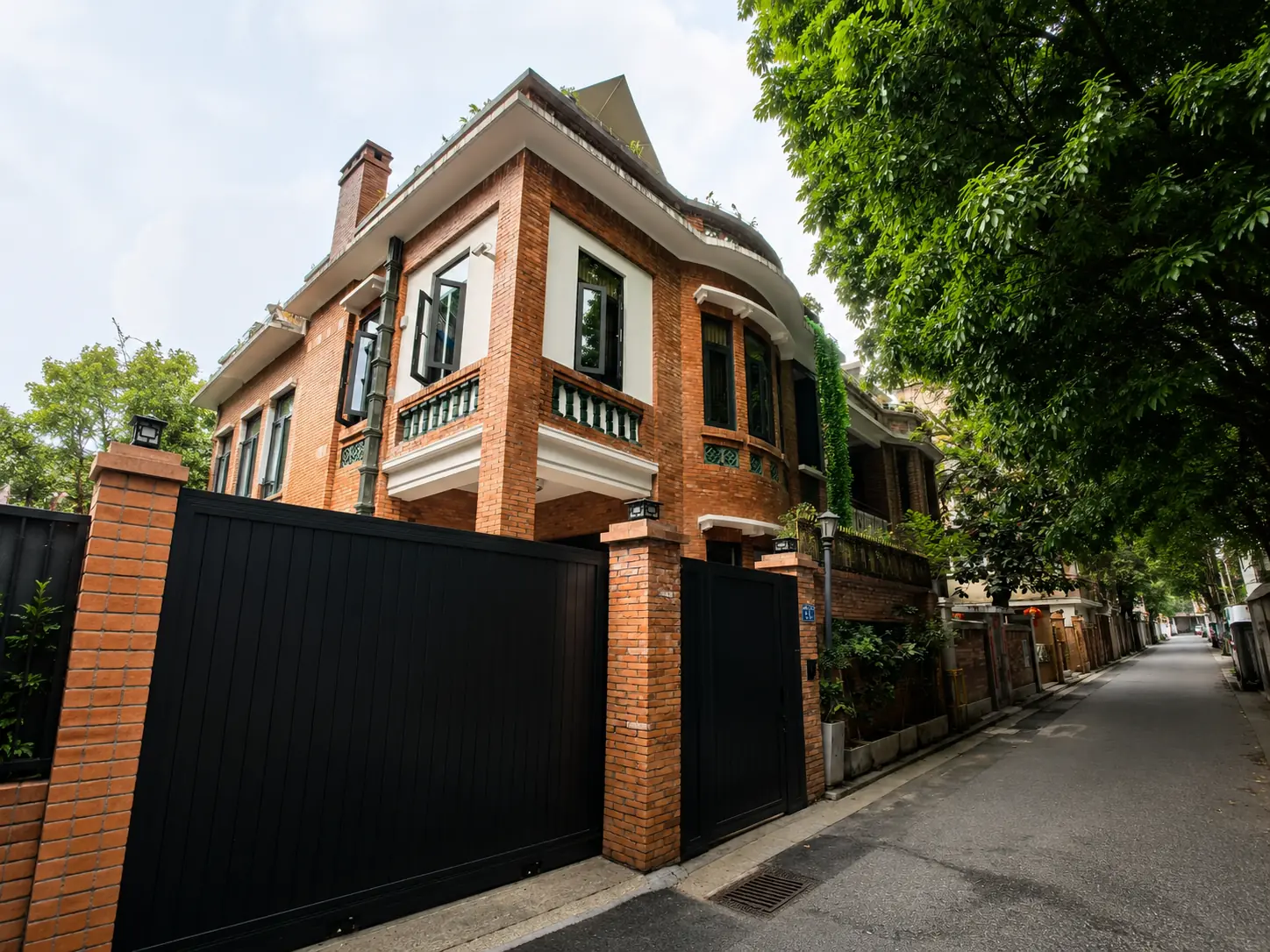
Dongshankou
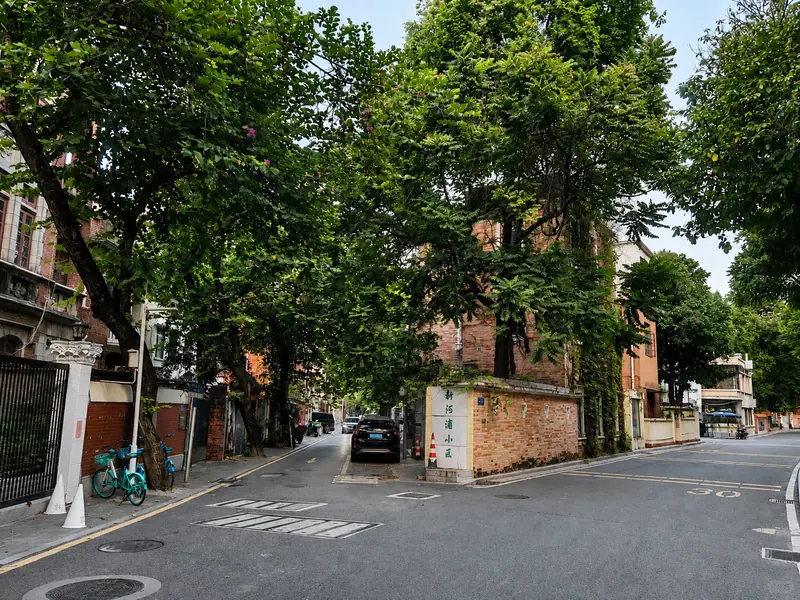
Save for later unless: you like villas, red-brick streets, cafes, and early-modern urban neighborhoods.
It is a good second-layer walk after Shamian and old Liwan have already given you the core city contrast.
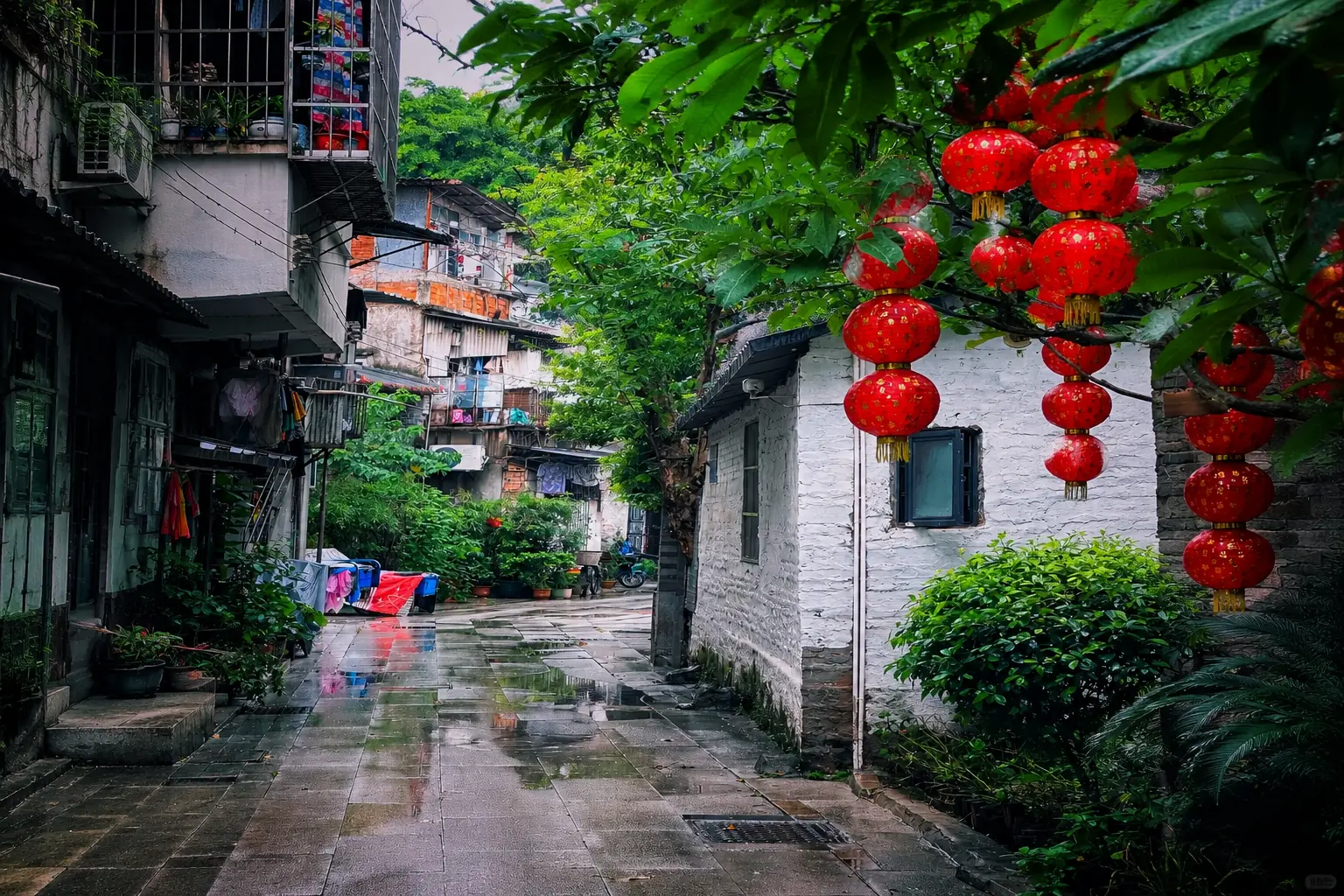
Deep Pantang
Save for later unless: old Liwan is your main interest.
Pantang Wuyue is lovely, but it shines when you have time for Liwan Lake, Renwei Temple, and food nearby.
Foshan Day Trip
Save for later unless: martial arts, ceramics, Cantonese opera roots, or Lingnan ancestral halls are a priority.
Foshan pairs well with Guangzhou, but it should be planned as a separate excursion.
Where to Stay for Guangzhou Sightseeing
Choose a base by the kind of day you want to make easy. Guangzhou's metro is useful, but a hotel near the right cluster keeps breakfast, museums, and evenings from becoming a commute.

Liwan or Xiguan
Best for: dim sum, old streets, Shamian, Qingping, and a slow Guangzhou feel.
Choose this if food and old-city texture matter more than skyline hotel views.
Yuexiu or Beijing Road
Best for: Nanyue Museum, Yuexiu Park, Beijing Road, temples, and central metro access.
This is practical if you want a history-heavy base without staying too far west.
Zhujiang New Town
Best for: modern hotels, malls, restaurants, Canton Tower, and easy river evenings.
The tradeoff is that old Liwan breakfasts and Shamian walks start farther away.
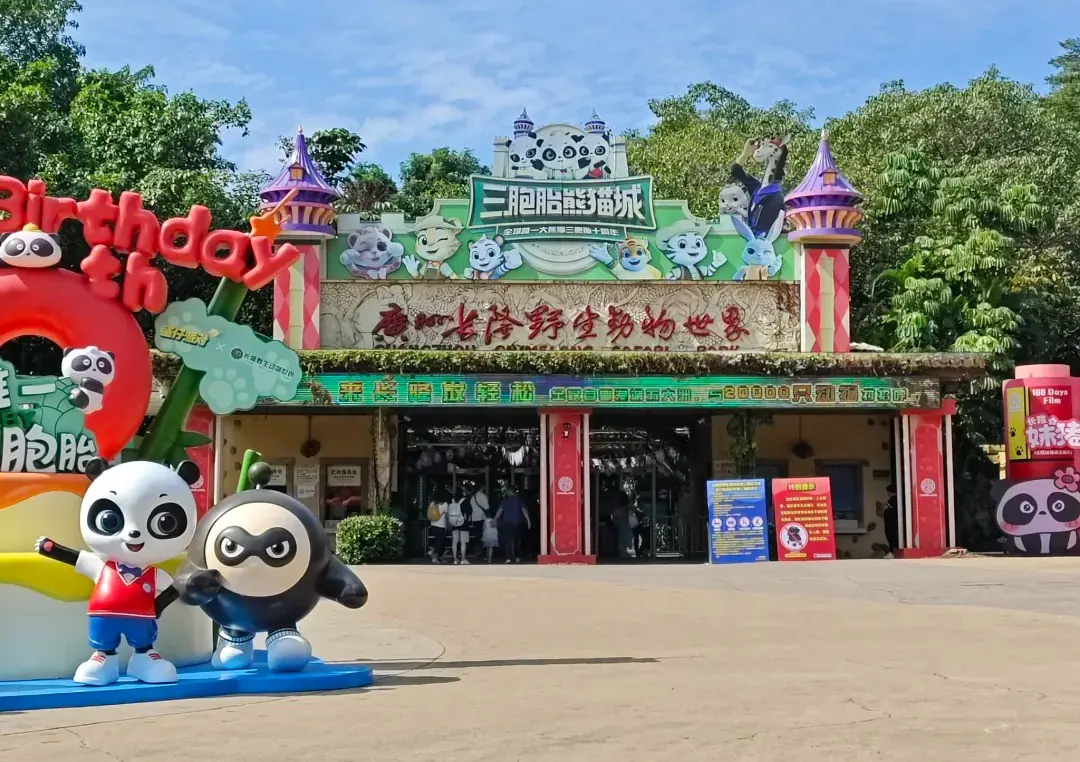
Panyu or Chimelong
Best for: families building the trip around Chimelong.
Do not use it as a default city base unless the resort is your main reason to stay there.
Old Liwan Food and Heritage Route
Tao Tao Ju and Old Teahouses (陶陶居与老字号) (Google | Amap)
For a classic first meal, stay in Liwan or the Xiguan old-town area. Tao Tao Ju, Guangzhou Restaurant, Dian Dou De, and Panxi Restaurant all work, but they create different moods: old brand, reliable branch, modern chain, or garden-style meal. Weekends are busy, so go early or choose a branch that is easier to reach from your hotel.
(Google | Amap) (Google | Amap) (Google | Amap)The key is restraint. A great Guangzhou morning can still go wrong if breakfast becomes a three-hour feast. Order enough dim sum to feel the ritual, then leave space for walking.
Chen Clan Ancestral Hall (陈家祠) (Google | Amap)
Chen Clan Ancestral Hall is one of Guangzhou's most efficient culture stops because the building itself is the exhibition. Look up before you read labels: ceramic figures on roof ridges, layered brick carving, wood beams, stone railings, and courtyards built for shade and ceremony.
Current visitor notices commonly list opening around 09:00-17:30, with ticketing or entry stopping around 17:00. Adult admission is inexpensive, commonly around RMB 10, but check the current notice for weekly closures, holidays, or special exhibitions.
Shamian and Qingping (沙面与清平) (Google | Amap)
After Chen Clan Hall, Shamian Island gives the route a calm reset. Walk slowly enough to notice building functions: banks, churches, clubs, consulates, and river-facing streets. Then cross back toward Qingping Medicine Market if you want a rawer old-city contrast.
(Google | Amap) (Google | Amap)Shamian is photogenic, but Qingping and Xiguan make the day feel less staged. The mix of herbal shops, dried seafood, narrow lanes, dessert shops, and arcade buildings keeps Guangzhou from turning into a museum sequence.
Ancient Guangzhou Without Losing Your Pace
Nanyue King Museum Tomb Site (王墓展区) (Google | Amap)
The Museum of the Nanyue King is the best place to understand Guangzhou before the modern port-city story. The Tomb Site centers on the Western Han royal tomb and excavated objects. It is especially good for travelers who like archaeology, ancient states, and compact museums with a clear narrative.
Nanyue King Museum Palace Site (王宫展区) (Google | Amap)
The Palace Site is near Beijing Road and works well on the same day as Yuexiu Park or the old city center. Official information distinguishes the two sites clearly: the Palace Site is free by reservation, while the Tomb Site is ticketed. Both normally follow a Tuesday-Sunday 09:00-17:30 schedule, with Monday closure except national holidays.
Yuexiu Park and Beijing Road (越秀公园与北京路) (Google | Amap)
Yuexiu Park is free, spacious, and useful after indoor history. The Five Rams statue is the obvious symbol, but the better value is the terrain: hills, lakes, old walls, and the feeling that Guangzhou's historic center was never perfectly flat or monumental.
(Google | Amap) (Google | Amap) (Google | Amap)Beijing Road is more commercial, but it gives you a rare street-level archaeology moment. Look for the glass-covered ancient road layers in the pedestrian zone before you judge the area only by shopfronts.
Pearl River Nights and Skyline Choices
Canton Tower From the Ground (广州塔) (Google | Amap)
Start with the free version. Huacheng Square, the riverbank, and the Zhujiang New Town side give you wide views of Canton Tower without any ticket decision. This is often the smartest choice on hazy, rainy, or very humid evenings.
(Google | Amap)The tower itself generally lists business hours around 09:30-22:30, but ticket types, upper-deck access, rides, Monday maintenance patterns, and weather suspensions can change. If you want to go up, choose the clearest day and confirm your ticket window before you commit.
Tianzi Pier Cruise Option (天字码头) (Google | Amap)
The Pearl River cruise is best treated as a night upgrade. It is lovely when visibility is good and the bridges, Canton Tower, and Zhujiang New Town lights are sharp. It is less essential when it is rainy, foggy, or everyone is already tired after a long old-city day.
Cruises depart from several central piers, including Tianzi Pier and other riverfront points. Schedules, boat classes, seats, routes, and fares change frequently, so check current options a few days before you go rather than building the whole day around one assumed sailing.
Guangzhou Tickets, Timing, and Practical Tips
- Typical cost
- RMB 80-180 per person
- Timing advice
- Go early, especially on weekends
- Watch out
- Popular old brands can queue heavily
- Typical cost
- Around RMB 10
- Timing advice
- Morning or mid-afternoon
- Watch out
- Entry usually stops before closing
- Typical cost
- Free
- Timing advice
- Morning or late afternoon
- Watch out
- Most value is outside, not interiors
- Typical cost
- Palace free by reservation; Tomb around RMB 10
- Timing advice
- Tue-Sun, usually 09:00-17:30
- Watch out
- Two sites, different ticket rules
- Typical cost
- Free
- Timing advice
- Early morning or late afternoon
- Watch out
- Inner museums may have separate hours
- Typical cost
- Varies by deck and combo
- Timing advice
- Clear day, sunset-to-night window
- Watch out
- Ticket windows and weather matter
- Typical cost
- Varies by pier, boat, and seat
- Timing advice
- After dark
- Watch out
- Confirm live schedule and pier
Guangzhou's metro is the simplest way to connect the core route. The old west side clusters around Liwan, Huangsha, Cultural Park, Chen Clan Academy, and Changshou Road. The skyline side clusters around Canton Tower, Zhujiang New Town, Huacheng Square, and the APM. Use taxis for late-night returns, rain, or family fatigue, but do not underestimate metro convenience in the center.
Common Guangzhou Travel Mistakes To Avoid
Starting dim sum too late
A 10:30 weekend arrival at a famous teahouse can turn breakfast into a queue. Go early, choose a branch, or keep the meal flexible.
Forcing Chimelong into one day
Chimelong is excellent for families, but it belongs to its own day. It breaks the old-city and Pearl River route.
Treating Shamian as scenery only
The island is calm and photogenic, but the meaning sits in the concession history, trade buildings, churches, and river context.
Buying tower tickets in bad visibility
Guangzhou haze, humidity, rain, and low cloud can weaken the view. The free riverfront version is better on poor-weather nights.
Frequently Asked Questions
Two days is the best first-timer length. One day can cover dim sum, Chen Clan Hall, Shamian, and the Pearl River skyline. Two days add Nanyue history, Yuexiu Park, Beijing Road, and old Liwan without rushing.
Sources checked for this guide
- Two-site King's Tomb and King's Palace layout, hours, Monday closures, and reservation rules: Museum of the Nanyue King official visitor guide
- Shamian Island 0.3 sq km heritage overview and metro access: Liwan District official Shamian guide
- Panyu park location, operating baseline, and full-day Safari Park planning: Chimelong Safari Park official site
- May 2026 Baiyun Airport Terminal 1 renovation closure, T3 flight transfer, and Guangzhou rail-metro connections: Guangzhou Municipal Government airport transit notice
Beyond This Guide
Guangzhou is one of the easiest Chinese cities to underestimate because its highlights do not all announce themselves like a palace or a mountain. Pair this guide with the Guangzhou destination hub, our Guangzhou food guide, the Guangzhou one-day route, the Shamian Island walk, and the Nanyue King Museum guide to turn the city from a stopover into a real South China base.
- Huang Feihong Lion Dance & Kung Fu in Foshan — ride the Guangfo Metro line to Foshan Ancestral Temple for live lion-dance sessions
- Dongshankou Vintage Villa District Guide — walk Xinhepu's (新河浦) red-brick villas, indie galleries, and neighborhood cafes
- Chimelong Safari Park Guide — full-day family wildlife park in Panyu reachable on Metro Line 3 or 7
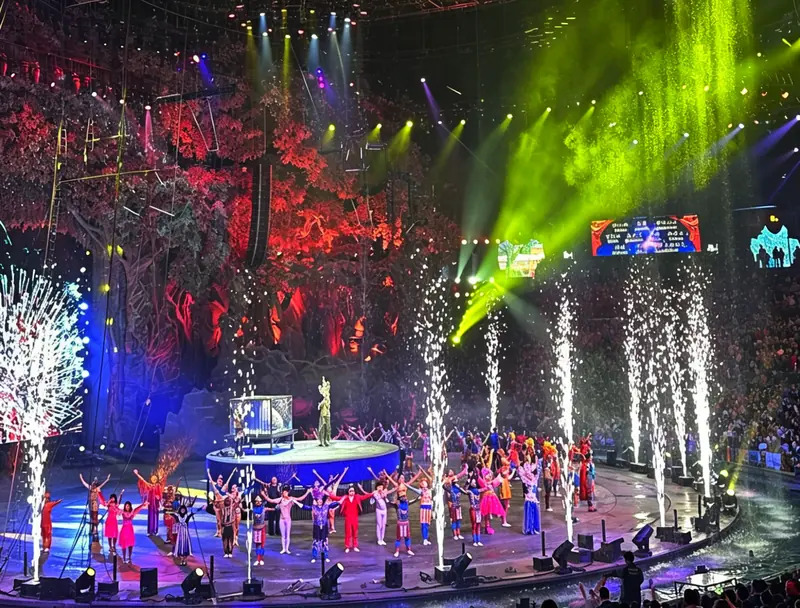
- Chimelong International Circus Guide — evening mega-theater circus show pairing easily with a Panyu resort stay
© gochinafreely.com — Original guide by Go China Freely.