Best First-Trip Shape
Good to Know
Xiamen (厦门) is often sold as China's romantic island city, but that phrase can make the trip sound softer than it is. A strong first visit is really a set of choices: UNESCO-listed Kulangsu / Gulangyu Island (鼓浪屿), temple courtyards, university-side coast, old arcade streets, seafood markets, former harbor lanes, botanical hills, and Jimei School Village (集美学村), tied to one of modern China's best-known overseas Chinese patrons.
Xiamen Is an Island City of Layers
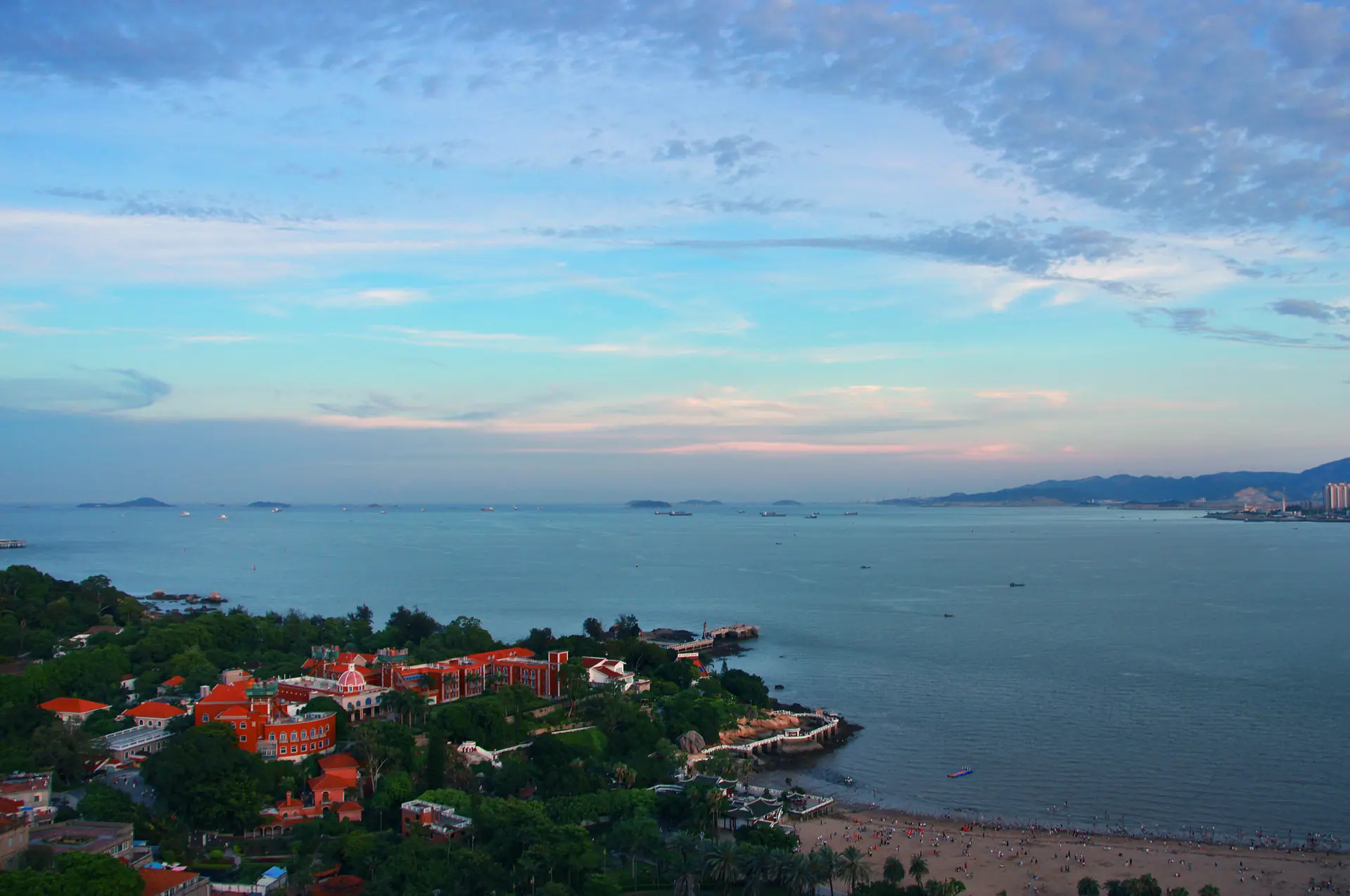
Xiamen works because different versions of the city sit close together. Gulangyu gives you car-free lanes, music heritage, villa architecture, and ferry logistics. Nanputuo Temple (南普陀寺), Xiamen University (厦门大学), Baicheng Beach (白城沙滩), and Huandao Road (环岛路) give you the classic temple-to-coast sequence. Zhongshan Road (中山路), Eighth Market (八市), and Shapowei (沙坡尾) keep the trip from becoming only beaches and pretty buildings.
For independent travelers, that closeness is the reward and the trap. The map makes everything look easy, but ferry tickets, campus access, summer heat, typhoon weather, and snack-street fatigue can all bend the day. This guide helps you choose what belongs in a first Xiamen trip and what should wait for a longer Fujian route.
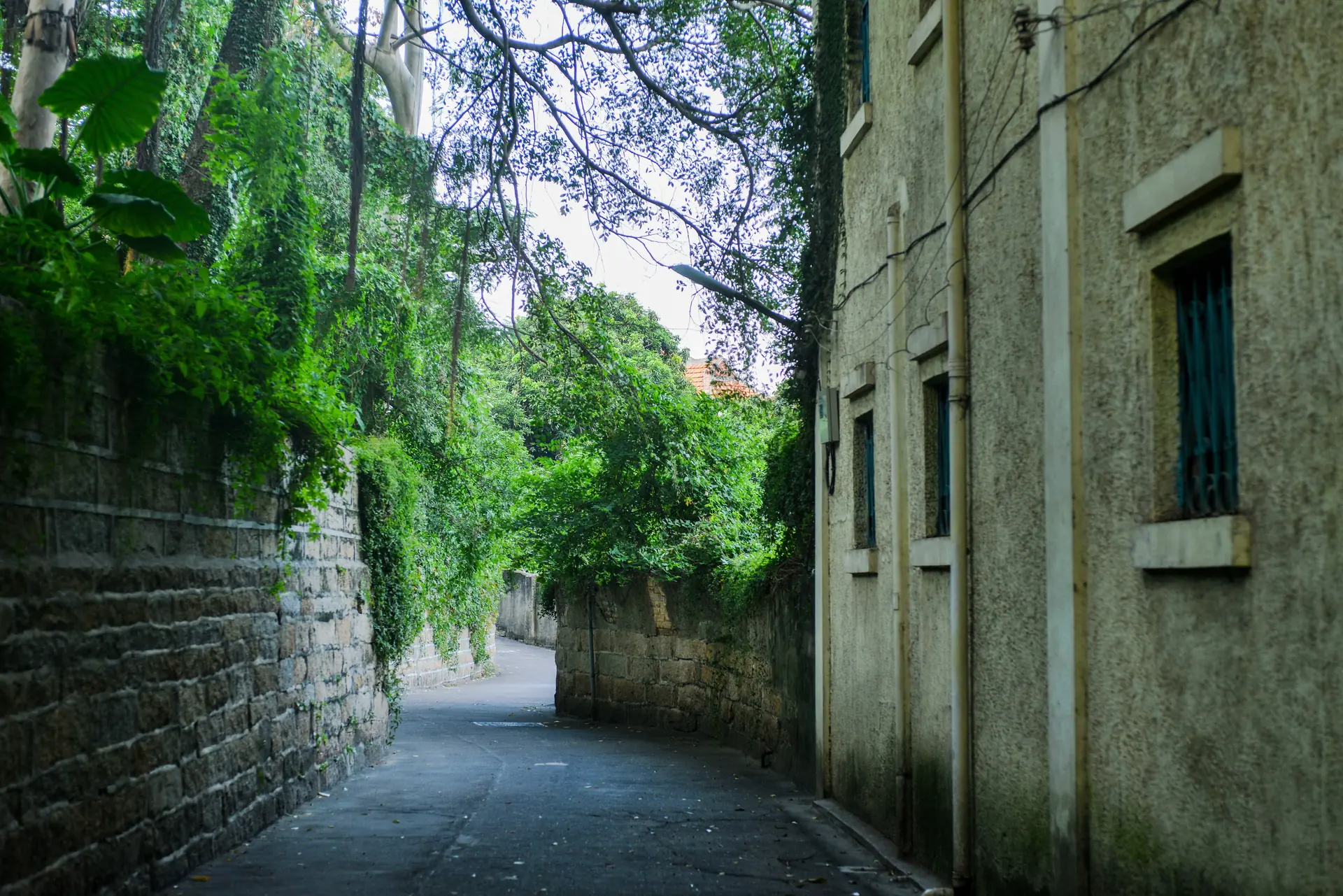
UNESCO Island
Where it shows up: Gulangyu, Sunlight Rock, Shuzhuang Garden, villa lanes, music museums, and ferry planning.
This is the strongest first-trip anchor, but it should not swallow the whole city unless your trip is intentionally Gulangyu-focused.
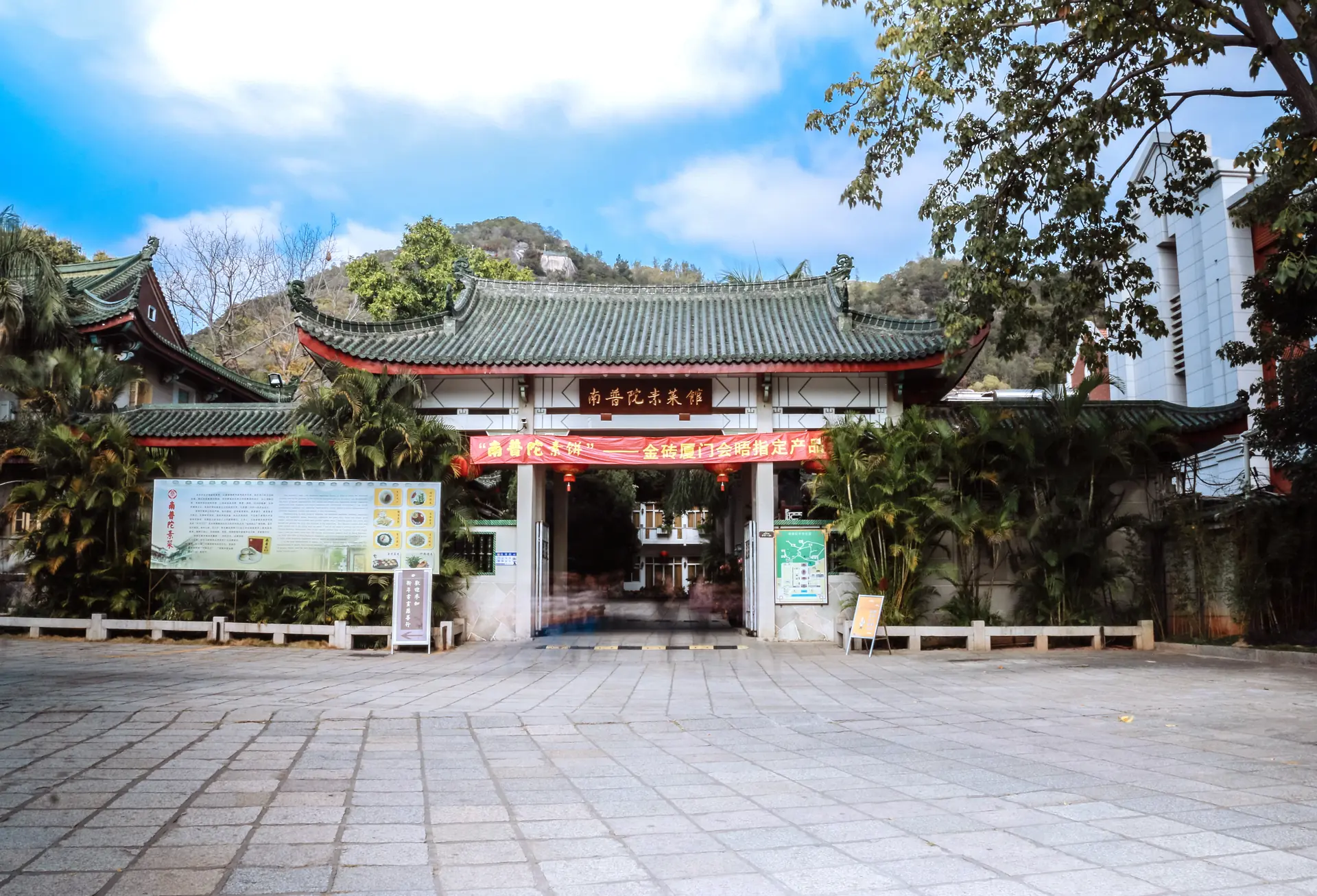
Temple and Coast
Where it shows up: Nanputuo, Xiamen University gates, Baicheng Beach, Huandao Road, Hulishan Fortress, and Zeng Cuo An.
This layer is why Xiamen feels gentle: short hops, sea wind, temple courtyards, and enough walking to feel like a city break rather than a checklist.
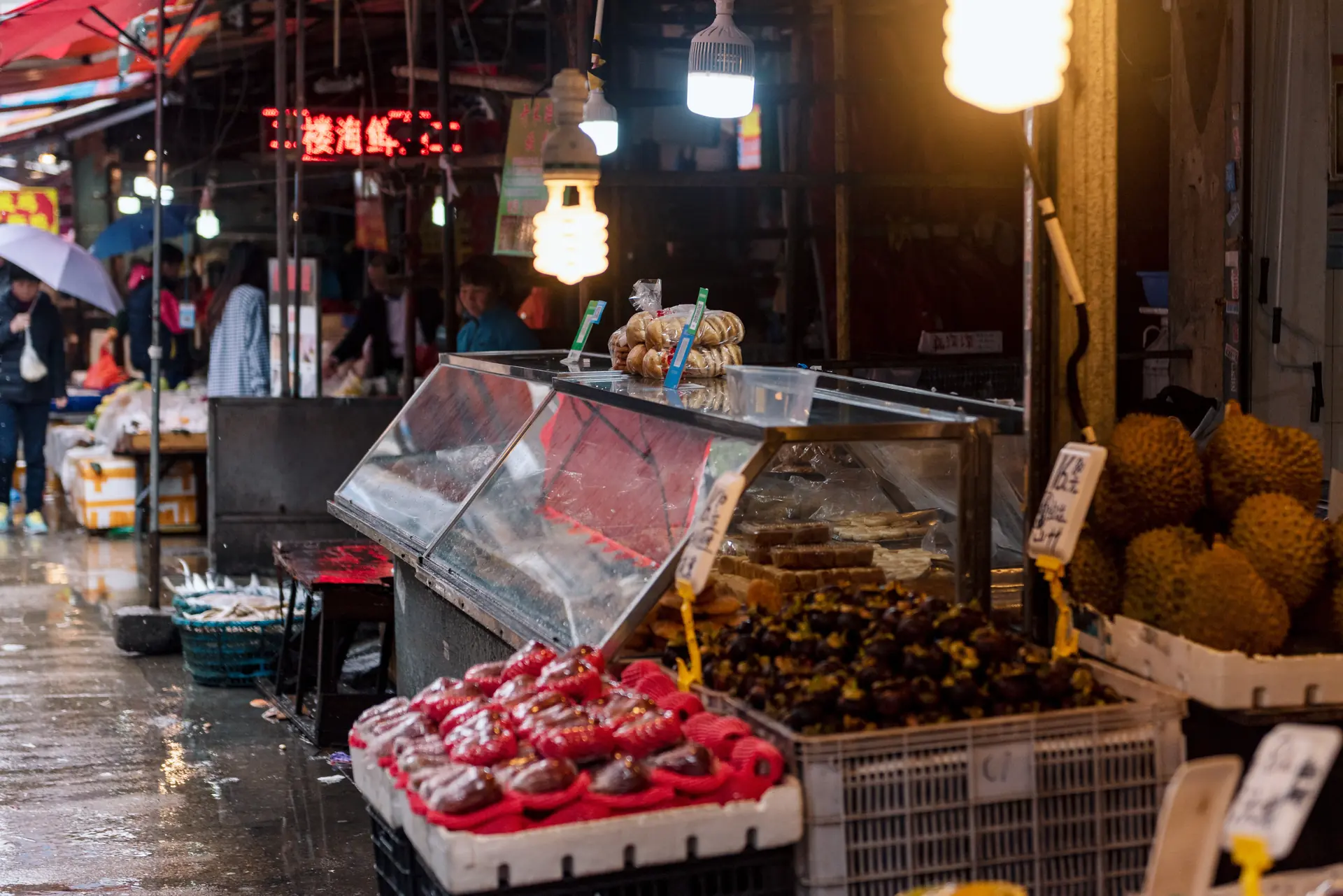
Old City and Food
Where it shows up: Zhongshan Road, Eighth Market, satay noodles, seafood, peanut soup, arcade streets, and evening snack routes.
Use food as part of the sightseeing rhythm. Xiamen's best meals make more sense when they sit near the market, ferry, coast, or old commercial streets.
Choosing Your First-Time Xiamen Trip Length
Start with trip length, not attraction rankings. One day gives you the classic ferry-and-coast version. Two days gives Xiamen room to breathe. Three days lets you add Jimei, a slower coast, or the first step of a wider Fujian route.
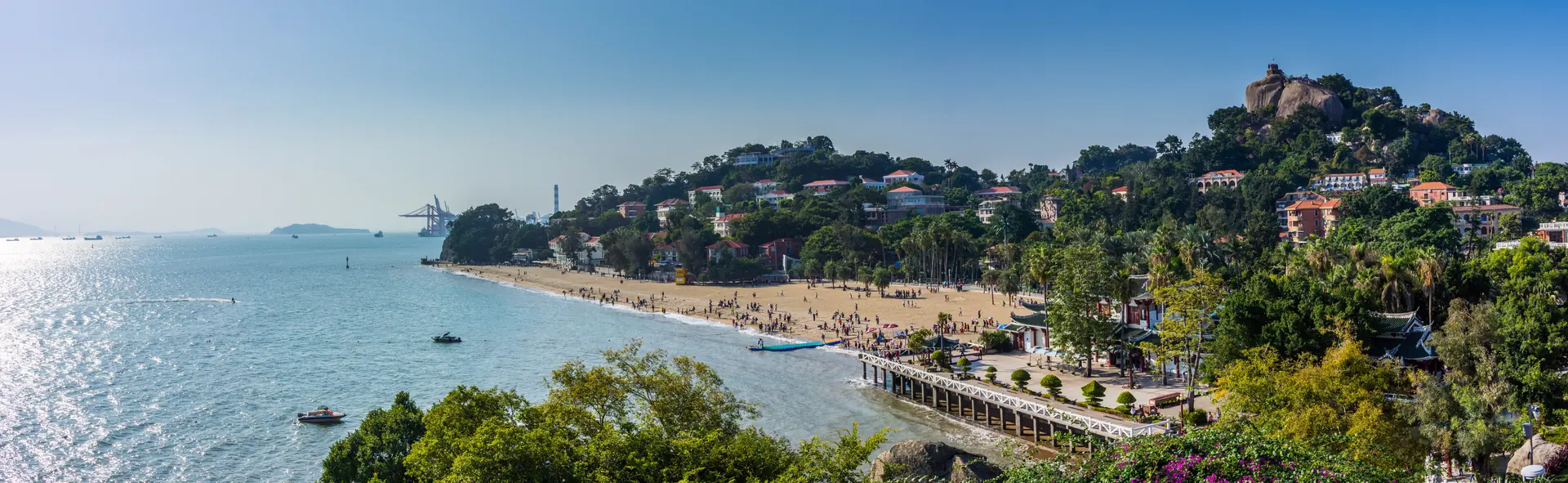
One day
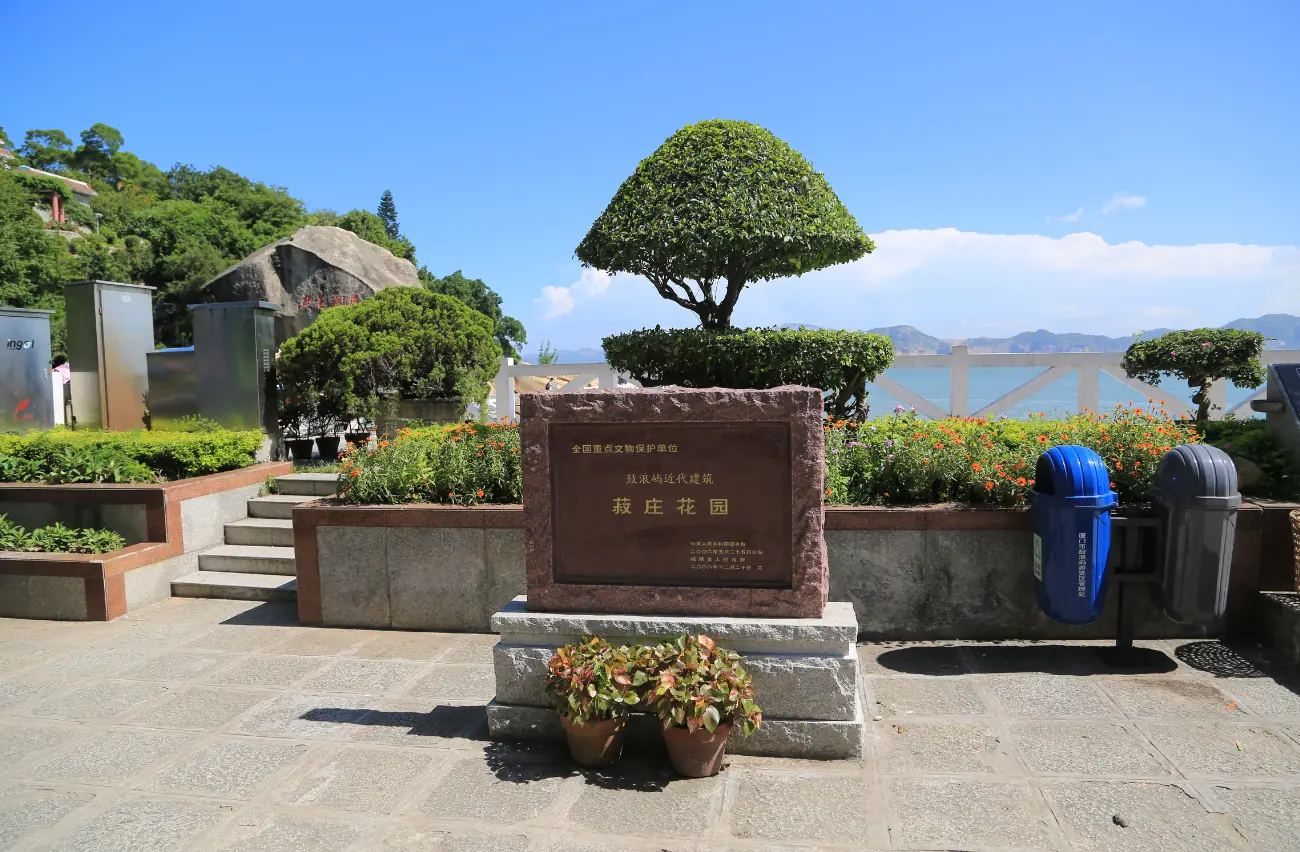
Protect the Gulangyu ferry first, then add Nanputuo, the Xiamen University gate or Baicheng coast, and one dinner district. Use our Xiamen one-day itinerary for the hour-by-hour version.
Two days
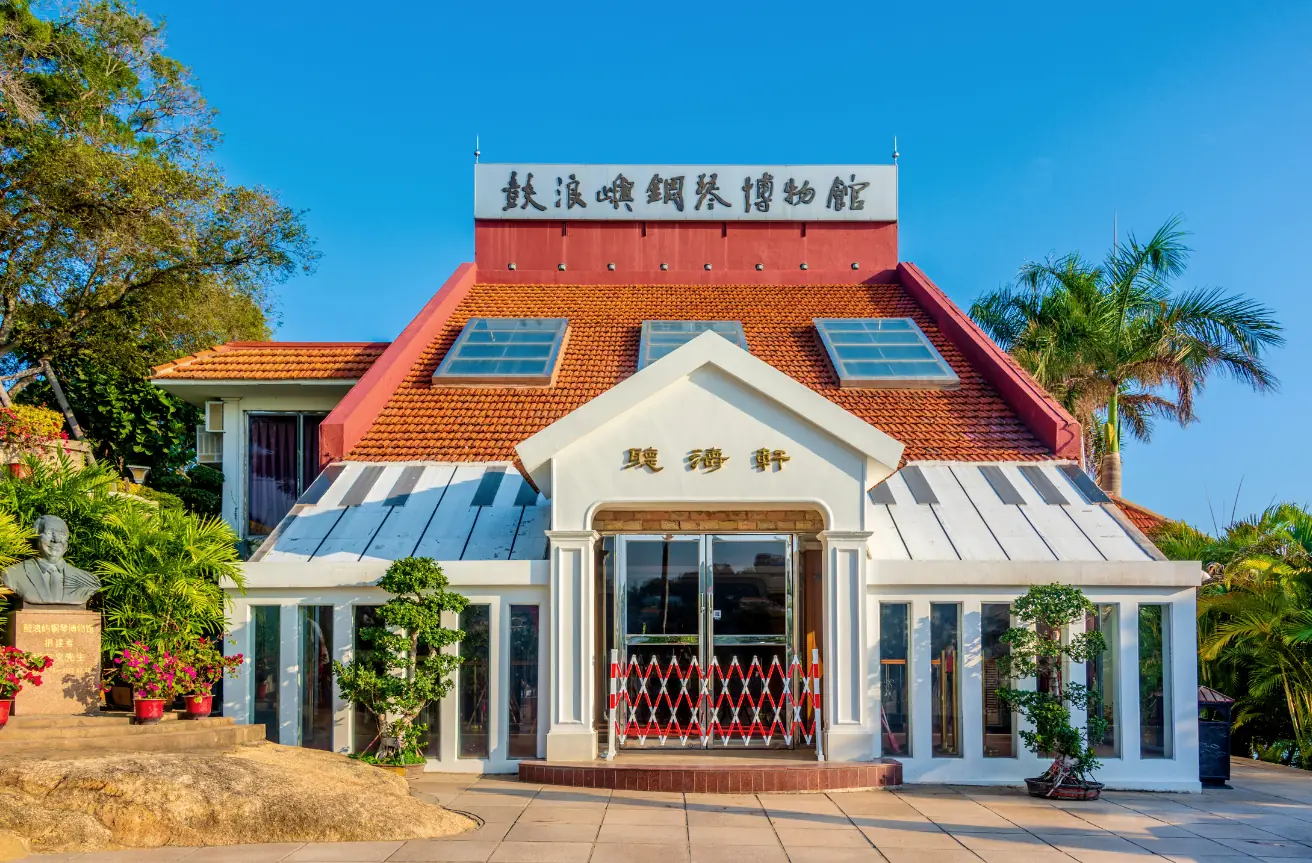
Day one can be Gulangyu plus old-city food. Day two can add the Botanical Garden, Hulishan Fortress, Huandao Road, Shapowei, Zeng Cuo An, or a slower Eighth Market visit. This is the best first-timer length.
Three days
Add one outer layer: Jimei School Village, Wuyuan Bay, a deeper Gulangyu day, or the first transfer toward Quanzhou or Fujian Tulou. Do not turn the third day into a forced list of every remaining name.
This guide is best for first-time Xiamen visitors, couples who want the island-city mood without vague "romance" planning, families choosing lower-stress coastal days, and travelers using Xiamen as a softer start to Fujian.
12 Xiamen Experiences Worth Building Around
These are not ranked by fame alone. The first group explains Xiamen's identity; the middle group rounds out the island city; the final group is best for extra time or a second visit.

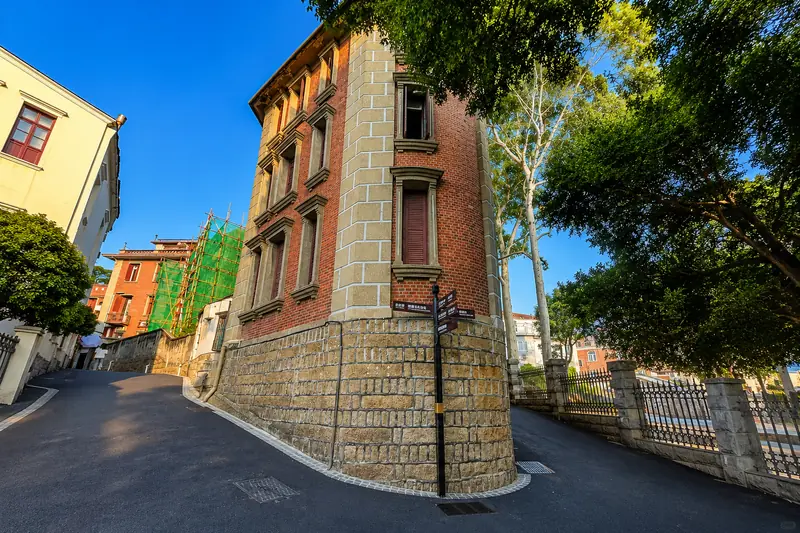
Gulangyu is the core first-trip experience: car-free lanes, international settlement history, music heritage, villa architecture, Sunlight Rock, and ferry constraints. Use the Gulangyu Island guide if you want more than a quick loop.
Xiamen's most useful first-time temple stop, close to the university area and the sea. It normally works as a calm mainland counterweight after a busy Gulangyu morning.
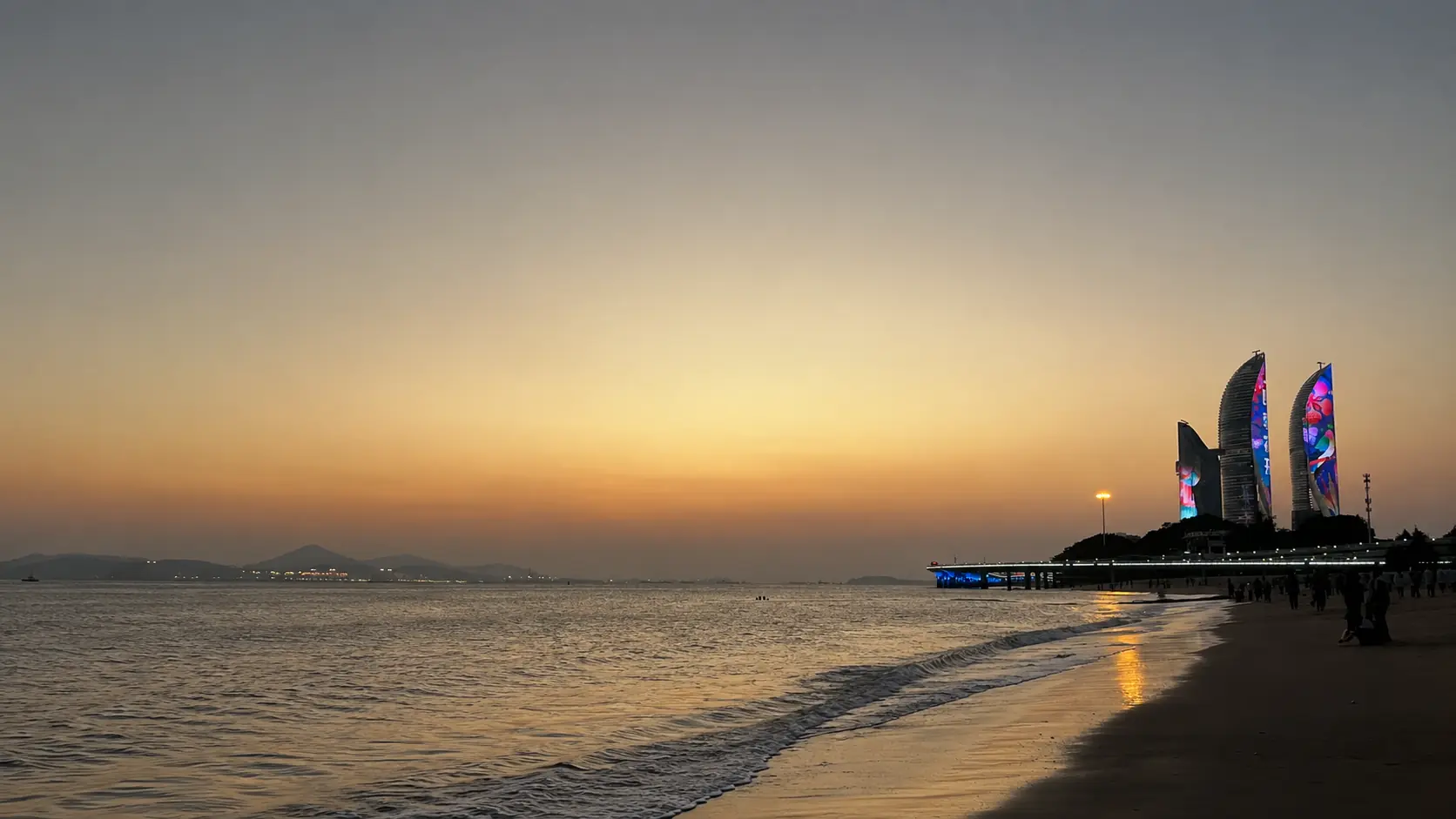
Treat the campus interior as a bonus because visitor access changes. The reliable experience is the neighborhood: Nanputuo, university gates, Baicheng Beach, and the start of the coastal road.
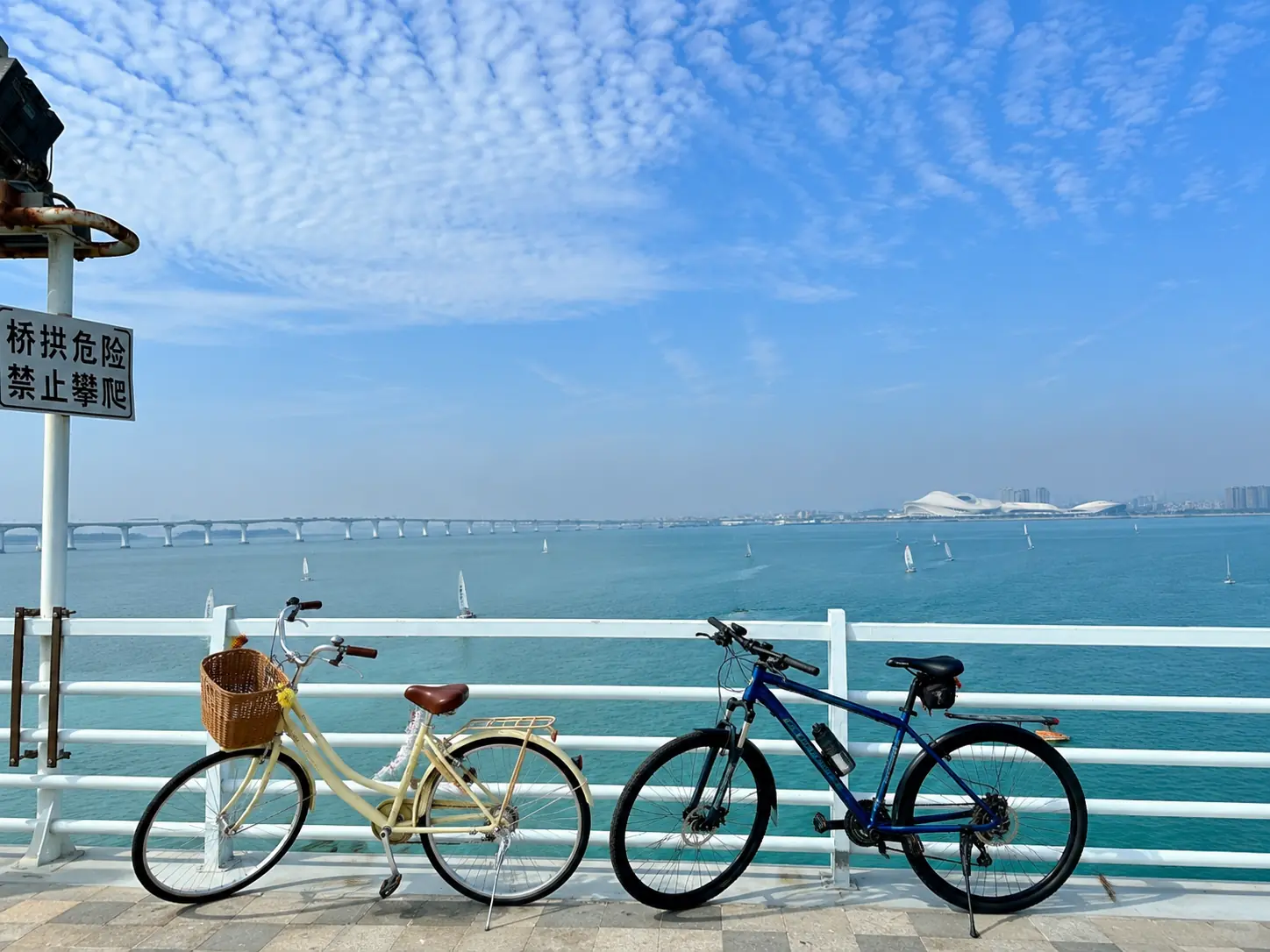
Best for walking, cycling, sea views, and unstructured Xiamen time. It is strongest in the early morning or late afternoon, not in peak summer heat.
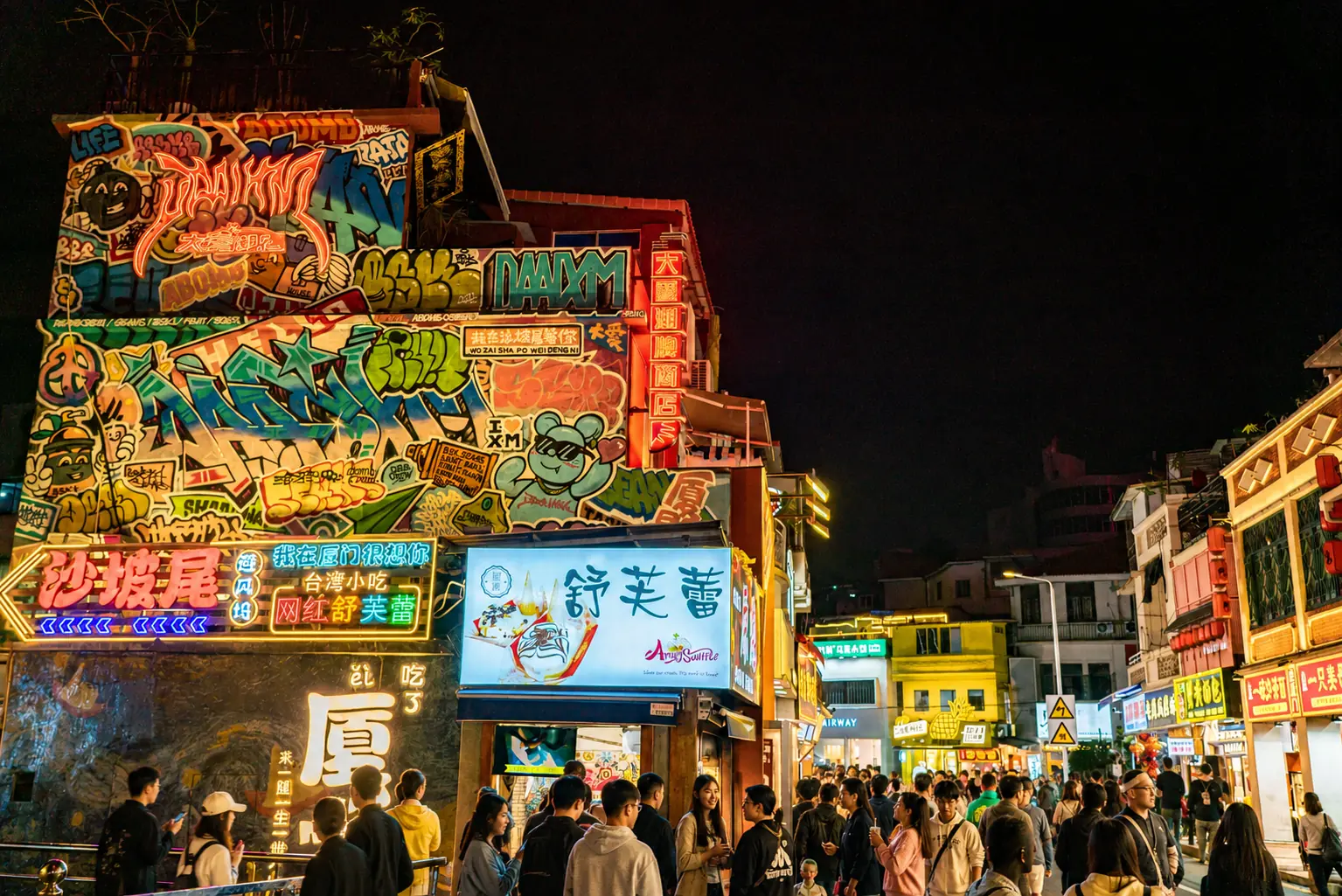
A former harbor area turned food, coffee, gallery, and small-shop zone. Choose it when you want a contemporary Xiamen evening rather than another traditional snack street.
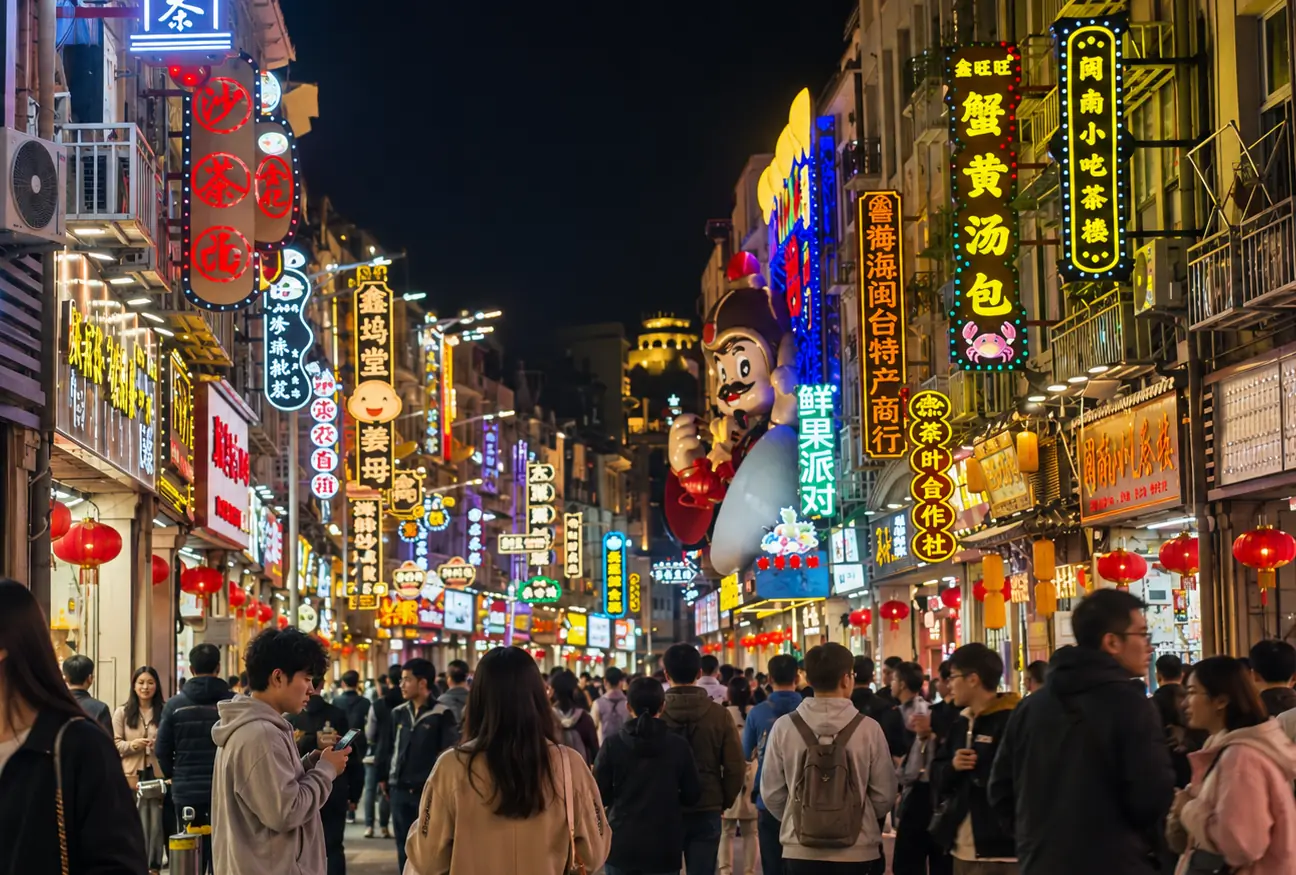
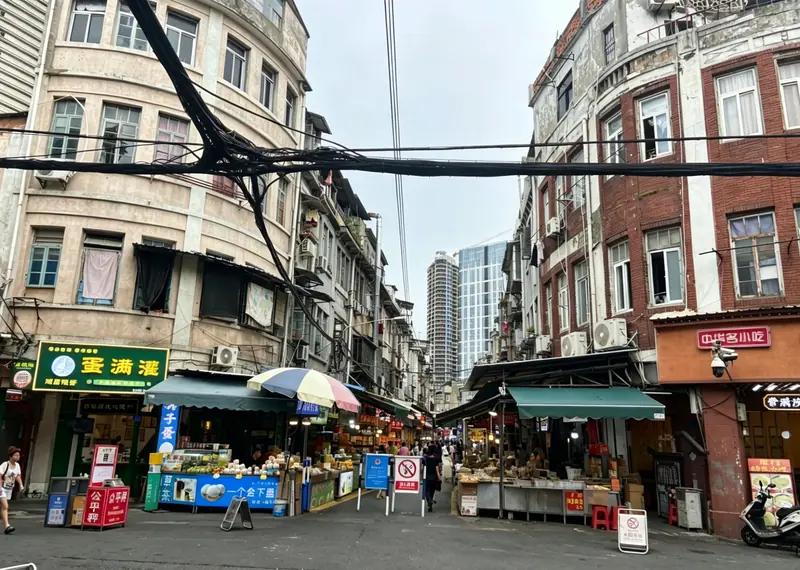
The easiest old-city evening: arcade-style shophouses, snacks, shops, and quick access to the metro and hotels. It is practical, touristy, and still useful.
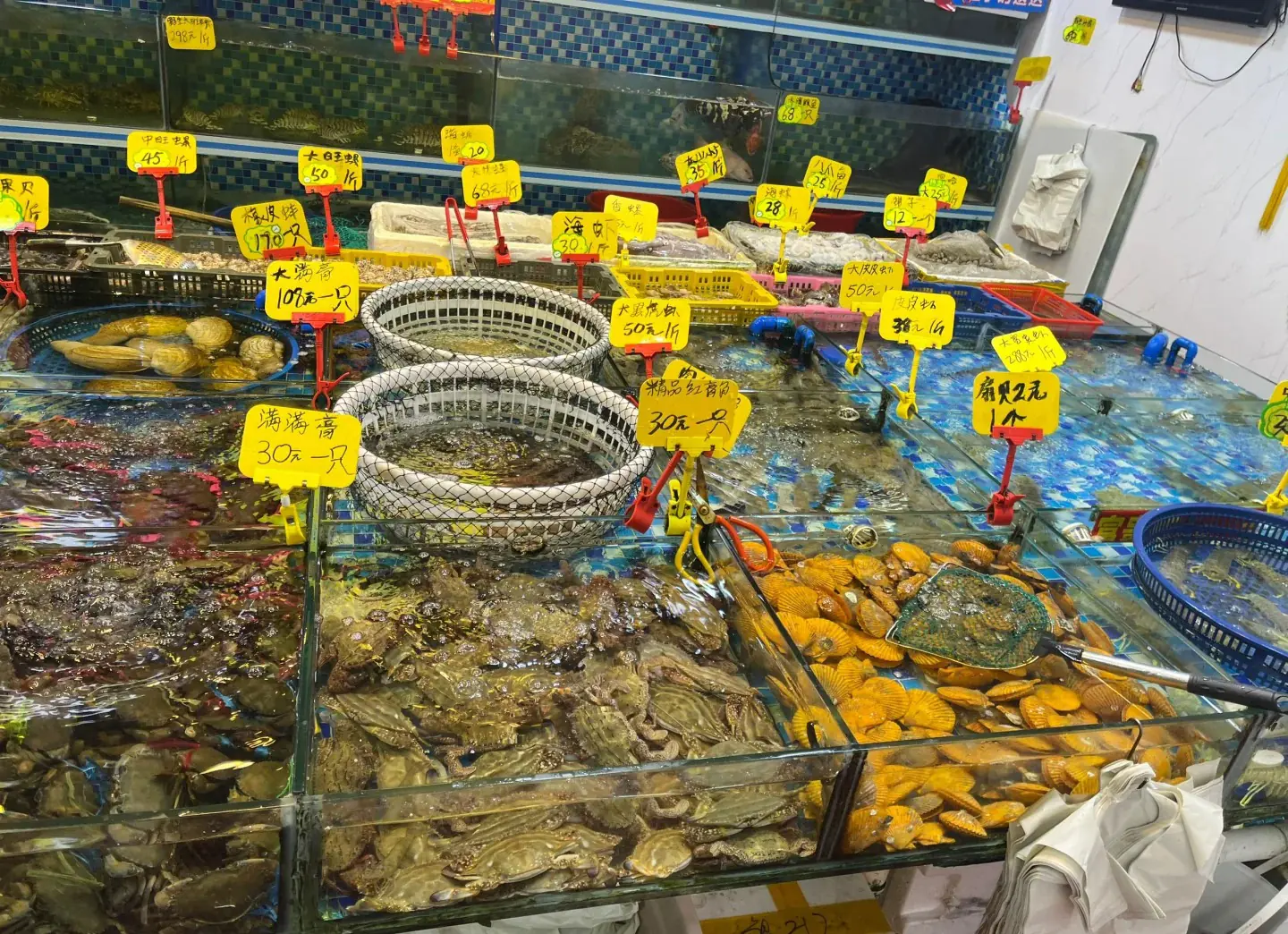
Go for real market atmosphere, seafood context, breakfast energy, and old-city texture. For a deeper route, use our Eighth Market guide.
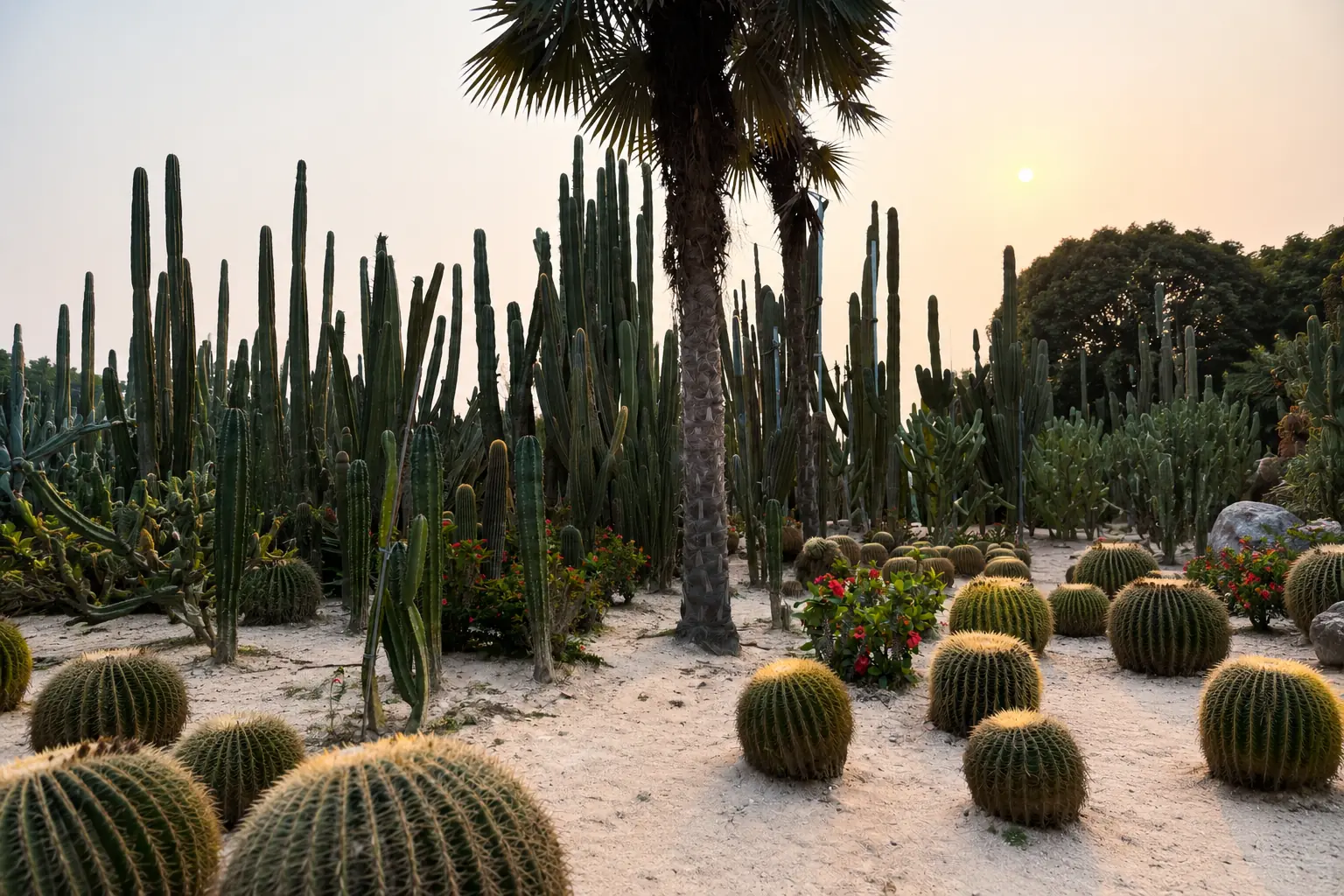
A good second-day contrast to the coast: tropical planting, cactus areas, shaded paths, and access to Zhonggu Cableway if the weather cooperates. Check current ticket and cableway rules before going.

Add this if coastal history, sea views, and old artillery interest you. It pairs naturally with Baicheng and Huandao Road, not with a rushed Gulangyu-only day.
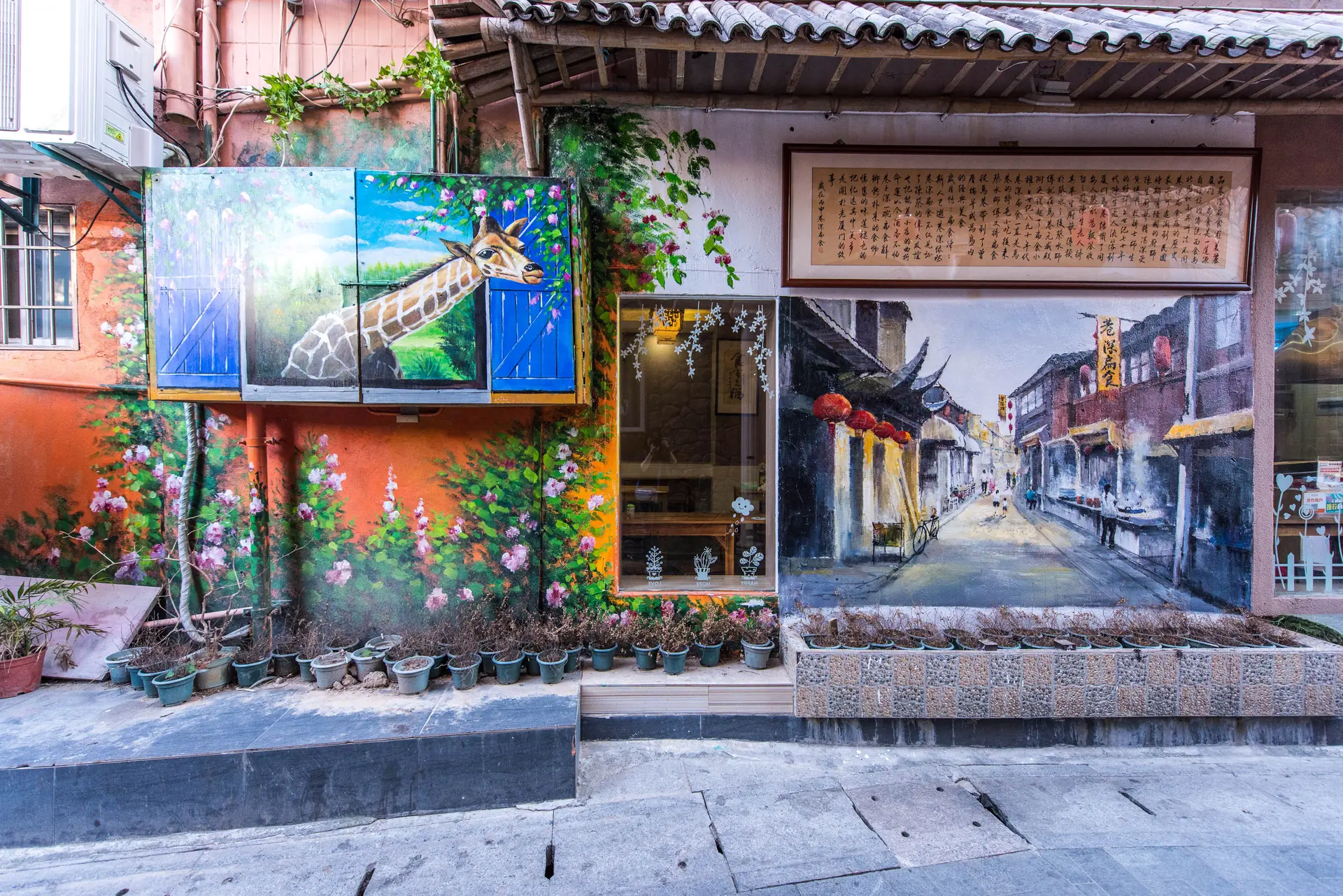
Convenient for a casual night near the coast, especially for families or travelers staying around Huandao Road. It is easy, not necessarily the deepest food stop.
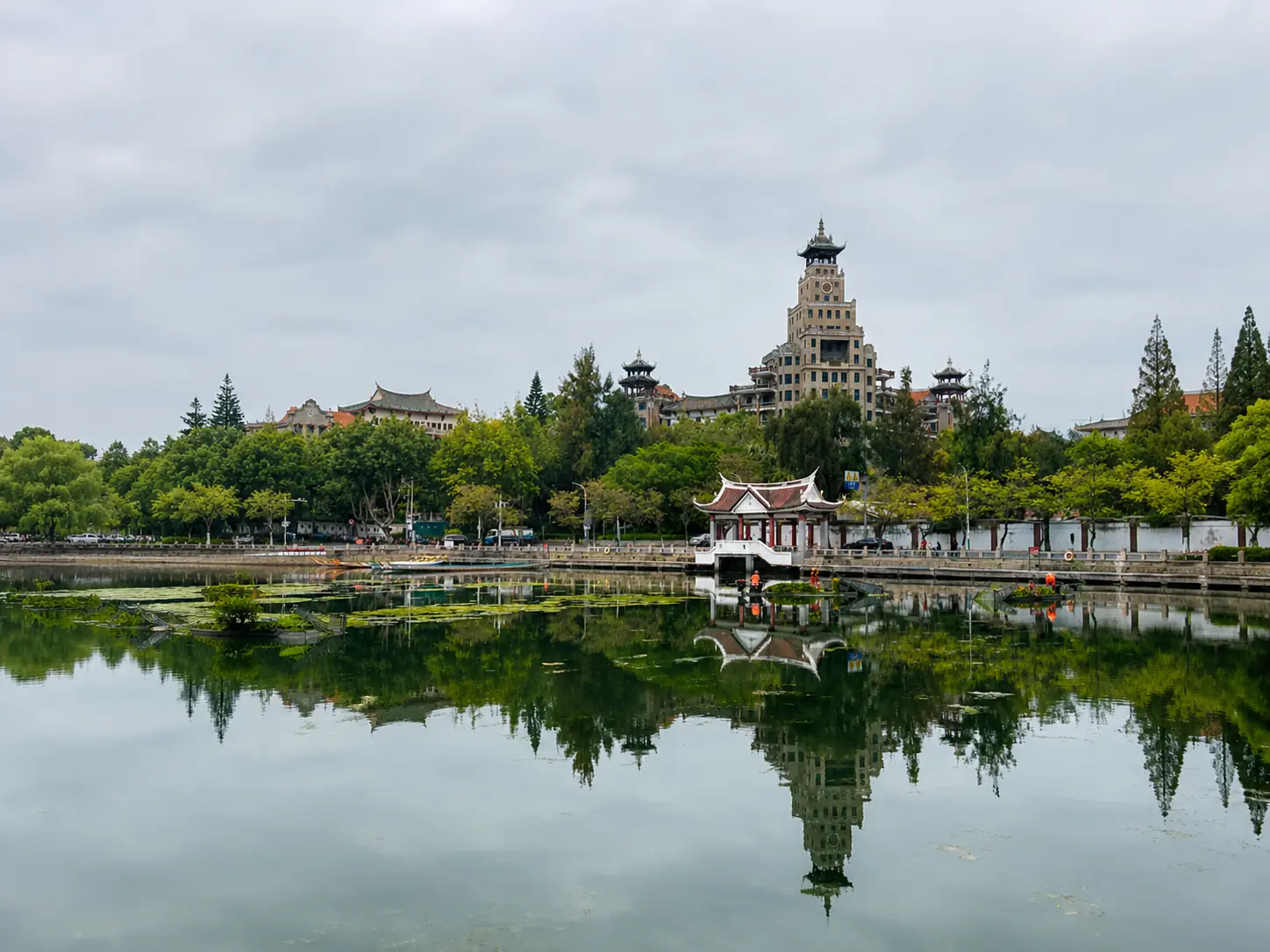
A distinct outer-district cultural area tied to Tan Kah Kee (陈嘉庚), schools, Dragon Boat Pool, and Southern Fujian-Western architectural style. Add it with a third day, not a tight one-day route.
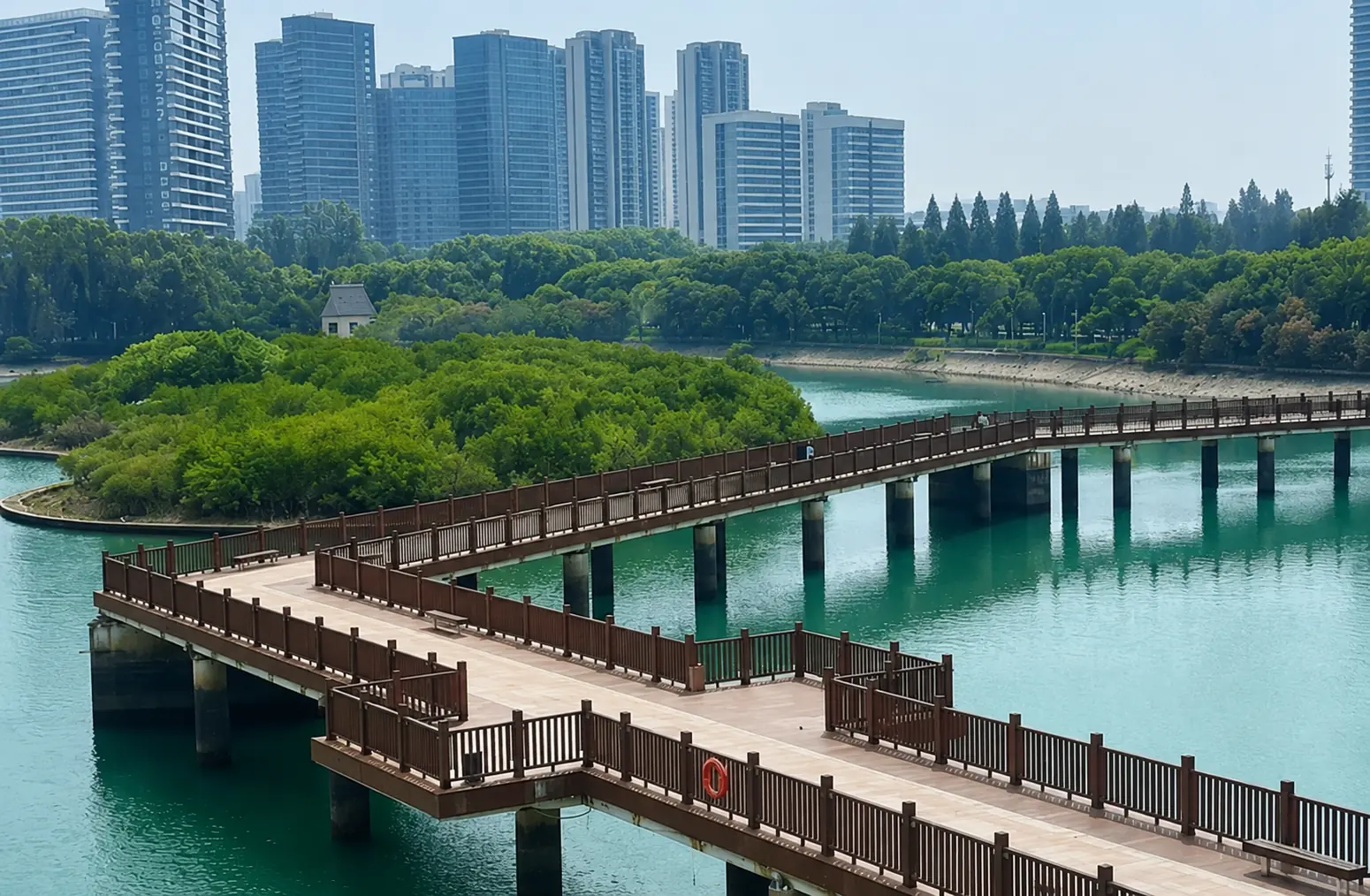
A newer, lower-stress Xiamen layer: wetland park, bay views, family-friendly space, and sailing or water activity options when weather and budget fit.
What Kind of Xiamen Trip Are You Building?
The best Xiamen plan starts with mood. Choose one version, then let the less important pieces drop away.
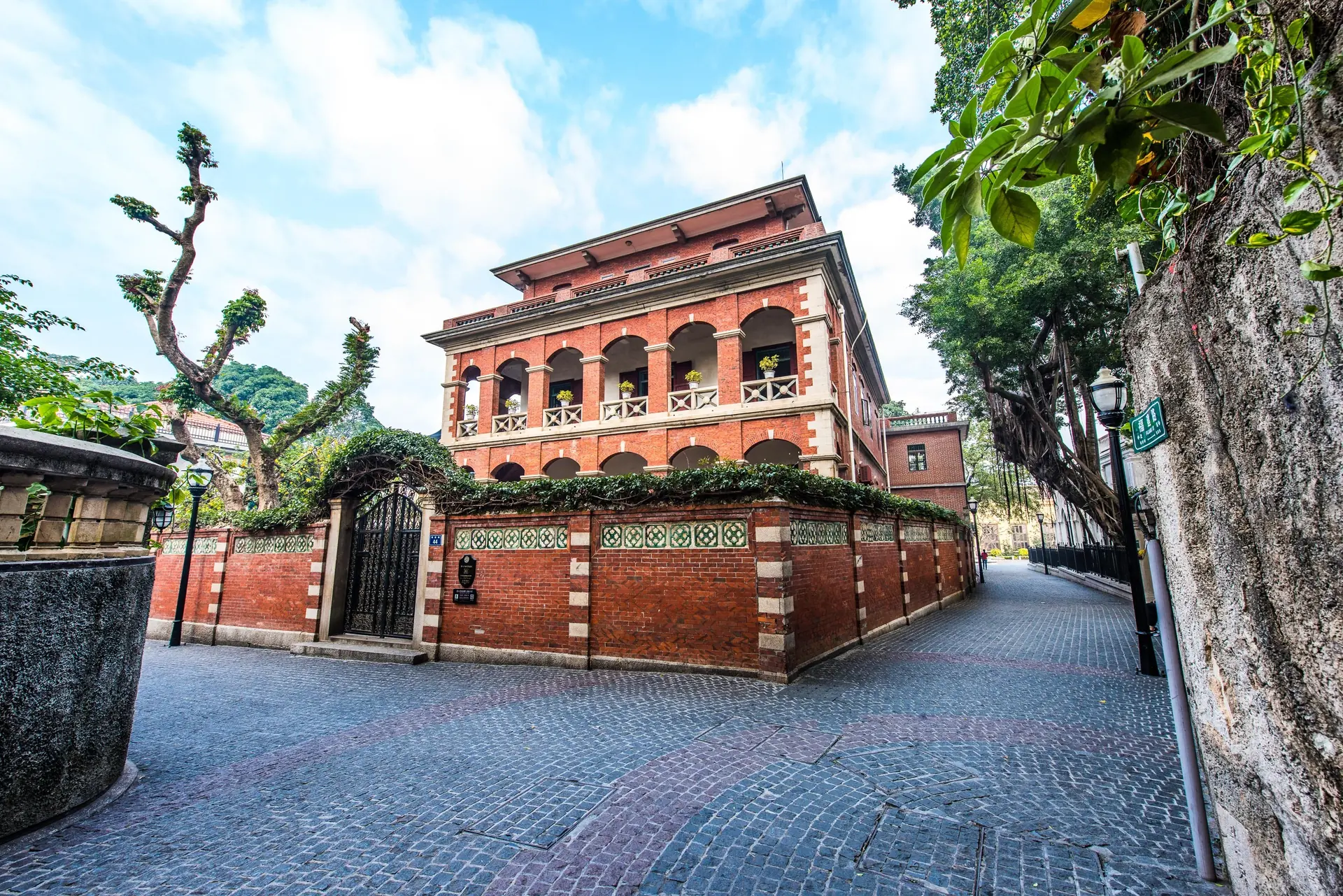
Classic island trip
Best for: first-timers with one or two days.
Gulangyu, Nanputuo, the university-side coast, Zhongshan Road, and one proper Xiamen meal. This is the cleanest version before adding side districts.
Heritage and architecture
Best for: travelers who want more than beaches.
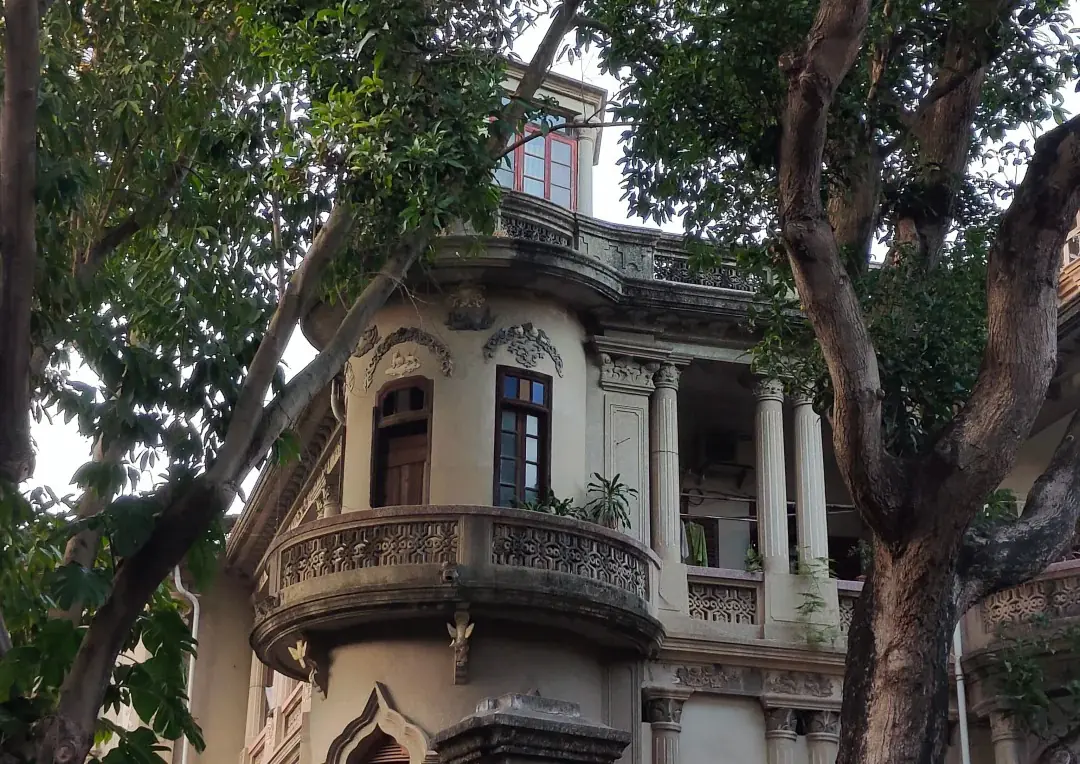
Slow Gulangyu lanes, Shuzhuang Garden, Zhongshan Road arcades, Hulishan Fortress, and Jimei School Village if you have a third day.
Coast and cafe trip
Best for: couples, solo travelers, and slow travelers.
Huandao Road, Baicheng, Zeng Cuo An, Shapowei, Wuyuan Bay, and fewer fixed museum-style stops. This version needs good weather more than a long checklist.
Food-first trip
Best for: travelers who plan days around meals.
Satay noodles, Eighth Market, Zhongshan Road, Gulangyu snacks, seafood, peanut soup, and one relaxed dinner. Use the Xiamen Food Guide for dish-level planning.
Family slow trip
Best for: children, older travelers, or heat-sensitive groups.
Use shorter Gulangyu time, taxis between mainland clusters, Nanputuo main halls, Botanical Garden, Zeng Cuo An, Wuyuan Bay, and fewer steep or uncertain campus plans.

Fujian route base
Best for: travelers continuing to Quanzhou, Tulou country, Wuyishan, or Fuzhou.
Use Xiamen as the soft coastal start, then let other Fujian stops do their own work instead of forcing every regional highlight into the Xiamen days.
Xiamen Areas for First-Time Trip Planning
Xiamen planning becomes easier when you stop thinking in single attractions and start thinking in clusters. The city is compact by travel standards, but the wrong zigzag still wastes ferry buffers, heat tolerance, and dinner energy.
Gulangyu
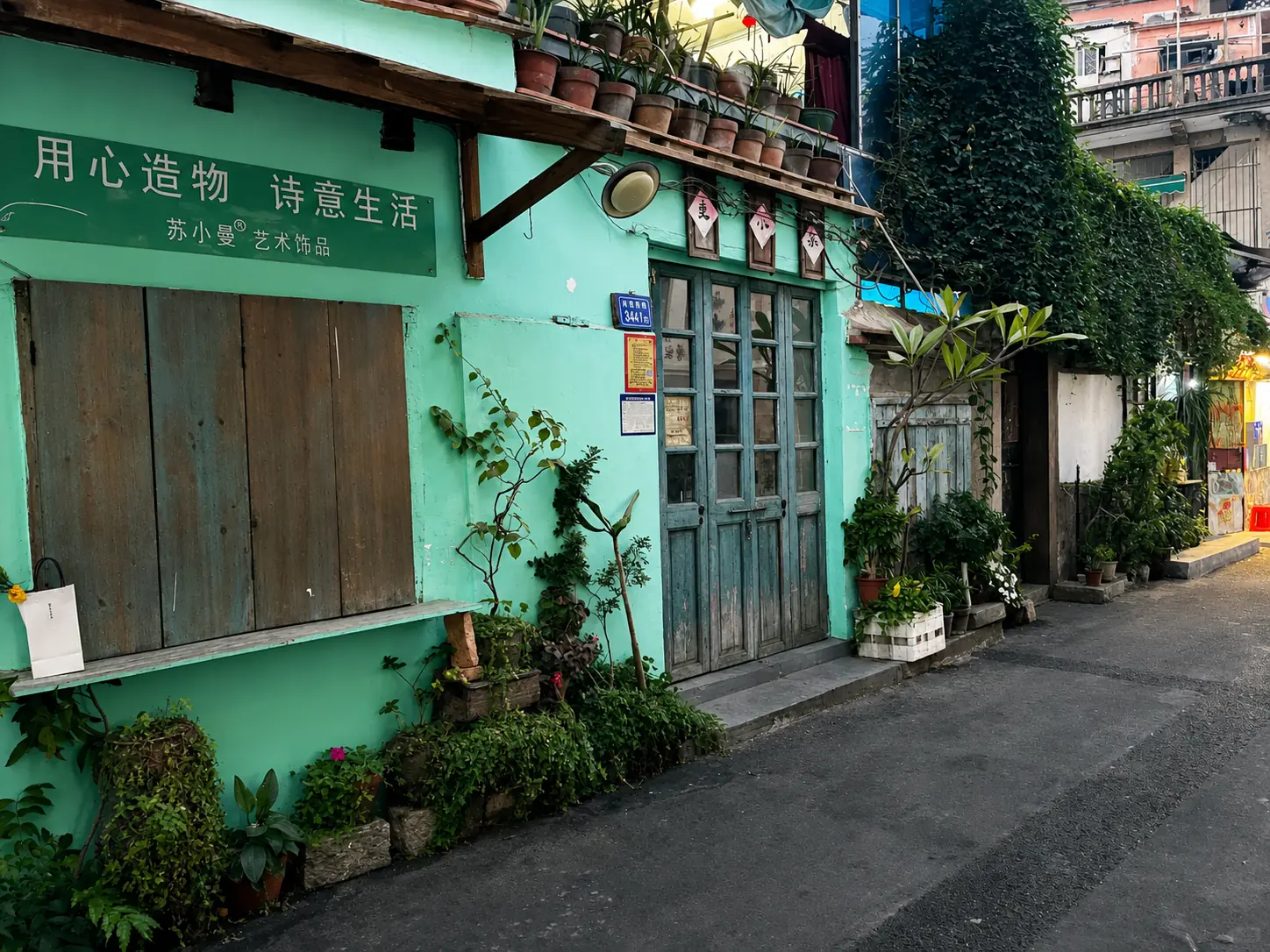
Use for: UNESCO heritage, villa lanes, music history, island walking, and the most famous Xiamen image.
Watch out: ferry timing, passport details, crowds, and cobblestones.

Old City Core
Use for: Zhongshan Road, Eighth Market, seafood context, old commercial streets, and easy first-night hotels.
Watch out: snack fatigue and tourist-pricing pockets near the busiest strips.
Temple-Coast Cluster
Use for: Nanputuo, Xiamen University edges, Baicheng, Hulishan Fortress, and Huandao Road.
Watch out: campus access rules and hot, exposed coastal walking.
Shapowei and University Road
Use for: cafes, young restaurants, small galleries, evening drinks, and a less traditional Xiamen night.
Watch out: it is atmosphere, not a substitute for Gulangyu or the old market.
Jimei
Use for: Tan Kah Kee history, Dragon Boat Pool, school architecture, and a quieter cultural half day.
Watch out: it sits off Xiamen Island and needs deliberate transfer time.
Wuyuan Bay and East Coast
Use for: wetlands, newer hotels, family space, sea activity, and a less old-city-heavy stay.
Watch out: it is calmer but farther from Zhongshan Road and the Gulangyu ferry.
How to Pace Xiamen Without Overpacking
After you choose your trip length, pace Xiamen by pressure rather than by a second checklist of days. The city works best when one heavy anchor, one medium mainland block, and one light evening layer carry the route.

Heavy island anchor
Use for: Gulangyu ferry, Sunlight Rock, island lanes, and any day where boat timing controls the schedule.
Protect this block first. Everything else should flex around the ferry and the island walking pace.
Medium mainland day
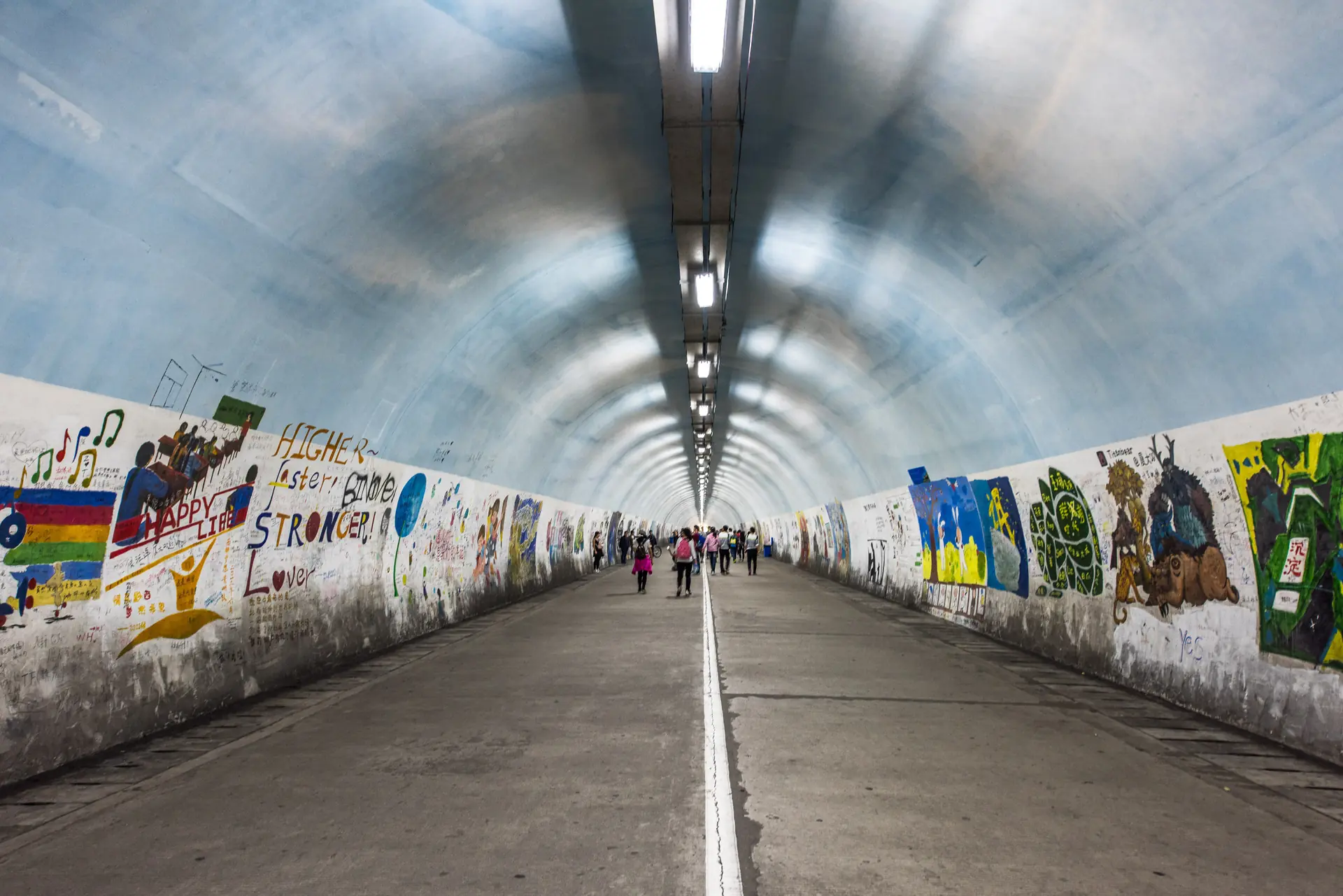
Use for: Nanputuo, the university-side coast, Hulishan, Botanical Garden, or a shorter market block.
These sights pair well because they do not all require the same reservation and ferry pressure.
Light evening layers
Use for: Zhongshan Road, Eighth Market, Shapowei, Zeng Cuo An, or one relaxed seafood dinner.
Choose one food or evening district per night. Xiamen gets weaker when every snack street becomes homework.
- Put the ferry-controlled Gulangyu block first on any day that includes the island.
- Pair mainland sights by cluster: Nanputuo, Baicheng, Hulishan, and Huandao Road work better together than scattered across the city.
- Choose one evening food district, not three. Zhongshan Road, Eighth Market, Shapowei, and Zeng Cuo An each need appetite and walking energy.
- Keep Jimei, Wuyuan Bay, Quanzhou, and Fujian Tulou as deliberate extensions, not leftover names squeezed into the end of the day.
For an hour-by-hour one-day version, use the dedicated Xiamen one-day itinerary. For longer trips, decide whether extra time belongs in Xiamen itself or should move toward Quanzhou or Fujian Tulou.
Gulangyu Ferry, Campus, and Weather Rules
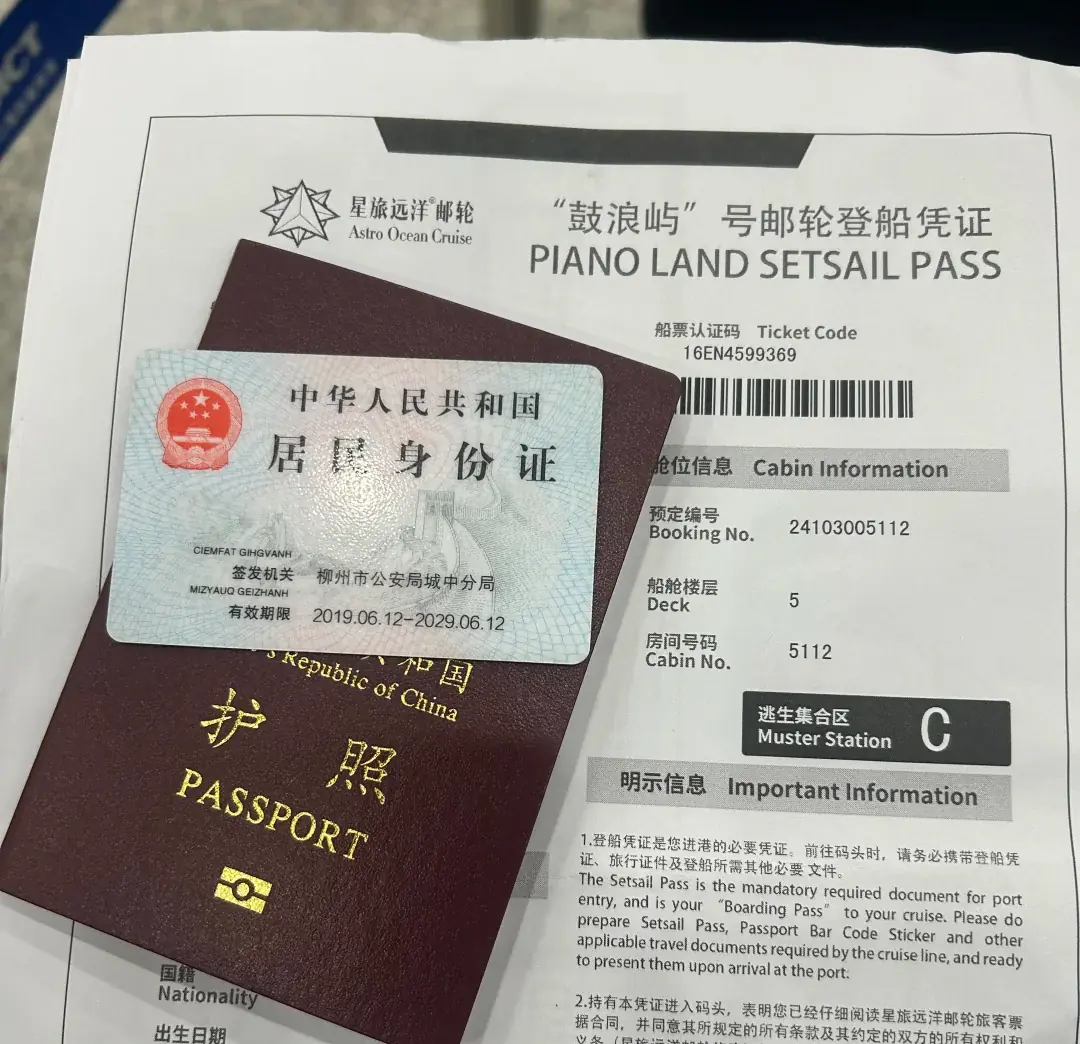
The Gulangyu ferry is the rule that shapes the city. Xiamen Ferry's official guidance uses real-name ticketing, and passengers must use the same valid document used for purchase when boarding. For foreign visitors, that means booking with passport details when required and carrying the passport to the pier. Routes, piers, fares, release windows, and return rules can change, so check the Xiamen Ferry official channel before fixing the day around a specific sailing.
Xiamen University should also be treated carefully. Visitor access is controlled by the university's current rules, with reservation windows, gates, document checks, and quotas subject to adjustment. Plan around Nanputuo, the campus edge, Baicheng Beach, and Huandao Road; enter the campus only if your reservation and timing match cleanly.
Weather is the third moving piece. Spring and autumn are the easiest walking seasons, winter is mild but windy by the sea, and summer can be humid, hot, and typhoon-affected. In July-September, build a ferry/weather backup instead of locking every important sight to a coastal or island day.
- Book or verify the Gulangyu ferry before buying optional island attraction tickets.
- Carry the same passport used for any real-name ferry or campus reservation.
- Treat Xiamen University interior access as conditional; the nearby coast still works without it.
- Check weather and ferry notices during typhoon season before committing to Gulangyu.
Common Xiamen First-Trip Planning Mistakes to Avoid
- Do not make Gulangyu the whole definition of Xiamen unless your trip is intentionally island-focused.
- Do not build the day around Xiamen University interior access before checking current visitor rules.
- Do not eat through Longtou Road, Eighth Market, Zhongshan Road, and Zeng Cuo An on the same day.
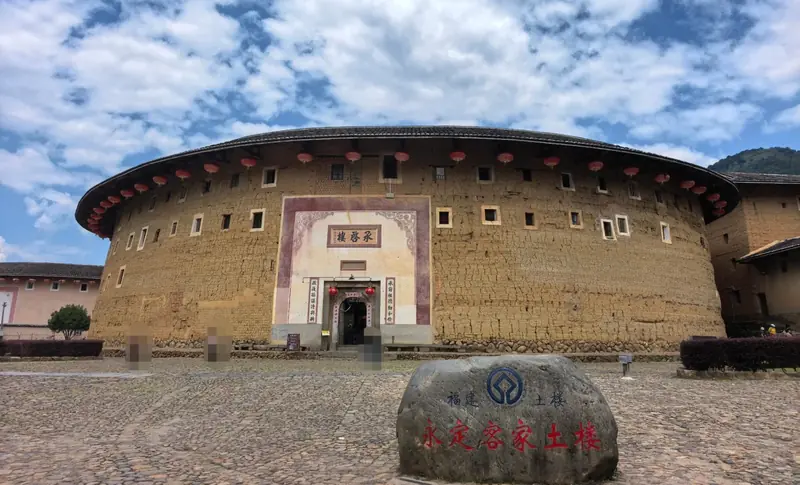
- Do not treat Fujian Tulou as a casual city add-on; it needs a separate long day or route plan.
- Do not schedule exposed coastal walking at summer noon if you can move it to morning or late afternoon.
- Do not stay on Gulangyu if you plan to enter and leave the island repeatedly with luggage.
What to Save for a Longer Fujian Trip
A strong first Xiamen trip needs editing. Save these for longer stays, second visits, or wider Fujian routes.

Fujian Tulou
Worth a separate day or overnight plan, but not a casual post-Gulangyu add-on. Use our Nanjing Tulou guide when you are ready to plan it properly.

Quanzhou
A strong second-city UNESCO route for temples, streets, maritime history, and Southern Fujian culture. It deserves its own day, not a leftover evening from Xiamen.
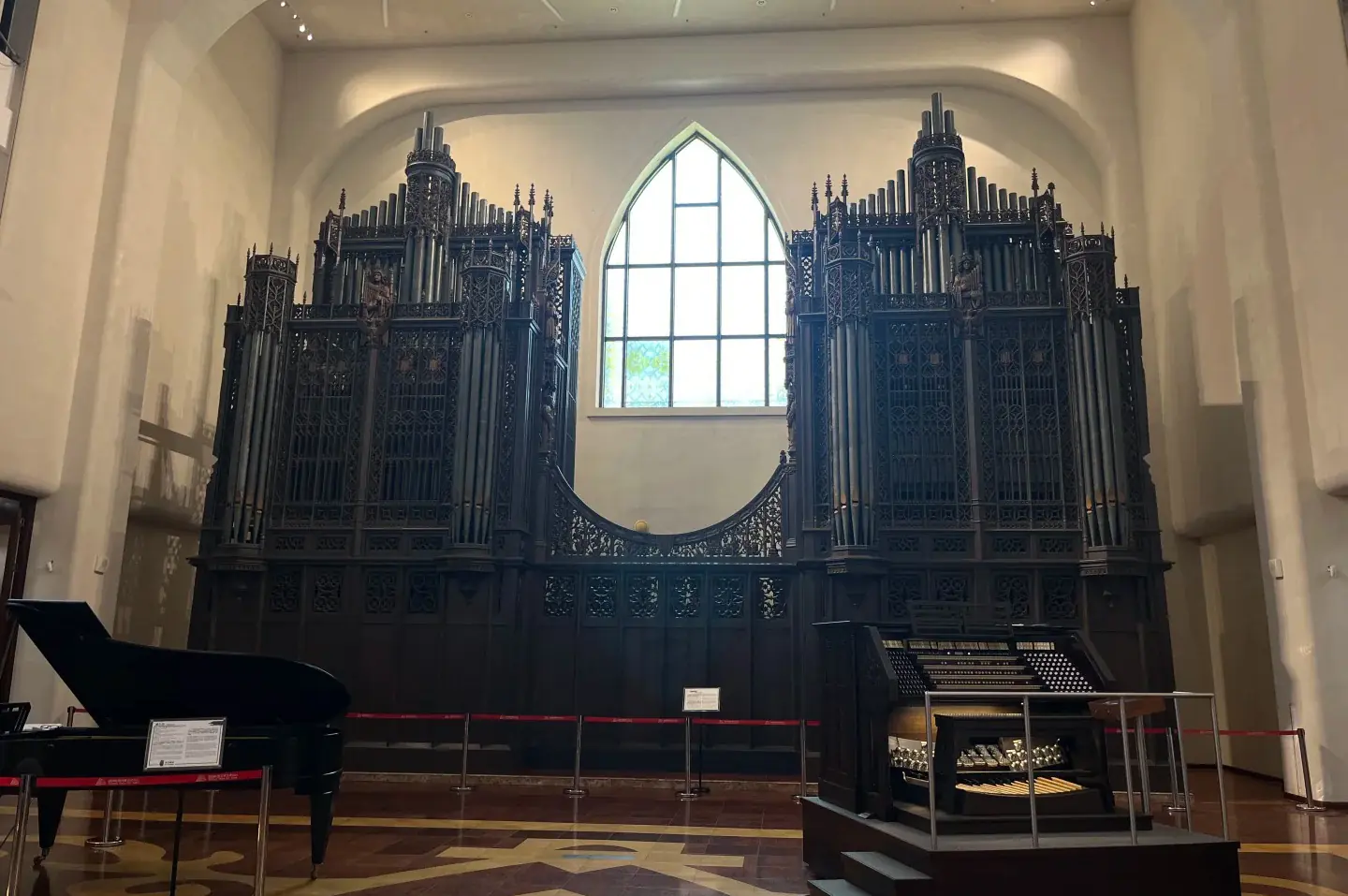
Slow Gulangyu Stay
Sleeping on Gulangyu can be lovely if you want quiet mornings and night lanes, but it complicates luggage and repeated mainland movement.
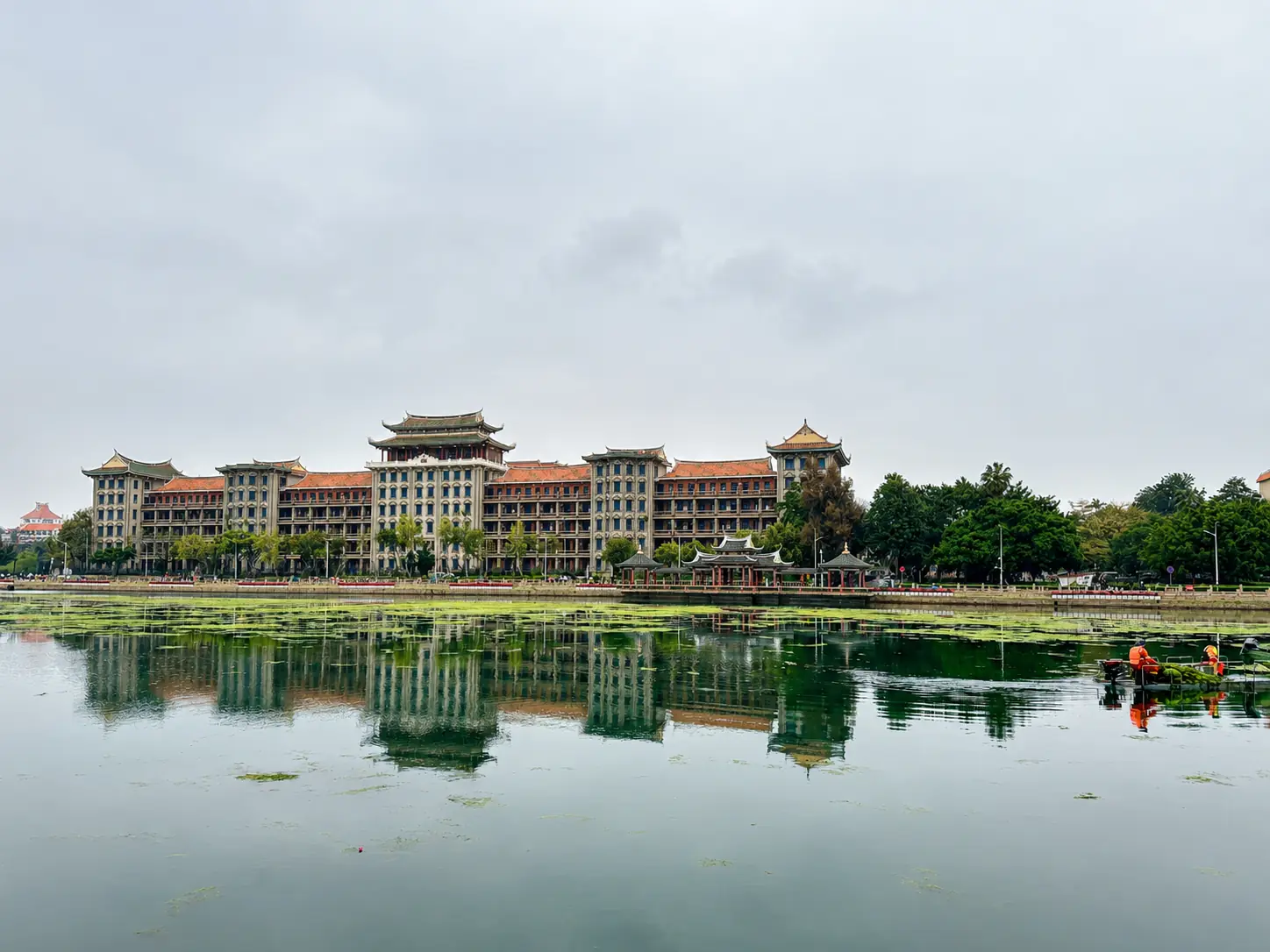
Jimei Slow Day
Jimei School Village is better when you have time to understand Tan Kah Kee, school architecture, Dragon Boat Pool, and the district's different pace.
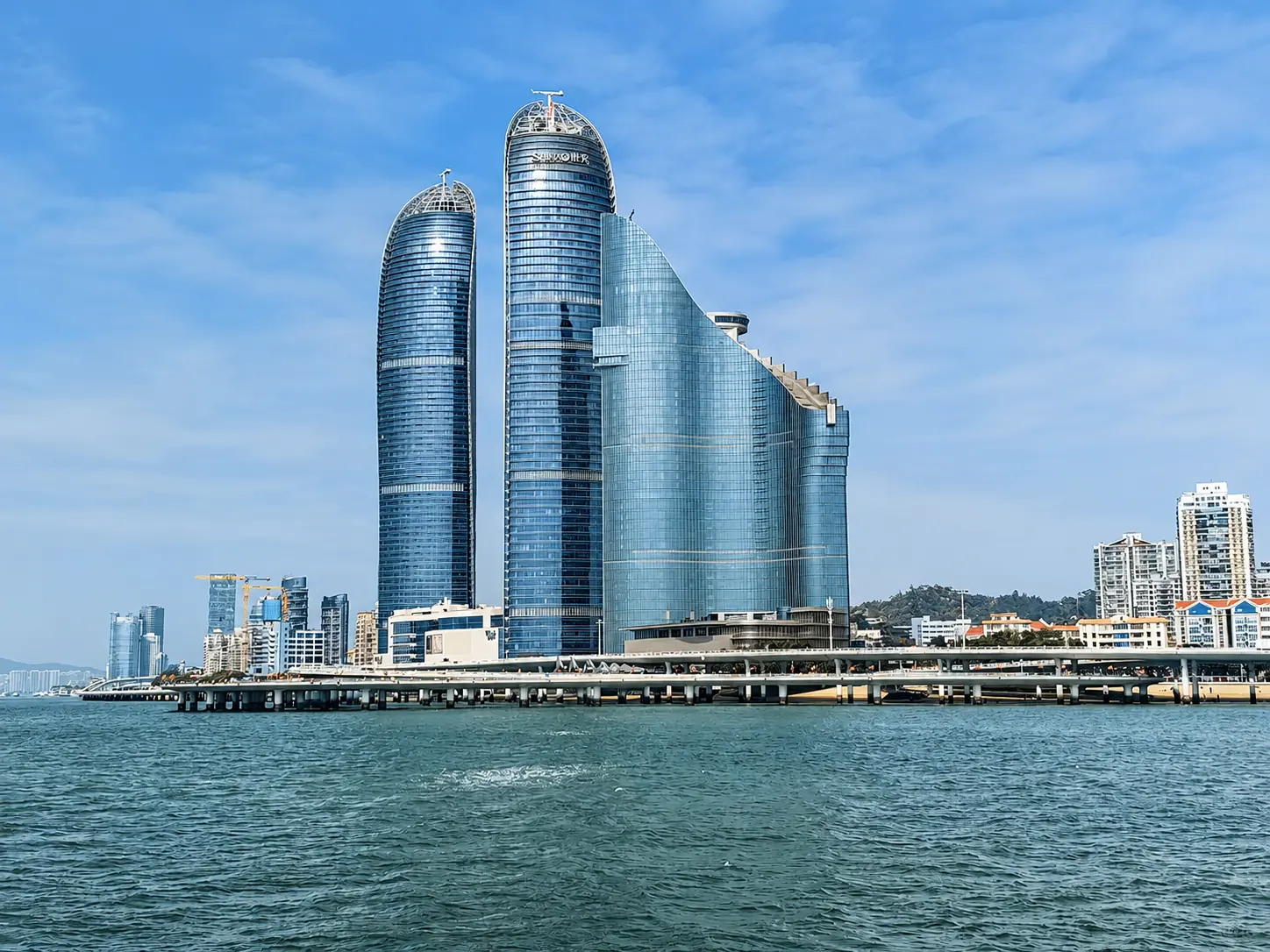
Kinmen and Strait Context
Xiamen's Taiwan-facing geography is important, but most first-time leisure trips only need light context. Save deeper strait history for a more specialized route.
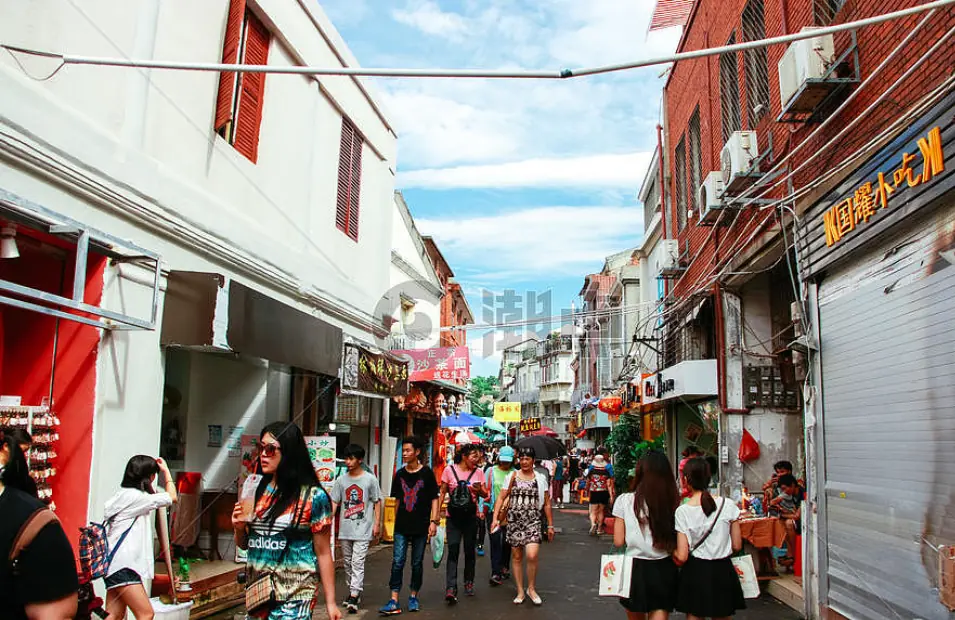
Every Snack Street
Choose one old-city food area and one lighter evening district. Xiamen food is better when meals have space, not when every famous snack becomes an obligation.
Where to Stay for These Sights
Your base changes the feel of Xiamen more than the map suggests. Pick the neighborhood that matches your main day, not the one with the prettiest hotel photo.
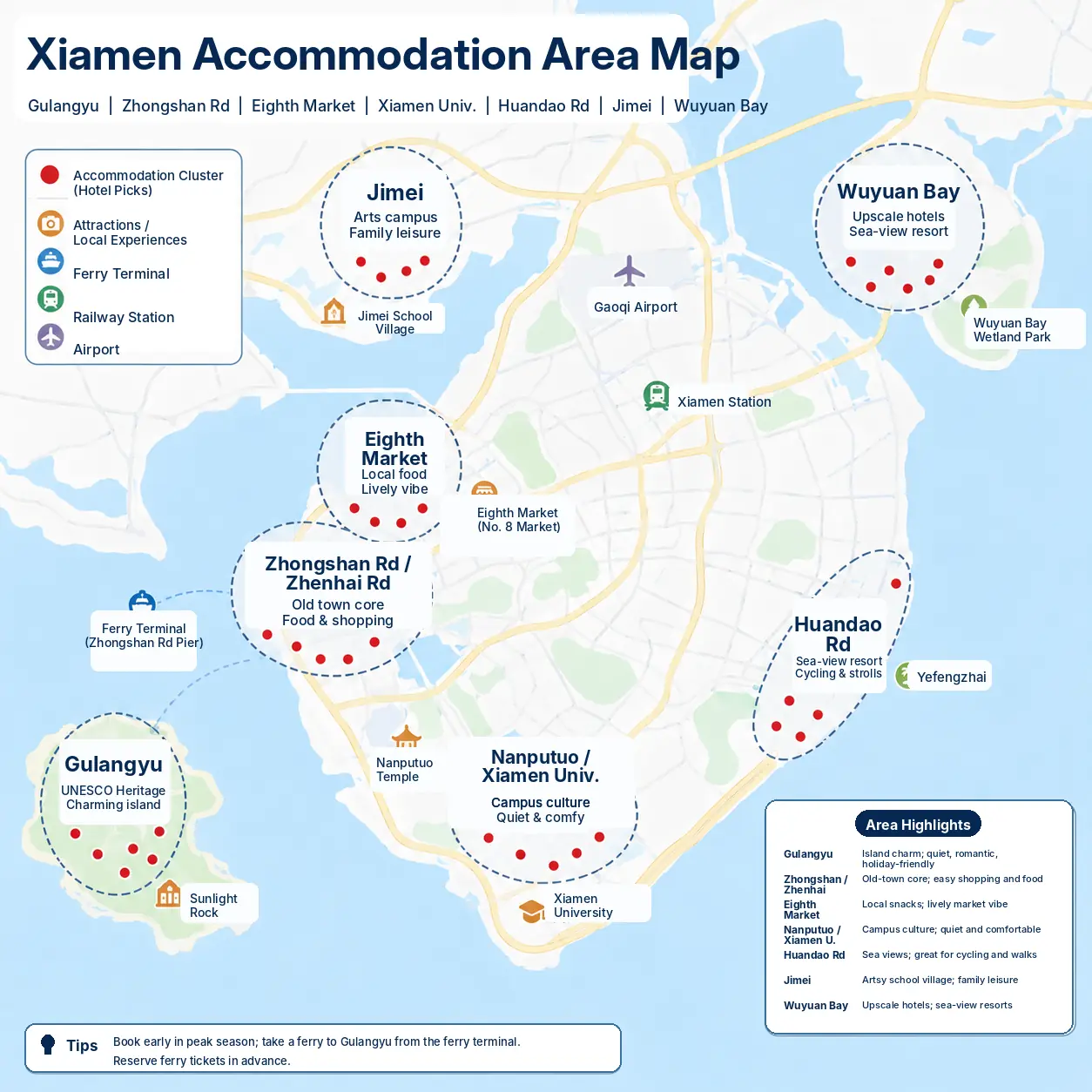
- Best for
- First-timers, ferry access, Eighth Market, old-city nights, metro convenience
- Watch out
- More touristy, less sea-view mood
- Best for
- Temple-coast days, Huandao Road, Zeng Cuo An, slower sea walks
- Watch out
- Campus access is not guaranteed; some hotels are less convenient for ferry mornings
- Best for
- Slow island stay, photography, quiet mornings, heritage atmosphere
- Watch out
- Luggage and repeated mainland transfers can be annoying
- Best for
- Tan Kah Kee architecture, Xiamen North Station, airport or outer-district logistics
- Watch out
- Less useful for a first short city break
- Best for
- Family hotels, bay views, sailing, lower-pressure coastal time
- Watch out
- Farther from old city, Eighth Market, and Gulangyu ferry rhythm
For most first-time independent travelers, Zhongshan Road or a nearby old-city base is the safest default. Choose the university/coast area if your priority is sea air, Zeng Cuo An, Huandao Road, and a slower second day.
Frequently Asked Questions
One full day can cover Gulangyu, Nanputuo, the university-side coast, and one dinner district if ferry timing works. Two days is much better because you can add the Botanical Garden, Huandao Road, Eighth Market, Shapowei, or Hulishan Fortress without rushing. Three days lets you add Jimei, Wuyuan Bay, or the start of a wider Fujian route.
Sources checked for this guide
- UNESCO context for Kulangsu / Gulangyu as a Historic International Settlement and World Heritage site: UNESCO World Heritage Centre
- Gulangyu ferry route and real-name ticketing context: Xiamen Ferry official guidance
- Xiamen University visitor reservation and gate rules: Xiamen University visitor guide
- Xiamen local food and city tourism background: Xiamen Municipal Government English services
Beyond This Guide
This guide helps you choose the right Xiamen shape. Start with our Xiamen destination guide for Dongdu vs Lundu ferry piers, island vs mainland stations, and stay areas; then use the Xiamen one-day itinerary for a tight first day, the Gulangyu Island guide for a slower island walk, the Eighth Market guide for market food, and the Xiamen Food Guide for what to order.
If you are building a wider Fujian trip, compare Xiamen with Quanzhou Ancient City, Nanjing Tulou, and Wuyishan before adding more city stops.
© gochinafreely.com — Original guide by Go China Freely.