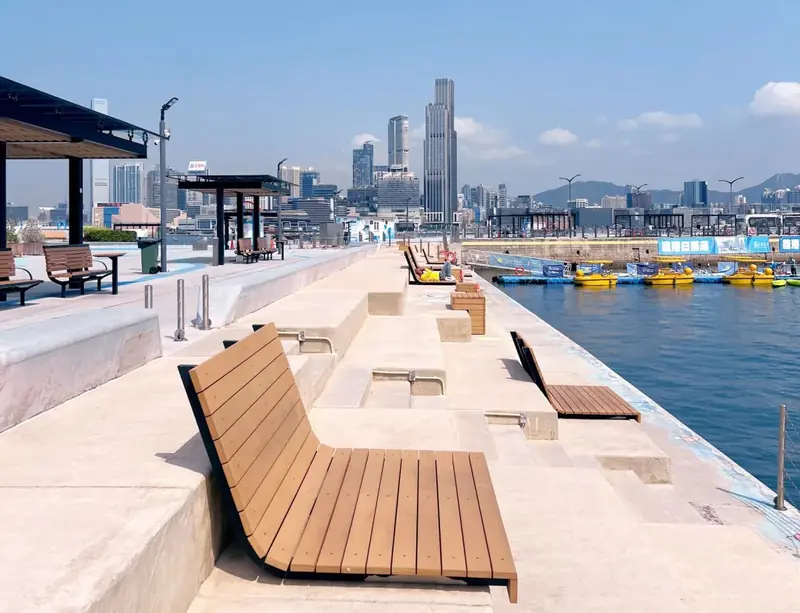
The best things to do in Hong Kong are not just a skyline checklist. The city works because a single trip can move from Victoria Peak (太平山顶) to a harbour ferry, a dim sum table, a temple courtyard, a design museum, a neon-lit market, and a mountain trail without losing momentum. Use this guide to choose the 20 Hong Kong experiences that actually deserve space on a first trip, then build your days around pace rather than panic.
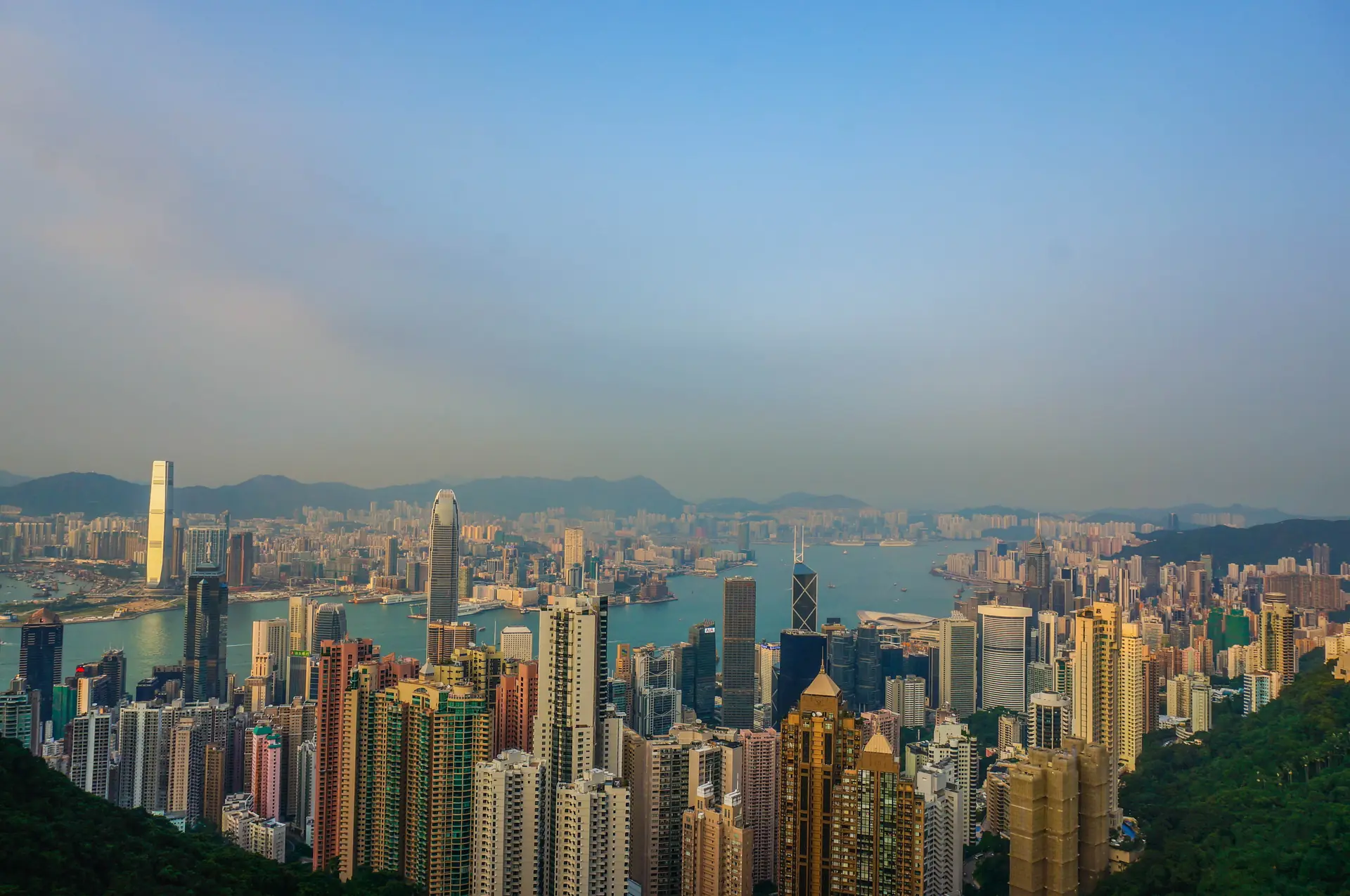
A Vertical City of Harbour Layers
Hong Kong looks compact on a map, but it is a vertical city. Slopes, station tunnels, elevated walkways, ferry piers, harbourfront promenades, and market lanes all add time that flat maps hide. A good Hong Kong plan does not try to finish everything. It chooses one strong view, one harbour movement, one food anchor, and one street-level neighbourhood each day.
For first-timers, the most useful mental map is simple: Hong Kong Island gives you skyline height, Central history, old streets, and the Peak; Kowloon gives you the head-on harbour view, night markets, museums, and dense food neighbourhoods; Lantau and the outer hills give you the slower escape once the city starts to feel too compressed.
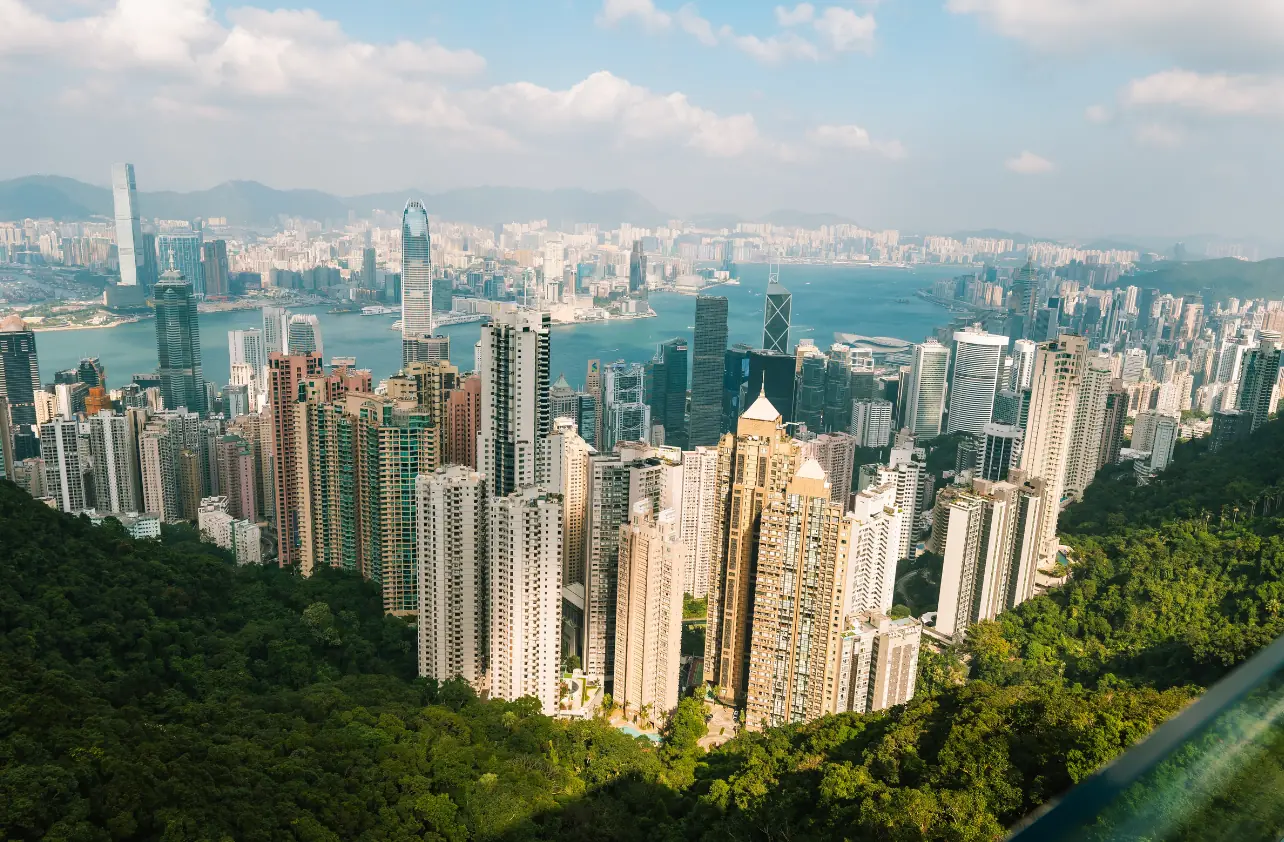
High Hong Kong
Best for: skyline, photography, orientation, and first-day drama.
Prioritize Victoria Peak, the Peak Tram if queues are reasonable, Tsim Sha Tsui waterfront at night, and a clear-weather harbour crossing.
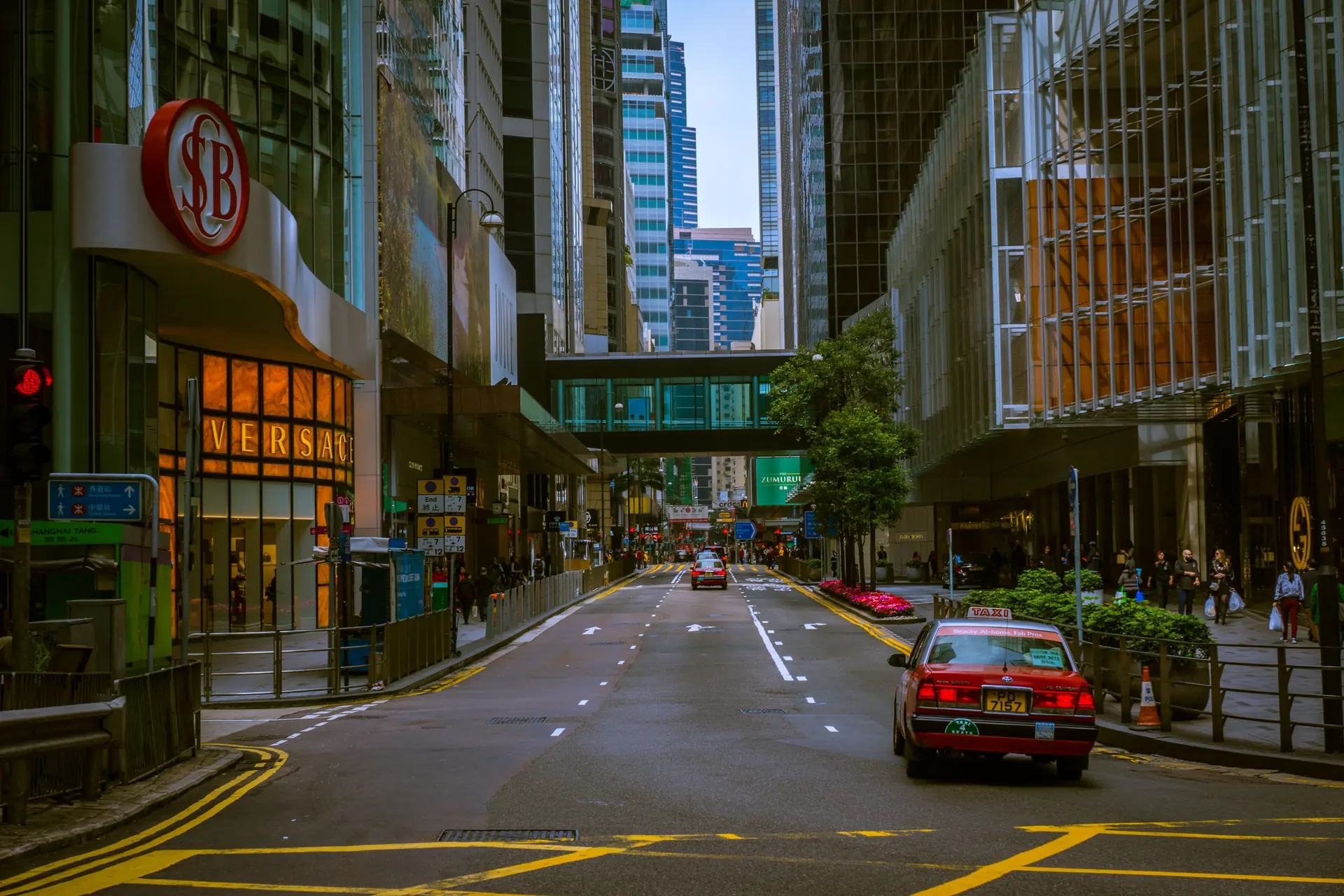
Street-Level Hong Kong
Best for: dim sum, markets, old shops, murals, temples, and everyday texture.
Build around Central and Sheung Wan, Sham Shui Po, Mong Kok, Yau Ma Tei, Temple Street, and a real Cantonese meal rather than another mall stop.
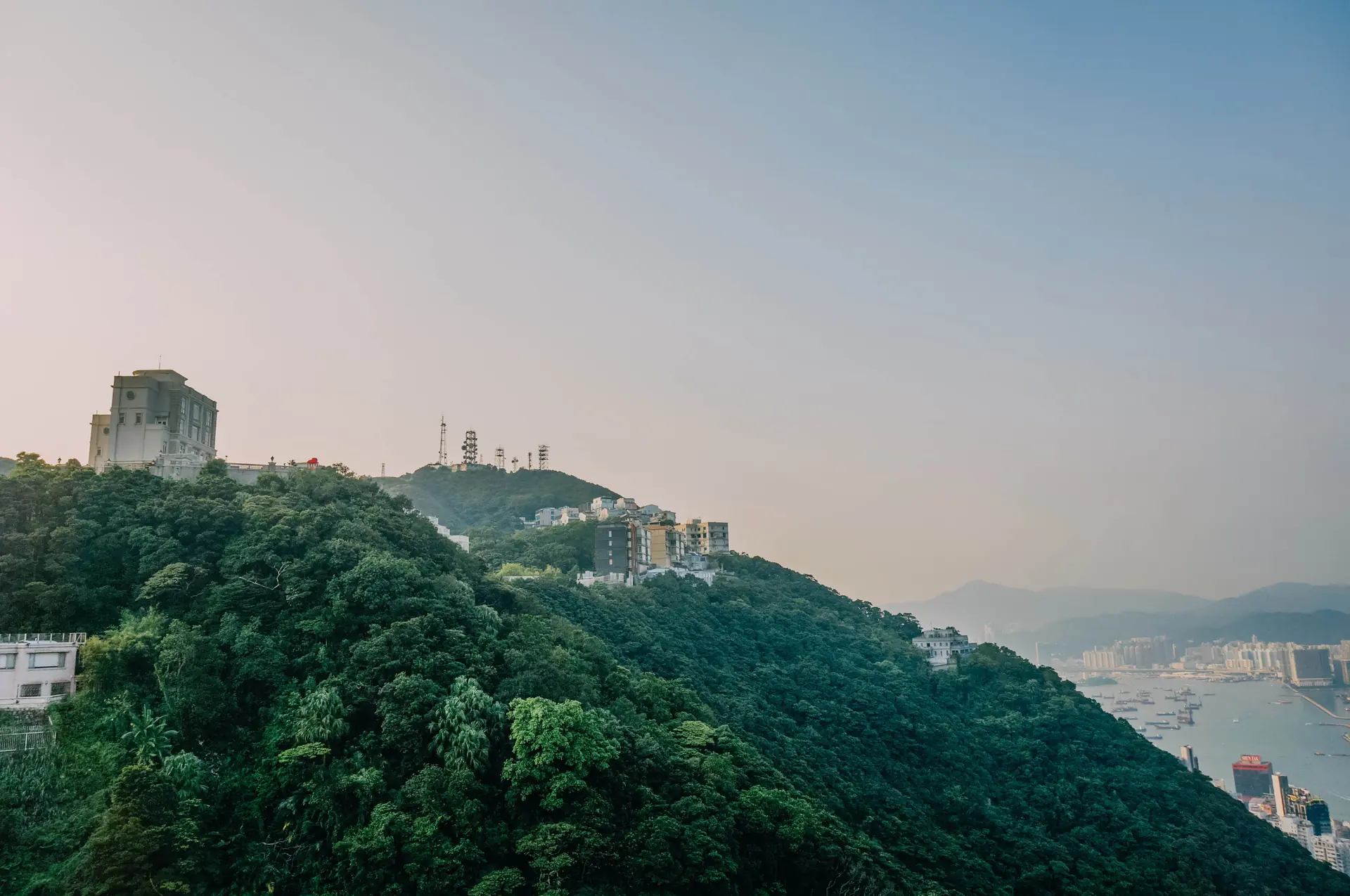
Slow Hong Kong
Best for: gardens, hikes, outlying villages, and relief from the towers.
Choose Dragon's Back (龙脊), Nan Lian Garden (南莲园池), Lantau, or Tai O (大澳) only when you can protect enough time for the round trip.
This guide is best for first-time visitors, food-focused travelers, photographers, families choosing between city and theme-park days, and independent travelers who want Hong Kong's skyline without losing the neighbourhood texture. It is less useful if you only want luxury shopping, nightlife, or a fully escorted trip with no self-planning.
20 Hong Kong Experiences Worth Prioritizing
The first six experiences are the strongest Hong Kong foundations for most first-time visitors. The middle group adds culture, markets, museums, temples, and neighbourhood texture. The final group is where you decide whether your trip wants Lantau, hiking, or a theme-park day.
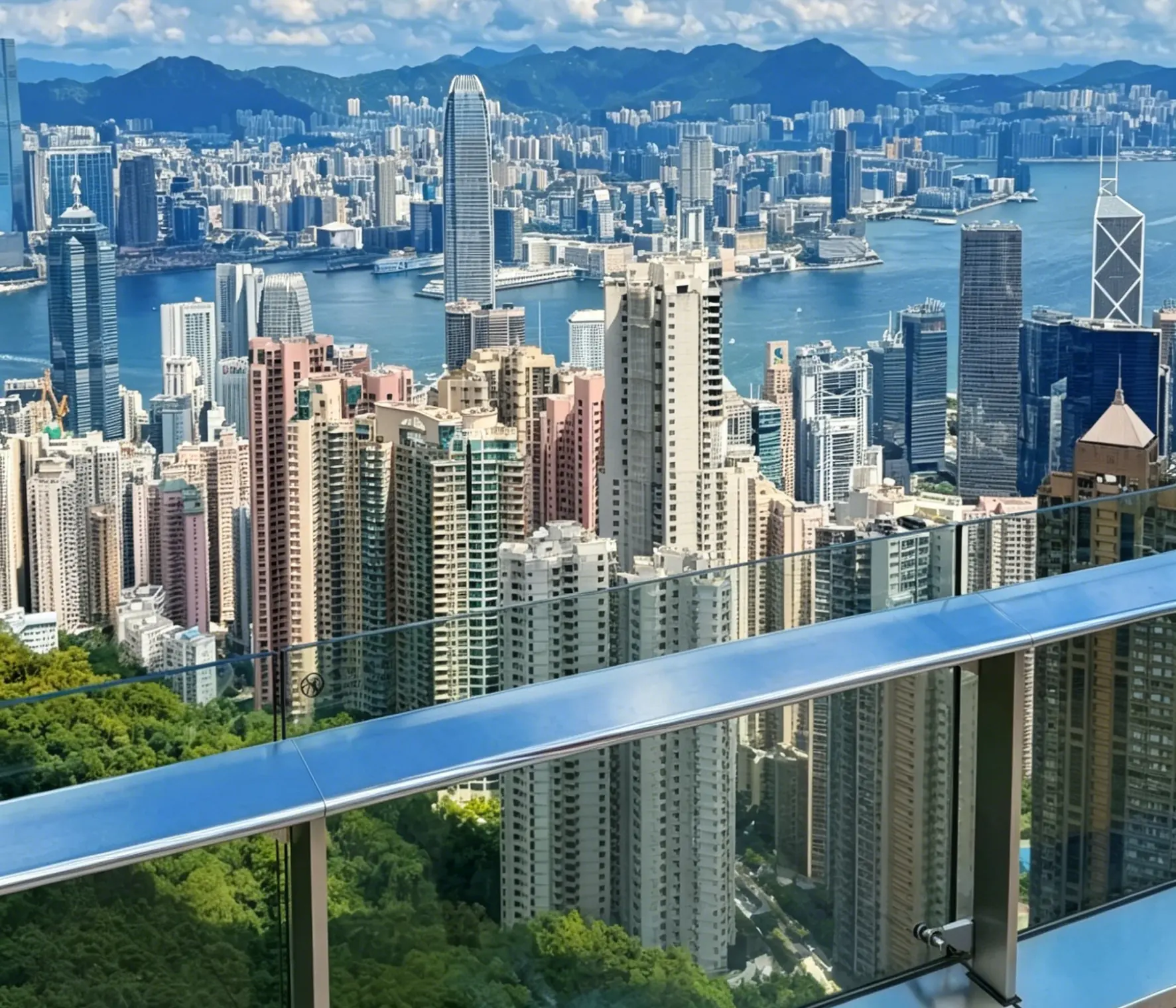
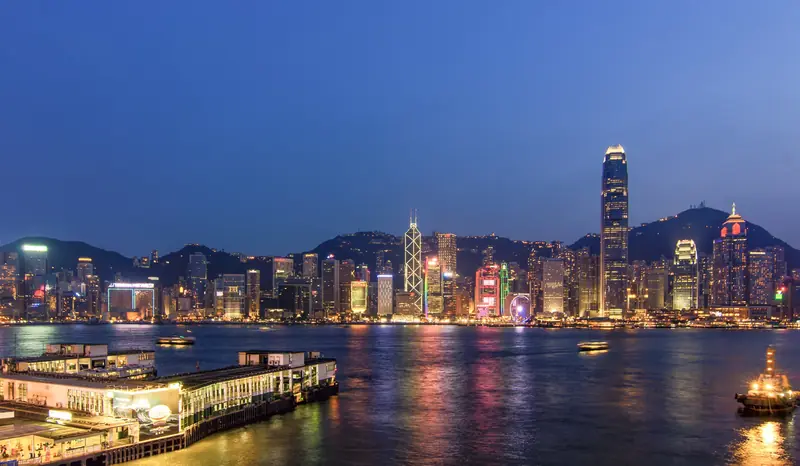
Victoria Peak is the fastest way to understand Hong Kong's geography: island towers below, Victoria Harbour (维多利亚港) in the middle, Kowloon across the water, and green ridges folding behind the city. Go on the clearest day you have, and treat the view as orientation rather than just a photo stop. Use our Victoria Peak guide before choosing between the tram, bus, taxi, and walking loops.
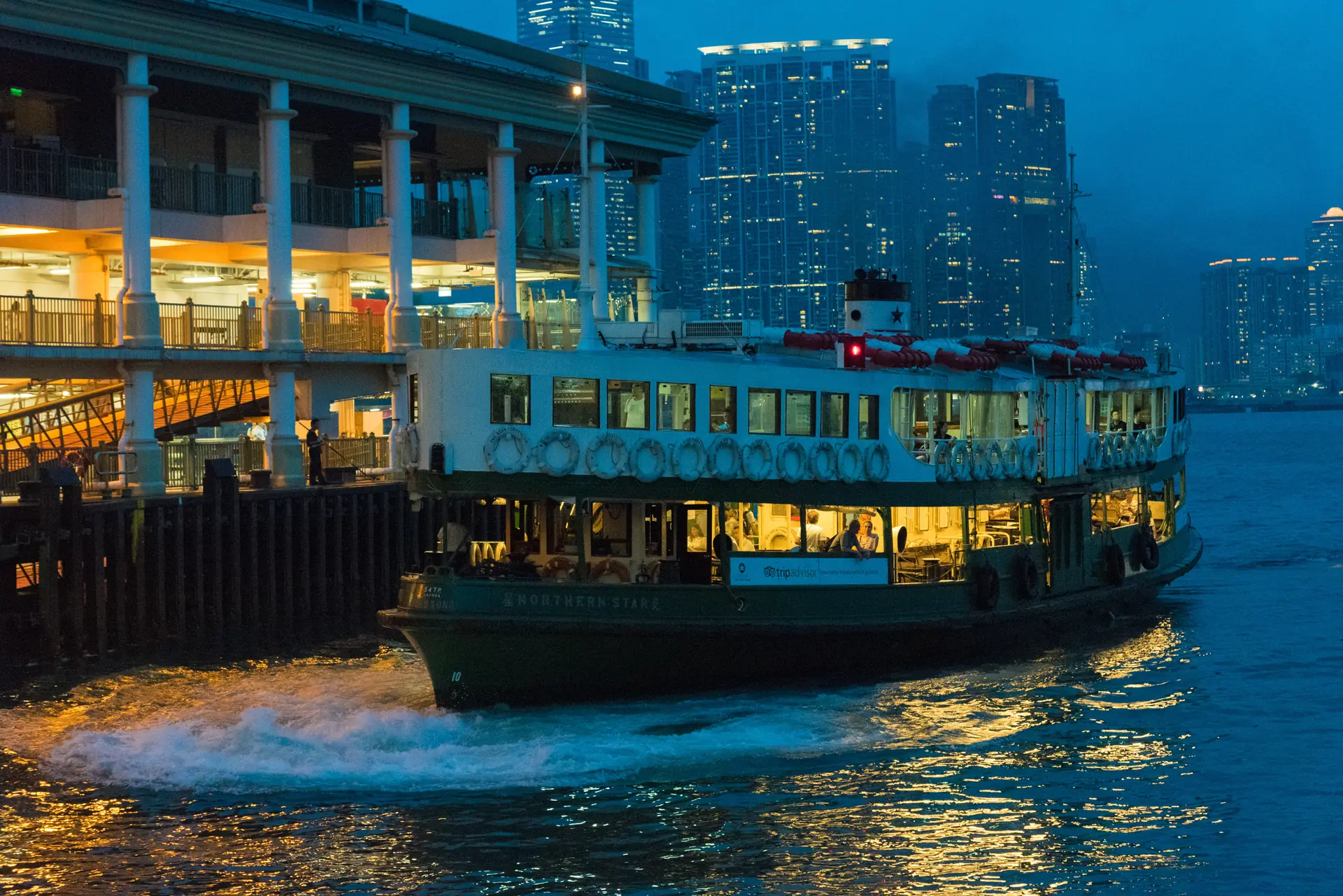
The Star Ferry is short, cheap, and still one of Hong Kong's cleanest travel moments. It turns the harbour from scenery into movement: diesel smell, green seats, skyline edges, and a slow approach to either Central or Tsim Sha Tsui. Try to ride it once in daylight and once around blue hour if your route allows.
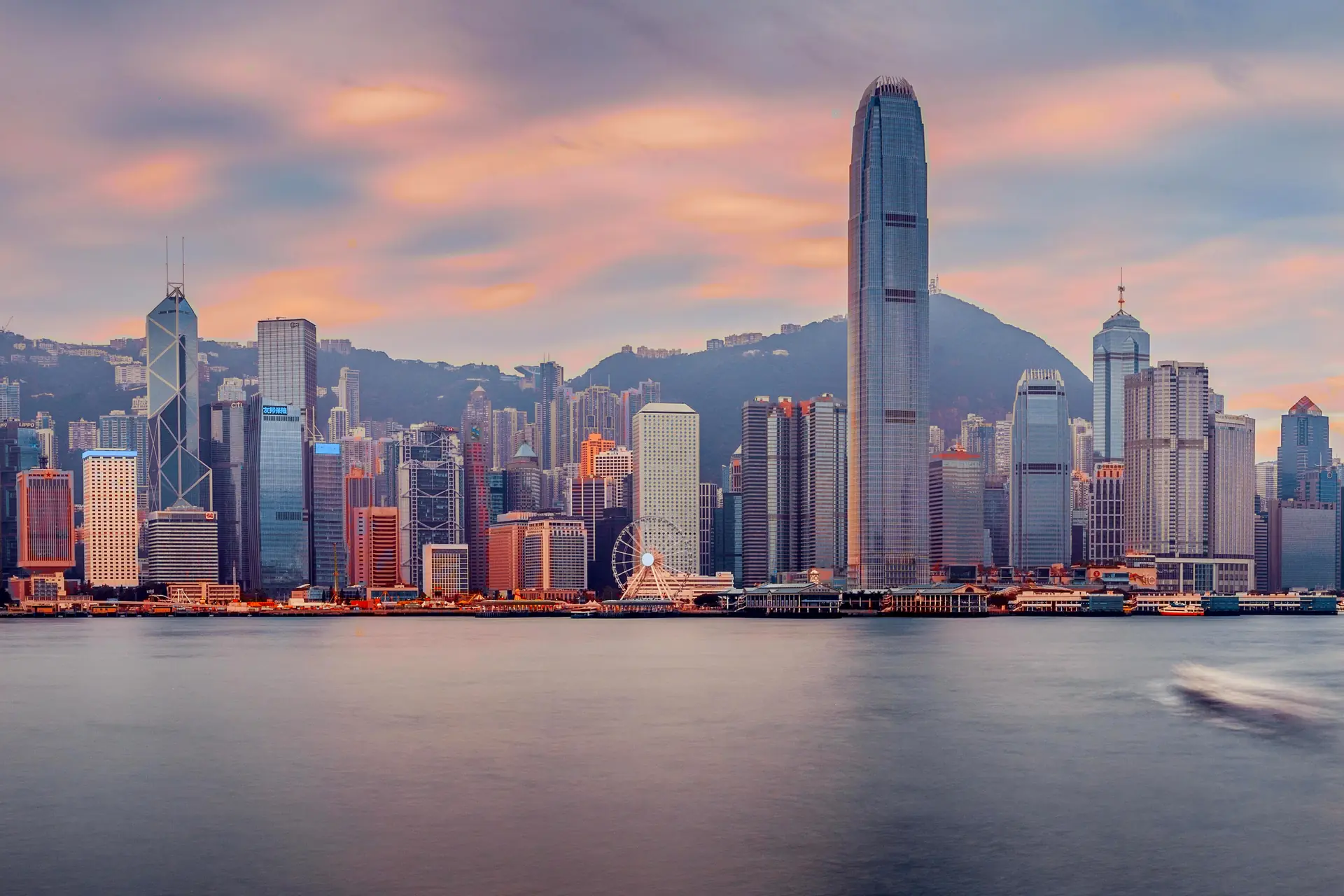
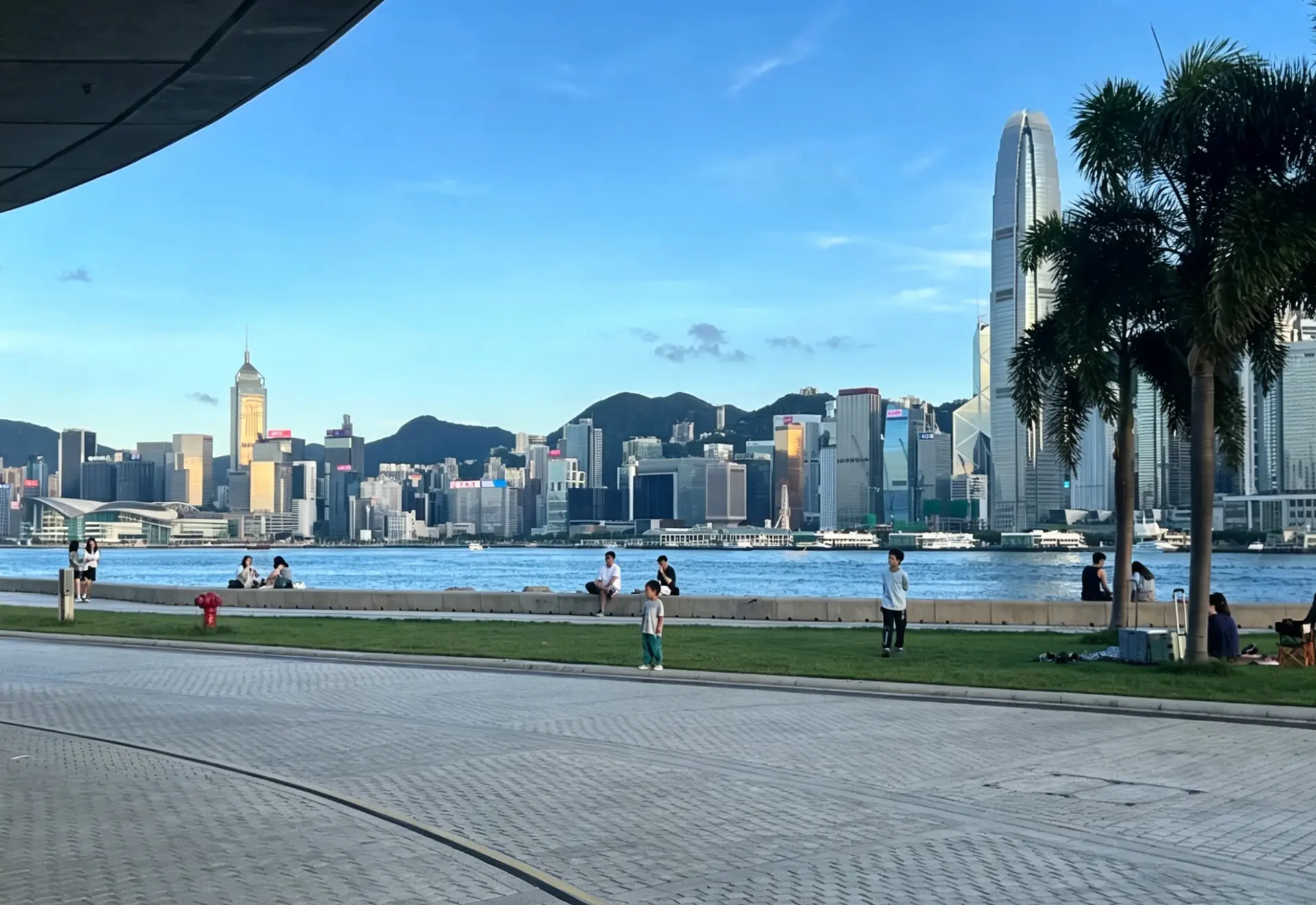
Tsim Sha Tsui gives you the classic head-on view of Hong Kong Island. Come before sunset, walk the promenade, let the skyline switch on gradually, and do not make the official light show the only reason to be there. As of May 2026, the nightly A Symphony of Lights (幻彩咏香江) still appears on the official page, while Hong Kong has also announced new light-festival programming, so check the current status before planning around 20:00.
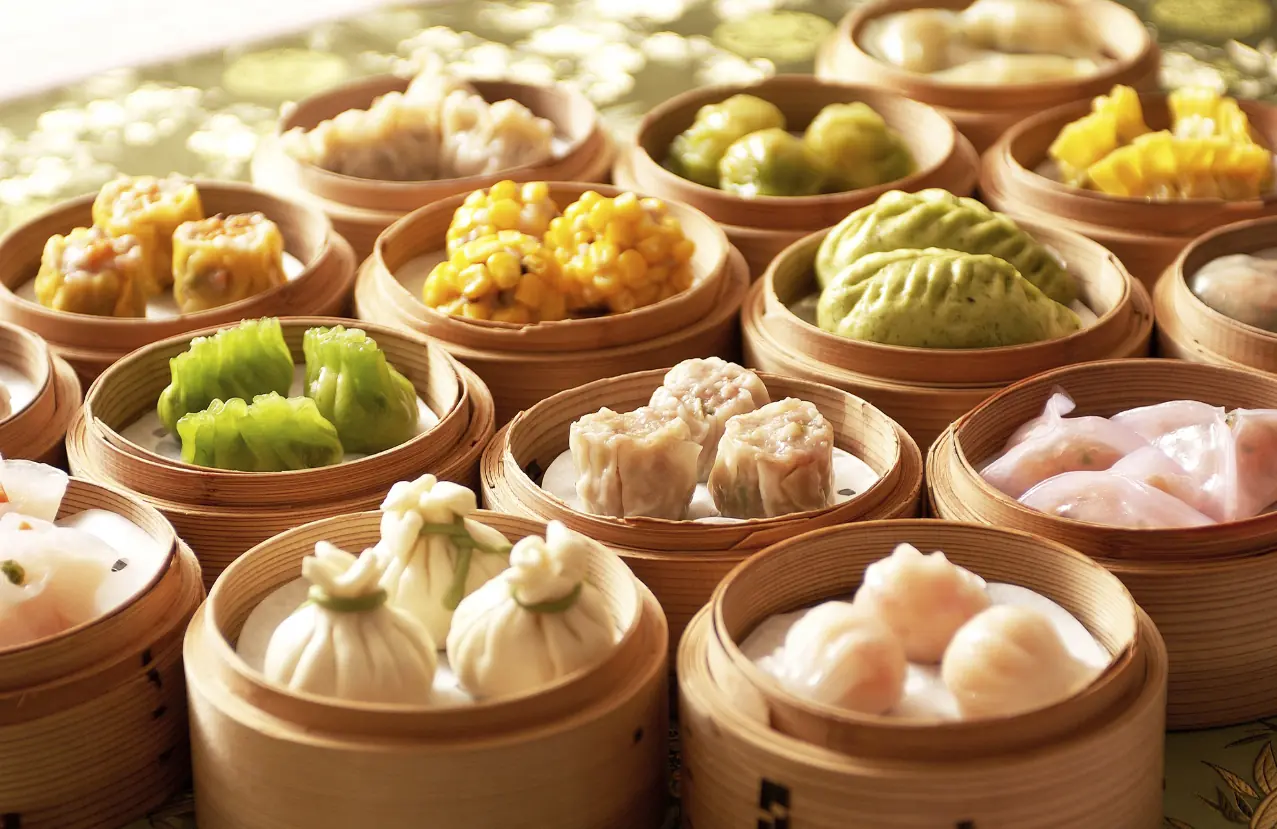
Dim sum is not just a food stop. It is the social rhythm behind Hong Kong mornings: bamboo steamers, tea refills, quick Cantonese service, and tables that turn faster than visitors expect. Choose one proper meal instead of grazing randomly. For ordering strategy, classic dishes, and neighbourhood choices, use our Hong Kong food guide.
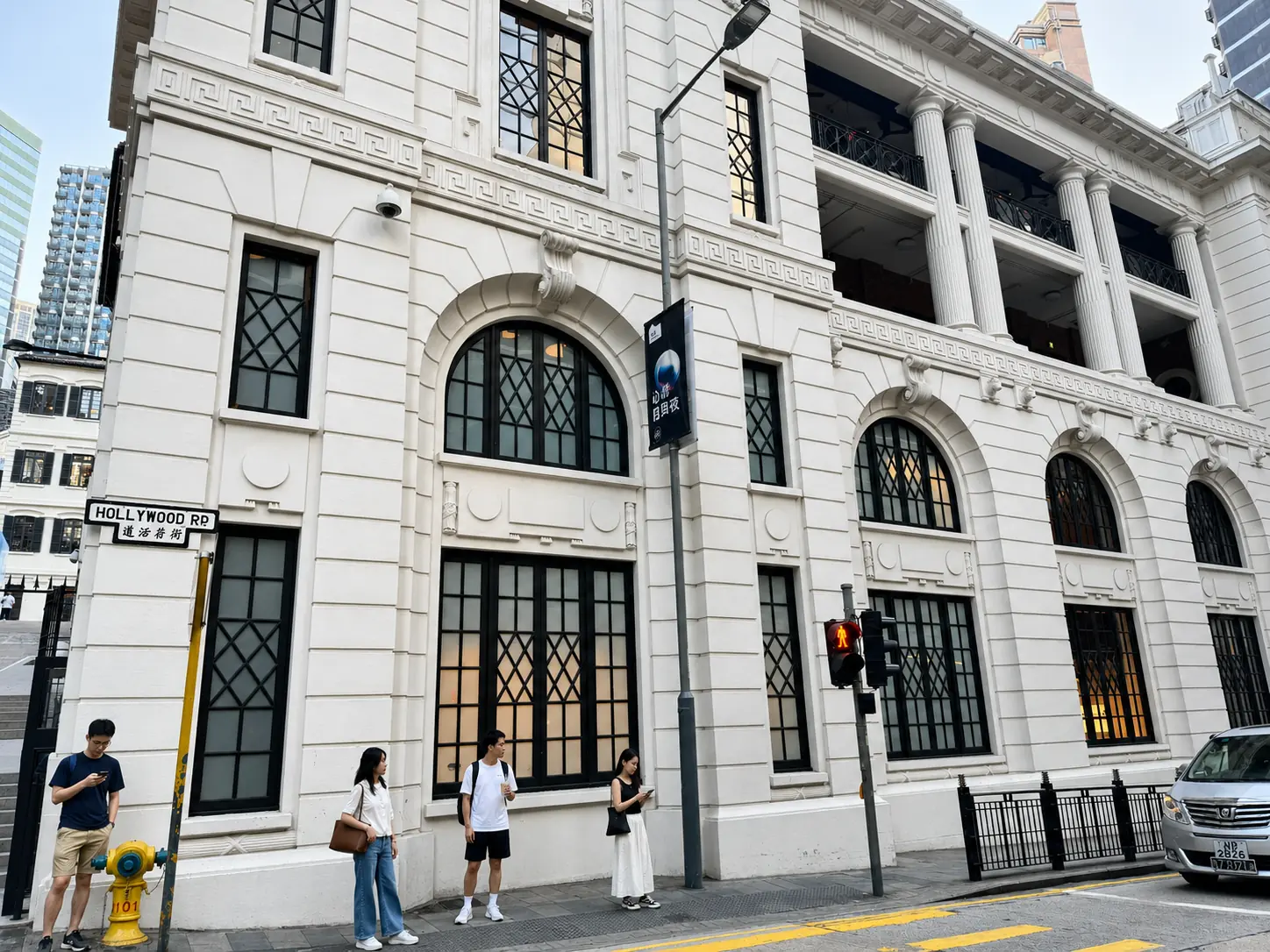
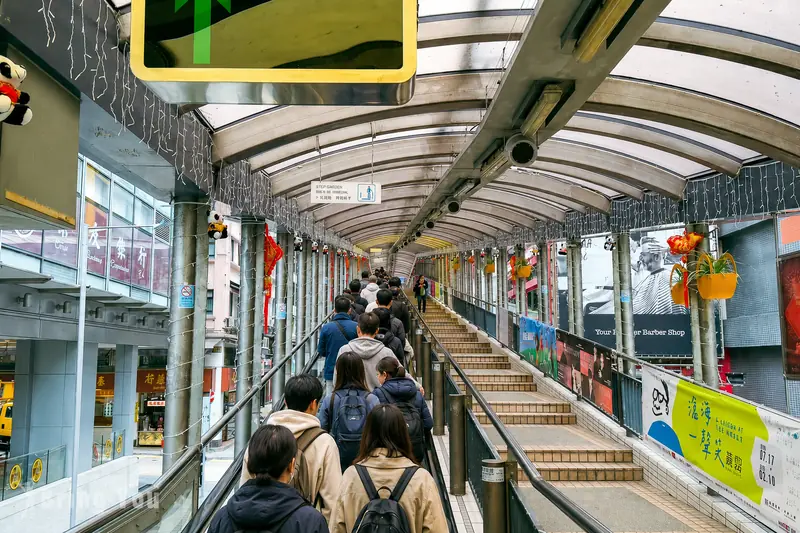
Old Town Central works because it compresses colonial facades, wet-market lanes, antique shops, murals, temples, cafes, steep staircases, and the Central-Mid-Levels Escalator (中环至半山自动扶梯系统) into one walkable layer. It is best late morning or late afternoon, when you can mix street texture with coffee, temples, and a slow climb toward Sheung Wan.
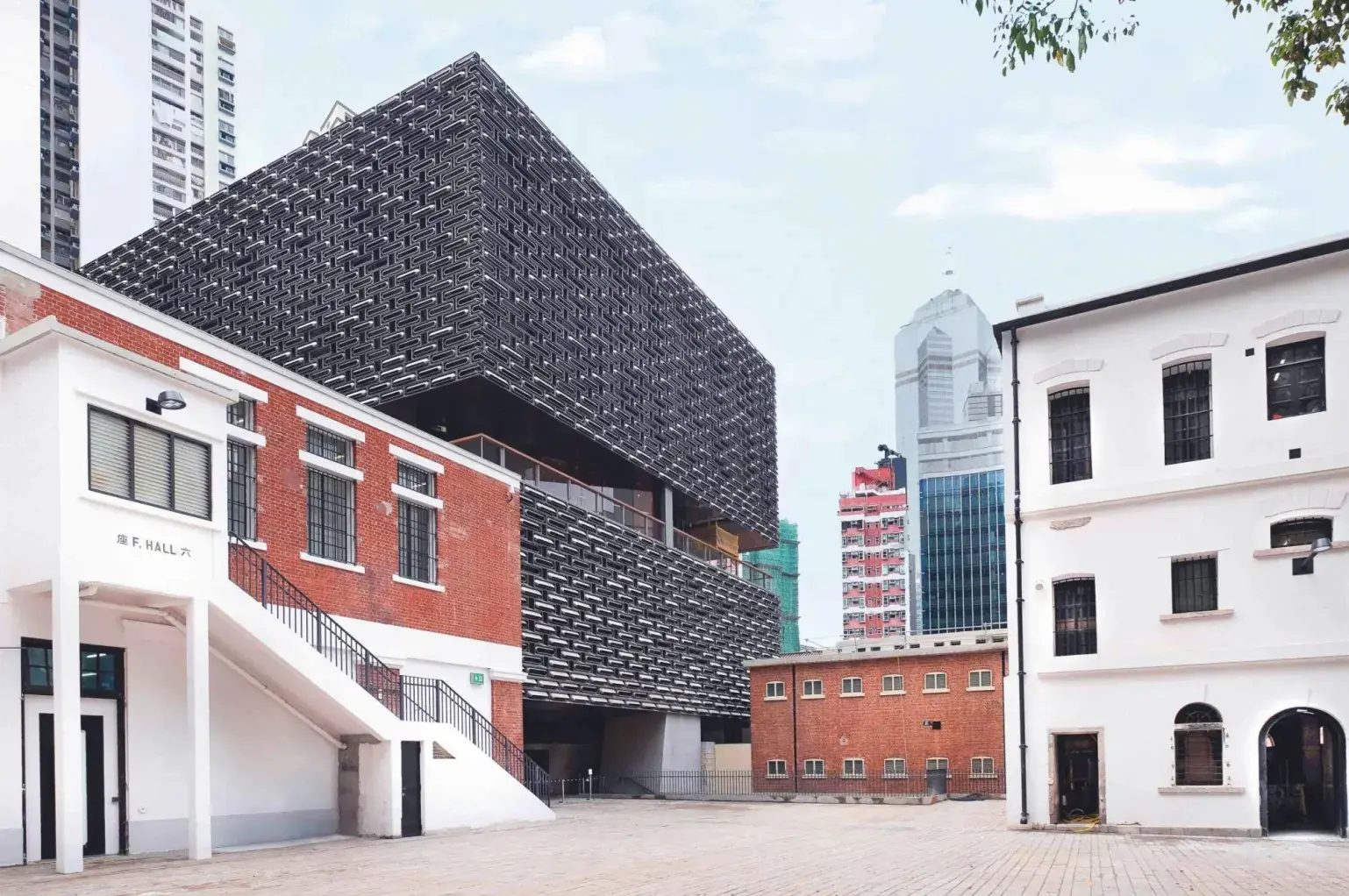
Tai Kwun turns a former police, prison, and court compound into one of Hong Kong's best heritage-and-arts spaces. It is useful when Central feels too commercial: courtyards, brick corridors, exhibitions, performances, design shops, and quiet architectural details. Check the current program if you care about exhibitions, but the compound itself is worth a stop.
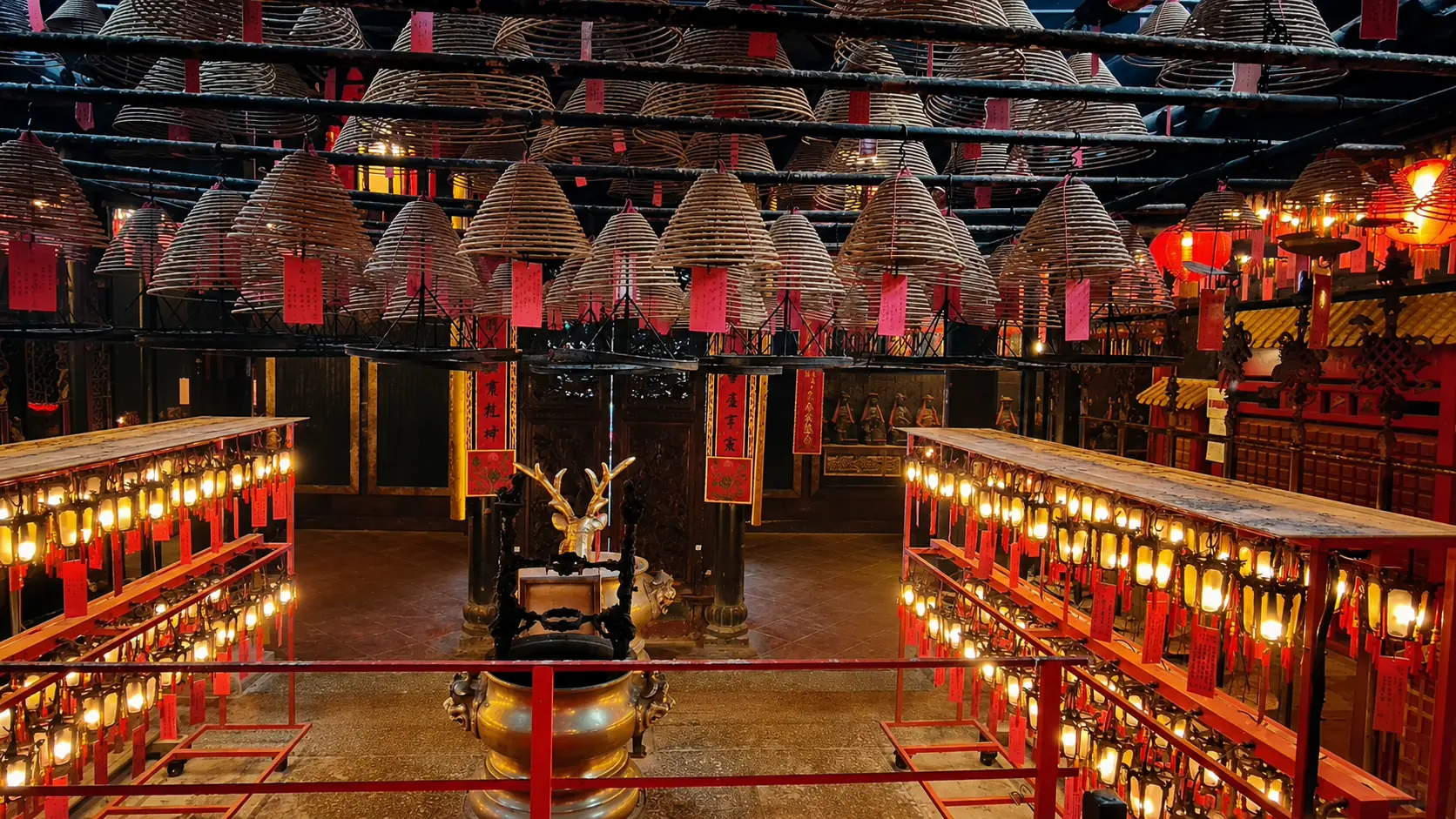
Man Mo Temple is small, smoky, and atmospheric, especially when coils of incense hang above the main hall. Pair it with Hollywood Road (荷李活道), Upper Lascar Row (摩罗上街), and Tai Ping Shan Street (太平山街) rather than treating it as an isolated temple tick. Go respectfully: it is a working religious space, not a film set.
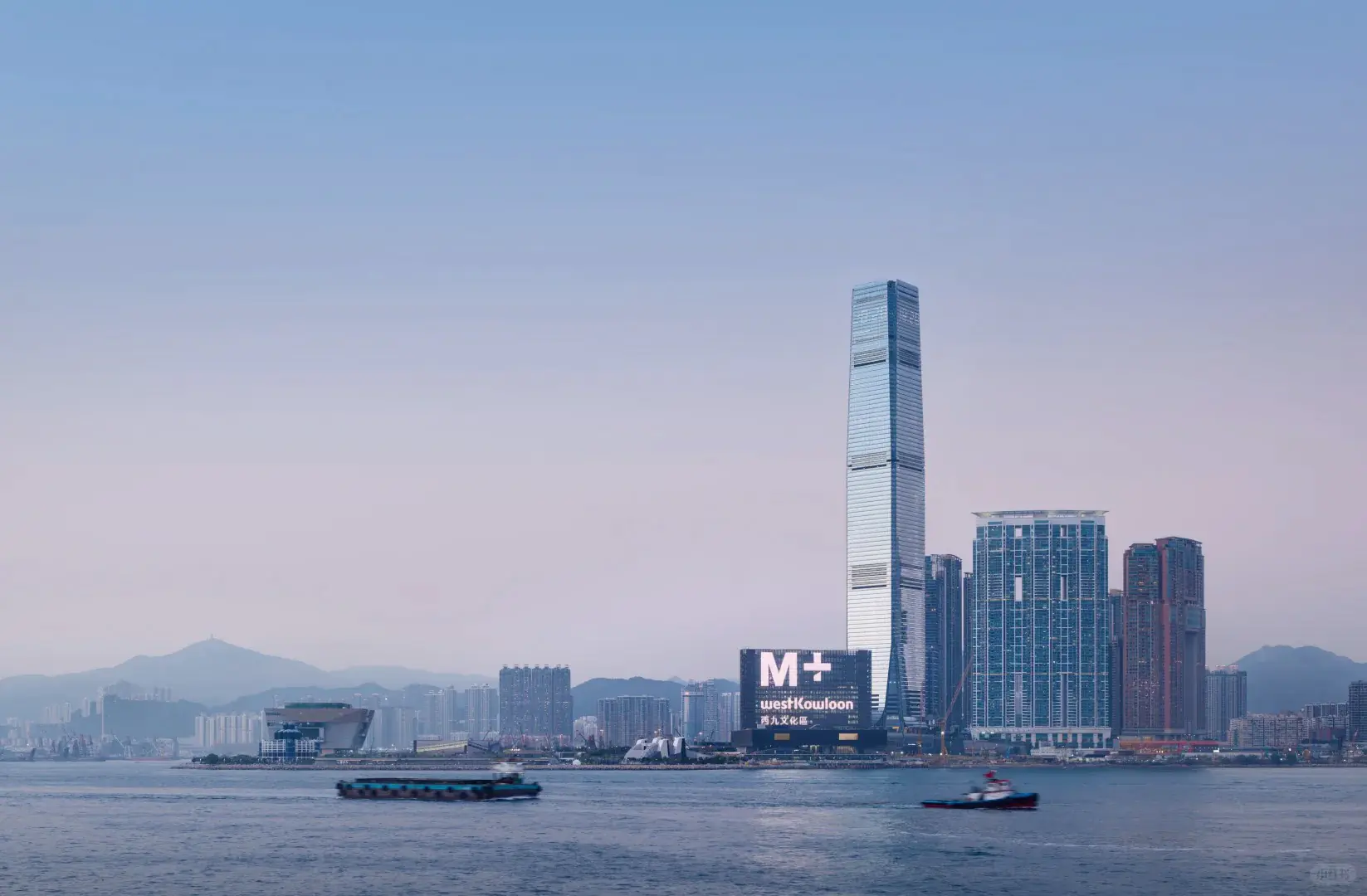
M+ is Hong Kong's most important contemporary visual culture anchor. The building, the waterfront setting, design collections, moving-image material, and changing exhibitions all make it more than a rainy-day backup. It is usually closed on Mondays unless announced otherwise, so check the official visit page before using it as your fixed museum day.
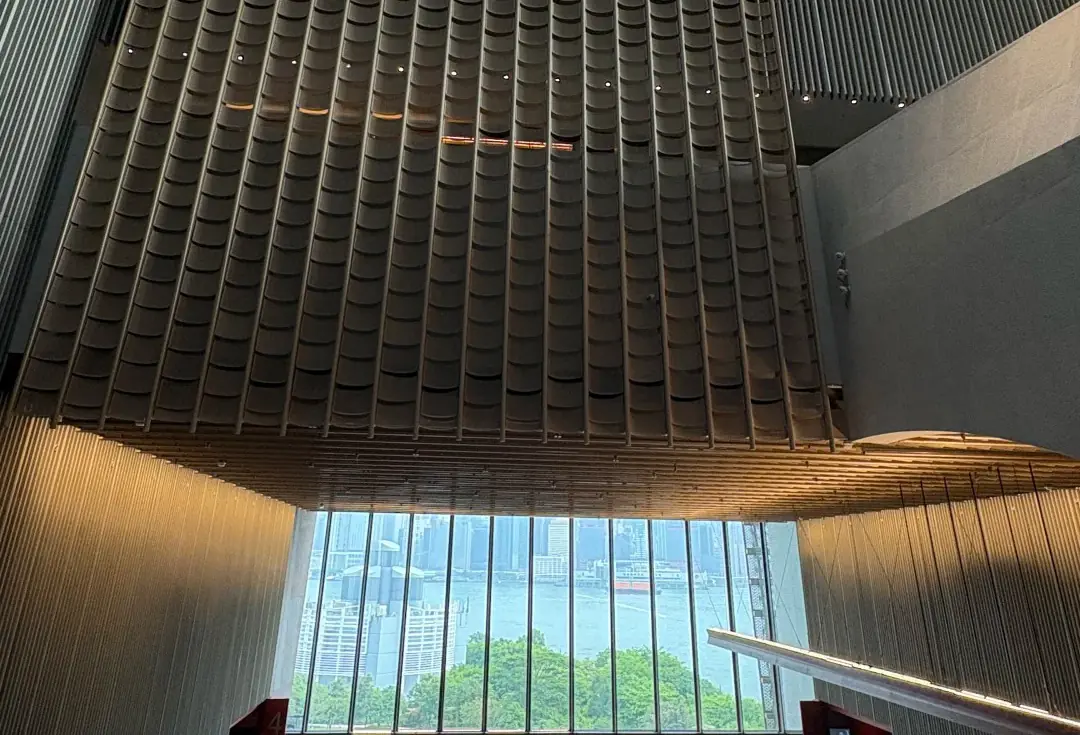
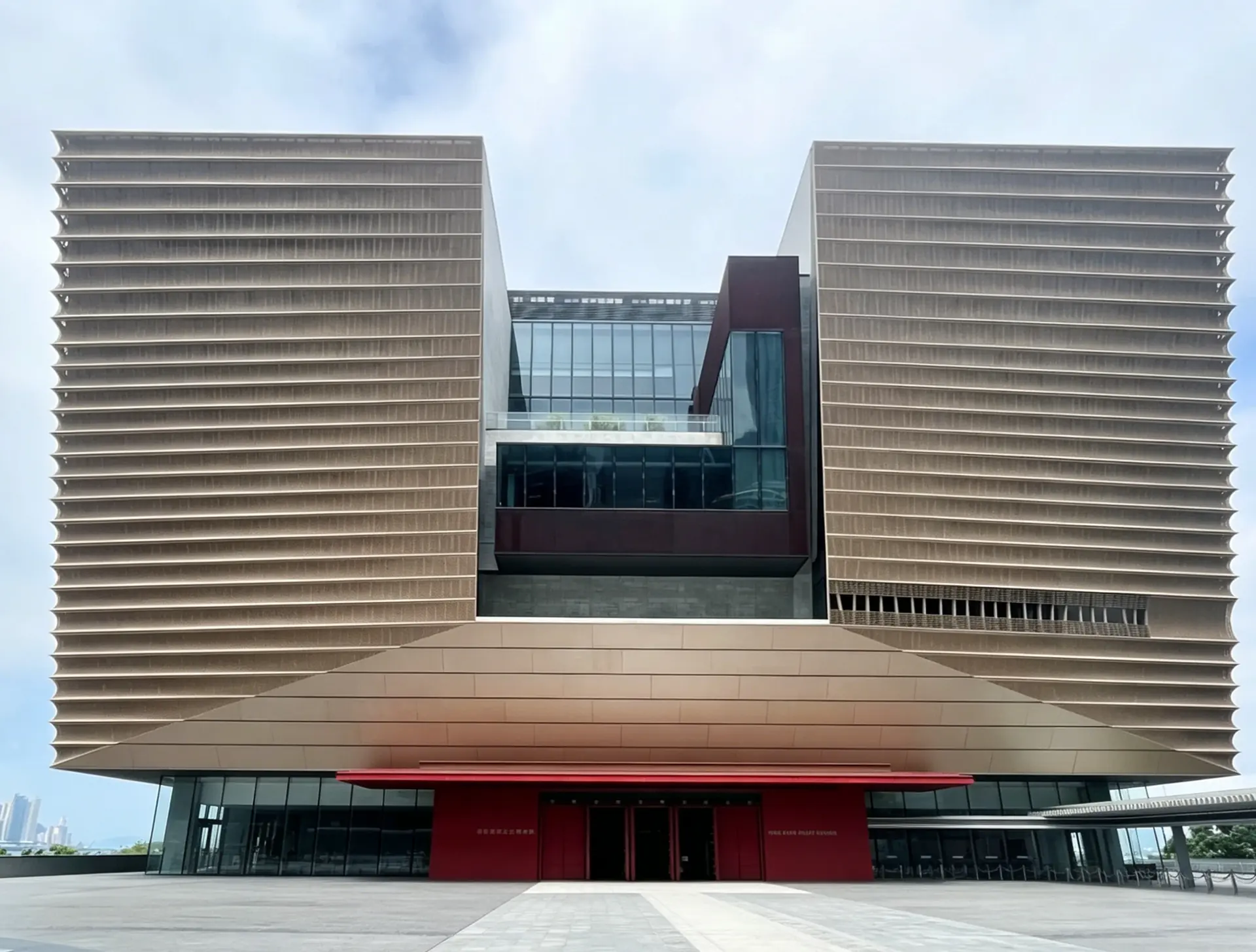
The Hong Kong Palace Museum suits travelers who want Chinese art, court objects, ceramics, paintings, and a calmer museum rhythm in West Kowloon. It pairs naturally with M+ only if your group enjoys museums; otherwise choose one. Check the official visit page for current hours, special exhibitions, and ticket categories.
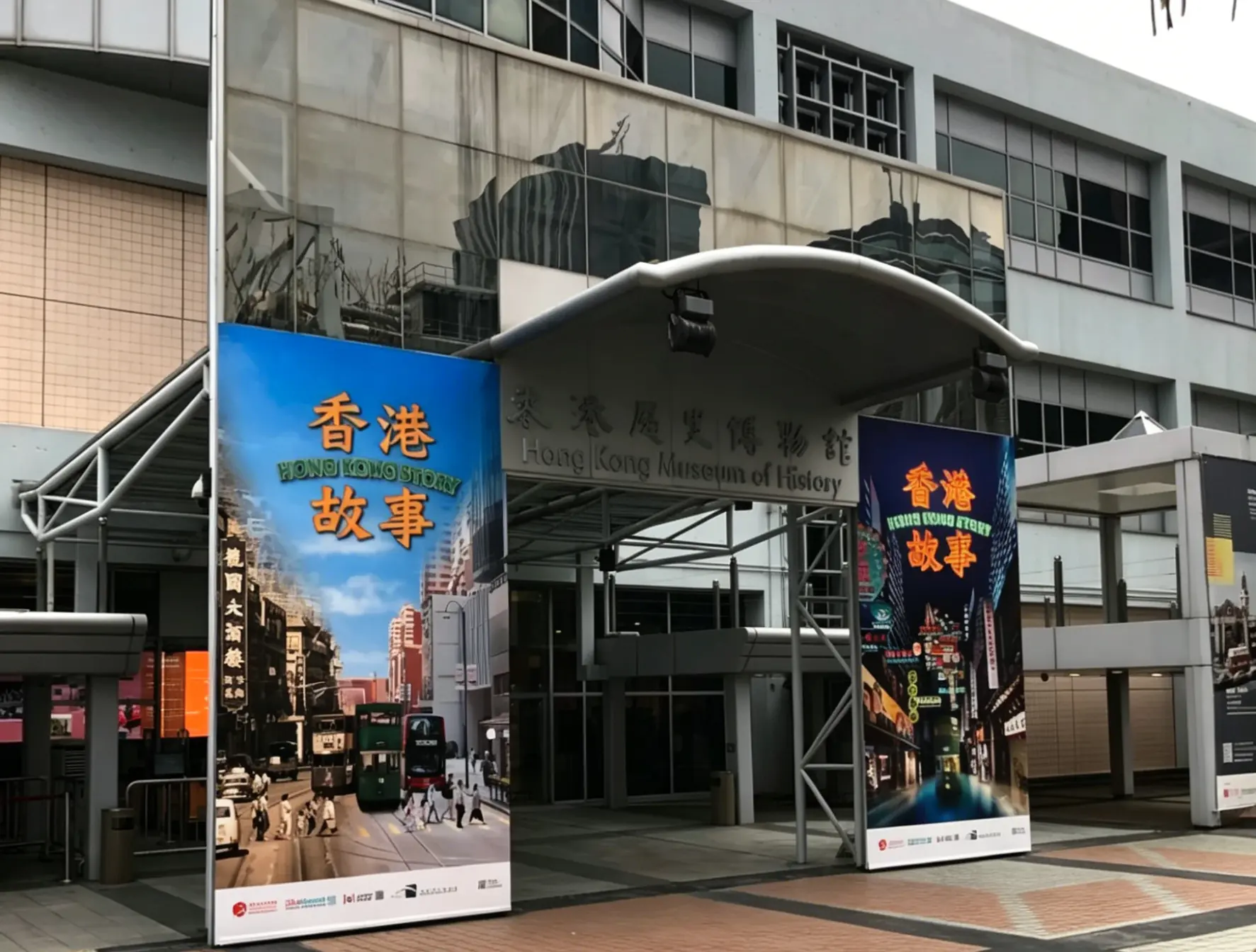
Hong Kong Museum of History (香港历史博物馆) helps the city feel less like disconnected spectacle. It gives context for migration, trade, local life, identity, and the harbour's role in the city. Use it when weather turns, when your group wants a slower cultural block, or when markets and skyline views start to blur together.

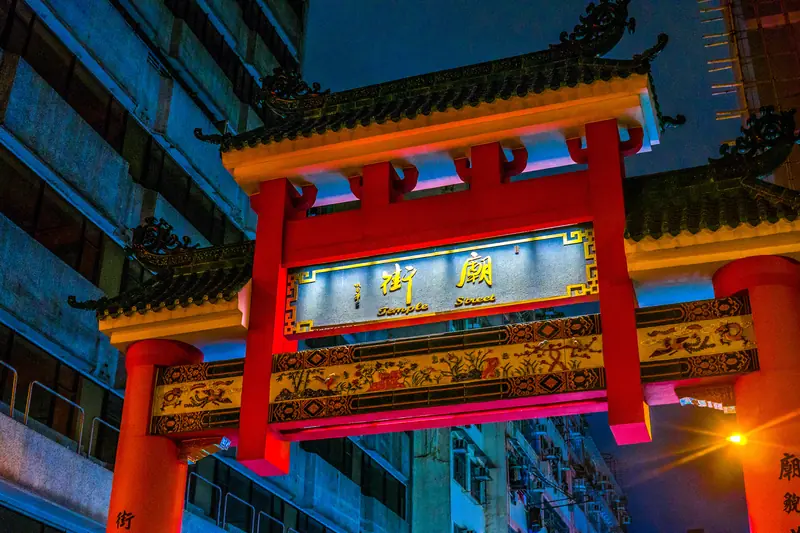
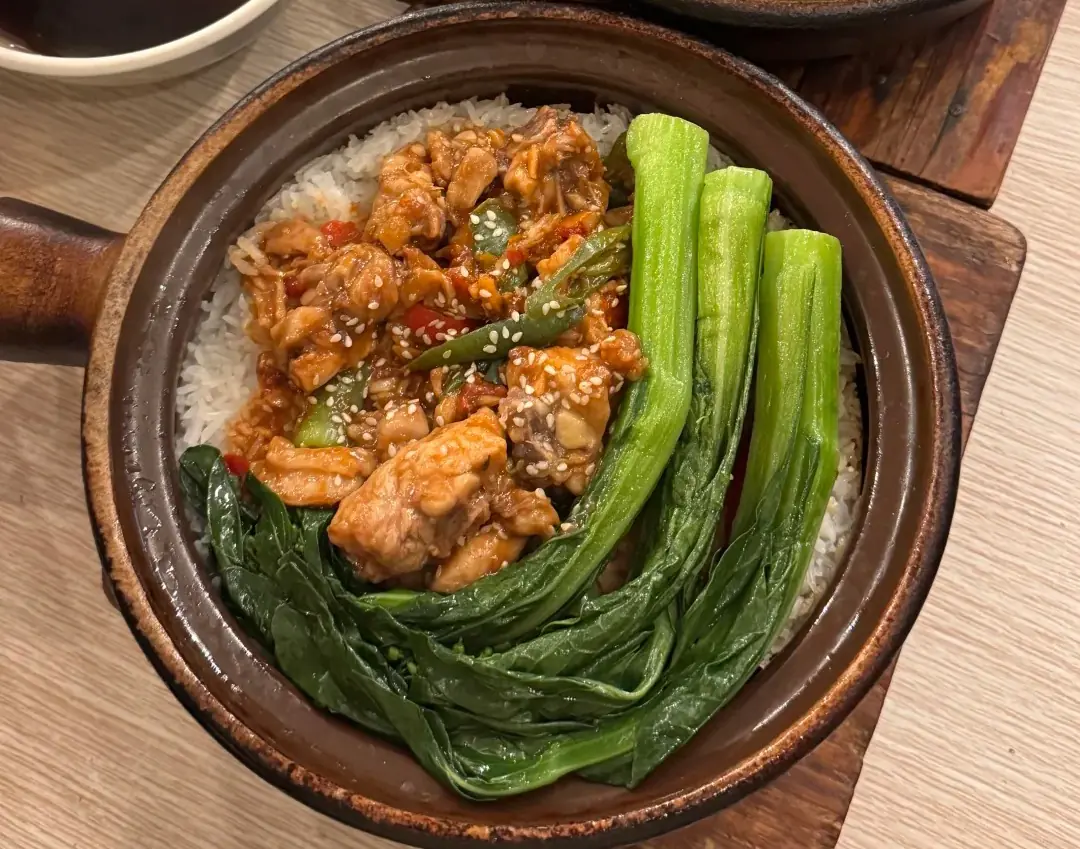
Temple Street is no longer the endless neon fantasy some old photos promise, but it still works as a night-food and market stroll when planned honestly. Go for claypot rice, snacks, fortune-teller signs, open-air tables, and Kowloon after dark. Use our Temple Street guide if you want dinner to lead the route.

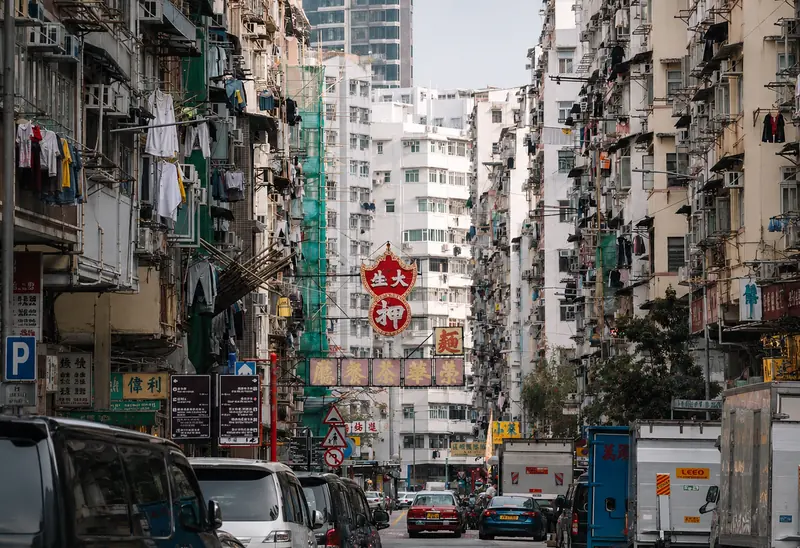
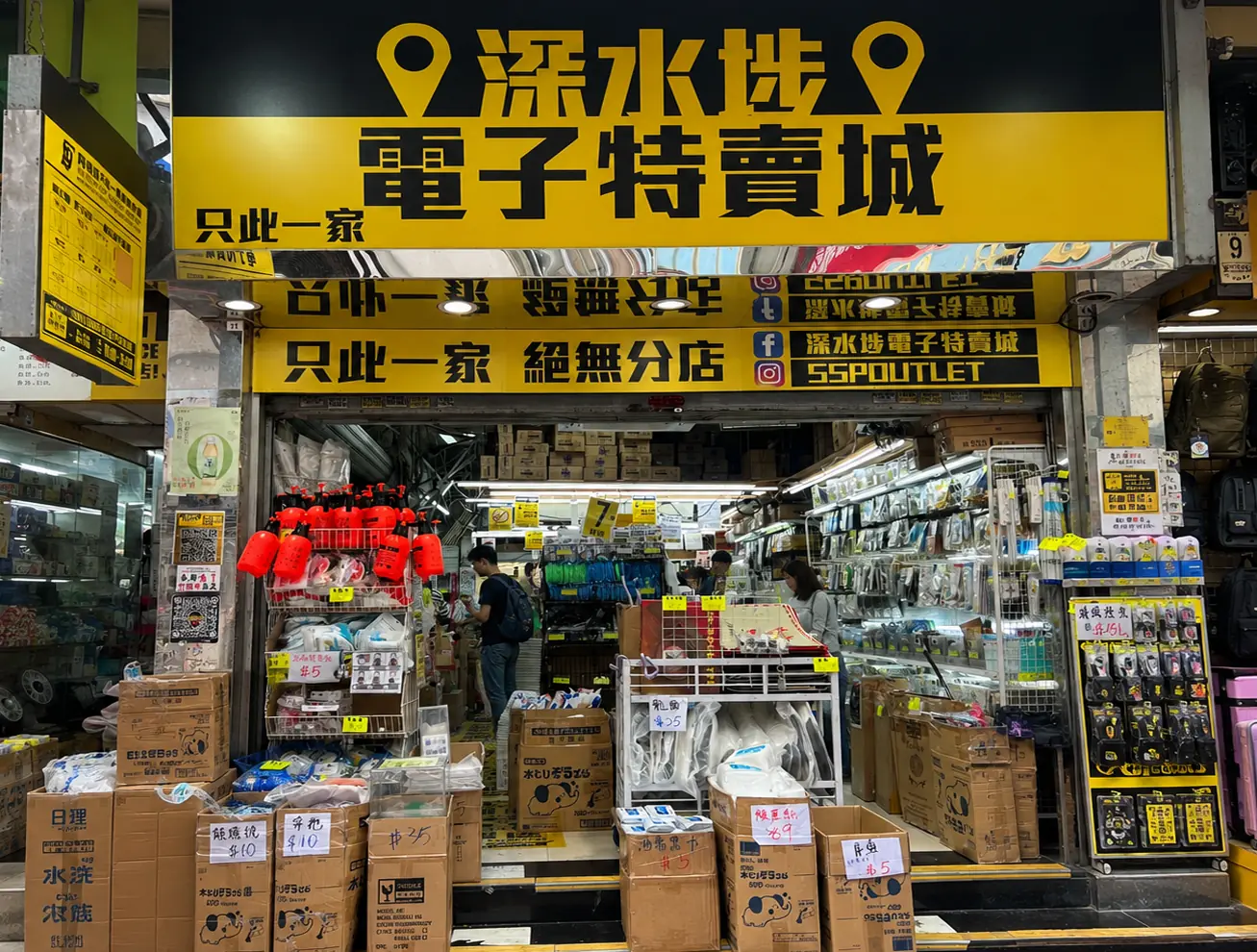
Sham Shui Po is dense, local, and more useful than polished shopping districts if you want texture: fabric streets, electronics stalls, old cafes, tofu dessert, street snacks, and working-neighbourhood energy. It rewards wandering, but it is best with a loose food list. Use our Sham Shui Po walking tour for a manageable route.
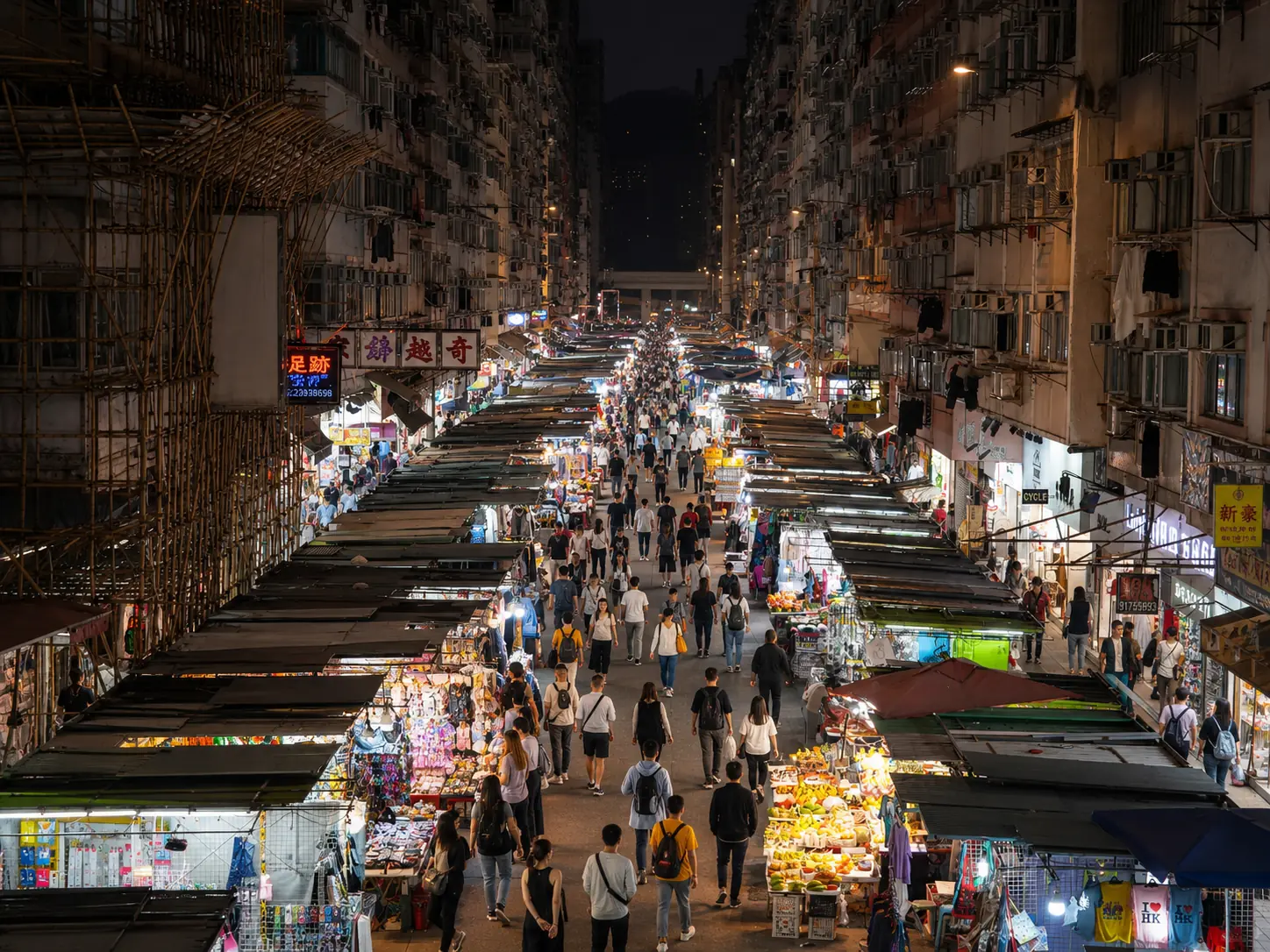
Mong Kok is vivid but easy to overdo. Ladies' Market (女人街), sneaker streets, Goldfish Market (金鱼街), and nearby food lanes all compete for attention. Choose one short walk rather than spending an entire day shopping. Come at dusk if you want the city to feel bright, crowded, and vertical.
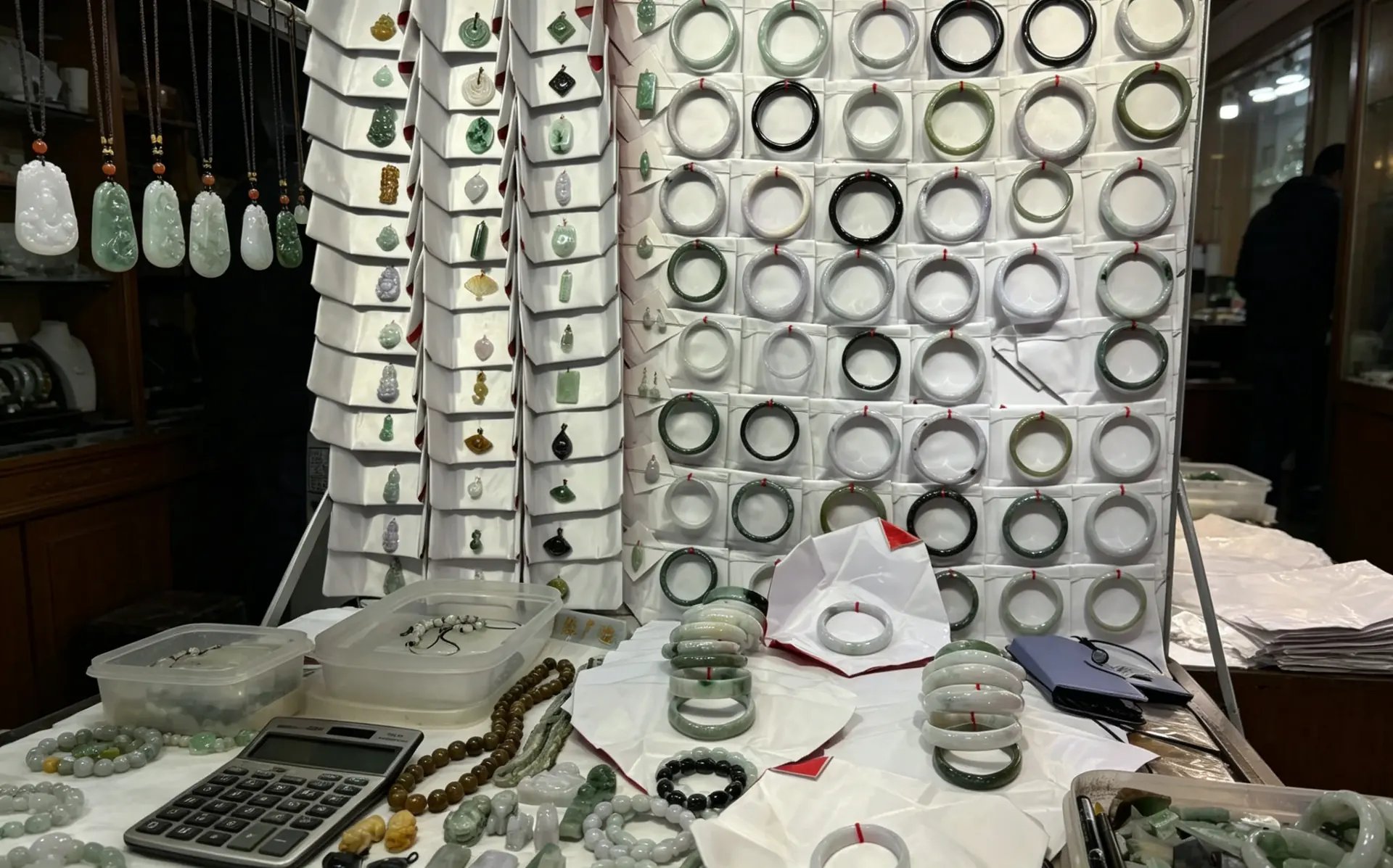
Jade Market (玉器市场) is more about atmosphere than guaranteed treasure: small stalls, pendants, bracelets, bargaining, and older Kowloon rhythms. Go with curiosity rather than a serious purchase plan unless you already understand jade quality. It pairs well with Yau Ma Tei, Tin Hau Temple (天后庙), and Temple Street.
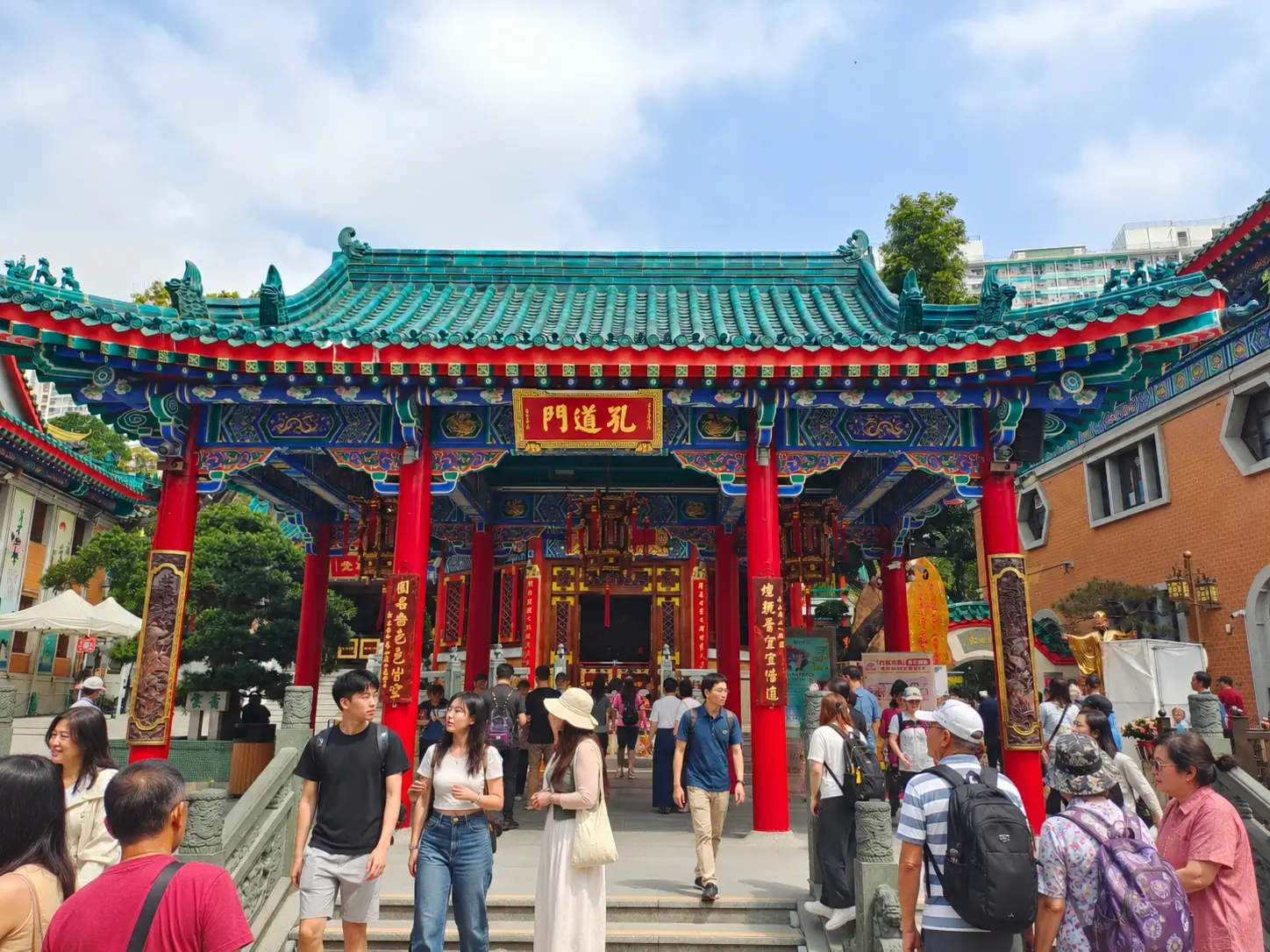
Wong Tai Sin Temple (黄大仙祠) is one of Hong Kong's most active temple experiences, especially if you want incense, fortune-seeking rituals, bright architecture, and local worship rather than a quiet heritage stop. It is easy by MTR, but give it enough time to observe respectfully and avoid rushing straight back underground.
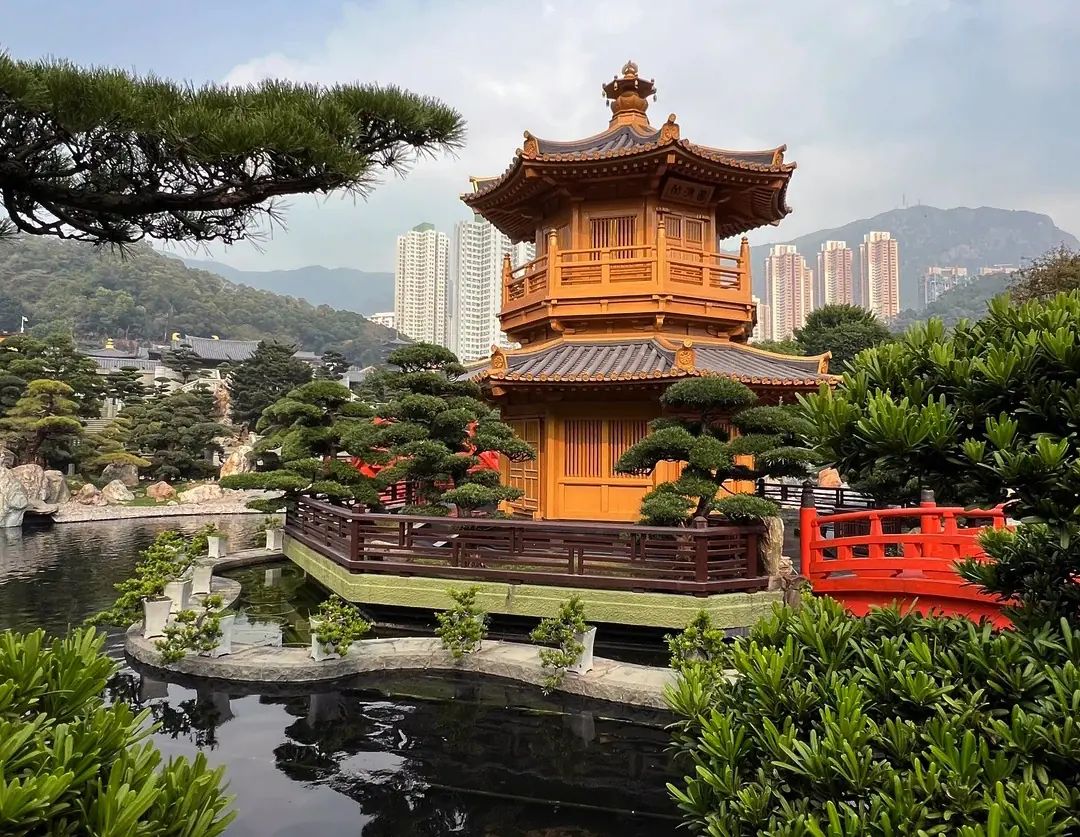
Nan Lian Garden (南莲园池) and Chi Lin Nunnery (志莲净苑) are the best antidote to Hong Kong's speed: clipped trees, timber architecture, ponds, bridges, and mountain-backed calm beside high-rises. They are especially good for travelers who want a quiet cultural pause without leaving urban transport behind.
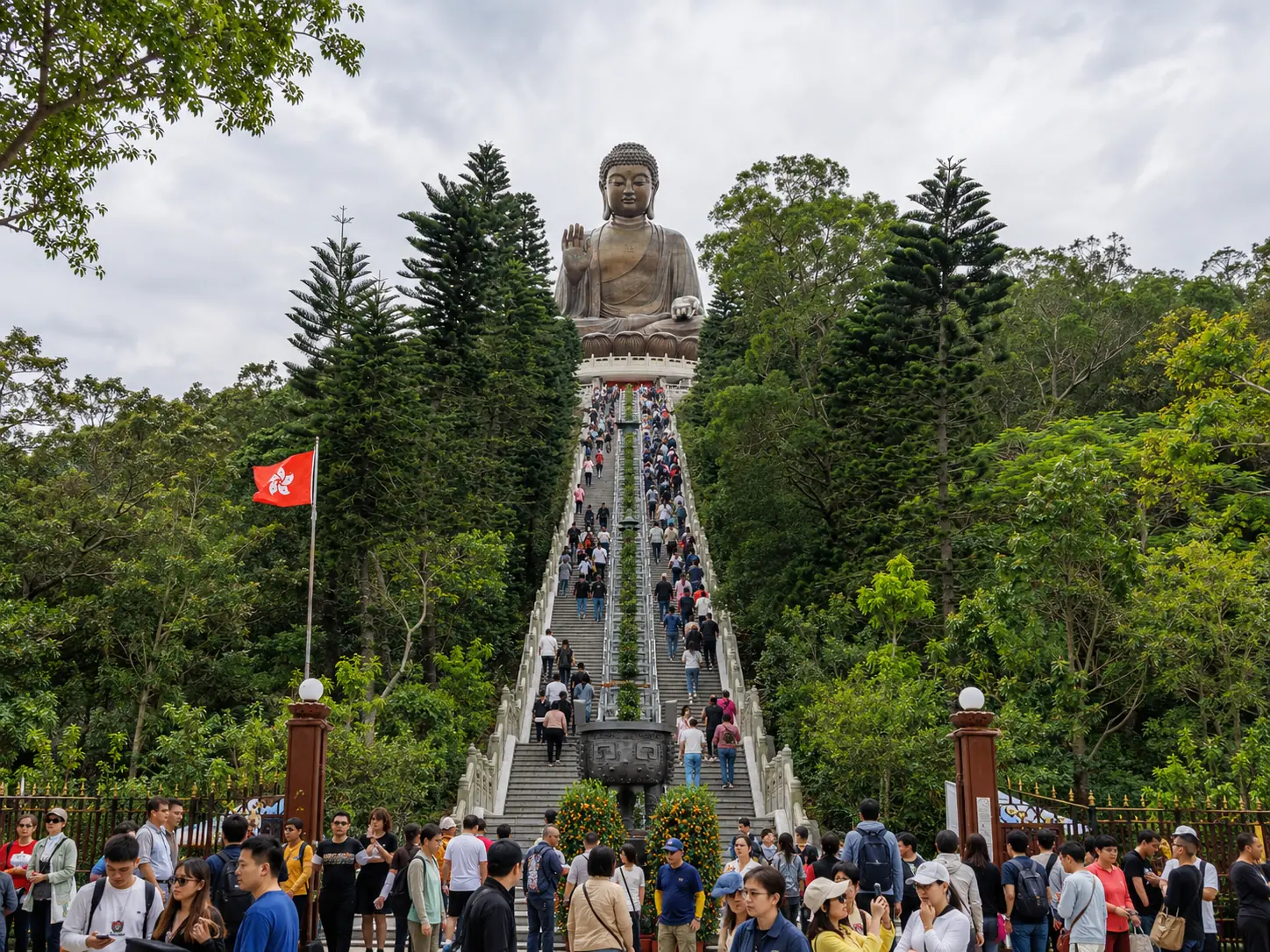
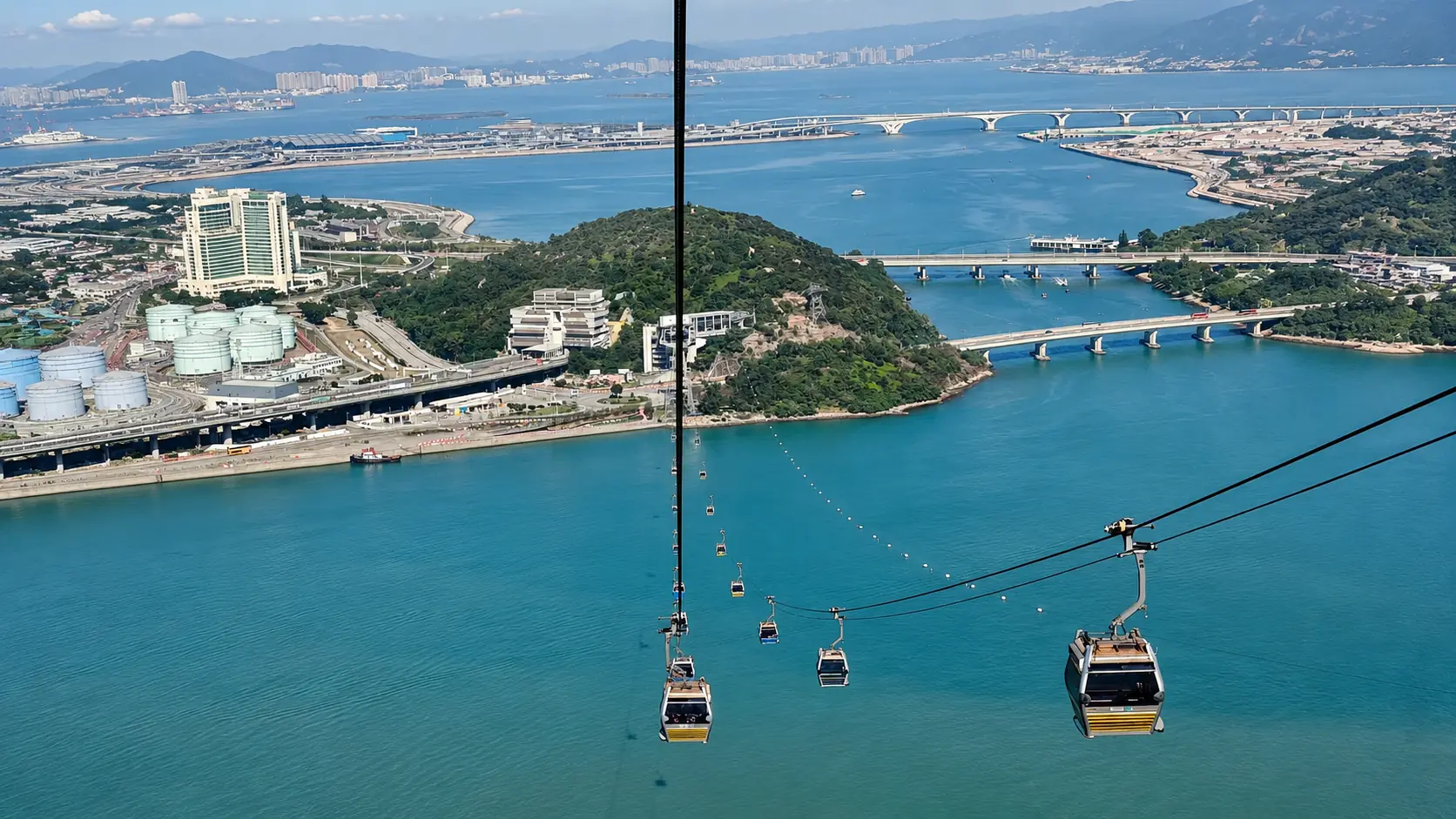
The Tian Tan Buddha (天坛大佛) and Ngong Ping (昂坪) are worth doing when you can protect a half day or more. The cable car is scenic, but maintenance and weather can change plans; the official Ngong Ping 360 site listed scheduled maintenance days in May and June 2026, so always check the latest service status before you go.
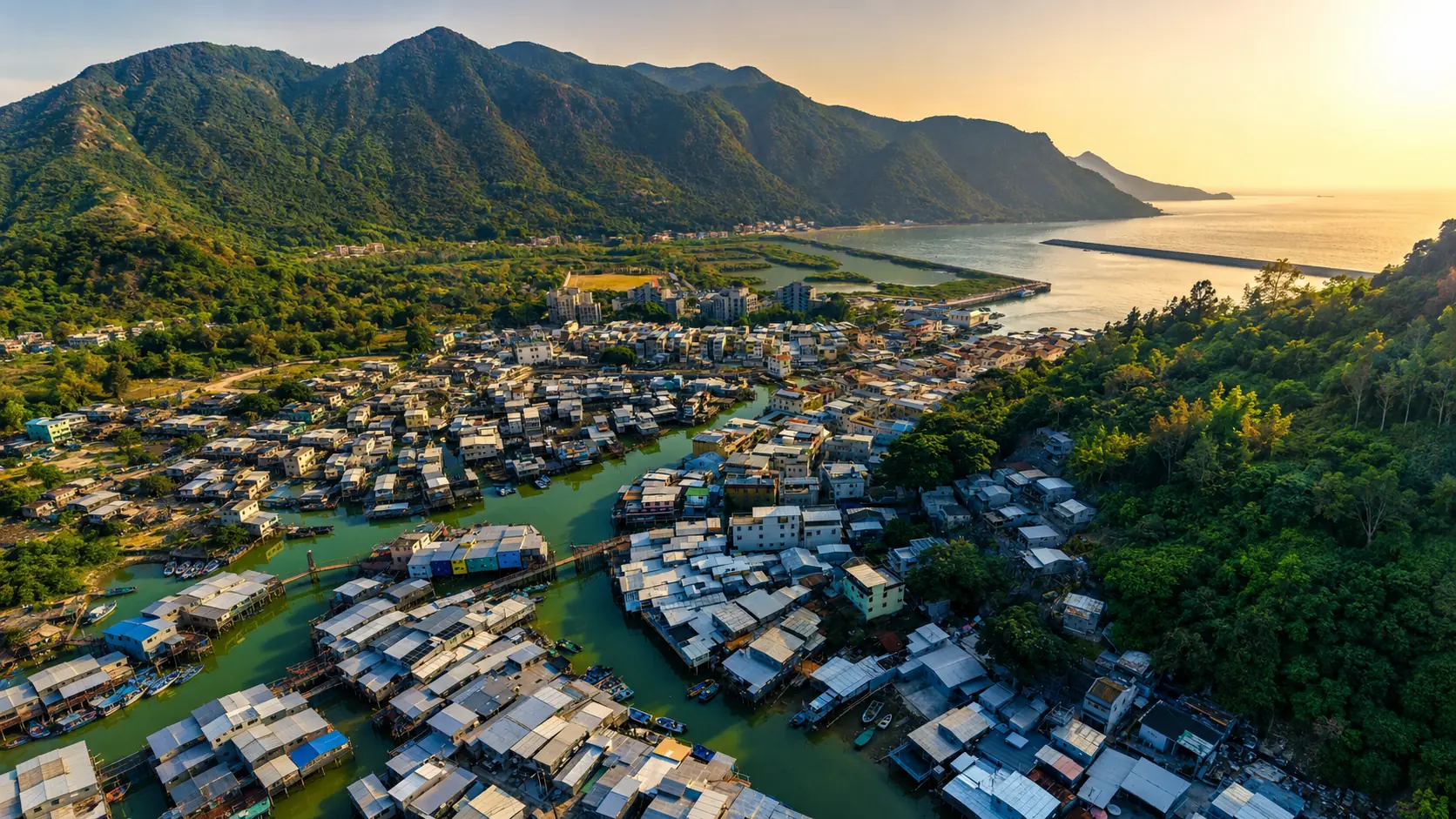
Tai O gives Lantau a very different ending: stilt houses, dried seafood shops, water lanes, small boats, and a slower village mood. It is best paired with Ngong Ping only when you start early and accept that this is a Lantau day, not a quick city add-on.
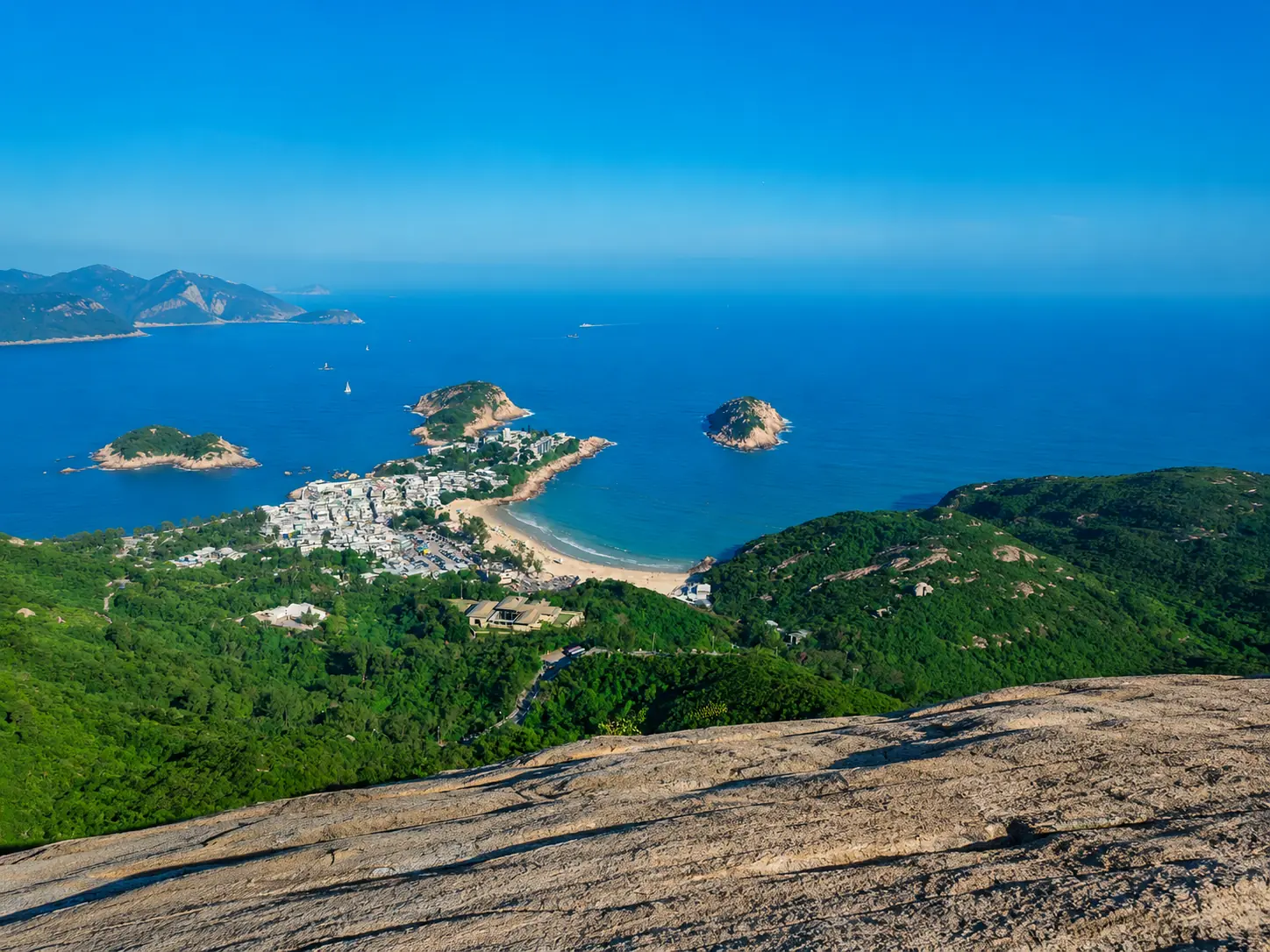
Dragon's Back is Hong Kong's most famous easy-to-reach ridge hike, but do not reduce it to a 90-minute city stroll. The current Hong Kong Tourism Board route describes a standard hike of about 8 km, about four hours, with moderate difficulty. Go for sea views, ridge air, and a completely different side of the city.
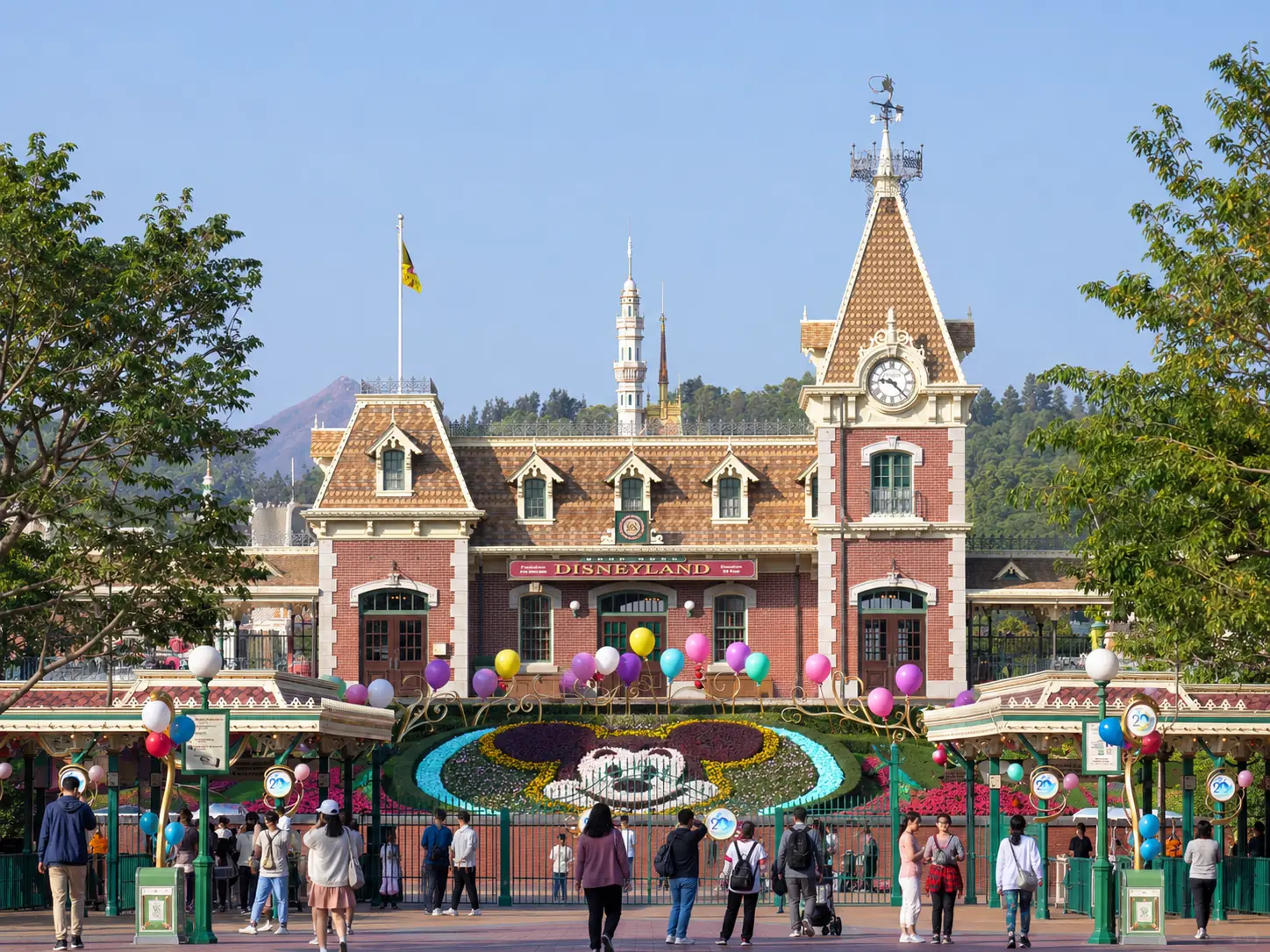
Hong Kong Disneyland (香港迪士尼乐园) and Ocean Park Hong Kong (香港海洋公园) are both full-day commitments. Choose Disneyland for characters, family ease, and a controlled resort day; choose Ocean Park for sea views, thrill rides, aquariums, and a more local classic. Do not squeeze either after a heavy museum or market day.
Choose Your Hong Kong Trip Style
Do not choose Hong Kong sights only by fame. The same three-day trip can feel like a skyline-and-food sprint, a museum-and-neighbourhood city break, a family-friendly easy route, or a nature escape with urban evenings. Pick the style first, then choose from the 20 experiences above.
The Classic First Trip
Best for: travelers who may not return soon.
Prioritize Victoria Peak, the Star Ferry, Tsim Sha Tsui waterfront, dim sum, Old Town Central, Temple Street, and one West Kowloon museum if time allows.
The Food-and-Streets Trip
Best for: travelers who judge a city by meals and neighbourhoods.
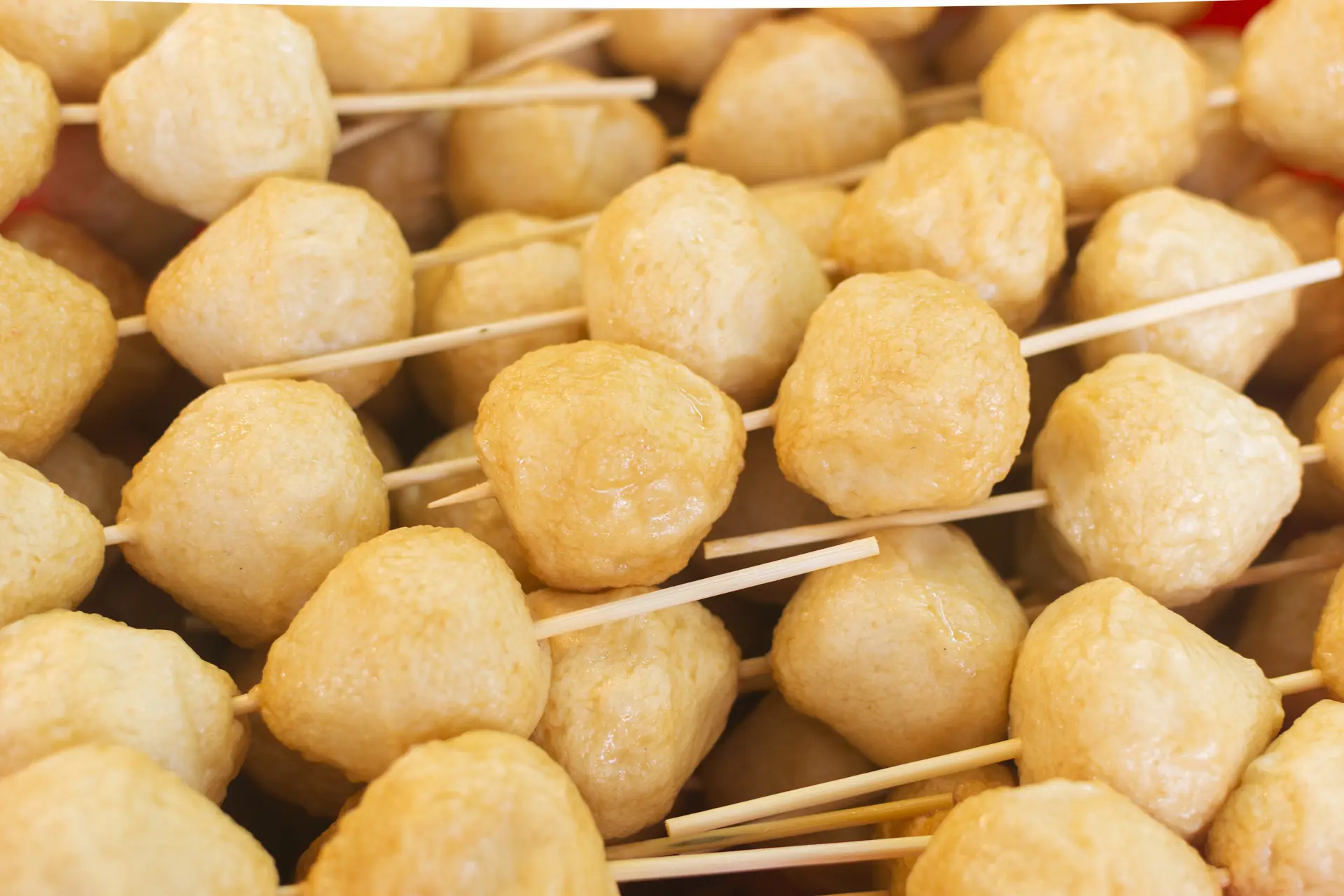
Build around dim sum, Sham Shui Po, Temple Street, Mong Kok, Yau Ma Tei, old cafes, wet markets, and one skyline moment so the trip still feels unmistakably Hong Kong.
The Culture Trip
Best for: museum lovers and slower readers.
Choose M+, Hong Kong Palace Museum, Tai Kwun, Man Mo Temple, Hong Kong Museum of History, Nan Lian Garden, and a careful Central or West Kowloon day.
The Family Trip
Best for: children, grandparents, and mixed stamina.
Keep the Peak flexible, use ferries and promenades as low-stress movement, choose one theme park day, and avoid stacking Lantau, Mong Kok, and Temple Street into the same exhausting stretch.

The Visual Trip
Best for: photographers and cityscape lovers.
Focus on the Peak, Star Ferry, Tsim Sha Tsui, neon market streets, Central stairways, West Kowloon waterfront, Dragon's Back, and clear-weather golden-hour windows.
The Slow Escape Trip
Best for: repeat visitors or nature-balanced itineraries.
Choose Dragon's Back, Lantau, Tai O, Nan Lian Garden, quieter museums, and fewer night markets. This version makes Hong Kong feel larger and less frantic.
Best Hong Kong Areas for First-Timers
Hong Kong is easiest when you plan by area rather than by isolated attractions. The goal is to reduce backtracking across the harbour and avoid burning energy inside long station transfers.
Central and Sheung Wan
Best for: Peak access, Old Town Central, Tai Kwun, Man Mo Temple, cafes, stairs, and heritage streets.
This is the strongest first-day base if you want skyline orientation plus old Hong Kong texture.
Tsim Sha Tsui and West Kowloon
Best for: Star Ferry, waterfront views, M+, Hong Kong Palace Museum, hotel convenience, and night skyline walks.
Use this side when museums and harbour evenings matter more than steep island streets.
Yau Ma Tei and Jordan
Best for: Temple Street, Jade Market, claypot rice, older Kowloon streets, and easy evening wandering.
It is less polished than Tsim Sha Tsui, but often more memorable after dark.
Mong Kok
Best for: crowds, markets, street signs, shopping, snacks, and the feeling of urban compression.
Keep it short and focused unless your group truly enjoys density.
Sham Shui Po
Best for: food detours, fabric, electronics, old shops, budget texture, and a less polished neighbourhood walk.
It works best with daylight plus one or two planned food stops.
Lantau and the Hills
Best for: Big Buddha, Tai O, Disneyland, airport-area stays, and nature-heavy days.
Do not treat Lantau as a tiny side trip from Central. It needs its own block.
How to Pace Your Hong Kong Days
For most travelers, Hong Kong works best when each day has one clear job. Use these trip-length anchors as a starting point, then adjust for slopes, ferries, station exits, food stops, weather, and queues.
1 Day: Classic Harbour Route
Use this for the Peak, Star Ferry, dim sum, Tsim Sha Tsui waterfront, and Temple Street. Skip Lantau, theme parks, long hikes, and heavy museum blocks.
2-3 Days: Neighbourhood Layers
Add Old Town Central, Tai Kwun, West Kowloon culture, Sham Shui Po, Mong Kok, or a longer food route. Choose one major museum pair or one outer add-on, not both in the same day.
4-5 Days: Full Escape Choices
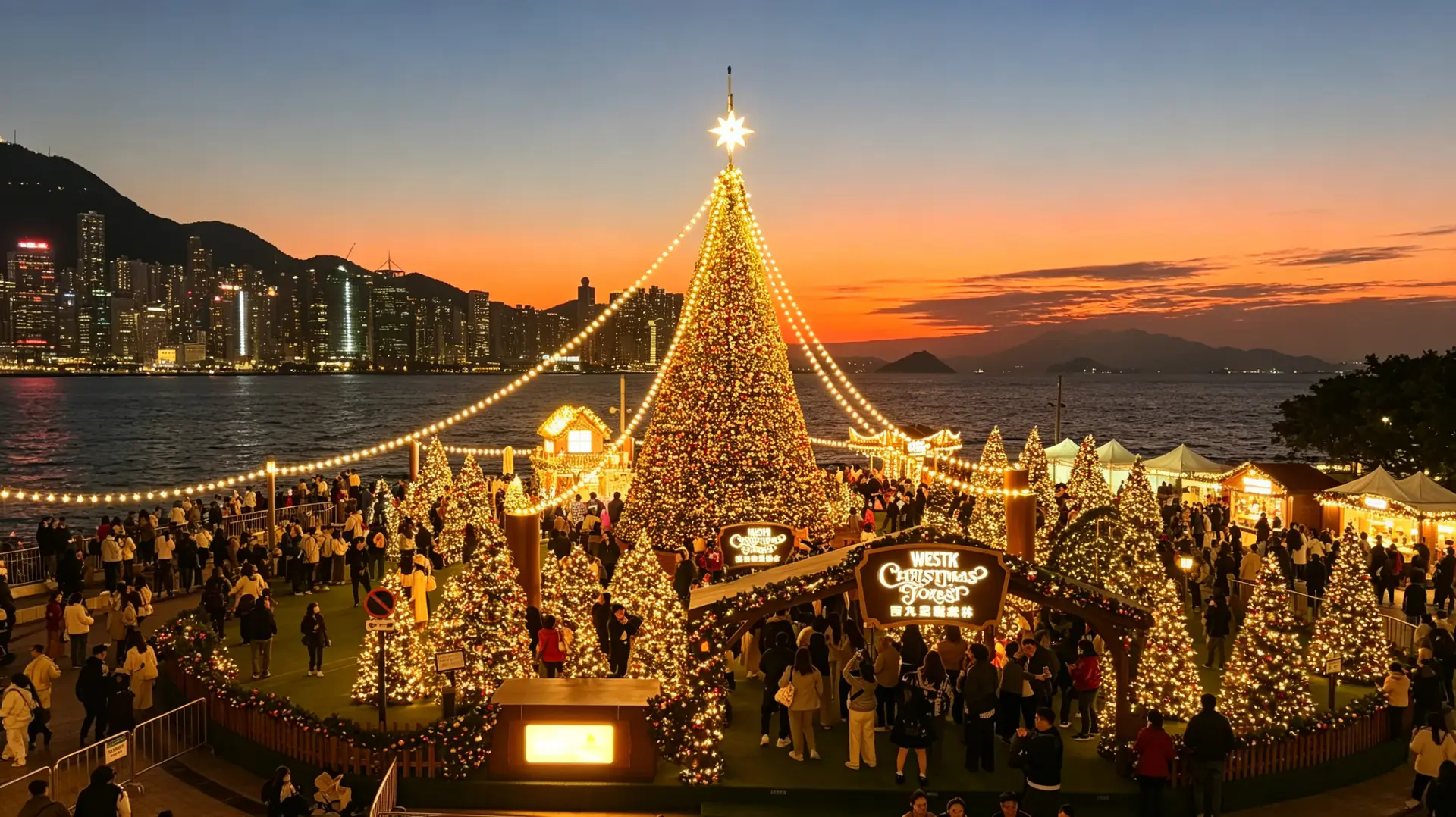
Use the extra time for Lantau, Tai O, Dragon's Back, a theme park, or slower museum days. The point is not more stops; it is fewer rushed transfers.
One day should stay classic, two or three days can add texture, and four or five days finally gives you room for a full escape. Do not try to do Lantau and Dragon's Back on the same day unless the whole trip is built around outdoor movement.
Protect one flexible weather slot. Peak visibility, ferry light, outdoor markets, Dragon's Back, and the Ngong Ping cable car all change meaning when rain, haze, heat, or maintenance intervenes.
Mistakes to Avoid in Hong Kong
Hong Kong is easy to visit independently, but easy does not mean effortless. Avoid these planning traps and the city becomes much more enjoyable.
- Do not plan the Peak for a fixed time before checking visibility and cloud cover.
- Do not add Lantau to a Central-Kowloon city day unless you are willing to lose most of the day to transfers.
- Do not assume every nostalgic neon photo still exists; many old signs are gone, and the best night atmosphere now comes from whole street scenes.
- Do not treat MTR travel time as only platform-to-platform time. Station exits, tunnels, footbridges, and slopes can be tiring.
- Do not make dim sum an afterthought at 15:00. Many classic places are strongest earlier in the day.
- Do not schedule Dragon's Back as a quick pre-dinner stroll. Plan it as a real hike with water, sun protection, and enough daylight.
What to Save for Another Trip
Hong Kong rewards repeat visits. If this is your first trip and you only have two or three days, it is usually better to leave some good things untouched than to flatten everything into one exhausted checklist.
Outlying Islands
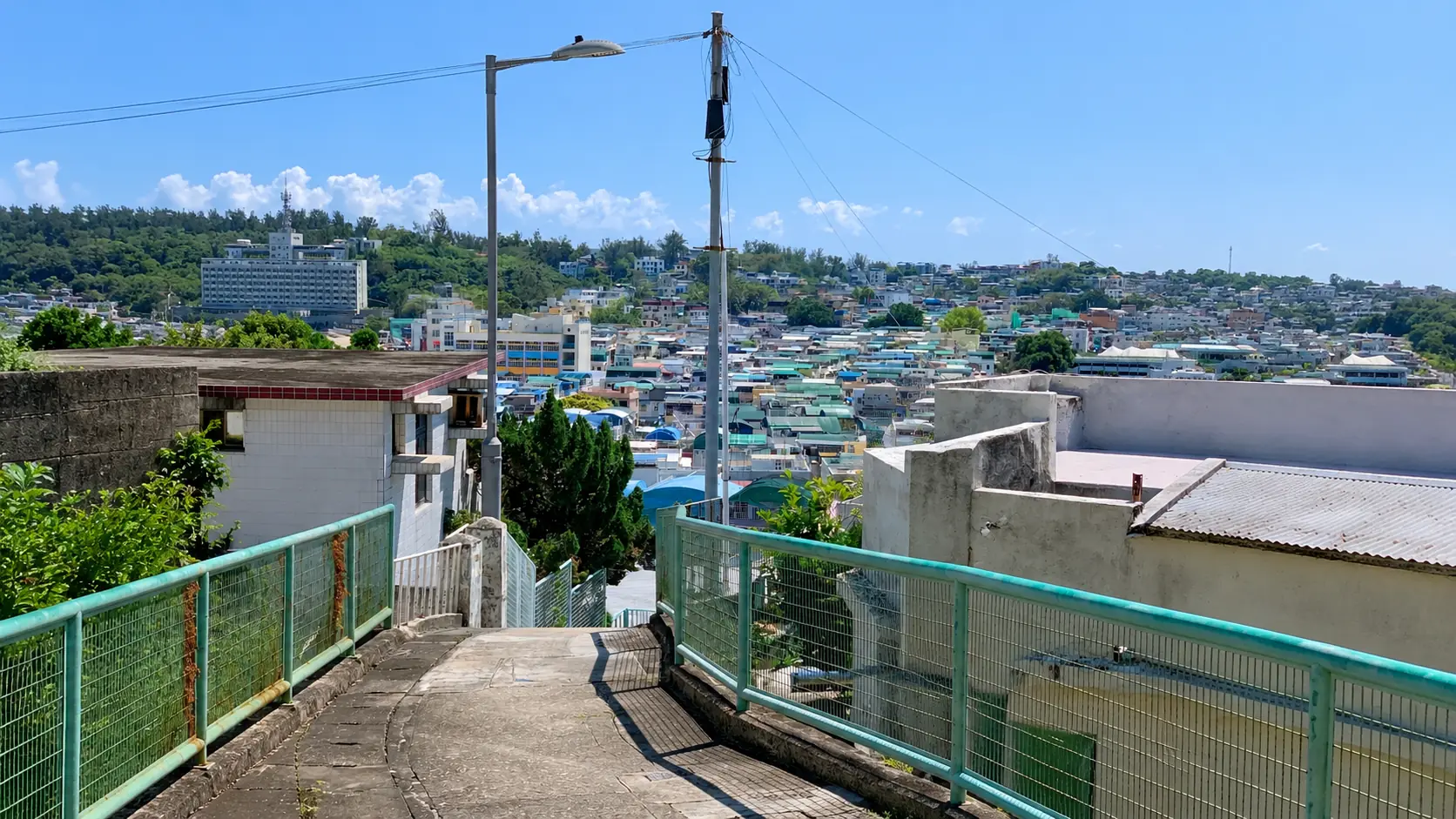
Cheung Chau (长洲), Lamma Island (南丫岛), Peng Chau (坪洲), and other island days are wonderful when you have more breathing room, but they compete badly with a short first-time city route.
Deep New Territories
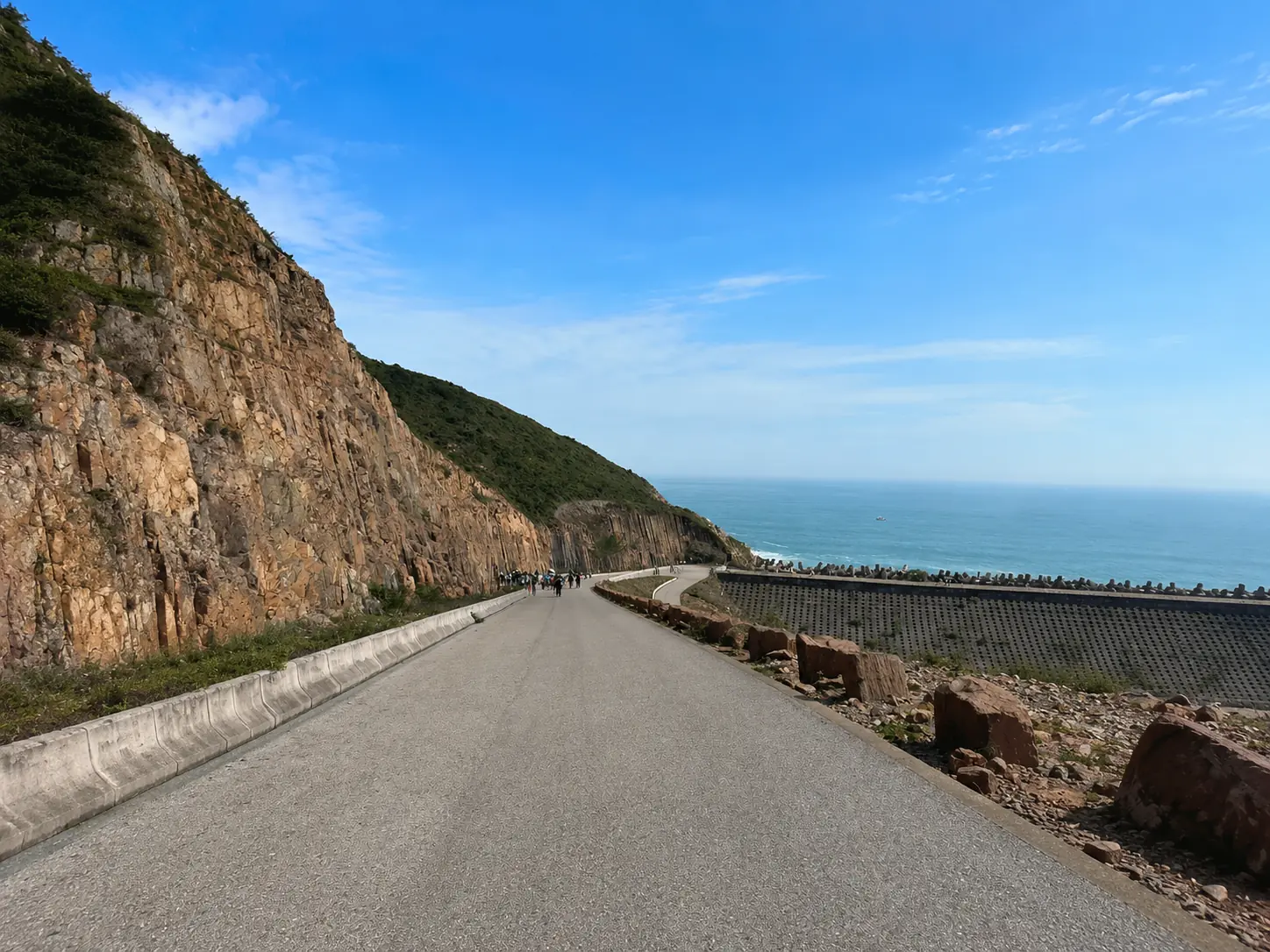
Walled villages, wetland parks, heritage trails, and far northern districts can be excellent, but they need context and time. Save them unless your trip is already longer or more local-focused.
Specialty Shopping Hunts
Camera gear, tailoring, tea, jade, watches, and vintage objects can consume half a day each if you take them seriously. Build them into a second trip unless shopping is the main point.
Where to Stay for These Sights
There is no single perfect Hong Kong base. Choose by the kind of friction you want to reduce.
Central or Sheung Wan
Best if you want Peak access, old streets, bars, restaurants, and Hong Kong Island convenience. Expect slopes, higher prices, and smaller rooms at the same budget level.
Tsim Sha Tsui
Best if you want harbour views, ferry access, museums, easy Kowloon walks, and a very straightforward first-time base. It can feel touristy, but the logistics are strong.
Jordan or Yau Ma Tei
Best for budget-conscious travelers who want night food, older Kowloon streets, Temple Street, and quick MTR access. It is less polished but often more atmospheric.
Frequently Asked Questions About Hong Kong Planning
Two full days is enough for the Peak, Star Ferry, dim sum, Central or Sheung Wan, Tsim Sha Tsui, and one Kowloon night-food area. Three days is much better if you want a museum, Sham Shui Po, Lantau, Dragon's Back, or a theme park without rushing.
Official Sources Checked for Hong Kong Details
Sources checked for this guide
- West Kowloon opening hours, Monday closure and harbourfront visitor access: M+ Plan Your Visit
- Tuesday closure rule, timed-entry tickets and West Kowloon gallery access: Hong Kong Palace Museum Plan Your Visit
- Compound gates, heritage courtyard hours and free baseline admission: Tai Kwun Visiting Information
- Lantau cable-car terminal access, maintenance advisories and Ngong Ping Village planning: Ngong Ping 360 Tourist Guide
- 8 km Shek O ridge hike distance, ~4-hour walking estimate and trailhead access: Hong Kong Tourism Board — Dragon's Back Hike
- Contactless Visa/Mastercard gate access across MTR heavy rail and the Airport Express: MTR Contactless Payment Guide
- Nightly 20:00 harbour show details, weather suspension rules and multi-site light-festival direction: A Symphony of Lights official page and Hong Kong 2026–27 Budget speech
More Hong Kong Guides for Trip Planning
This article helps you choose the best things to do in Hong Kong, but the smoothest trip comes from turning those choices into a route that respects weather, queues, appetite, and energy. Start with our Hong Kong destination guide for stay-area and airport/HSR arrival decisions, then continue with:
- One day in Hong Kong: Peak, Star Ferry and street food
- Hong Kong food guide
- Victoria Peak complete guide
- Temple Street Night Market guide
- Old Town Central walking guide
- Sham Shui Po walking tour
- Tai Kwun guide
- M+ Museum guide
- Hong Kong Palace Museum guide
- Macau day trip from Hong Kong
- Hong Kong Museum of History Guide — understand Hong Kong's port-city story in Tsim Sha Tsui East on a rainy or hot afternoon
© gochinafreely.com — Original guide by Go China Freely.