Walk & Access
Good to Know
Street Markets, Makers, and Working-Class Kowloon
Hong Kong's workshop floor
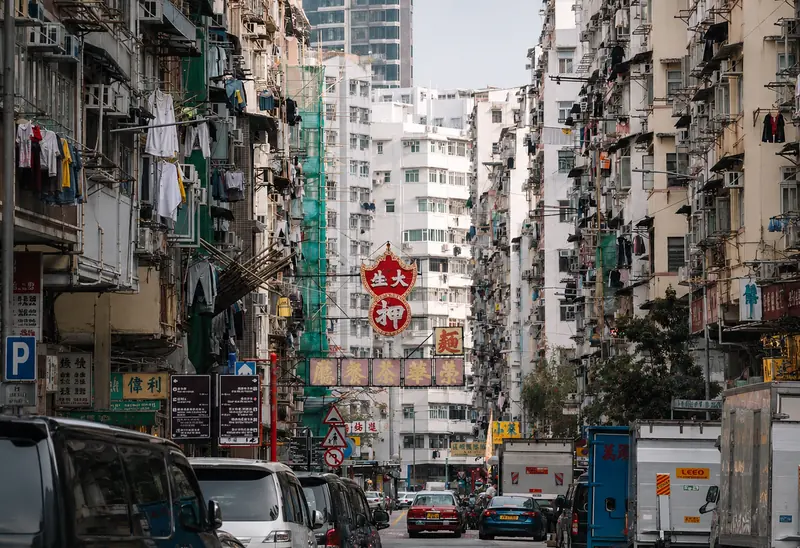
Sham Shui Po is not Hong Kong's most polished face, and that is exactly why it works. It is the city's workshop floor: electronics stalls, fabric and button shops, bead suppliers, toy wholesalers, old-school tofu, public-housing memory, and a sunset hill above dense Kowloon.
This 3-4 hour route is for first-time visitors who want to see the Hong Kong that runs behind the skyline after the harbour classics. The street route is free; food and shopping depend on what you choose.
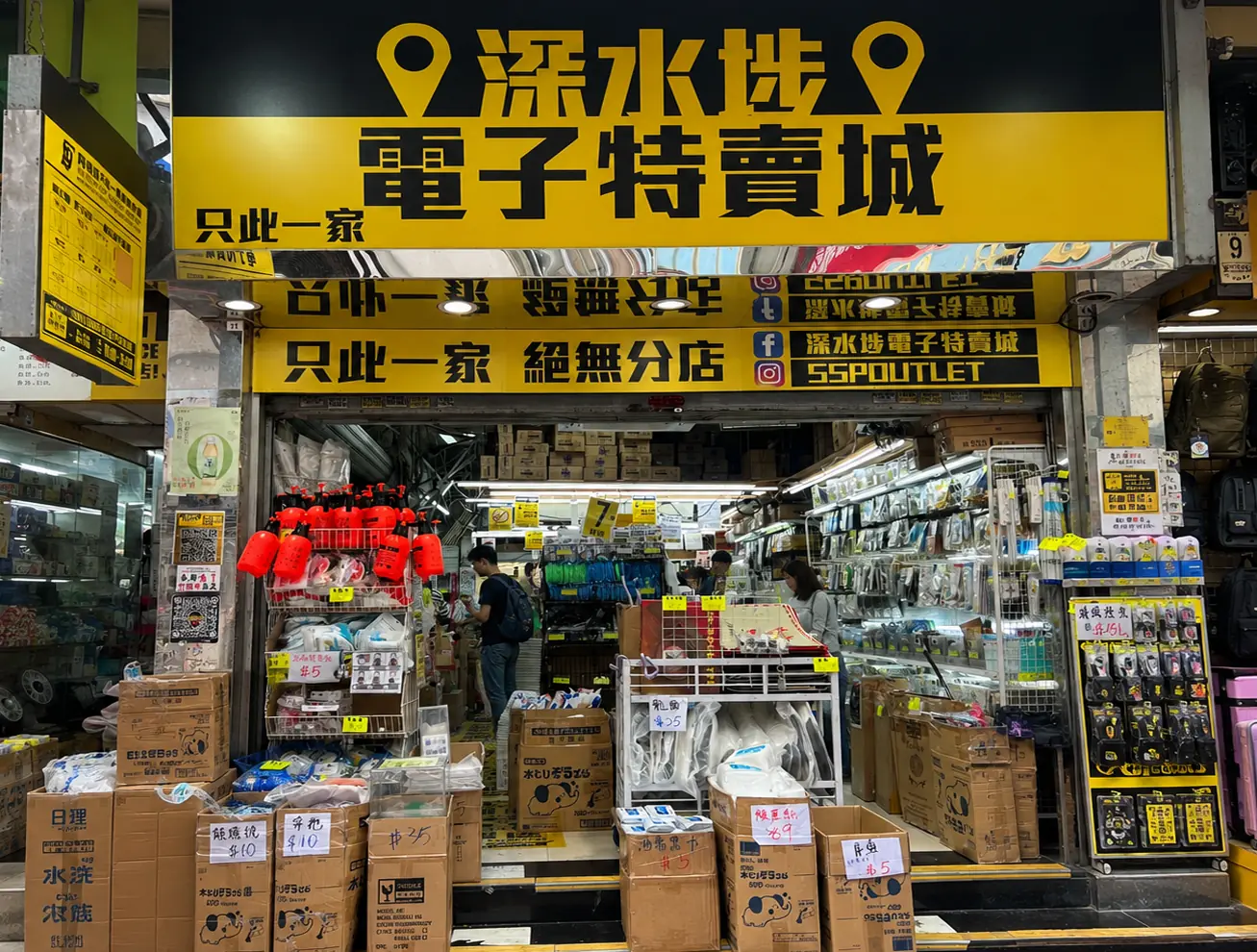
Apliu Street is the route's strongest first hit: cables, accessories, old devices, and flea-market energy.
Read three connected layers
Market Supplies
Apliu Street brings electronics; Fuk Wing, Yu Chau and Ki Lung Streets bring toys, beads, buttons, fabric, stationery and small tools.
Everyday Food
Pei Ho Street, tofu pudding, cheung fun, dim sum, wet-market food and cha chaan teng meals keep the walk grounded.
Housing Memory
Mei Ho House and nearby Shek Kip Mei add public-housing history to the market streets below.
This is why the neighborhood works better as a walk than a checklist. Move through street electronics, craft materials, affordable food and housing history, then decide whether the view from Garden Hill (嘉頓山) belongs in your finish.
A Self-Guided Sham Shui Po Route
Start at Sham Shui Po Station (深水埗站) (Google | Amap). Exit A2 or C2 works for Apliu Street and the market side; D2 is useful when you approach Mei Ho House and Garden Hill. The full route is roughly 4-5 km with the hill, or shorter if you return to the MTR after food.
- Sham Shui Po Station(深水埗站)- Start with A2 or C2 for the market streets
- Apliu Street(鴨寮街)- Electronics, cables, vintage devices and flea-market browsing
- Golden Computer Centre(黃金電腦商場)- Indoor computer and gaming mall near the market area
- Fuk Wing Street(福榮街)- Toy Street: stationery, toys and party supplies
- Ki Lung and Yu Chau Streets(基隆街 / 汝州街)- Buttons, fabric, beads, lace and sewing supplies
- Pei Ho Street Food Stop(北河街)- Editorial pause for market food, tofu pudding, cheung fun or dim sum
- Mei Ho House(美荷樓)- Public-housing memory and a free heritage visit
- Garden Hill(嘉頓山)- Optional stair climb for sunset and Kowloon views
This is an editorial walking sequence, not an official fixed trail. Keep the order as a useful spine, then shorten or pause it around your own browsing pace.

Sham Shui Po works best as a route through street-level layers, not as a single landmark.
Give the markets their useful hours
Late morning to late afternoon is the most practical window. Around 11:00 is a suggested browsing start—not a shared opening time—because more shops tend to be active than in the early morning. By evening, food remains, but craft and electronics browsing becomes less dependable.
If sunset is the goal, reach Mei Ho House by late afternoon and climb Garden Hill before the light drops. Use the route as a spine rather than a checklist: the strongest version leaves time to browse one or two blocks properly instead of rushing every named stop.
Starting window: for a market-focused walk, 11:00 usually works better than 08:00. Early morning suits wet-market life, while independent craft, toy and electronics shops set their own hours.
Apliu Street Electronics and Flea Finds
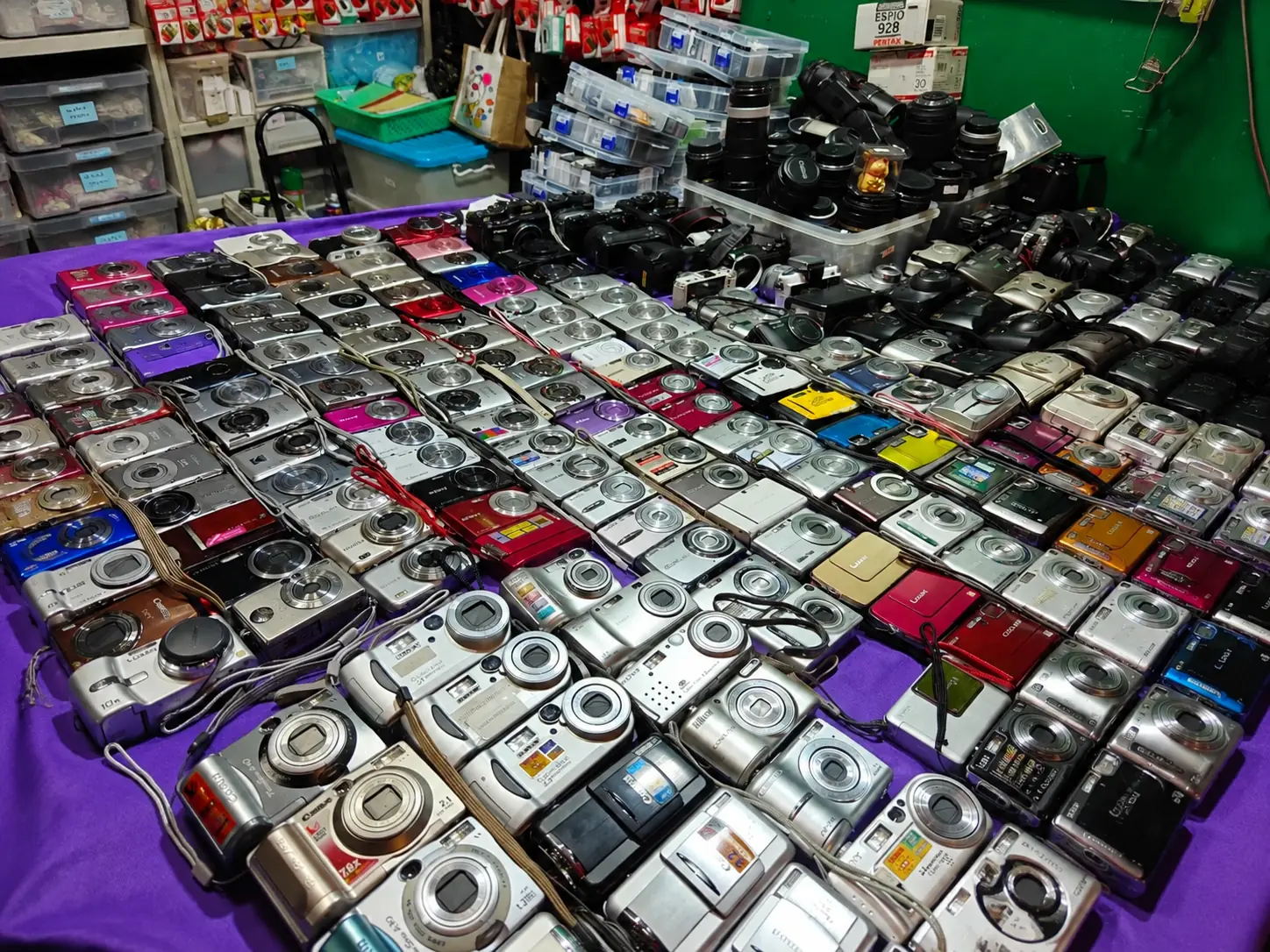
See: phone accessories, cables, batteries, film cameras, alarm clocks, radios, vintage typewriters and the delivery-cart rhythm of a working electronics street.
Buy or skip: use it for low-cost adapters, small lights, fans, odd tools and accessories; the mixed new, used and vintage stock is the appeal.
Risk and time: browse slowly, but avoid expensive devices, vague brand claims and anything whose value depends on warranty support.
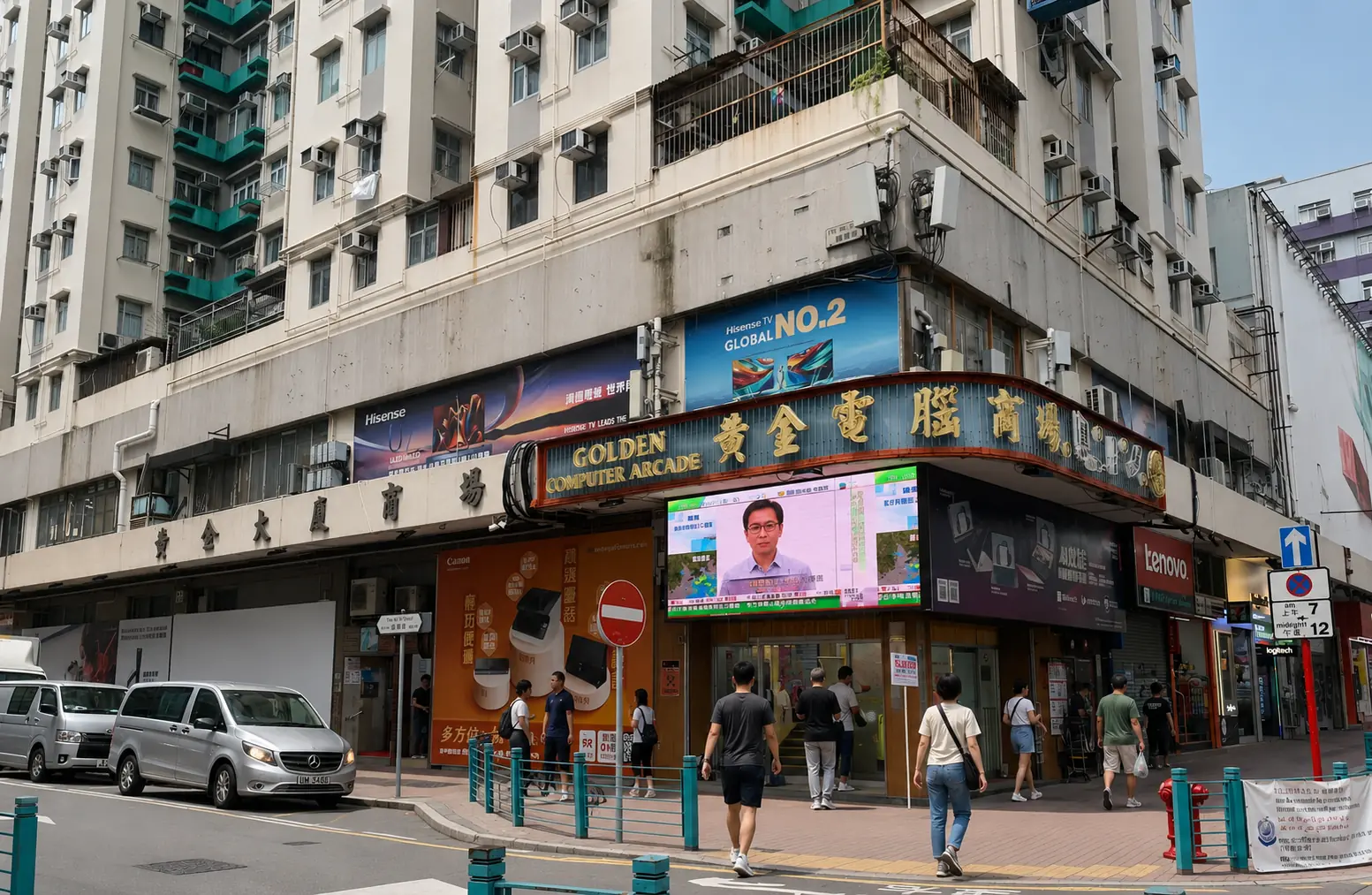
See: tightly packed shops for computer parts, gaming gear, cables and peripherals—the indoor side of Sham Shui Po's still-active tech ecosystem.
Buy or skip: enter if you enjoy comparing specialist shops; otherwise the outdoor stalls and working street scene carry more travel value.
Risk and time: compare prices and support terms before buying. Non-tech visitors can look for 20-30 minutes, then keep the route moving.
Buttons, Beads, Toys, and Fabric Streets
From Apliu Street, shift into the craft-supply blocks. This is where Sham Shui Po becomes more than a flea market: fashion students, makers, school-event planners, theatre people, wedding decorators, and local families all use these streets because the goods are specific and affordable.
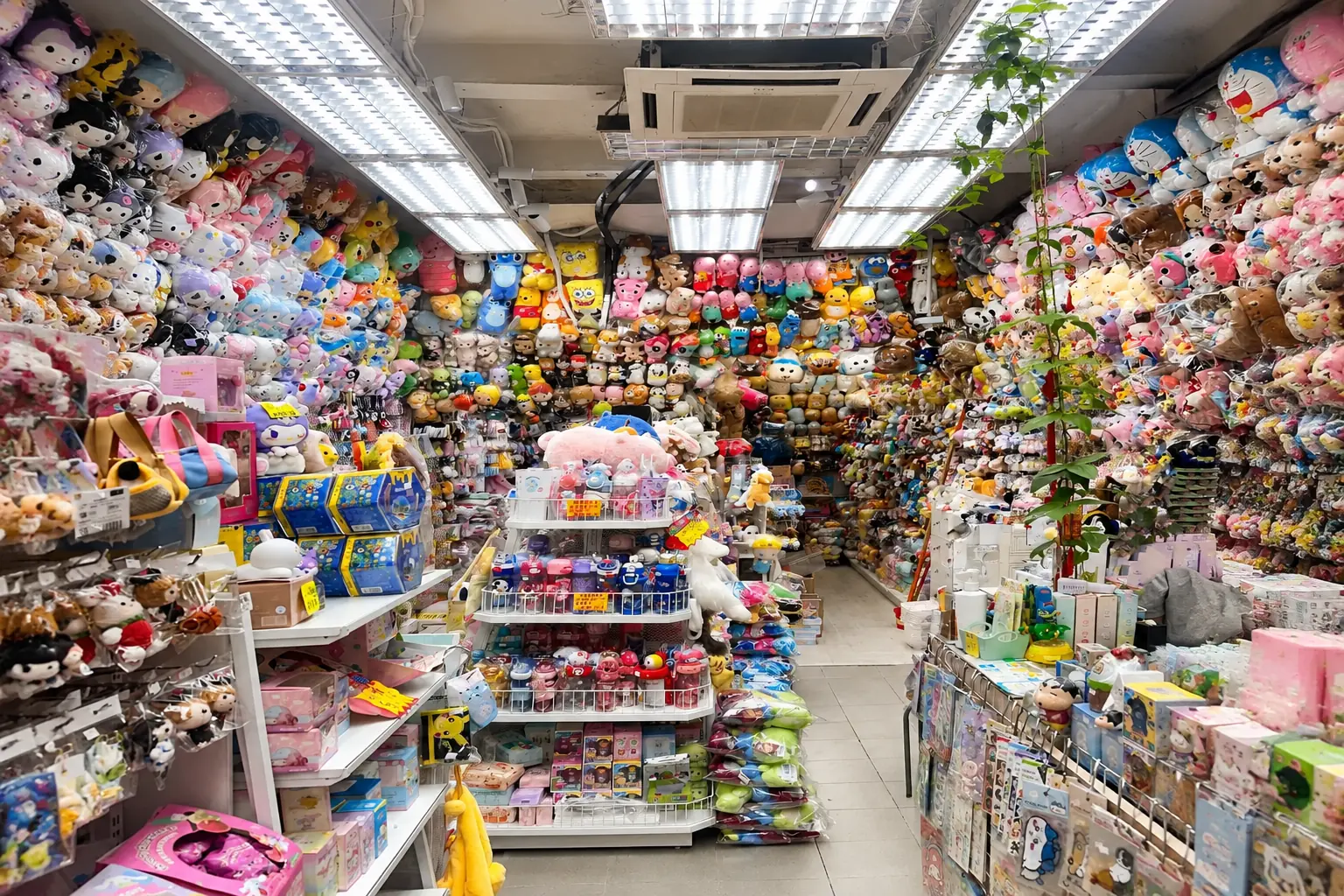
Look for: children's toys, stationery, party goods, seasonal decorations and small gifts.
Why browse: Toy Street is playful and practical even when you do not plan to buy much.
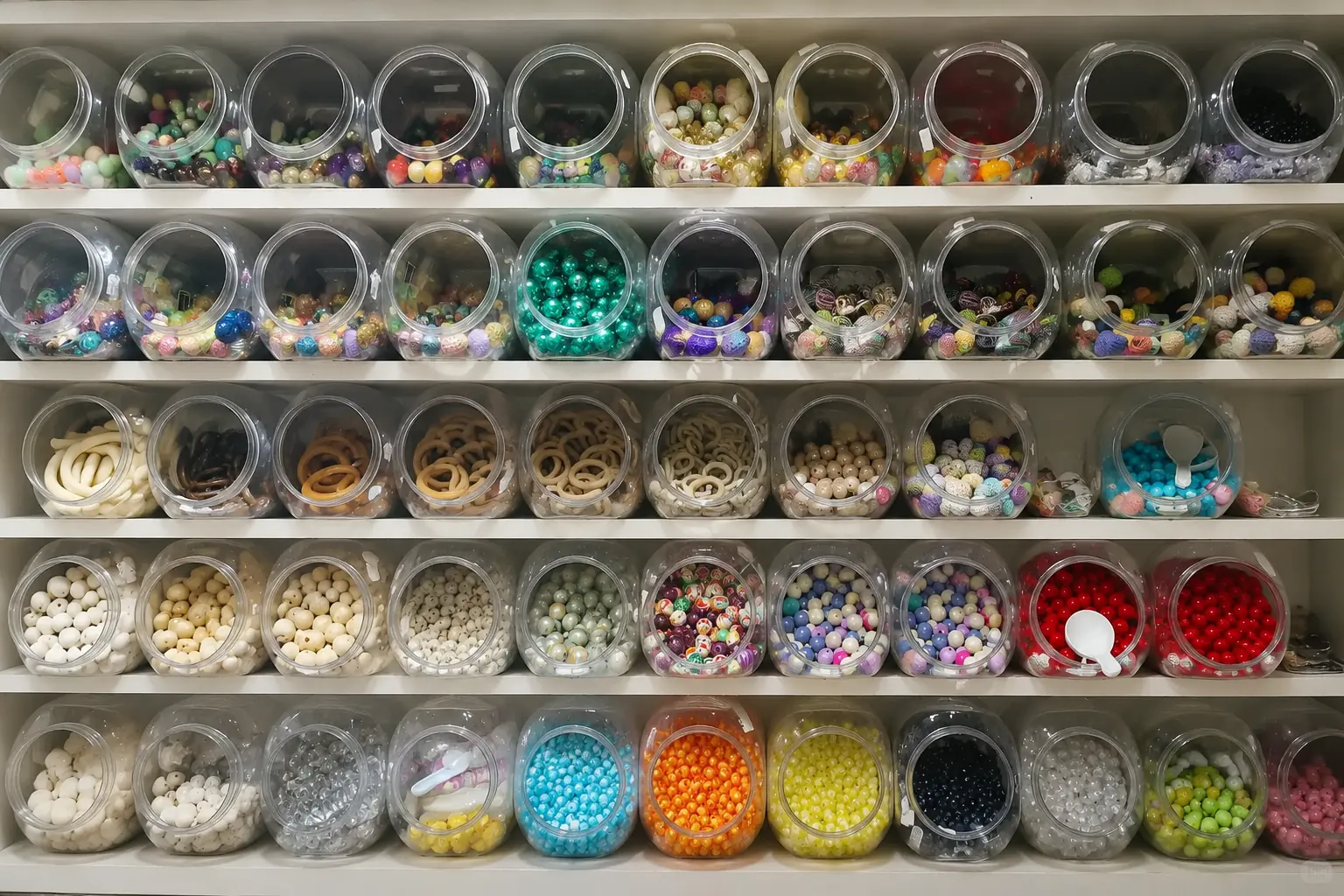
Look for: beads, jewellery parts, threads, chains and DIY supplies.
Why browse: Bead Street makes colour and material comparison easy; keep your bag close in narrow, high-stacked shops.
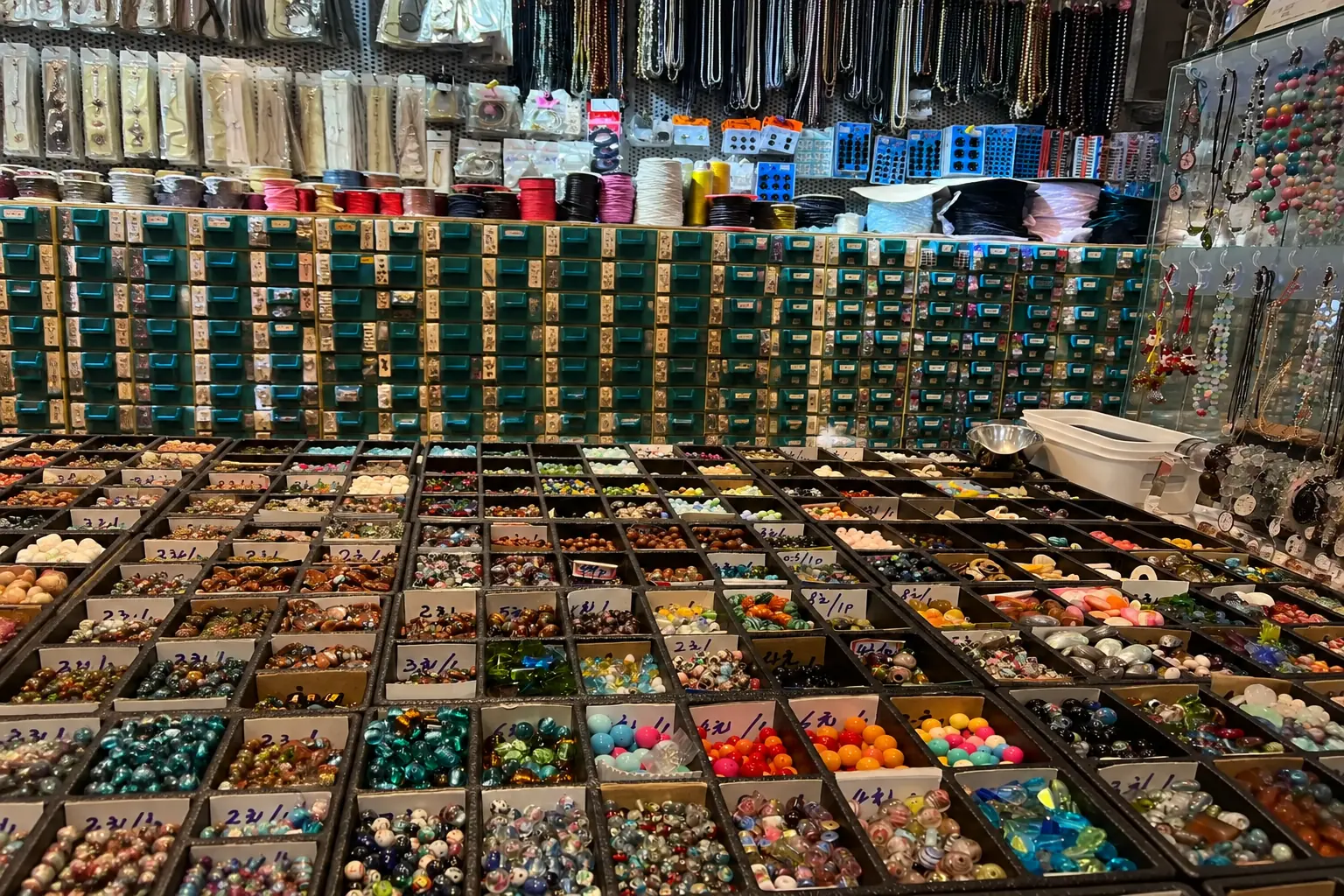
Look for: buttons, zippers, lace, ribbon, cloth, thread and trims.
Why browse: a packet of buttons, short roll of trim or small sewing find carries more neighborhood character than a generic skyline souvenir.
For souvenirs, choose one small material you actually like: a bead kit, a trim, a useful stationery item or an odd vintage toy. The point is the district's specificity, not filling a bag at every stop.
Food Stops Between the Market Streets
Sham Shui Po food works best as fuel for the walk, not as a forced restaurant list. Pei Ho Street (北河街) (Google | Amap) and nearby Kweilin Street, Fuk Wa Street, and side lanes have wet-market energy, small eateries, cha chaan teng meals, and quick snacks.
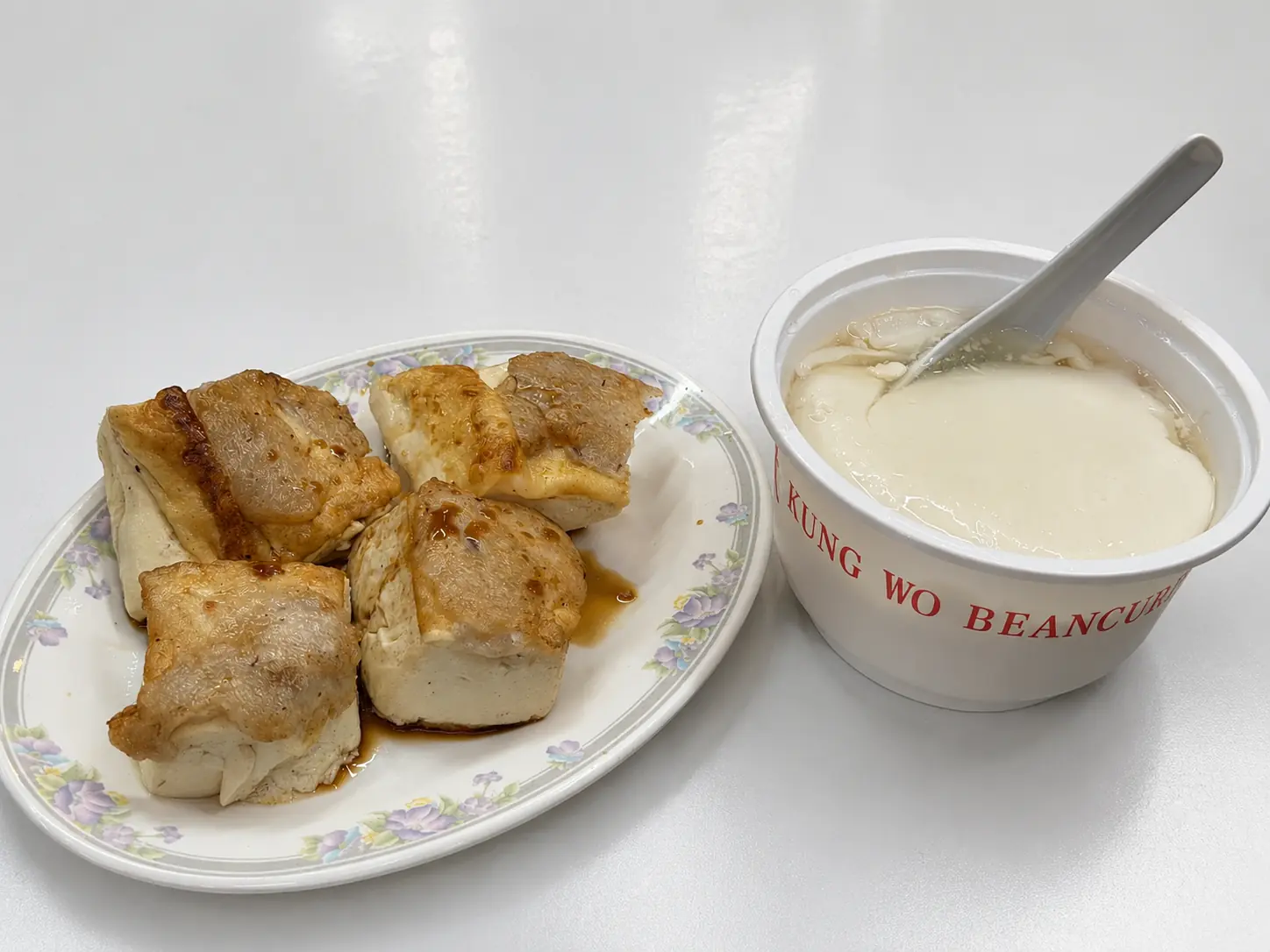
Kung Wo Beancurd Factory is the easiest light food stop on the Sham Shui Po route.
Kung Wo is the easiest light stop for foreign visitors. The current Hong Kong Tourism Board listing still places the shop at 118 Pei Ho Street and records its Sham Shui Po history since 1960.
Order tofu pudding, fried tofu, or soy milk, rest for 15 minutes, and keep walking. It works especially well because it gives the route a real pause without turning the afternoon into a food crawl.
Choose one more filling stop only if you are actually hungry:
Choose it for: silky cheung fun—a quick, affordable and filling street-food break.
Route role: a compact snack stop when tofu alone is not enough.
Choose it for: a familiar dim sum option on Fuk Wing Street.
Route role: use it for a sit-down meal instead of stacking another snack onto the walk.
Do not try to eat every famous stop in one route. Pick one snack and one proper meal, then let the streets do the rest.
Mei Ho House and Housing Memory
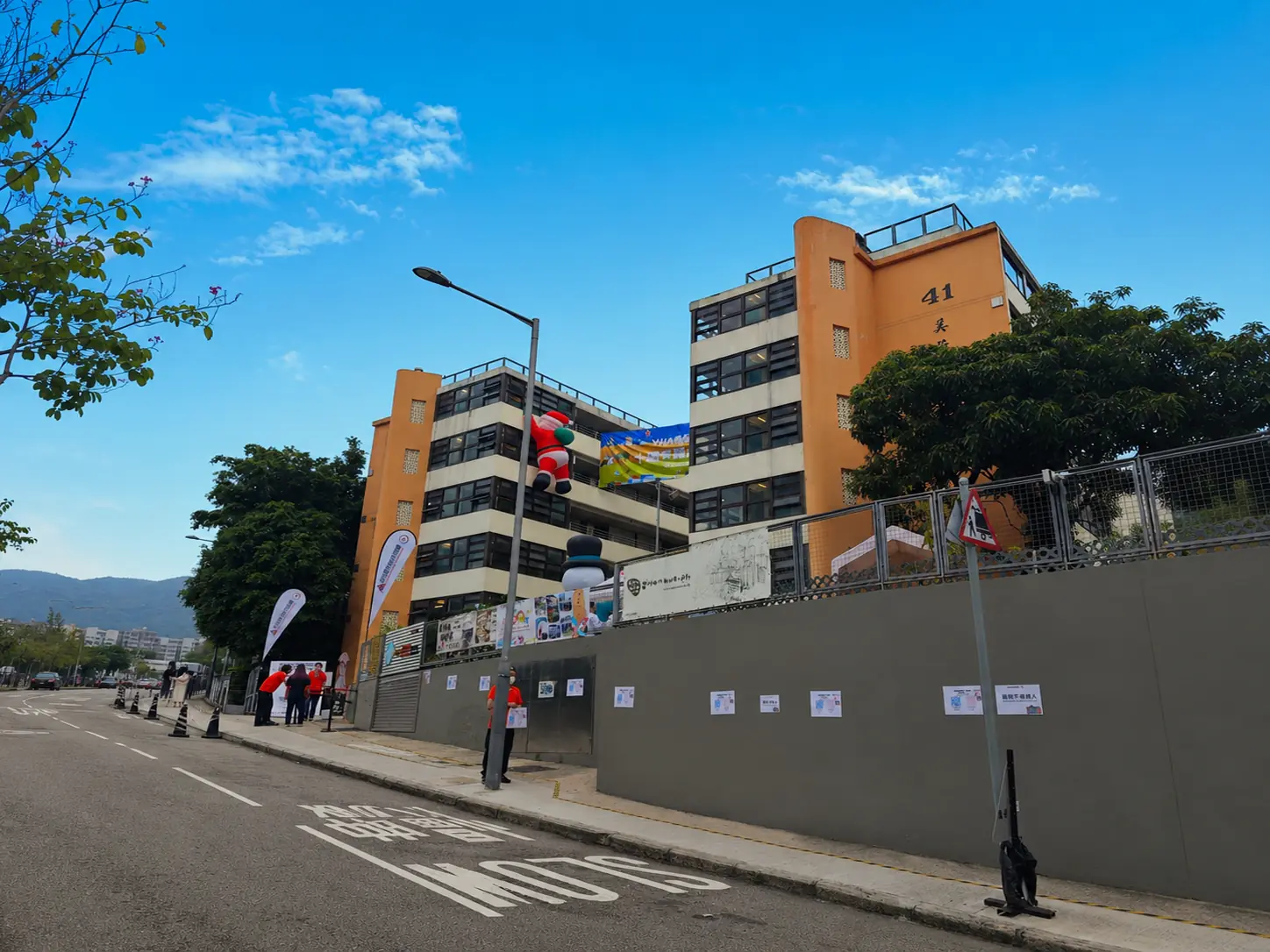
Mei Ho House adds public-housing memory after the market streets.
Public-housing memory after the markets
Heritage of Mei Ho House (美荷樓生活館)
After the market streets, walk north toward Mei Ho House (美荷樓). This shift matters. You have just seen Sham Shui Po at street level; Mei Ho House adds the public-housing history that explains why this part of Kowloon feels so dense, practical, and community-based.
Operated by the Hong Kong Youth Hostels Association, the museum connects the 1953 Shek Kip Mei fire and the 1954 resettlement blocks with later public-housing and community life. Its value is intimate scale: rooms, photos, oral histories, housing details and the transformation of a resettlement block into a heritage hostel.
Free heritage visit · check the calendar
Admission
Free. The current YHA visitor page lists no museum admission charge.
Regular hours
Tuesday-Sunday and public holidays, 10:00-18:00.
Short festival eves
Mid-Autumn Festival, Christmas Eve and Lunar New Year's Eve: 10:00-16:00.
Closed
Mondays except public holidays, plus the first three days of Lunar New Year. Check YHA around holidays.
Mei Ho House makes the route feel like a lived-in community rather than only a market zone. If history matters more than the view, stay longer; if the weather is clear and sunset is close, keep the visit shorter and climb Garden Hill.
Garden Hill Sunset Over Dense Kowloon
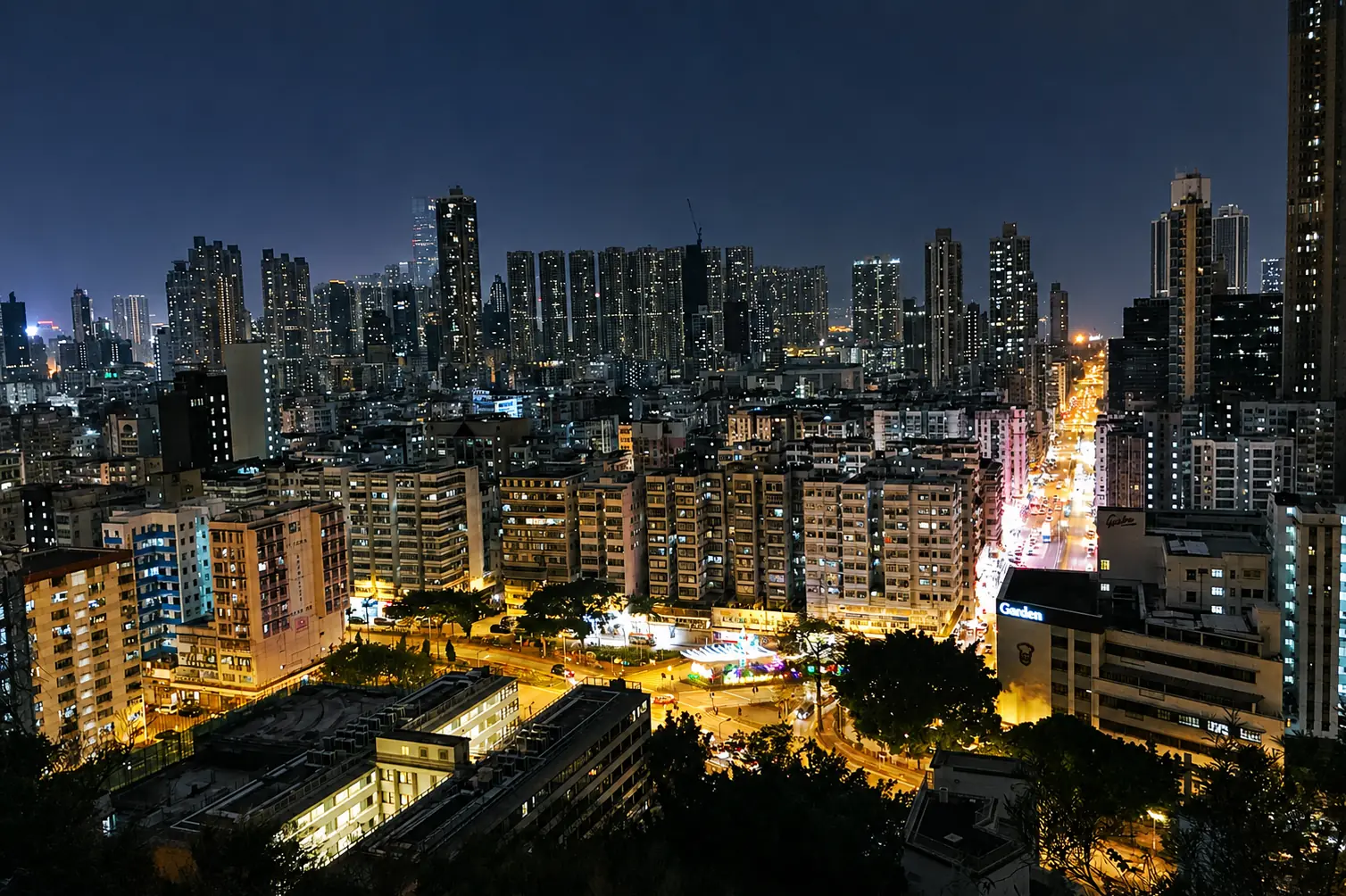
Garden Hill gives the walk a quiet finish above the dense Kowloon grid.
Optional sunset finish
Garden Hill (嘉頓山)
Garden Hill (嘉頓山) sits close to Mei Ho House, reached by stairs from the Shek Kip Mei side. The Hong Kong Tourism Board describes it as a quiet escape above the dense district, with especially good views during sunset and evening hours.
Arrive 30-45 minutes before sunset if you want the best light. The hill is not high, but the perspective opens quickly: Sham Shui Po below, Shek Kip Mei beside it, old residential blocks, newer towers, and the tight Kowloon grid spreading out in front of you.
Optional by design: Garden Hill is a strong finish, but the market streets and Mei Ho House already make a complete Sham Shui Po walk.
Conditions judgment: do not force the climb in rain, heavy heat or after your comfortable daylight window. This is an editorial safety choice, not a published closure rule; the viewpoint is a clear-weather add-on rather than a required checkpoint.
Timing, Etiquette, and Practical Street Tips
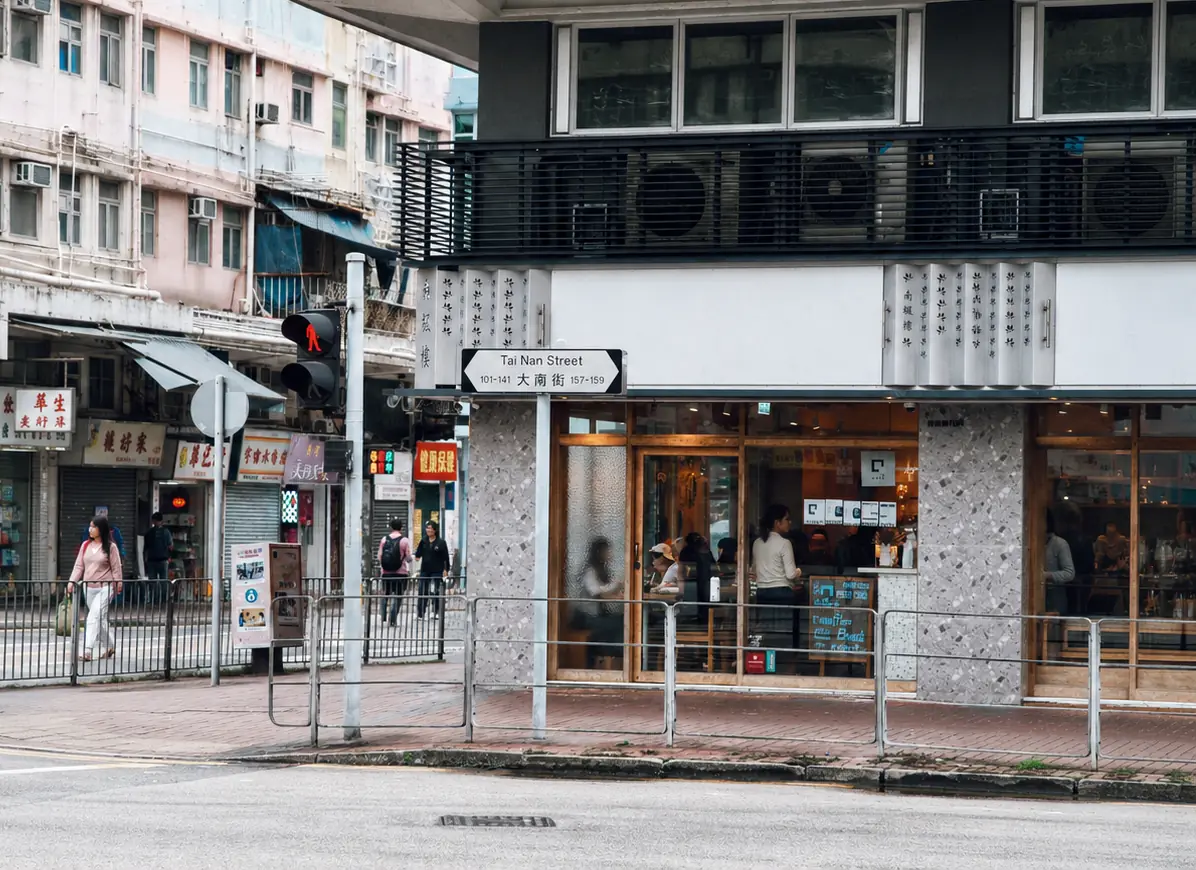
Tai Nan Street adds a newer creative layer without erasing the neighborhood's working-street texture.
Time the streets, respect the work
A useful suggested browsing window is 11:00-18:00, with Garden Hill added near sunset. It is not a shared neighborhood opening schedule. Summer midday can feel heavy and humid even under building shade; winter walking is easier, but an earlier sunset moves the whole plan forward.
Most importantly, do not treat Sham Shui Po as poverty theatre. It is a working neighborhood with public housing, immigrant communities, small shop owners, students, makers, and families doing ordinary daily business.
- Wear comfortable shoes for several kilometres of pavement, busy crossings, market stops and the optional Garden Hill stairs.
- Ask before photographing people at close range, especially around food stalls, small shops, and market work.
- Do not block shop entrances while comparing goods; many aisles are narrow and stores are still doing daily business.
- Keep bags close in narrow aisles and carry some cash, because small stalls may not want cards.
- If you buy electronics, stay with simple low-cost items unless you can inspect the product properly and accept the warranty risk.
- Buy respectfully, move lightly, and let the place be itself.
Where to Stay in Kowloon for Sham Shui Po
Sham Shui Po itself has a limited hotel supply, so most independent travelers sleep a few stops south along the Tsuen Wan Line in Kowloon for better room choice and easy evening transport.
Affiliate disclosure: the Trip.com hotel links below are affiliate links; we may earn a commission at no extra cost to you. Check room square footage, MTR exit distance, and cancellation terms before booking.
Stay in Jordan & Yau Ma Tei
Best Kowloon value & food access
Only three to four MTR stops south of Sham Shui Po on the Tsuen Wan Line, putting you close to Temple Street Night Market, cha chaan teng diners, and noticeably better nightly rates than harbourfront blocks.
Booking tip: Pick a licensed mid-range hotel near Nathan Road or Jordan Station exits rather than walk-up guesthouses with tiny shared elevators.
Stay in Tsim Sha Tsui
Best for first-time harbour access
Still on the same direct Tsuen Wan Line (five stops south of Sham Shui Po), while adding the Star Ferry to Central, Victoria Harbour views, and easy trips to West Kowloon museums.
Booking tip: Filter for recent renovations and check whether your room has an exterior window, as compact central Kowloon buildings vary widely.
For more neighborhood breakdowns across Kowloon and Hong Kong Island, see our Hong Kong travel guide.
Frequently Asked Questions About Sham Shui Po
Yes, if you have already seen the classic harbour or Central/Tsim Sha Tsui side of the city. Sham Shui Po is not the postcard version of Hong Kong; it is better for markets, food, craft supplies, public-housing history, and everyday Kowloon street life.
Sources checked for this guide
- Current MTR exit guidance for Apliu Street, Yu Chau Street, Fuk Wing Street, Mei Ho House and Garden Hill: MTR discoveries along Sham Shui Po Station
- Current neighborhood identity and visitor context: Hong Kong Tourism Board: Sham Shui Po
- Current Apliu Street identity and electronics-market context: Hong Kong Tourism Board: Apliu Street
- Street specializations and Golden Computer Centre context: Hong Kong Tourism Board: Sham Shui Po self-guided walks
- Current address, visitor status, 1960 history and soy-product focus: Hong Kong Tourism Board: Kung Wo Beancurd Factory
- Current Sham Shui Po branch, address and published store hours: Tim Ho Wan Hong Kong stores
- Free admission, museum history, full weekly and holiday opening arrangements: YHA Heritage of Mei Ho House
- Current access context and sunset/evening viewpoint description: Hong Kong Tourism Board: Garden Hill
Beyond This Sham Shui Po Walking Tour
Sham Shui Po pairs well with a Kowloon-focused day: markets and Mei Ho House in the afternoon, then Temple Street or the harbour lights in the evening. The best version depends on your hotel location, walking pace, weather, and how much you want to shop or eat along the way.
For a classic first day, see our one-day Hong Kong itinerary. For another street-market evening, continue with Temple Street Night Market.
© gochinafreely.com — Original guide by Go China Freely.