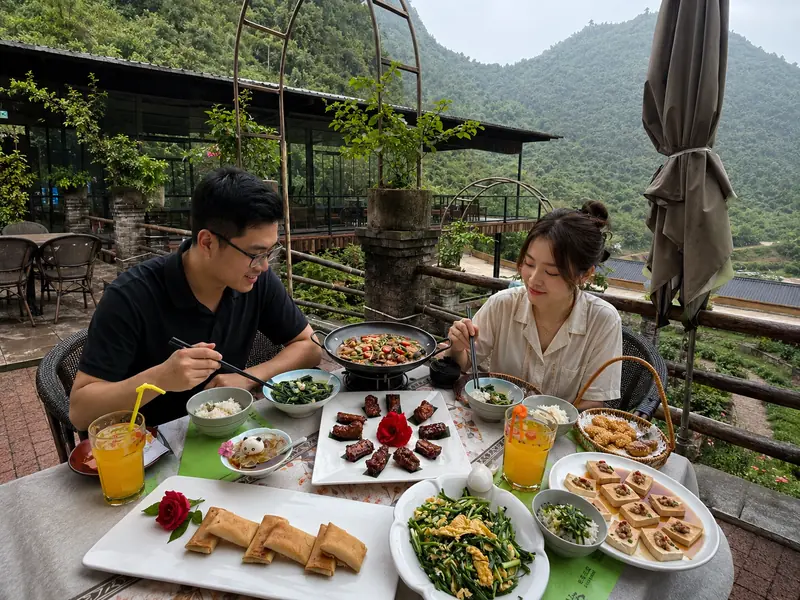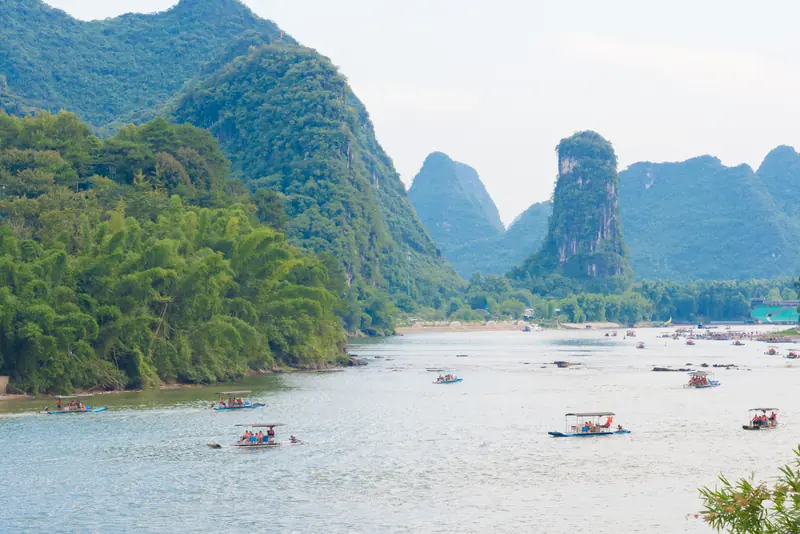
Guilin (桂林) and Yangshuo (阳朔) are not one quick scenic stop. Guilin gives you arrival logistics, rice noodles, cruise piers, caves, and city hills; Yangshuo gives you the Li River (漓江) classic peaks, Yulong River (遇龙河) countryside, bike lanes, village roads, and karst scenery close enough to feel physical. This guide helps you choose which experiences are worth building your first trip around instead of turning every famous name into a rushed transfer.

2-4 days
Best Length
Li River
Classic Anchor
Yulong
Slow Countryside
Yangshuo
Best Base
First-Time Guilin and Yangshuo: Start Here
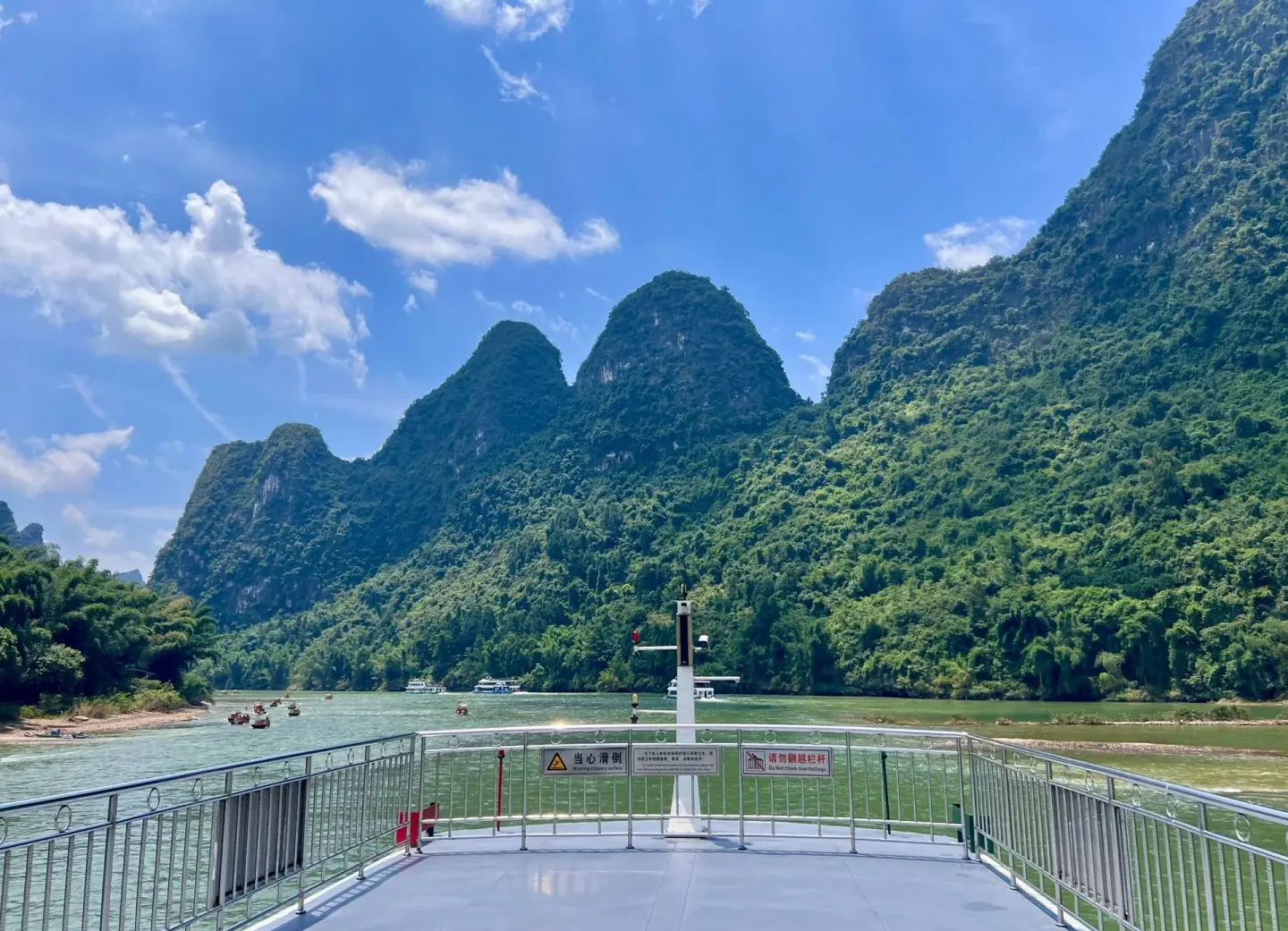
If you have only two days, build one clean line: cruise or transfer from Guilin to Yangshuo, stay one night, then use the next morning for Yulong River rafting or Ten-Mile Gallery (十里画廊). Three days is the best first-timer length: one day for arrival or Guilin city, one for the Li River, and one for Yangshuo countryside. Four days is where Longji Rice Terraces (龙脊梯田), cooking classes, rock climbing, or a deeper Xingping (兴坪) stay start to make sense.
Two days
Use Guilin as the entry point, move to Yangshuo by Li River cruise or road, then spend the next morning on Yulong River or Ten-Mile Gallery. Keep the plan clean.

Three days
Add one easy Guilin city day for rice noodles, Reed Flute Cave (芦笛岩), or a relaxed lakeside evening before the Li River and Yangshuo countryside.
Four days
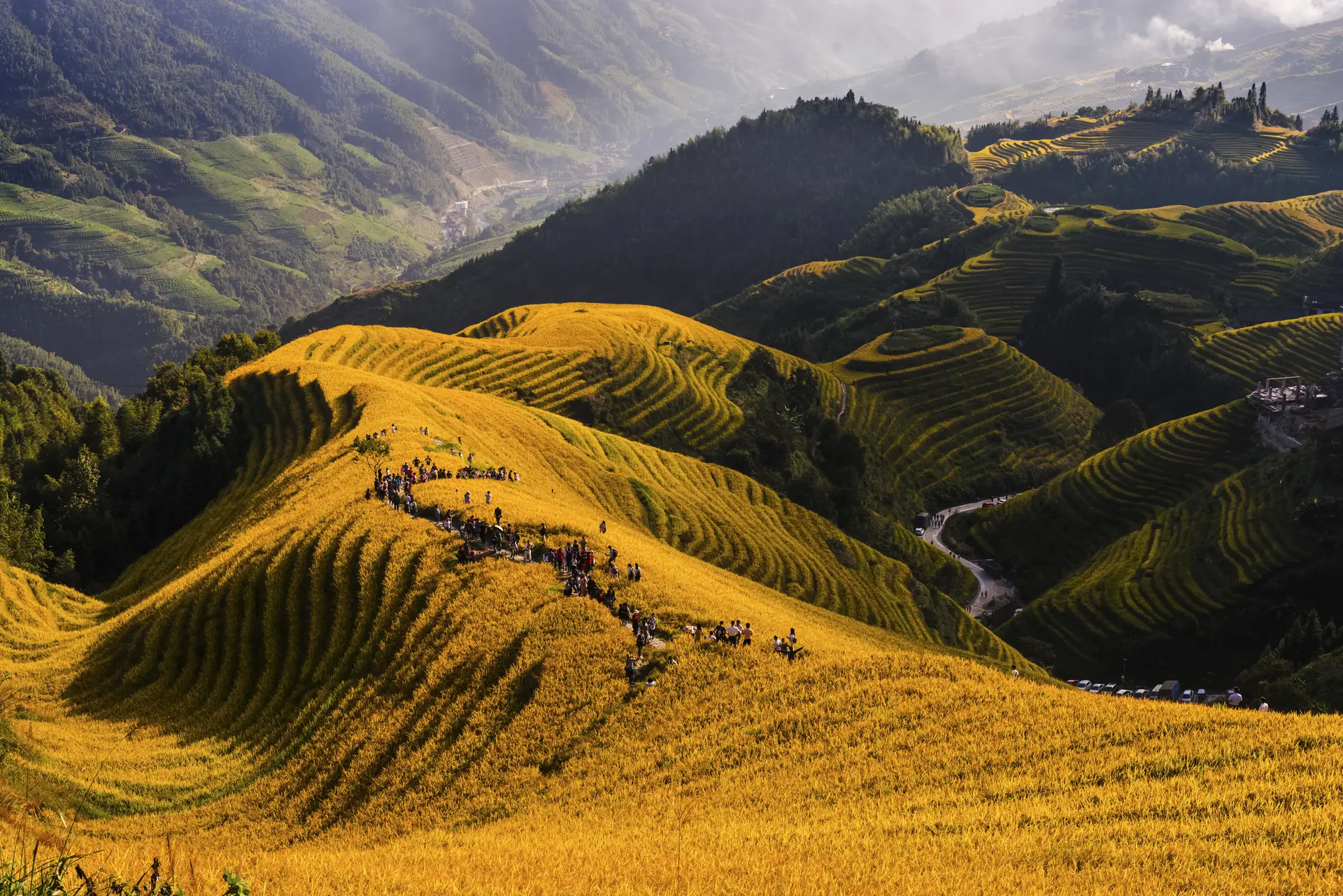
Add one strong extension: Longji Rice Terraces, a cooking class, rock climbing, a deeper Xingping photo day, or a slower countryside base.
The common mistake is treating every Guilin-area sight as if it fits into the same day: Li River cruise, Yulong bamboo raft, Ten-Mile Gallery, Silver Cave (银子岩), Ruyi Peak, Impression Liu Sanjie (印象刘三姐), West Street (西街), and Longji. They are all in the broader Guilin-Yangshuo orbit, but they do different jobs. The Li River is a half-day one-way scenic transfer. Yulong River is slow countryside. Longji is mountain-road time. Caves and shows are add-ons, not replacements for the best weather window.
Guilin and Yangshuo Are Water and Peaks
The scenery here is not about one giant mountain. It is about water, fields, and standalone limestone peaks spaced closely enough that the landscape keeps changing as you move. The Li River gives you the grand scale: boats, cliff lines, river bends, and peaks layered like a scroll. The Yulong River gives you the close version: bamboo rafts, rice fields, stone bridges, village lanes, and hills almost at shoulder distance.
UNESCO lists the South China Karst as a World Heritage property, and the Guilin Karst component was added in the 2014 Phase II inscription. For travelers, that label matters less as a badge and more as a clue: this is not generic river scenery. It is one of the clearest places to see humid subtropical karst landscapes from the water, road, and hilltop.

Li River Guilin
Where it shows up: Mopanshan Wharf (磨盘山码头), Zhujiang Wharf (竹江码头), the Guilin-to-Yangshuo cruise, Yangdi, Nine Horse Fresco Hill, Yellow Cloth Shoal (黄布倒影), and Xingping.
This is the big first-timer landscape: wider water, layered peaks, and the classic transfer from Guilin toward Yangshuo.
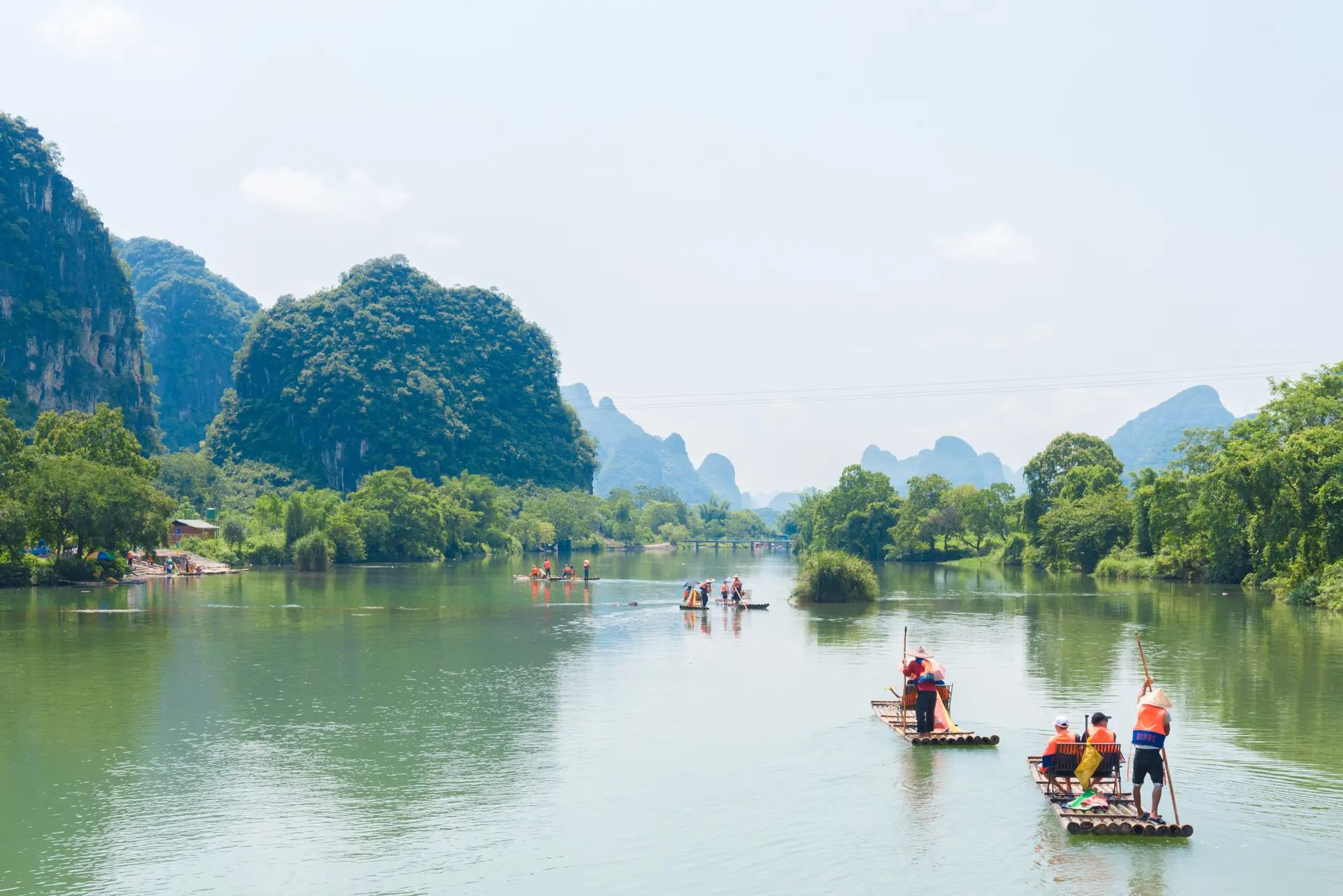
Yulong River Yangshuo
Where it shows up: Yulong Bridge (遇龙桥), Jiuxian Village (旧县村), Jima Wharf, Shuiedi Wharf, Gongnong Bridge (工农桥), and Ten-Mile Gallery.
This is the slow countryside layer: hand-poled rafts, village roads, bridges, bikes, and closer karst scenery.
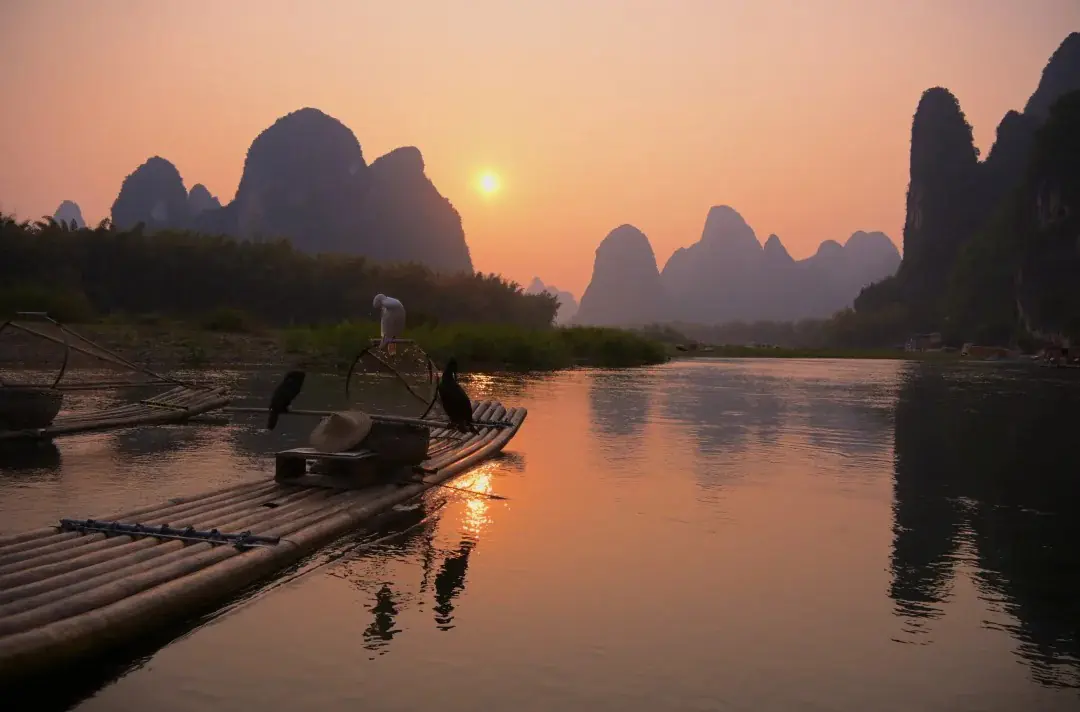
Xingping Photo Layer
Where it shows up: Xingping Ancient Town (兴坪古镇), Yellow Cloth Shoal, Xianggong Hill (相公山), Laozhai Hill, and riverbank viewpoints.
This is the concentrated Li River photo zone, especially if you care about the 20-yuan banknote view and sunrise conditions.
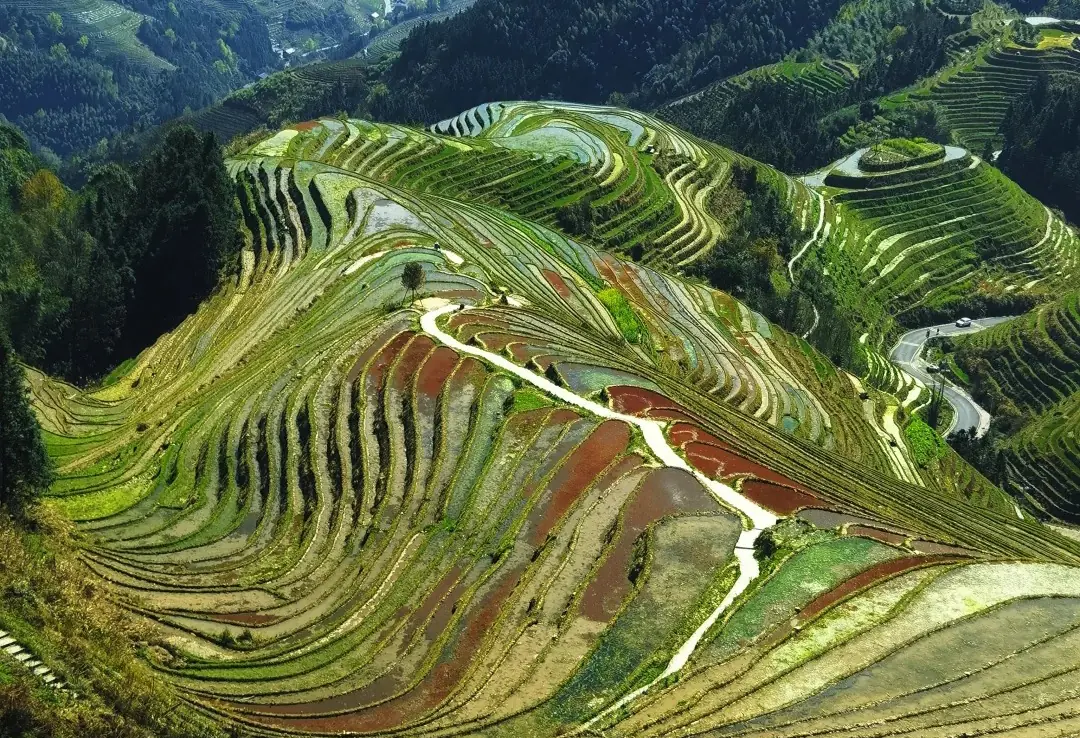
Guilin and Longji
Where it shows up: Guilin city caves, rice noodles, lakes, train or airport logistics, and Longji Rice Terraces to the north.
This layer makes the trip work: arrival, recovery, weather backups, and the bigger Guangxi extension.
12 Guilin and Yangshuo Experiences Worth Building Around
The first six are the strongest foundations for a first trip. The final six are excellent, but they should earn their place based on your weather, trip length, and interests.
The Li River cruise is the most reliable first Guilin experience because it combines scenery and transfer. Official scenic-area guidance treats the classic route as a one-way trip ending in Yangshuo, with real-name ticketing and live departure details to confirm before travel. Use our Li River guide before choosing cruise, raft, hike, or kayak.
Xingping is the Li River concentrated photo zone: Yellow Cloth Shoal, Nine Horse Fresco Hill, old streets, riverbank views, and the famous 20-yuan banknote scenery. Treat it as a half day, not only a quick signboard photo.
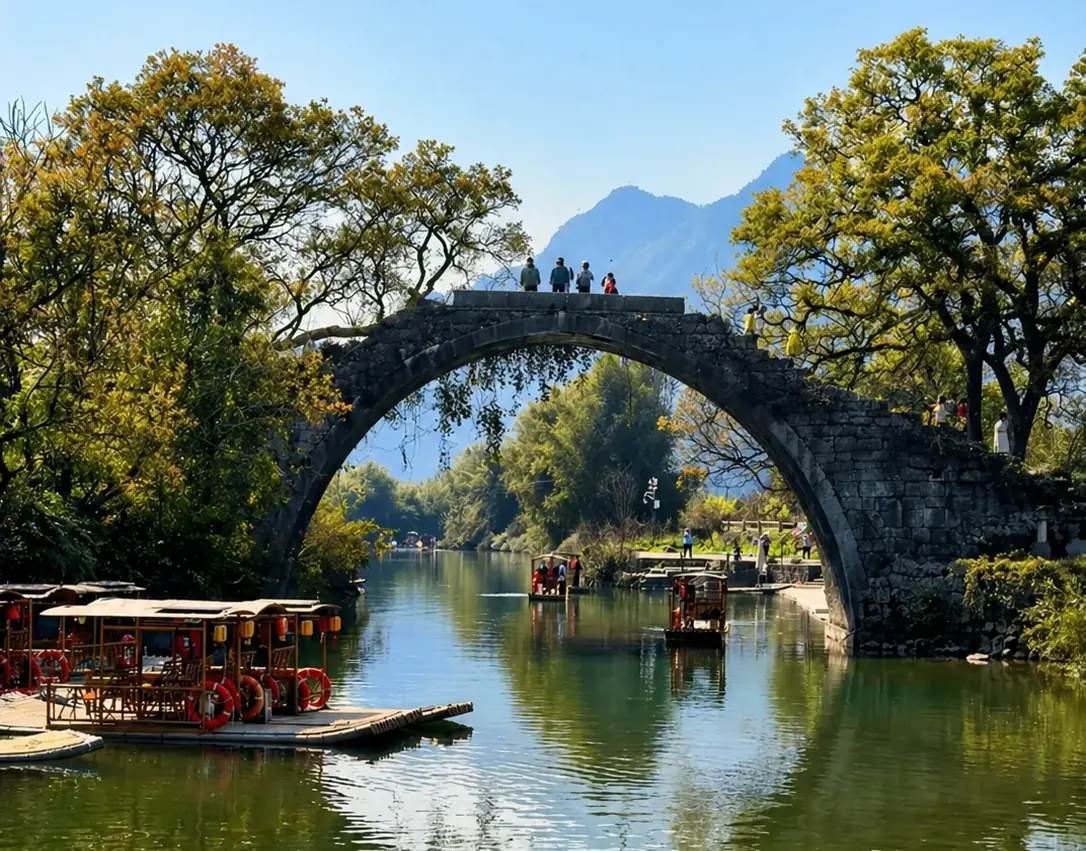
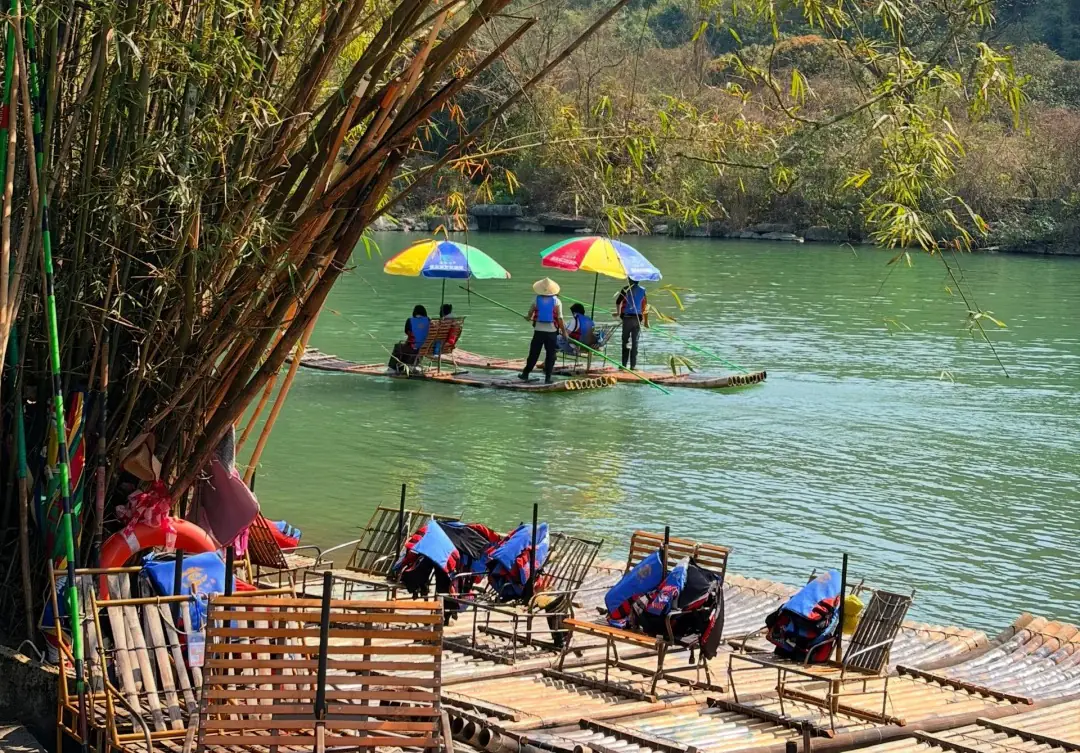
Yulong River rafting is the slow, manual, close-to-the-fields version of Yangshuo. It is not the same product as a Li River motorized raft. Route, pier, price, age, height, health, and weight rules can change, so check current pier details before you pay. Use our Yulong River rafting guide for route choice.
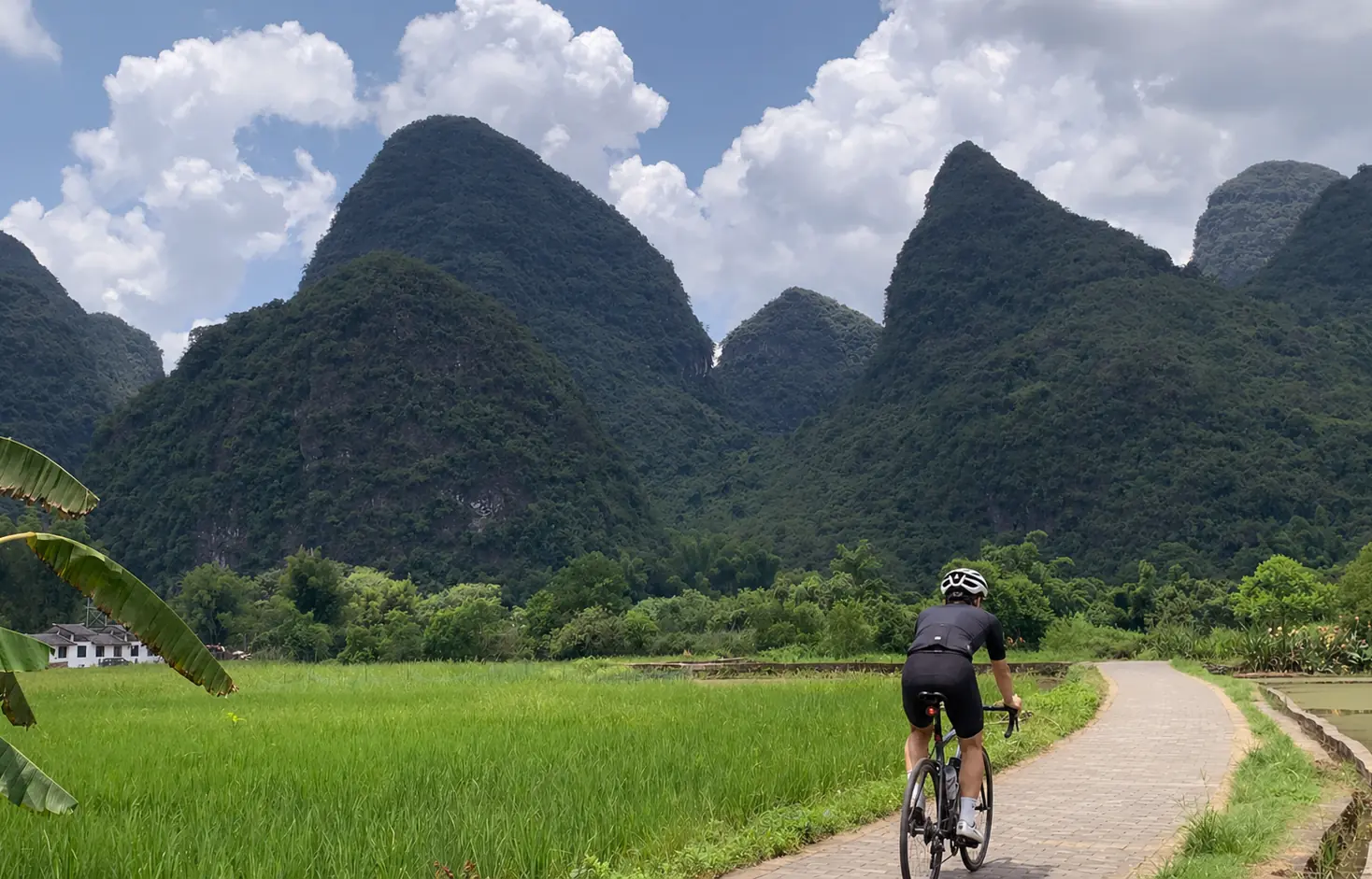
Yangshuo works beautifully by bike because the distance between river, fields, bridges, and peaks is just right. Ten-Mile Gallery is easiest for first-timers; Yulong River village lanes are prettier but need better navigation. Use our Yangshuo biking guide if cycling becomes a main day.
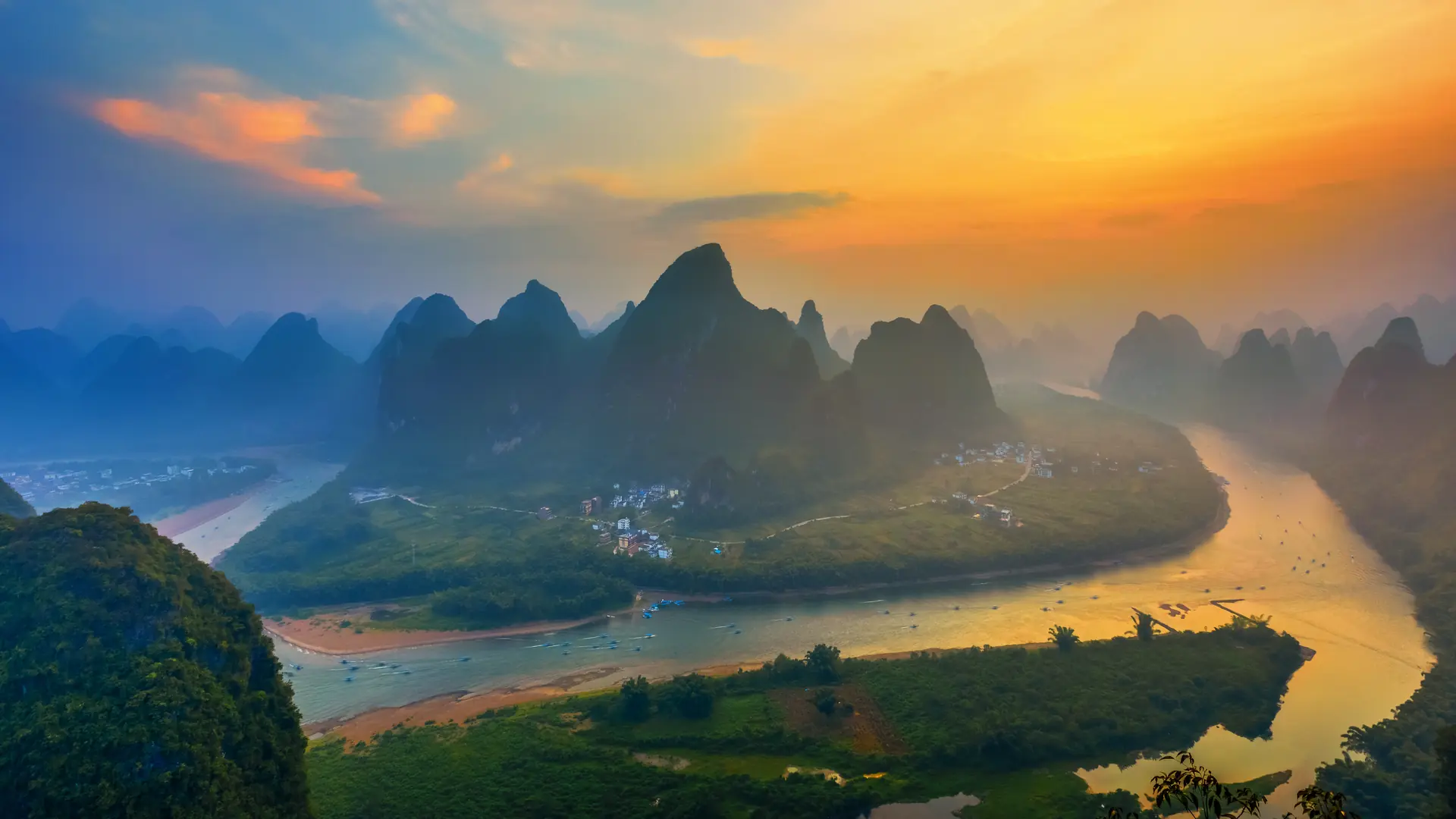
A hilltop changes the whole landscape: the river becomes a silver line and the peaks stack into layers. Xianggong Hill is the classic safer choice for many travelers. Be cautious with rougher viewpoints such as Laozhai Hill after rain, in poor light, or if maintenance and path conditions are unclear.

Guilin and Yangshuo have many caves, but most first trips need only one. Reed Flute Cave is easy from Guilin city and useful for arrival day or rain. Silver Cave works better from Yangshuo or on the way toward Lipu. Use our Guilin caves guide before doubling up.
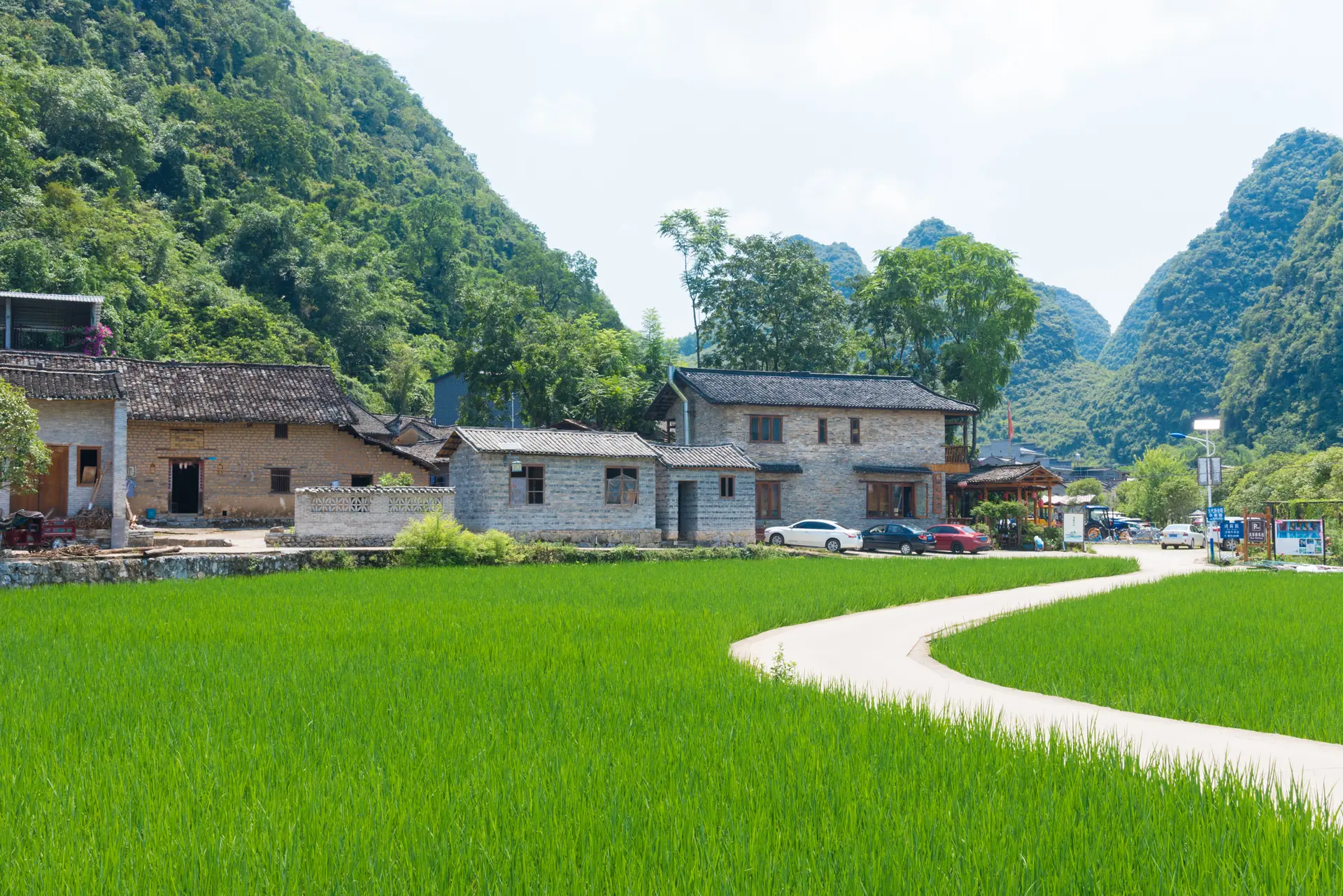
West Street is convenient for one night, food, and transport. But if you have two nights or more, consider the Yulong River or Ten-Mile Gallery countryside for quieter mornings, better walks, and karst views from your room or terrace.

Impression Liu Sanjie uses the river and dark karst peaks as its stage. It is a strong no-Chinese-needed evening for families and visual travelers, but it depends on weather, fatigue, seat choice, and the live schedule. Use our Impression Liu Sanjie guide if the show is a serious option.

West Street is useful: restaurants, drinks, travel desks, snacks, and nightlife all cluster here. But it is also the most commercial version of Yangshuo. Walk it, eat if convenient, then let the rivers and villages define the trip. Use our West Street guide to keep expectations realistic.
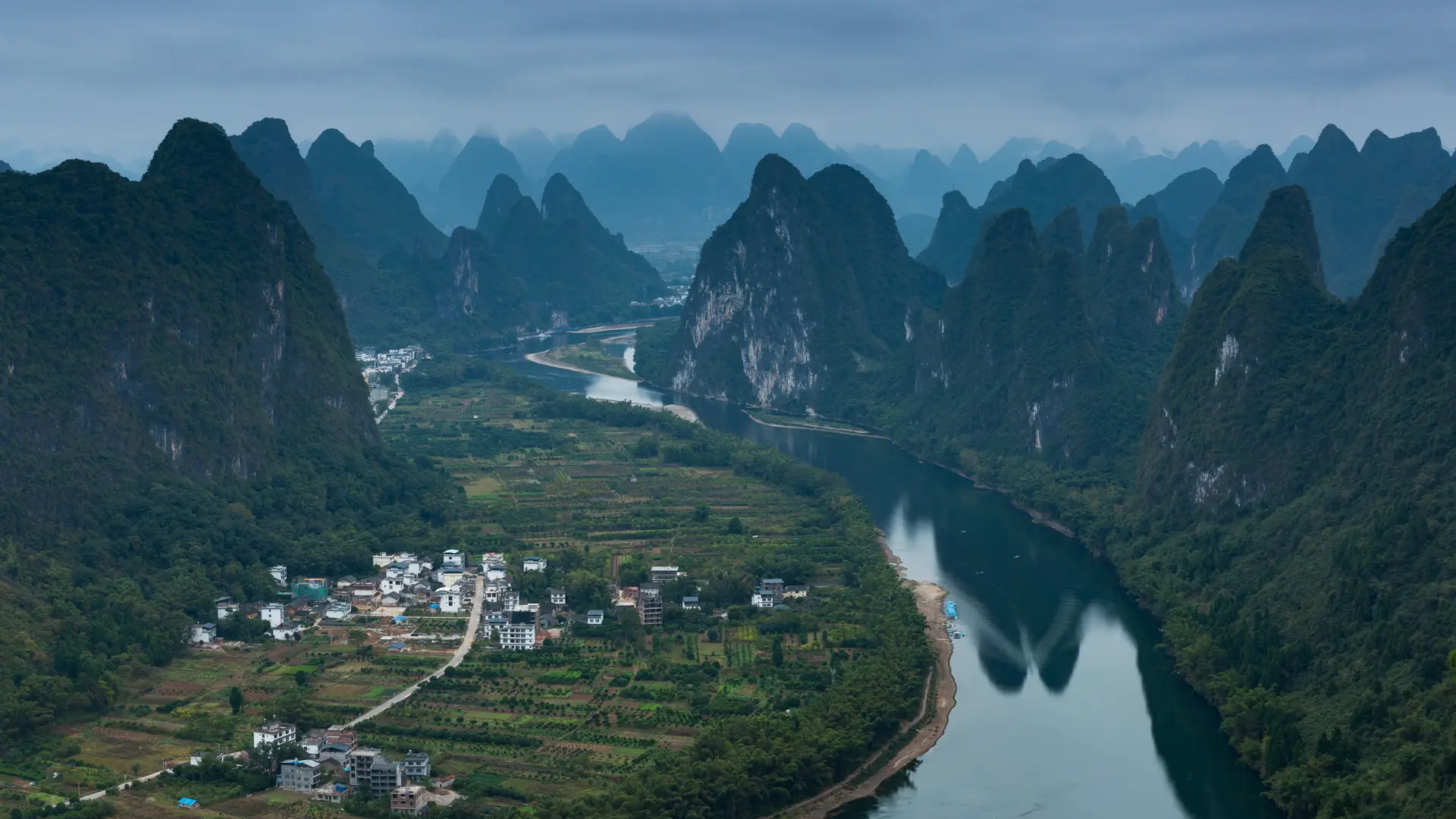
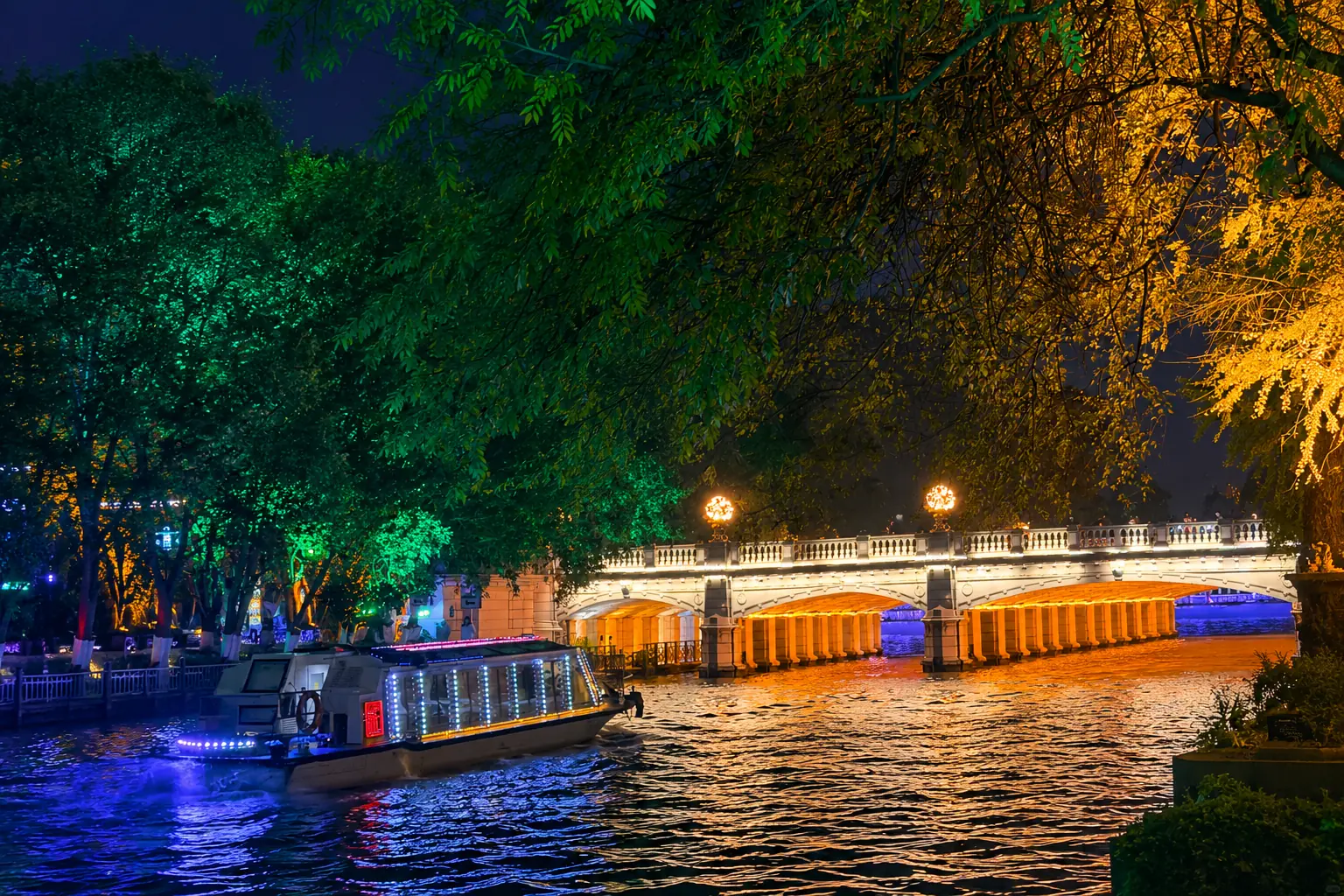
Guilin city is best as an arrival and recovery layer: rice noodles, Dongxi Alley (东西巷), Zhengyang Pedestrian Street (正阳步行街), lakeside lights, and an early night before the cruise. Do not make it compete with Yangshuo countryside unless you have extra time.
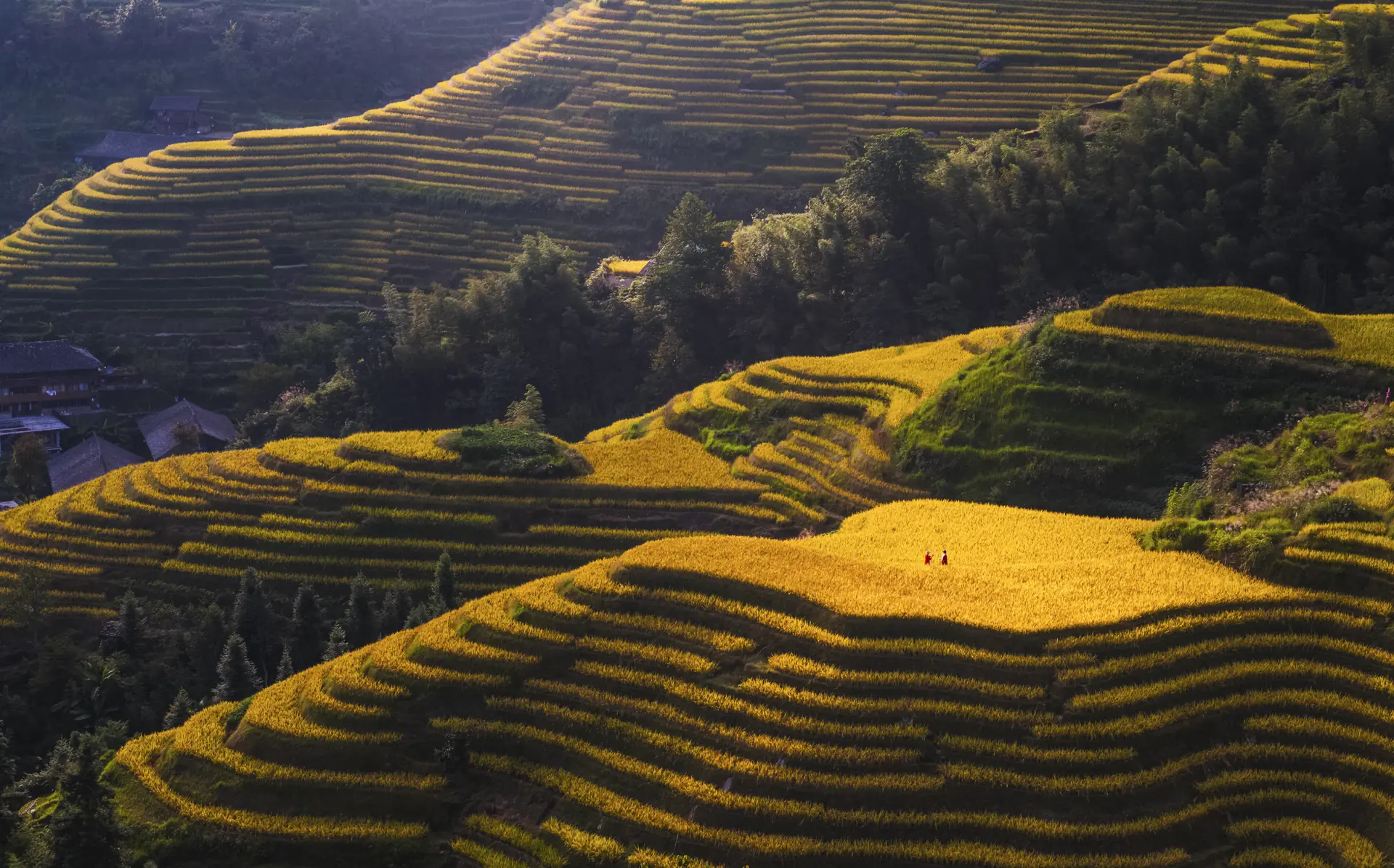
Longji Rice Terraces are worth the effort, but they are not a casual Yangshuo half-day. Treat them as a full-day or overnight add-on, especially for spring water mirrors, summer green, or autumn gold. Use our Longji guide before adding the mountain road.
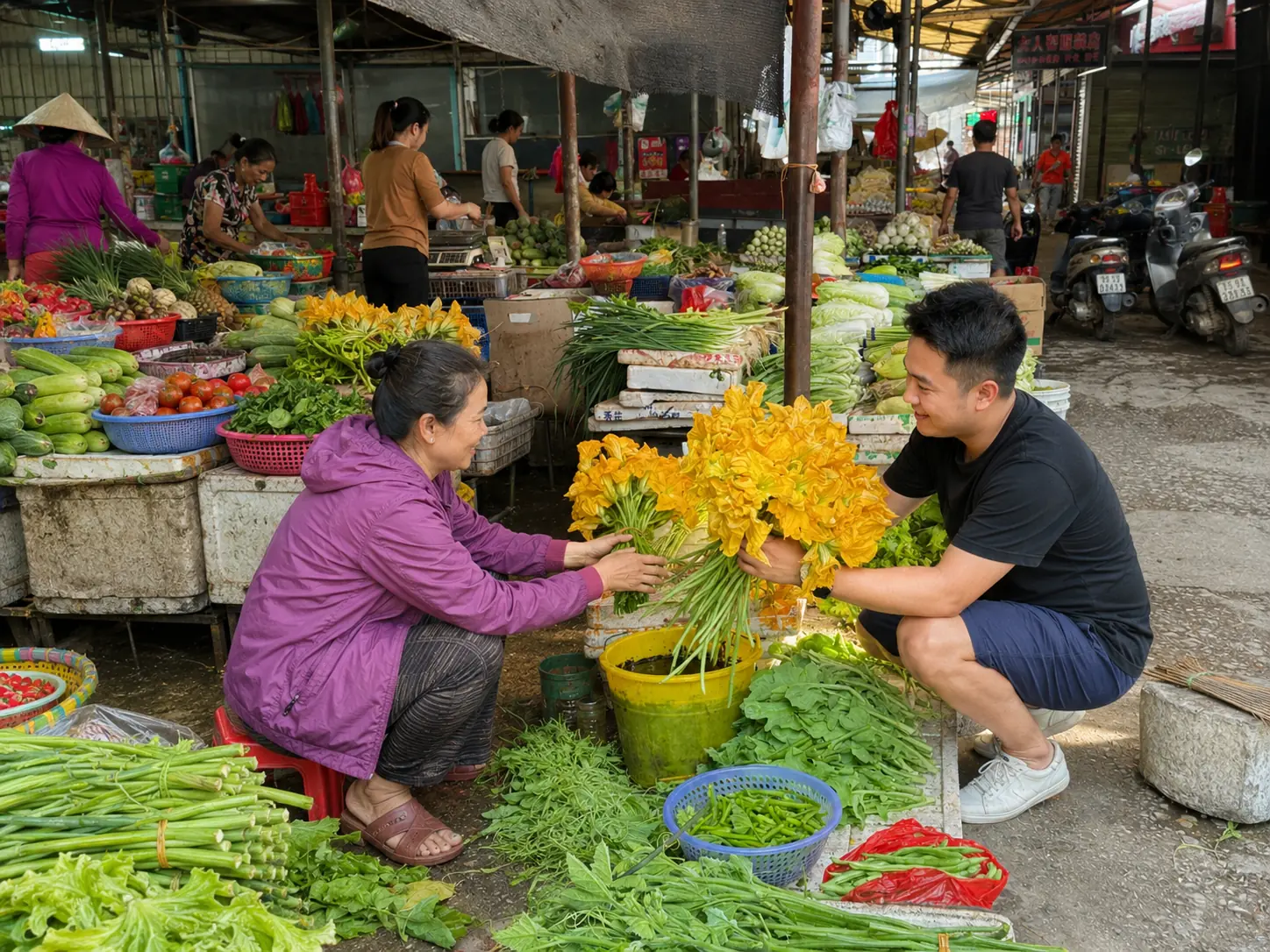
If you have a fourth day, consider a cooking class, market visit, rock climbing, Fuli Ancient Town (福利古镇), paper fans, or a slower village route. These experiences turn the trip from looking at scenery into entering local rhythm. Pair this with our Yangshuo cooking class guide or Yangshuo rock climbing guide.
How To Plan Your Guilin Days
Start with the Li River, then decide your Yangshuo slow experience, then add caves, shows, Longji, or special-interest days only if the trip still has space.
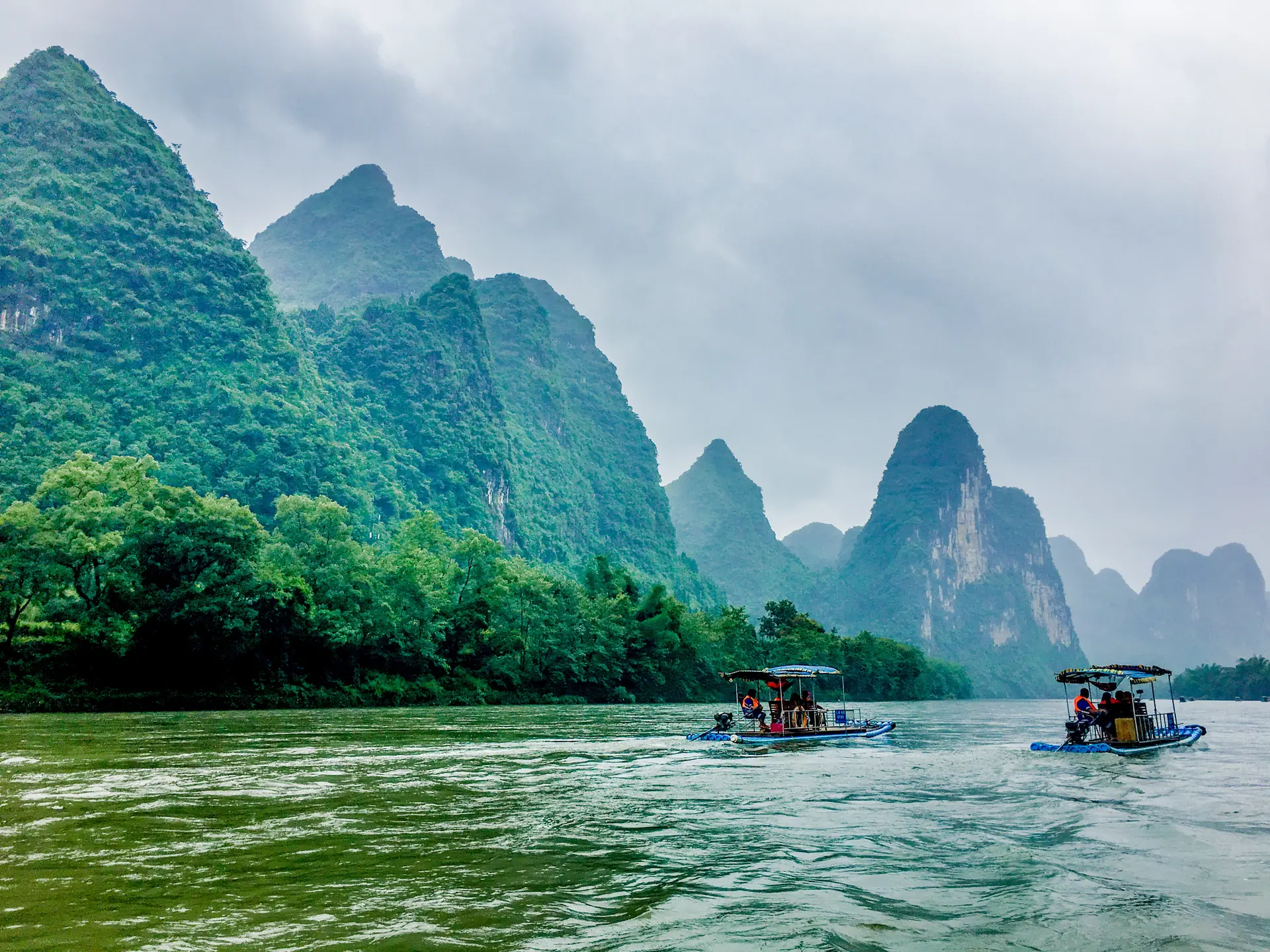
Two Days: River and Countryside
Best when: Guilin and Yangshuo are part of a larger China route.
Day 1: move from Guilin to Yangshuo by Li River cruise or road, then keep the evening light around West Street.
Day 2: choose Yulong River or Ten-Mile Gallery in the morning, then return or add one small stop such as Silver Cave or a cafe.
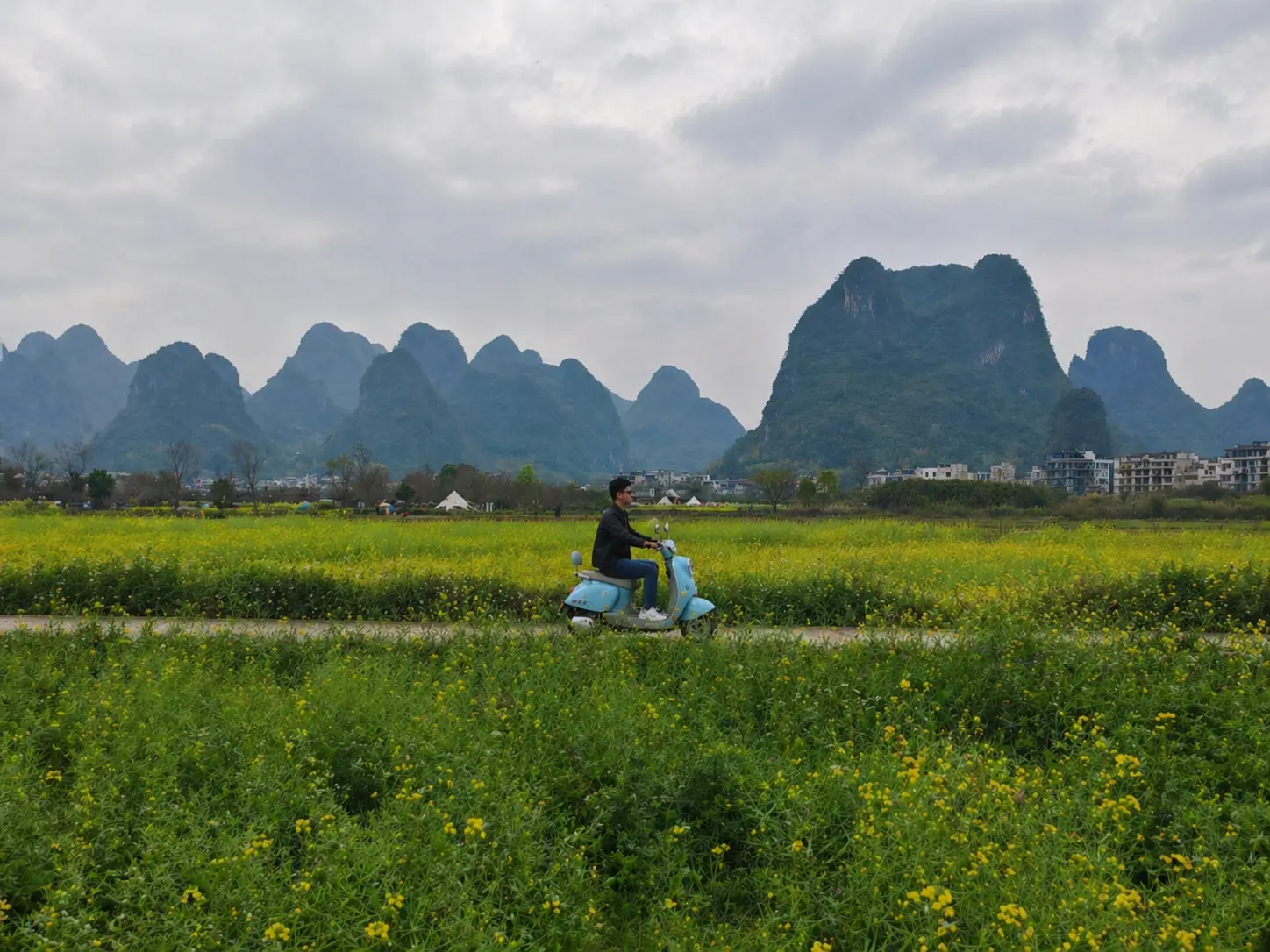
Three Days: Best First Trip
Best when: Guilin is a real destination, not just a transfer point.
Day 1: use Guilin city for rice noodles, Reed Flute Cave, Dongxi Alley, or a lakeside evening.
Days 2-3: make the Li River your transfer day, then protect one full Yangshuo morning for Yulong River, biking, or a slow countryside base.
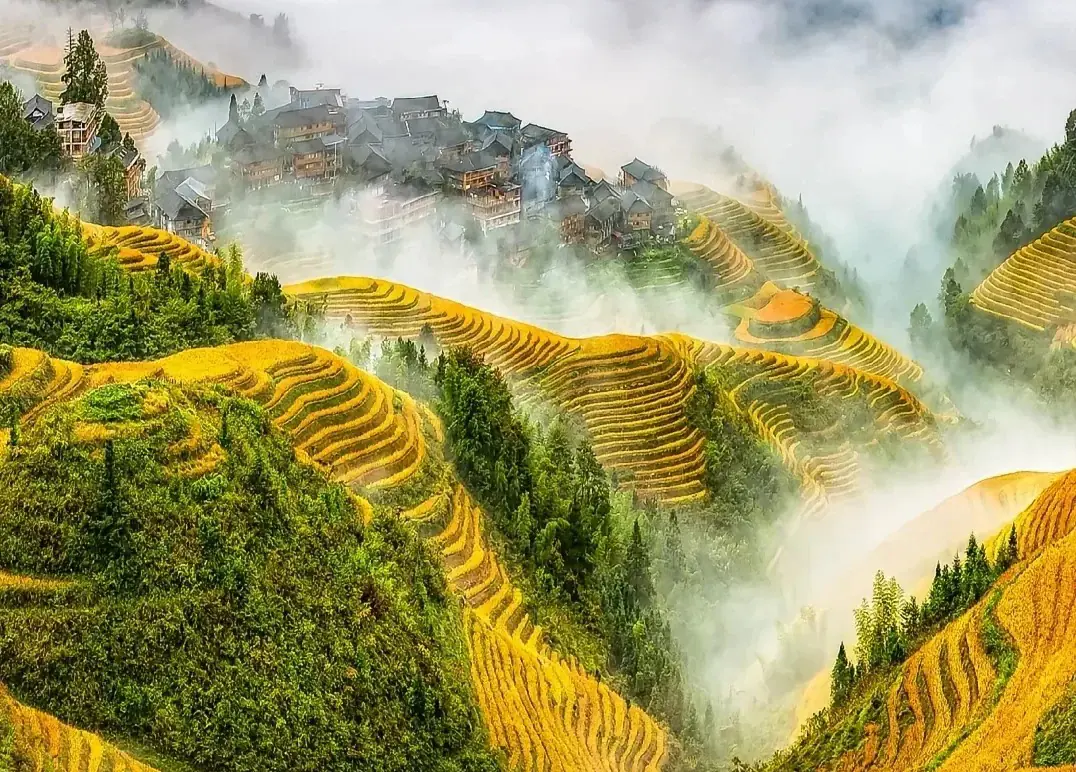
Four Days: One Bigger Theme
Best when: you can add depth without turning the trip into a checklist.
Use the extra day for one strong direction: Longji Rice Terraces, Xingping photography, a cooking class, rock climbing, or a slower countryside stay.
Do not use the fourth day to collect every leftover sight; Guilin and Yangshuo feel better when one theme has room to breathe.
Choose Your Guilin and Yangshuo Trip
Do not choose Guilin stops only by fame. Choose the version of the landscape you want the trip to reveal.
The Classic First Trip
Best for: two or three days, first-time China travelers, families, and lower-stress planning.
Prioritize Li River cruise, Yangshuo overnight, Yulong River or Ten-Mile Gallery, and one Guilin rice-noodle meal.
The Photography Trip
Best for: sunrise, mist, reflections, and layered peaks.
Build around Xingping, Yellow Cloth Shoal, Xianggong Hill, Yulong River morning light, and Longji only if you have the time.

The Slow Countryside Trip
Best for: cycling, small roads, cafes, rafts, and a softer Yangshuo stay.
Sleep away from West Street, keep one full Yangshuo day open, and let weather decide between bike, raft, walk, or rest.
The Family Trip
Best for: children, grandparents, and travelers who need clear logistics.
Use the cruise, a short Yulong route, one cave, and easy dinners. Avoid hotel-hopping and ambitious mountain viewpoints.
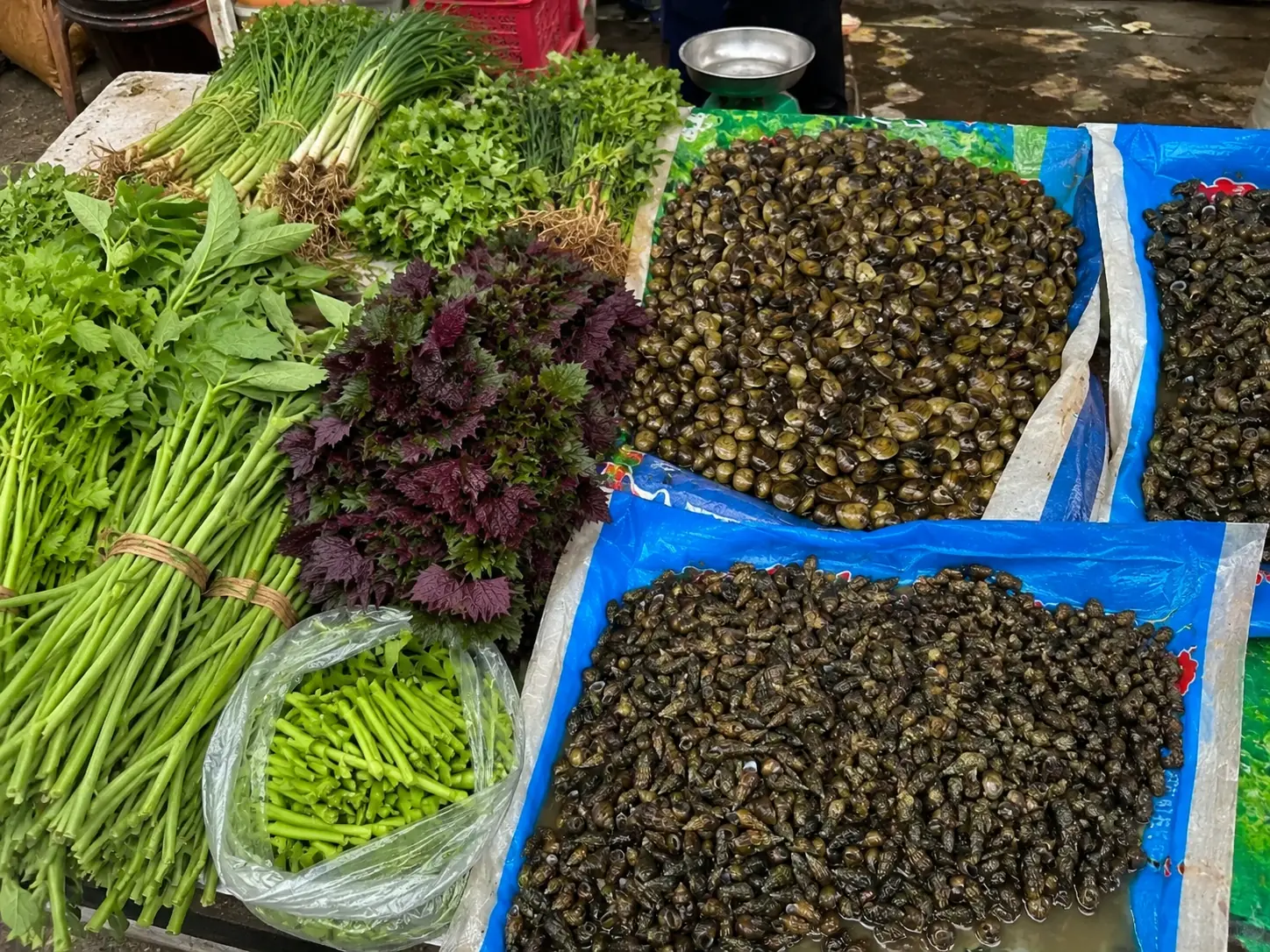
The Food-and-Life Trip
Best for: rice noodles, beer fish, markets, and slower meals.
Pair scenery with our Guilin and Yangshuo food guide, then add a cooking class if you have a spare half day.
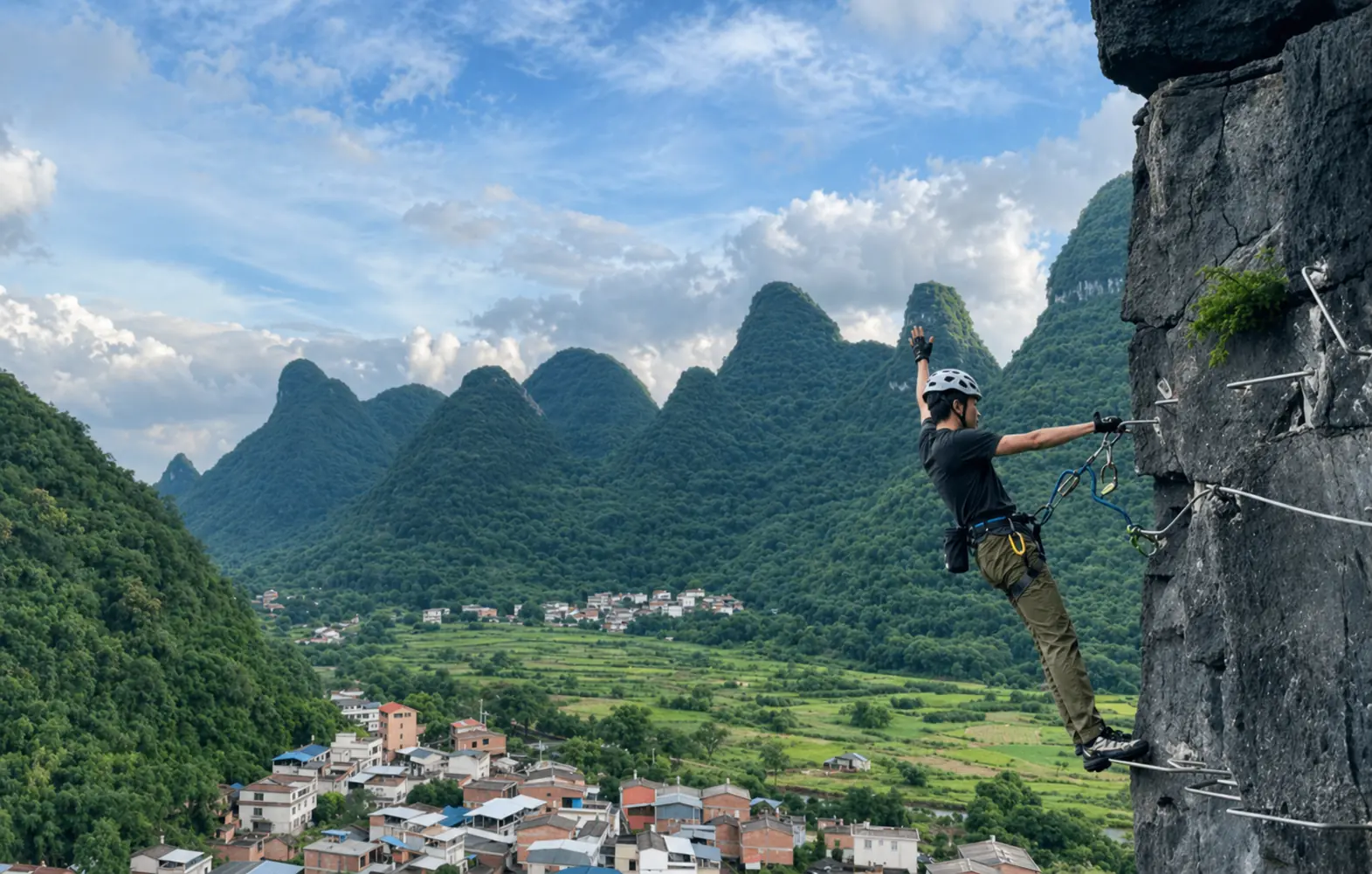
The Outdoor Trip
Best for: biking, climbing, rafting, kayaking, and active days.
Base in Yangshuo, protect mornings from heat, and avoid stacking every outdoor activity into the same weather window.
Guilin vs Yangshuo: Where To Stay
Choose your base by what you want to make easy, not by which name sounds more famous.
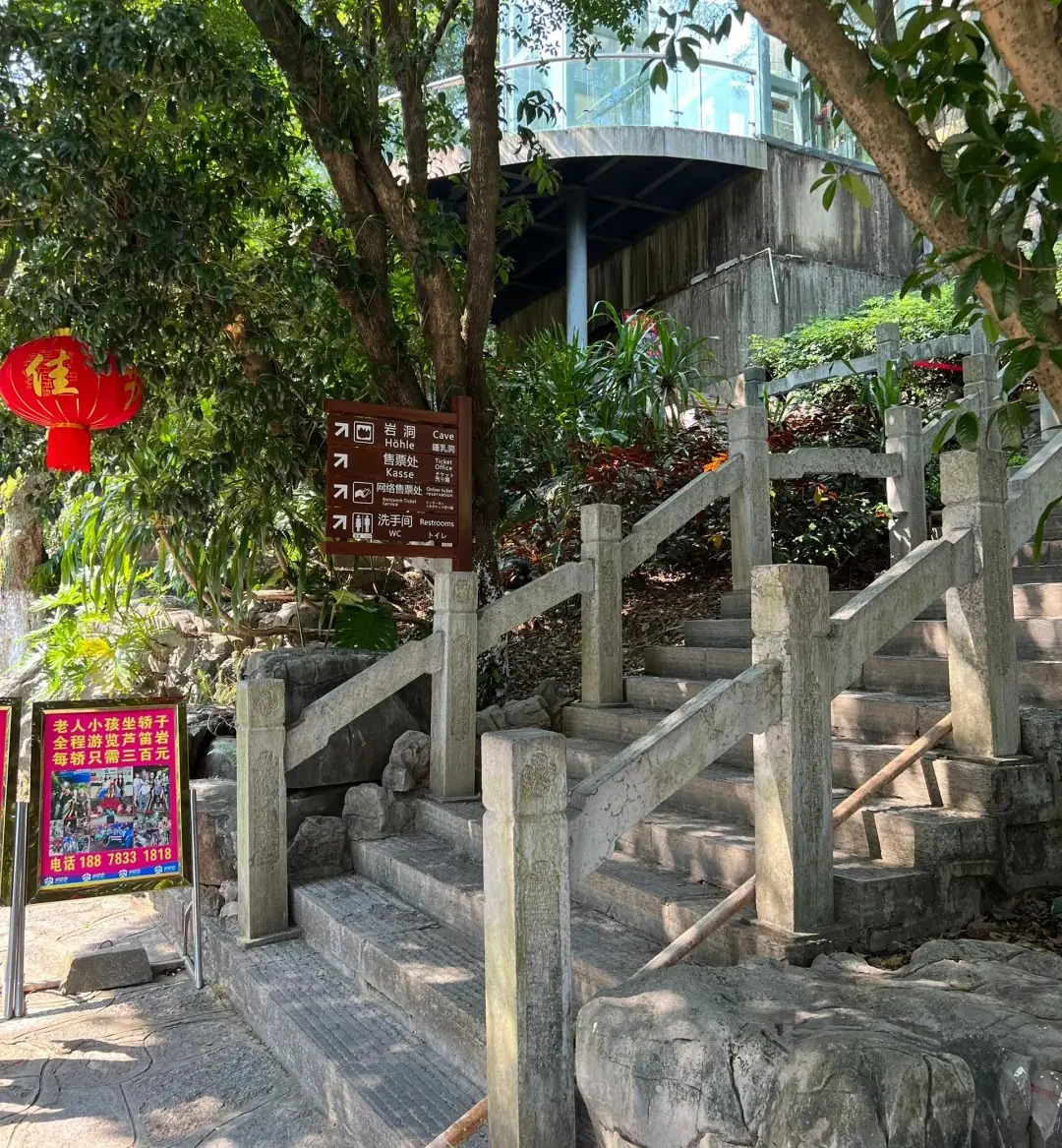
Guilin City
Best for: arrival, airport or high-speed rail logistics, early Li River cruise starts, rice noodles, Reed Flute Cave, and an easy first night.
Stay near Dongxi Alley, Zhengyang Pedestrian Street, or the Two Rivers and Four Lakes (两江四湖) area if you want convenience before moving on.
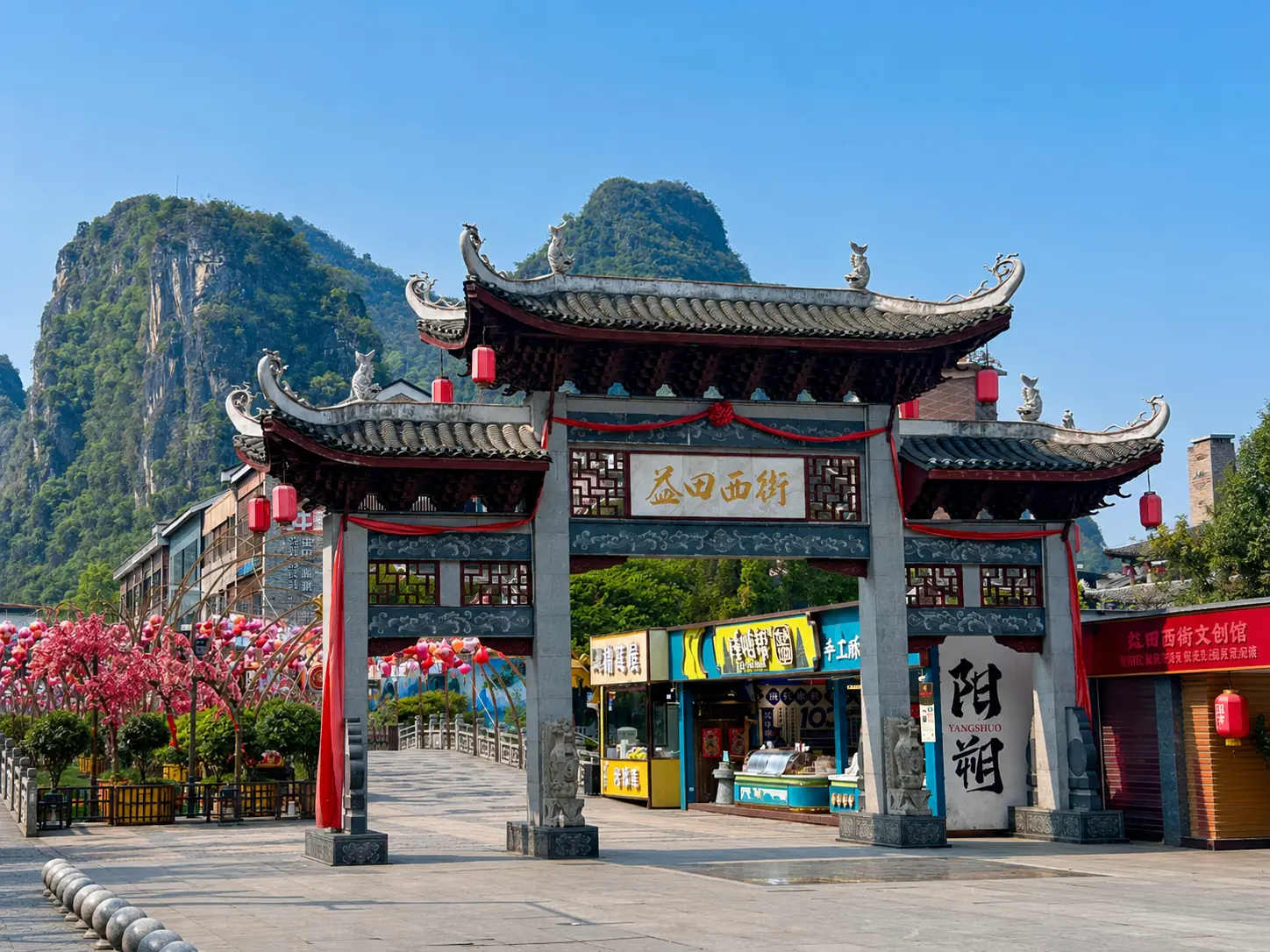
Yangshuo West Street
Best for: one-night stays, food access, tour desks, taxis, and first-timers who want everything close.
The tradeoff is noise and commercial atmosphere. Check the exact hotel block, not only the address.
Yulong River Countryside
Best for: two-night stays, cycling, rafting, sunrise walks, quiet evenings, and karst views from the room.
Confirm dinner options, luggage transfer, taxi access, and whether the hotel can help with raft or bike logistics.
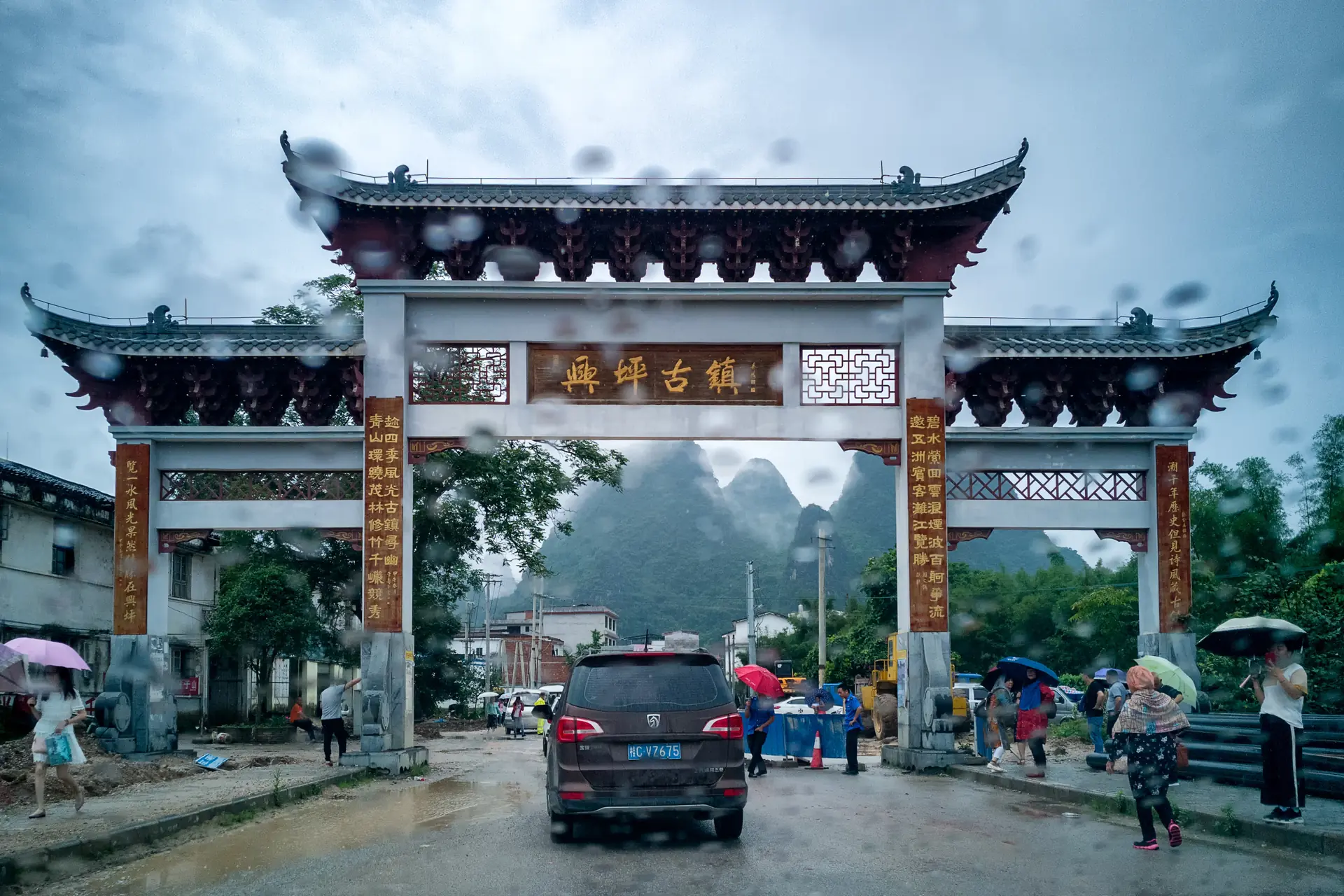
Xingping
Best for: photographers, Li River views, and a quieter old-town base.
It is less convenient for restaurants, late-night options, and first-timers who need maximum flexibility.
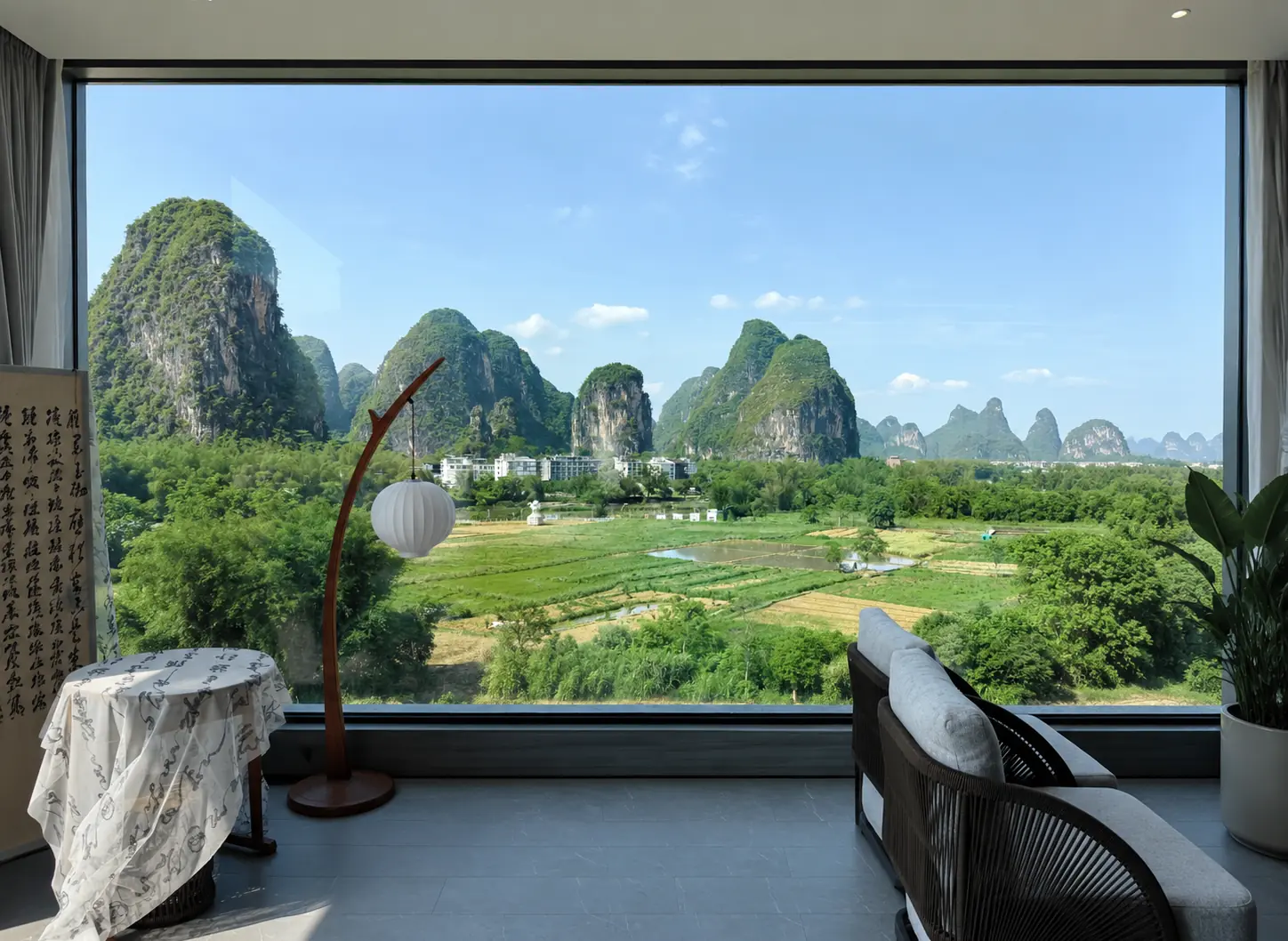
Best Seasons for Karst Scenery
Spring and autumn are usually the safest first-trip choices. Spring brings mist, water, fresh green, and the classic ink-painting mood, but longer rain spells can disrupt hilltops, rafting, and cycling. Autumn is often clearer, cooler, and easier for outdoor days. Summer is lush but hot, humid, and storm-prone. Winter is quieter, but the scenery and activity schedule depend more on the day.
- What Works Best
- Misty Li River, green countryside, water reflections
- Watch Out For
- Rain, slippery paths, low visibility on hilltops
- What Works Best
- Lush fields, strong river color, long daylight
- Watch Out For
- Heat, humidity, storms, midday cycling fatigue
- What Works Best
- Clearer air, comfortable outdoor time, Longji harvest mood
- Watch Out For
- Golden Week crowds around early October
- What Works Best
- Fewer crowds, quiet towns, lower prices in some areas
- Watch Out For
- Cold damp days, thinner scenery, live schedule changes
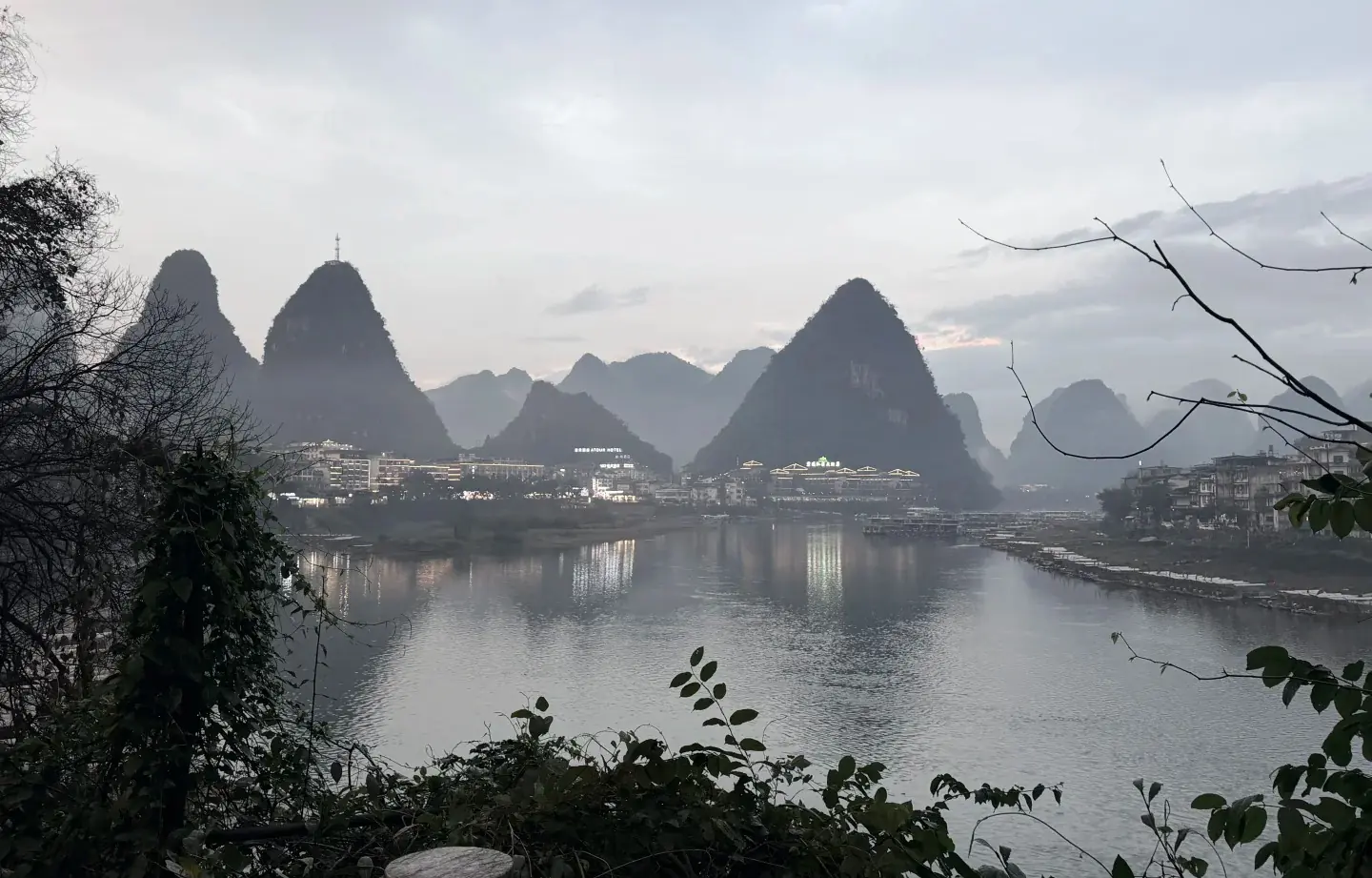
Ask about the weather in experience terms, not only in month names. Clear weather favors hilltops and cycling. Overcast weather can make the Li River more atmospheric. Heavy rain is when caves, rice noodles, city walks, and rest become smarter than forcing the original plan.
Transport and Booking Basics
The Li River cruise usually starts from piers south of Guilin city such as Mopanshan Wharf (Google | Amap) or Zhujiang Wharf (Google | Amap) and ends in Yangshuo. Official guidance for the classic route describes it as a one-way scenic cruise, so your real plan has three parts: getting to the pier, handling luggage, and reaching your Yangshuo hotel afterward.
Yulong River rafting has a similar hidden issue: many routes are one-way. Before you board, confirm the start pier, end pier, current route, ticket rule, and how you will continue afterward. If you rent a bike or e-bike, ask whether it must return to the same shop.
- Practical Rule
- Confirm live pier, ticket, ID/passport, departure, luggage, and Yangshuo arrival details
- Practical Rule
- Confirm route, pier, restrictions, weather suspension risk, and return logistics
- Practical Rule
- Ask deposit, battery range, return location, late fees, and traffic safety
- Practical Rule
- Treat as full-day or overnight; do not add casually from Yangshuo
- Practical Rule
- Use them as weather or evening add-ons, not replacements for the best outdoor window
Plan the Ending First
For Guilin and Yangshuo, the end point matters as much as the starting point. A cruise, raft, bike ride, hilltop, or terrace visit can all be good - but only if you know how you continue afterward.
Common Guilin and Yangshuo Mistakes
- Treating Li River and Yulong River bamboo rafting as the same experience.
- Staying in Guilin for two nights while making daily round trips to Yangshuo.
- Adding Longji Rice Terraces as if it were a casual Yangshuo half-day.
- Cycling Ten-Mile Gallery at summer midday.
- Climbing rough viewpoints after rain or without checking path conditions.
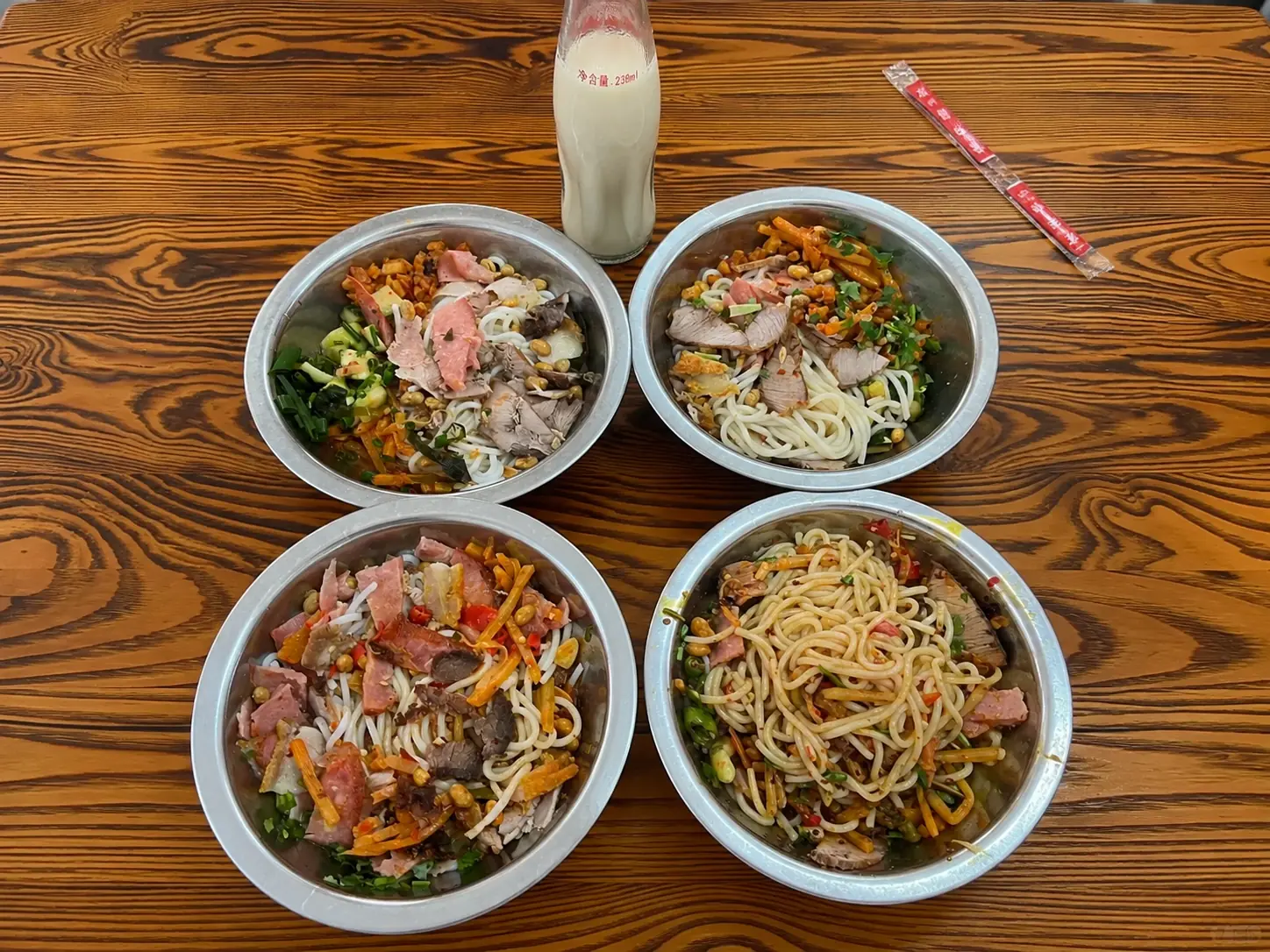
- Eating every meal on West Street and missing rice noodles, beer fish, and market-based cooking.
- Changing hotels every night and losing the trip to luggage logistics.
Beyond This Guide
Once you know you are going to Guilin and Yangshuo, the next step is not adding more sights. It is choosing your main line: Li River first, Yulong countryside first, photography first, family comfort first, or food and village life first. Start with our Guilin and Yangshuo destination guide to split overnight bases and stations, then pair this overview with our Li River guide, Yulong River rafting guide, Yangshuo biking guide, Guilin caves guide, Longji Rice Terraces guide, Guilin and Yangshuo food guide, and Guangxi cuisine guide.
If your Guangxi route also connects Hong Kong, Guangzhou, Zhangjiajie, Guizhou, or Yunnan, transport order changes the trip more than one extra scenic spot does. Our planners can recommend the route order, what to keep, and what to cut so Guilin and Yangshuo feel spacious instead of stitched together.
Frequently Asked Questions
Three days is the best first-timer length. Two days can cover the Li River and one Yangshuo countryside experience. Four days lets you add Longji Rice Terraces, a cooking class, rock climbing, or a deeper Xingping photo day.
Sources Checked
Sources checked for this guide
- Guilin Karst component and South China Karst World Heritage landscape context: UNESCO World Heritage Centre — South China Karst
- Regulated cruise star tiers and official Li River water-route ticket prices: Guilin Li River Scenic Area official price table
- Mopanshan vs Zhujiang wharf split, one-way cruise routing and real-name passport rules: Guilin Li River Scenic Area official cruise notice
- Route-specific manual bamboo-raft wharf reservations on the Yulong River: Yulong River Scenic Area official reservation page
© gochinafreely.com — Original guide by Go China Freely.