Class basics
Confirm before paying
Guangxi Food at Yangshuo Wok Speed
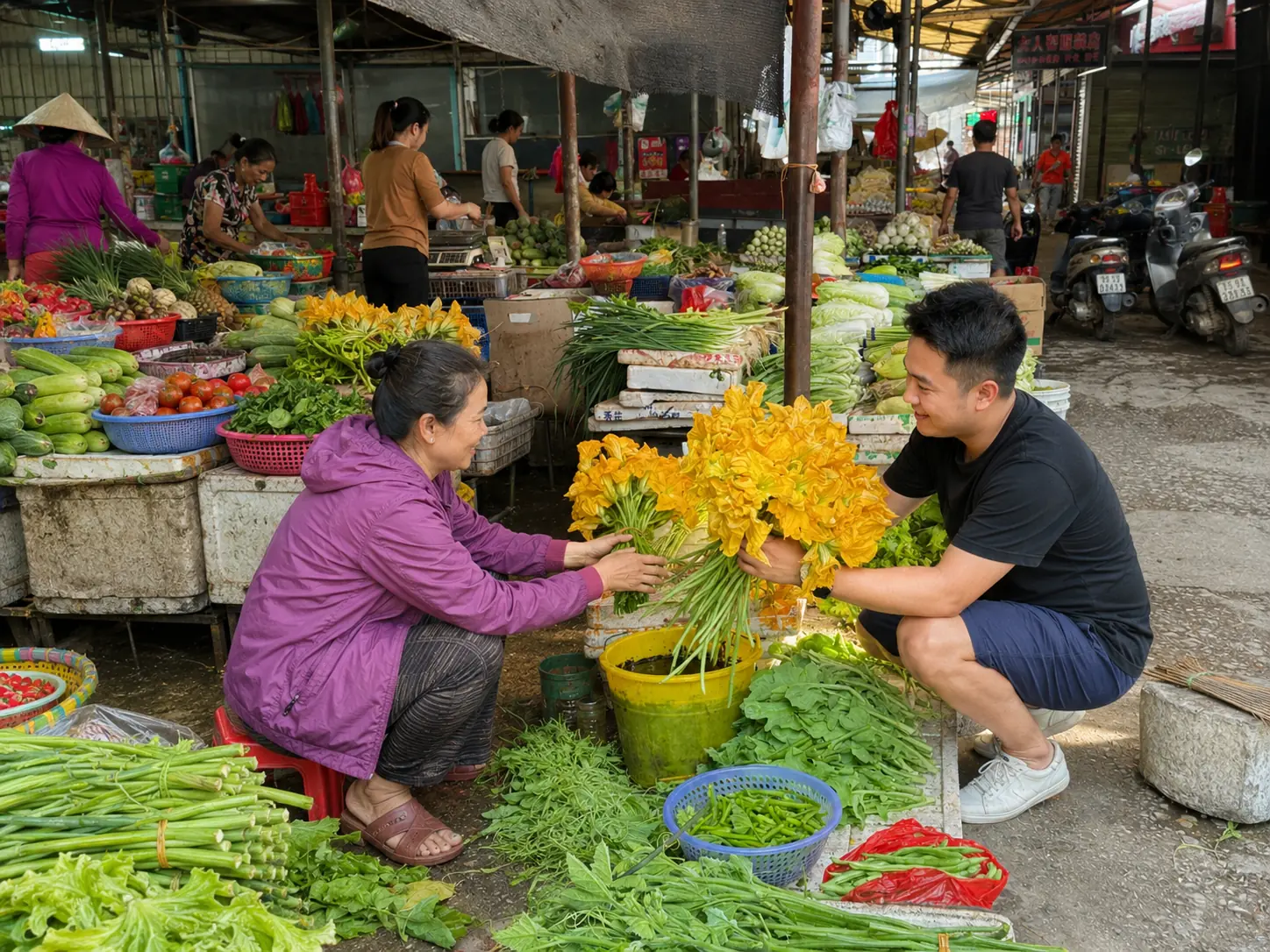
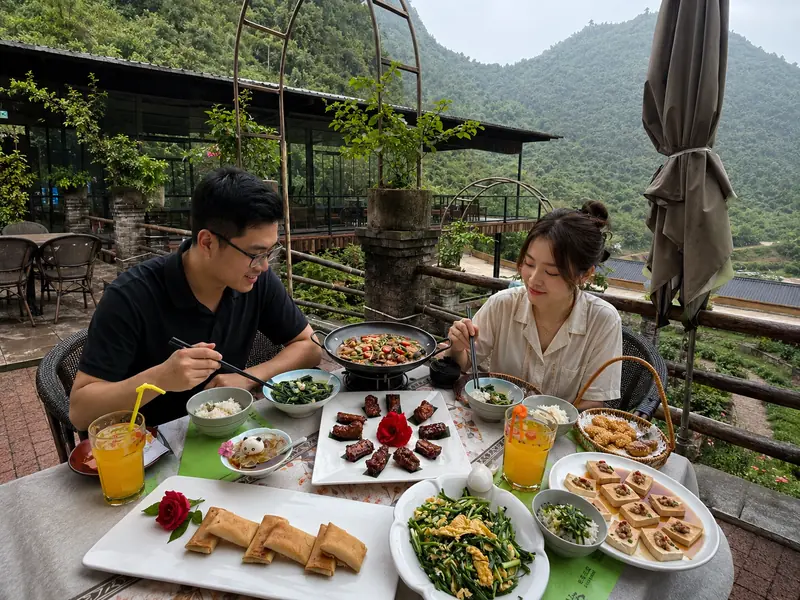
Yangshuo cooking classes are more useful than another restaurant meal when they start in a working market and end around a table you helped cook. In one half day, you can see live fish, herbs, tofu, eggplant, seasonal greens, and ingredients for stuffed dishes, then turn them into a farm-style Guangxi meal with beer fish, stuffed dishes (酿菜), and hands-on wok practice. For travelers who have only ordered beer fish on West Street (西街), this is often the moment Yangshuo food starts to make sense.
3-4h
Typical Time
4-5
Common Dishes
Market
Best Start
CNY 200+
Budget Guide
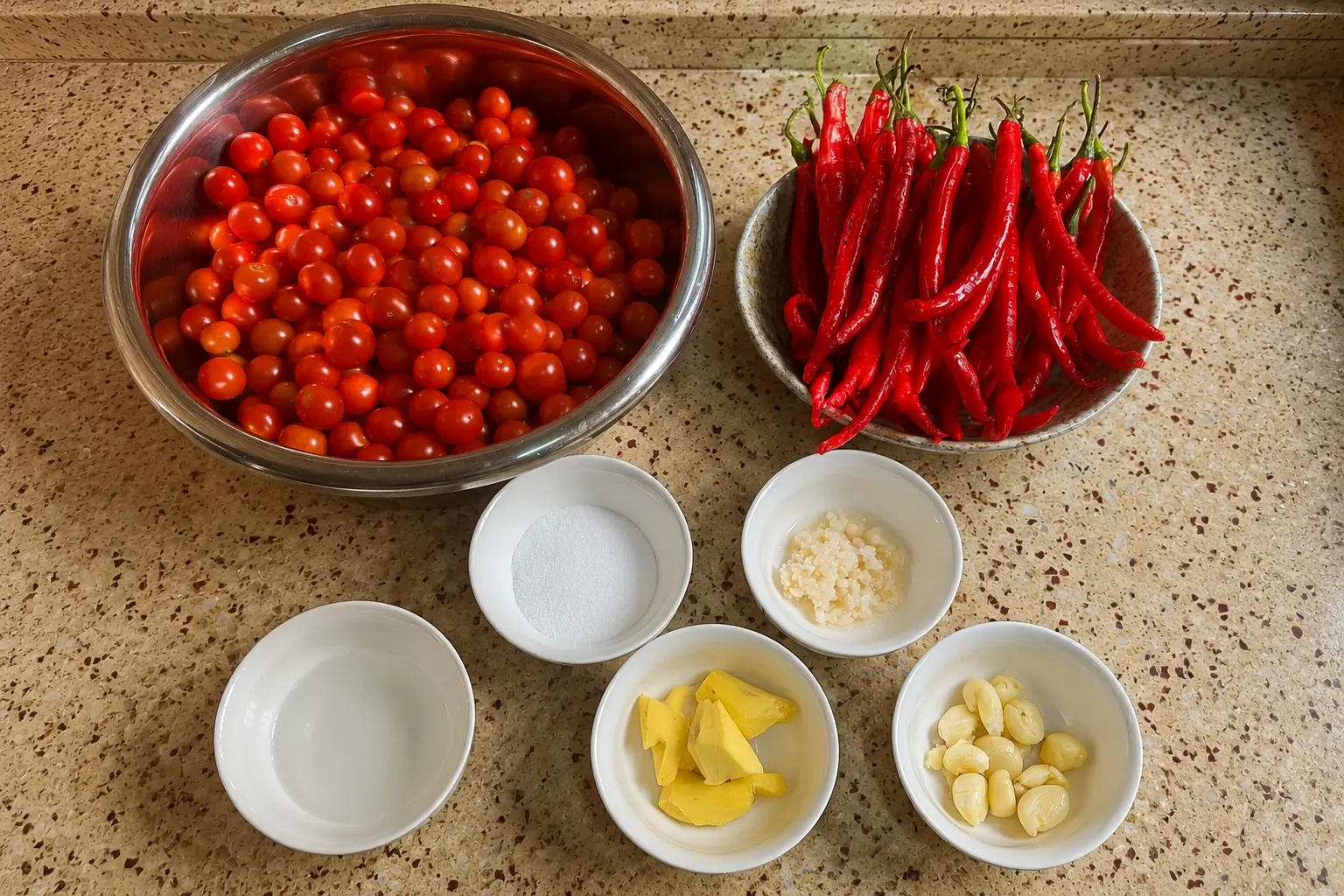
Yangshuo food is fresh, direct, and close to the fields and rivers around town: fish from the Li River area, snails, mint, ginger, tomatoes, chilies, eggplant, tofu, and the greens piled in the morning market. Beer fish (啤酒鱼) builds flavor from seared fish, beer, tomato, chili, ginger, and garlic; stuffed dishes (酿菜) use tofu, peppers, eggplant, pumpkin flowers, or snails as carriers for a savory filling.
A good class connects that geography to technique. You should see how the market decides the meal, why one fish or vegetable works better that day, and why garlic greens need speed rather than sauce. The value is not a polished banquet recipe but a practical Guangxi food logic you can recognize again.
Decision shortcut
Should you spend half a day on it?
Good fit
Choose it if you want a working market, hands-on cooking, regional dishes, and a shared meal to explain Yangshuo food.
Think twice
Skip it if wet-market scenes, kitchen smoke, raw ingredients, or a protected half-day would make the experience uncomfortable or rushed.
Is a Yangshuo Cooking Class Worth It?
Food value
Worth it for food-focused travelers
It is not the fastest way to eat, but it clearly explains why local restaurants use fish, tomatoes, herbs, snails, tofu, and simple stir-fries so often.
Stay pace
Best with room for a slow half day
It suits first-time visitors, solo travelers seeking an easy social activity, families with school-age children, and stays of two nights or more.
Time and comfort
Think twice when the day is tight
It is a poor fit for one short evening, strong discomfort with wet markets or smoke, or severe allergy needs that require a controlled kitchen.
It is also a strong rainy-day backup: when cycling or bamboo rafting becomes less appealing, the market and kitchen still give you a memorable half day. Do not squeeze the class between a long bike loop, rafting, a hotel transfer, and a night show. Its value comes from having room to watch, ask, cook, and eat.
What Happens From Market to Meal
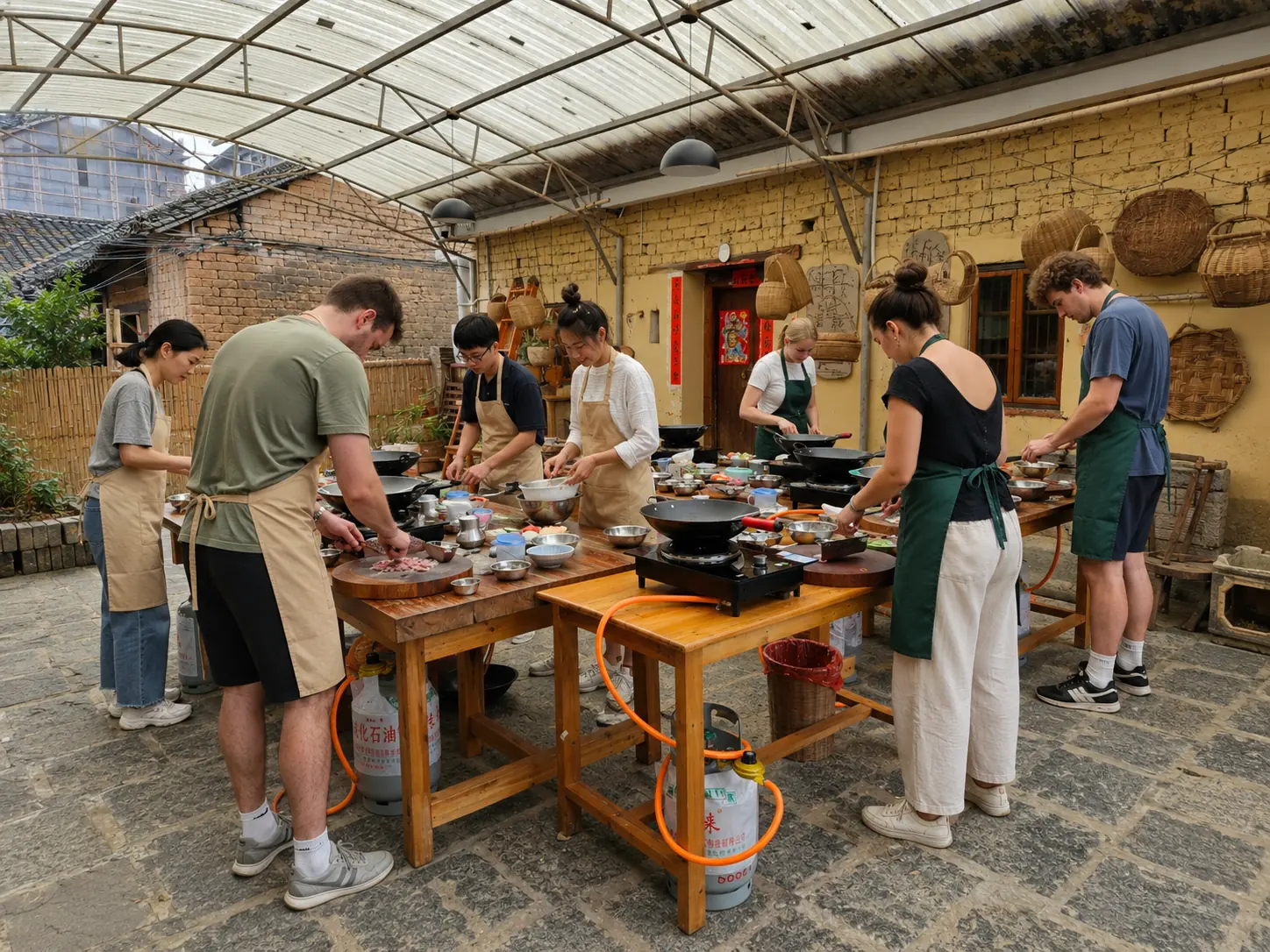
Most visitor-facing classes run as a morning or afternoon session, commonly around three to four hours. The exact meeting point varies. Some classes meet near town, some include hotel pickup, and some move to a countryside or riverside kitchen after the market.
- Meet or Get Picked Up- Confirm the market, menu, language, and return plan.
- Walk the Market(菜市场)- Fish, tofu, herbs, vegetables, snails, and sauces make the menu visible.
- Move to the Kitchen- Wash, cut, season, and set up the wok station.
- Watch the Key Step- The teacher demonstrates searing fish, frying aromatics, or controlling heat.
- Cook Dish by Dish- You repeat the steps with correction from the teacher.
- Eat Together- The finished dishes become lunch, dinner, or a generous tasting meal.
The market part is where the class earns its value. Ask how to choose fish for beer fish, why mint appears in stuffed snails, which greens are best that day, and what you can substitute at home. The best teachers turn those small answers into cooking logic.
In the kitchen, do not worry about performing perfectly. Watch the order: hot pan, oil, aromatics, main ingredient, sauce, then the stopping point. That sequence matters more than memorizing every gram in a recipe.
What to Look For in the Market
The market visit should feel like the first cooking lesson, not a warm-up walk. You are looking for ingredients that will reappear later in the kitchen: fish firm enough to fry before braising, eggplant that can hold a filling or sauce, tofu that will not collapse, herbs that cut through rich food, and greens that only need garlic and heat.
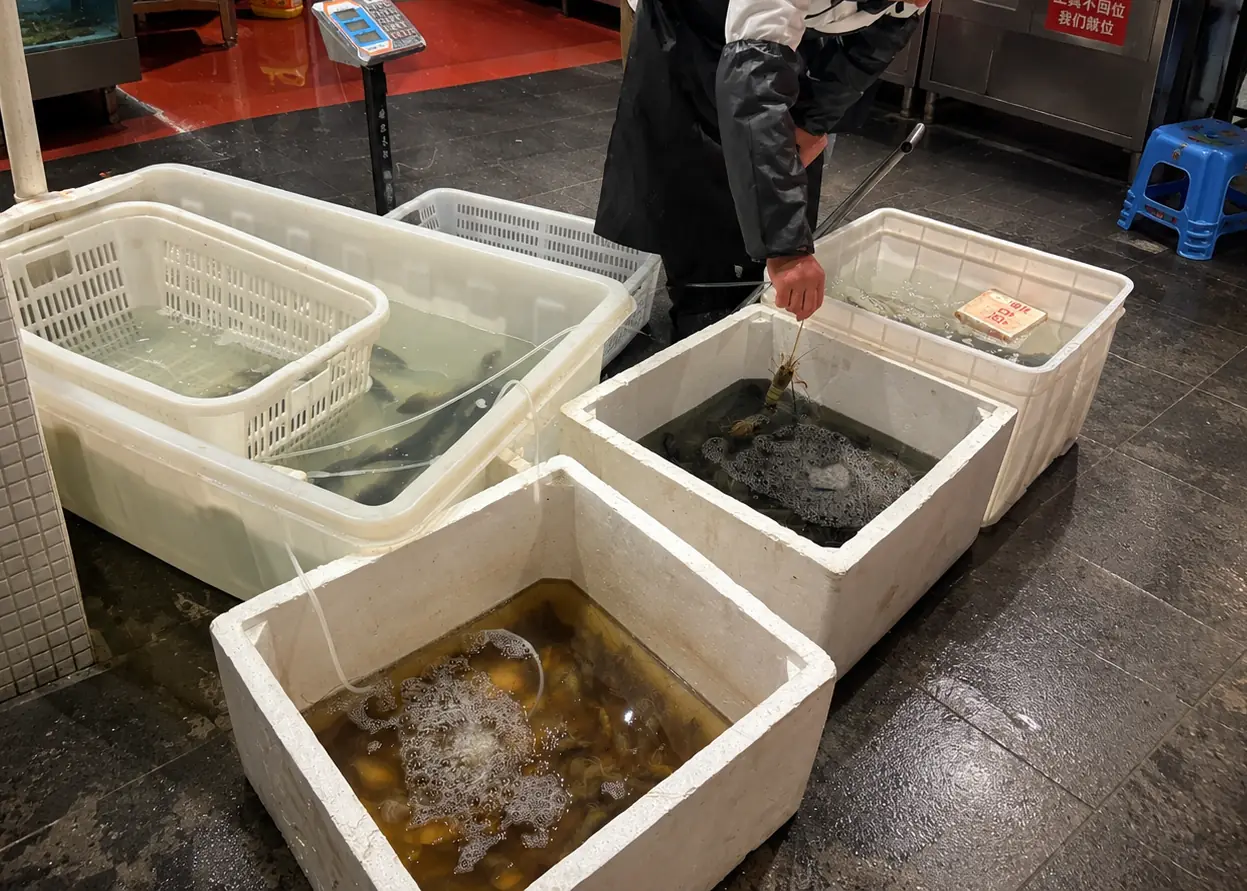
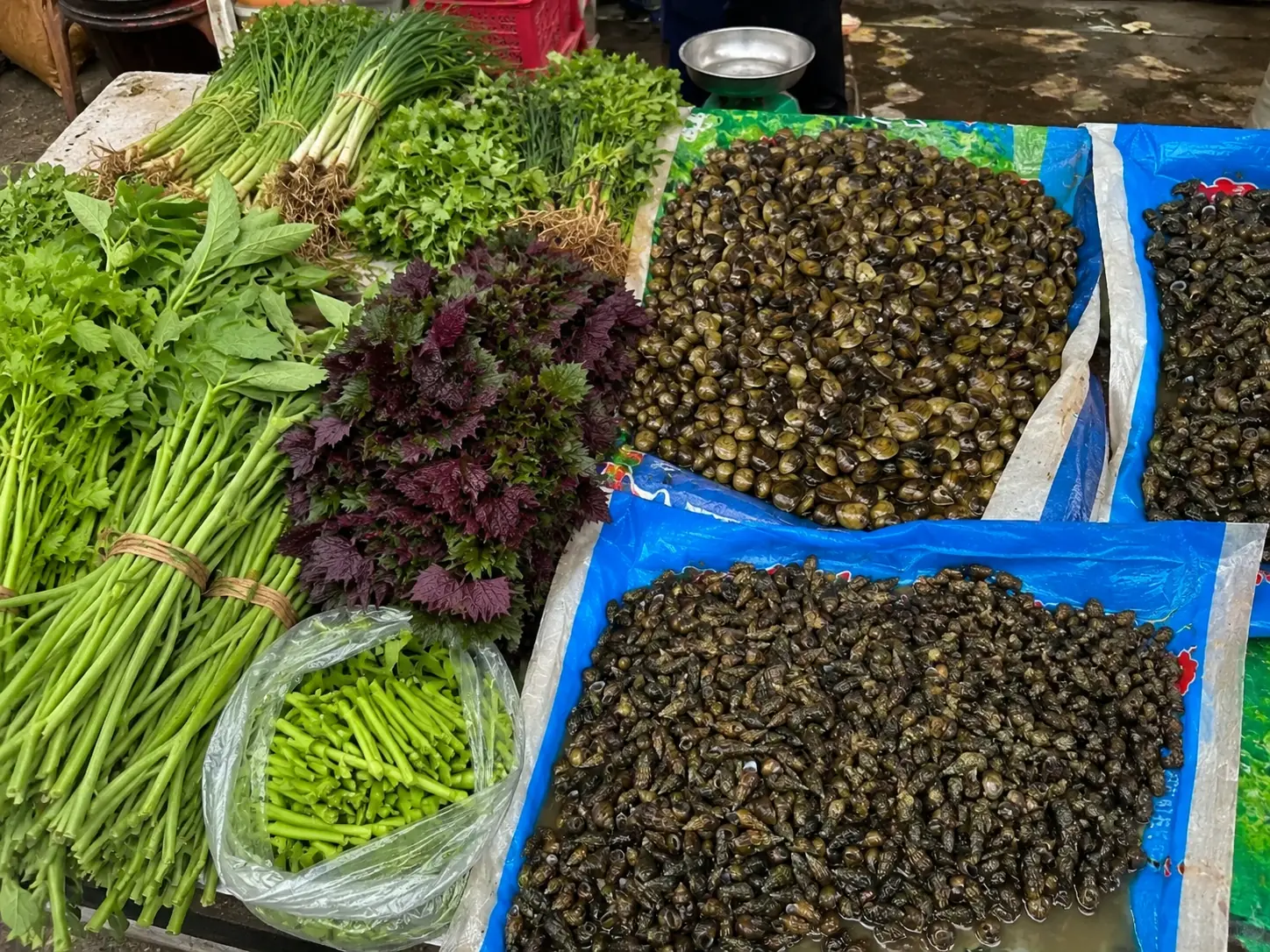
Fish and river food
鱼类 / 田螺
Ask which fish works best for beer fish and why. For snails, ask whether they are used for stuffed snails, soup, or stir-frying; the answer tells you what kind of local table the teacher is trying to show.
Stuffing carriers
豆腐 / 青椒 / 茄子
Tofu, peppers, eggplant, bitter melon, and pumpkin flowers are not just vegetables here. They are containers. A good teacher will show which ones hold filling well and which ones tear easily.
Aromatics and sourness
姜蒜 / 番茄 / 辣椒
Yangshuo flavor often comes from fresh aromatics rather than heavy sauces. Ginger, garlic, tomatoes, chilies, scallions, and sometimes mint or pickled notes keep fish and stuffed dishes bright.
Market greens
时令青菜
Greens are the quiet test of a kitchen. If the teacher can explain which greens are tender today and how quickly to cook them, you are learning more than a tourist menu.
The best question to ask in the market is: "Which of these will we cook later?" It turns every stall into memory. When you see the same fish, tomato, herb, or tofu again on the cutting board, the recipe becomes easier to understand.
Market reality check
Some markets include live fish, meat counters, snails, wet floors, and strong smells. If that would make someone in your group uncomfortable, ask whether the class can keep the market segment focused on produce and dry goods.
Dishes You May Cook in Class
Menus change by provider, season, group size, and market availability, so treat this as a typical range rather than a guarantee. If one dish matters to you, ask before booking.
Beer fish
啤酒鱼
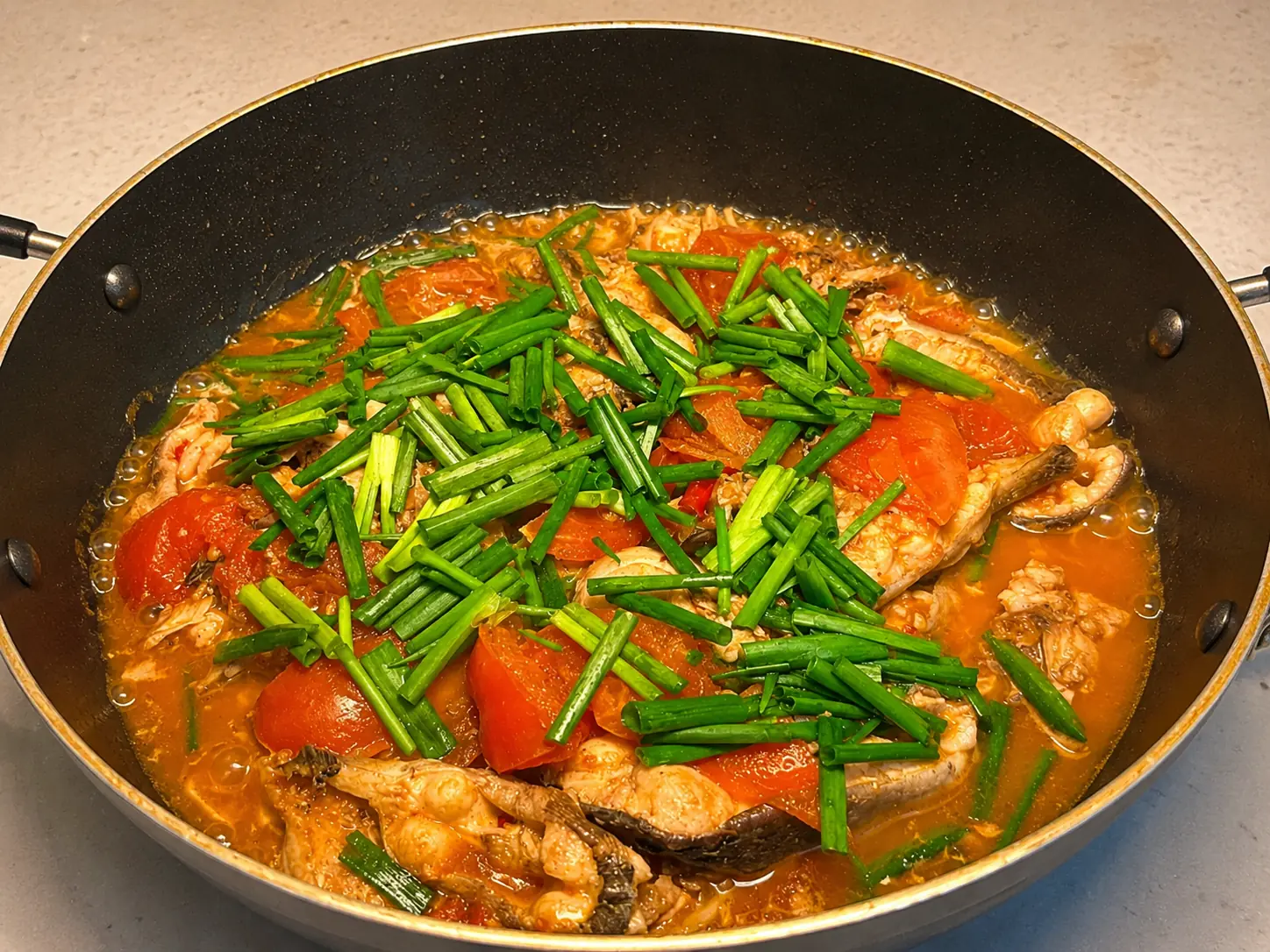
Yangshuo's signature classroom dish: fish seared first, then cooked with beer, tomatoes, chilies, ginger, garlic, and scallions until the sauce turns bright and savory.
Stuffed dishes
酿菜
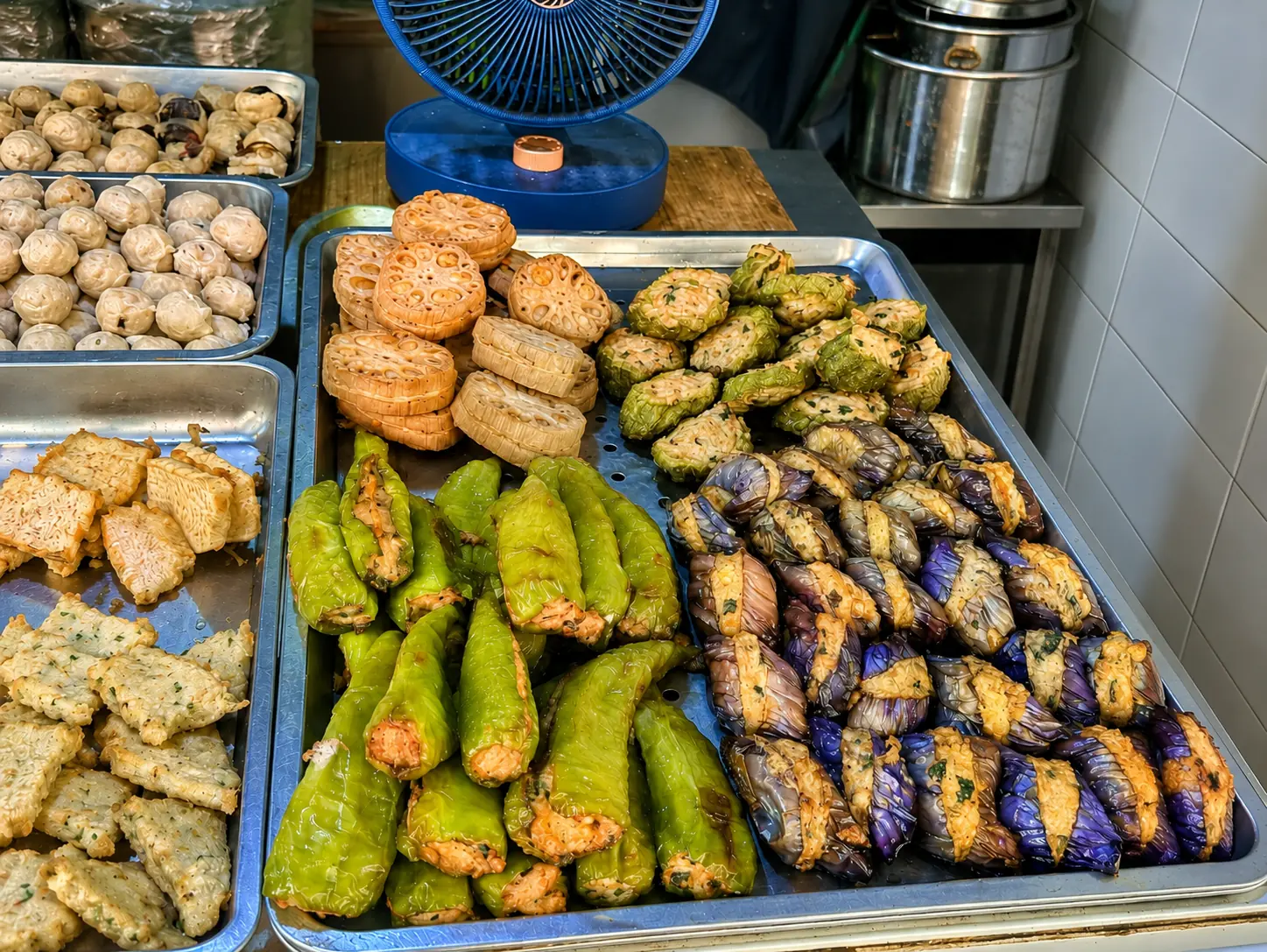
The best Guangxi technique lesson. Tofu, peppers, eggplant, pumpkin flowers, or snails become carriers for a savory filling, then get steamed, fried, or braised.
Eggplant with sauce
茄子类菜
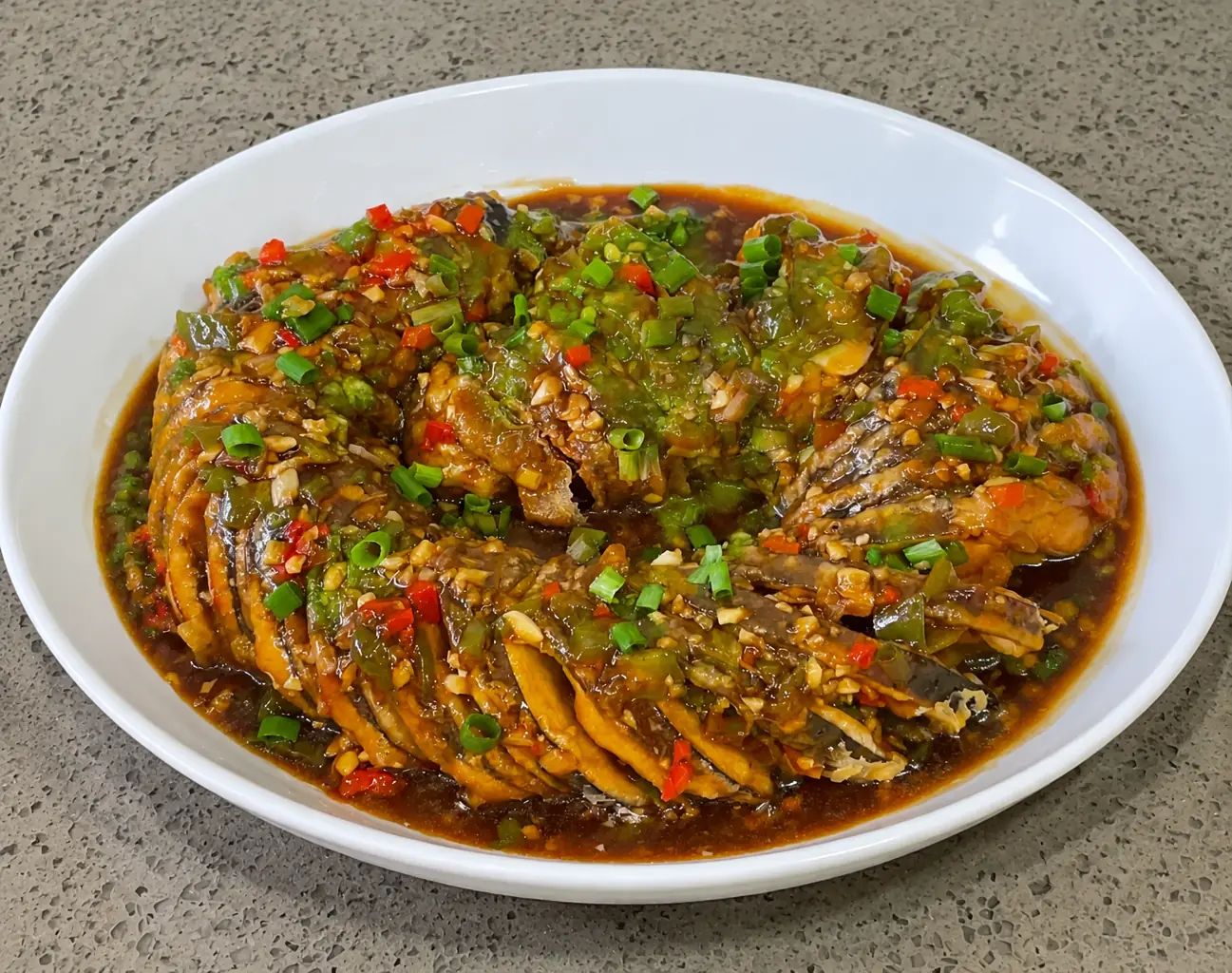
A useful home-cooking lesson because eggplant absorbs oil fast. The teacher should show you how to keep it soft without making it heavy.
Garlic greens
蒜蓉青菜
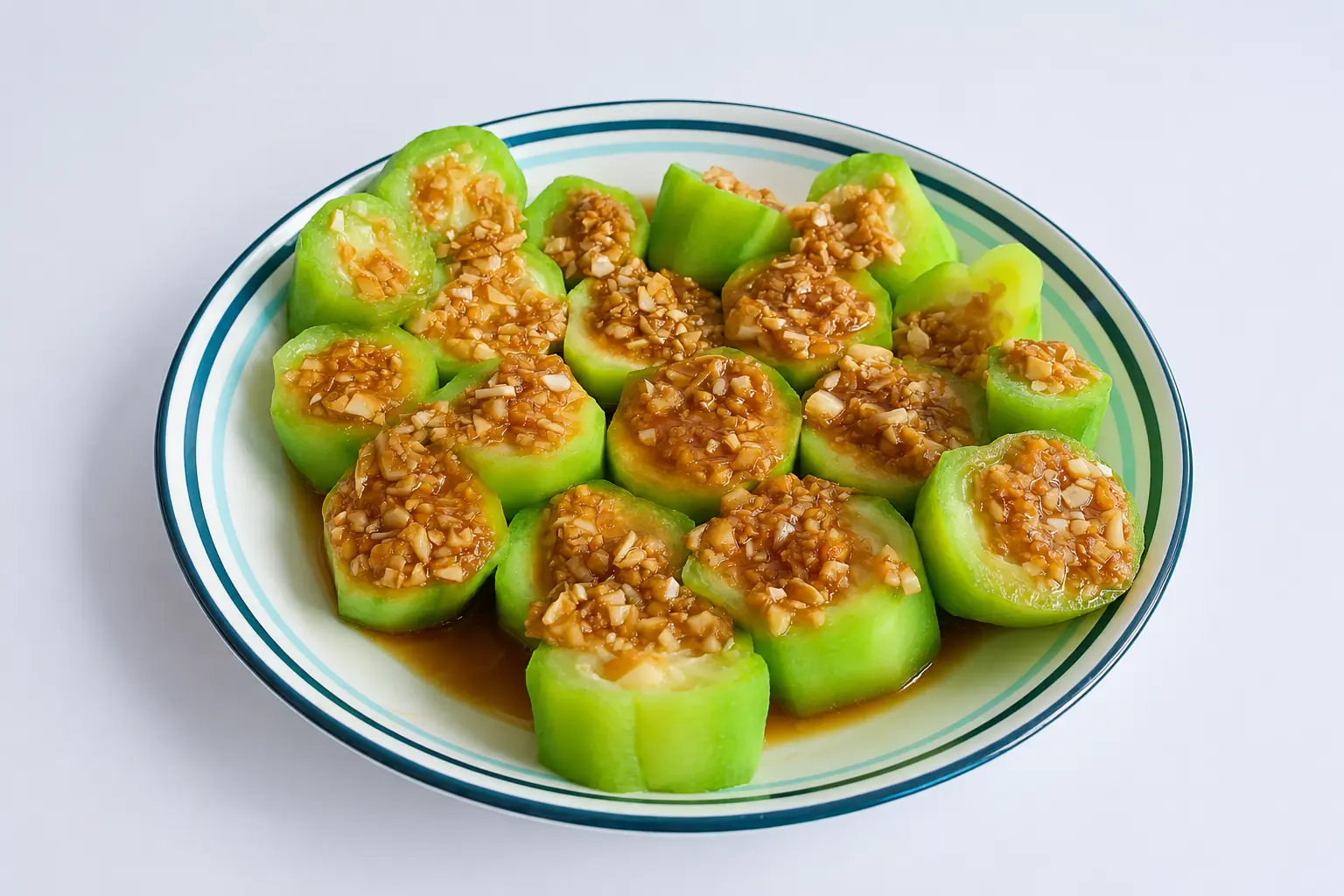
Simple, but not boring. Good greens teach heat, timing, salt, and why Chinese home cooking often uses fewer sauces than visitors expect.
You may also see chicken with cashew nuts, kung pao chicken, hot-and-sour soup, fried noodles, dumplings, or mapo tofu on tourist-friendly menus. These are fine, especially for mixed groups, but the most Yangshuo-specific value usually comes from beer fish, stuffed vegetables, snails, and market greens.
Menu promise check
If the booking page lists beer fish but you are booking through a platform or hotel, confirm the exact menu again. Some schools rotate menus by day, group size, or ingredient availability.
Cooking Skills That Matter in Yangshuo
The class should teach a few transferable skills, not just produce four plates for photos. Watch how the teacher demonstrates one critical motion, then look for the same heat, timing, and texture logic across the rest of the menu.
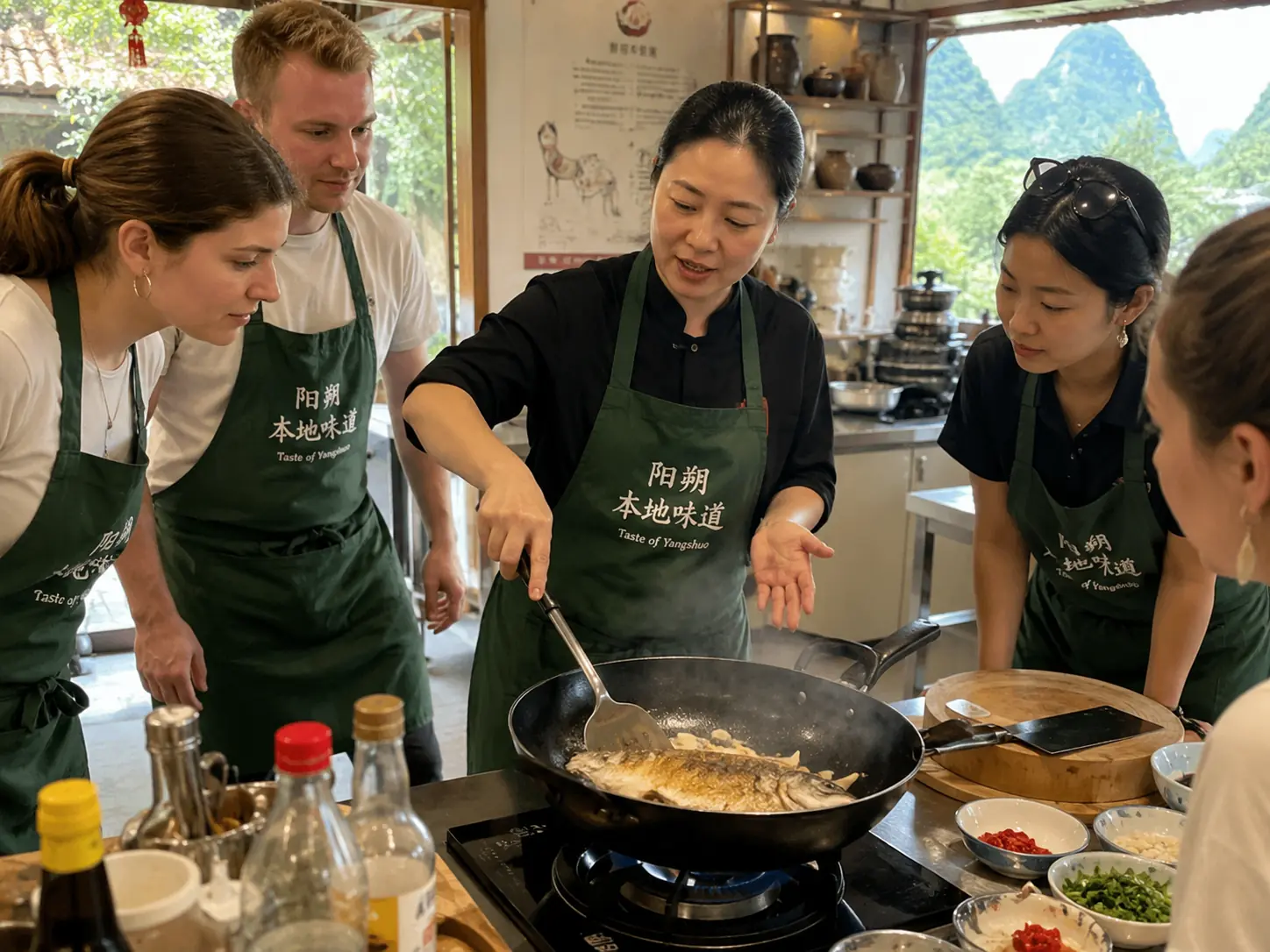
Searing is the section's visual anchor. Watch the fish touch the hot wok, then notice when beer, tomato, chili, ginger, and garlic enter. That order is what keeps beer fish from tasting boiled.
A useful teacher explains what color, aroma, sound, and texture tell you at each stage, so the lesson still works when you cook without the original recipe.
Searing before braising
Brown the fish first, then let beer, tomato, chili, and aromatics build the sauce around it.
Filling without bursting
Stuffed dishes reward restraint. The teacher should show how much filling tofu or peppers can hold and how to press it without tearing the carrier.
Oil control for eggplant
Learn when to add oil, when to lower the heat, and when the sauce should glaze rather than drown the vegetable.
Fast heat for greens
Use a hot pan, quick aromatics, salt, and a fast finish before the greens lose their bright market freshness.
If a class only says "add this, then add that" without explaining heat, sequence, and texture, it is closer to entertainment than instruction. That can still be fun, but it is not the same thing as a class you will remember when you cook at home.
How to Choose the Right Class
Start with format, not brand name. Yangshuo has town-based classes, countryside kitchens, and private or semi-private formats. The best choice depends on where you sleep, how much English support you need, and whether the market visit matters more than a scenic kitchen.
1 · Compare the class format
← swipe to compare all options →
Town-based class
Easiest logistics
- ✓Easy to fit into a short Yangshuo stay
- —Confirm whether the market walk still runs that day
- —Less countryside atmosphere than a farm kitchen
Best for West Street stays
Countryside kitchen
More atmospheric
- ✓Better farm-style feel, often with karst or river surroundings
- —Pickup and return details matter more
- —Can take longer than the headline class time
Best for slow food travelers
Private format
Most flexible
- ✓Makes vegetarian, low-spice, allergy, or child-related questions easier to discuss in advance
- —Usually costs more than a standard small-group class
- —Does not guarantee a controlled kitchen or prevent cross-contact
Useful for advance requests
Examples are reference points only. Availability, address, pickup, price, and menu can change. Confirm directly before paying.
2 · Cross-check current provider references
For booking channels, start with a platform page such as Trip.com's Yangshuo cooking class with local family(affiliate link · may earn commission, no extra cost), then compare it with a long-running review listing such as Cloud 9 Cooking School Yangshuo (Google | Amap), the Yangshuo Breeze Cooking School page, and a tour-company overview like China Odyssey's Yangshuo Cooking School guide. Use them to understand the market, not as proof that a specific date, menu, or pickup detail is available for you.
Use this as a reference point for the classic market-plus-class format, then confirm the actual date, menu, pickup, and meeting point directly.
This is the kind of local market setting you may see in some programs, but the exact market depends on the provider and the day.
Before you treat any option as "the one," send a short message and ask the same six questions. This keeps you from booking a class that sounds local but has lost the market visit, or a class that photographs well but gives students very little real cooking time.
3 · Verify the exact class you would receive
- Does the class include a guided market visit on my exact date?
- Which dishes are planned, and can beer fish or stuffed dishes be requested?
- Will each guest cook hands-on, or will some dishes be chef demonstrations?
- Is English instruction available throughout the market and kitchen segments?
- Can you handle vegetarian, no pork, low spice, nut, sesame, soy, fish, shellfish, or egg restrictions?
- Where exactly do we meet, where does the class end, and is pickup included?
Use the Guilin and Yangshuo overview to decide what else belongs in the day before combining a market class with cycling, rafting, or a Li River transfer.
Booking, Budget and Best Daily Timing
Planning scan
Budget, published timing, and the best daily fit
Budget as a range
Plan in the low hundreds of yuan per person. Yangshuo Breeze currently publishes CNY 200 per person; other provider and platform totals vary.
Published schedule examples
Yangshuo Breeze lists hotel pickup around 09:30 and 15:00. A Cloud 9 third-party listing snapshot checked on 2026-07-23 showed 09:30-12:30 and 15:30-18:30; treat those as dated references, not a standing official timetable.
Morning or afternoon
Morning usually means a livelier market, easier summer weather, and lunch afterward. Afternoon can suit a Guilin arrival, a light morning ride, or an indoor break after the hottest hours.
Treat every figure as a date-specific reference. Confirm the exact total, start and finish times, pickup area, return point, and cancellation terms before paying.
- Ask for the real start time, finish time, pickup area, and return point.
- Confirm the current per-person total and what that price includes.
- Allow for transfer time beyond the headline class duration.
- Pay the school or booking platform directly and keep their cancellation terms.
What a Good Class Should Teach
A strong Yangshuo cooking class should send you away with judgment, not just recipes. By the end, you should understand a few local ideas well enough to recognize them again in restaurants.
- Beer fish depends on firm fish, a first sear, tomatoes, beer, aromatics, and stopping before the sauce turns muddy.
- Stuffed dishes (酿菜) are a technique, not one recipe: tofu, peppers, eggplant, pumpkin flowers, and snails can all become carriers.
- Yangshuo home-style flavor often uses freshness, garlic, ginger, tomato, chili, herbs, and texture instead of heavy bottled sauces.
- Market quality changes the dish. The best ingredient is not always the most expensive one; it is the one that suits today's menu.
- A simple vegetable dish is a skill test: speed, heat, salt, and timing matter more than a complicated sauce.
What to Bring Home From Class
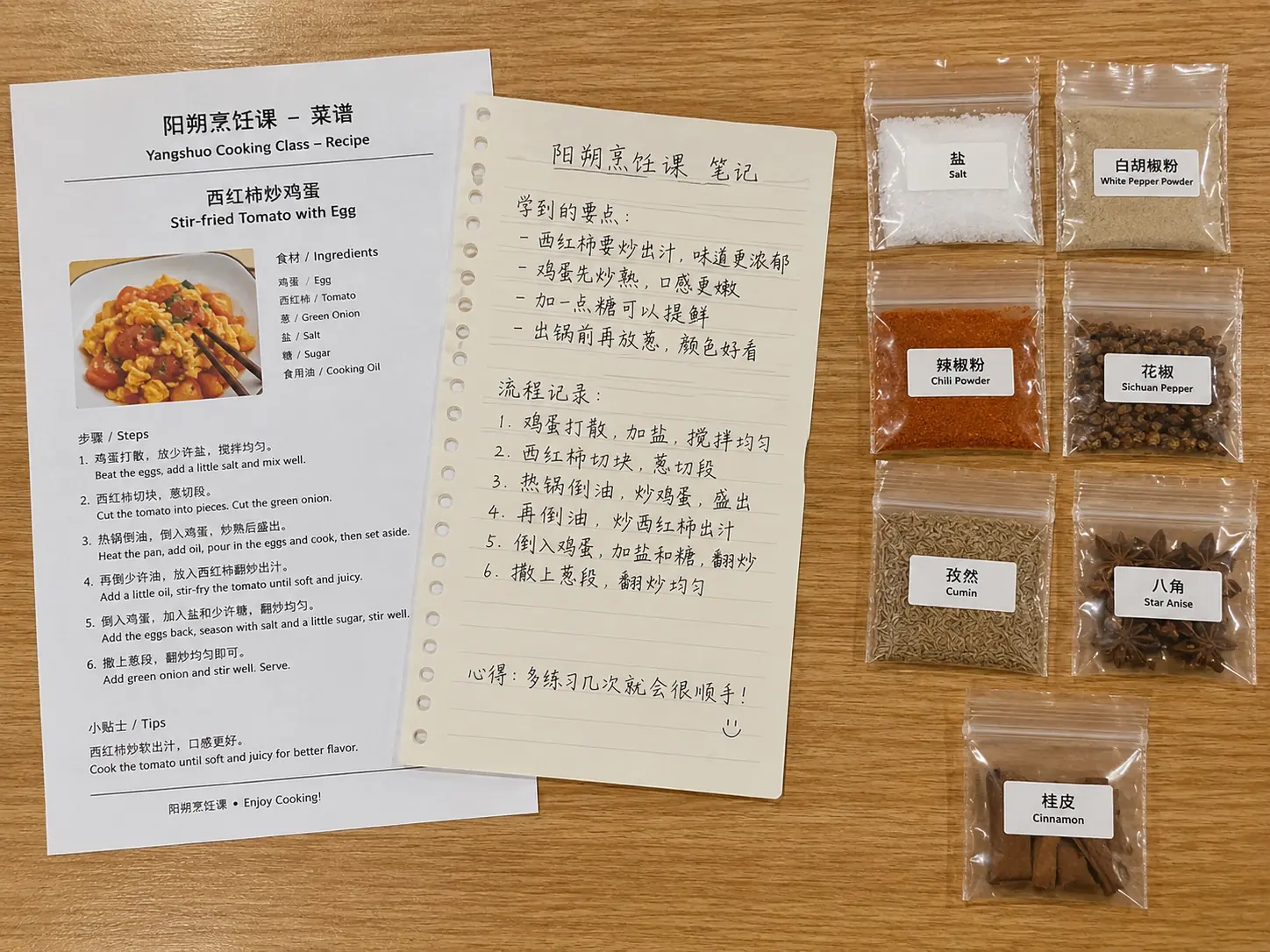
Do not turn the class into a shopping mission. The best souvenir is often a working memory: how beer fish smells after the first sear, how full a stuffed pepper should be, or how fast greens collapse once they hit a hot wok.
Three useful takeaways
Recipe logic
Note when to sear, add aromatics, add liquid, and stop. Sequence is more useful than a perfect ingredient list.
Substitution ideas
Ask what replaces Li River fish, local tofu, pumpkin flowers, or specific greens with ingredients you can buy at home.
Safe souvenirs
Dry spices and packaged sauces travel more easily than wet, oily, homemade, or unlabeled foods. Check airline and home-country food rules before packing anything edible.
Comfort, Allergies and Market Reality Notes
Market comfort
Yangshuo markets are working markets, not staged photo rooms. Live fish, meat counters, snails, offal, wet floors, loud chopping, and strong smells can be normal. Many travelers find this fascinating; others find it uncomfortable.
Children need a slower format
Ask about age limits, knives, open flame, hot oil, and whether children cook or mainly assist. A smaller class and shorter menu are usually easier than a long multi-dish session.
Severe allergies need direct kitchen confirmation
Fish, pork, chicken, eggs, peanuts, sesame, soy sauce, wheat, shellfish or snails, chili, and shared equipment are common concerns. A private format may make advance communication easier, but it does not guarantee a controlled kitchen or prevent cross-contact. Confirm ingredients, sauces, preparation surfaces, and the provider's actual process before paying; skip the class if that process does not meet your needs.
Both reactions to a working market are normal. Choose the class that clearly explains its market visit, English support, hands-on time, dietary handling, and pickup plan, rather than the one advertising the longest dish list.
Pair It With a Yangshuo Day
This experience works best as one half-day building block. Do not force it into the same day as every other Yangshuo activity.
Use the class as your main daytime activity, then keep the evening loose around West Street or a quiet dinner.
Ride a short morning loop, rest and shower, then cook in the afternoon. Avoid a long Baisha-to-Moon-Hill loop before kitchen time.
Li River arrival day
A post-cruise afternoon class can work, but only if luggage, hotel check-in, and transfer time are not tight.
Cooking before Impression Liu Sanjie is possible, but confirm the finish time and theater transport before committing.

Use the meal as the soft ending of a half day, not a checkpoint before another rushed transfer. The class works best when you still have enough appetite and energy to enjoy the food you just cooked.
If you stay near the Yulong River (遇龙河), a countryside kitchen may feel natural. Near West Street, prioritize easy pickup and a clear return plan. Yangshuo's real challenge is leaving enough space for the good activities to stay enjoyable.
Frequently Asked Questions
Yes for most food-focused travelers, especially if the class includes a local market visit and real hands-on cooking. It is less worthwhile if you dislike wet markets, have very strict allergy needs, or only have one rushed evening in Yangshuo.
Sources checked for this guide
- Checked the current direct-provider page for the Baisha market visit, small-group hands-on format, five dishes, hotel pickup, English instruction, individual wok setup, recipes, published CNY 200 price, and 09:30/15:00 pickup references: Yangshuo Breeze Cooking School — current class page
- Cross-checked the market-first hands-on format and five-dish sample menu, including beer fish, stuffed vegetables, eggplant, and garlic greens: China Odyssey Tours — Yangshuo Cooking School overview
- Cross-checked a four-hour market-tour pattern, approximately five dishes, and a dated price reference; current provider details still require direct confirmation: VisitGuilin — Cooking Schools
- Checked background descriptions of Yangshuo beer fish and local stuffed dishes without treating the page as a current class offer: TravelChinaGuide — Yangshuo dining background
- Checked Guilin and Yangshuo local-food background without treating it as a provider timetable or price source: GuilinChina — local food guide
- Cross-checked a current platform snapshot for a local-family class, market visit, hands-on cooking, English option, duration, and volatile cancellation details: Trip.com — Yangshuo cooking class product
Beyond This Guide
A Yangshuo cooking class is best when it supports the rest of your trip instead of competing with it. Put outdoor scenery in the best weather window, leave the market and kitchen a full half day, and keep enough space afterward to enjoy the meal you just cooked. Compare class formats against your dates, pace, and dietary needs before choosing one.
© gochinafreely.com — Original guide by Go China Freely.